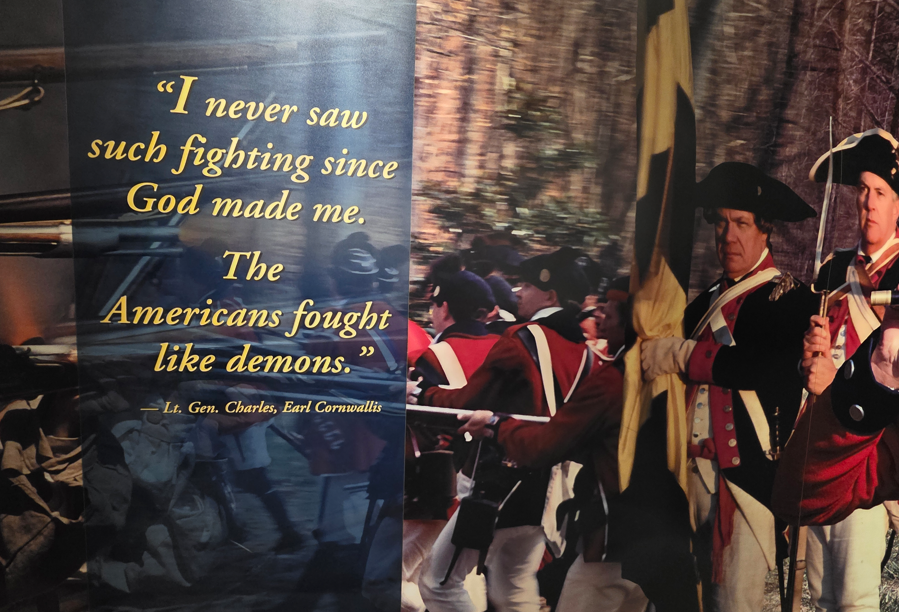
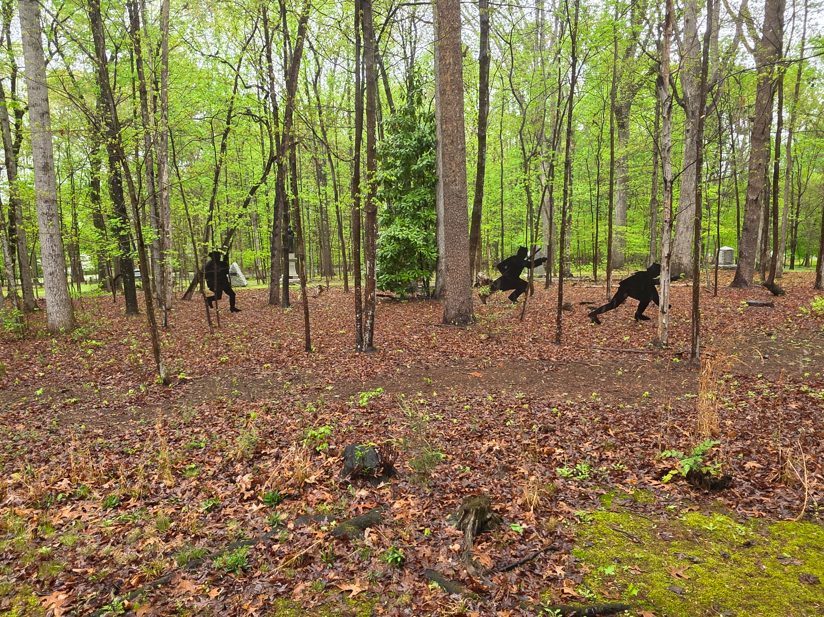
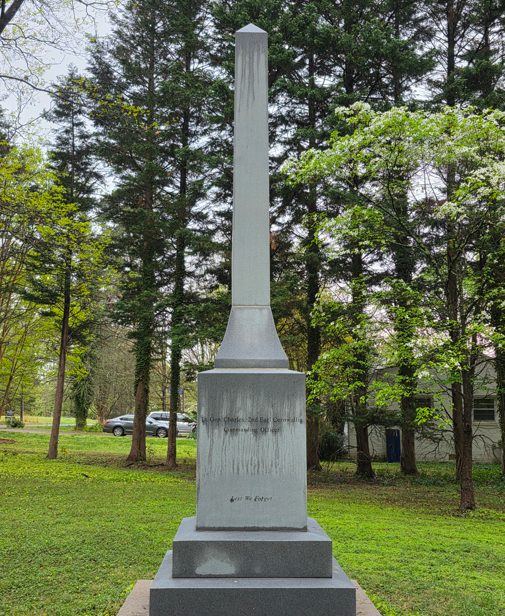
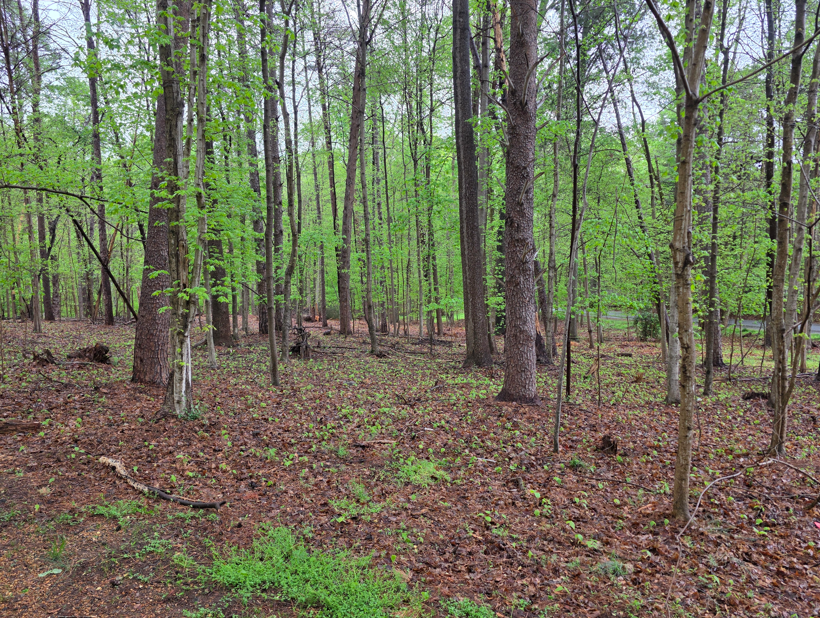
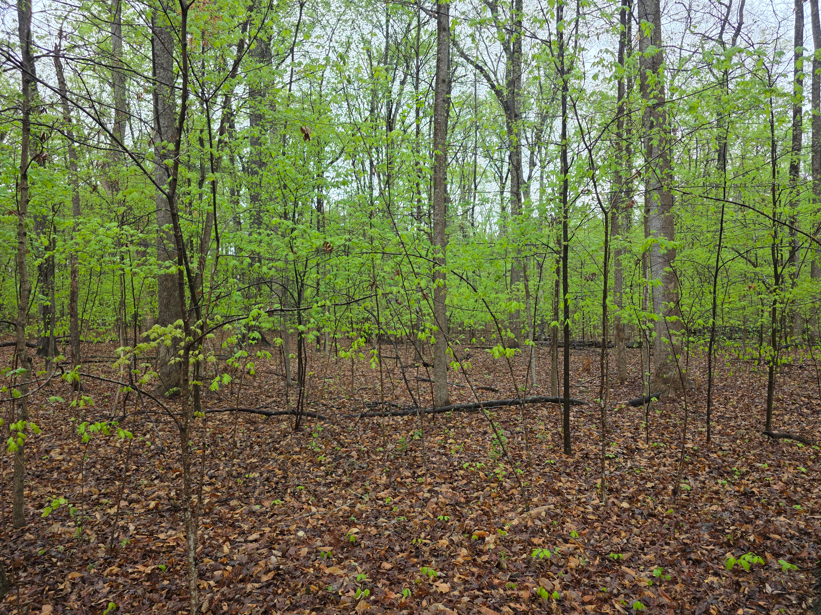
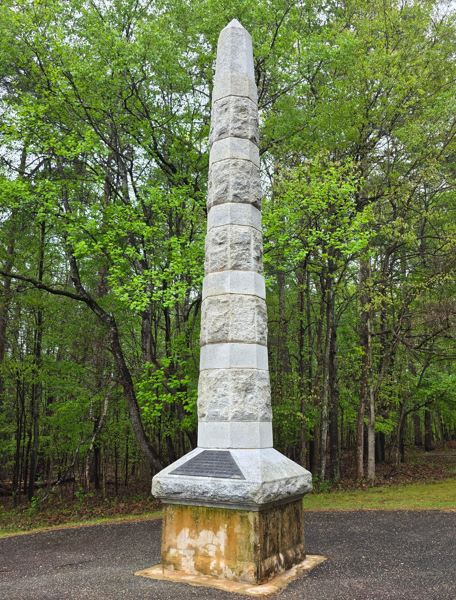
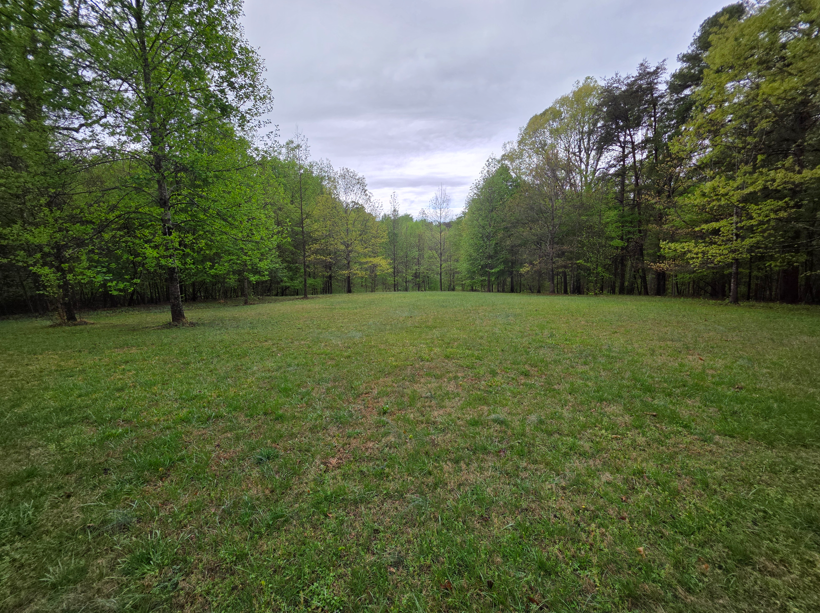
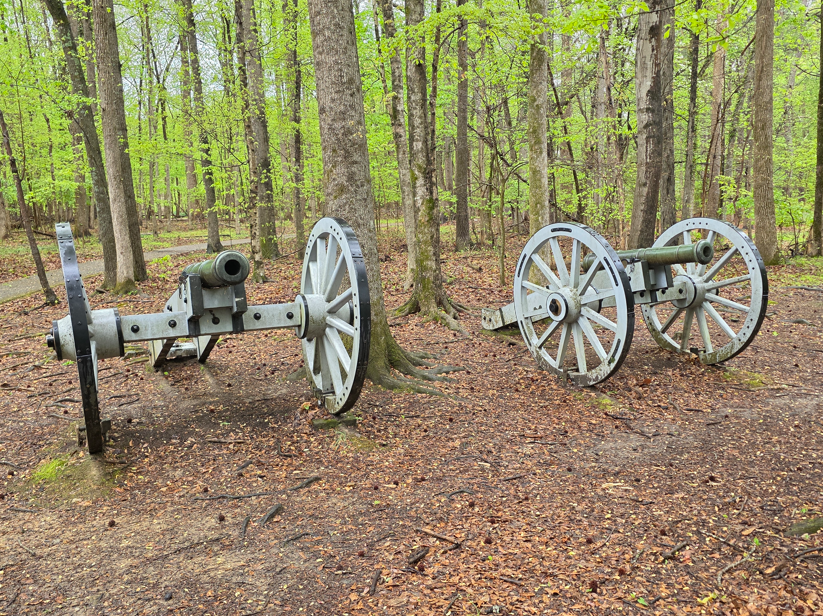
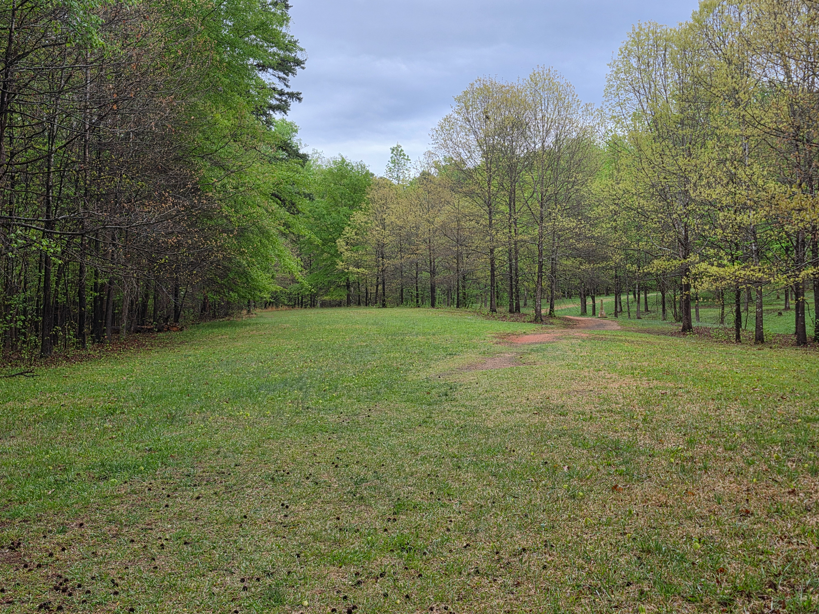
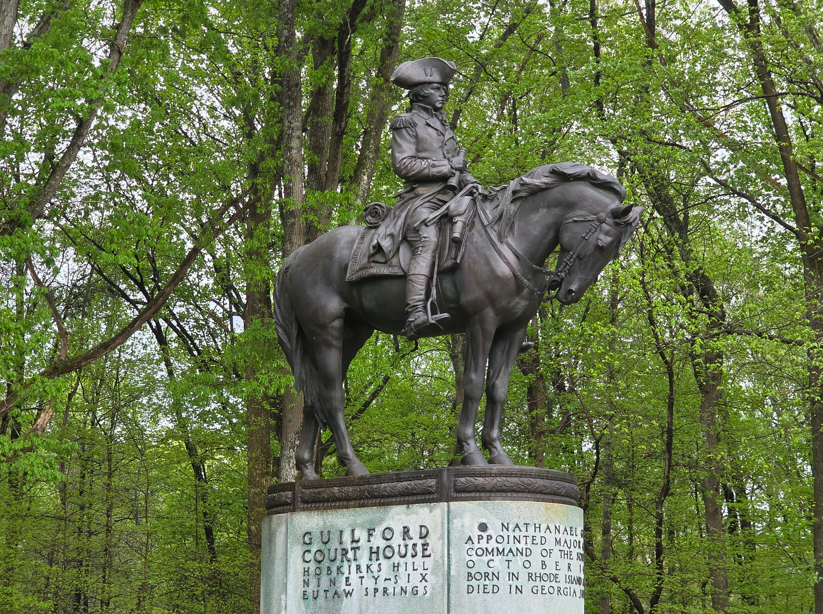
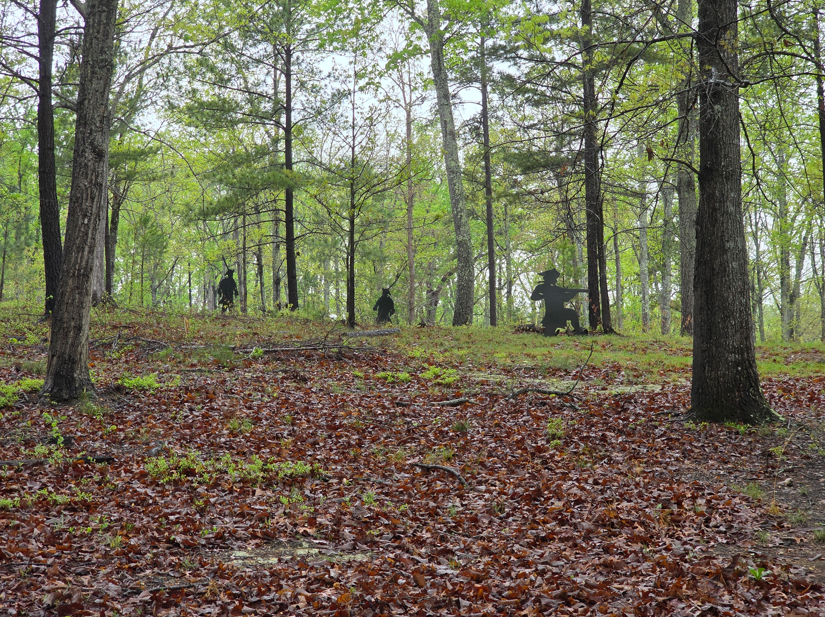
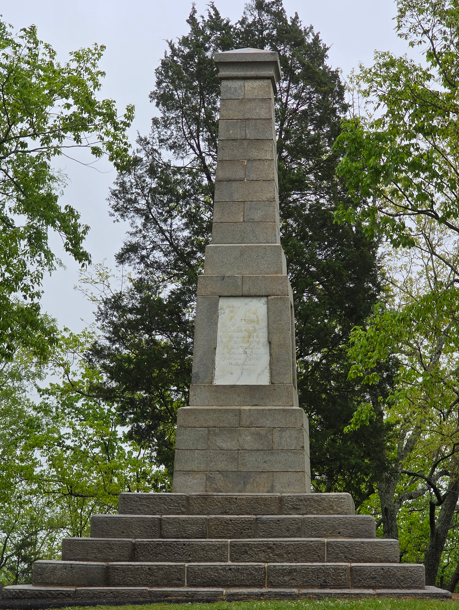
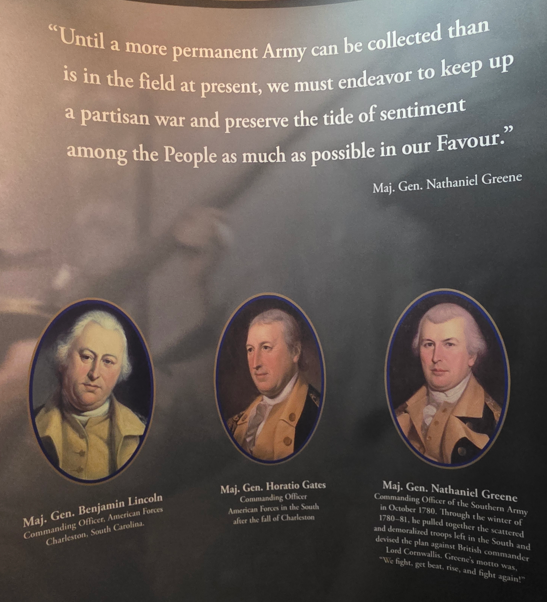
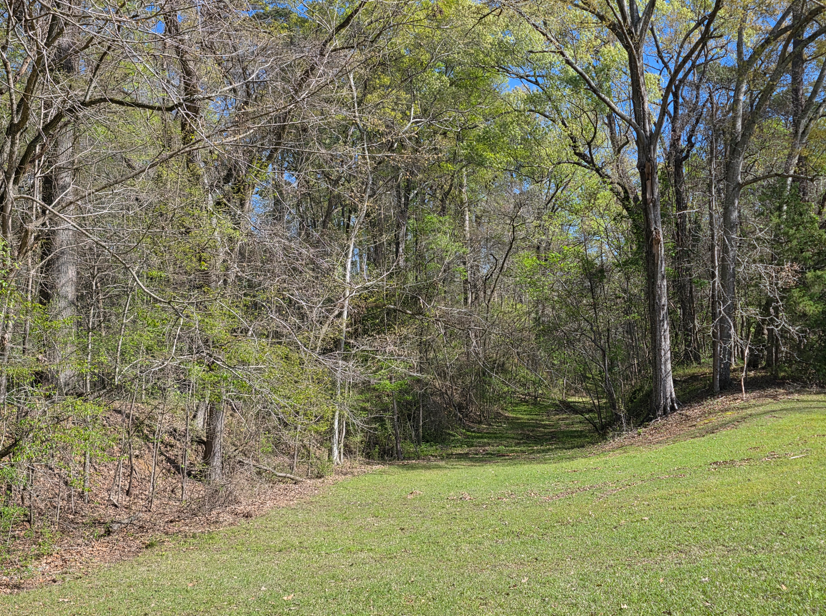
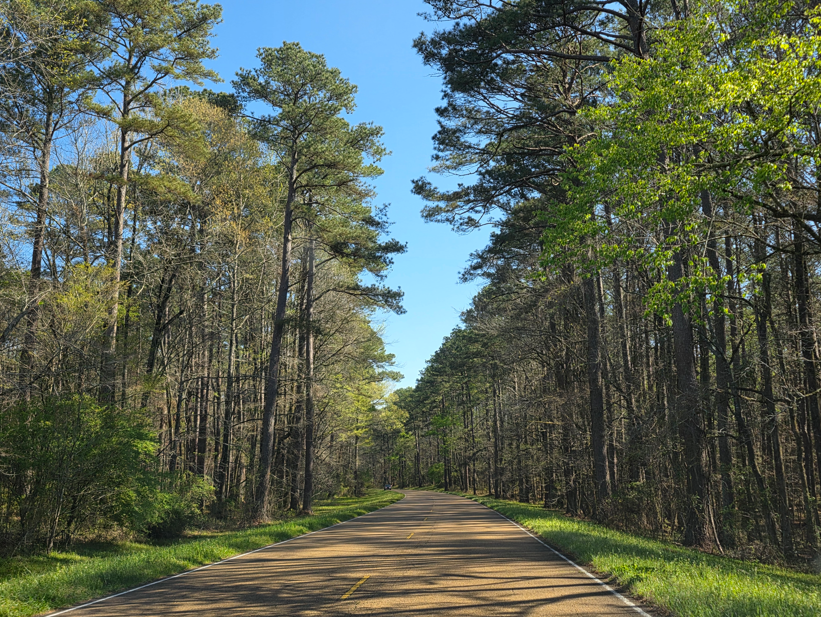
March 15, 1781. A rebel army of 4,400 Americans led by Major General Nathanael Greene made its stand here to contest the invasion of North Carolina by a veteran force of 1,900 British soldiers commanded by Lt. General Charles, Earl Cornwallis.The Battle of Guilford Courthouse marked the limit of British occupation in the South during the Revolutionary War. It also left Lord Cornwallis’ army in tatters. As the British columns limped eastward to gather supplies and reinforcements, General Greene’s forces would march south to overrun the last remaining outposts of King George III. Only seven months after winning the Battle of Guilford Courthouse, besieged on land and sea by French and American forces, Cornwallis would surrender his army at Yorktown. This battle signified the beginning of the end of the Revolutionary War.Monument to General Cornwallis.General Greene split his forces into three lines, each one to progressively weaken the British forces.The first line was manned by Lt. Colonel Henry Lee. Lee’s orders were to withdraw to the second line when the first line gave way. But the thick woods and chaos of battle disoriented Lee’s men and the veered southeast and missed the left flank of the second line. This confusion had serious consequences for both armies. A large contingent of British and Hessians split off from the main British advance and pursued Lee’s Legion in a separate running battle, which fragmented the British attack, and both sides’ battle plans unraveled.This monument is dedicated to Peter Francisco, who according to legend, “slew in this engagement eleven of the enemy with his own broad sword rendering himself thereby perhaps the most famous private soldier of the Revolutionary War.The second line, with the Virginia militia, opened their ranks for the retreating North Carolinians from the first line. The Virginia militia faced 800 British infantry. The second line was posted in the woods, a strong position along the high ground. Firing from behind think trunks in the forest, they exchanged heavy fire with the advancing British infantry. The redcoats suffered heavy losses, but they were able to break through this line toward the third line.The third line was the day’s most contested ground. Here were the Patriots’ most seasoned troops, the Maryland and Delaware Continentals. The Patriots held the high ground, forcing the British to climb out of the creek valley into the fighting. With the British Guard advancing, this was the day’s fiercest fighting. As the British overwhelmed the left and the right, General Greene directed an orderly retreat.As the Americans withdrew from the field they lost all four of their cannons to the British. Mostly ineffective in the heavily wooded terrain, they were devastating to enemy troops crossing cleared ground.A British battalion swept across this ground from right to left. By this point the British have momentum but their ranks had been thinned.Statue of Major General Nathanael Greene. This is a very impressive statue.
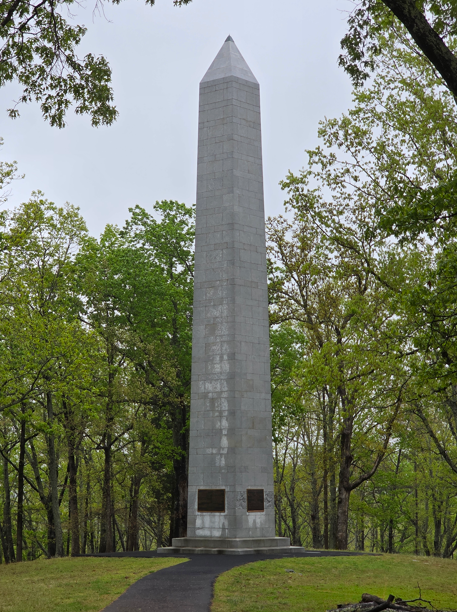
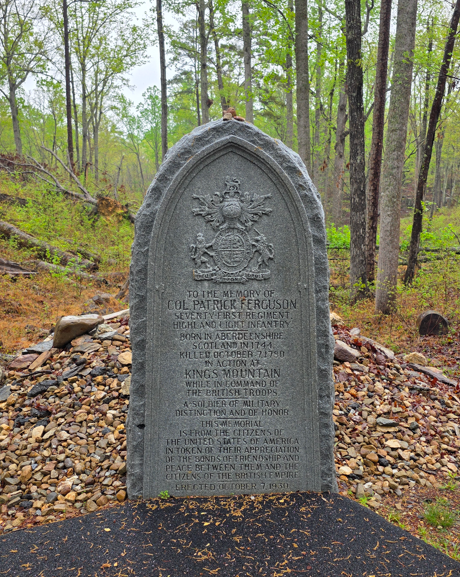
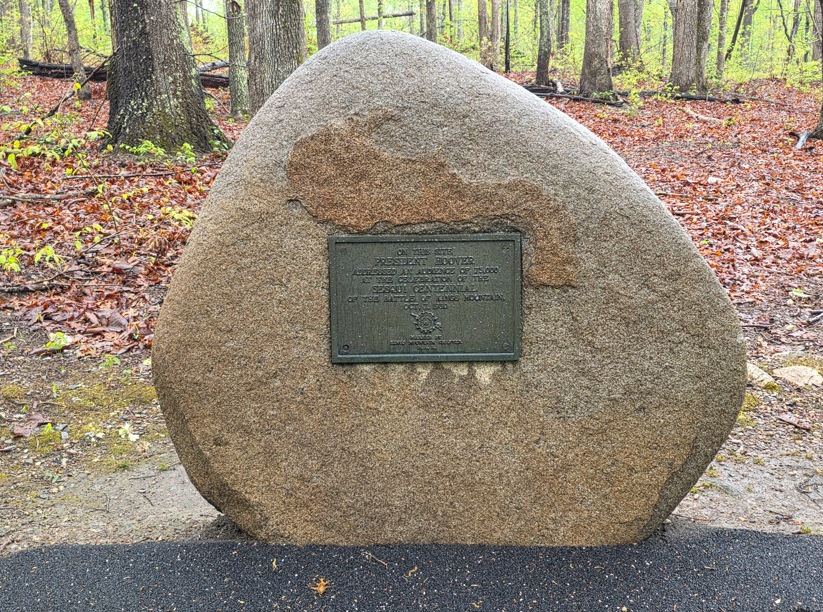
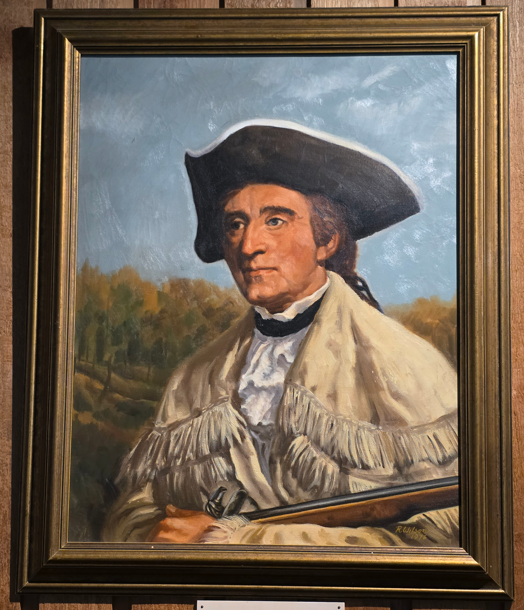
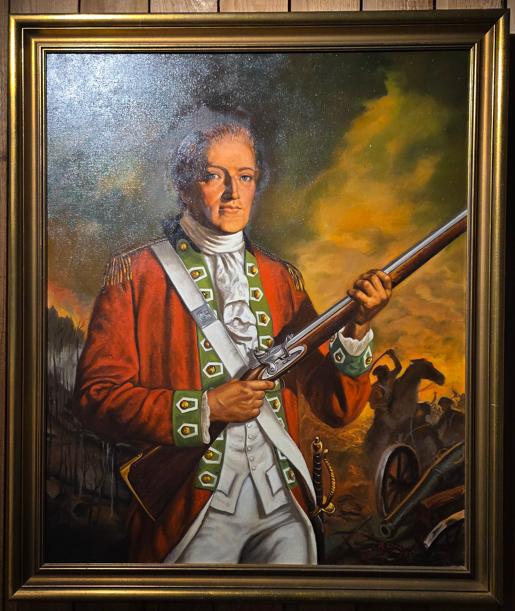
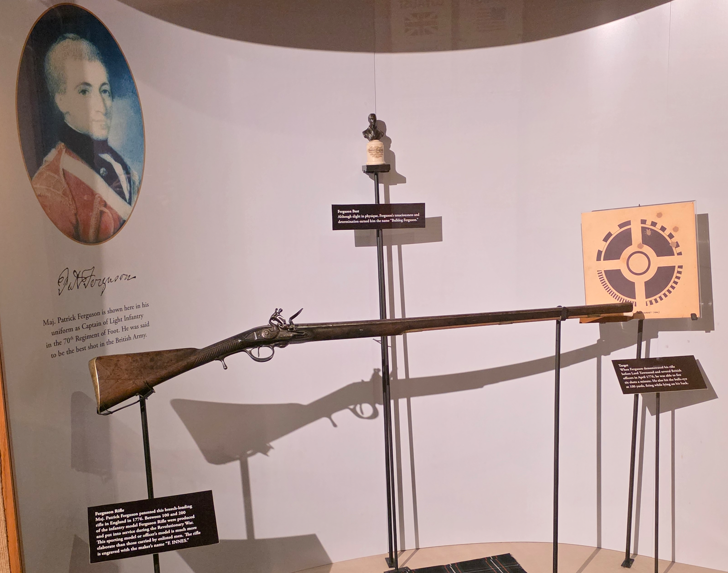
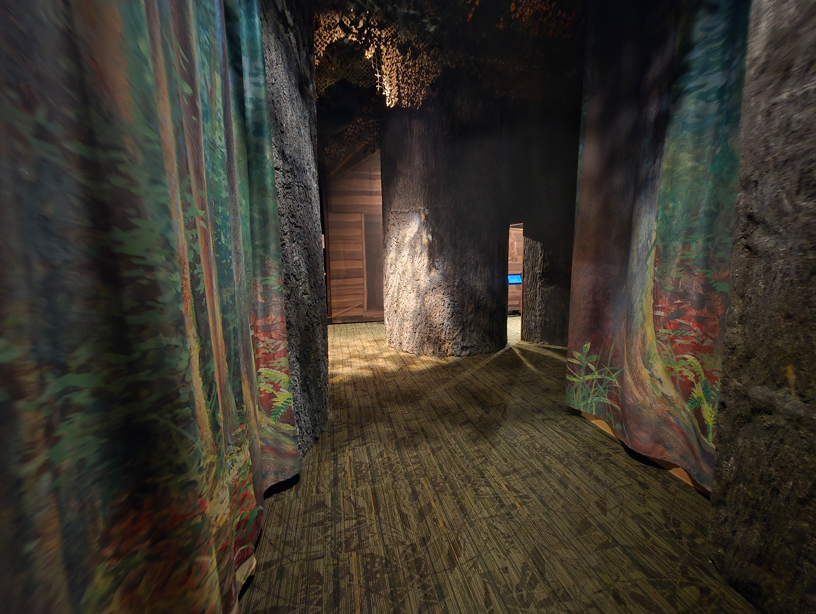
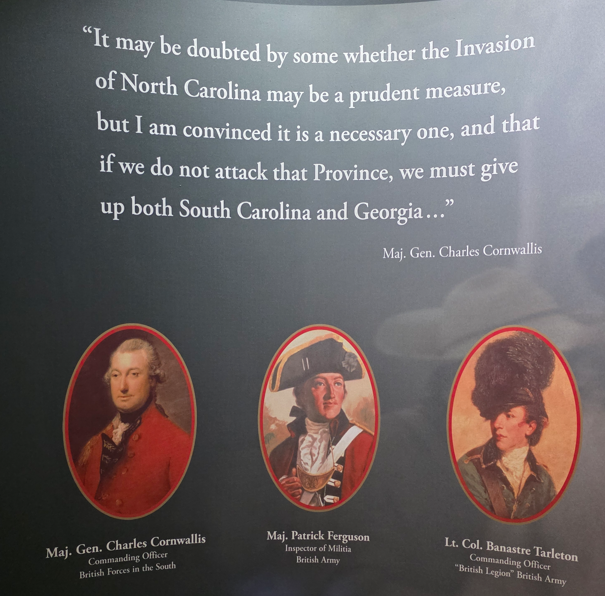
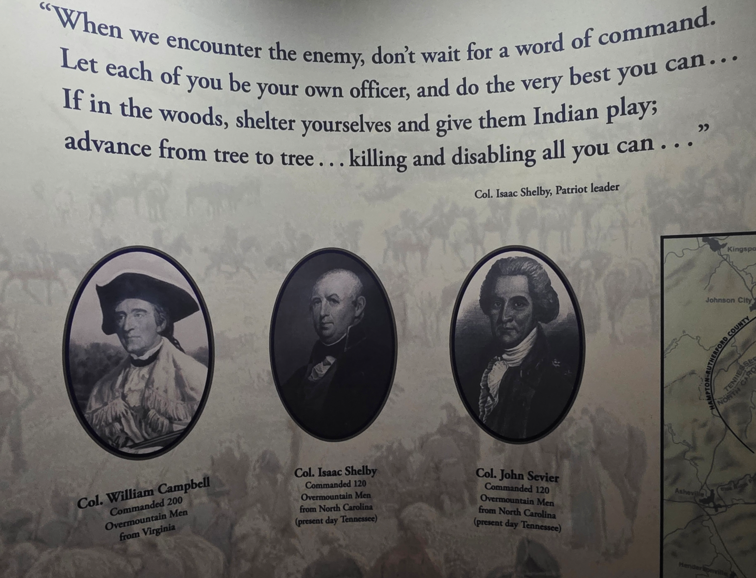
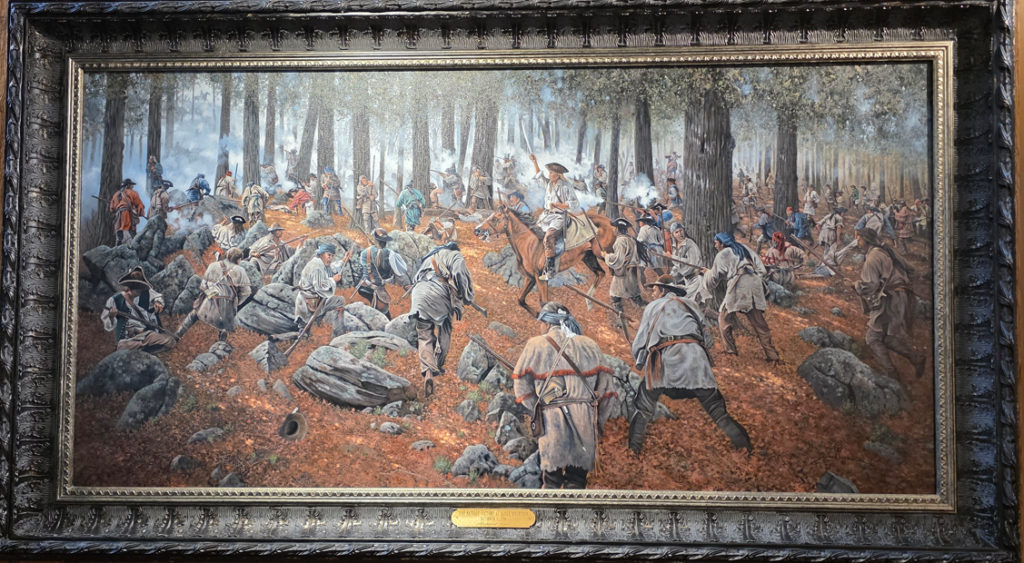
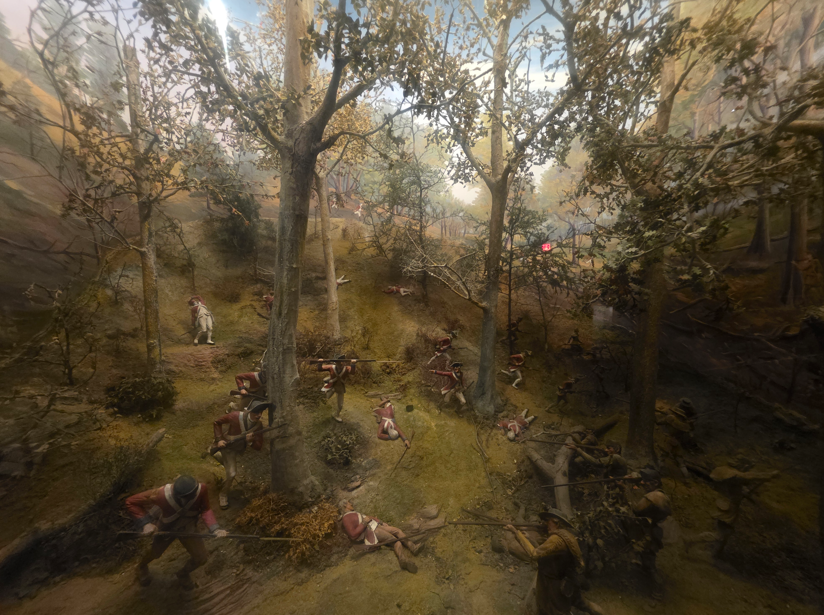
October 7, 1780. A battalion of loyal Americans stood battle-ready on the spine of Kings Mountain. Lord Cornwallis’ powerful army had ground its way north from Charleston with an unbroken string of victories. Here, they were primed to finish off the rebels gathering below the mountain.The Patriots who formed battle lines at the foot of the hillside were local boys who know the mountain well.The ground was soggy from a hard morning rain. The North Carolinians left their horses a half mile away, so they had to slog across swampy ground to reach this slope.Isaac Shelby, Patriot leader from Tennessee told his men “When we encounter the enemy, don’t wait for a word of command. Let each of you be your own officer, and do the very best you can. If in the woods, shelter yourselves and give them the Indian play, and advance from tree to tree, and killing and disabling all you can.Everyone know Colonel Sevier’s rugged frontiersman for their long-rifle markmanship and their touchy eagerness for a brawl. But no experienced military man expected men armed only with hunting weapons to be able to face and defeat real soldiers trained to use the bayonet.This ridge was craggy and rough, covered with flame and smoke, where Campbell’s Virginia regiment’s assignment was to lead the first strike against the Tories. Some Patriots stood their ground and were run through, most broke and ran. William Campbell stood halfway between the enemy and his own men, now on the run. He shouted “Halt! Return my brave fellows, and you will drive the enemy immediately!” The Virginians turned about and rallied to attack again.In Memory of the patriotic Americans who participated in the Battle of Kings Mountain. This monument is erected by their grateful Descendants.To commemorate the victory of King’s Mountain October 7, 1780 Erected by the government of the United States to the establishment of which the heroism and patriotism of those who participated in this battle so largely contributedMarker memorializing Patrick Ferguson, killed at King’s Mountain. British commander at King’s Mountain, Colonel Ferguson was well liked and esteemed by Cornwallis, who commanded the British in the Southern Theater. Even though a deadly rifle shot himself, Ferguson underestimated the capabilities of the Patriot’s rifle at King’s Mountain.On this site President Hoover addressed an audience of 75,000 at the celebration of the sesquicentennial of the Battle of Kings Mountain October 7, 1930.Colonel William Campbell of VirginiaPatrick FergusonMajor Patrick Ferguson patented this breech-loading rifle in England in 1776. Between 100 and 200 of the infantry model Ferguson Rifle were produced and put into service during the Revolutionary War.The museum portrayed the back country of North Carolina.The Patriot Victory at King’s Mountain October 7, 1780, by Richard Luce.Diorama of the battle.
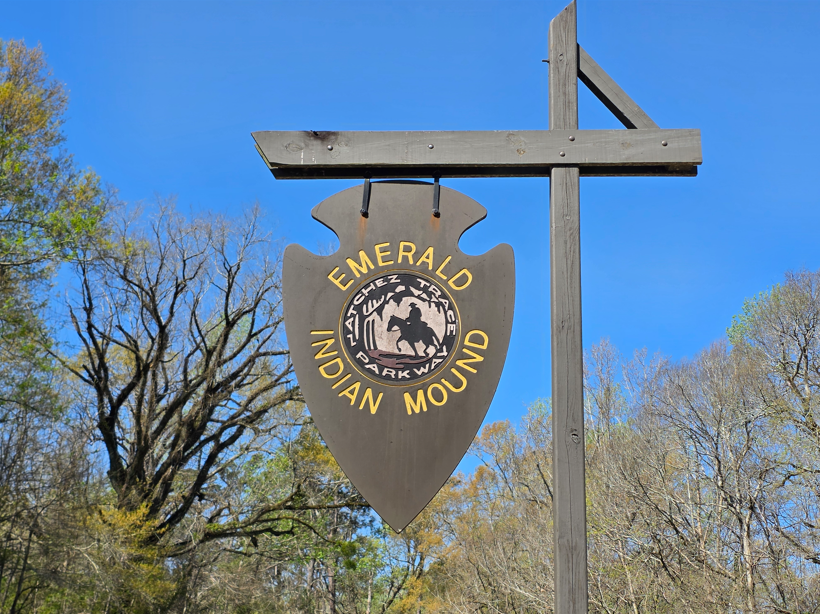
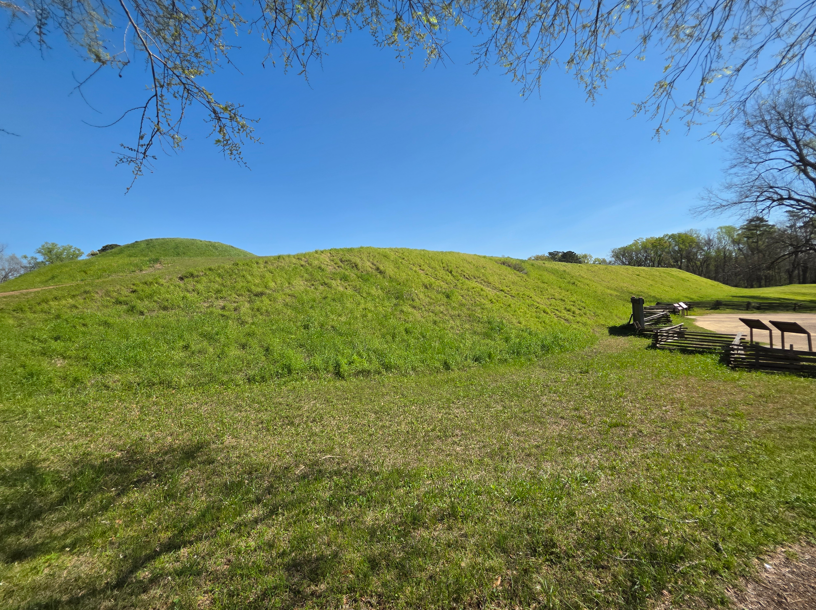
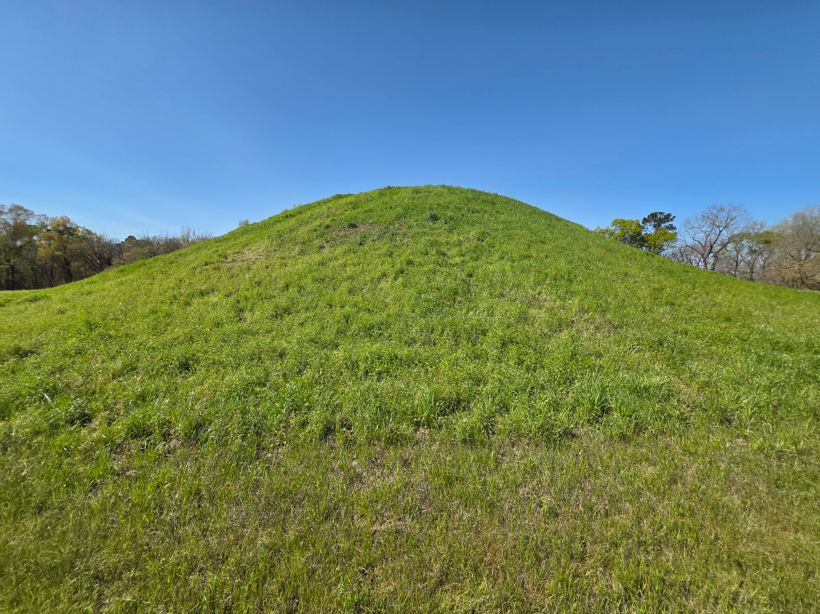
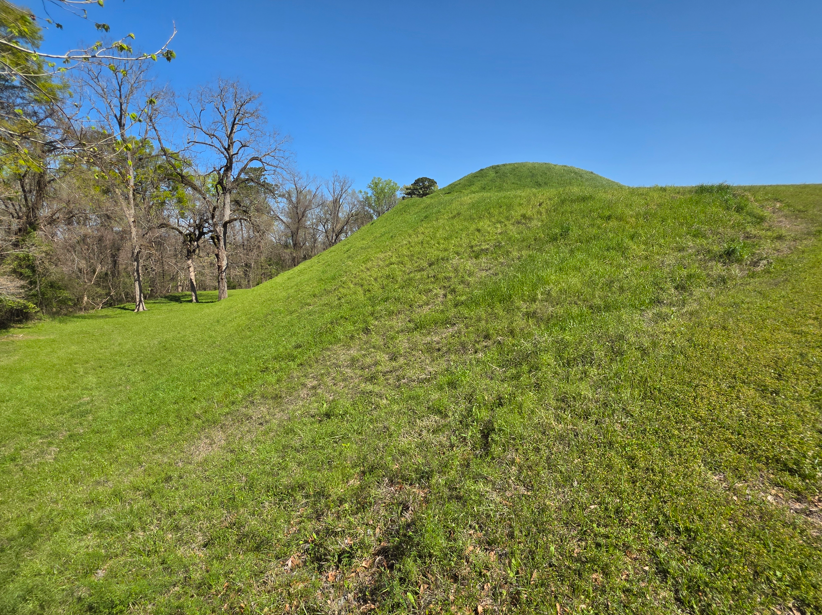
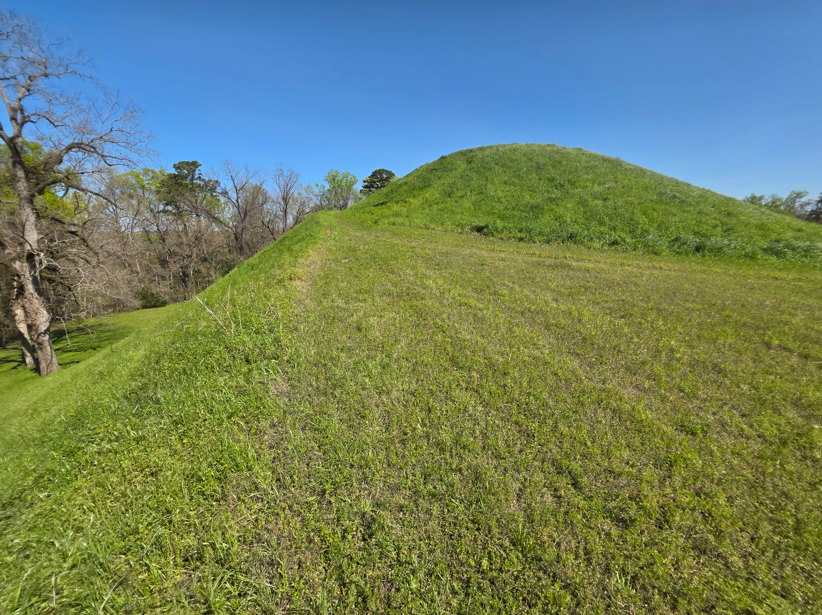
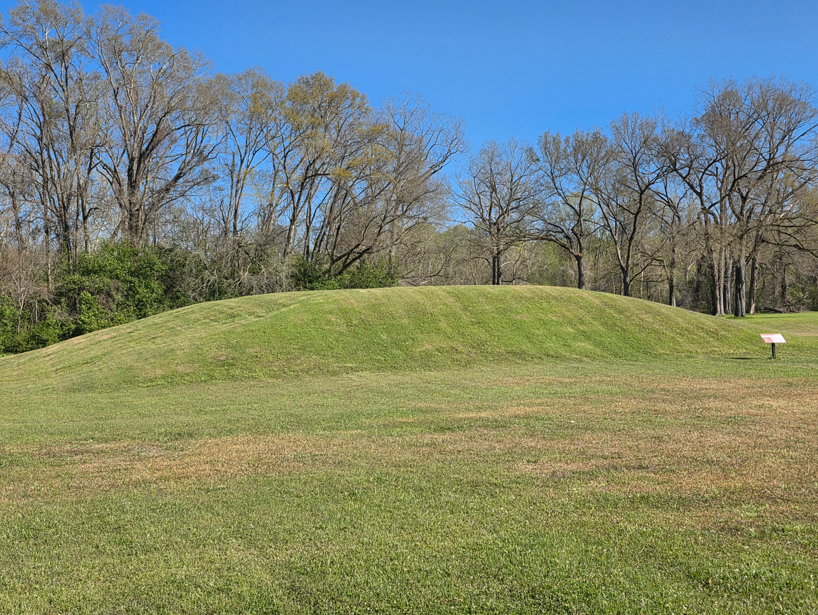
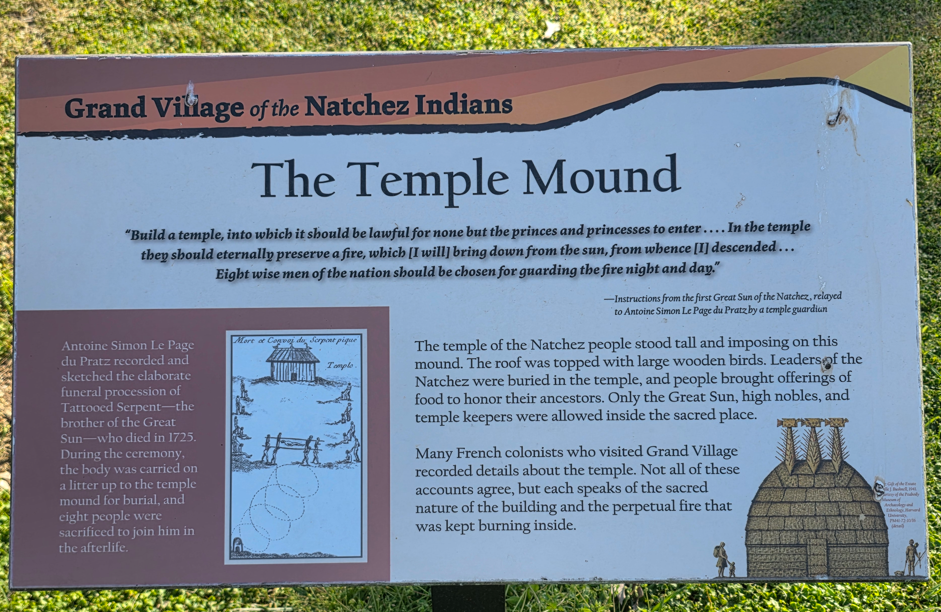
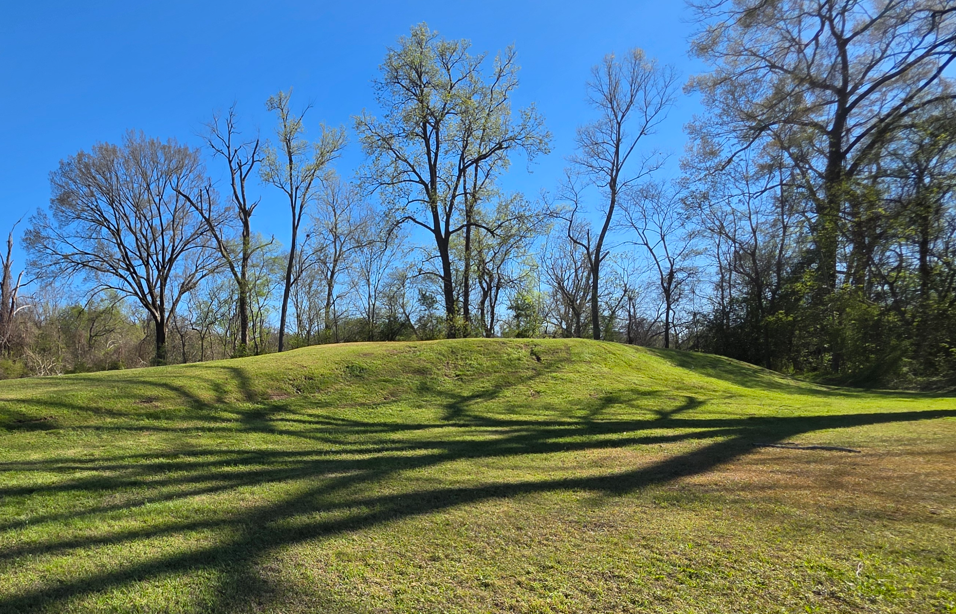
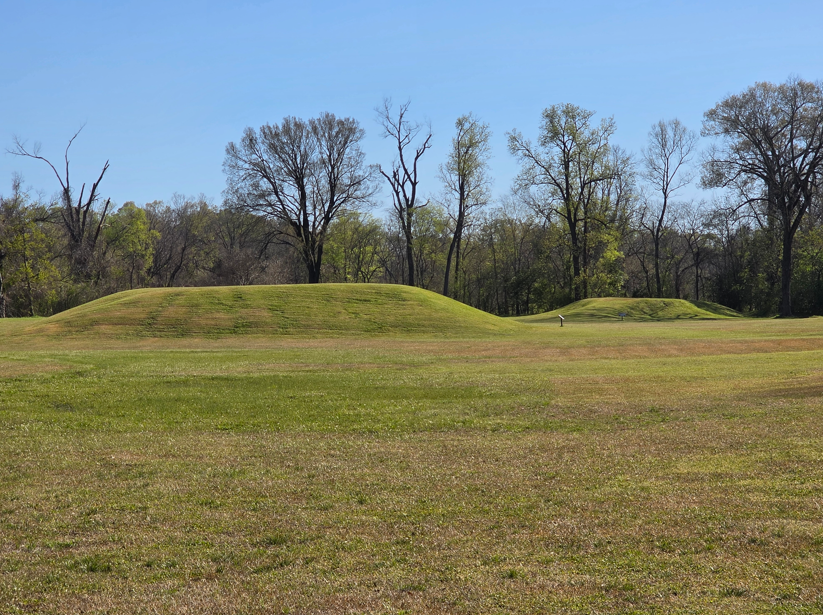
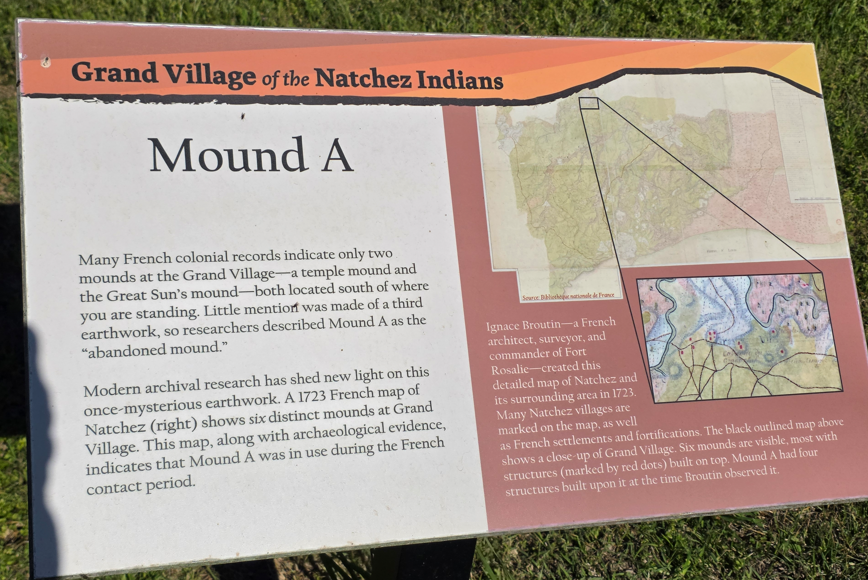
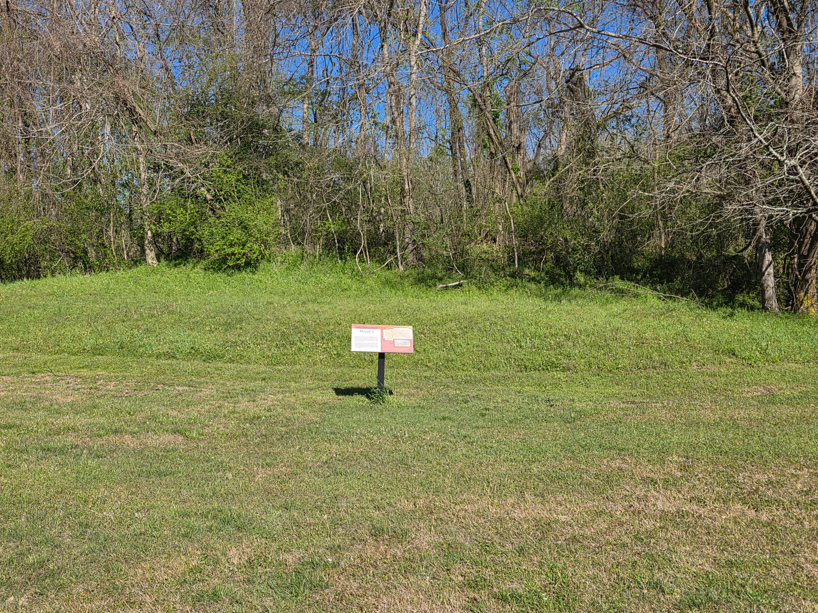
This is a 30 foot secondary mound on which once stood a temple containing sacred Indian images. At least two small mounds stood along the north and south sides of the primary platform. These mounds may have supported structures of wood plastered with clay.