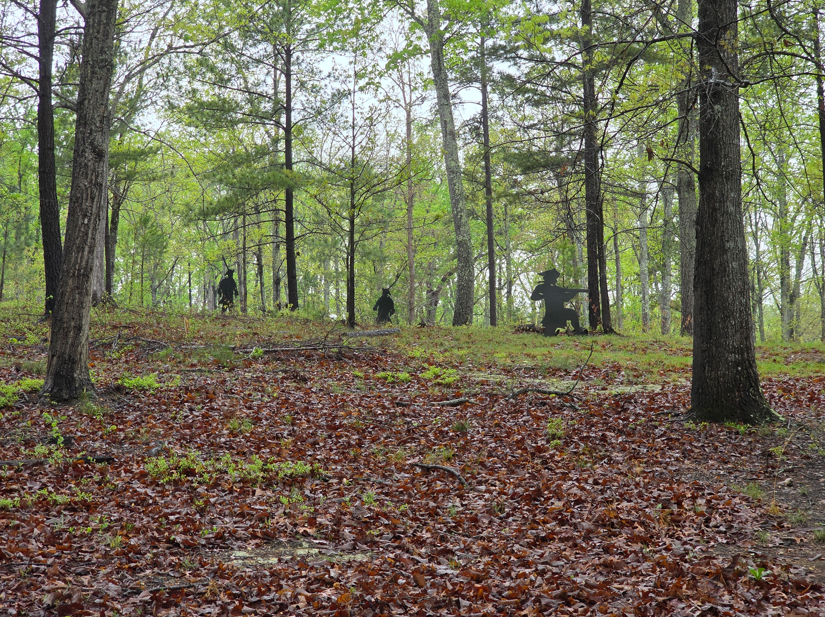
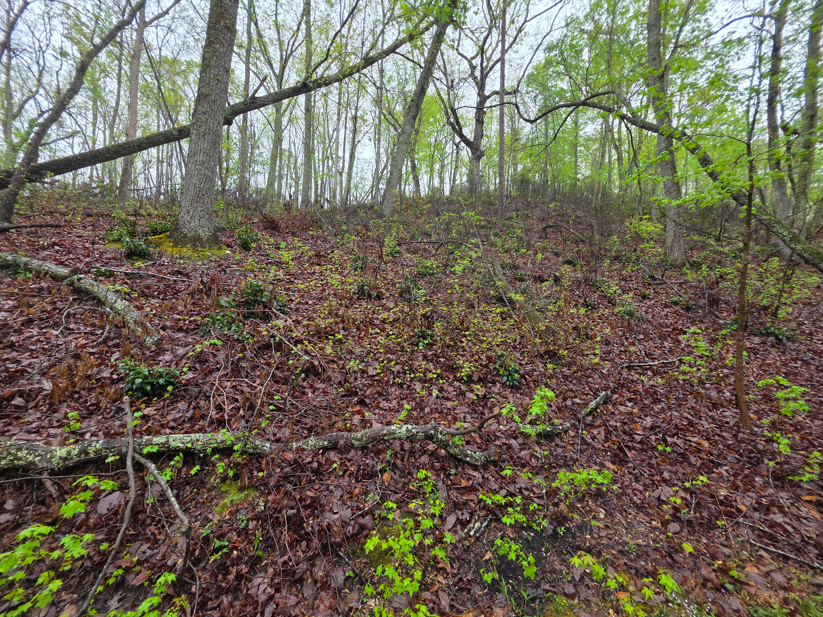
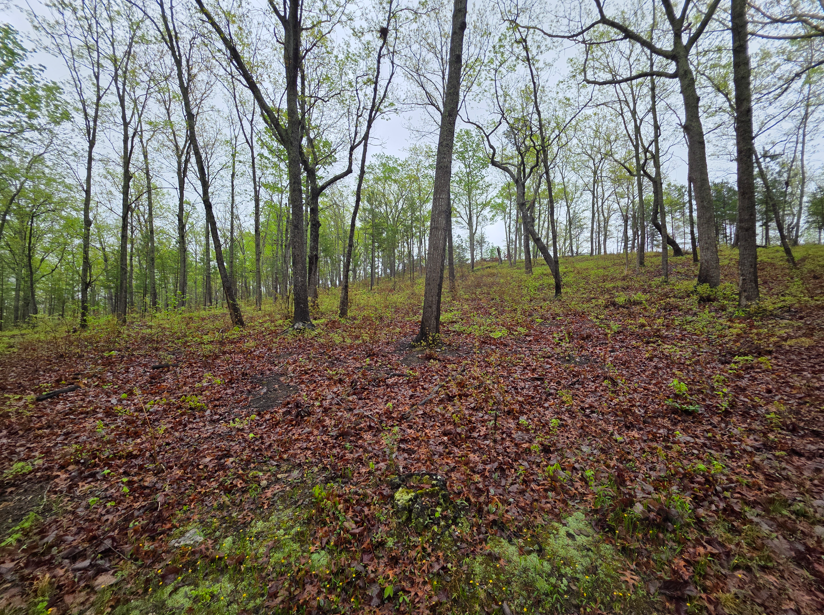
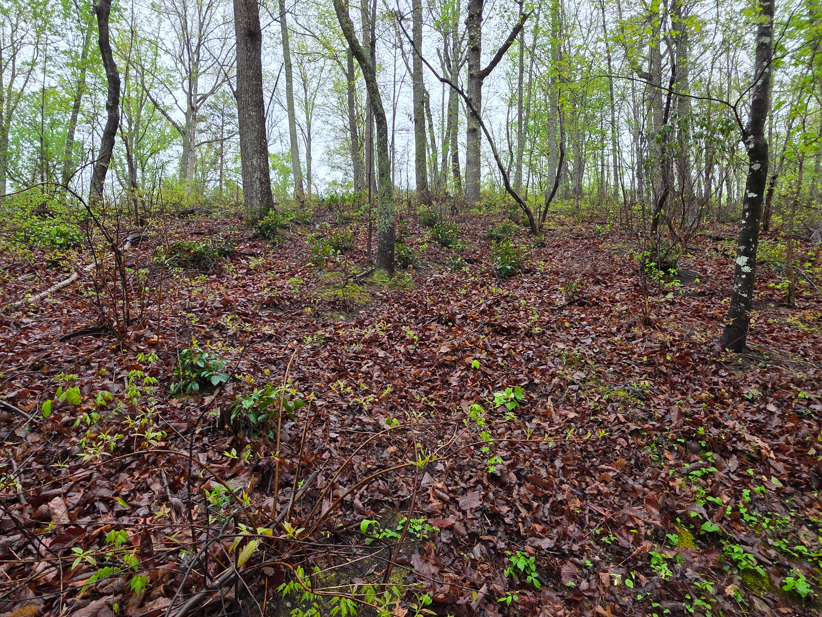
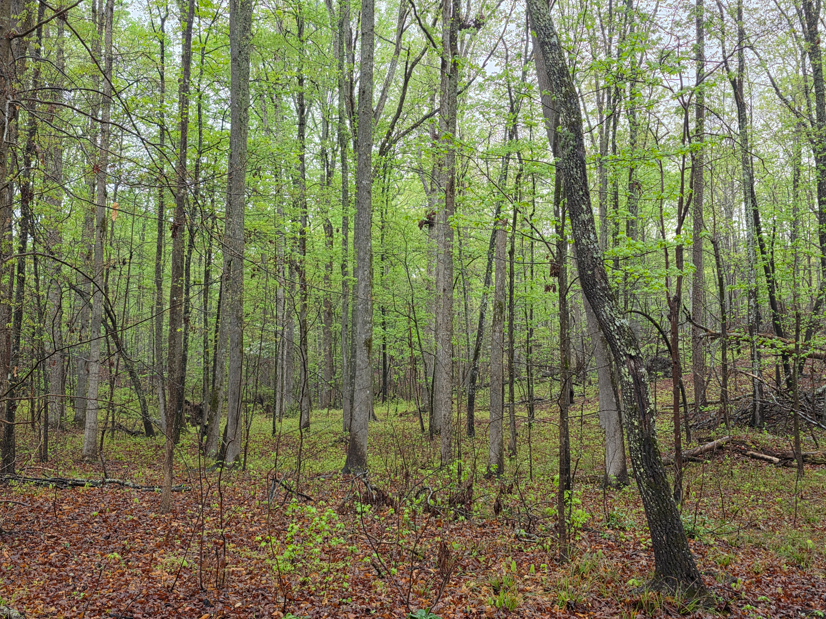
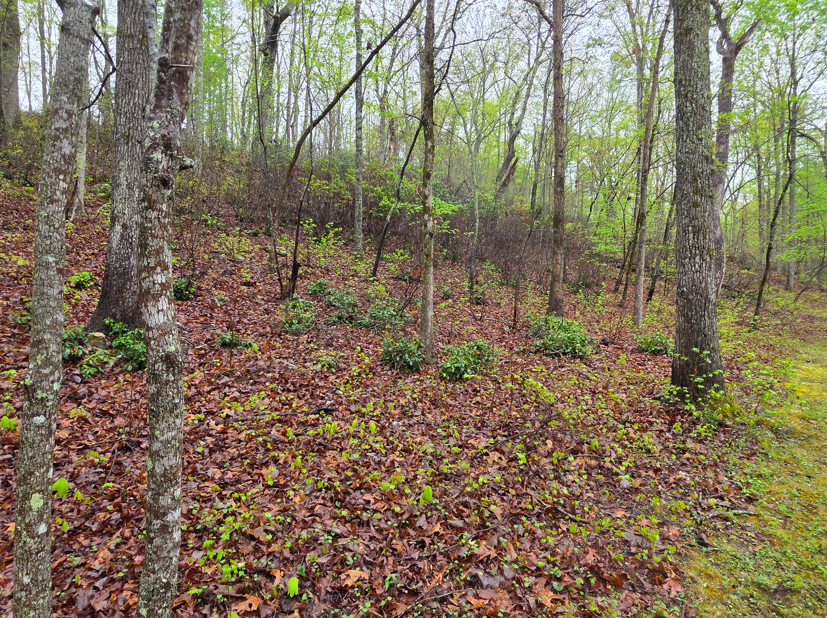
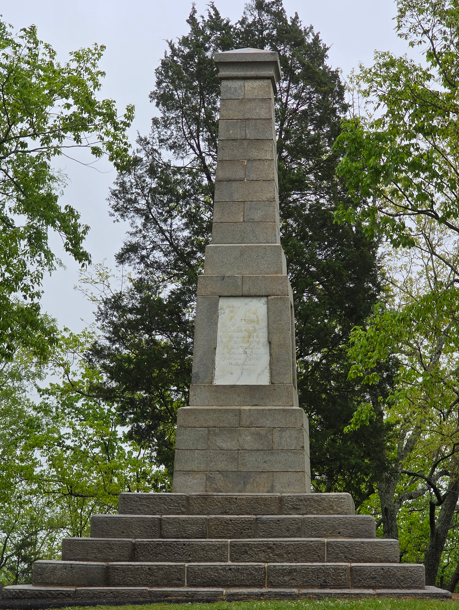
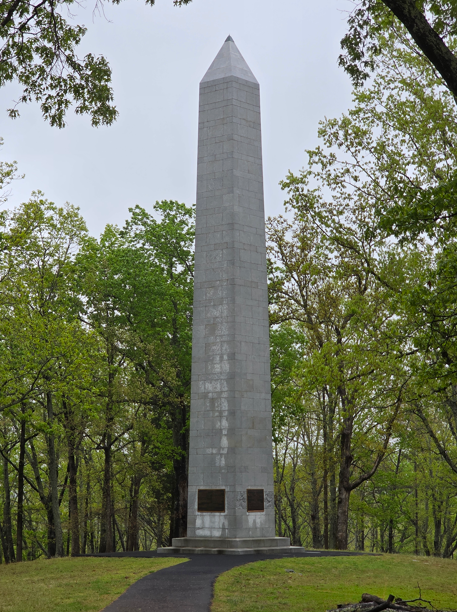
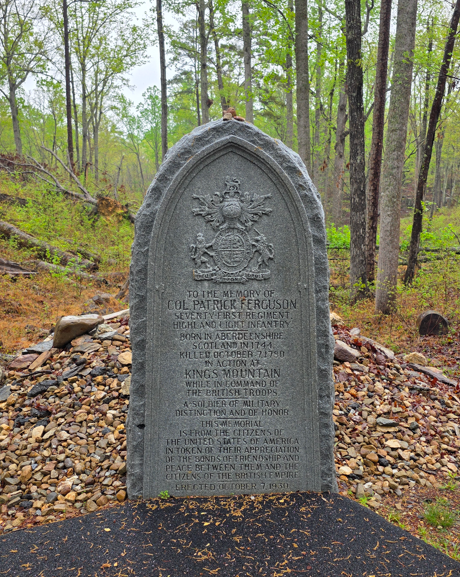
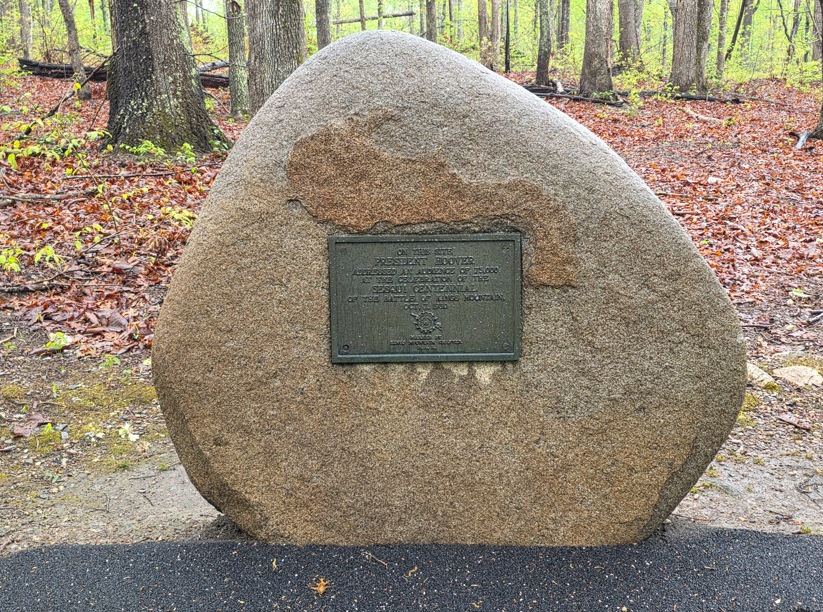
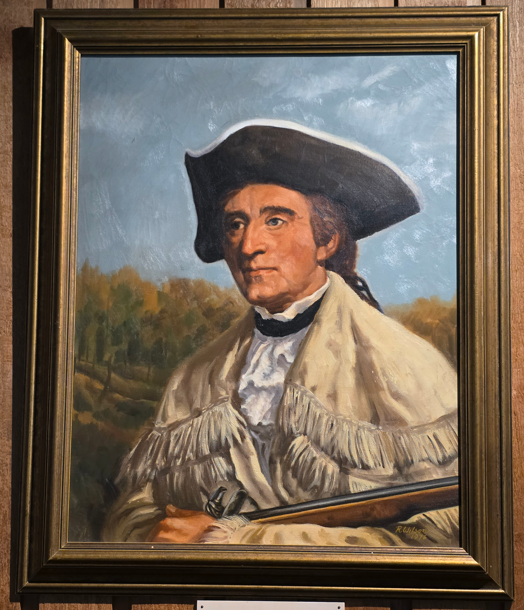
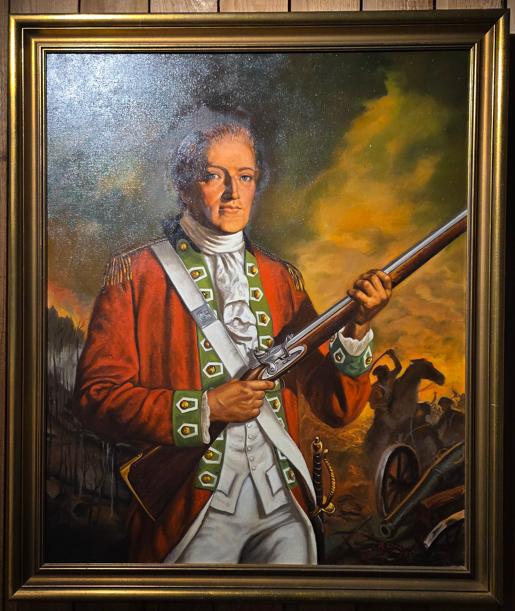
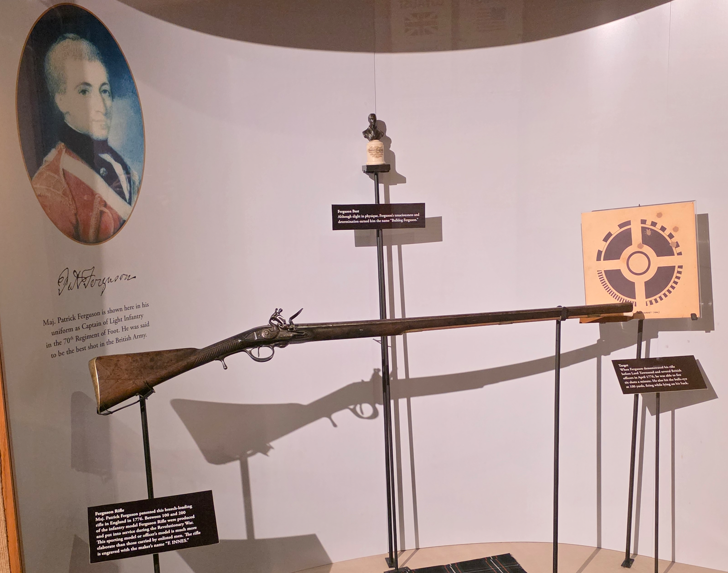
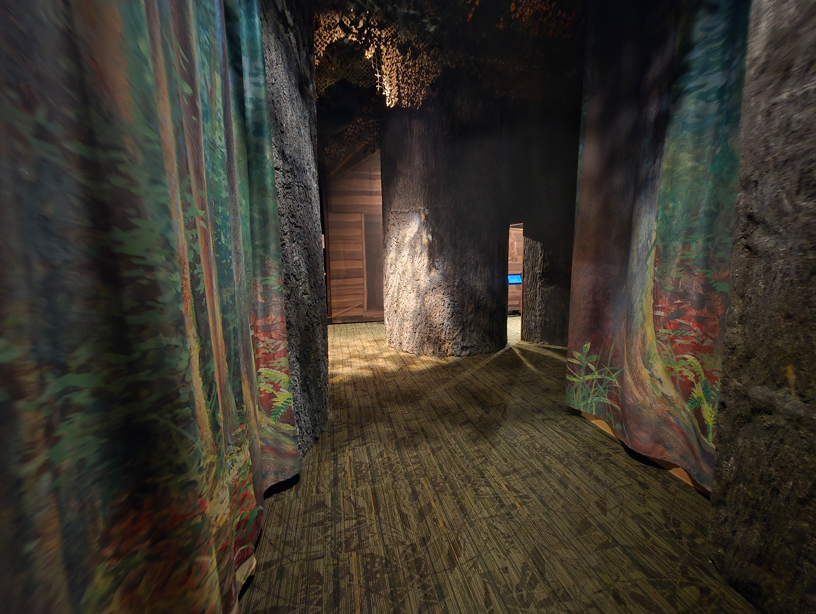
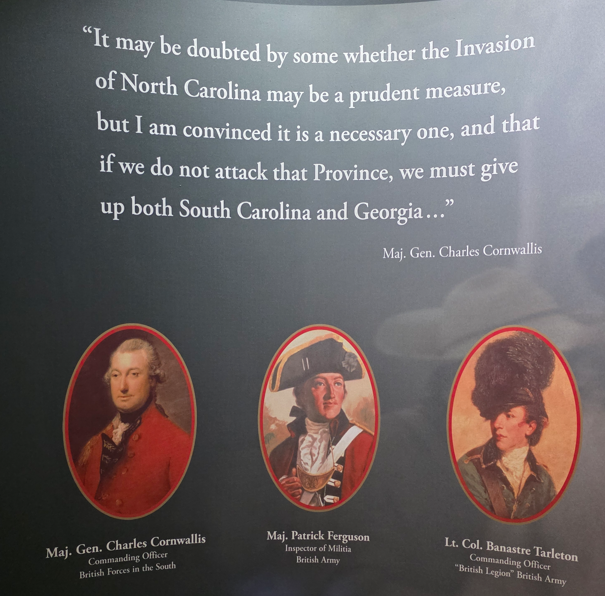
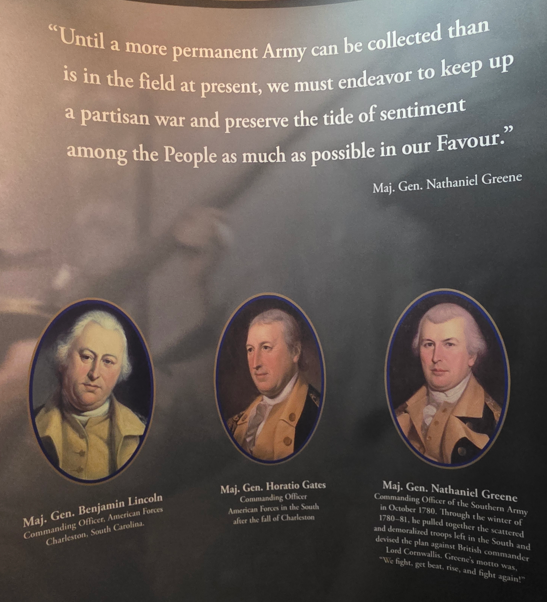
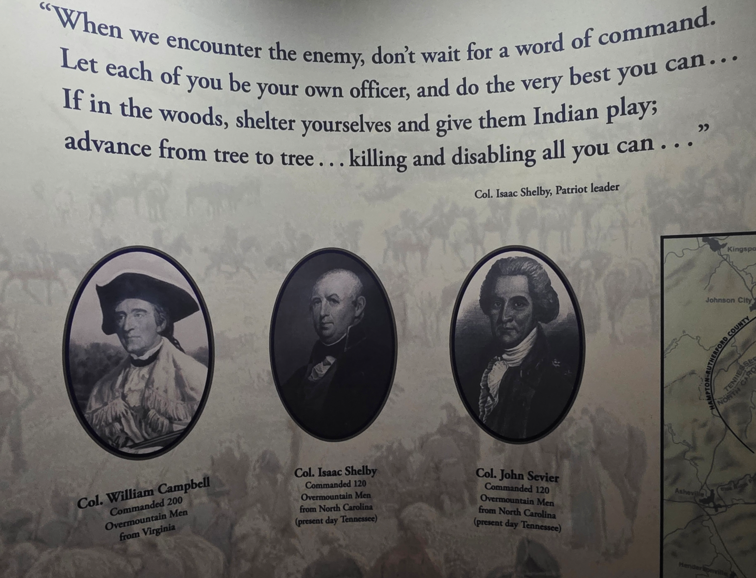
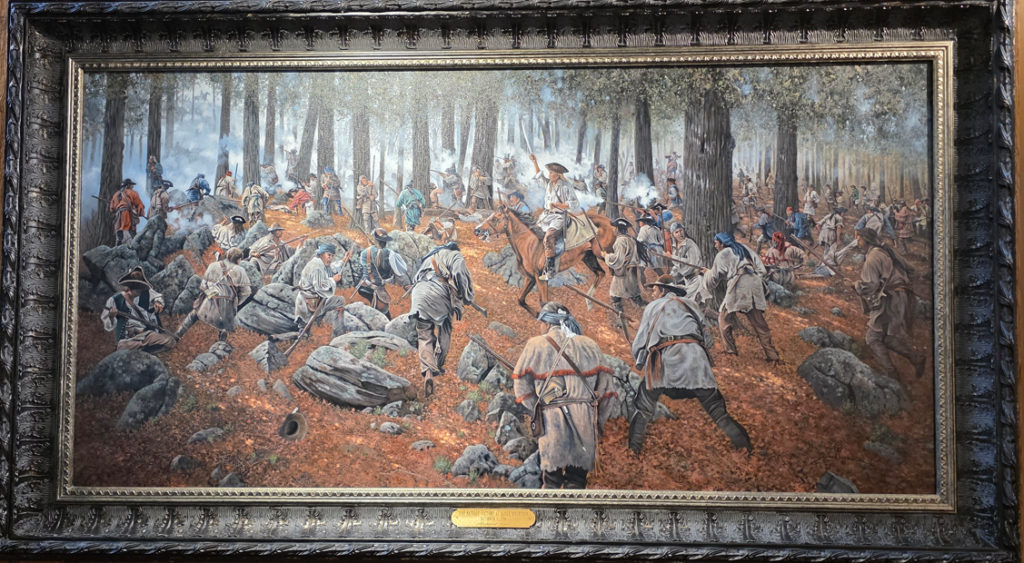
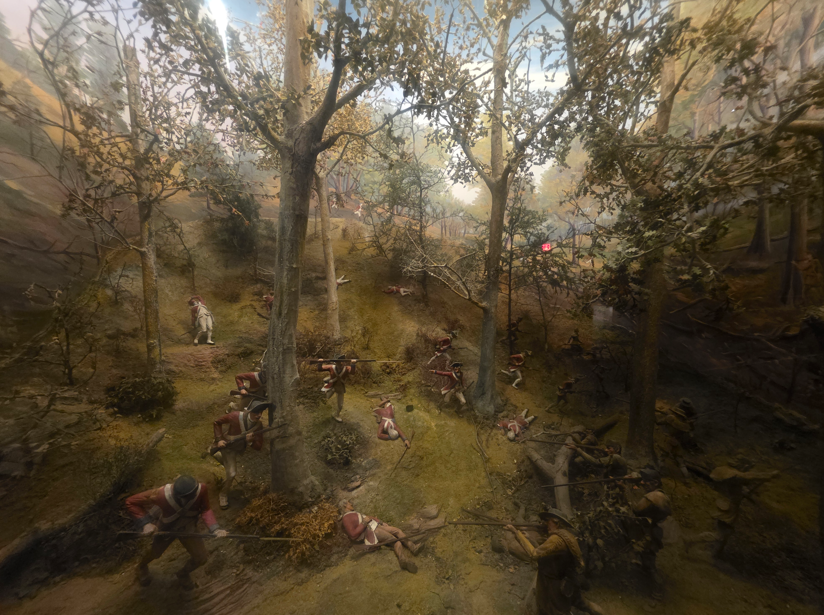
October 7, 1780. A battalion of loyal Americans stood battle-ready on the spine of Kings Mountain. Lord Cornwallis’ powerful army had ground its way north from Charleston with an unbroken string of victories. Here, they were primed to finish off the rebels gathering below the mountain.The Patriots who formed battle lines at the foot of the hillside were local boys who know the mountain well.The ground was soggy from a hard morning rain. The North Carolinians left their horses a half mile away, so they had to slog across swampy ground to reach this slope.Isaac Shelby, Patriot leader from Tennessee told his men “When we encounter the enemy, don’t wait for a word of command. Let each of you be your own officer, and do the very best you can. If in the woods, shelter yourselves and give them the Indian play, and advance from tree to tree, and killing and disabling all you can.Everyone know Colonel Sevier’s rugged frontiersman for their long-rifle markmanship and their touchy eagerness for a brawl. But no experienced military man expected men armed only with hunting weapons to be able to face and defeat real soldiers trained to use the bayonet.This ridge was craggy and rough, covered with flame and smoke, where Campbell’s Virginia regiment’s assignment was to lead the first strike against the Tories. Some Patriots stood their ground and were run through, most broke and ran. William Campbell stood halfway between the enemy and his own men, now on the run. He shouted “Halt! Return my brave fellows, and you will drive the enemy immediately!” The Virginians turned about and rallied to attack again.In Memory of the patriotic Americans who participated in the Battle of Kings Mountain. This monument is erected by their grateful Descendants.To commemorate the victory of King’s Mountain October 7, 1780 Erected by the government of the United States to the establishment of which the heroism and patriotism of those who participated in this battle so largely contributedMarker memorializing Patrick Ferguson, killed at King’s Mountain. British commander at King’s Mountain, Colonel Ferguson was well liked and esteemed by Cornwallis, who commanded the British in the Southern Theater. Even though a deadly rifle shot himself, Ferguson underestimated the capabilities of the Patriot’s rifle at King’s Mountain.On this site President Hoover addressed an audience of 75,000 at the celebration of the sesquicentennial of the Battle of Kings Mountain October 7, 1930.Colonel William Campbell of VirginiaPatrick FergusonMajor Patrick Ferguson patented this breech-loading rifle in England in 1776. Between 100 and 200 of the infantry model Ferguson Rifle were produced and put into service during the Revolutionary War.The museum portrayed the back country of North Carolina.The Patriot Victory at King’s Mountain October 7, 1780, by Richard Luce.Diorama of the battle.