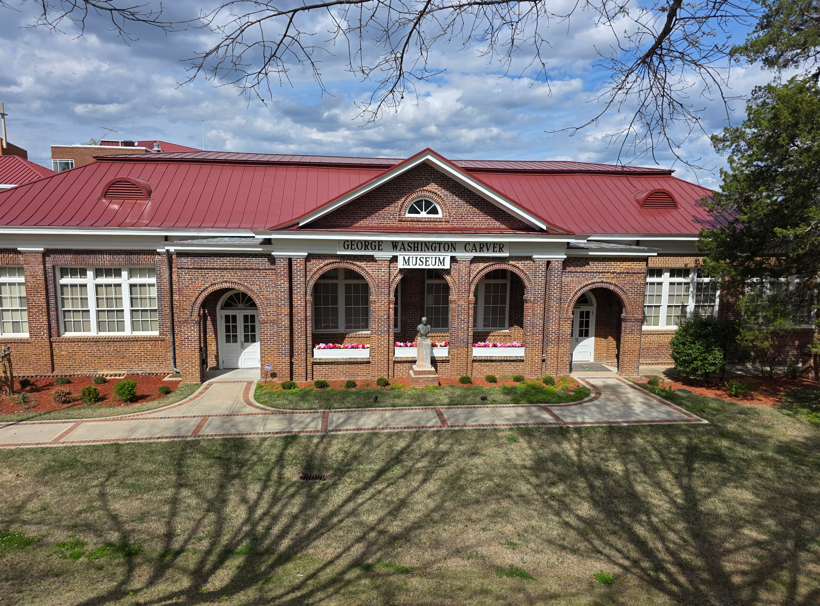
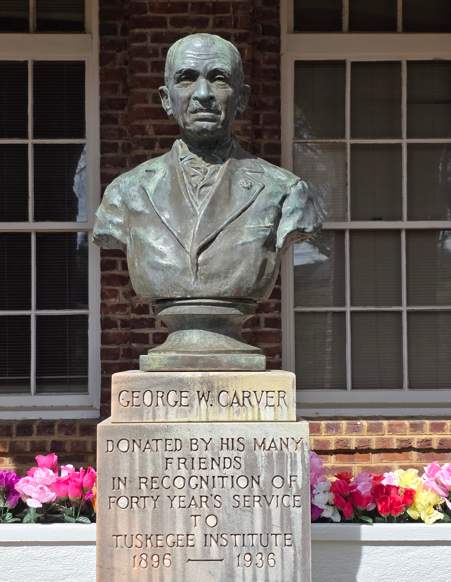
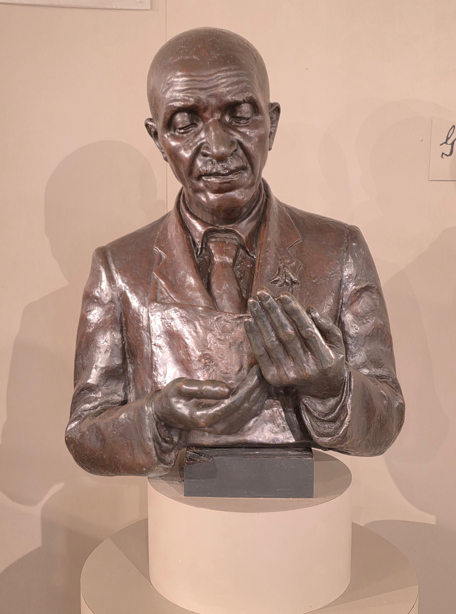
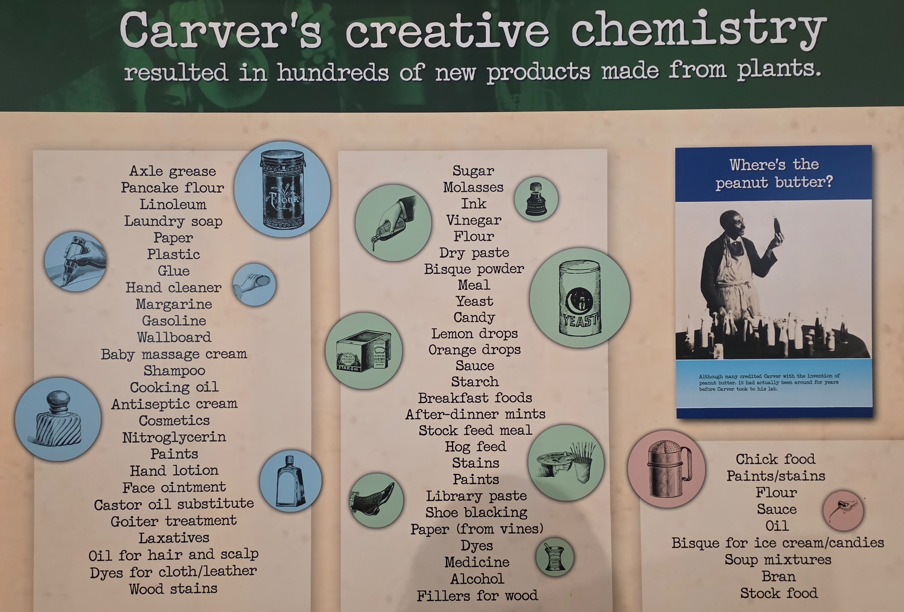
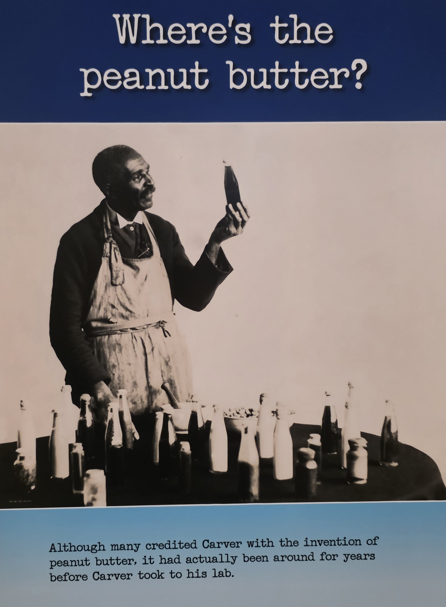
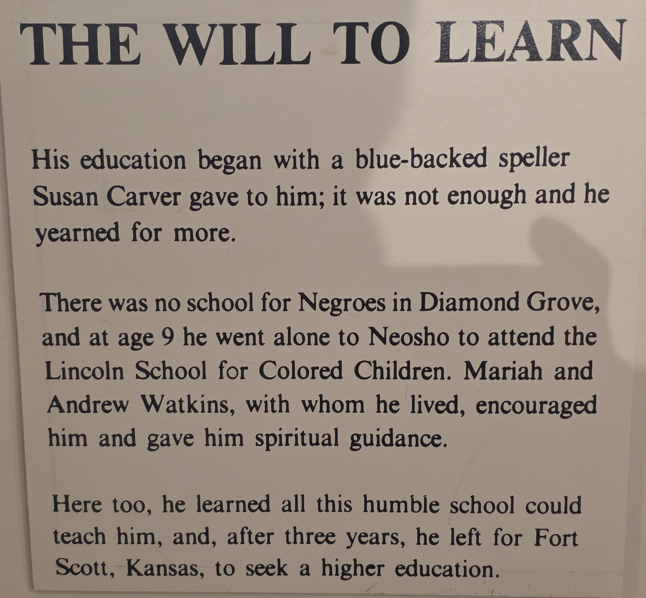
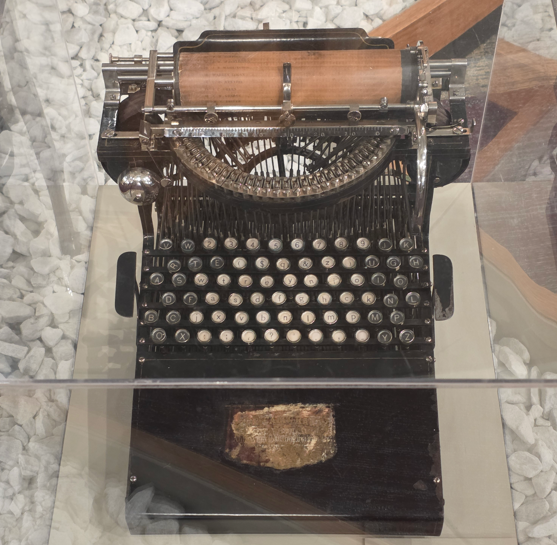
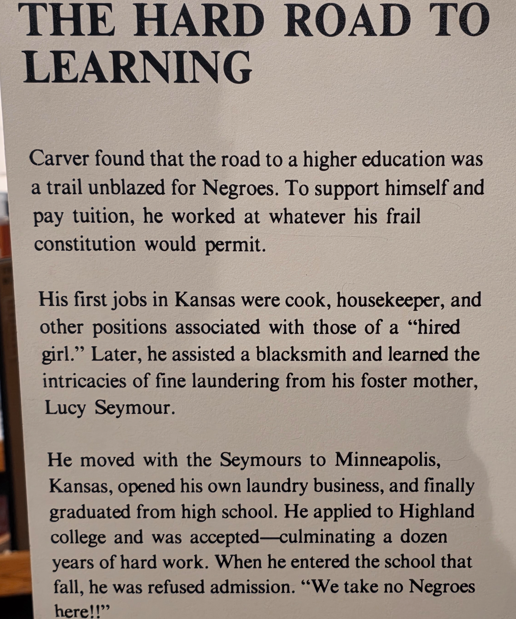
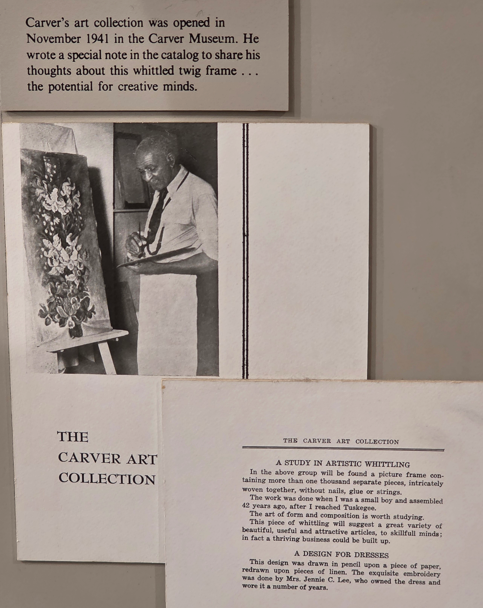
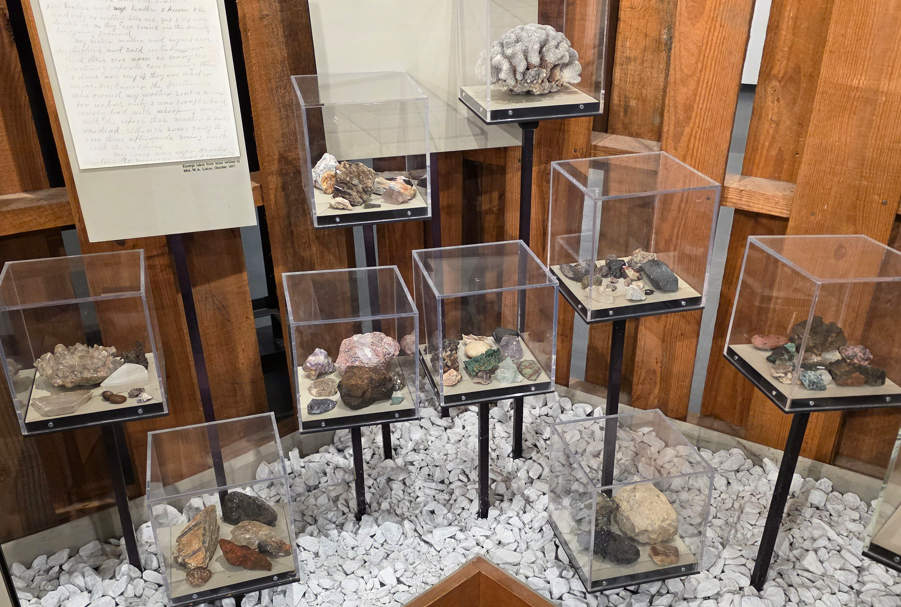
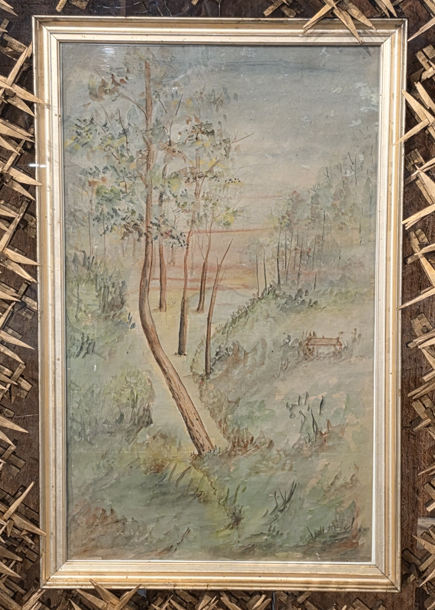
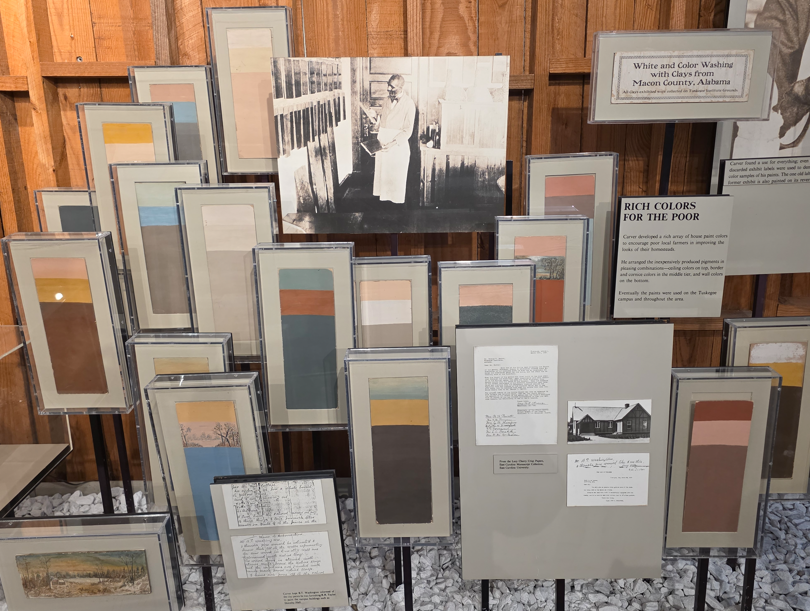
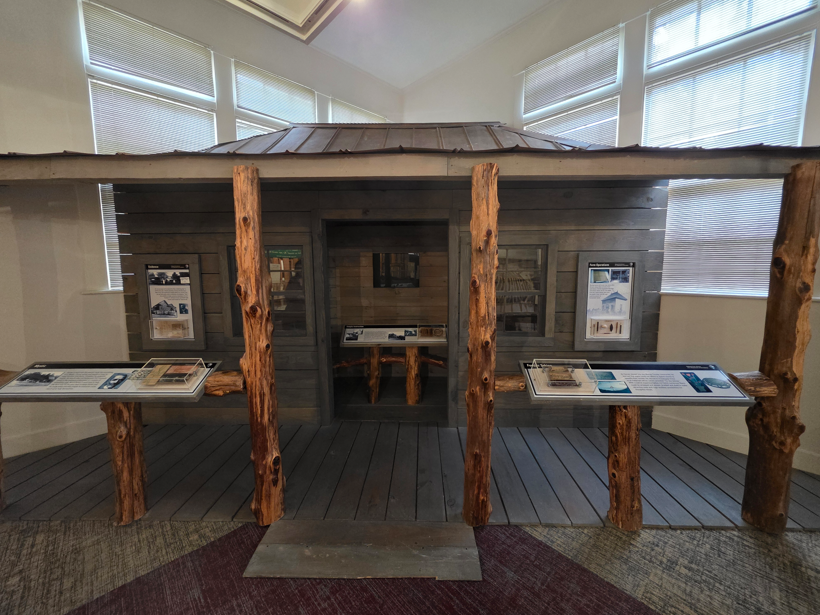
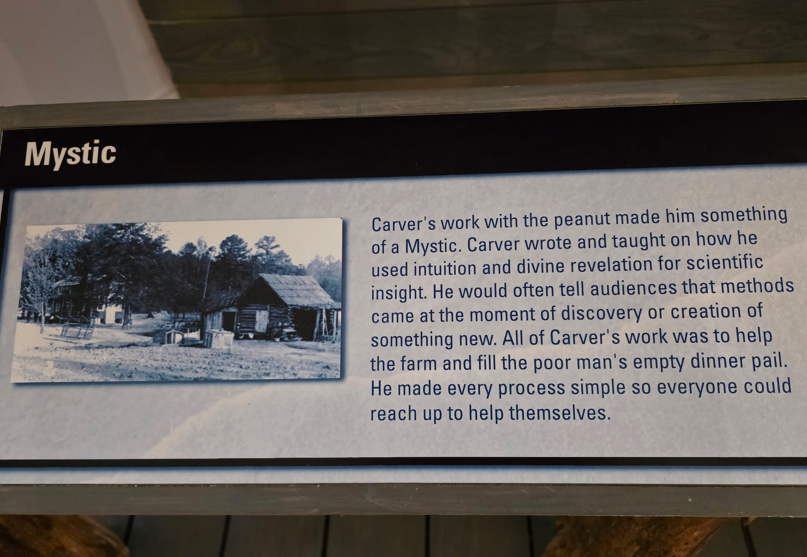
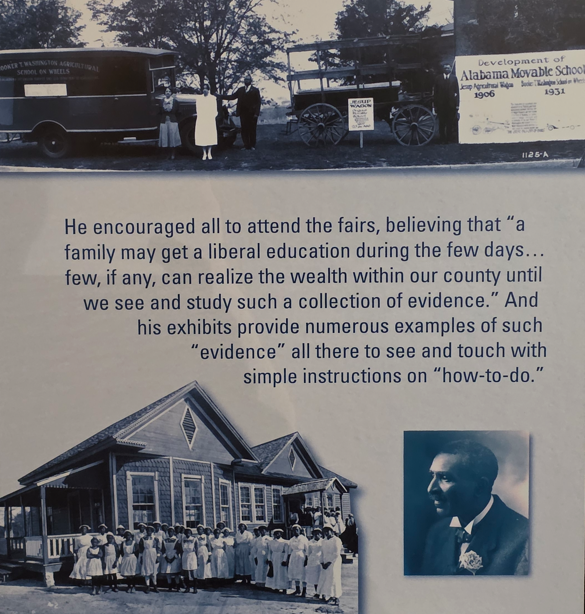
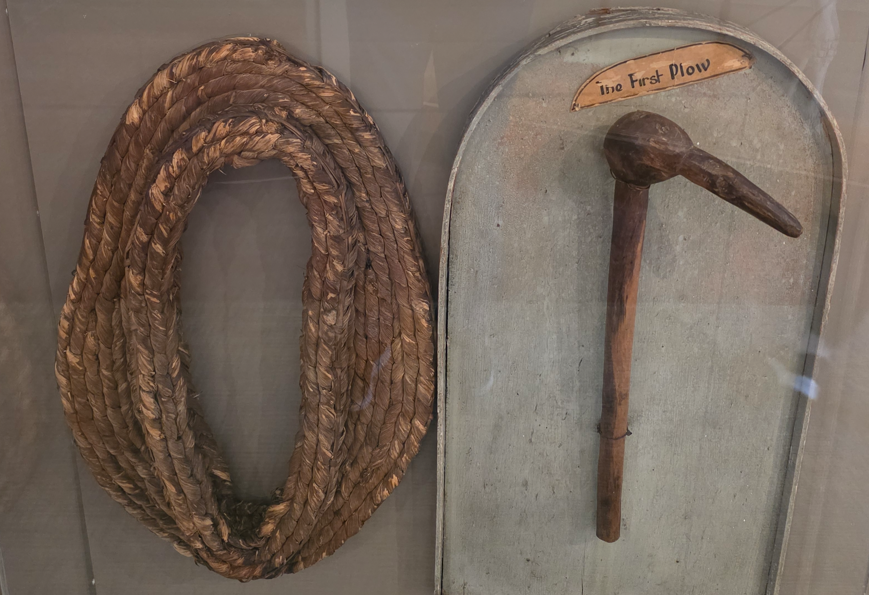
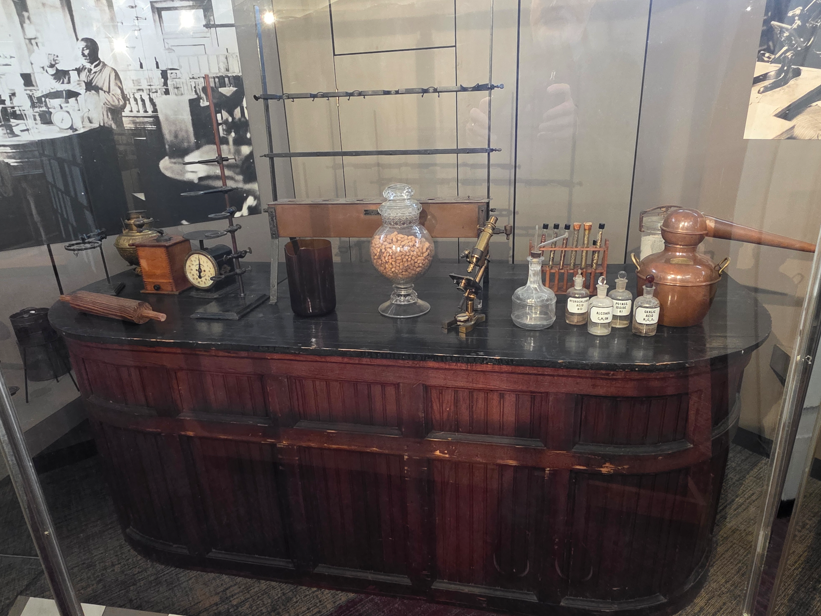
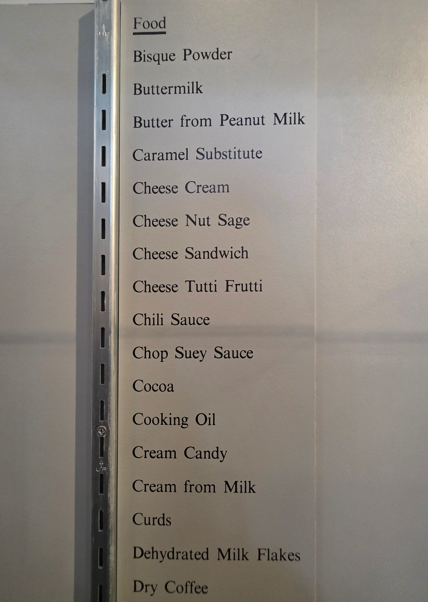
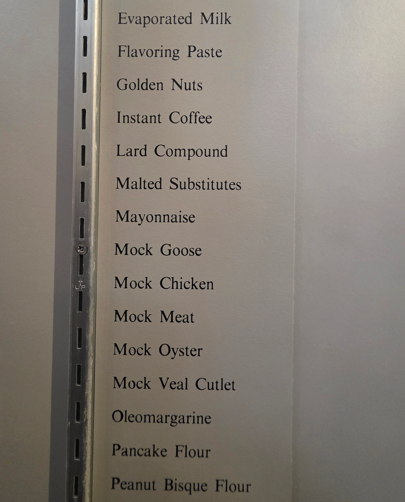
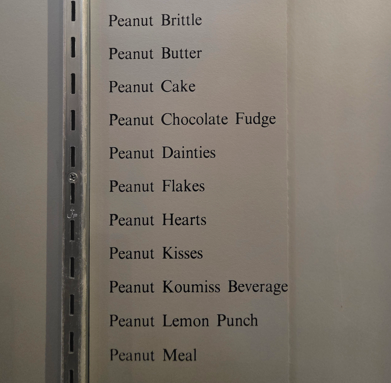
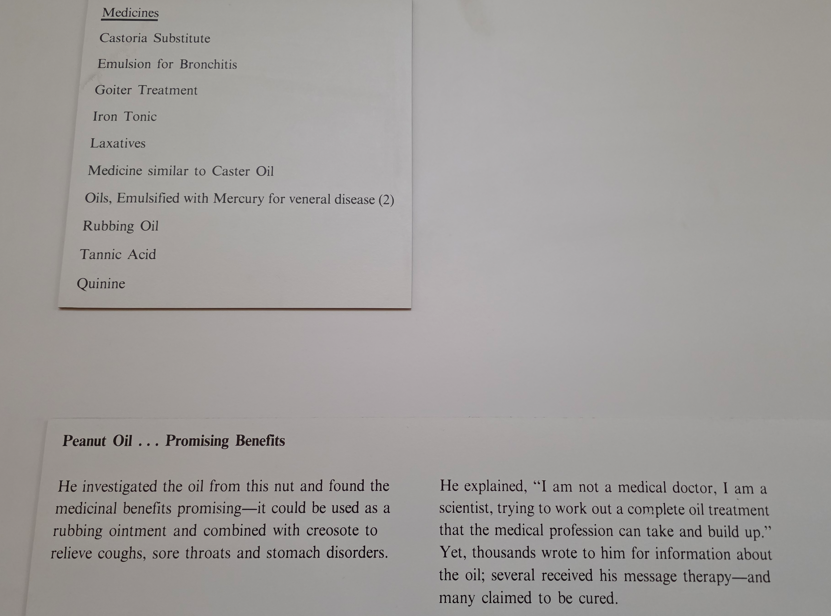
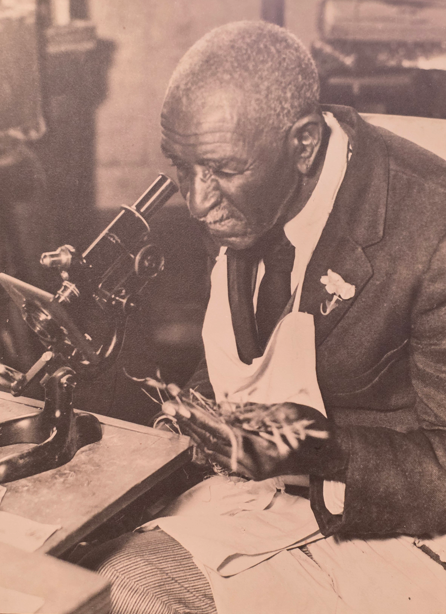
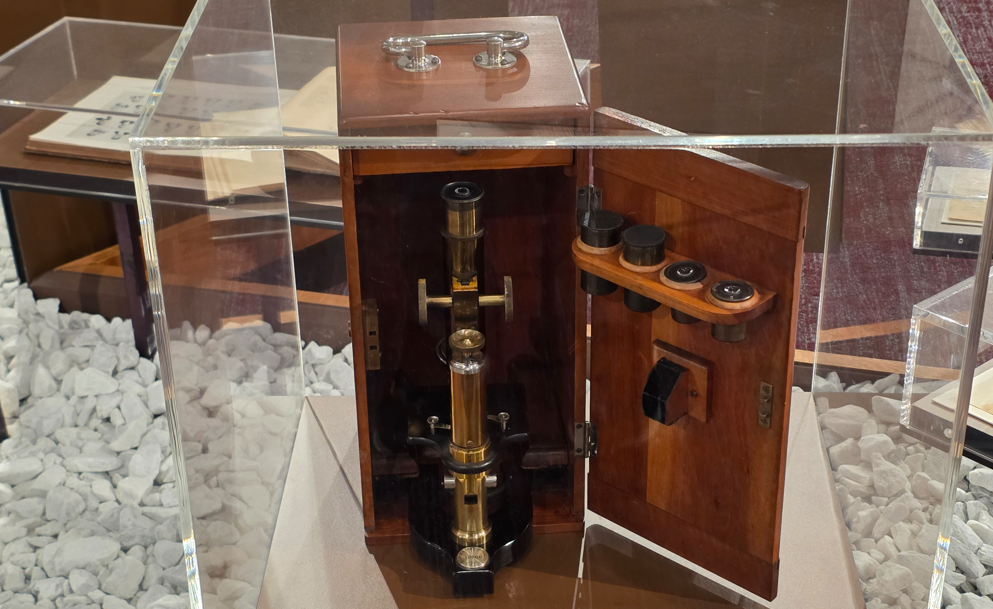
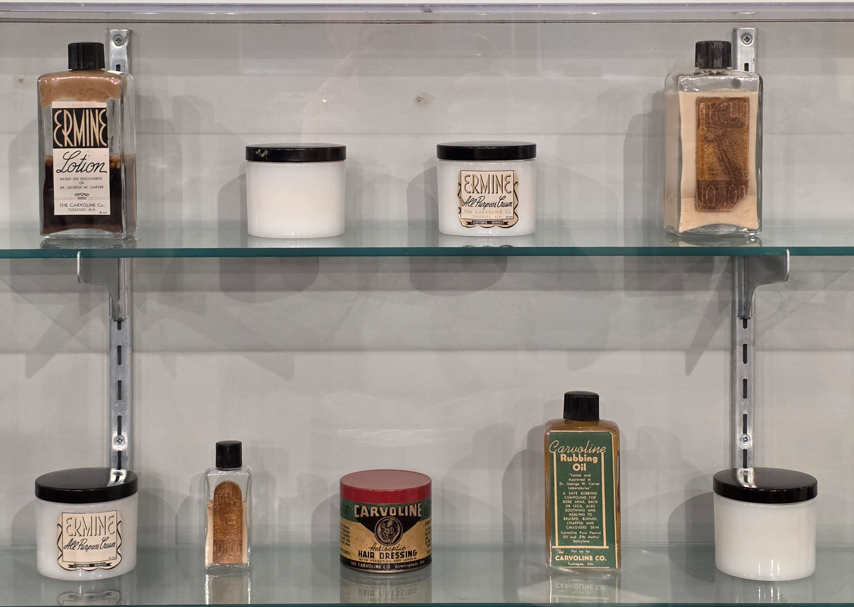
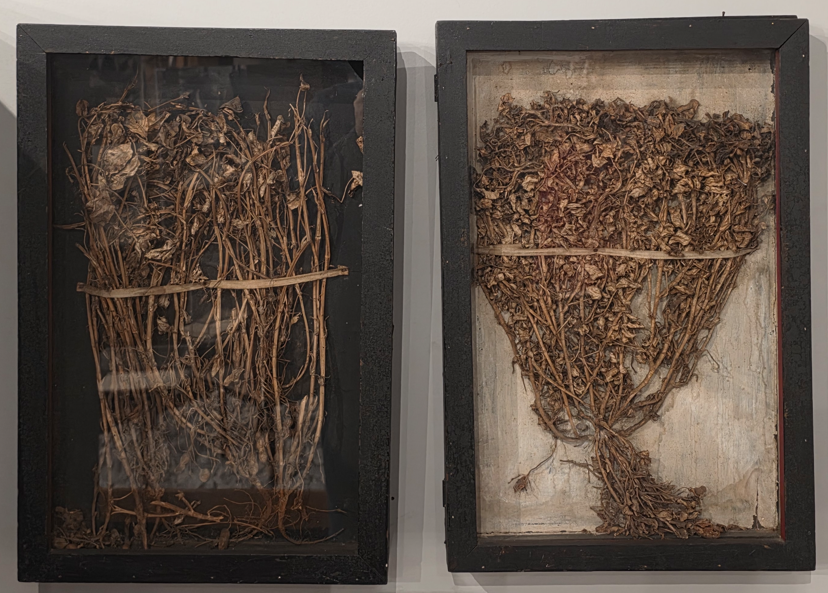
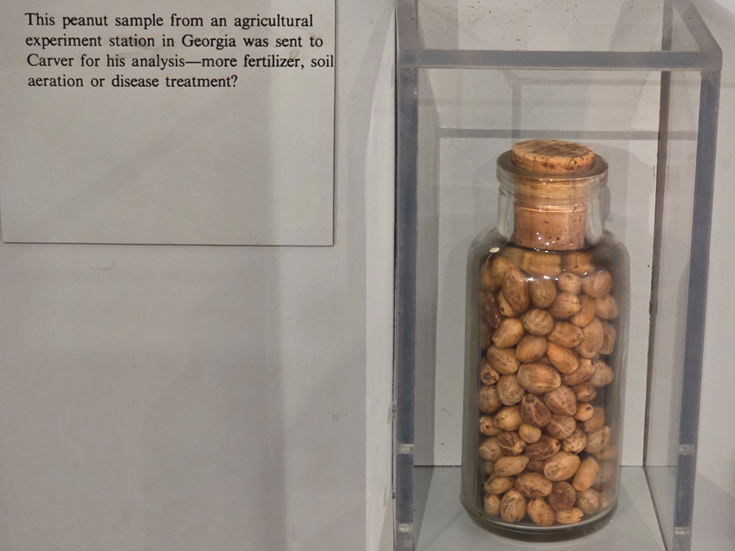
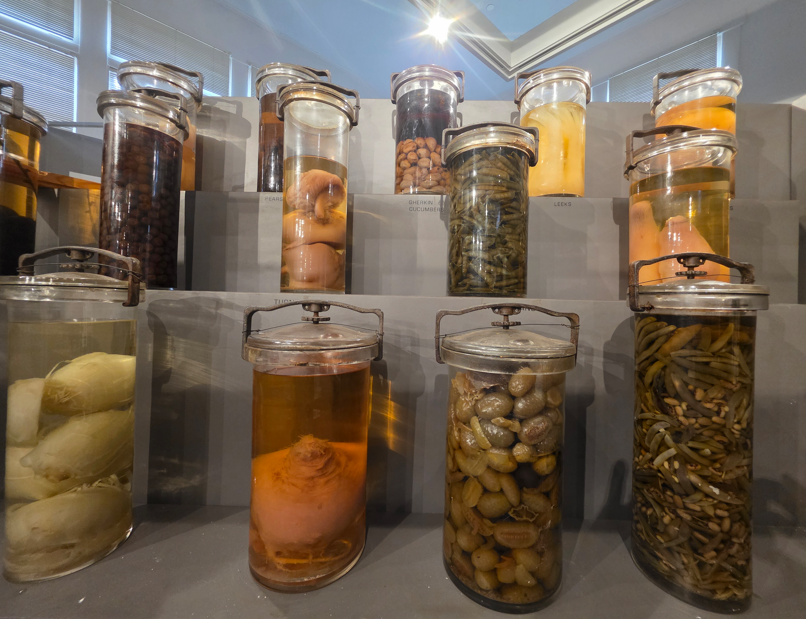
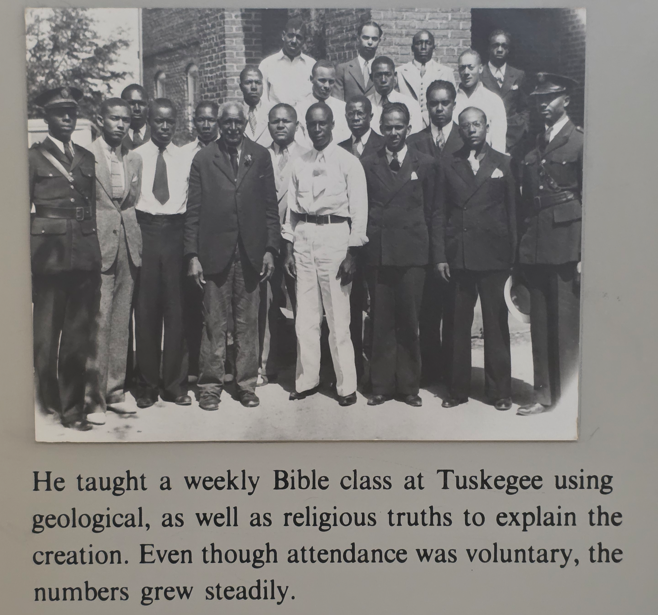
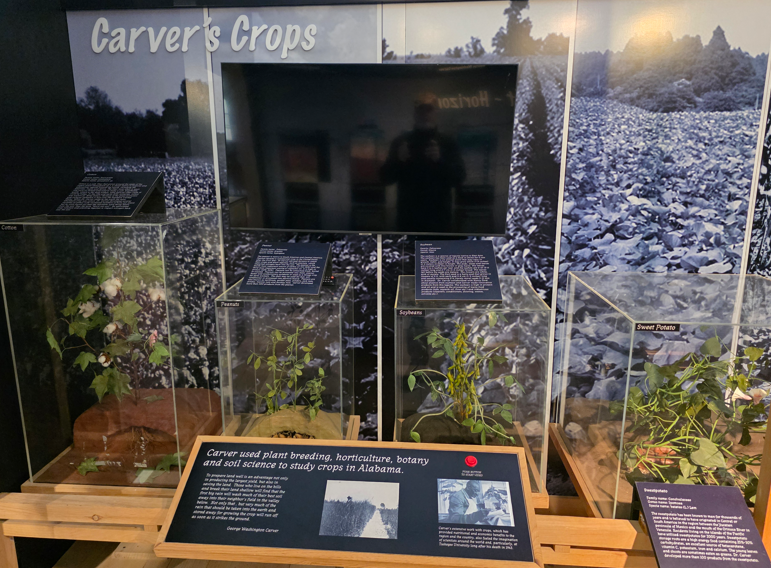
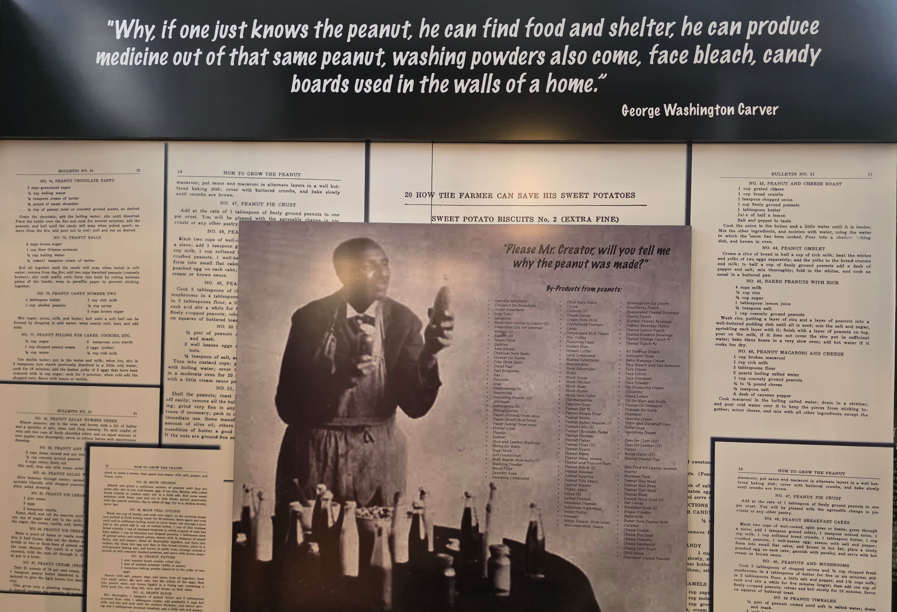
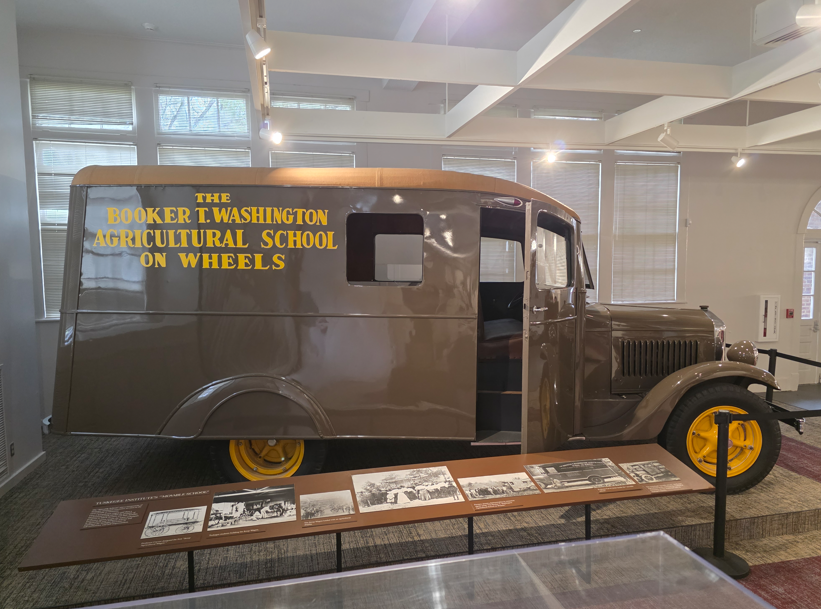
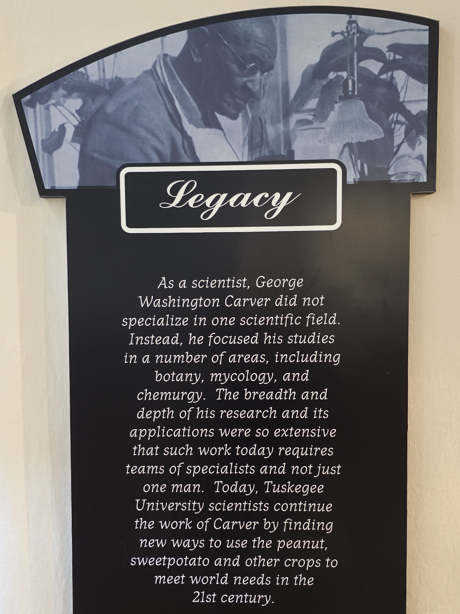
George Washington Carver was a revolutionary American agricultural chemist, agronomist, and experimenter who was born into slavery and sought to uplift Black farmers through the development of new products derived from peanuts, sweet potatoes, and soybeans. His work helped transform the stagnant agricultural economy of the South after the American Civil War. For most of his career he taught and conducted research at the Tuskegee Normal and Industrial Institute (now Tuskegee University) in Tuskegee, Alabama. This museum is located on the campus of Tuskegee University.Carver’s research was extremely wide and deep.Carver is generally credited with “inventing” peanut butter.Carver’s typewriter.Among his many talents and interests, he was an artist,…collected and catalog many different rocks and minerals…–artwork from around the world……and Carver even developed different paint color pigments to help poor people brighten up their houses.Cornhusk horse collar similar to one at The Tuskegee Farmers’ Conference in 1906. Carver prepared exhibits for each subject he taught. This “first plow” may have been in an exhibit showing different agricultural tools.Part of Carver’s laboratory.Sample list of the many items Carver was involved with developing.Carver’s microscope.Carver considered the peanut the answer to many problems. He started with a single problem – to find an inexpensive protein for the meager diets of the rural poor – he unleashed a myriad of solutions to unspoken needs. The peanut plant was cheaply grown, easily stored and offered enrichment to the soil. While he was most publicized for his many different products and preparations with the peanut, Carver’s research extended to its every aspect. Quickly, he became an unpaid consultant to growers and processors with questions about cultivation, treatment of diseases and processing methods.Samples of turnips, cucumbers, English peas, muscadines, leeks, green beans, pears, peaches, sweet potatoes, onions.Carver and Tuskegee Institute took “school” to the poor people where they lived.George Washington Carver’s impact is so large, I think he is underrated whenever great Americans are listed.
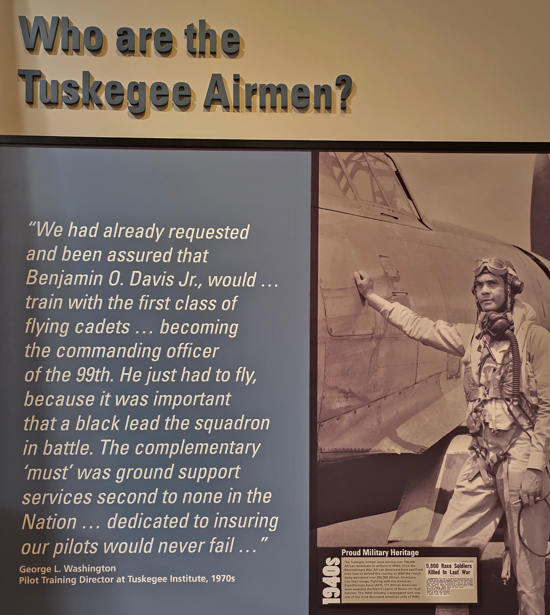
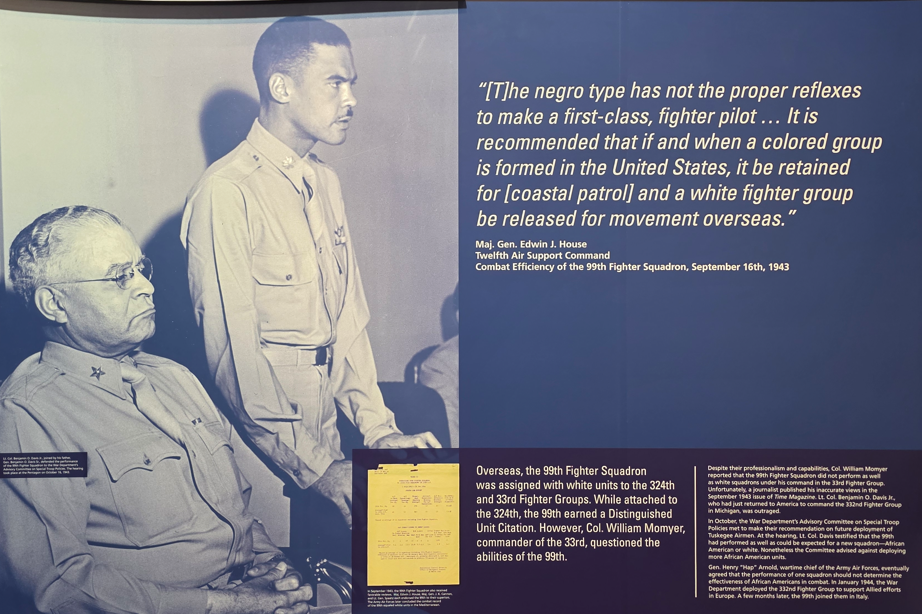
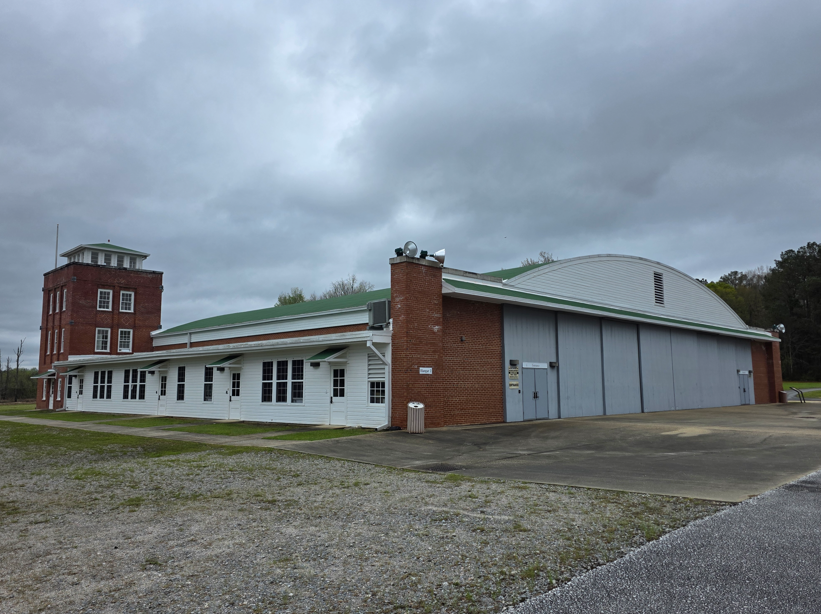
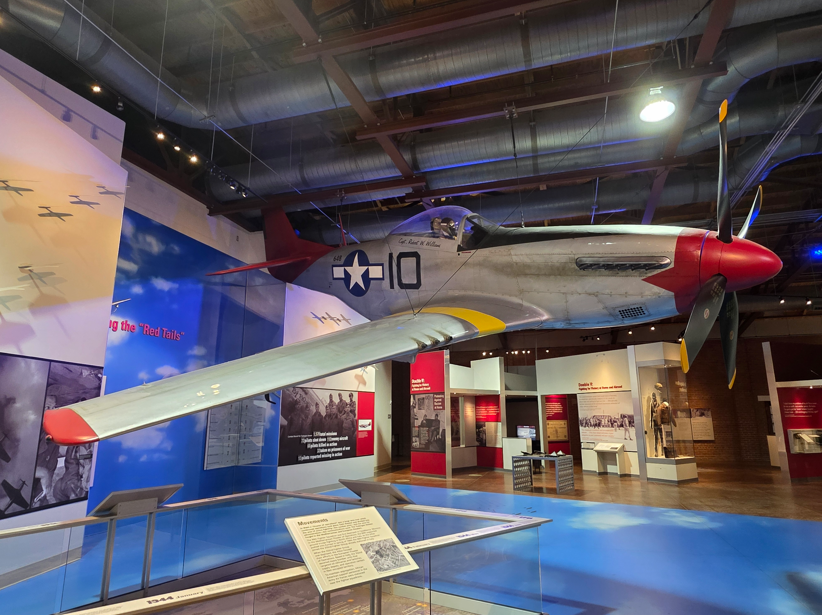
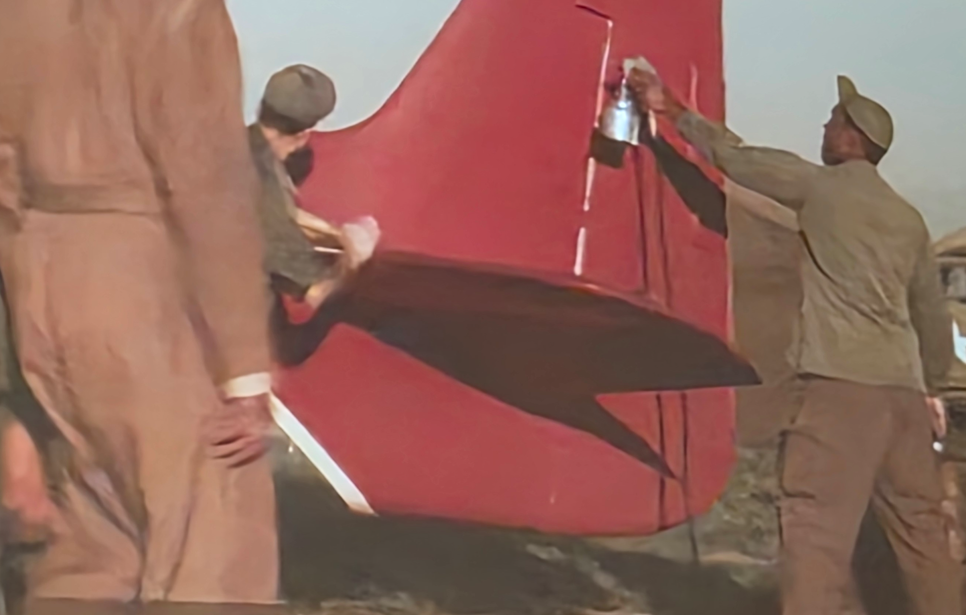
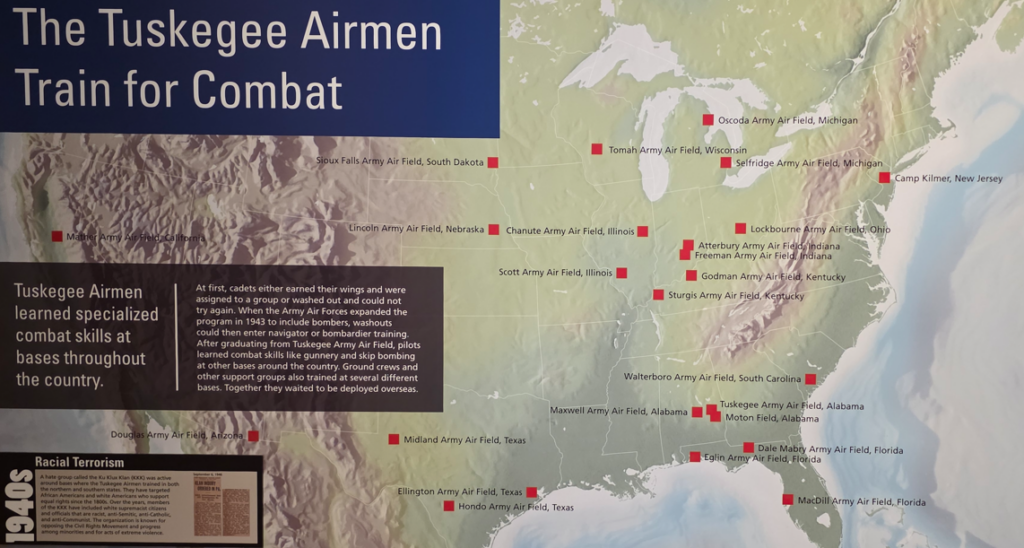
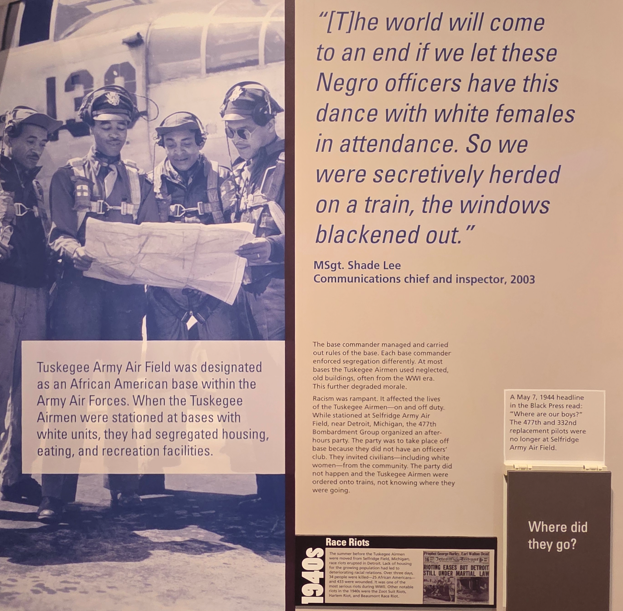
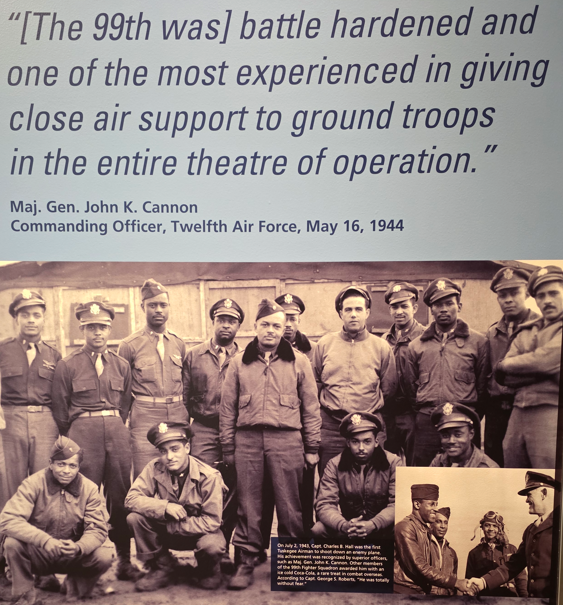
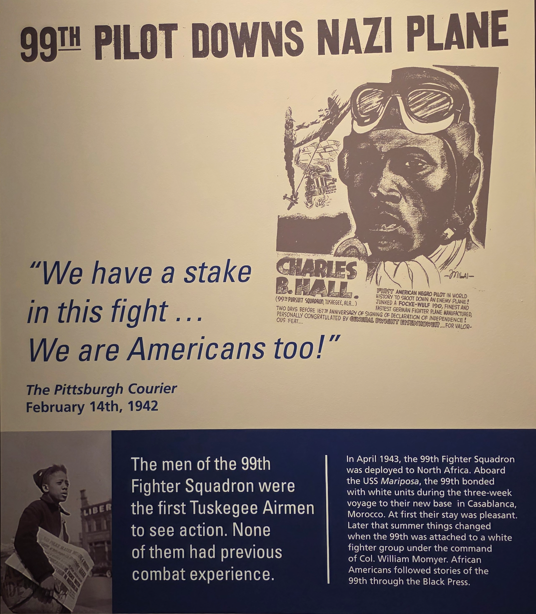
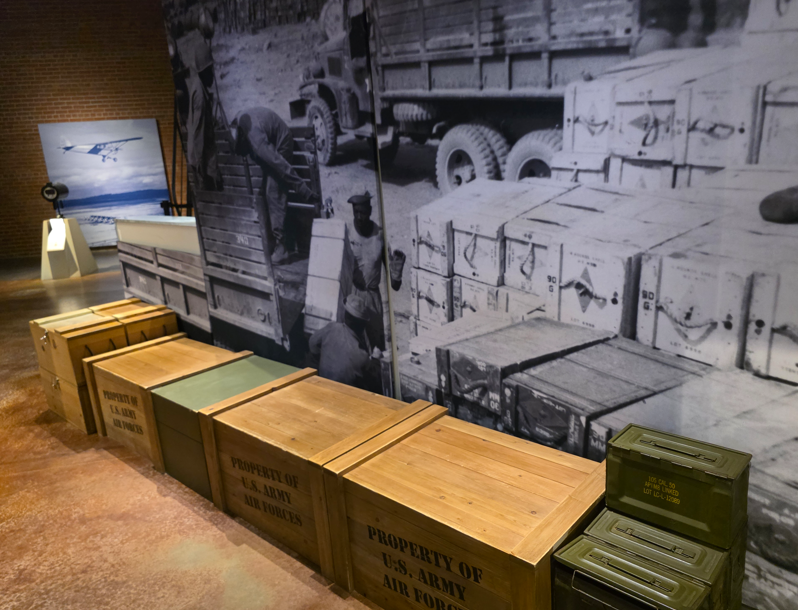
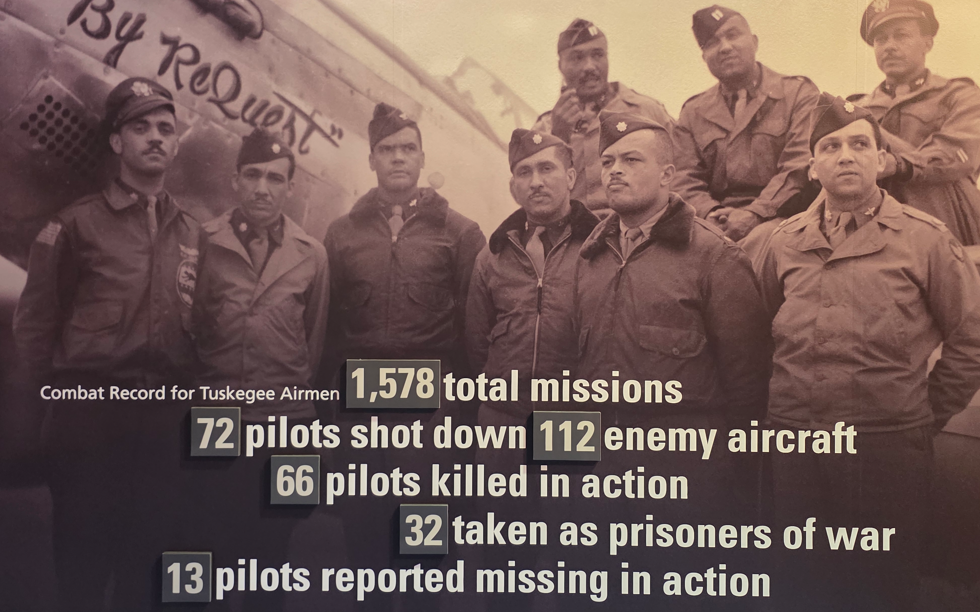
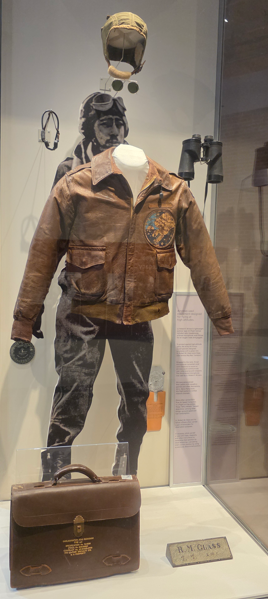
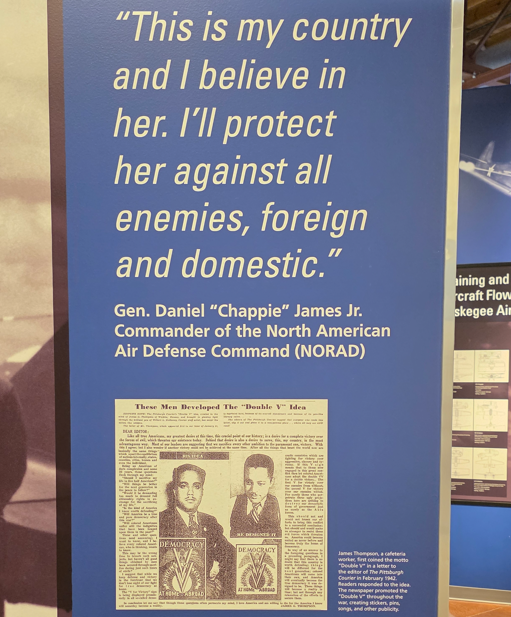
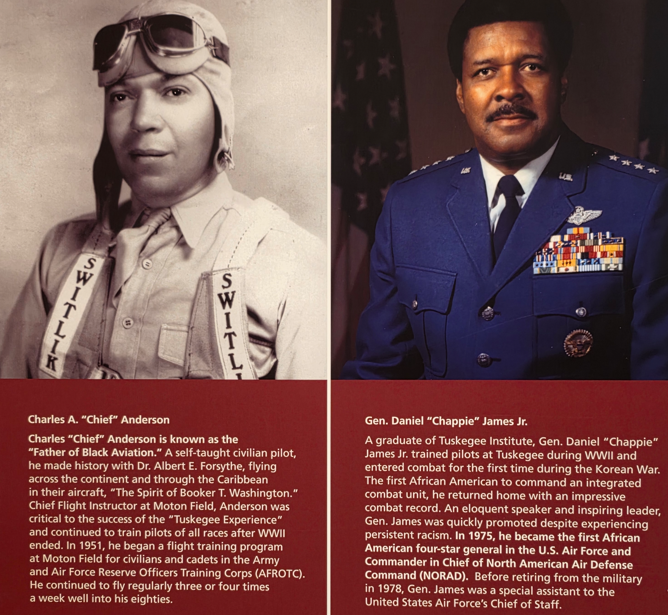
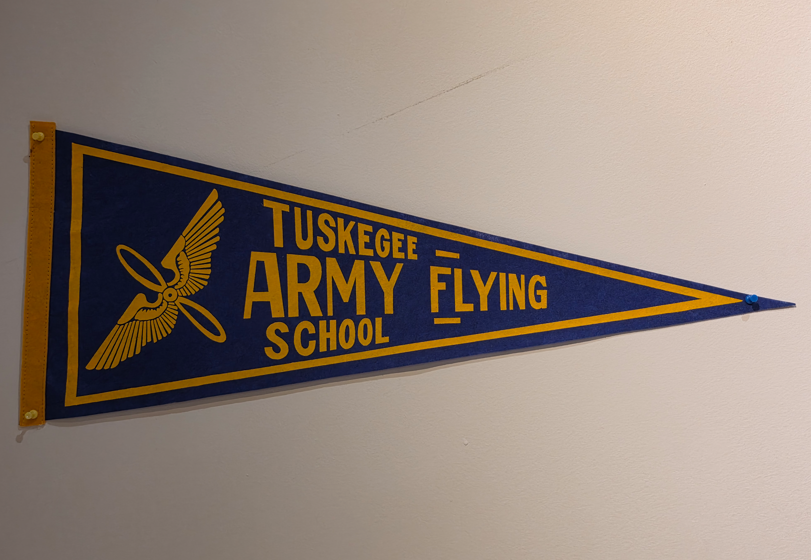
Prior to World War II, blacks were not considered capable of flying an airplane. The Tuskegee Airmen program proved otherwise.Hangar 2 at Tuskegee Army Airfield. Tuskegee Army Airfield was a military base constructed to provide African American cadets with basic and advanced training. Tuskegee Institute provided classrooms, housing and social facilities.P-51 Mustang. The Tuskegee Airmen were nicknamed “Red Tails”. Why red tails?… when they wanted to pain their tails, they had only red paint!Impressive war record for the Tuskegee Airmen.Lightweight summer type A-9 flight helmet, with radio headphones, throat microphone, and fittings for oxygen mask and goggles, specially designed green tinted Ray-Ban “aviator” sunglasses, binoculars, maps, diagrams, etc.
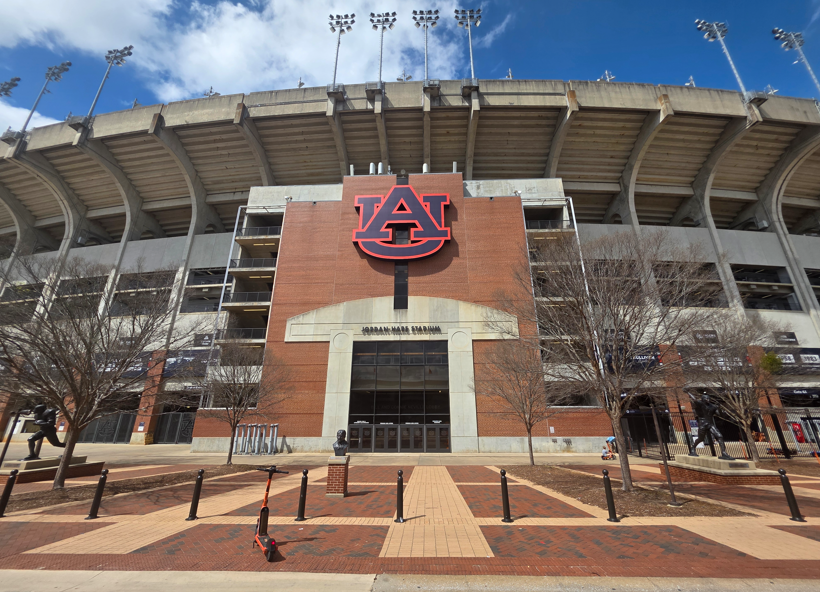
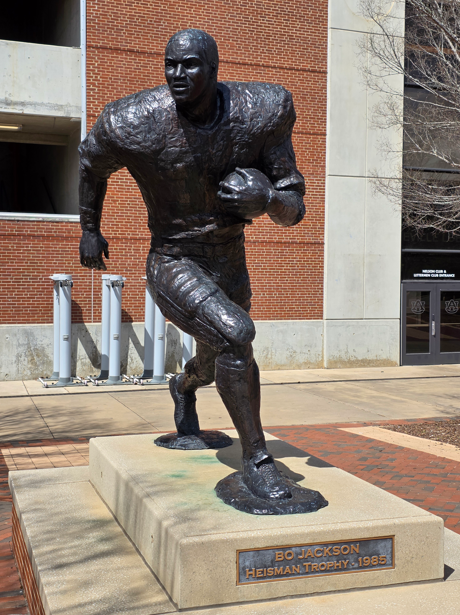
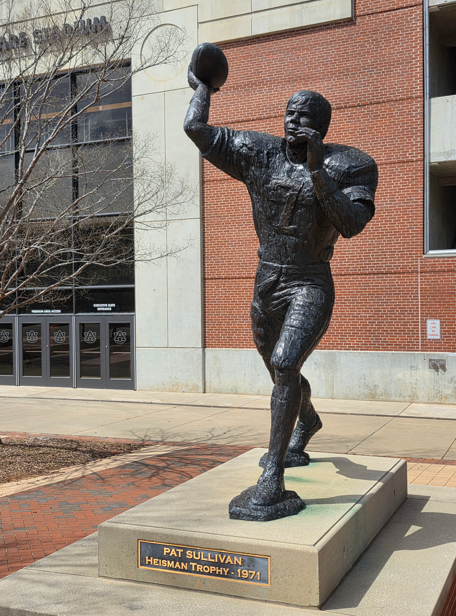
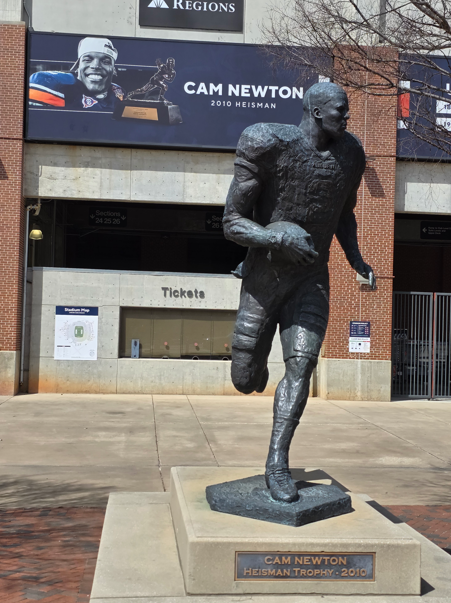
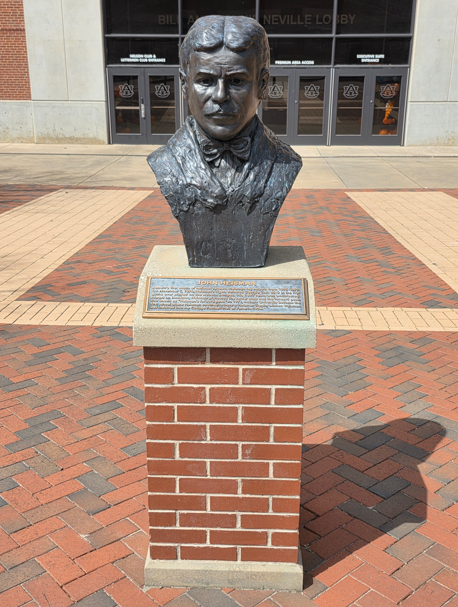
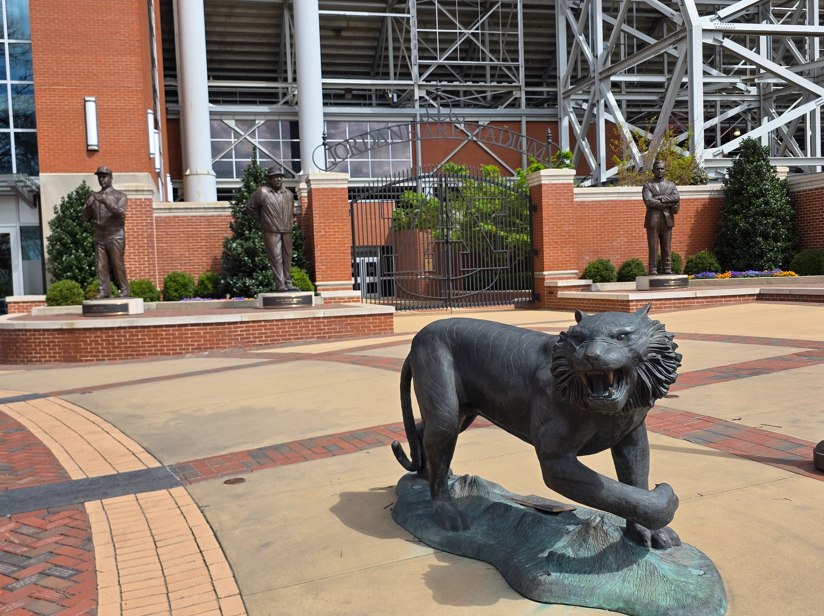
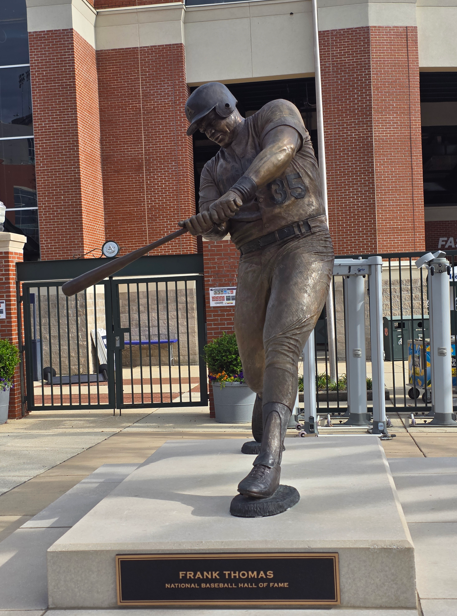
Jordan Hare StadiumBo Jackson statue, Heisman Trophy winner 1985. A great two sport athlete. John Heisman, Auburn’s first coach of national renown, he led Auburn from 189501899. On November 7, 1897, Heisman’s team defeated Georgia Tech 45-0 in the first game ever played on the Auburn campus. His 1897 team was undefeated. Always an innovator, Heisman pioneered the center snap and the forward pass. In 1971 Auburn University became the first school where Heisman coached to have a Heisman Trophy winner – Pat Sullivan.Coaches Pat Dye, Shug Jordan and Cliff Hare.Baseball Hall of Famer Frank Thomas played at Auburn.
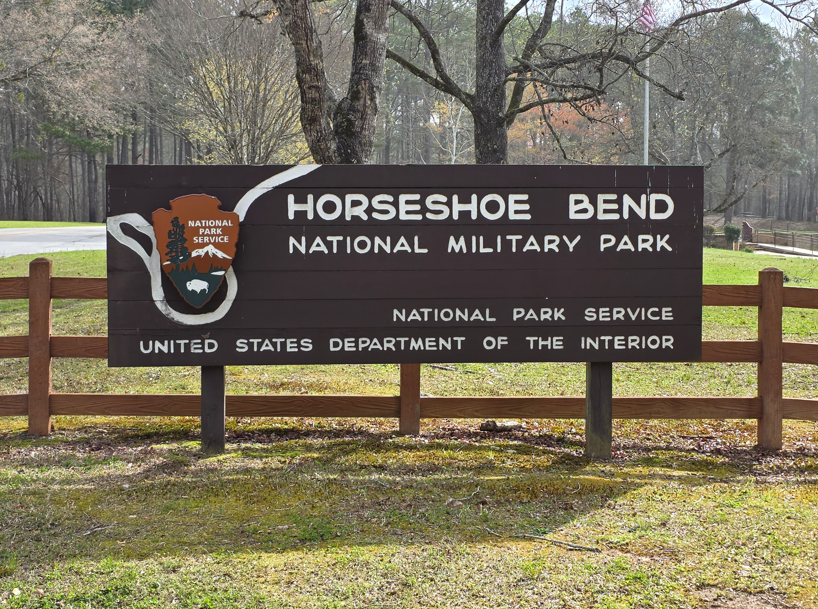
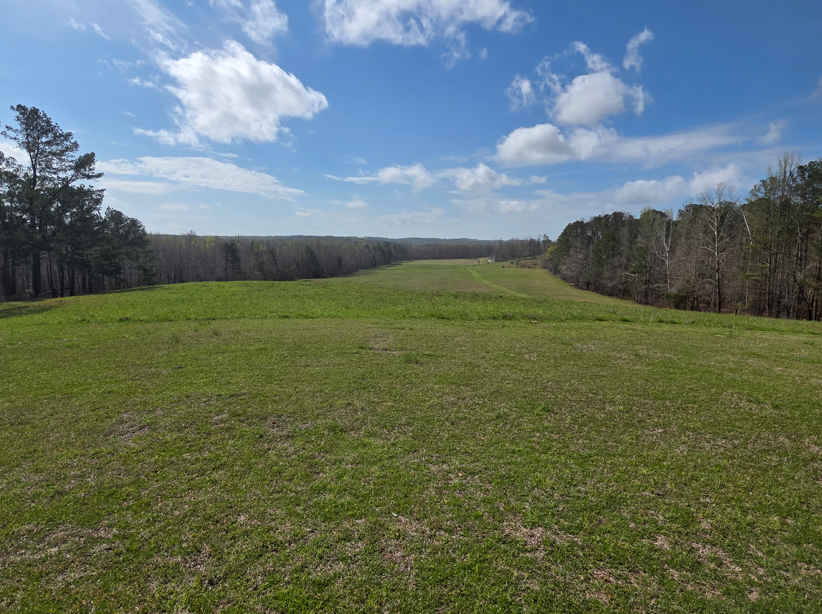
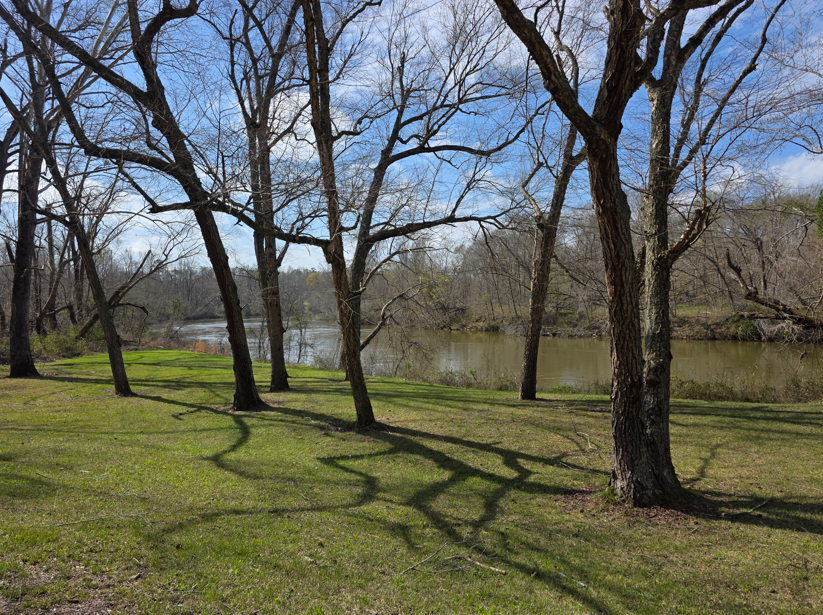
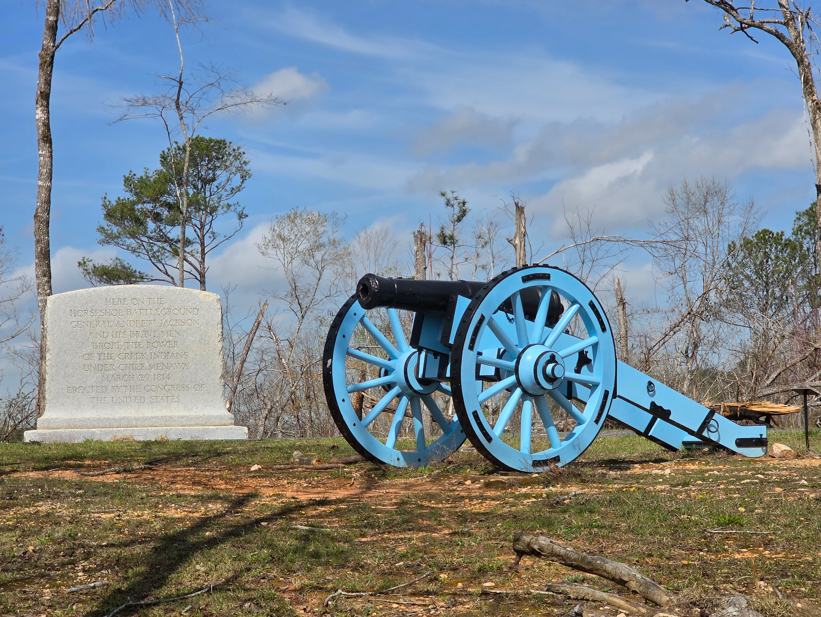
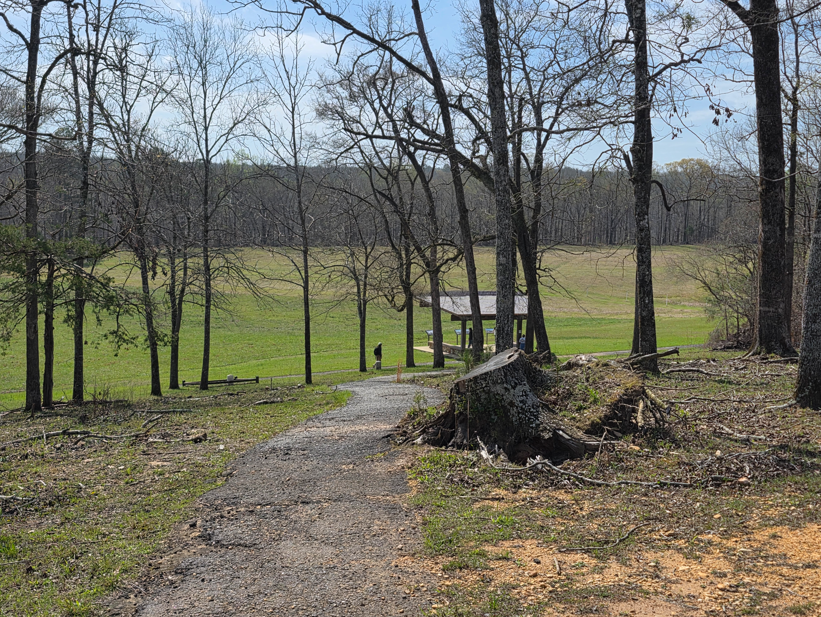
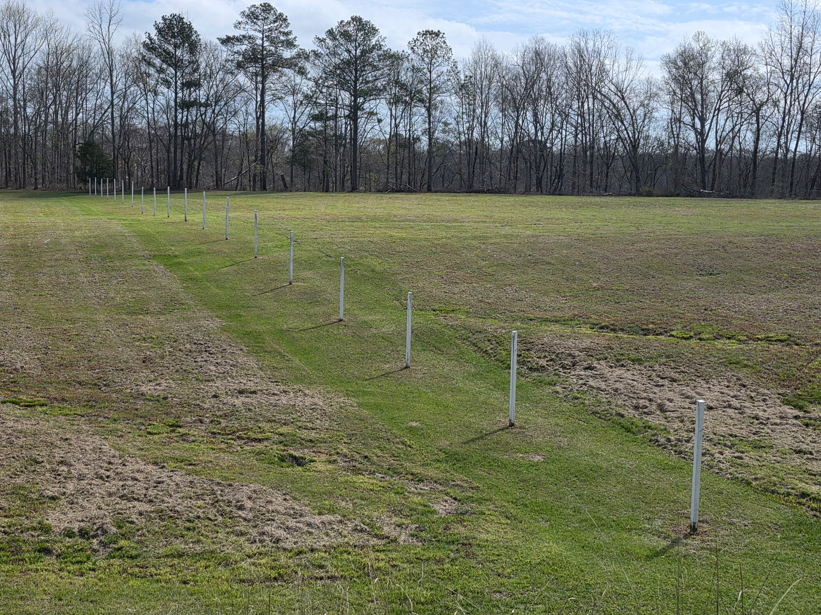
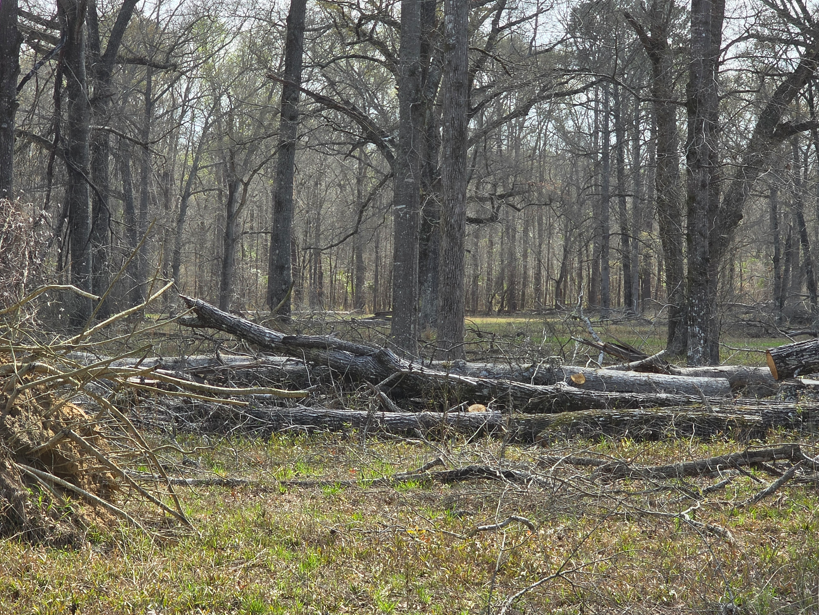
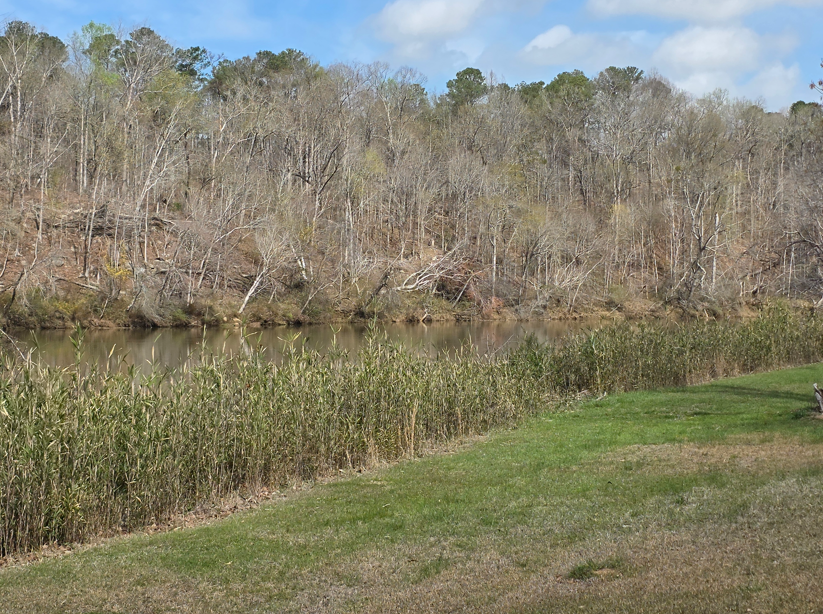
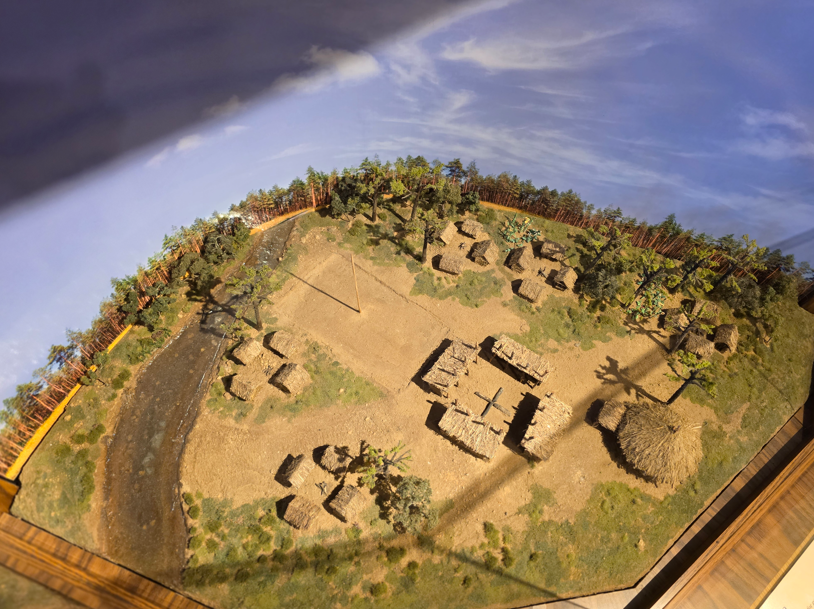
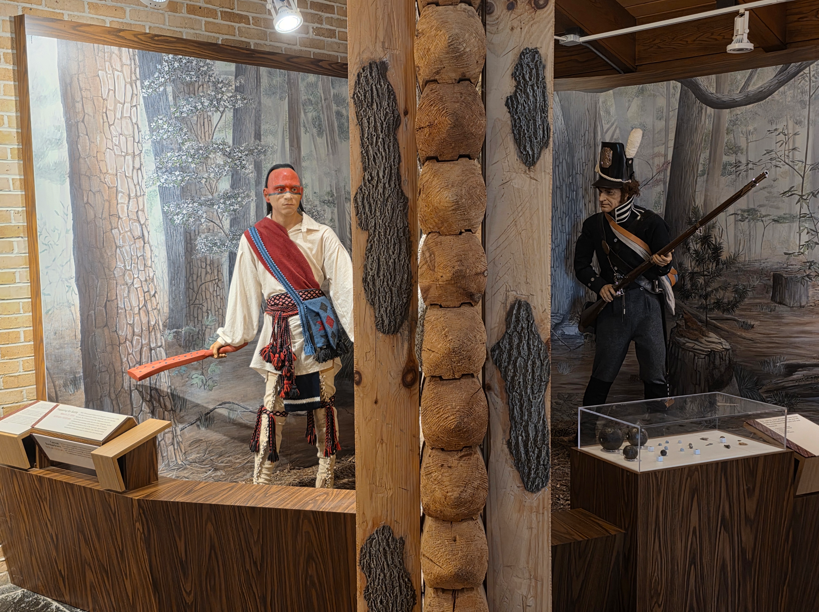
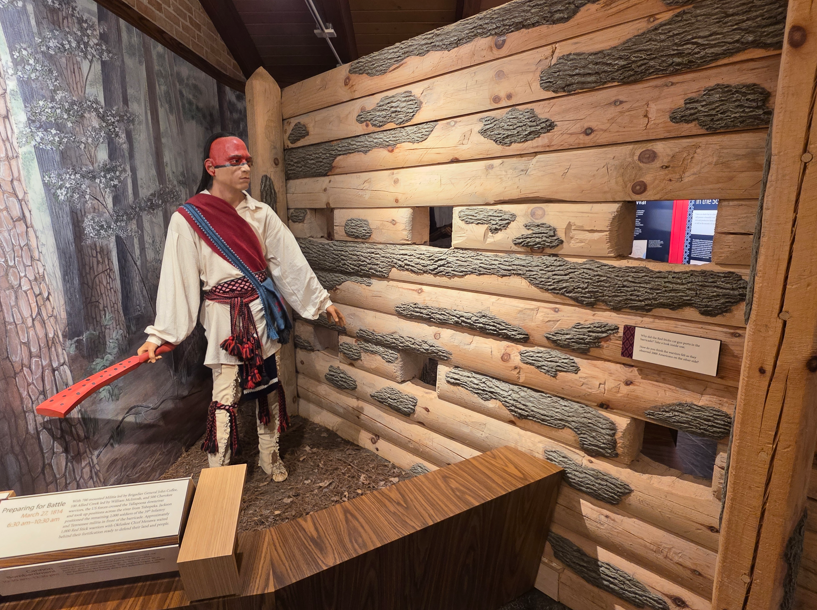
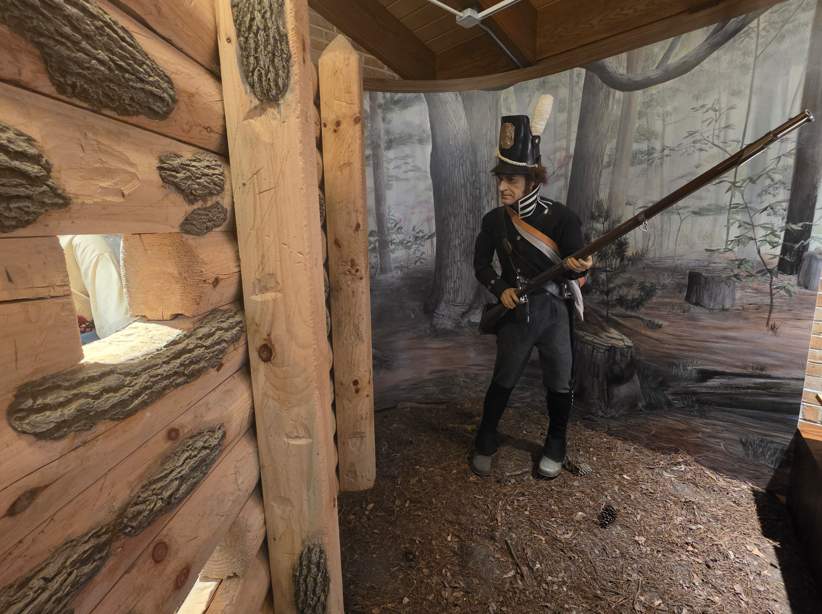
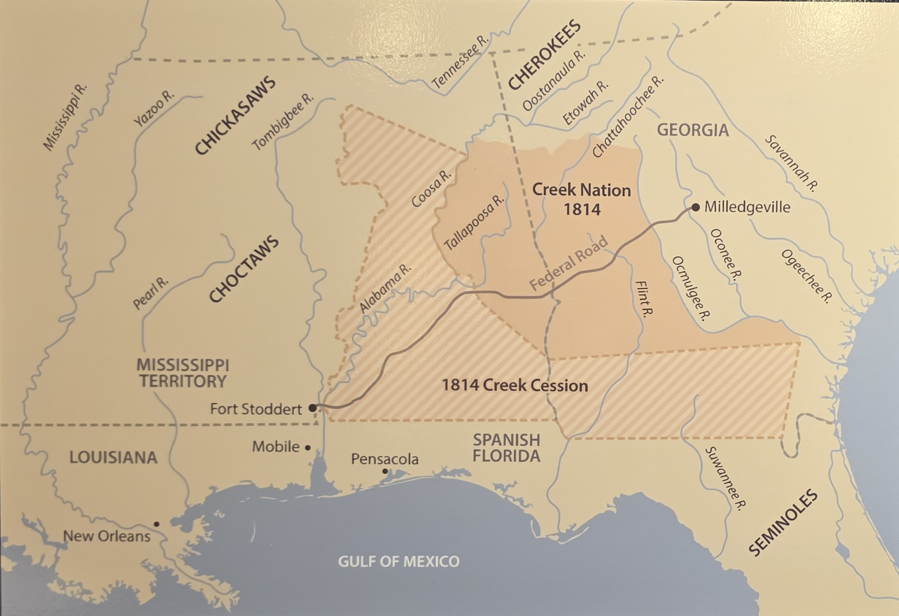
This battlefield is located in a peaceful secluded bend on the Tallapoosa River.The Battle of Horseshoe Bend took place on March 27, 1814. This was the last major engagement of the Creek War of 1813-1814. The battle was between US troops and their Indian allies, vs. Red Stick Creek warriors. The Red Sticks had constructed a defensive barricade across the peninsula at the bend of the Tallapoosa River. US forces along with their Creek and Cherokee allies attacked on March 27. This marked the most American Indians ever killed in a single battle – 800.At the time of the battle the “Creeks” were the most powerful American Indians in the southeast, with ancestors in the area dating back thousands of years creating a landscape of large ceremonial earthen mounds. By the 1700s an estimated 20,000-26,000 Creek people lived in about 60 tribal towns or a vibrant interconnected society along the major rivers of Alabama and Georgia.Monument text: Here on the Horseshoe battleground General Andrew Jackson and his brave men broke the power of the Creek Indians under Chief Menawa March 29, 1814. Erected by Congress of the United States.Facing down the hill toward the battlefield.Markers depict the limit of the Creek barricadeBeyond these trees was where the Creek Tohopeka village inside the barricade was located. It was closed to the public when we were there because of storm damage.Tallapoosa RiverModel of the Tohopeka village.Approximately 1000 Red Stick warriors with Okfuskee Chief Menawa waited behind their fortification ready to defend their land and people. On the other side, there were 700 mounted Militia led by Brigadier General John Coffee, 100 Creek warriors led by William McIntosh, 500 Cherokee, and another 2000 soldiers of the 39th Infantry and Tennessee Militia positioned by General Jackson in front of the barricade.On August 9, 1814, General Jackson and 35 Creek chiefs, only one who supported the Red Sticks, signed the Treaty of Fort Jackson. The treaty forced the Creek Nation to cede more than half their territory – just over 21 million acres – to the US. The war had destroyed 48 Creek towns, including house, property, livestock and communal fields. Survivors were left homeless and starving. Some Creeks sought refuge in Florida among the Seminoles. The availability of former Creek lands prompted a wave of “Alabama Fever” as thousands moved here (bringing slaves with them) seeking cheap land and rich soils to cultivate cash crops such as cotton. The non-Indian population increased dramatically, from 9000 in 1810 to 128,000 in 1820. Alabama became the 22nd state in 1819.
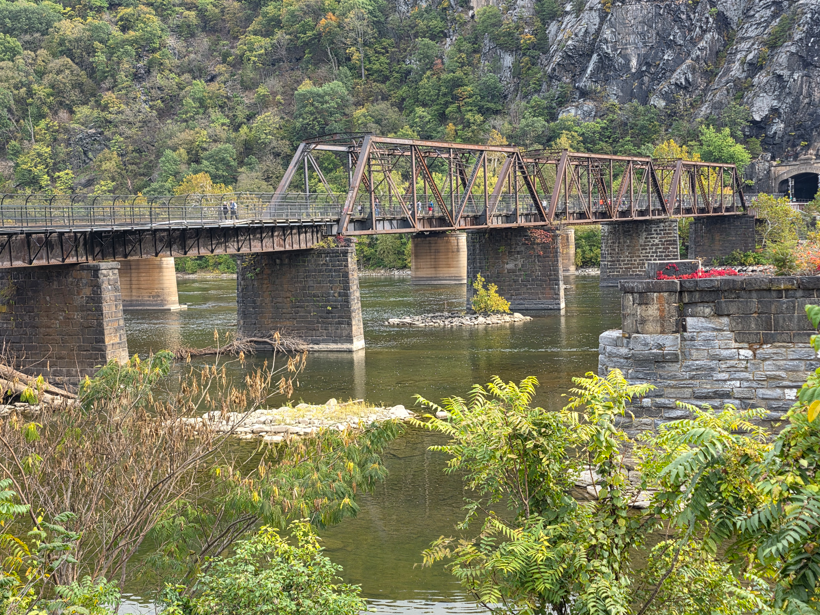
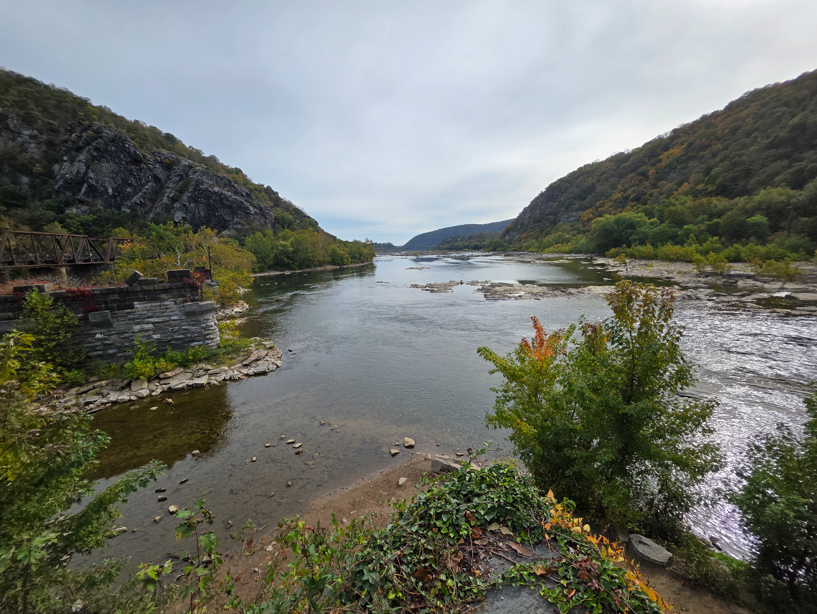
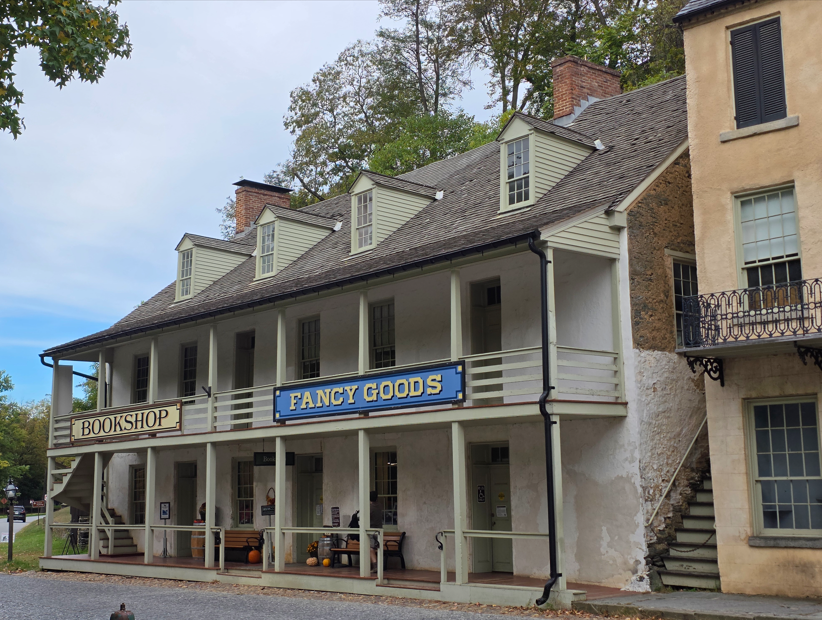
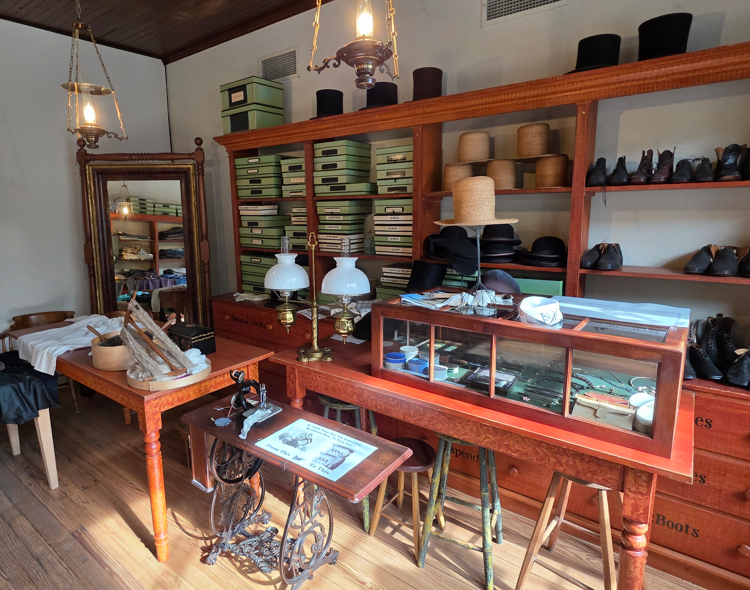
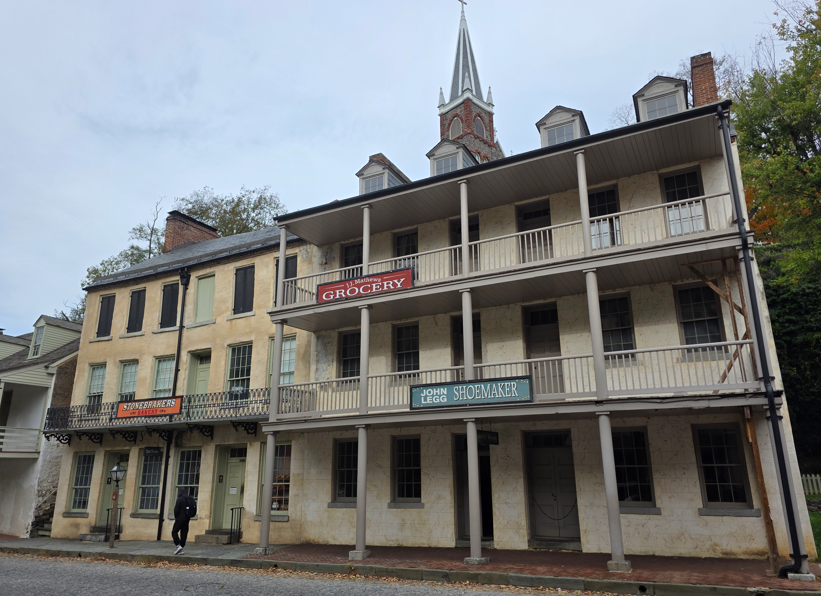
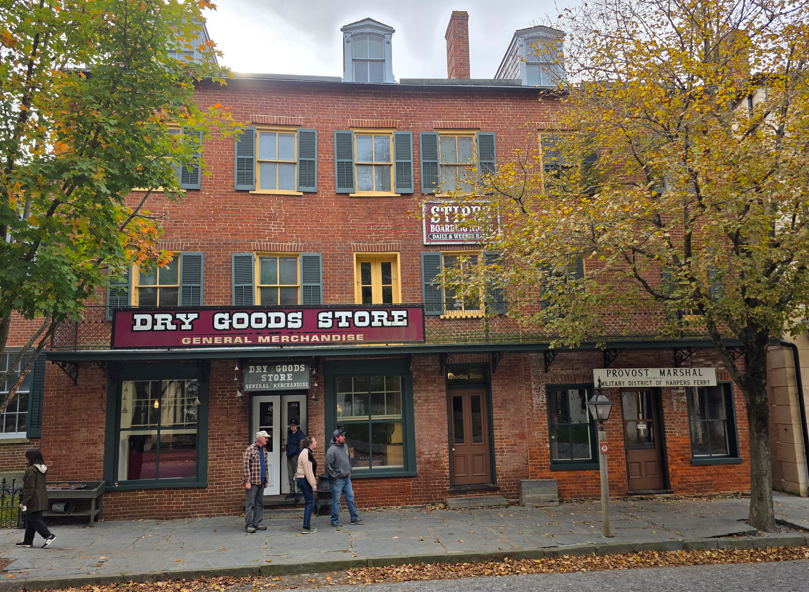
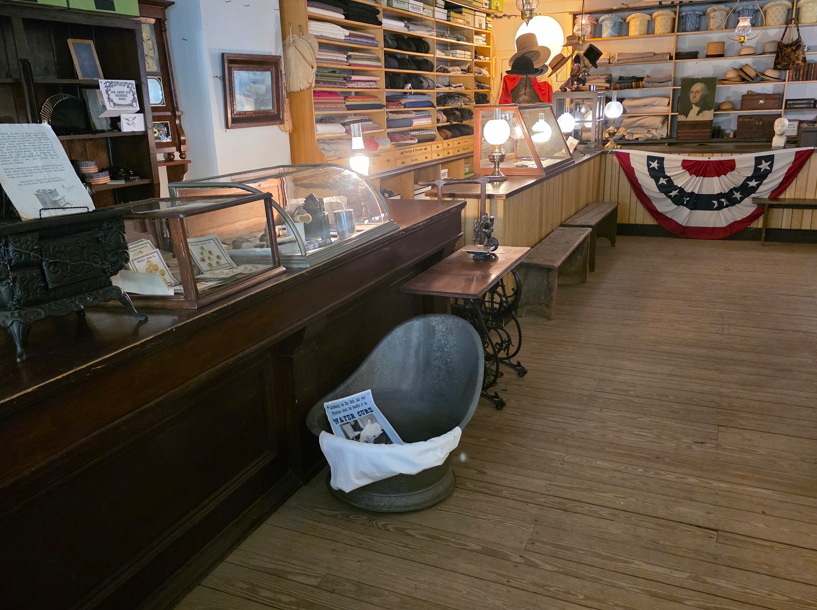
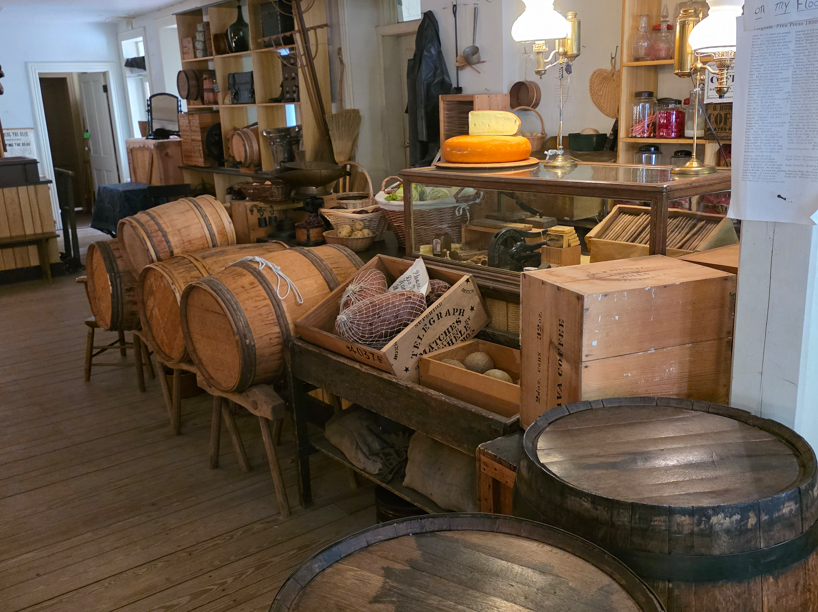
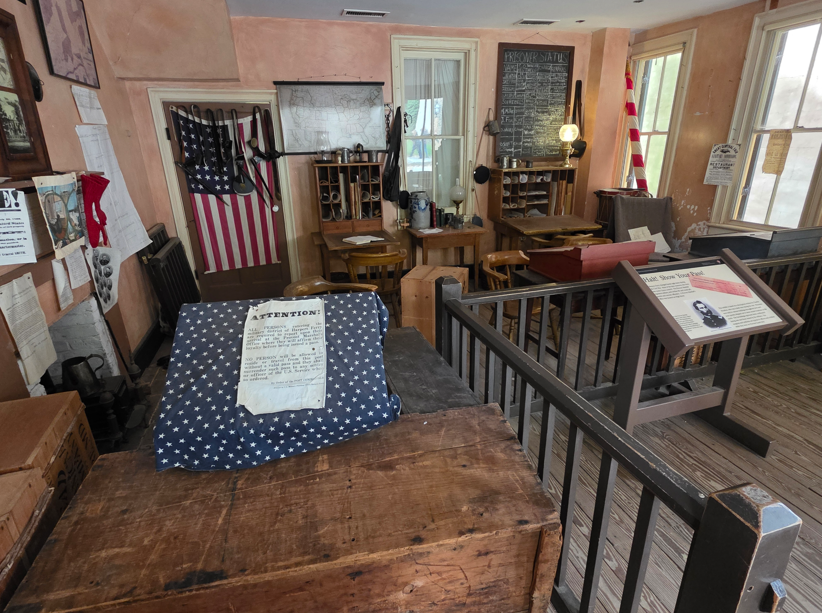
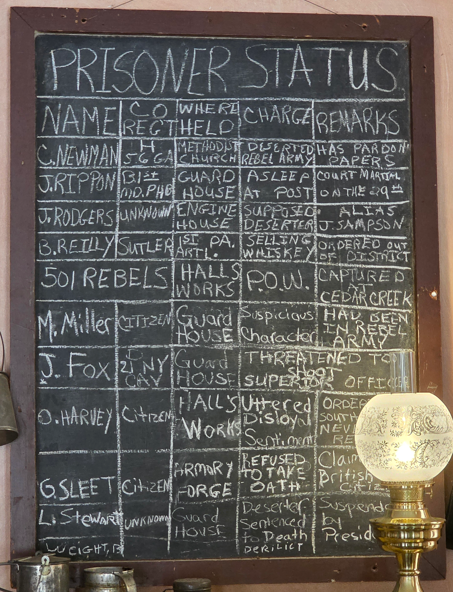
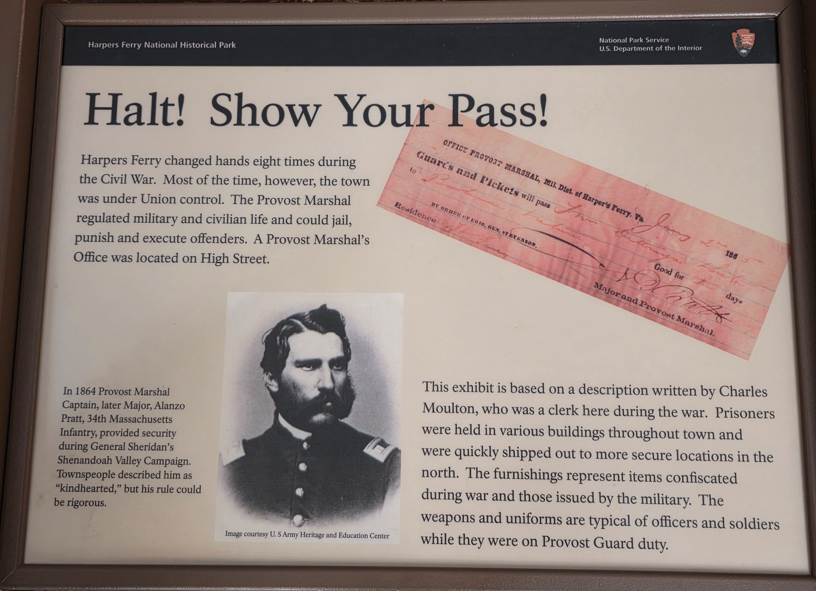
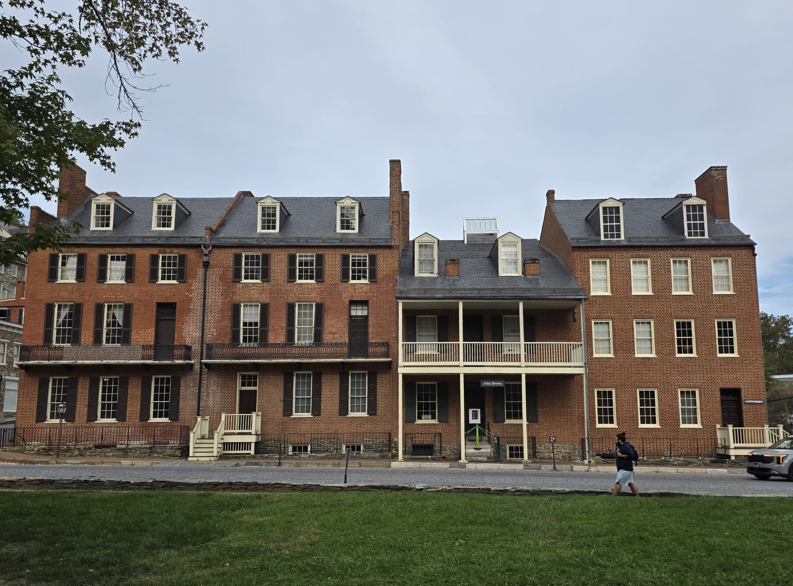
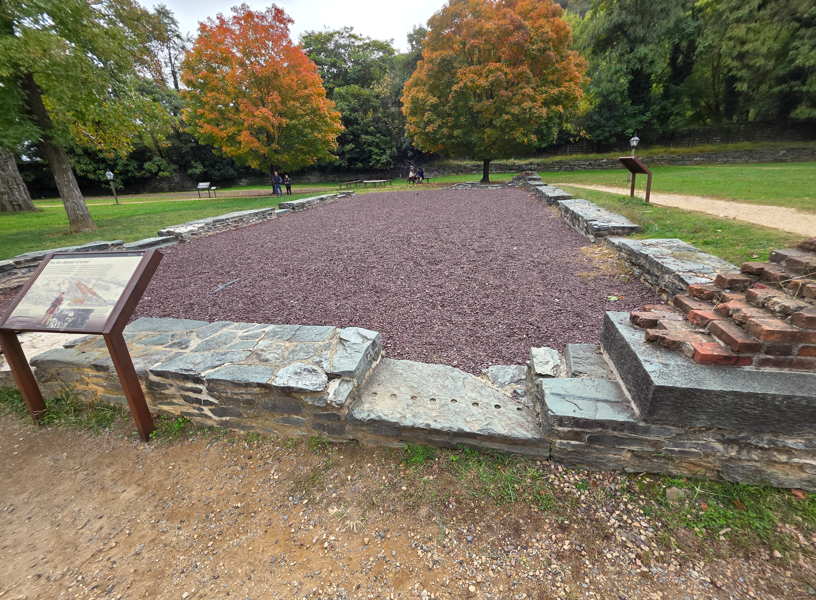
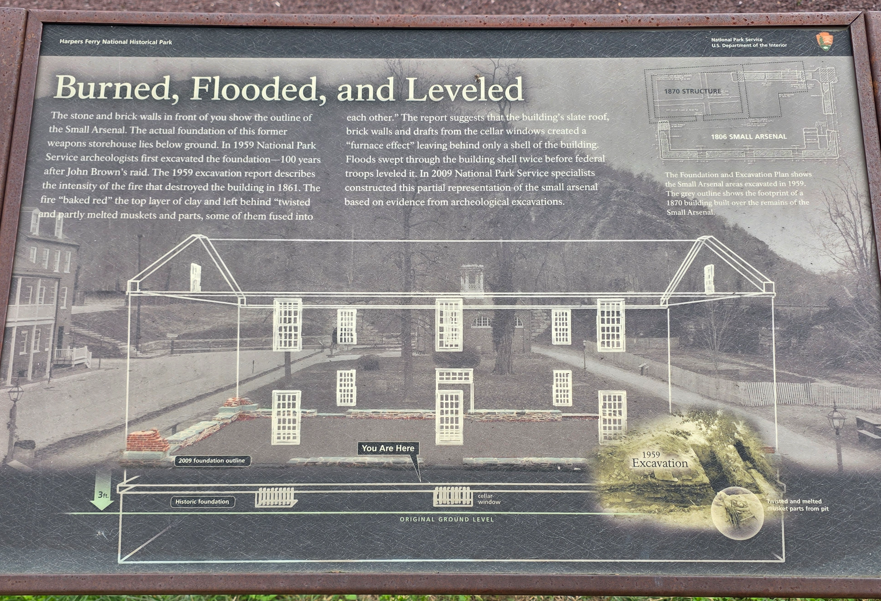
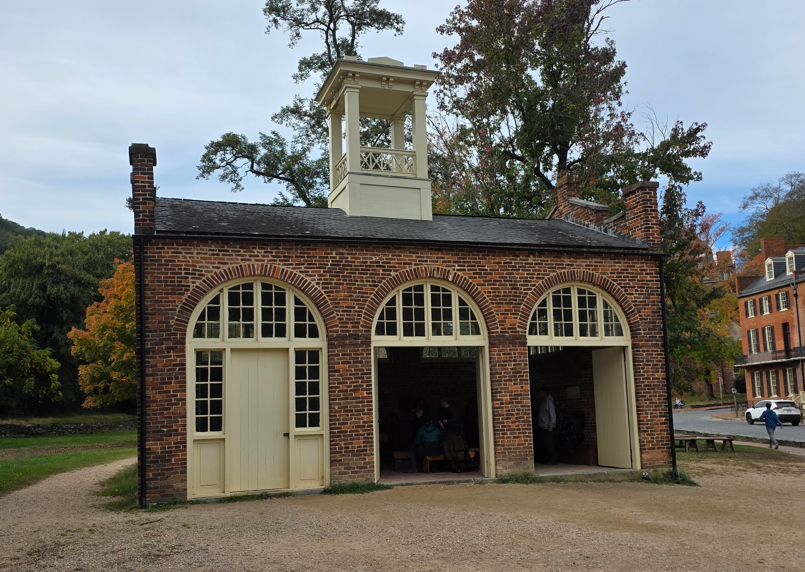
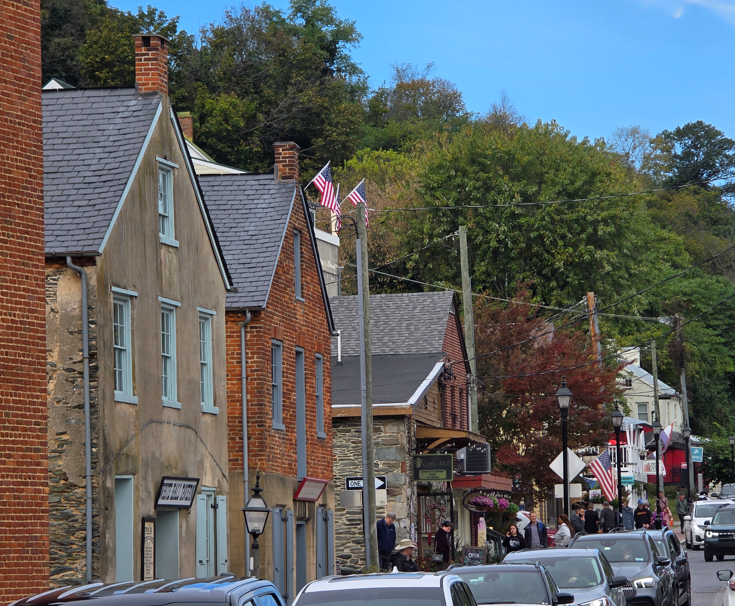
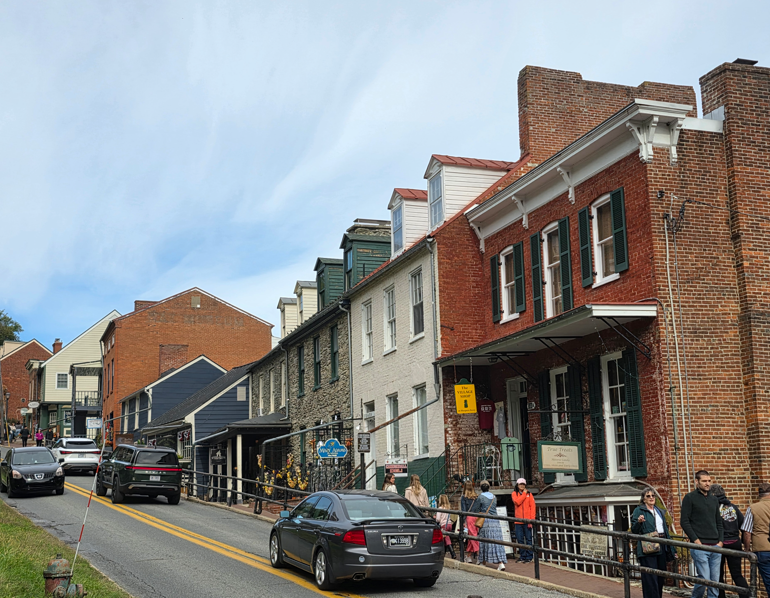
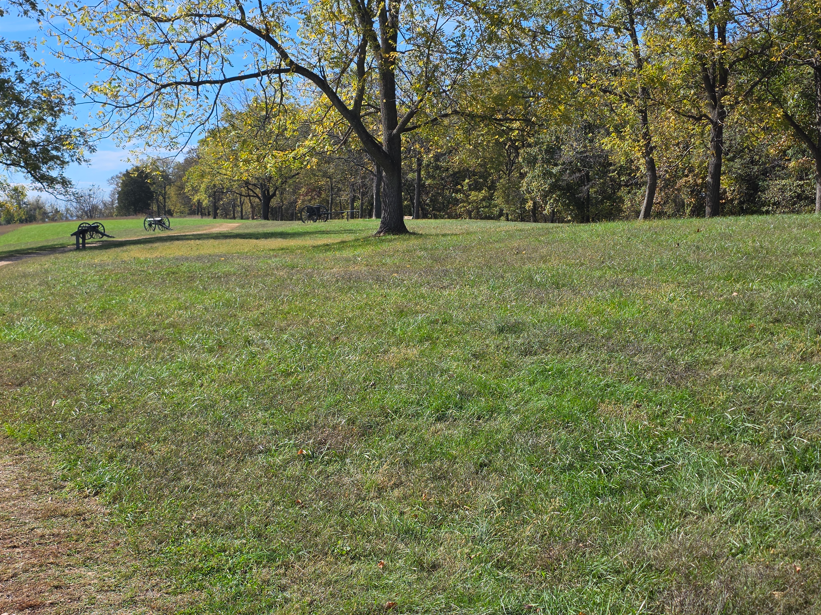
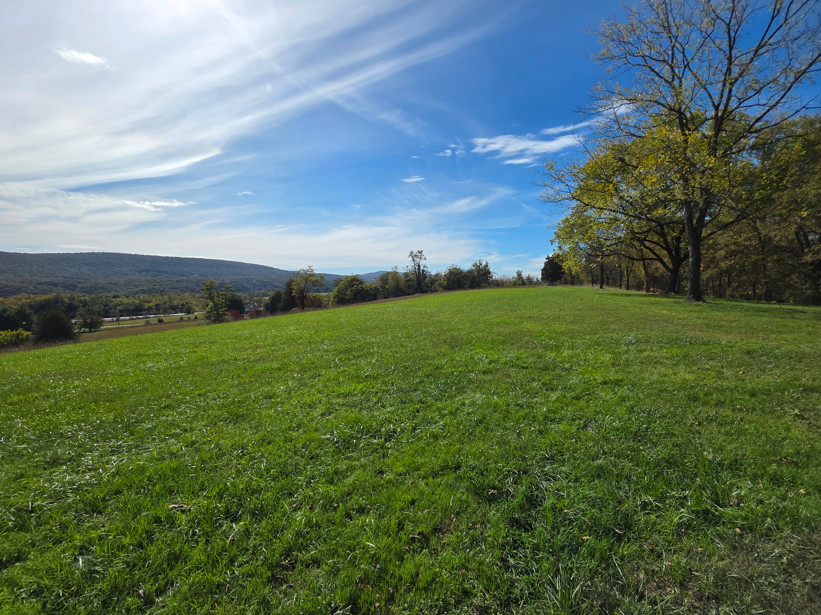
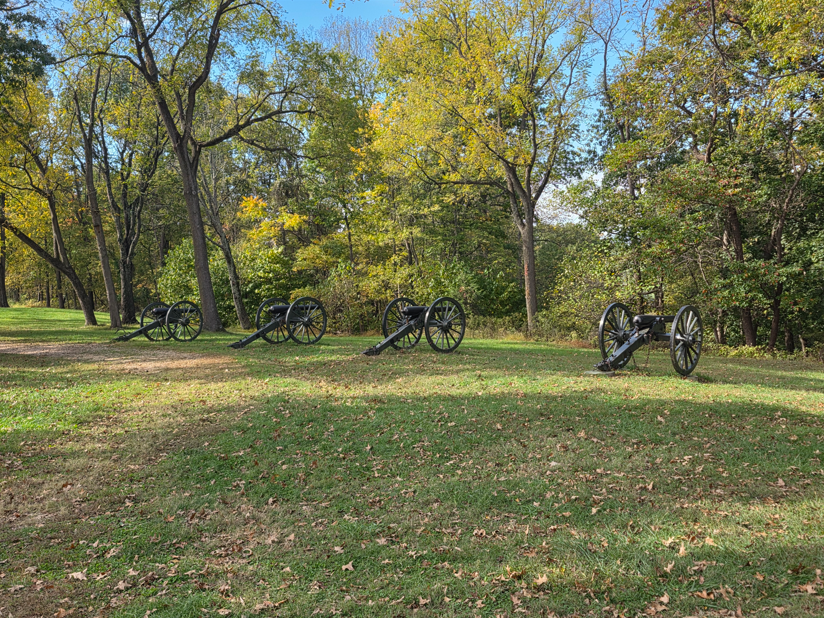
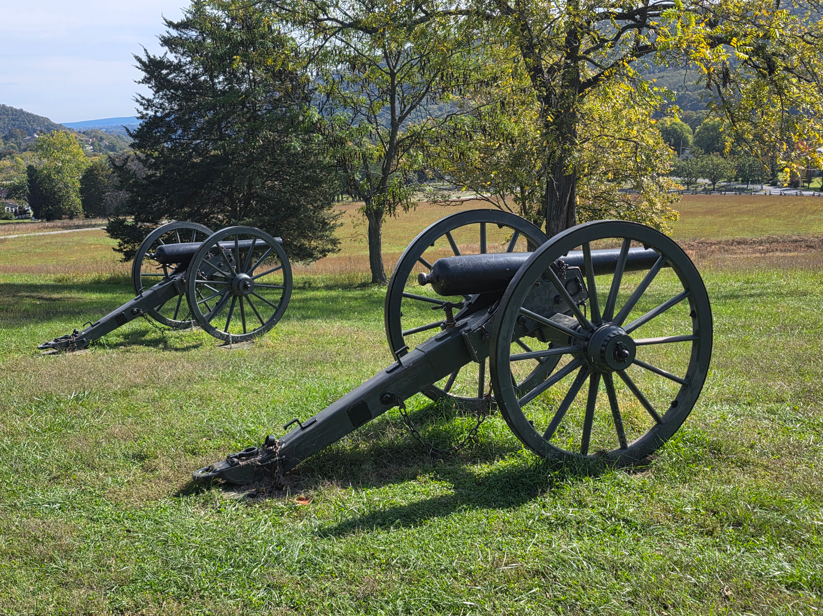
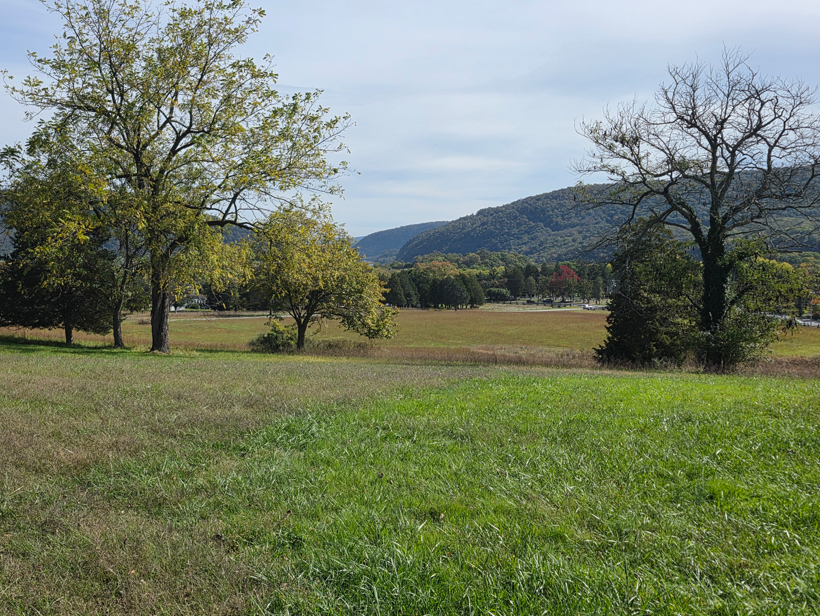
Old railroad bridge, now a walking bridge.The confluence of the Potomac and Shenandoah Rivers.Scenes around downtown Harpers Ferry. A step back in time.Harpers Ferry Battlefield. From September 12 to 15, 1862, Confederate forces under Gen. “Stonewall” Jackson besieged the 13,000-man garrison at Harpers Ferry resulting in the largest surrender of American troops until World War II.The high ground during the battle.Looking down from the high ground.