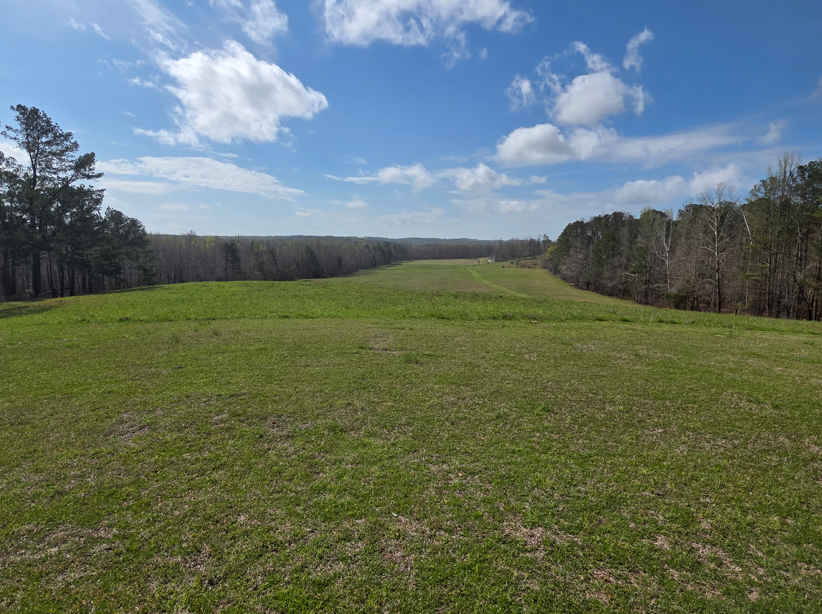
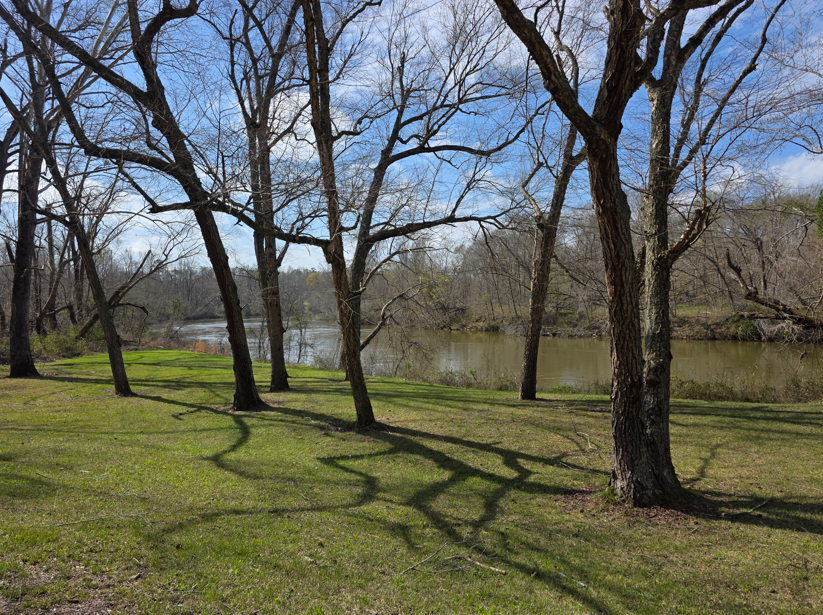
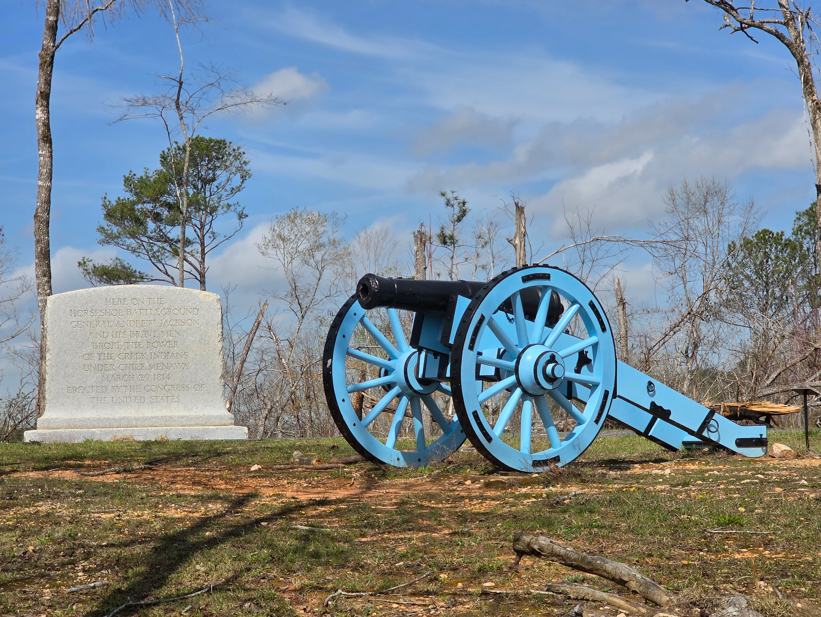
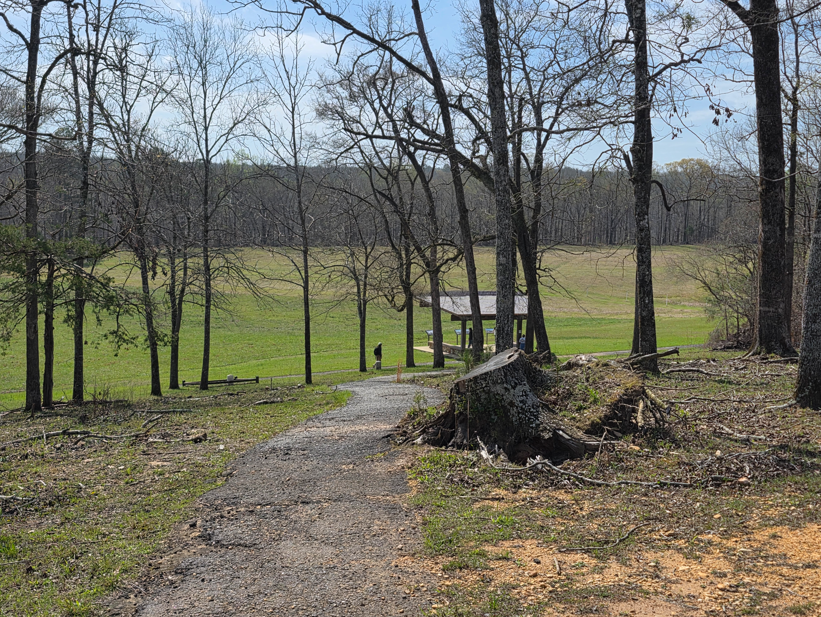
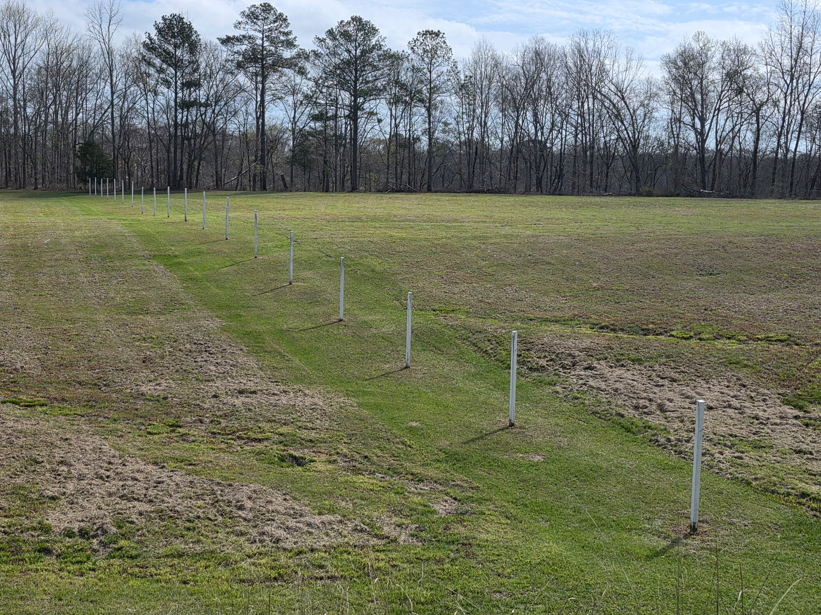
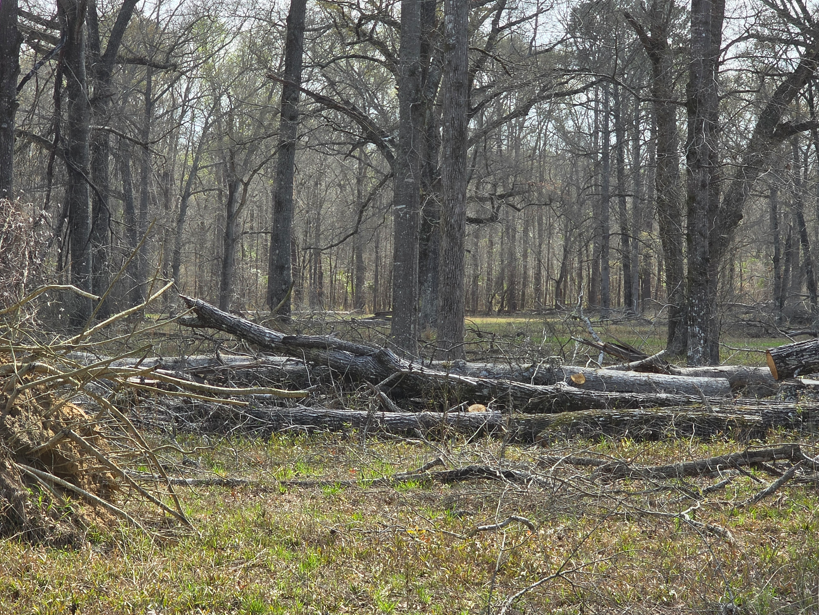
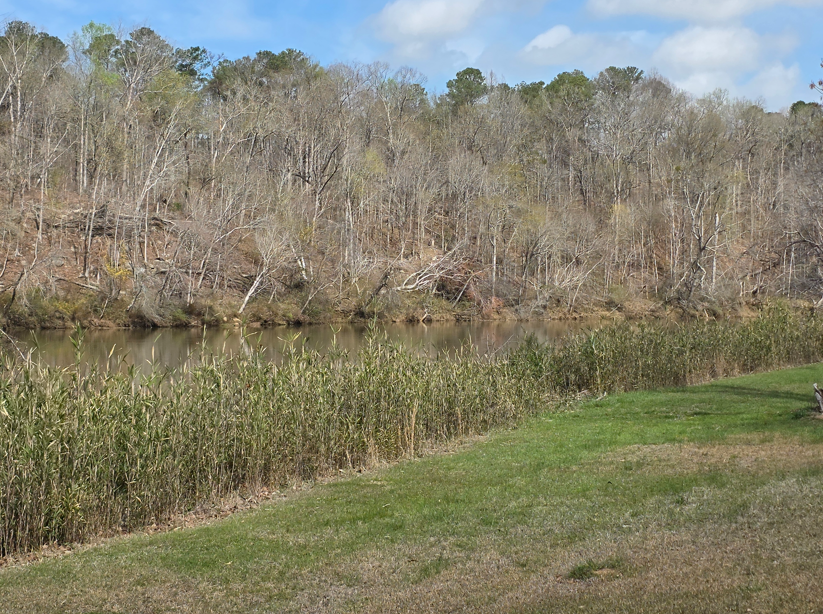
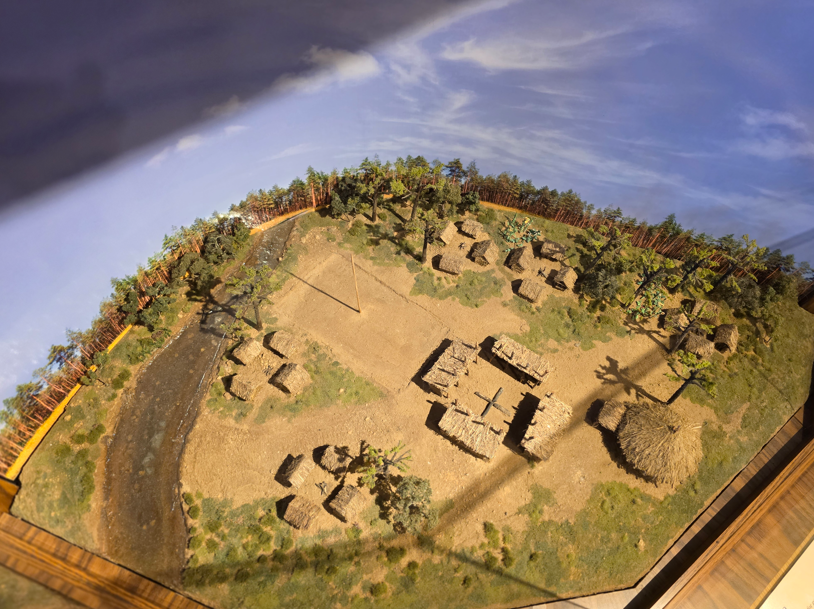
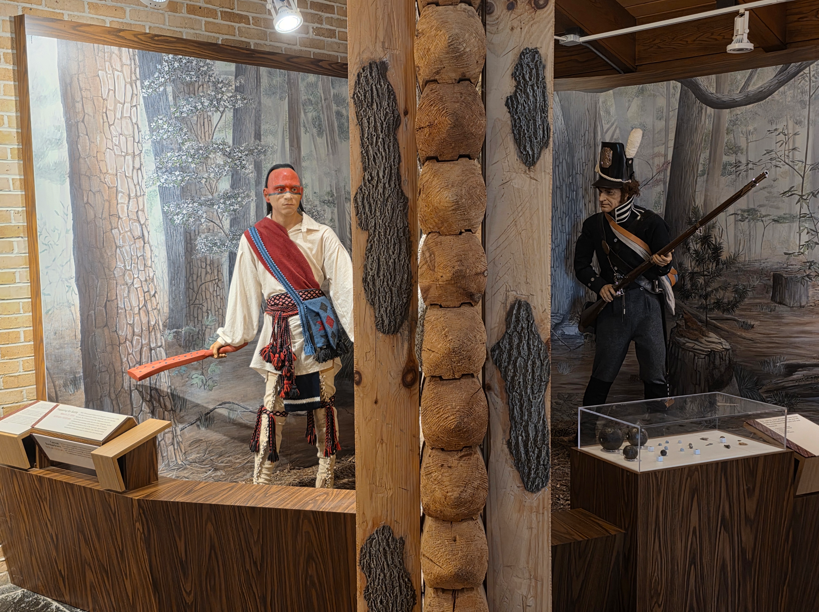
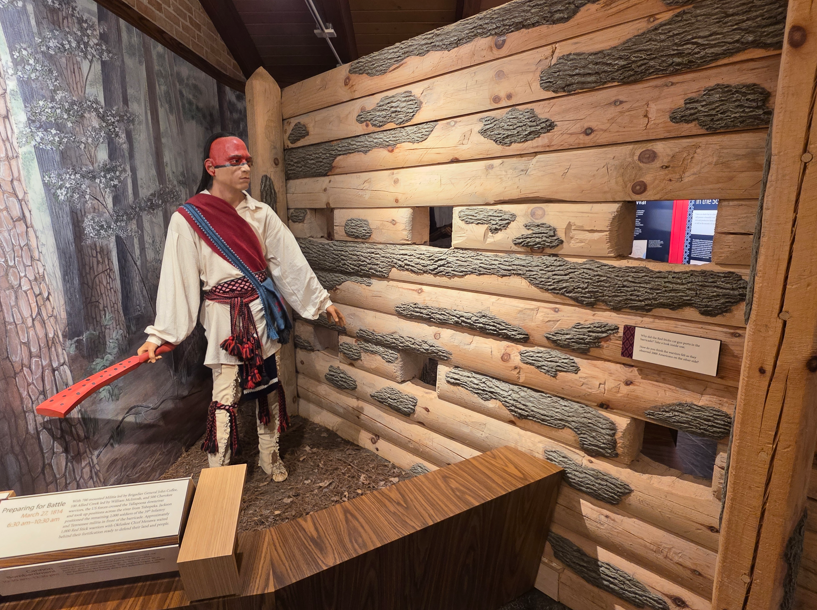
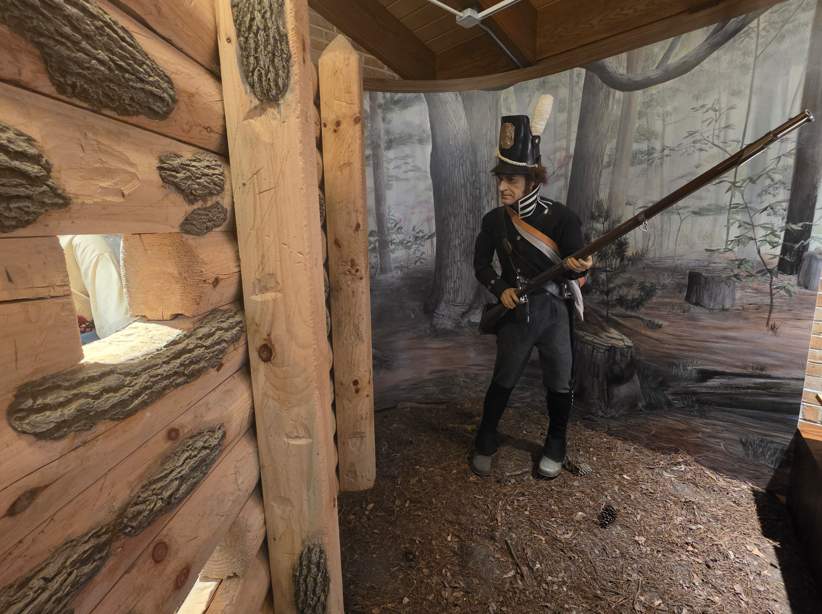
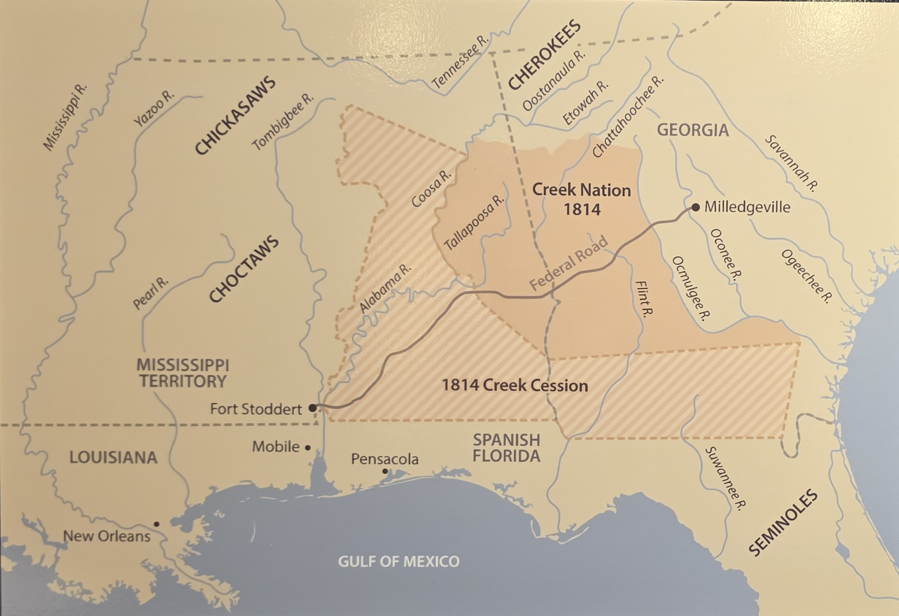
This battlefield is located in a peaceful secluded bend on the Tallapoosa River.The Battle of Horseshoe Bend took place on March 27, 1814. This was the last major engagement of the Creek War of 1813-1814. The battle was between US troops and their Indian allies, vs. Red Stick Creek warriors. The Red Sticks had constructed a defensive barricade across the peninsula at the bend of the Tallapoosa River. US forces along with their Creek and Cherokee allies attacked on March 27. This marked the most American Indians ever killed in a single battle – 800.At the time of the battle the “Creeks” were the most powerful American Indians in the southeast, with ancestors in the area dating back thousands of years creating a landscape of large ceremonial earthen mounds. By the 1700s an estimated 20,000-26,000 Creek people lived in about 60 tribal towns or a vibrant interconnected society along the major rivers of Alabama and Georgia.Monument text: Here on the Horseshoe battleground General Andrew Jackson and his brave men broke the power of the Creek Indians under Chief Menawa March 29, 1814. Erected by Congress of the United States.Facing down the hill toward the battlefield.Markers depict the limit of the Creek barricadeBeyond these trees was where the Creek Tohopeka village inside the barricade was located. It was closed to the public when we were there because of storm damage.Tallapoosa RiverModel of the Tohopeka village.Approximately 1000 Red Stick warriors with Okfuskee Chief Menawa waited behind their fortification ready to defend their land and people. On the other side, there were 700 mounted Militia led by Brigadier General John Coffee, 100 Creek warriors led by William McIntosh, 500 Cherokee, and another 2000 soldiers of the 39th Infantry and Tennessee Militia positioned by General Jackson in front of the barricade.On August 9, 1814, General Jackson and 35 Creek chiefs, only one who supported the Red Sticks, signed the Treaty of Fort Jackson. The treaty forced the Creek Nation to cede more than half their territory – just over 21 million acres – to the US. The war had destroyed 48 Creek towns, including house, property, livestock and communal fields. Survivors were left homeless and starving. Some Creeks sought refuge in Florida among the Seminoles. The availability of former Creek lands prompted a wave of “Alabama Fever” as thousands moved here (bringing slaves with them) seeking cheap land and rich soils to cultivate cash crops such as cotton. The non-Indian population increased dramatically, from 9000 in 1810 to 128,000 in 1820. Alabama became the 22nd state in 1819.