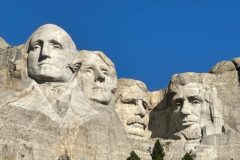
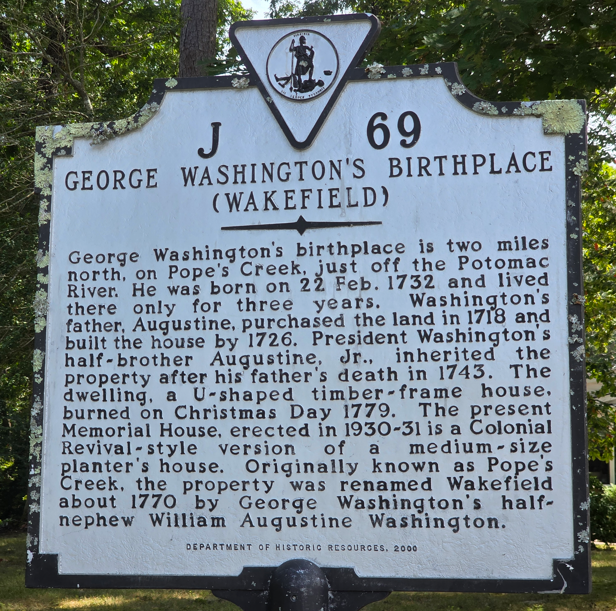
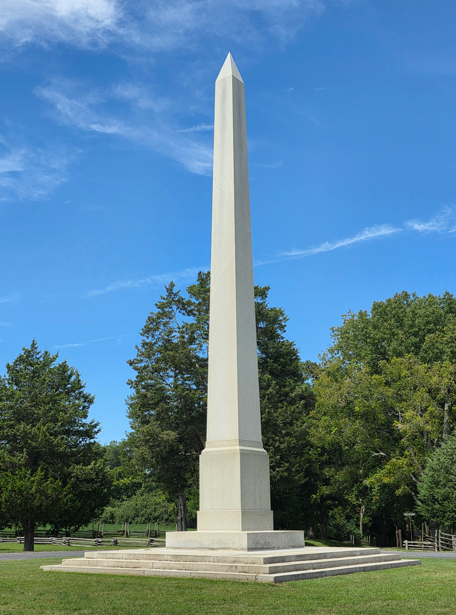
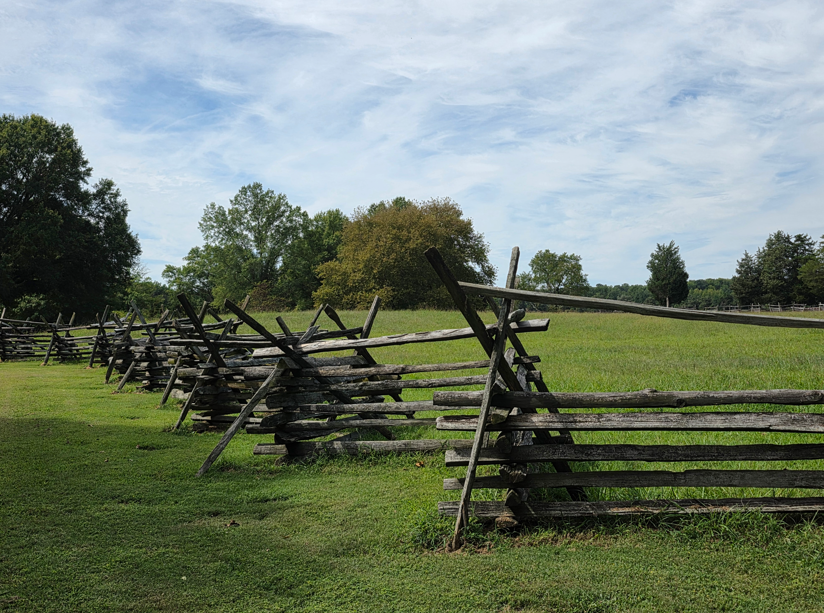
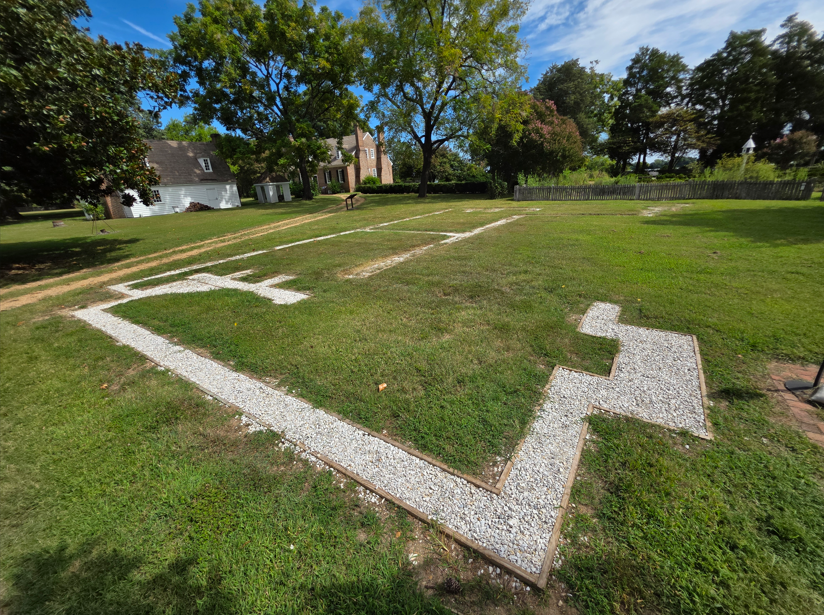
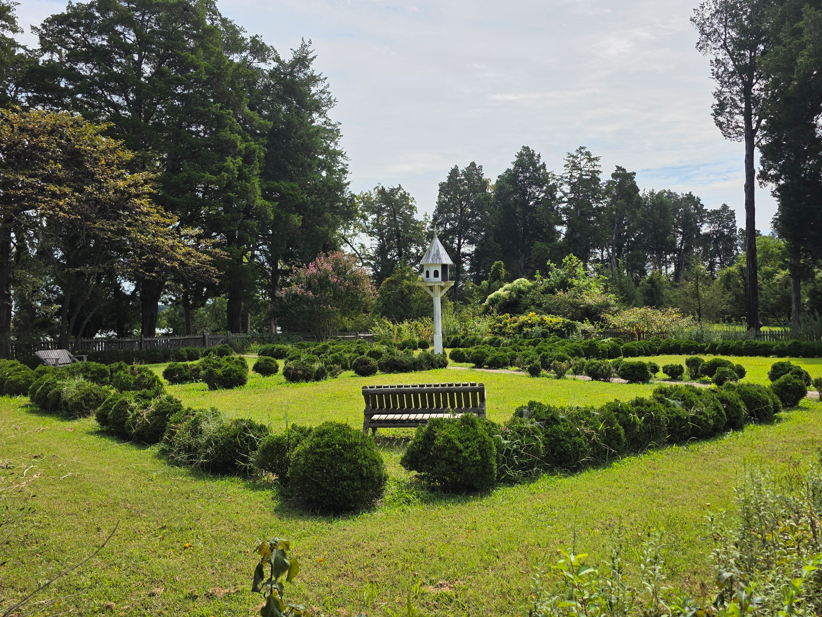
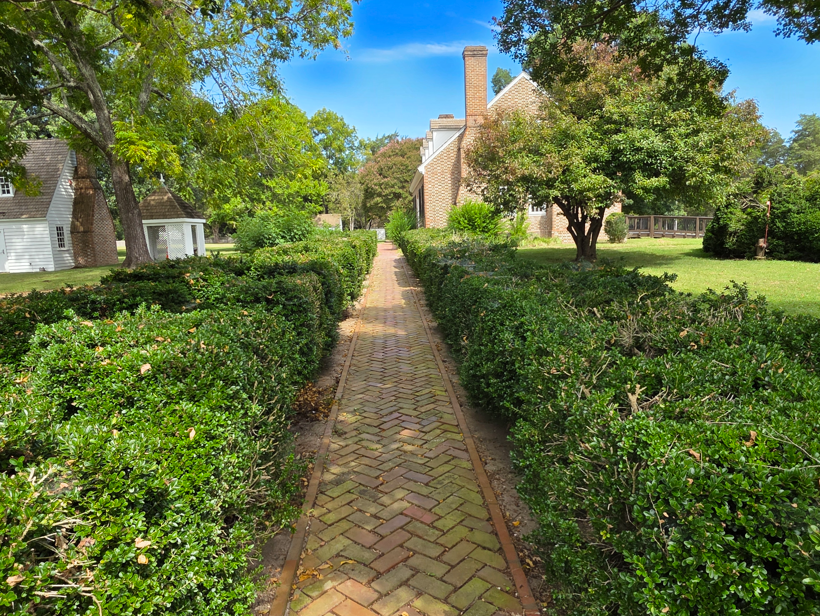
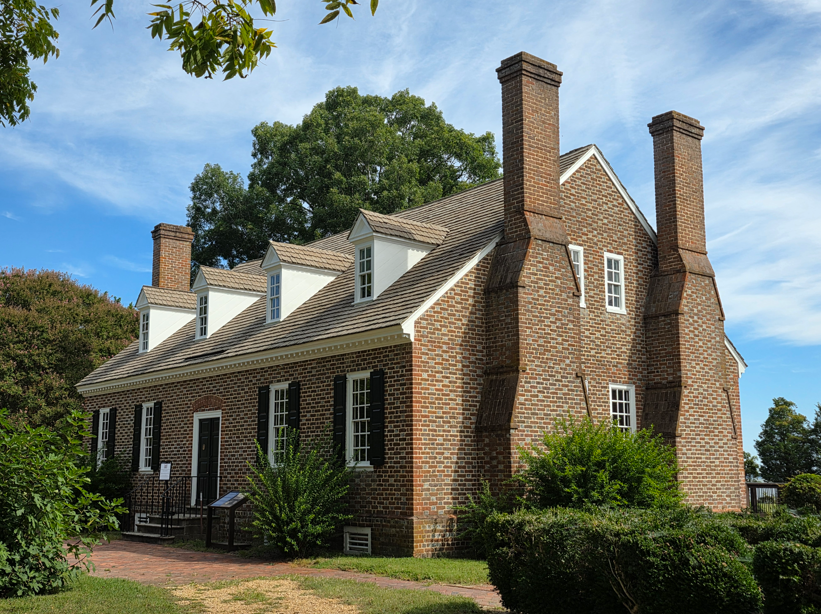
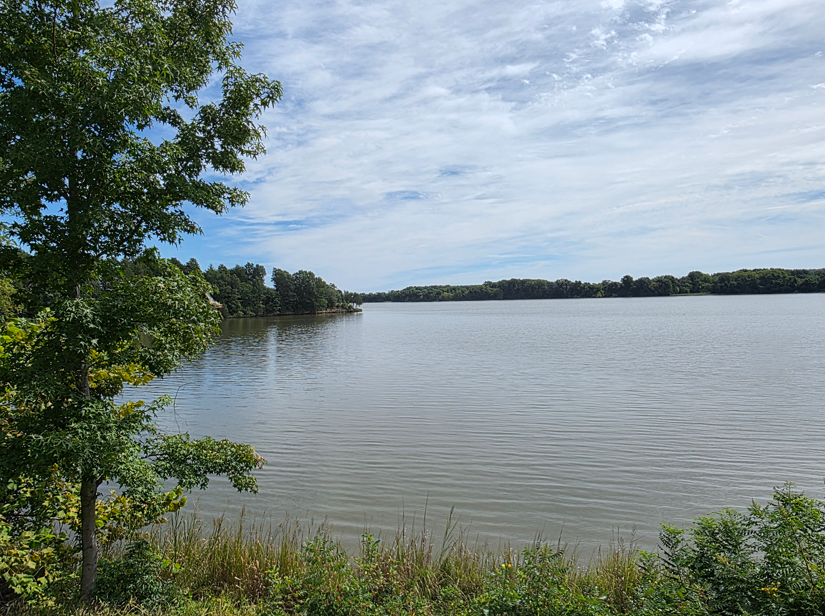
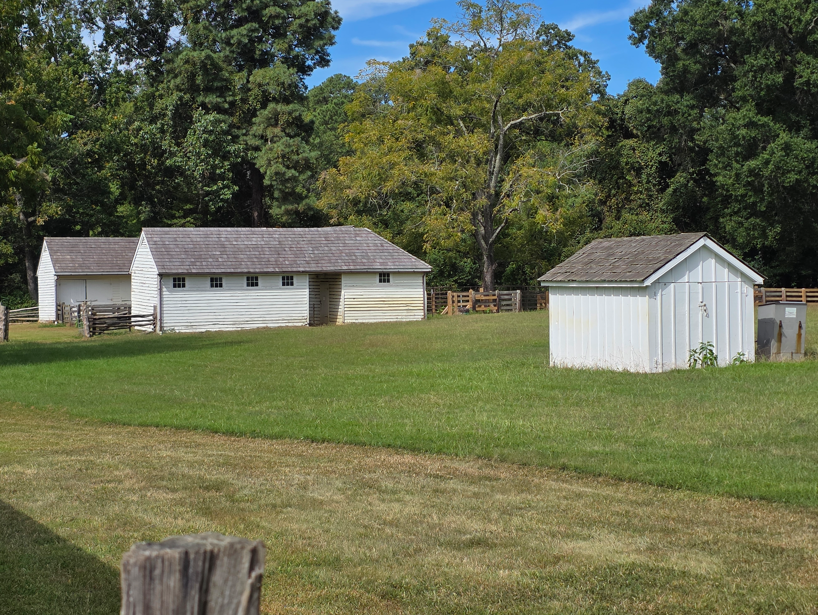
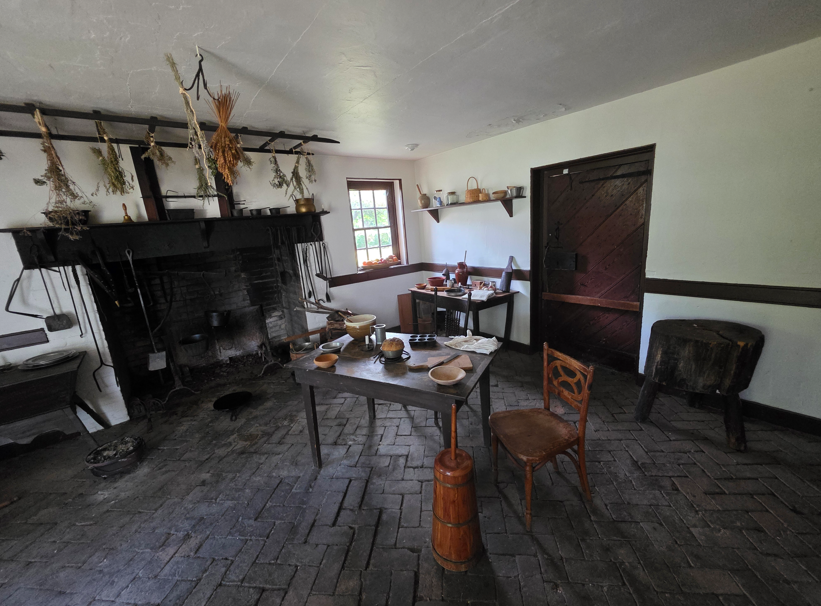
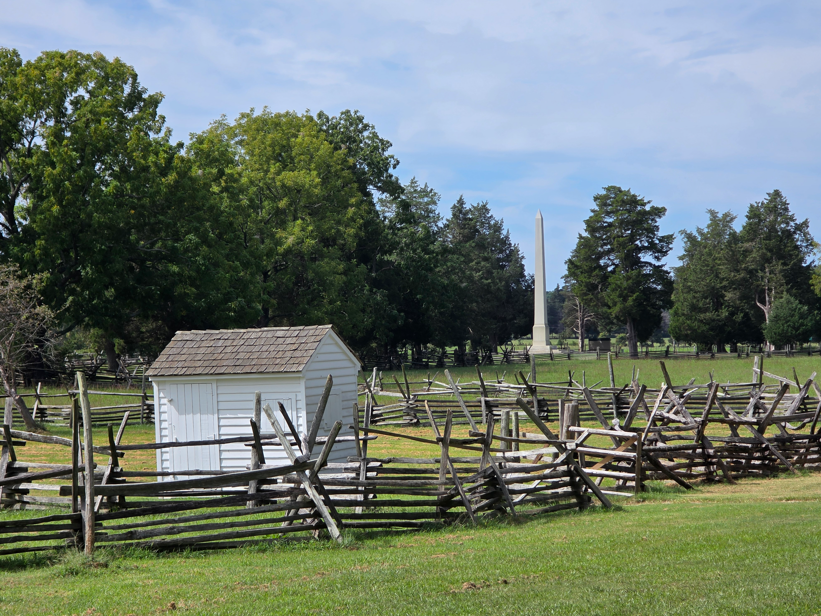
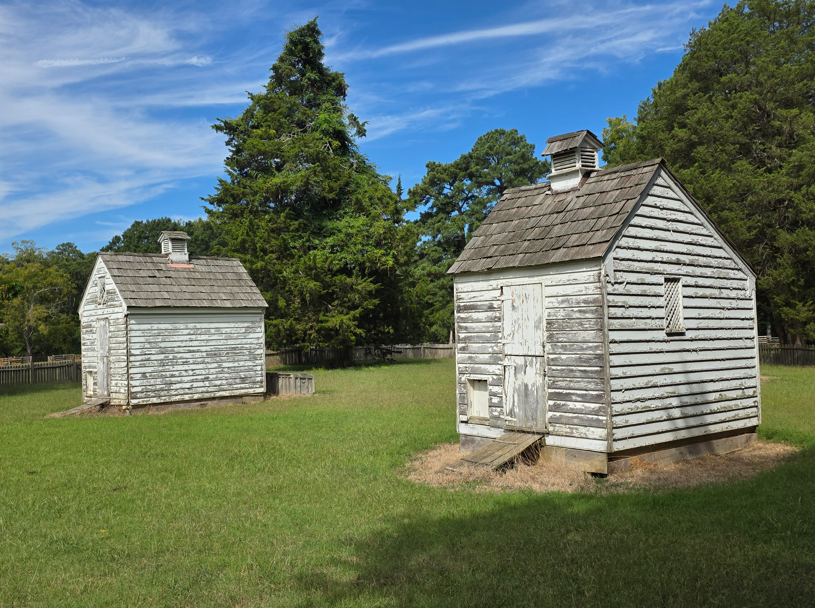
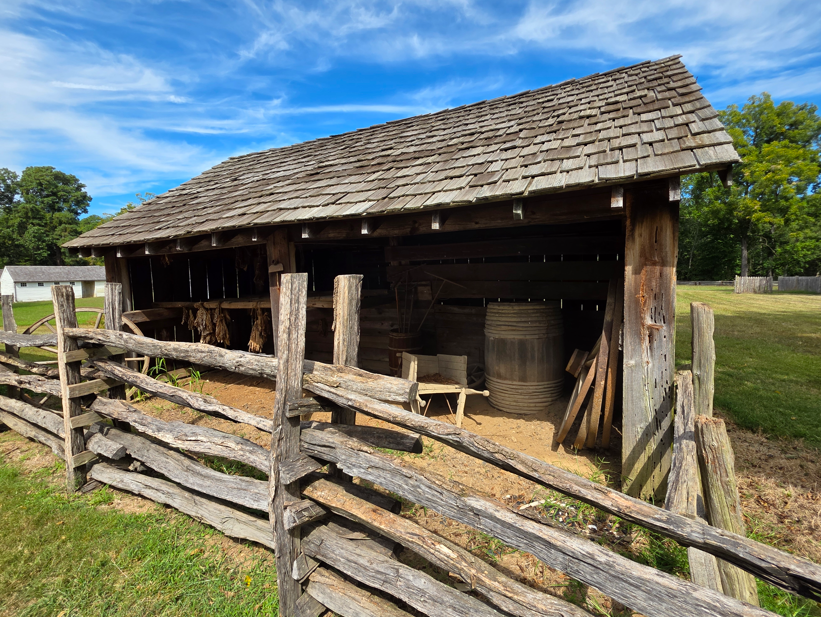
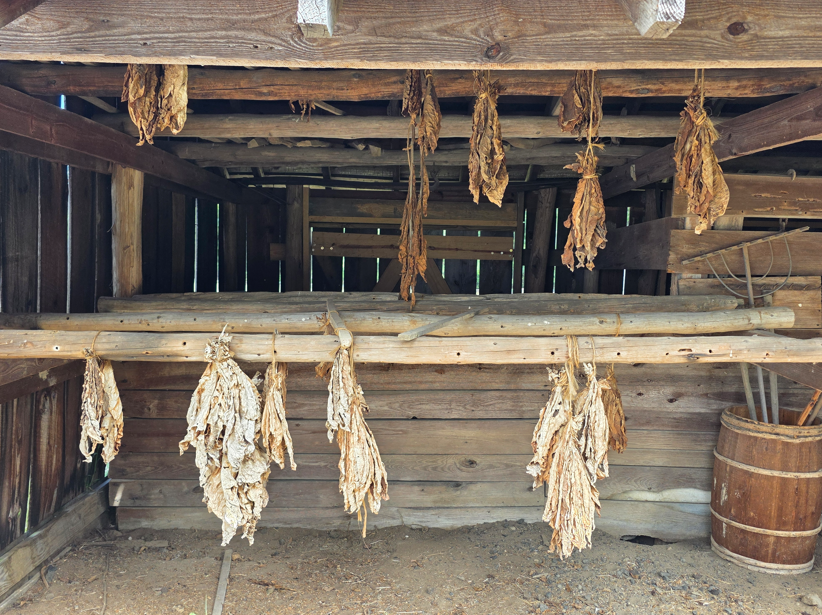
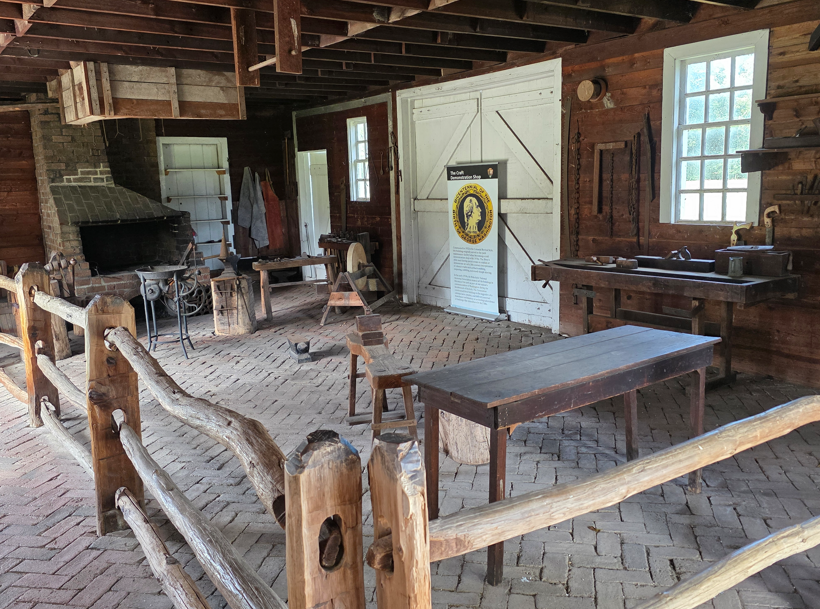
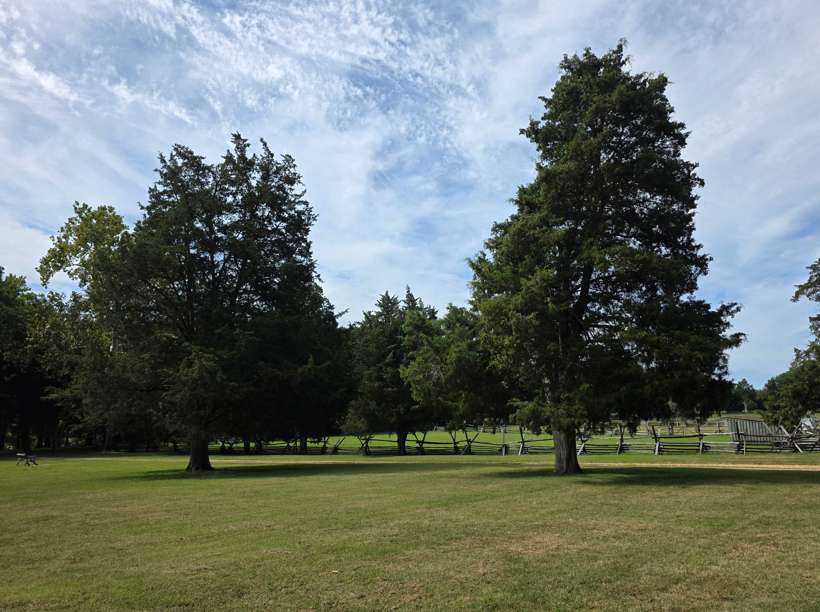
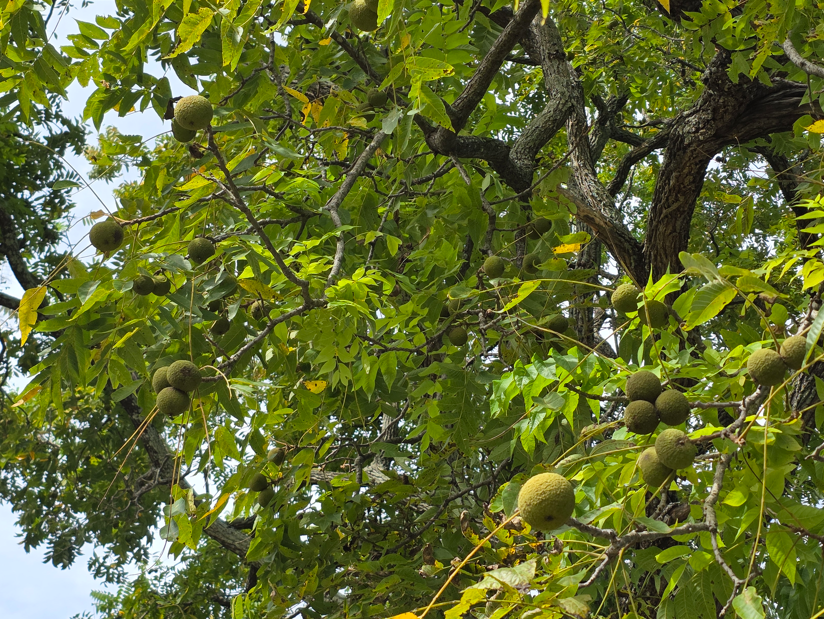
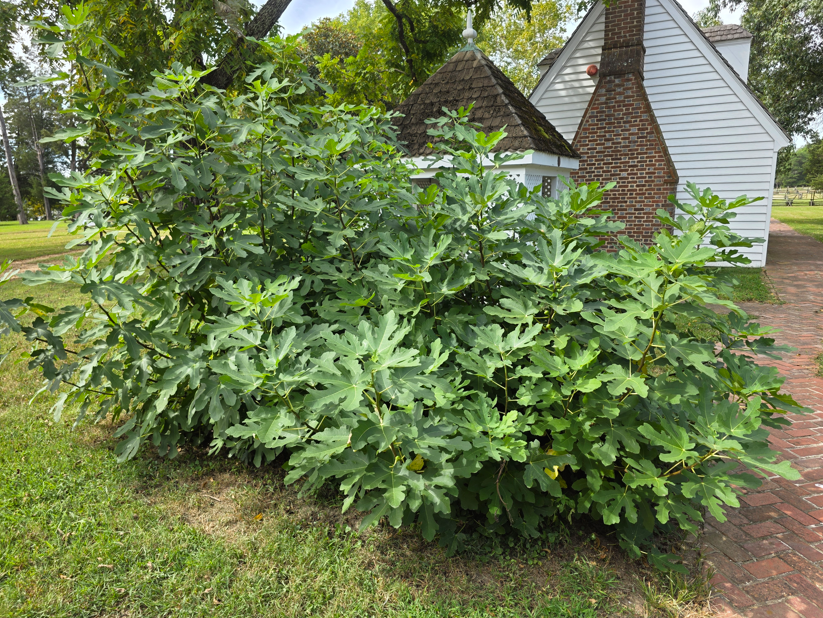
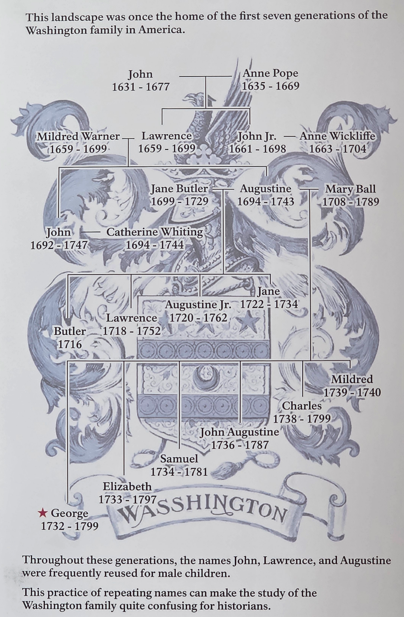
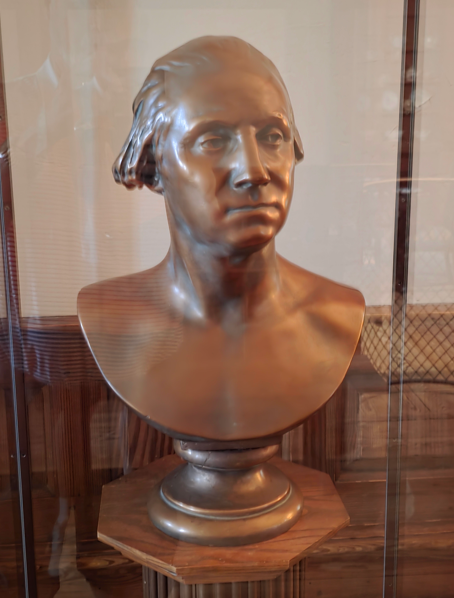
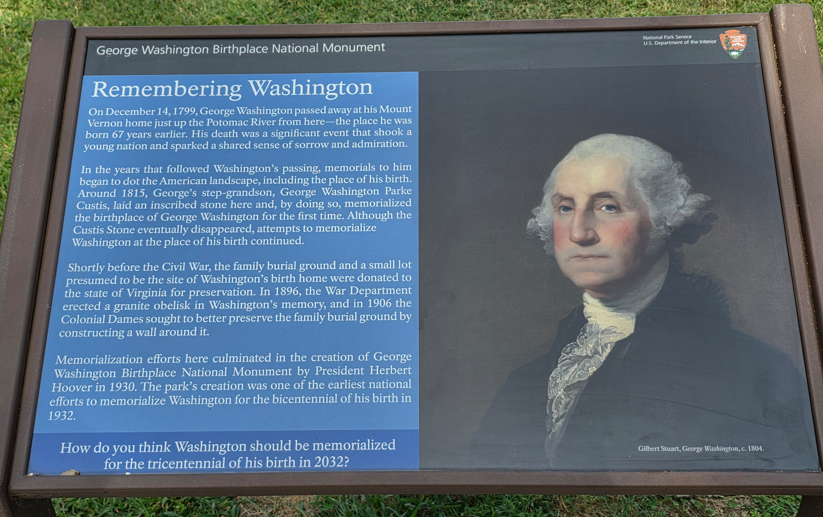
Washington was born here in Westmoreland County, and he moved to Fredericksburg’s Ferry Farm when he was 6 years old.Washington Birthplace monument obelisk.This outline marks the archeological remains of a brick foundation representing a substantial 18th century home that belonged to the Washington family.Colonial Revival GardenPathway to memorial house.Washington Birthplace Memorial House. This house was built in 1932 to commemorate the 200th anniversary of Washington’s birth. The Washington family farm backed up to Popes Creek.Colonial Revival Kitchen.Tobacco barnTobaccoFarm WorkshopWalnut treeFig treeWashington family treeBust of Washington inside the Memorial House.
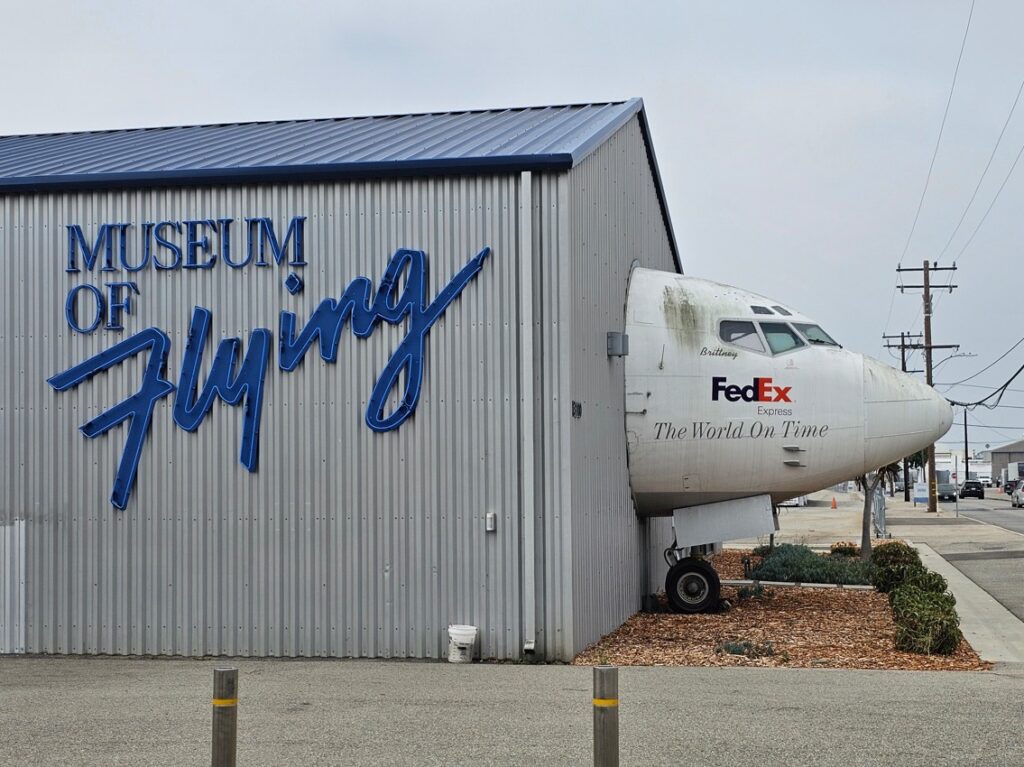
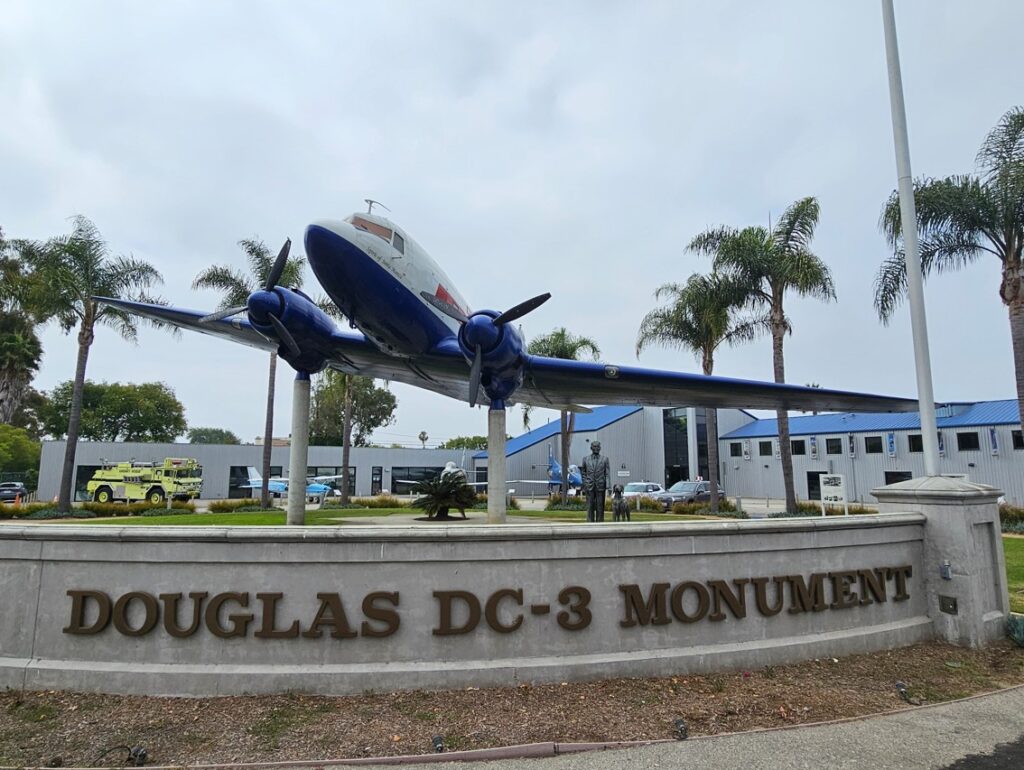
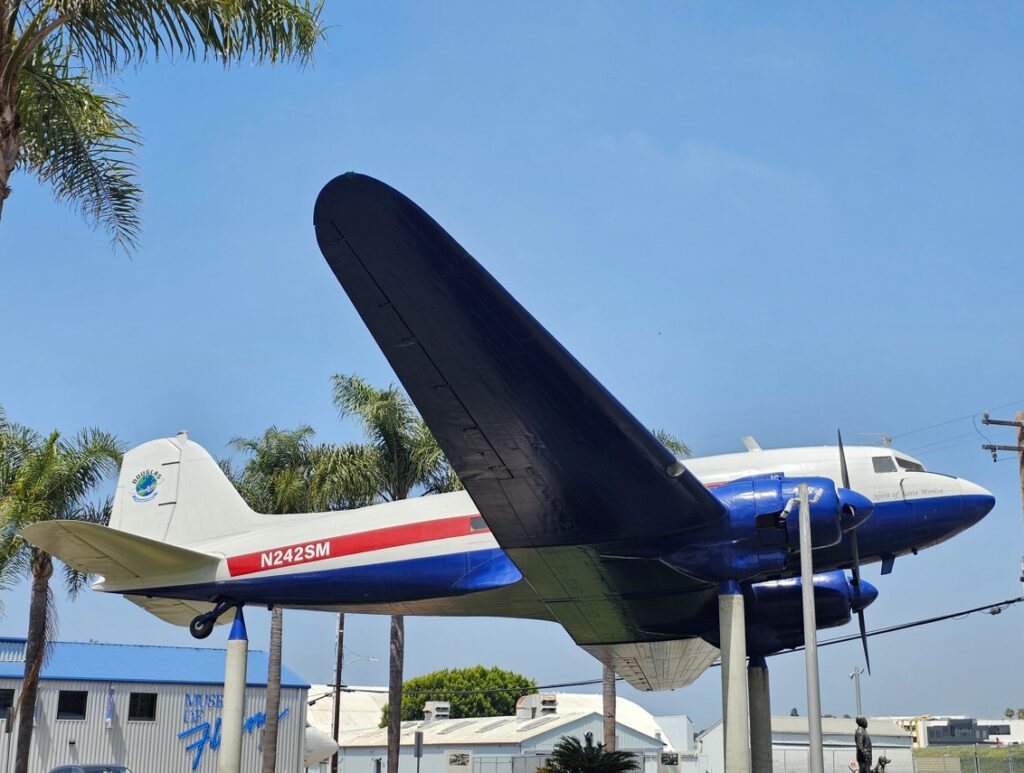
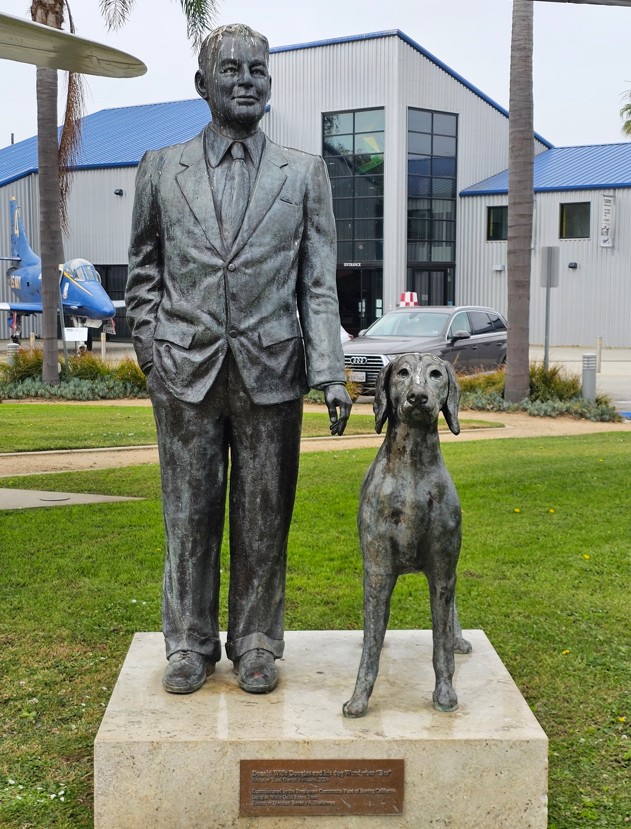
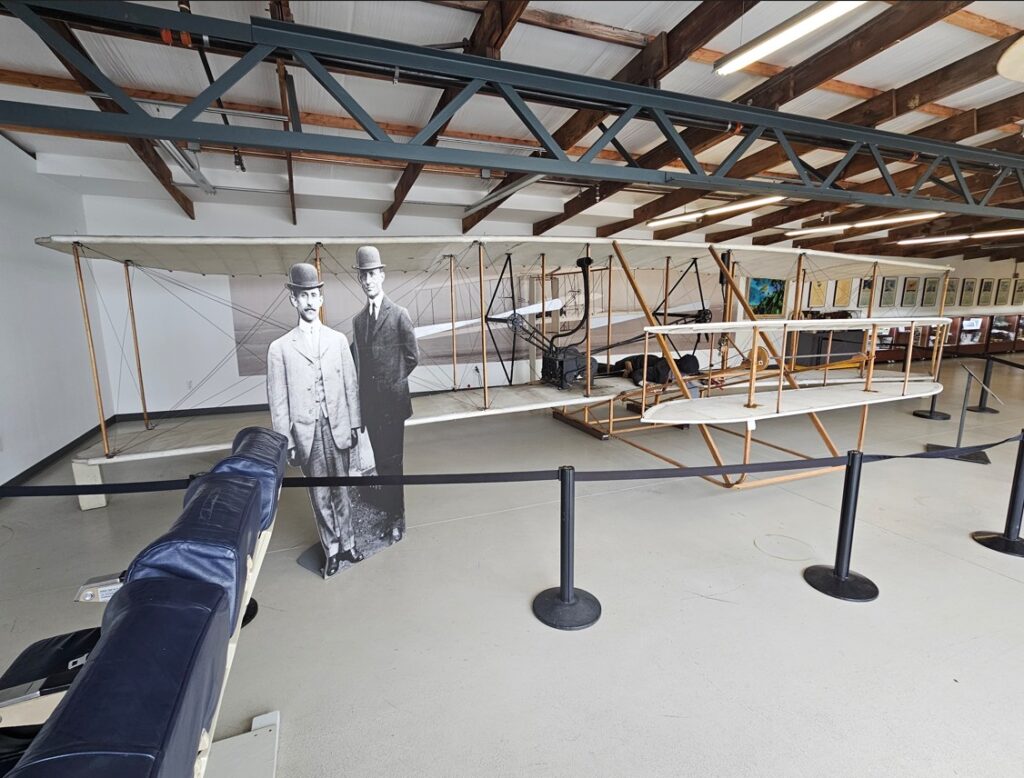
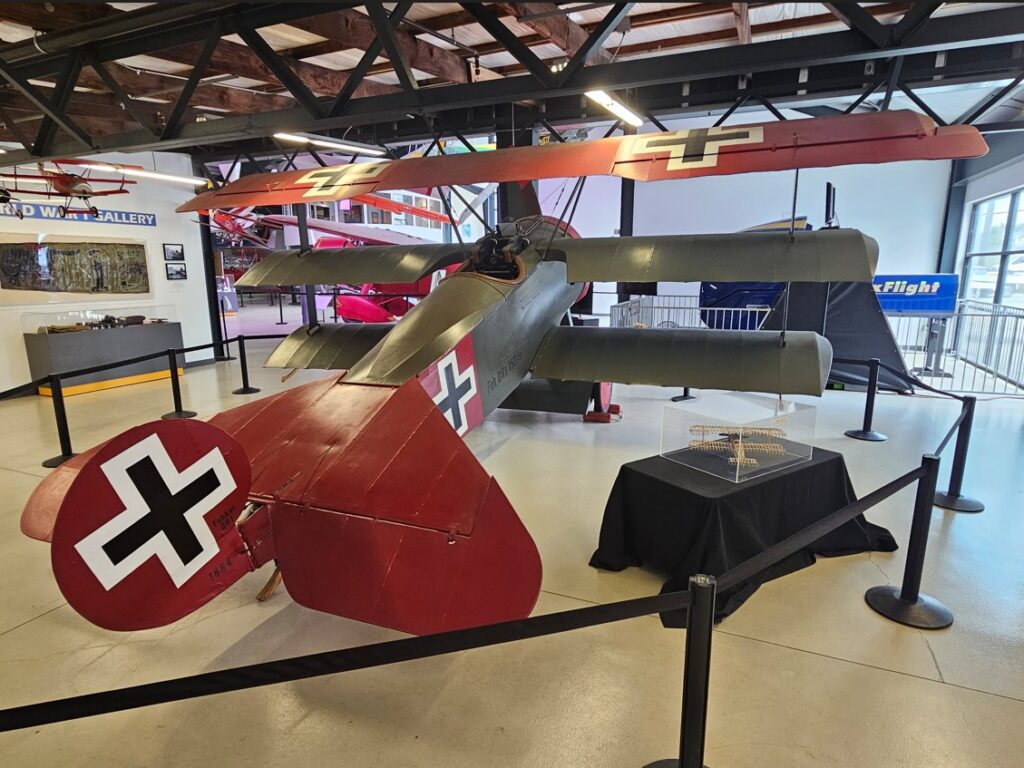
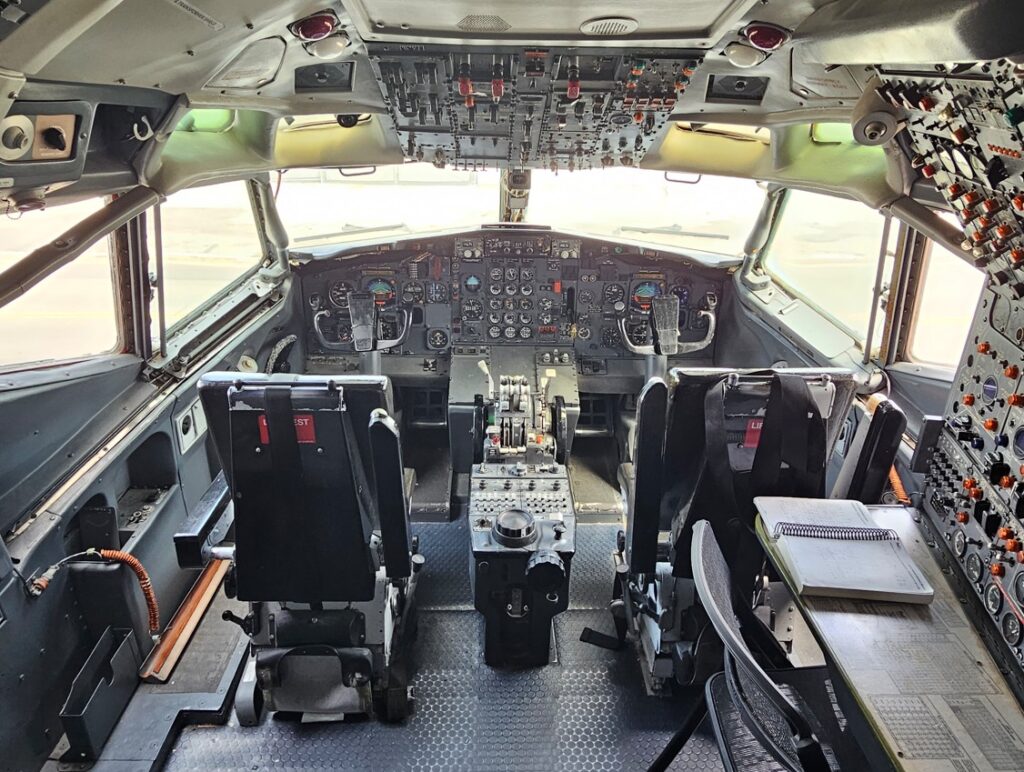
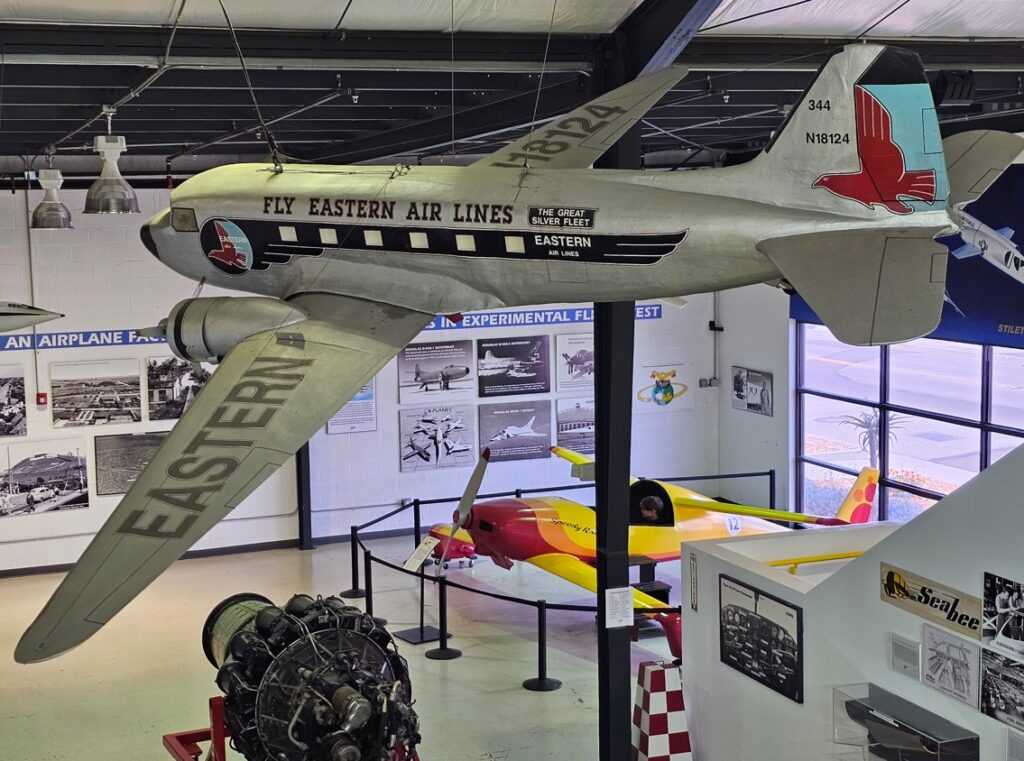
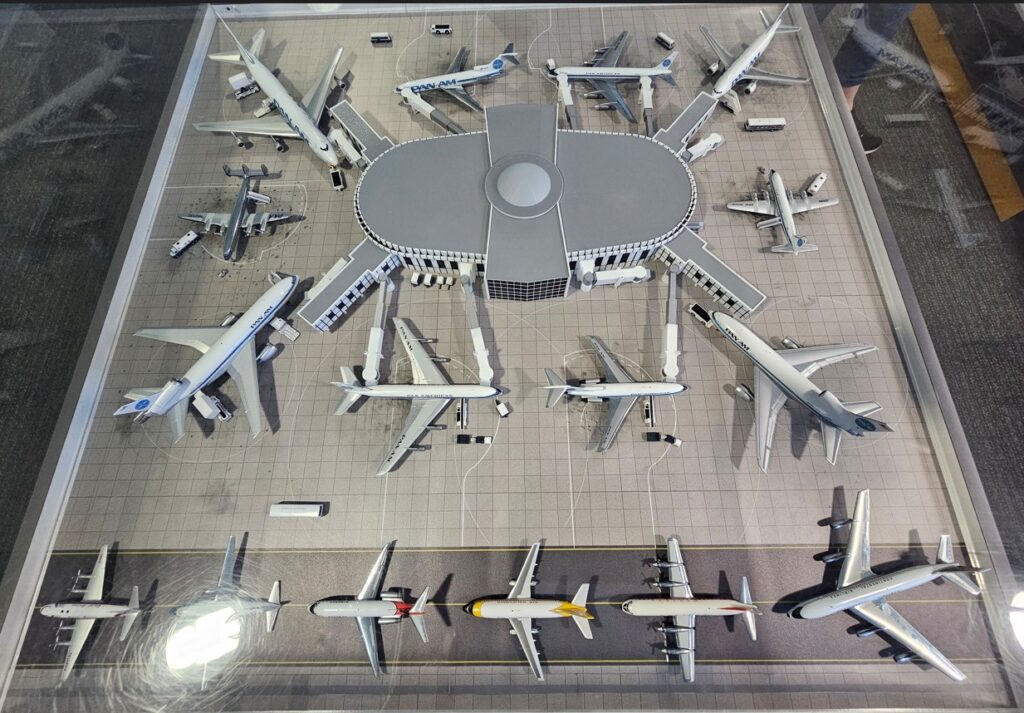
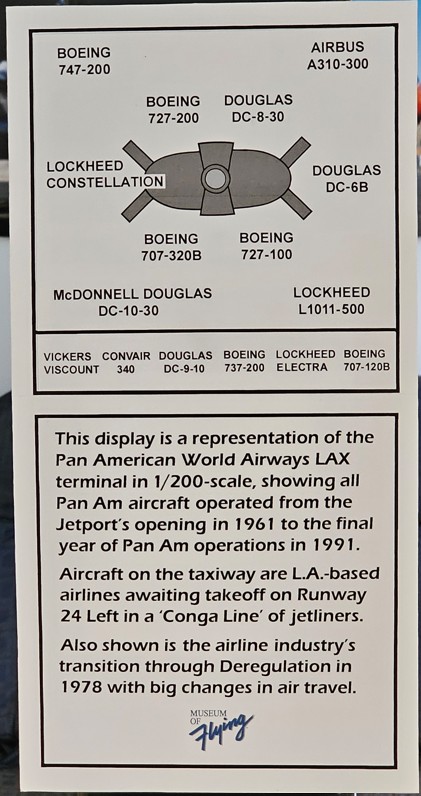
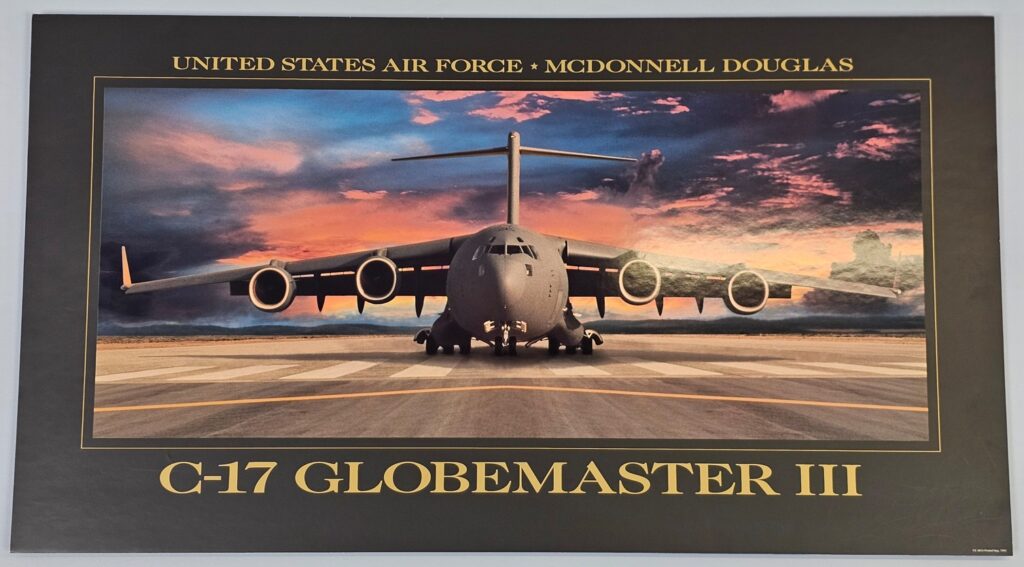
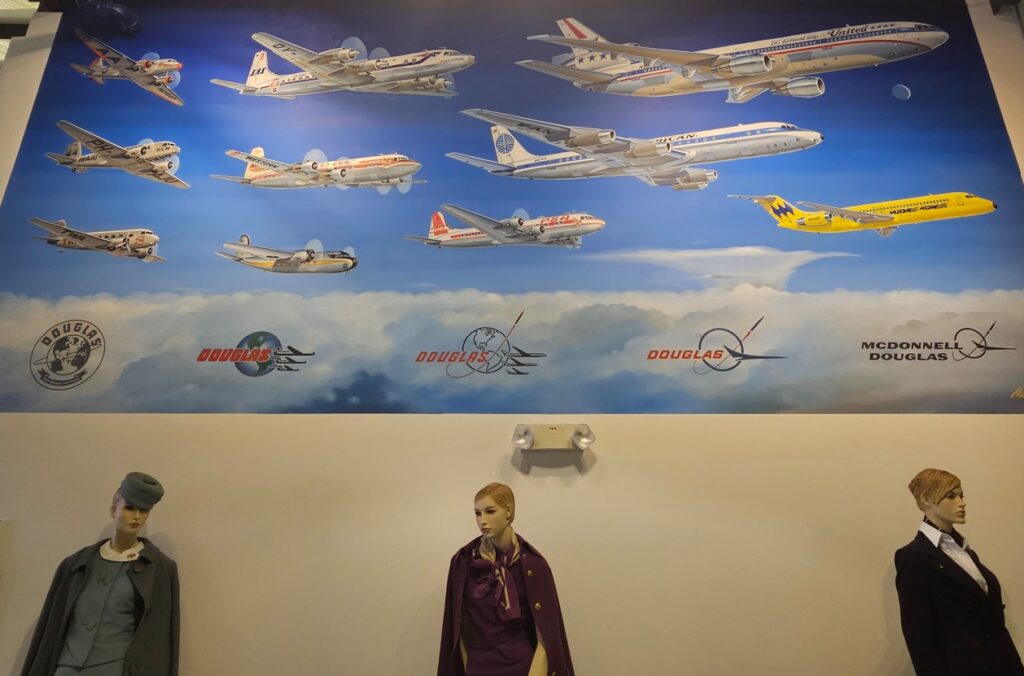
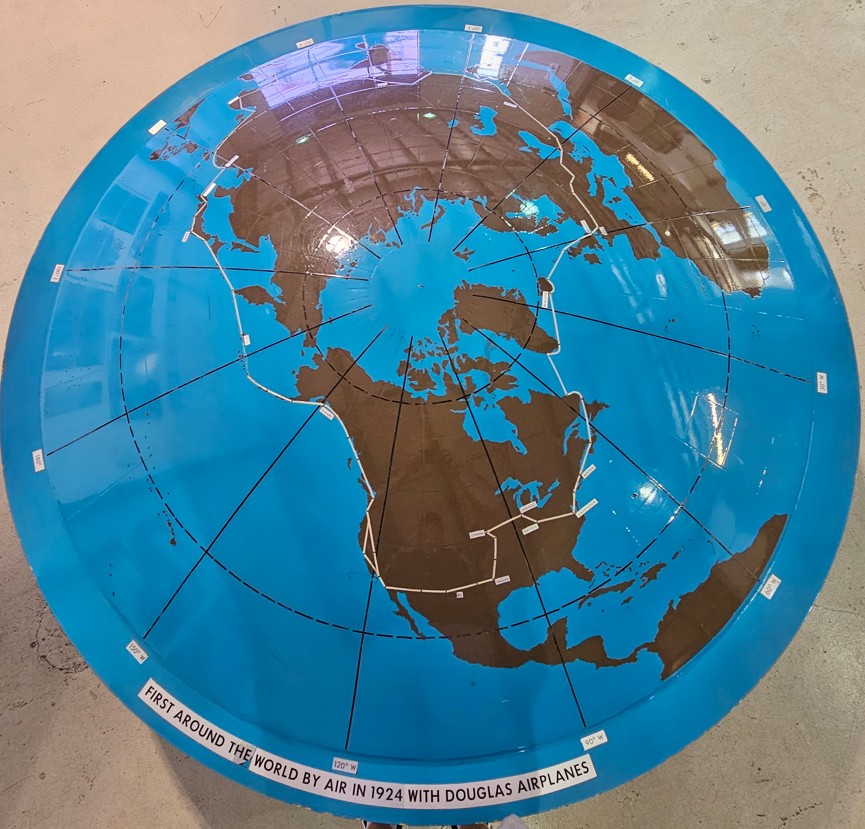
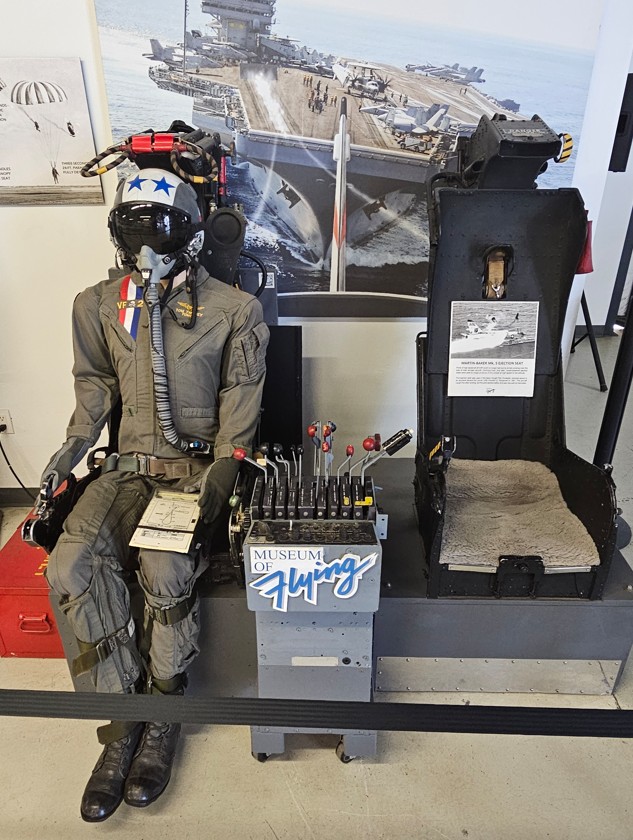
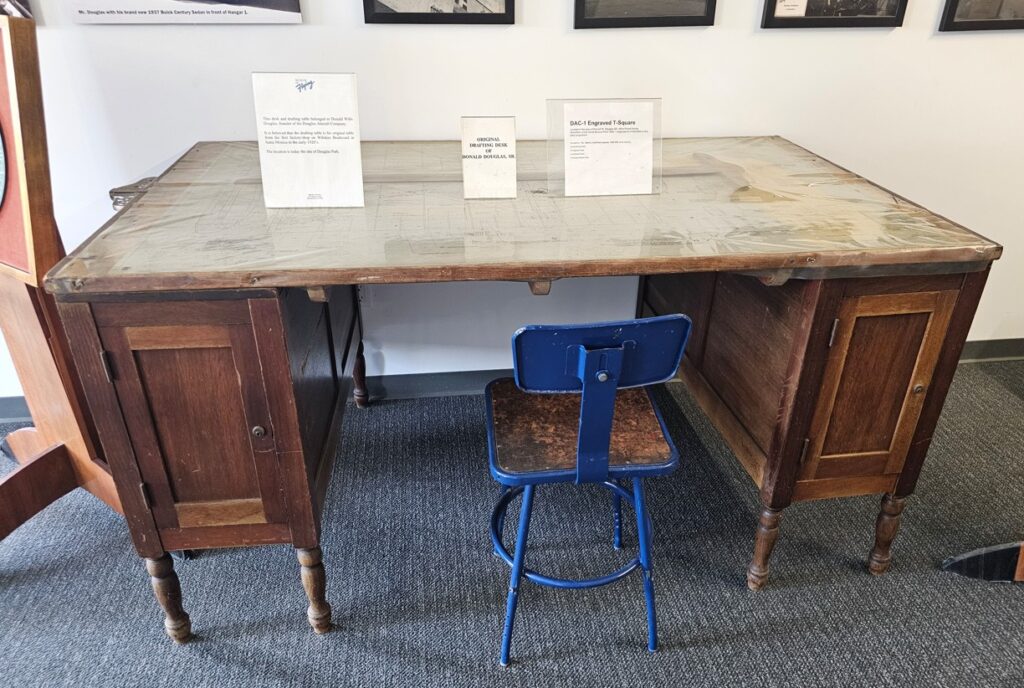
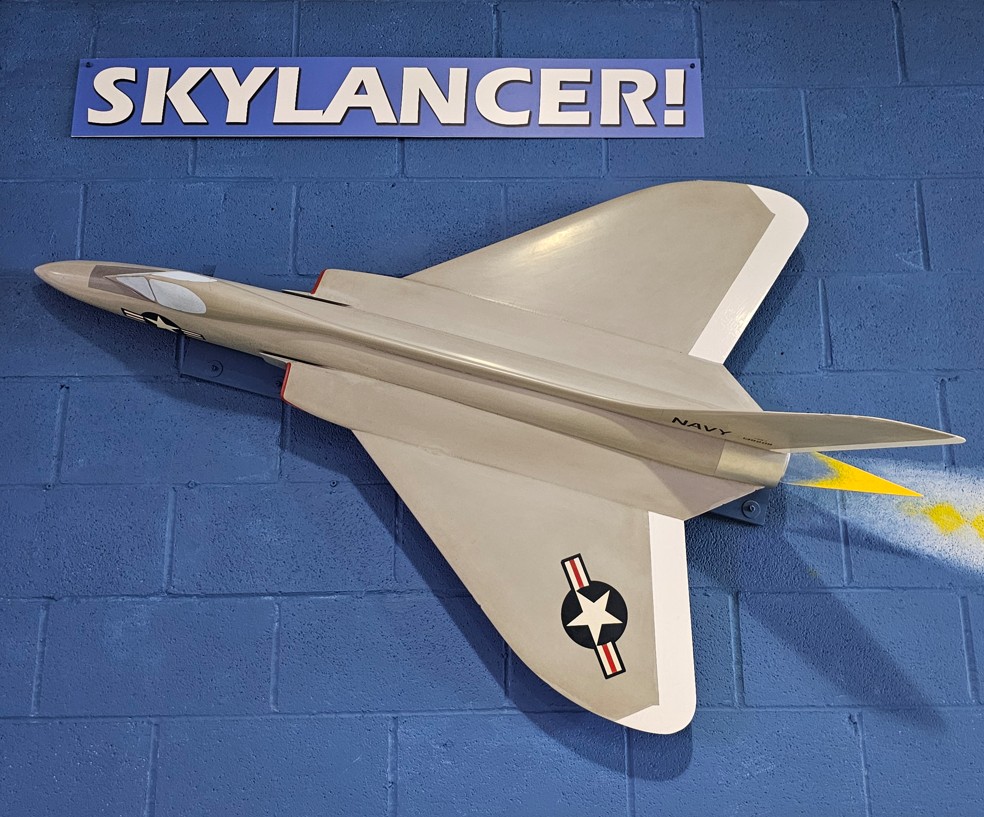
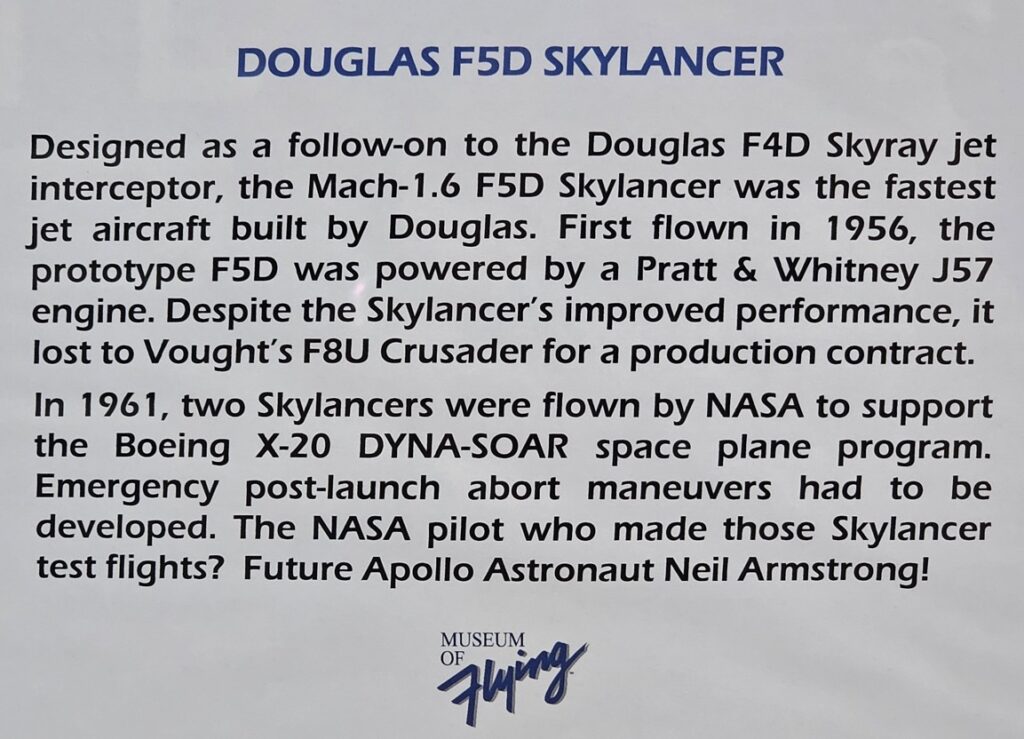
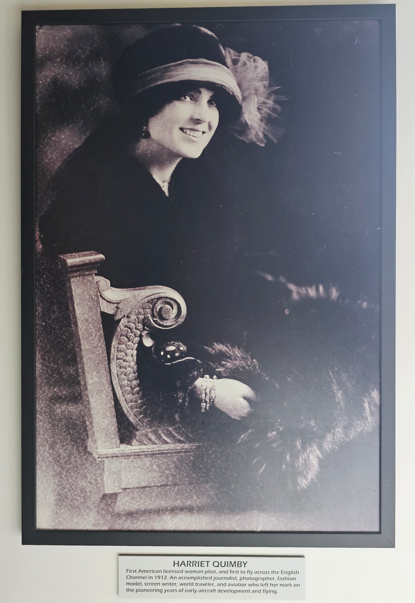
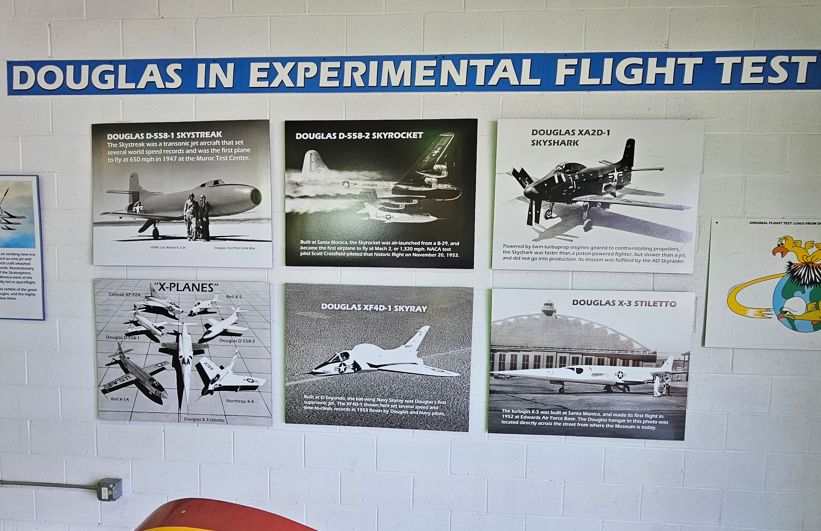
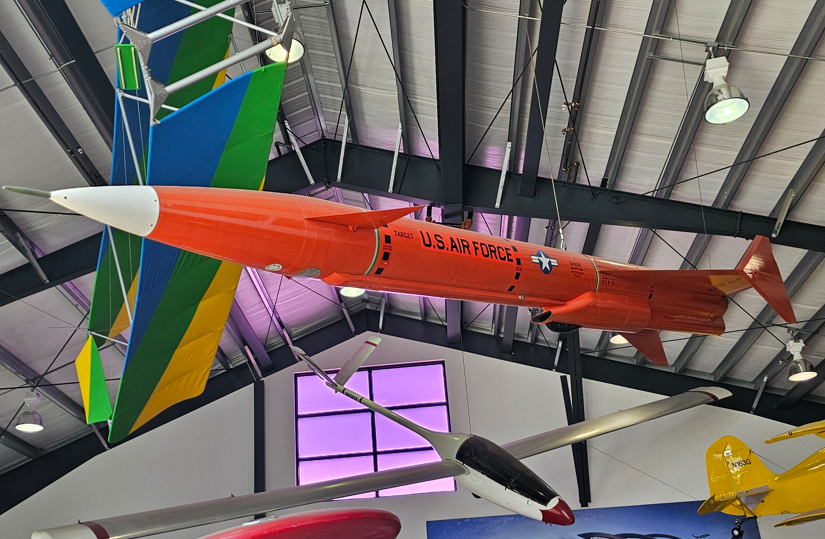
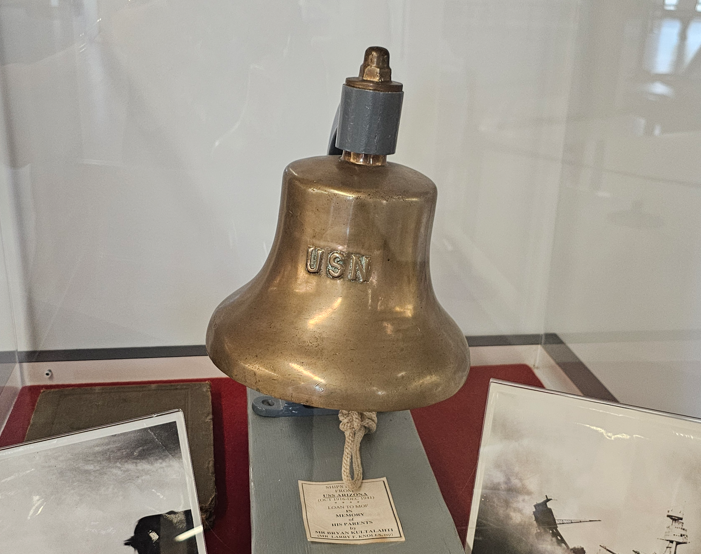
This museum honors the work of aviation pioneer Donald W. Douglas, who was just 28 years old when he started the Douglas Aircraft Company in Santa Monica in 1920. Within 20 years the company had state-of-the art production facilities in El Segundo, Long Beach, and then in Chicago, Tulsa and Oklahoma City. He was the czar for all US aircraft production under President Franklin Roosevelt during World War II.The first flight of a DC-3 airplane took place in Santa Monica in 1935. These aircraft were (are) so reliable may are still in service throughout the world even today. The DC-3 revolutionized air travel such that passengers could reach their destinations quickly, safely and at affordable prices. During the 1950s, more than 90% of all world air travel took place on Douglas-build aircraft.The Spirit of Santa MonicaDouglas and his dog WunderbarModel of the Wright Brothers’ original flyer from 1903. Douglas started his company within 20 years of the Wright Brothers’ first flight.Fokker Dr. 1 Triplane. Baron Manfred von Richthofen (The Red Baron) piloted a plane similar to this one during World War I in 1917. This is a replica – no original Fokker Dr. 1s are known to be in existence.Cockpit of a Boeing 727.DC-3Model of LAX Airport with various aircraft.Douglas airplane made an around the world flight in 1924.Martin-Baker Mk. 5 Ejection Seat, used in the Navy Vought F8U Crusader aircraftOriginal drafting desk of Donald Douglas, from the first factory/shop on Wilshire Boulevard on Santa Monica in the early 1920s.Douglas F5D Skylancer, the fastest jet aircraft built by Douglas.Harriet Quimby, first US licensed pilot, first to fly over the English Channel.Douglas Aircraft Company joins the jet age.Teledyne Ryan AQM-81 Firebolt, high-altitude supersonic target, which was an advanced version of the 1968 Raytheon AQM-37 Jayhawk target drone.Ship’s mess bell from the USS Arizona, which was sunk during the Japanese attack on Pearl Harbor.
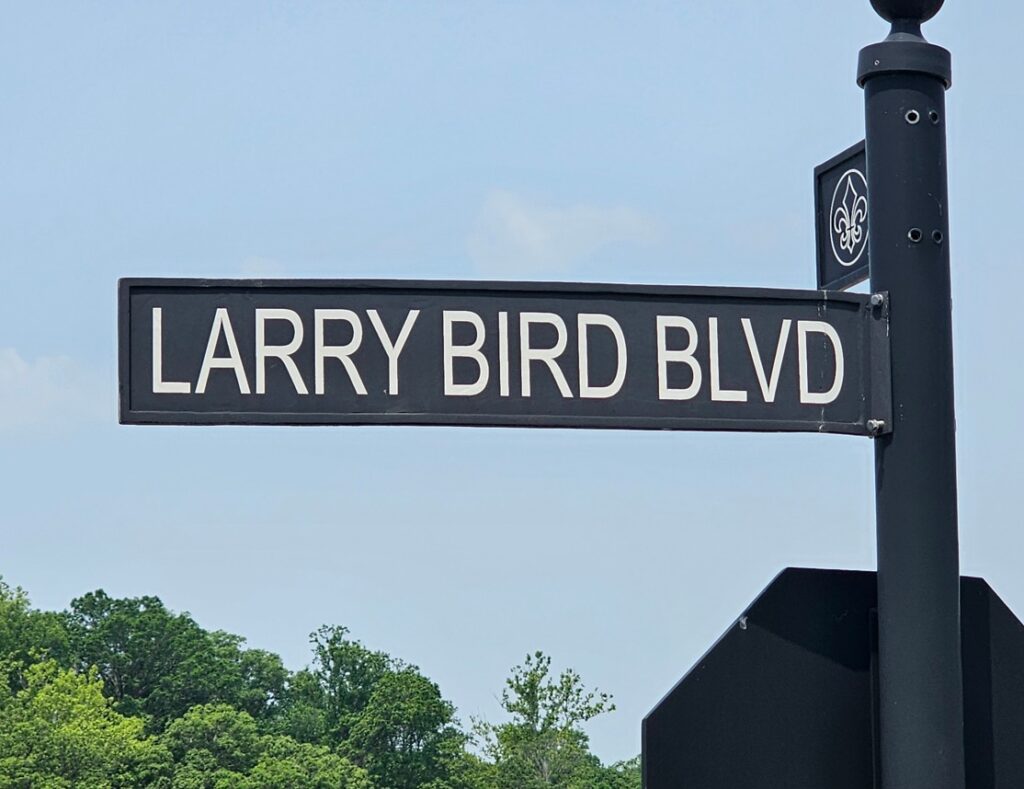
Driving through southern Indiana, we come upon French Lick, which is Larry Bird’s hometown.
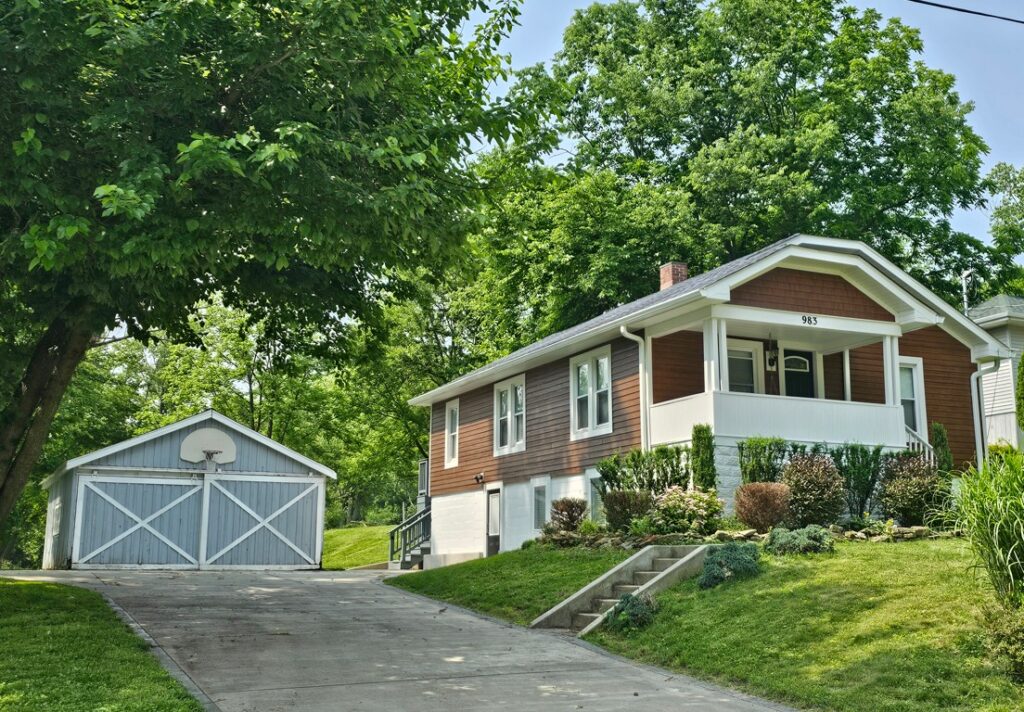
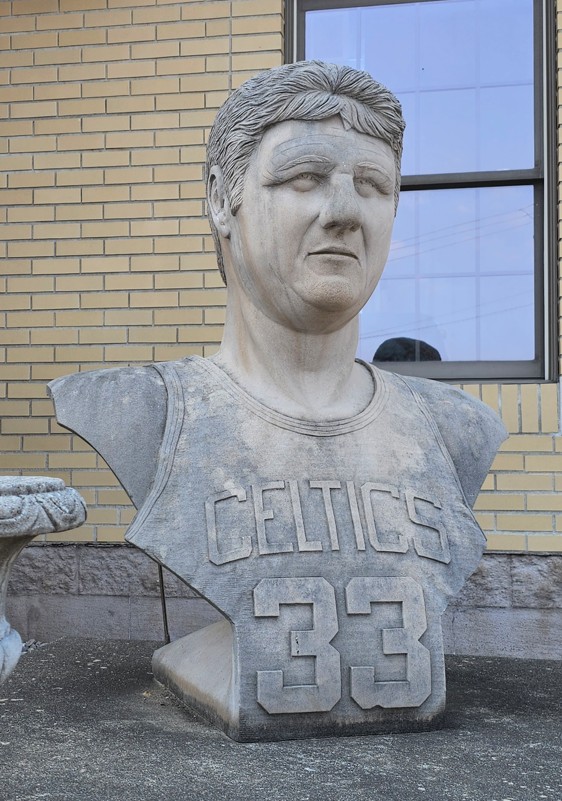
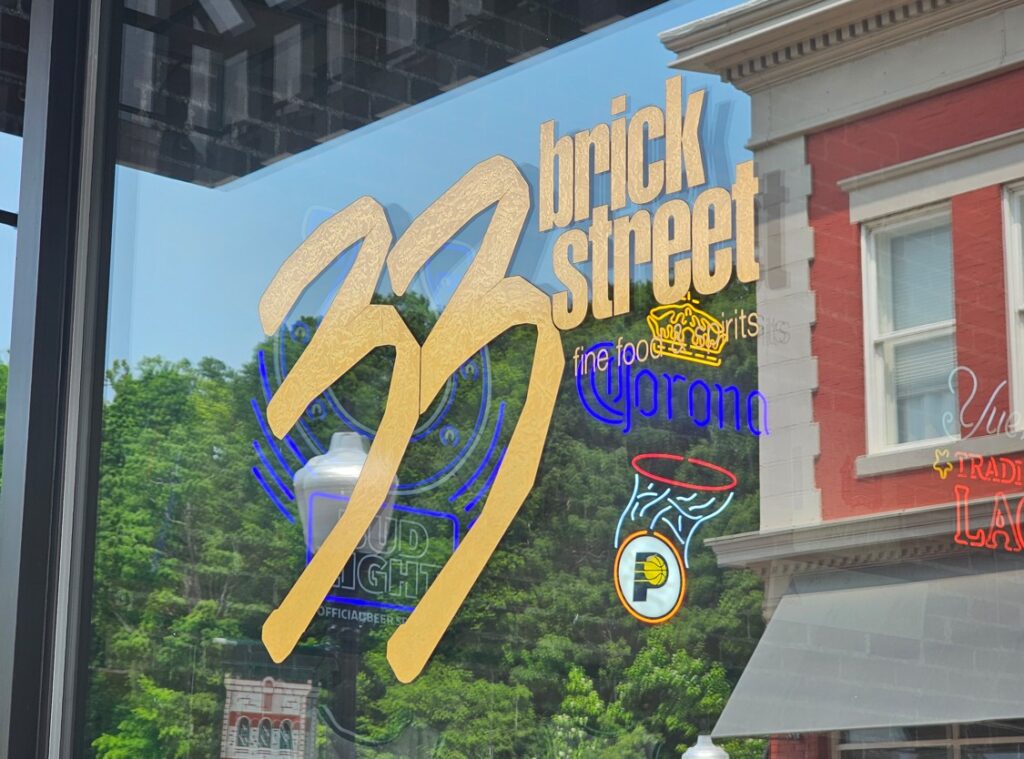
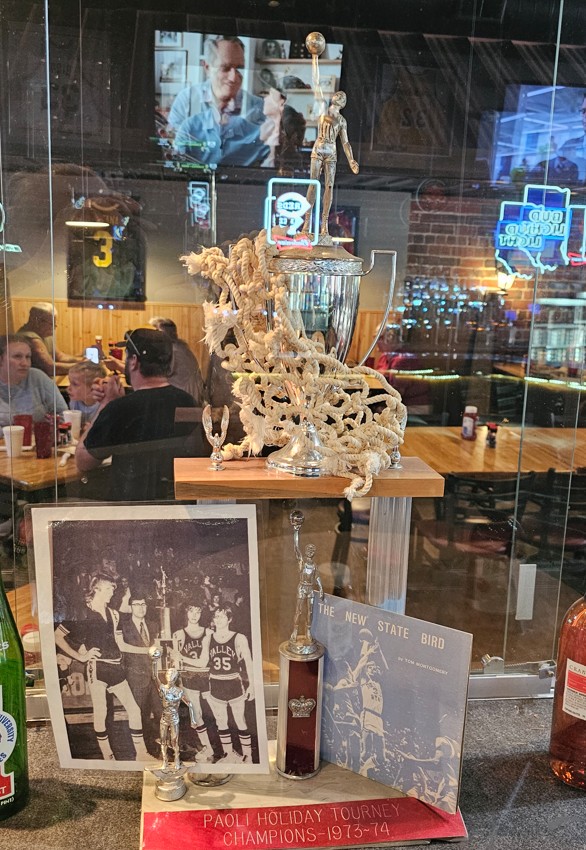
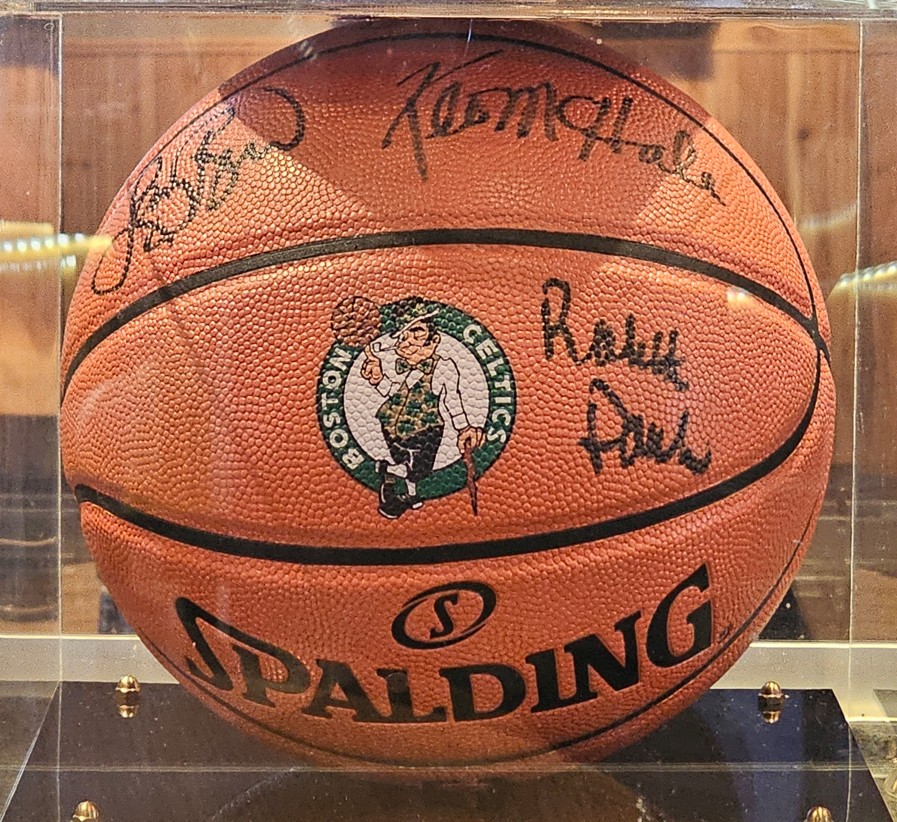
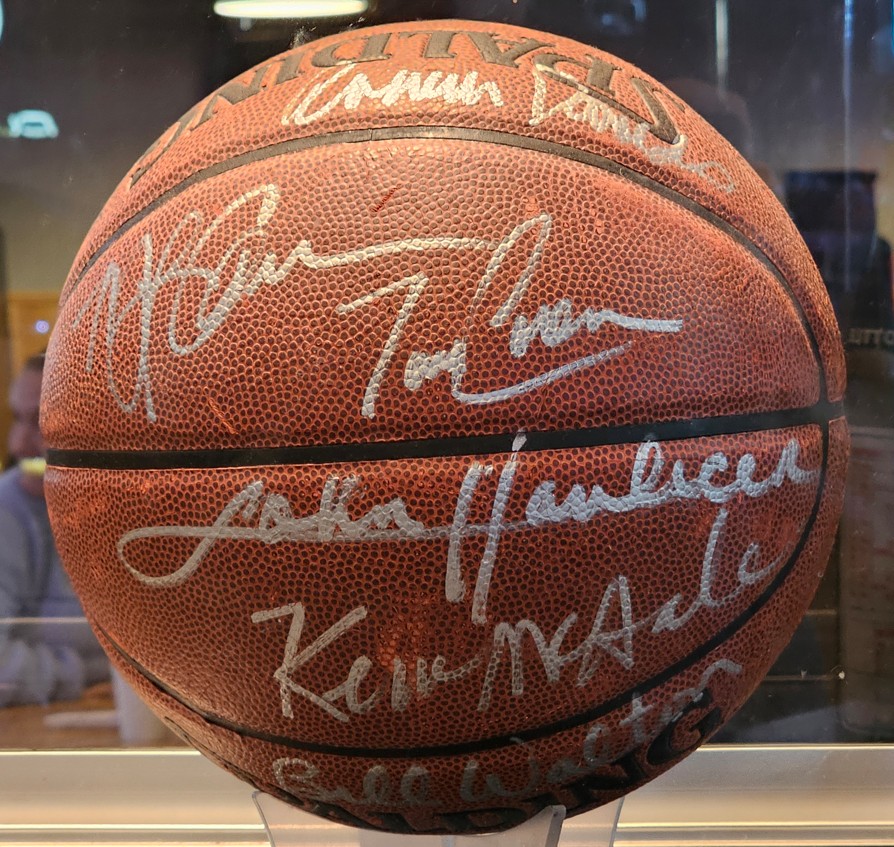
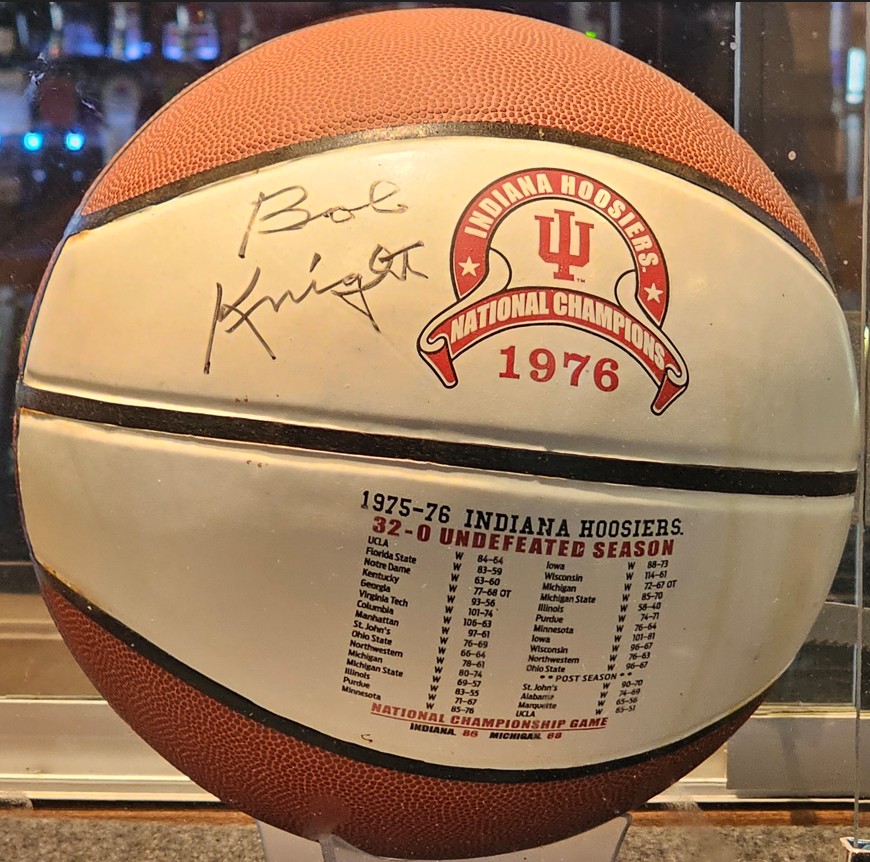
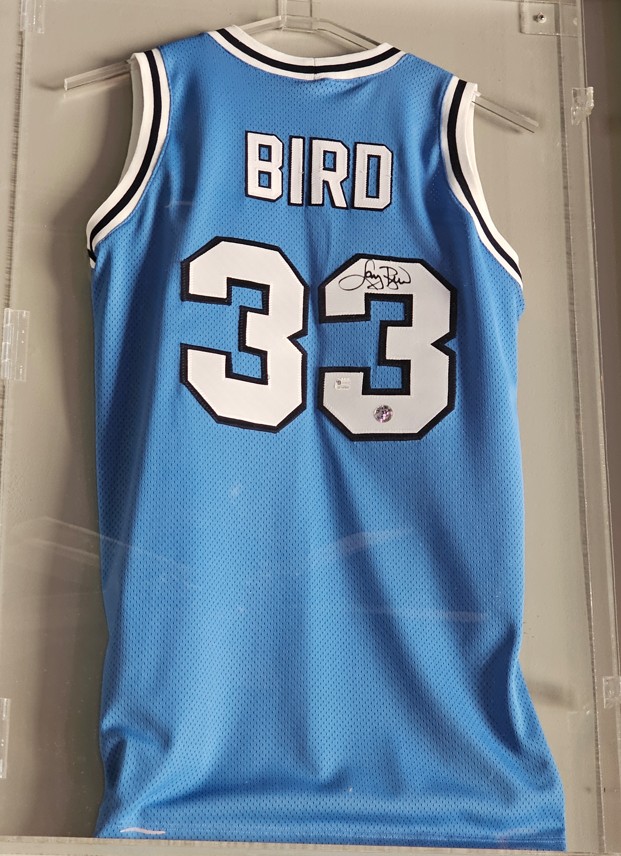
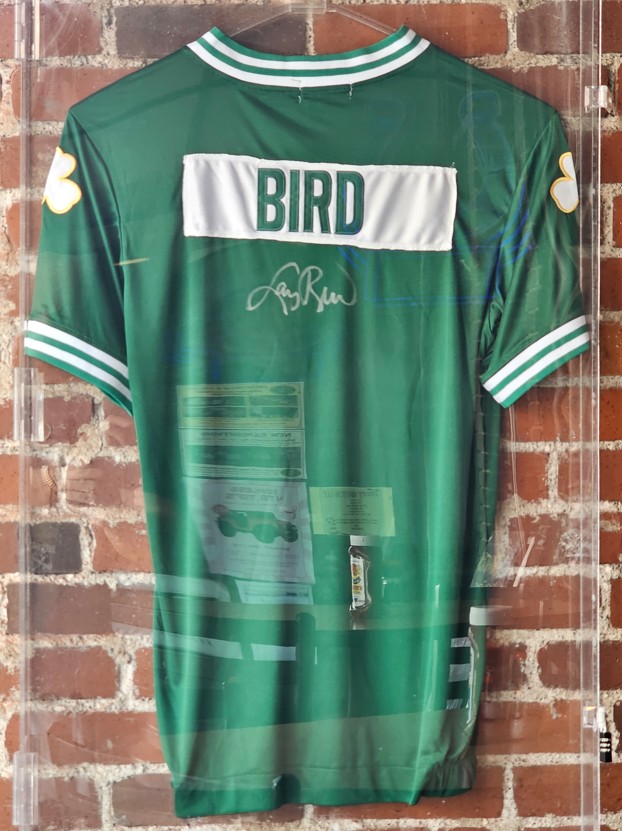
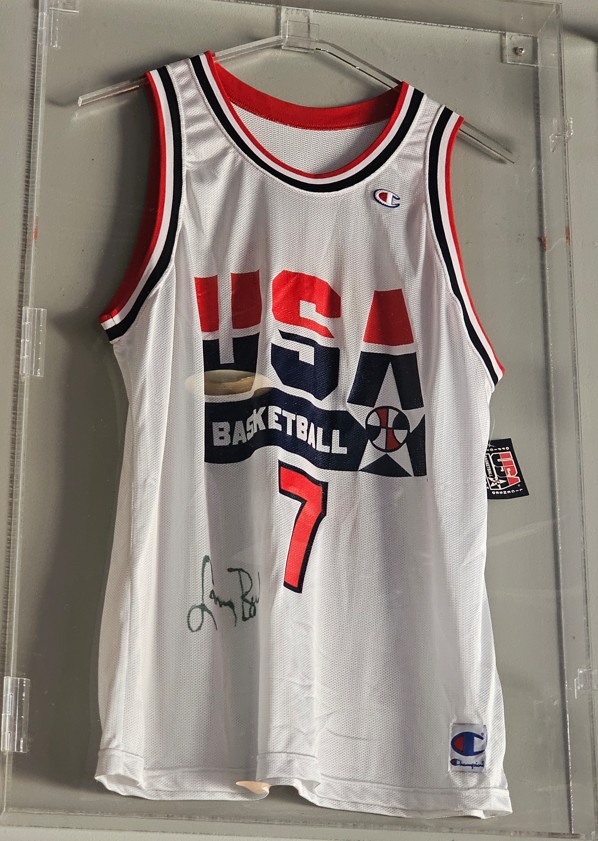
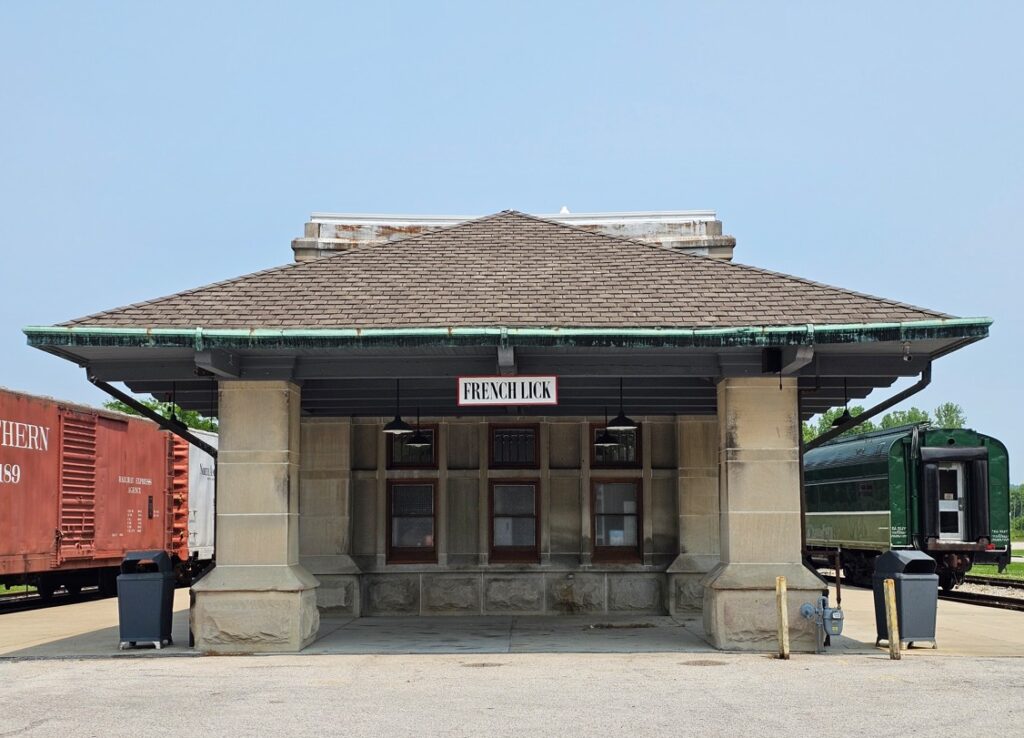
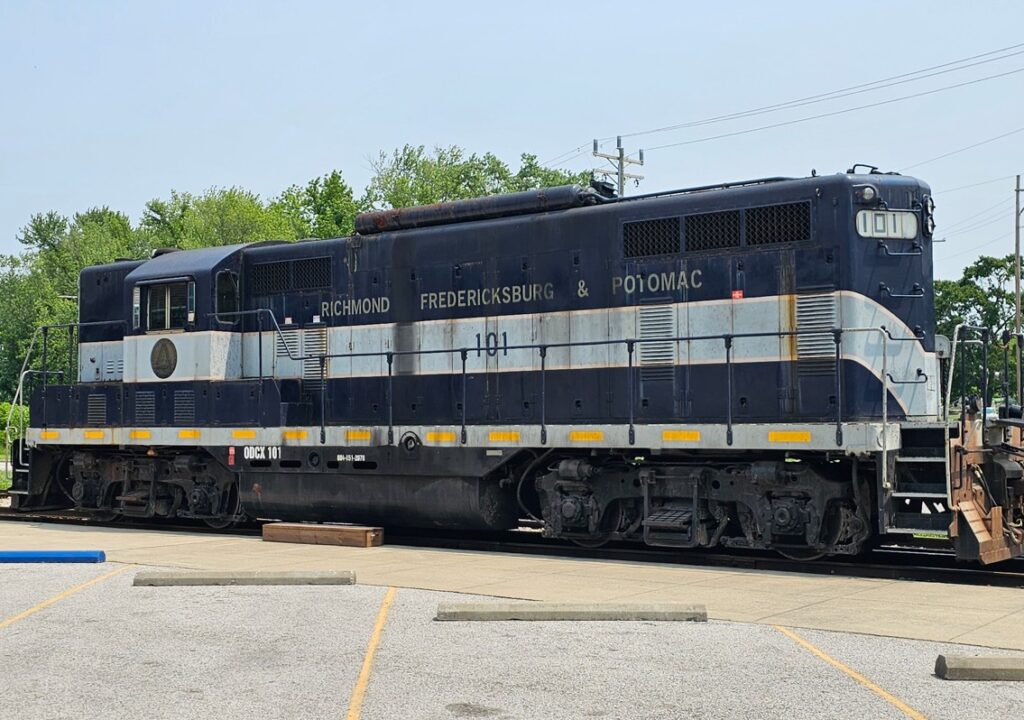
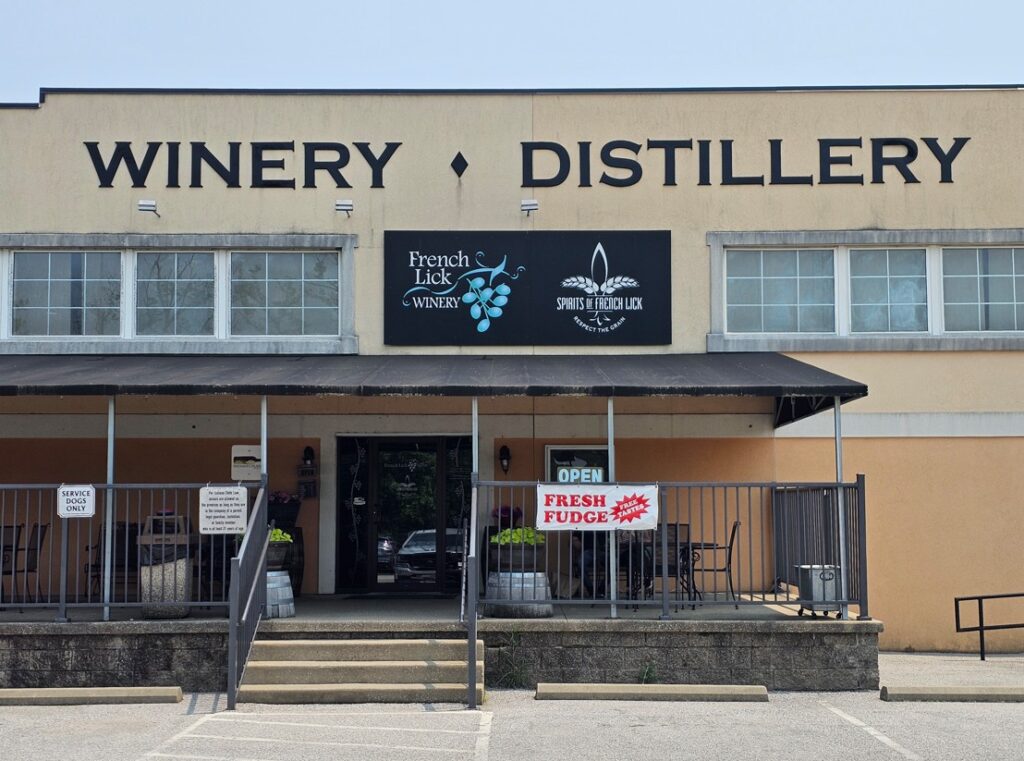
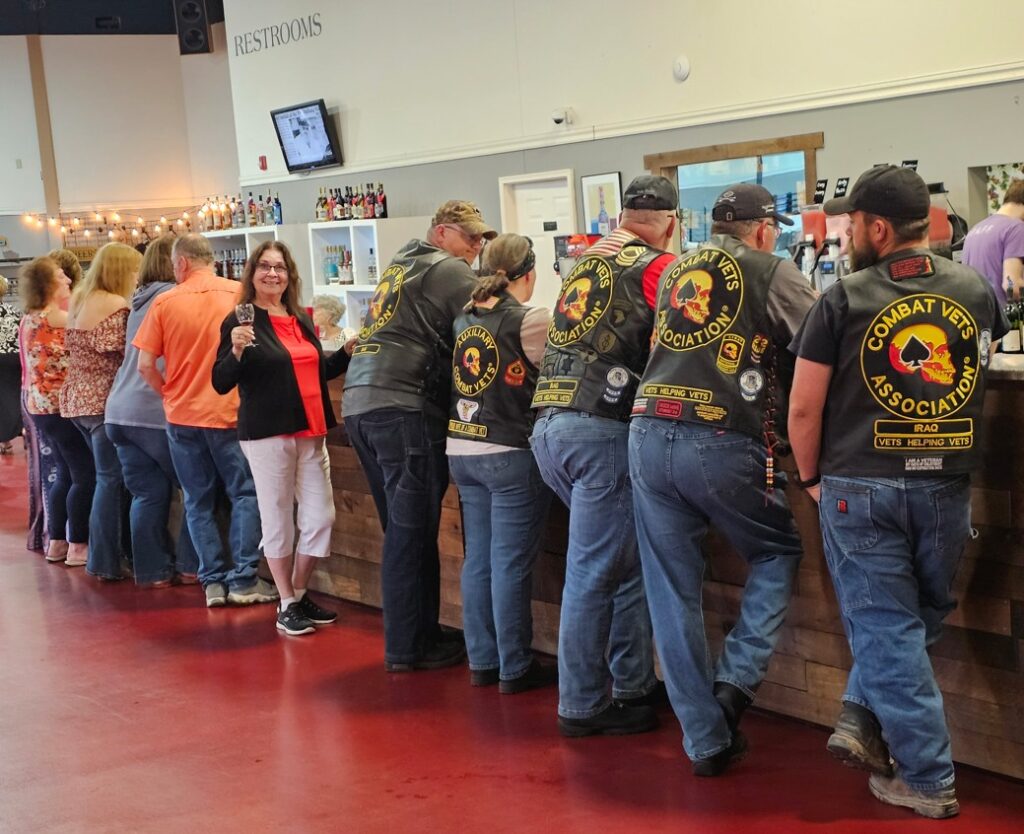
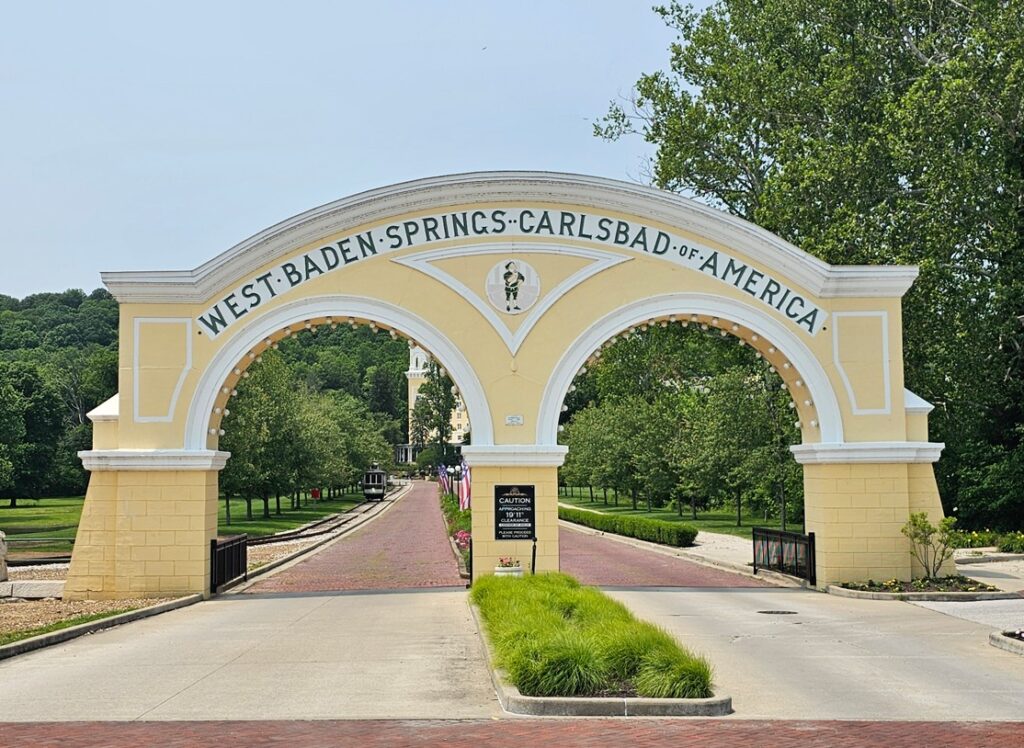
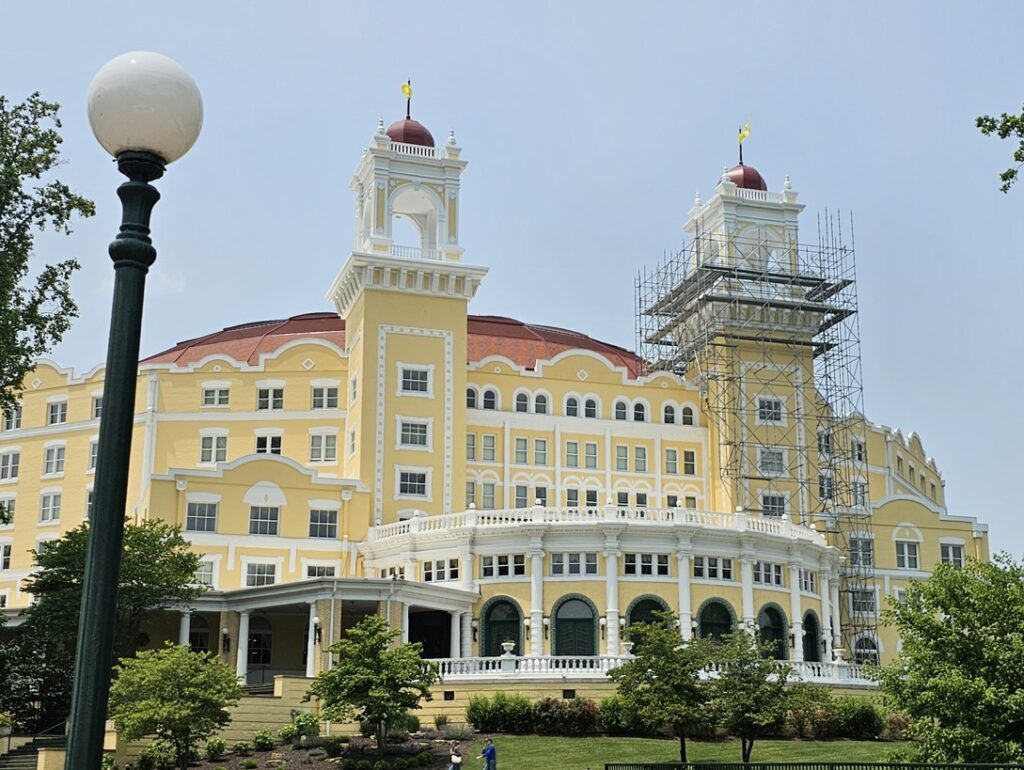
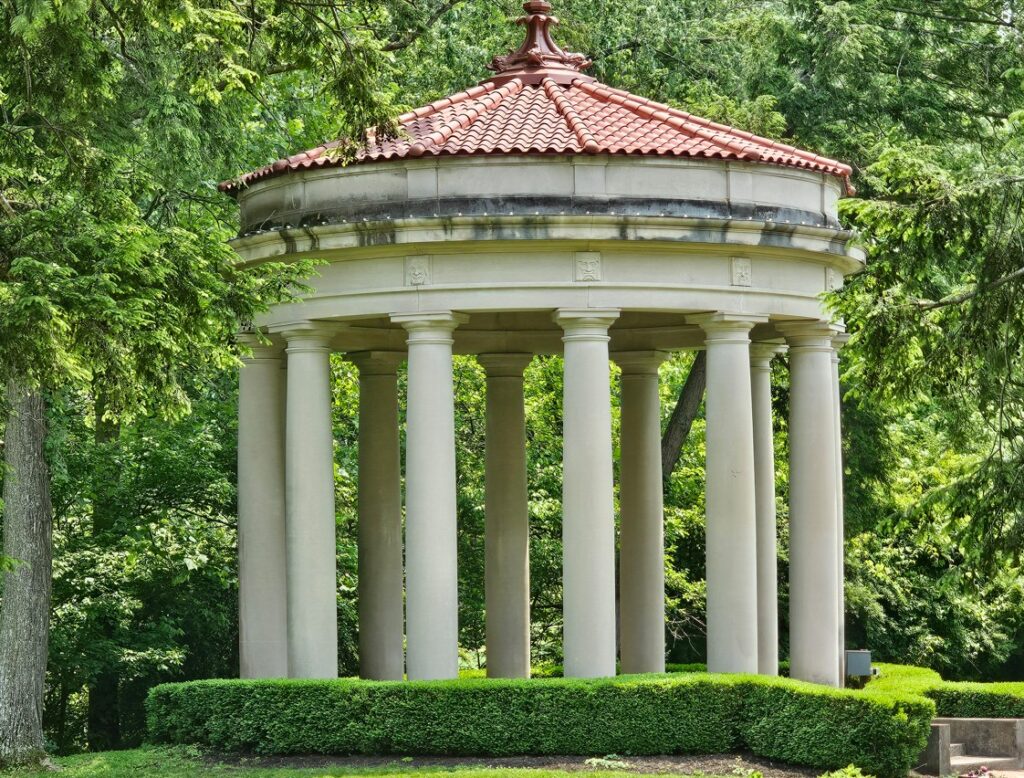
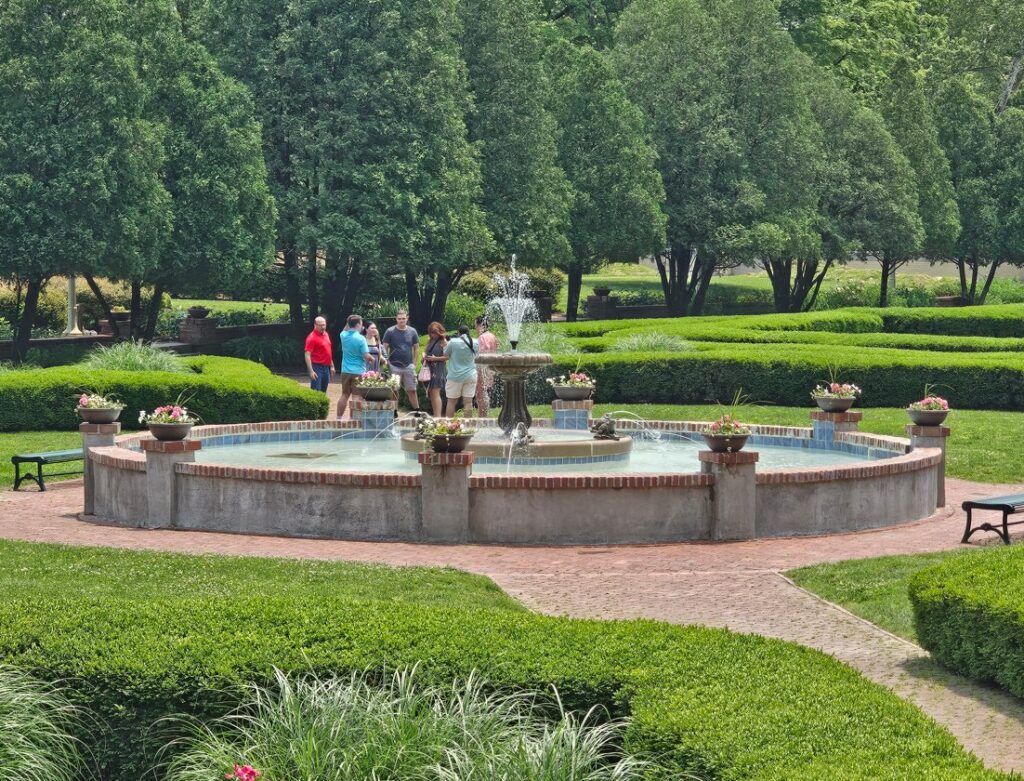
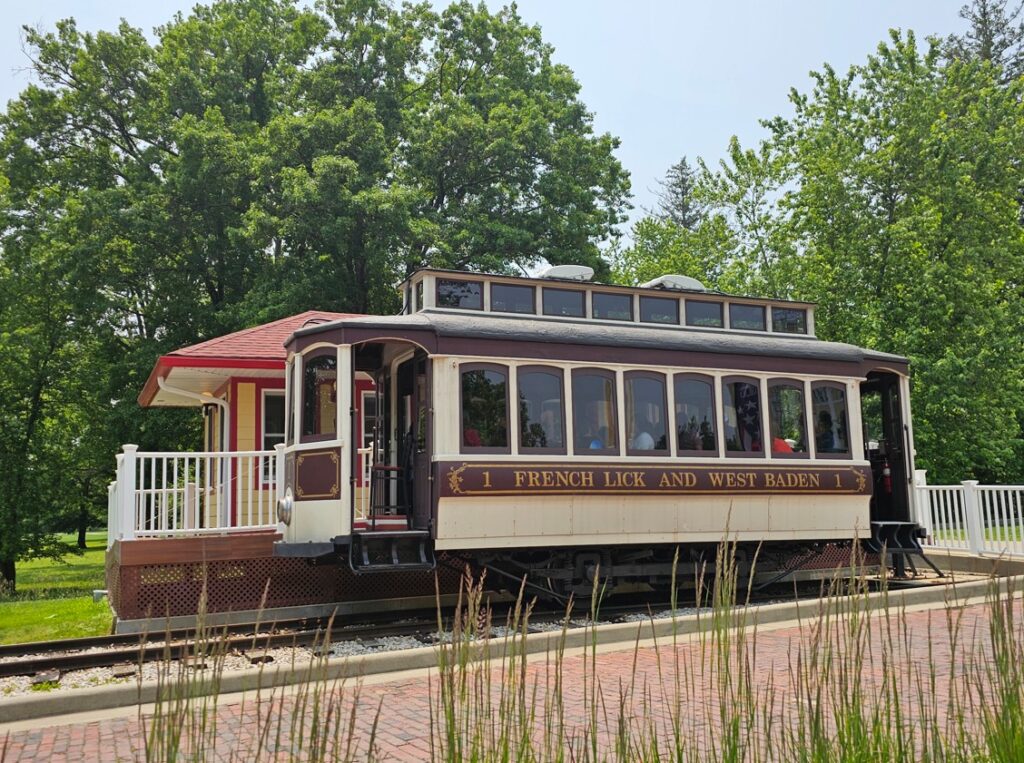
This is where Larry Bird grew up. He shot baskets on this garage (on a previous version of backboard).Larry Bird bust at the recreation center.33 Brick Street is a restaurant, very much Larry Bird-themed. A lot of memorabilia inside. Trophy from Bird’s high school winning a tournament in 1973-1974 seasonBasketball autographed by the “Big 3”: Larry Bird, Kevin McHale and Robert Parrish.Basketball autographed by (among others) John Havlicek, Kevin McHale and Bill Walton.Basketball autographed by legendary coach Bob Knight commemorating that last undefeated college basketball champions, Indiana in 1976.Bird’s college jersey.Bird’s Celtics warmup.Bird’s 1992 Dream Team Olympic jersey.French Lick depot.What is an old RF&P engine doing in French Lick Indiana?French Lick Winery for a tasting.The winery tasting was packed!West Baden Springs resort. Might be worth a re-visit someday!The grounds of West Baden Springs resort.Trolley goes from the resort to downtown French Lick.
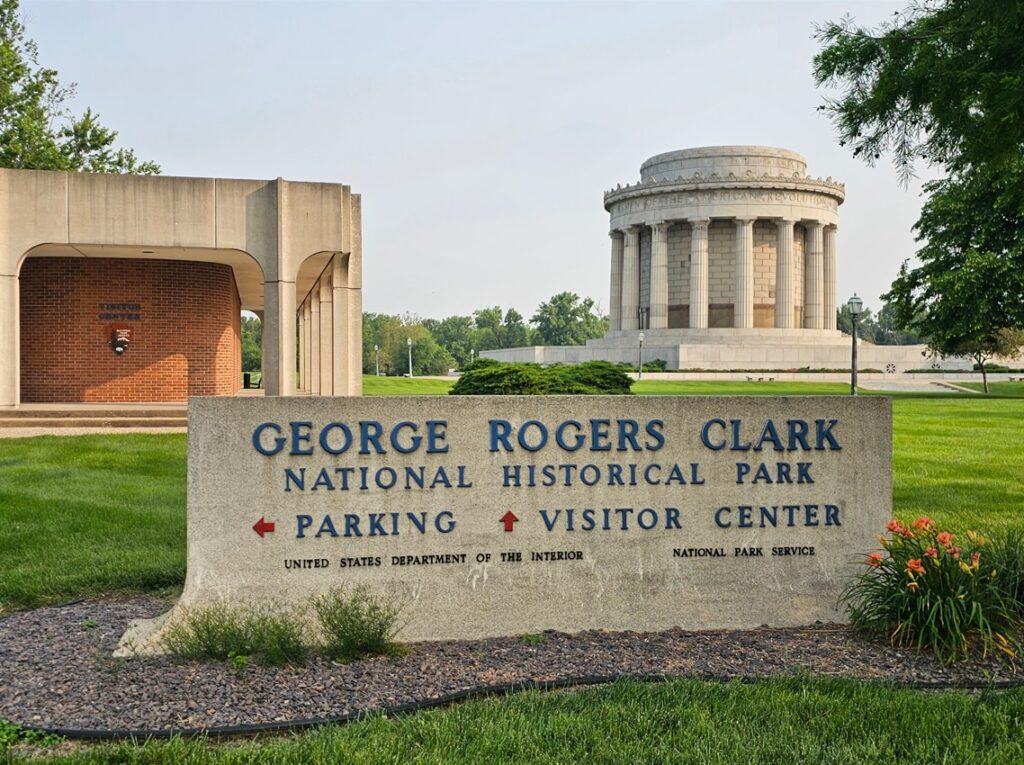
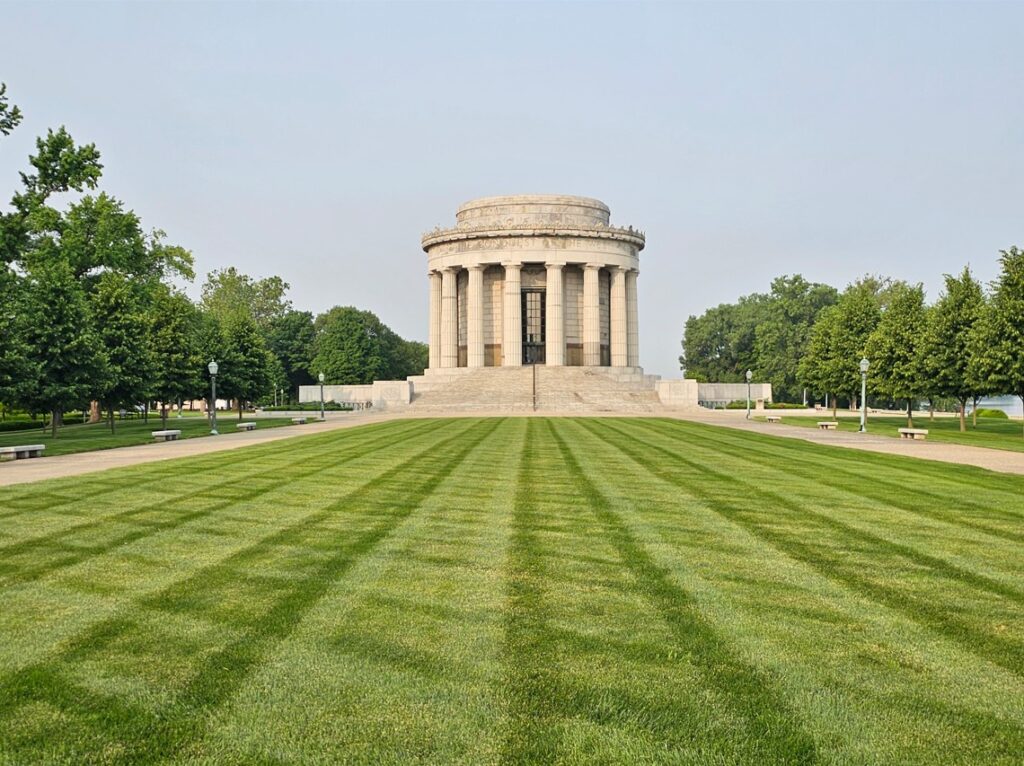
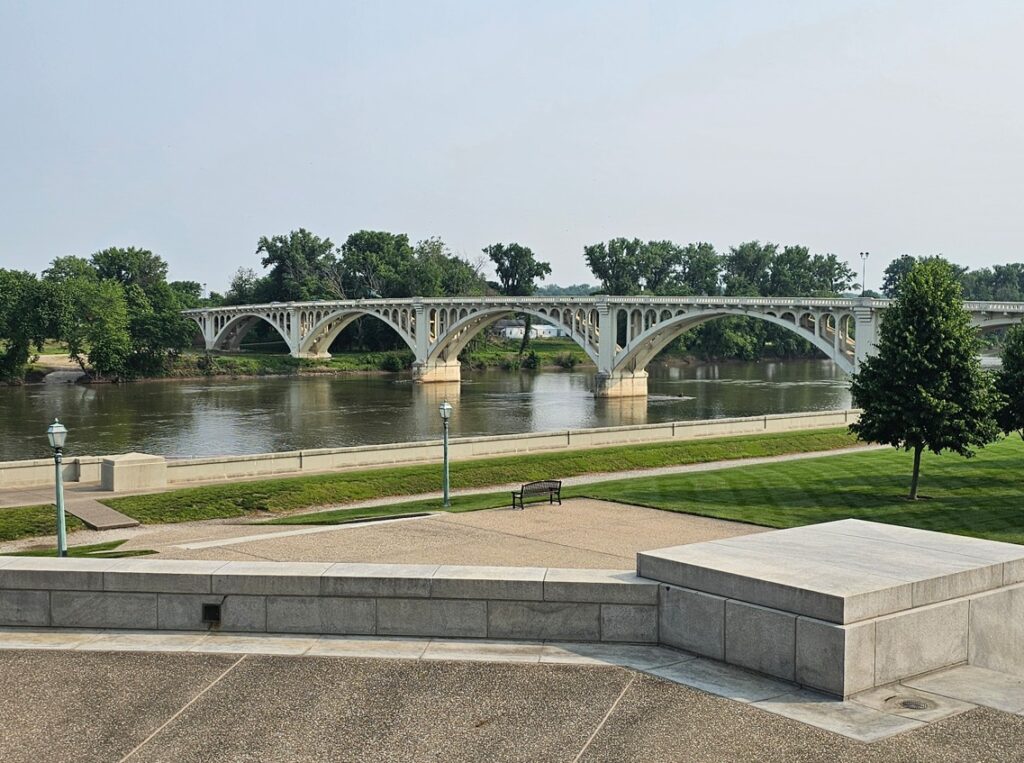
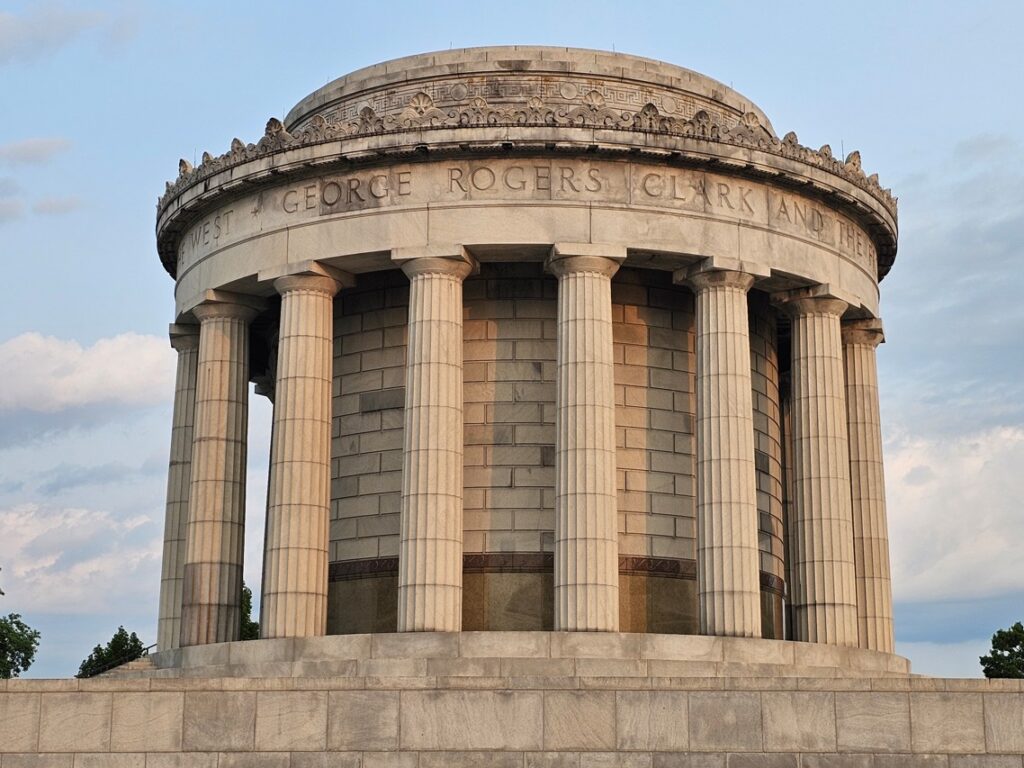
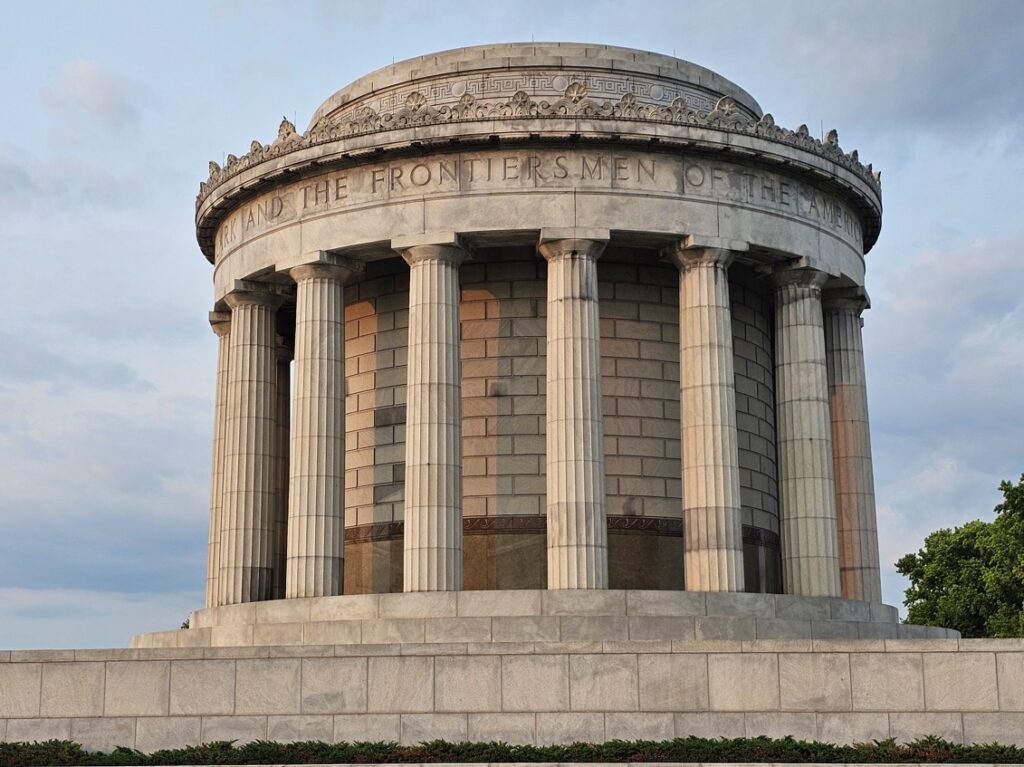
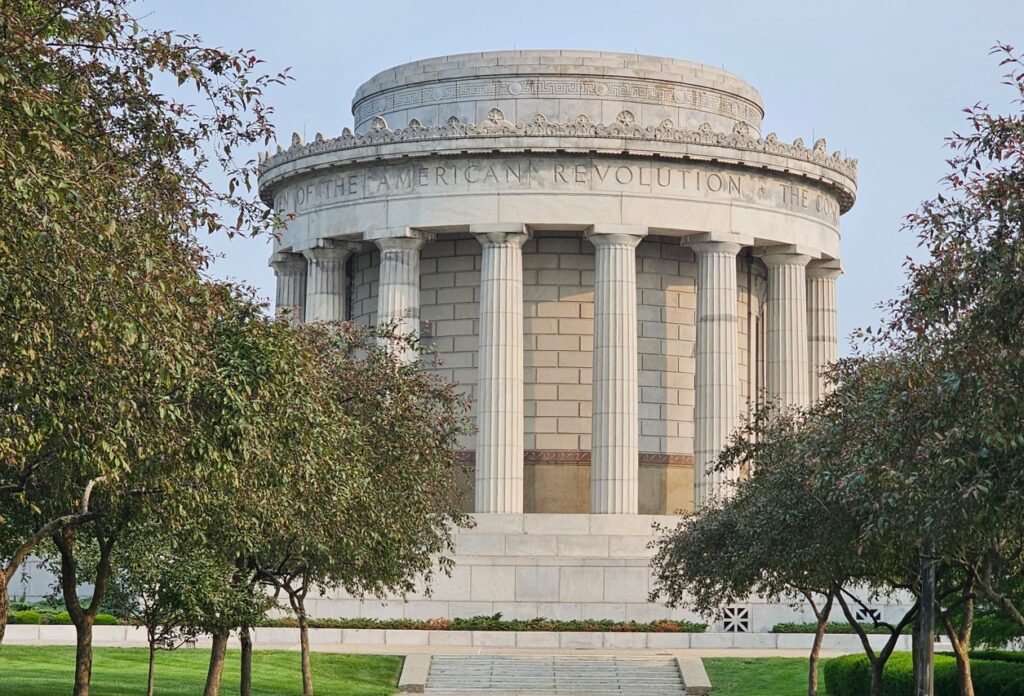
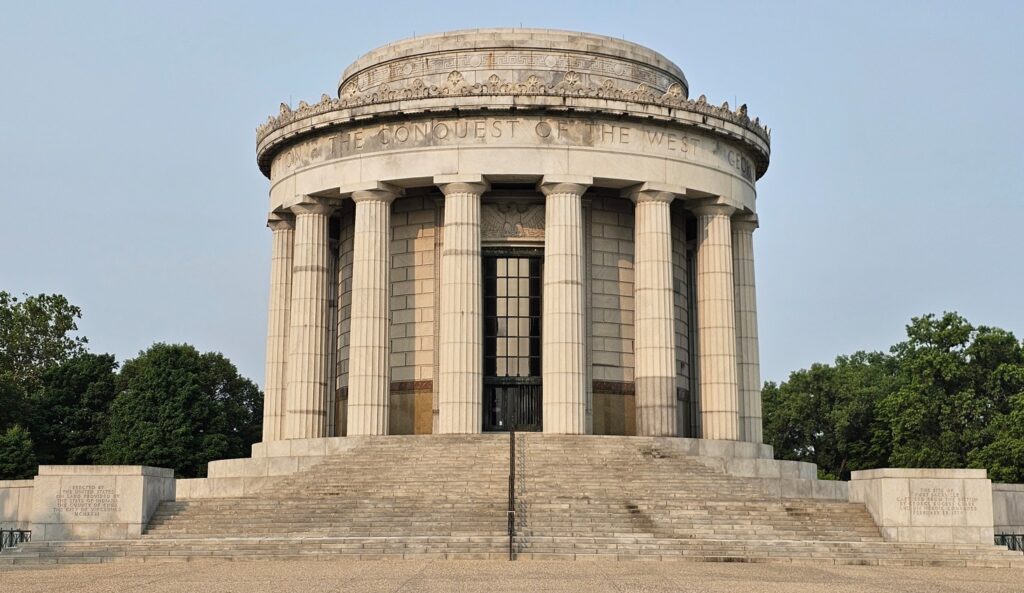
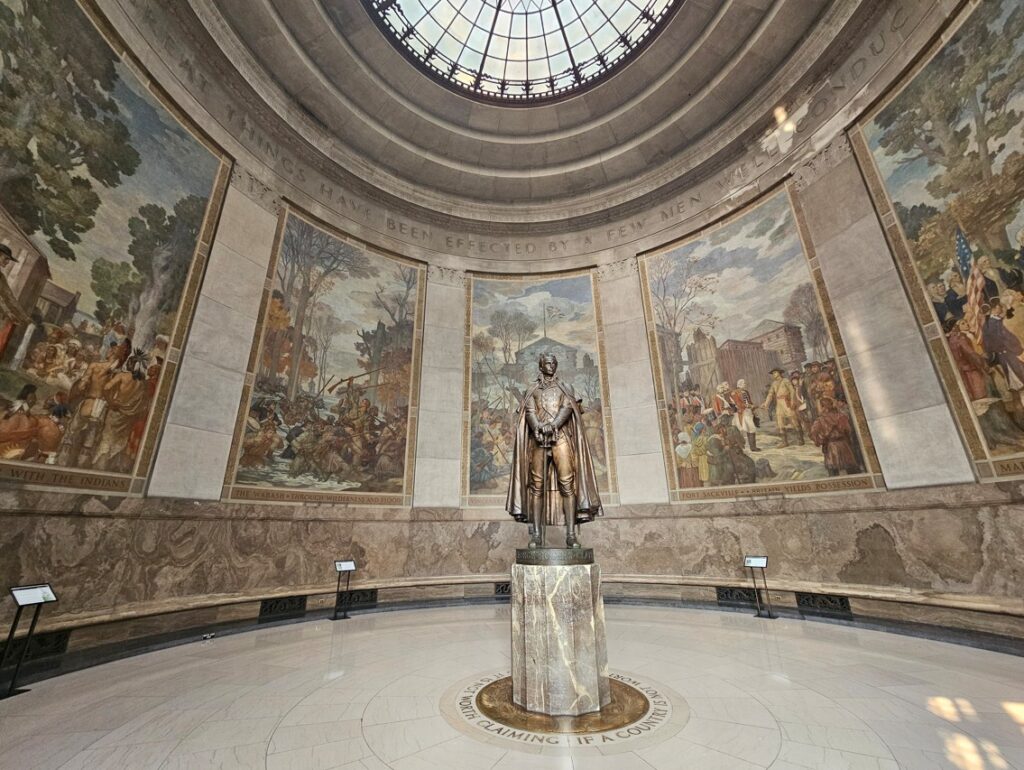
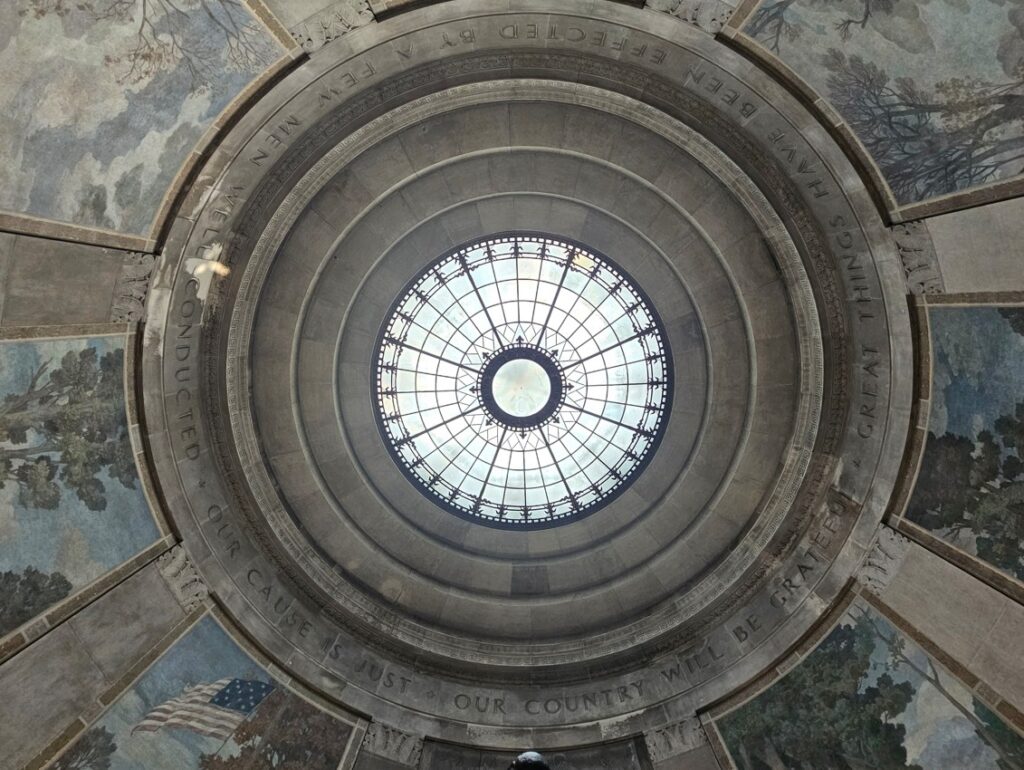
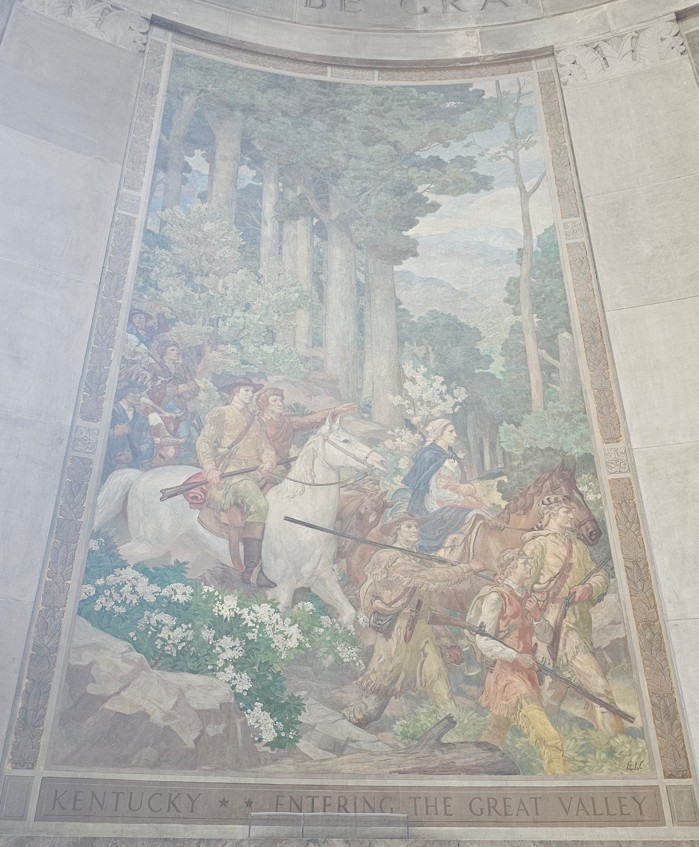
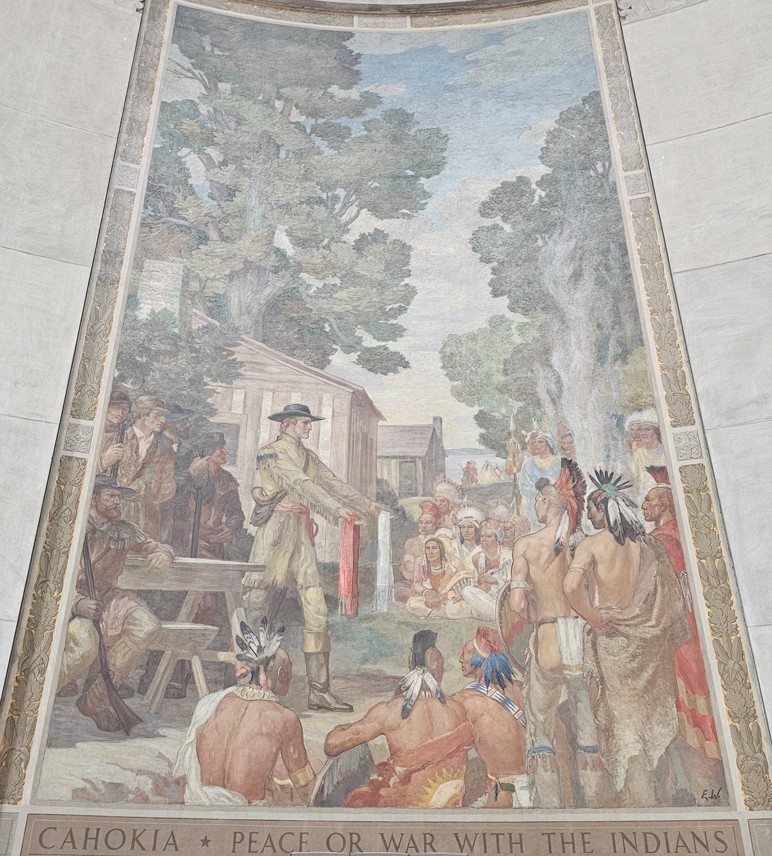
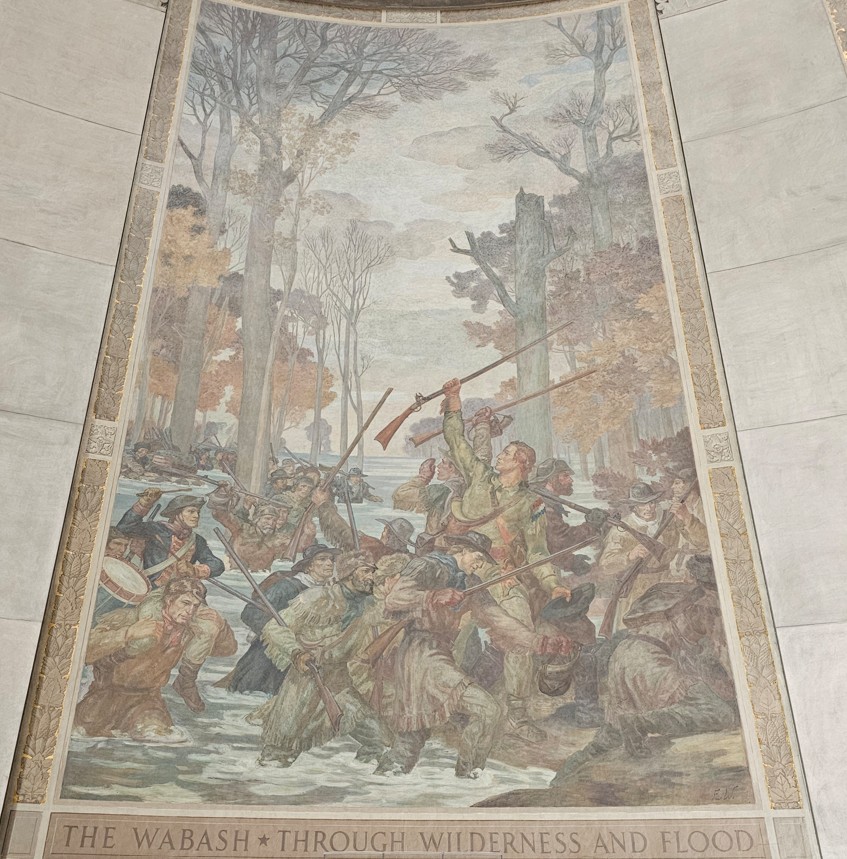
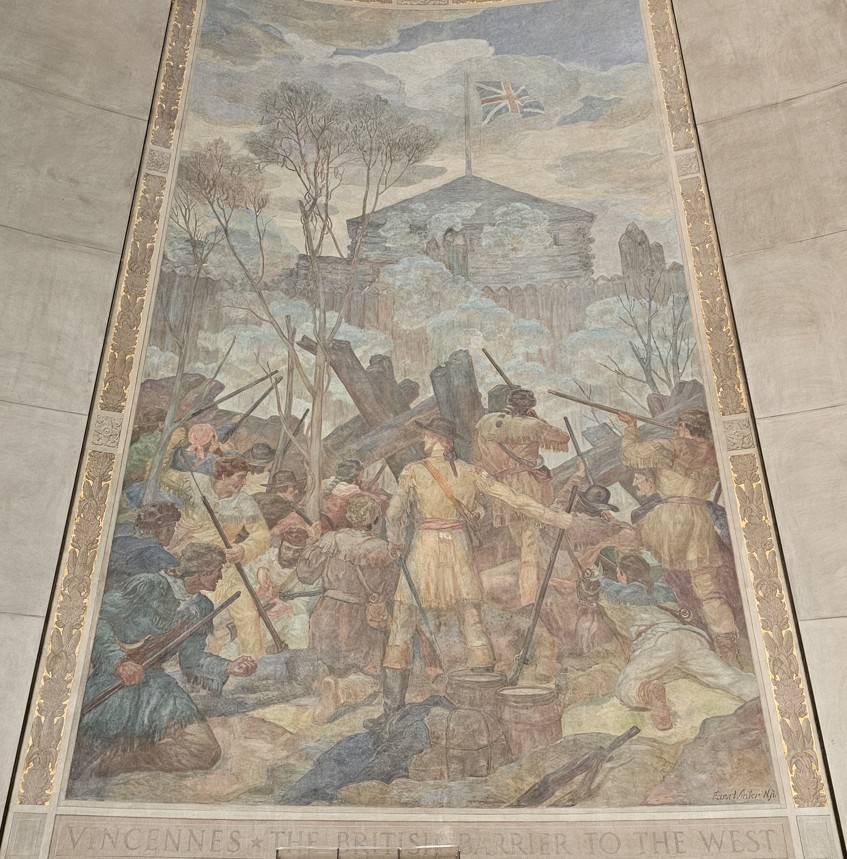
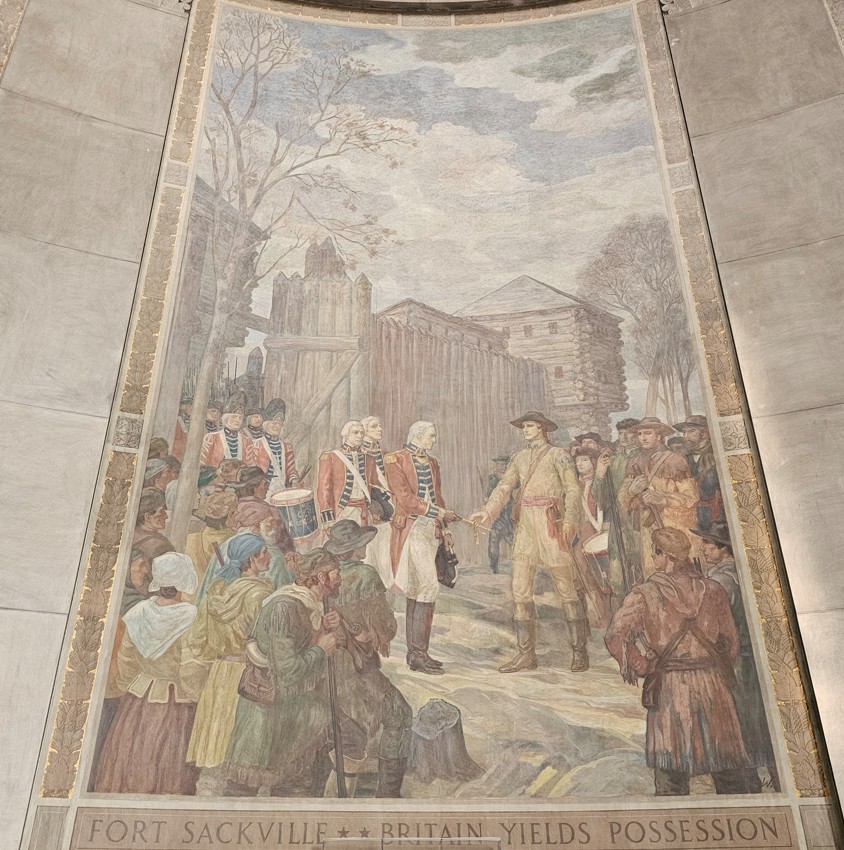
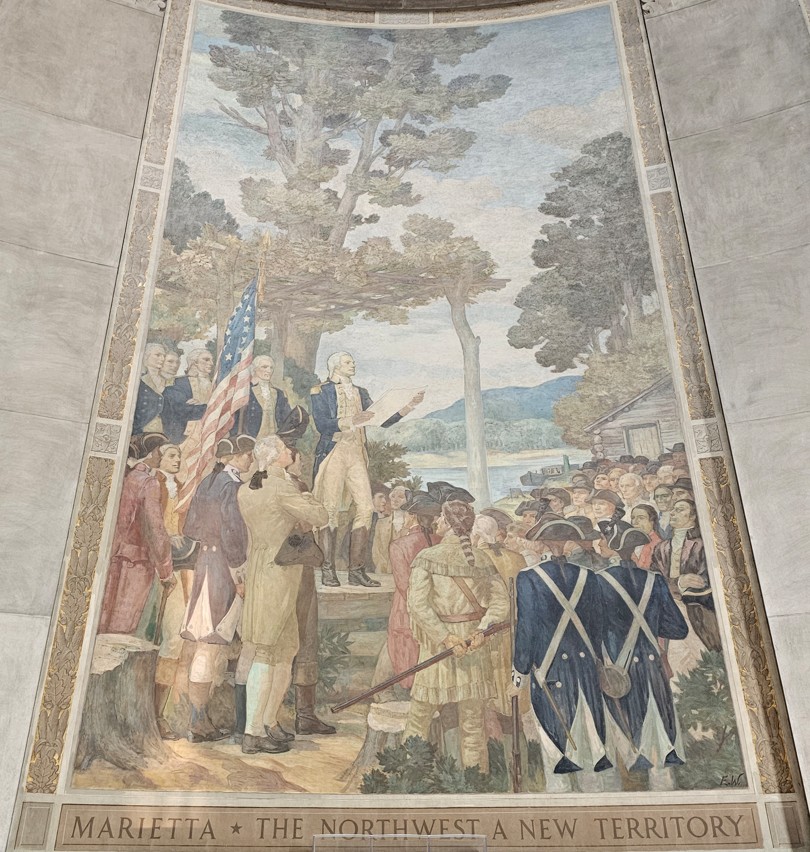
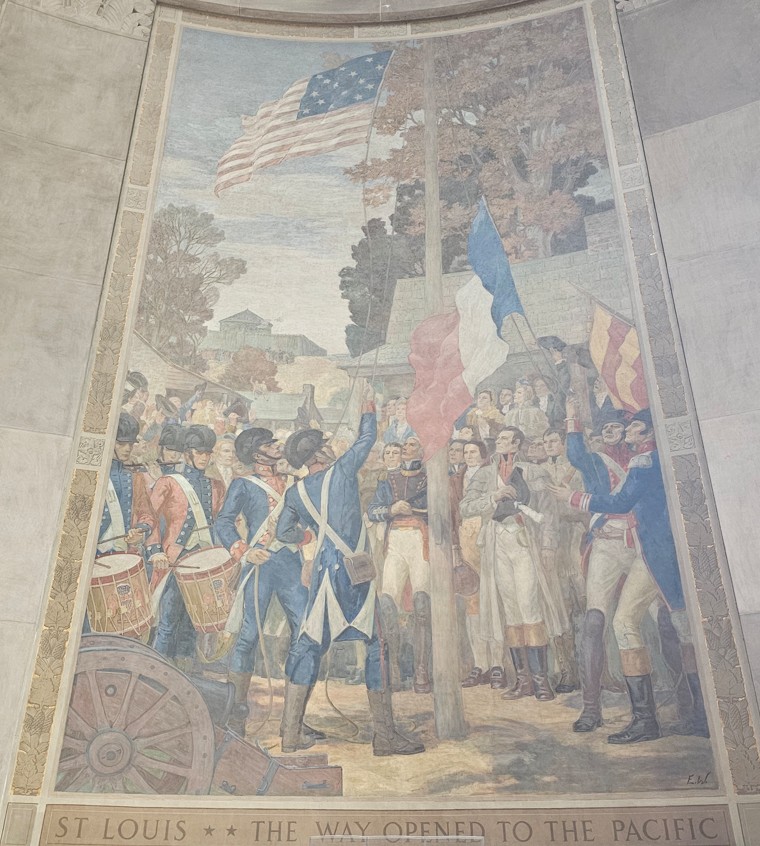
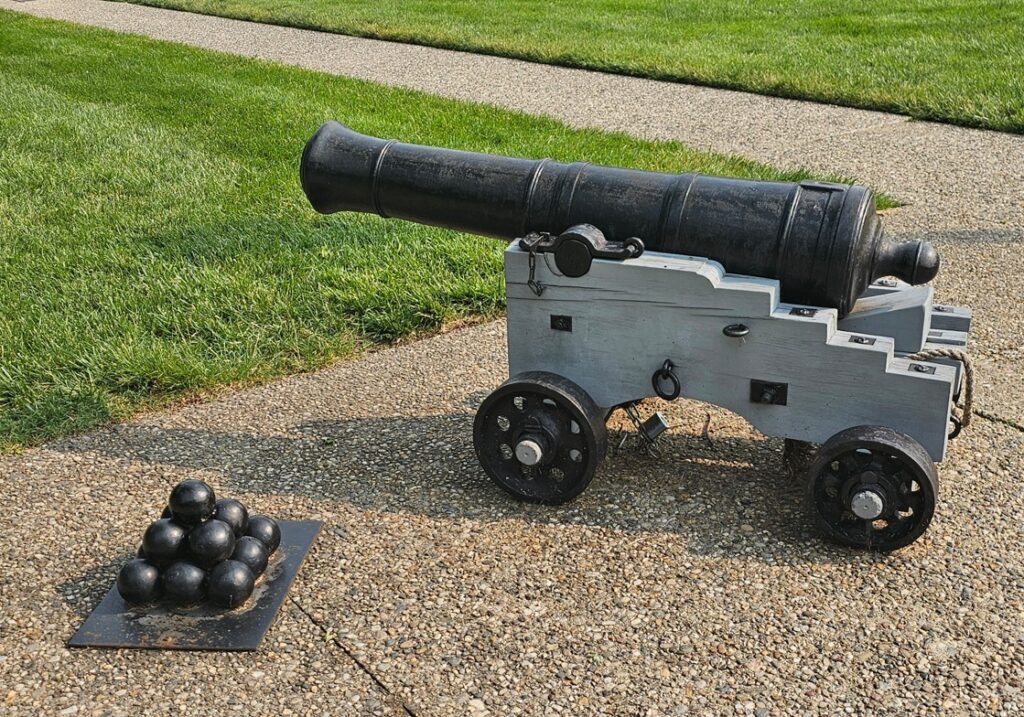
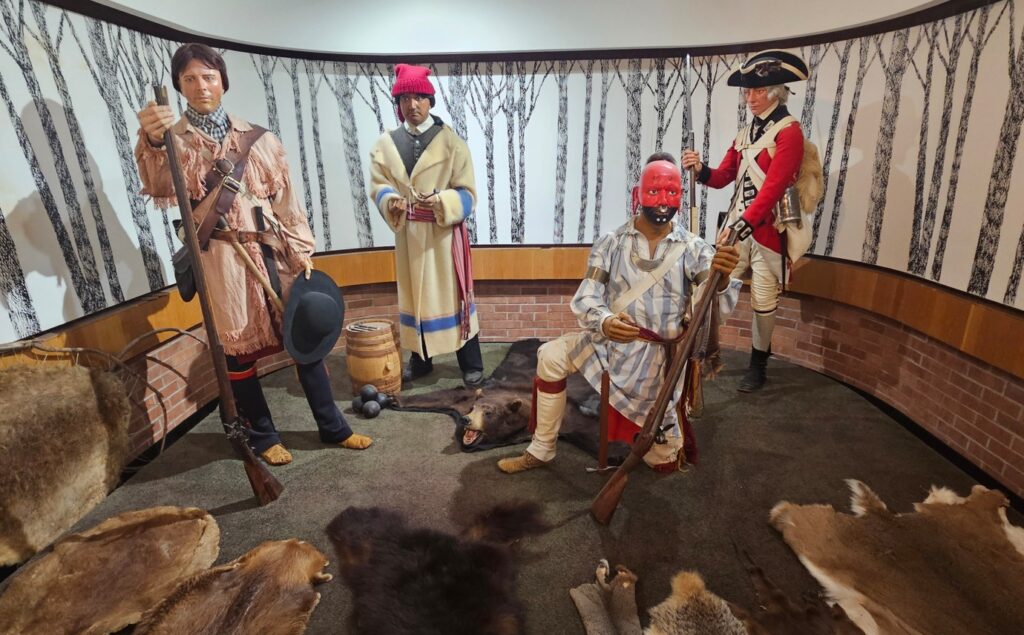
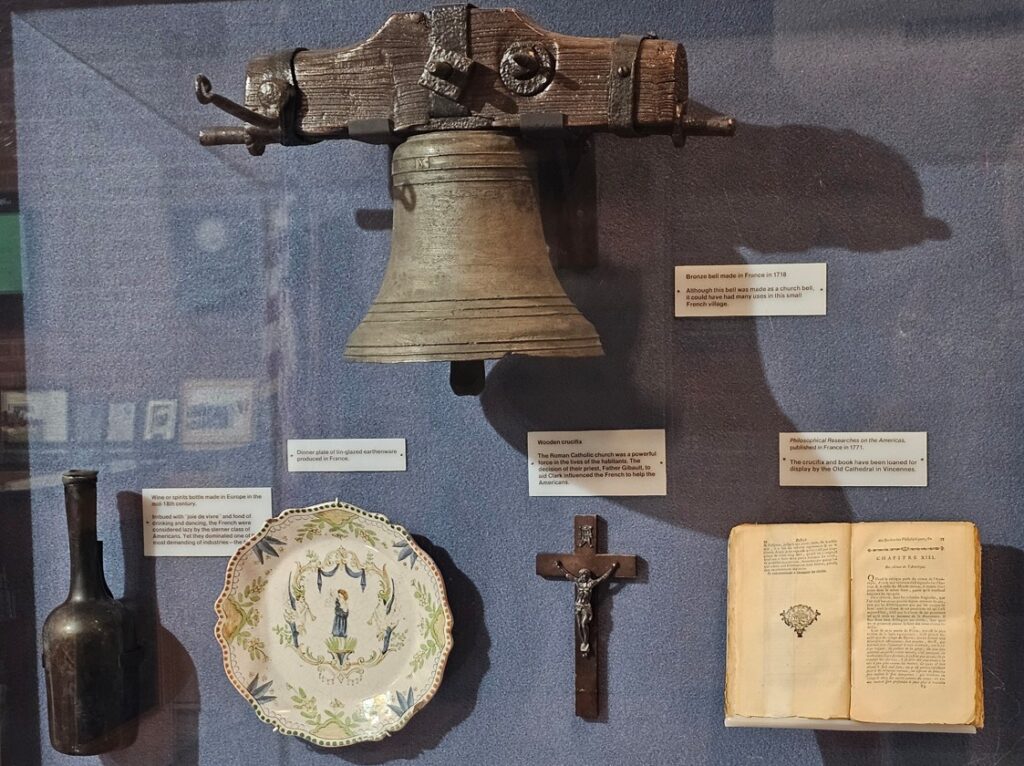
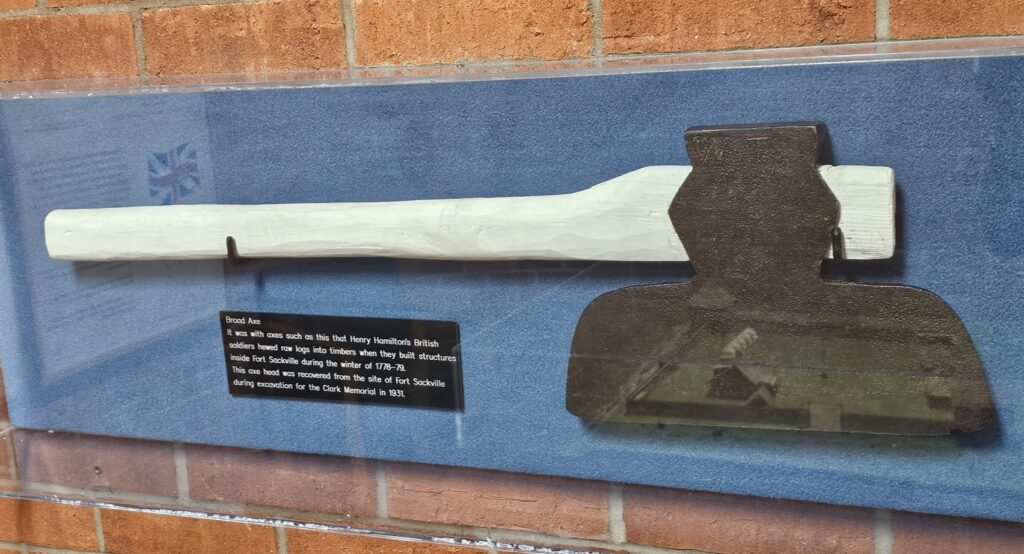
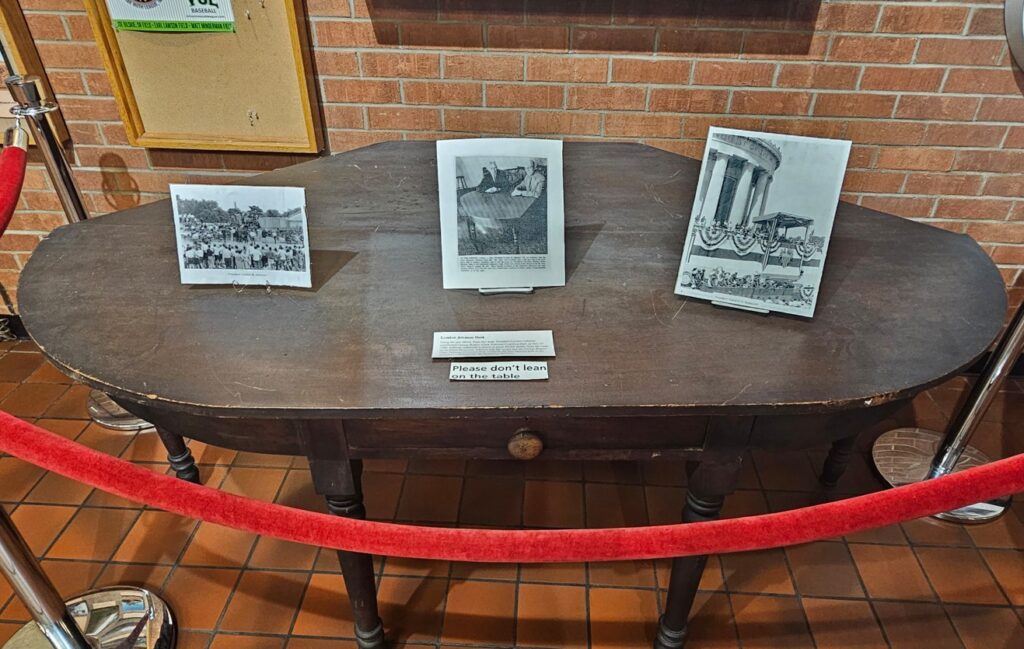
This monument memorializes George Rogers Clark’s daring victory over the British at Fort Sackville (current day Vincennes) in 1779, which was instrumental in winning the Revolutionary War, and opening the west to American expansion westward.The mall reminds you of the monuments in Washington DCThe Lincoln Memorial Bridge over the Wabash River reminds you of the Francis Scott Key Bridge in Washington DC.George Rogers Clark……and the Frontiersmen……of the American Revolution.The Conquest of the WestGeorge Rogers Clark statue in the center of the memorial.The rotunda.Panels chronicle the history of the area. This one depicts George Rogers Clark on a white horse leading settlers across the Allegheny Mountains.In 1778 Clark called for a conference at Cahokia to negotiate peace with the Native American tribes. He offered each tribe a choice of war or peace. Peace if they sided with the Americans in the Revolutionary War. Choosing the while belt meant they would side with the Americans, red for siding with the British. Most tribes chose to support the US, but some sided with Britain.In December 1778 British forces retook control of Fort Sackville from the French and Americans. Clark and his men executed a midwinter attack in February 1779 to retake the fort. They crossed 160 miles of frozen and eventually prairie over 19 days. The last 10 ,miles were completed without food, and sometimes water reached their necks. They retook Fort Sackville on February 25, 1779.While surrounding Fort Sackville, Clark intercepted some Native Americans who were British allies, and he executed them within view of the fort. The British thought Clark had large numbers, so they surrendered the fort after two days, with no losses on either side.The mural shows British Lt. Gov. Henry Hamilton to George Rogers Clark on February 25, 1779. This surrender represented more than just surrendering one fort. Clark’s victory changed the dynamic on the western frontier, disrupting the British military presence in the west, and confused the Native Americans about their loyalties. The victory also led thousands of American colonists in the east to move west of the Appalachians.This scene in Marietta, Ohio in 1788 depicts the Secretary of the Northwest Territory Winthrop Sargent reading the Northwest Ordinance, which eventually developed into Indiana, Ohio, Illinois, Michigan and Wisconsin.Here Captain Amos Stoddard stands at attention with Meriwether Lewis to his left at St. Louis. With George Rogers Clark’s brother William Clark, Lewis led the Corps of Discovery expedition across the country to the Pacific Ocean. St. Louis is considered the Gateway of the West.A cannon for the time period.This scene in the Visitor Center depicts the combatants in the area: American frontiersman, French habitant, Indian, and British soldier.British soldiers used a broad axe like this to hew raw logs into timbers to build structures inside Fort Sackville during the winter 1778-1779. This axe head was recovered from the site of Fort Sackville during excavation for the Clark Memorial in 1931.President Lyndon Johnson at this desk in 1966, established George Rogers Clark National Historical Park. About 50,000 people attended the signing.
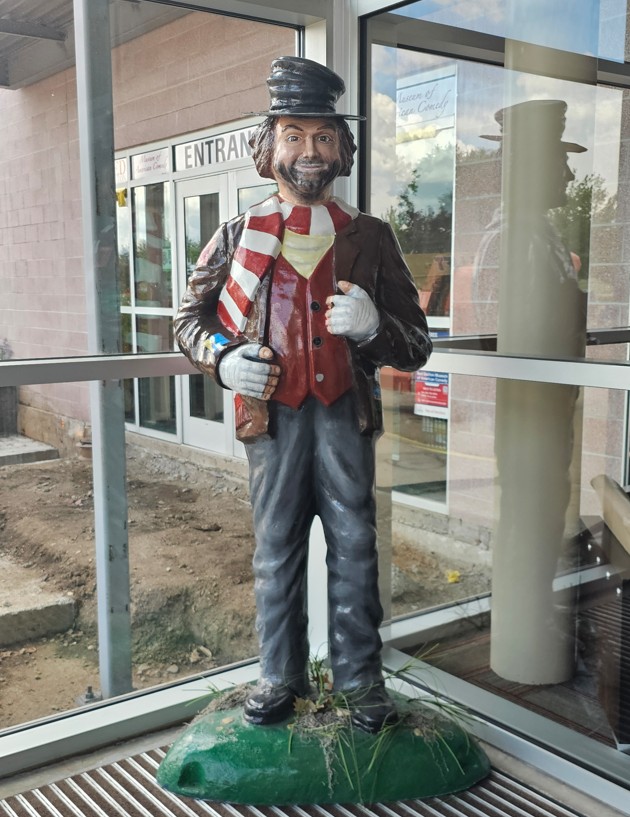
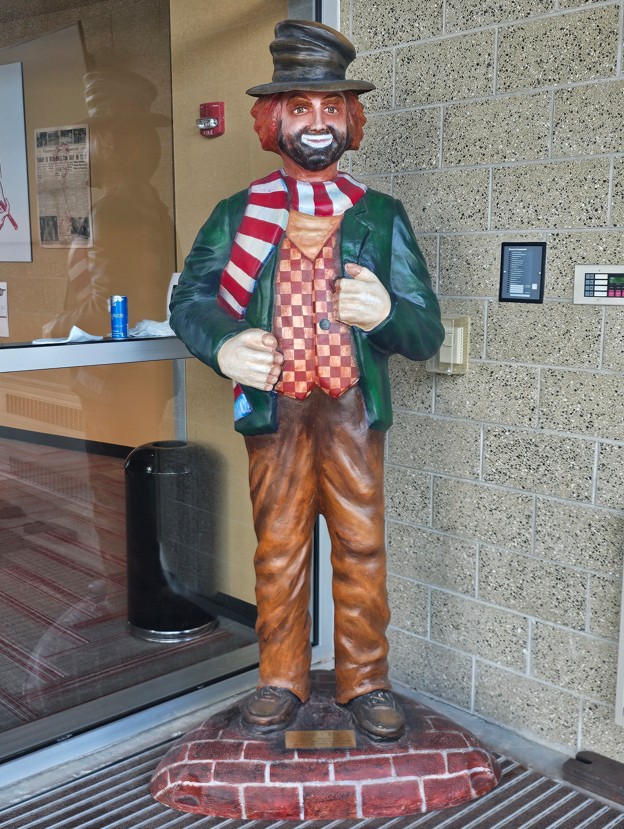
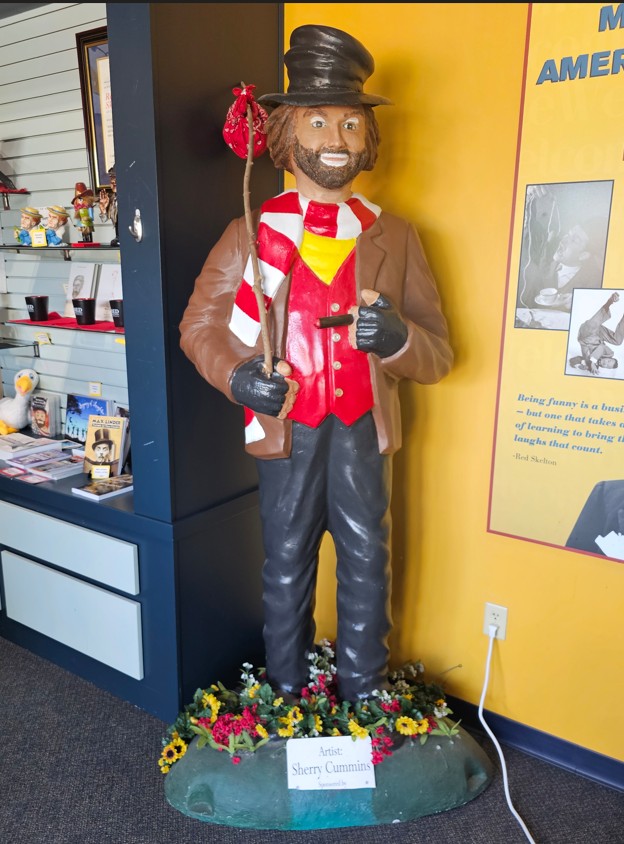
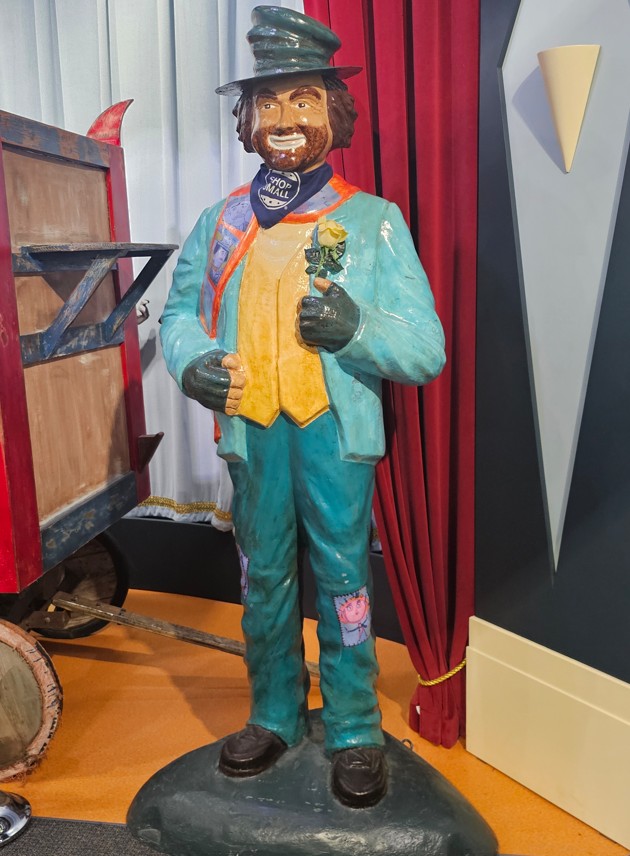
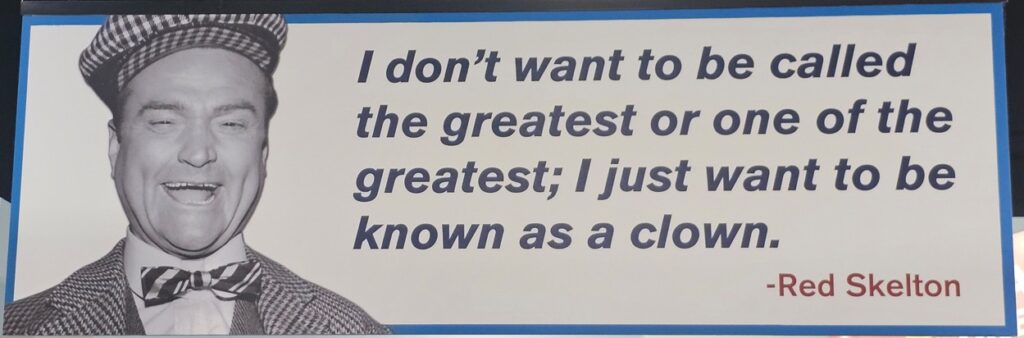
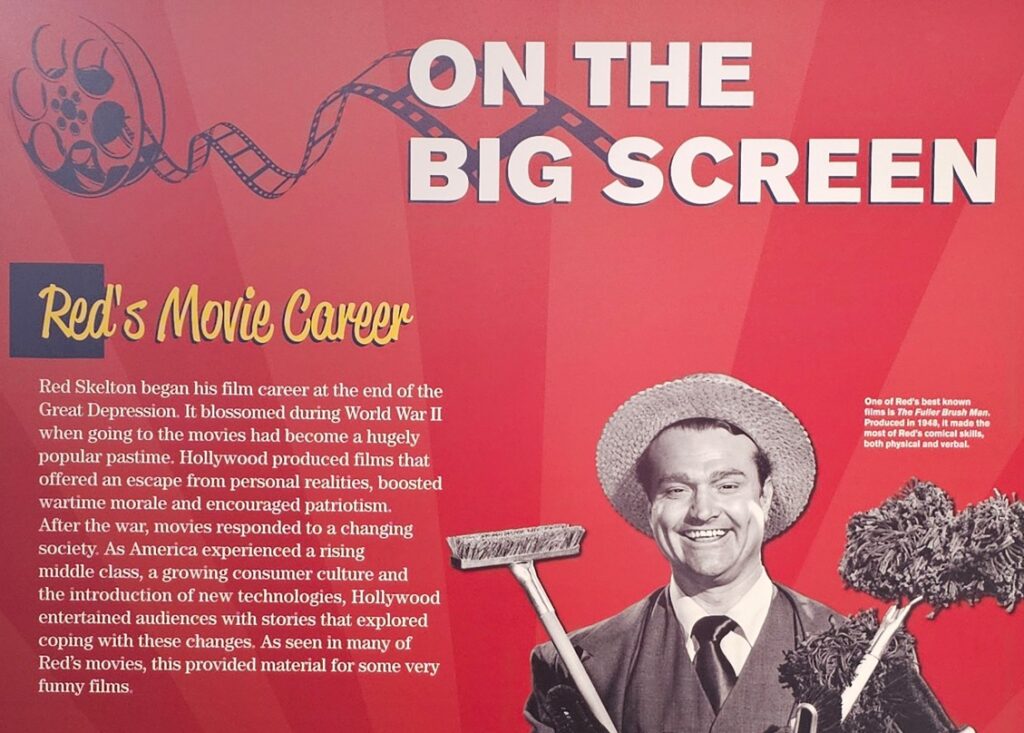
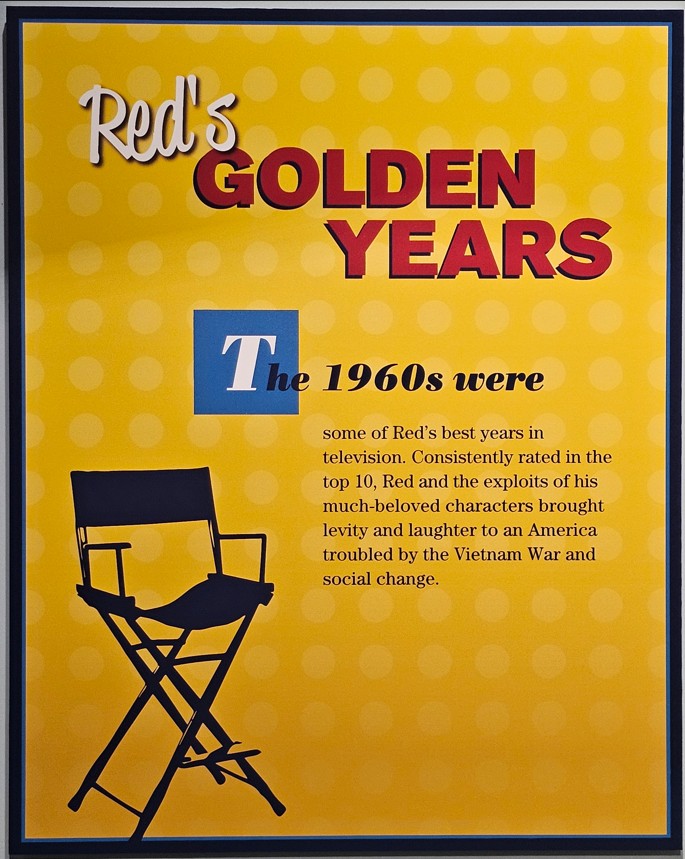
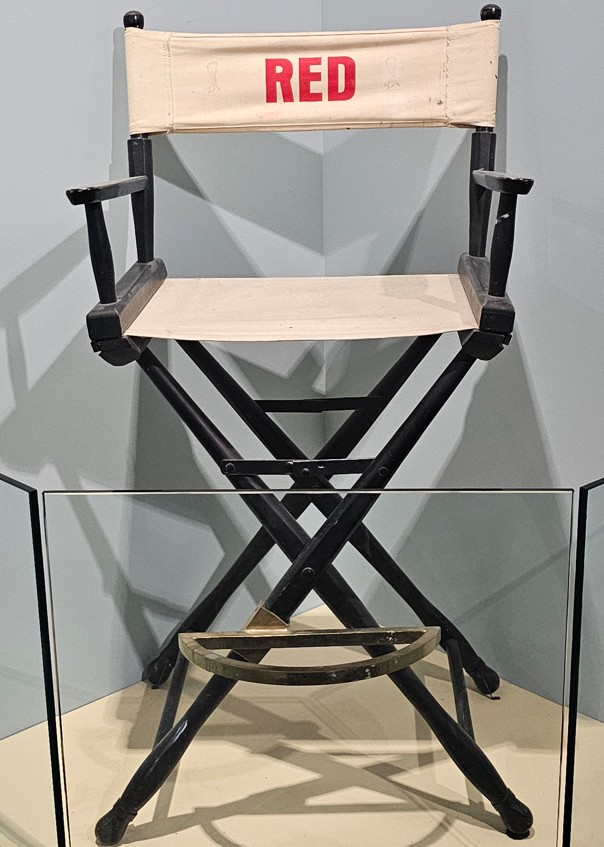
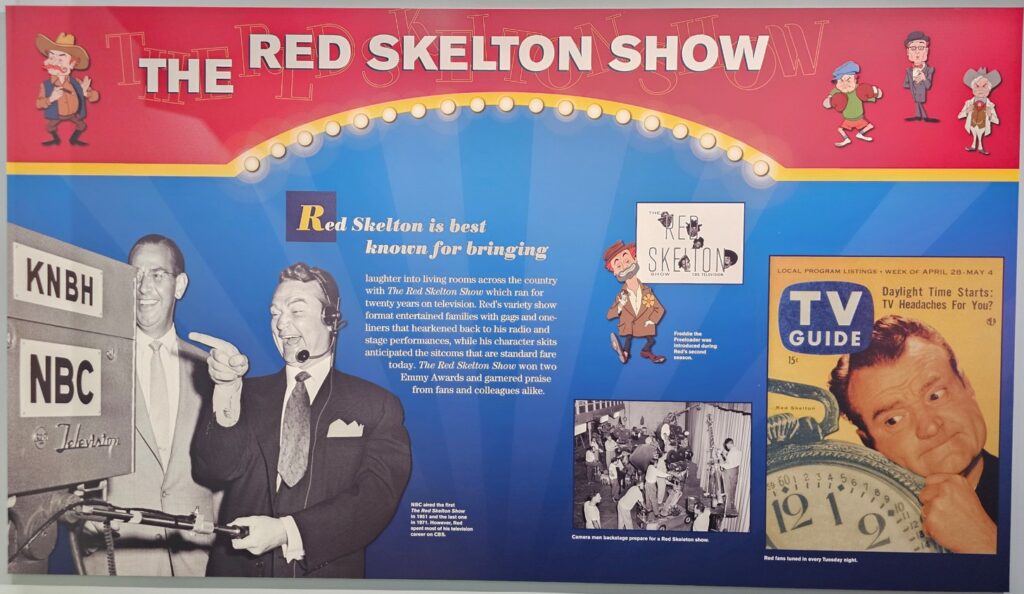
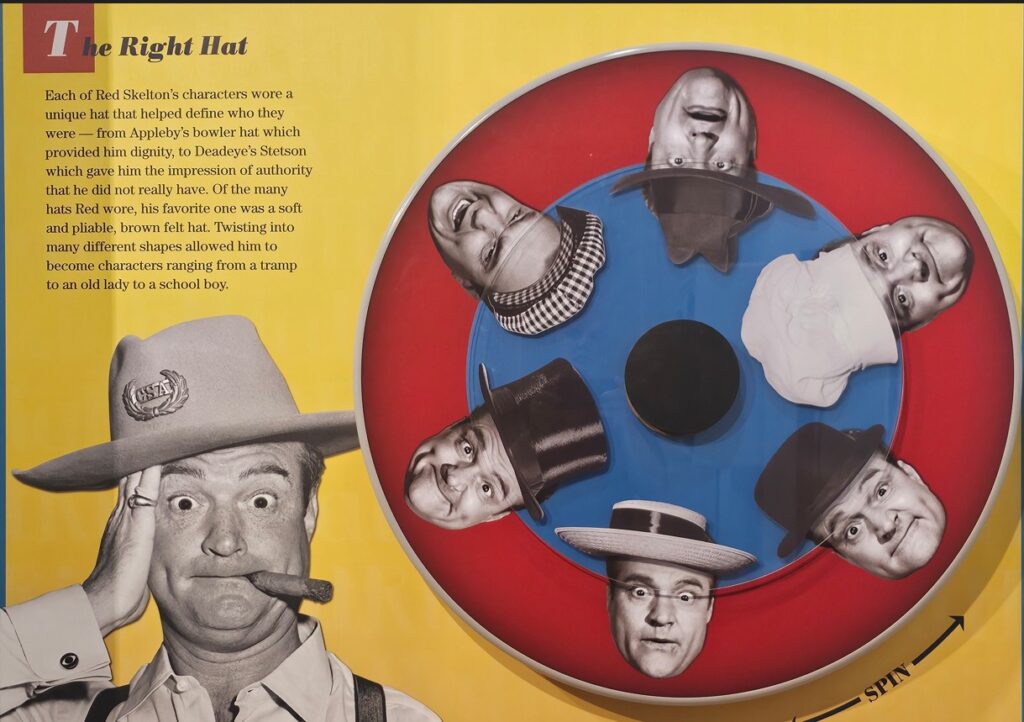
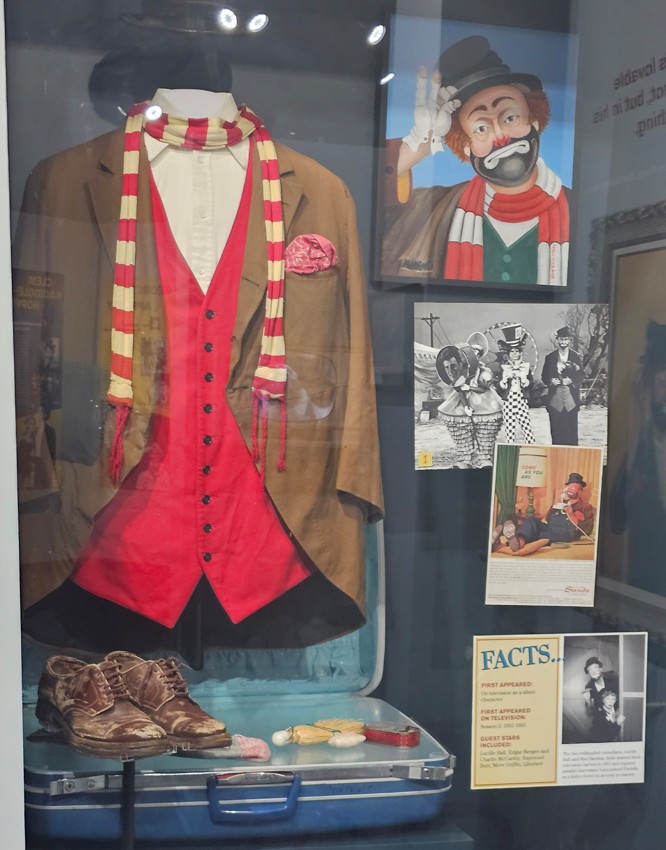
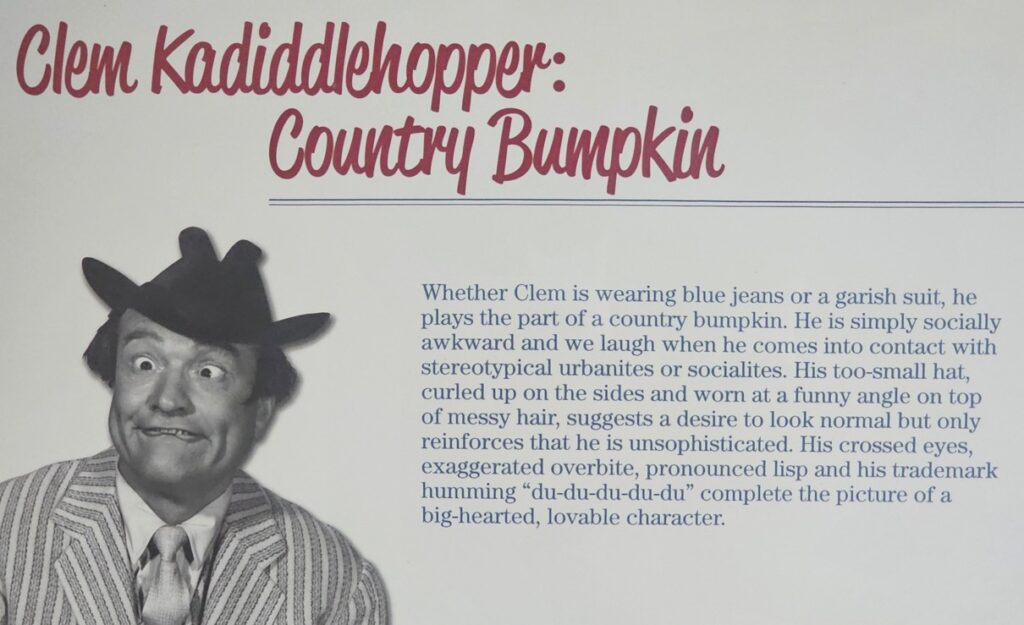
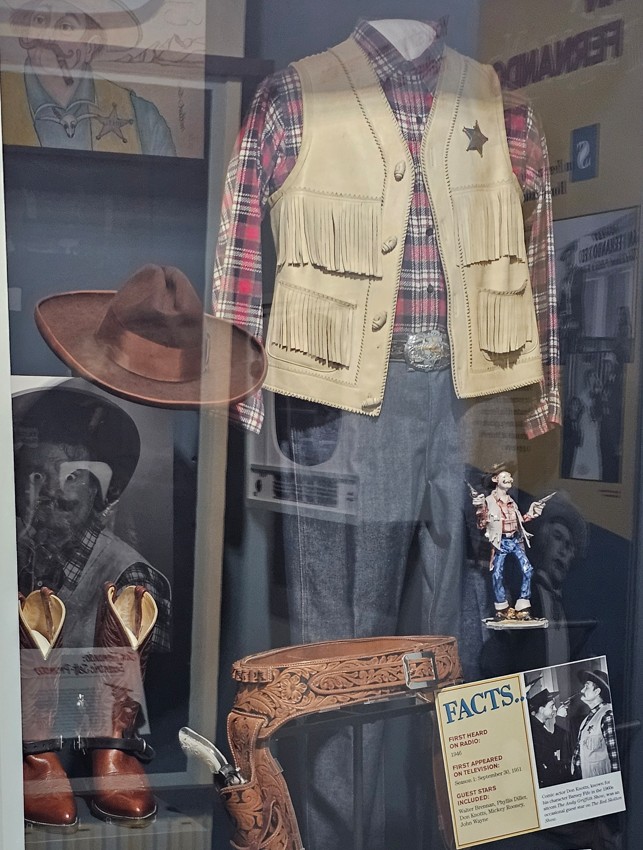
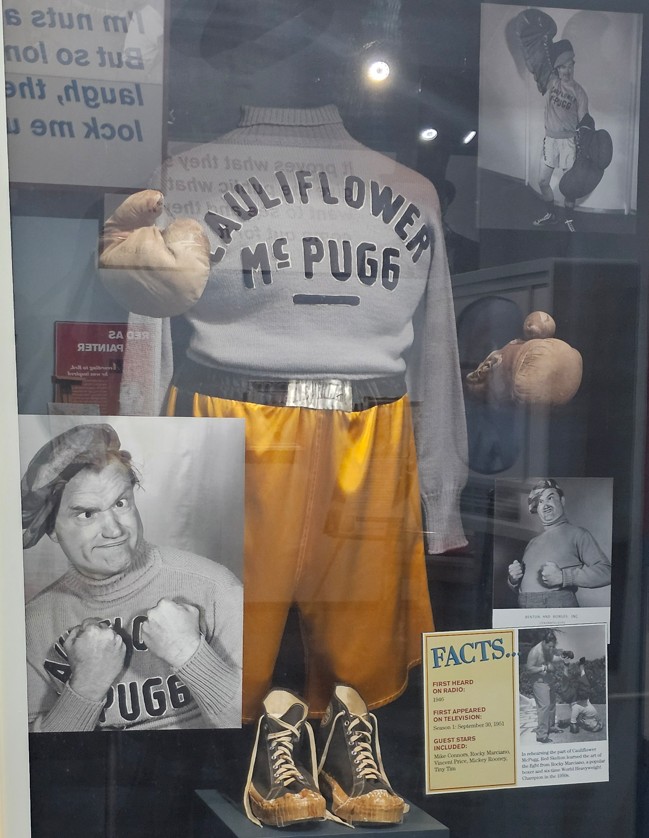
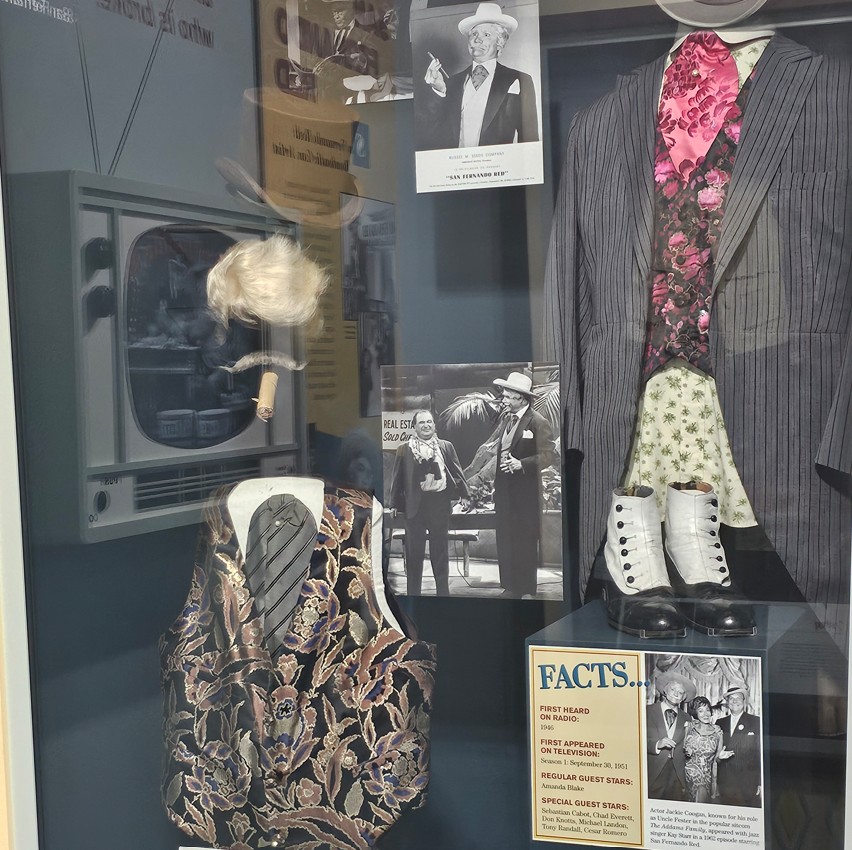
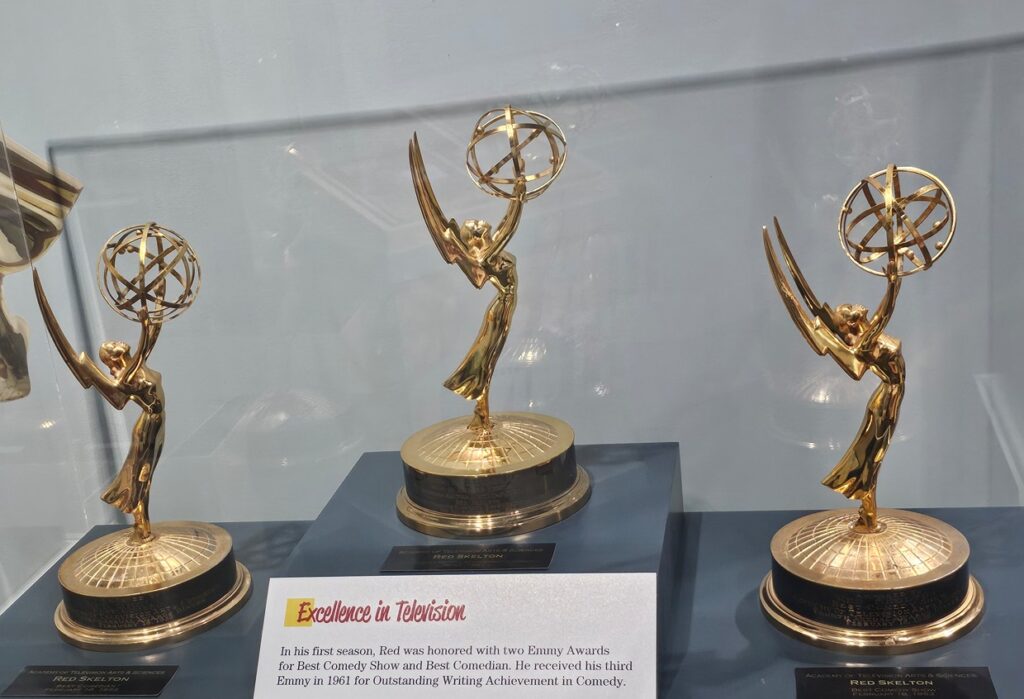
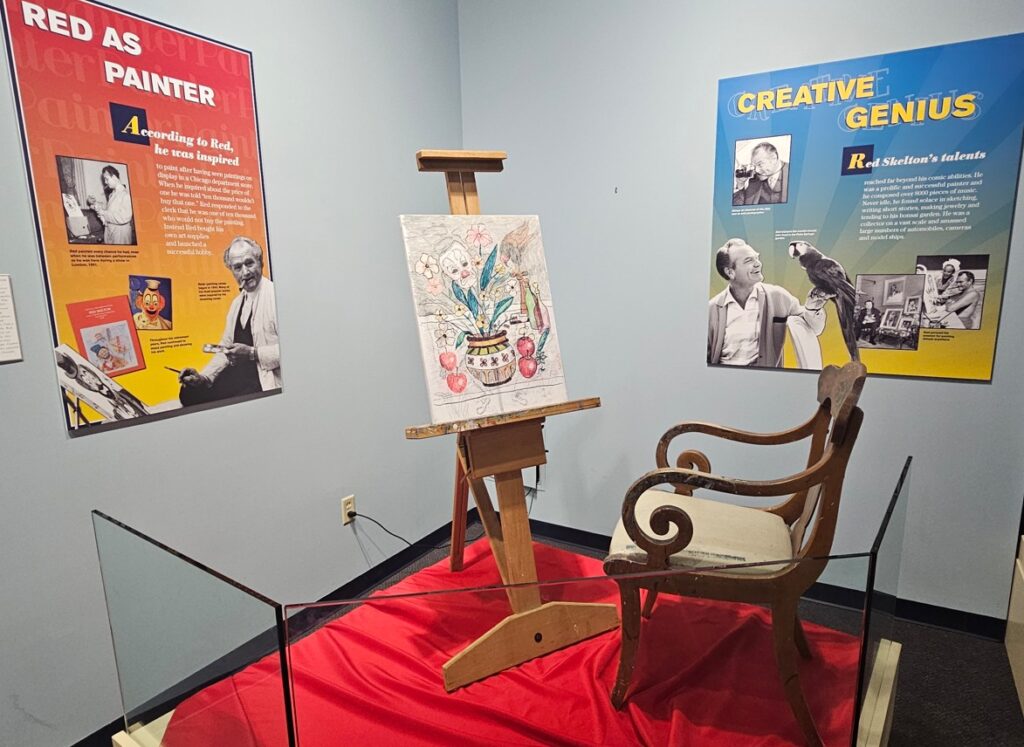
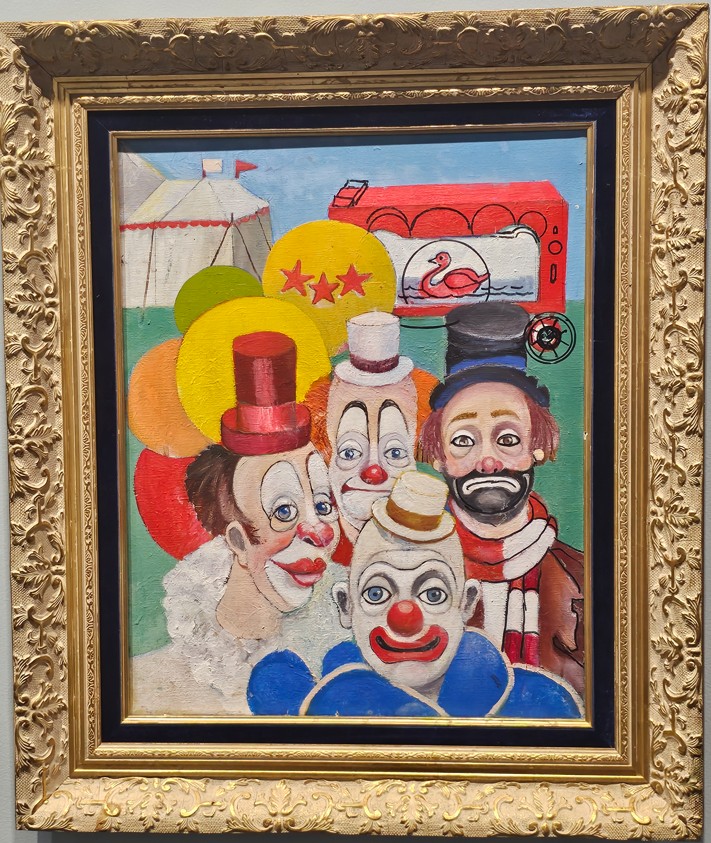
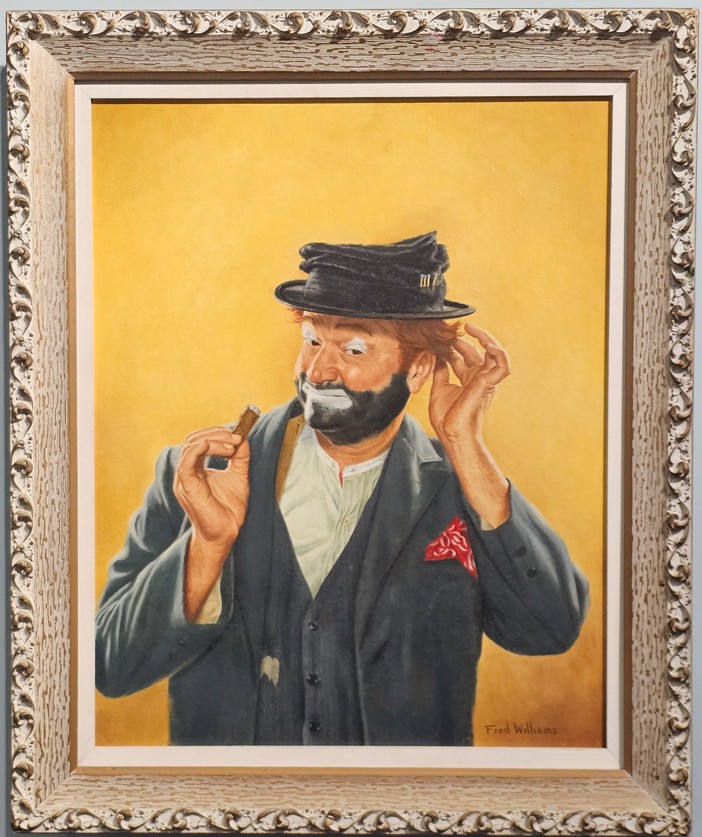
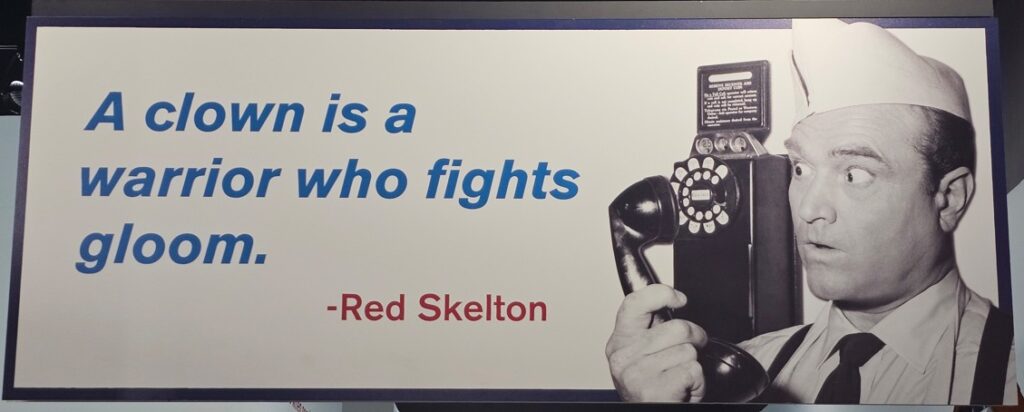
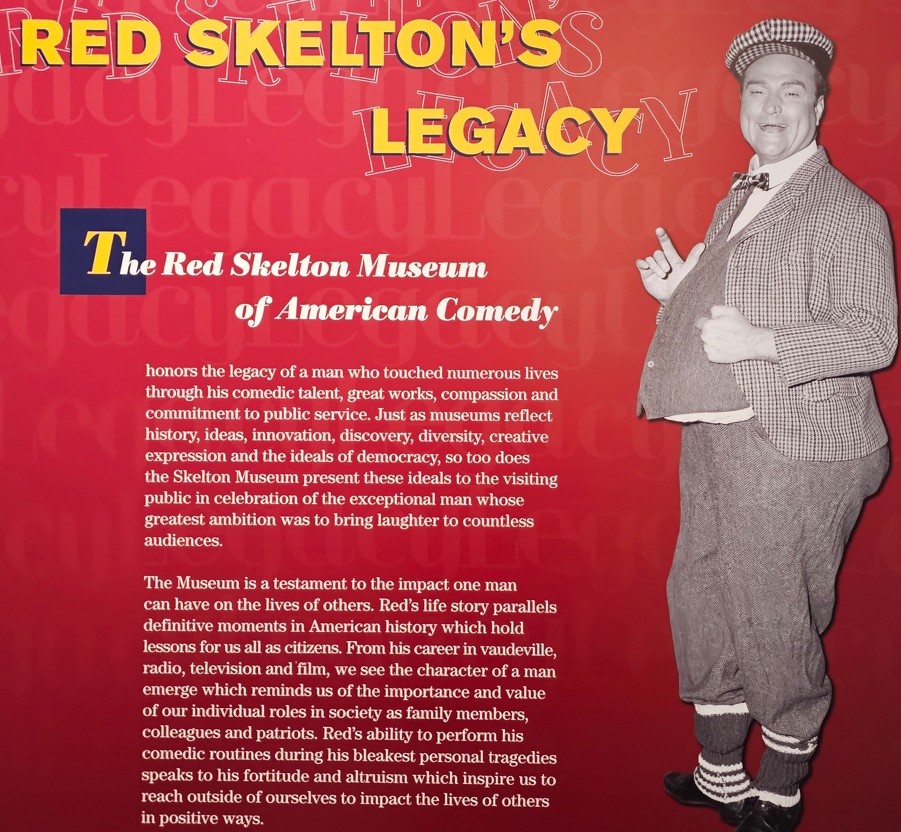
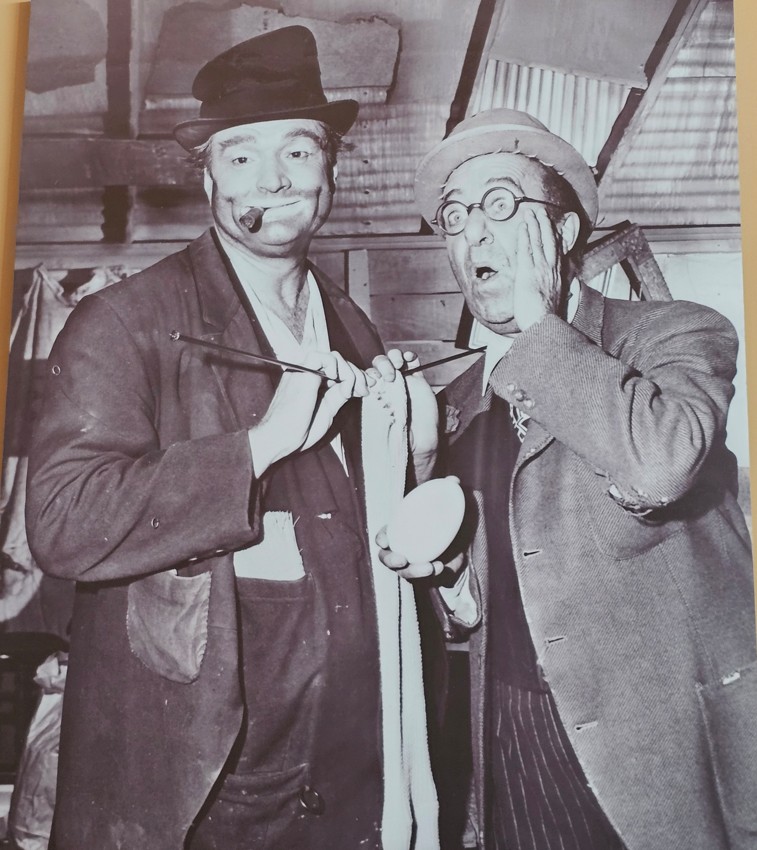
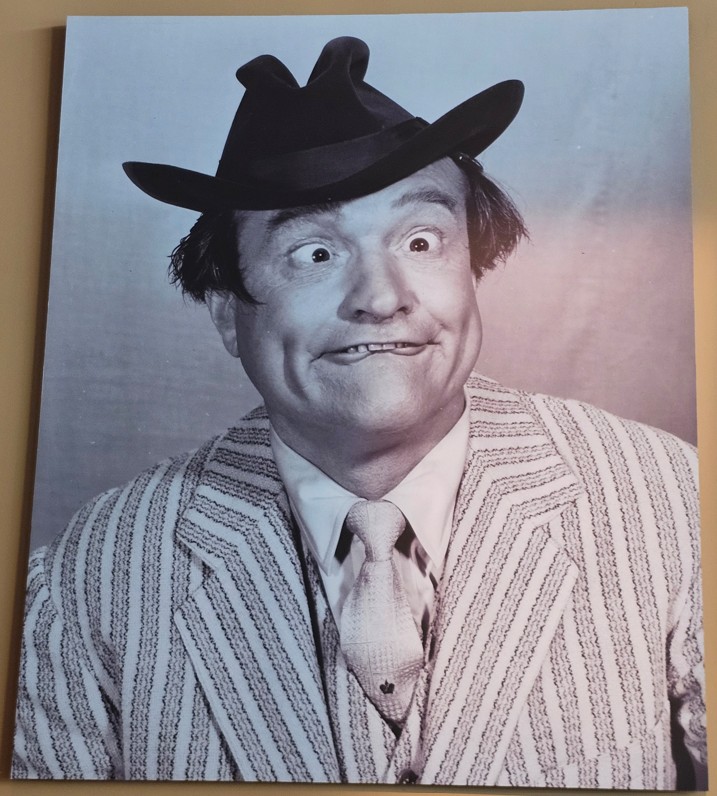
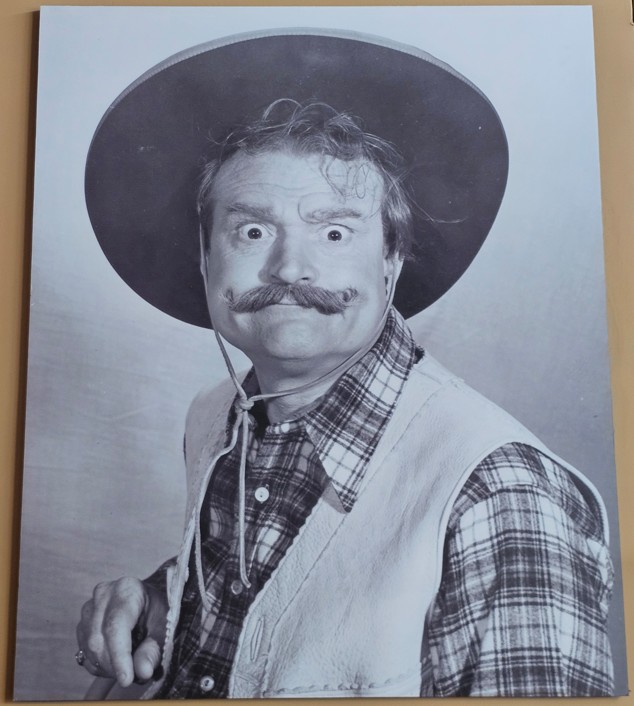
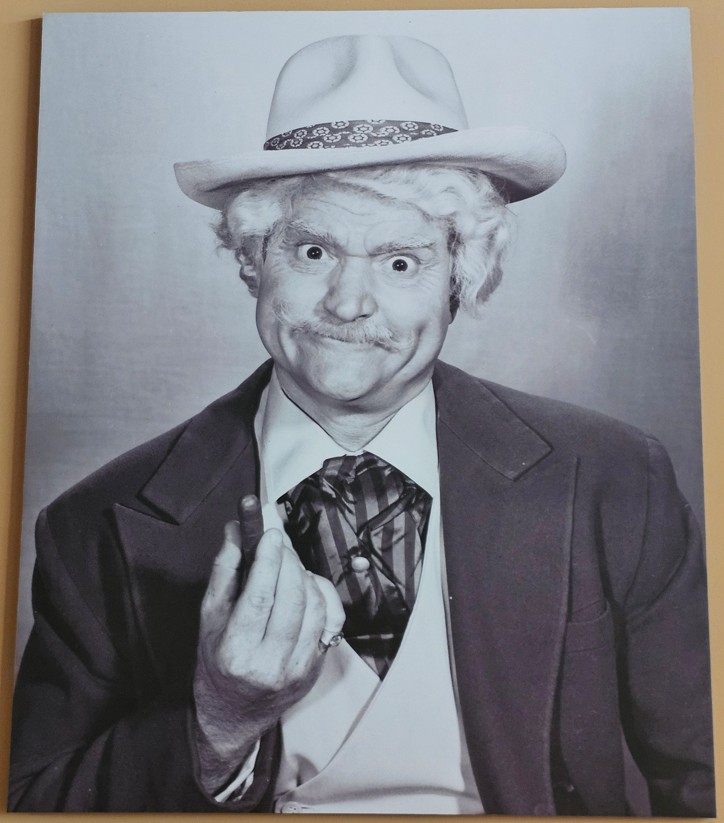
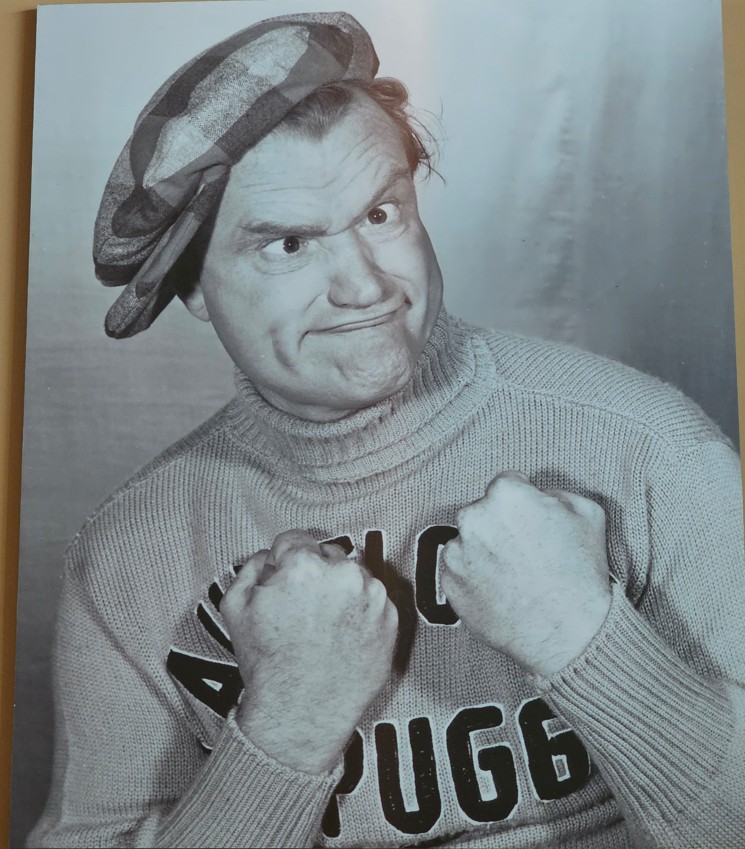
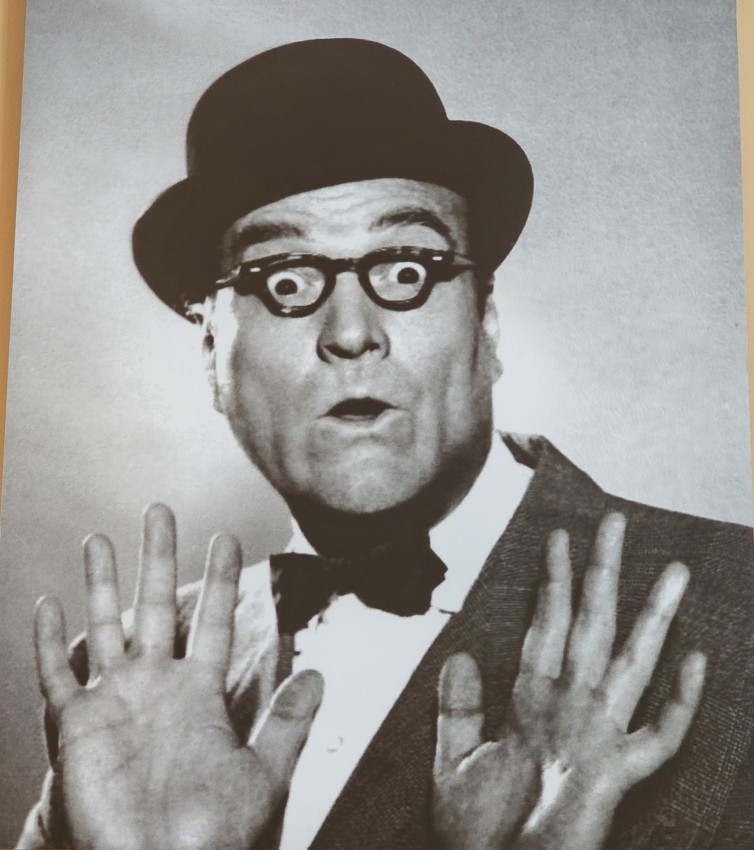
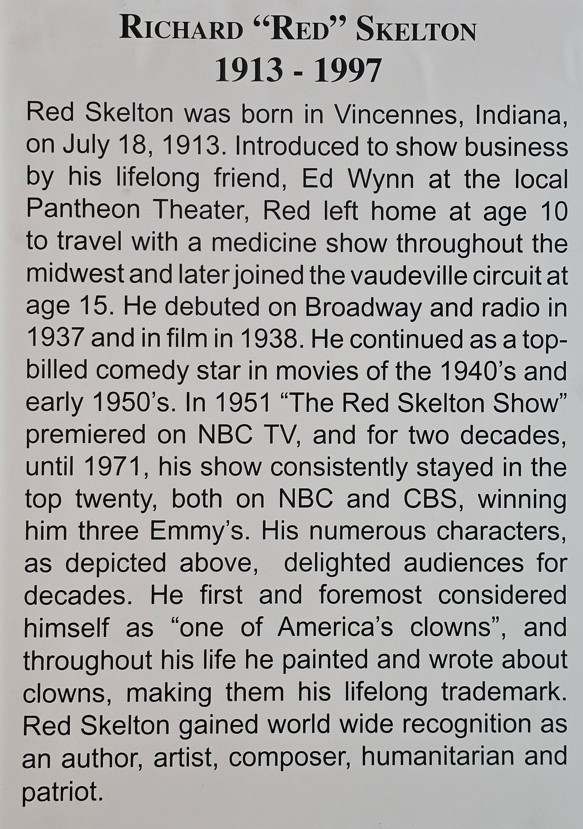
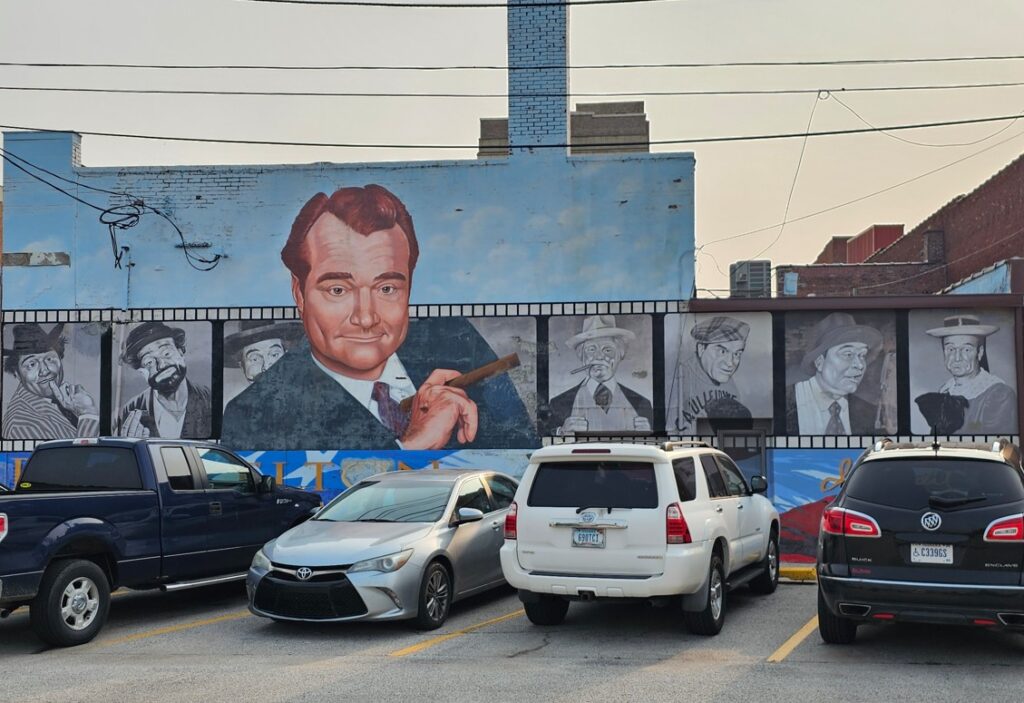
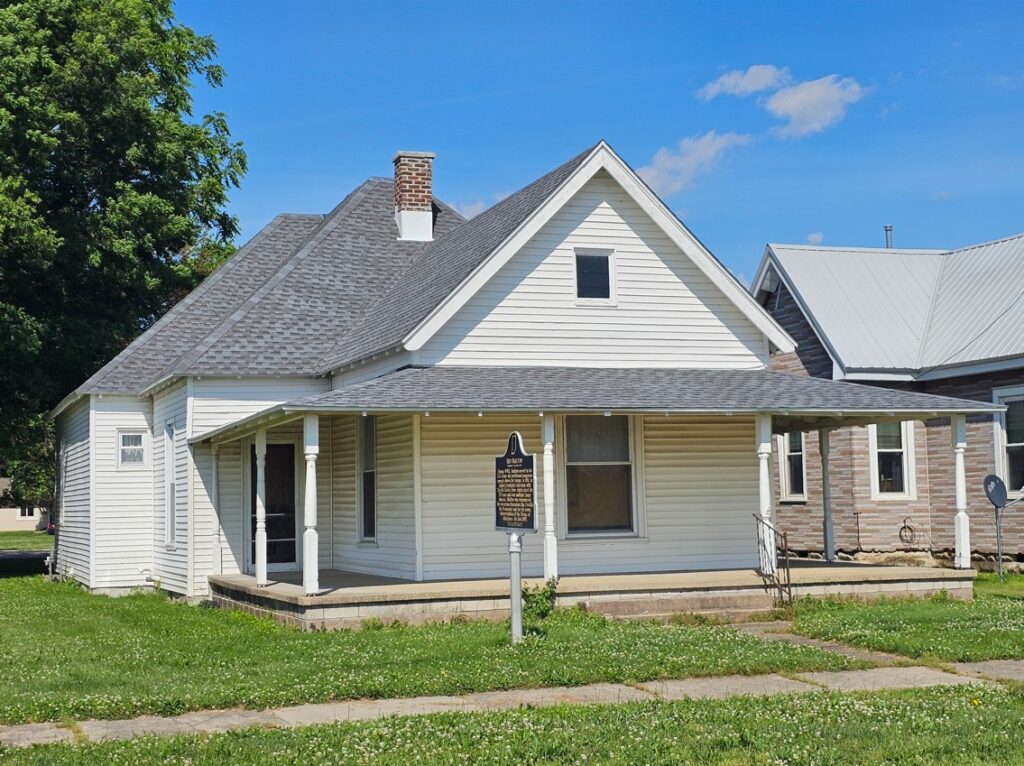
I grew up watching the Red Skelton Show. His comedy then is still funny today. Prior to his TV show, he was in movies.Skelton loved clowns.Skelton was a many of many characters and faces.Freddie the Freeloader costumeDeadeye Red costumeCauliflower McPugg costumeSan Fernando RedRed’s three Emmy Awards.Red was also an accomplished painter, primarily of clowns.Many faces of Red SkeltonRed Skelton mural in downtown VincennesRed Skelton’s birthplace, 1913.