Ulysses S Grant Presidential Library & Museum

Starkville MS

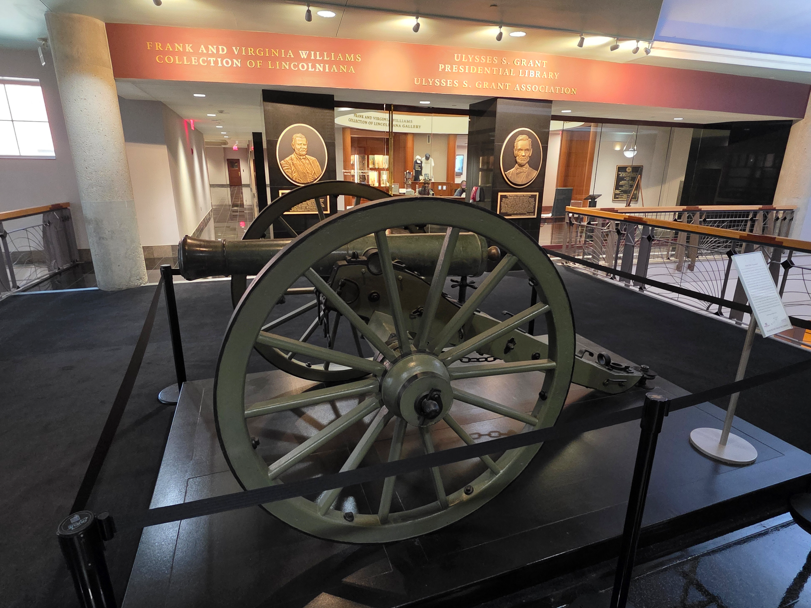
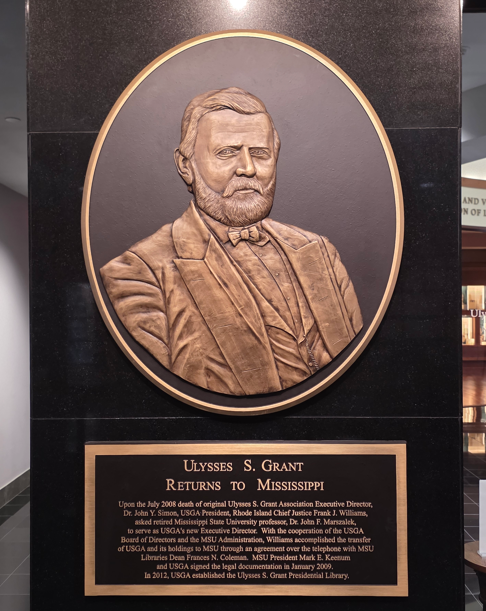
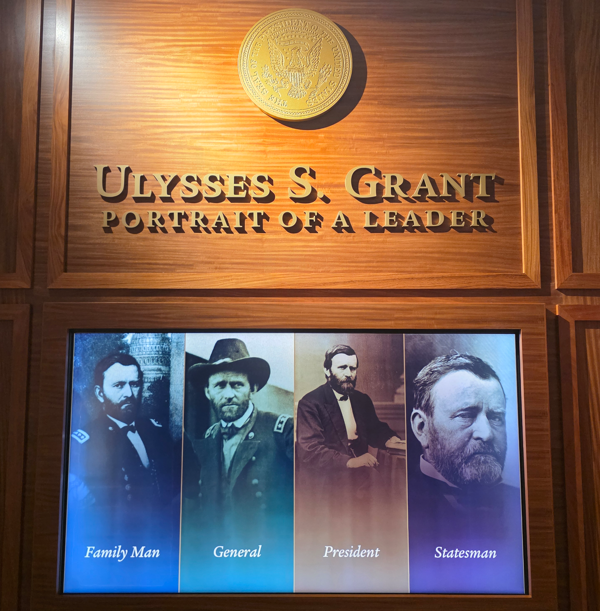
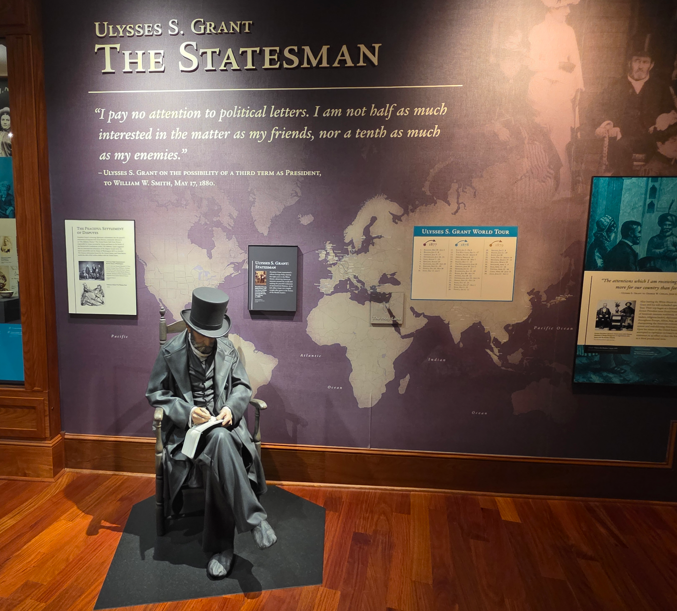
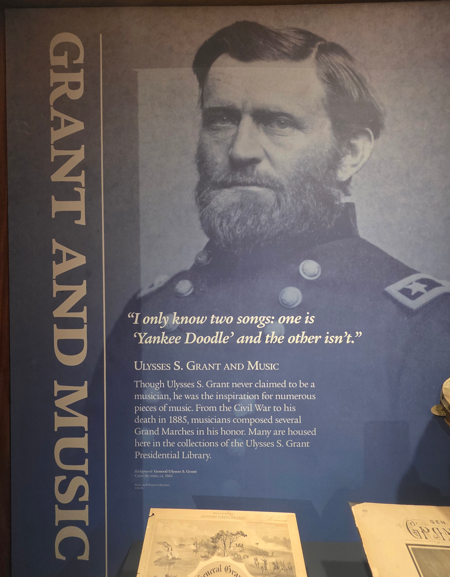
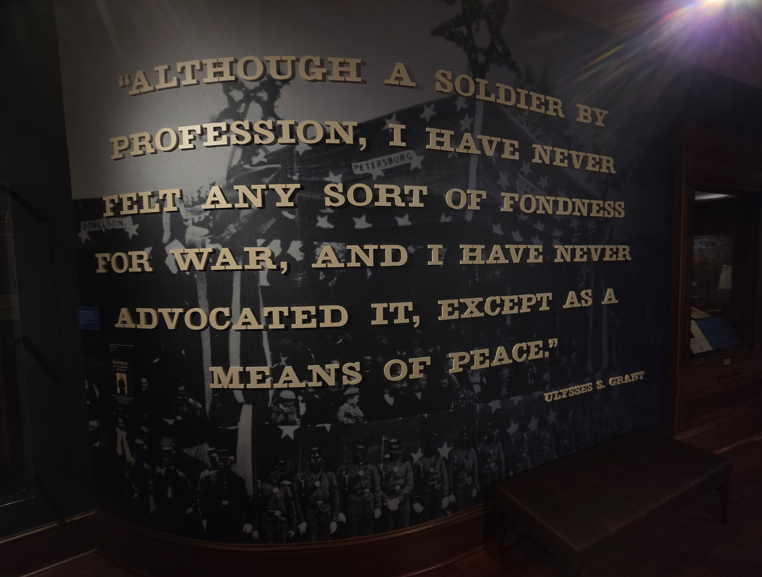
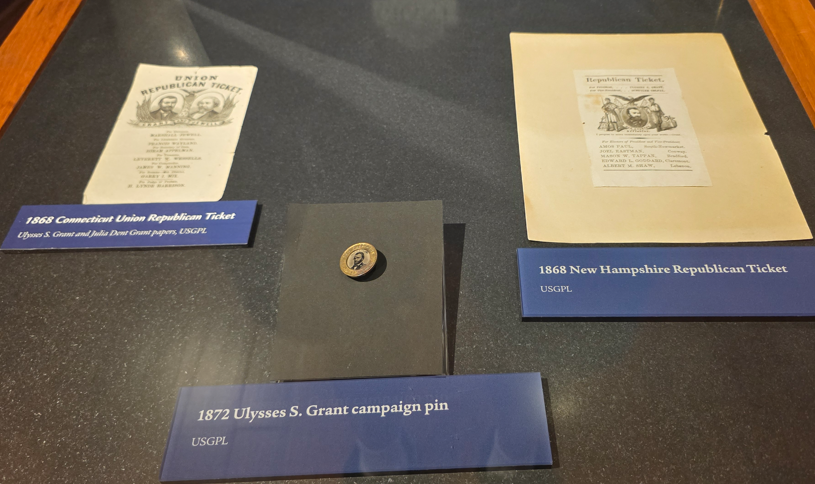
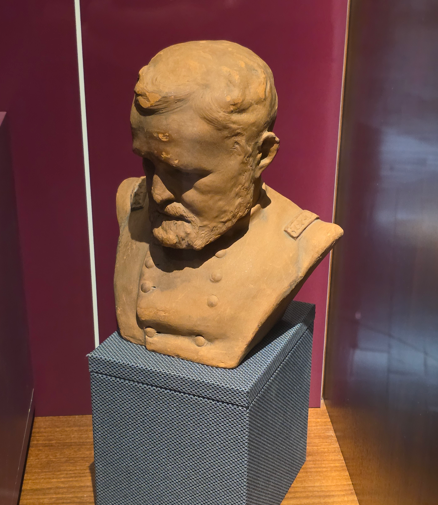
Mississippi State University houses the Ulysses S. Grant Presidential Library & Museum.
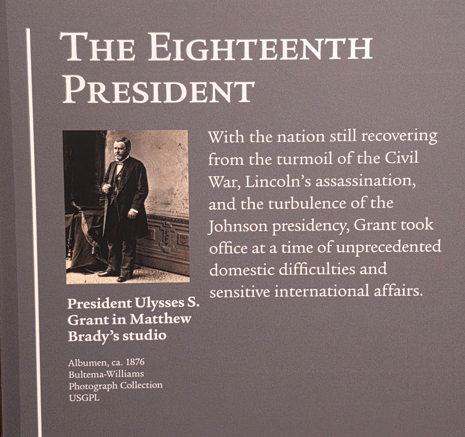
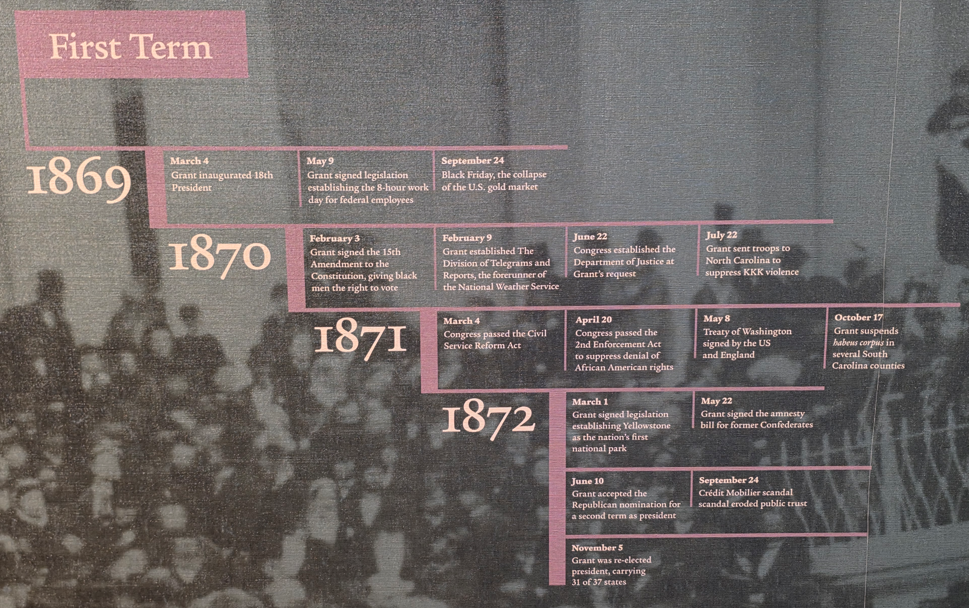
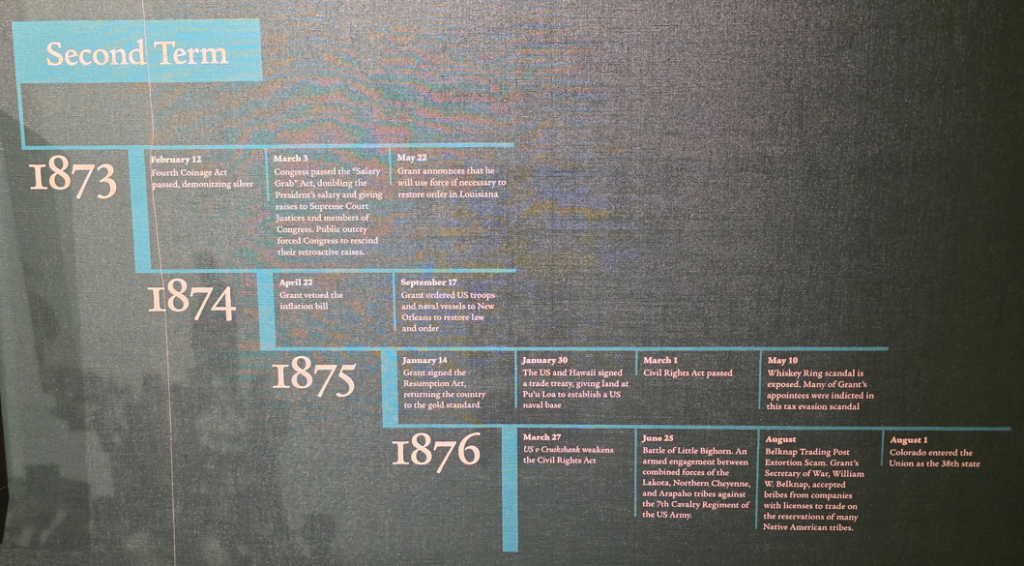
Ulysses Grant was our 18th president, served from 1869-1877.
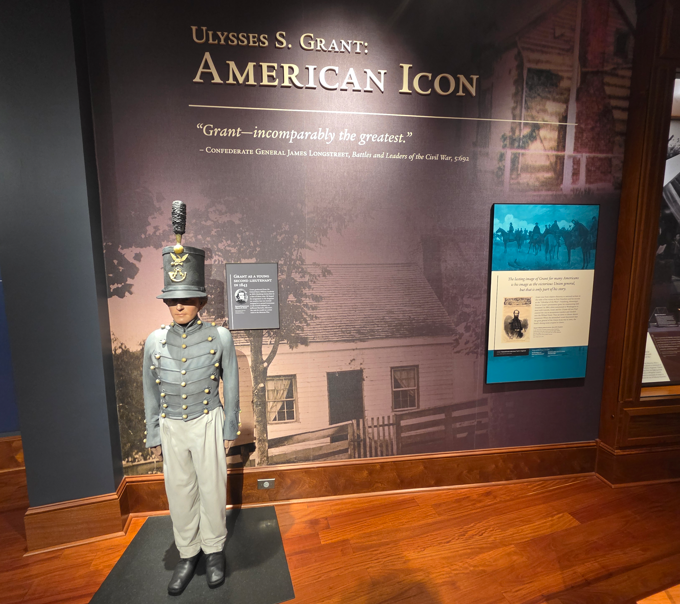
2nd Lieutenant Grant at US Military Academy, West Point
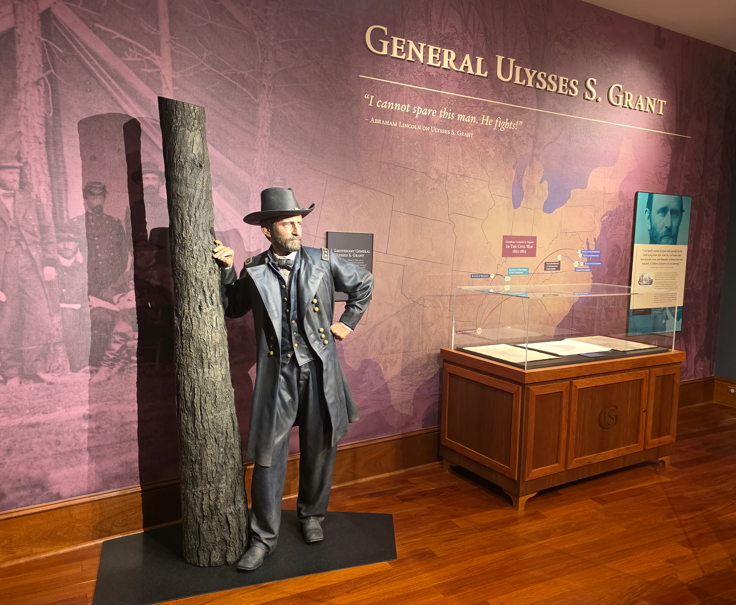
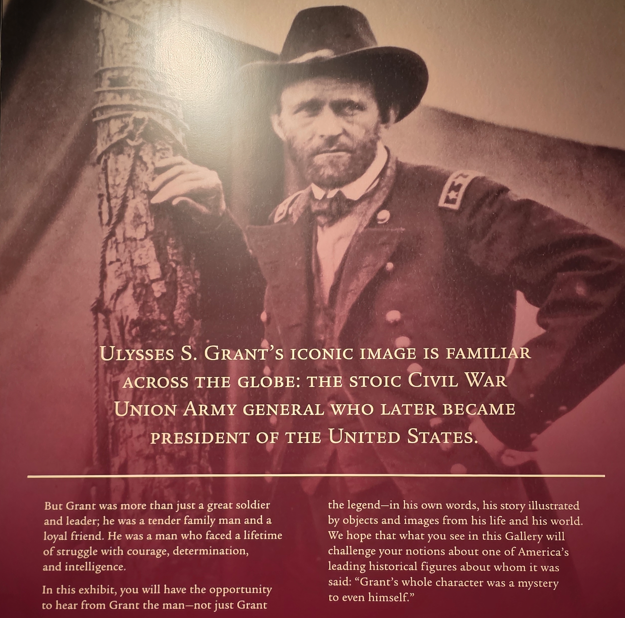
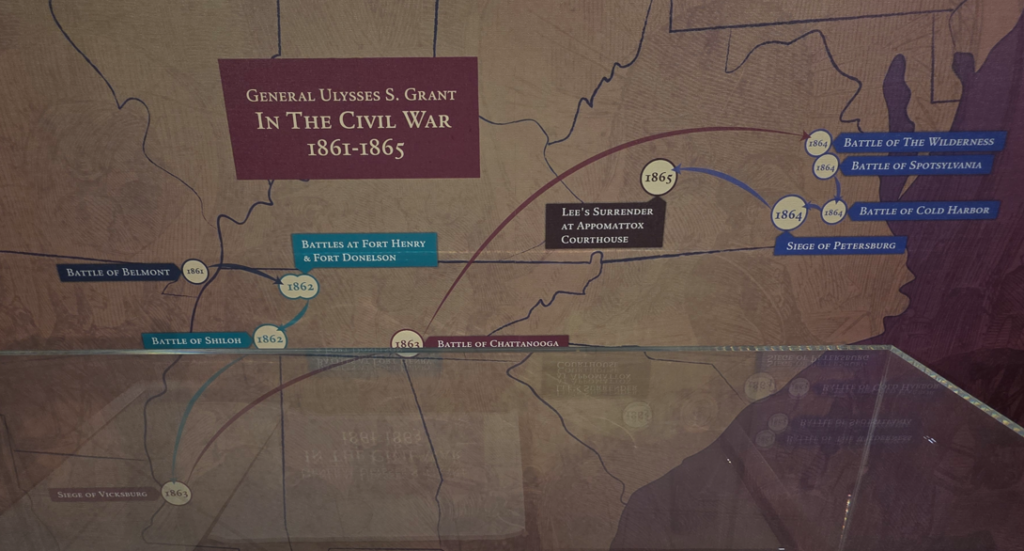
Grant rose from relative obscurity to national acclaim in the wake of his victory at Fort Donelson and his success at Vicksburg, Mississippi, the “Gibraltar of the West”.
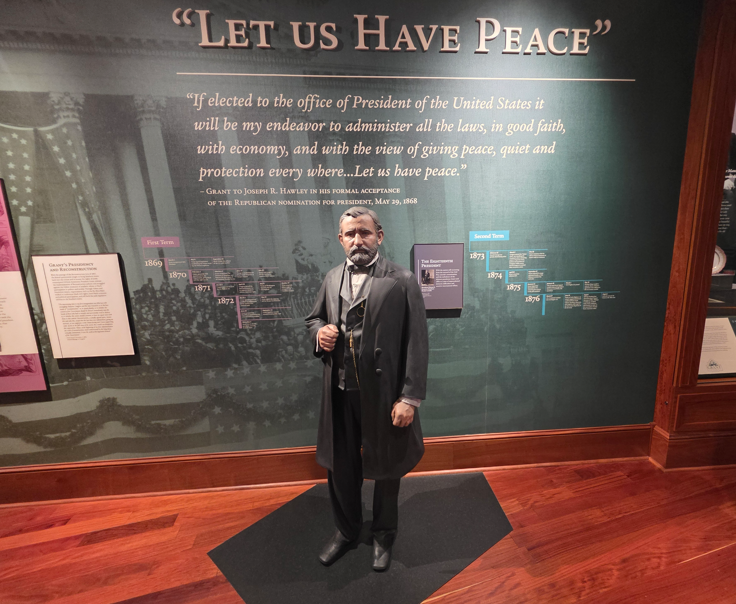
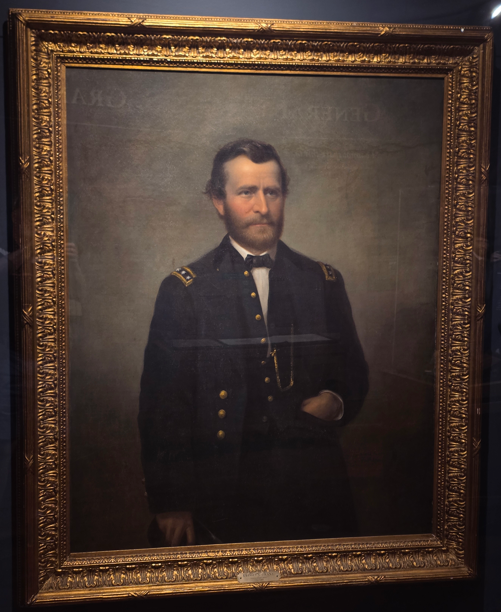
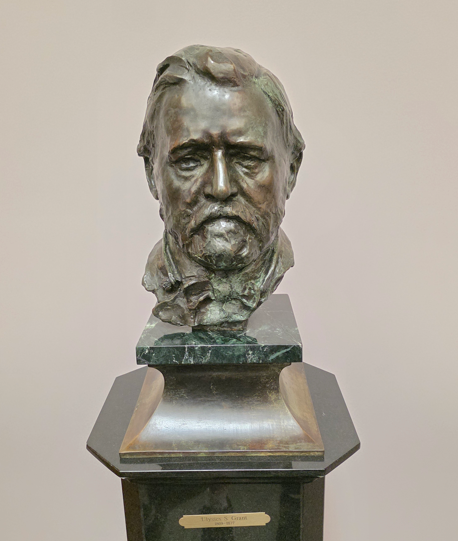
Ulysses Grant, President of the Unites States.
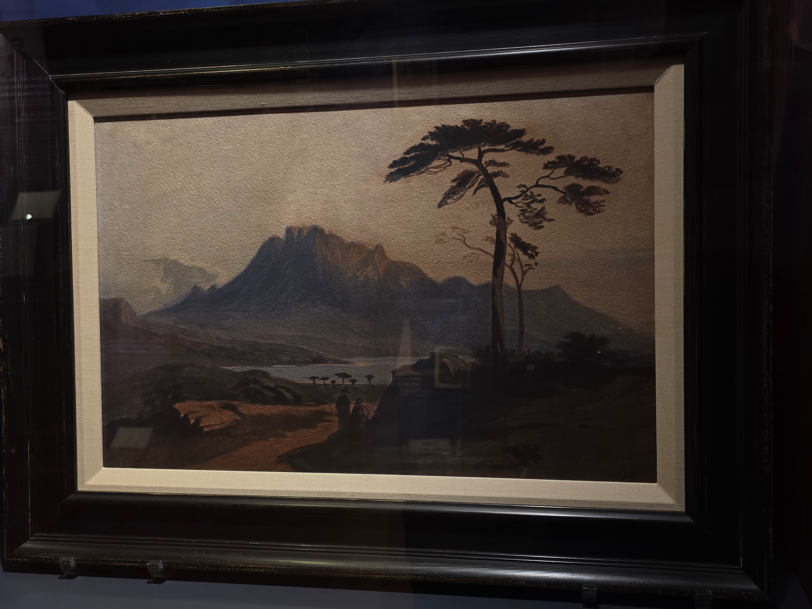
This is a copy of a painting young Grant made while a cadet at the US Military Academy, circa 1842. The original painting hangs at the US Military Academy, West Point NY.
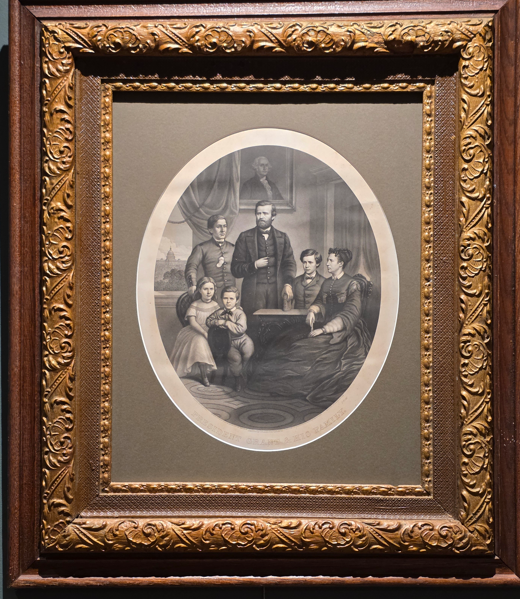
The Grant family
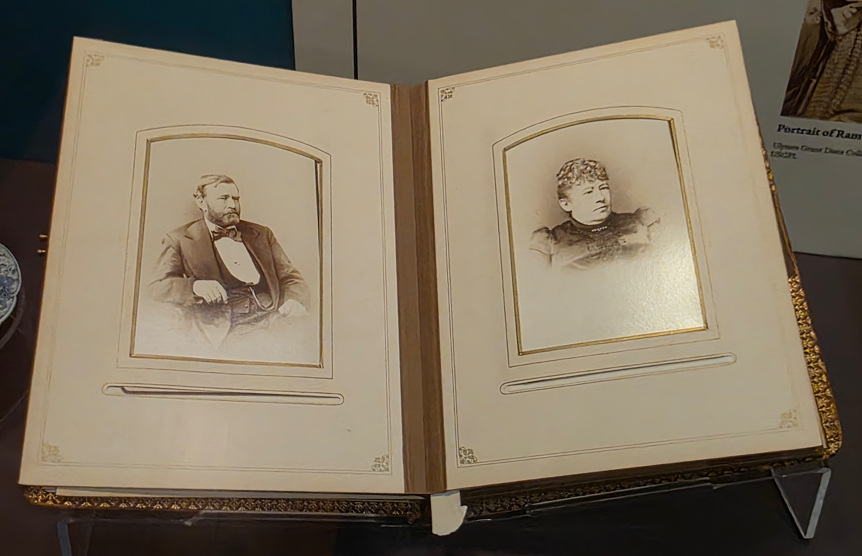
President Grant and First Lady Julia Grant.
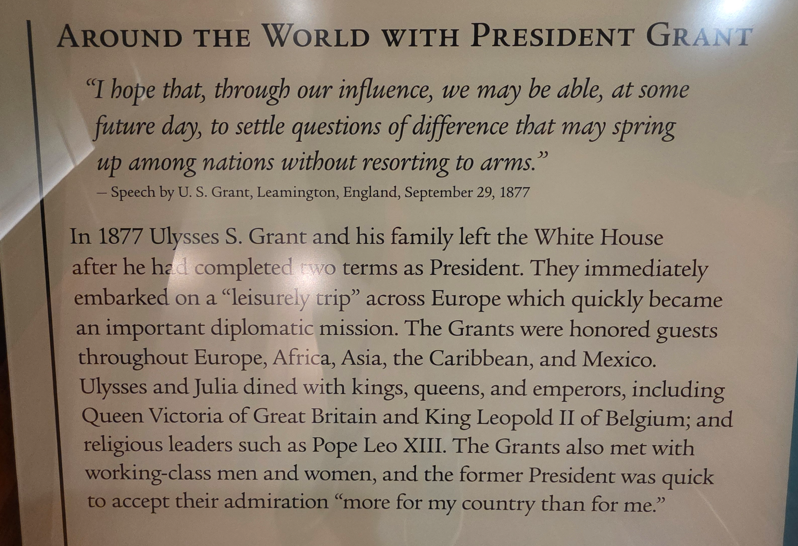
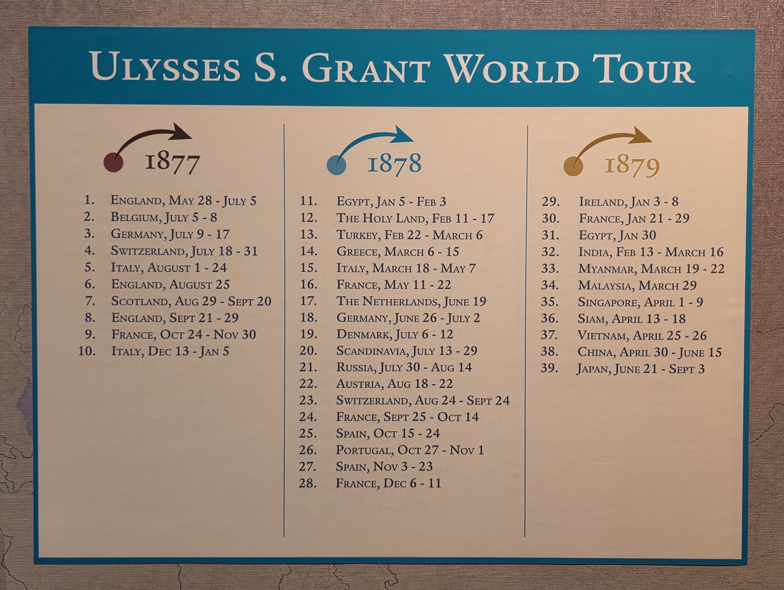
After leaving the White House Grant and Julia travelled extensively around the world.
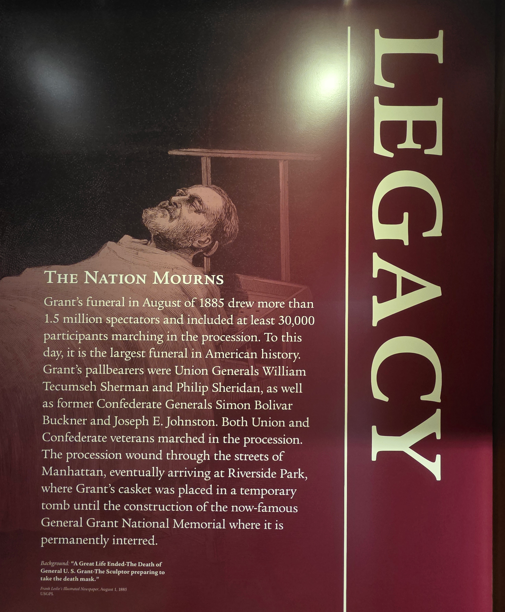
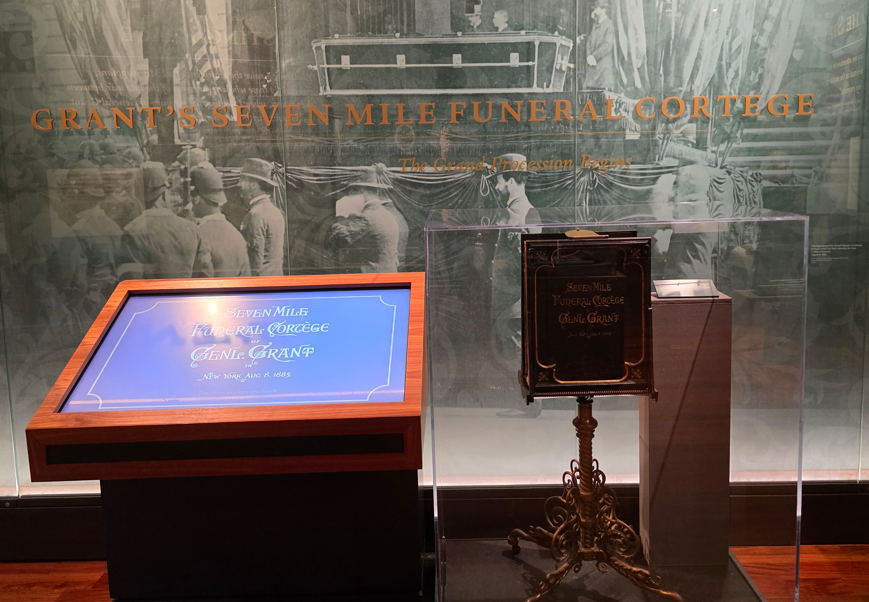
Grant died in 1885, and is now buried at the General Grant National Memorial in New York City.

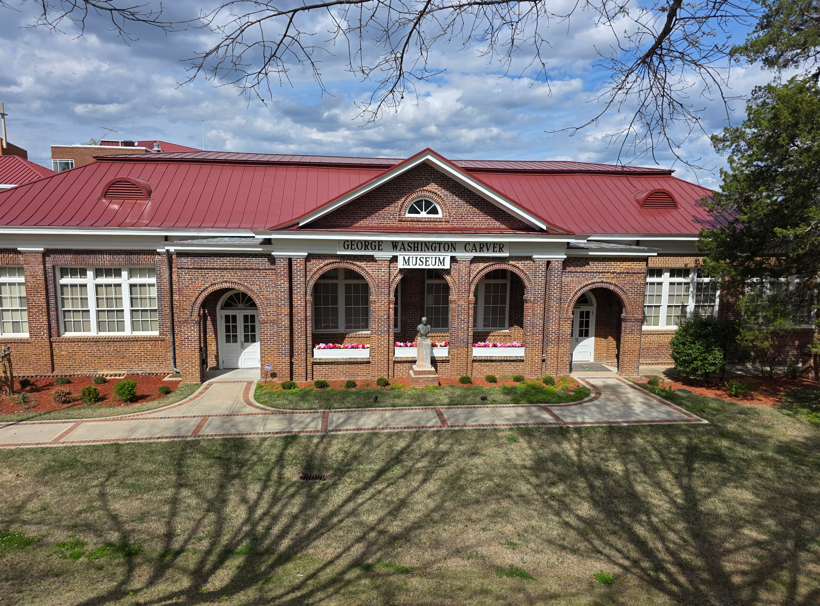
George Washington Carver Museum

Tuskegee AL

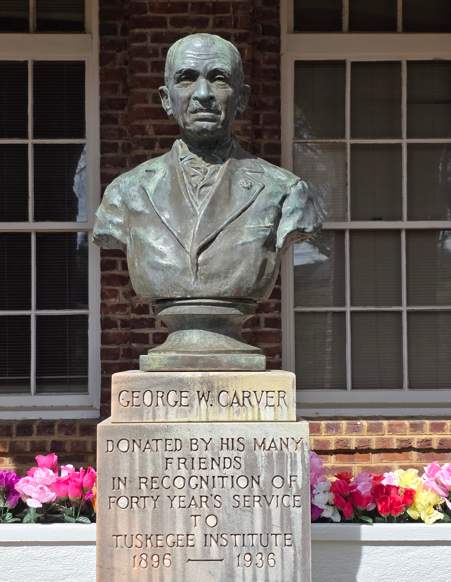
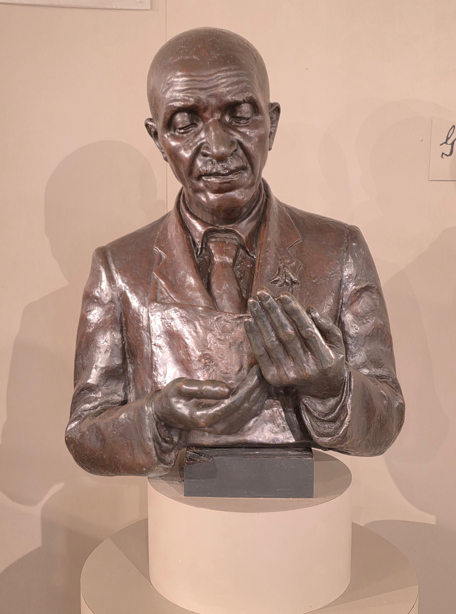
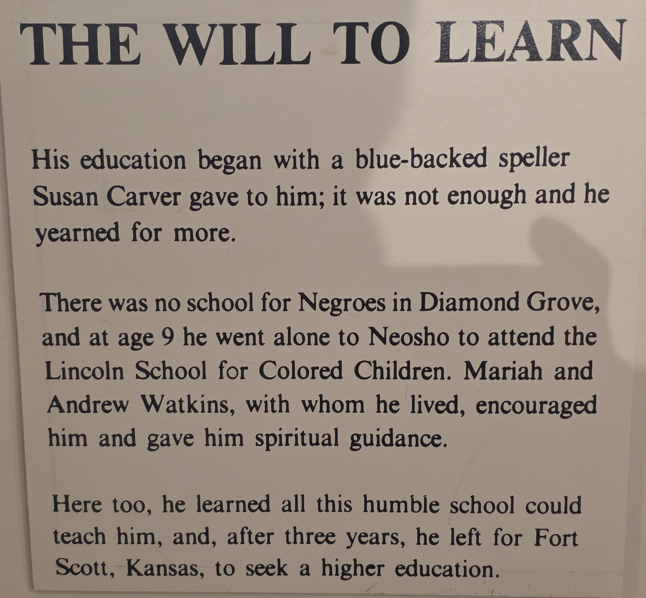
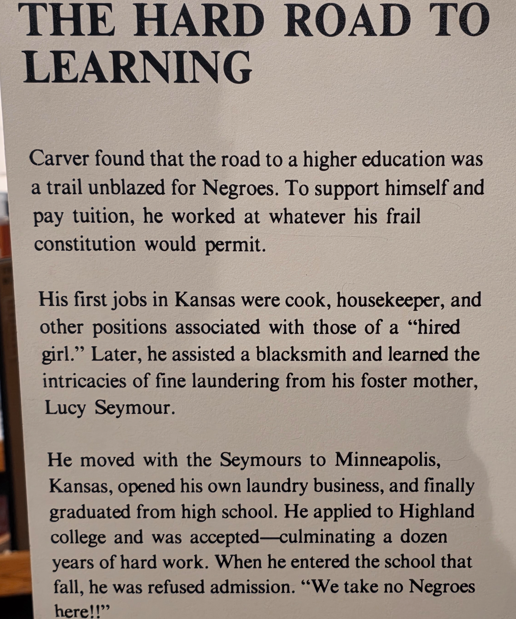
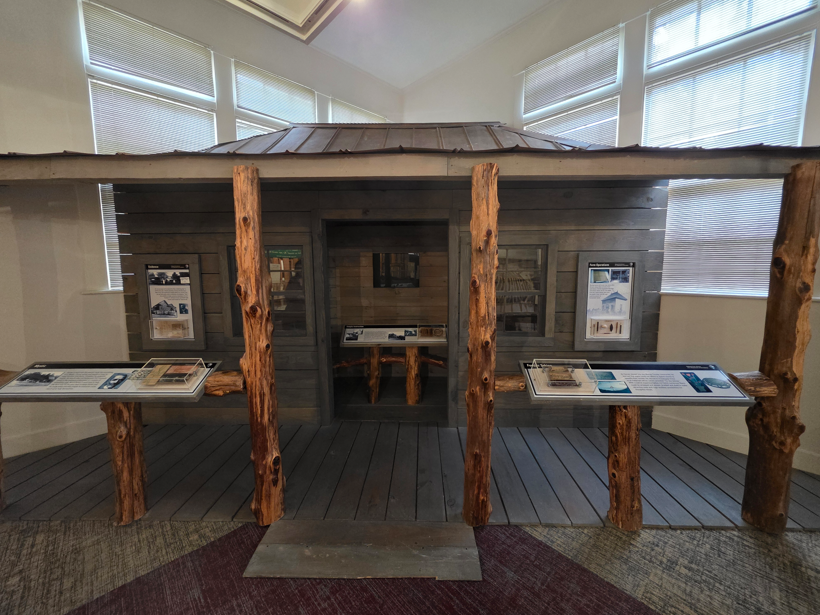
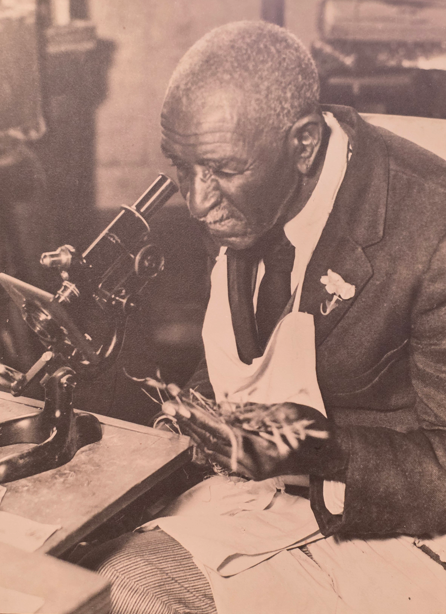
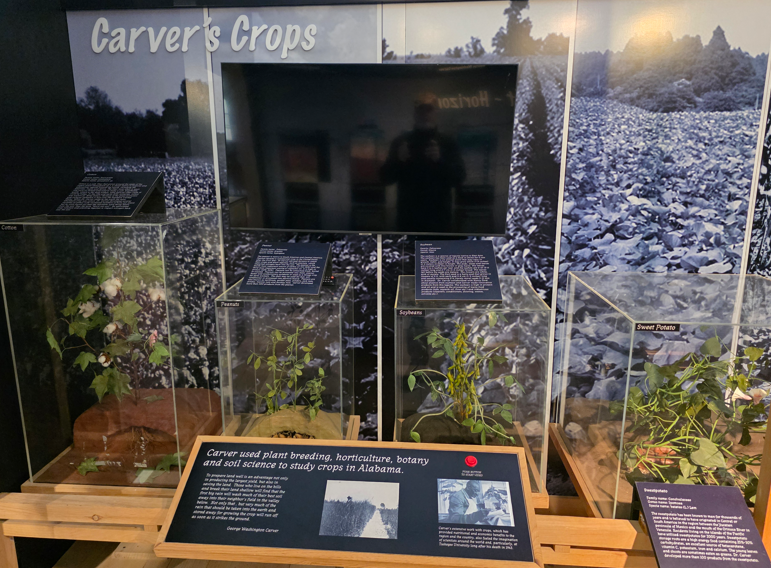
George Washington Carver was a revolutionary American agricultural chemist, agronomist, and experimenter who was born into slavery and sought to uplift Black farmers through the development of new products derived from peanuts, sweet potatoes, and soybeans. His work helped transform the stagnant agricultural economy of the South after the American Civil War. For most of his career he taught and conducted research at the Tuskegee Normal and Industrial Institute (now Tuskegee University) in Tuskegee, Alabama. This museum is located on the campus of Tuskegee University.
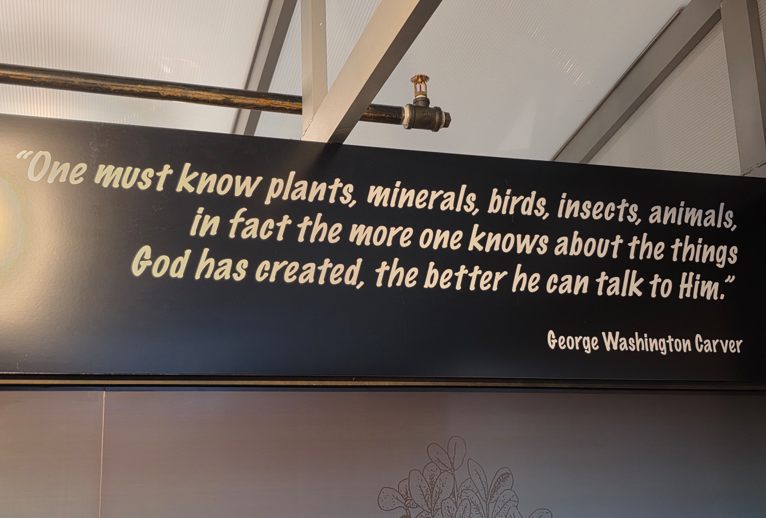
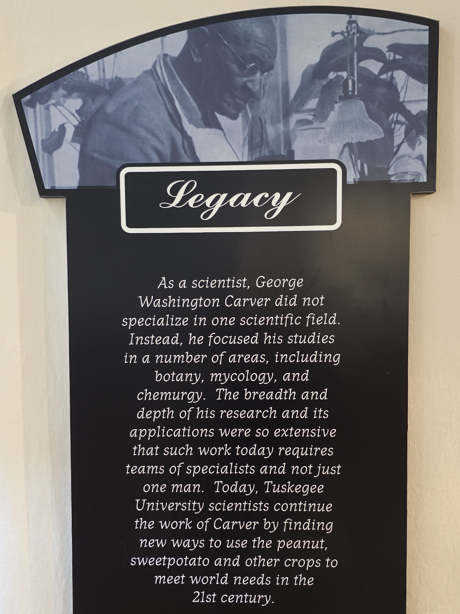
Carver’s research was extremely wide and deep.
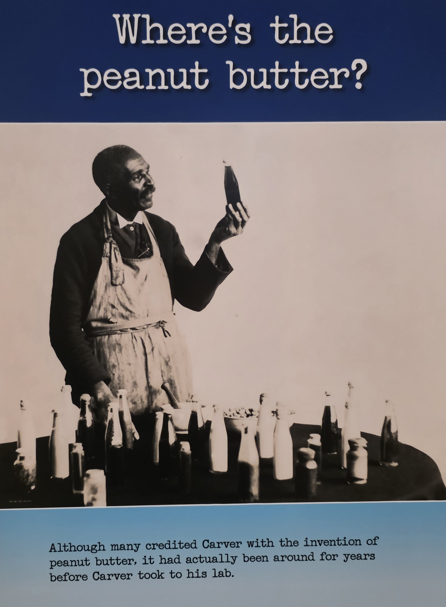
Carver is generally credited with “inventing” peanut butter.
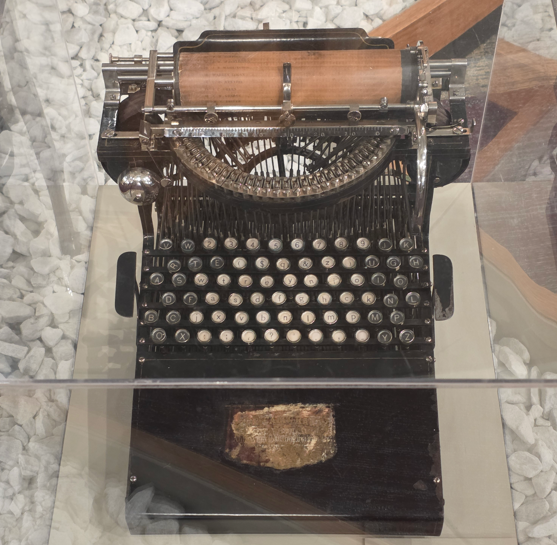
Carver’s typewriter.
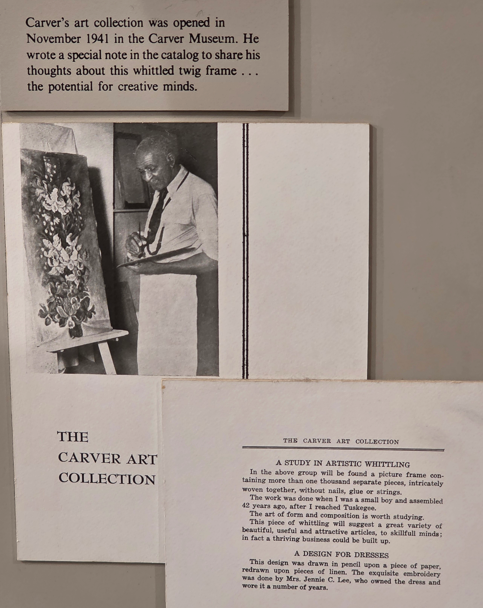
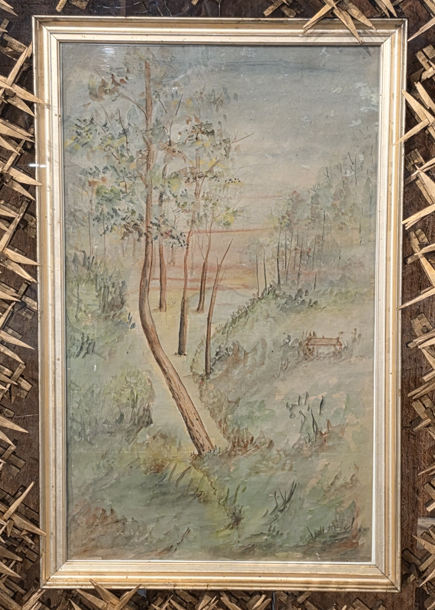
Among his many talents and interests, he was an artist,
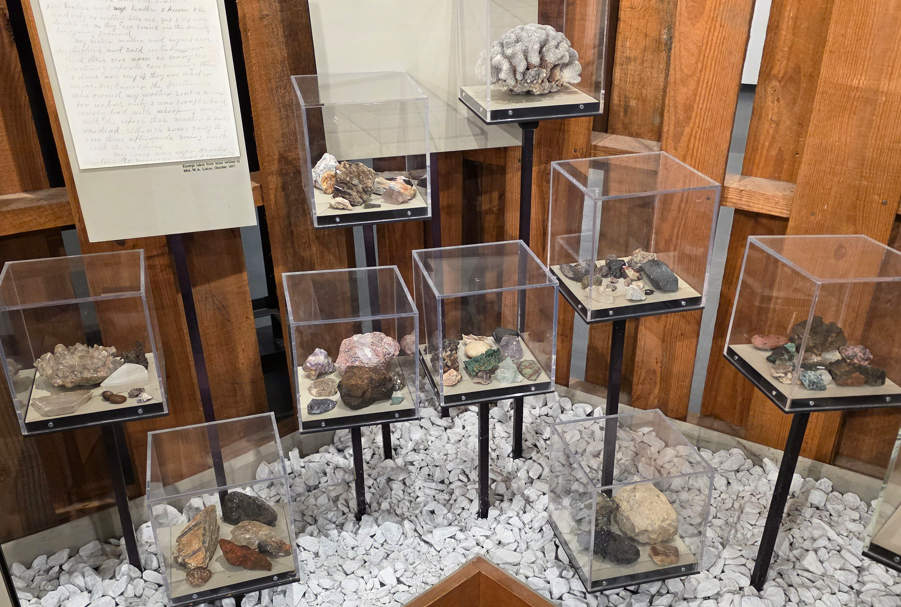
…collected and catalog many different rocks and minerals…
–artwork from around the world…
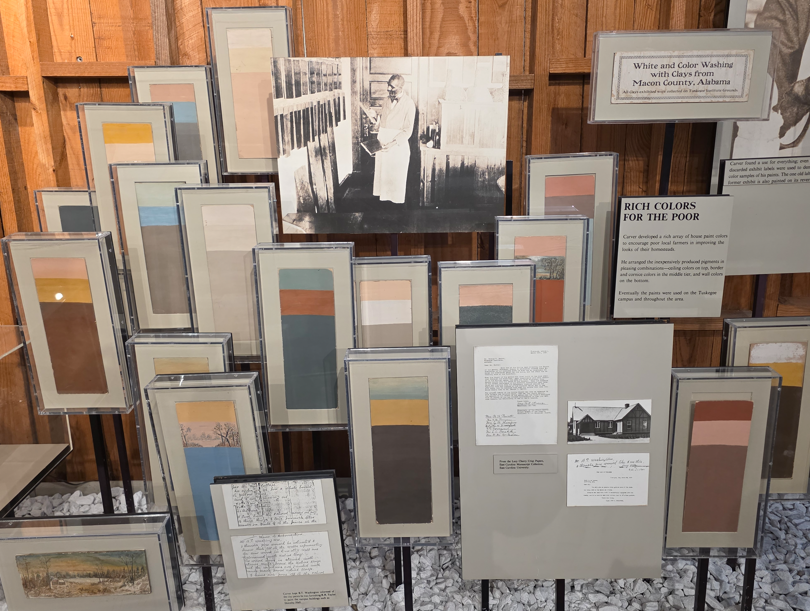
…and Carver even developed different paint color pigments to help poor people brighten up their houses.
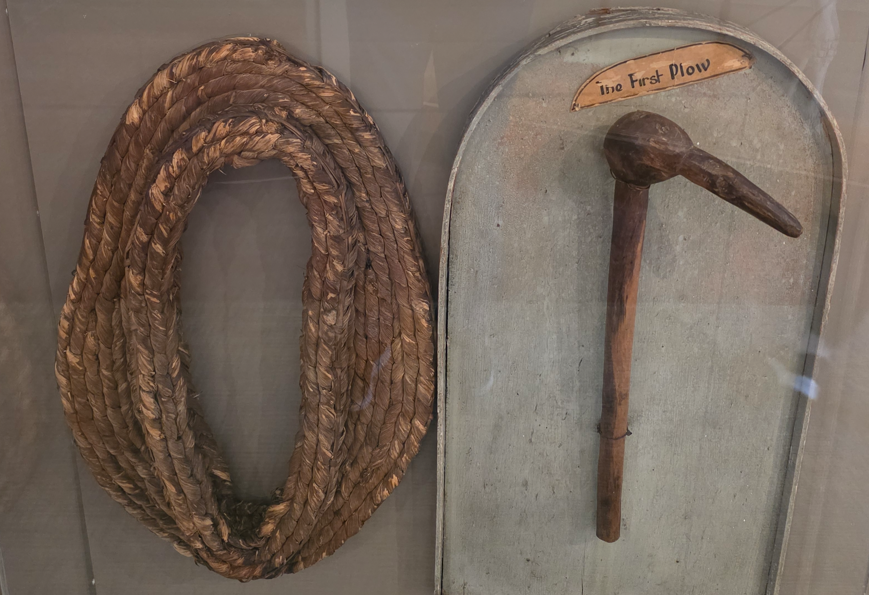
Cornhusk horse collar similar to one at The Tuskegee Farmers’ Conference in 1906. Carver prepared exhibits for each subject he taught. This “first plow” may have been in an exhibit showing different agricultural tools.
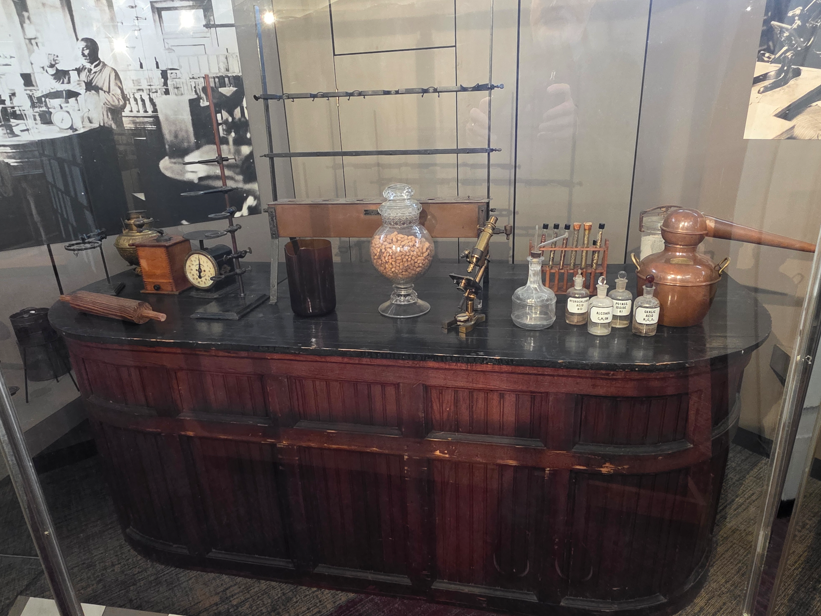
Part of Carver’s laboratory.
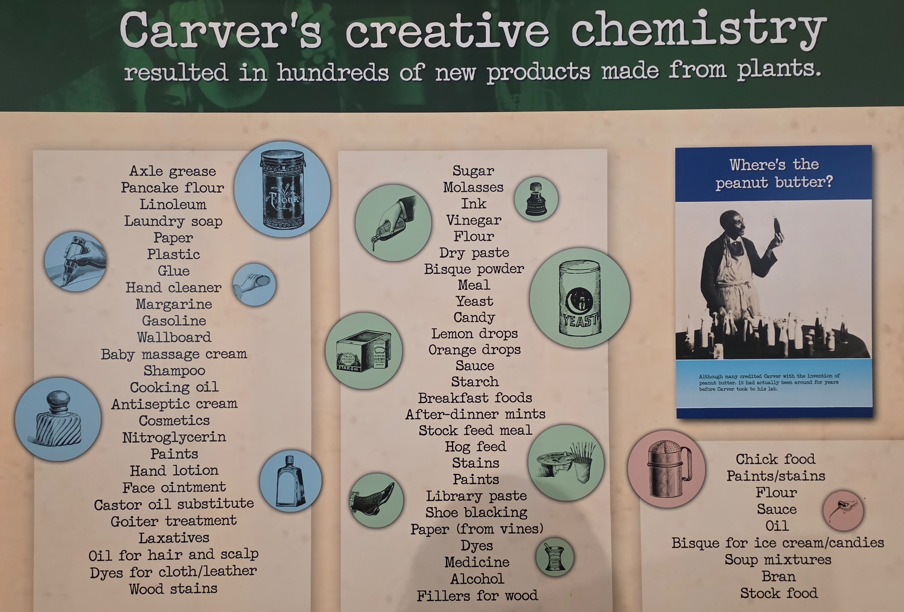
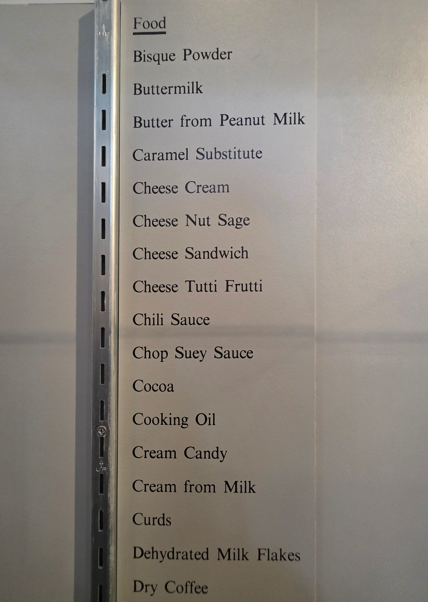
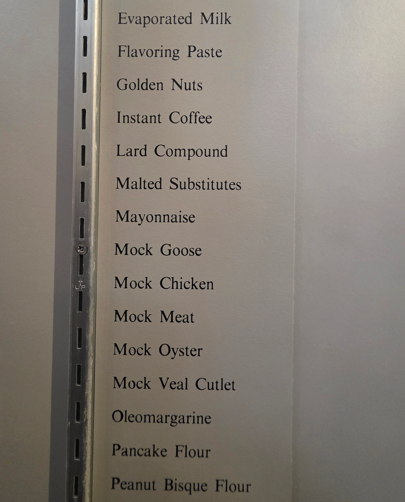
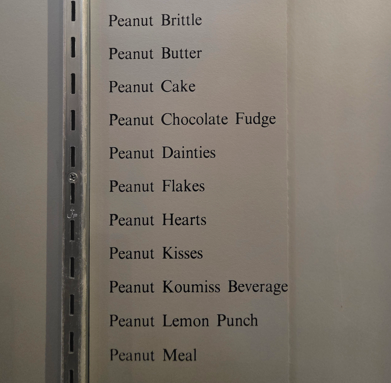
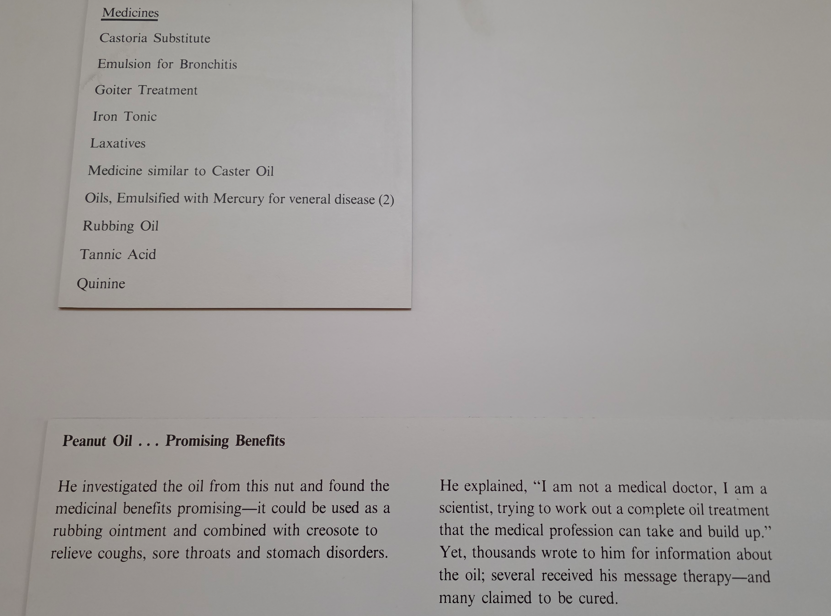
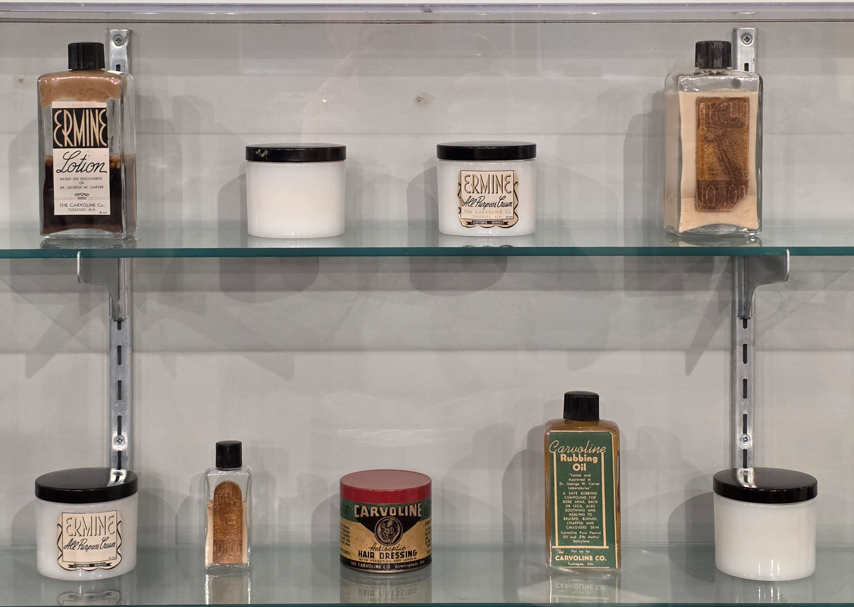
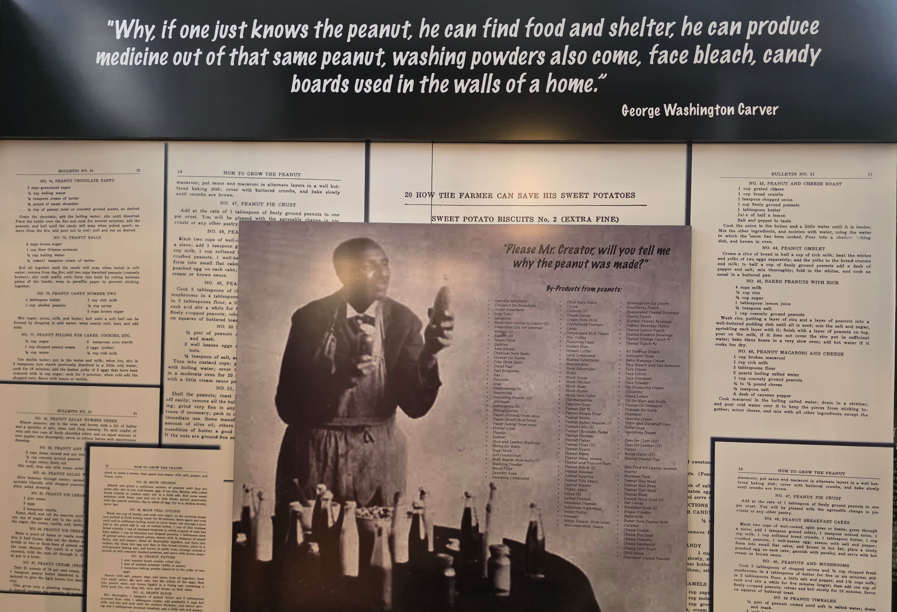
Sample list of the many items Carver was involved with developing.
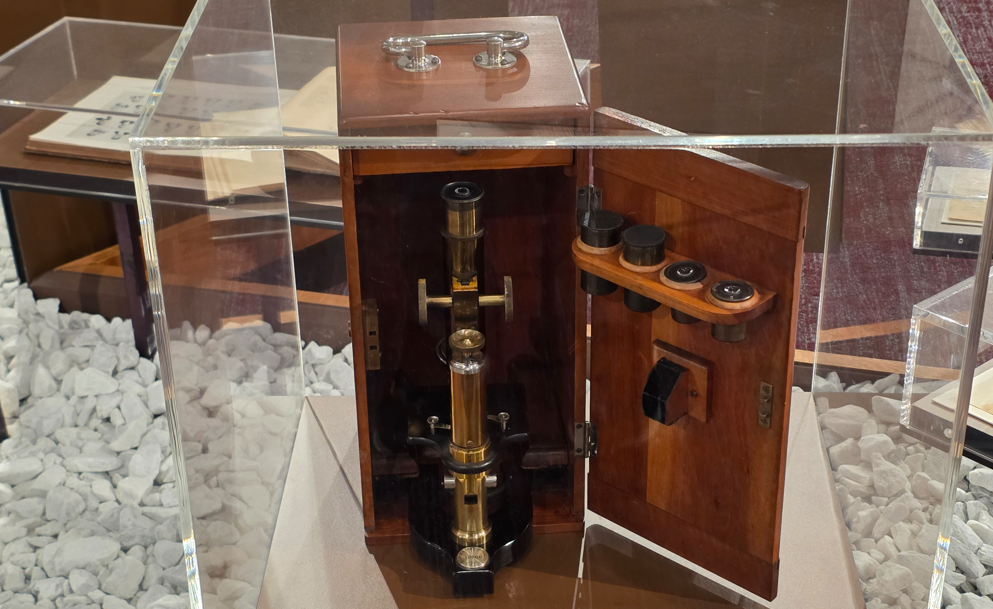
Carver’s microscope.
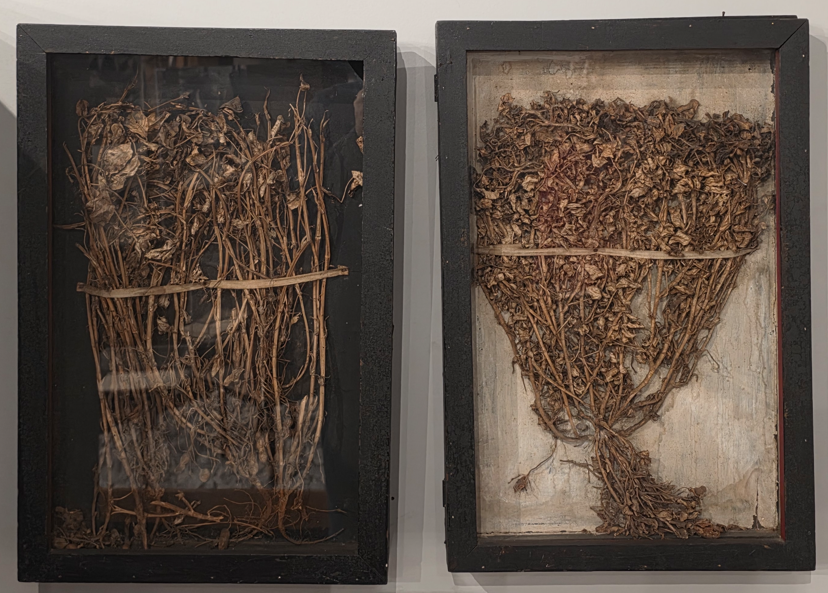
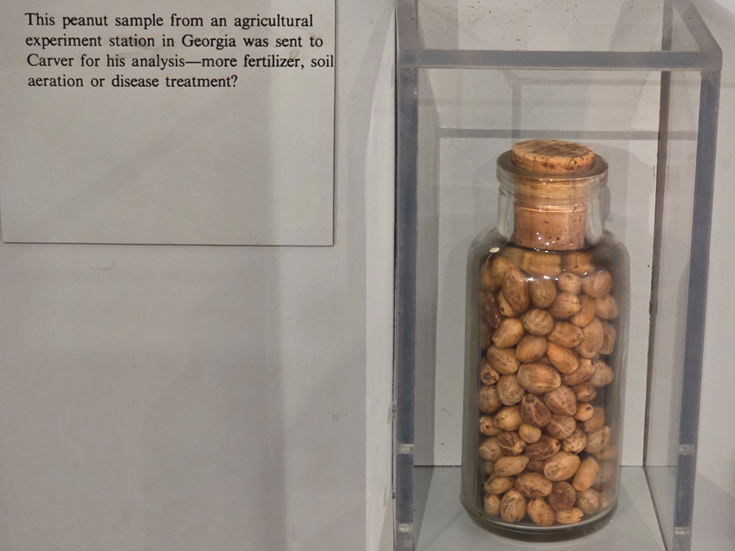
Carver considered the peanut the answer to many problems. He started with a single problem – to find an inexpensive protein for the meager diets of the rural poor – he unleashed a myriad of solutions to unspoken needs. The peanut plant was cheaply grown, easily stored and offered enrichment to the soil. While he was most publicized for his many different products and preparations with the peanut, Carver’s research extended to its every aspect. Quickly, he became an unpaid consultant to growers and processors with questions about cultivation, treatment of diseases and processing methods.
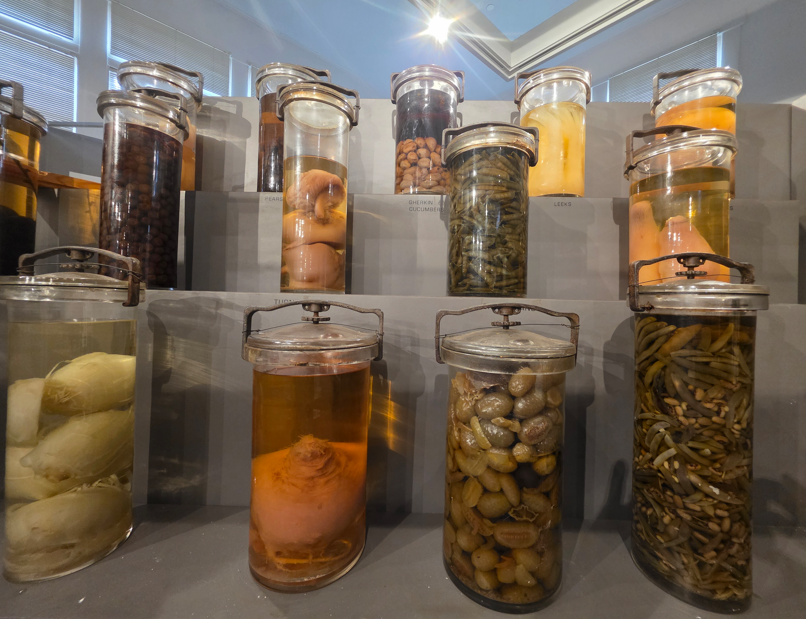
Samples of turnips, cucumbers, English peas, muscadines, leeks, green beans, pears, peaches, sweet potatoes, onions.
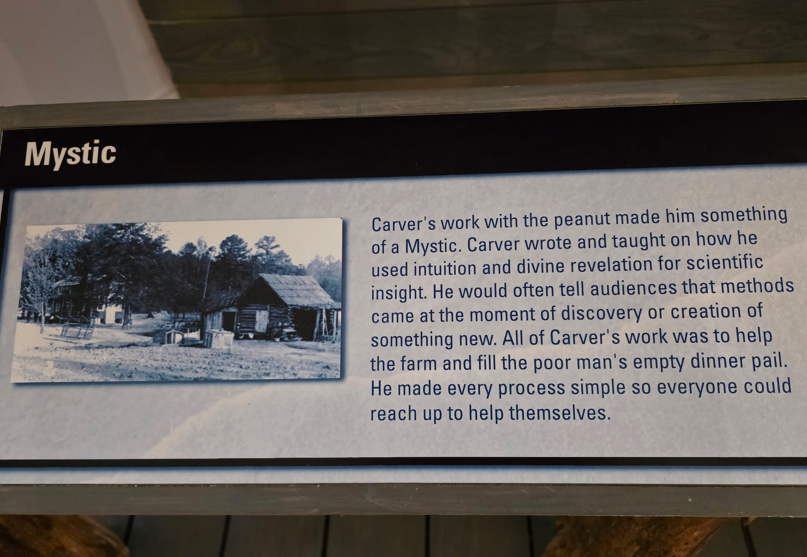
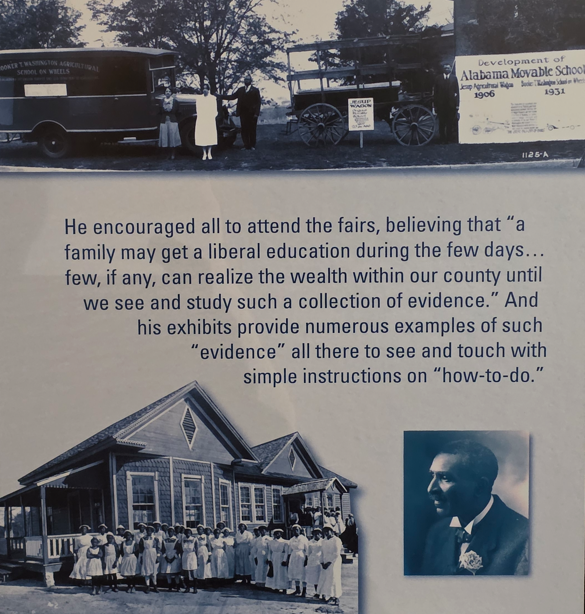
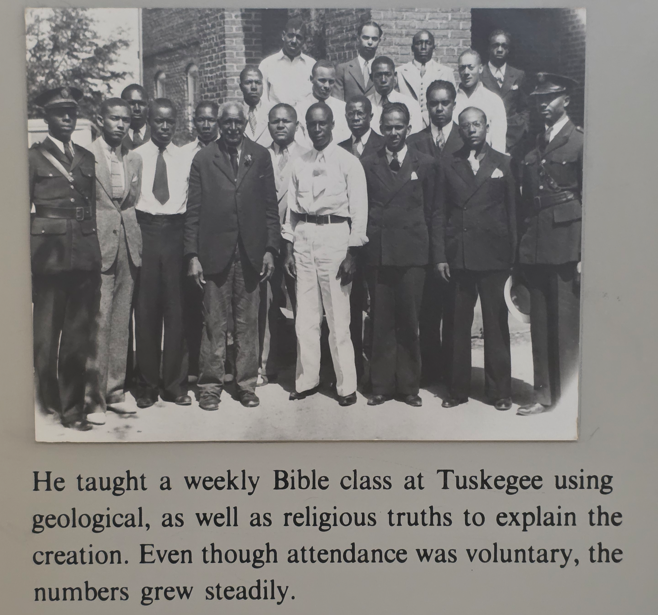
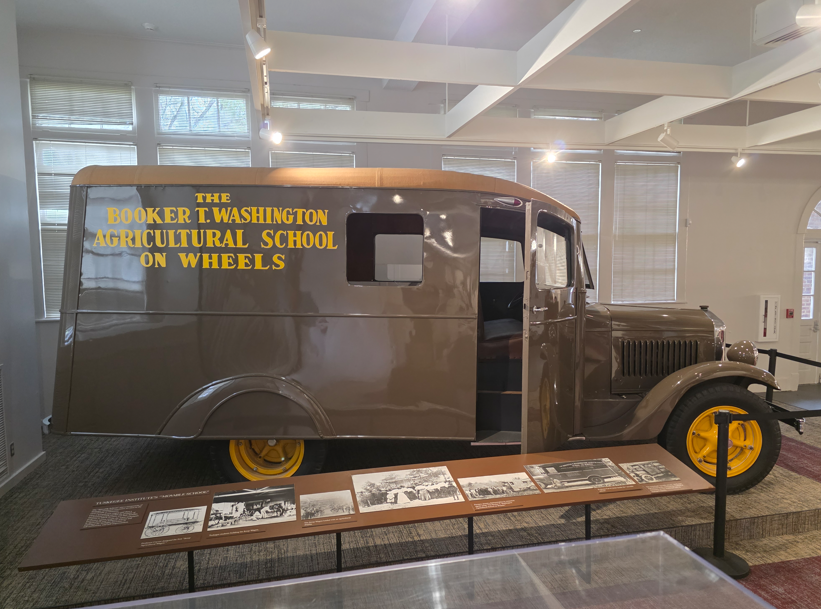
Carver and Tuskegee Institute took “school” to the poor people where they lived.
George Washington Carver’s impact is so large, I think he is underrated whenever great Americans are listed.

Auburn University

Auburn AL

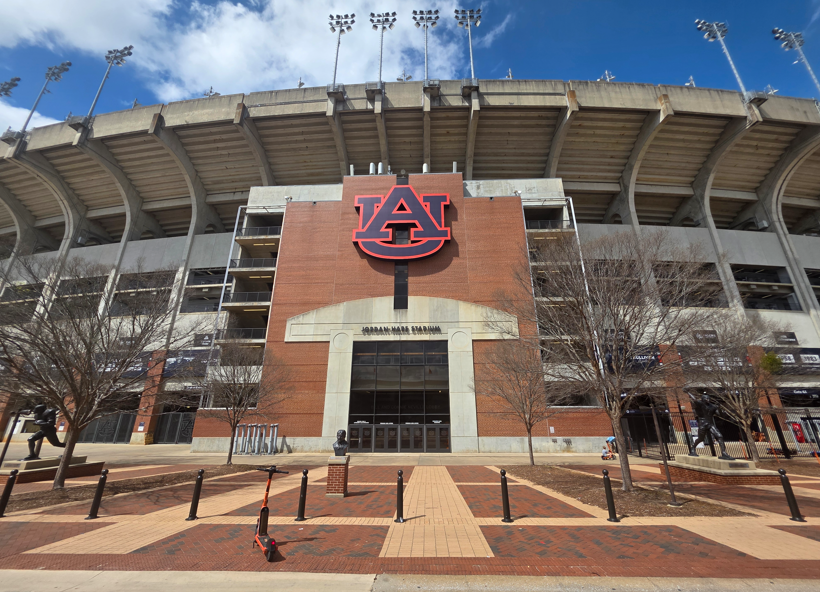
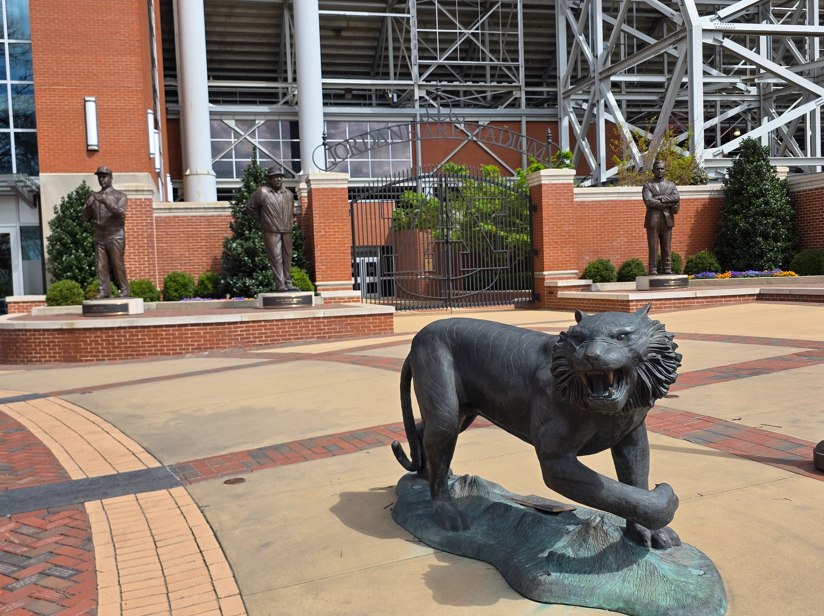
Jordan Hare Stadium
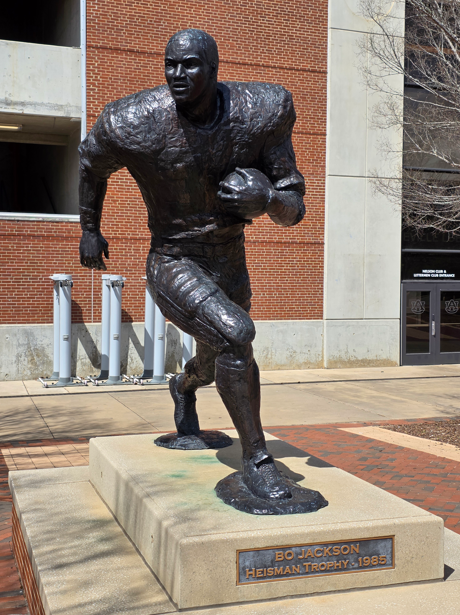
Bo Jackson statue, Heisman Trophy winner 1985. A great two sport athlete.
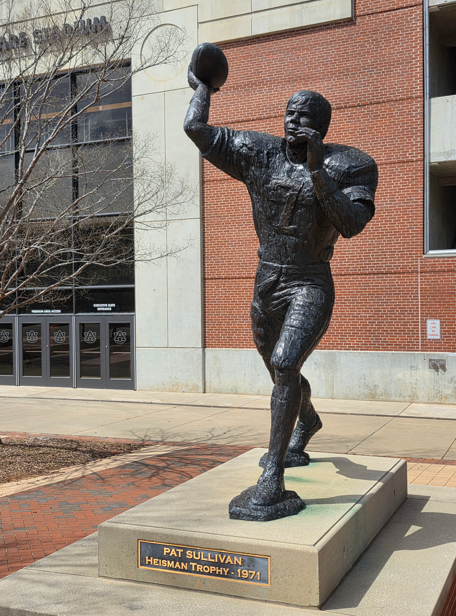
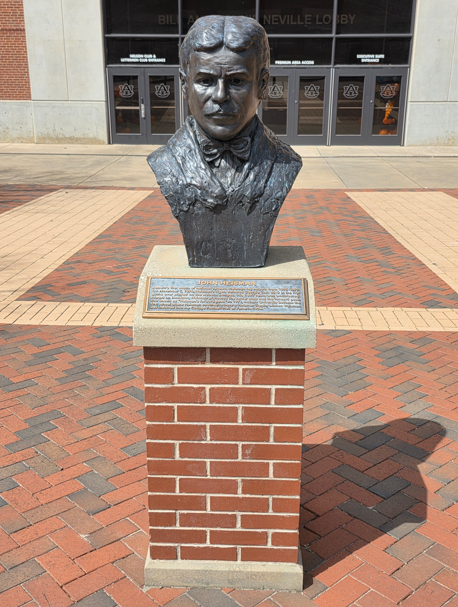
John Heisman, Auburn’s first coach of national renown, he led Auburn from 189501899. On November 7, 1897, Heisman’s team defeated Georgia Tech 45-0 in the first game ever played on the Auburn campus. His 1897 team was undefeated. Always an innovator, Heisman pioneered the center snap and the forward pass. In 1971 Auburn University became the first school where Heisman coached to have a Heisman Trophy winner – Pat Sullivan.
Coaches Pat Dye, Shug Jordan and Cliff Hare.
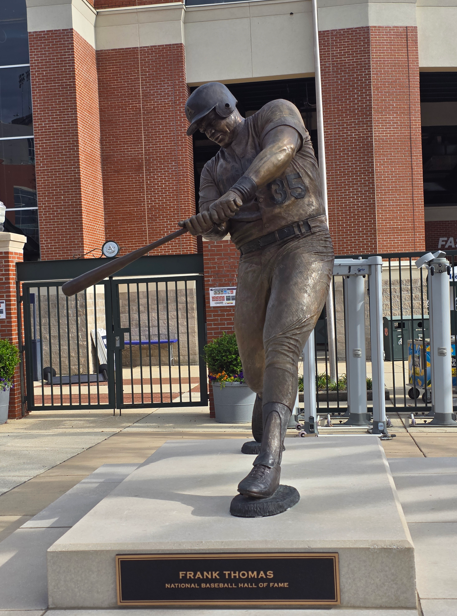
Baseball Hall of Famer Frank Thomas played at Auburn.

Gettysburg Battlefield

Gettysburg PA

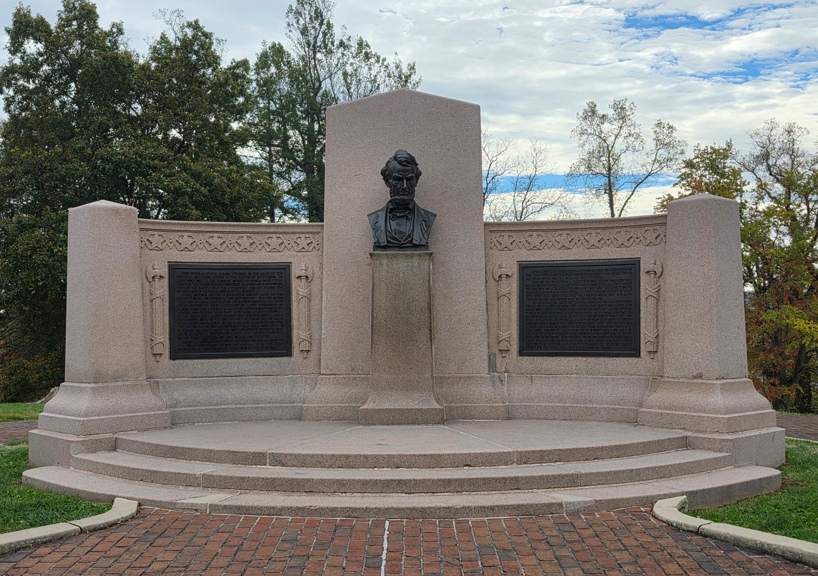
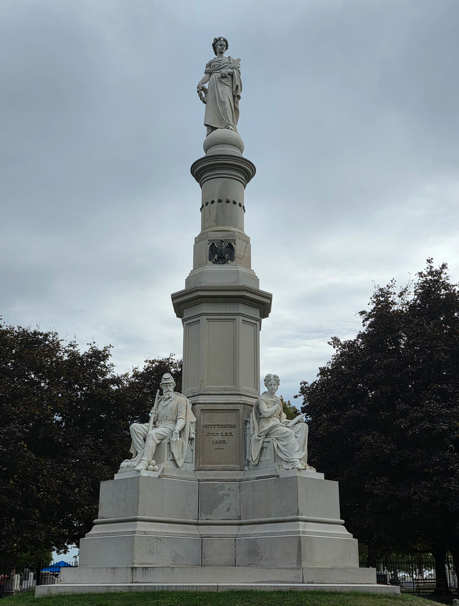
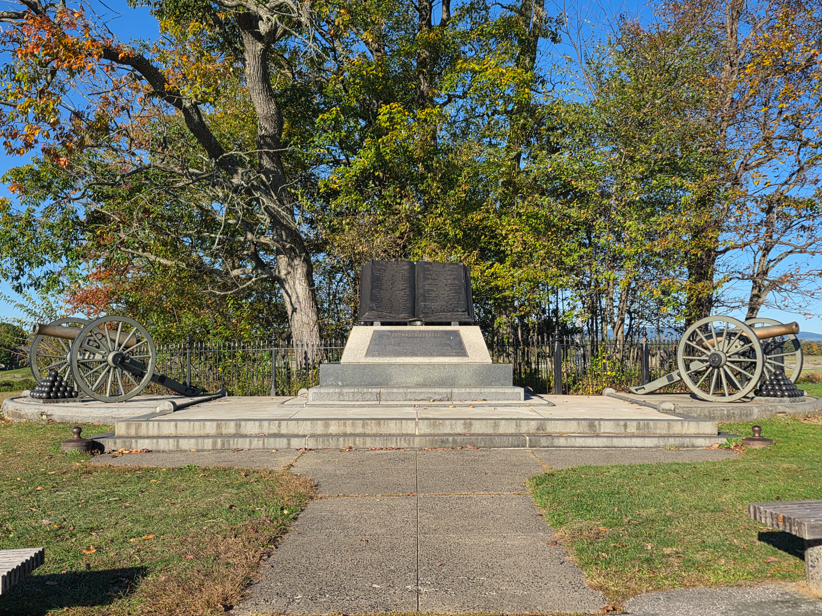
Monument to Lincoln’s Gettysburg Address.
Kentucky State Memorial at Gettysburg National Cemetery. This is the actual location where Lincoln gave the Gettysburg Address.
New York State Memorial at Gettysburg National Cemetery
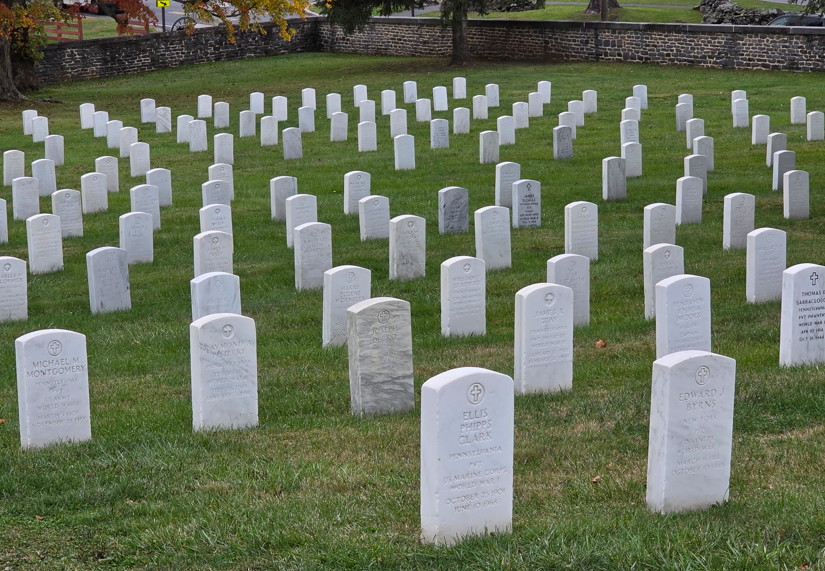
Gettysburg National Cemetery
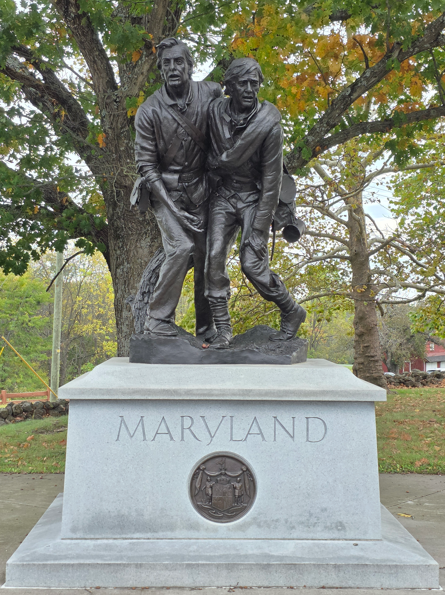
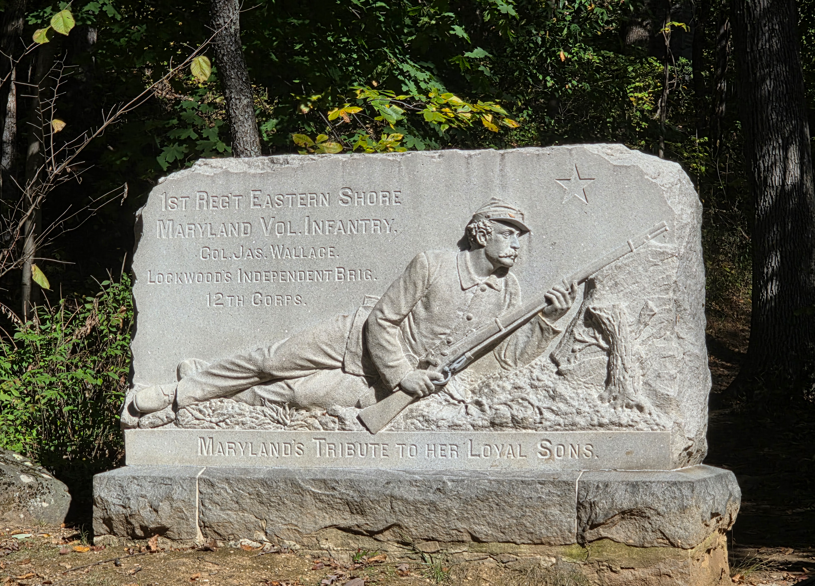
Maryland State Monument on Gettysburg’s Battlefield
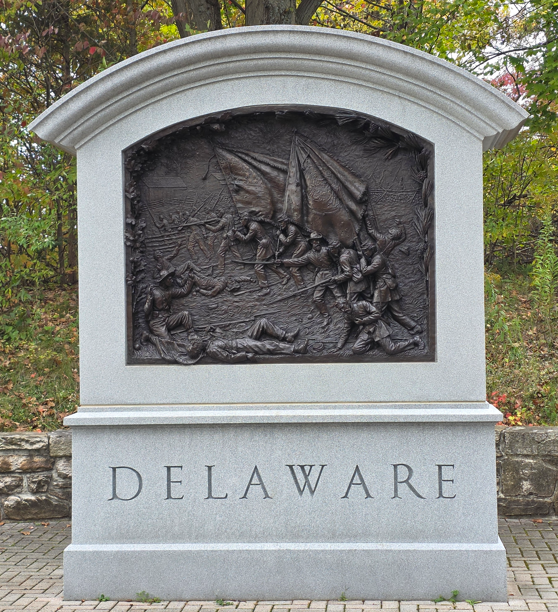
Delaware State Monument
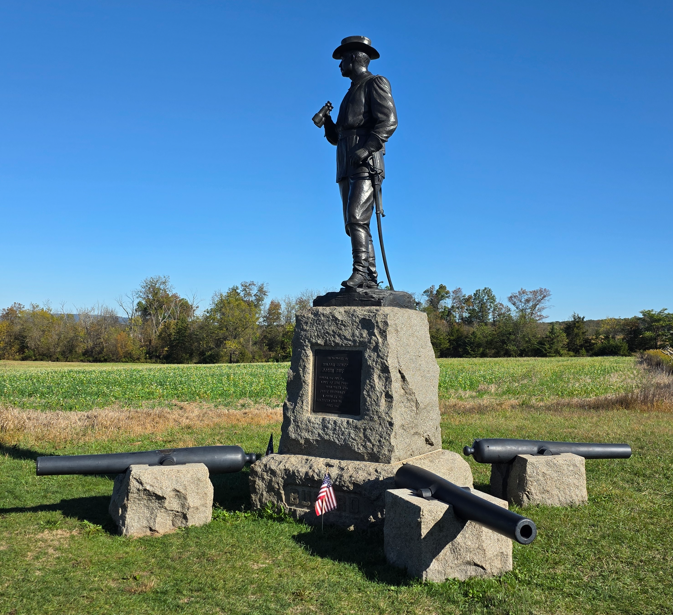
Major General John Buford, commanding 1st Division Cavalry Corps, selected this battlefield July 1, 1863. From this spot the first shot was fired at the Battle of Gettysburg.
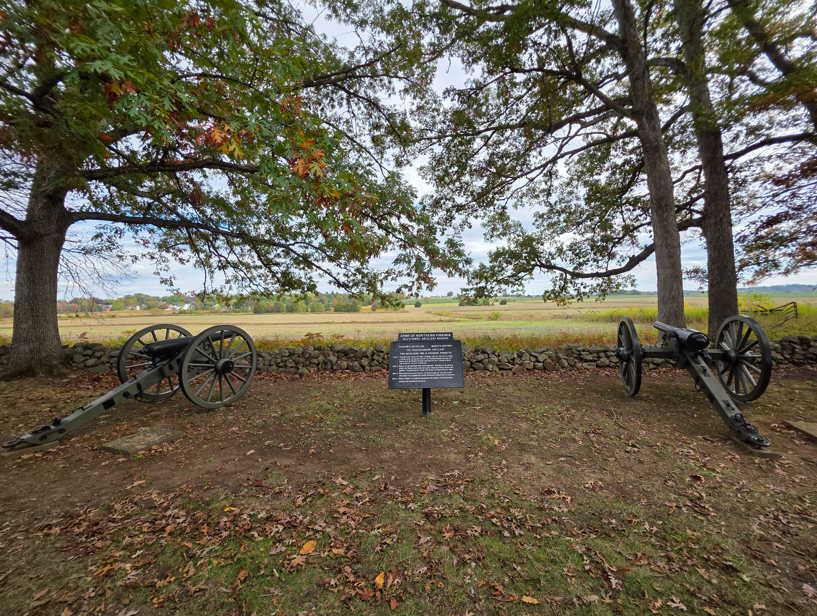
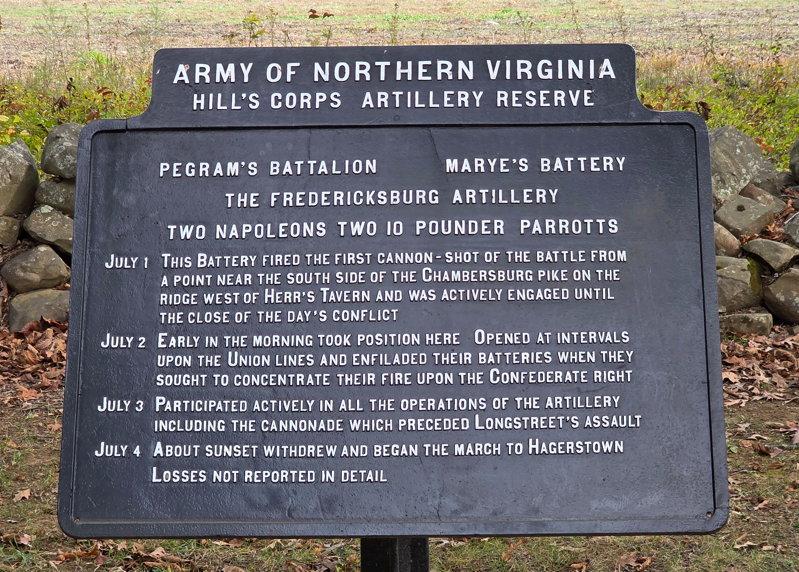
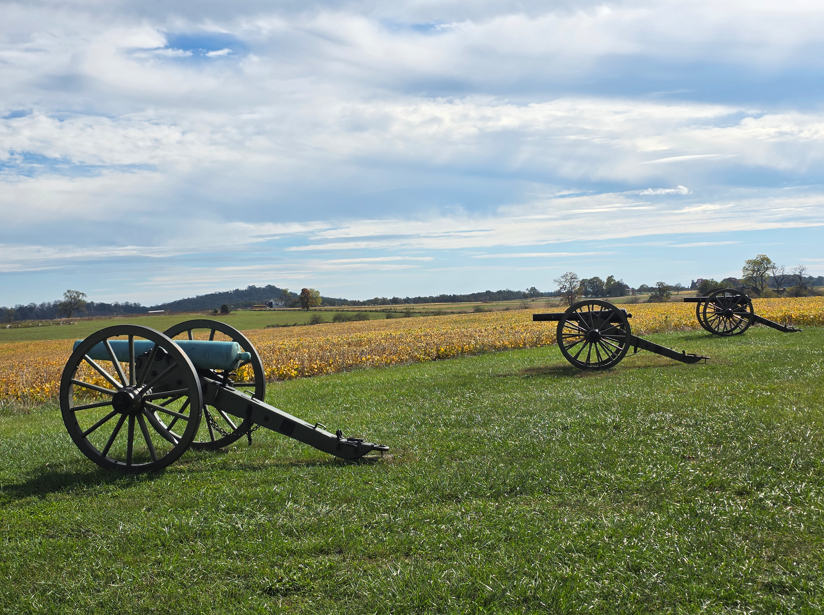
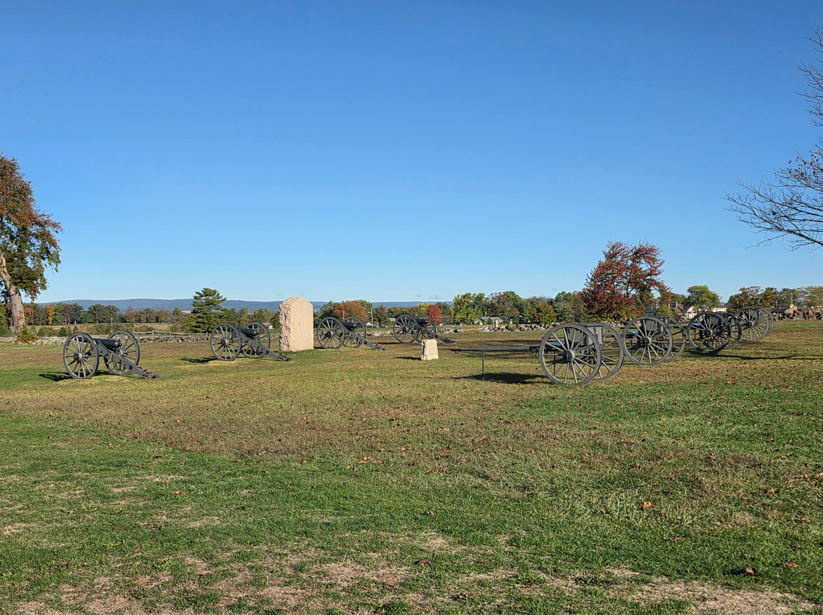
Position of the Fredericksburg Artillery at the battle
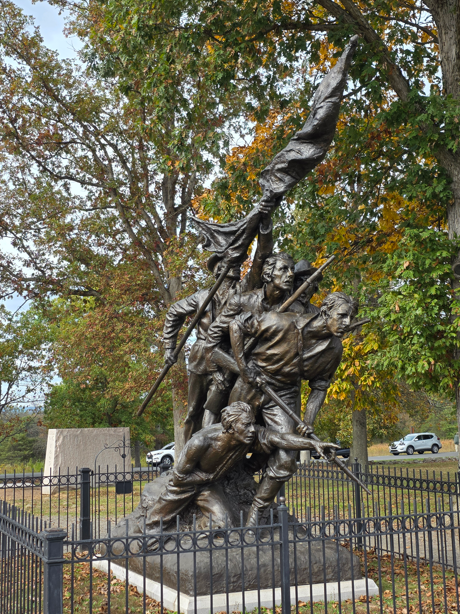
North Carolina State Monument
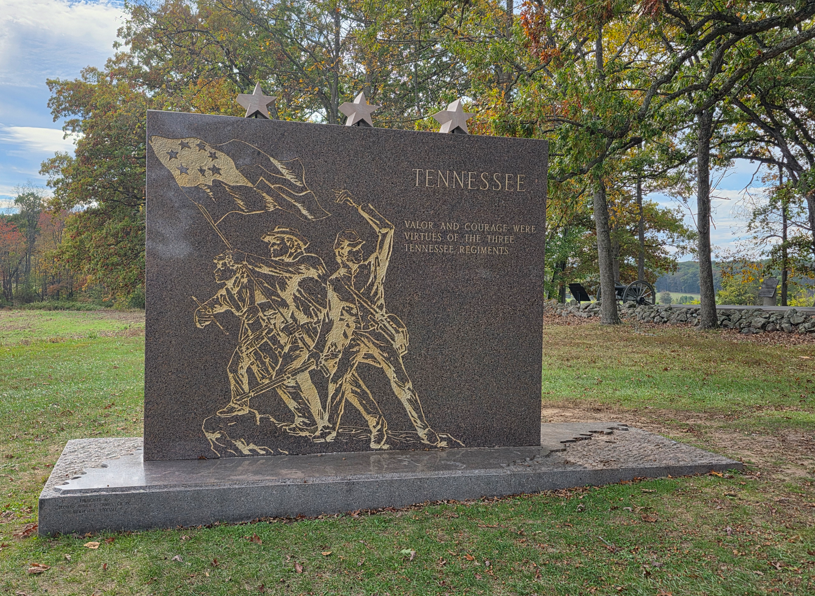
Tennessee State Monument
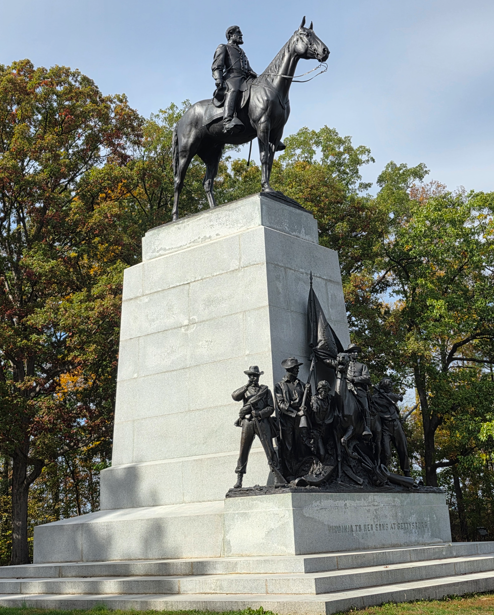
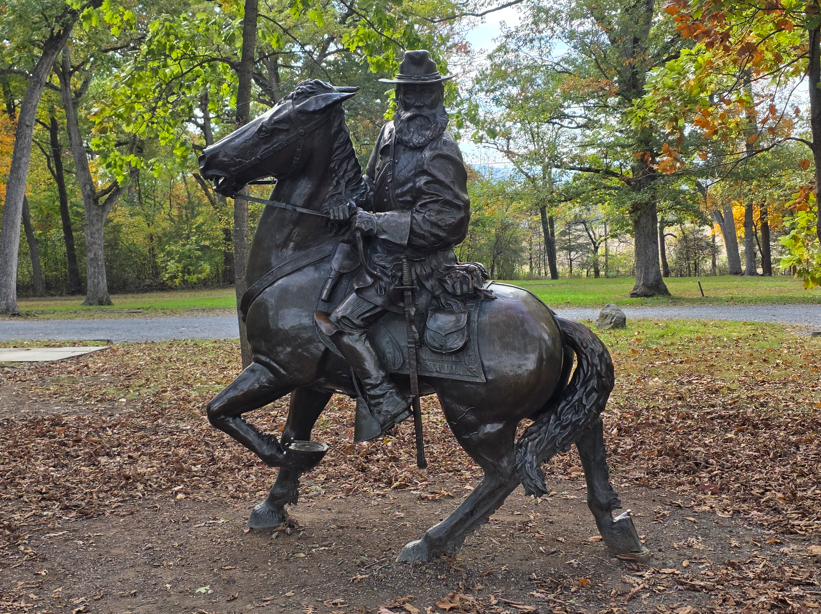
Virginia State Monument, General Robert E. Lee on his horse Traveller.
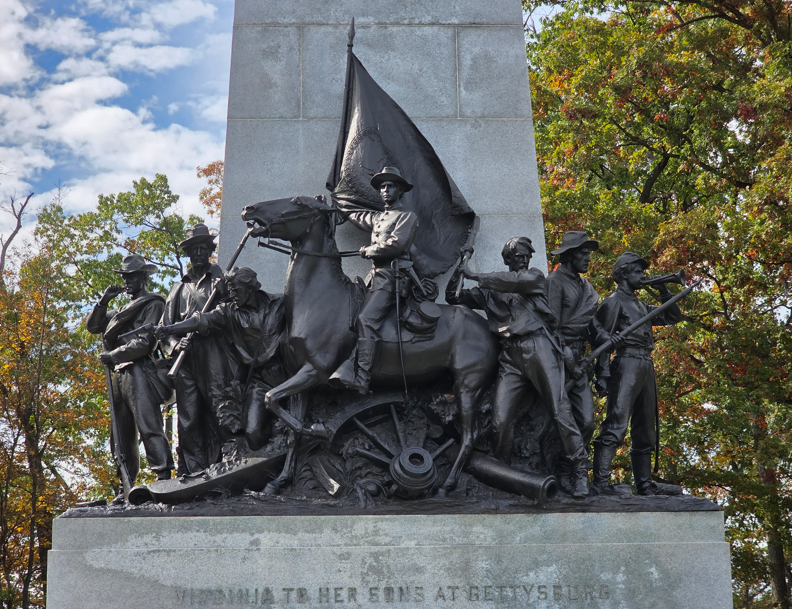
The base of the Virginia State Monument. These seven men represent individuals who left various occupations to join the Confederate army: a professional man, a mechanic, an artist, a boy, a business man, a farmer, and a youth. According to a description published at the time that sculpture was completed, “the shattered cannon, broken wheel, discarded knapsack, swab and exploded shells which are scattered at the feet of the seven men would indicate that the place had been the scene of some desperate engagement, while the attitude of each of the character shows defensive, rather than offensive action.”
These cannons face the field where Pickett started his infamous charge.
Florida State Monument
General James Longstreet monument
Louisiana State Monument.
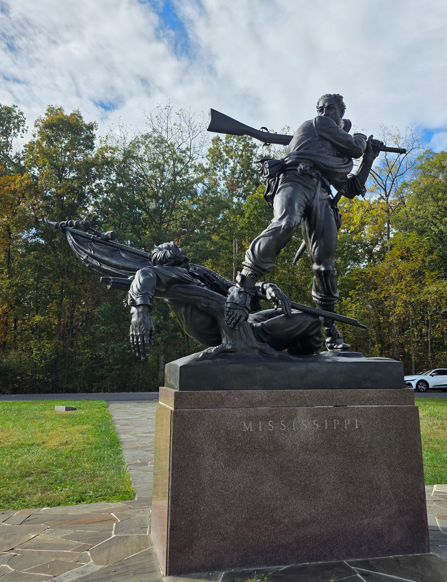
Mississippi State Monument
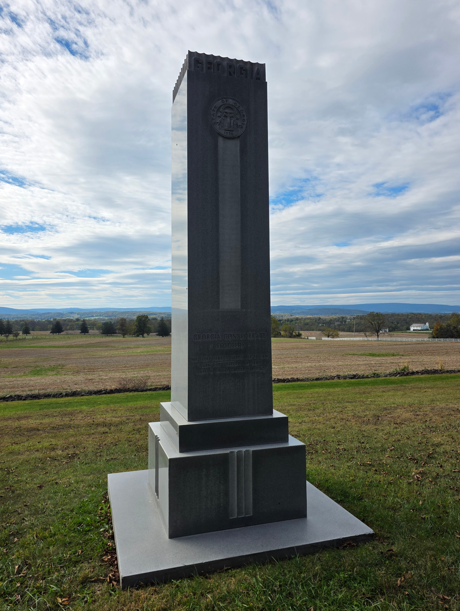
Georgia State Monument
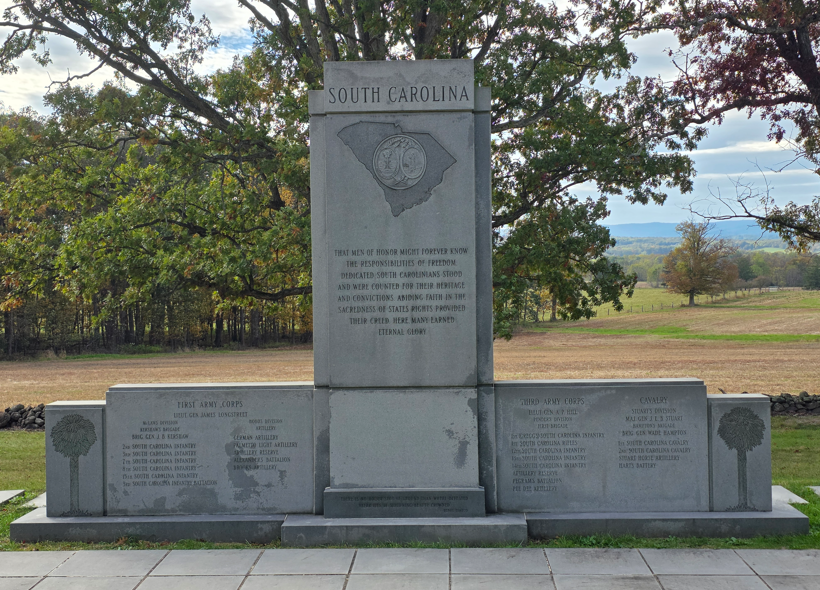
South Carolina State Monument
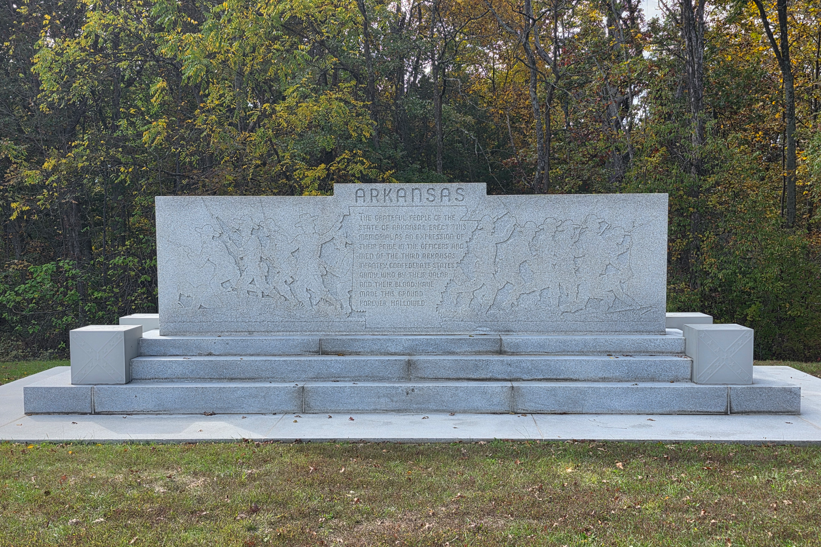
Arkansas State Monument.
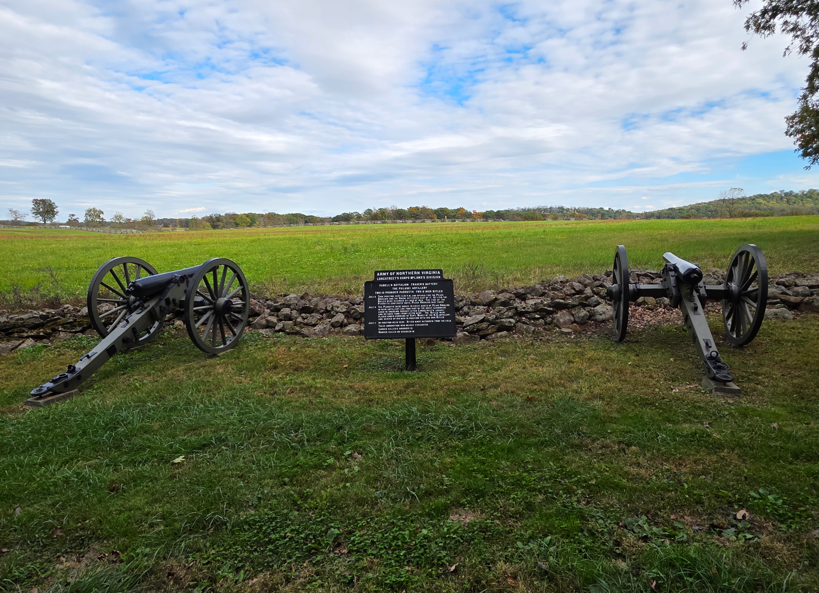
Fraser’s Battery of the Pulaski Artillery’s position during the battle.
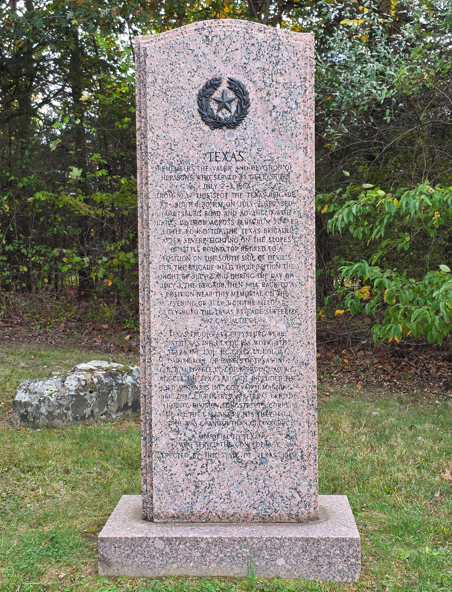
Texas State Monument
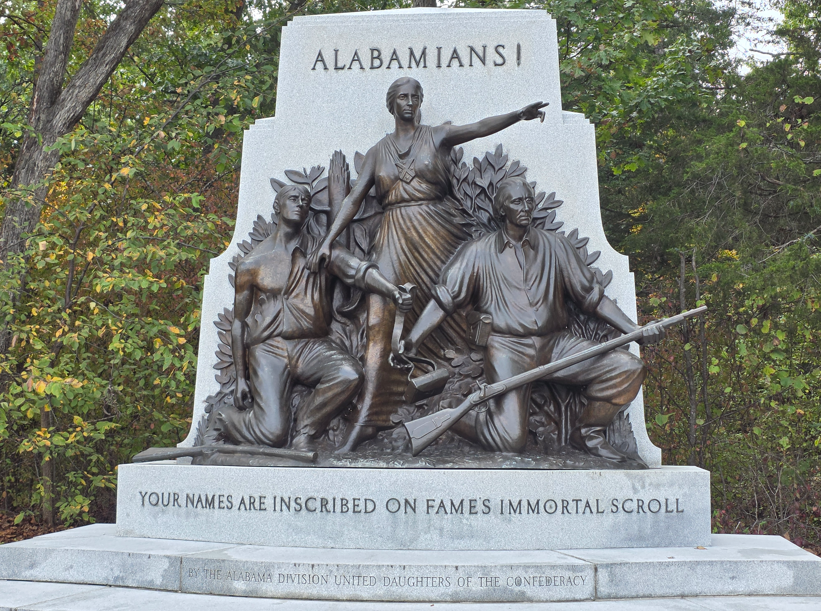
Alabama State Monument
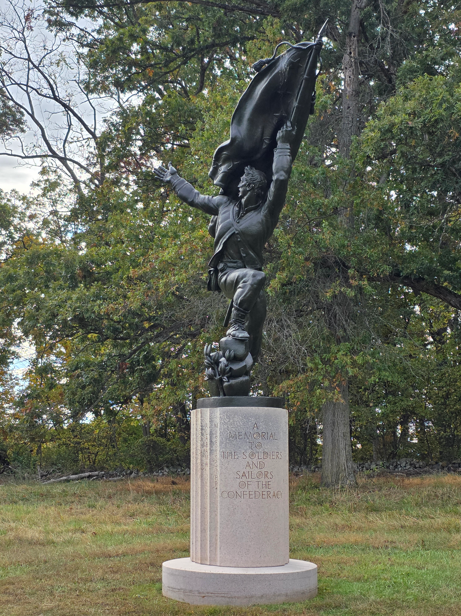
Confederate Soldiers and Sailors Monument
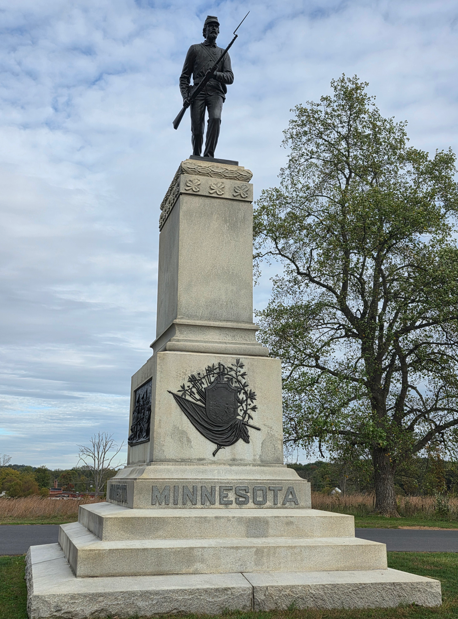
Minnesota State Monument
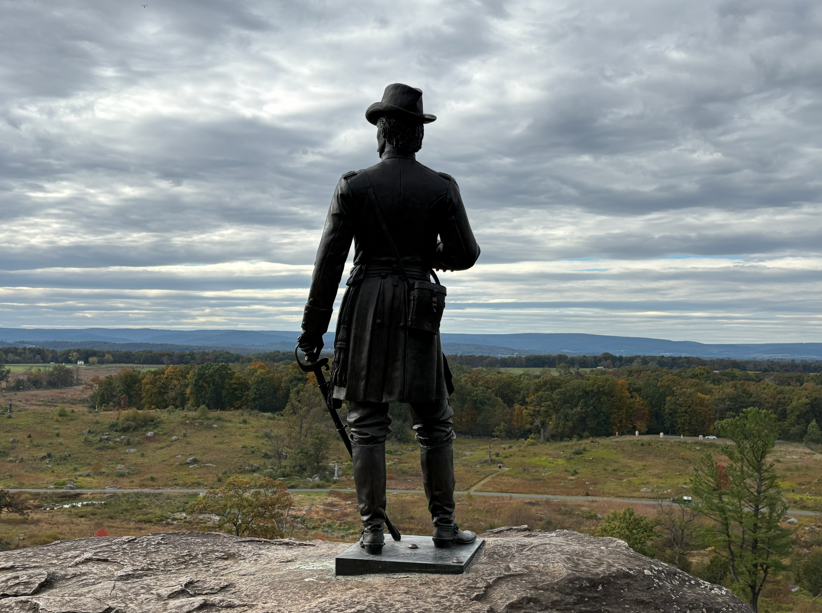
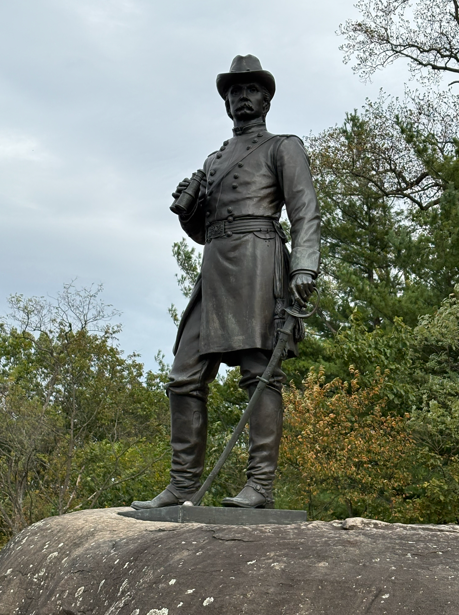
General G. K. Warren looking down from Little Round Top toward Devil’s Kitchen.
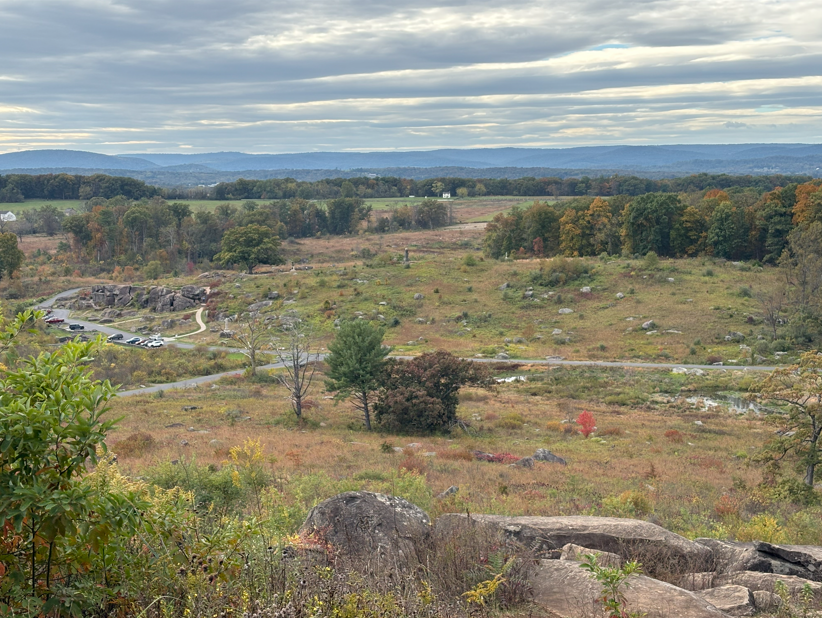
Devil’s Kitchen from Little Round Top.
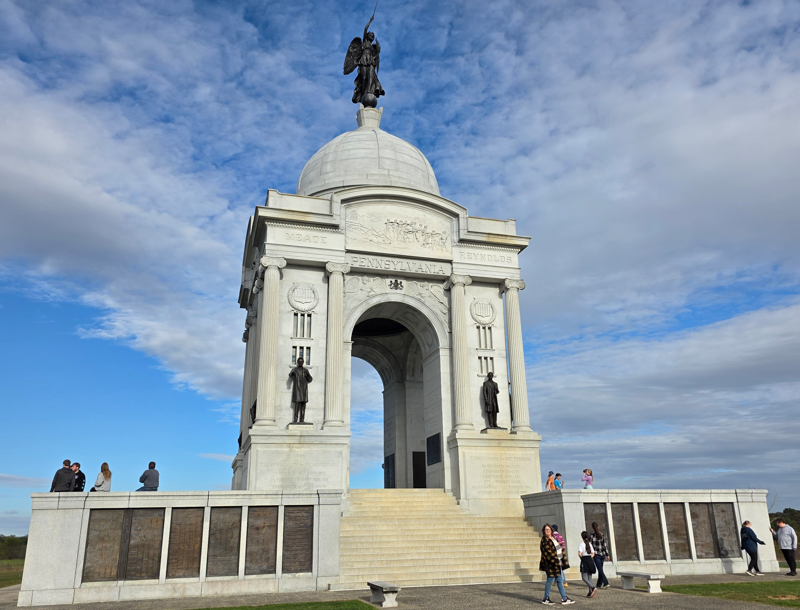
Pennsylvania State Memorial. This is the largest monument in the Gettysburg Battlefield Park.
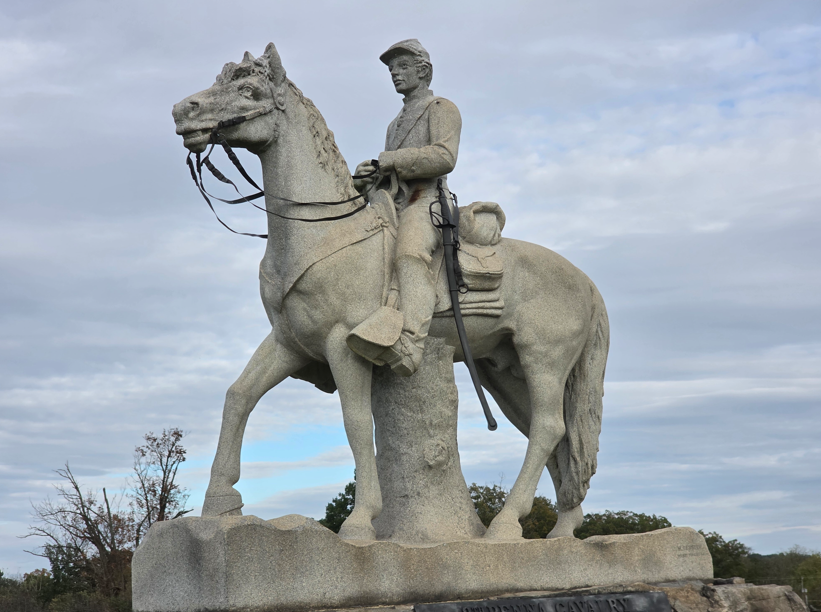
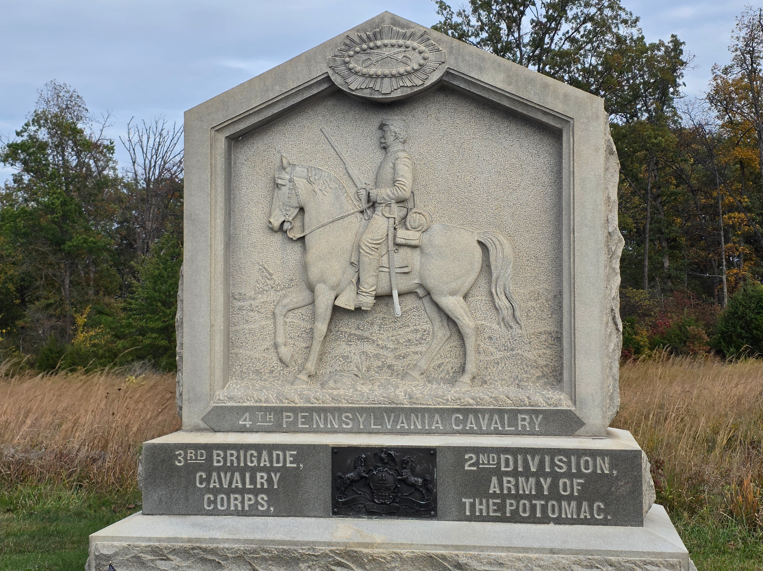
8th Pennsylvania Cavalry Monument
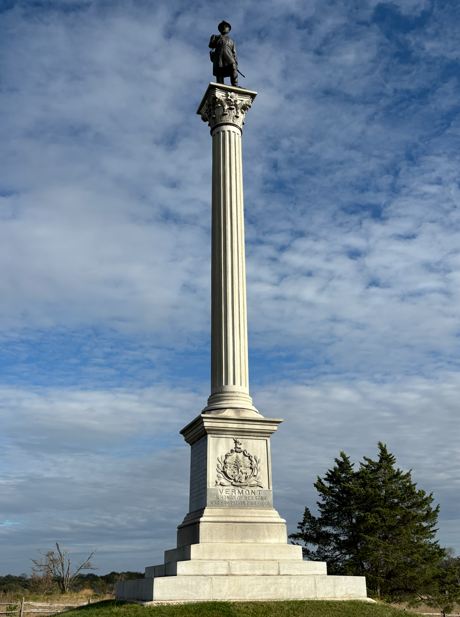
Vermont State Monument
Copse of Trees. This is the Confederate High Water Mark of the battle.
The Angle. Union troops under Major General Winfield Hancock defended the stone wall here. Confederate troops led by Brigadier General Lewis Armistead broke through lines and crossed this wall just west of the Copse of Trees, the Confederates High Water Mark.
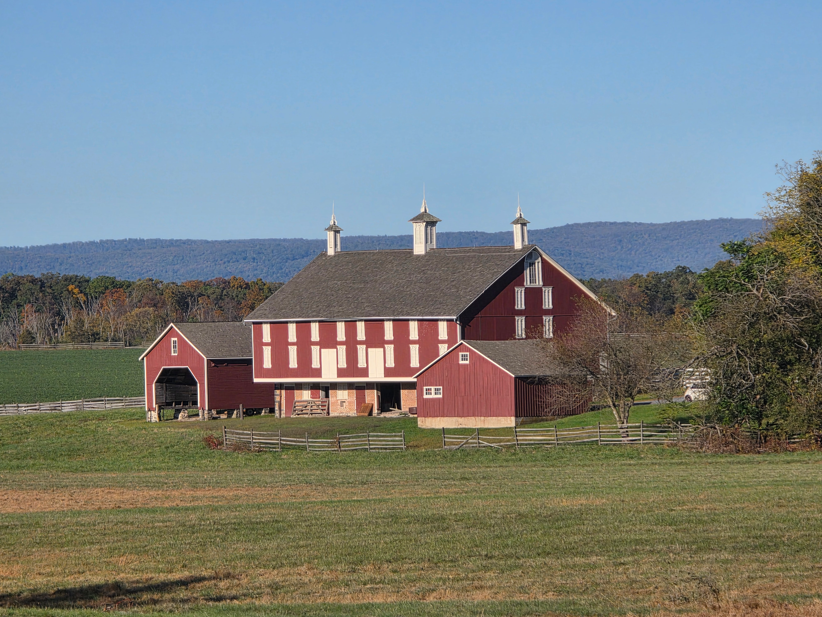
The Codori Farm. The open fields around this barn became bloody killing fields during Pickett’s Charge.
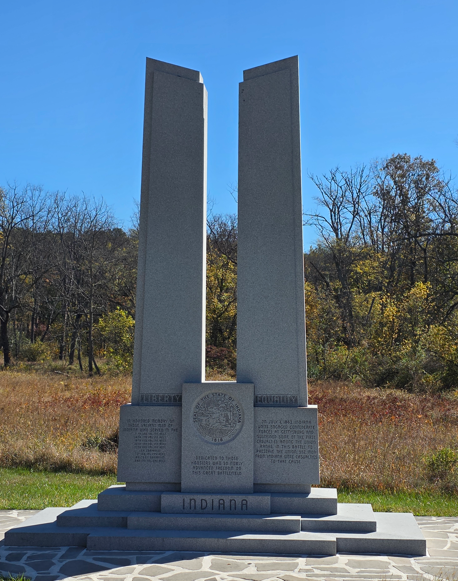
Indiana State Monument
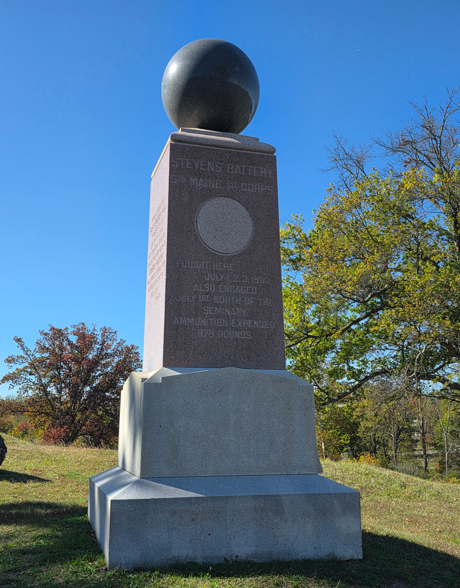
Stevens Battery 5th Maine Monument
Ohio State Monument.
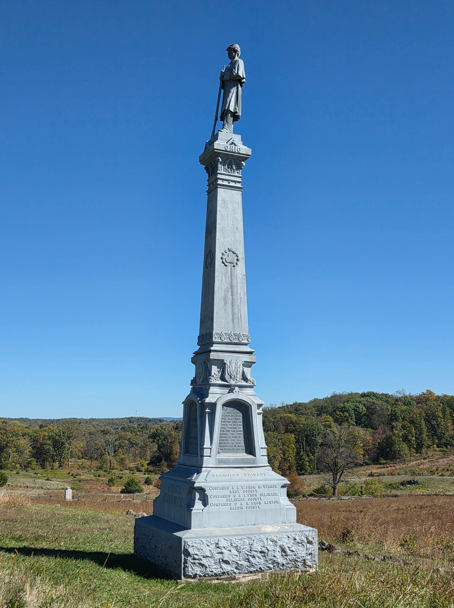
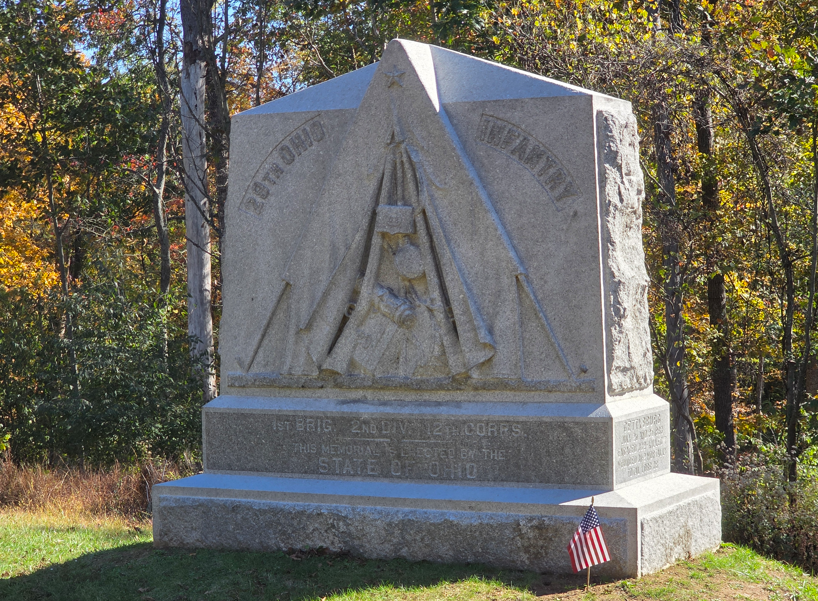
29th Ohio Infantry Monument
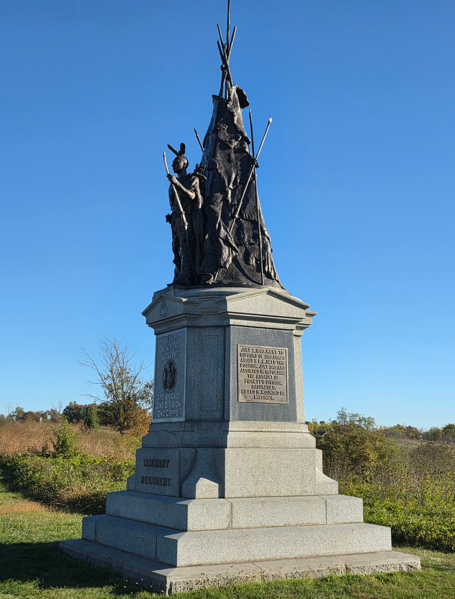
Tammany Regiment Monument.
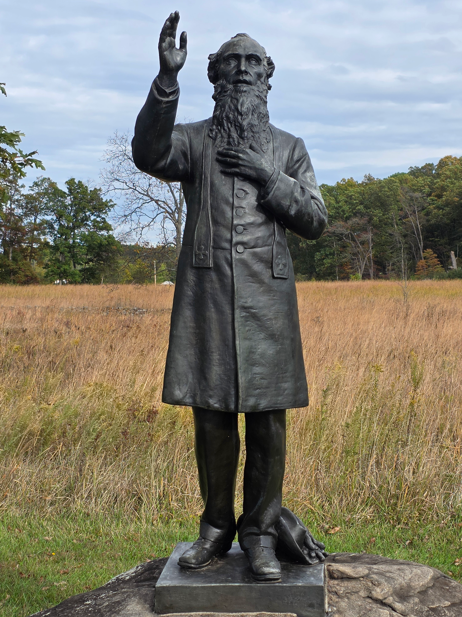
Reverend William E. Corby, Congregation of the Holy Cross. Father Corby, a Chaplain of the Irish Brigade, gave general absolution and blessing before the Battle at Gettysburg, July 2, 1863. He would later become President of Notre Dame University.
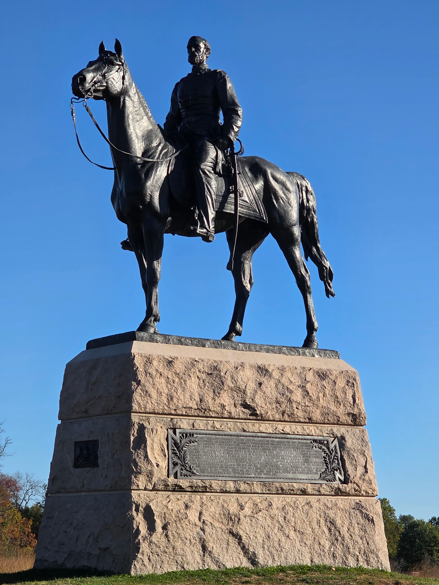
General George Meade Monument.
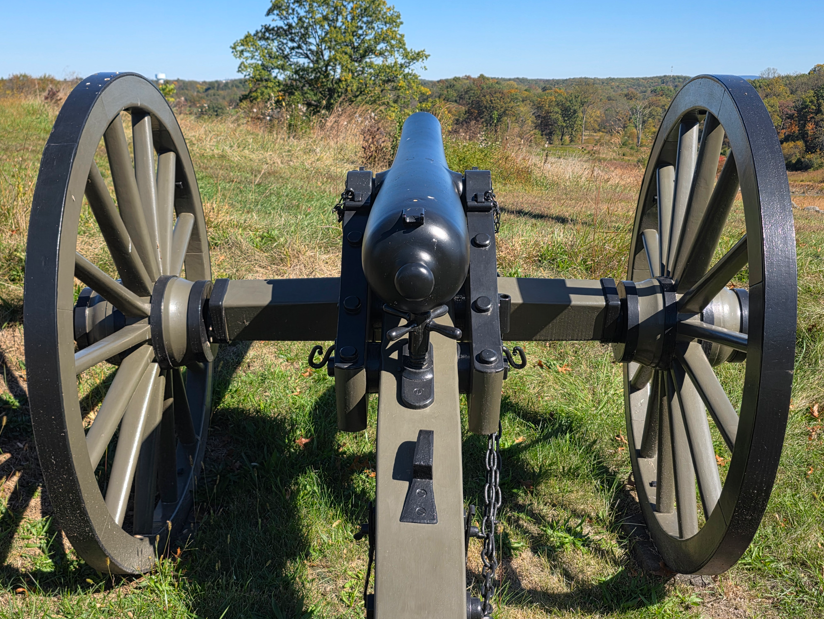
Cannon facing east on Hancock Avenue.
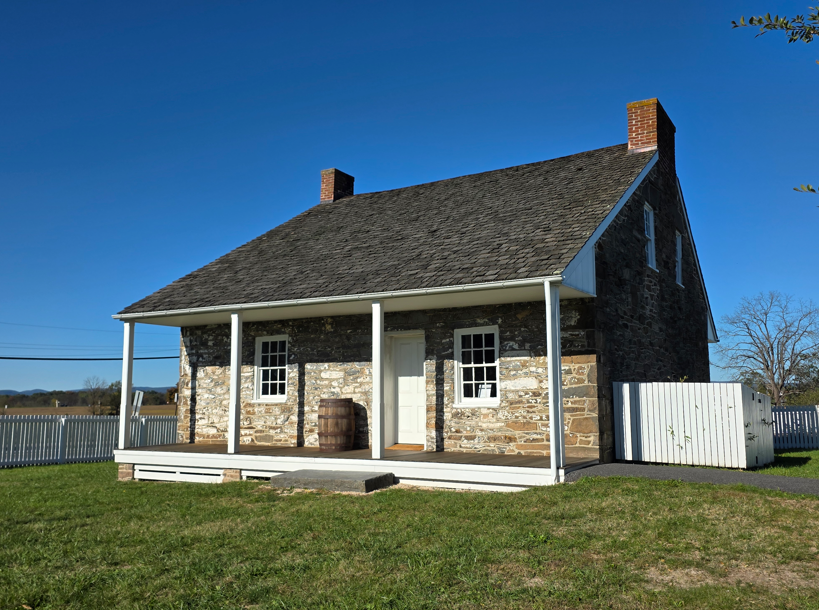
Headquarters of General Robert E. Lee
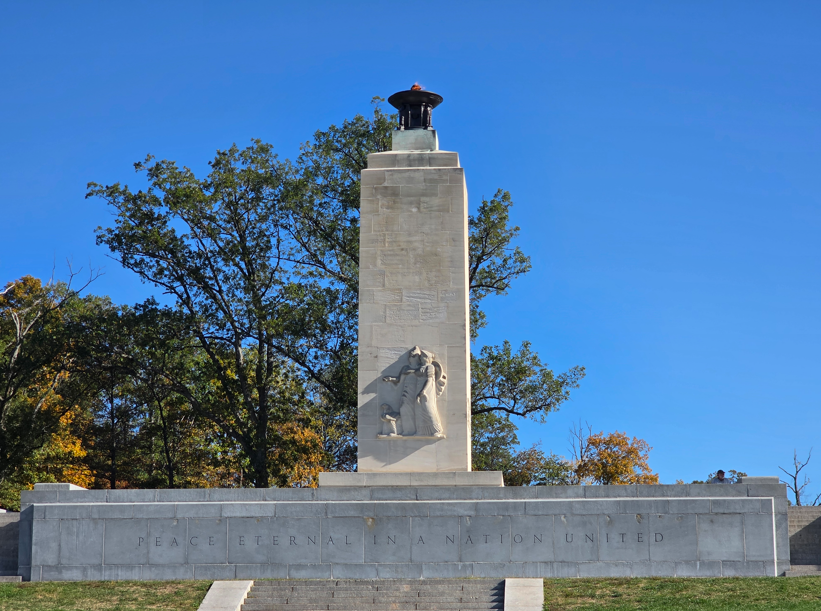
Eternal Flame for Peace

George Mason’s Gunston Hall

Lorton VA

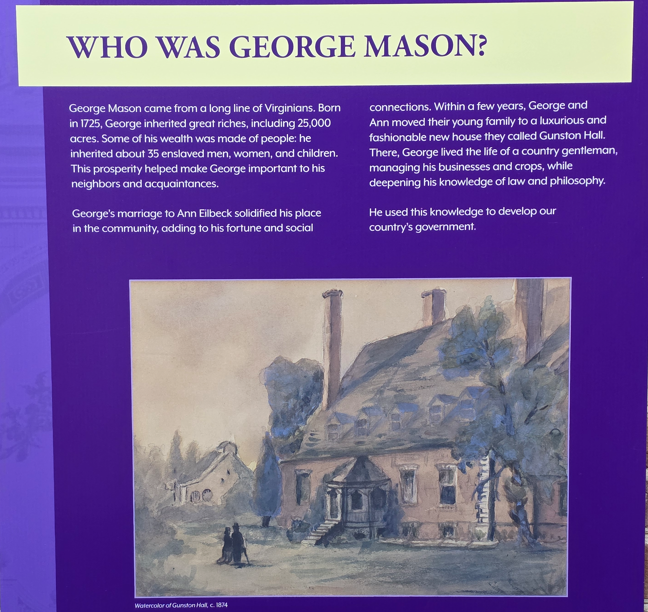
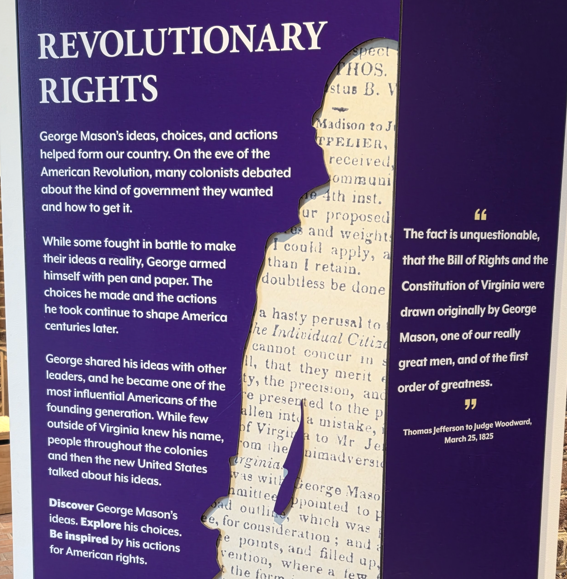
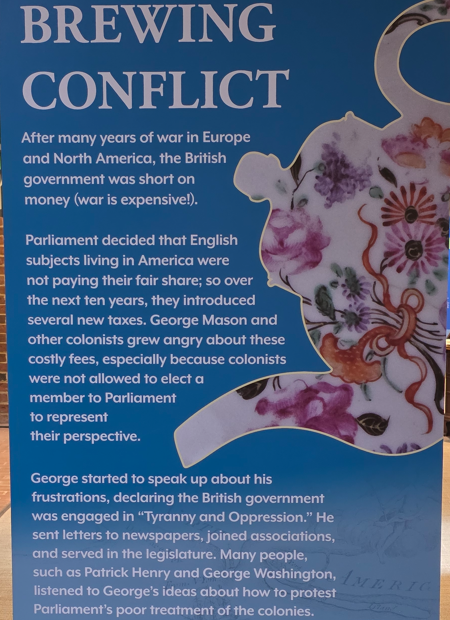
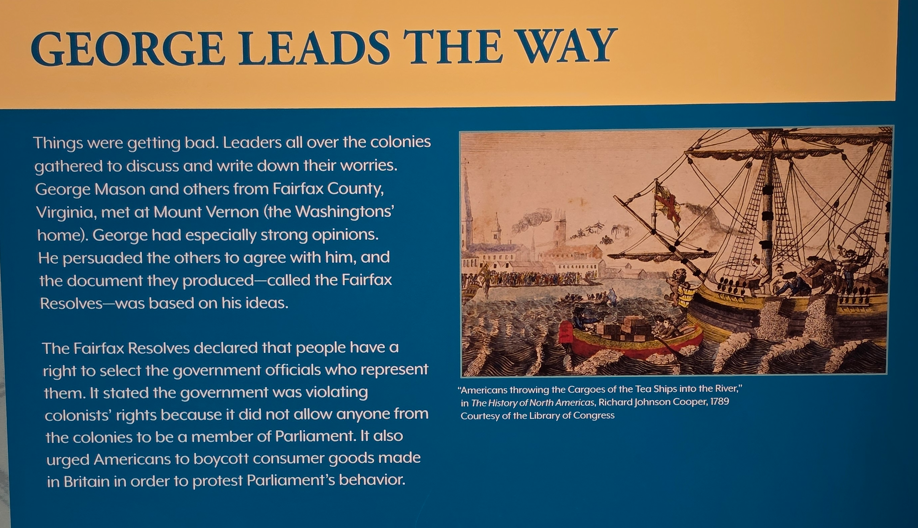
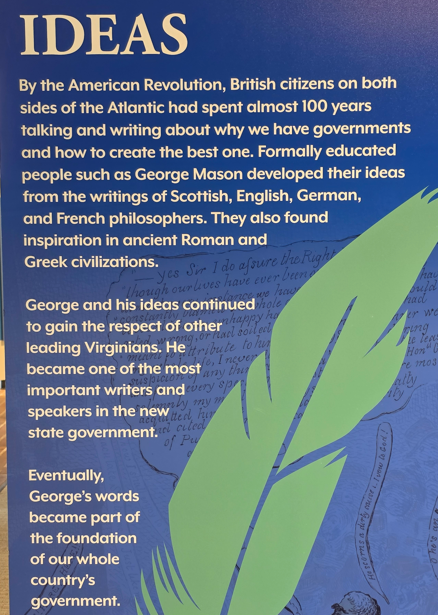
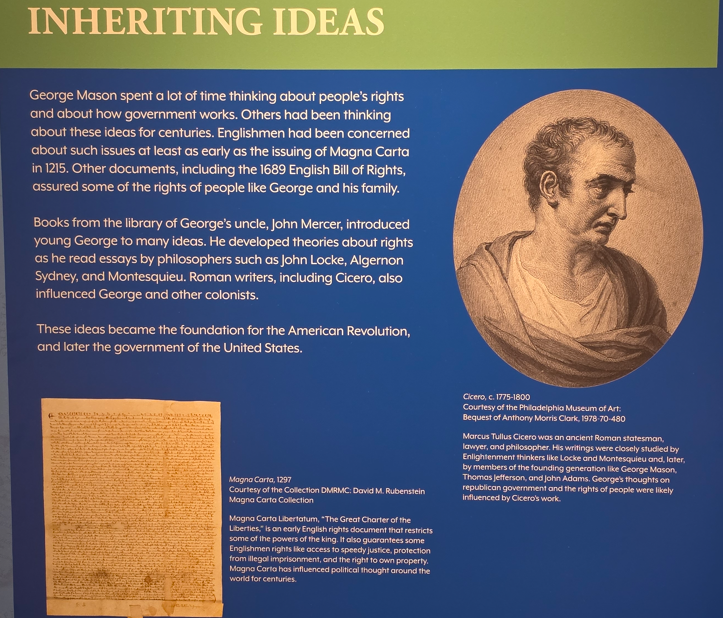
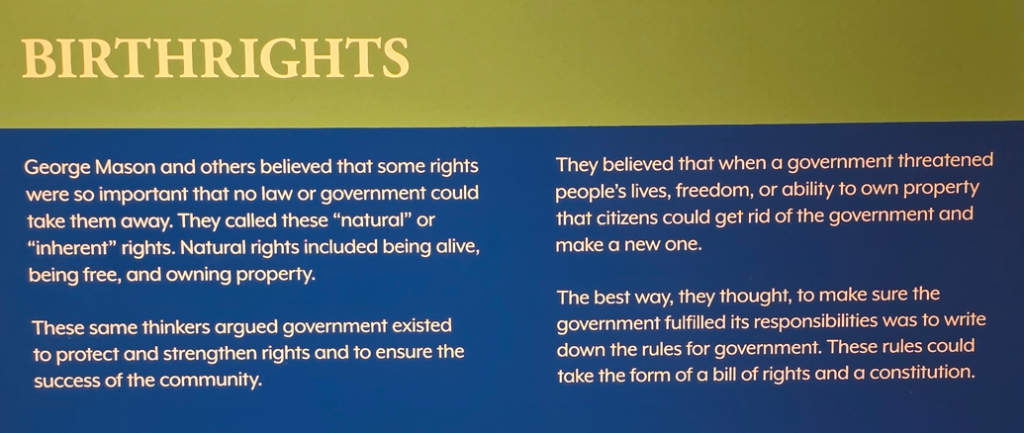
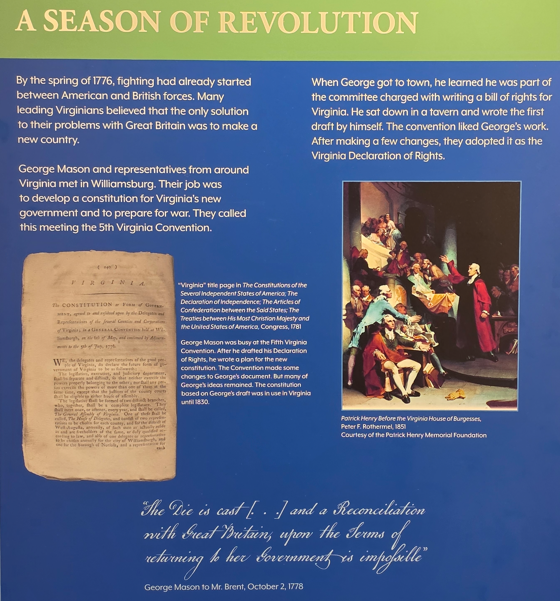
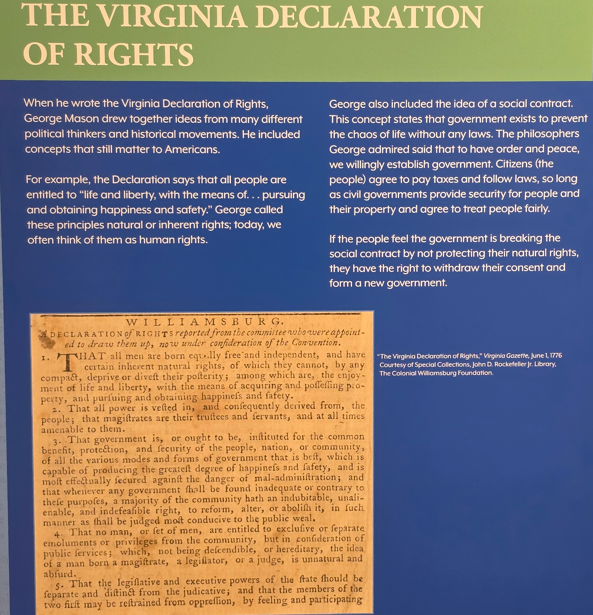
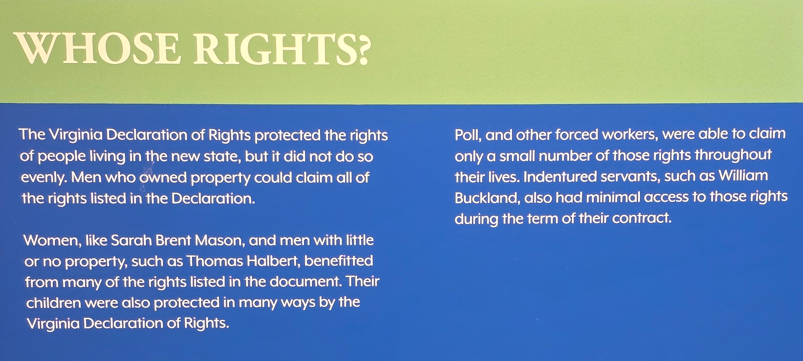
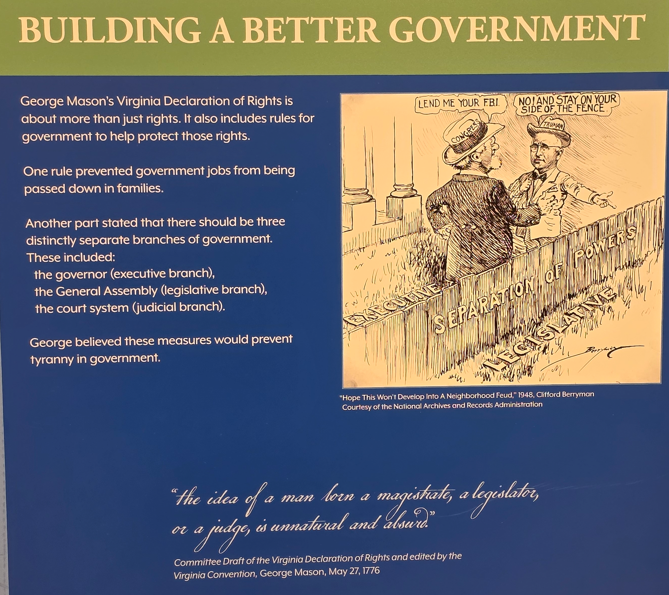
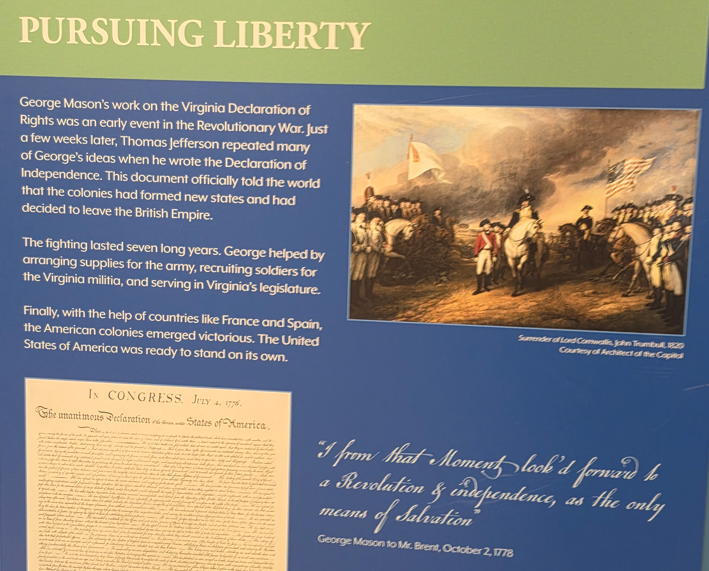
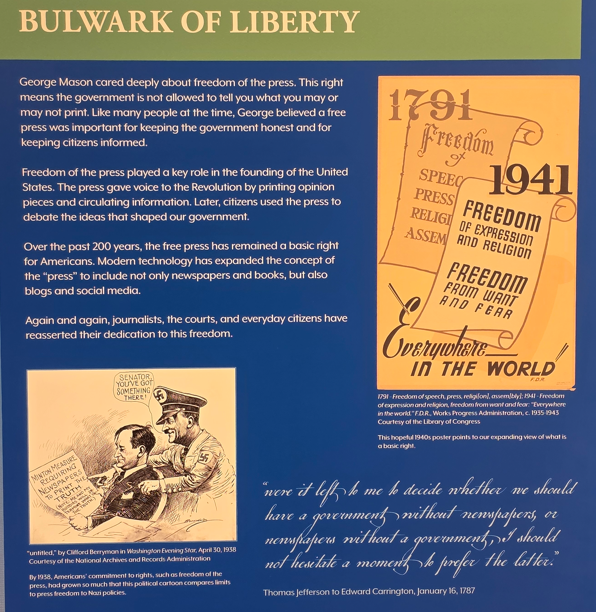
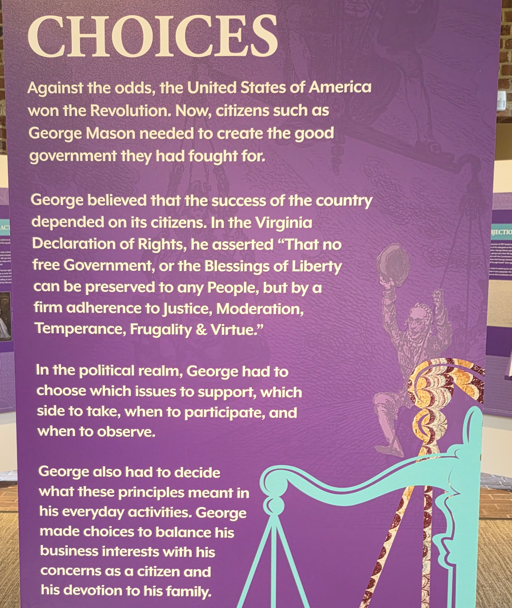
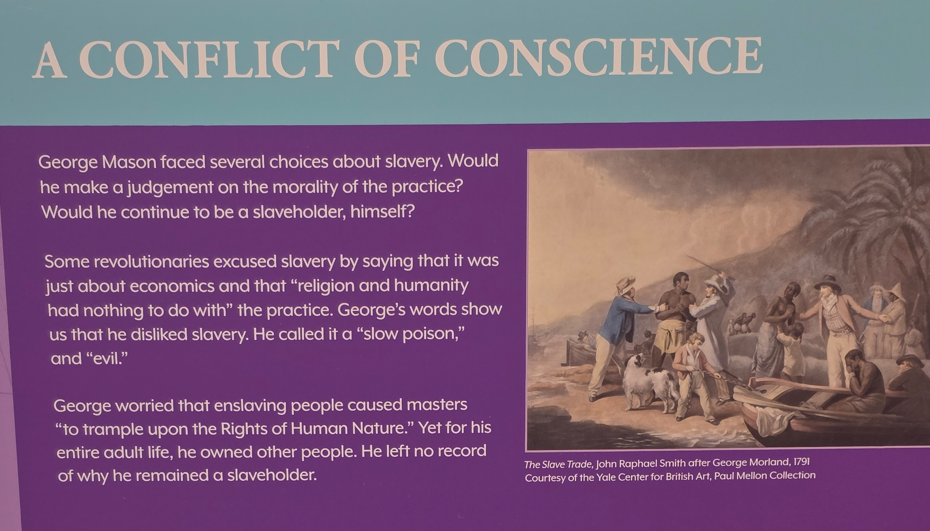
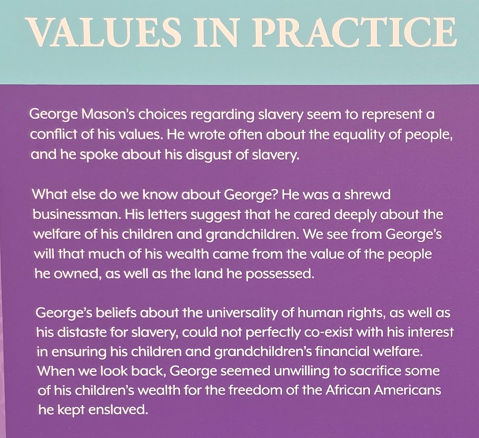
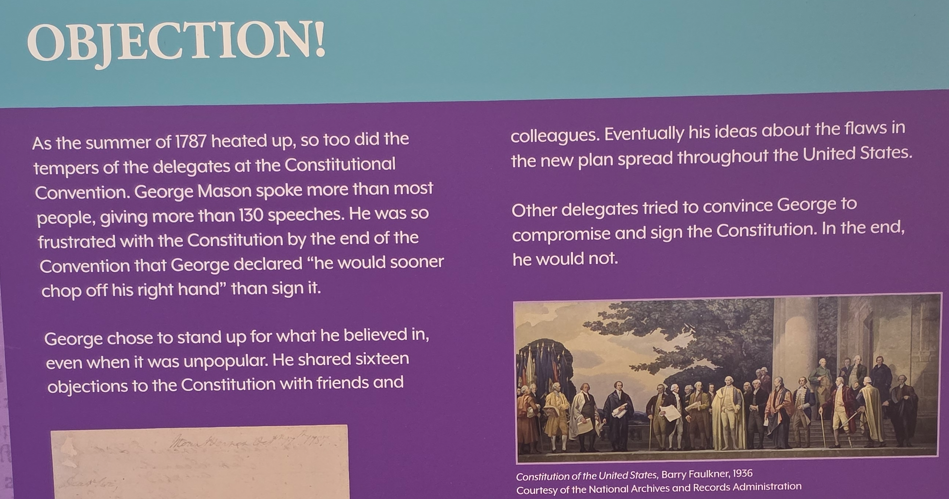
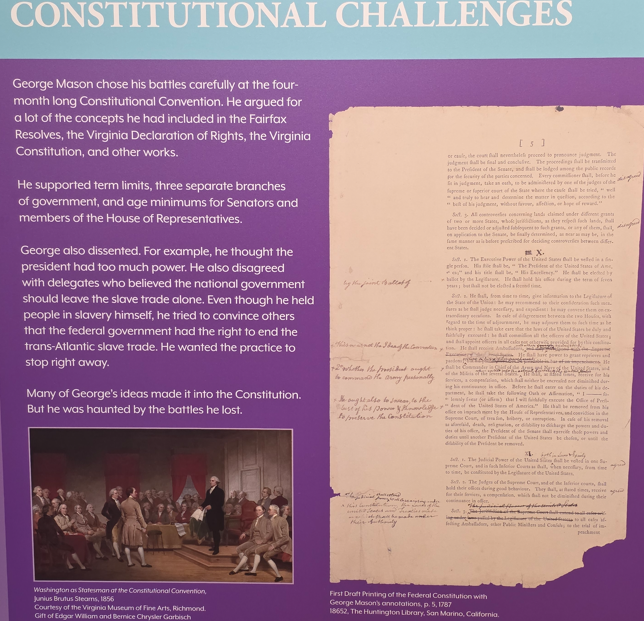
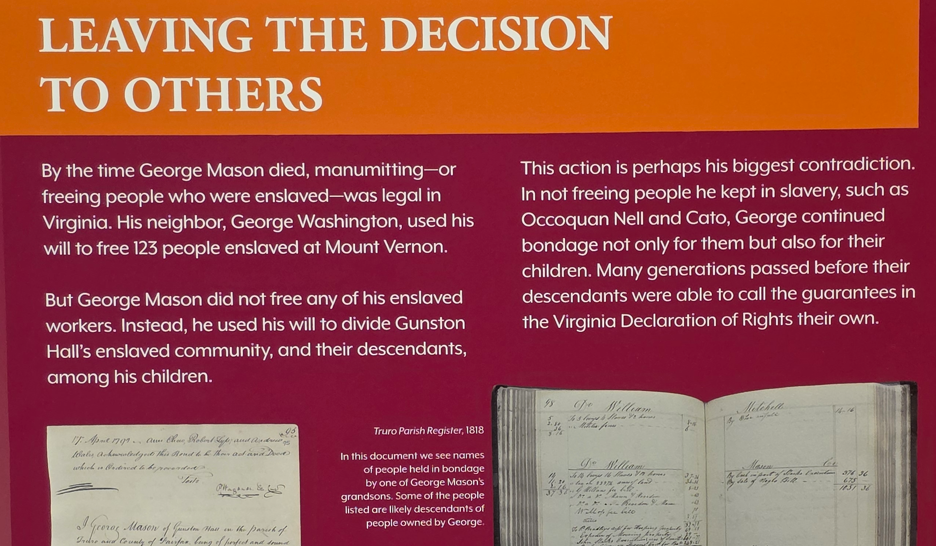
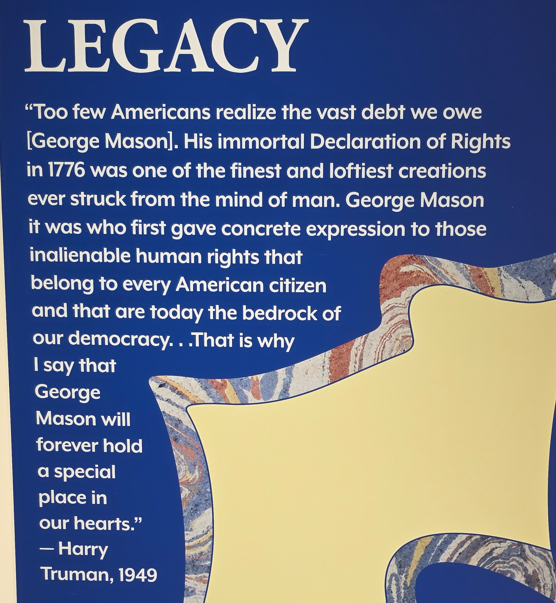
George Mason was the author of the Bill of Rights, which became the foundation for the first ten amendments to the US constitution. In fact, several states (mostly Virginia) would not ratify the constitution unless they were assured the Bill of Rights would be added. On this visit we only had time to go through the visitor center, so we did not see the Gunston Hall house. This post is mainly a high level history lesson about the Revolutionary War and George Mason’s role as described on panels in the visitor center.
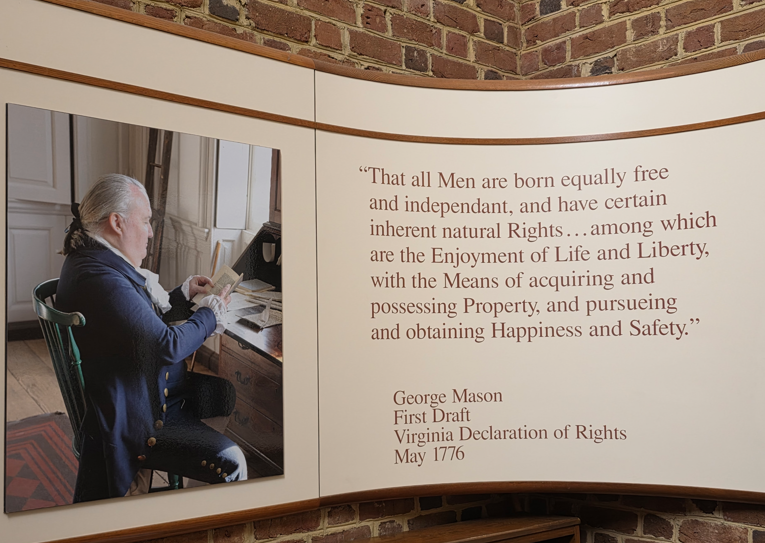
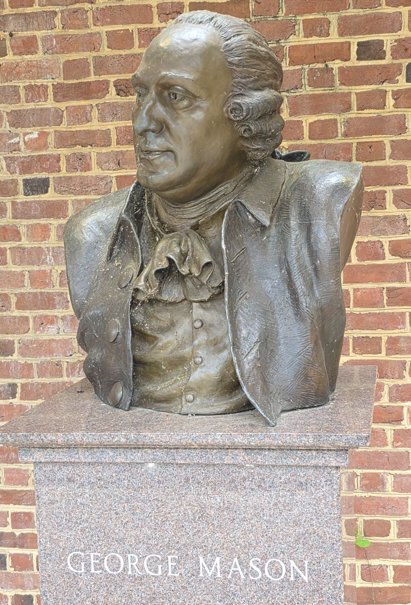
Bust of George Mason
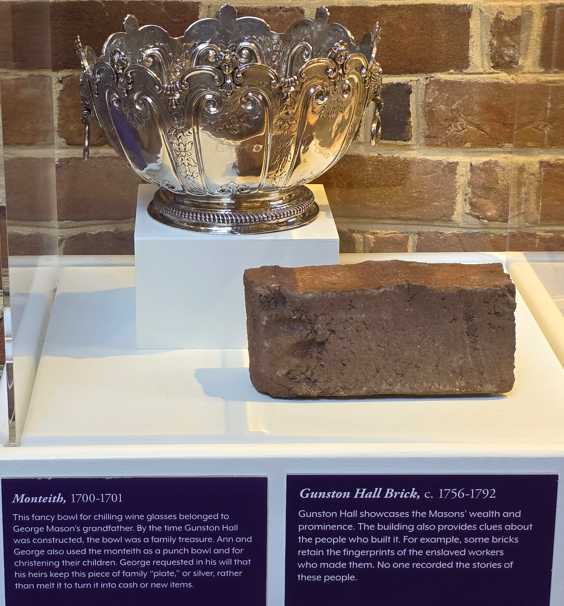
Wine glass chiller/punch bowl that belonged to Mason, and a brick from Gunston Hall.