The Battle of Antietam on September 17, 1862 was the deadliest single-day battle in the history of the United States. While the result of the battle was inconclusive, it did show that the Union could stand with the Confederates in the Eastern theater of the war. This gave President Abraham Lincoln the confidence to issue the preliminary Emancipation Proclamation at a moment of strength rather than desperation.
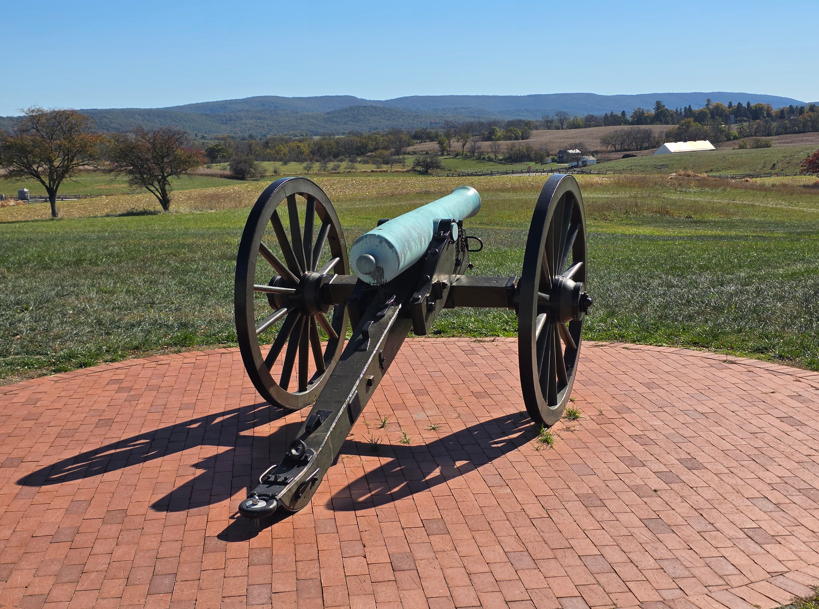
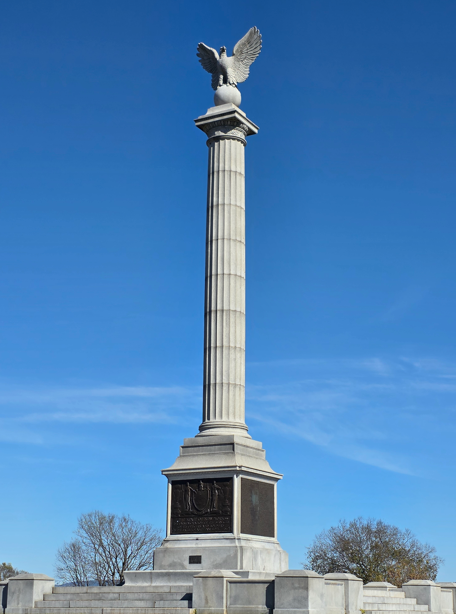
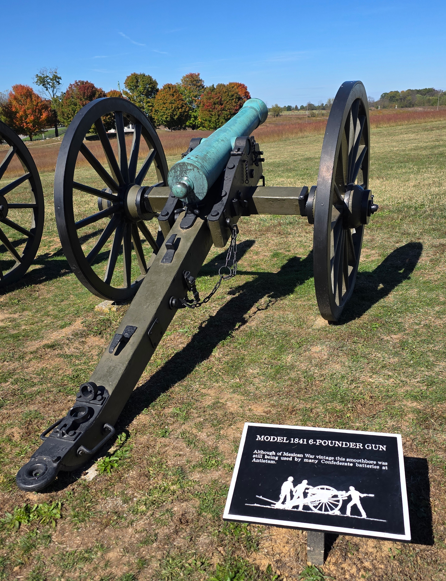
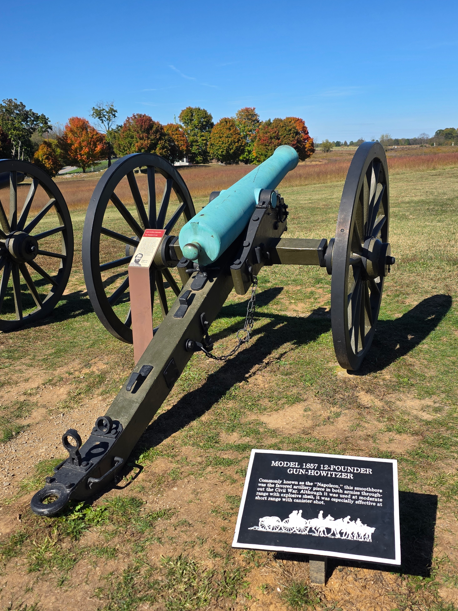
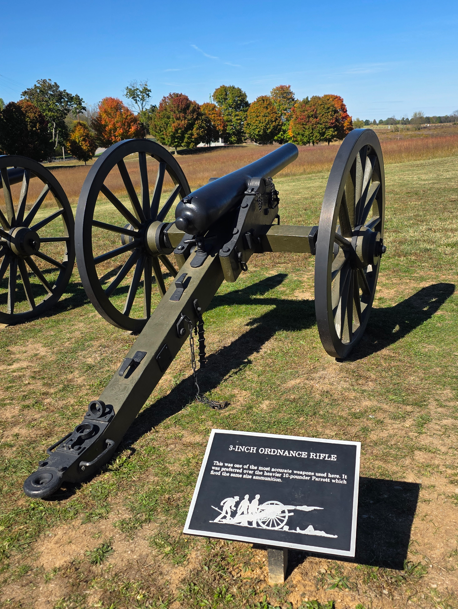
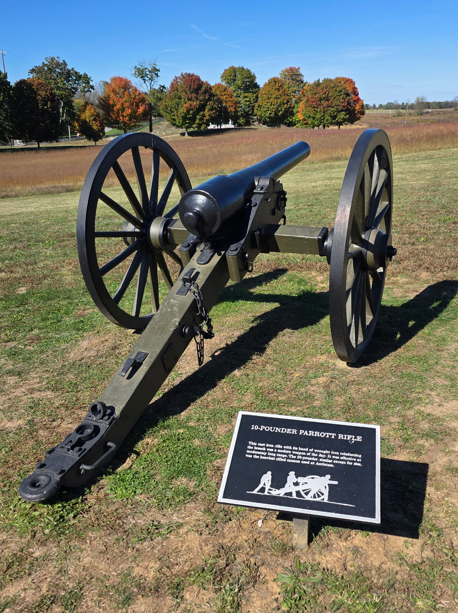
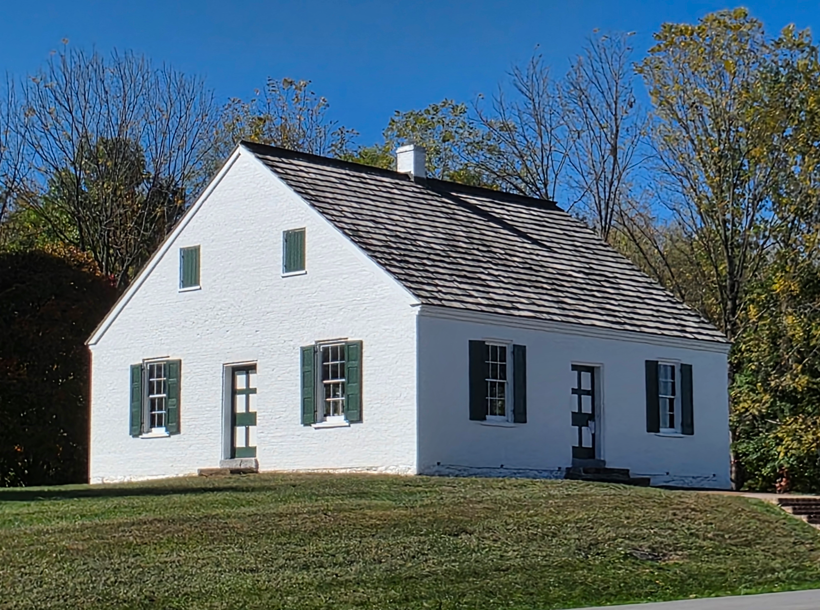
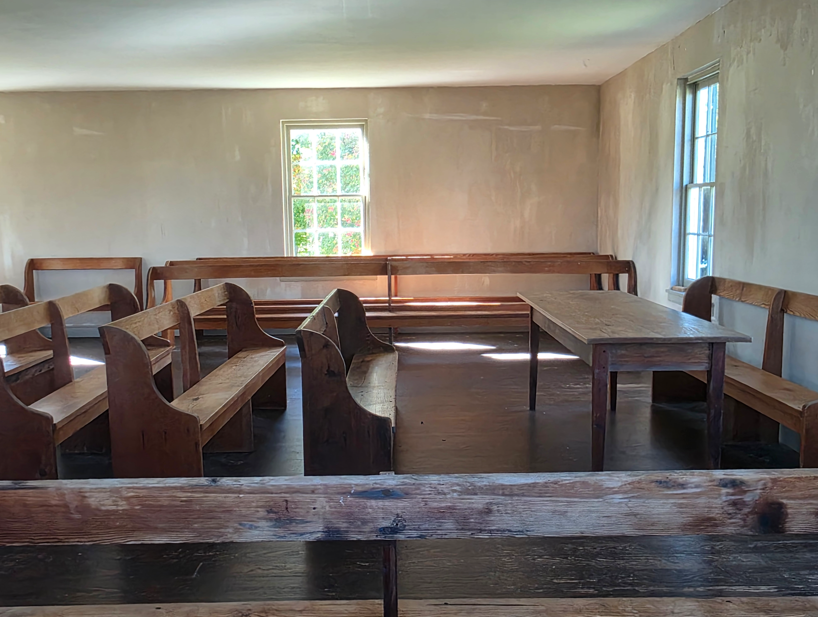
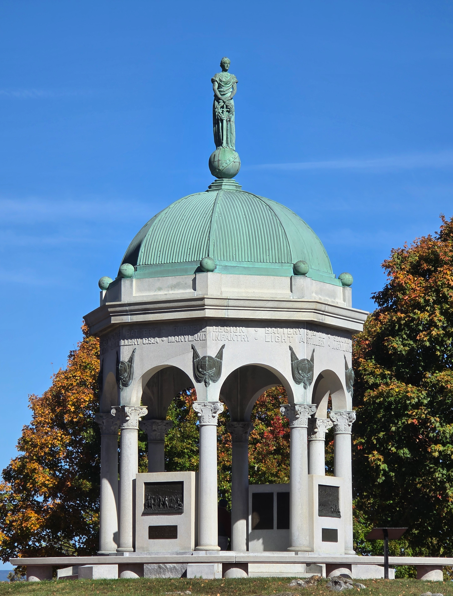
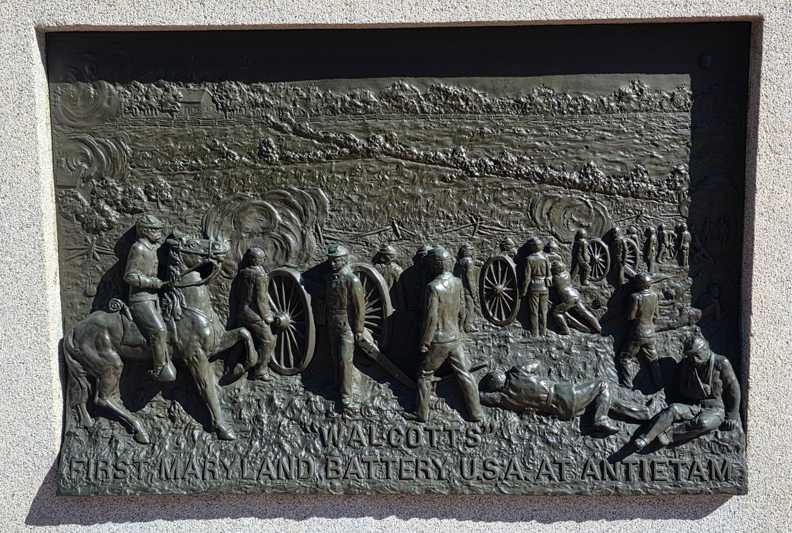
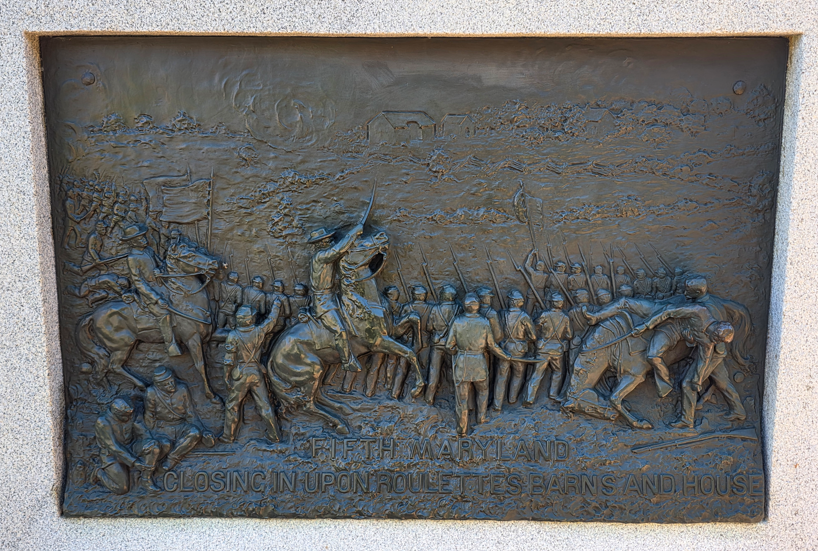
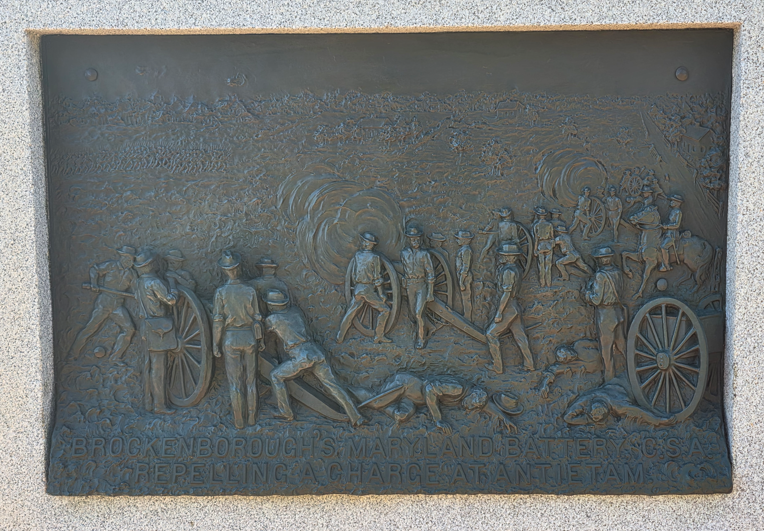
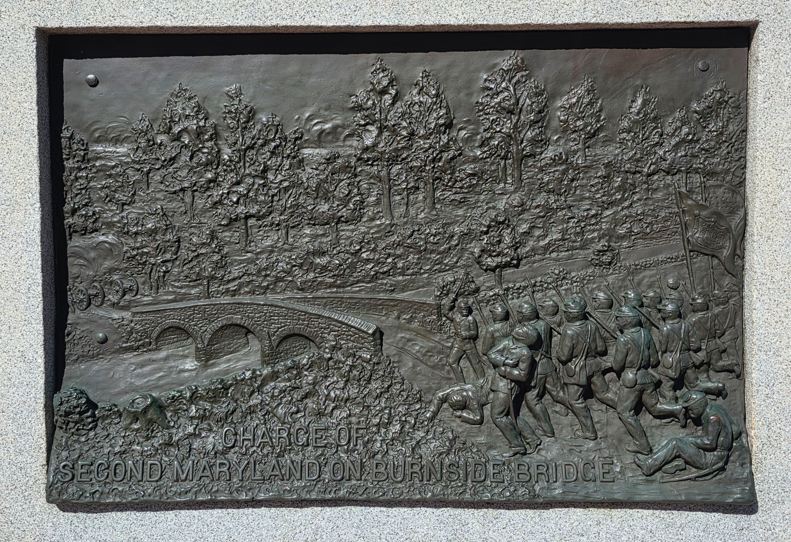
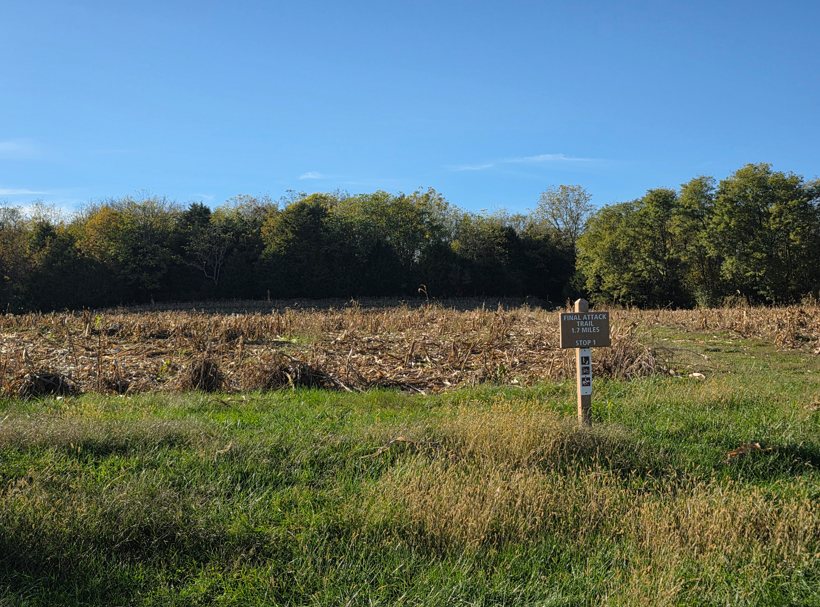
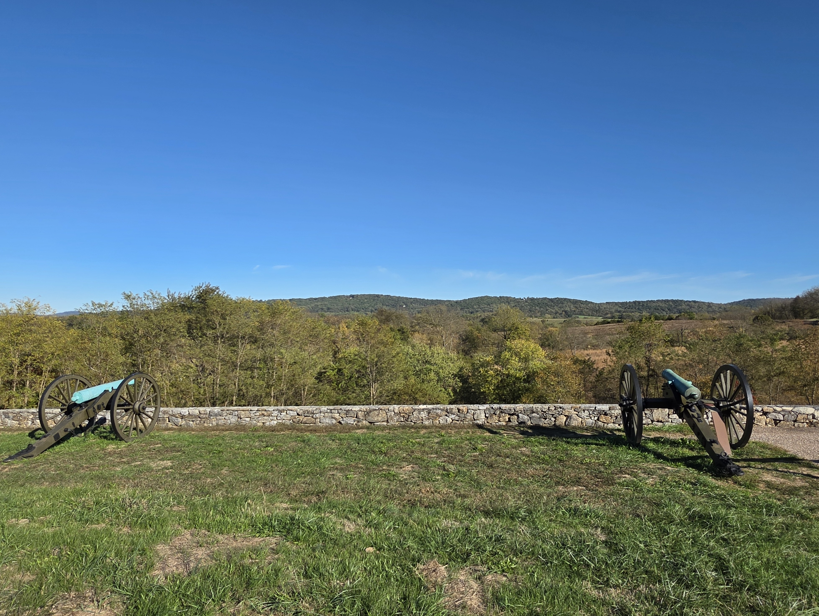
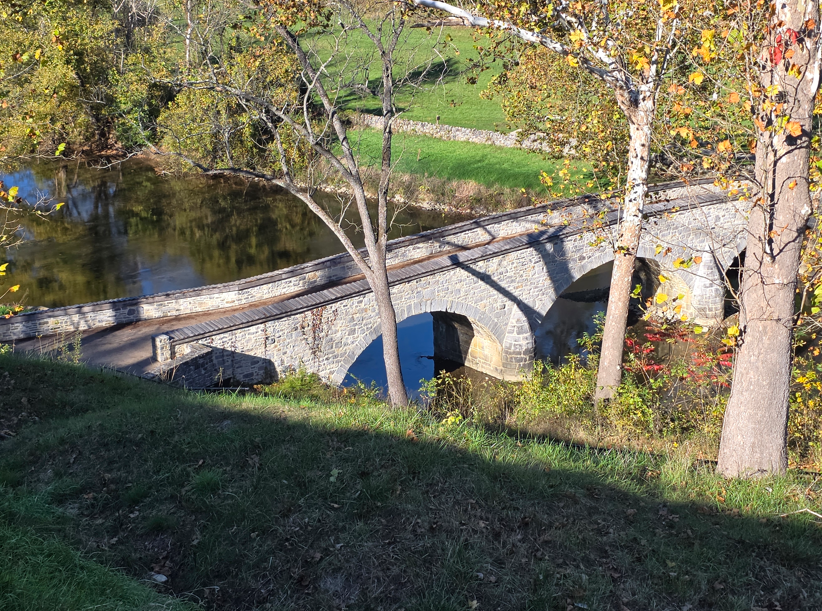
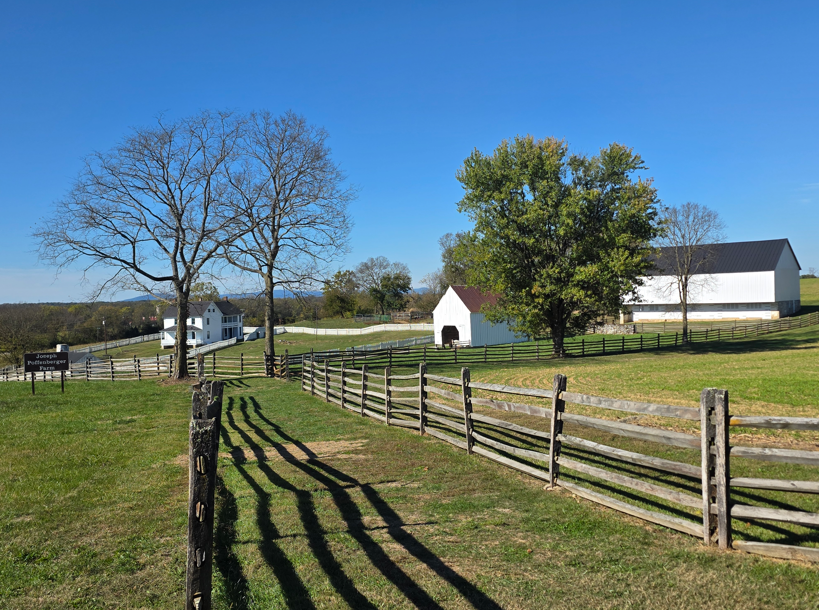
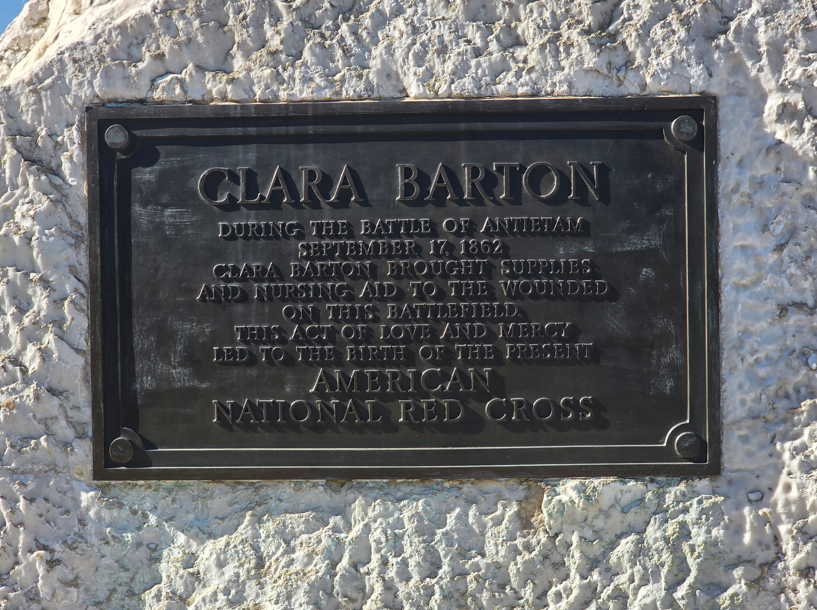
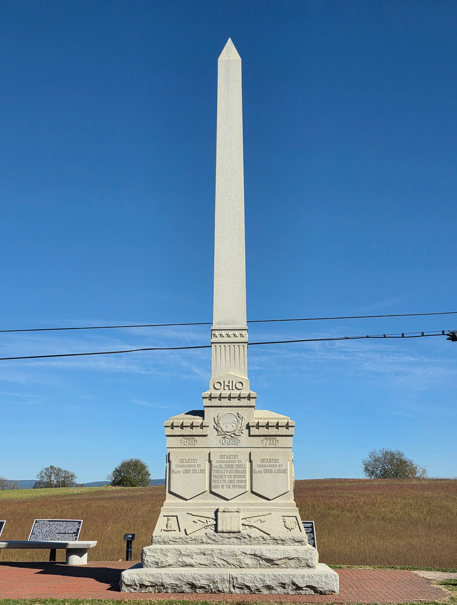
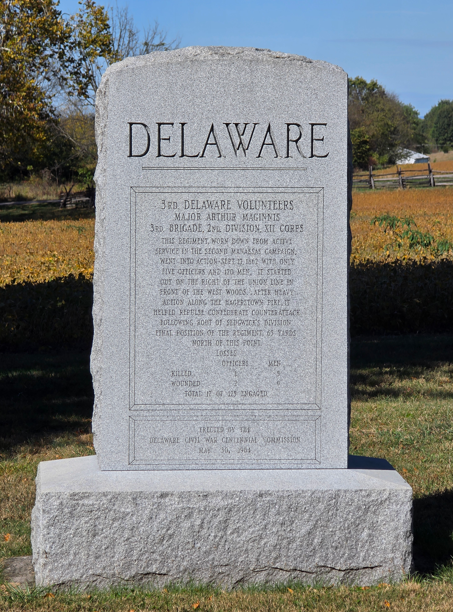
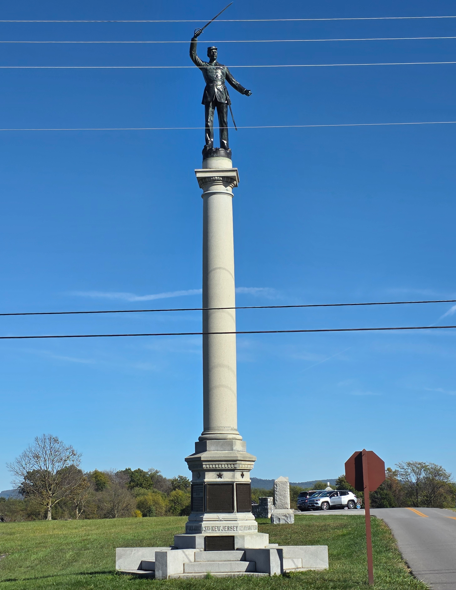
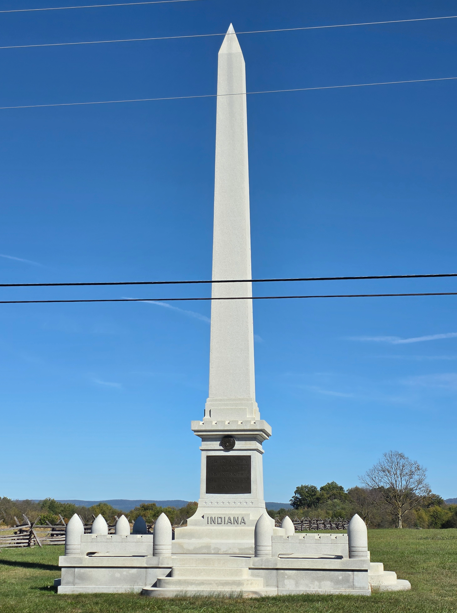
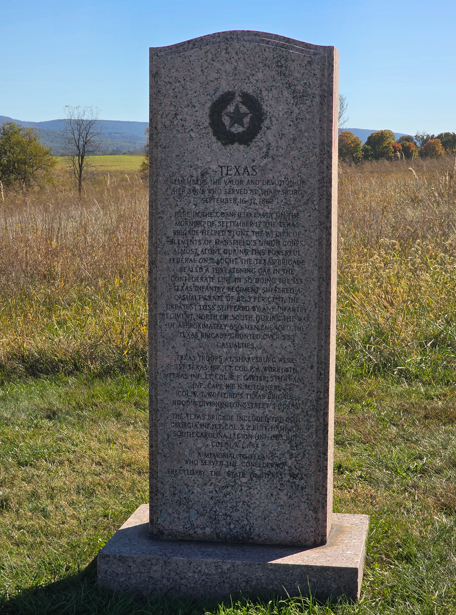
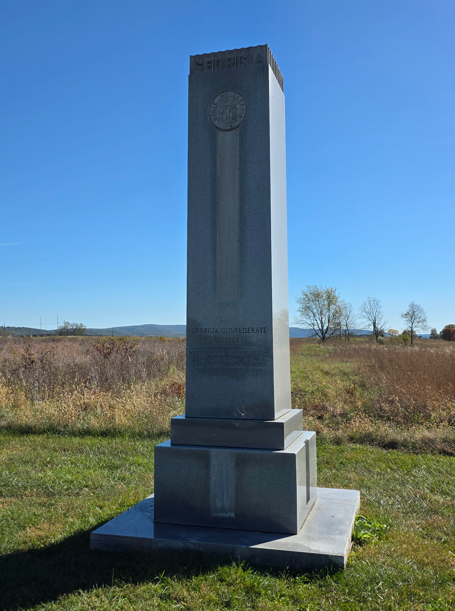
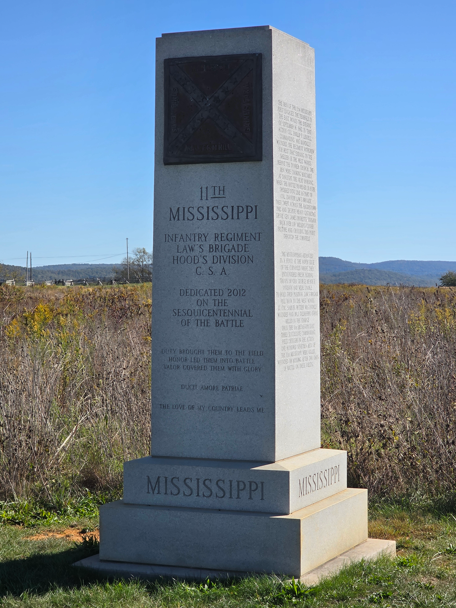
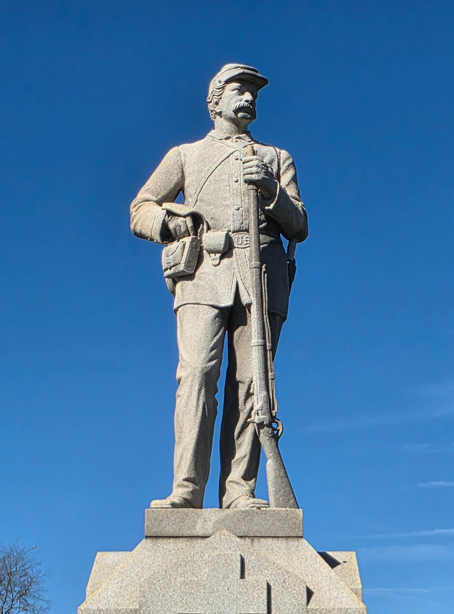
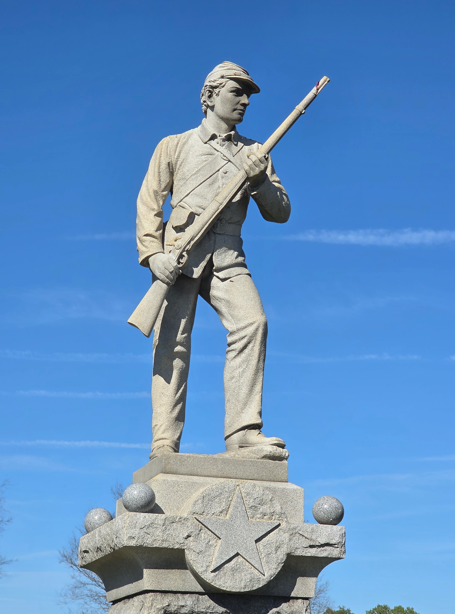
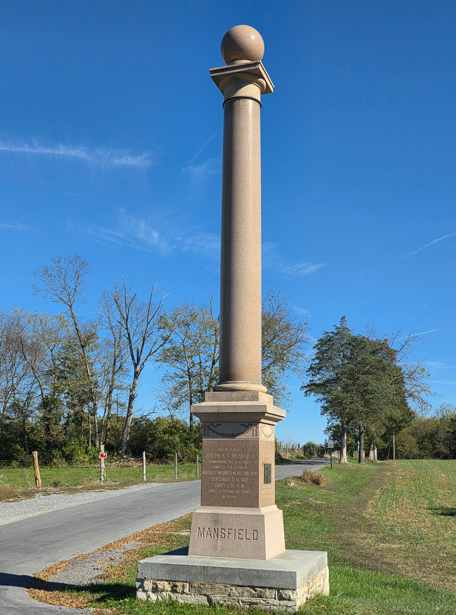
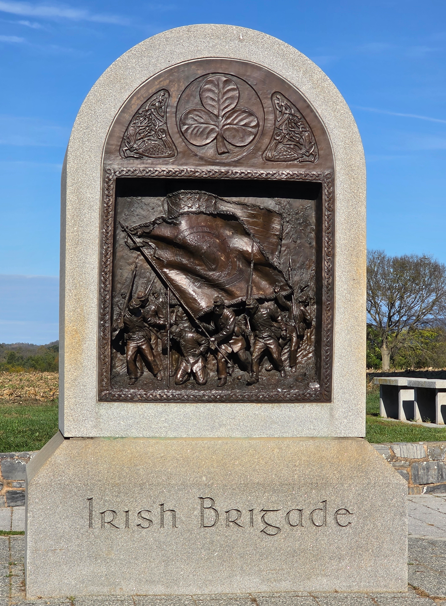
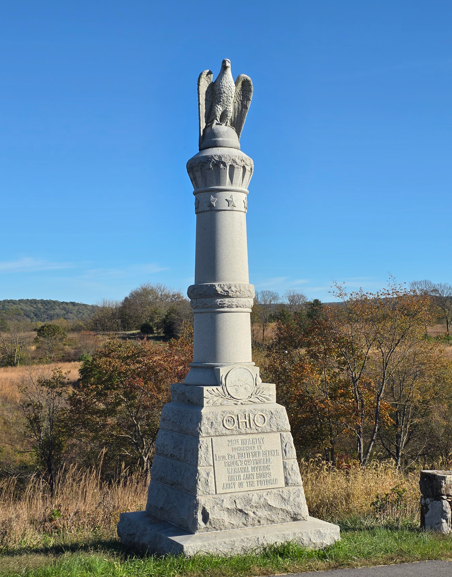
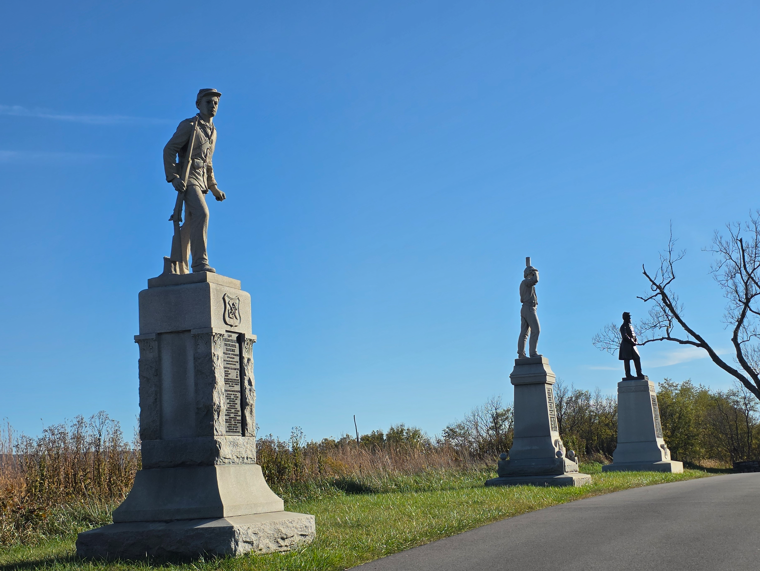
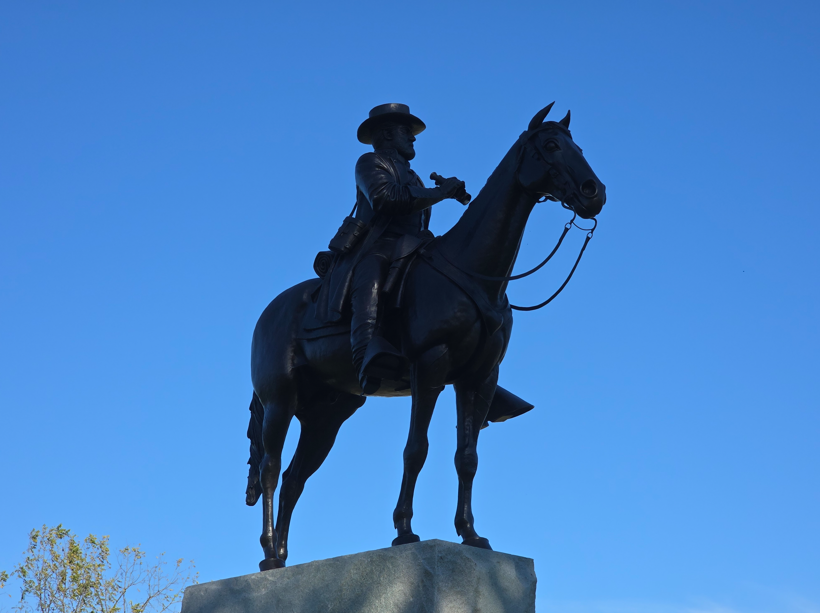
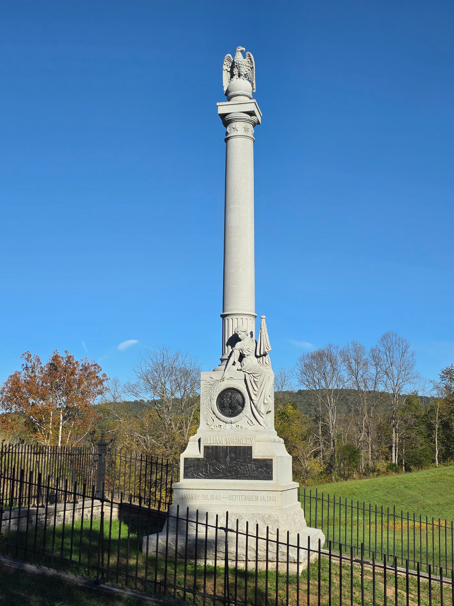
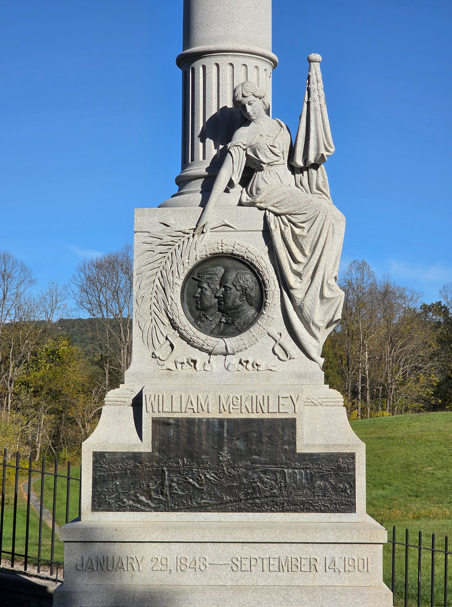
Cannons on display at the Visitor Center, which was closed because of the government shutdown.Model 1841 6-pounder gun.Model 1857 12-pound Gun-Howitzer3-inch Ordnance Rifle10-pounder Parrott RifleThe Dunker Church was badly damaged during the battle, then blown down during a wind storm in 1921, then rebuilt with mostly original materials.Maryland monument.The West Woods area of the battlefield, where the Philadelphia Brigade lost more than 550 men were lost in 20 minutes of fighting.The East Woods. This is where the first shots of the battle were fired during the evening September 16, 1862.The “Bloody Cornfield”, where for four hours the battle raged – 25,000 troops fought, the field changing hands several times.The Final Attack trailKnown as the Rohrbach Bridge before the battle, it was renamed for General Ambrose Burnside who commanded the Union soldiers who fought to take this crucial Antietam crossing during the battle.Joseph Poffenberger FarmThere are more than 22,000 casualties at the Battle of Antietam. Doctors at the scene are overwhelmed. Badly needed supplies are brought in by nurse Clara Barton, known as the “Angel of the Battlefield.”Ohio monumentDelaware monumentNew Jersey monumentIndiana monumentTexas monumentGeorgia monumentMississippi monumentInfantry monumentsMajor General Joseph K. F. Mansfield was mortally wounded near this spot September 17, 1862 while deploying his corps in action.Irish Brigade monument.Ohio monumentGeneral Robert E. Lee statueMonument to William McKinley, our 25th President, who was a Commissary Sergeant with the 23rd Ohio of Colonel Hugh Ewing’s Brigade. During the battle he bravely served the soldiers in his regiment. As President he was assassinated in September 1901.