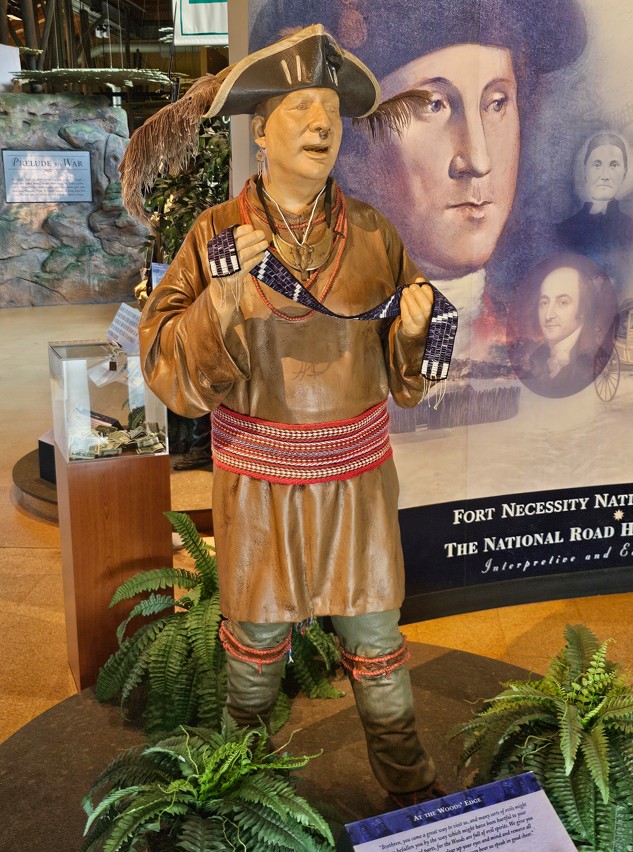
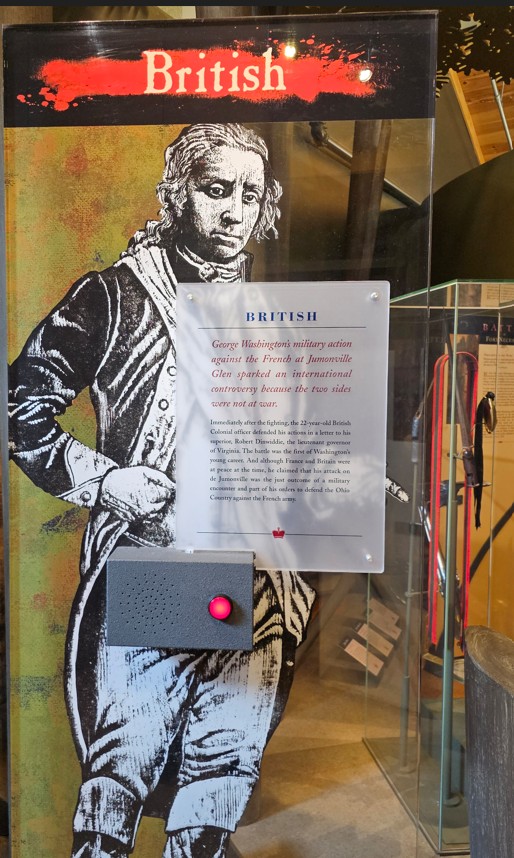
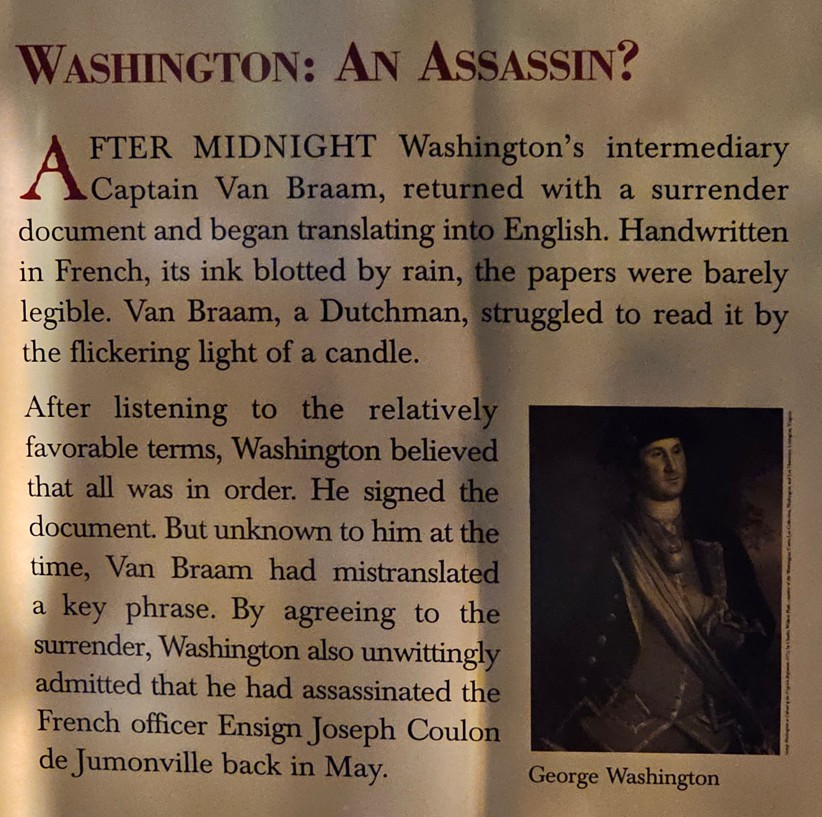
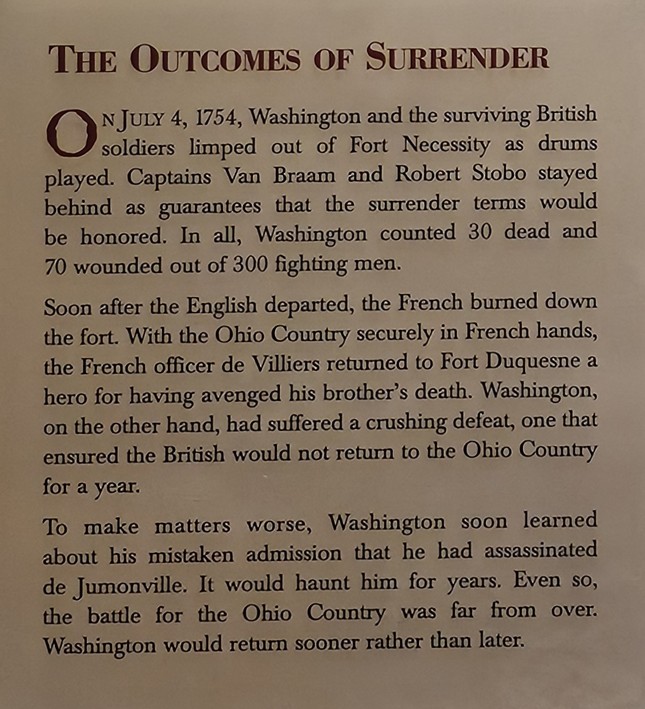
The Battle of Fort Necessity, a significant prelude to the French and Indian War, was the only battle in which George Washington ever surrendered. The battler occurred July 3, 1754, near the site of the Battle of Jumonville Glen, Washington’s Indian allies killed French officer Joseph Coulon de Villiers, Sieur de Jumonville. In anticipation of French retaliation, Washington fortified his camp at Great Meadows and named it Fort Necessity. On July 3, a larger French and Indian force, led by Jumonville’s half-brother, Louis Coulon de Villers, attacked. After a day-long fight, facing heavy rain, flooded trenches, and dwindling supplies, Washington accepted the French terms of surrender. Unknowingly, he signed a document written in French that confessed to assassinating Jumonville. On July 4, Washington and his troops departed and the French torched the fort.
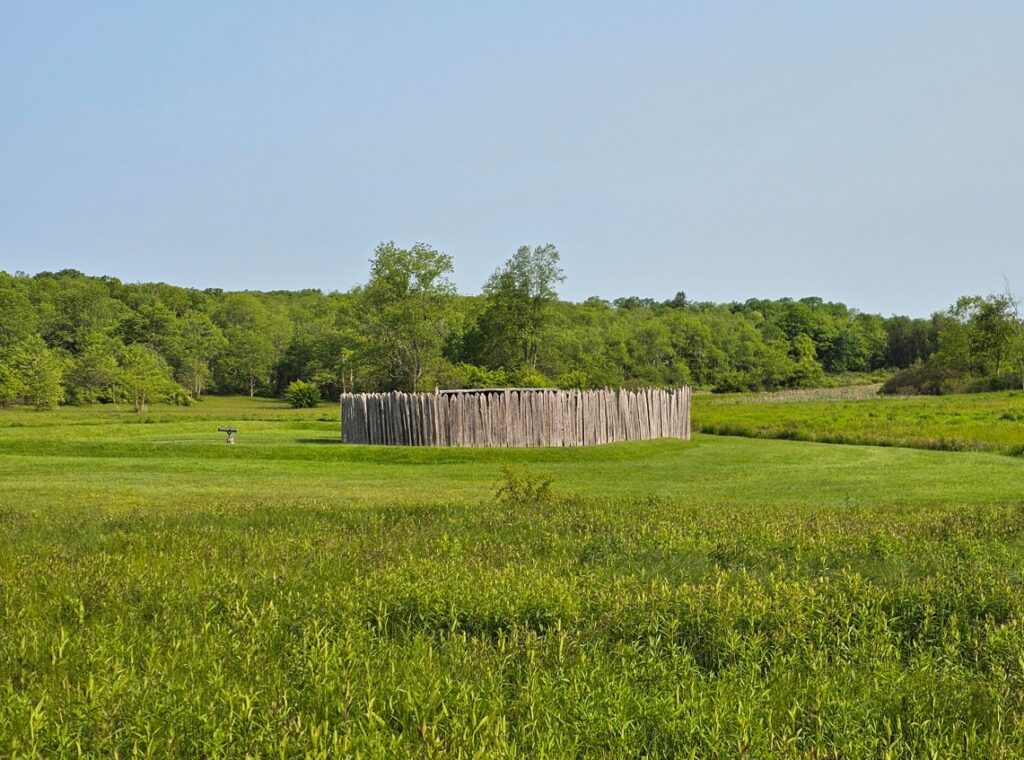
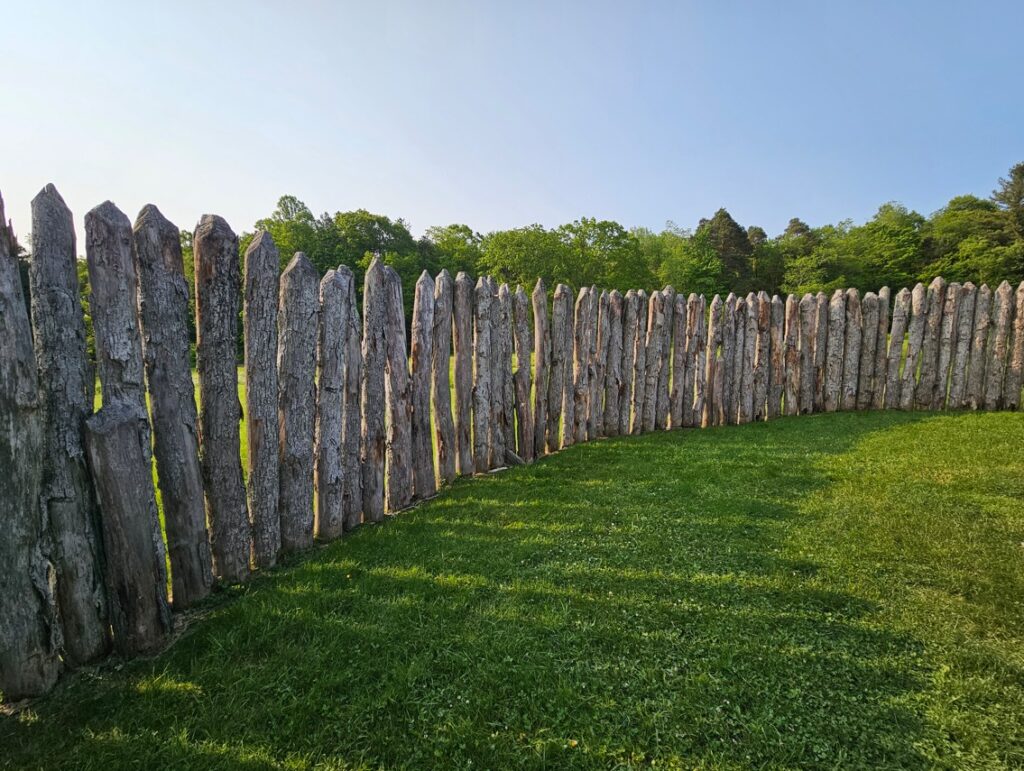
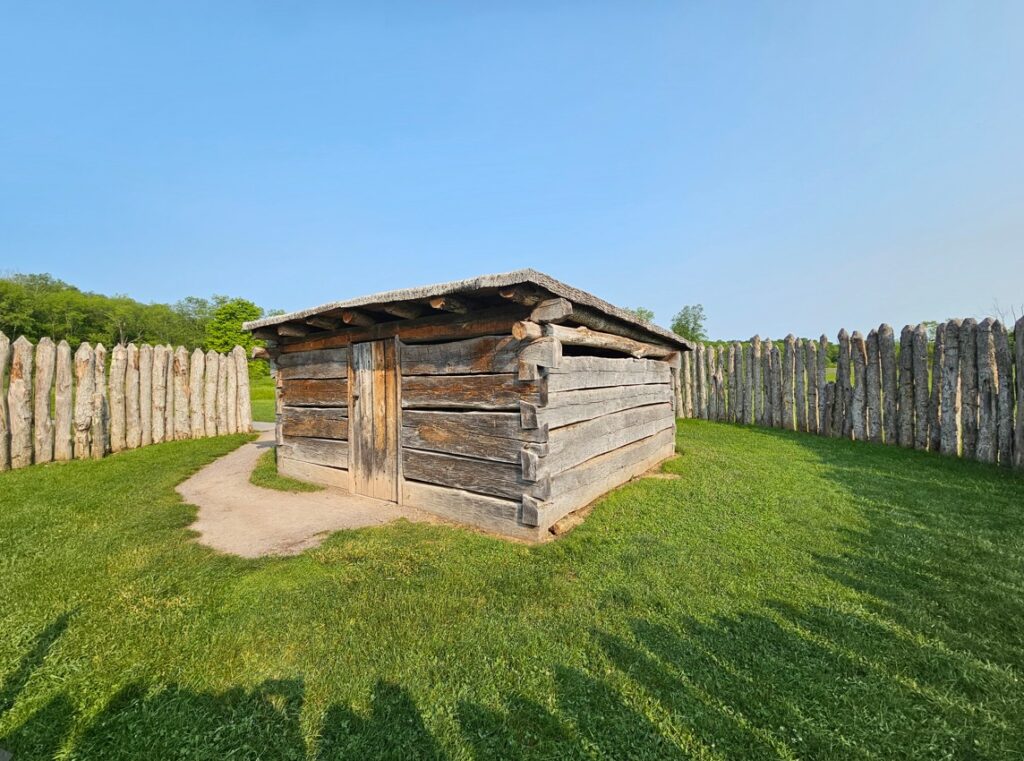
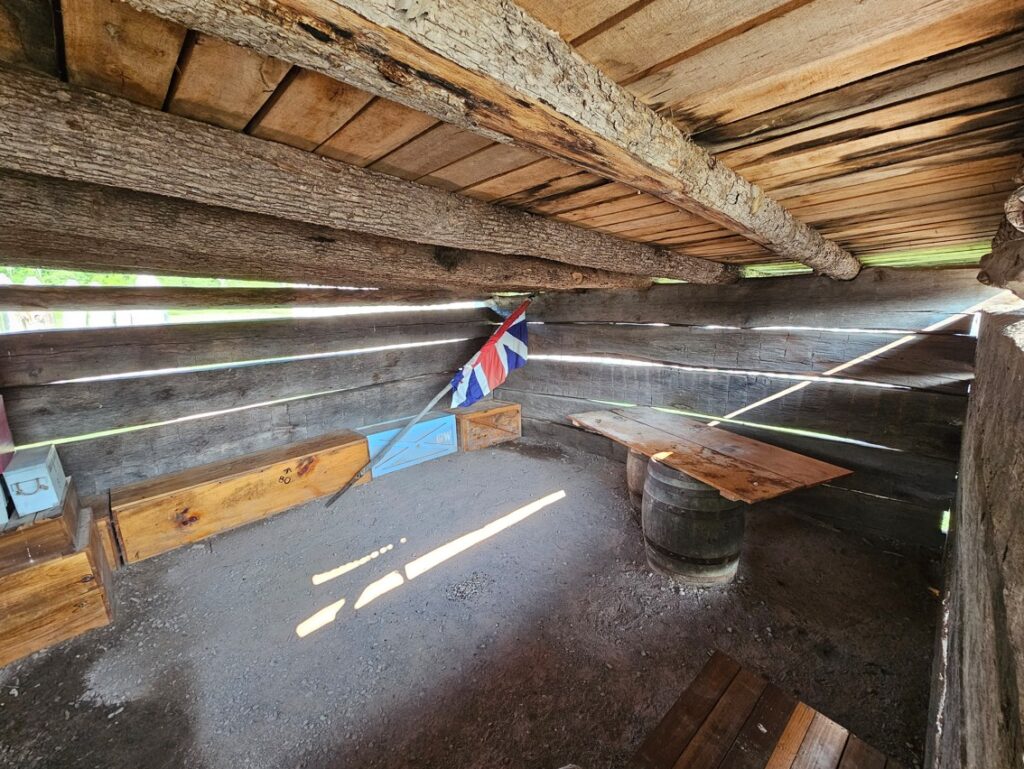
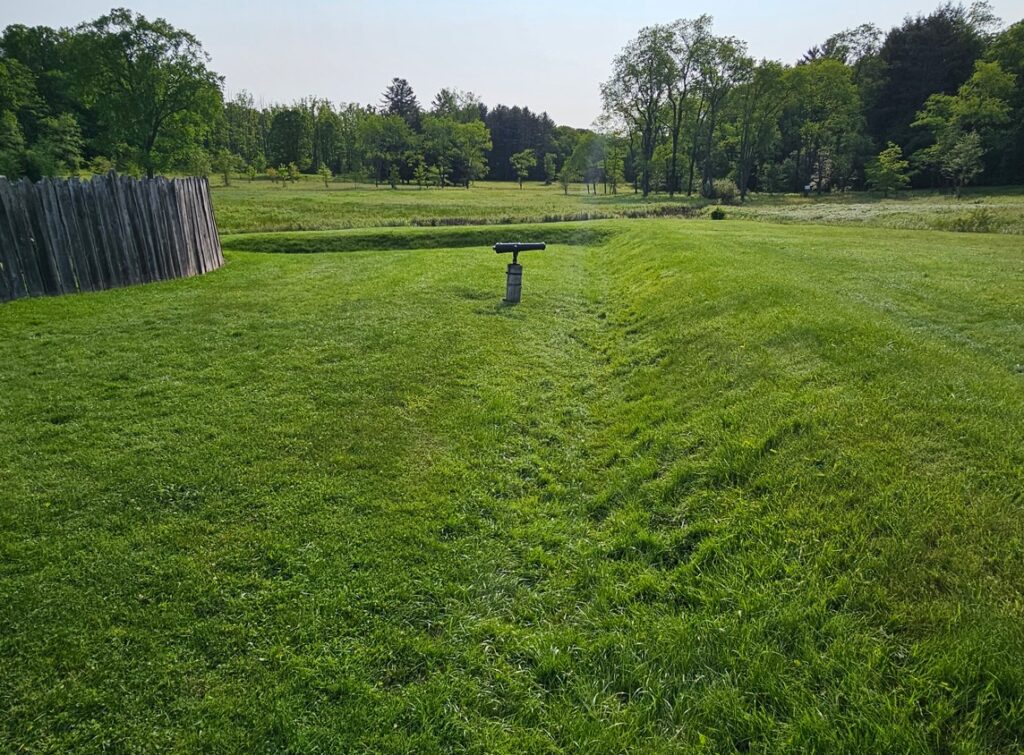
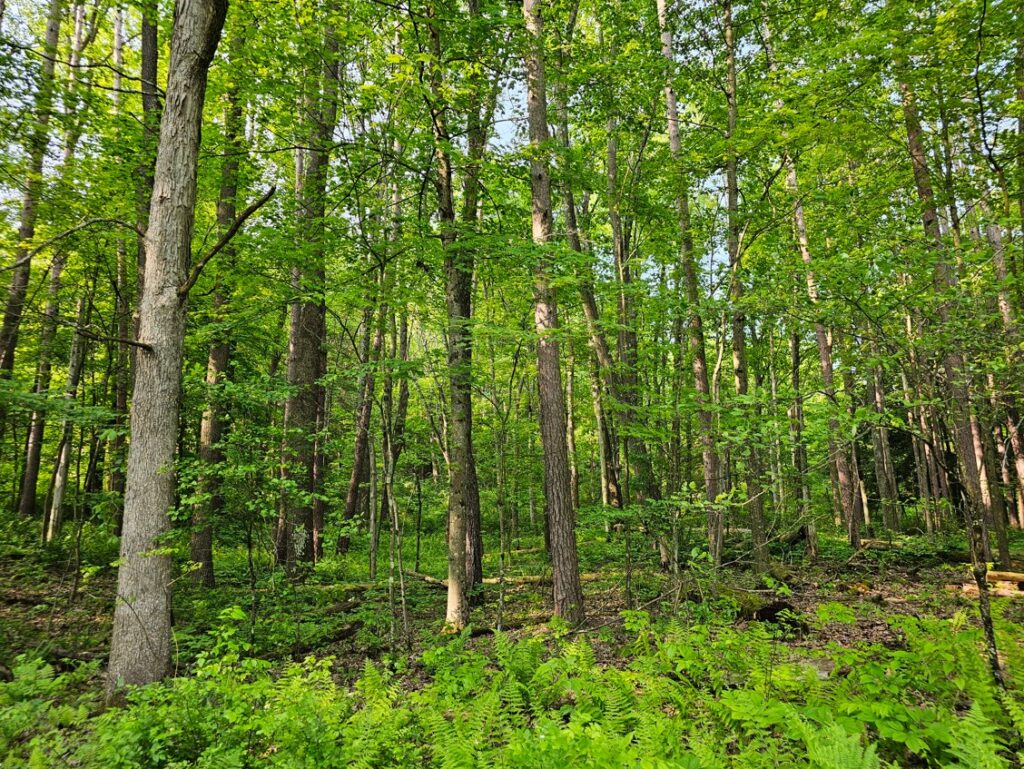
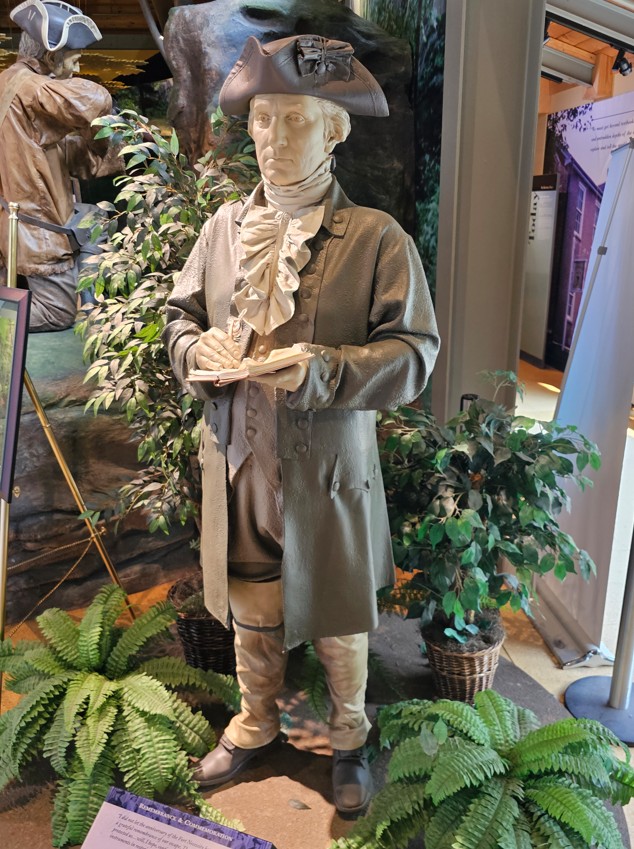
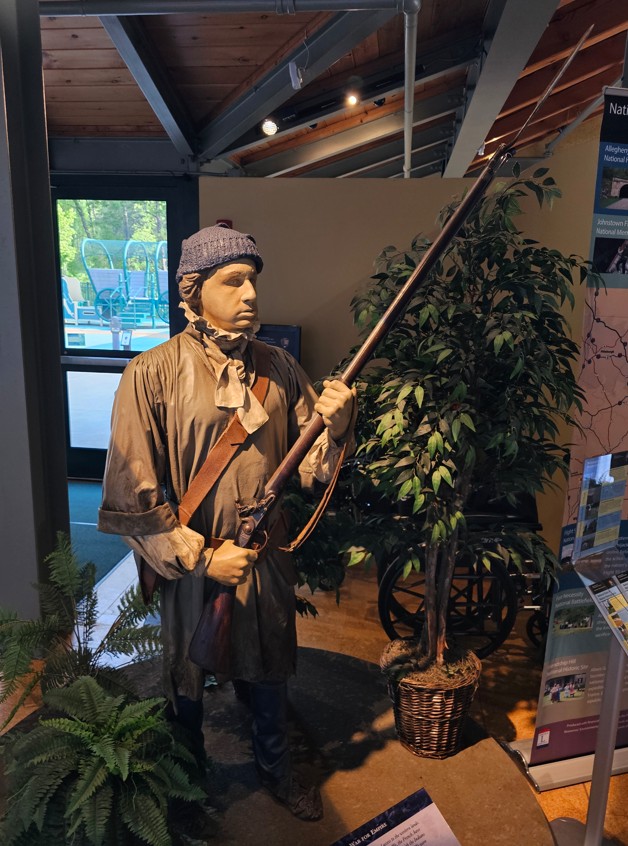
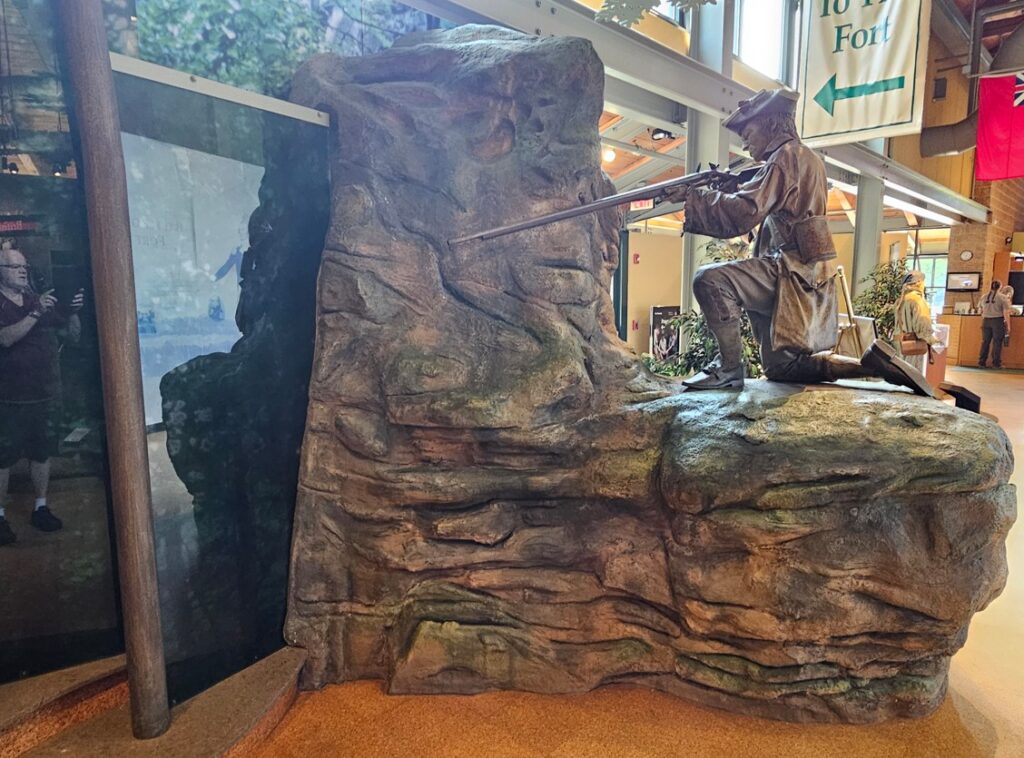
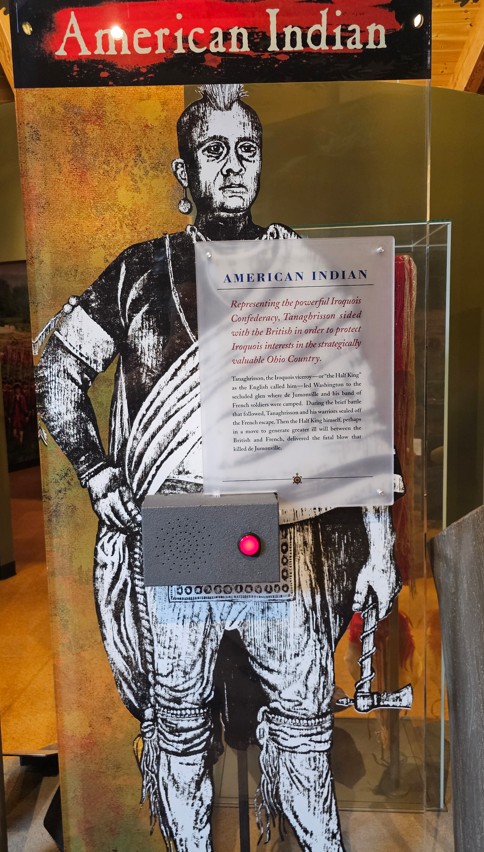
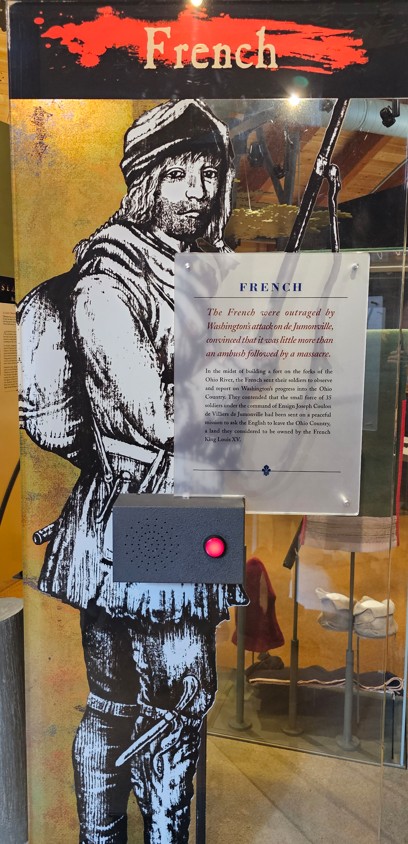
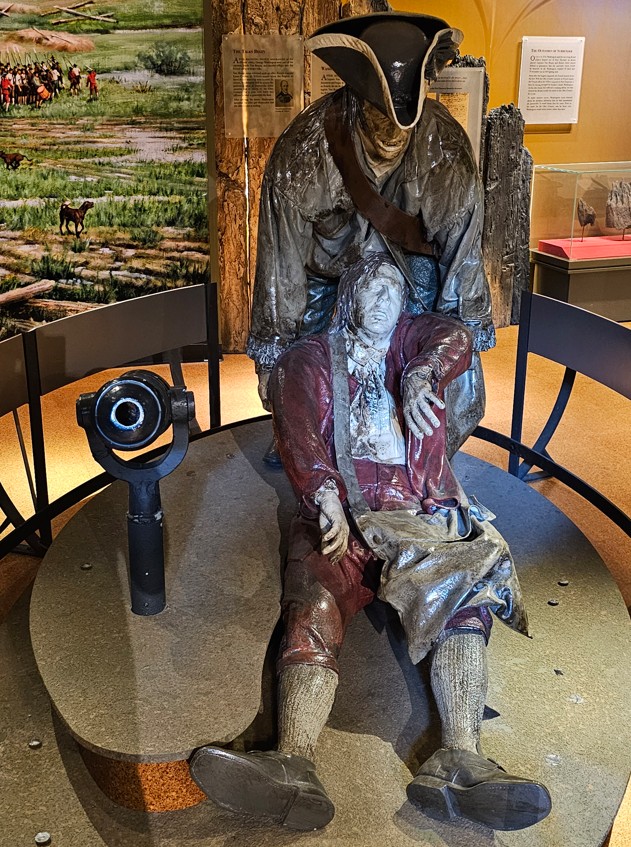
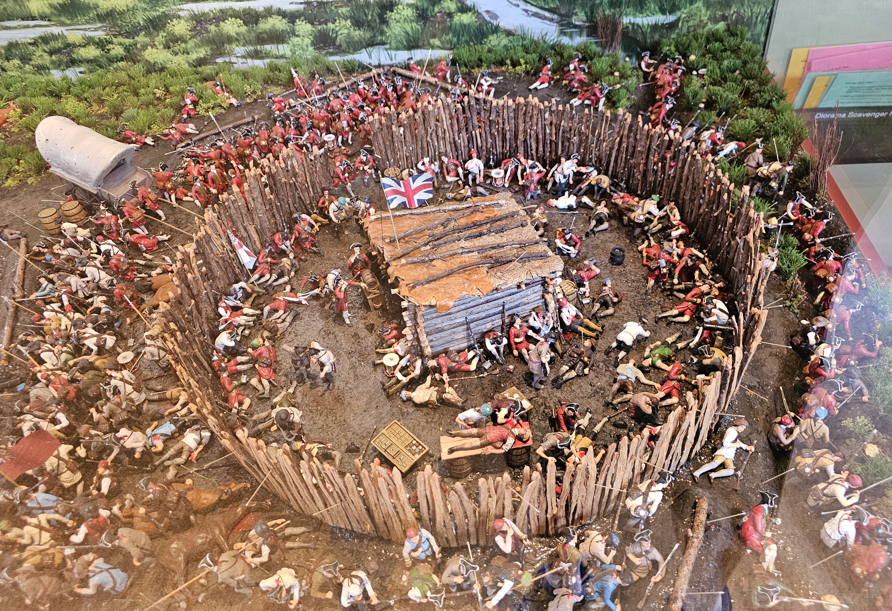
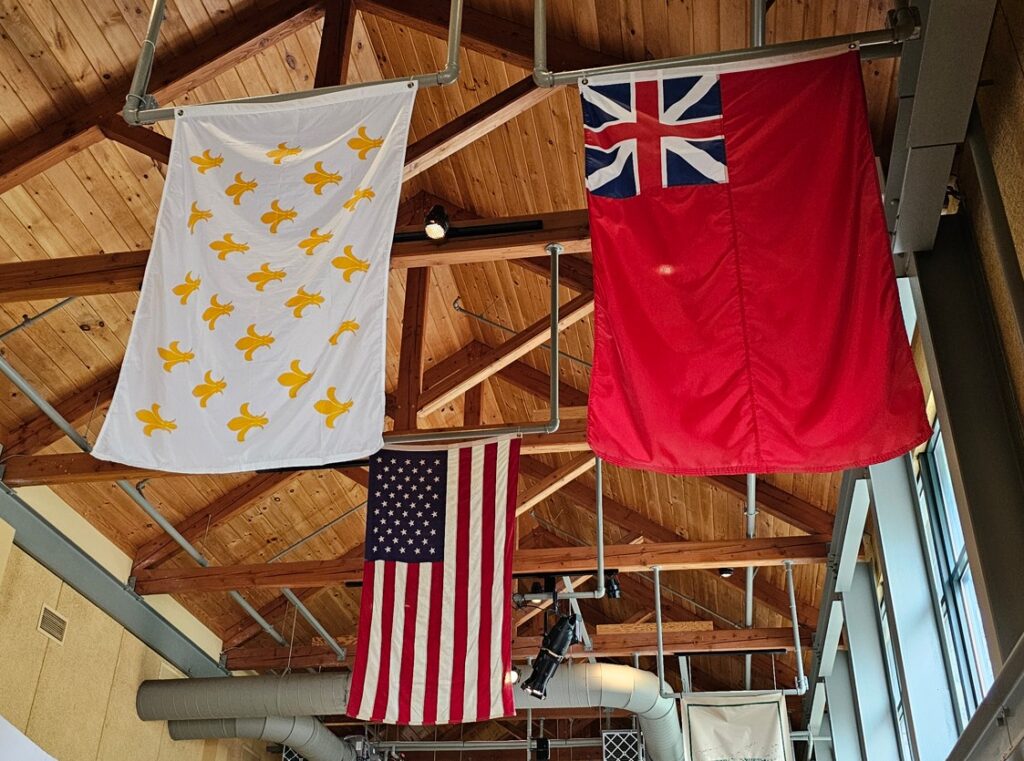
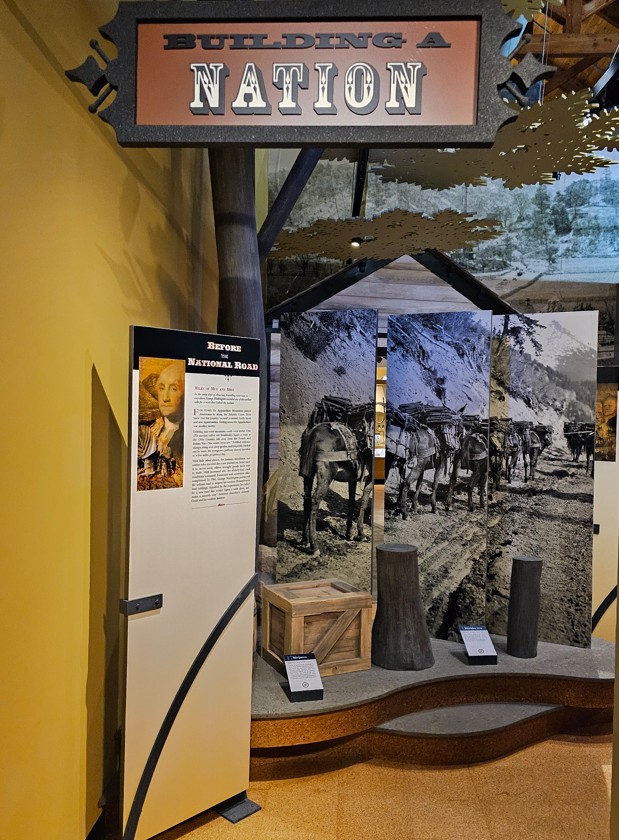
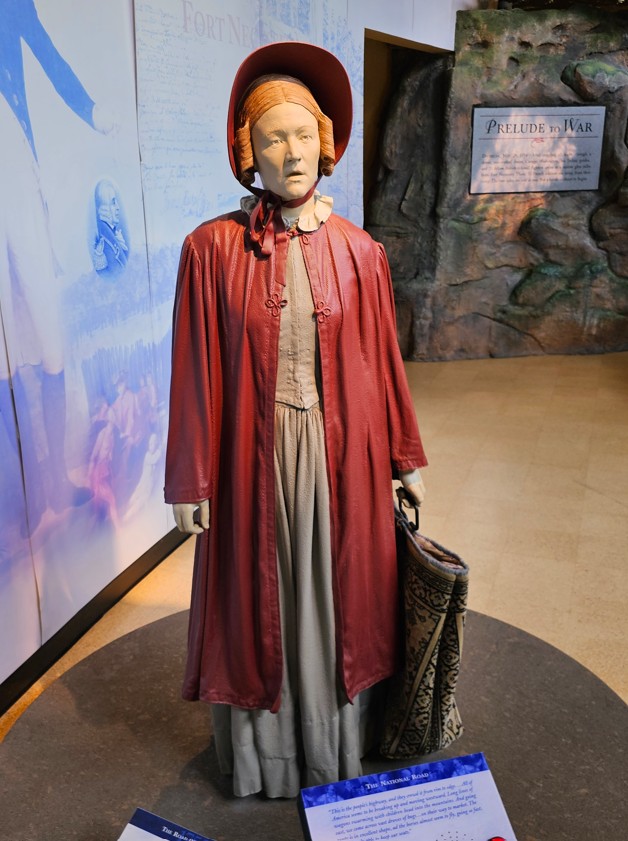
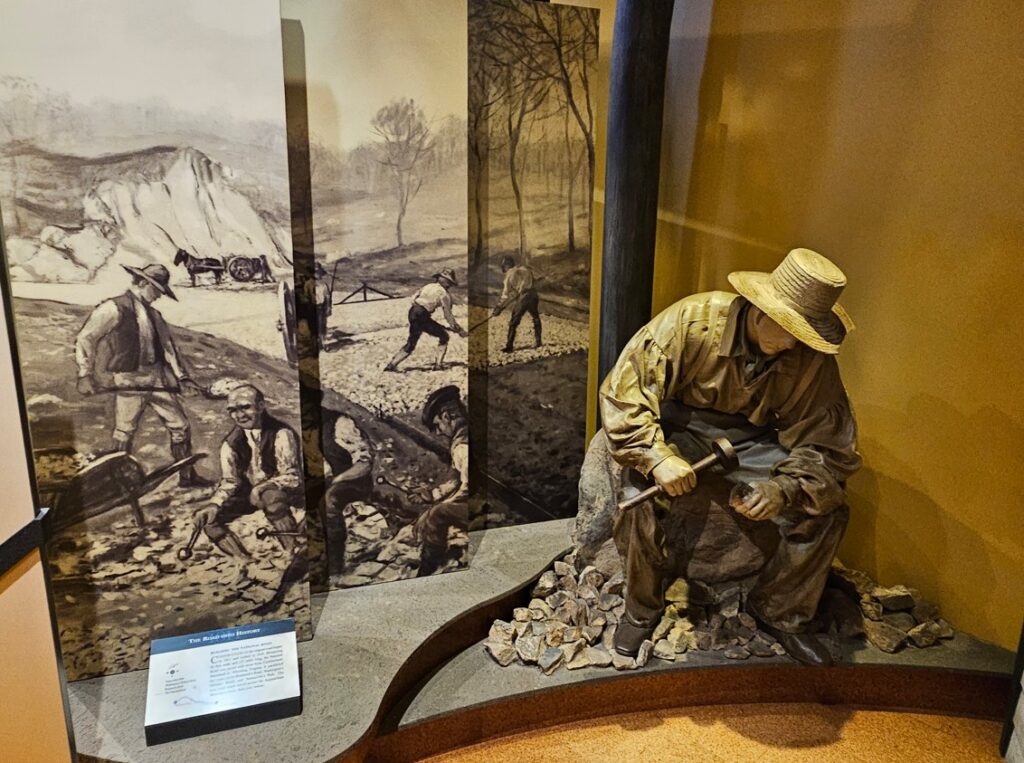
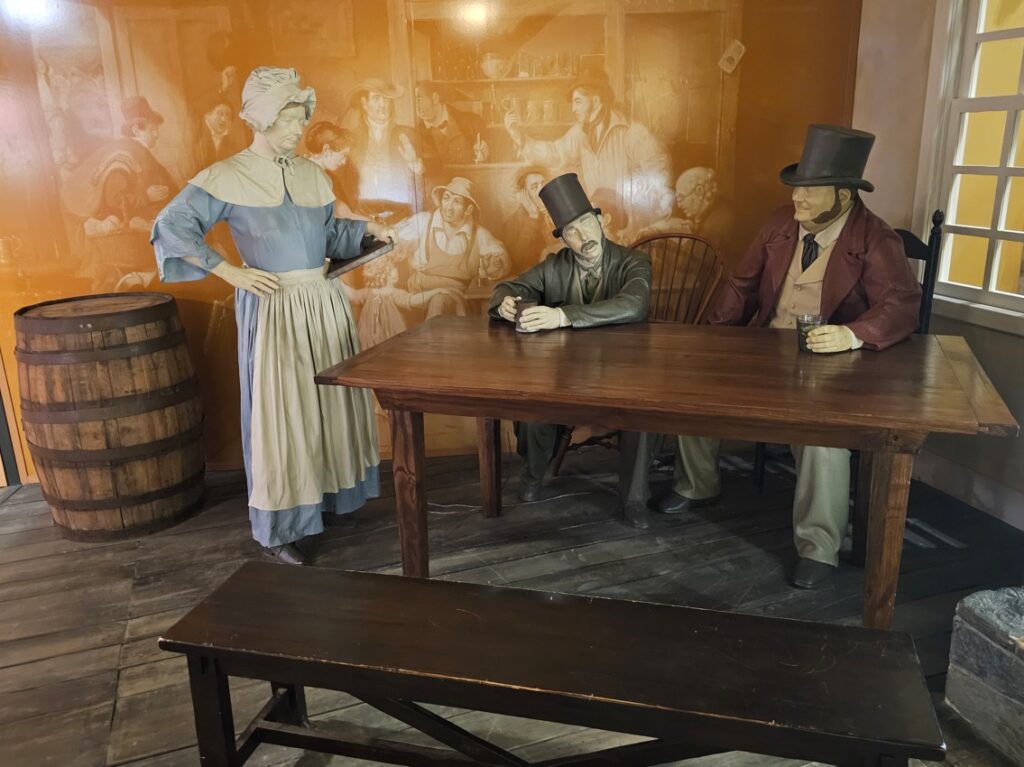
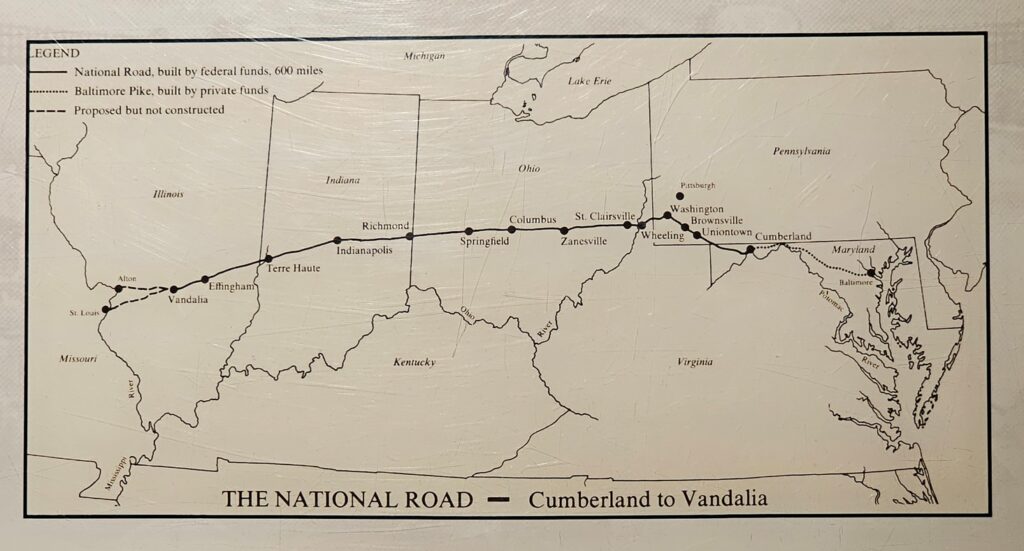
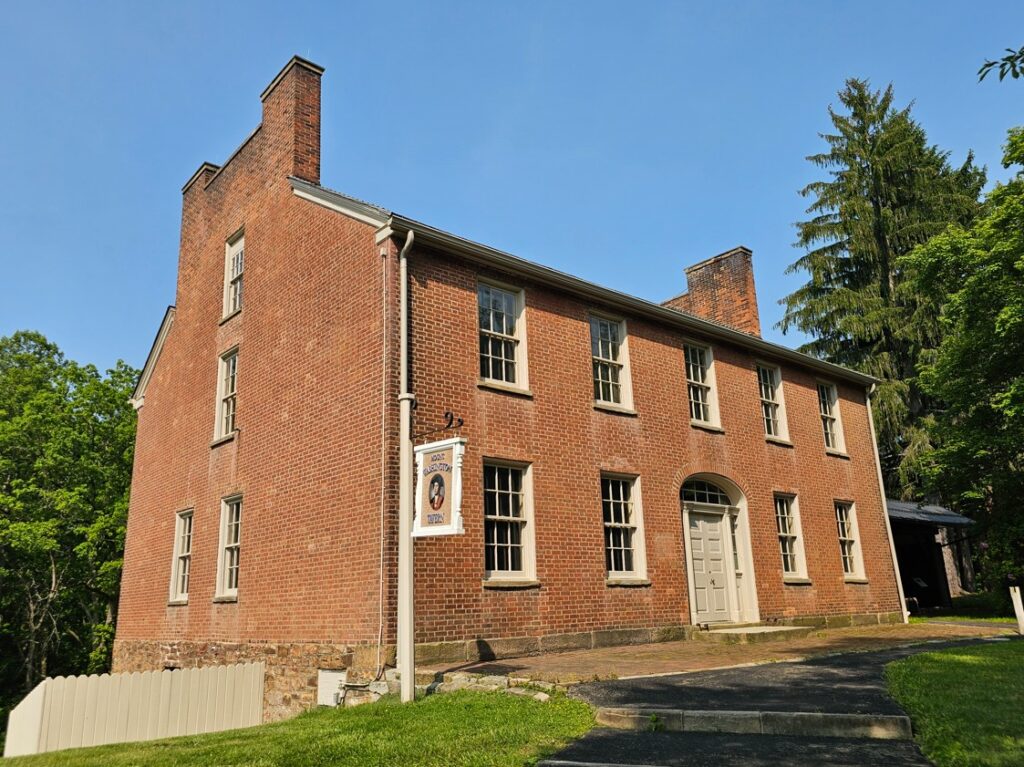
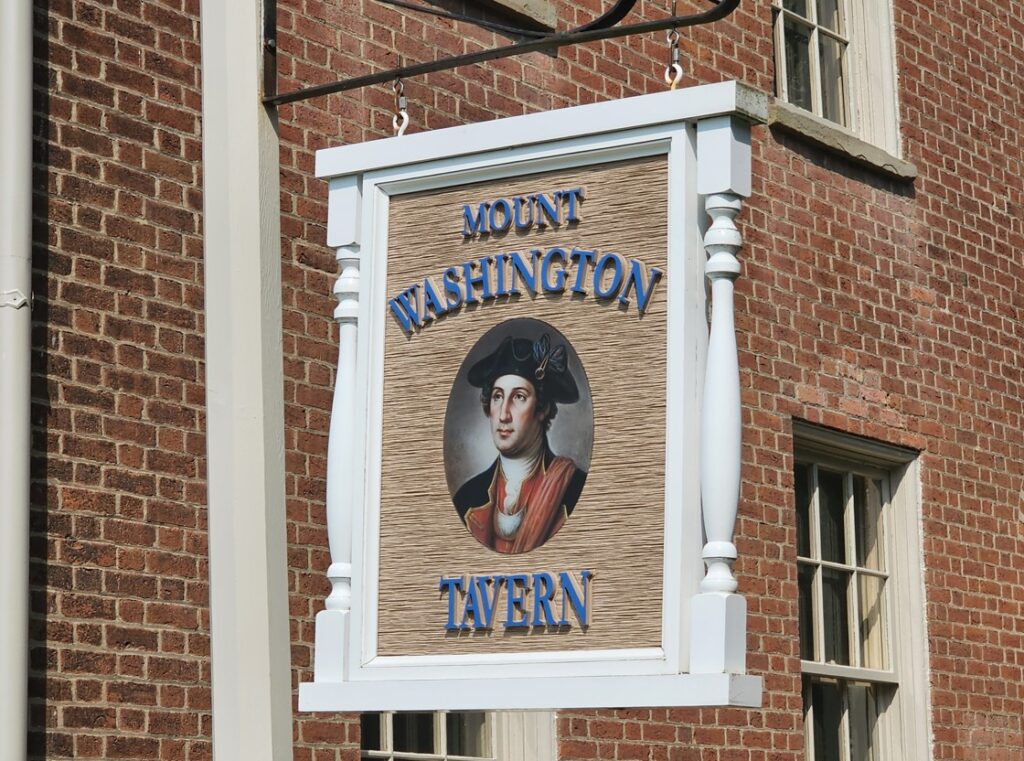
The rebuilt Fort NecessityInside wall of the small fort.Inside the shelter. Trench around the fort, and a small cannon. About 800 French and Indian soldiers emerged from these thick woods as they began the attack on the fort.30 years after the battle here, Washington returned to this site. His experiences here defined his life. He wrote “I did not let the anniversary of the Fort Necessity battle pass without a grateful remembrance of our escape. The same Providence that protected us will, I hope, continue his mercies and make us happy instruments in restoring peace and liberty”.Washington and his troops had to travel through dense forests with many dangers. To help the visitors overcome the physical and spiritual hardships of their travel, Indians performed a cleansing ritual known as “At the Woods Edge Ceremony”.In the 1750s three great cultures collided here at Fort Necessity. The French pushed south and west from Canada, British settlers pressed from the east, and American Indians were caught up in the middle. Each group felt they were in the right to claim this land.Battle displays in the Visitor Center.Battle combatants.Diorama of the battle at Fort Necessity.The story of Washington’s only surrender.The National Road.Today, US Route 40 passes by this battlefield site. This was the first federally funded highway built by the US government, called “The National Road”, and is considered the road that made the US a nation. Nemacolin, a Delaware Indian scout, blazed the initial route as a pack trail in 1751-1752, from Wills Creek to Brownsville PA. It was a very busy road in the early 1800s. Originally the National Road ran from Cumberland MD to Wheeling WV, cutting a passable road through the mountains. Ultimately the National Road, combined with Baltimore Pike, ran from Baltimore MD to Vandalia IL.Construction of the original National Road started in 1811 and completed in 1818. It was 66 feet wide and 137 miles long. It made travel across the Appalachian Mountains faster than ever before. It paralleled the route cut but Braddock’s Road and Namacolin’s Path.Scenes along the National Road.Mount Washington on US Route 40 today, near Fort Necessity Battlefield.