Galesburg Illinois

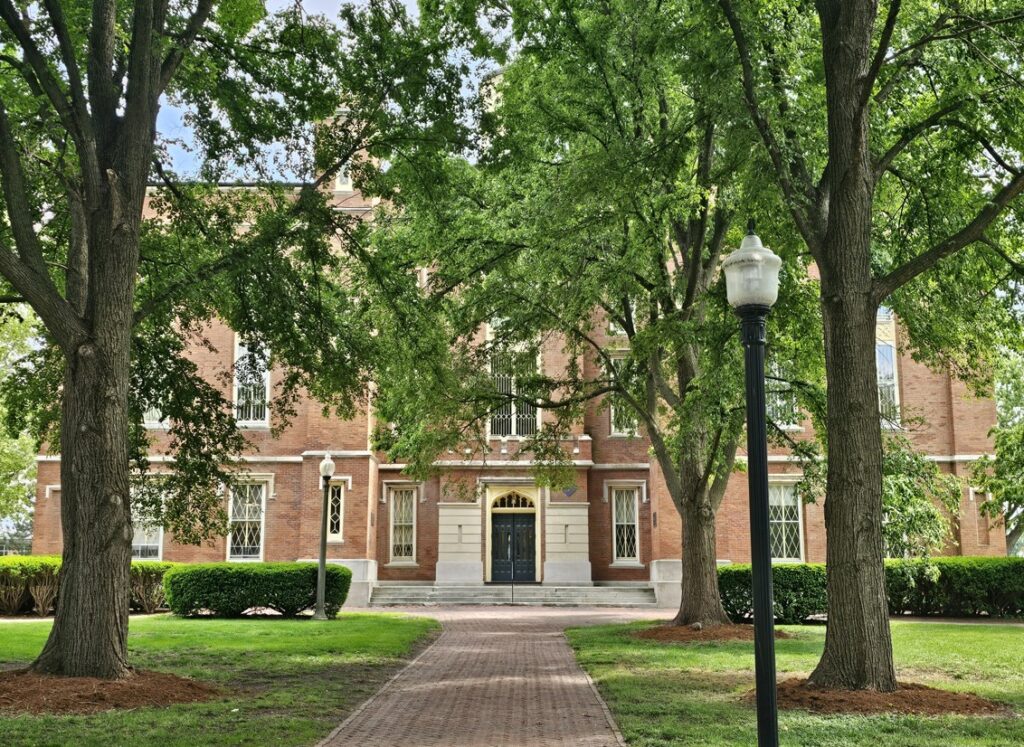
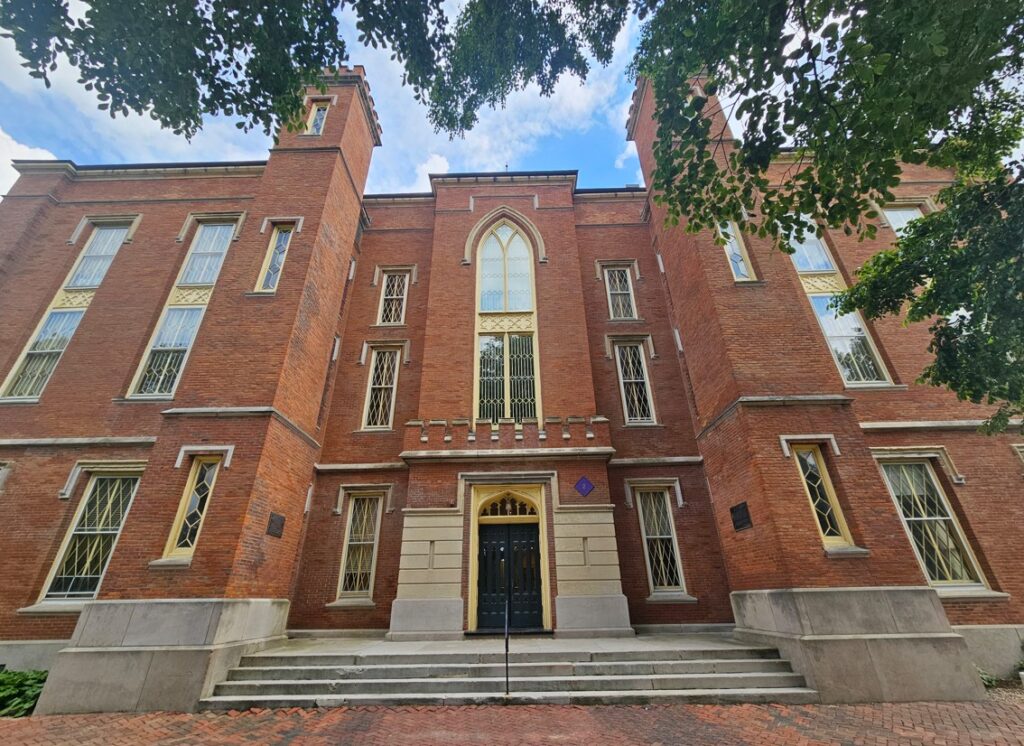
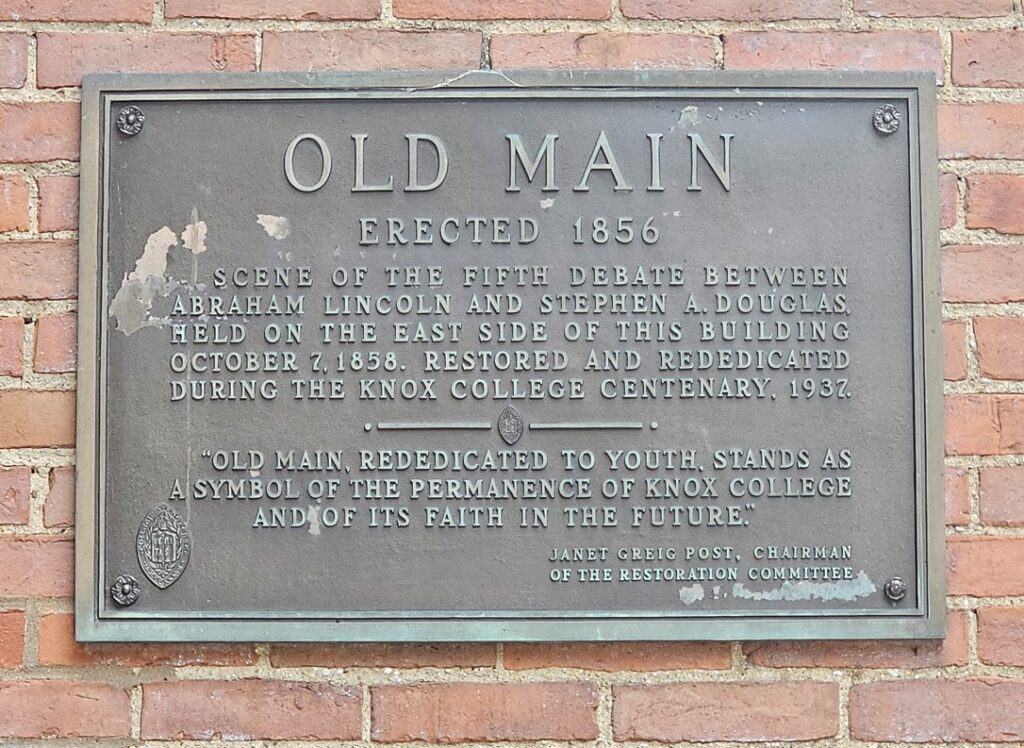
Old Main on the campus of Knox College in Galesburg IL was the site of the fifth of the famous Lincoln-Douglas debates, on October 7, 1858.
Steven A. Douglas said: Equality among the different states is a cardinal principle upon which all our institutions rest.
To which Abraham Lincoln replied: He is blowing out the moral lights around us who contends that whoever wants slaves has a right to hold them.
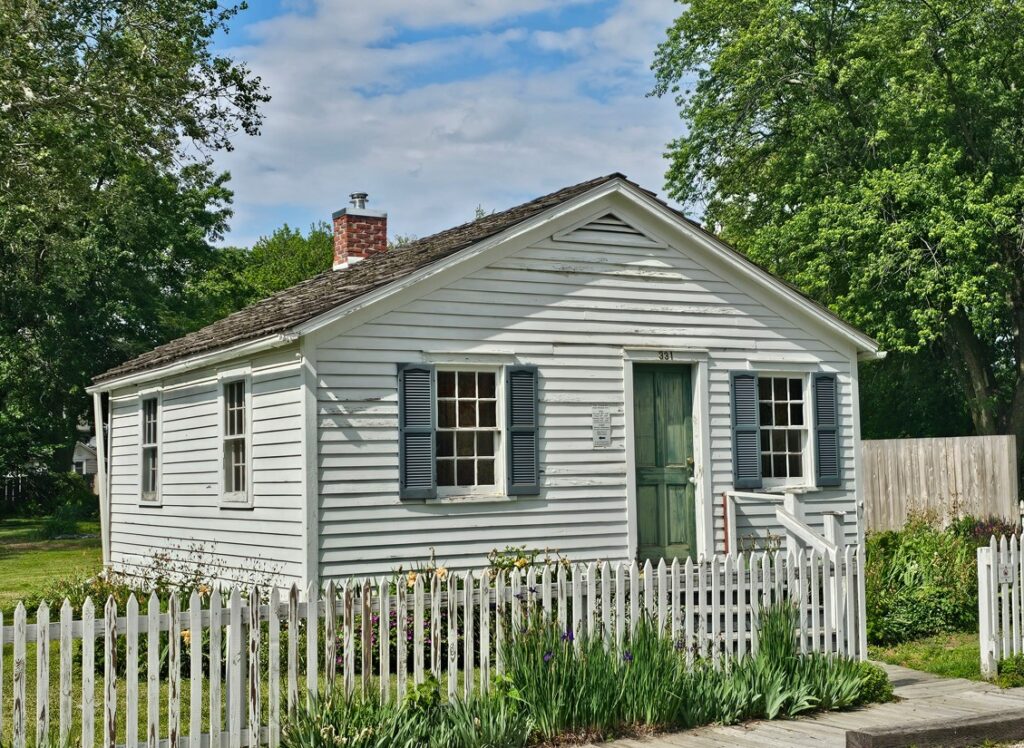
Birthplace of author and historian Carl Sandburg, who wrote a biography of Abraham Lincoln.
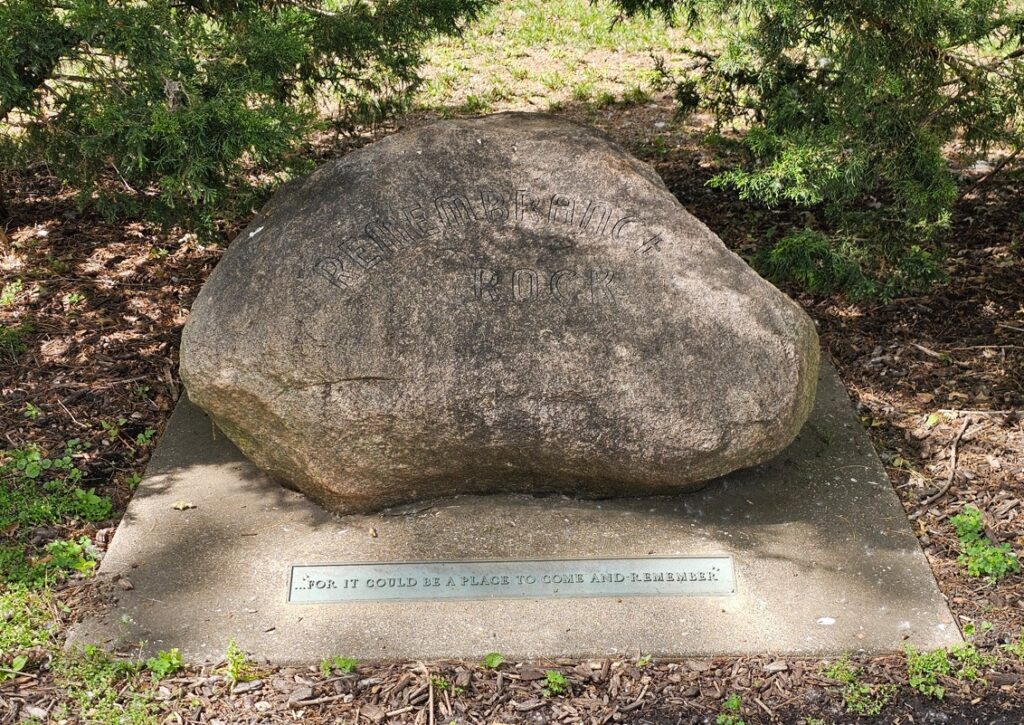
Sandburg’s ashes are buried under this rock.
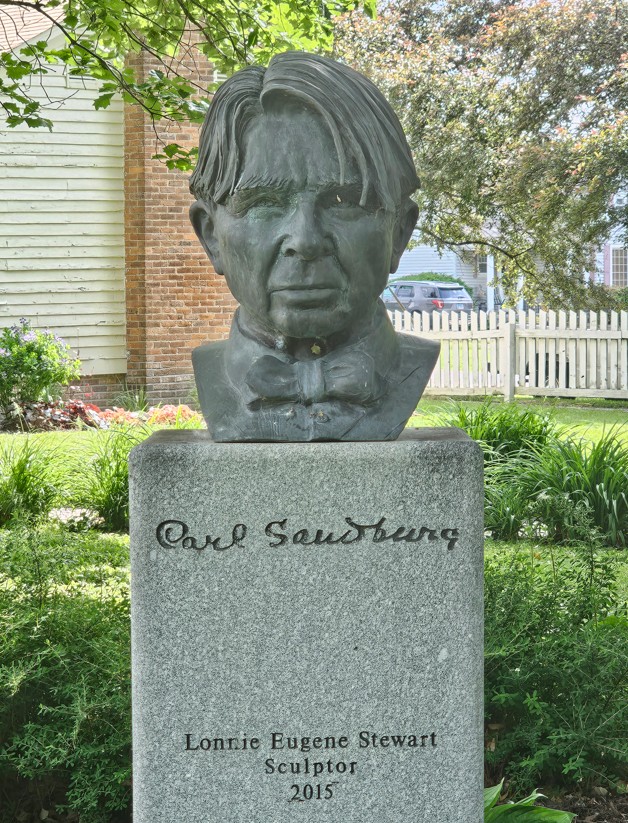
Sculpture of Carl Sandburg

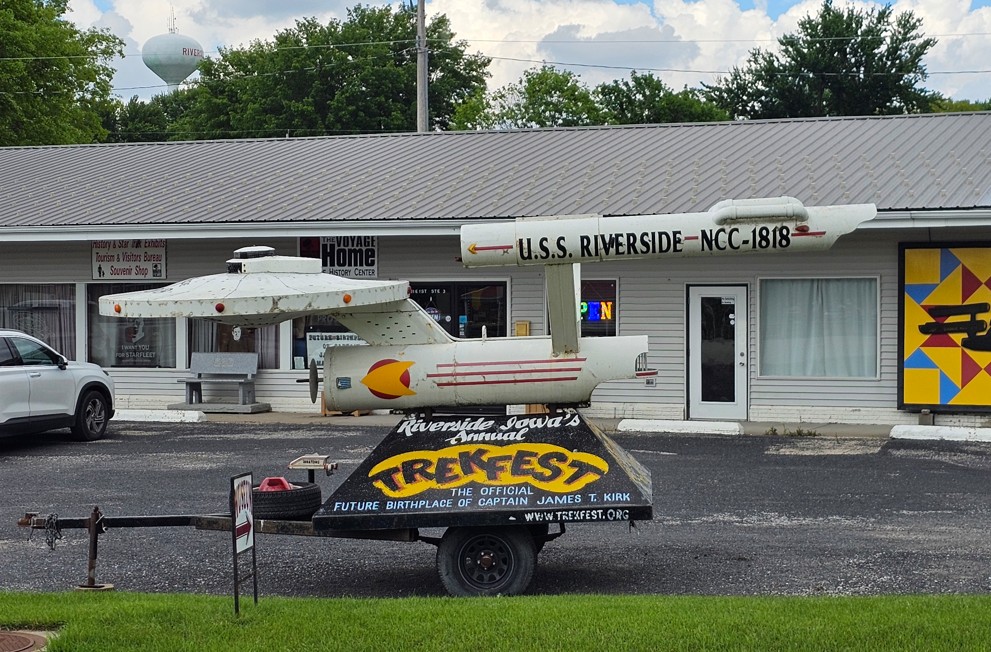
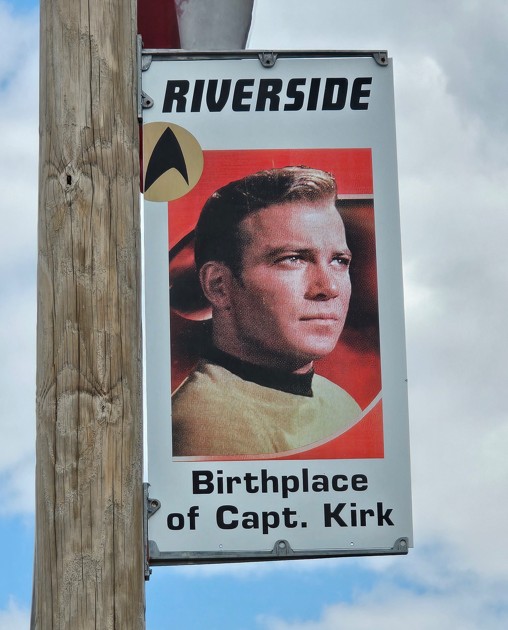
Future Birthplace of Captain Kirk

Riverside IA

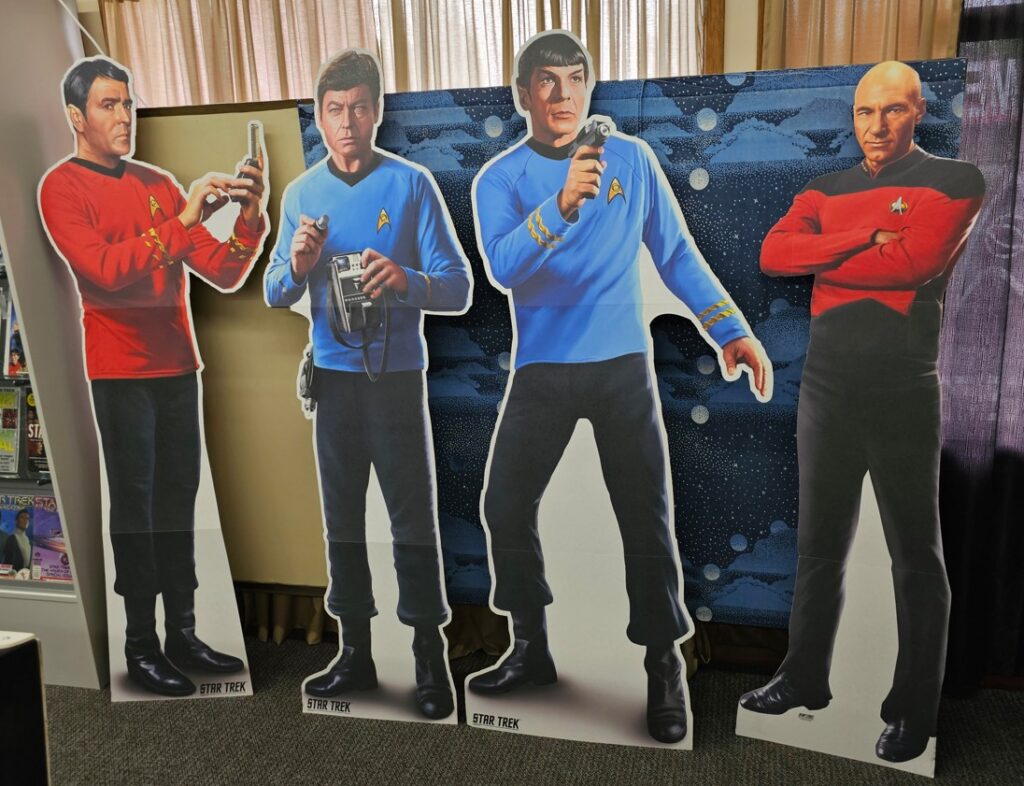
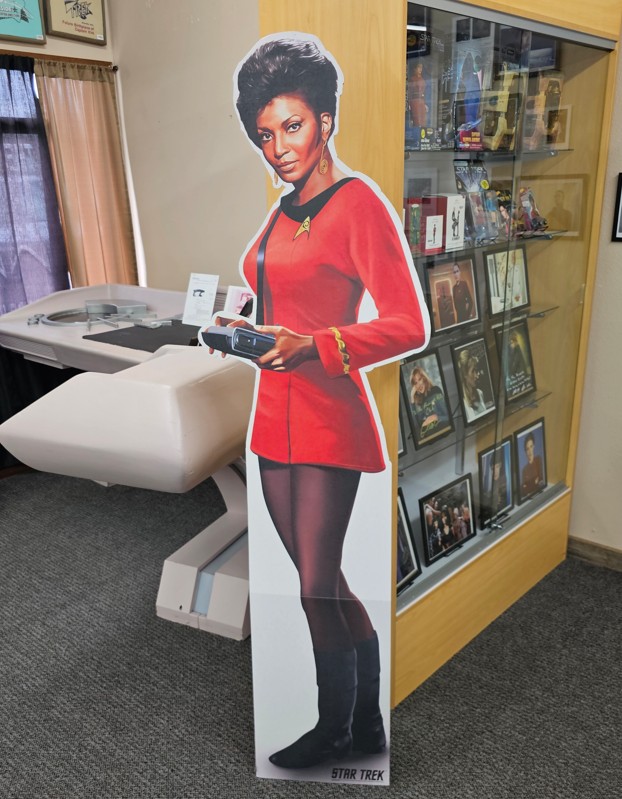
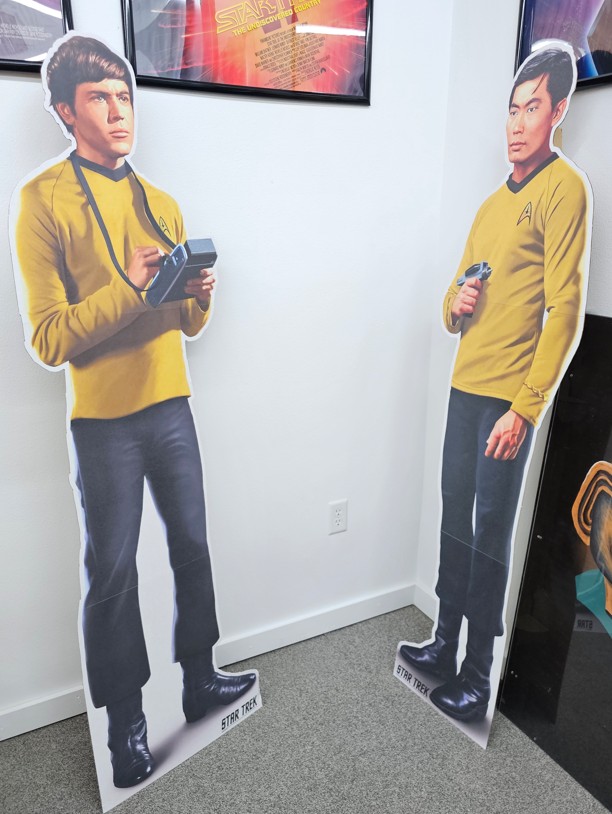
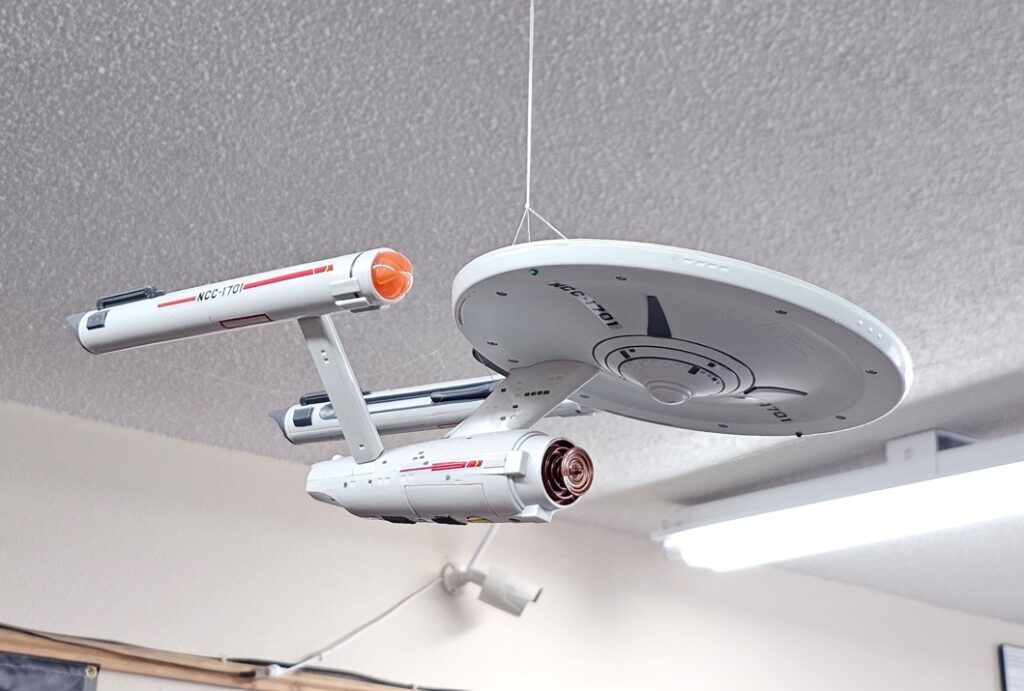
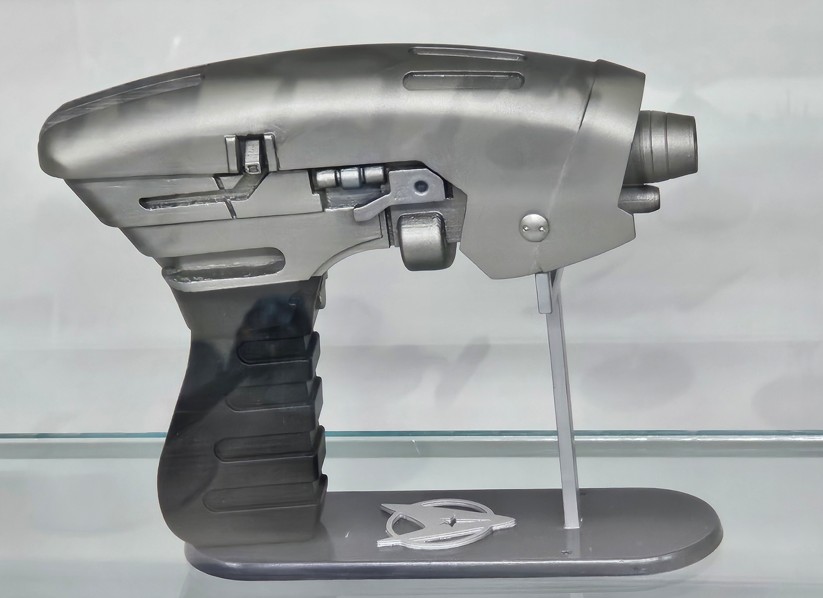
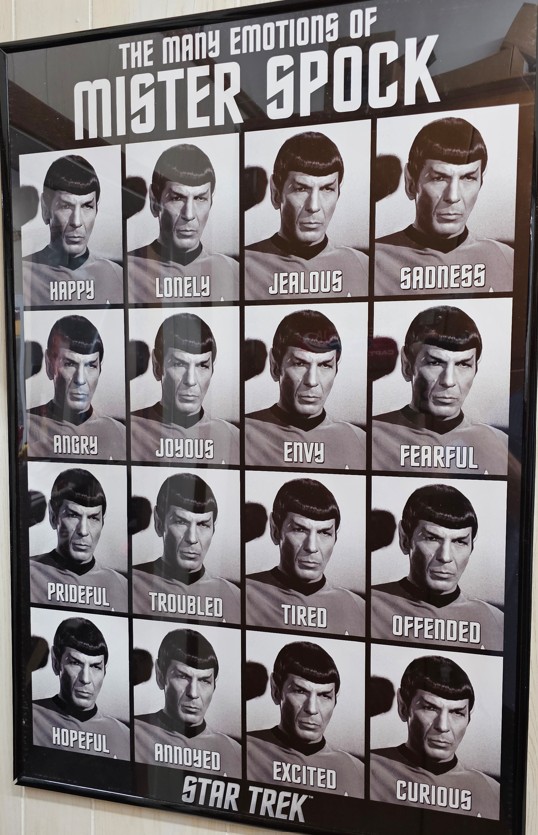
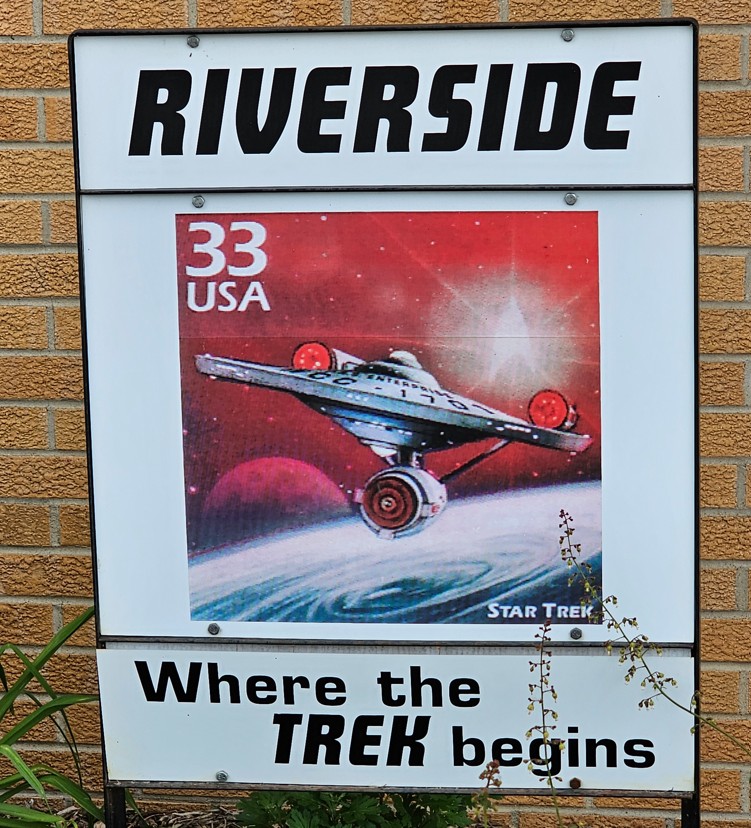
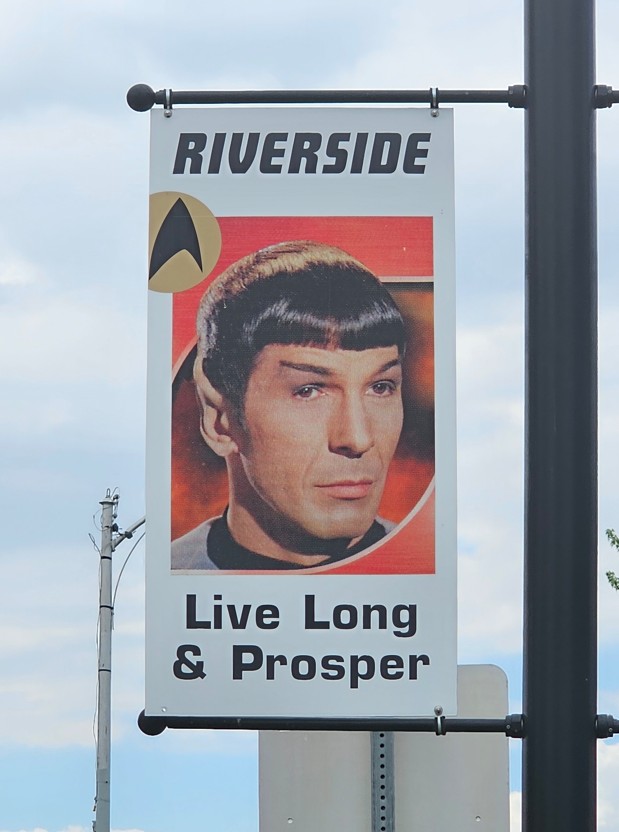
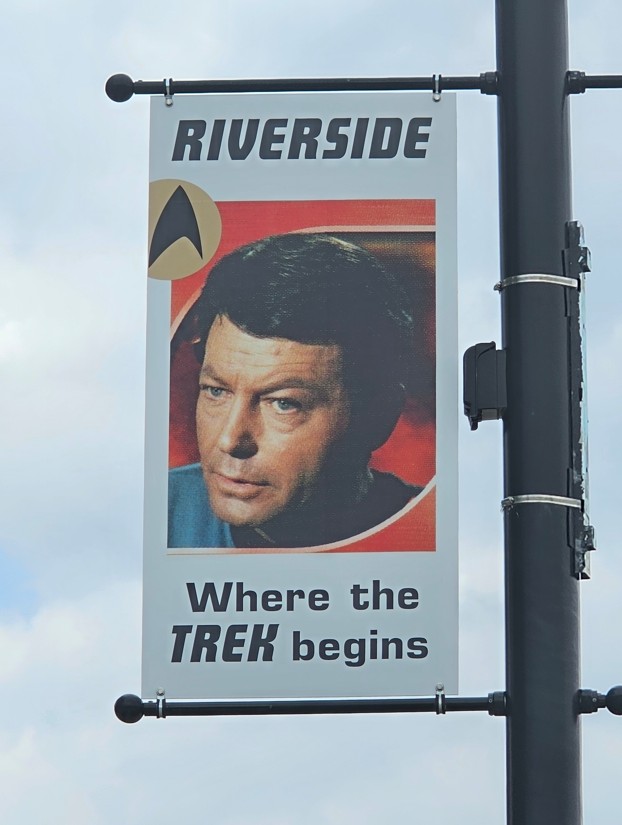
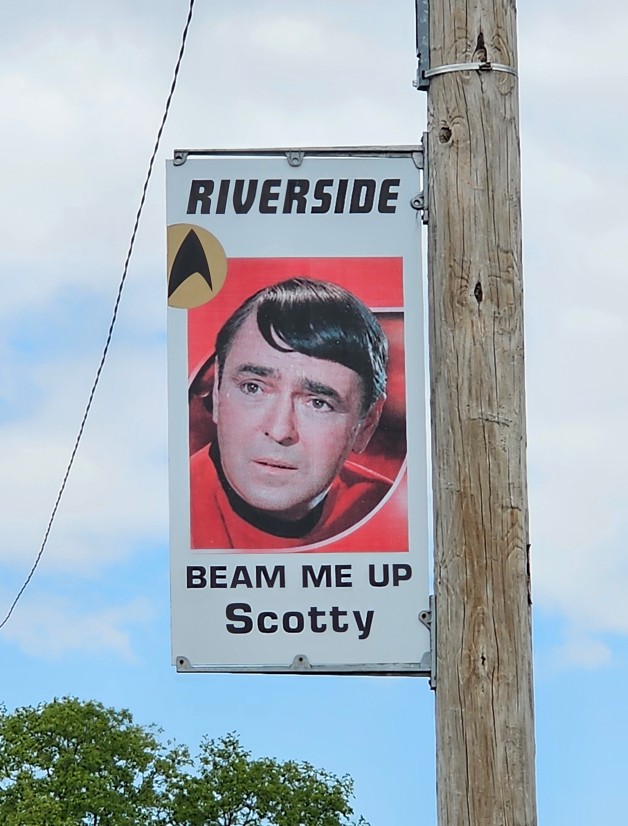
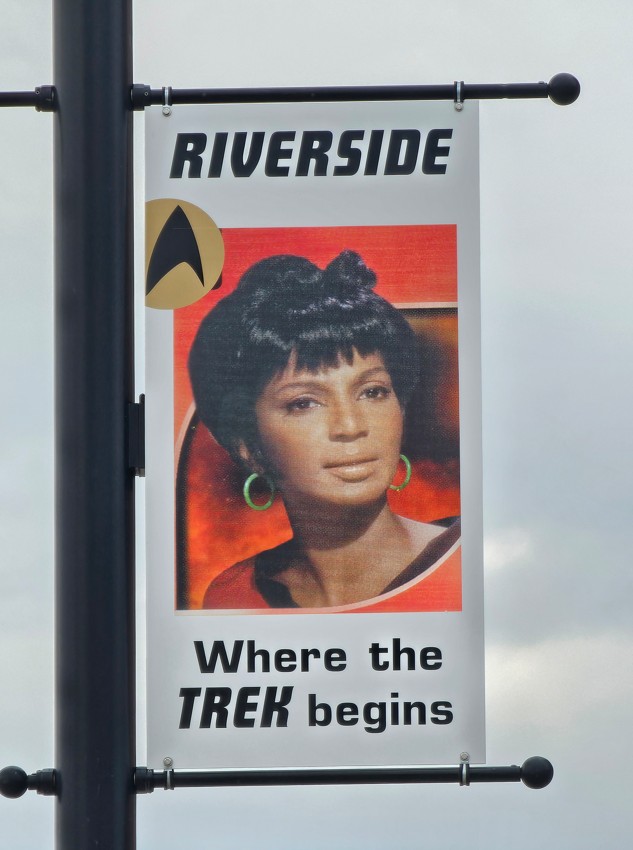
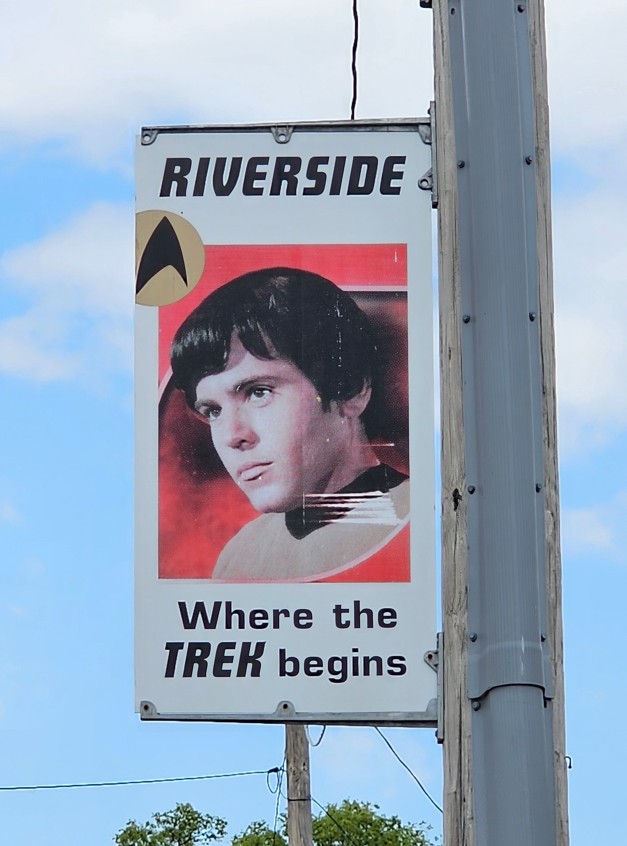
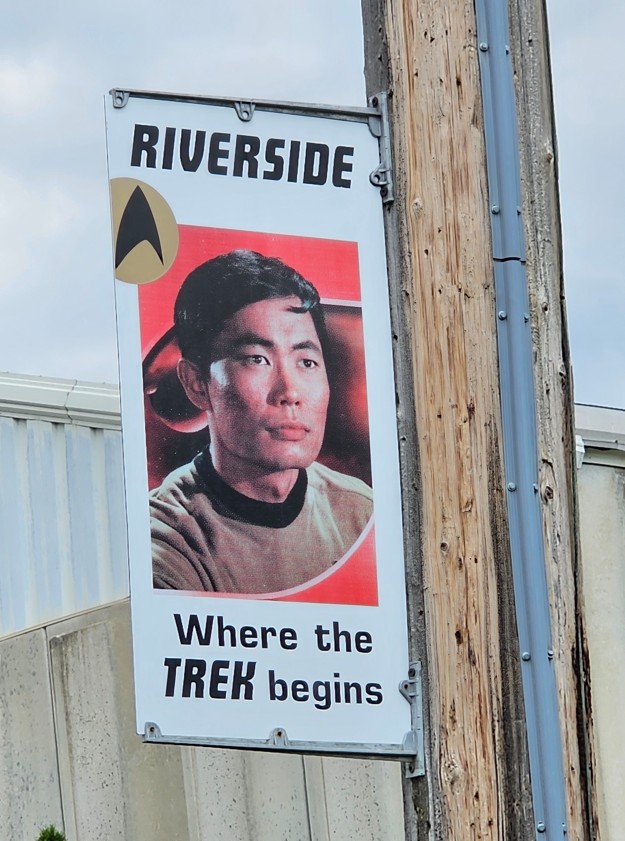
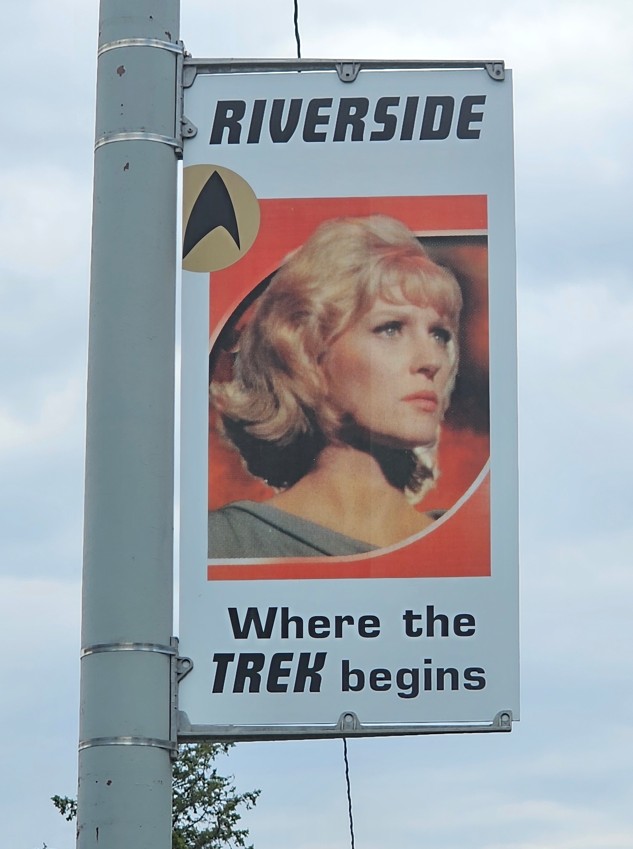
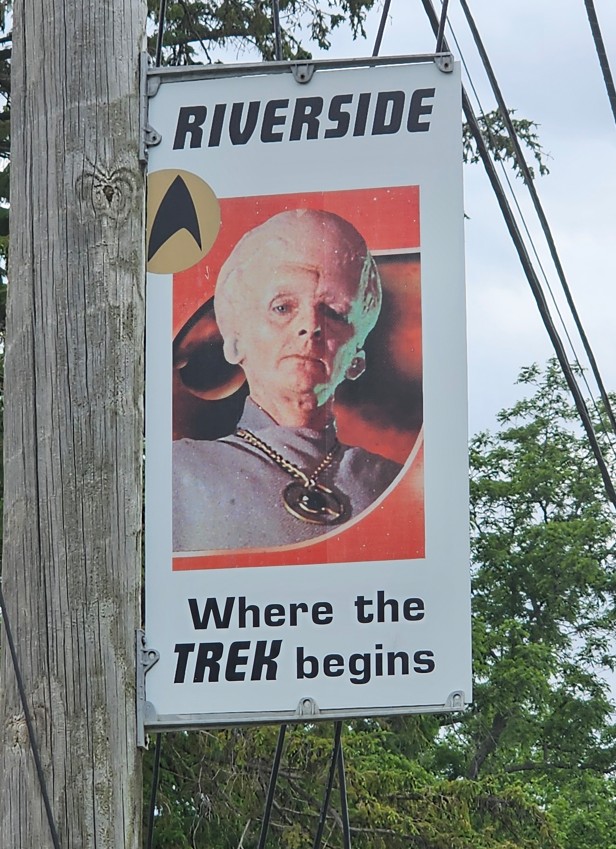
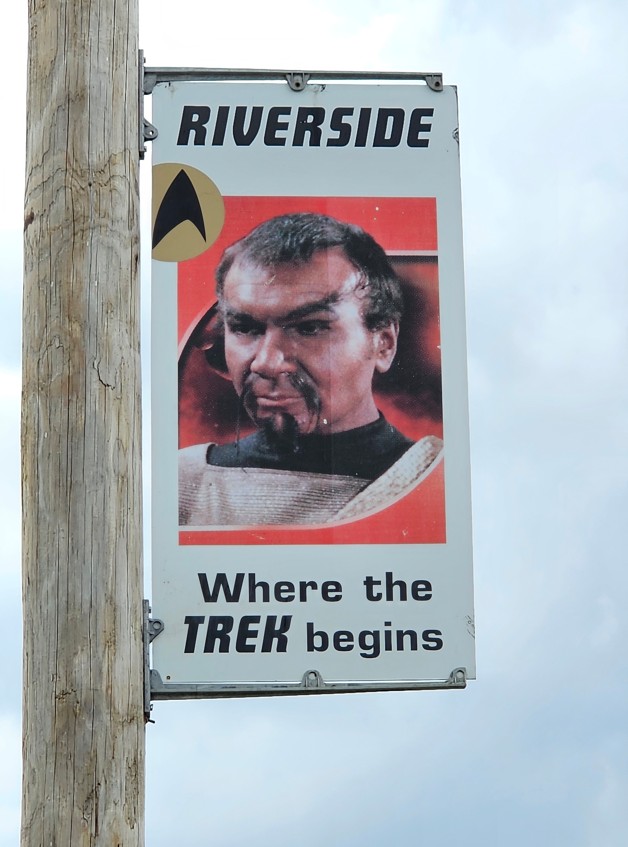
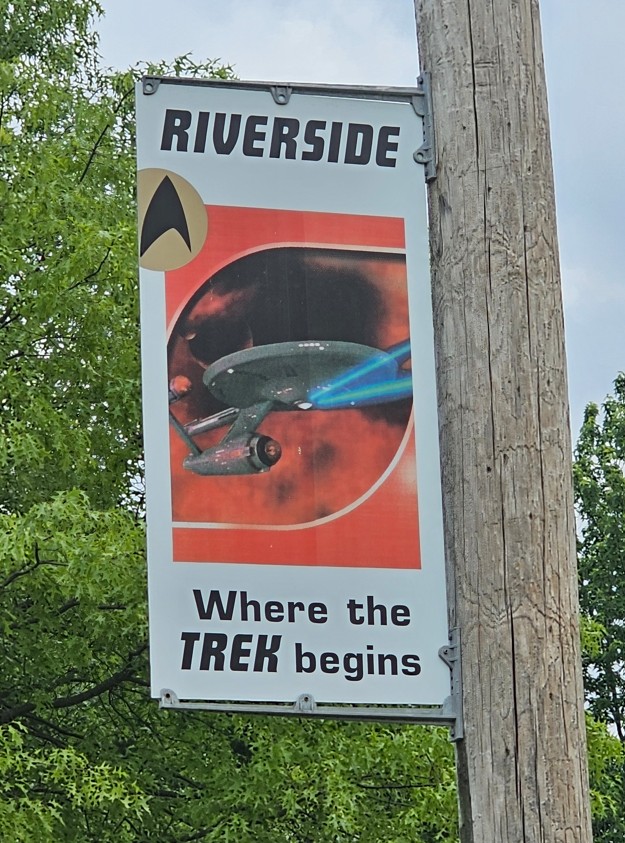
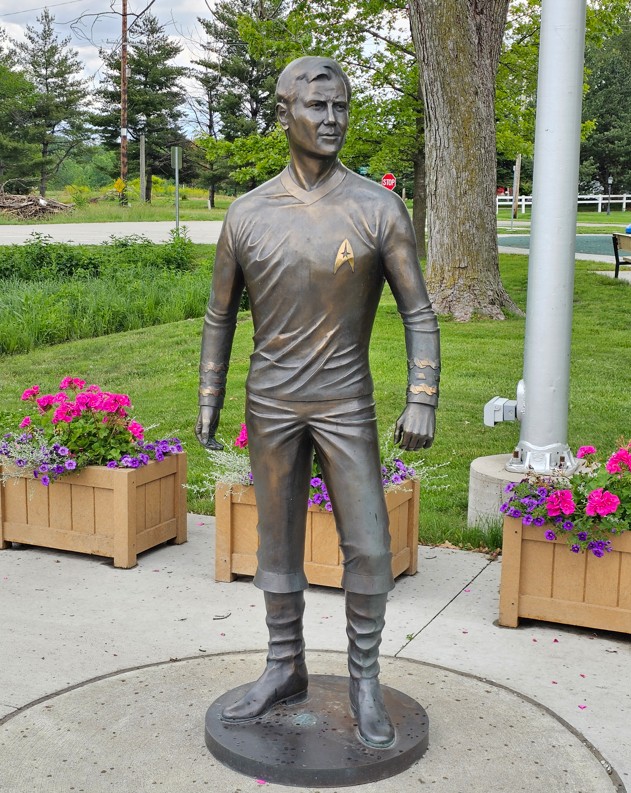
Star Trek creator Gene Roddenberry once wrote that Captain Kirk was born in a small town in Iowa. In 1985, Riverside IA claimed to be that town, and since then have erected a marker on the spot of Captain Kirk’s future birth. City lightposts display banners of the major characters of the series, and there is a museum (The Voyage Home Museum) with a fair amount of memorabilia. They have a Trek Fest celebration every year that draws thousands to this tiny town. There is also a Captain Kirk statue!
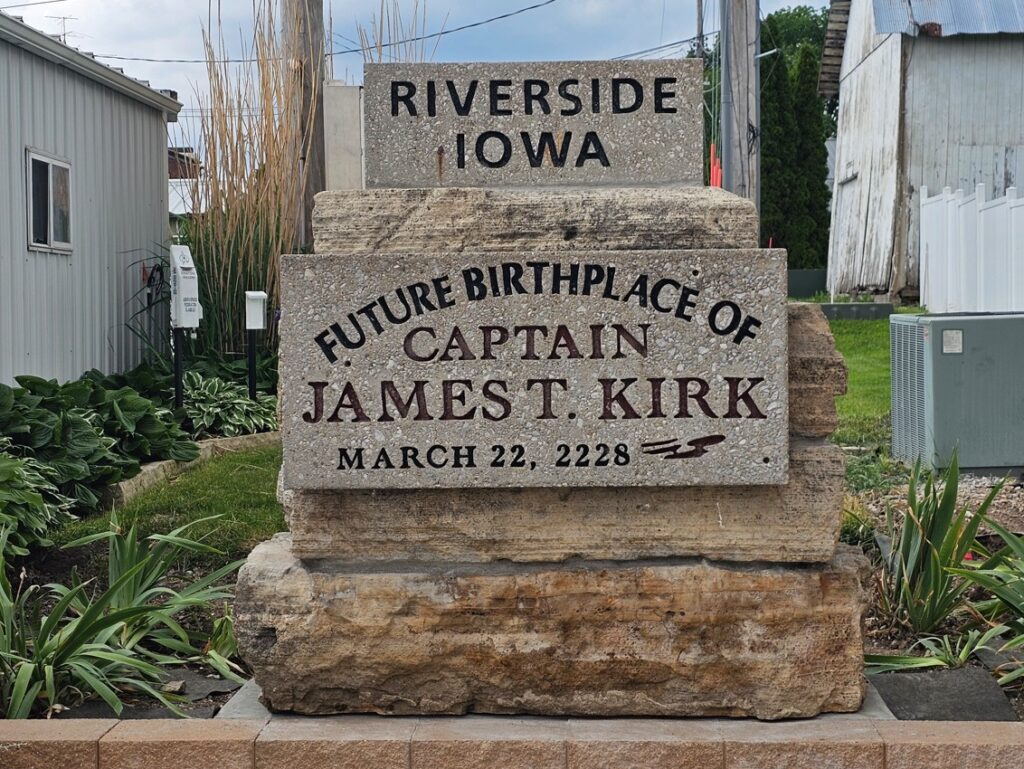
This marks the spot where Captain Kirk will be born.
Outside of the Voyage Home Museum
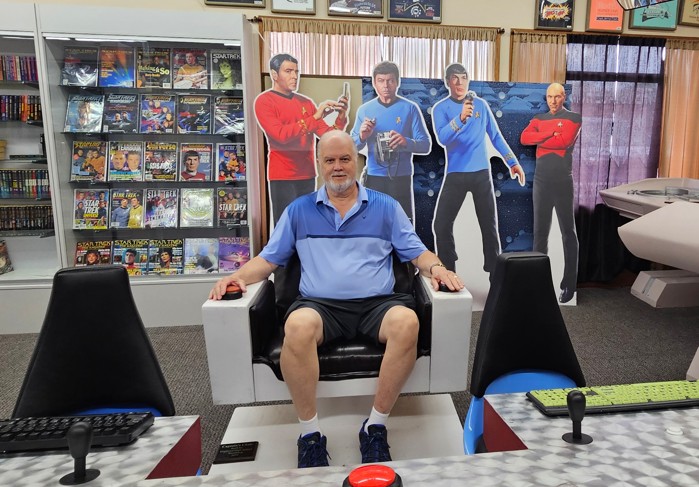
In the captain’s chair
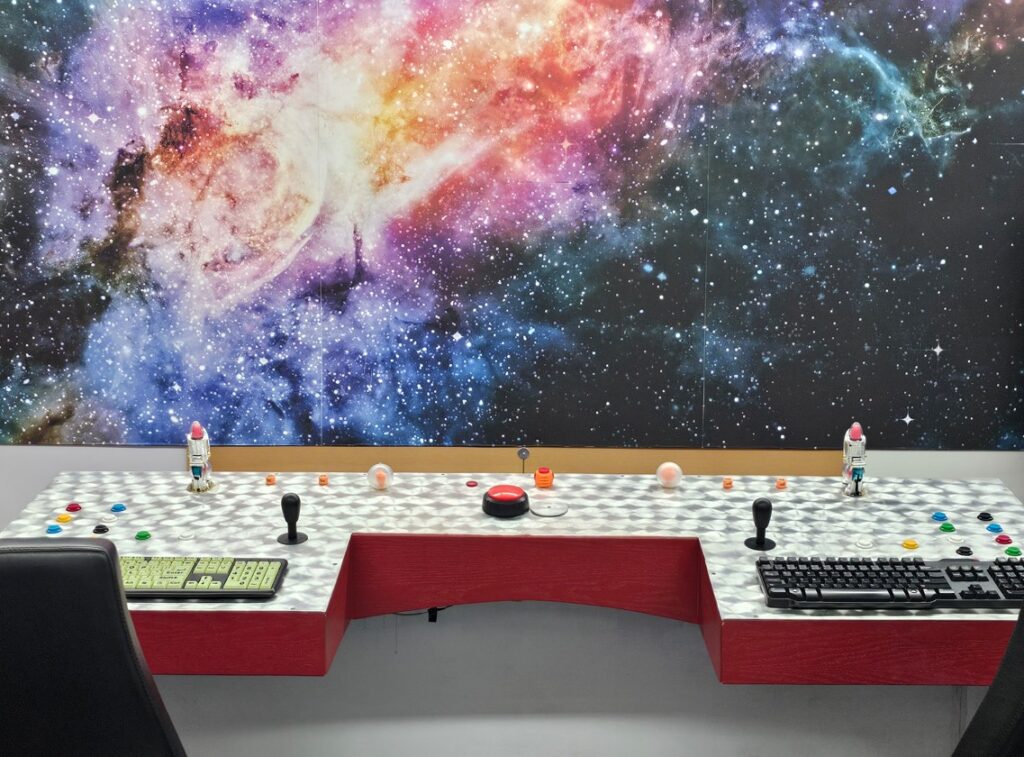
Front viewing screen
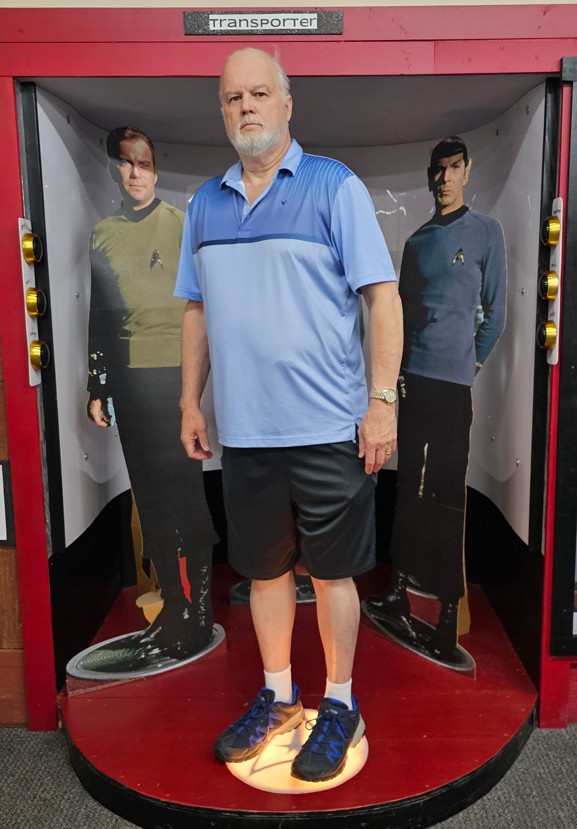
In the Transporter
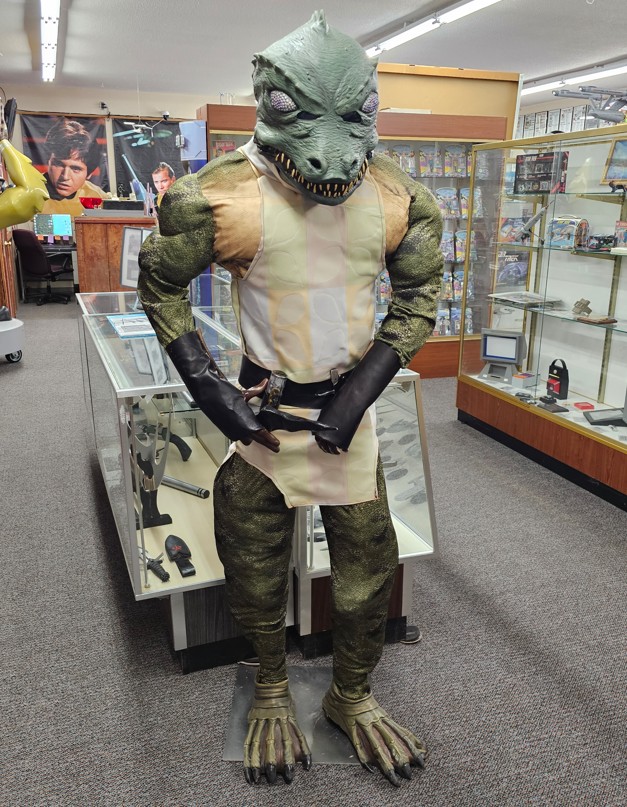
Gorn from the Arena episode of the original Star Trek series
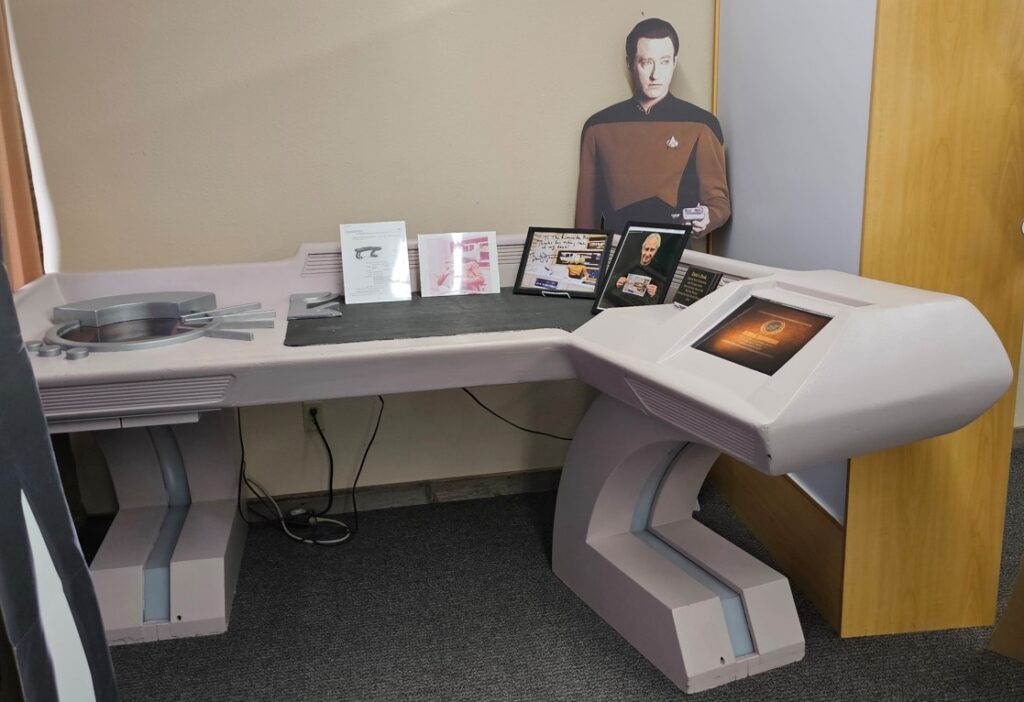
This is the actual desk from Star Trek The Next Generation series that Data sits at

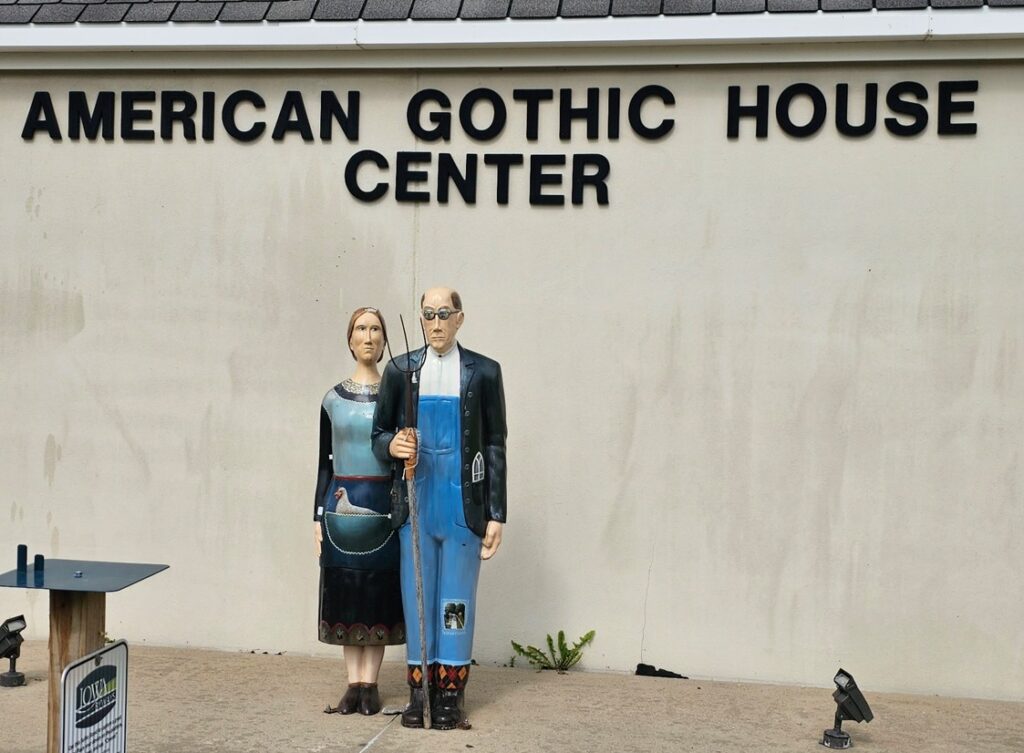
American Gothic

Eldon IA
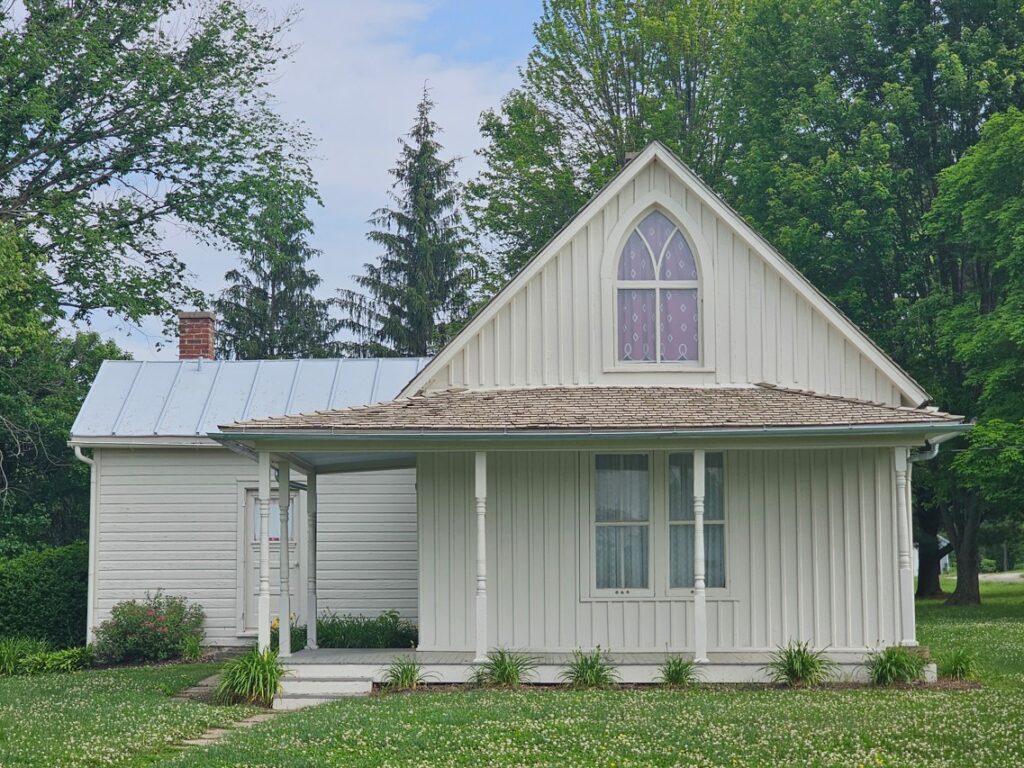
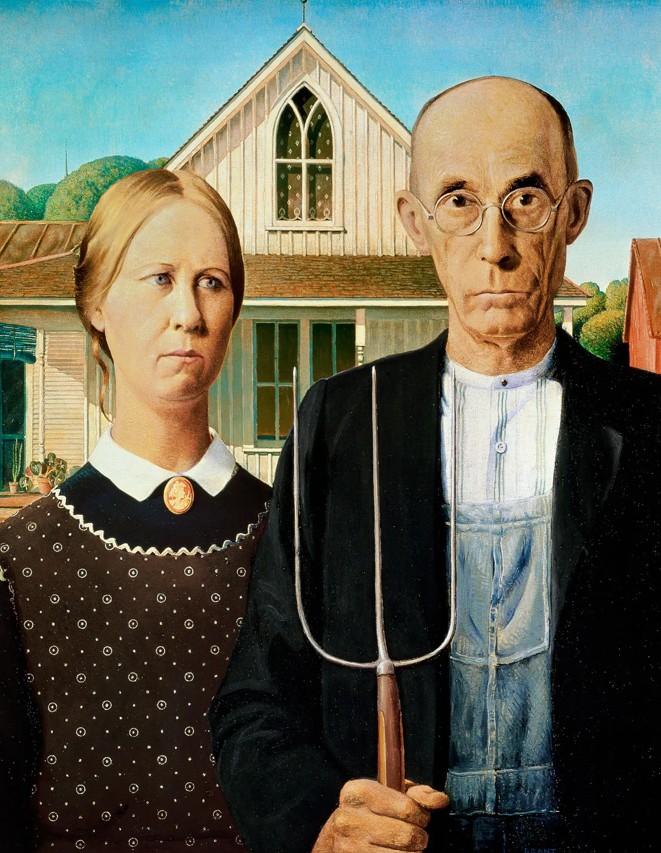
Grant Wood painted American Gothic in 1930, depicting a Midwestern farmer and his wife or daughter standing in front of their Carpenter Gothic style home. It is one of the most famous American paintings of the 20th century and is frequently referenced in popular culture.
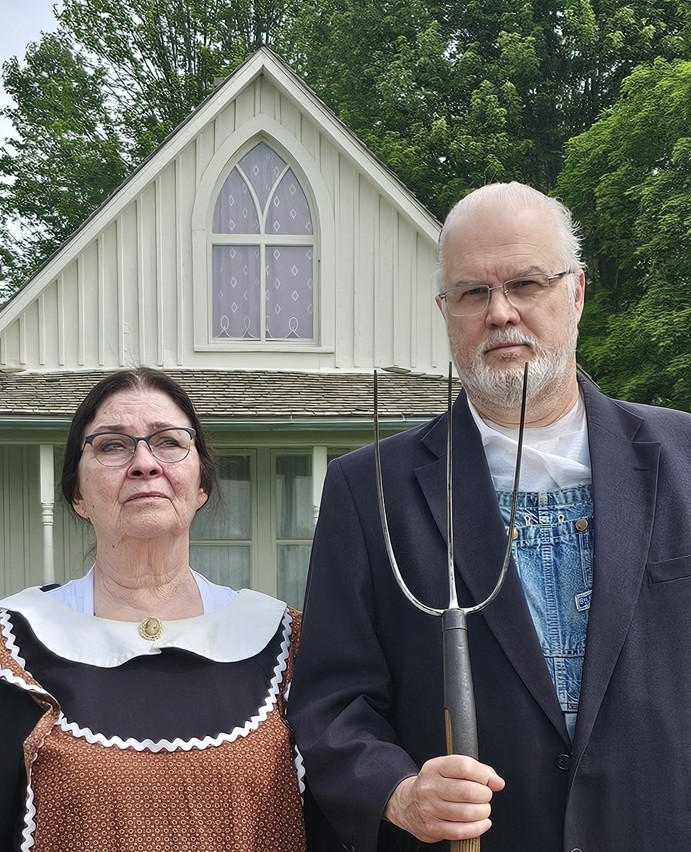
The house is located in Eldon Iowa, and is available for…
…reenactors!
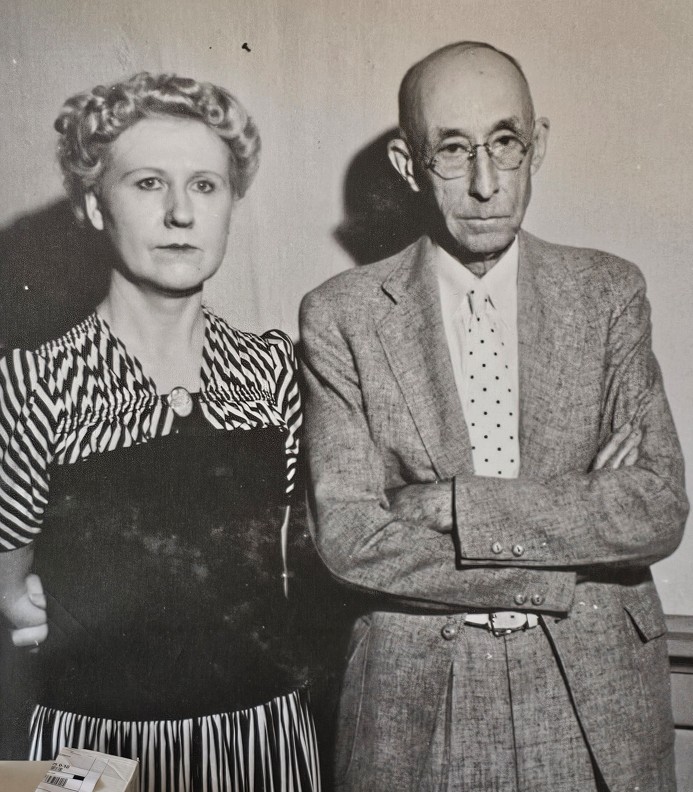
The subjects of the painting many years later.
American Gothic is considered the most parodied painting in the world.
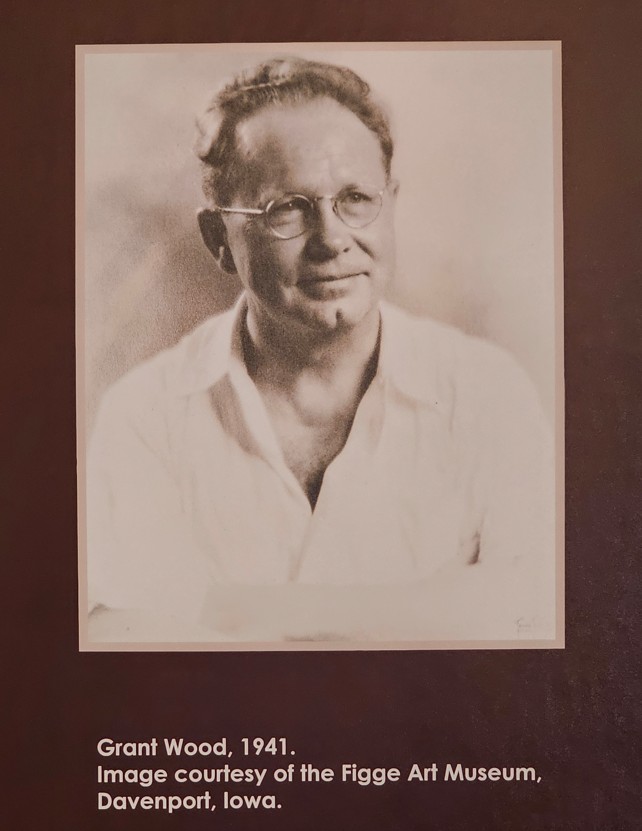
Grant Wood, the artist
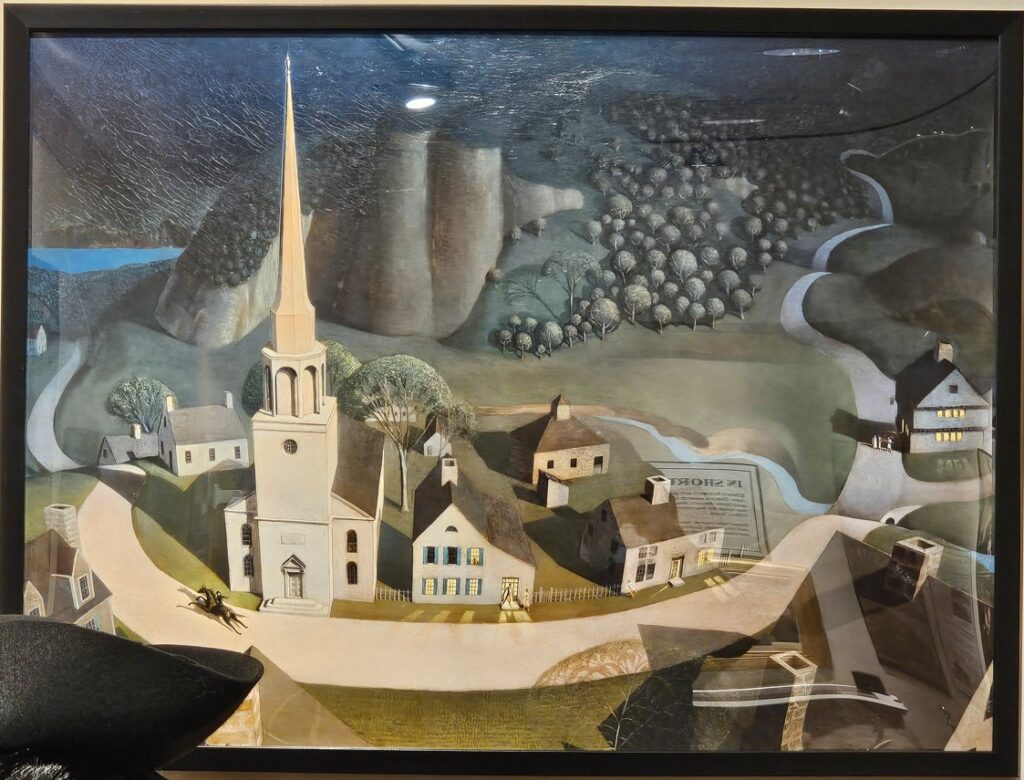
Wood also painted Paul Revere’s Ride.

Pella Iowa

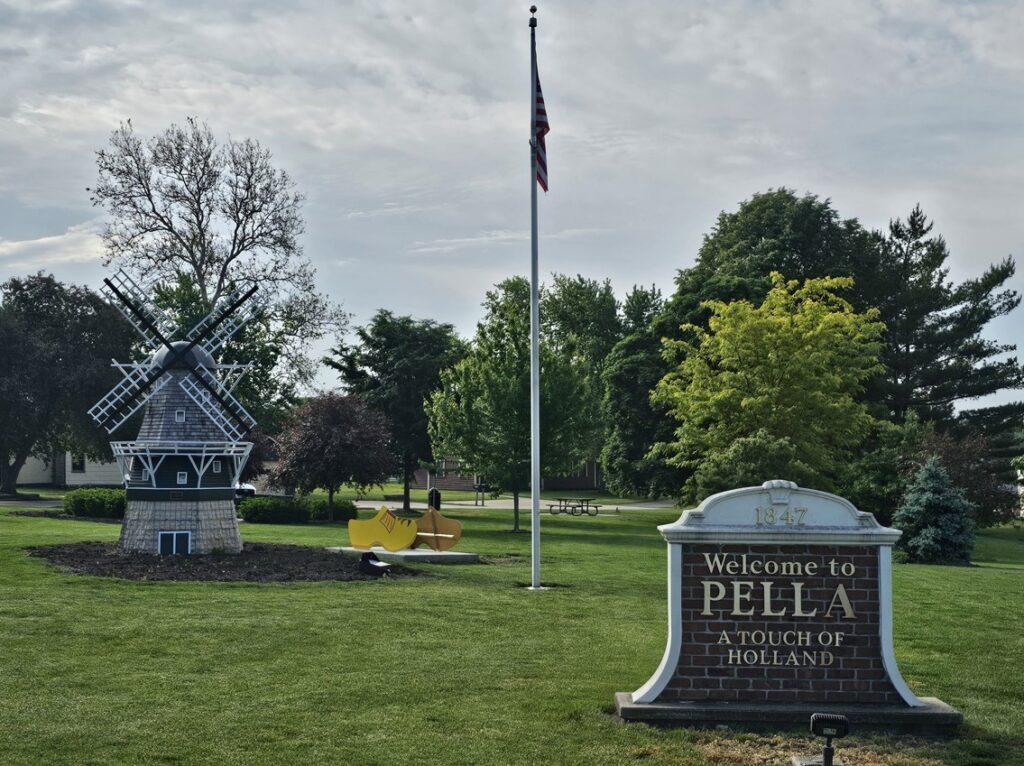
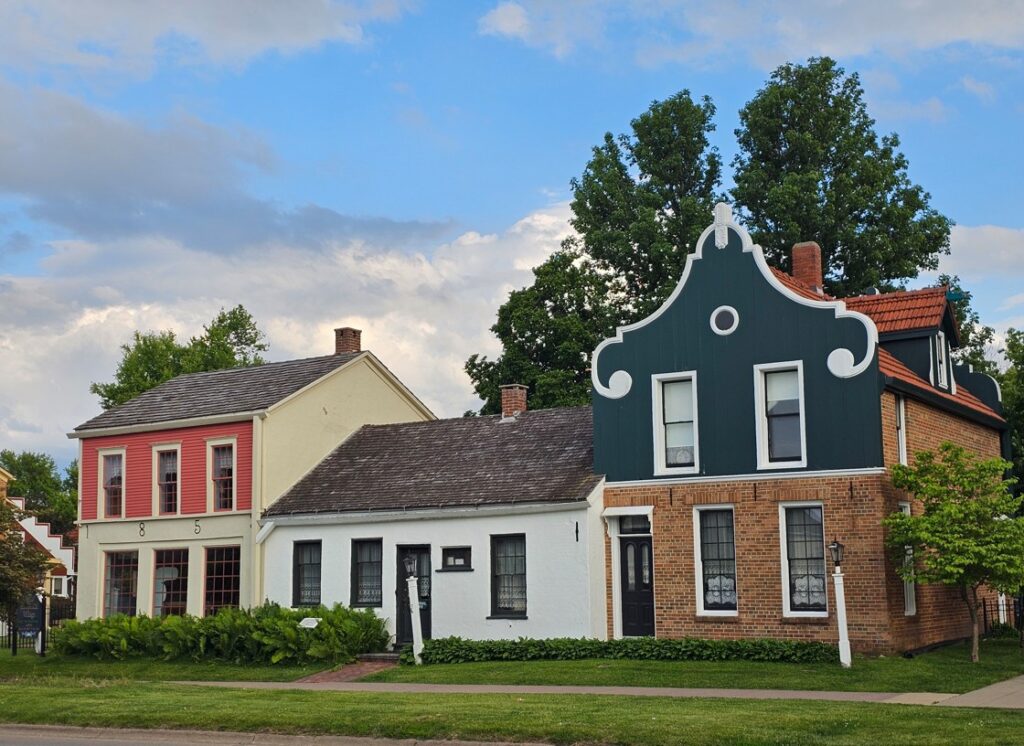
Pella Iowa is a beautiful little town founded by immigrants from Holland, so the town has a distinctive Dutch feel.
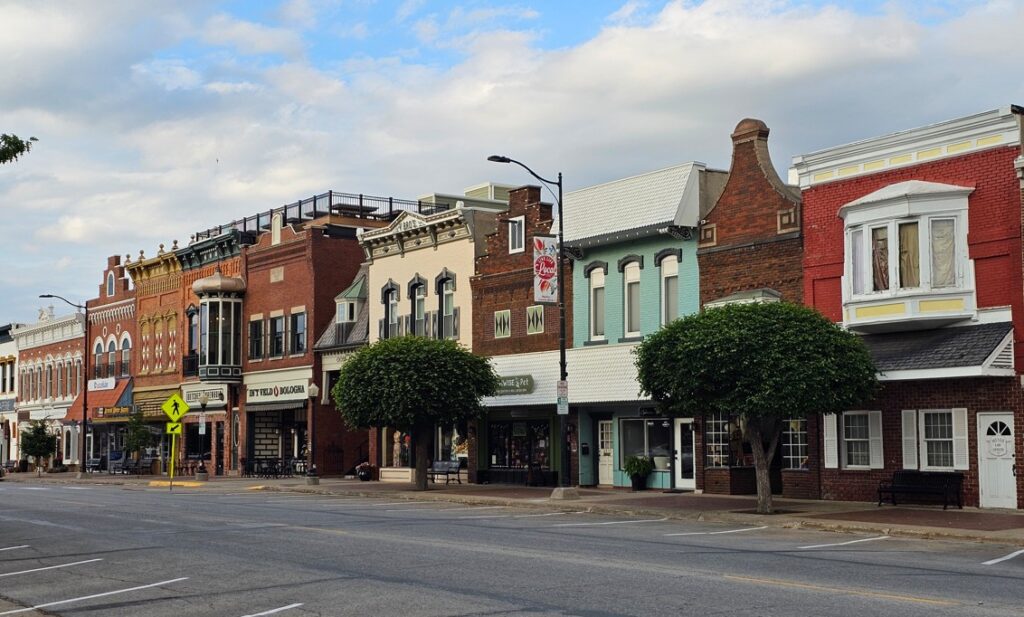
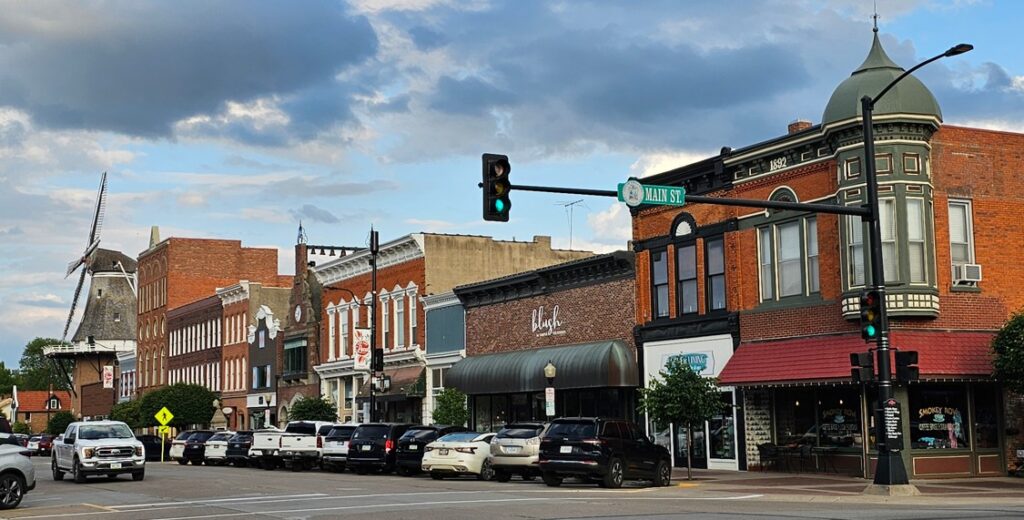
Downtown storefronts.
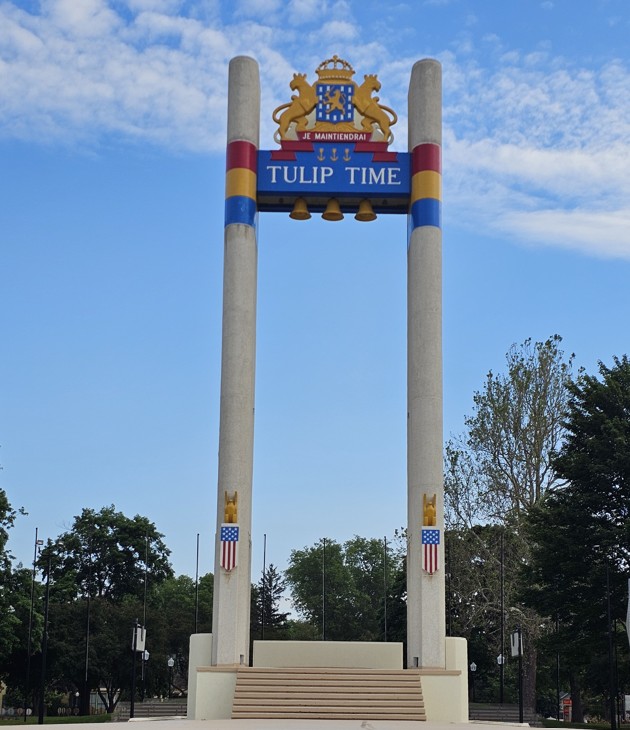
Pella hosts a Tulip Time festival the first week of May every year. The town is full of tulips everywhere. Unfortunately, we were about 4 weeks late.
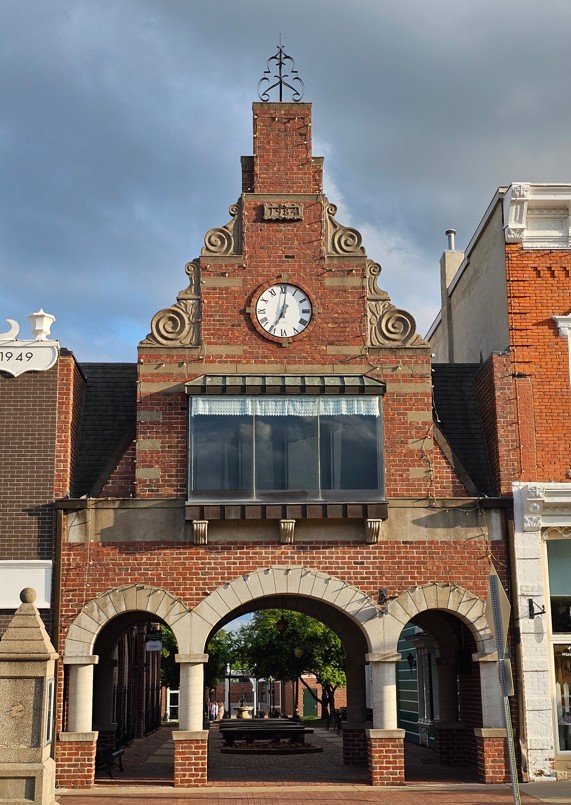
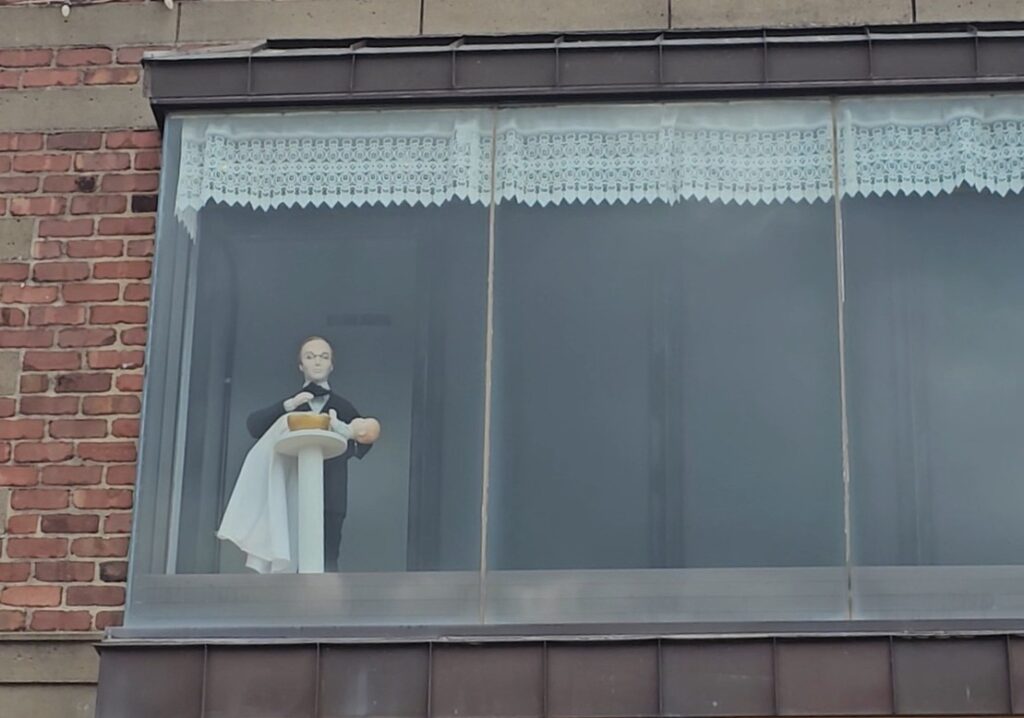
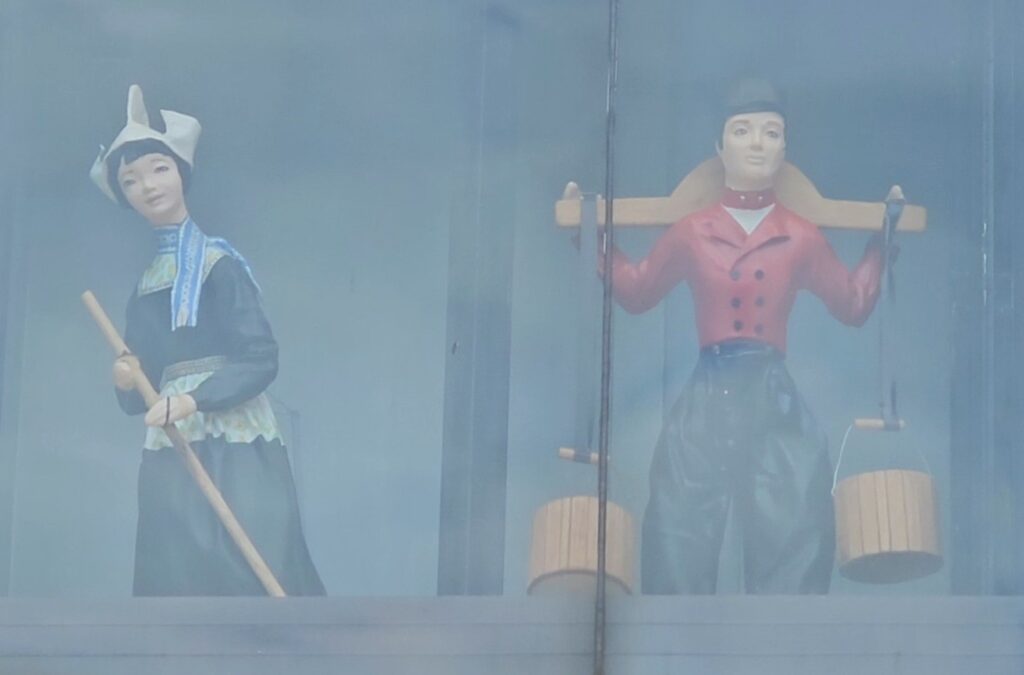
The Klokkenspel. Five times a day there is a musical show featuring wooden figures depicting aspects of life in Pella. There is a show in the front (street) side, and then another one in the rear.
Minister baptizing an infant.
Scenes on the back side.
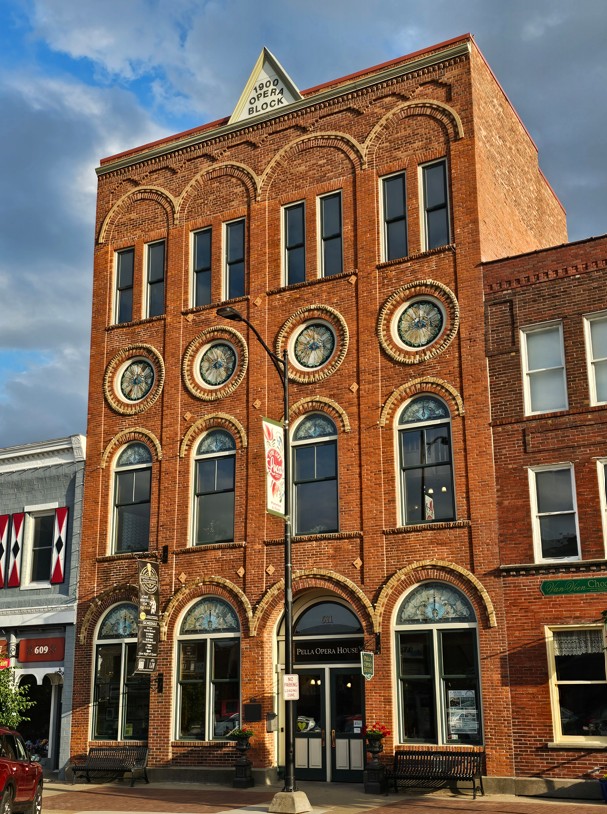
Pella Opera House.
More Dutch style architecture.
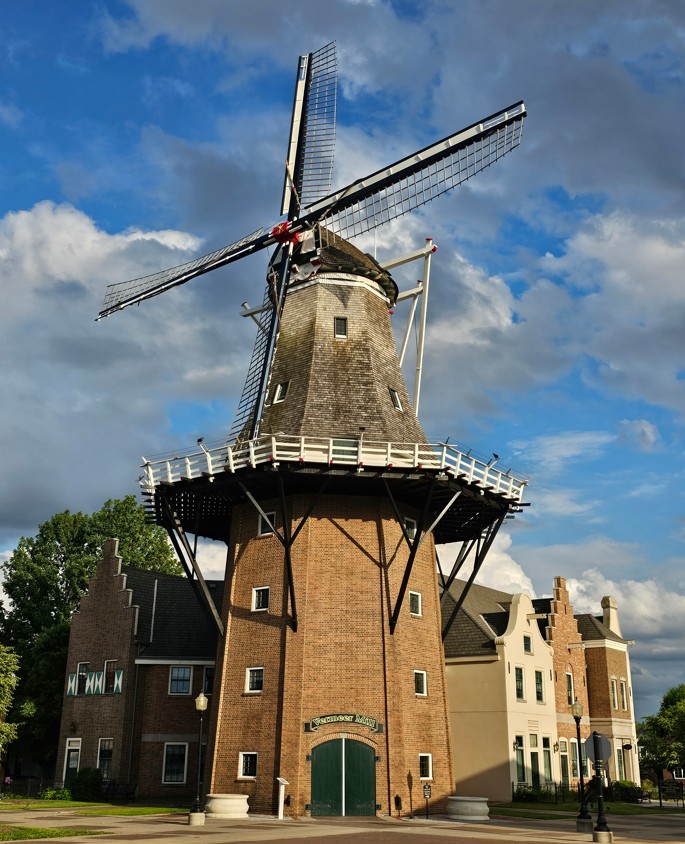
Vermeer Mill, part of the Pella Historical Village.
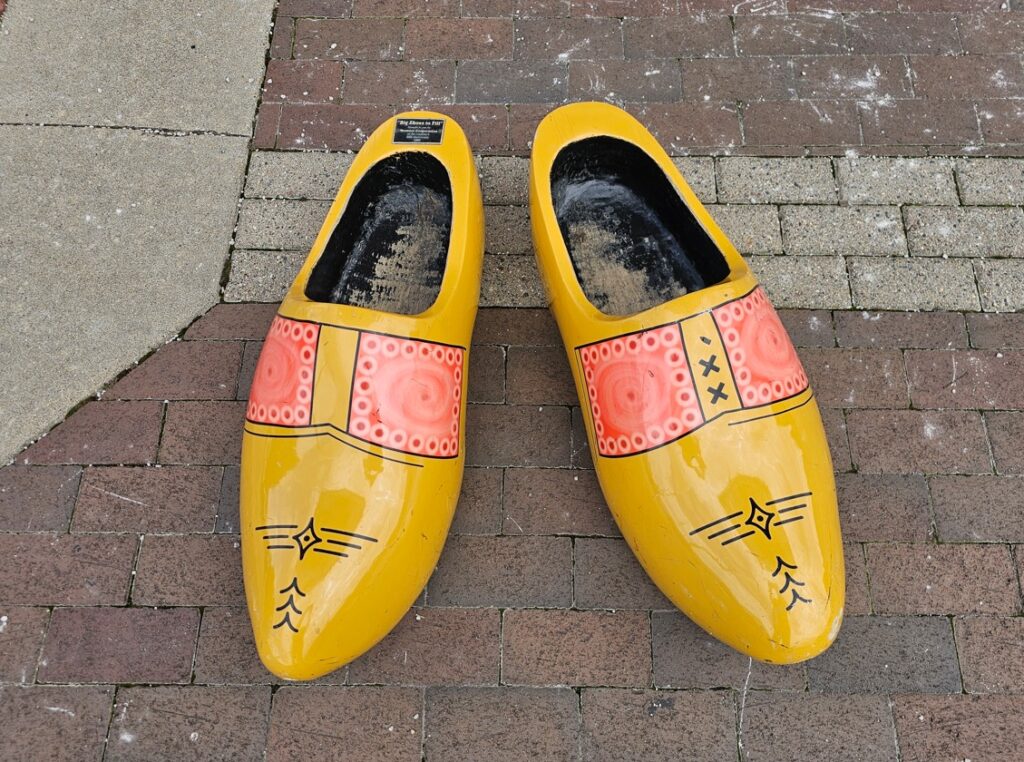
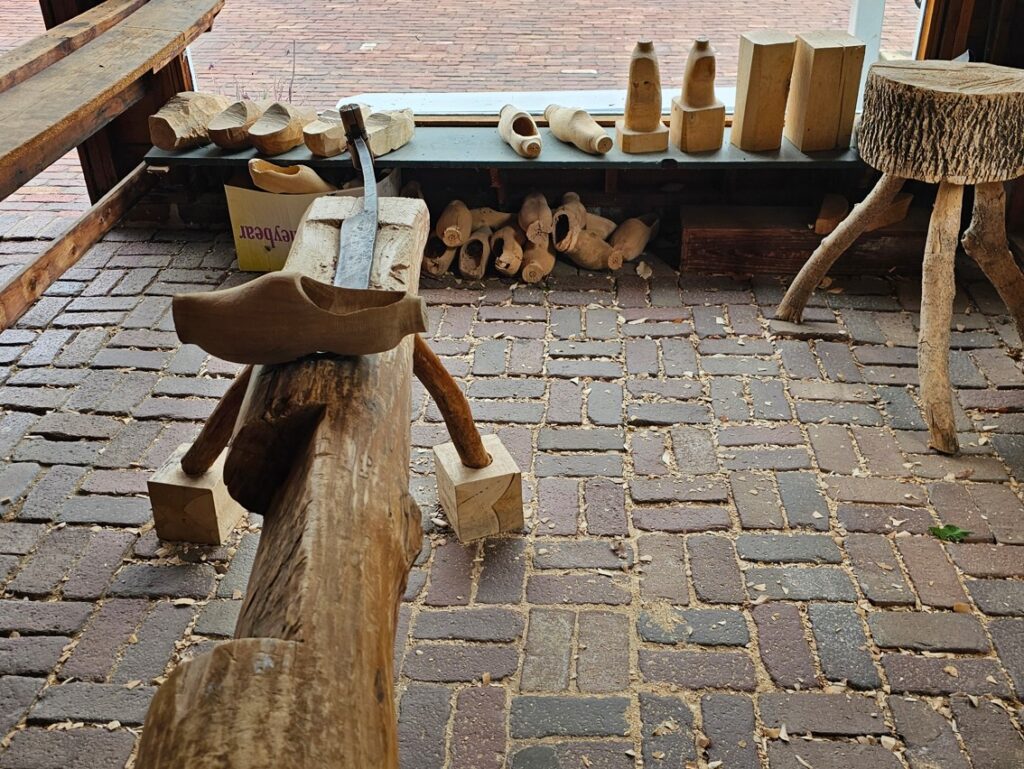
Wooden shoes.
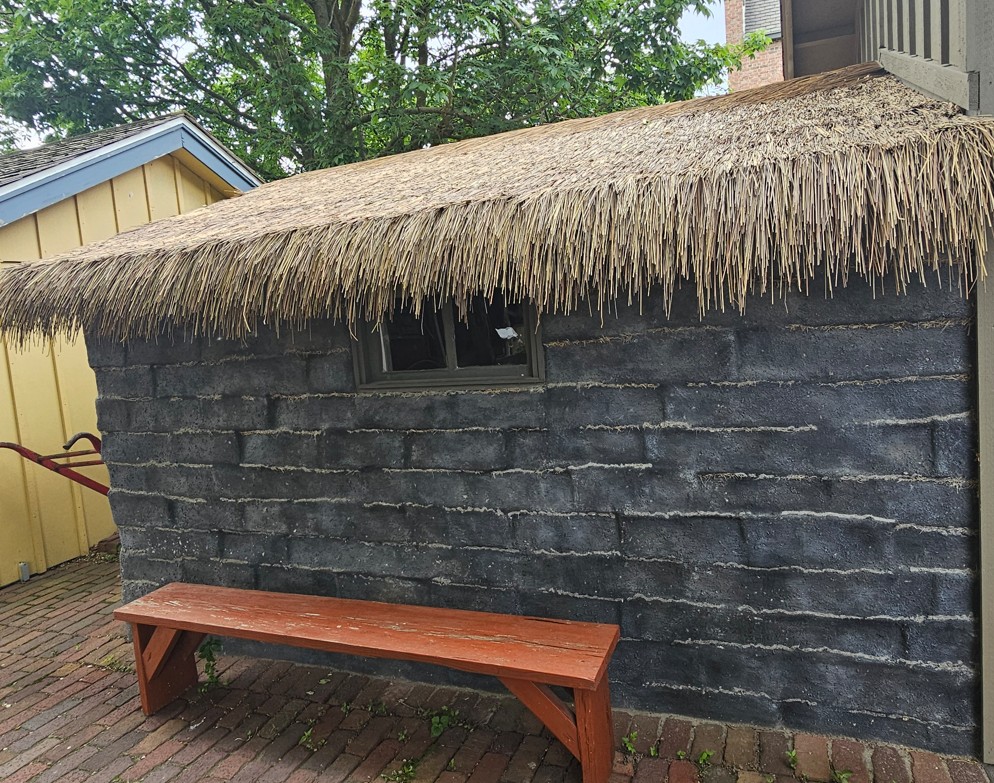
Pella was settled in 1847 when 800 Hollanders arrived. With winter approaching, they realized they would not be able to construct wood houses fast enough so they constructed sod houses such as this one.
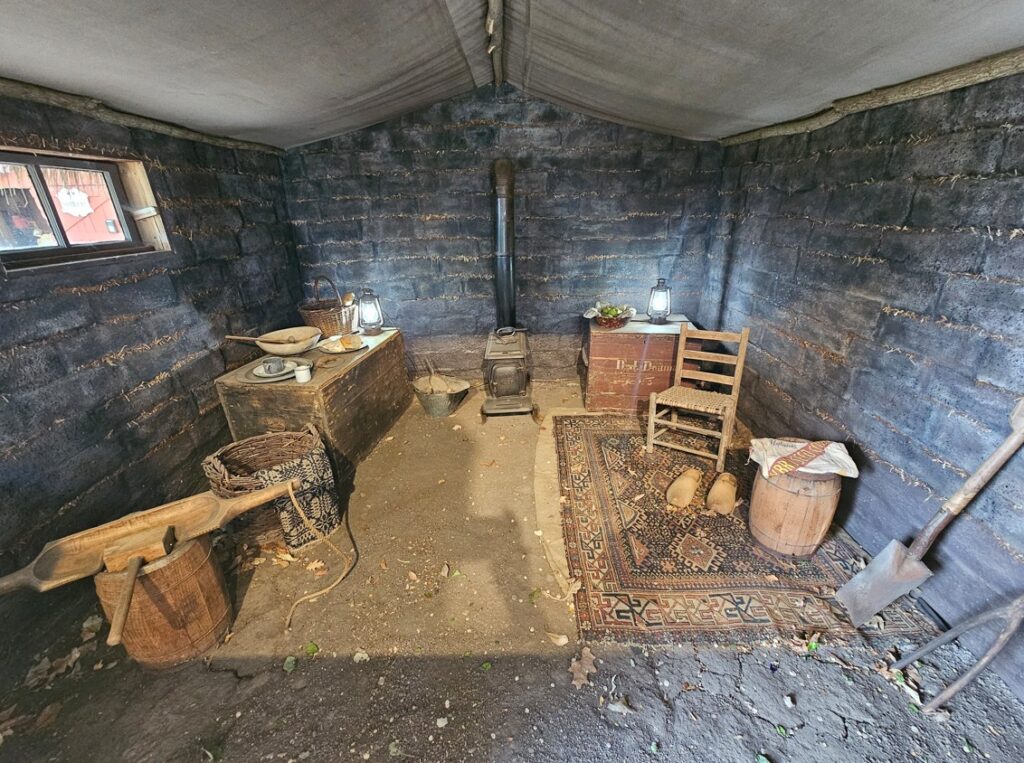
Sod house interior
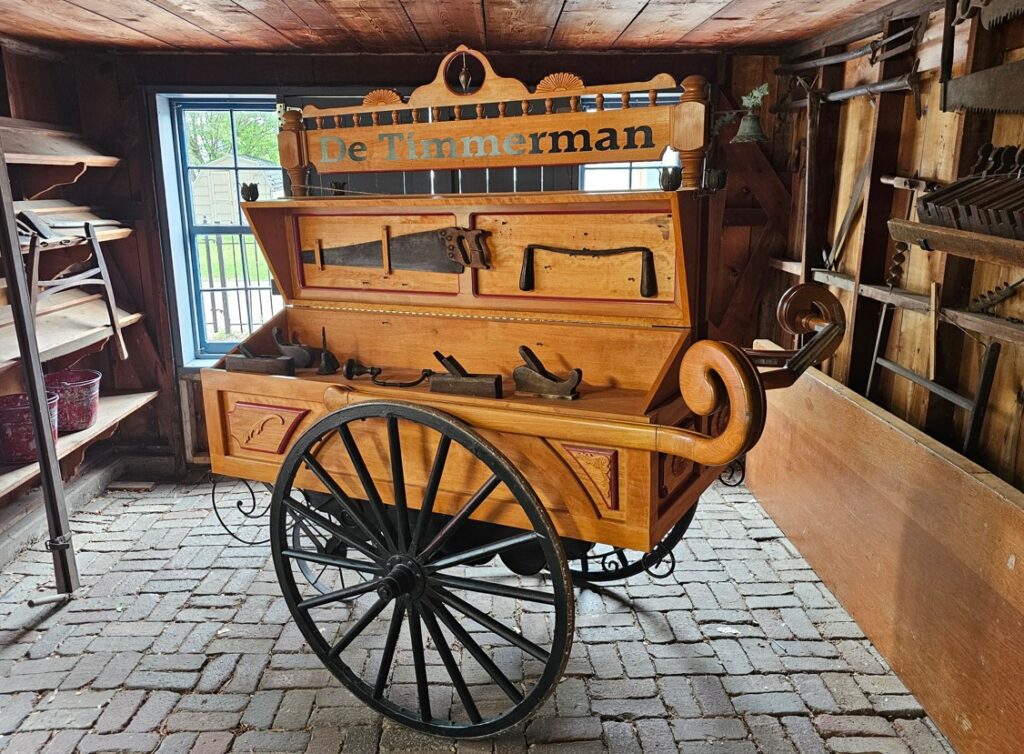
Wood worker’s cart
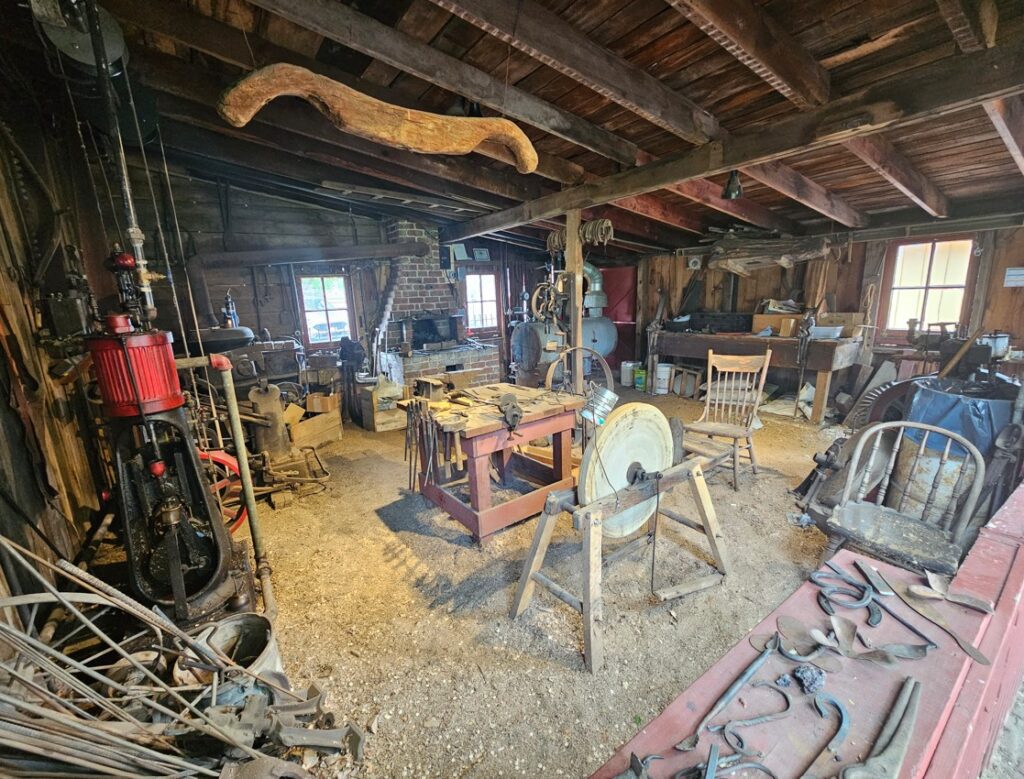
Wood worker’s shop
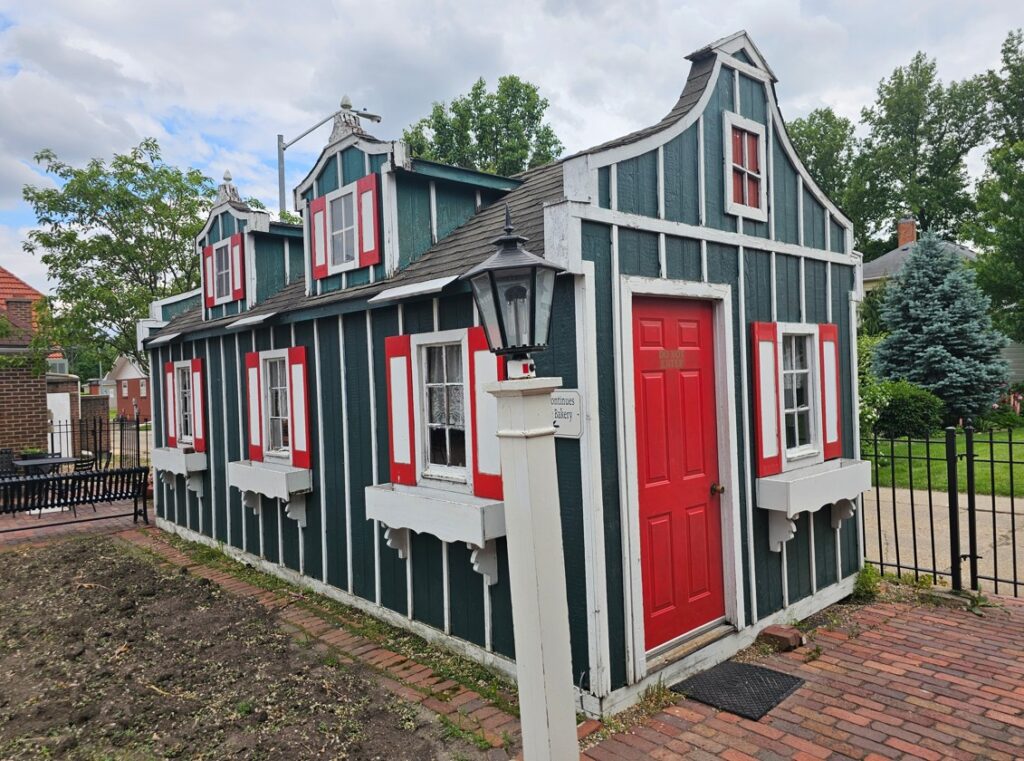
Bakkerij – Dutch Bakery
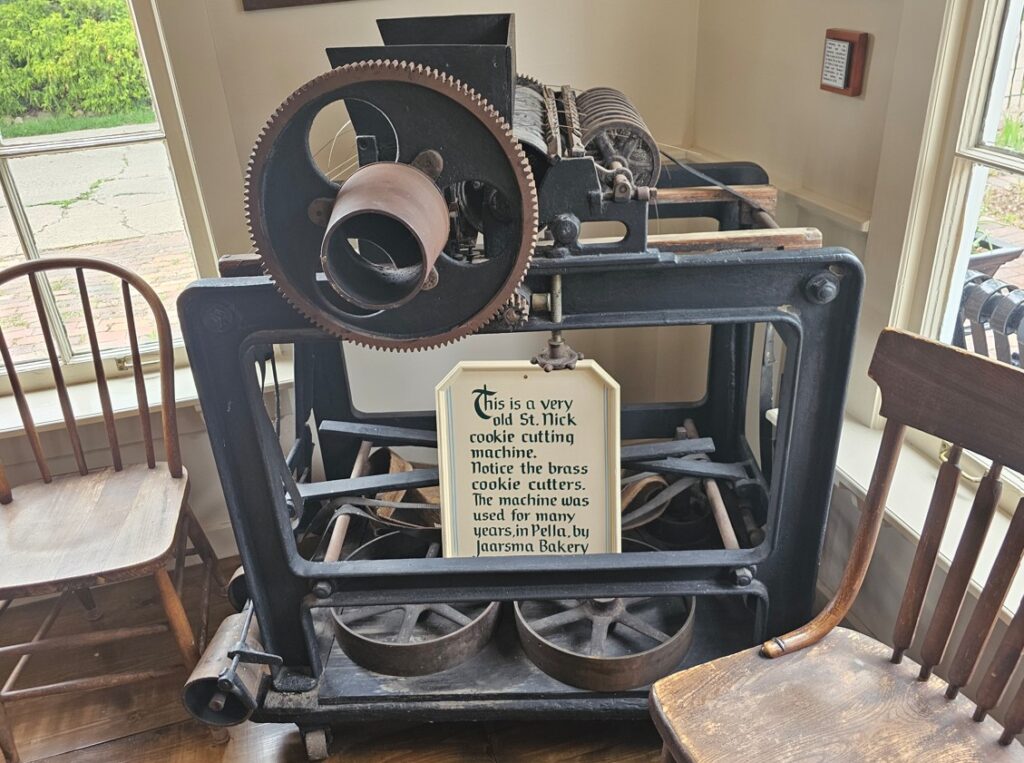
Cookie cutting machine
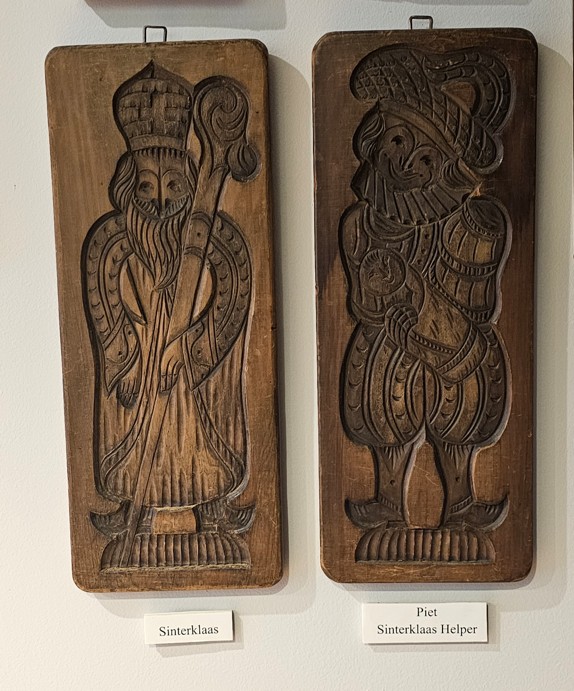
Wood cookie molds
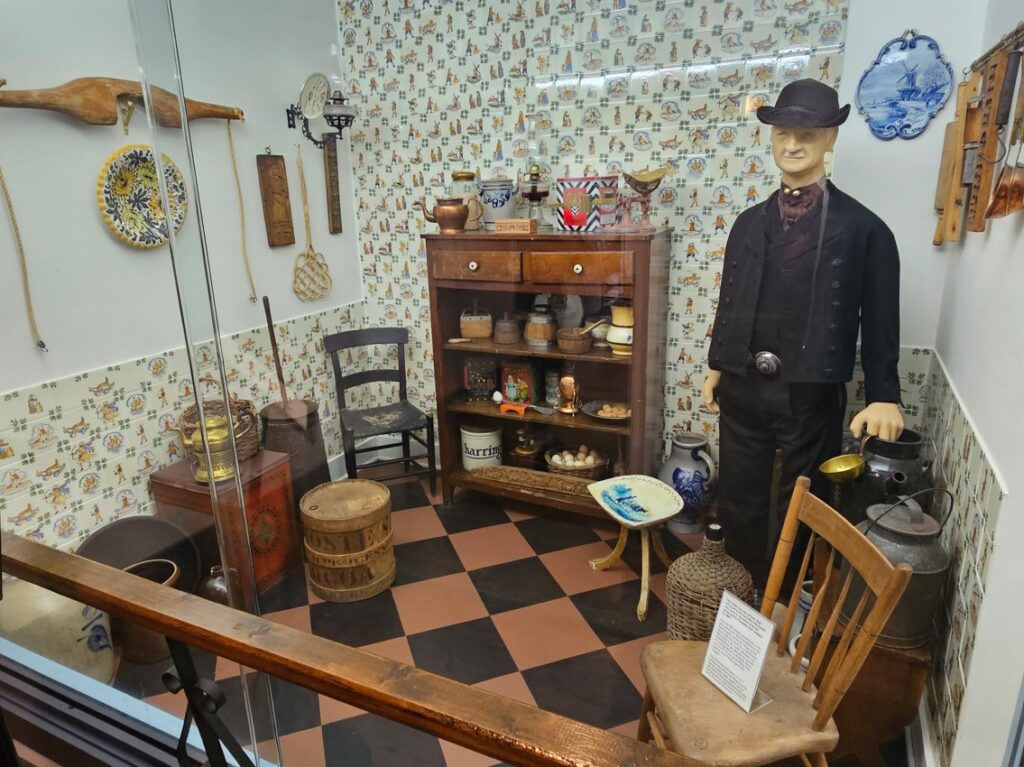
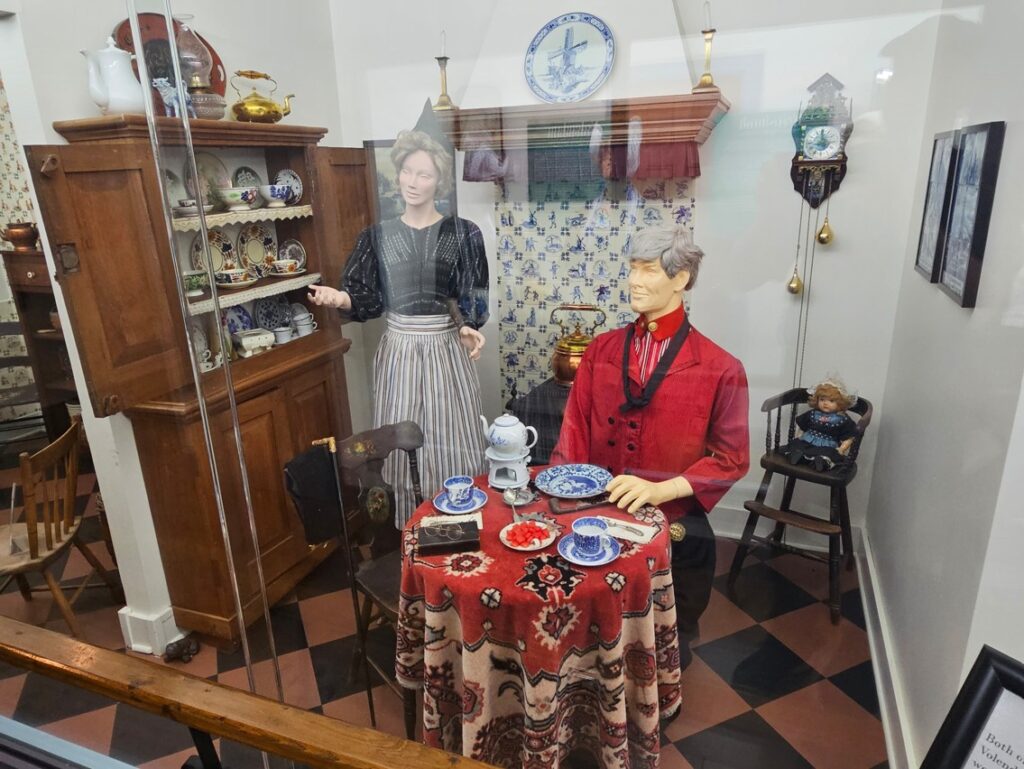
Heritage Hall – Costumes from the Netherlands various provinces, early 19th to mid-20th century. In this scene, The Pantry, the man is wearing a Protestant costume from the village of South Beveland in the province of Zeeland.
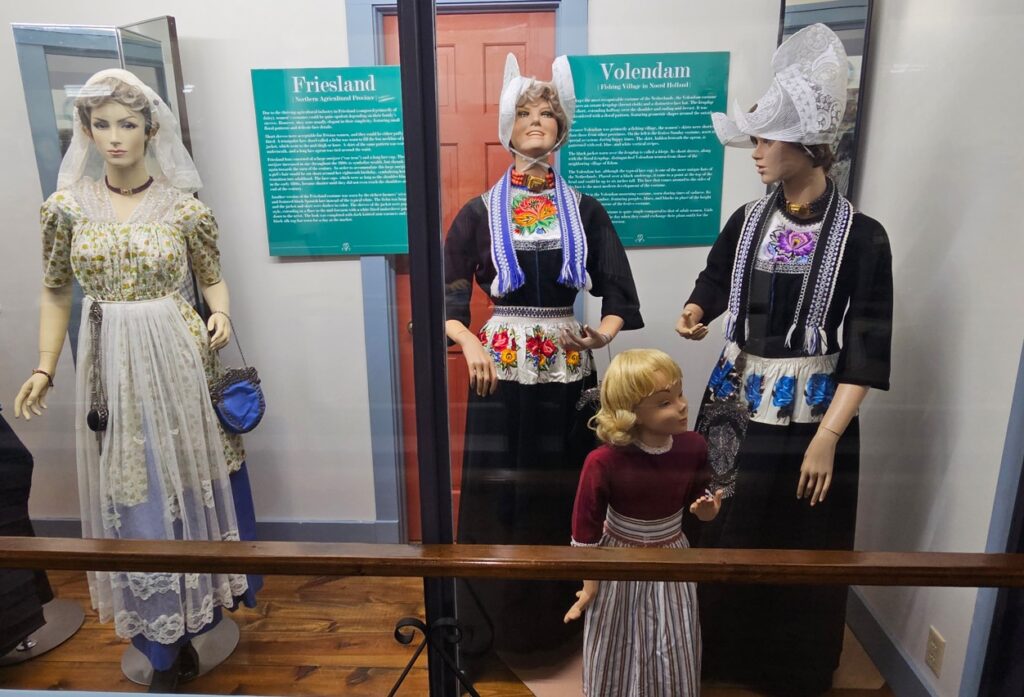
Kitchen – costumes from the village of Volendam in North Holland.
The costumes from Volendam are the most recognizable costume of the Netherlands.
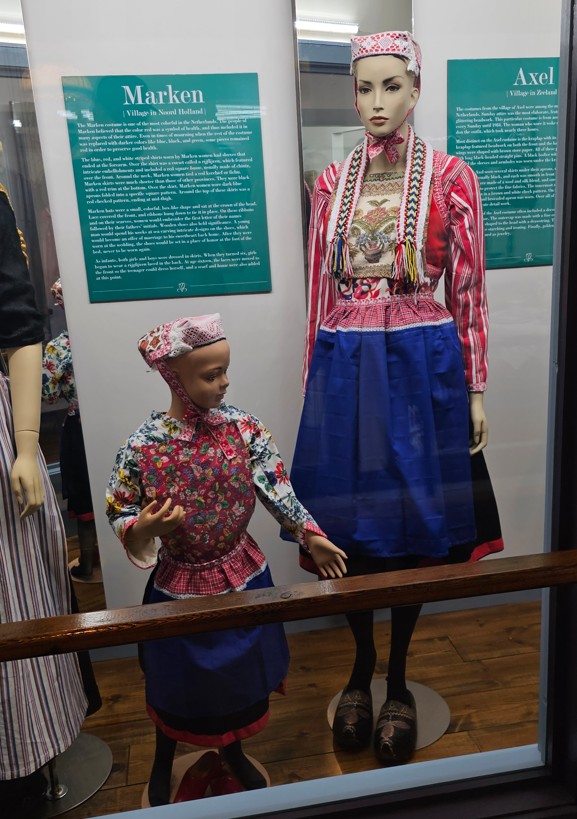
The Marken costume is one of the most colorful in the Netherlands. The people of Marken believed the color red was a symbol of health so they included it in many aspects of their attire.
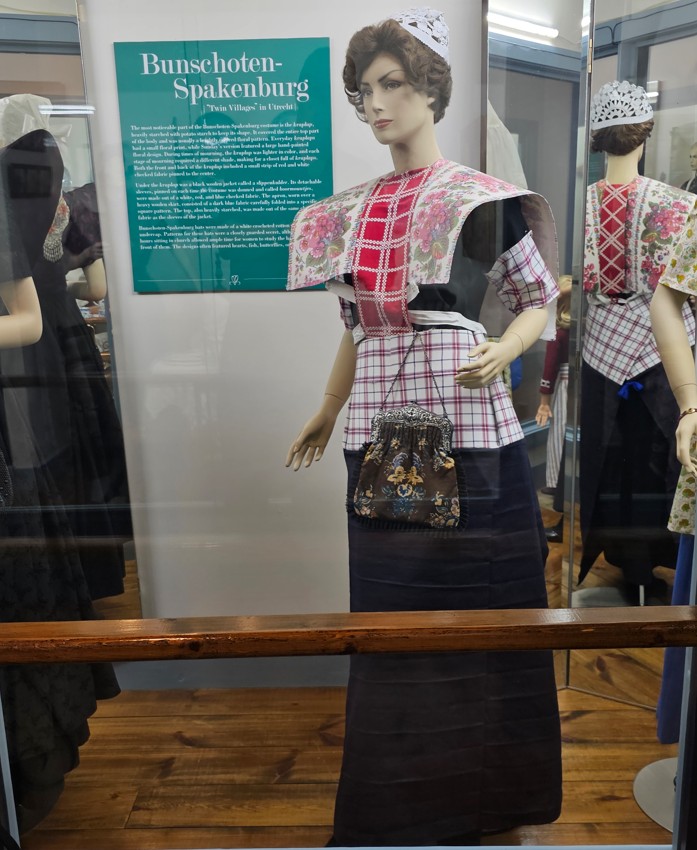
The most noticeable aspect of the Bunschoten-Spakenburg costume is the kraplap, heavily starched to keep its shape, covering the entire top part of the body.
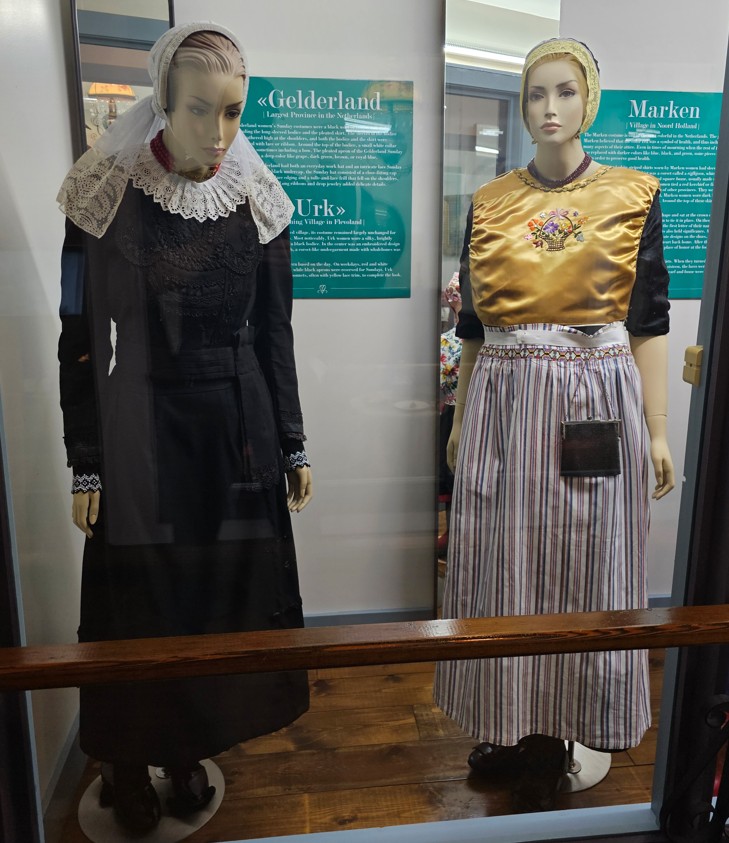
(Left) Gelderland women’s Sunday costumes were black wool or cotton, including the long sleeved bodice and pleated skirt.
(Right) Because Urk was an isolated village, its costume remained largely unchanged for nearly 400 years. Urk women wore silky, brightly colored brocade over a black bodice.
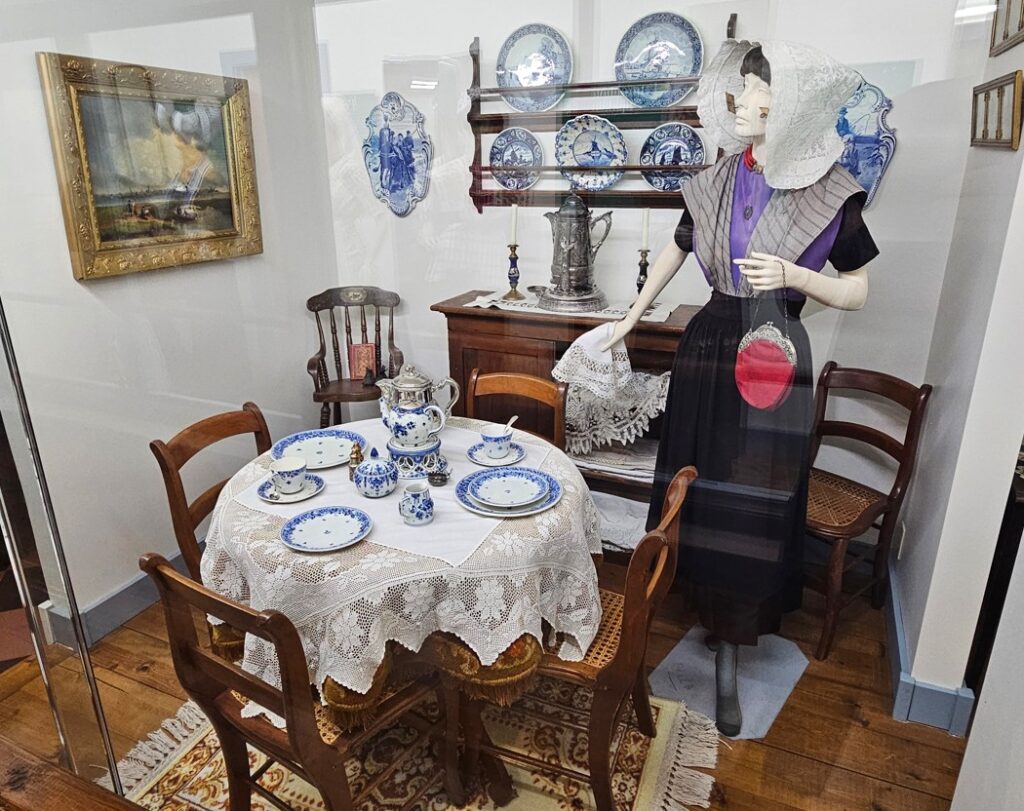
Dining Room – the woman is wearing a Protestant costume from the village of South Beveland in Zeeland. Protestant costumes were less ornate than Catholic, and the hats were oval rather than rectangular.
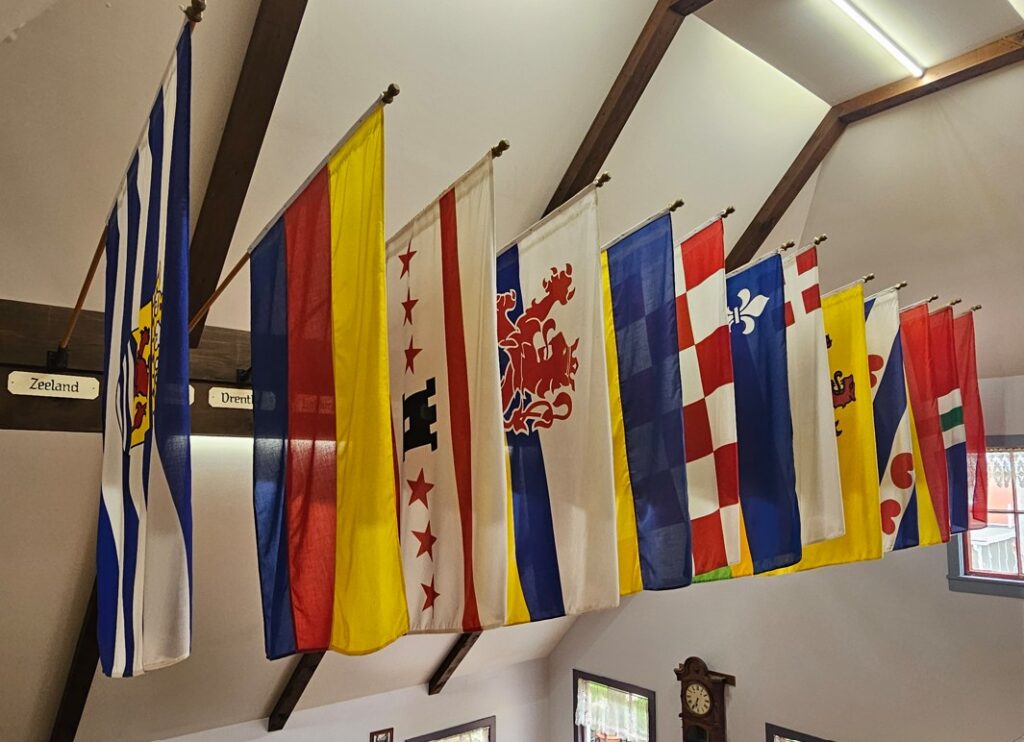
Flags of the 12 provinces of the Netherlands.
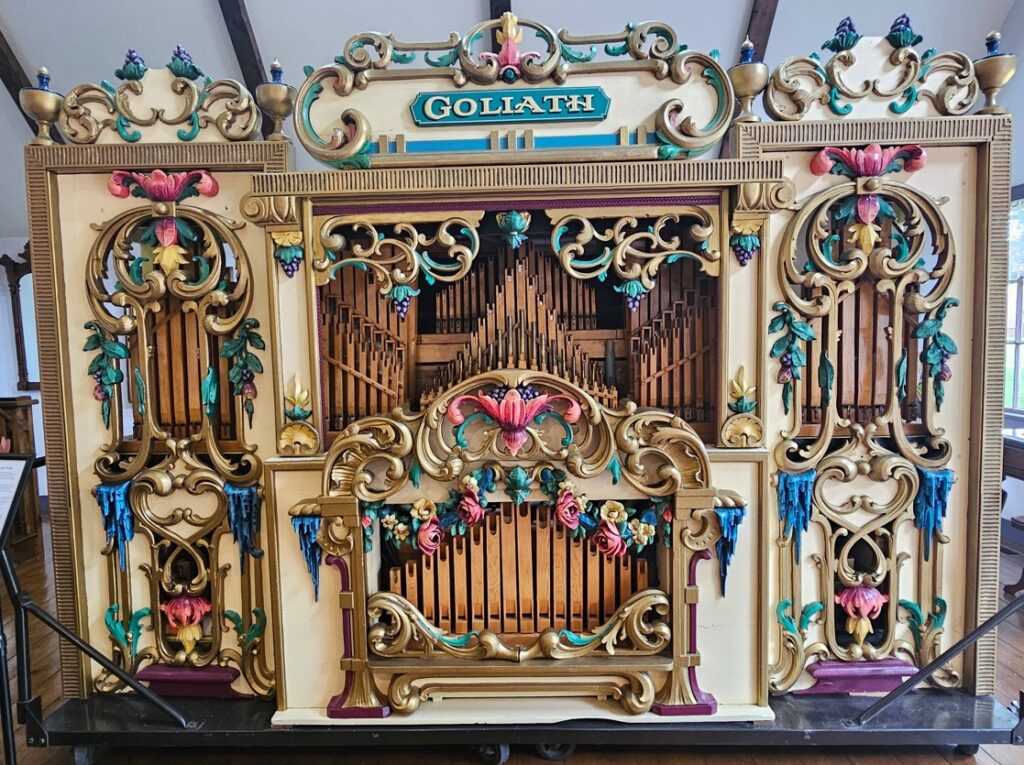
Gigantic street organ – it still works!
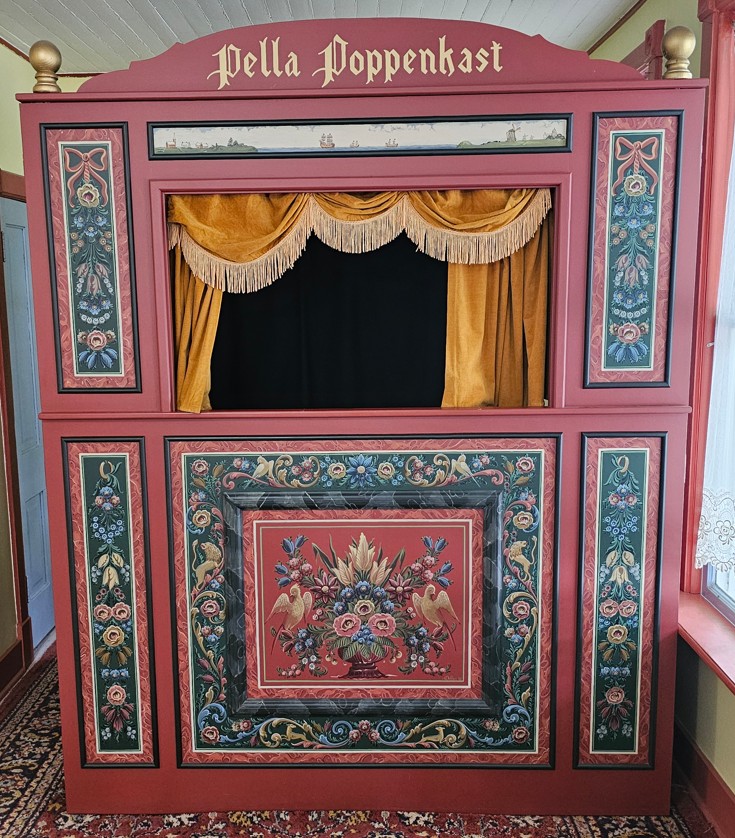
Puppet show theater
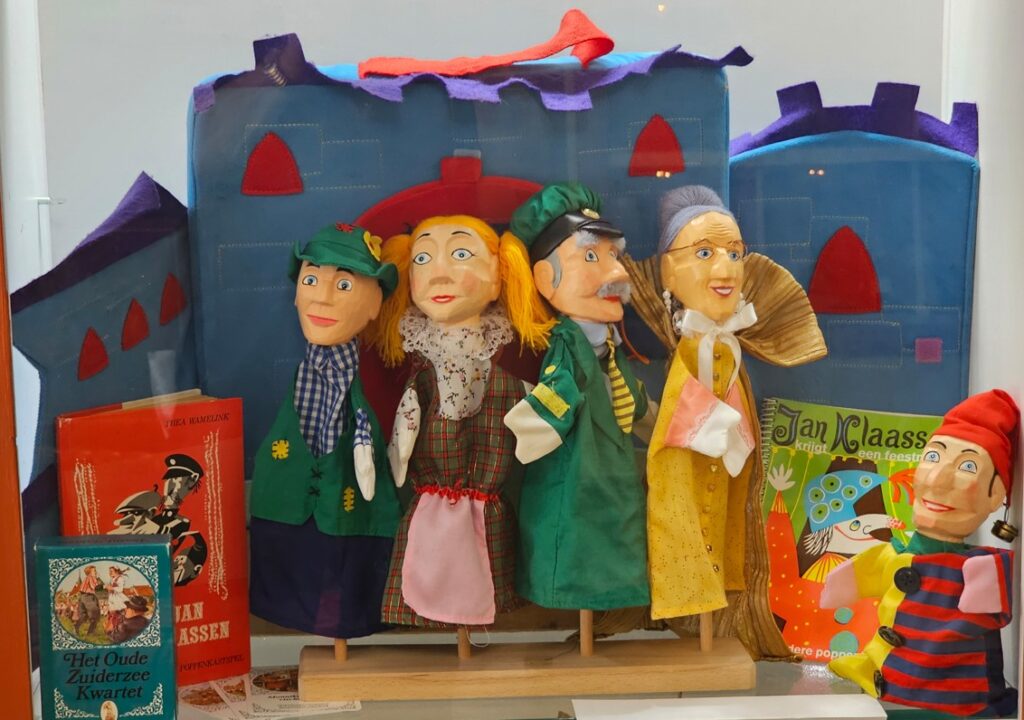
Some puppets
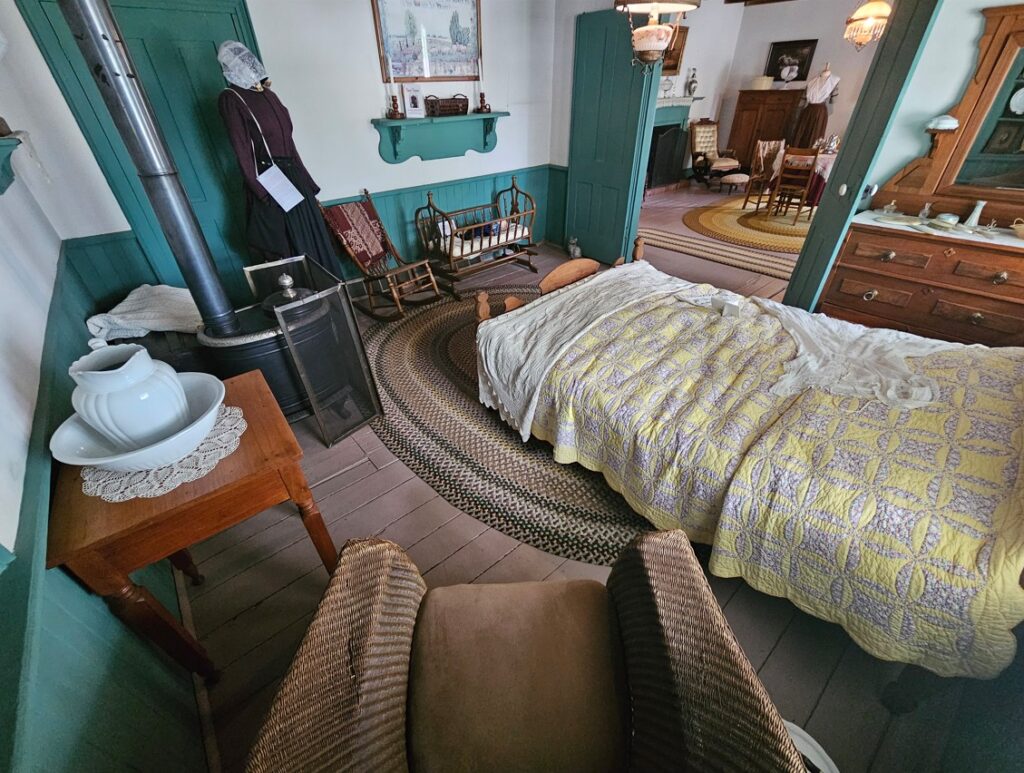
Typical Viersen bedroom
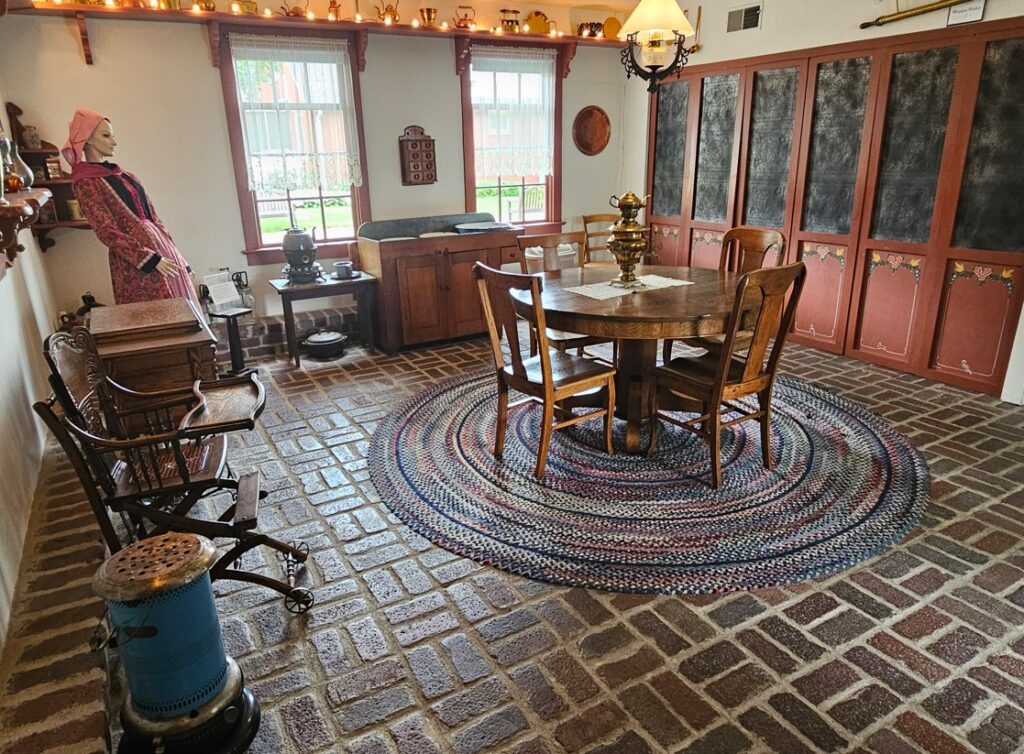
Viersen kitchen
Viersen parlor
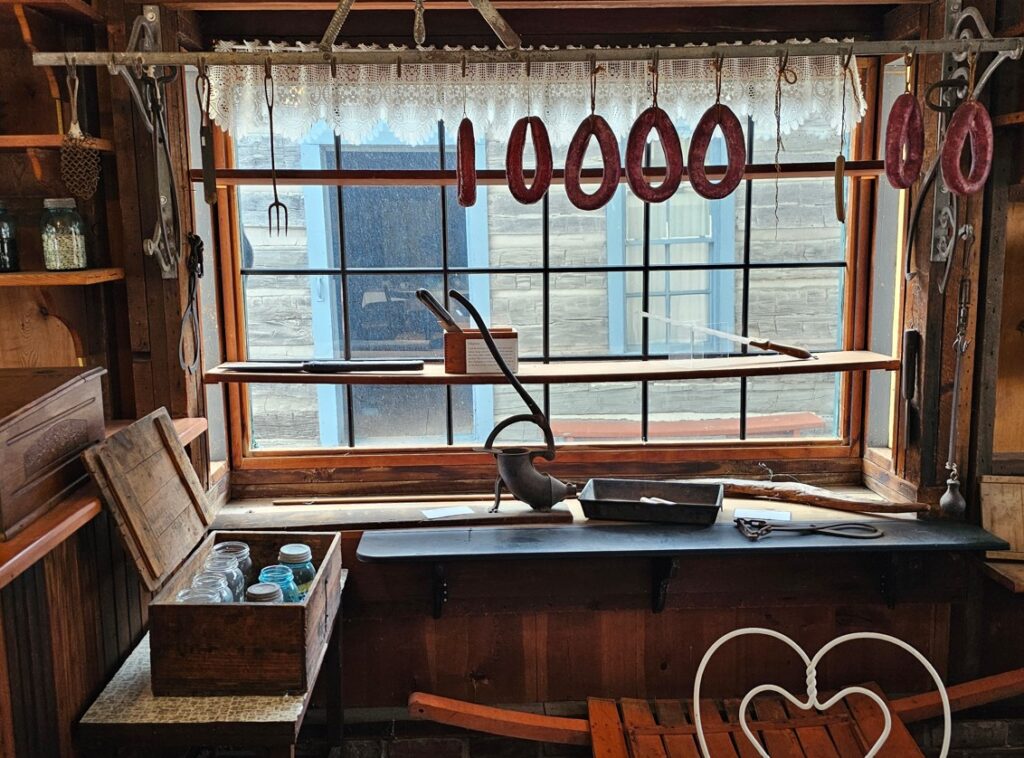
Ulrich’s Meat Market
Dutch Klompen (wooden shoes)
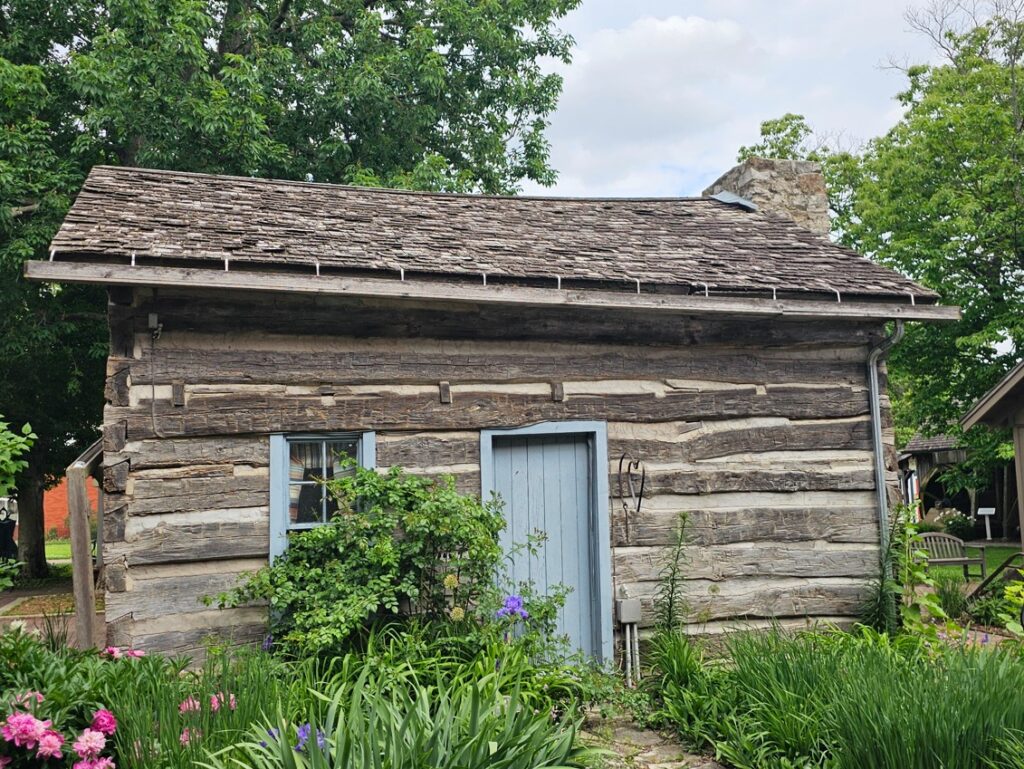
Log cabin, possibly built by settlers prior to the arrival of the Dutch settlers in 1847. This cabin was discovered under the siding of a farm storage building and moved to this location in 1968.
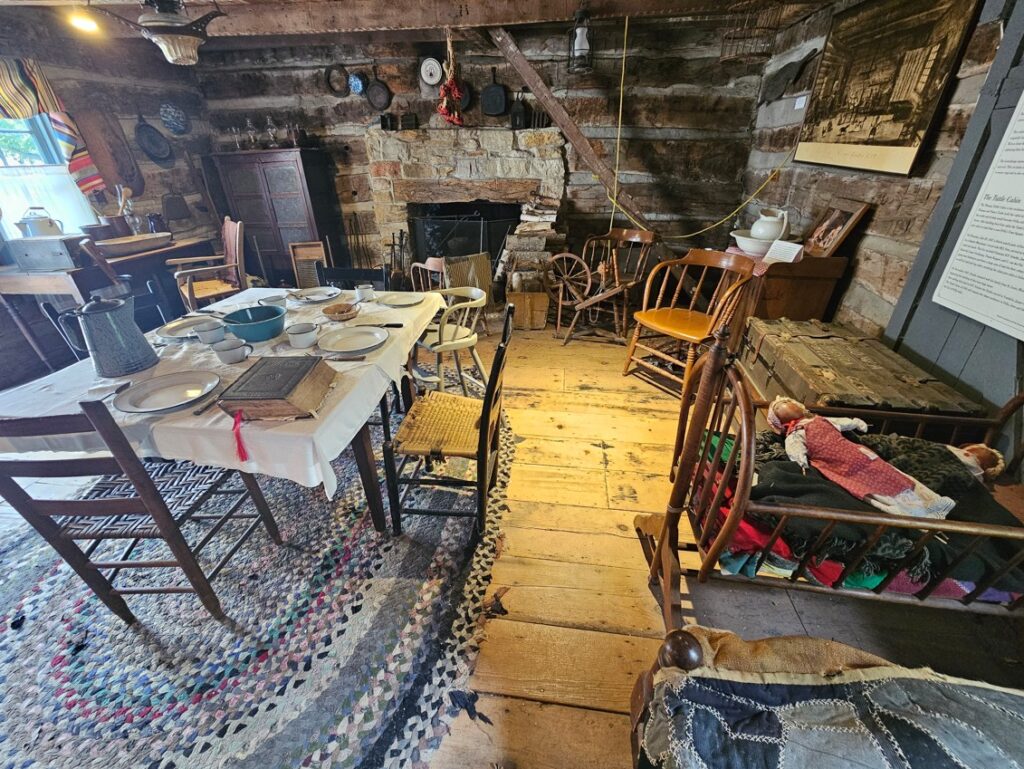
Interior of the log cabin
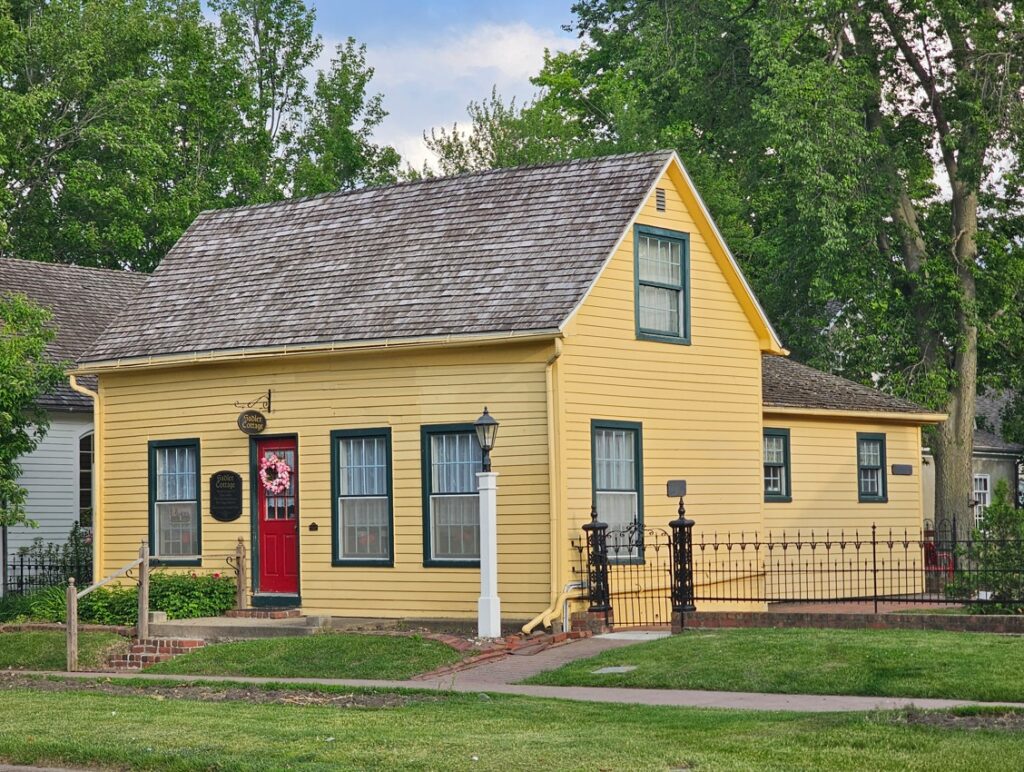
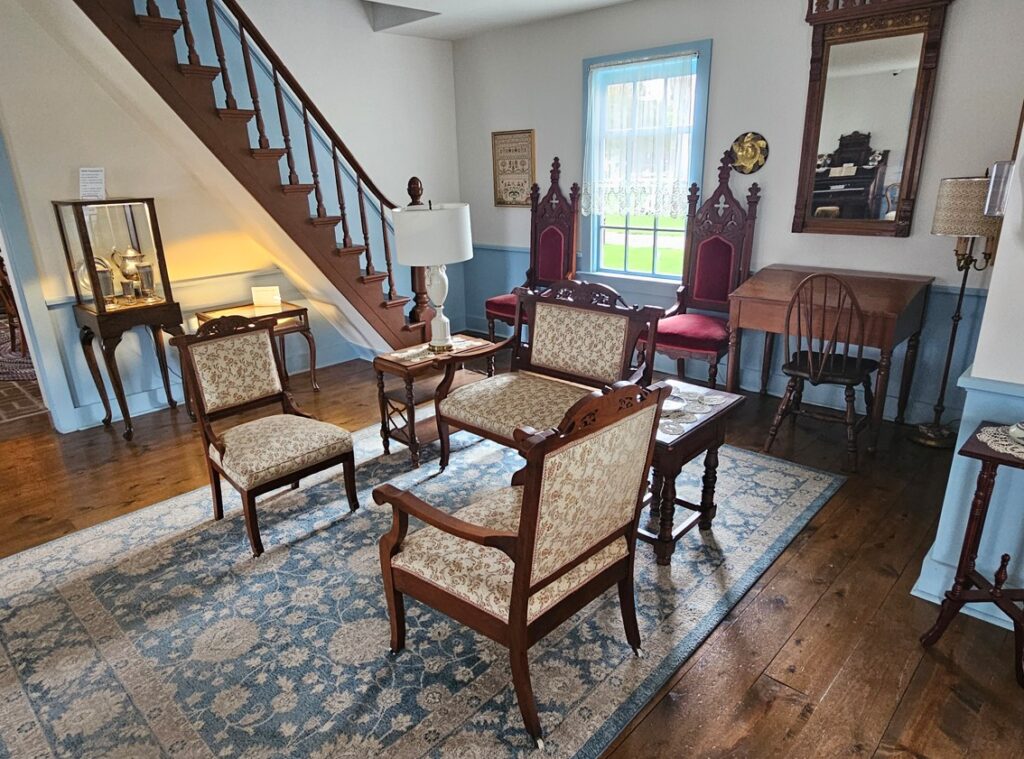
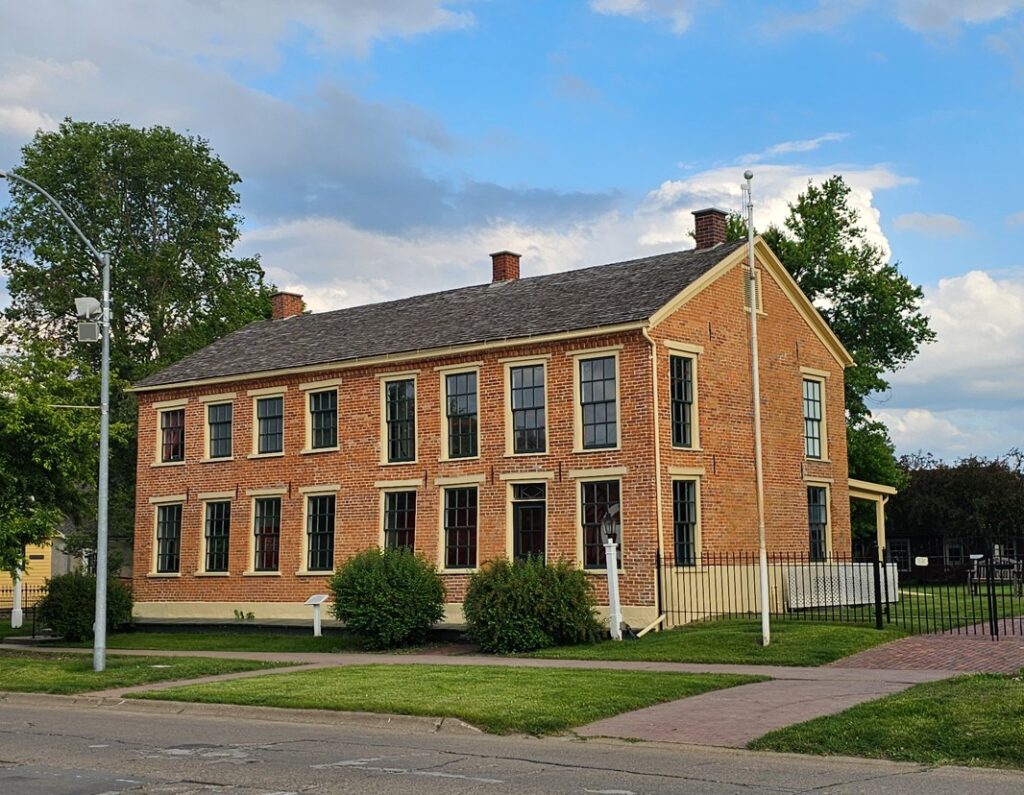
Wyatt Earp’s childhood home, now a part of the Pella Historical Village.