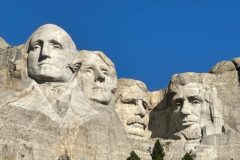
Speed Art Museum

Louisville KY

Some highlights from this museum on the campus of the University of Louisville.
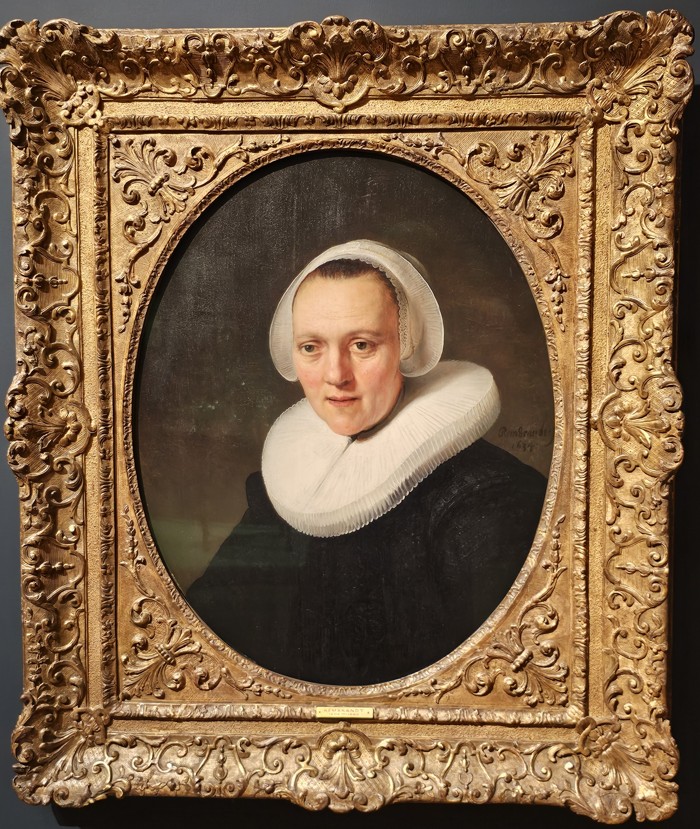
Portrait of a Forty-Year-Old Woman, Rembrandt van Rijn, 1634
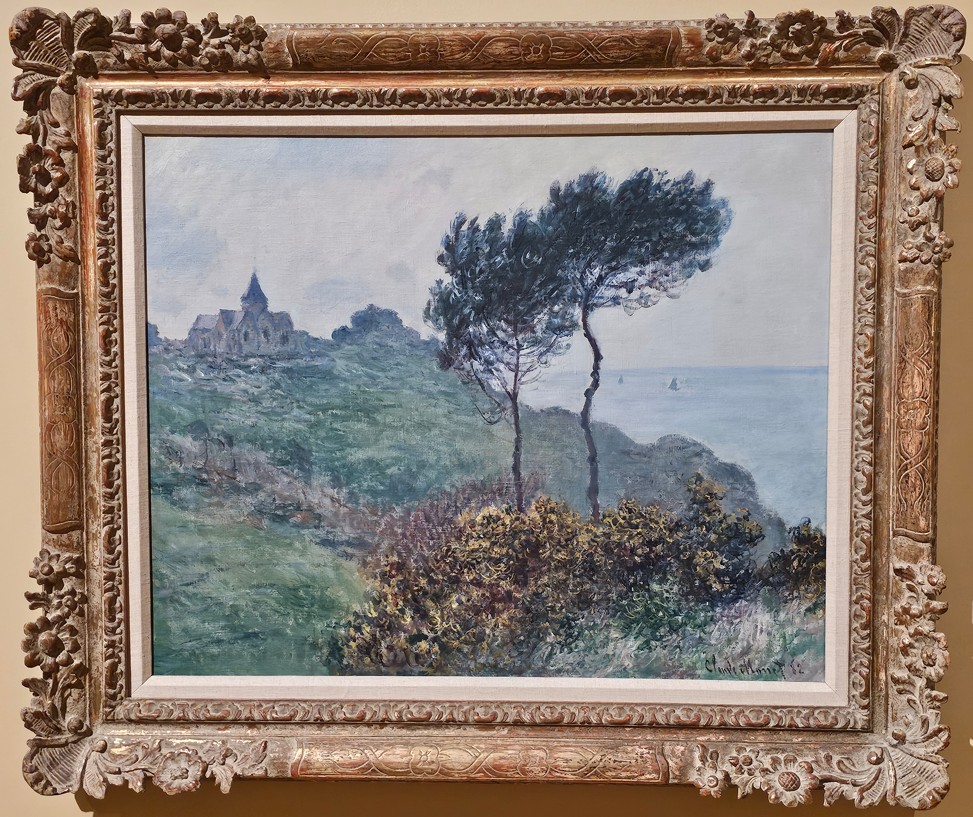
The Church at Varengeville, Grey Weather, Claude Monet, 1882
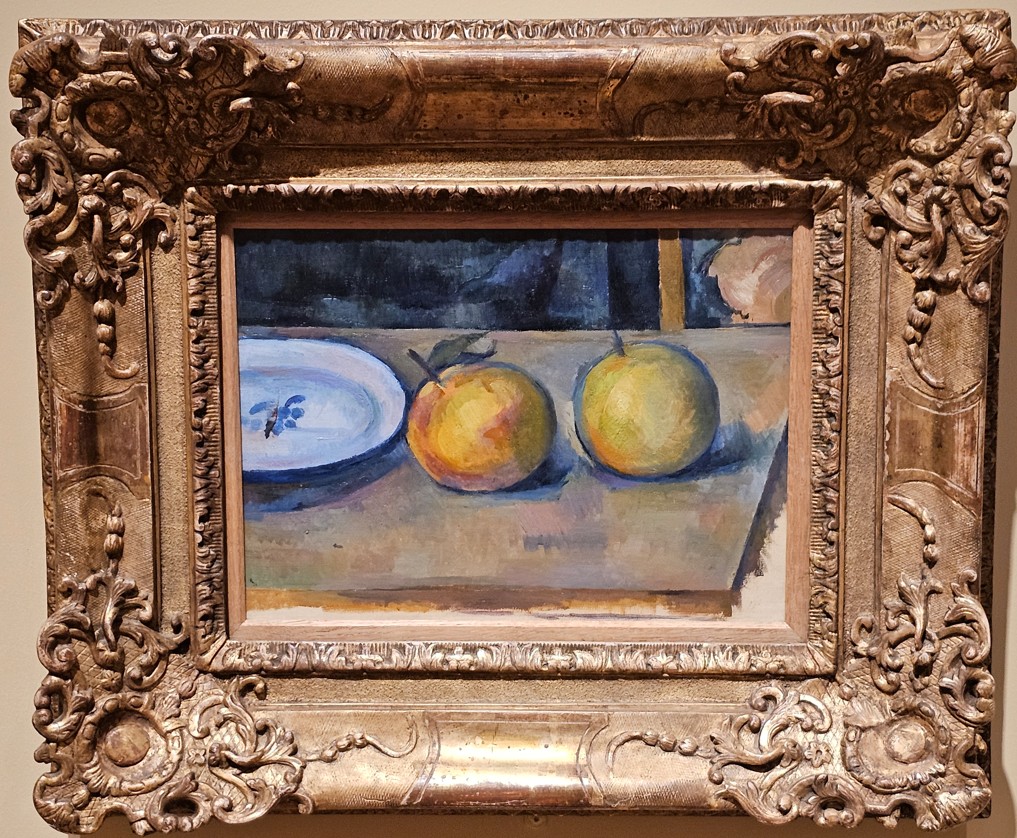
Two Apples on a Table, Paul Cezanne, 1895-1900
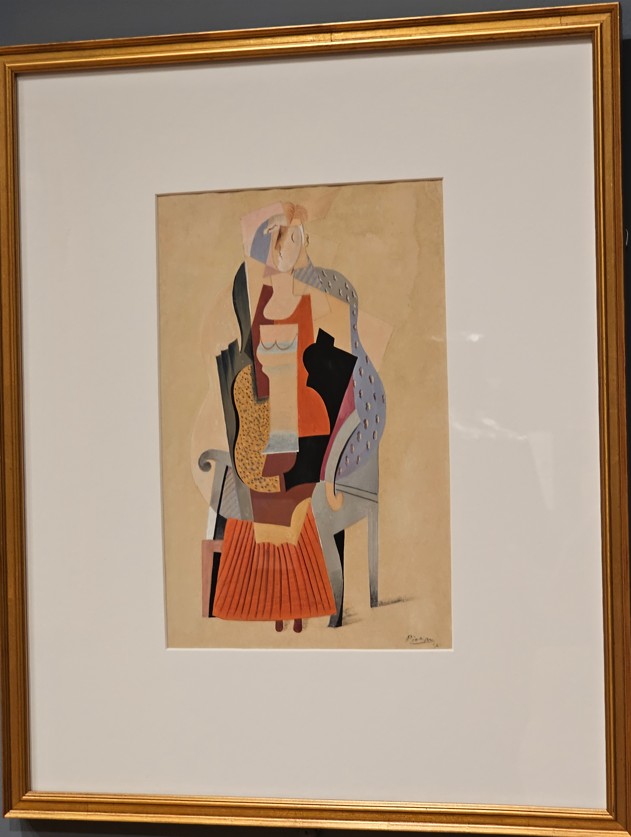
Young Girl in an Armchair, Pablo Picasso, 1917
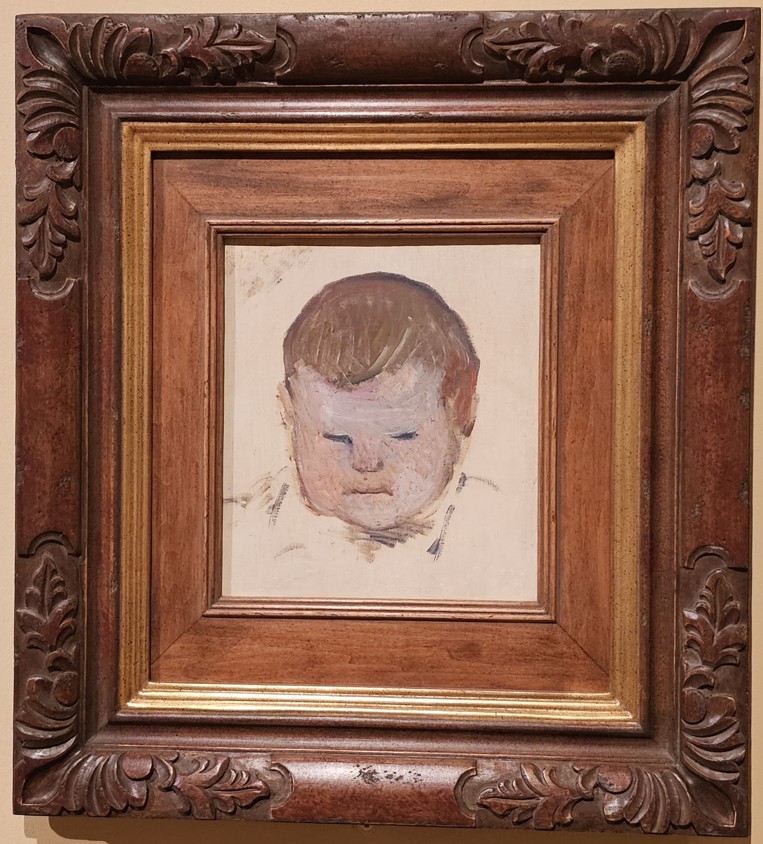
Portrait of Jean Gauguin, Paul Gauguin, 1881
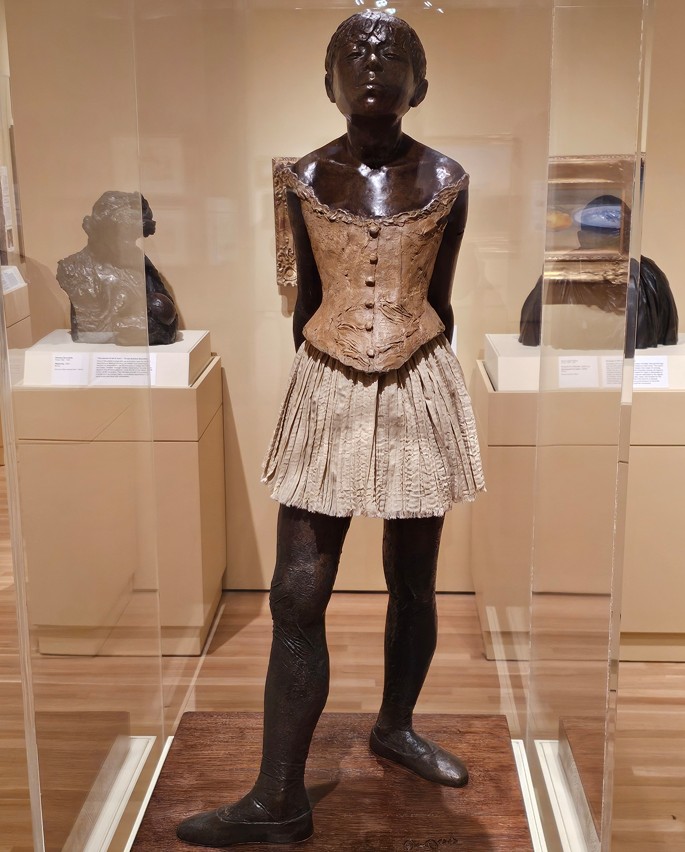
Little Dancer, Aged Fourteen, Edgar Degas, cast 1998, modeled 1875-1881
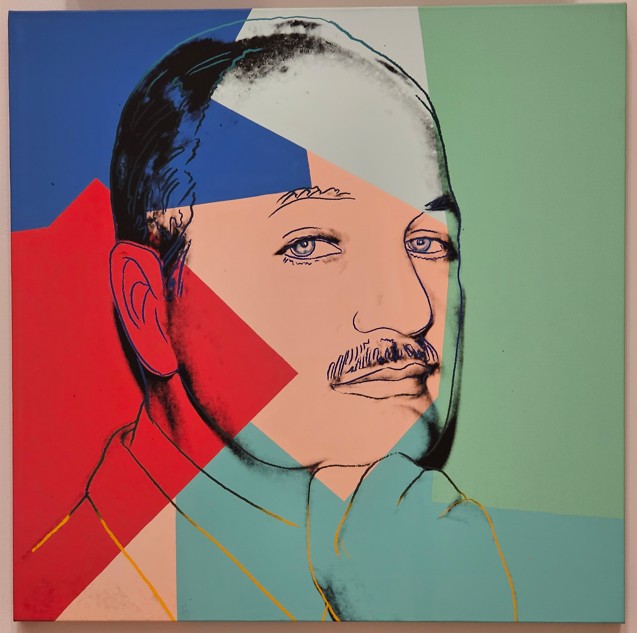
Portait of Douglas S. Cramer, Andy Warhol, 1985
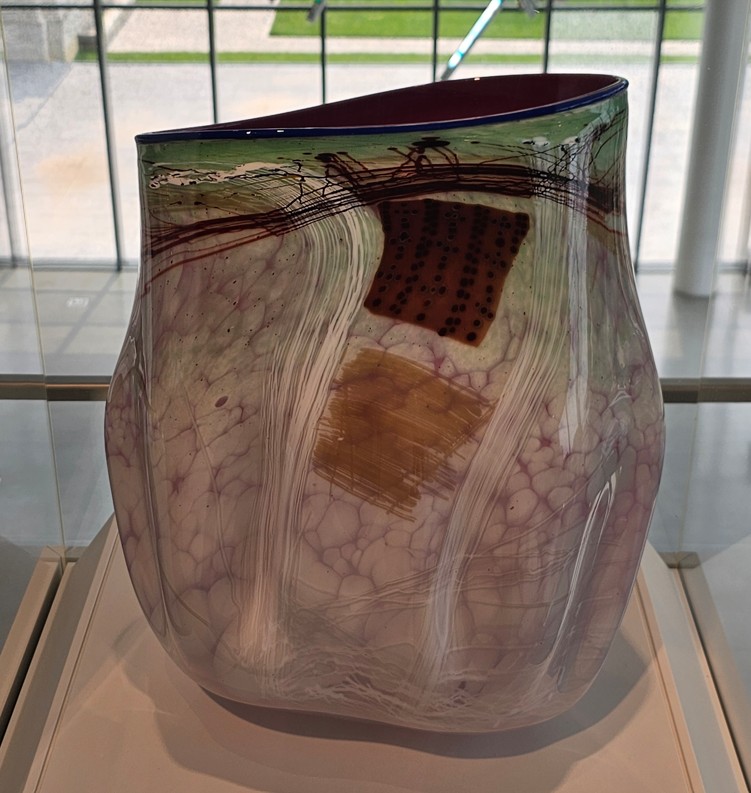
Cobalt Violet Soft Cylinder, Dale Chihuly, 1986
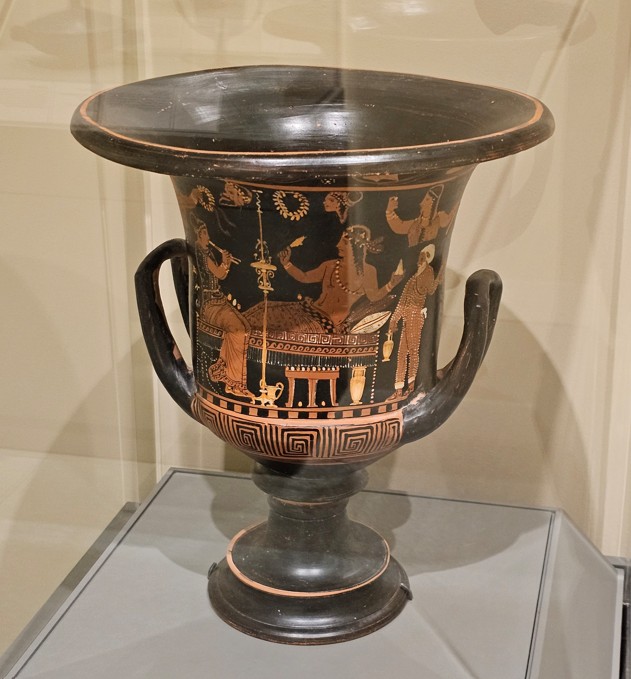
Mixing vessel (calyx-krater), Greek, 350-340 BC
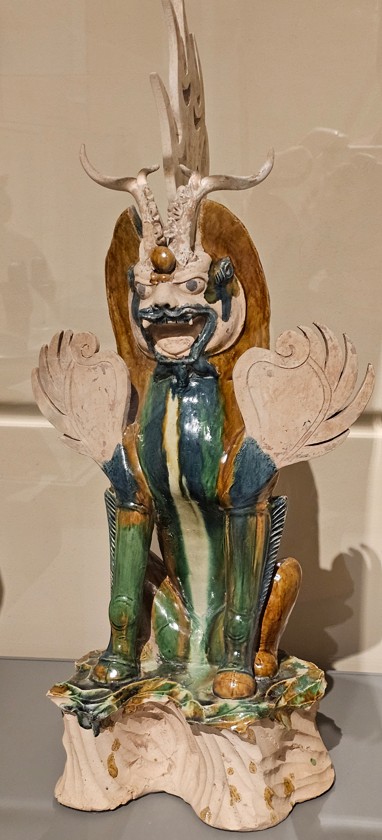
Tomb guardian, Chinese, 700-750 AD
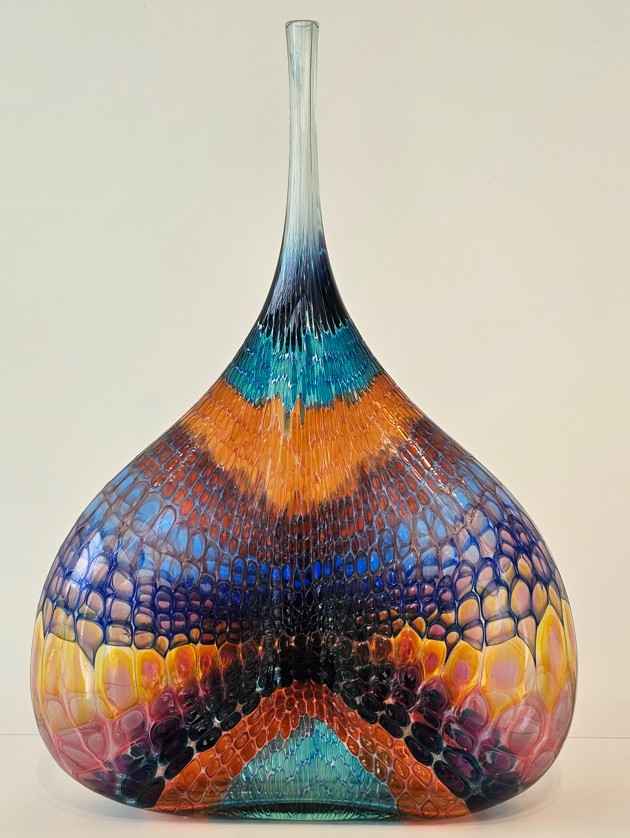
Hendrix Sigh Johnson, Stephen Rolfe Powell, 1992
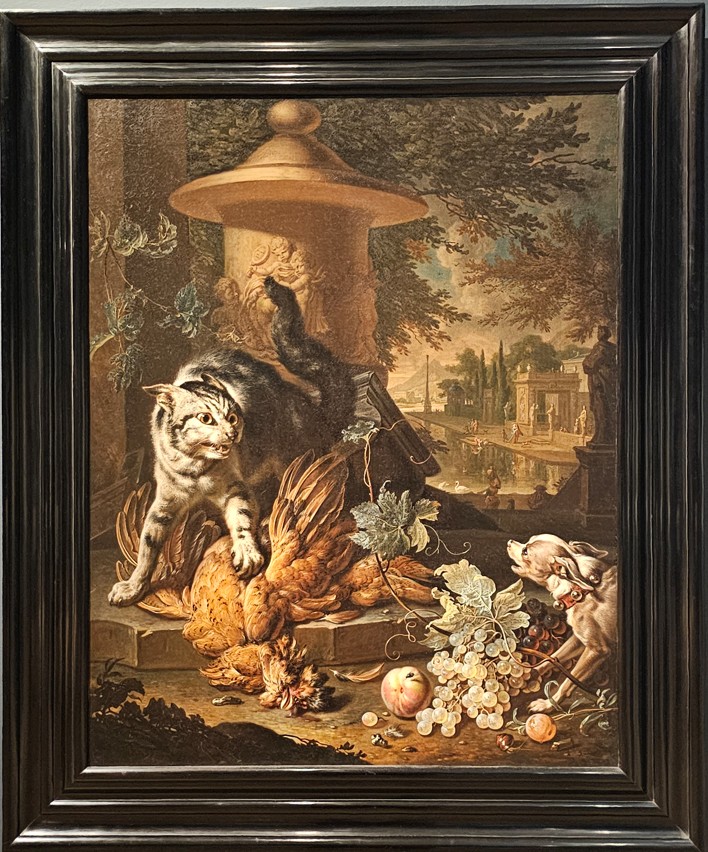
A Cat Protecting Spoils from a Dog, Dirk Valkenburg, 1717
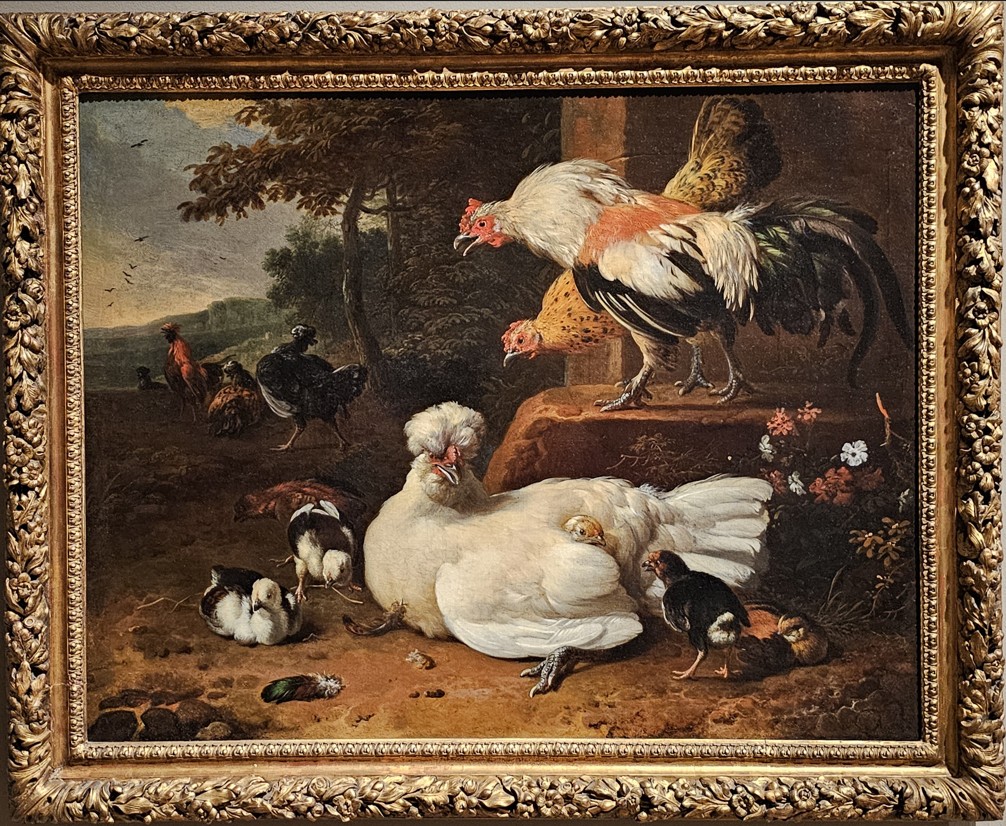
A White Hen and Other Poultry in a Landscape, Melchior de Hondecoeter, 1670-1675
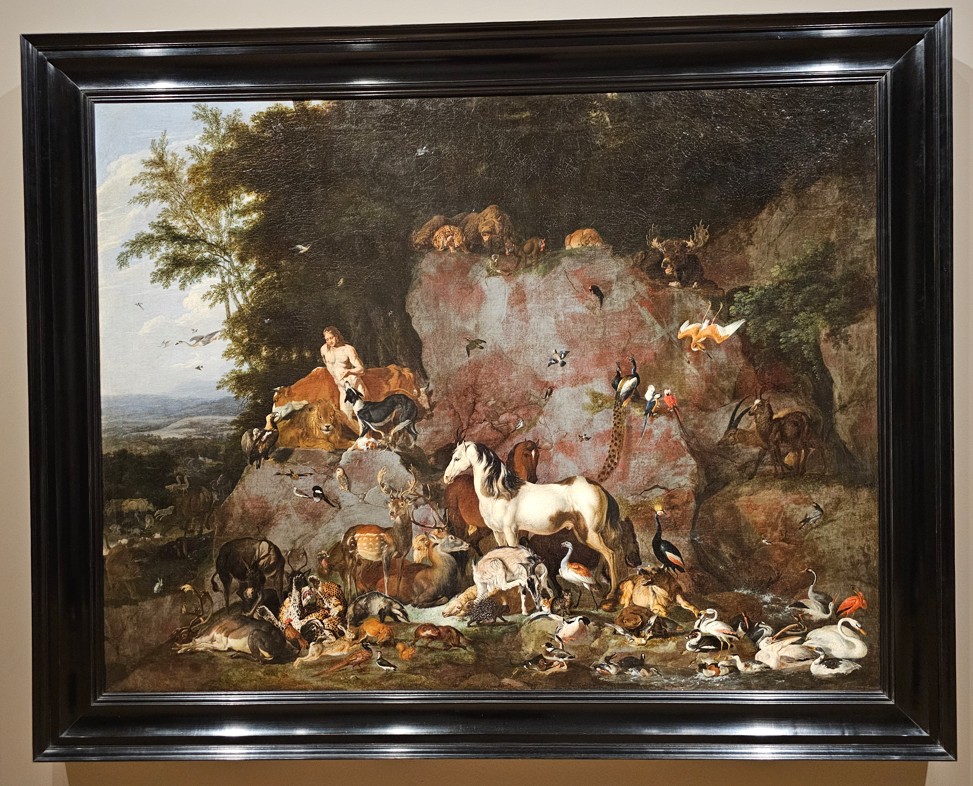
Adam Naming the Animals, Carl Borromäus Ruthard, 1686
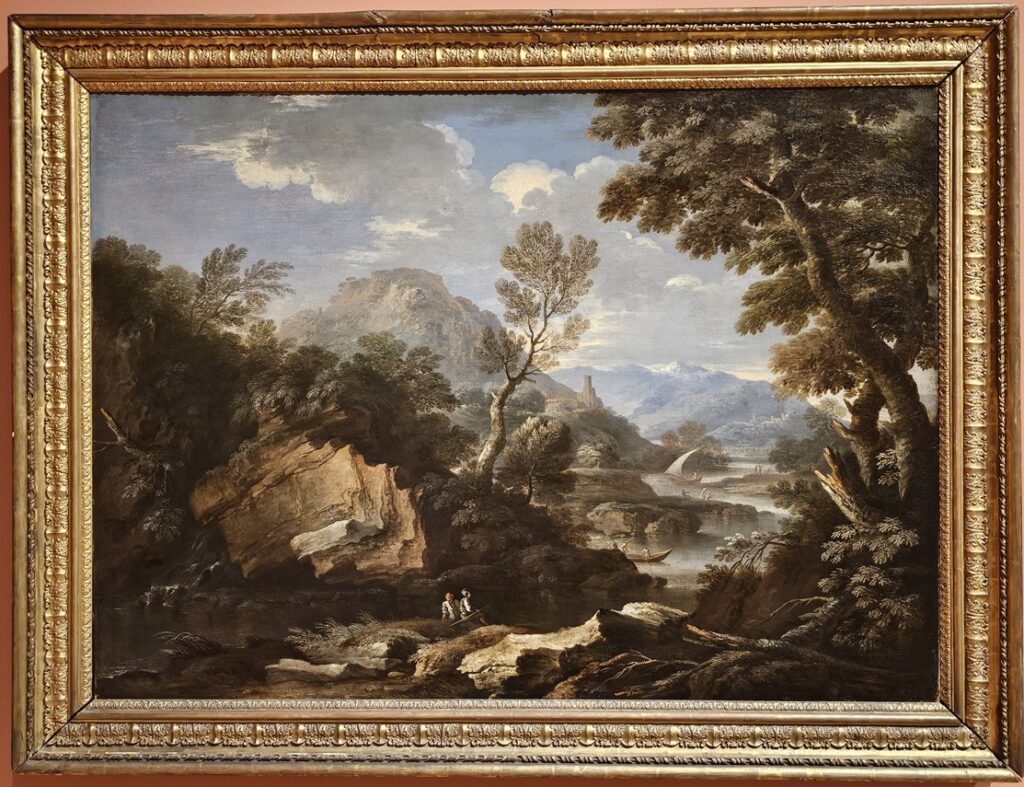
Landscape, attributed to Salvator Rosa, 1650
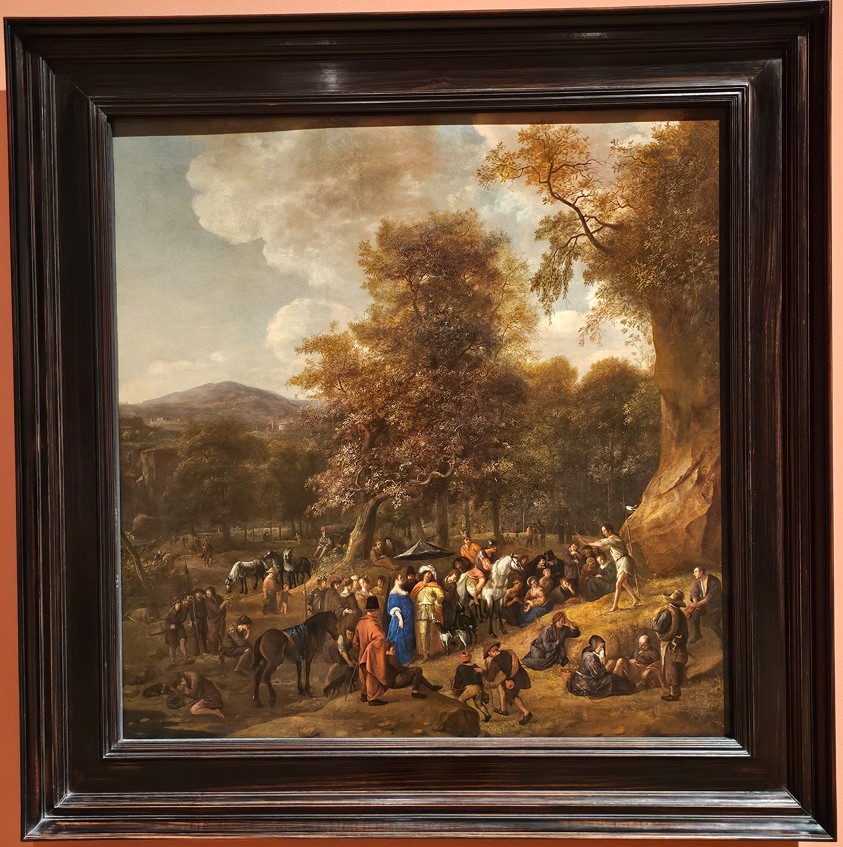
John the Baptist Preaching in the Wilderness, Jan Steen, 1648-1651
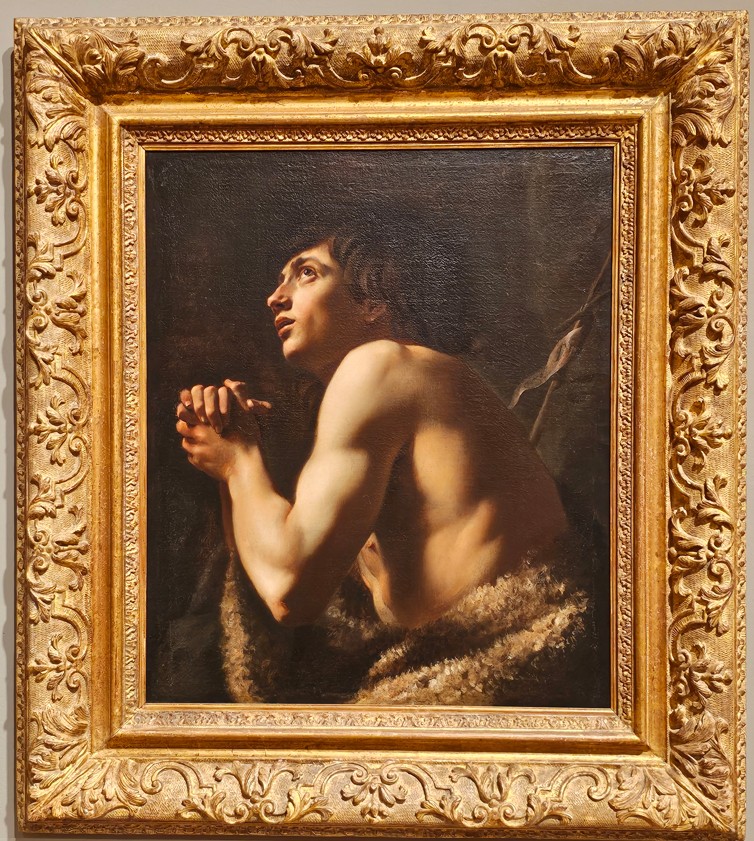
Saint John the Baptist in the Wilderness, artist unknown, 1625
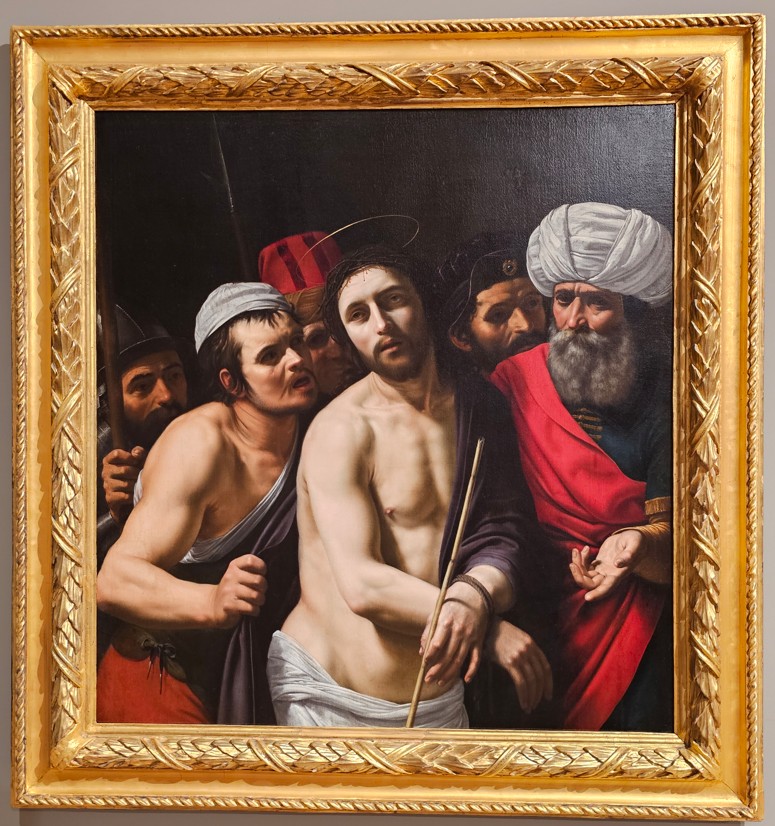
Ecce Homo (Behold the Man), Gerard Douffet, 1623
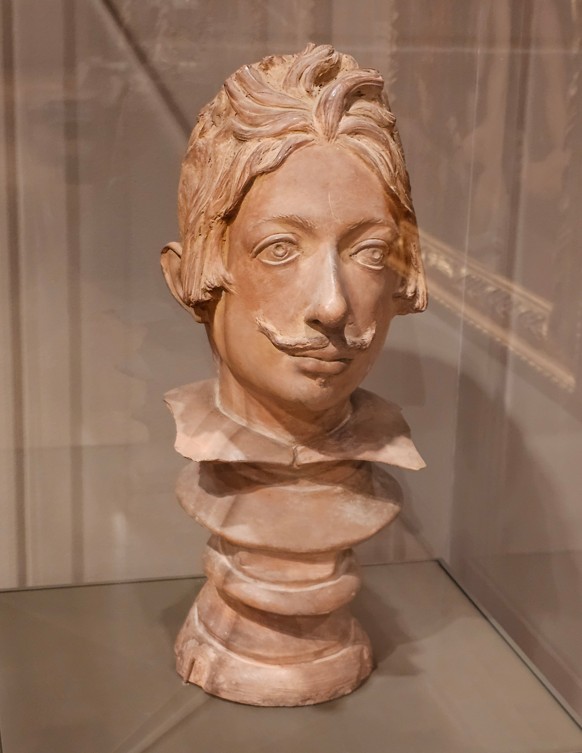
Cosimo Il de’ Medici, Giovanni Gonnelli, 1612
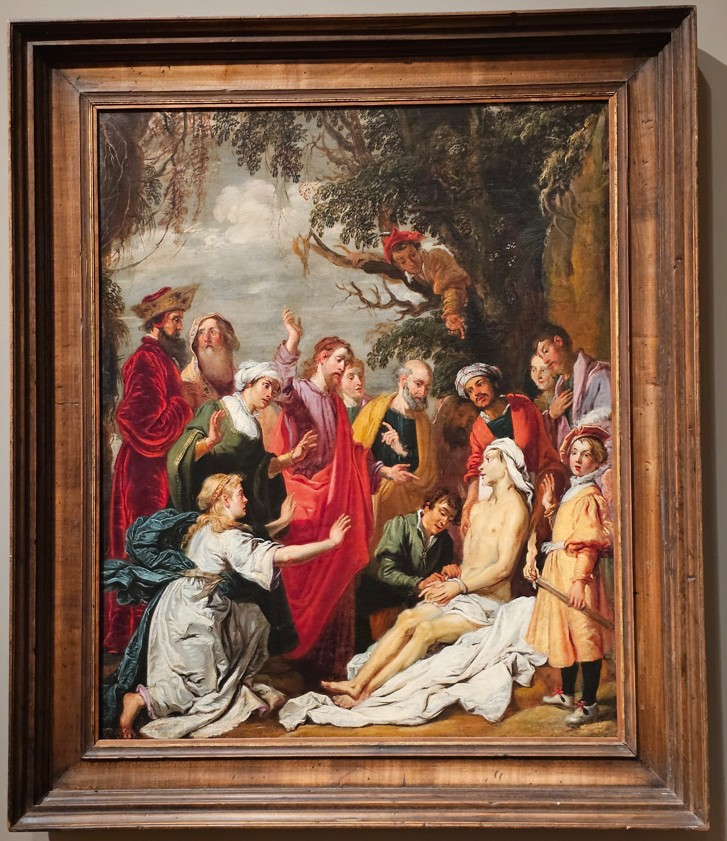
The Raising of Lazarus, David Teniers I, 1630s or later
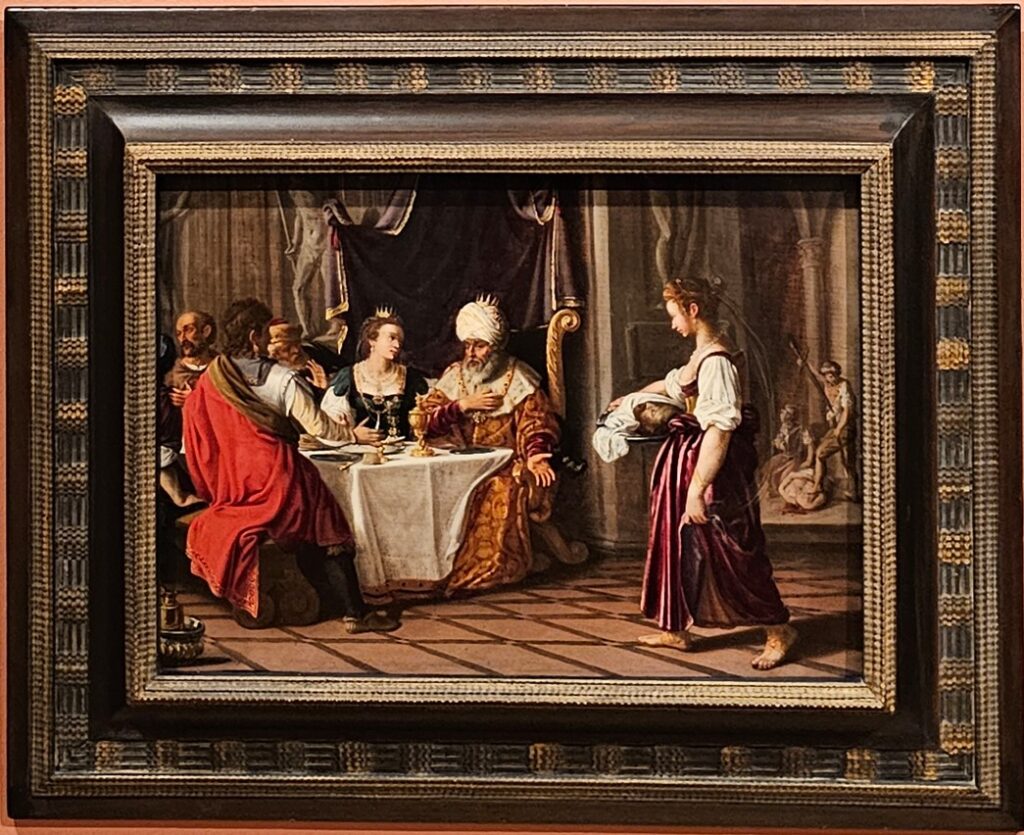
Feast of Herod, Jan Simonszoon Pynas, 1615
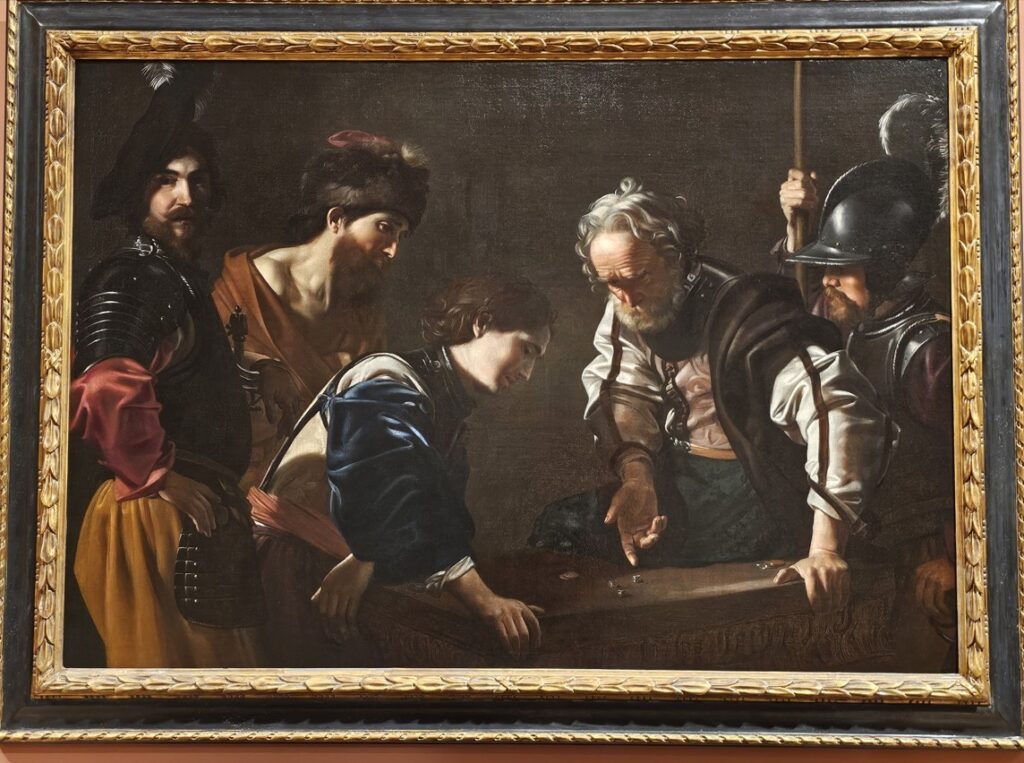
Dice Players, Nicolas Tournier, between 1619 and 1627
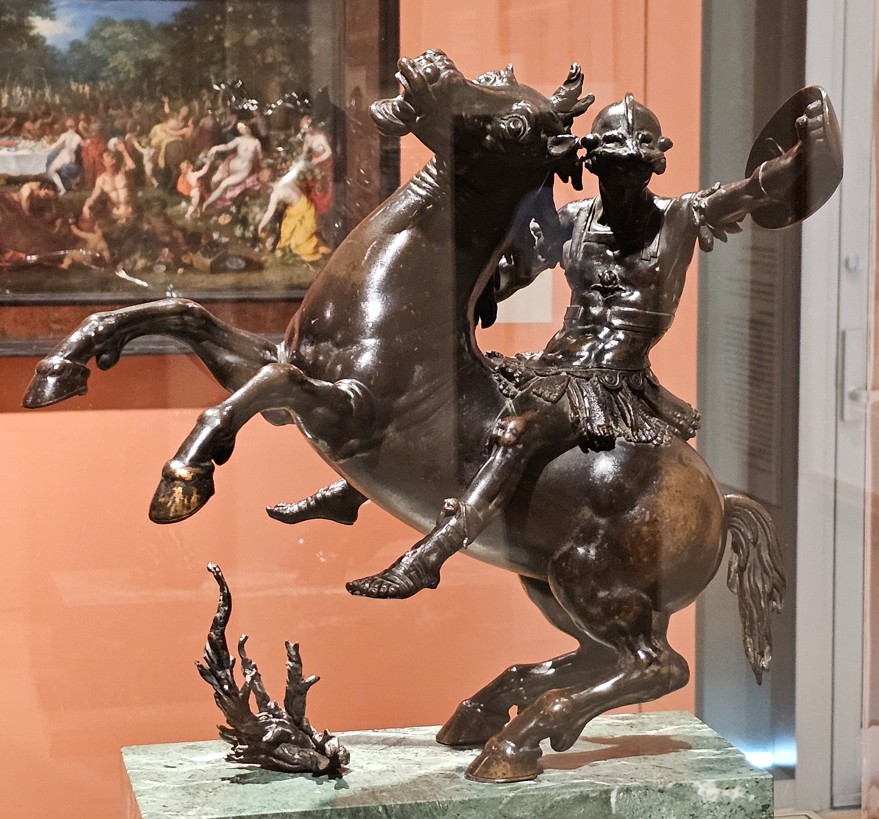
Warrior on Horseback (Marcus Curtius), attributed to Willem Danielsz van Tetrode, 1562-1565
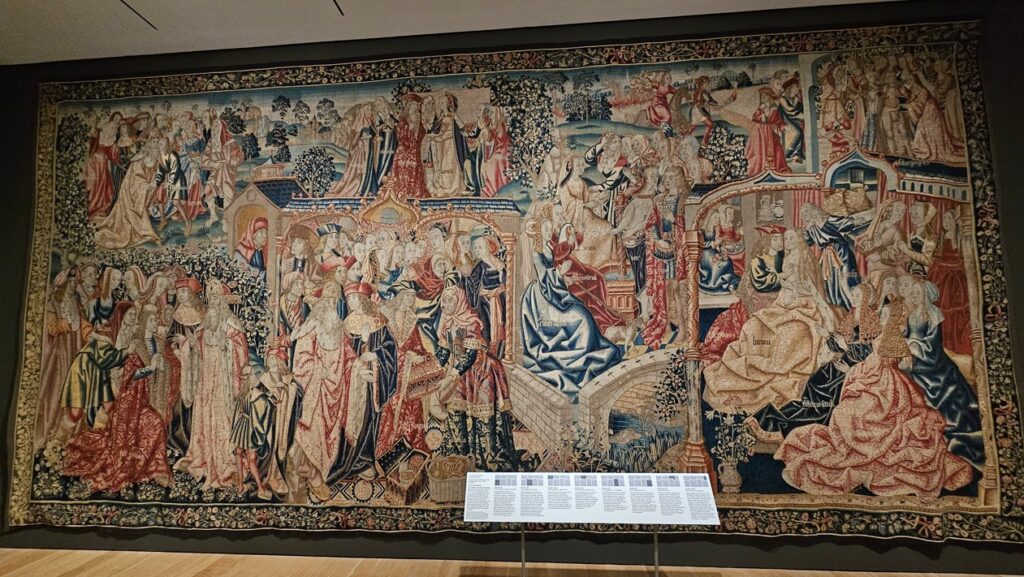
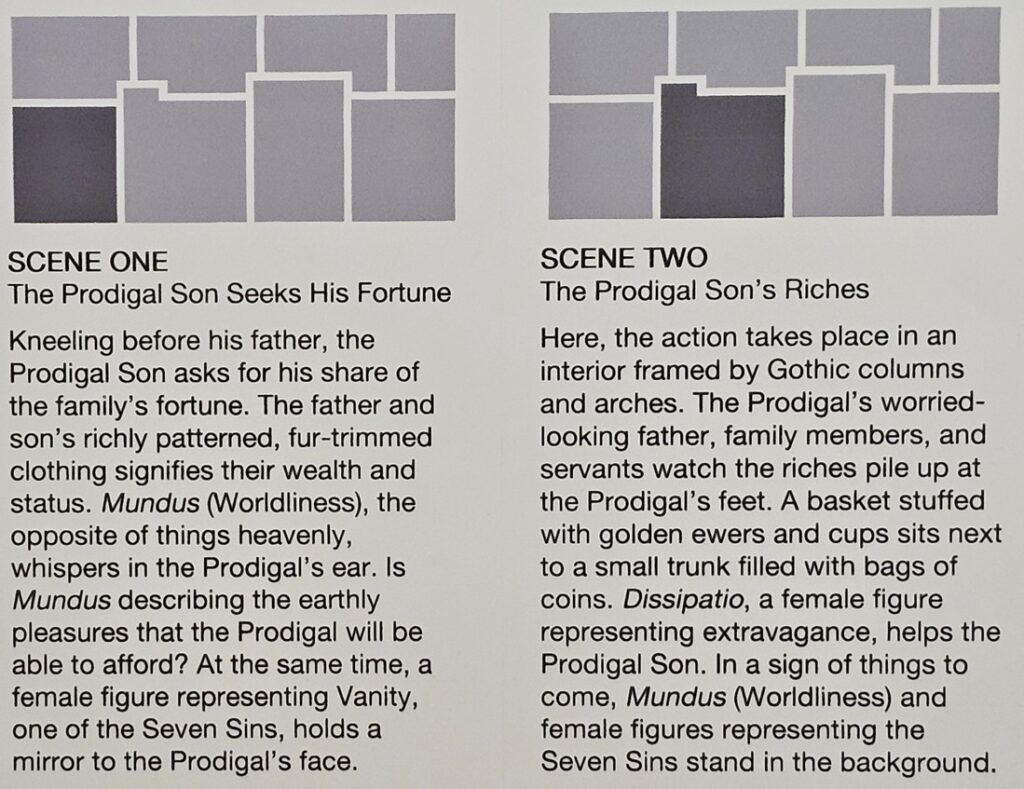
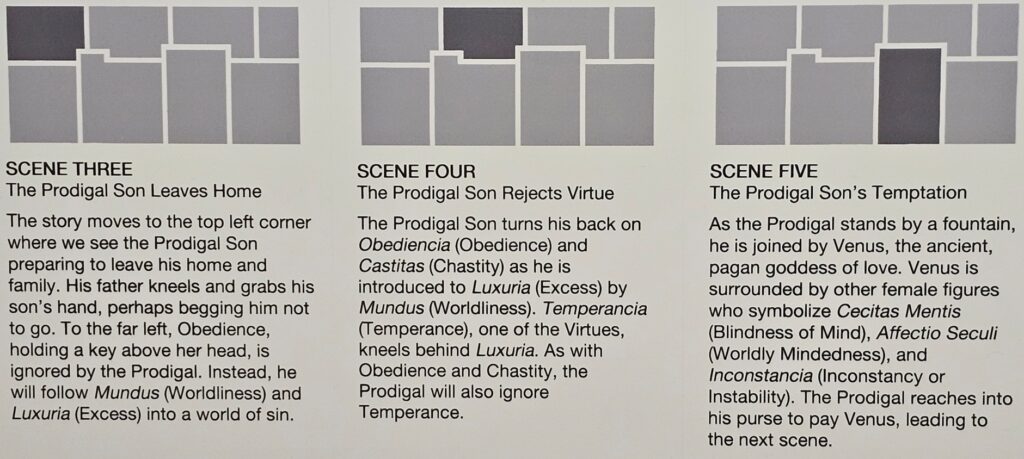
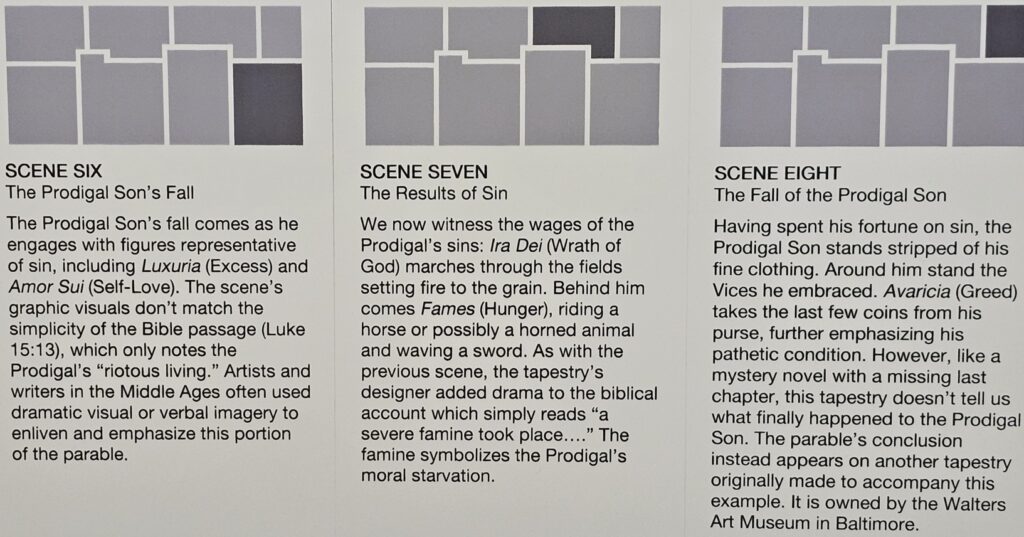
Scenes from the Parable of the Prodigal Son, 1490-1520

Louisville Kentucky

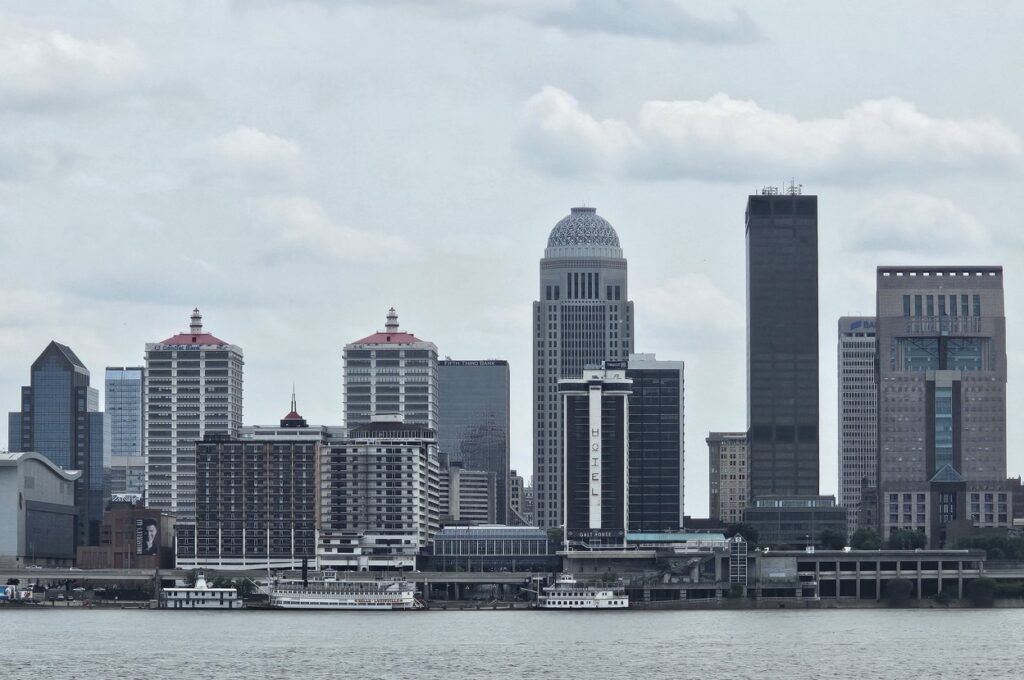
Louisville skyline across the Ohio River from Clarksville IN.
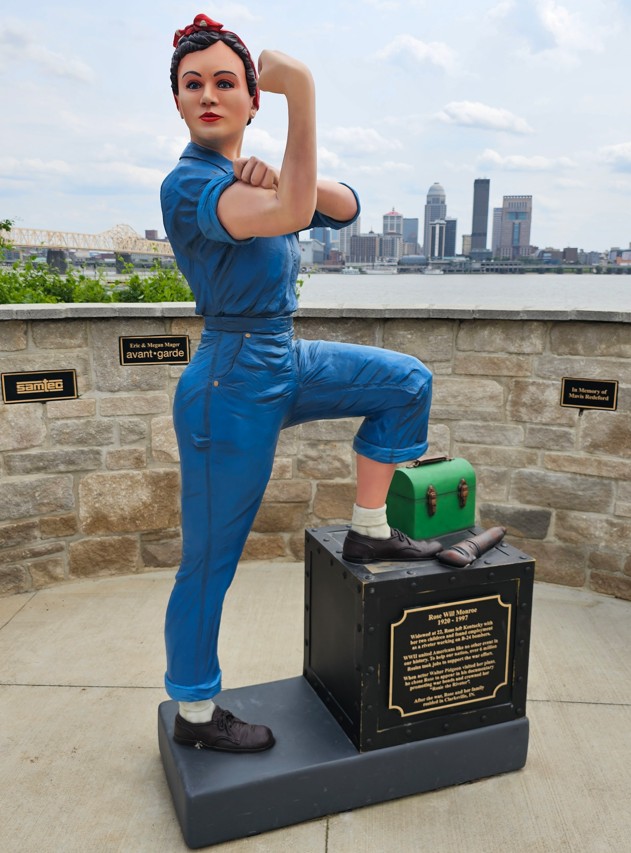
In Clarksville Indiana across the Ohio River from Louisville, this statue honors Rose Will Monroe, aka “Rosie the Riveter”. Widowed at 22, she found employment as a riveter working on B-24 bombers.
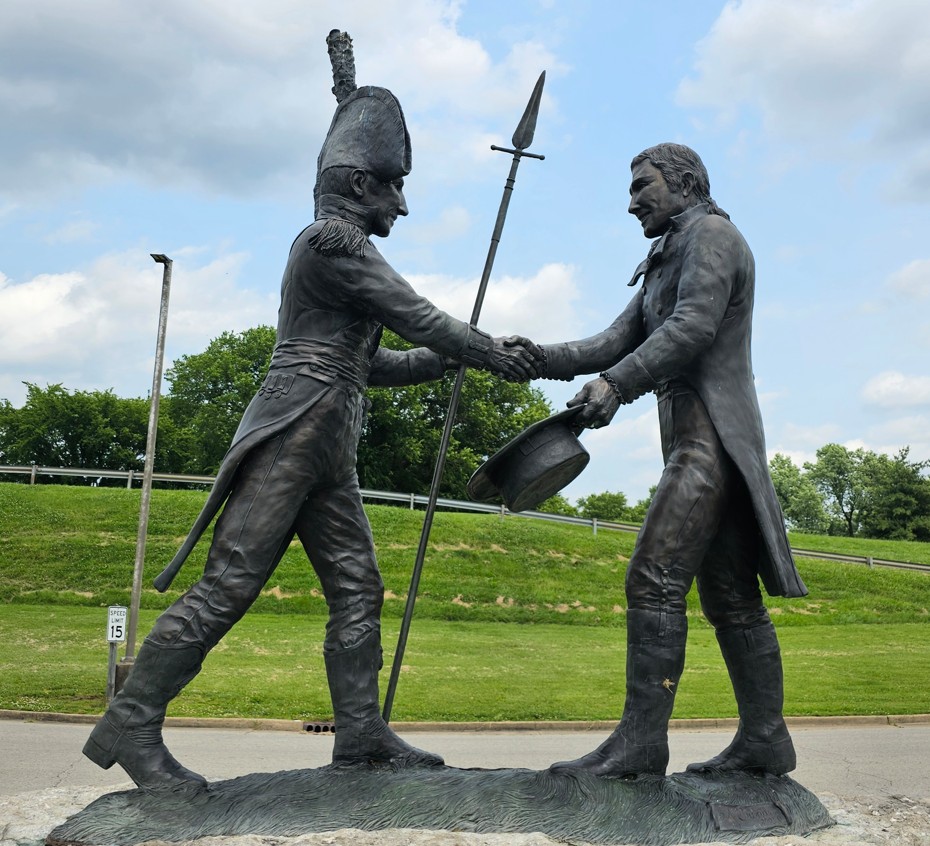
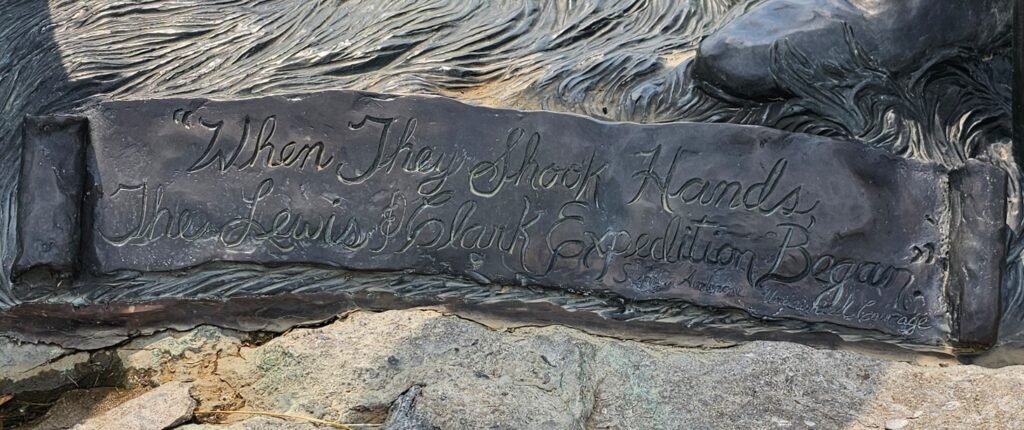
Monument to Lewis and Clark starting their expedition to the Pacific Ocean.
“Then they shook hands”
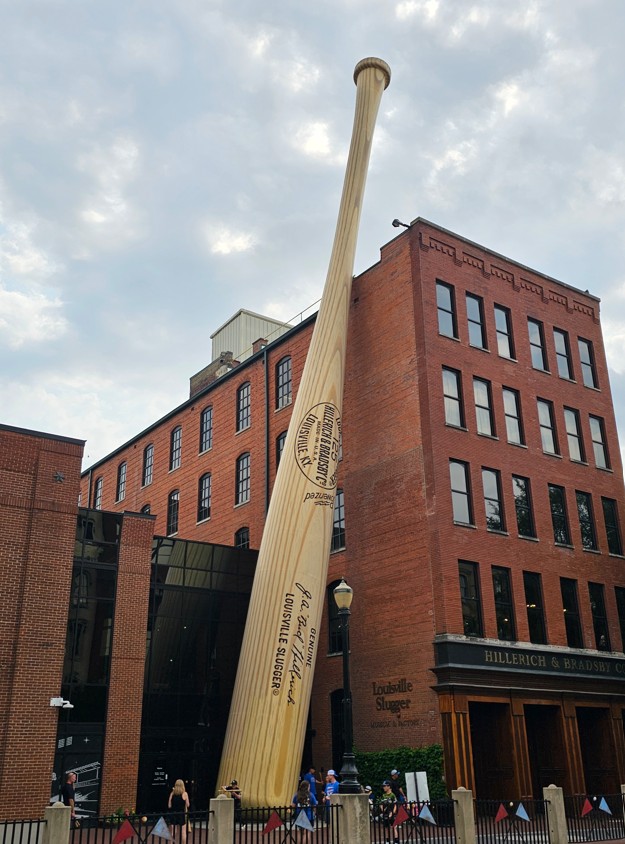
Louisville Slugger plant. The bat is 120 feet tall.
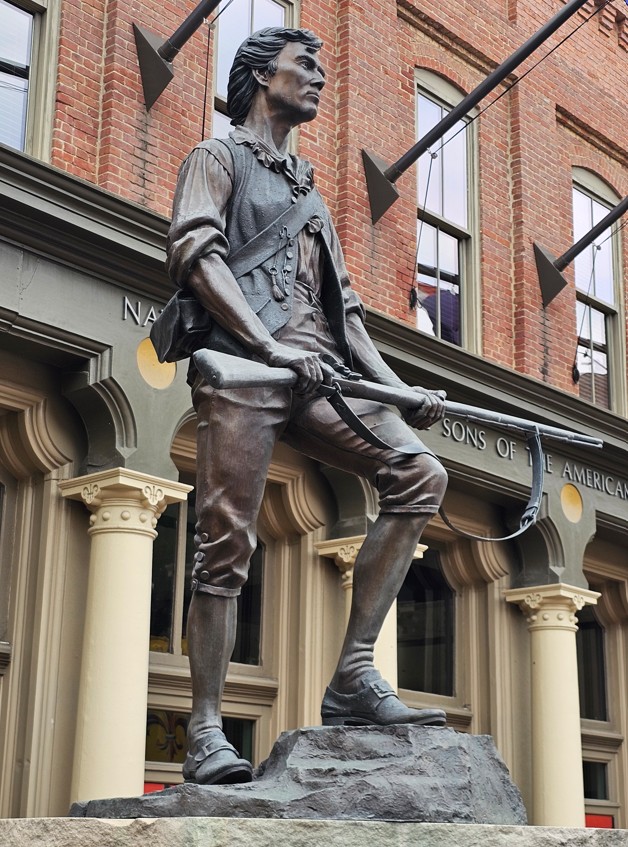
Sons of Liberty – 1775
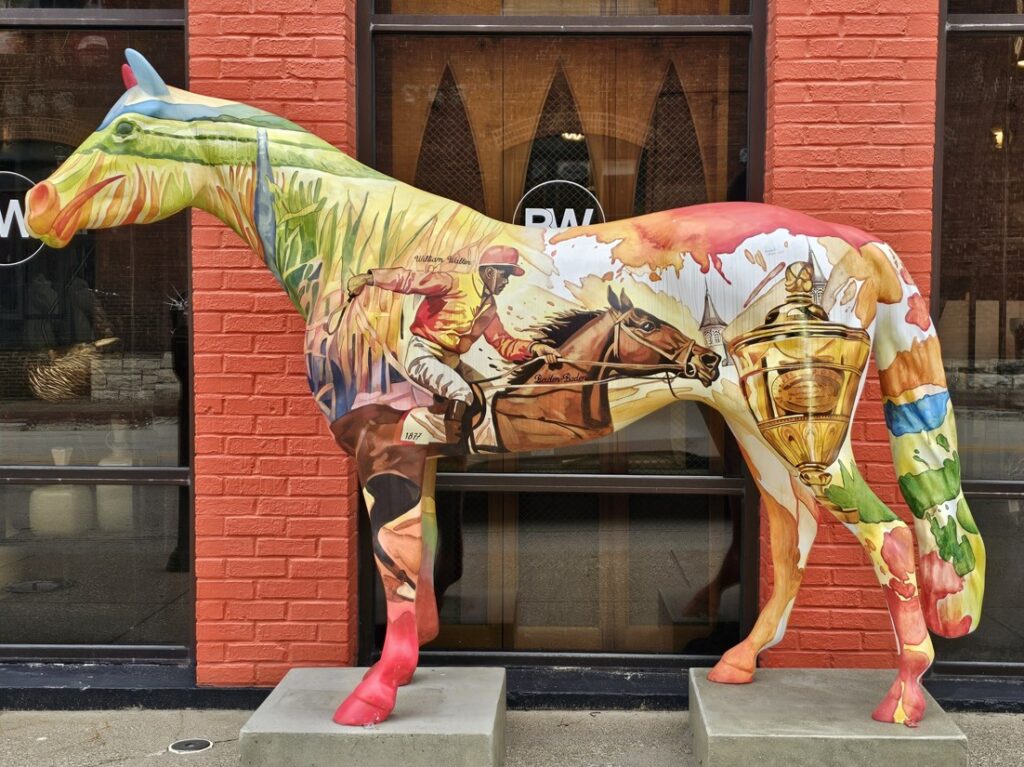
Horse statues are everywhere in Louisville, being the home of the Kentucky Derby.
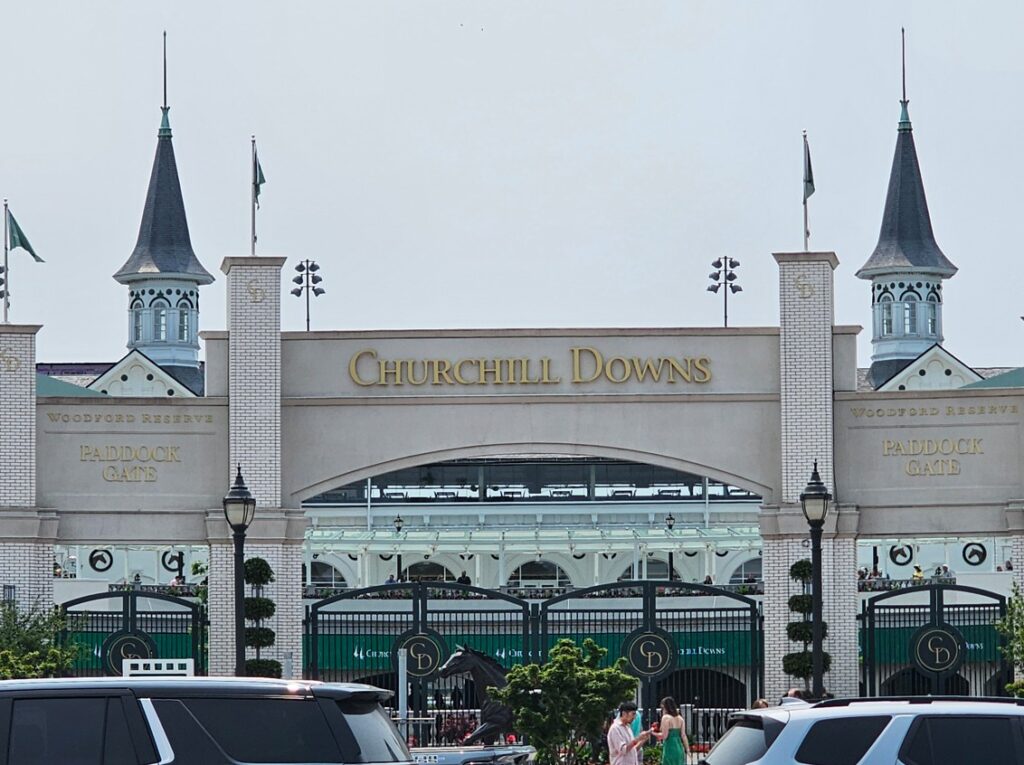
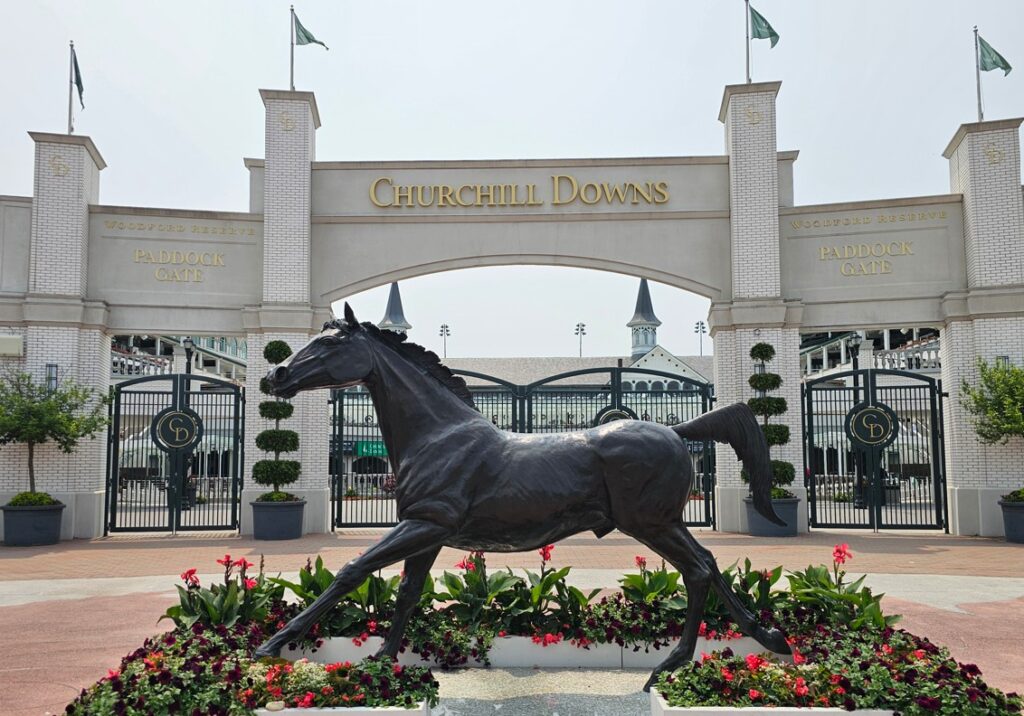
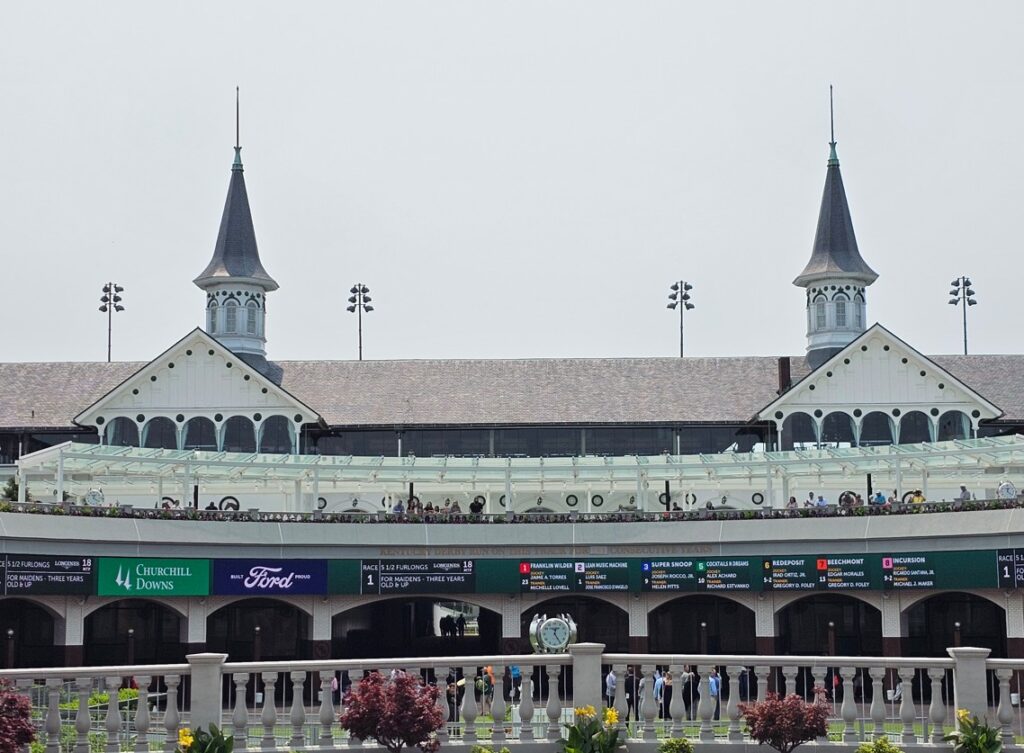
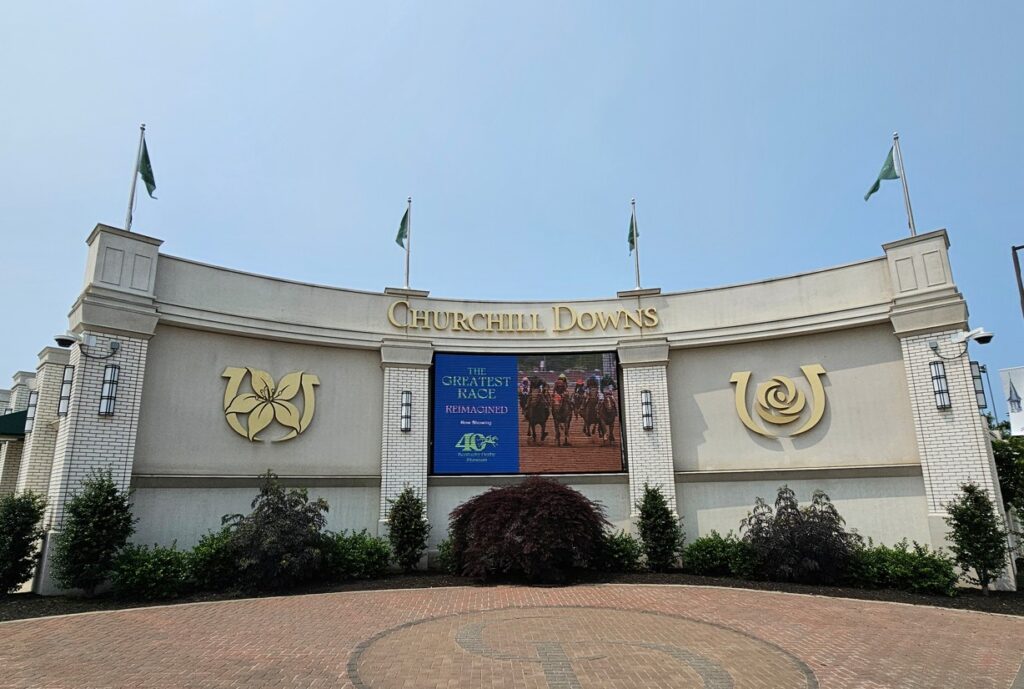
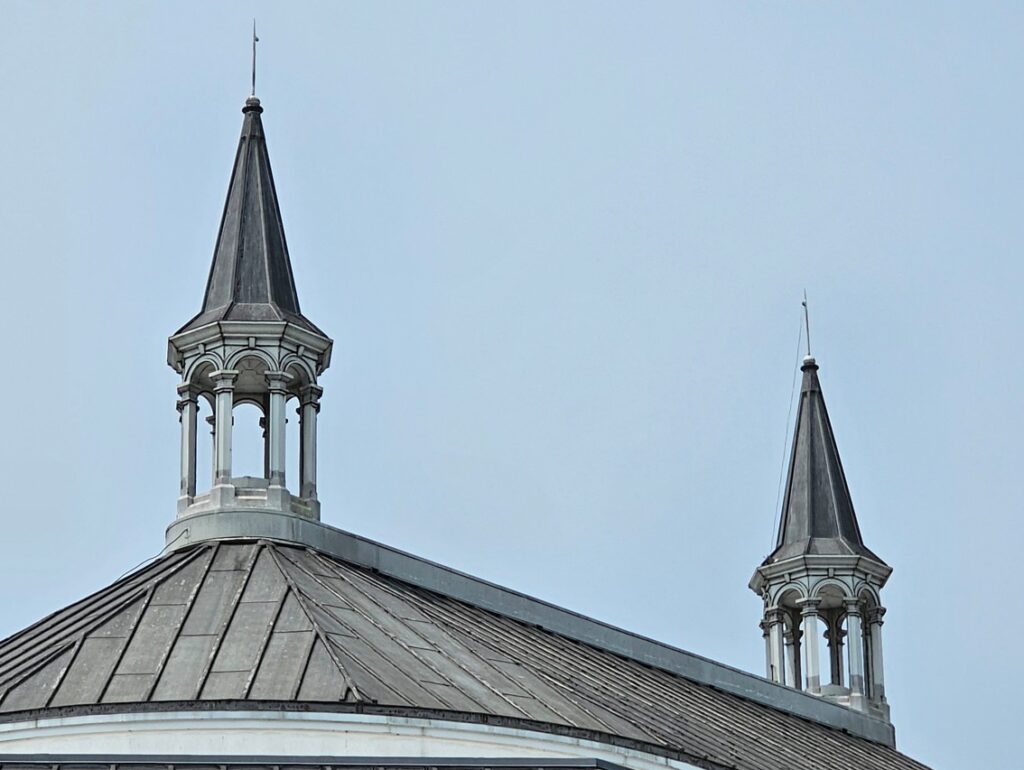
Churchill Downs, home of the Kentucky Derby. The world famous “Twin Spires”.
Statue of Aristide, first winner of the Kentucky Derby, 1875.
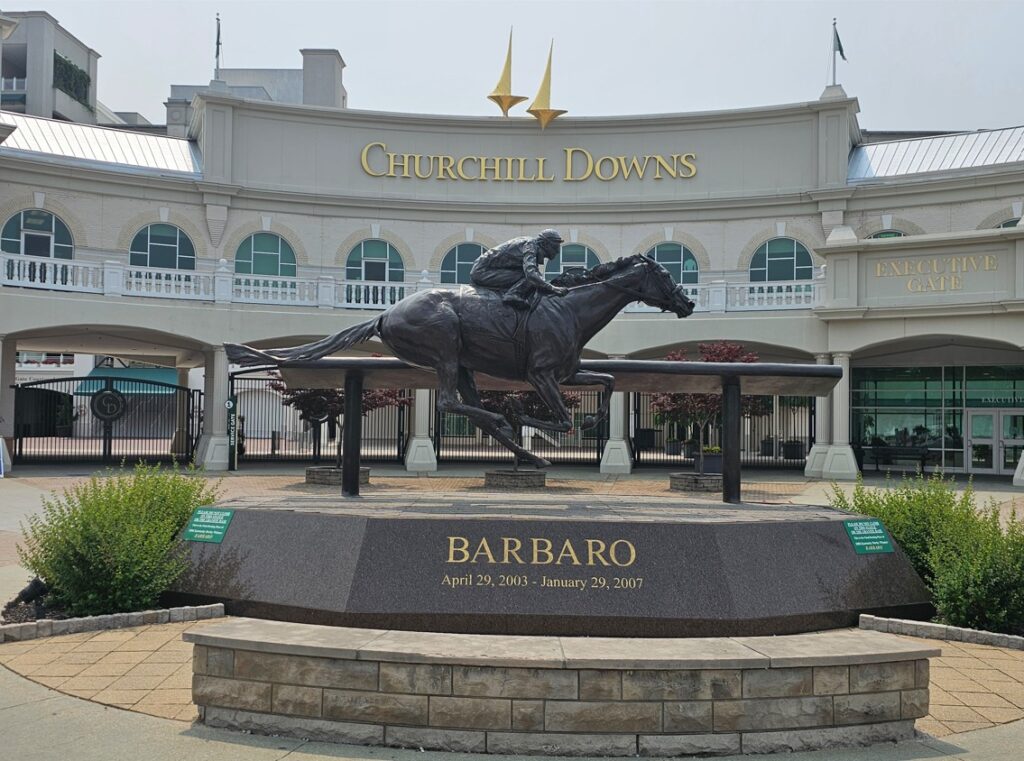
Barbaro won the 2006 Kentucky Derby, then shattered 3 bones in his leg three weeks later running the Preakness and later was euthanized..
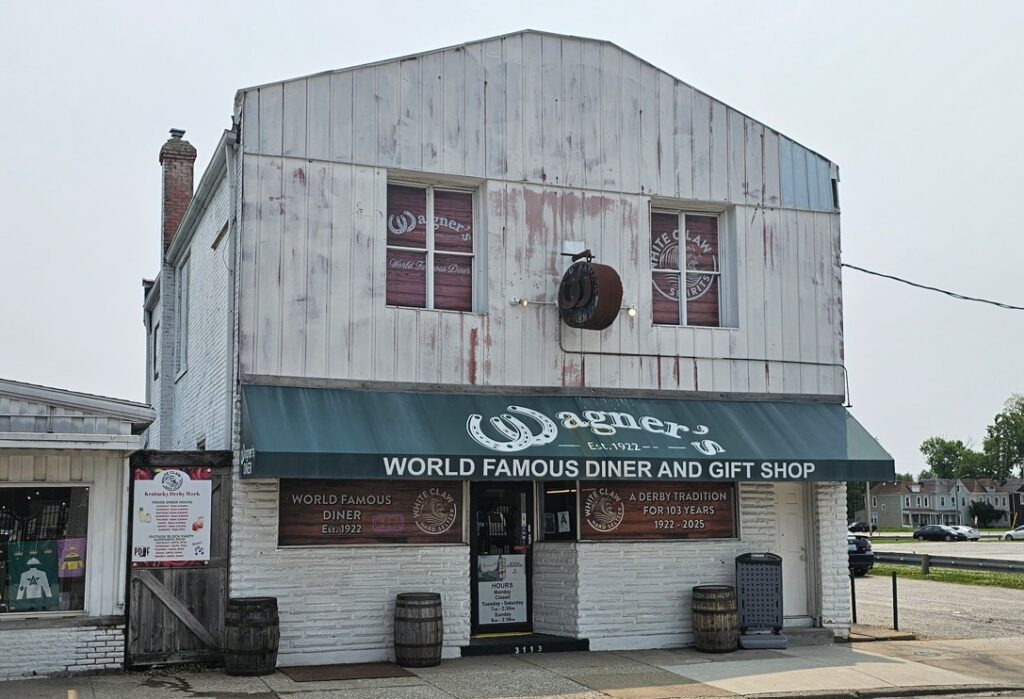
The famous Wagner’s Diner is across the street from Churchill Downs. It was featured in the movie Secretariat.
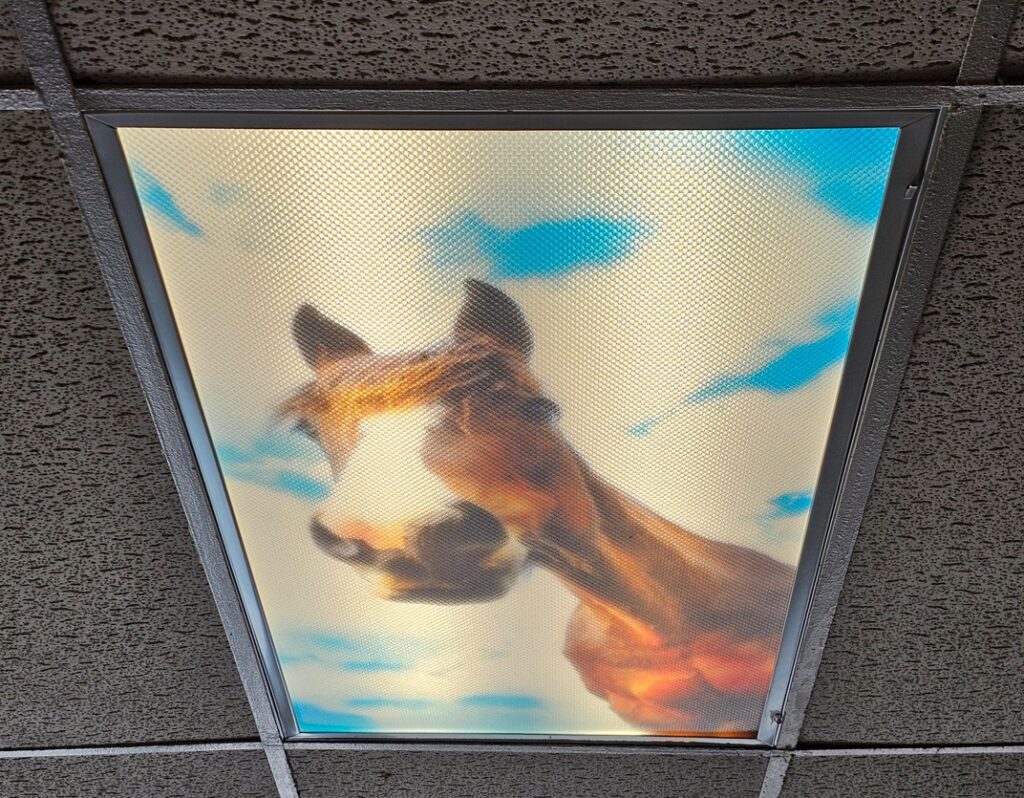
The light covers are pictures of horses.
The diner features this picture: Secretariat winning the Belmont in 1973 by 31 lengths, still a record.

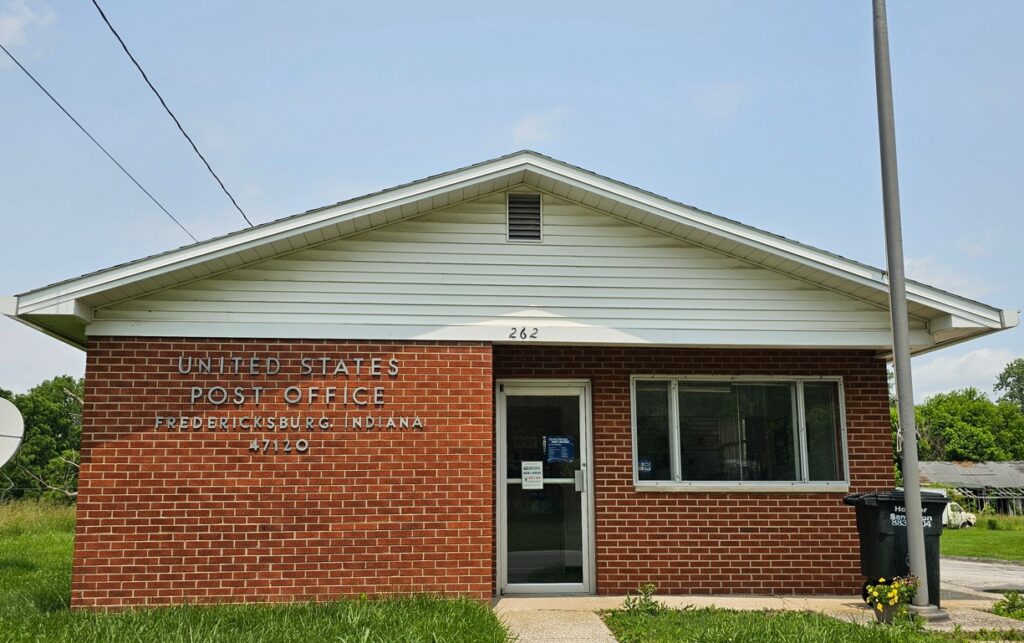
Fredericksburg Indiana

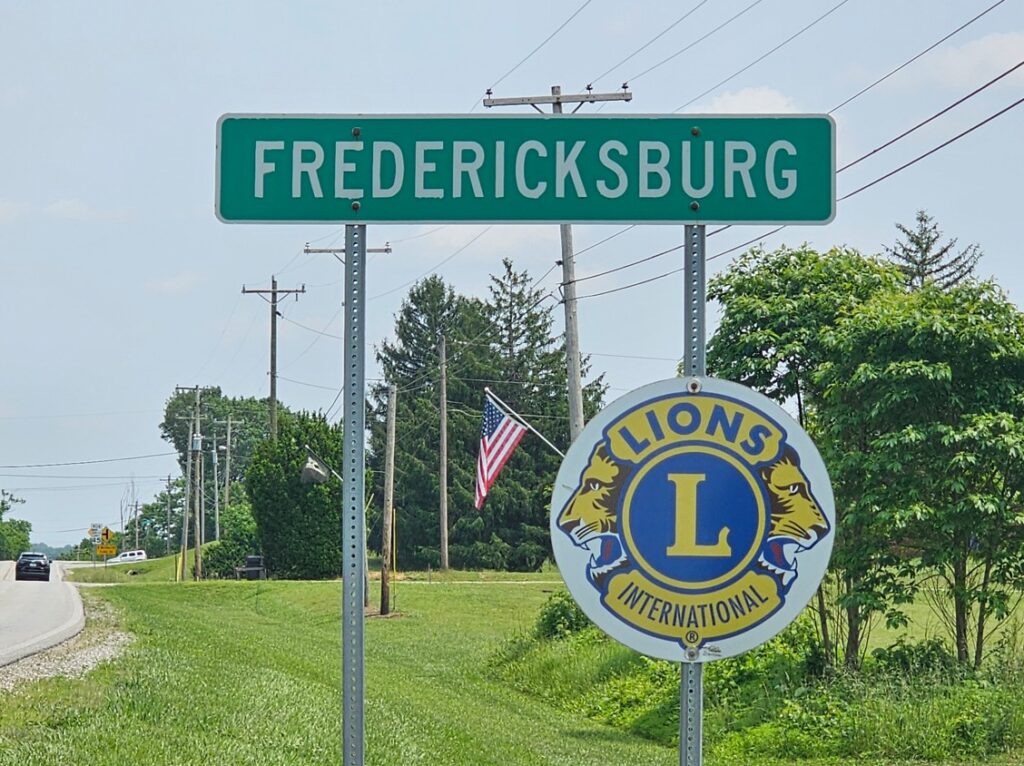
This is my 4th Fredericksburg, after Virginia, Texas and Ohio. Remaining: California, Pennsylvania, Iowa and Missouri.
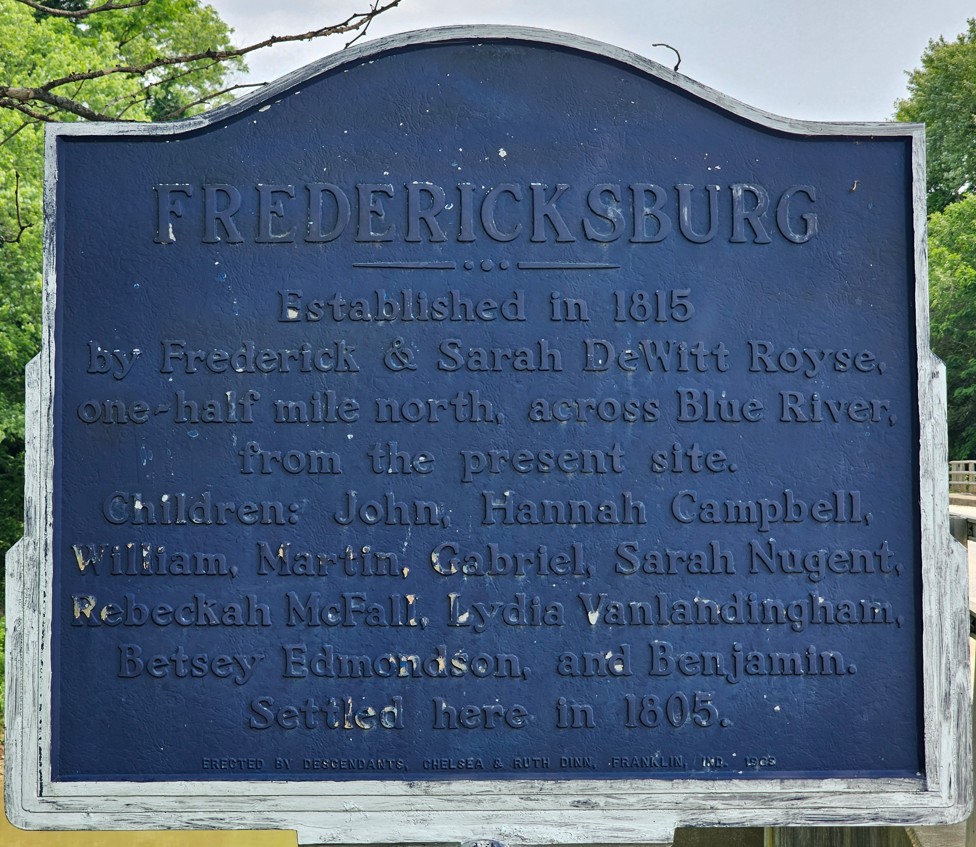
Fredericksburg Indiana dates to 1805, but is really just a bump in the road. Not much to see here.

French Lick Indiana

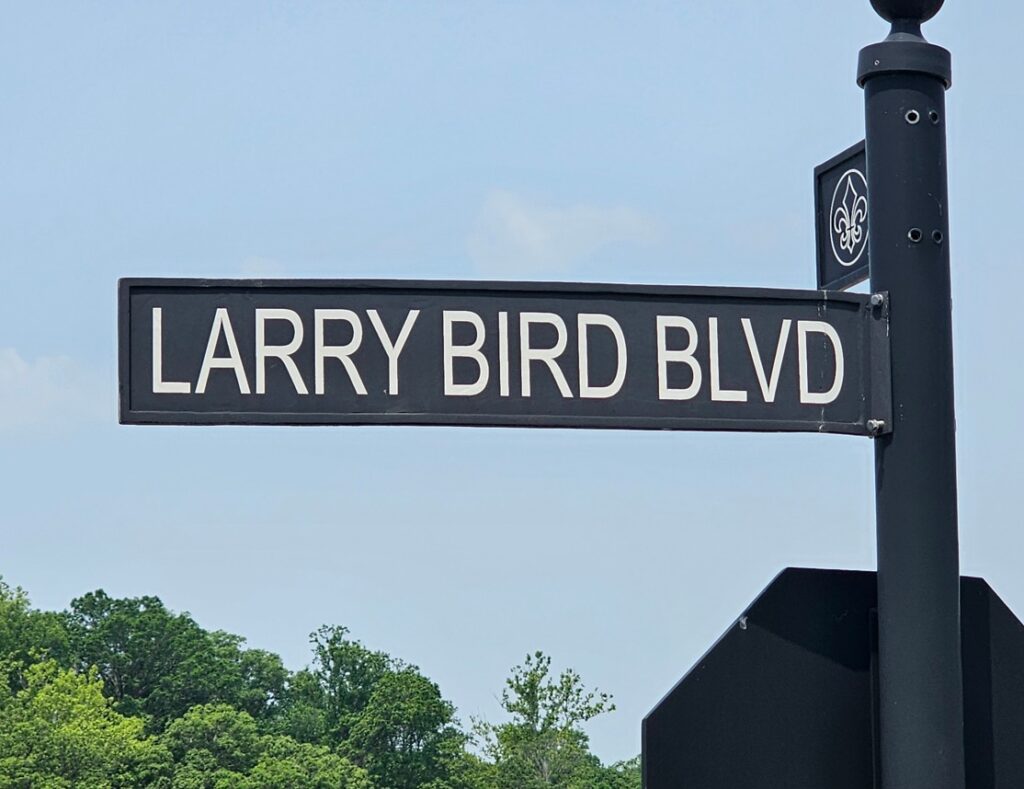
Driving through southern Indiana, we come upon French Lick, which is Larry Bird’s hometown.
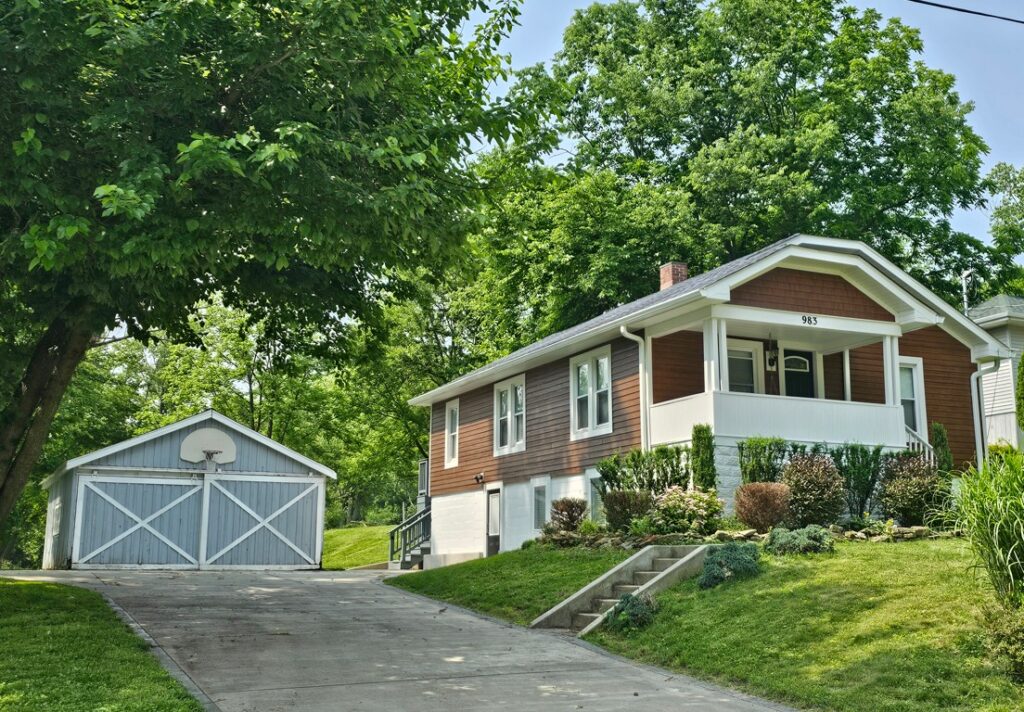
This is where Larry Bird grew up. He shot baskets on this garage (on a previous version of backboard).
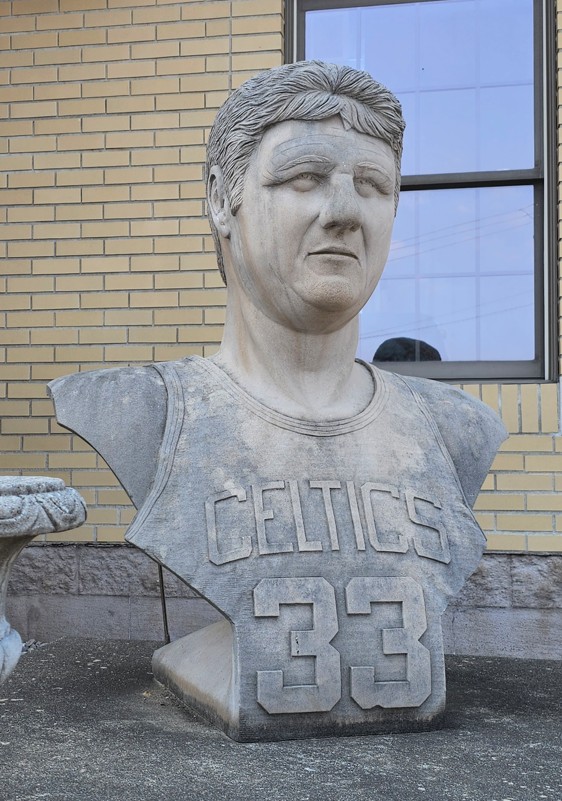
Larry Bird bust at the recreation center.
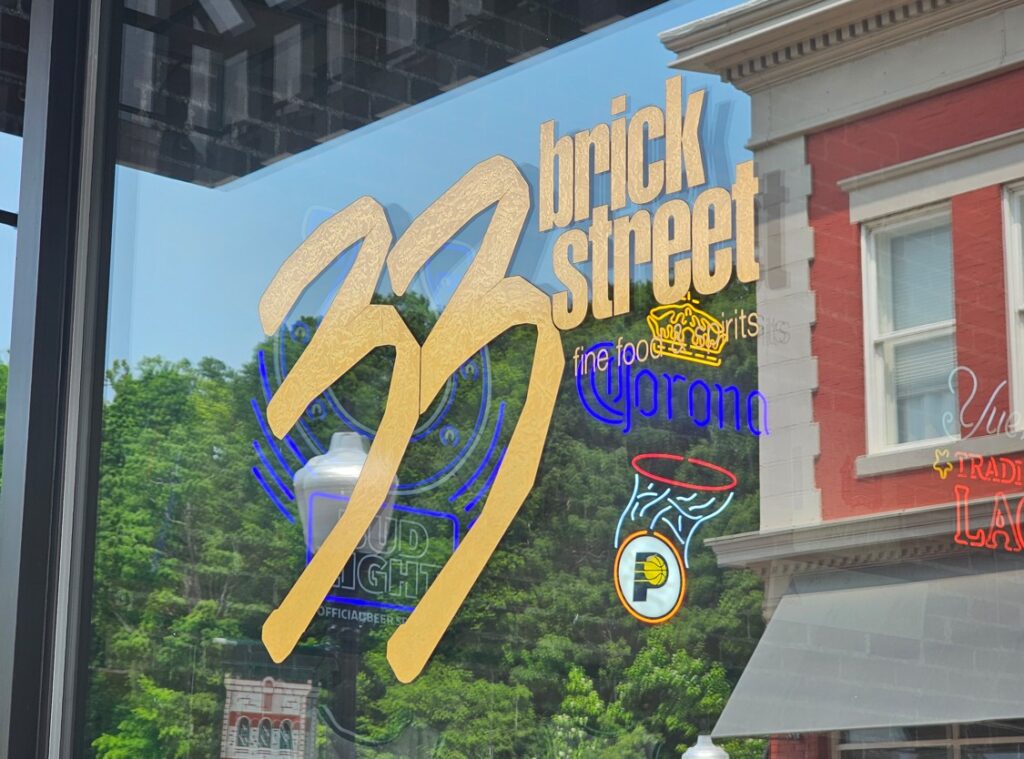
33 Brick Street is a restaurant, very much Larry Bird-themed. A lot of memorabilia inside.
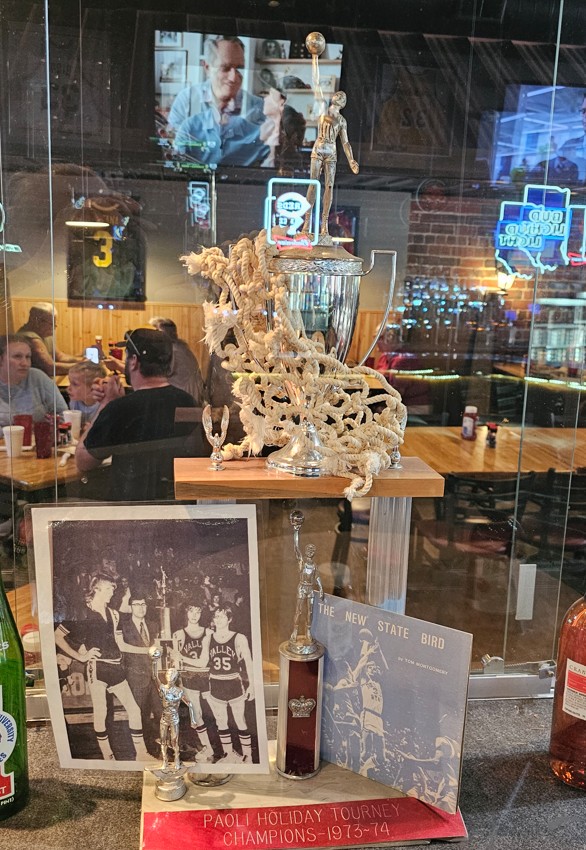
Trophy from Bird’s high school winning a tournament in 1973-1974 season
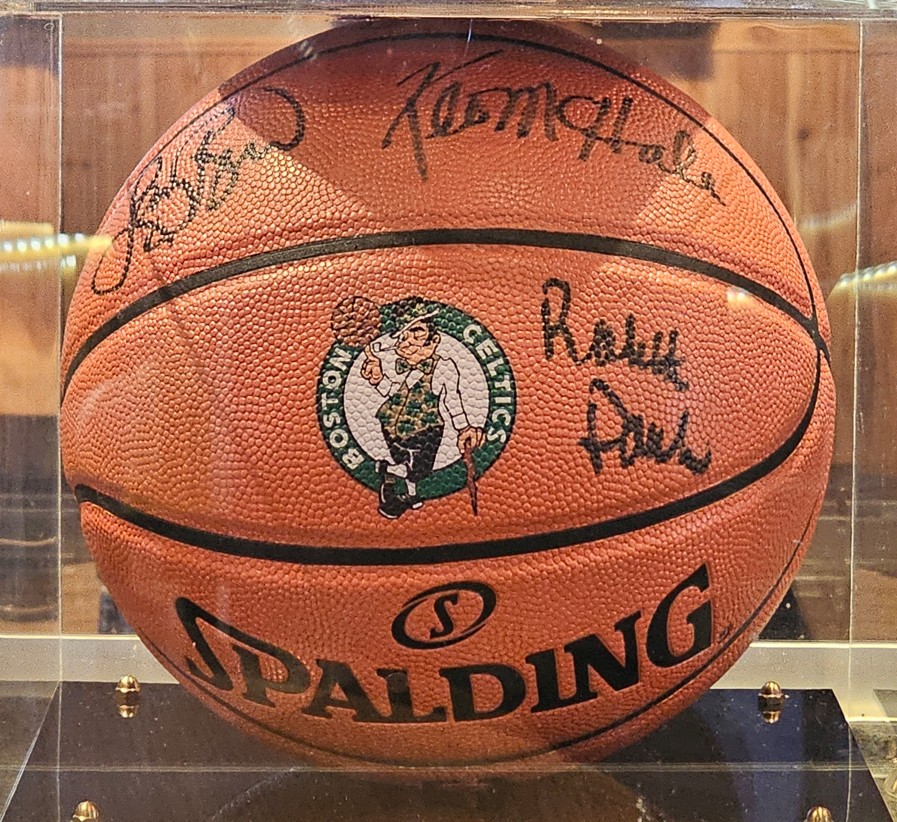
Basketball autographed by the “Big 3”: Larry Bird, Kevin McHale and Robert Parrish.
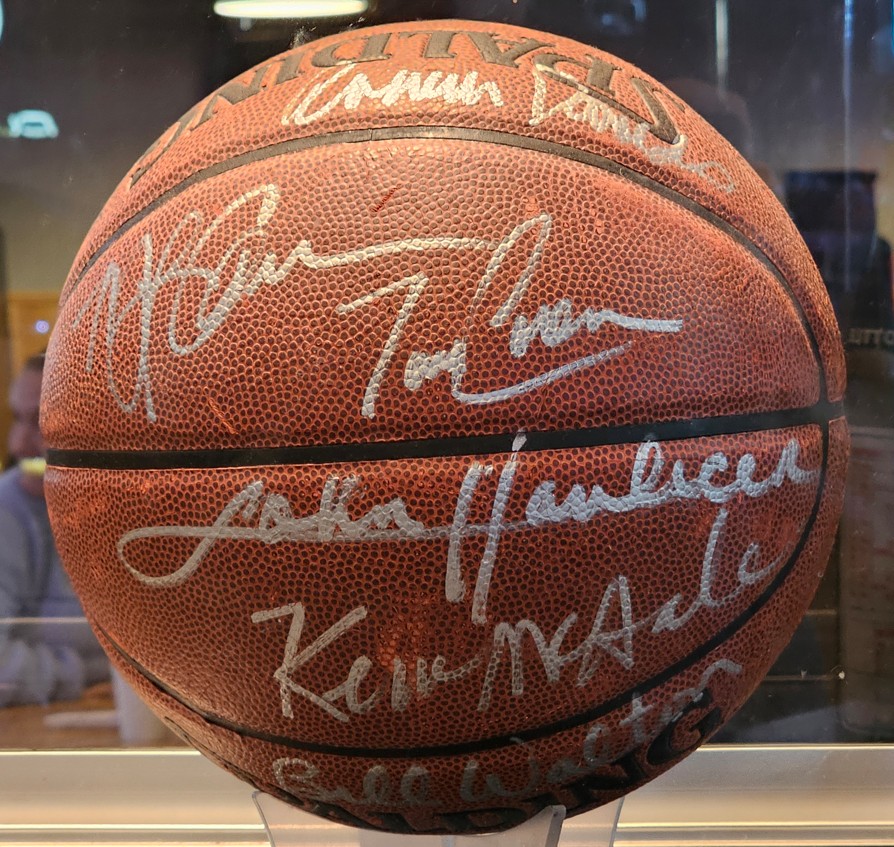
Basketball autographed by (among others) John Havlicek, Kevin McHale and Bill Walton.
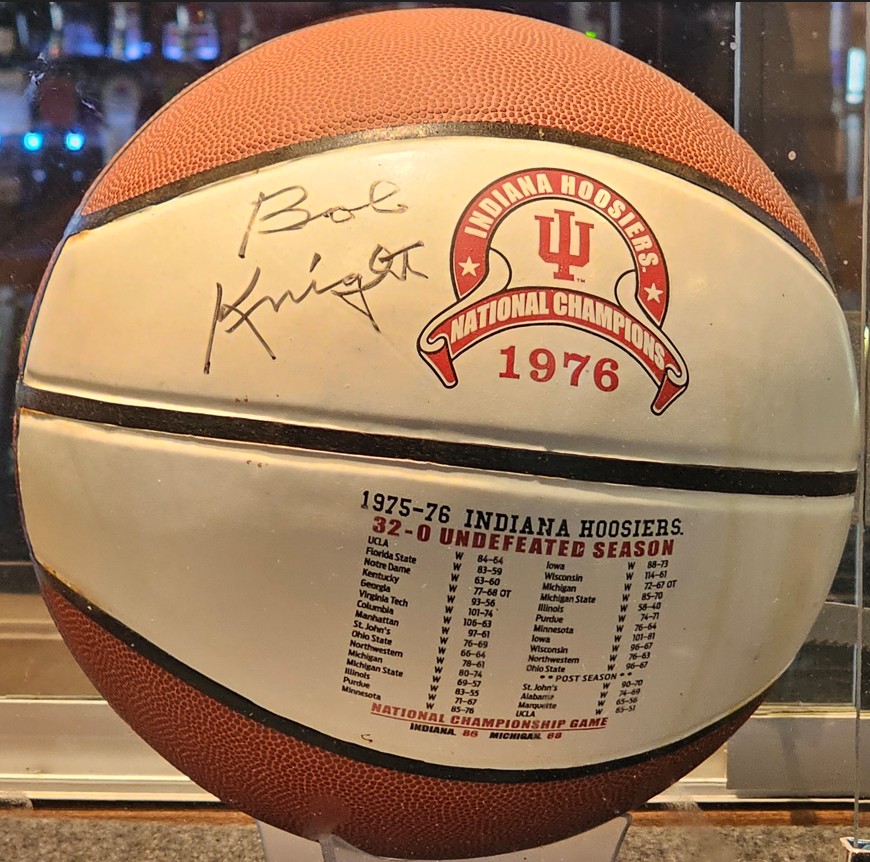
Basketball autographed by legendary coach Bob Knight commemorating that last undefeated college basketball champions, Indiana in 1976.
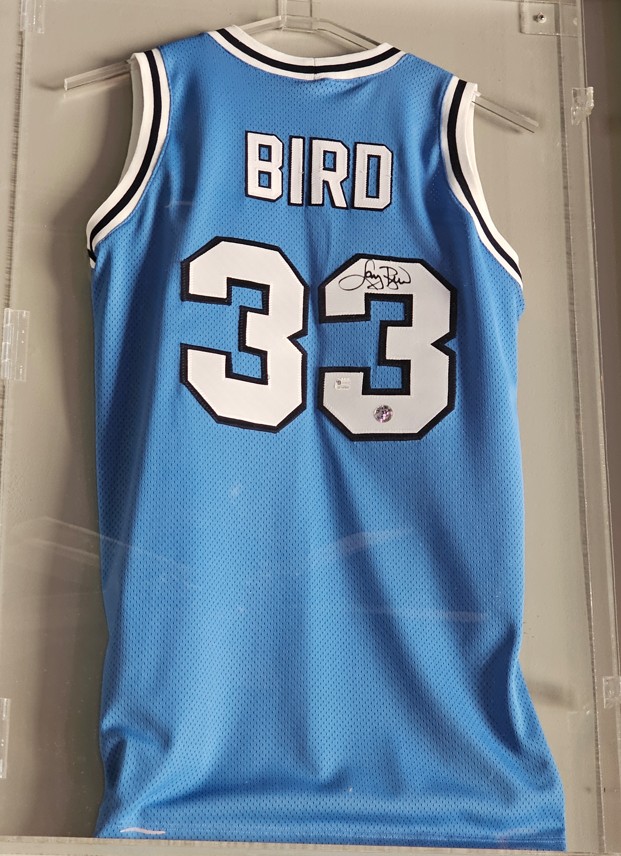
Bird’s college jersey.
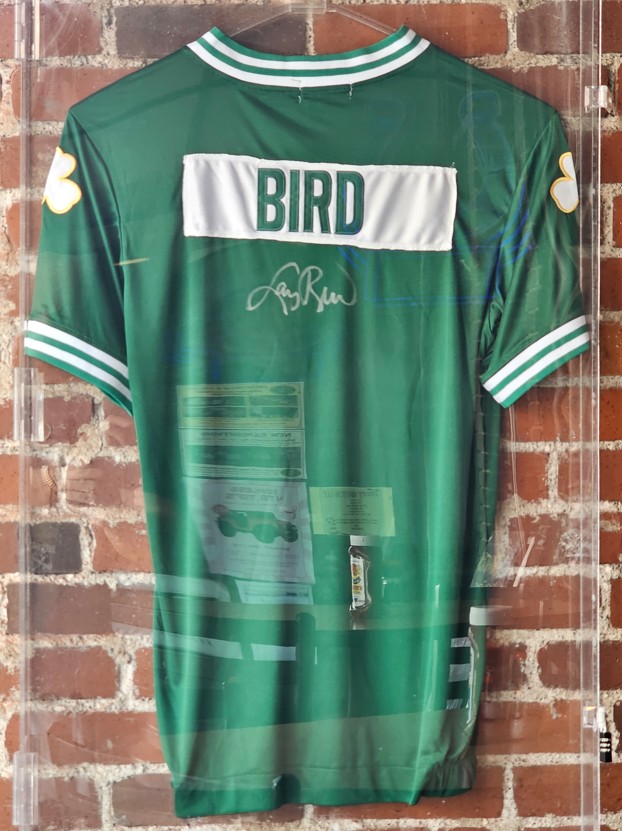
Bird’s Celtics warmup.
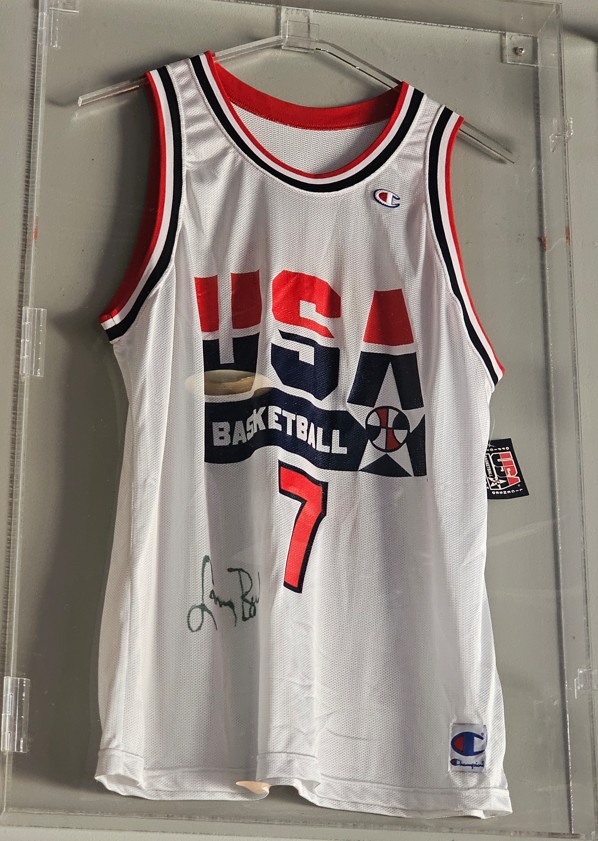
Bird’s 1992 Dream Team Olympic jersey.
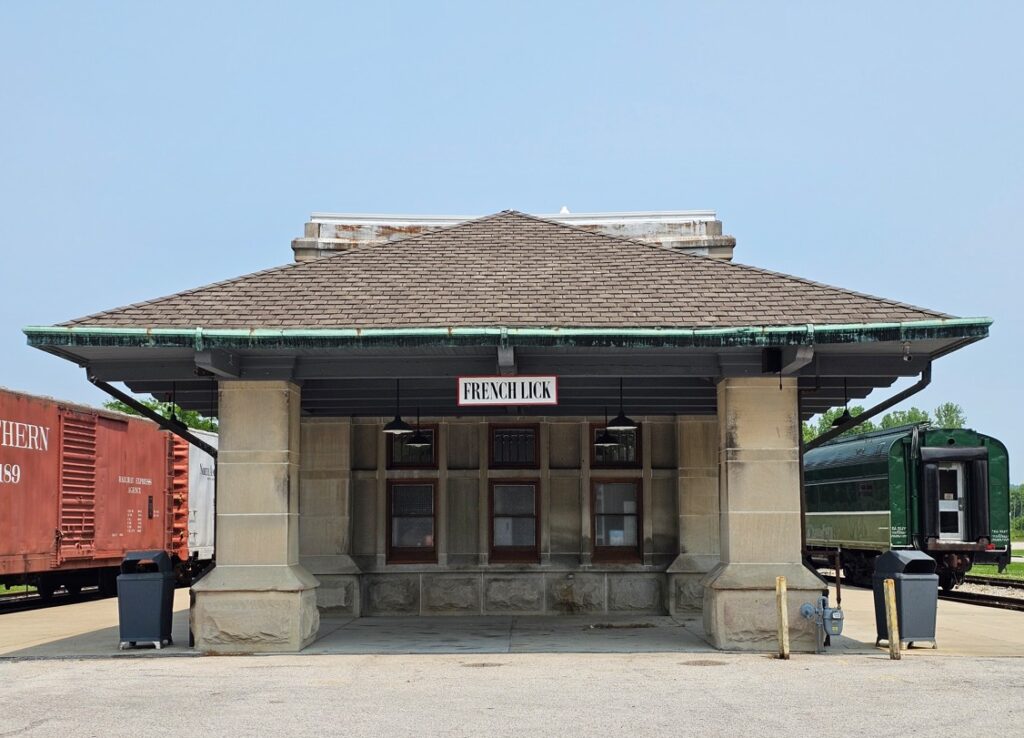
French Lick depot.
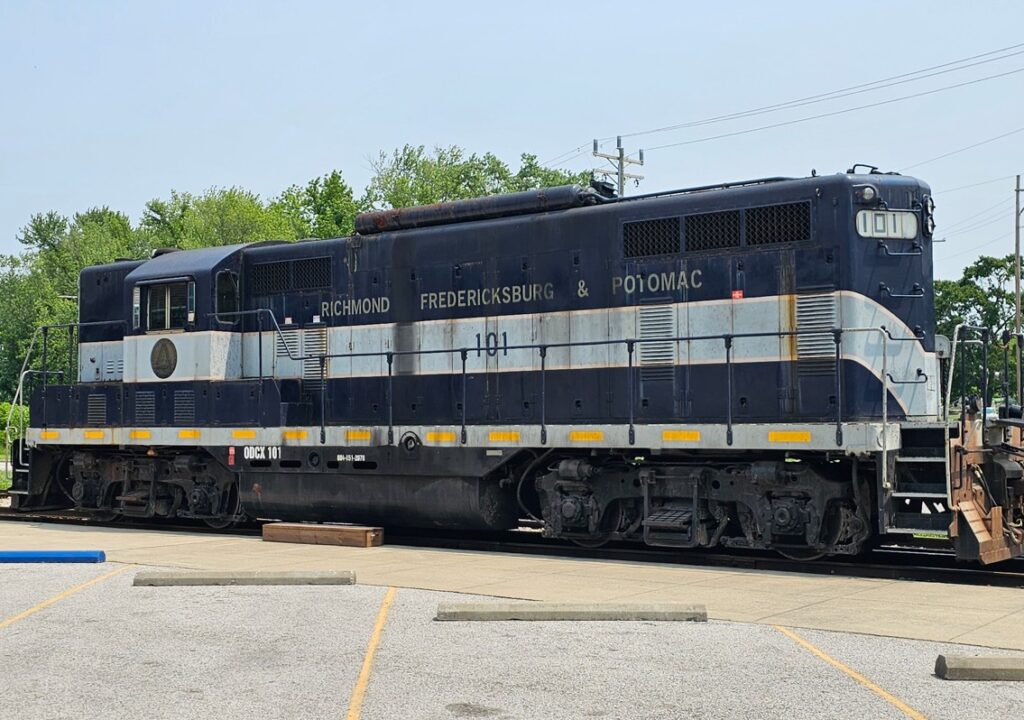
What is an old RF&P engine doing in French Lick Indiana?
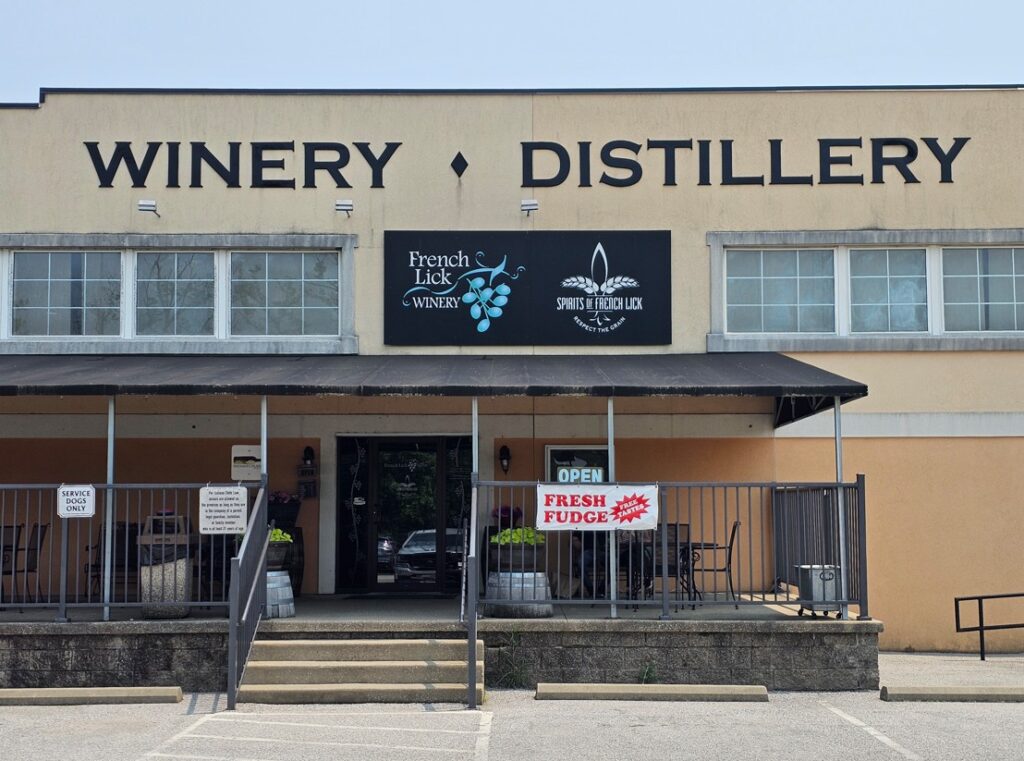
French Lick Winery for a tasting.
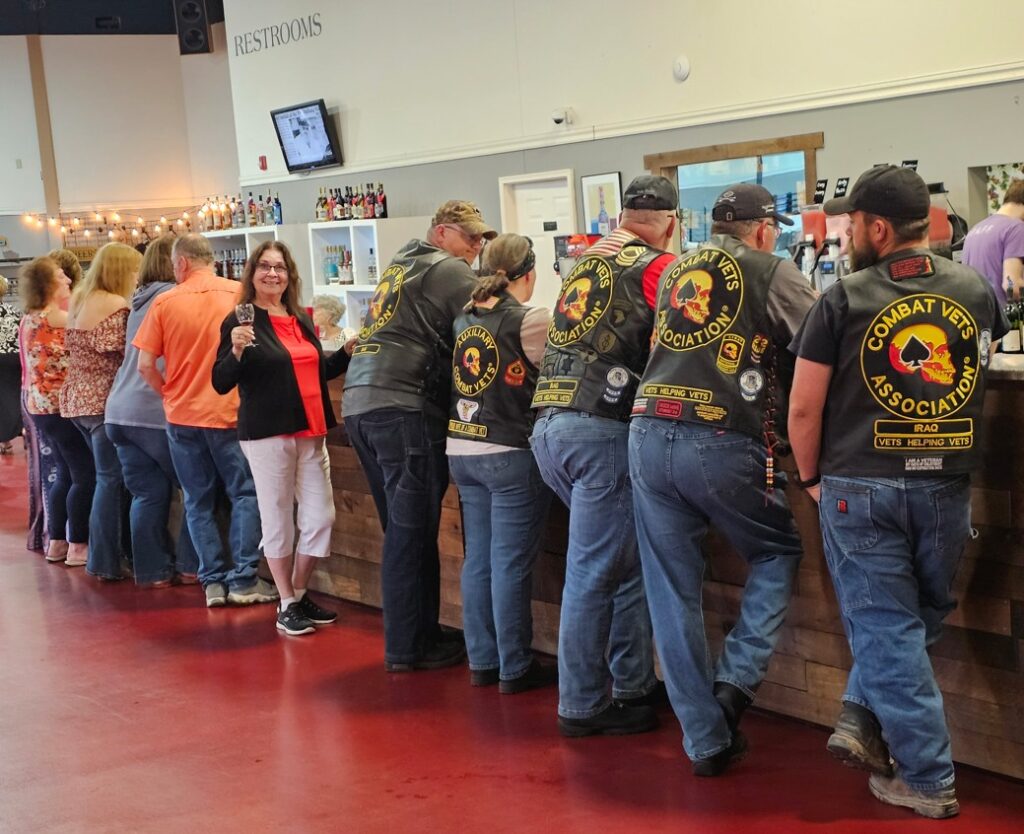
The winery tasting was packed!
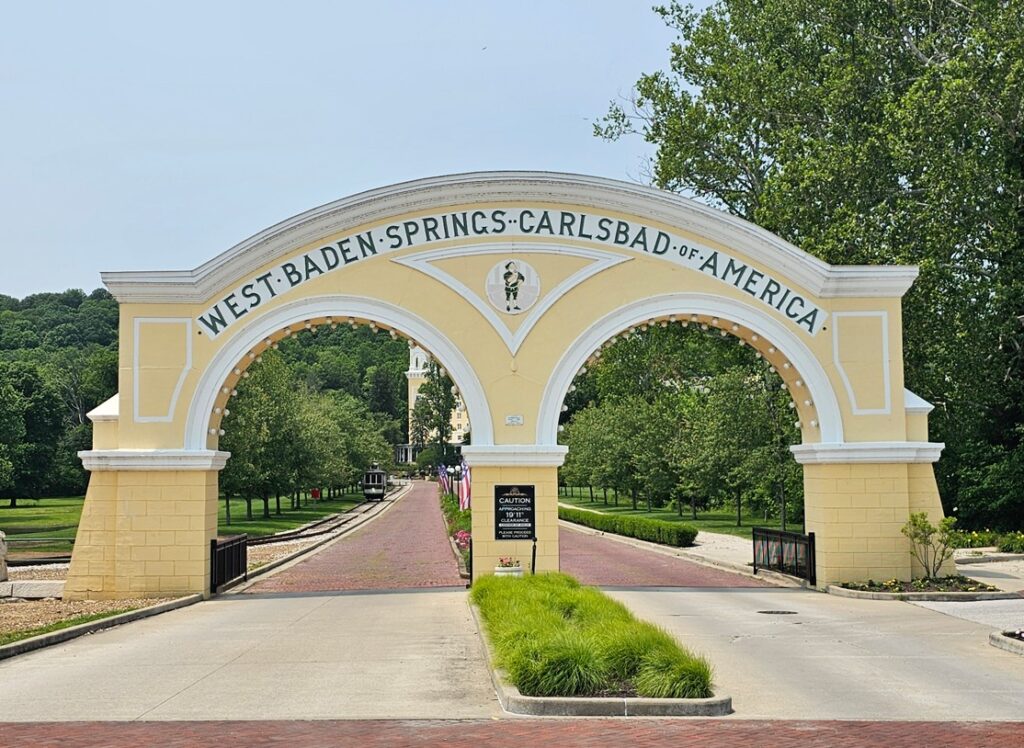
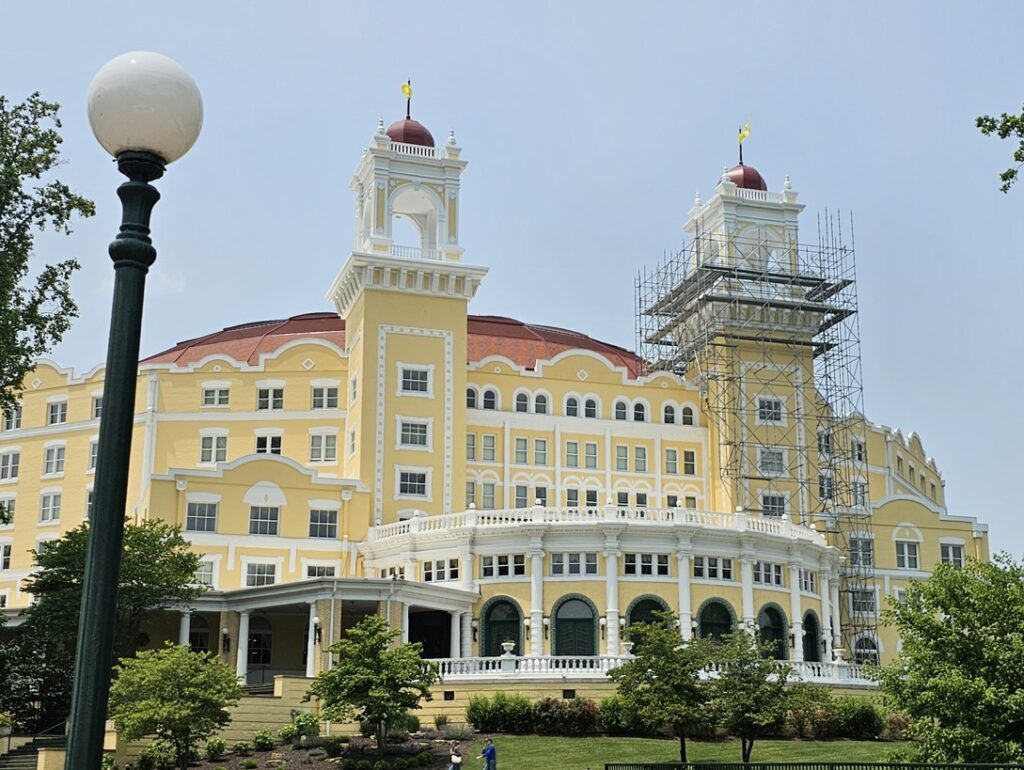
West Baden Springs resort. Might be worth a re-visit someday!
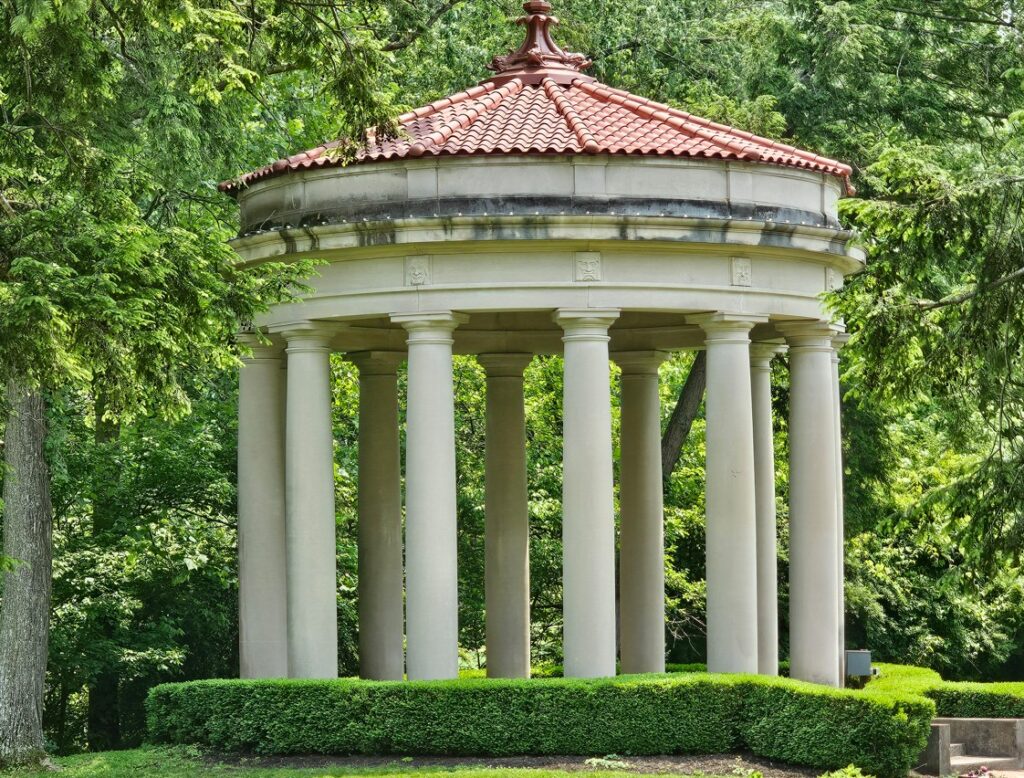
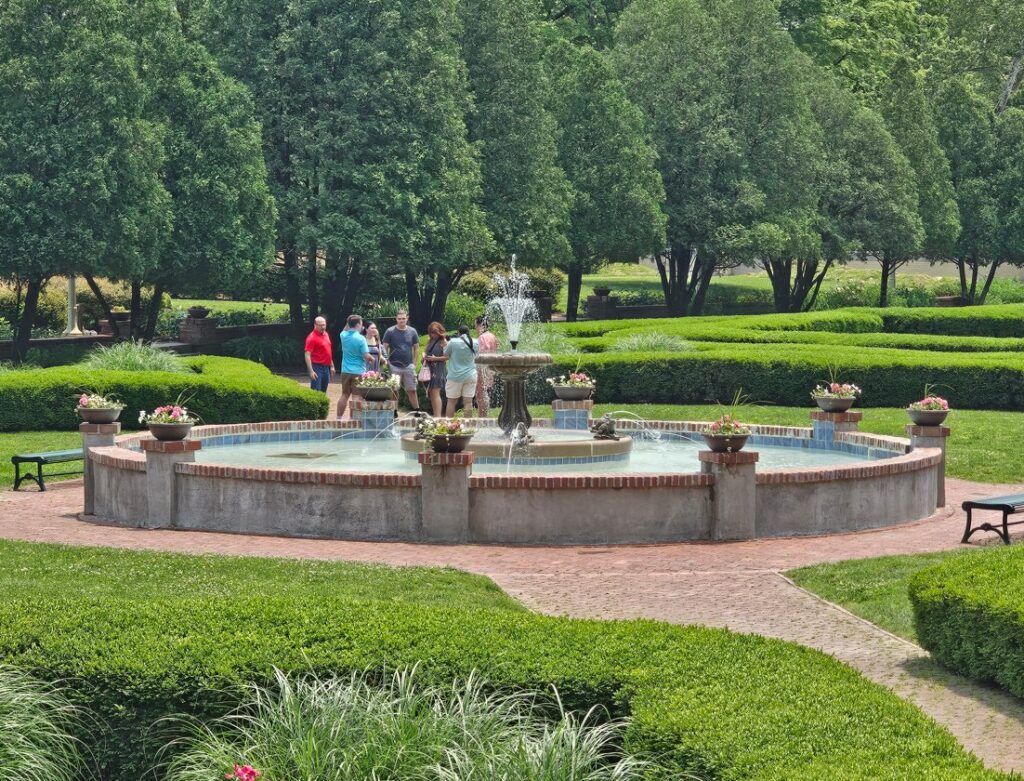
The grounds of West Baden Springs resort.
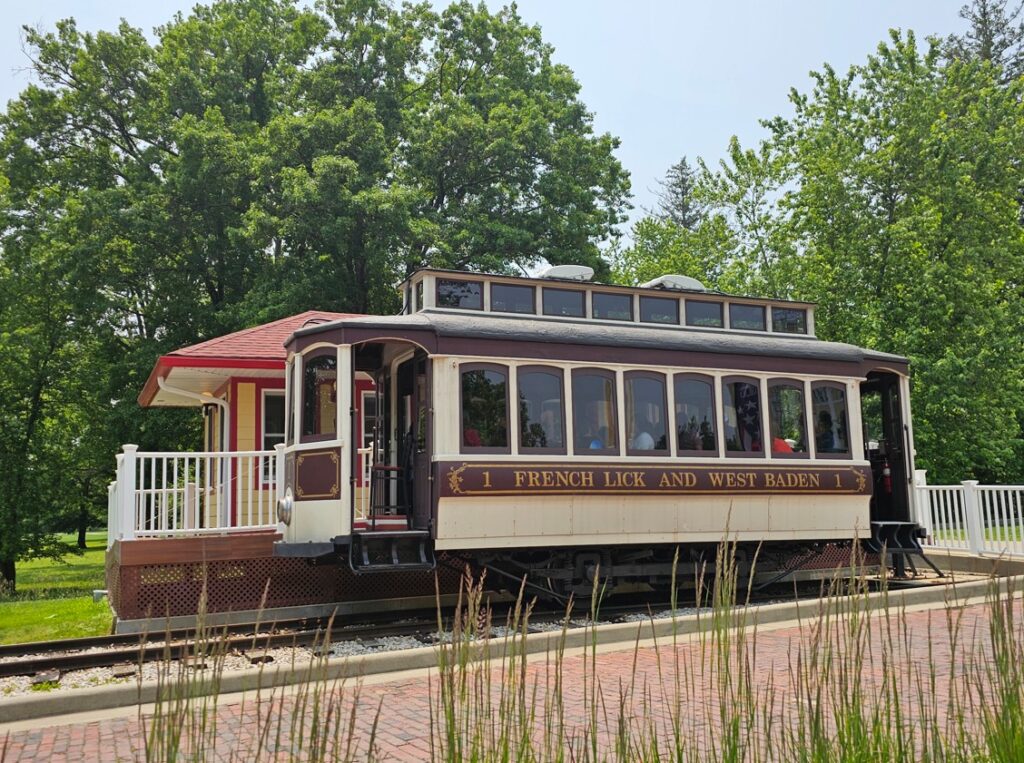
Trolley goes from the resort to downtown French Lick.

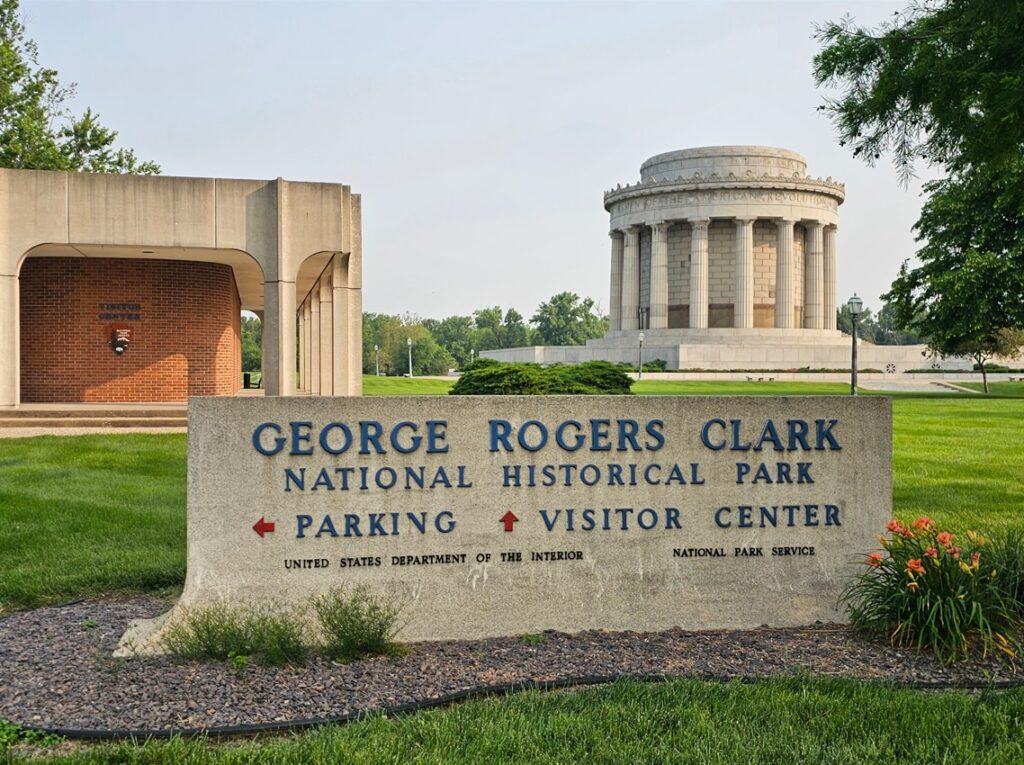
George Rogers Clark National Historical Park

Vincennes IN
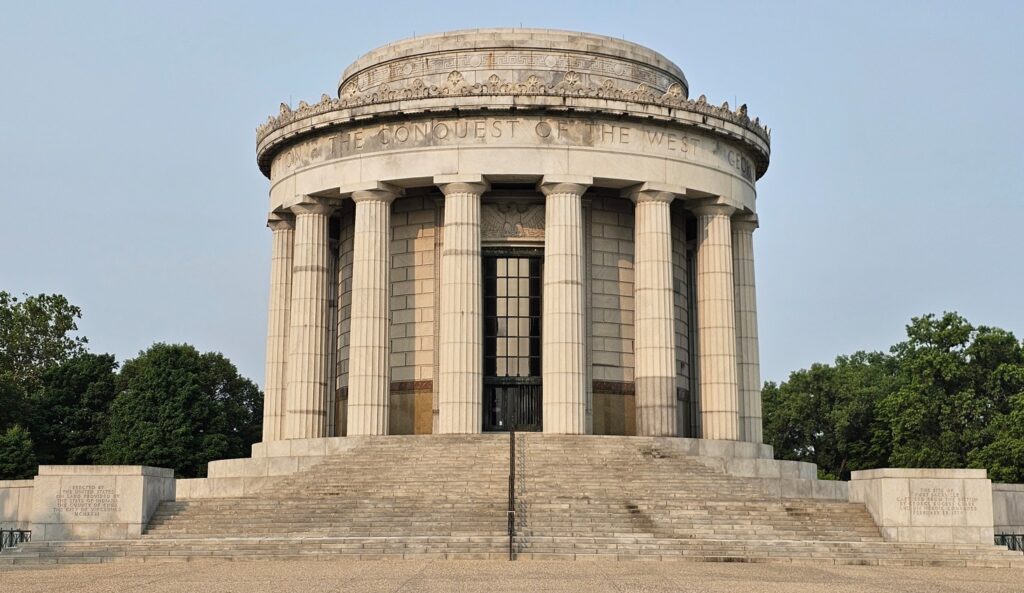
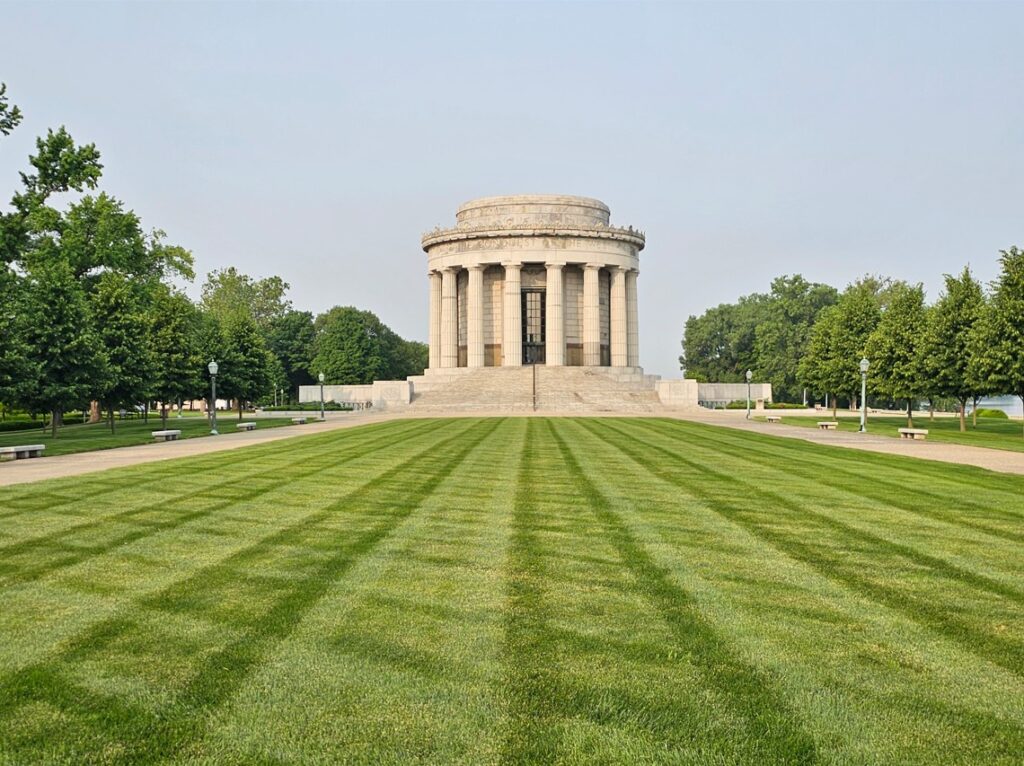
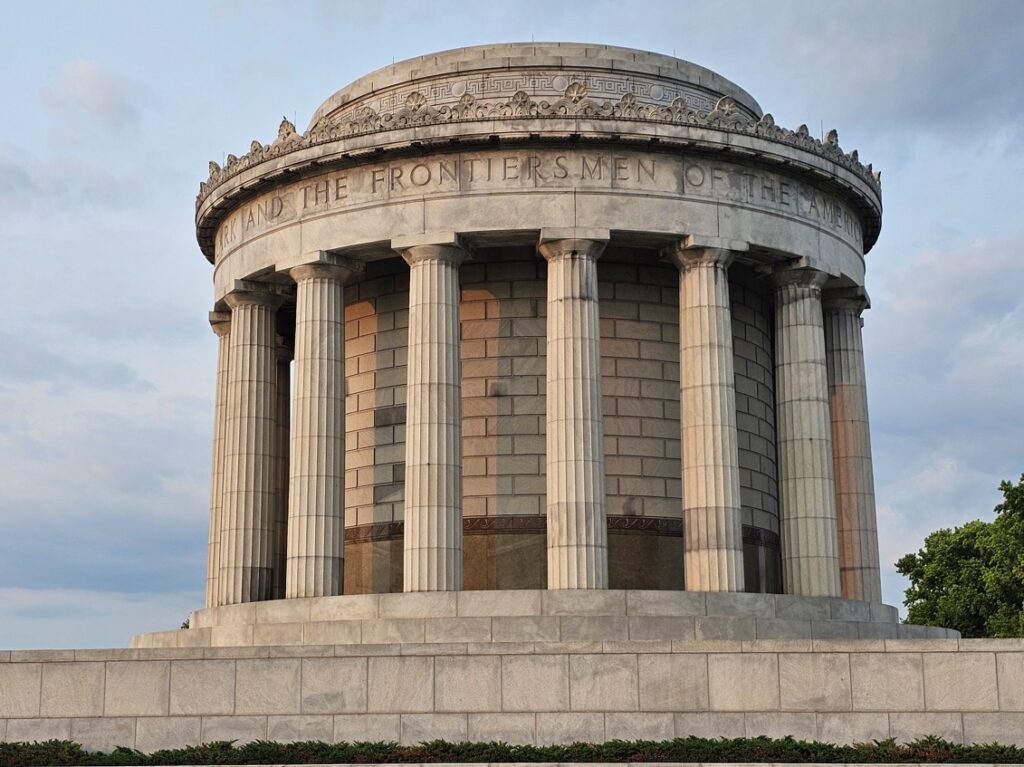
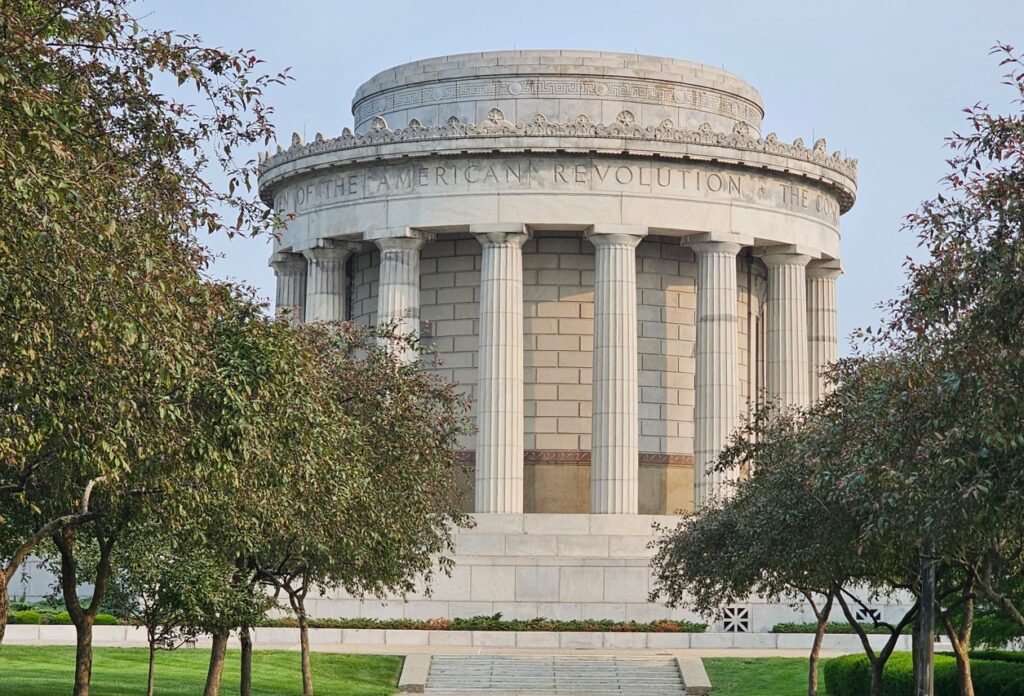
This monument memorializes George Rogers Clark’s daring victory over the British at Fort Sackville (current day Vincennes) in 1779, which was instrumental in winning the Revolutionary War, and opening the west to American expansion westward.
The mall reminds you of the monuments in Washington DC
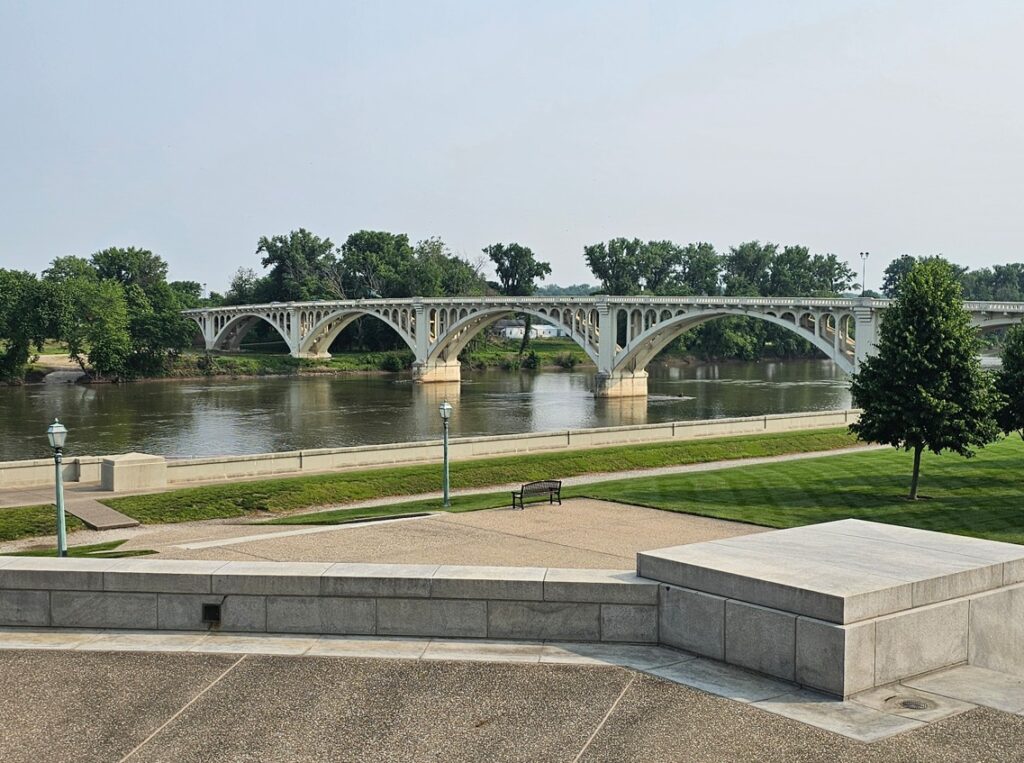
The Lincoln Memorial Bridge over the Wabash River reminds you of the Francis Scott Key Bridge in Washington DC.
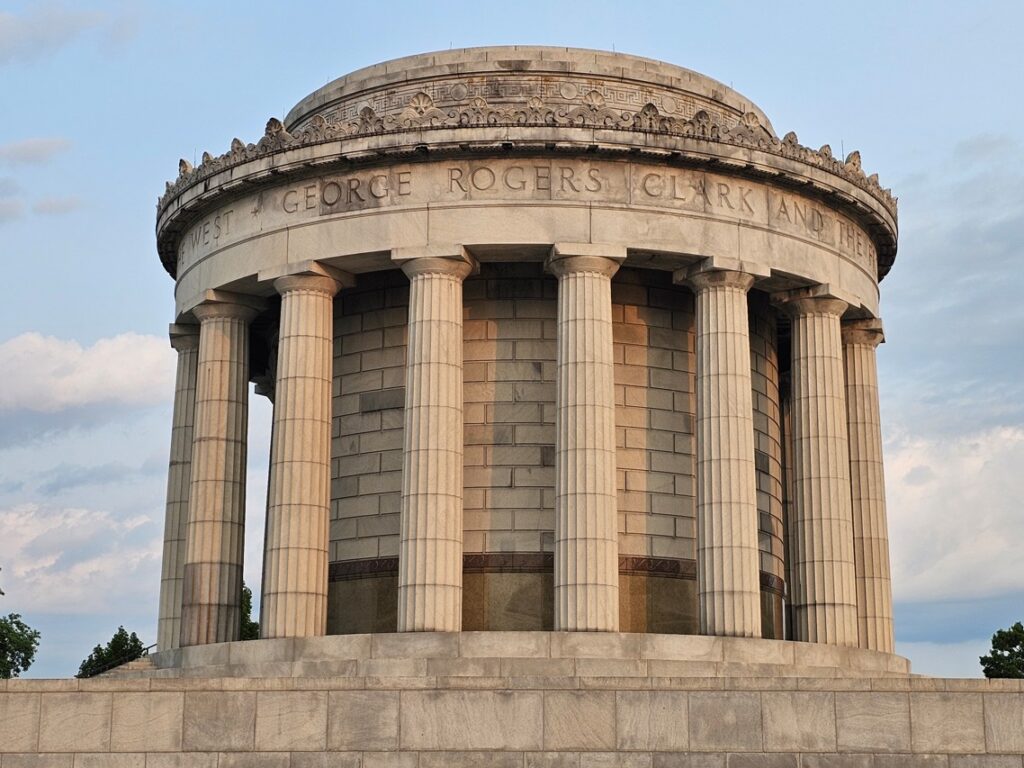
George Rogers Clark…
…and the Frontiersmen…
…of the American Revolution.
The Conquest of the West
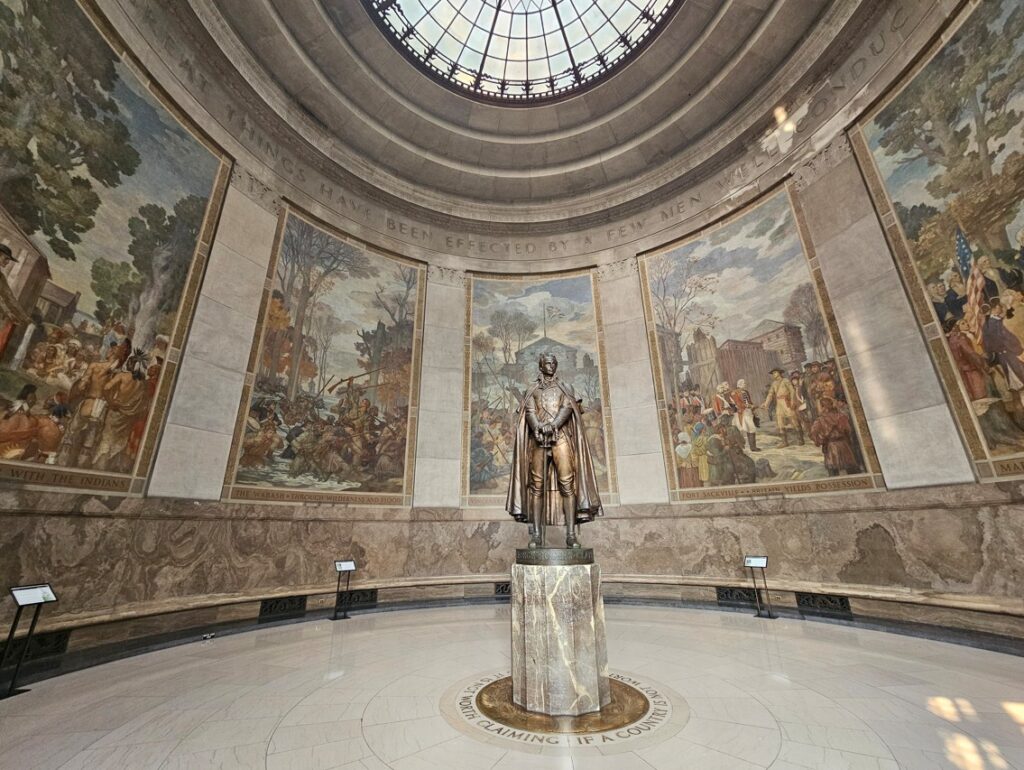
George Rogers Clark statue in the center of the memorial.
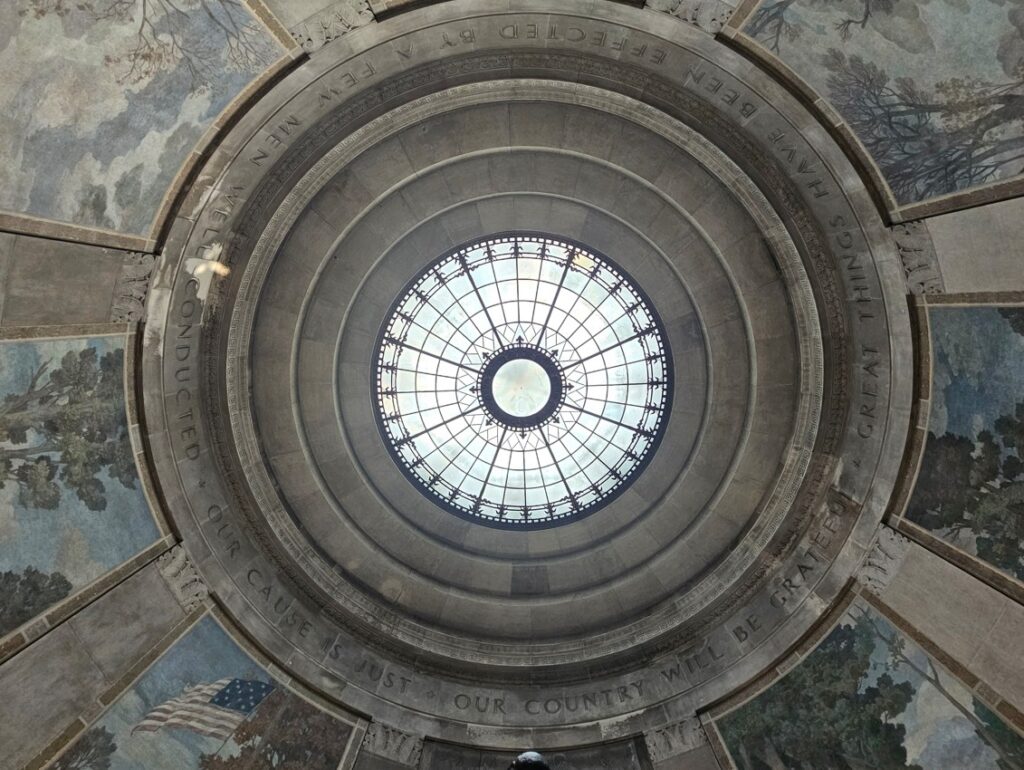
The rotunda.
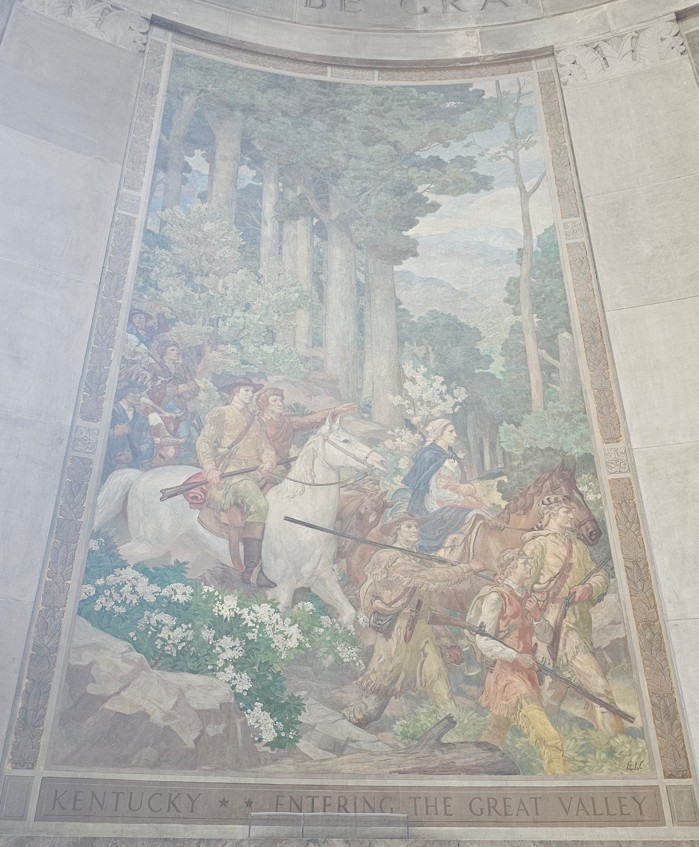
Panels chronicle the history of the area. This one depicts George Rogers Clark on a white horse leading settlers across the Allegheny Mountains.
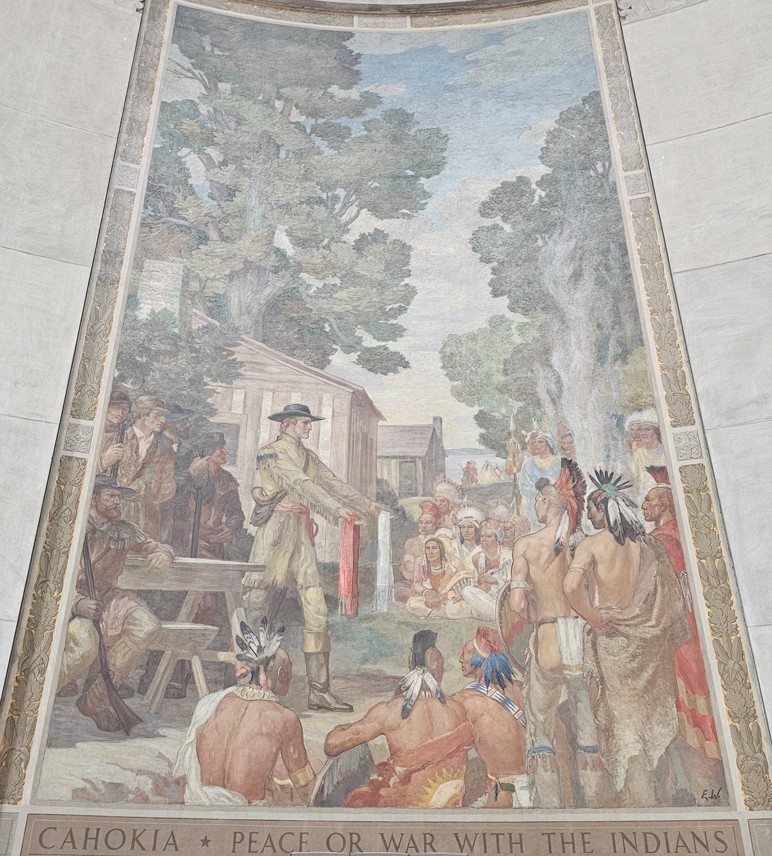
In 1778 Clark called for a conference at Cahokia to negotiate peace with the Native American tribes. He offered each tribe a choice of war or peace. Peace if they sided with the Americans in the Revolutionary War. Choosing the while belt meant they would side with the Americans, red for siding with the British. Most tribes chose to support the US, but some sided with Britain.
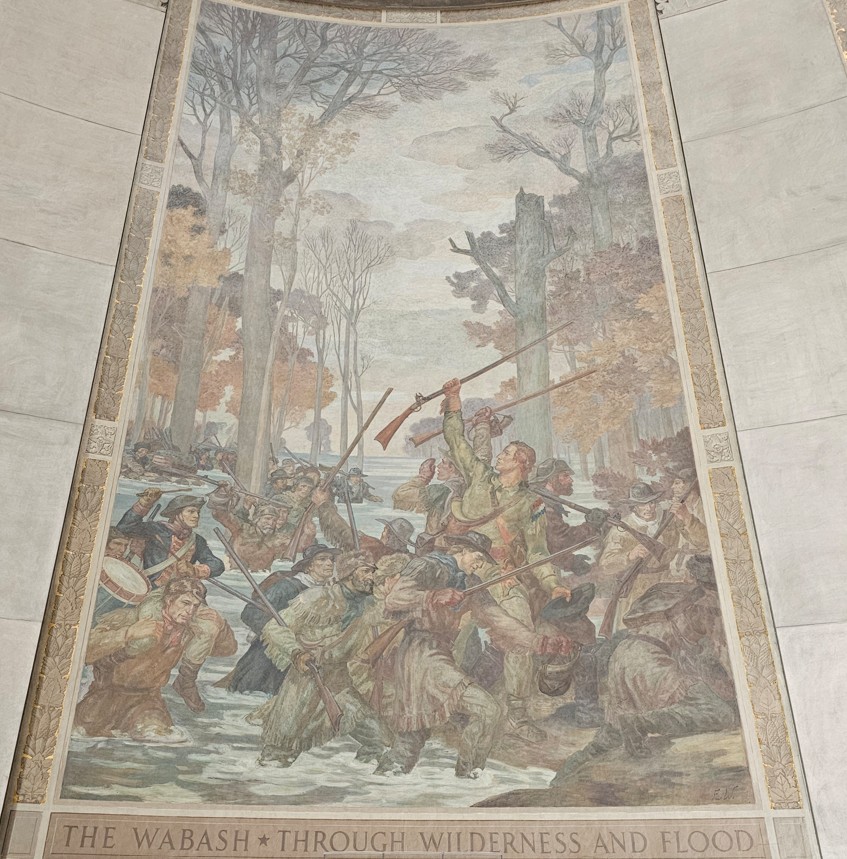
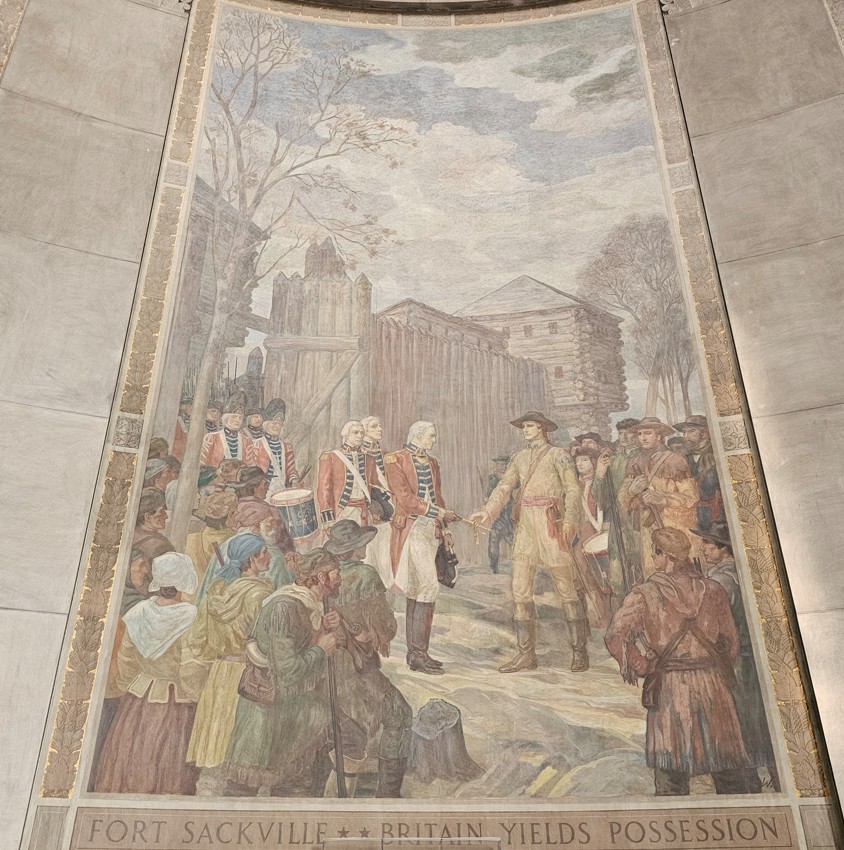
In December 1778 British forces retook control of Fort Sackville from the French and Americans. Clark and his men executed a midwinter attack in February 1779 to retake the fort. They crossed 160 miles of frozen and eventually prairie over 19 days. The last 10 ,miles were completed without food, and sometimes water reached their necks. They retook Fort Sackville on February 25, 1779.
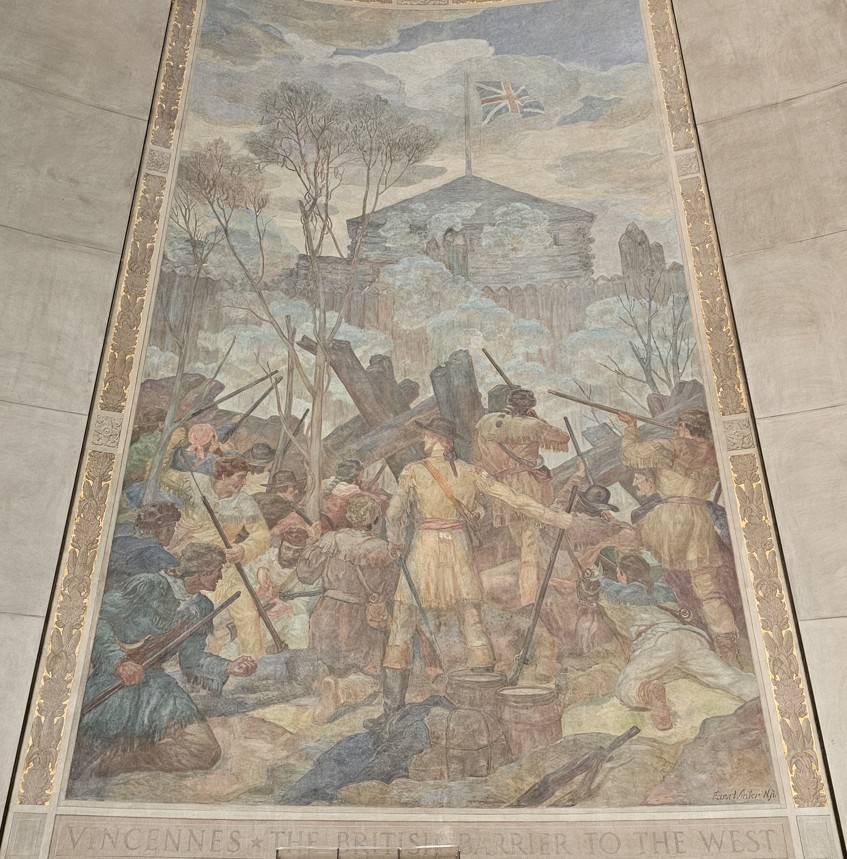
While surrounding Fort Sackville, Clark intercepted some Native Americans who were British allies, and he executed them within view of the fort. The British thought Clark had large numbers, so they surrendered the fort after two days, with no losses on either side.
The mural shows British Lt. Gov. Henry Hamilton to George Rogers Clark on February 25, 1779. This surrender represented more than just surrendering one fort. Clark’s victory changed the dynamic on the western frontier, disrupting the British military presence in the west, and confused the Native Americans about their loyalties. The victory also led thousands of American colonists in the east to move west of the Appalachians.
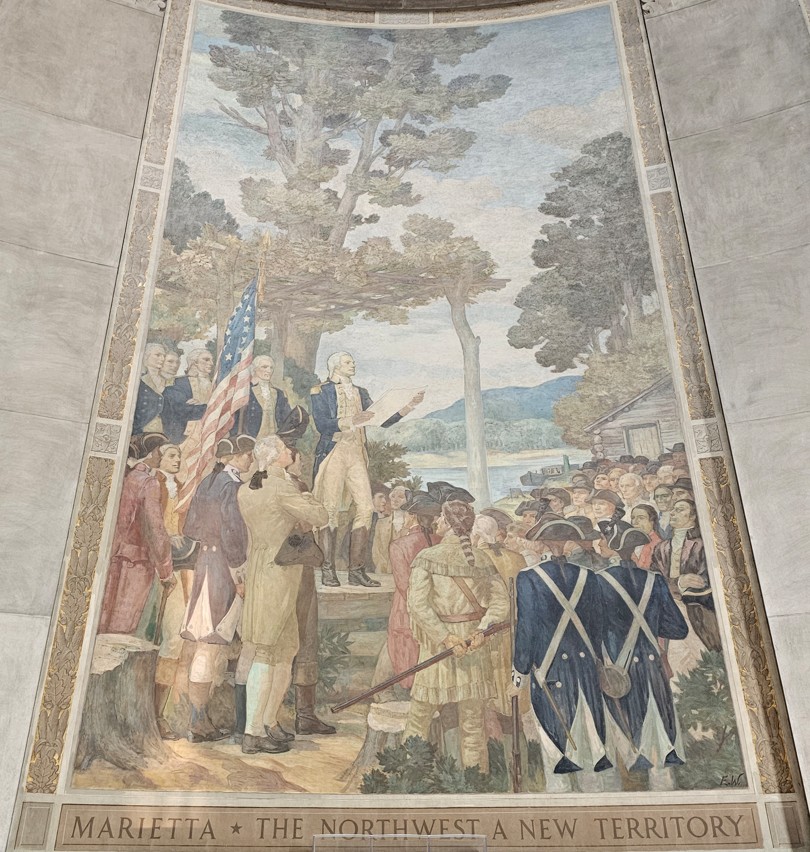
This scene in Marietta, Ohio in 1788 depicts the Secretary of the Northwest Territory Winthrop Sargent reading the Northwest Ordinance, which eventually developed into Indiana, Ohio, Illinois, Michigan and Wisconsin.
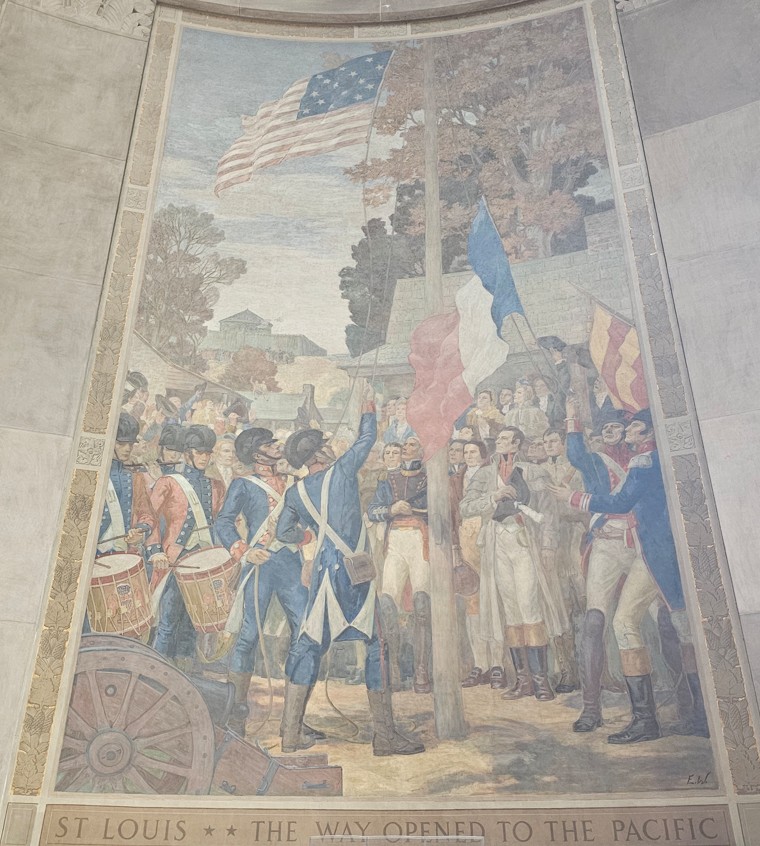
Here Captain Amos Stoddard stands at attention with Meriwether Lewis to his left at St. Louis. With George Rogers Clark’s brother William Clark, Lewis led the Corps of Discovery expedition across the country to the Pacific Ocean. St. Louis is considered the Gateway of the West.
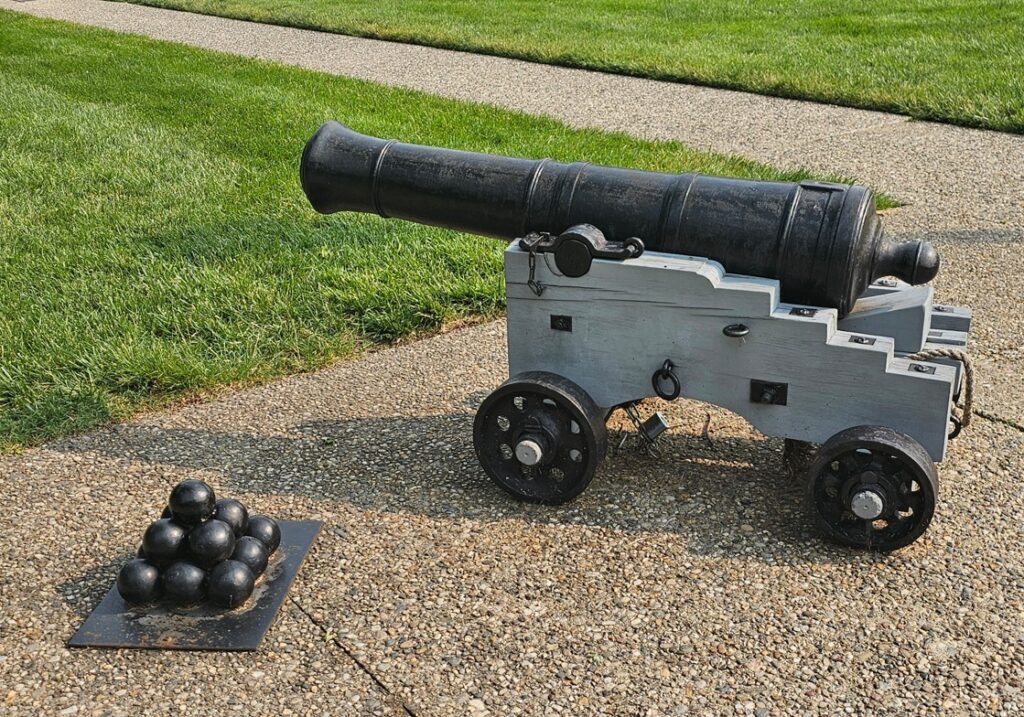
A cannon for the time period.
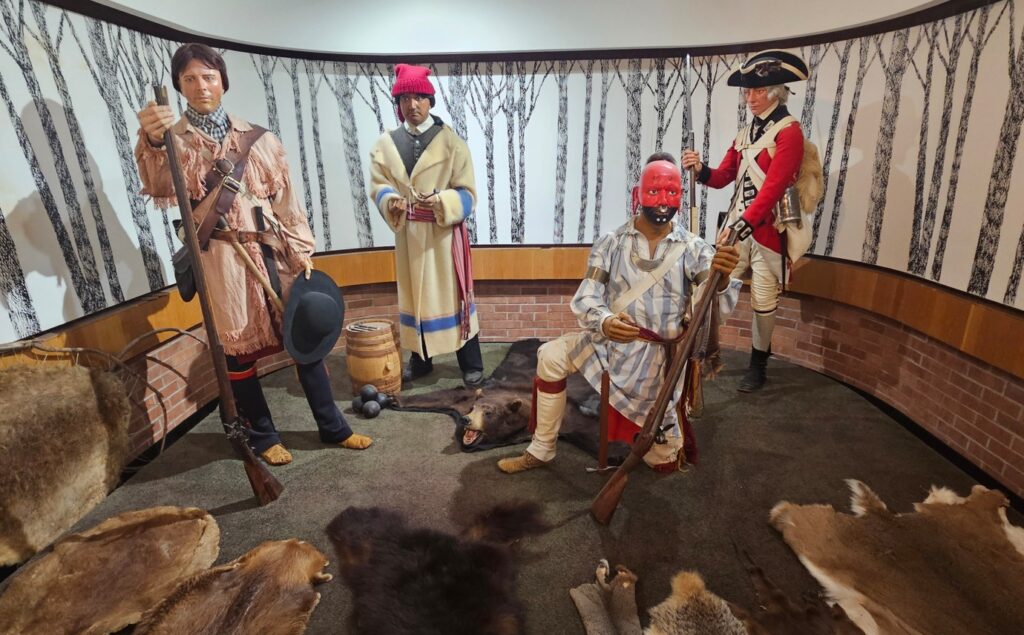
This scene in the Visitor Center depicts the combatants in the area: American frontiersman, French habitant, Indian, and British soldier.
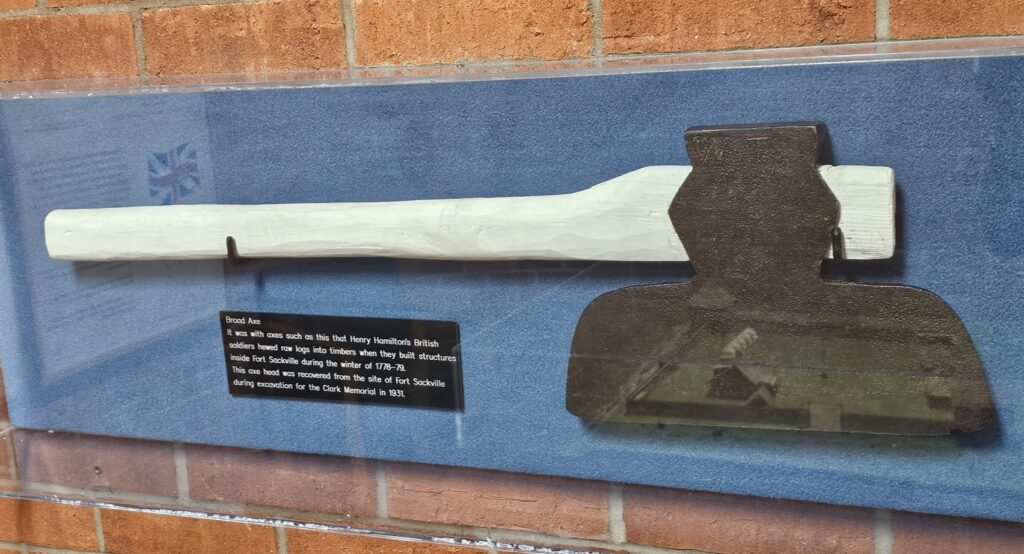
British soldiers used a broad axe like this to hew raw logs into timbers to build structures inside Fort Sackville during the winter 1778-1779. This axe head was recovered from the site of Fort Sackville during excavation for the Clark Memorial in 1931.
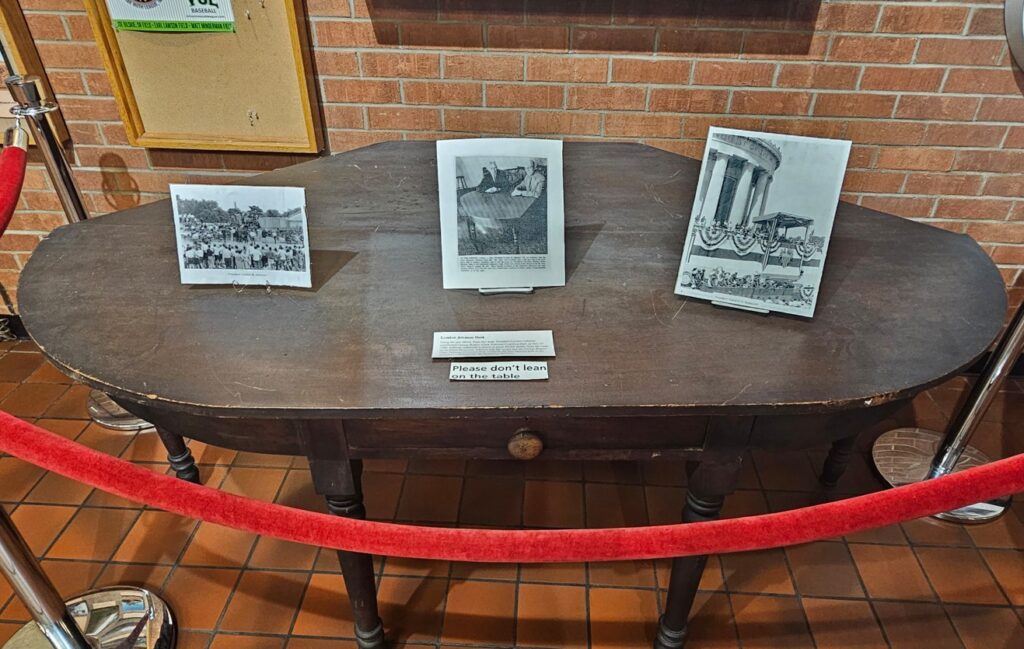
President Lyndon Johnson at this desk in 1966, established George Rogers Clark National Historical Park. About 50,000 people attended the signing.