Fort Frederick

Big Pool MD

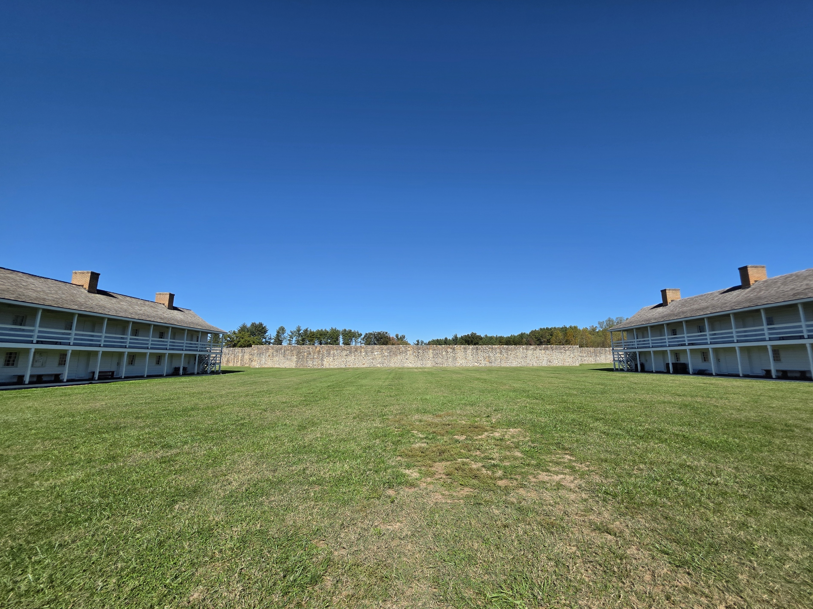
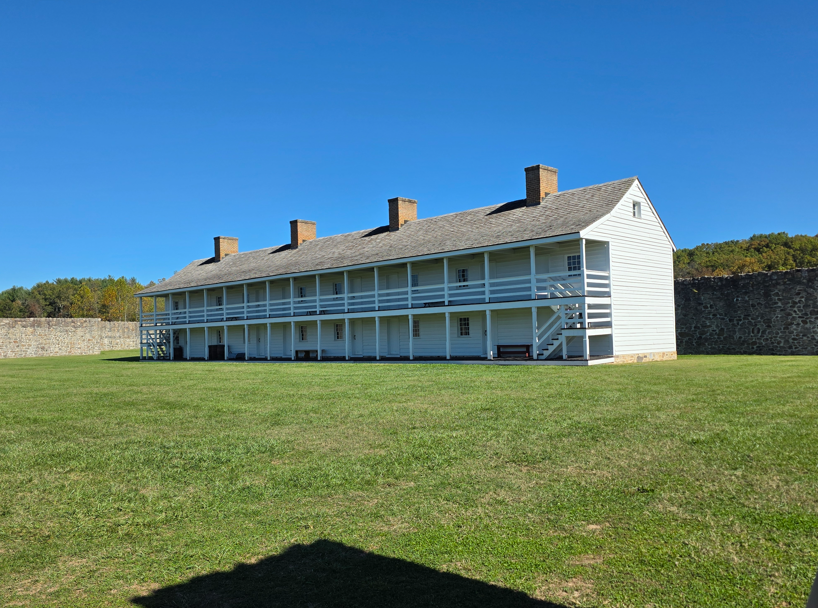
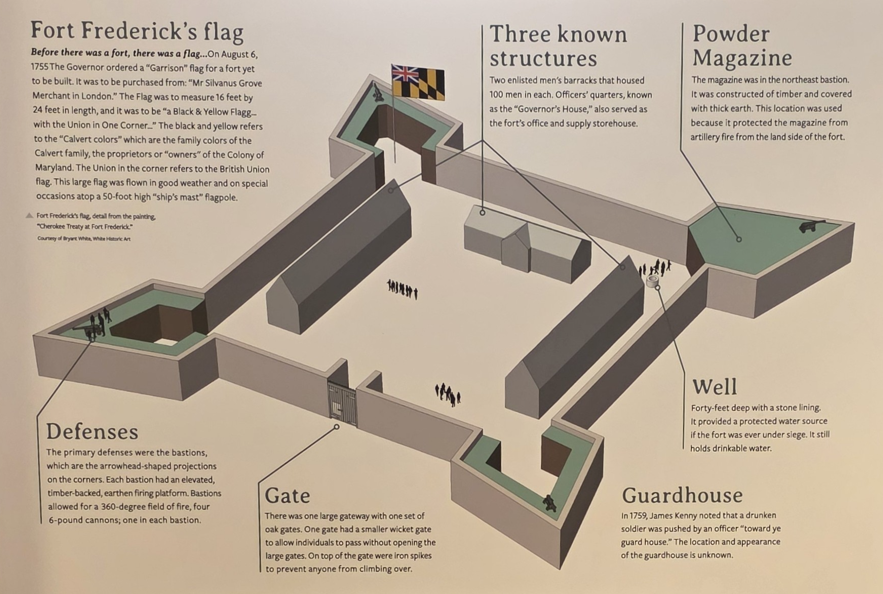
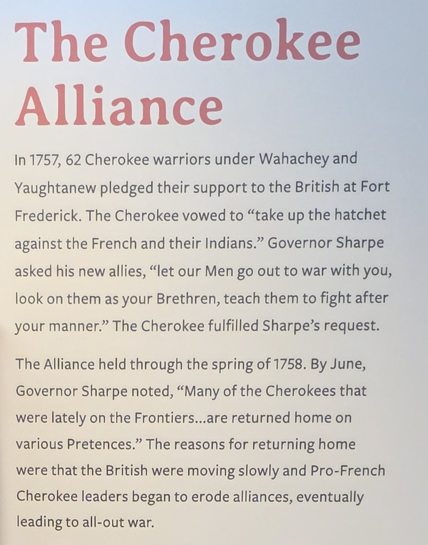
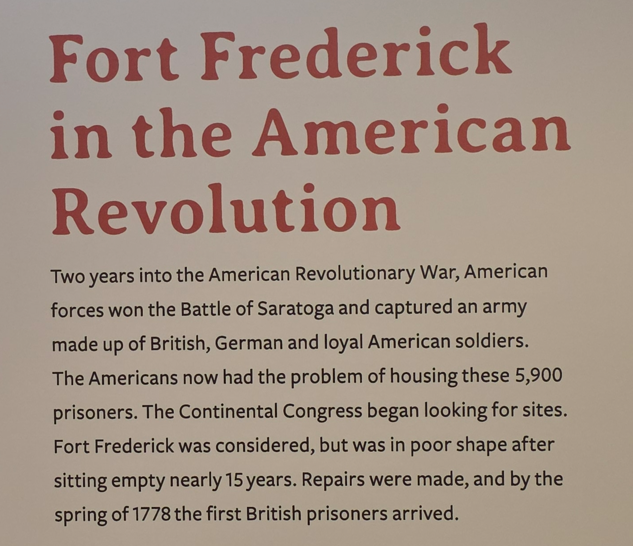
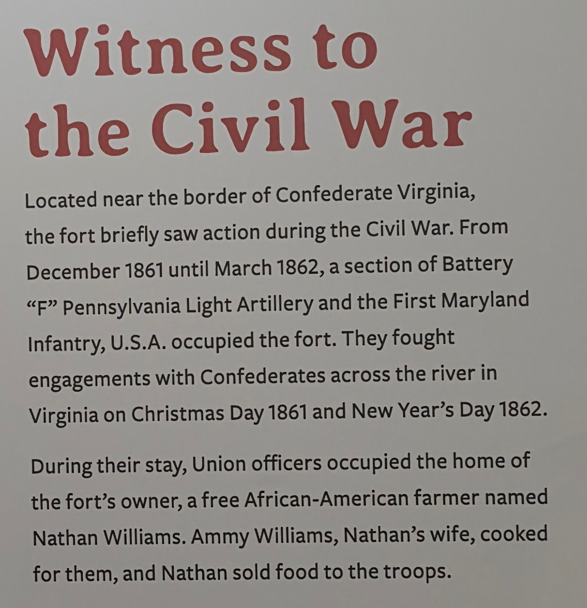
Fort Frederick was built during the French & Indian War as one of the forts in the northwest frontier (western Pennsylvania). The fort also saw action in the Revolutionary War and Civil War.
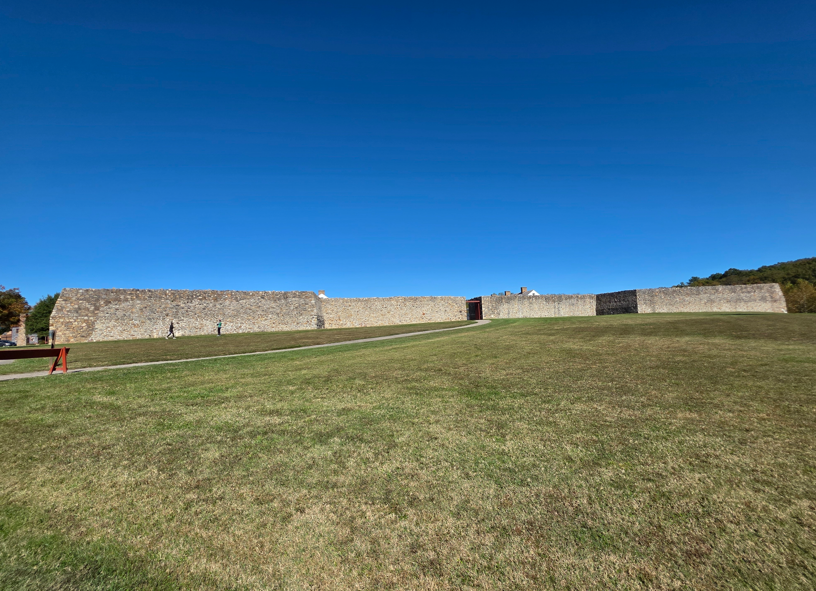
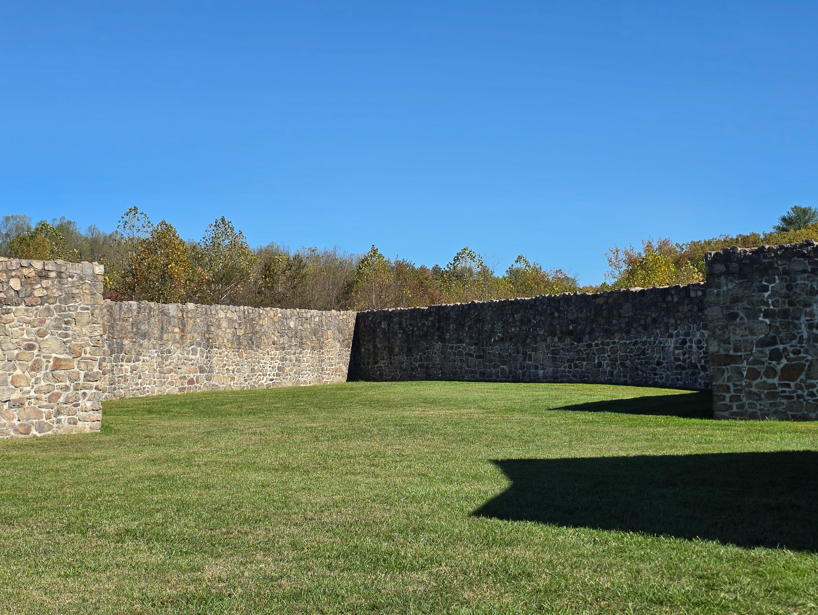
One of the inside corners.
The main courtyard. There were originally 3 buildings here…
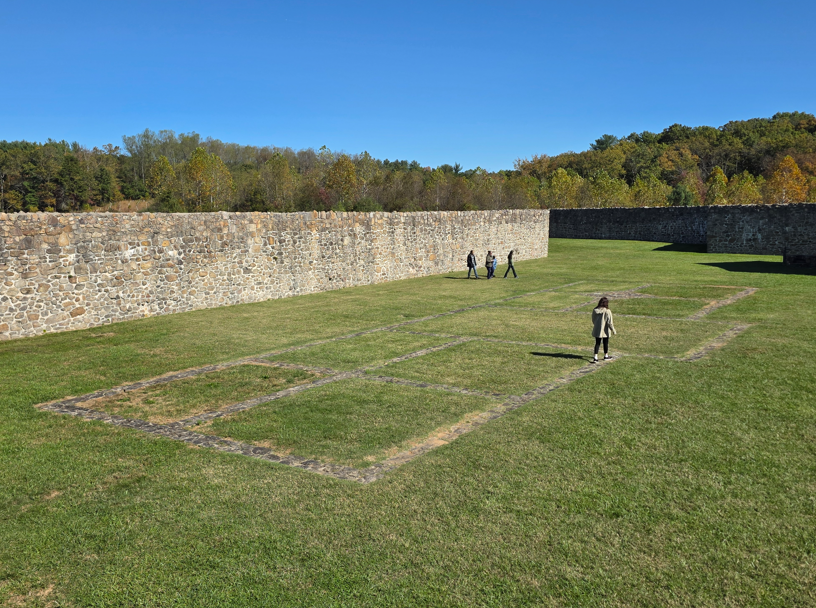
This is the outline of the third building inside the fort.
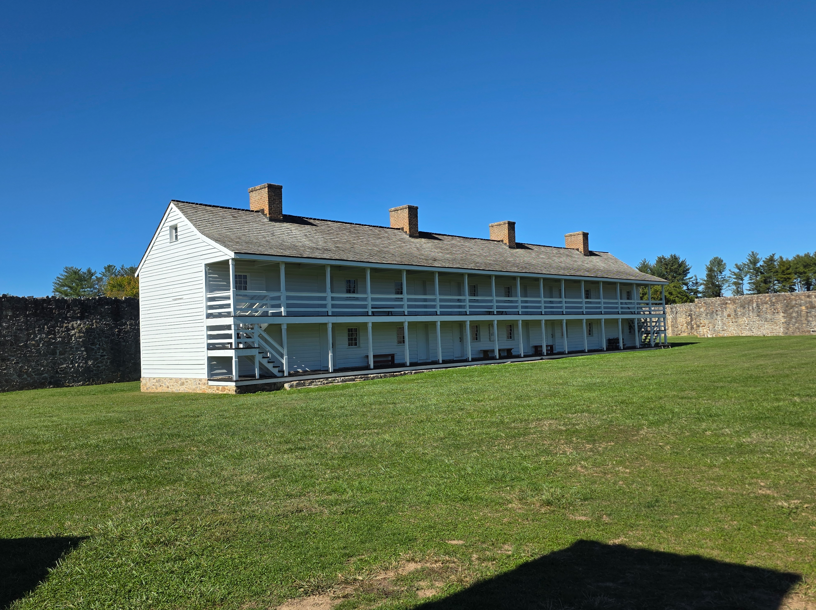
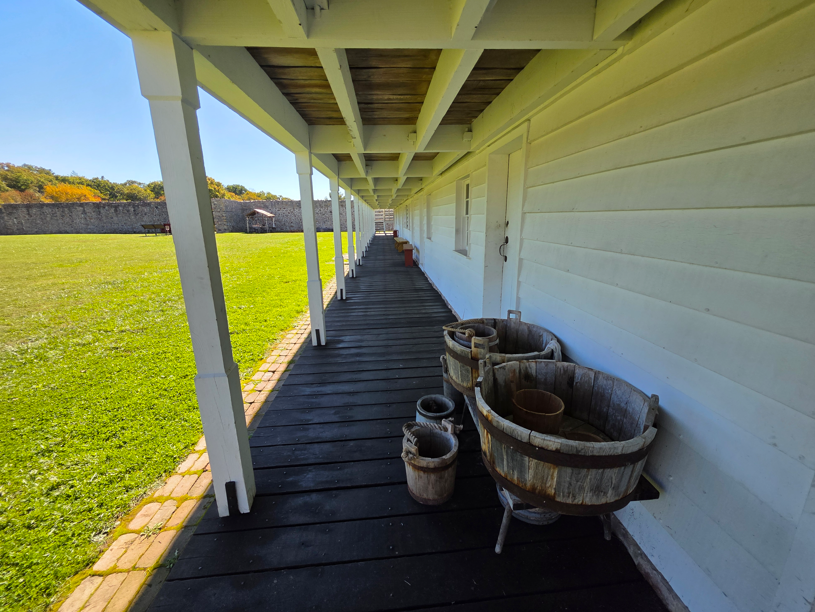
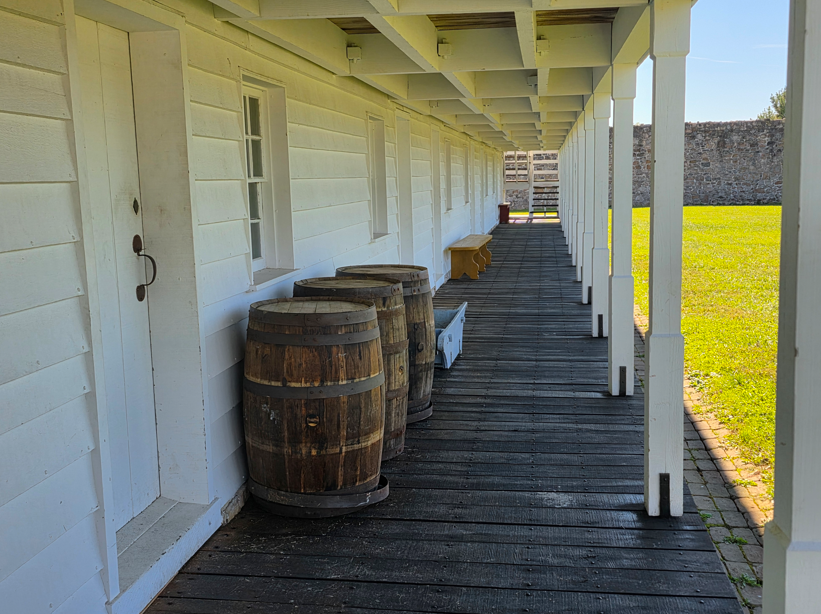
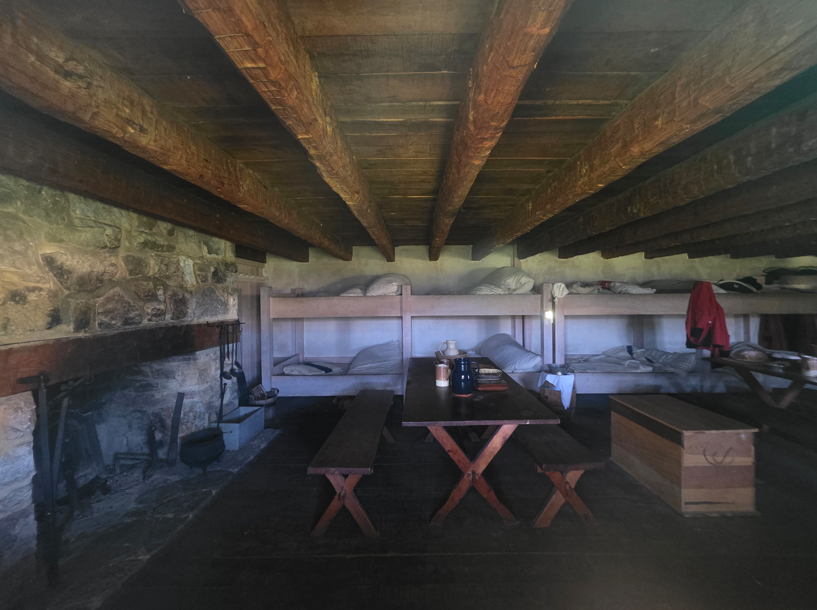
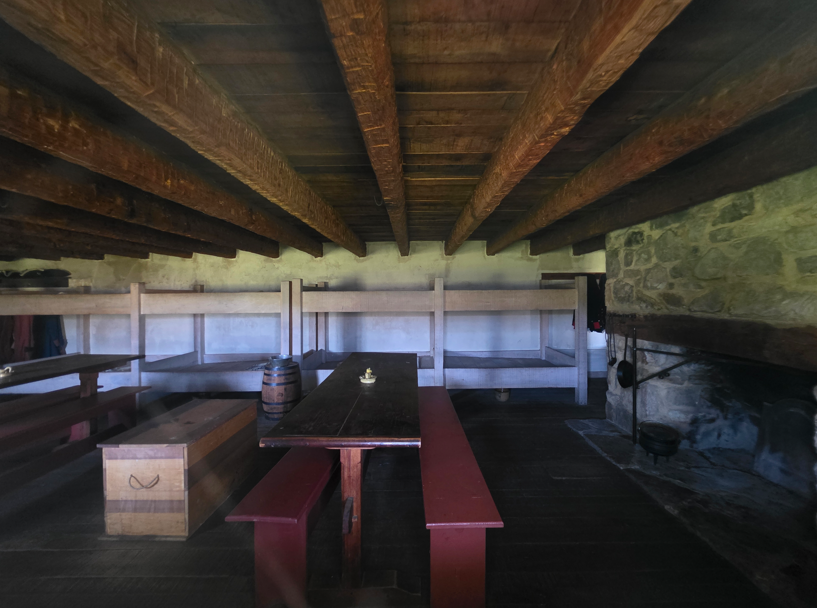
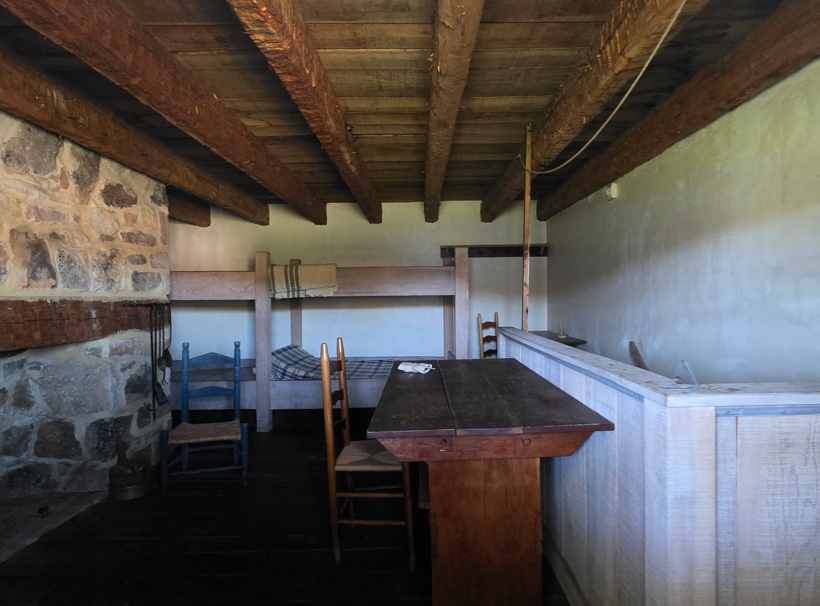
Quarters for the soldiers.
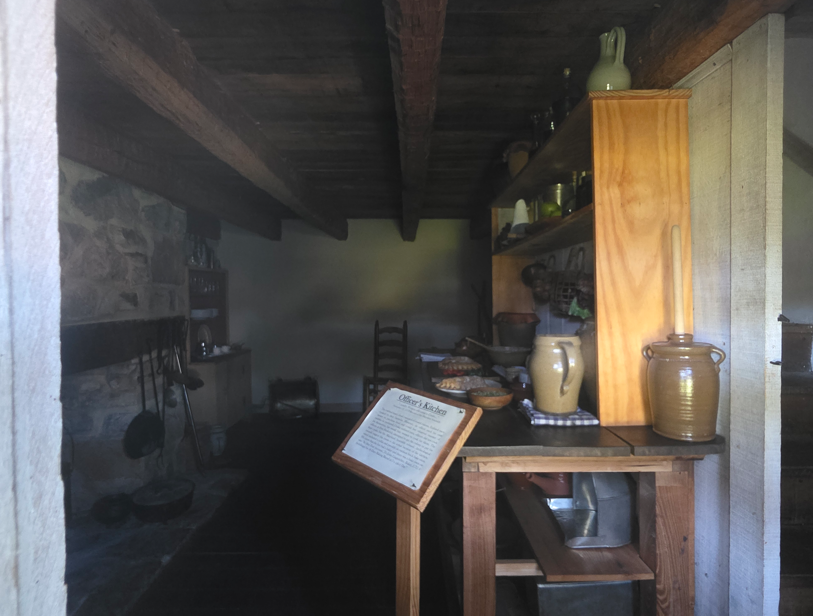
Officers Kitchen
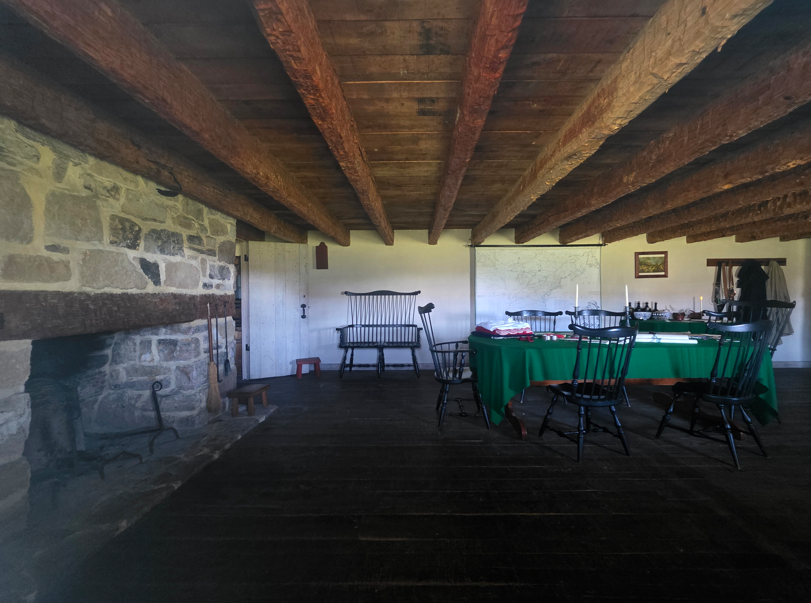
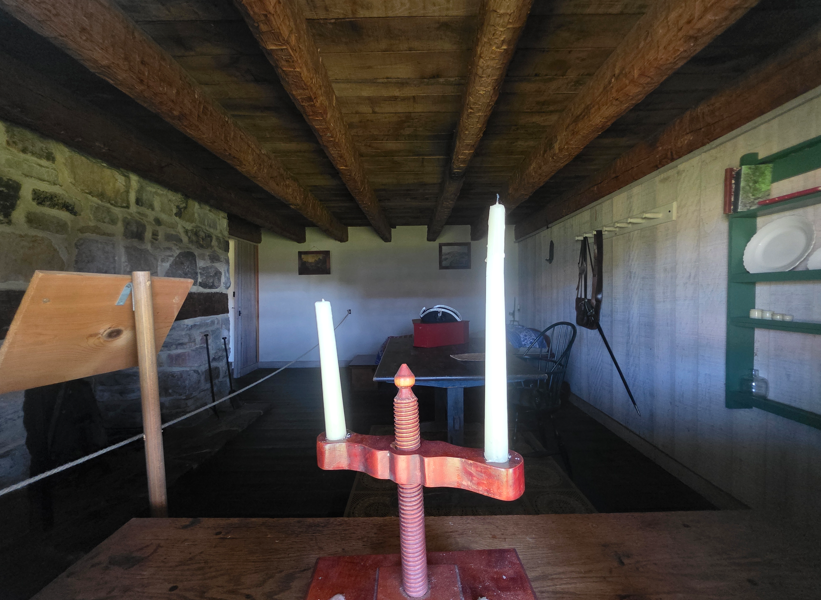
Officer’s Quarters.
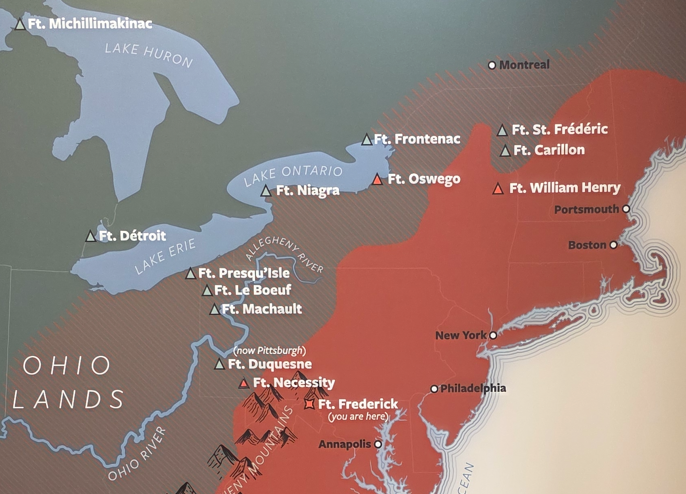
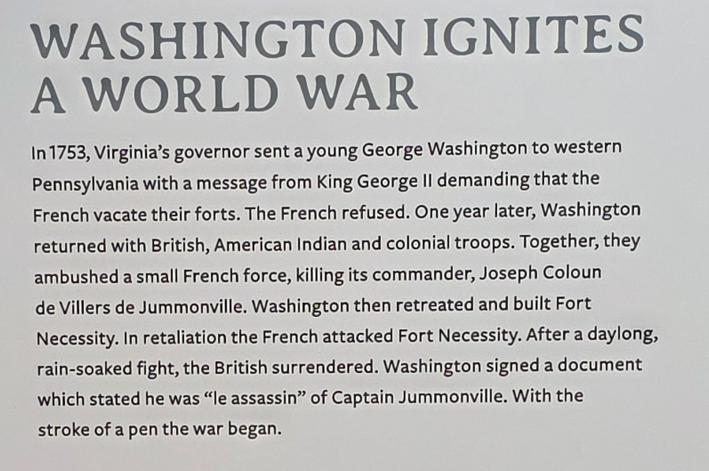
British and French forts in the lead-up to the French & Indian War.
We saw more detail about this incident in the post for Fort Necessity.

James Buchanan Birthplace

Mercersburg PA

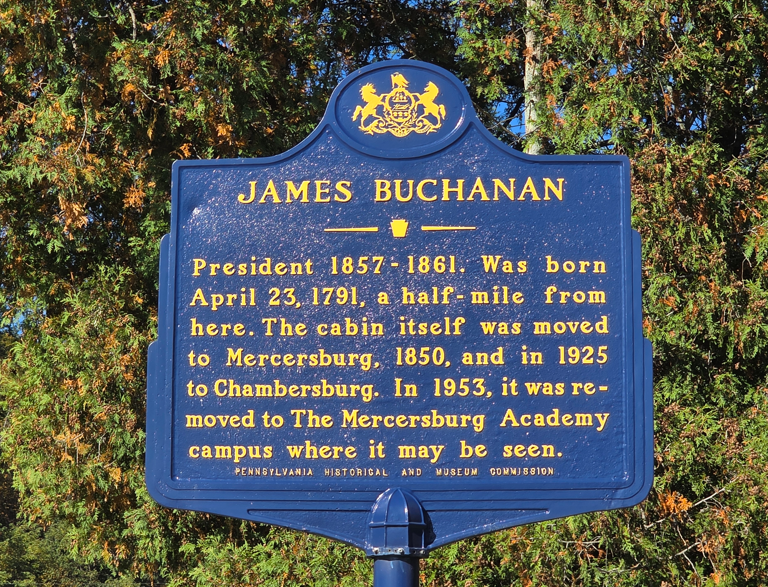
James Buchanan was our 15th President. He is considered one of our worst presidents, primarily because he did not stop the Civil War from erupting.
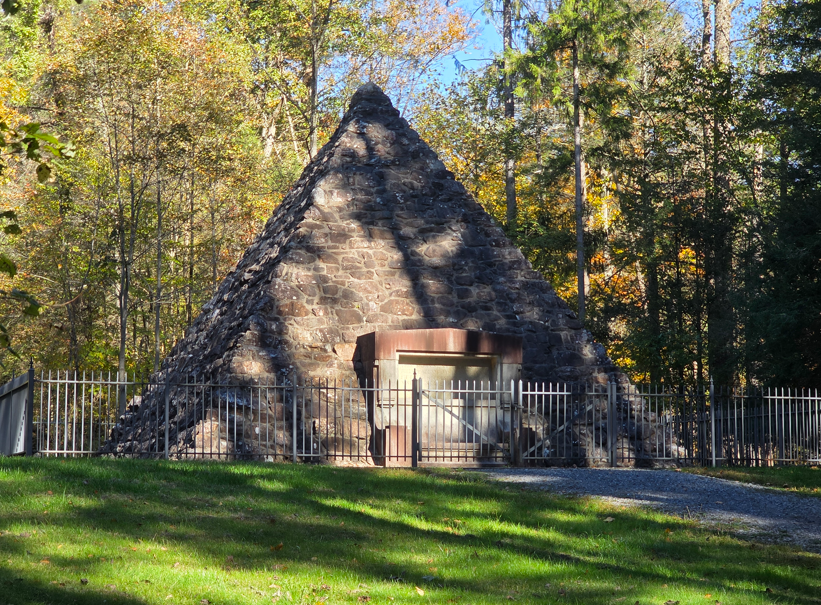
This pyramid marks the actual location of Buchanan’s birthplace, a few miles west of downtown Mercersburg.
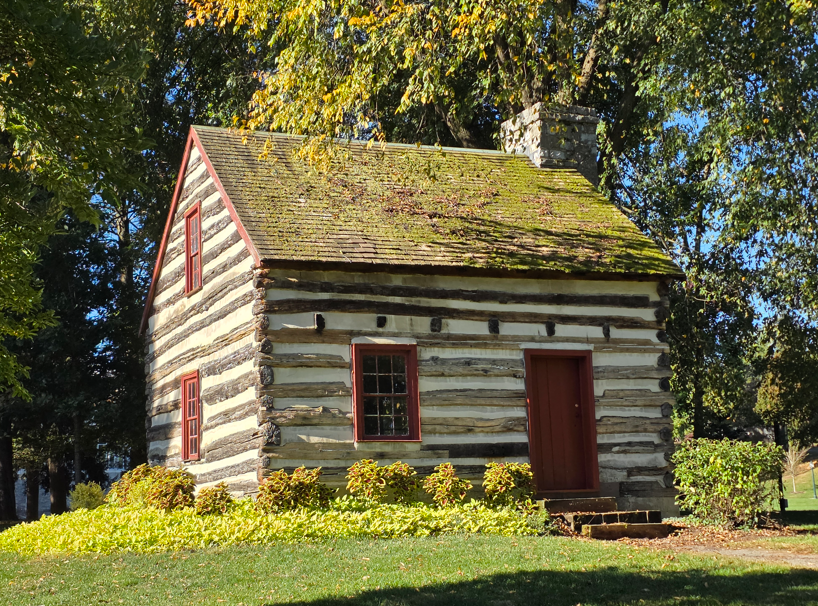
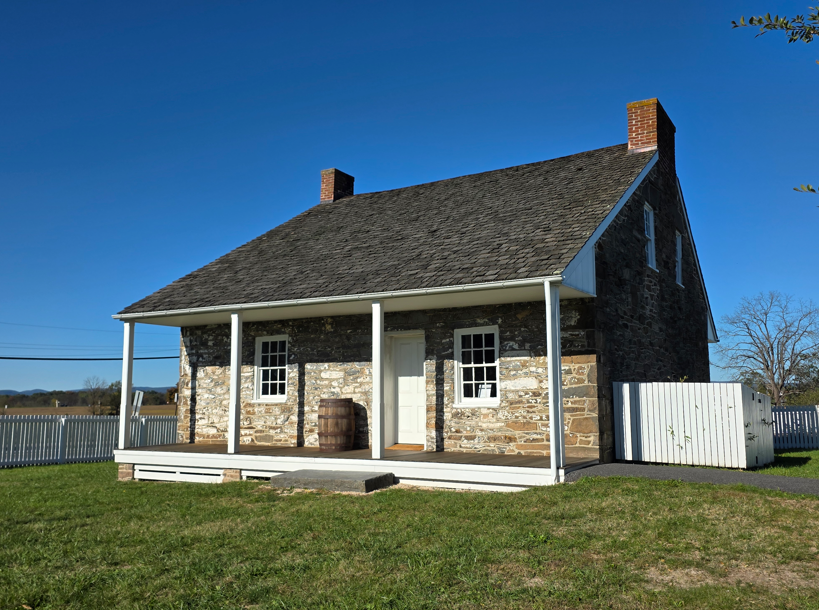
This is Buchanan’s actual birth cabin, which now sits on the campus of Mercersburg Academy in Mercersburg.
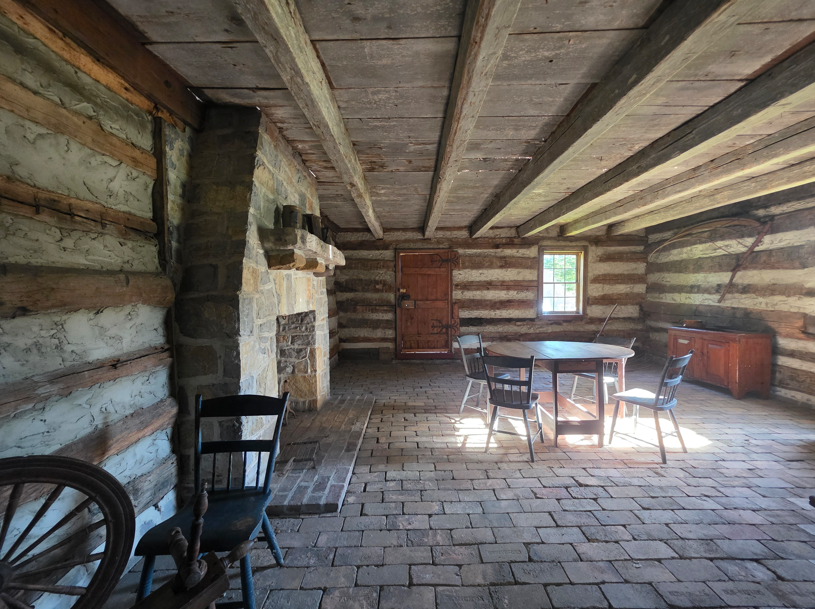
Interior of the birth cabin.
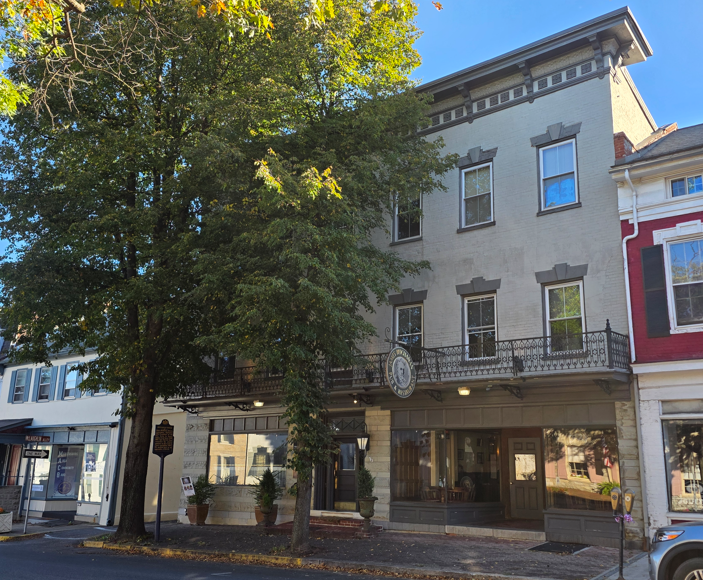
Buchanan spent much of his childhood in this building in downtown Mercersburg. His father ran a store here. It is now a boutique hotel.
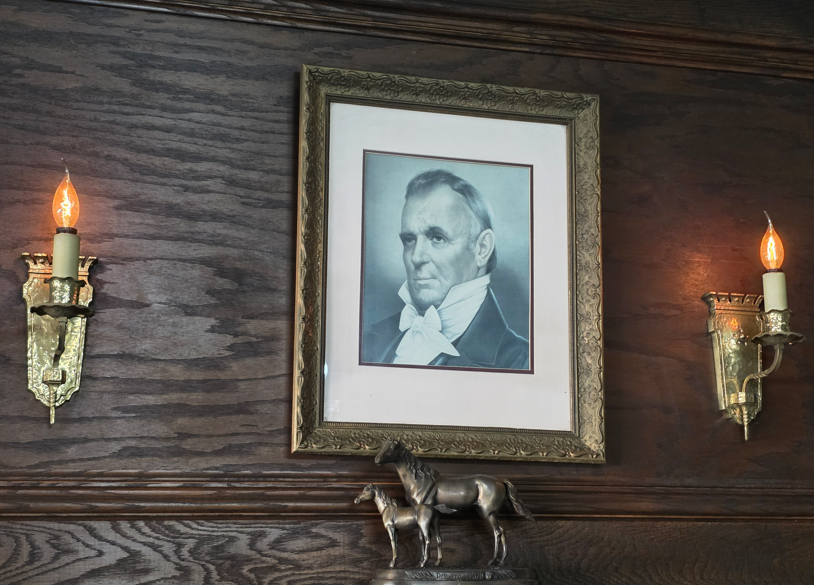
Portrait of Buchanan in the hotel lobby.
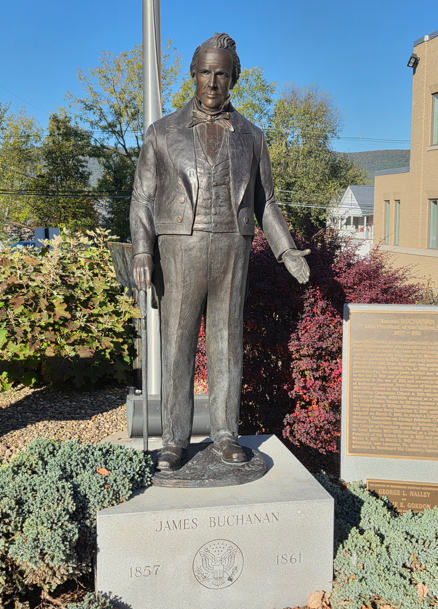
Buchanan statue in downtown Mercersburg, across the street from the Buchanan Hotel.

Gettysburg Battlefield

Gettysburg PA

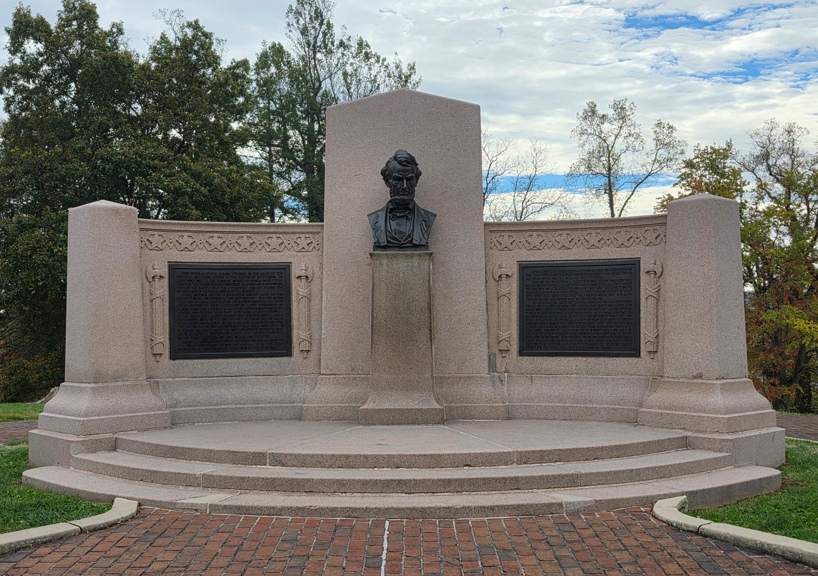
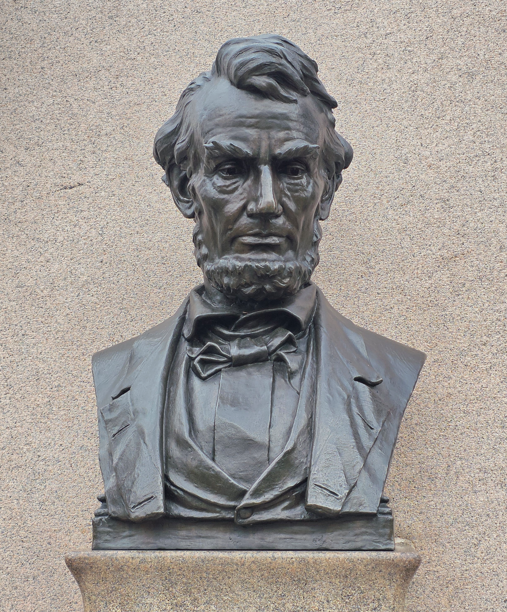
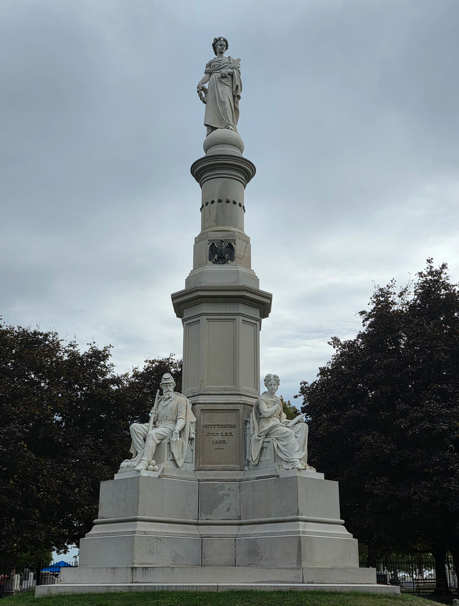
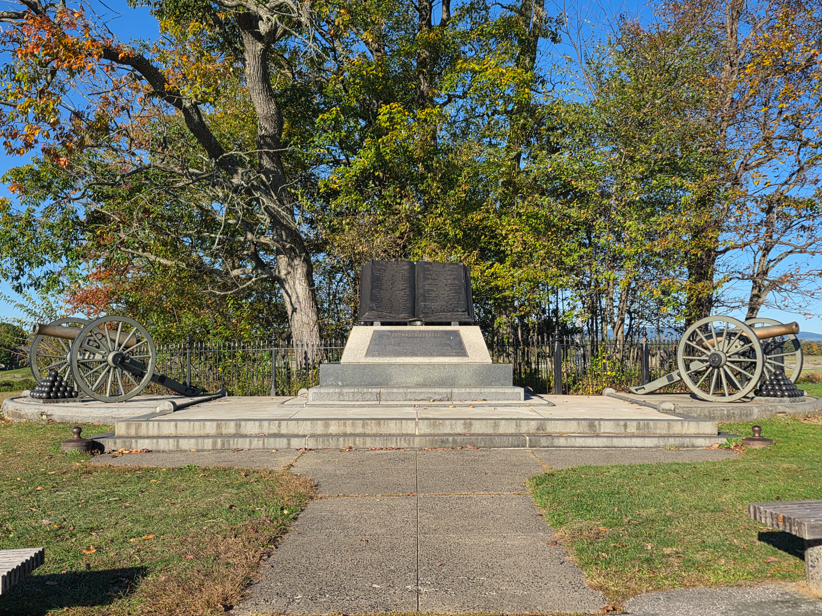
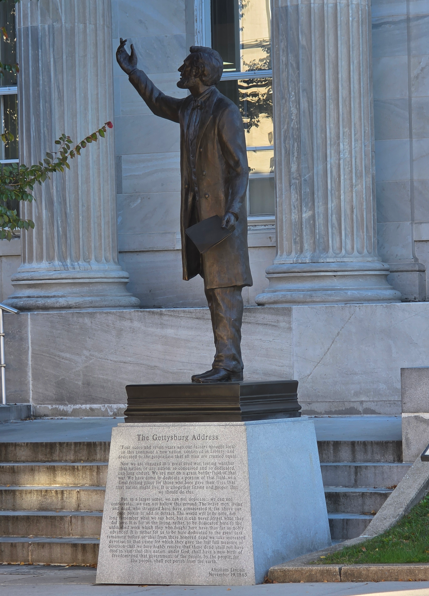
Monument to Lincoln’s Gettysburg Address.
Kentucky State Memorial at Gettysburg National Cemetery. This is the actual location where Lincoln gave the Gettysburg Address.
New York State Memorial at Gettysburg National Cemetery
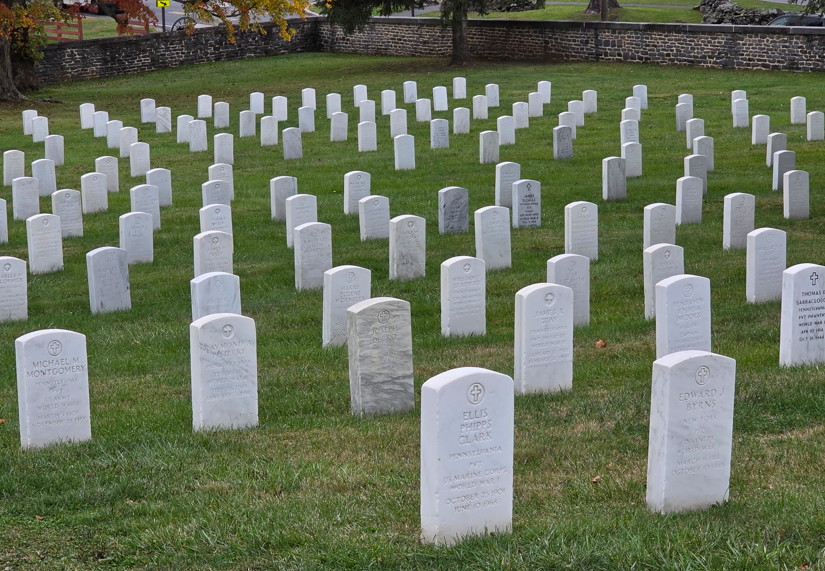
Gettysburg National Cemetery
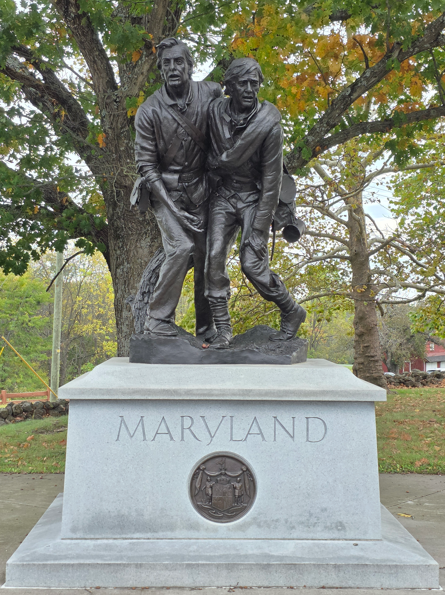
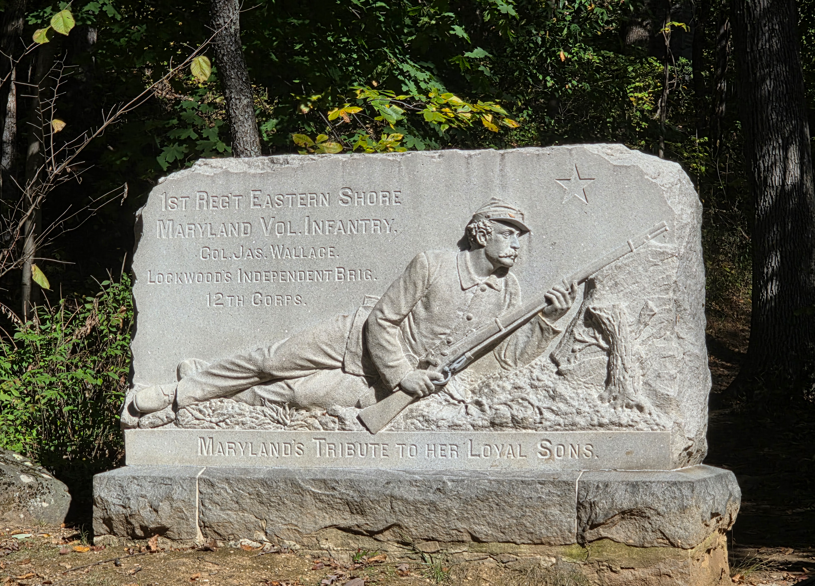
Maryland State Monument on Gettysburg’s Battlefield
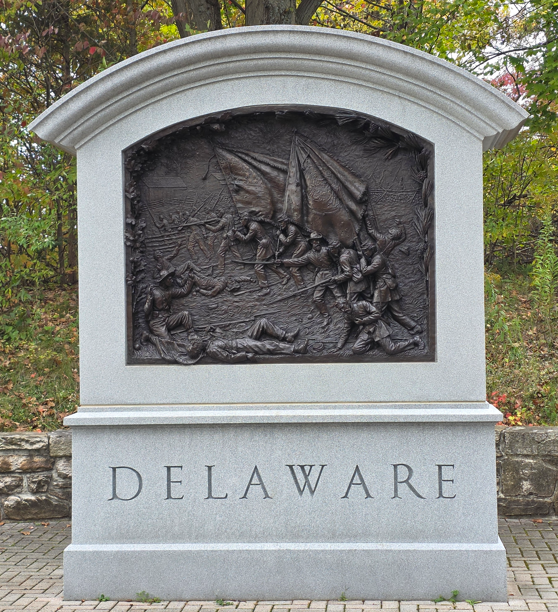
Delaware State Monument
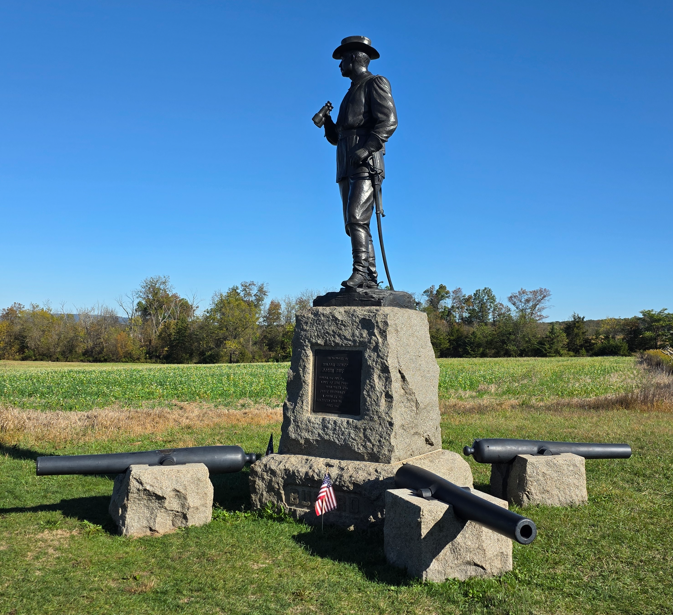
Major General John Buford, commanding 1st Division Cavalry Corps, selected this battlefield July 1, 1863. From this spot the first shot was fired at the Battle of Gettysburg.
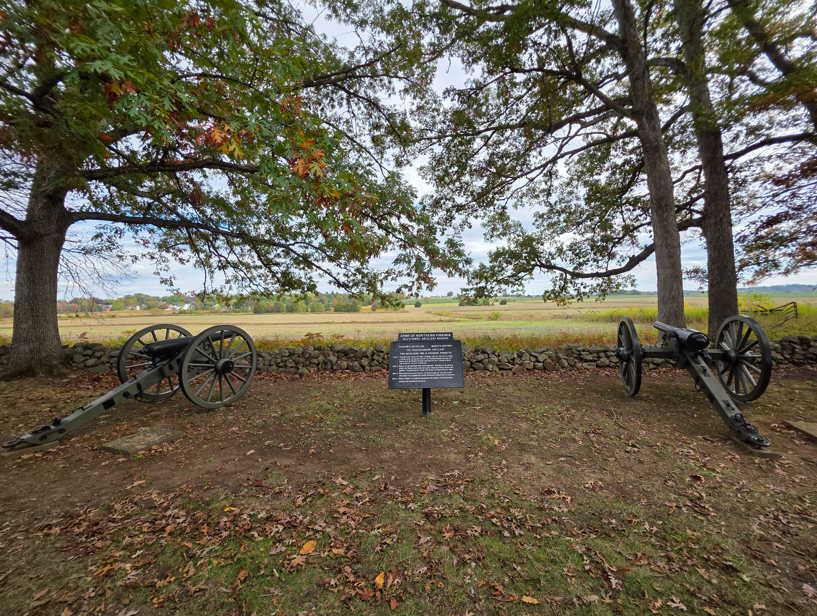
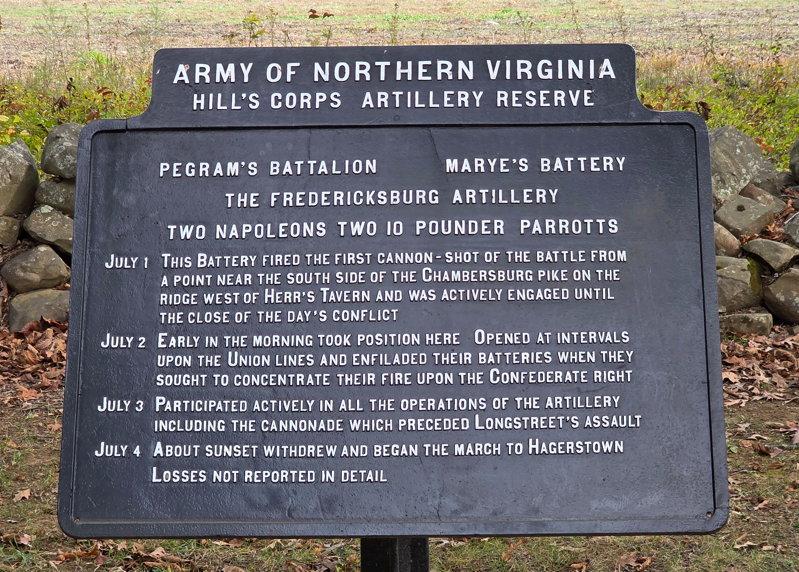
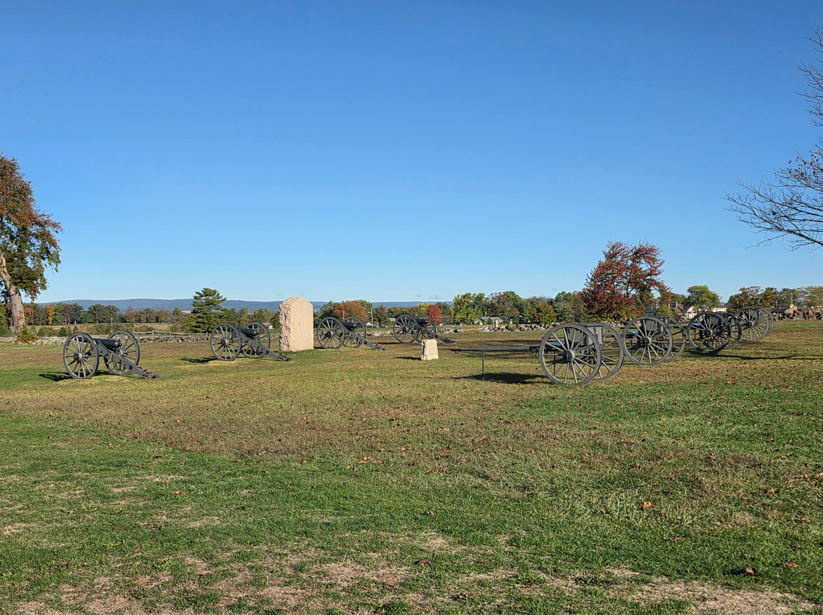
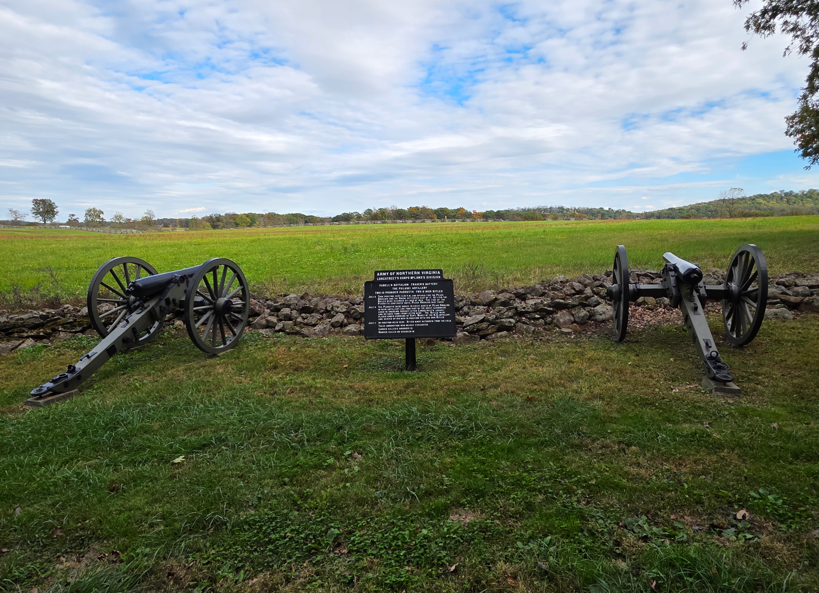
Position of the Fredericksburg Artillery at the battle
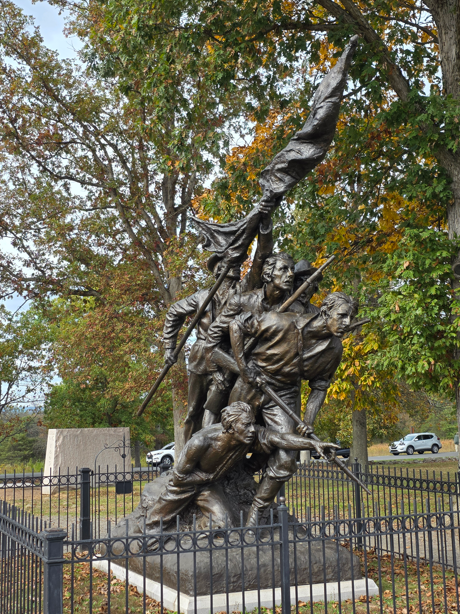
North Carolina State Monument
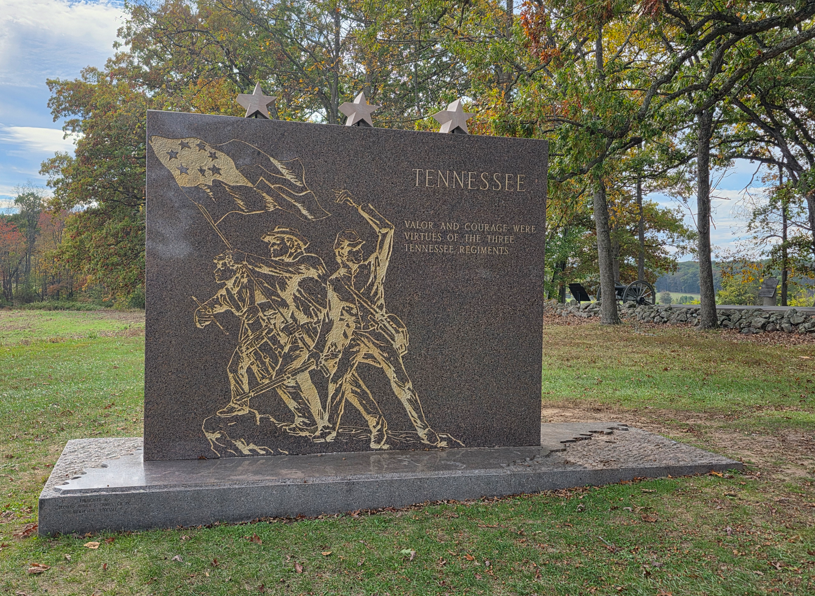
Tennessee State Monument
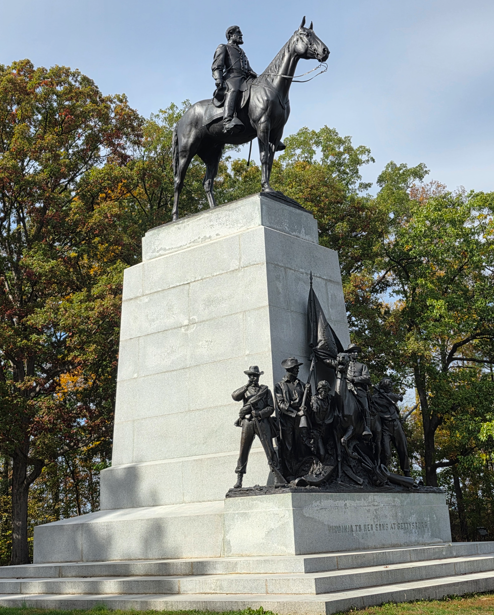
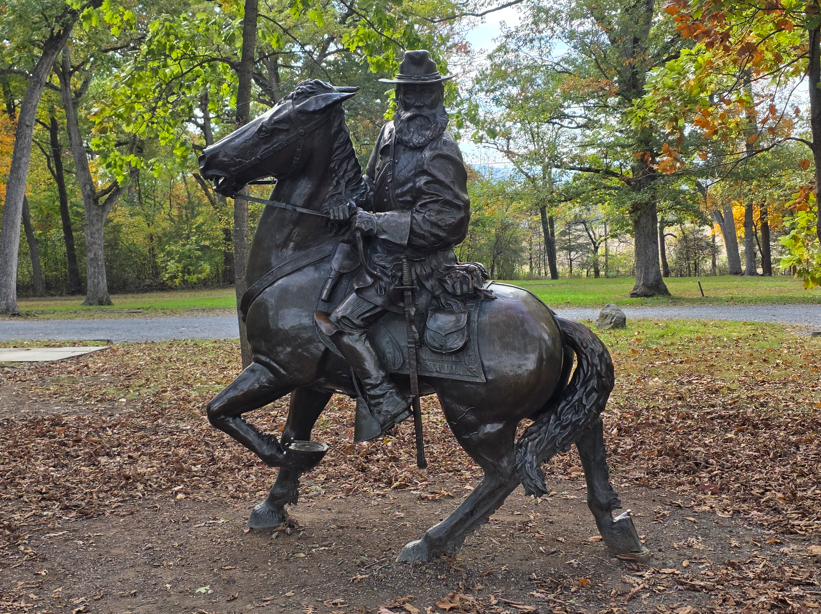
Virginia State Monument, General Robert E. Lee on his horse Traveller.
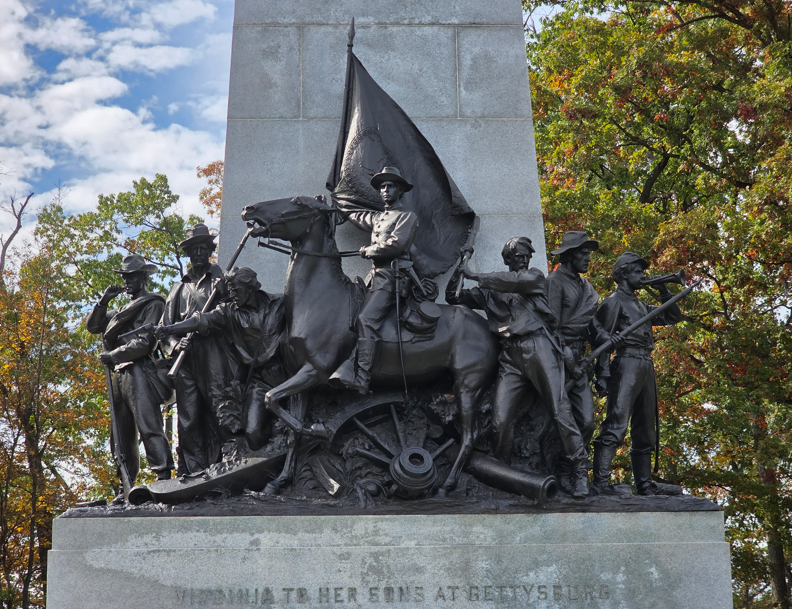
The base of the Virginia State Monument. These seven men represent individuals who left various occupations to join the Confederate army: a professional man, a mechanic, an artist, a boy, a business man, a farmer, and a youth. According to a description published at the time that sculpture was completed, “the shattered cannon, broken wheel, discarded knapsack, swab and exploded shells which are scattered at the feet of the seven men would indicate that the place had been the scene of some desperate engagement, while the attitude of each of the character shows defensive, rather than offensive action.”
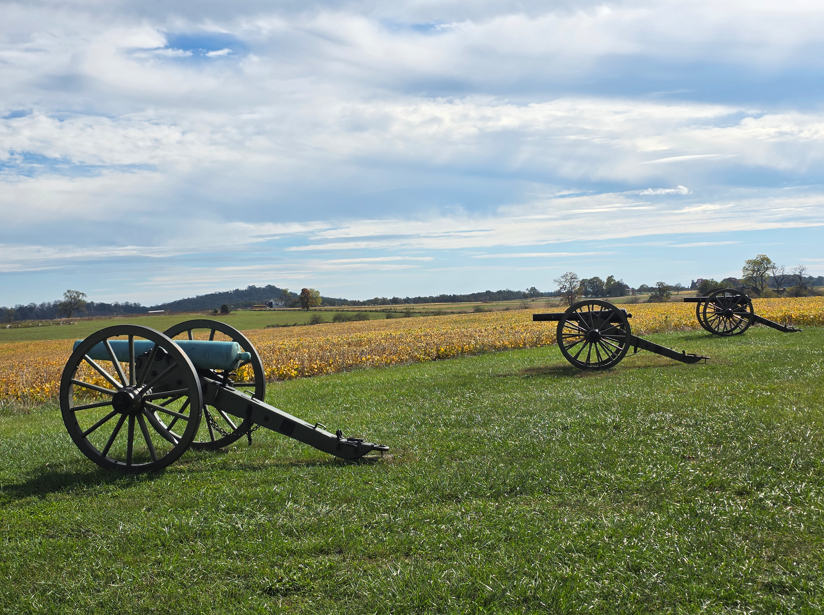
These cannons face the field where Pickett started his infamous charge.
Florida State Monument
General James Longstreet monument
Louisiana State Monument.
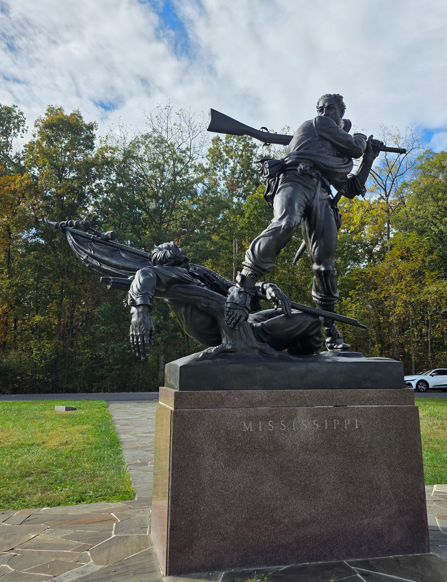
Mississippi State Monument
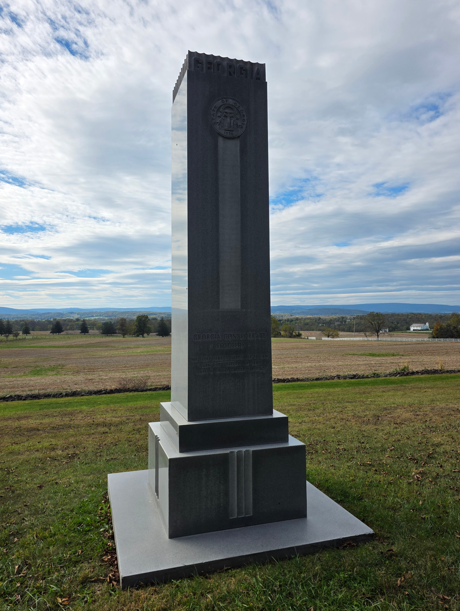
Georgia State Monument
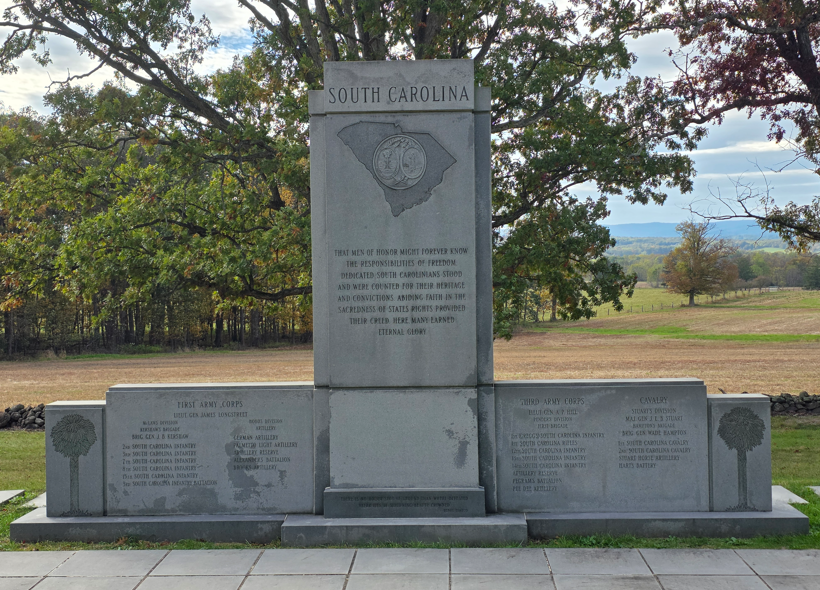
South Carolina State Monument
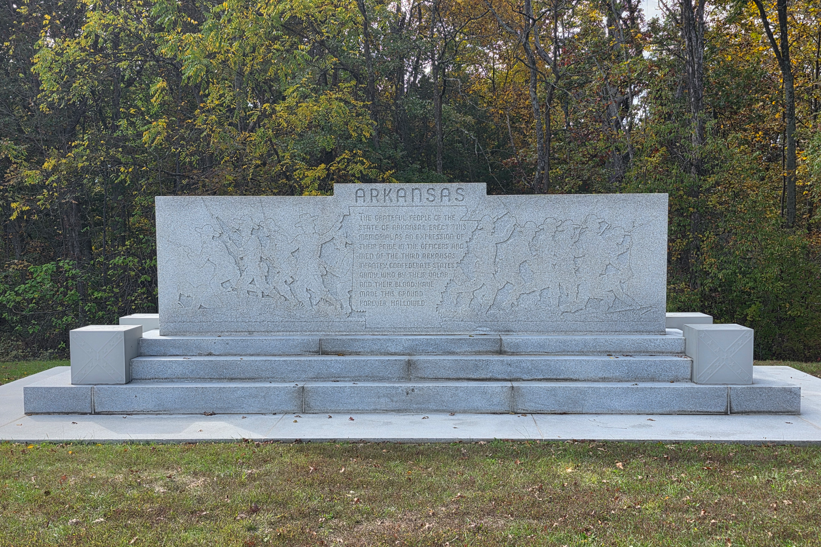
Arkansas State Monument.
Fraser’s Battery of the Pulaski Artillery’s position during the battle.
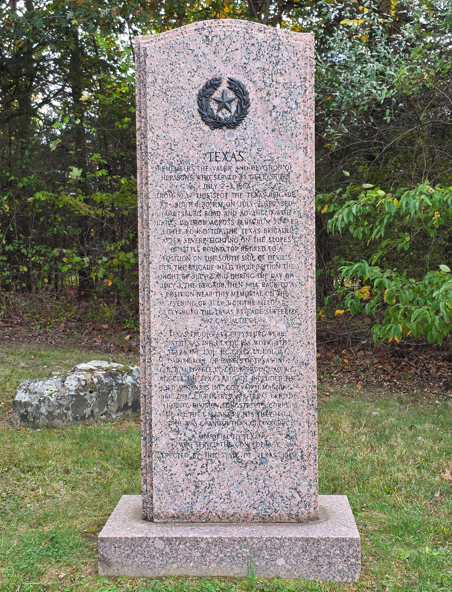
Texas State Monument
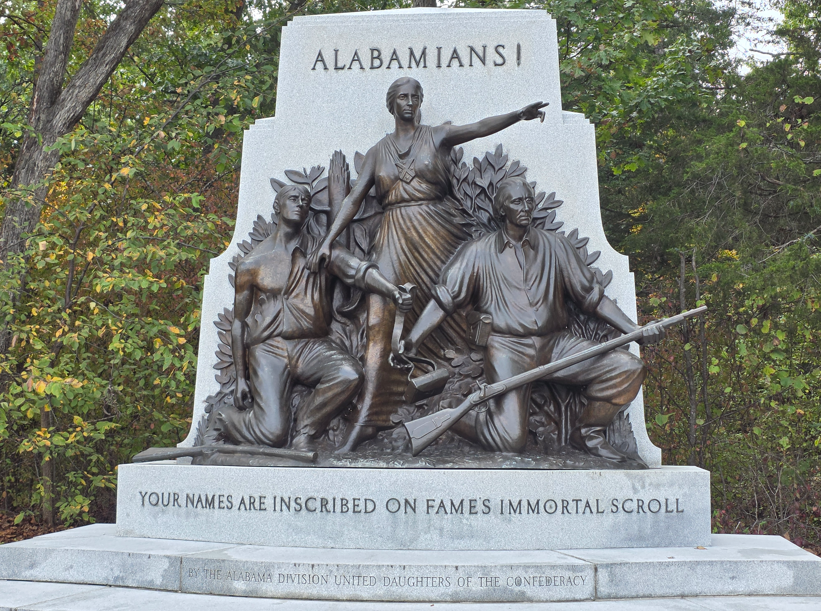
Alabama State Monument
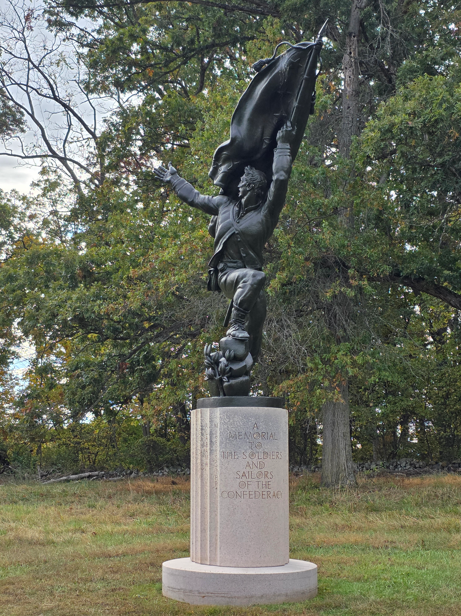
Confederate Soldiers and Sailors Monument
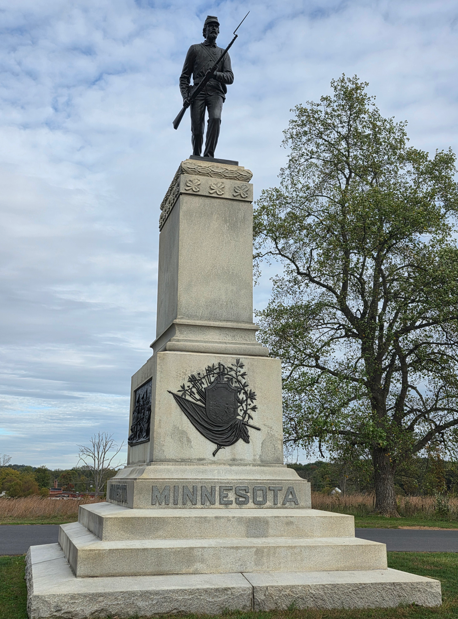
Minnesota State Monument
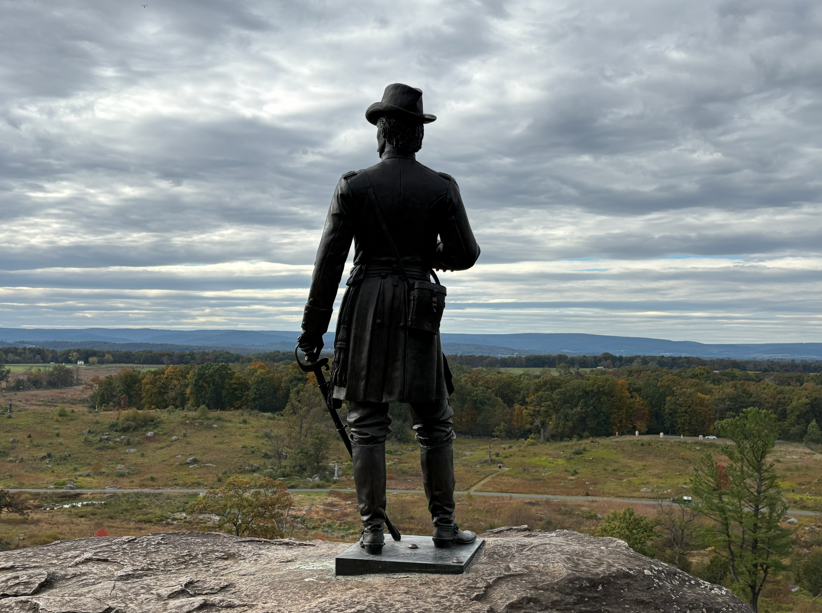
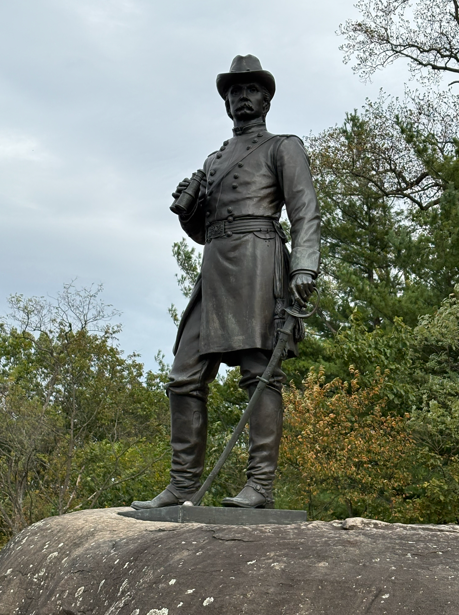
General G. K. Warren looking down from Little Round Top toward Devil’s Kitchen.
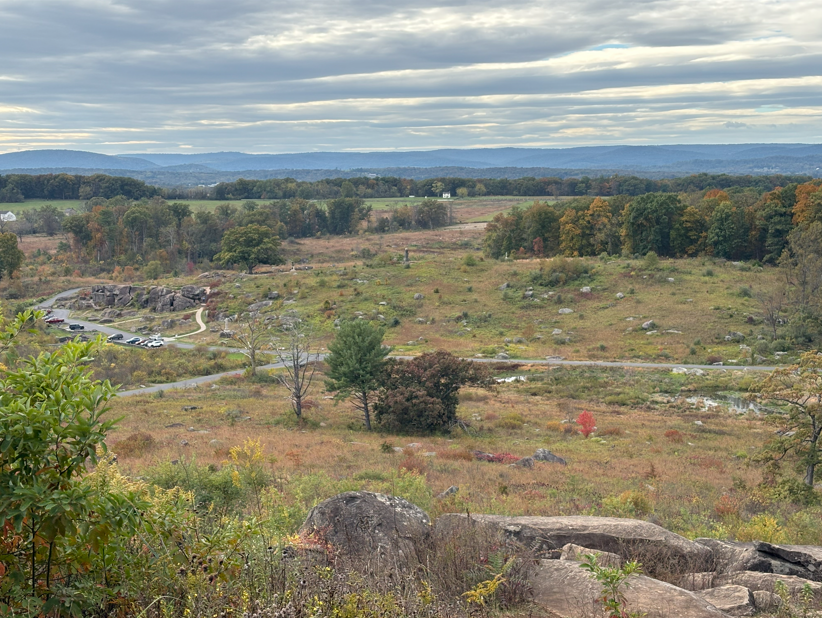
Devil’s Kitchen from Little Round Top.
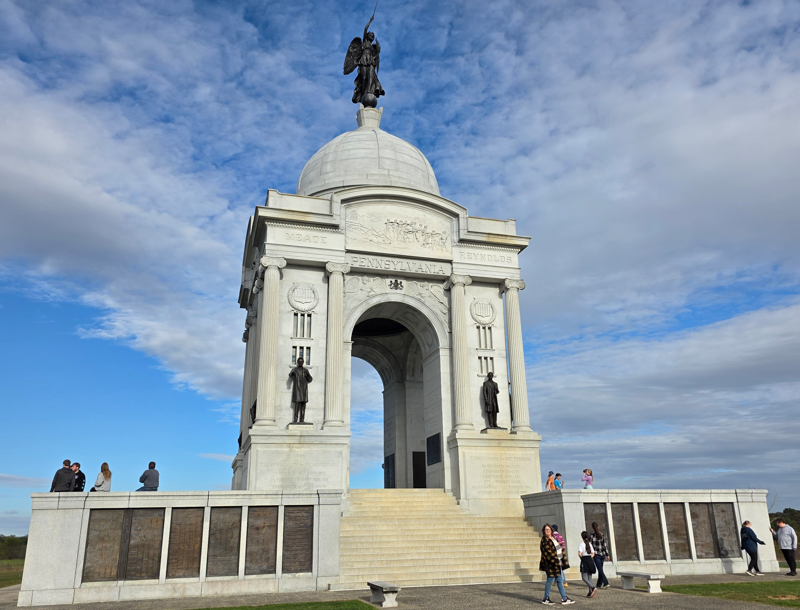
Pennsylvania State Memorial. This is the largest monument in the Gettysburg Battlefield Park.
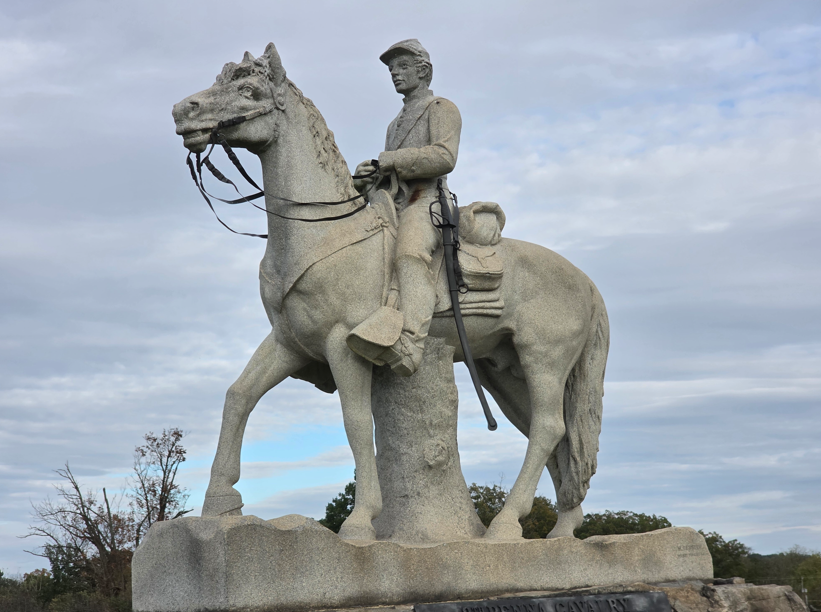
8th Pennsylvania Cavalry Monument
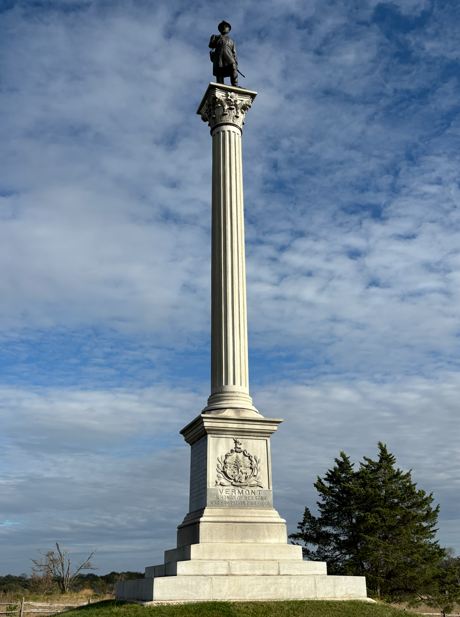
Vermont State Monument
Copse of Trees. This is the Confederate High Water Mark of the battle.
The Angle. Union troops under Major General Winfield Hancock defended the stone wall here. Confederate troops led by Brigadier General Lewis Armistead broke through lines and crossed this wall just west of the Copse of Trees, the Confederates High Water Mark.
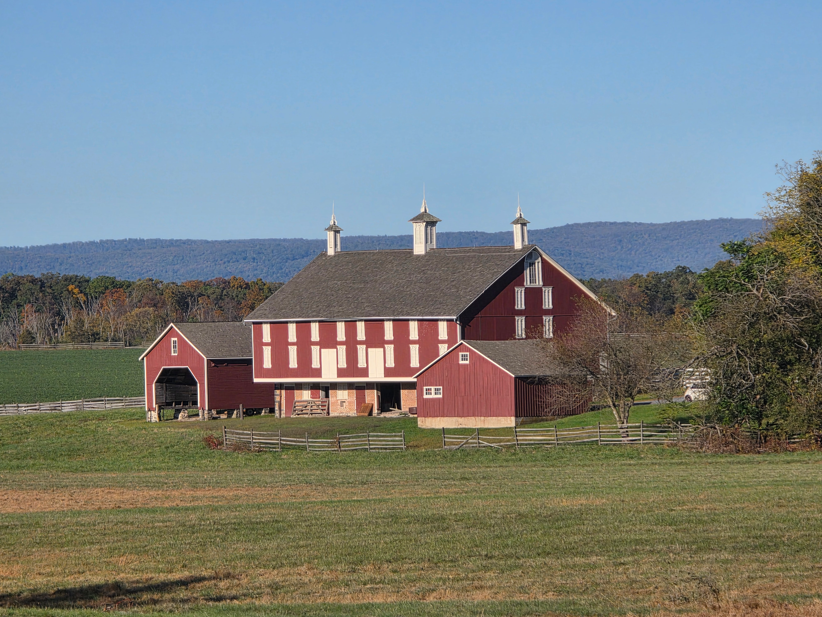
The Codori Farm. The open fields around this barn became bloody killing fields during Pickett’s Charge.
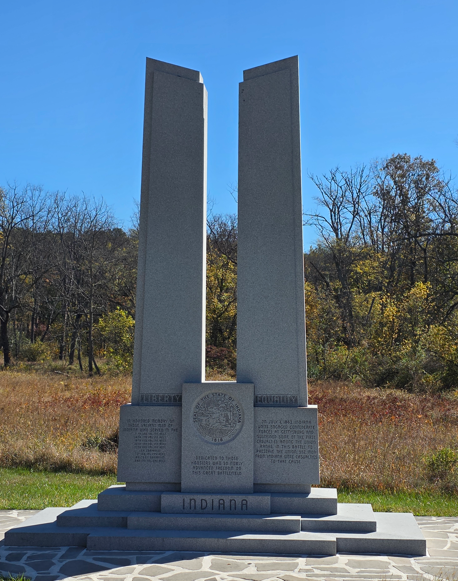
Indiana State Monument
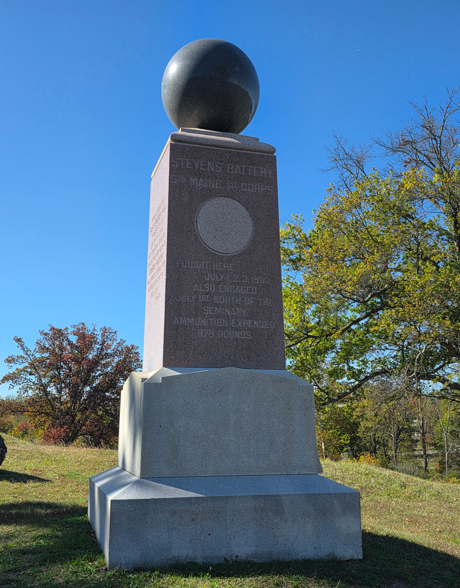
Stevens Battery 5th Maine Monument
Ohio State Monument.
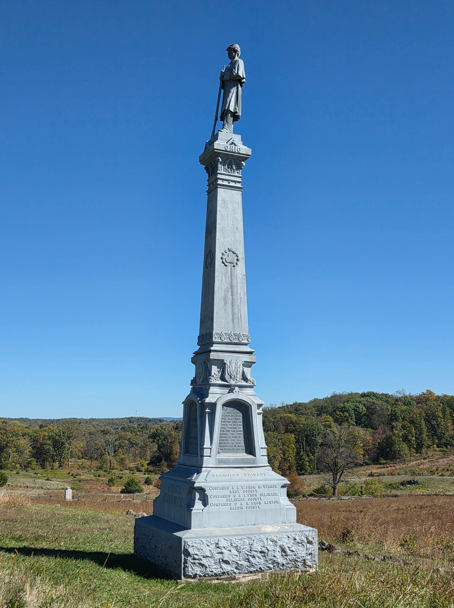
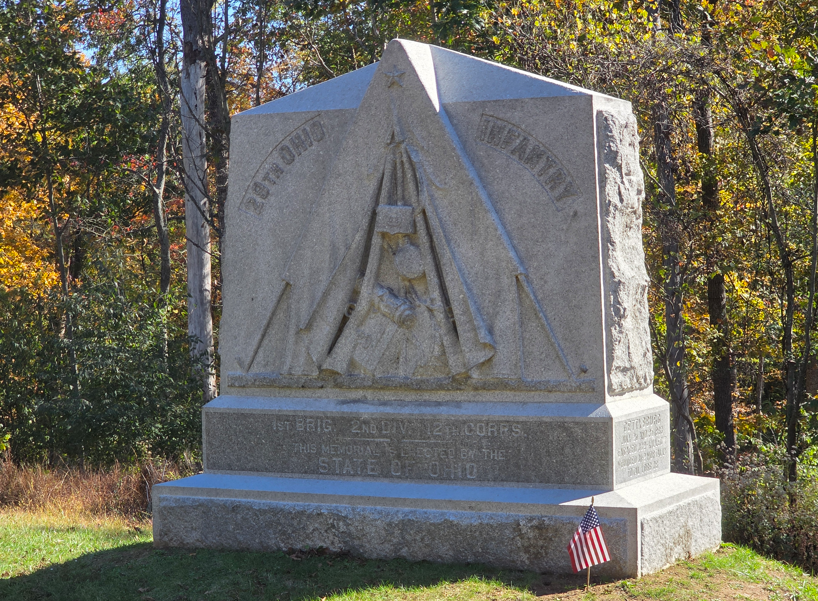
29th Ohio Infantry Monument
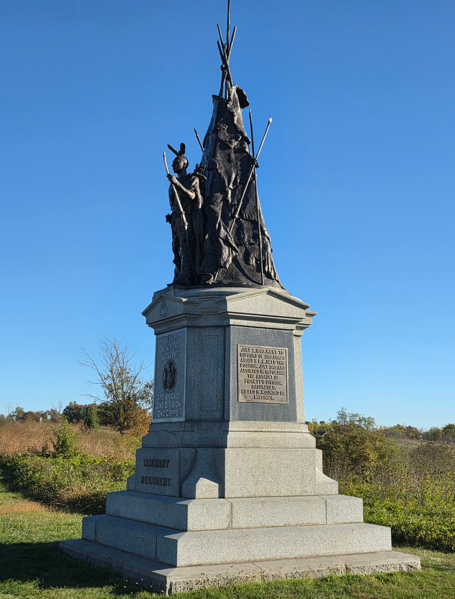
Tammany Regiment Monument.
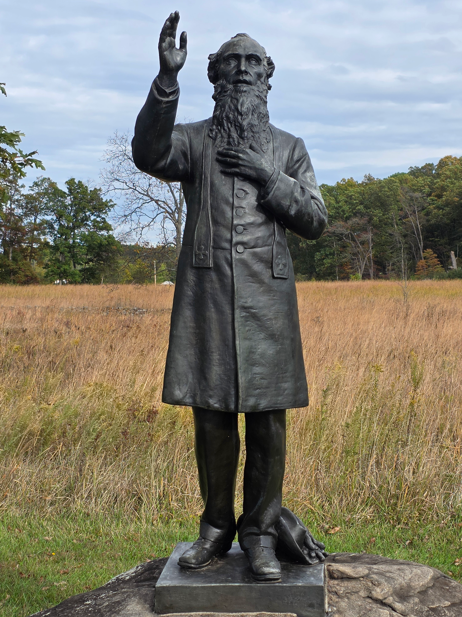
Reverend William E. Corby, Congregation of the Holy Cross. Father Corby, a Chaplain of the Irish Brigade, gave general absolution and blessing before the Battle at Gettysburg, July 2, 1863. He would later become President of Notre Dame University.
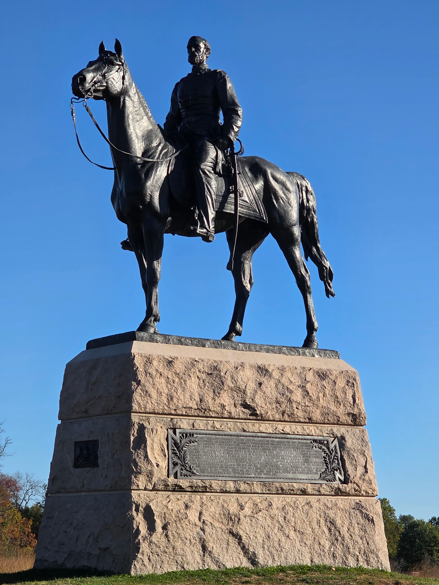
General George Meade Monument.
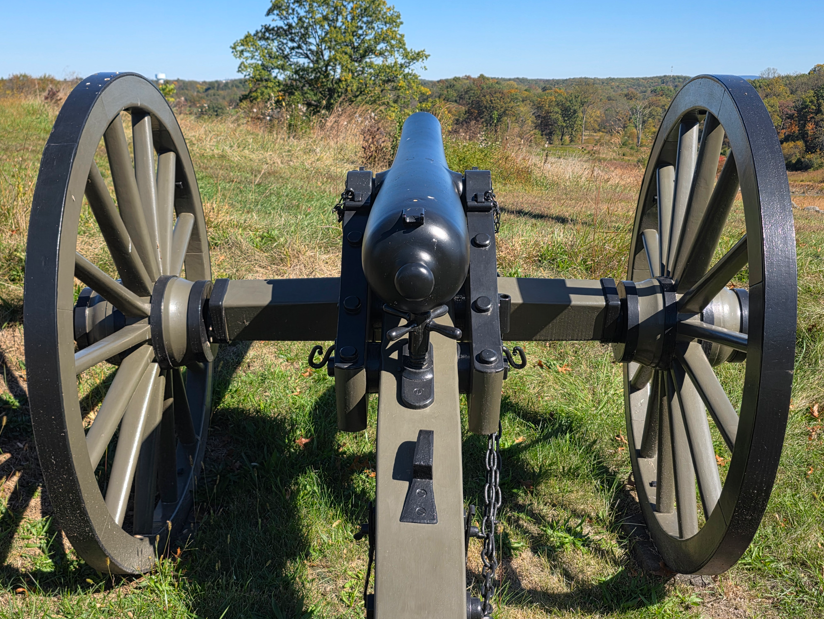
Cannon facing east on Hancock Avenue.
Headquarters of General Robert E. Lee
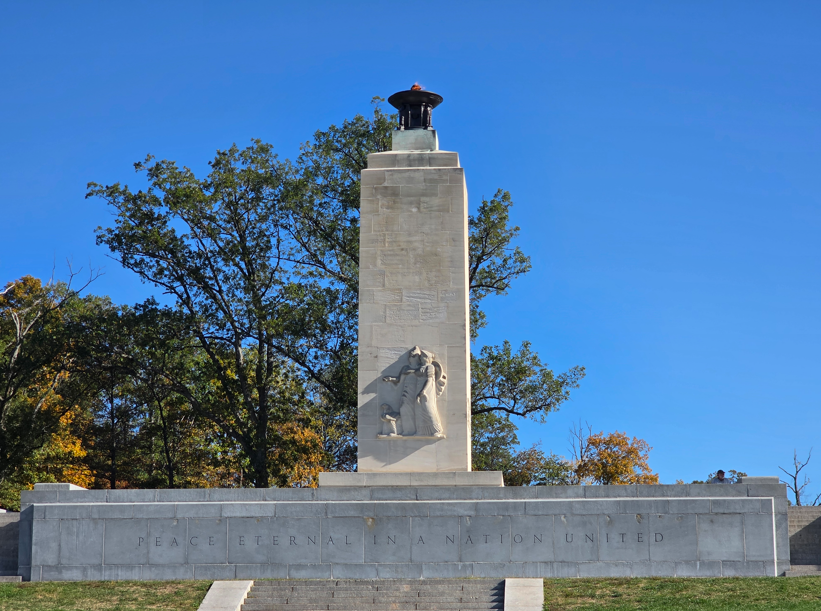
Eternal Flame for Peace

Gettysburg Museum

Gettysburg PA

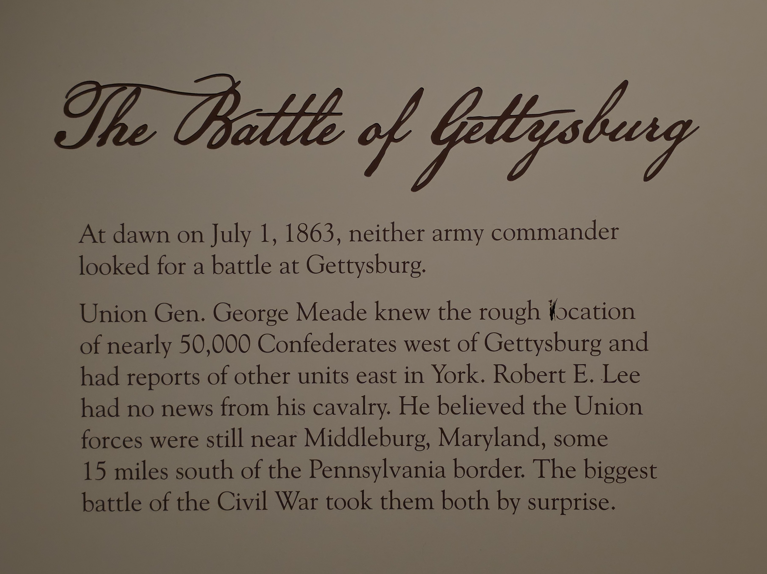
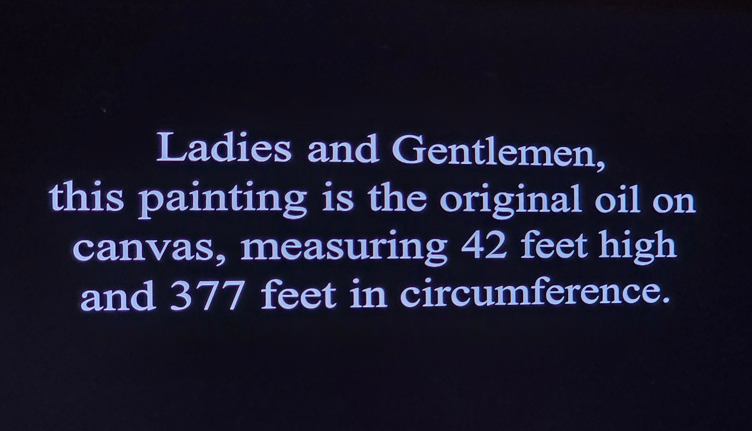
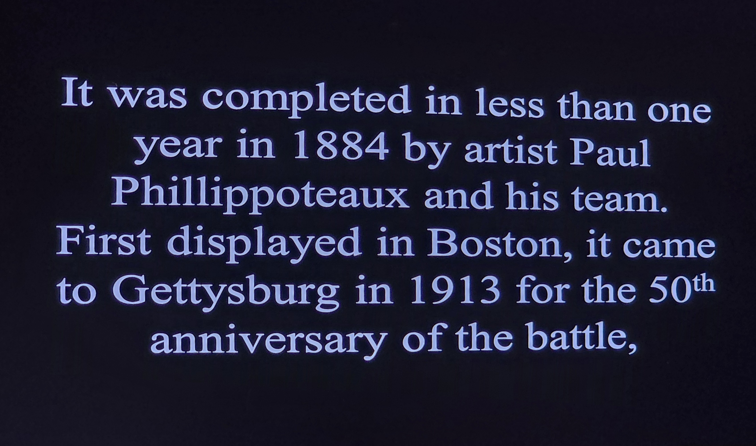
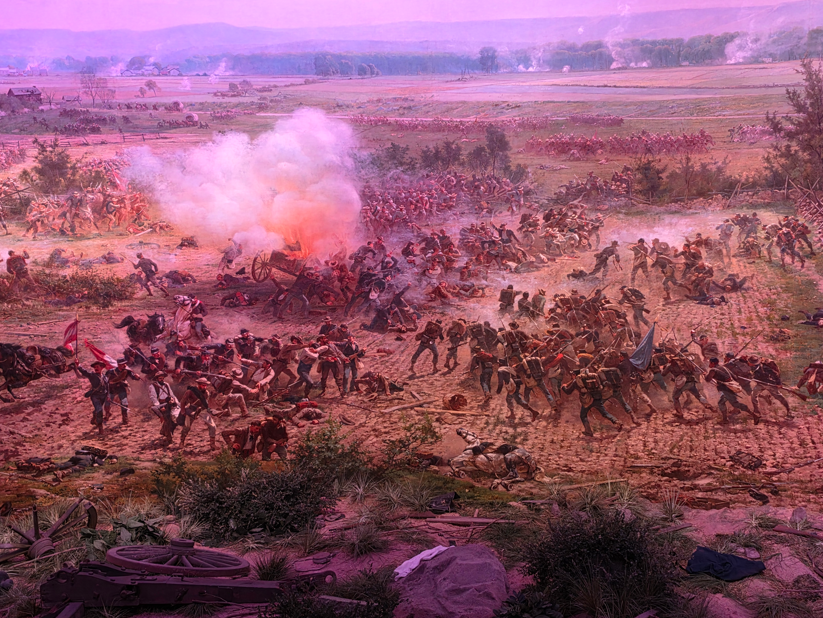
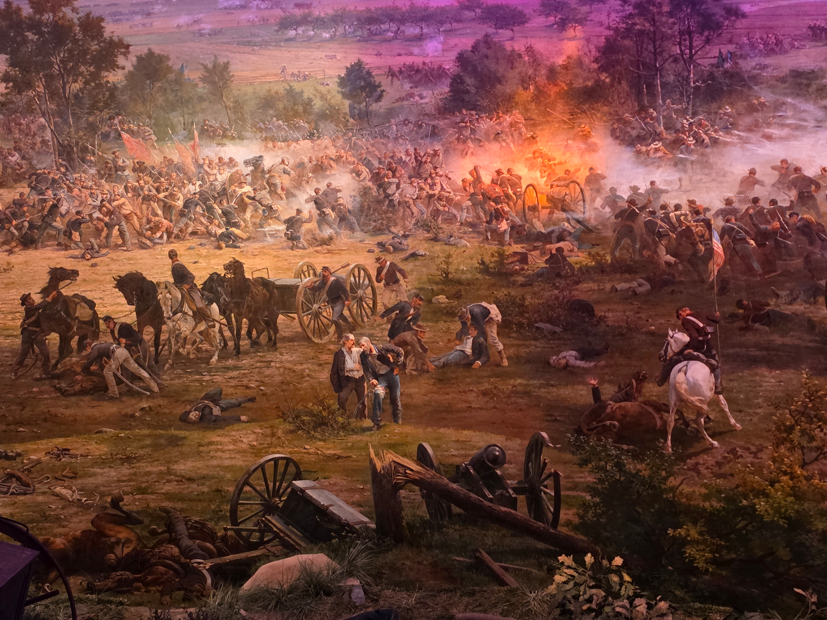
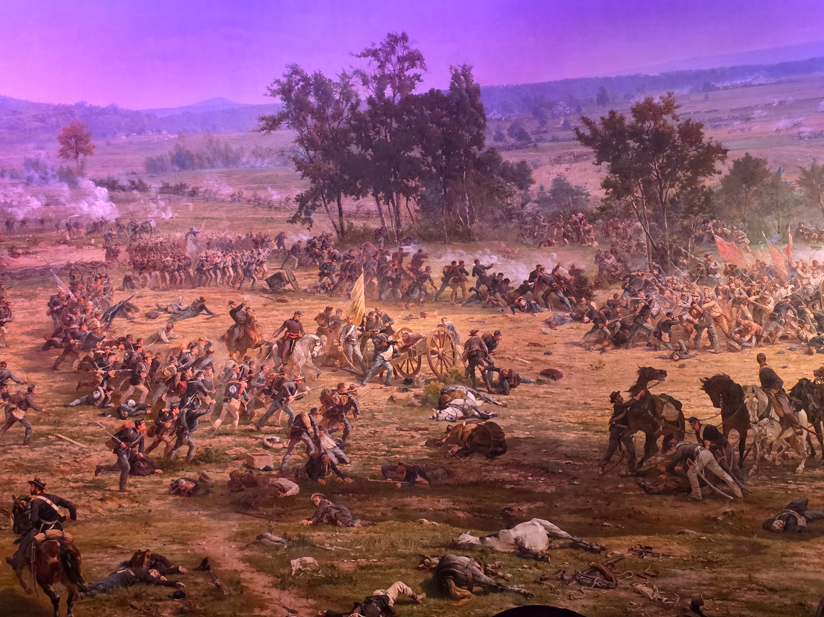
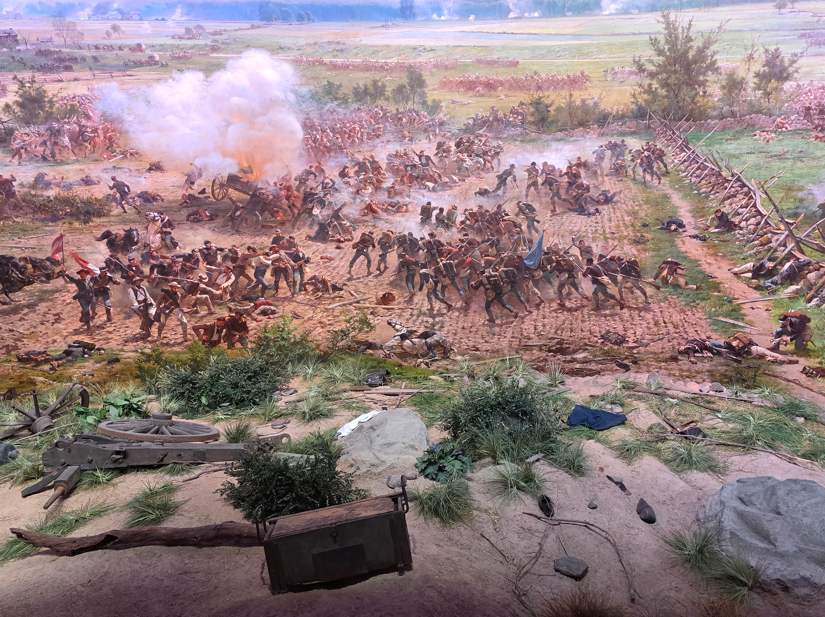
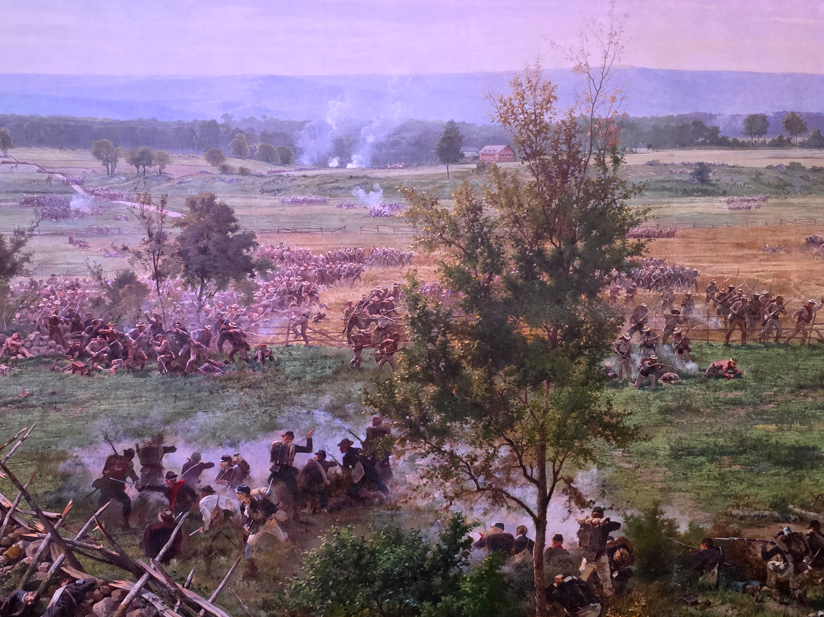
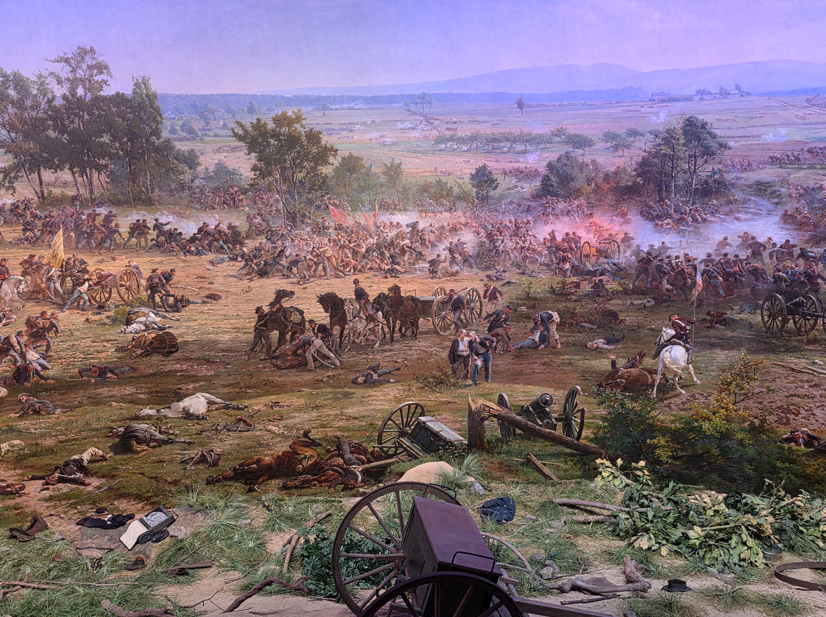
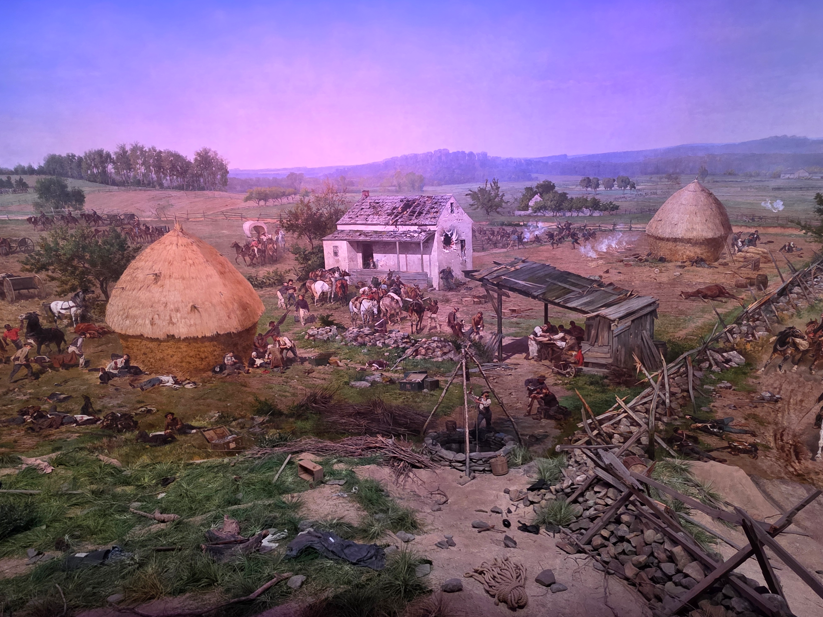
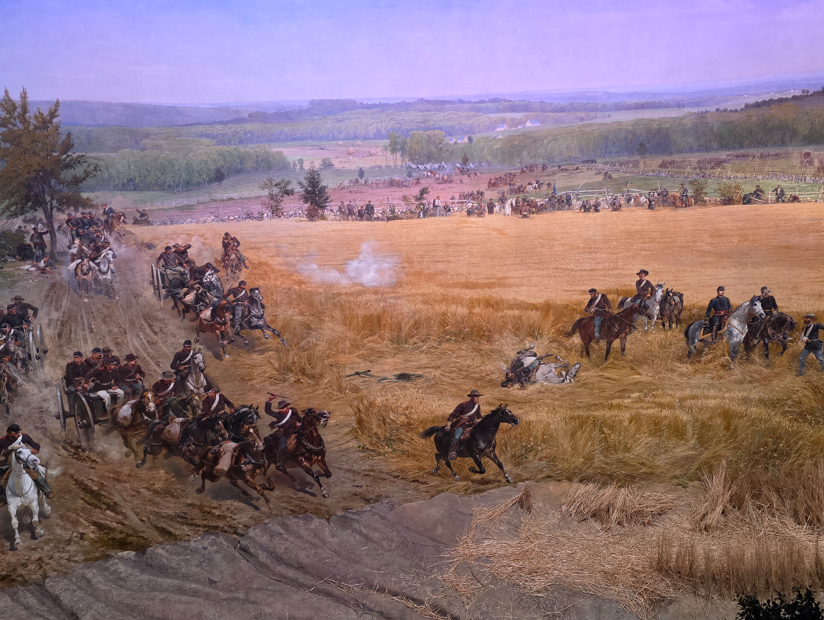
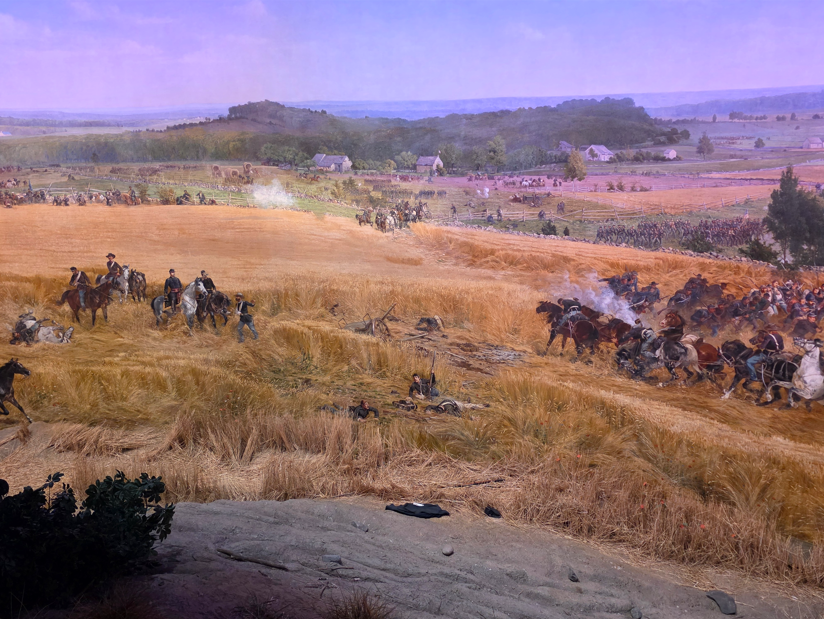
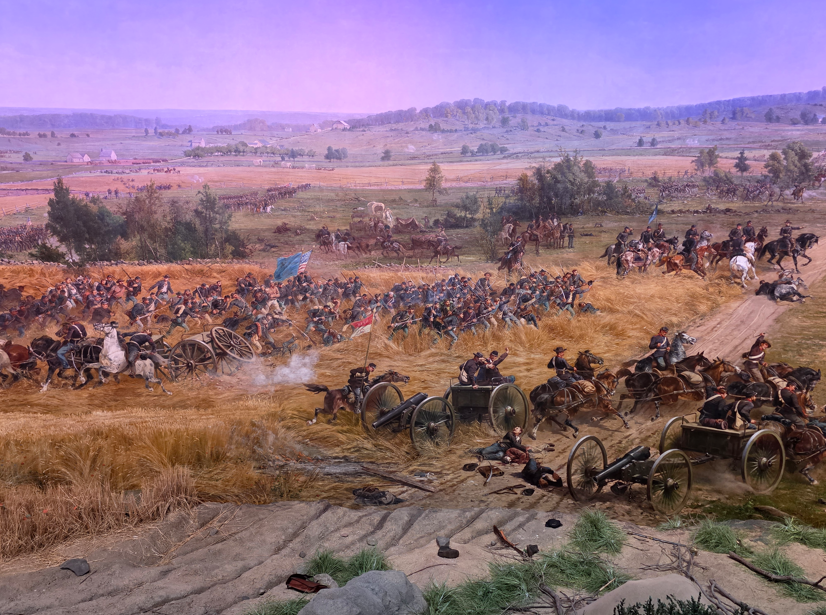
The Gettysburg Museum is not a part of the National Historical Park, but it definitely worth a visit. It has many displays about the history of the lead up to the Civil War. But the real star of this museum is the “Cyclorama”, a painting in on a wall that encircles the entire room.
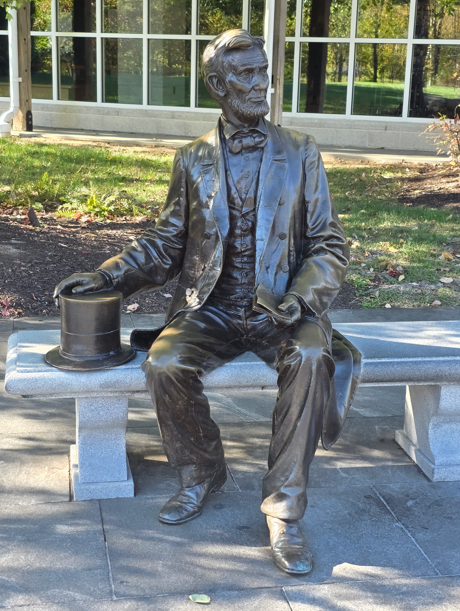
President Lincoln sitting outside the museum.

Gettysburg PA

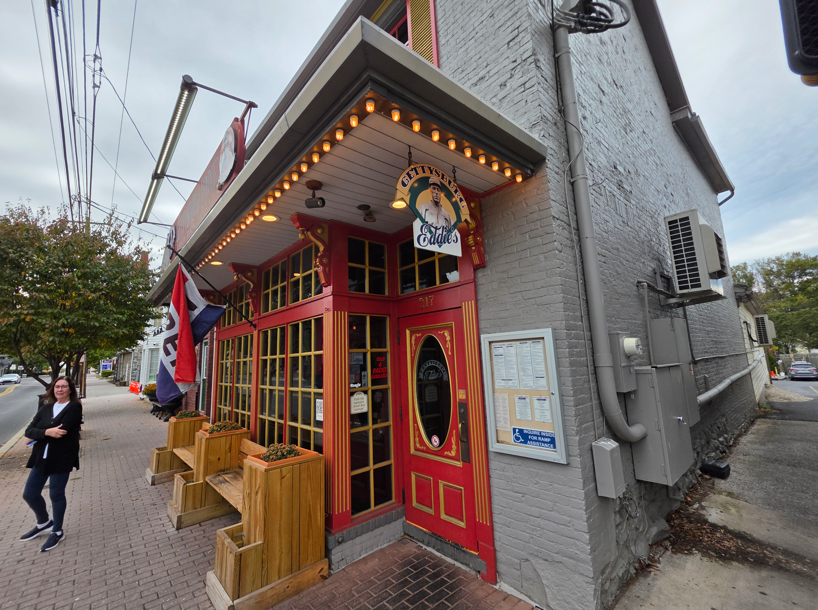
Gettysburg is more than just the big historic battlefield, although that battle overshadows everything in the town. We made this return trip because when I was looking over our pictures from when we toured the battlefield almost 20 years ago, I realized that we never saw the place where President Lincoln gave his Gettysburg Address! So first thing, lunch – Gettysburg Eddie’s. MY says the french onion soup was the best she ever had!

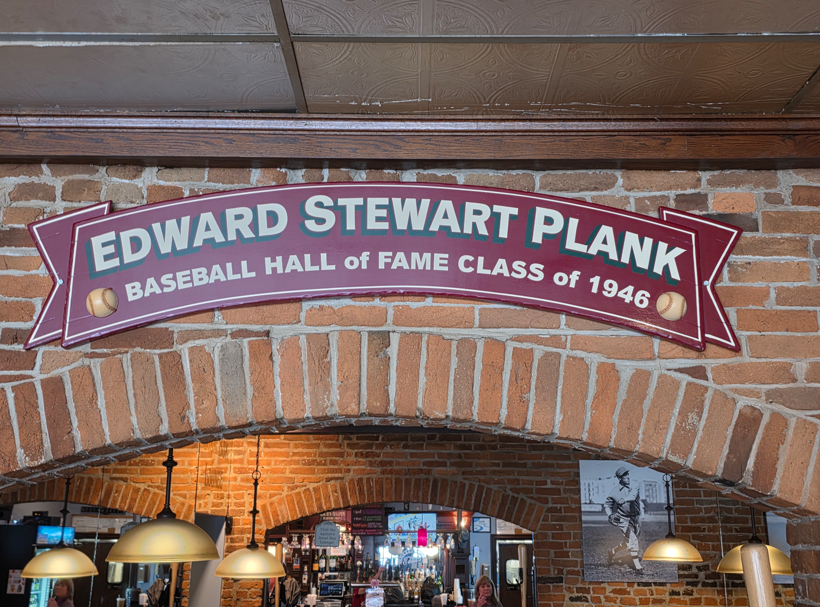
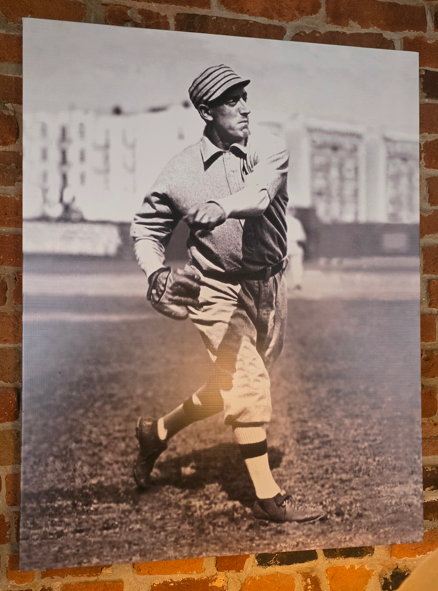
Gettysburg Eddie’s remembers its native Eddie Plank, who was a hall of fame pitcher, primarily for the Philadelphia A’s from 1901-1914.
Eddie Plank
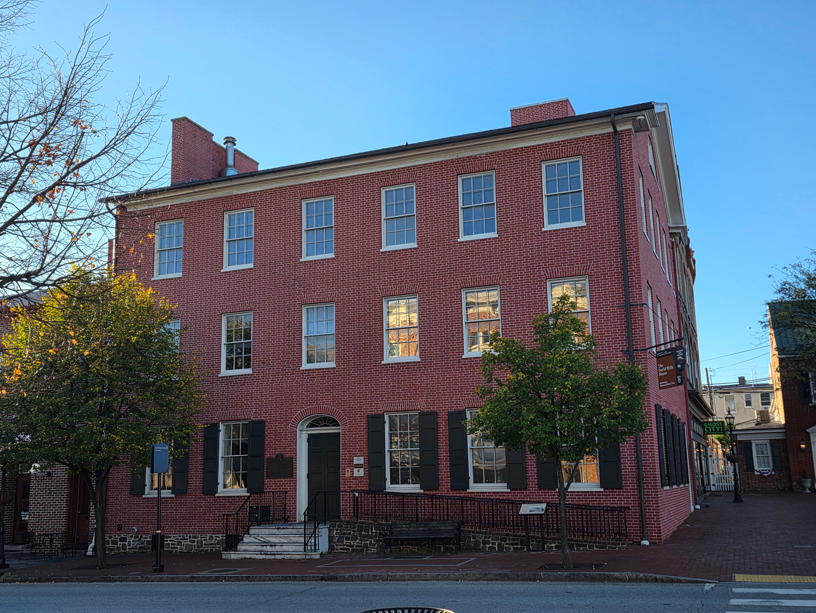
Wills House. President Abraham Lincoln slept in this house November 18, 1863, the night before his immortal address at the cemetery.
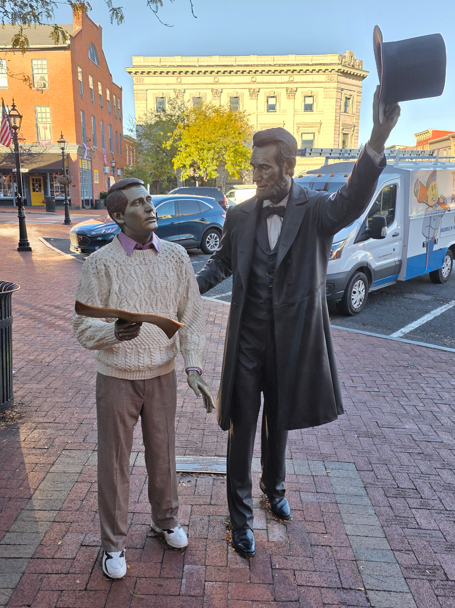
One of several statues of Lincoln around town.
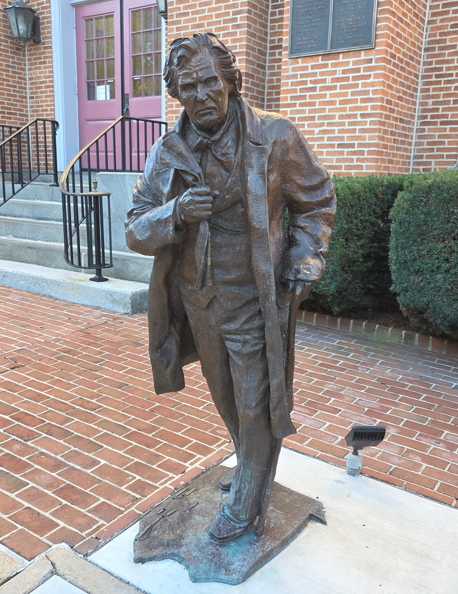
Thaddeus Stevens practiced law in Gettysburg 1816-1842, then Lancaster from 1842-1868. As Congressman from Lancaster he was the most powerful congressman during and after the Civil War. He was also a framer of the 14th Amendment, which granted US citizenship to all people born or naturalized in the US, most significantly, all former slaves. He also led the effort to impeach President Andrew Johnson (failed by one vote).
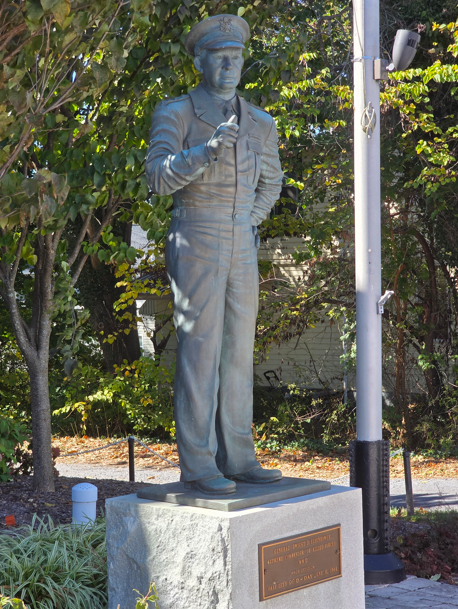
Statue of General Dwight D. Eisenhower
Supreme Commander of Allied Forces
WWII
Made decision “Okay let’s go” D-Day June 6, 1944
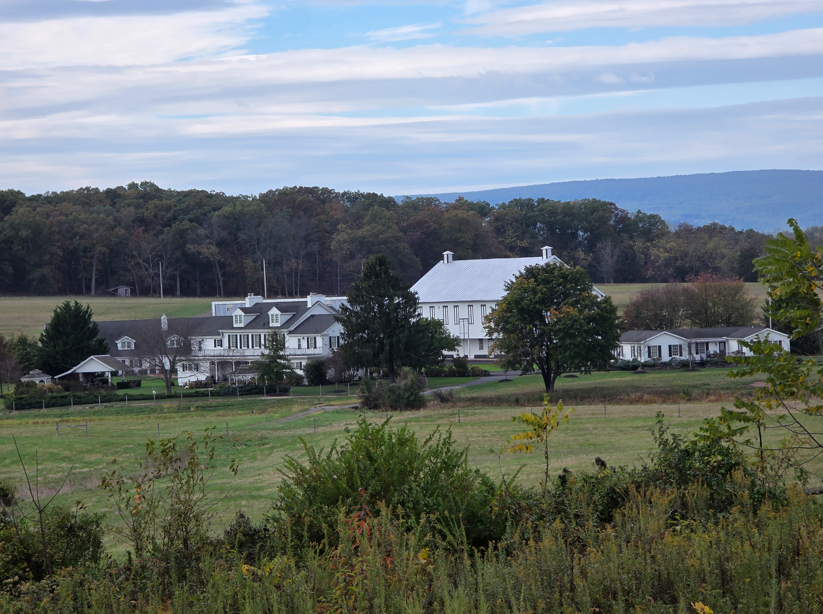
President Eisenhower’s farm at Gettysburg.
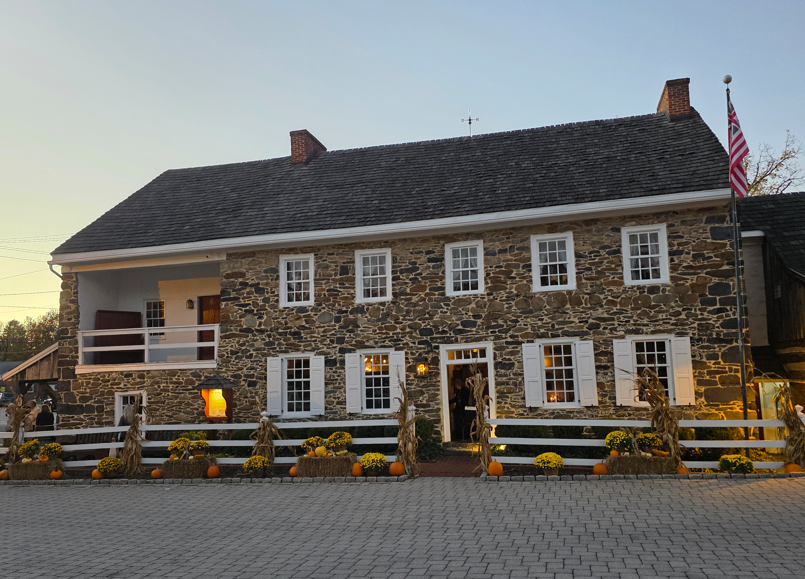
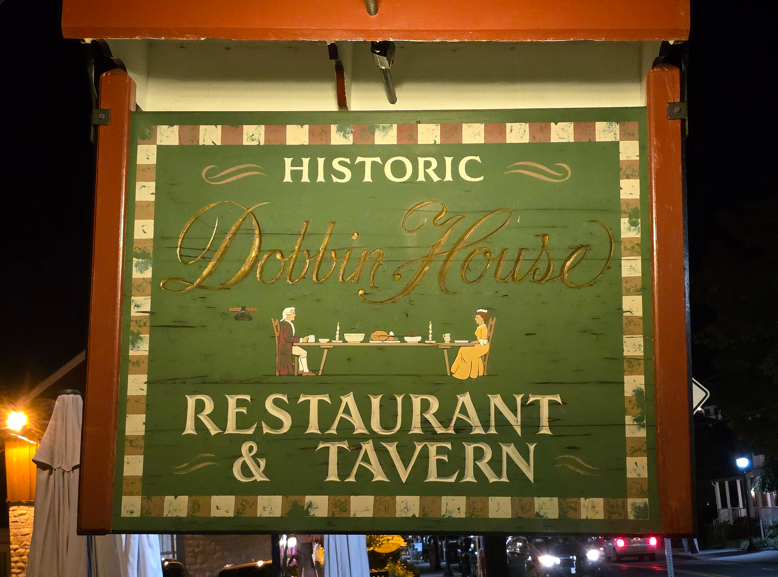
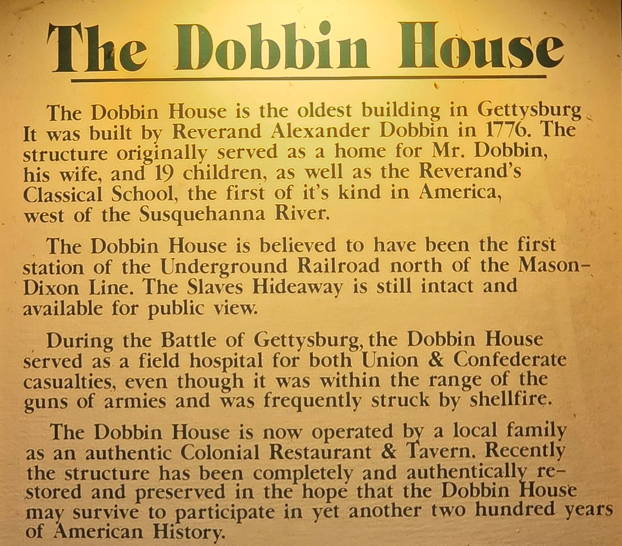
We had dinner at Dobbin House Restaurant which dates to 1776, the oldest building in Gettysburg.
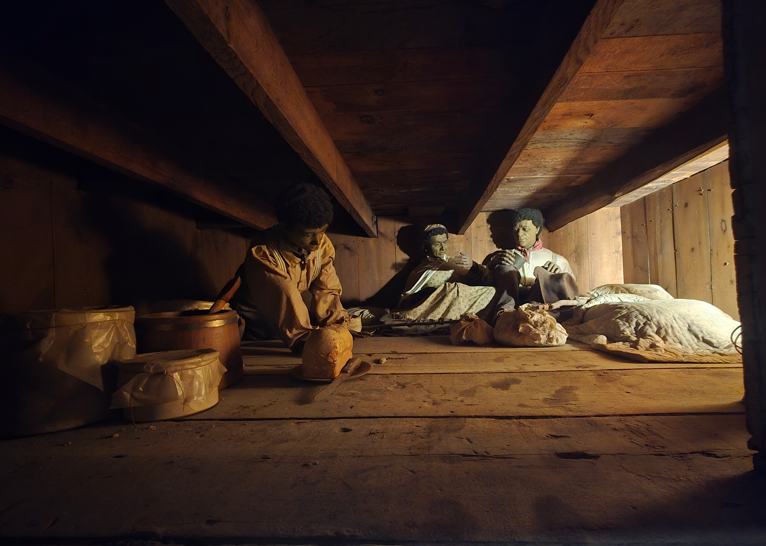
Slave hideaway below the ground floor.