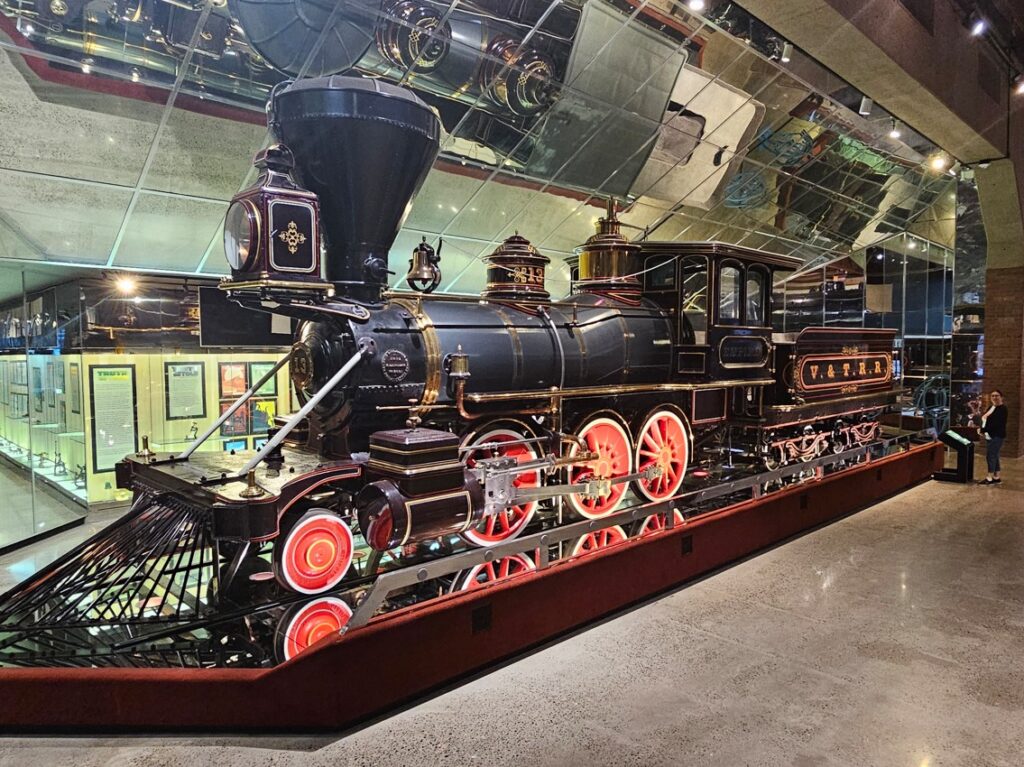
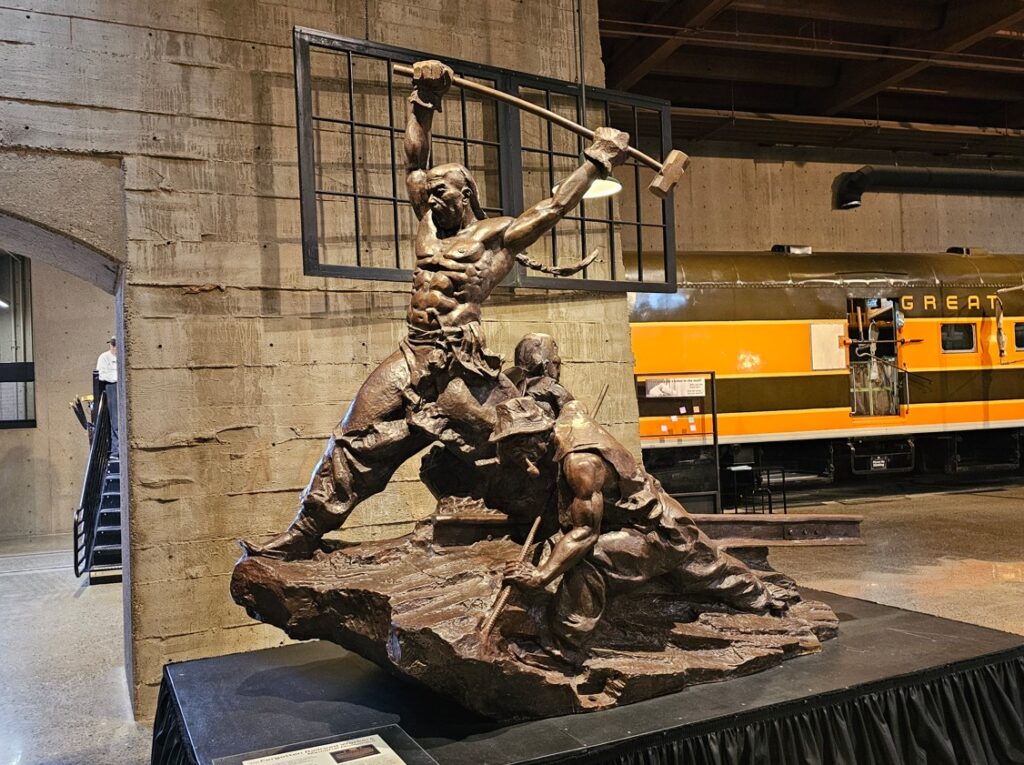
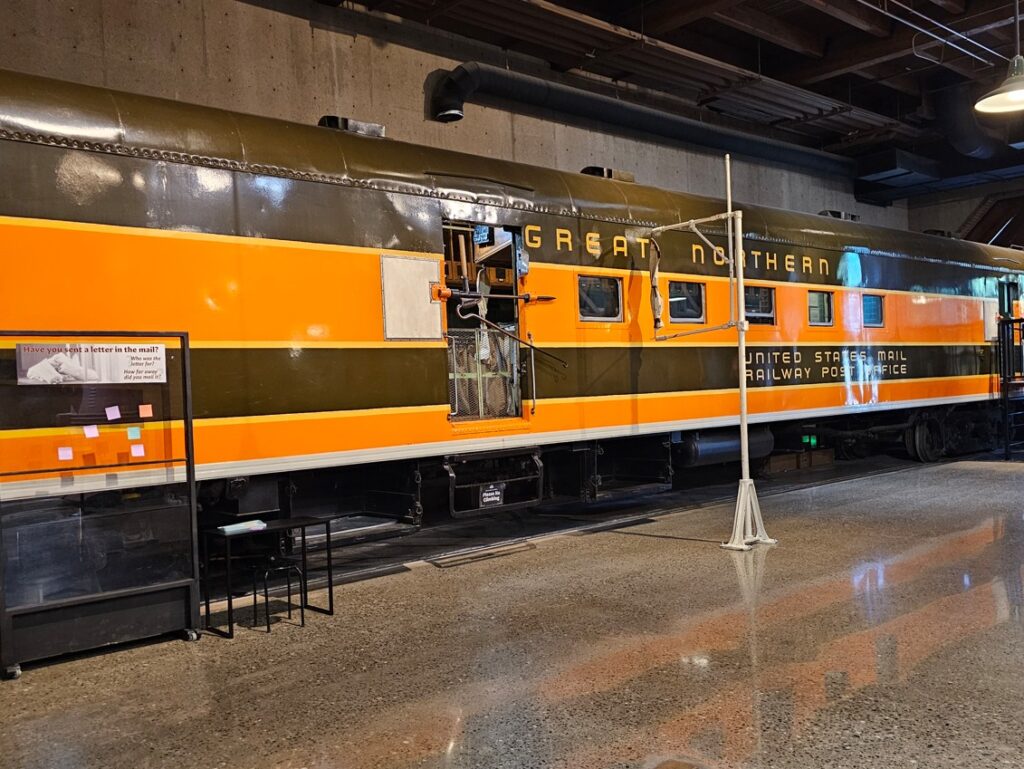
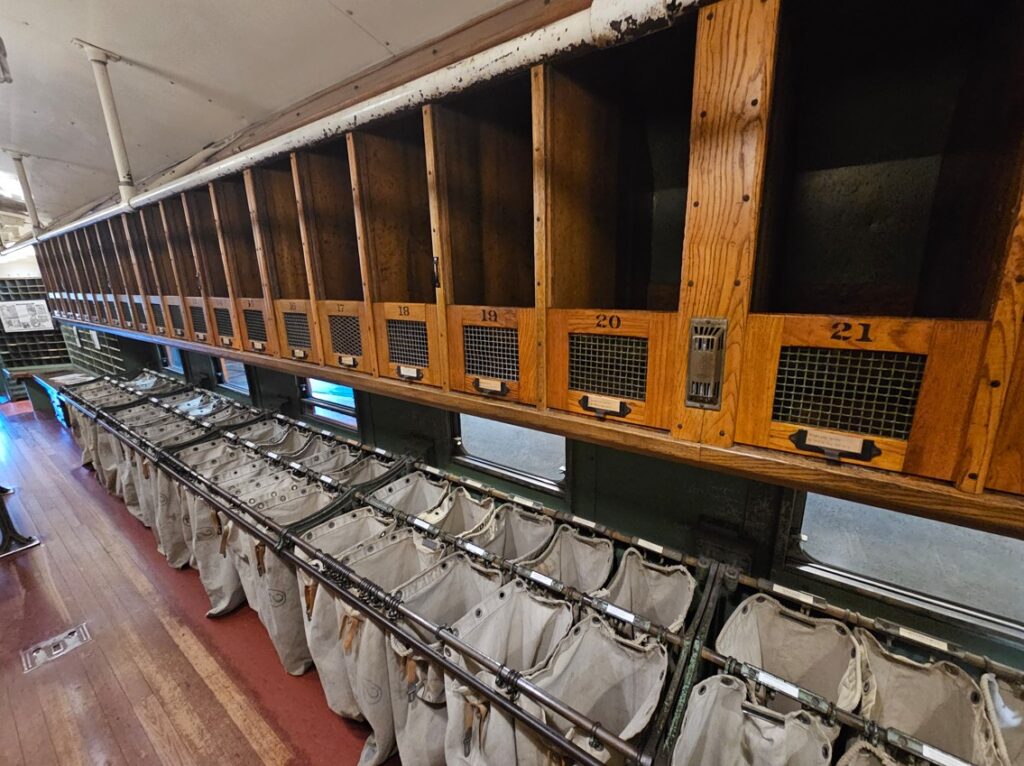
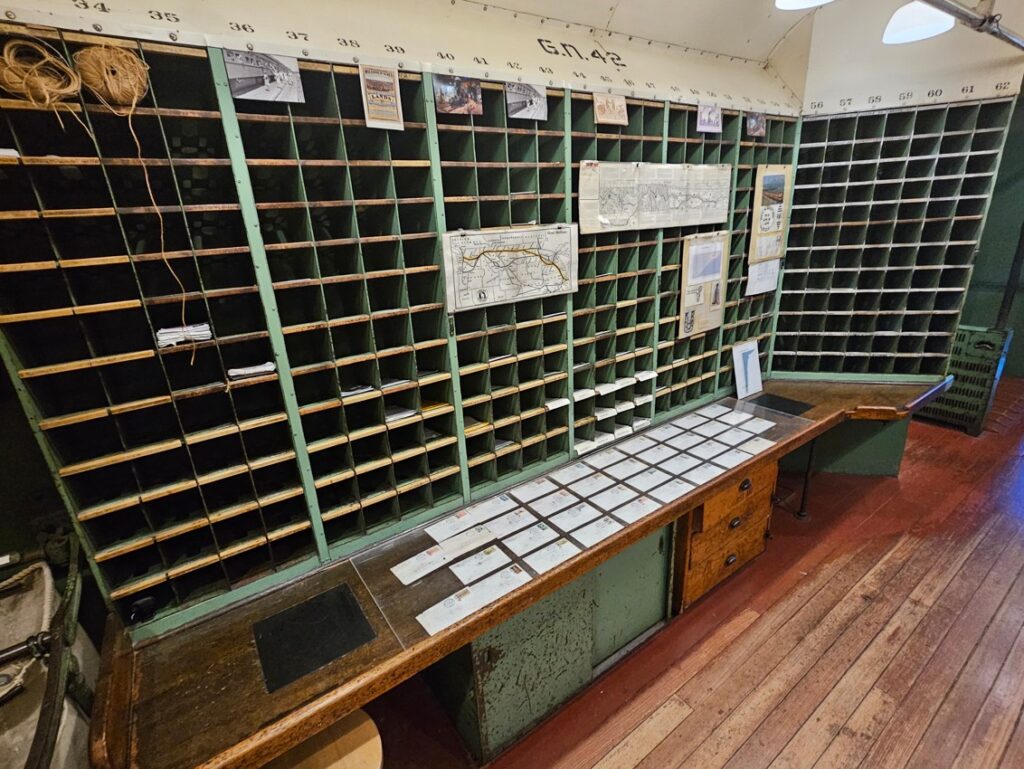
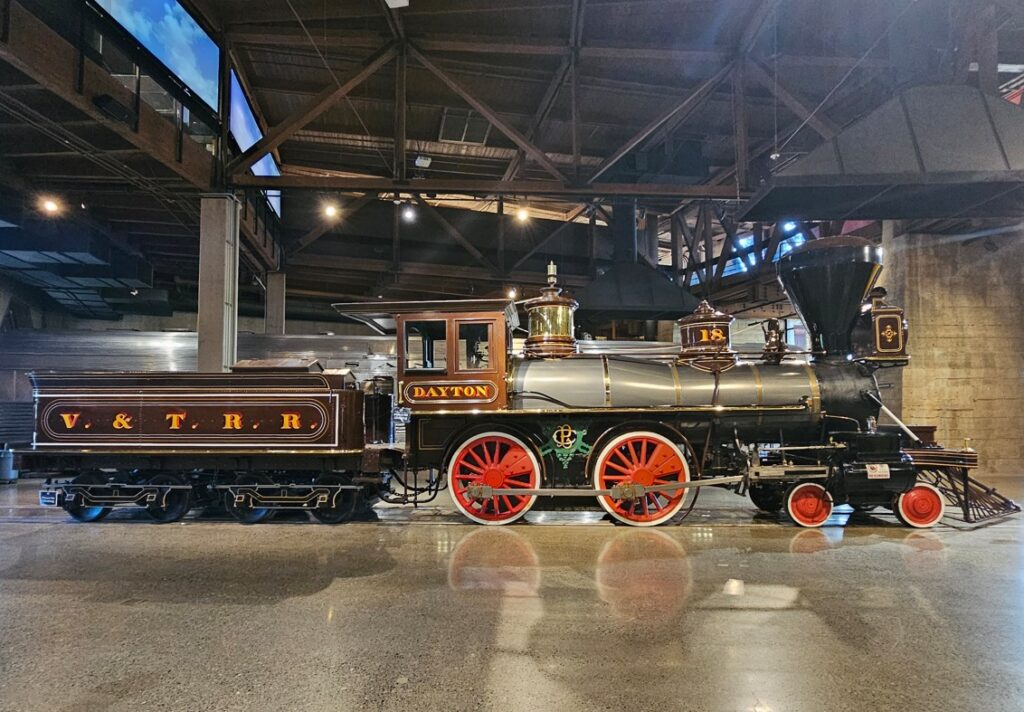
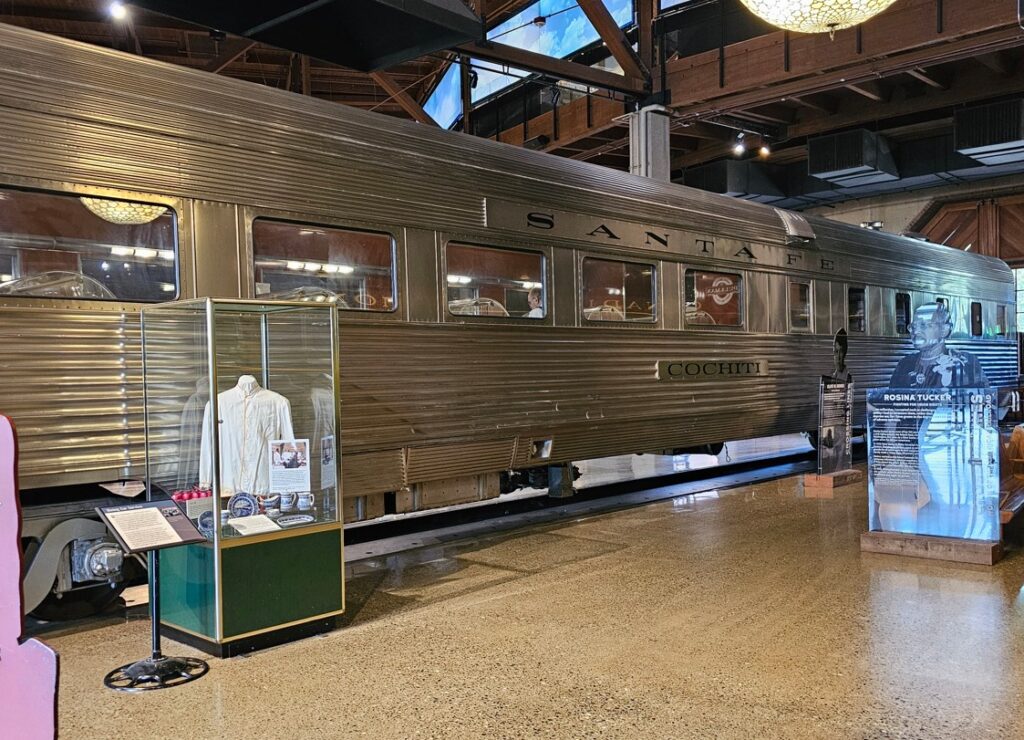
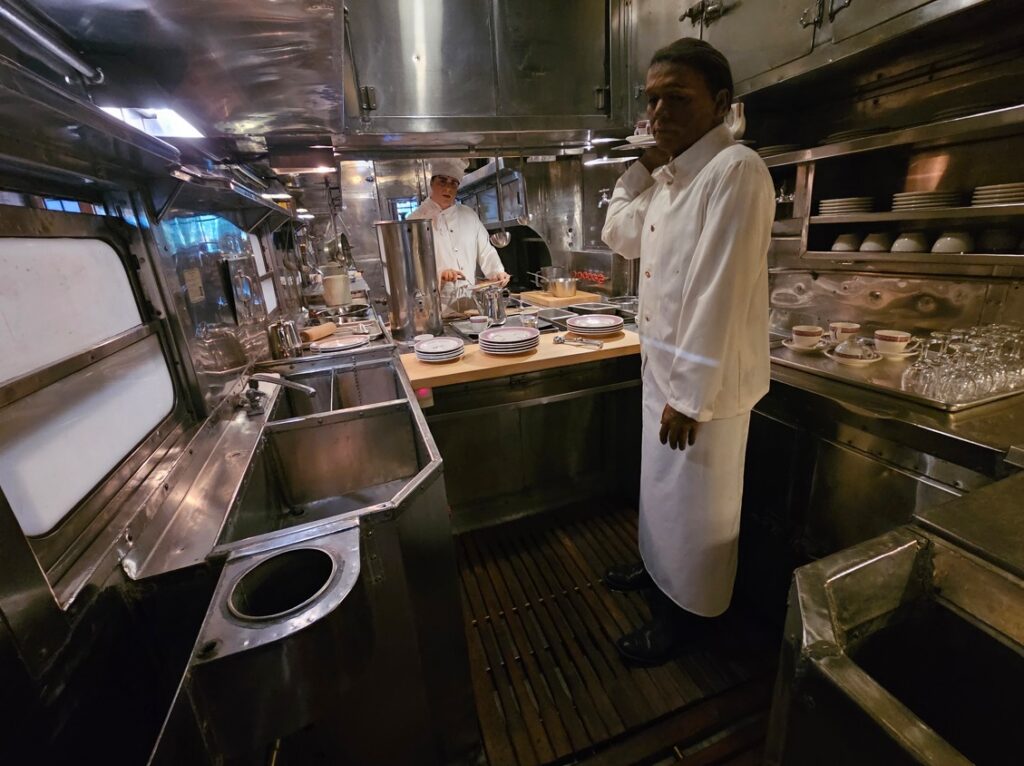
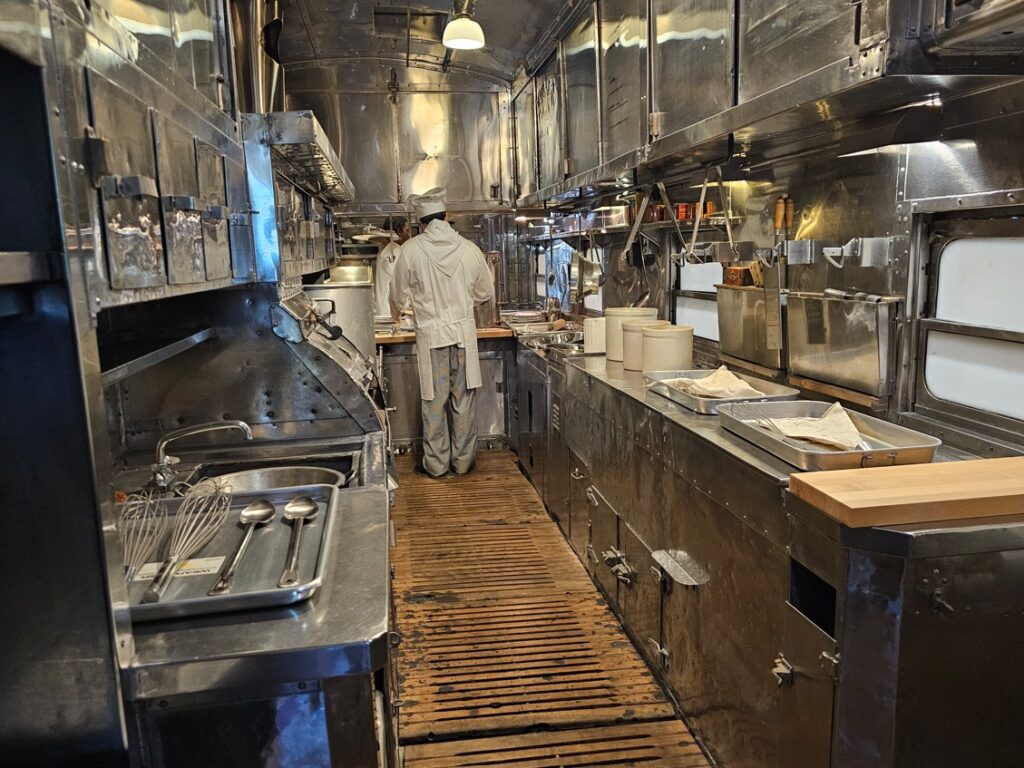
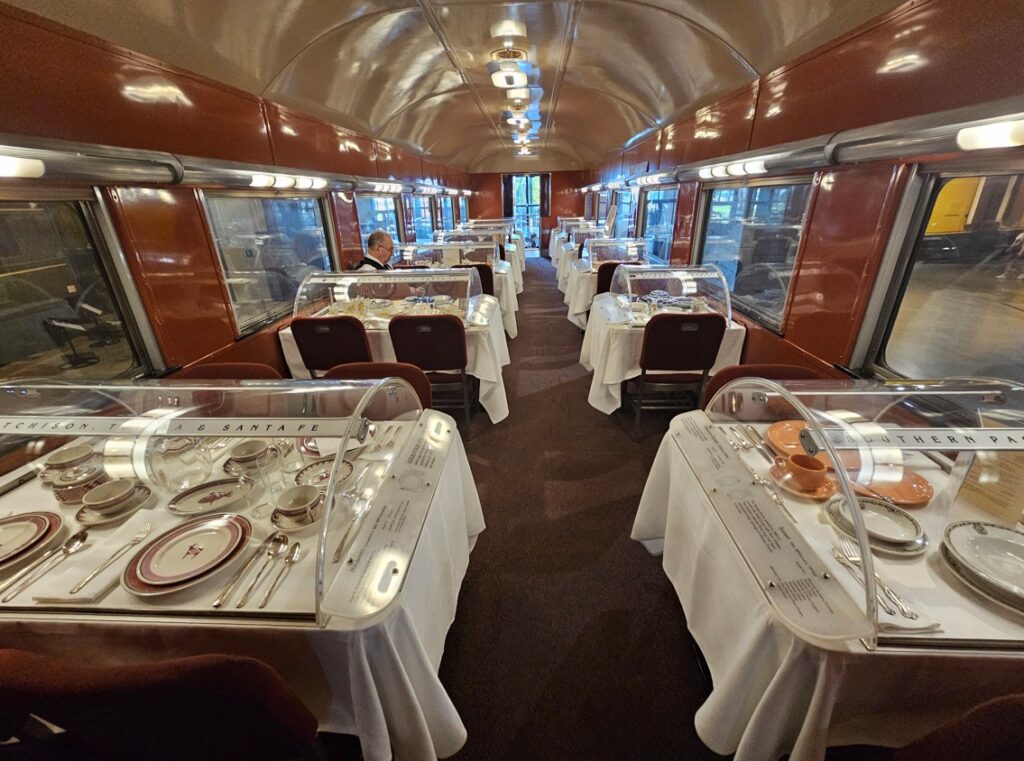
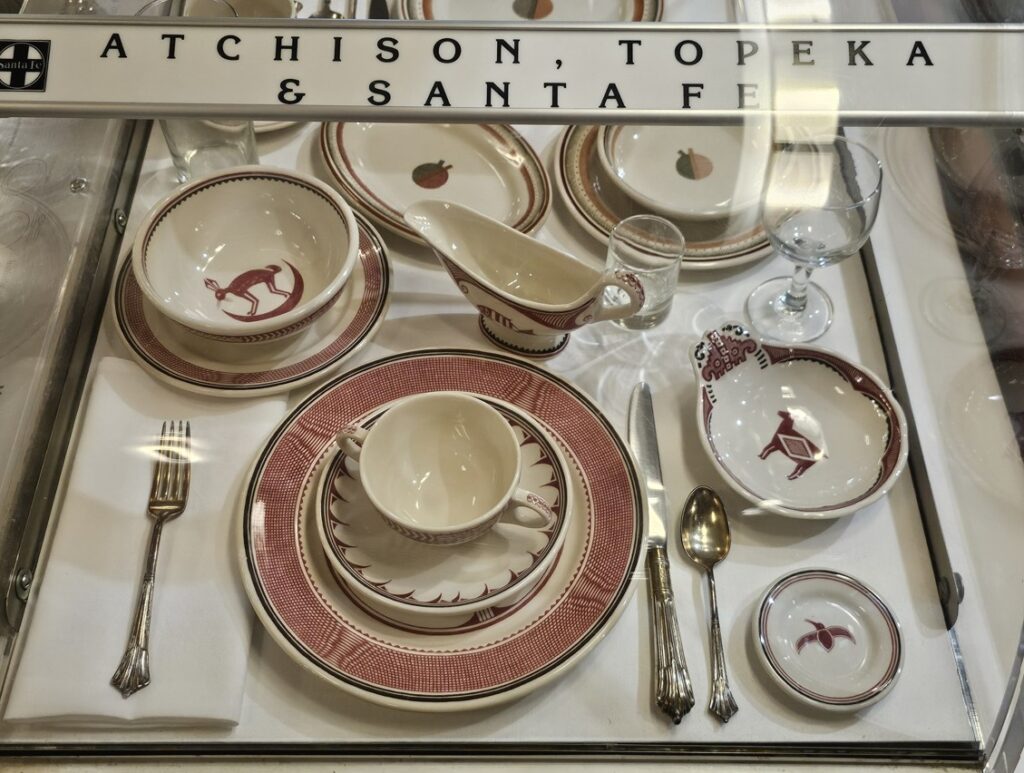
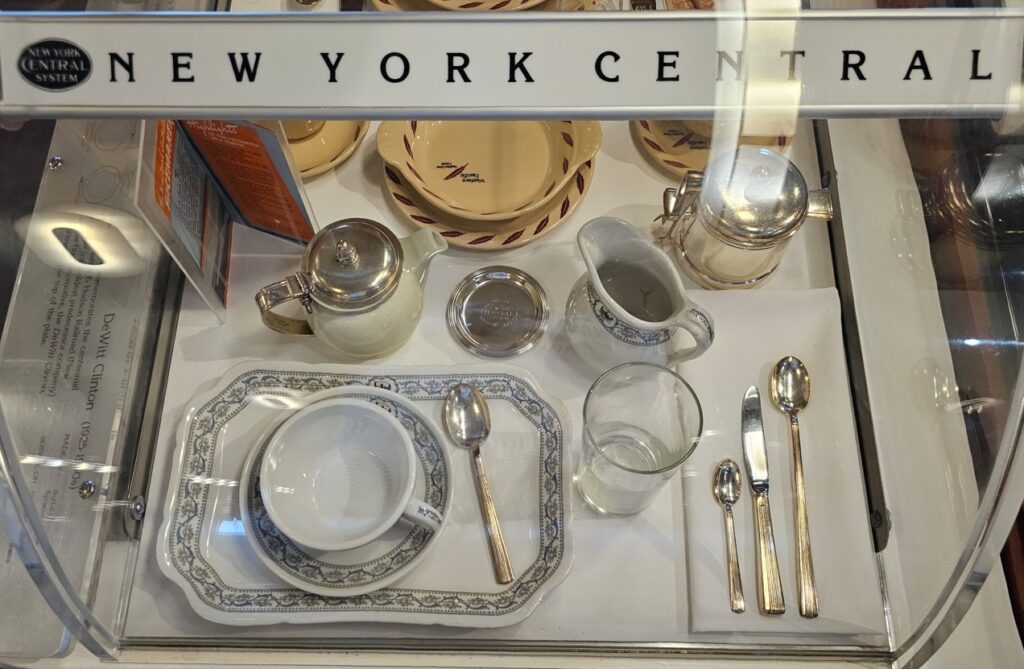
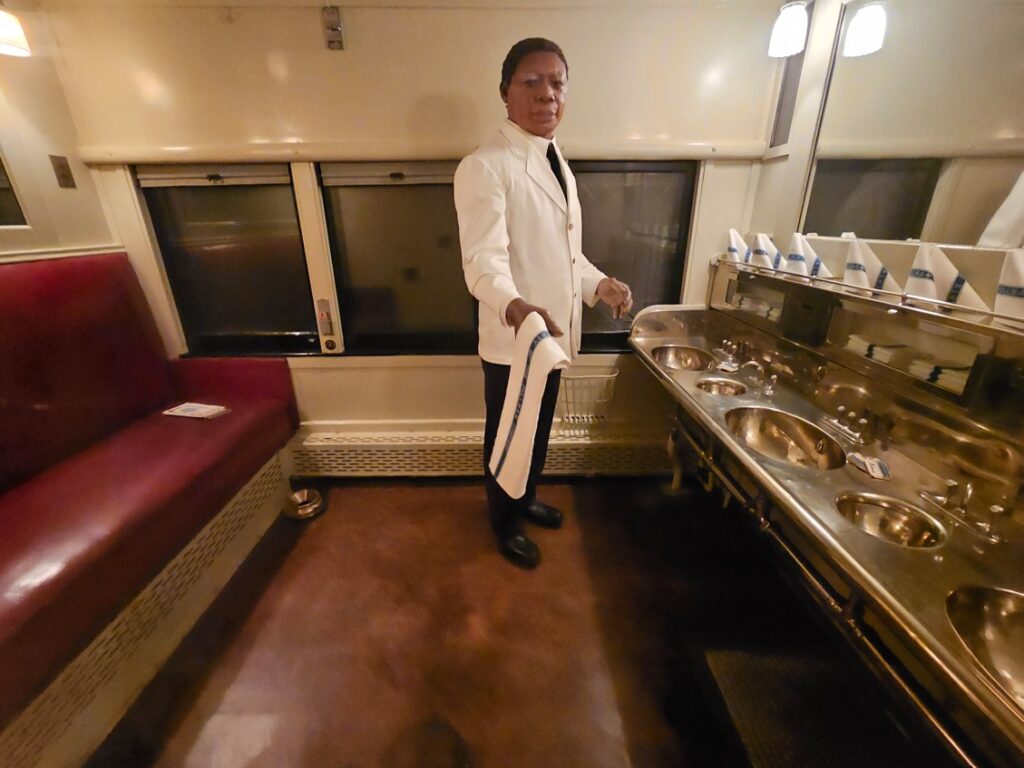
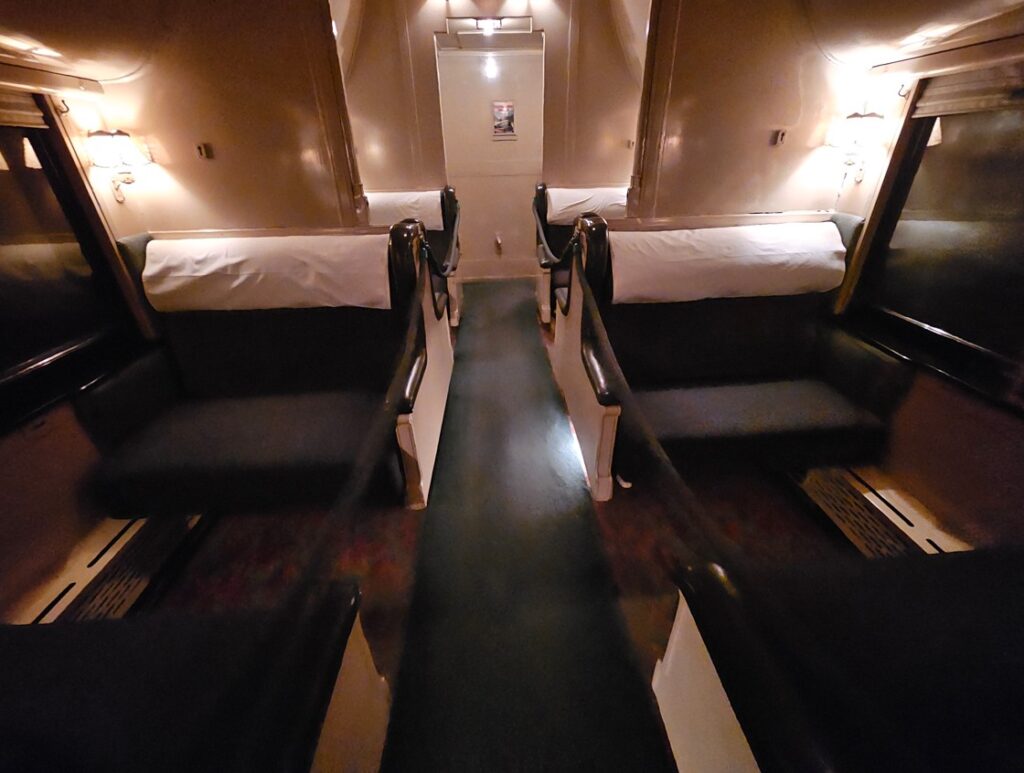
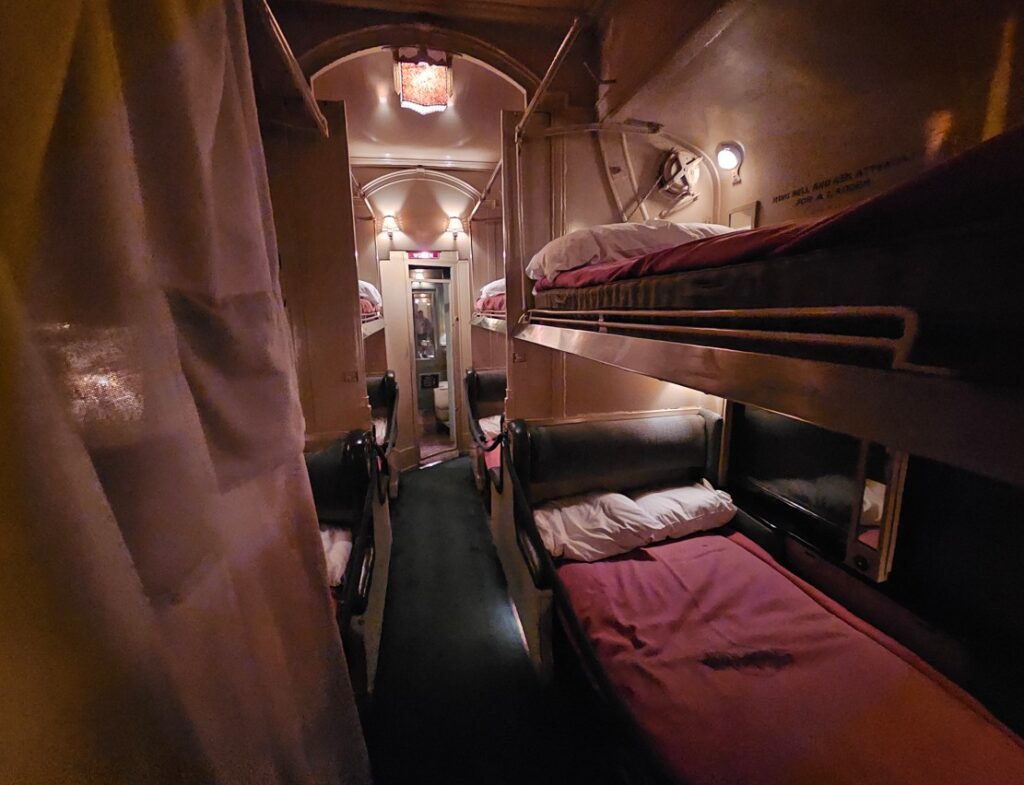
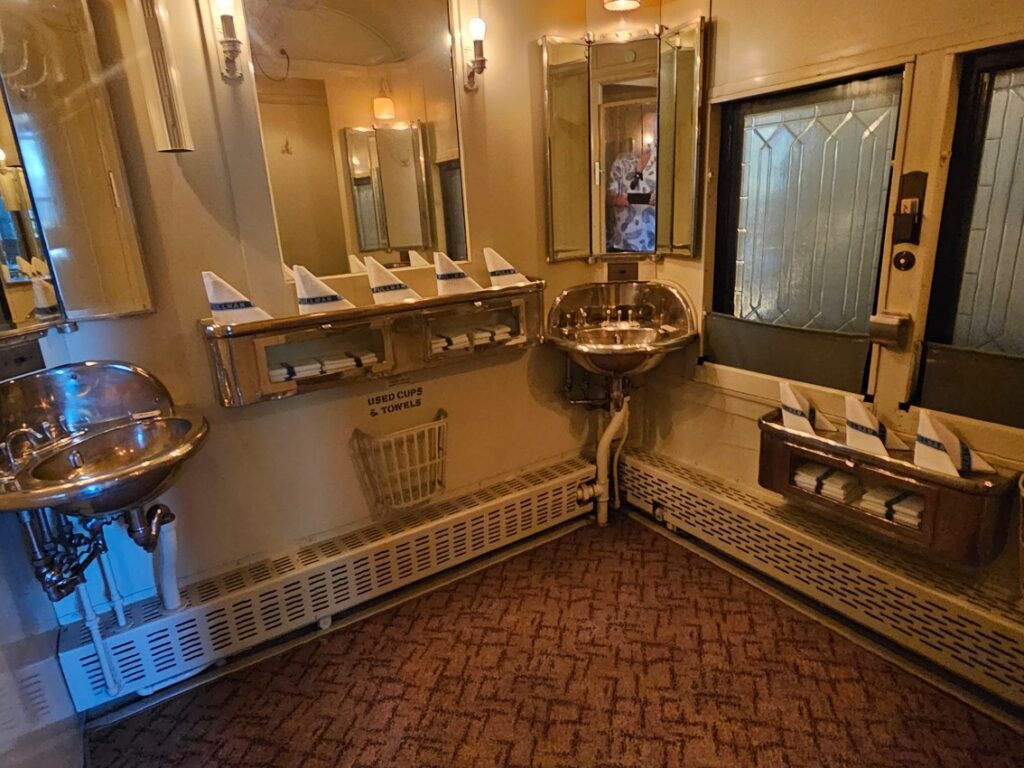
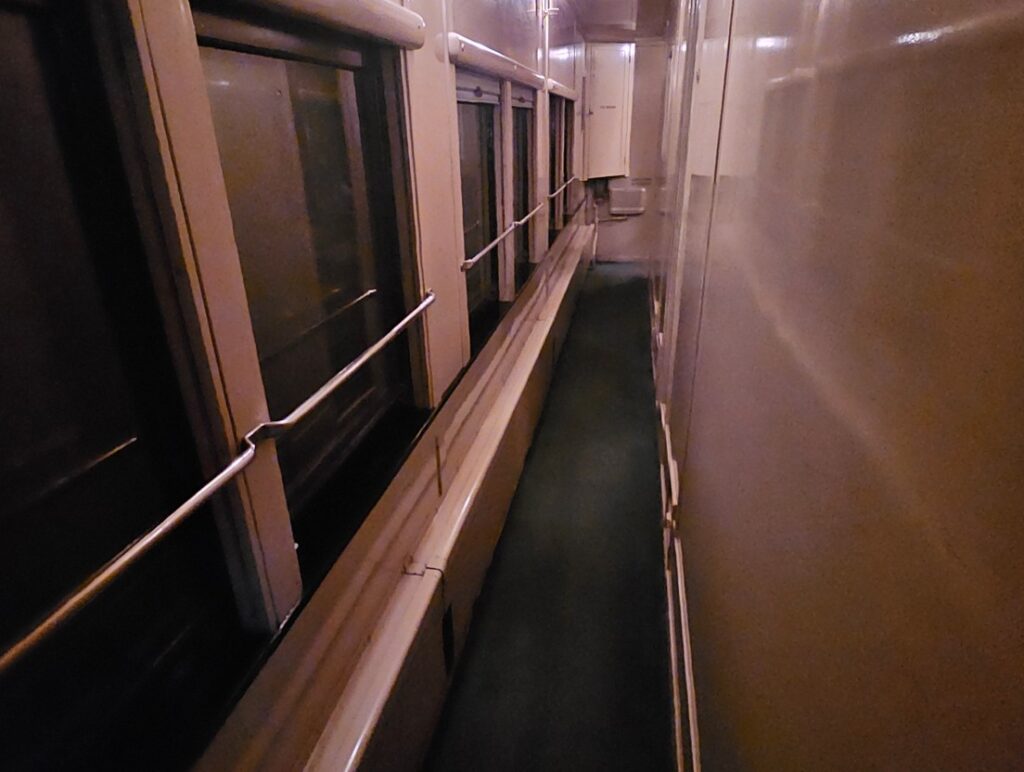
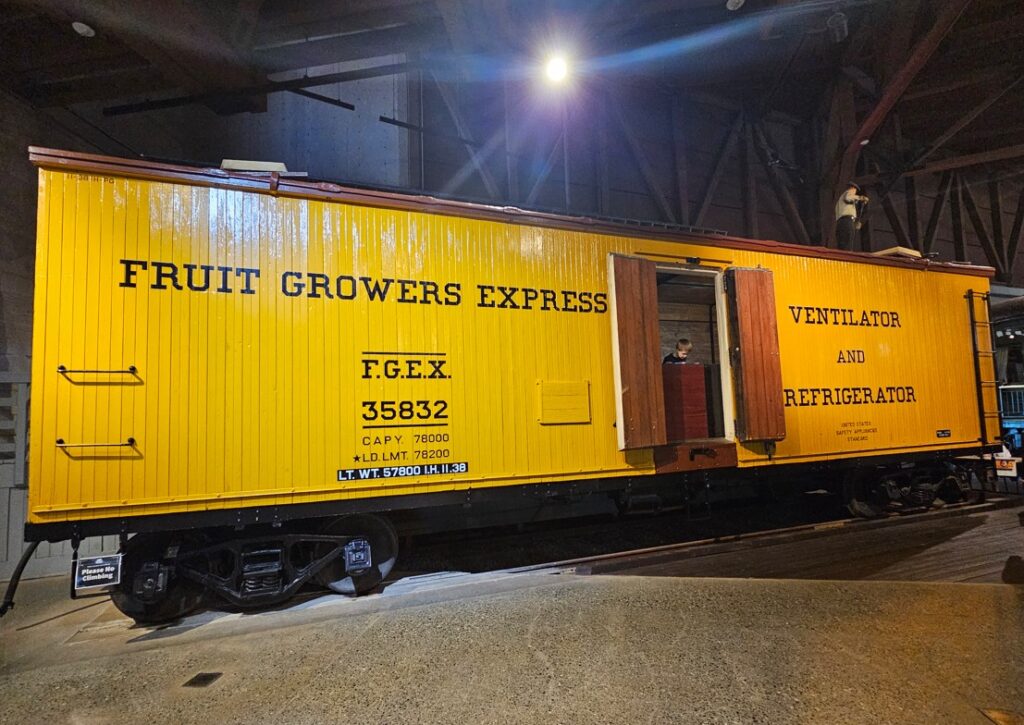
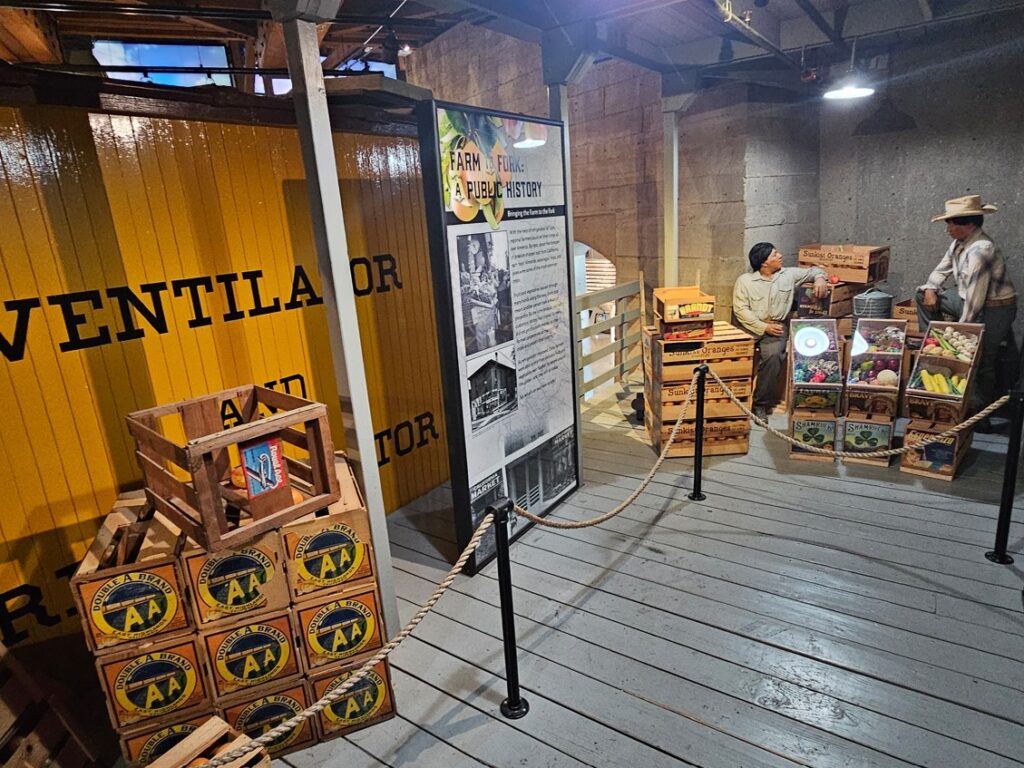
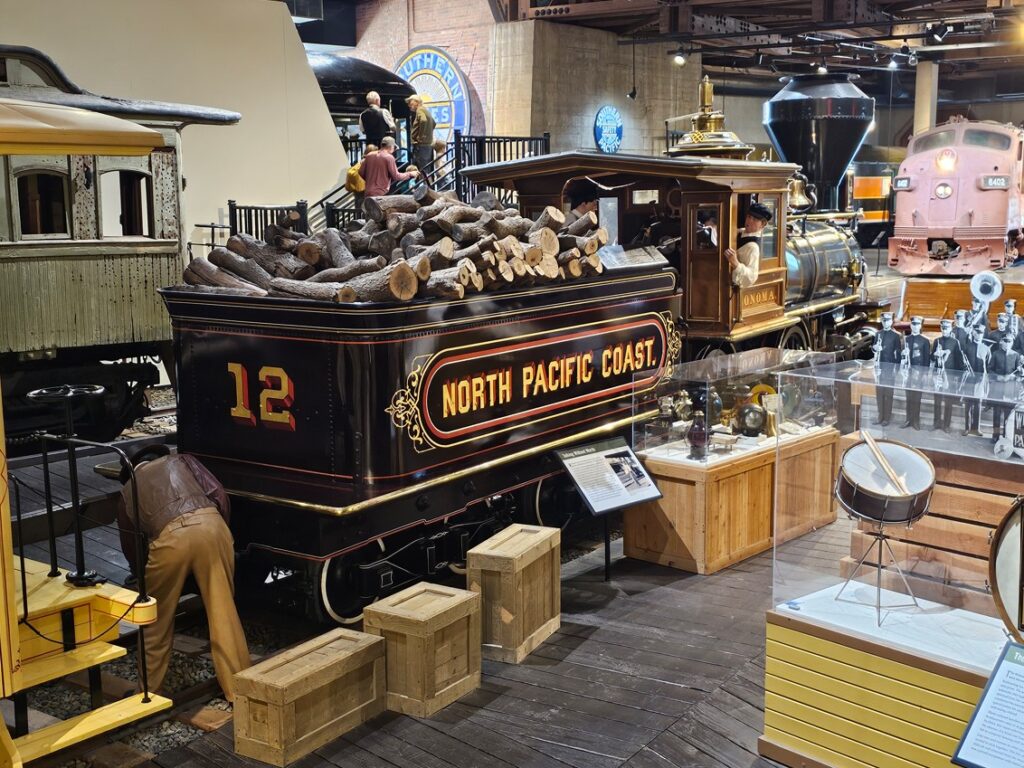
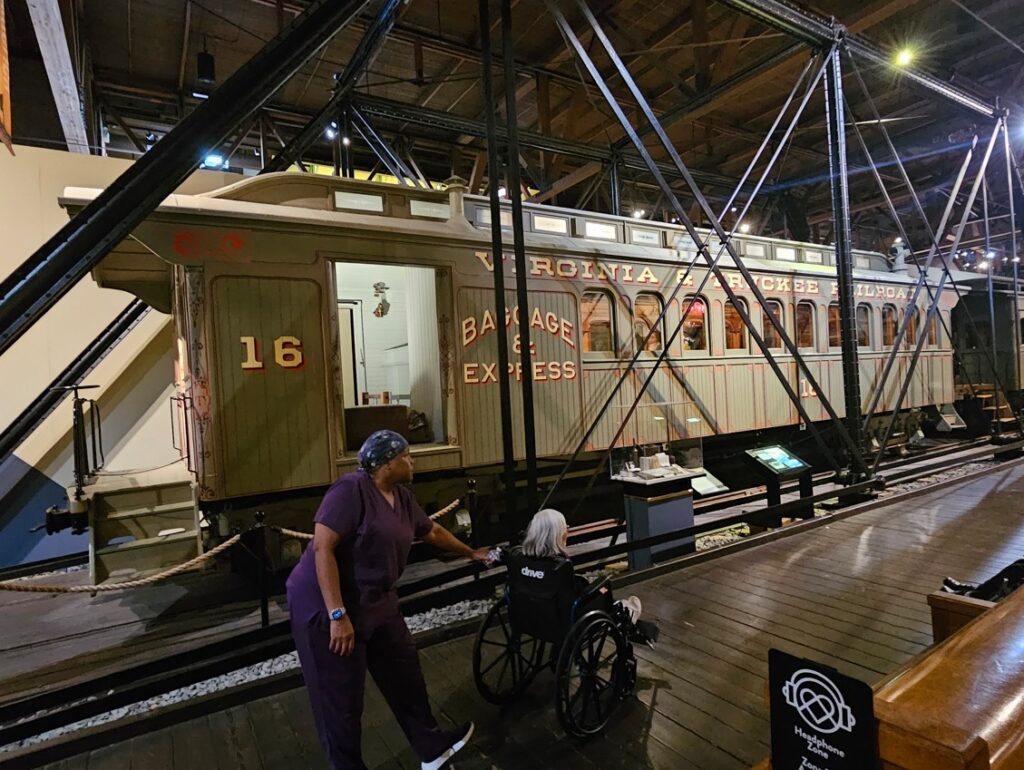
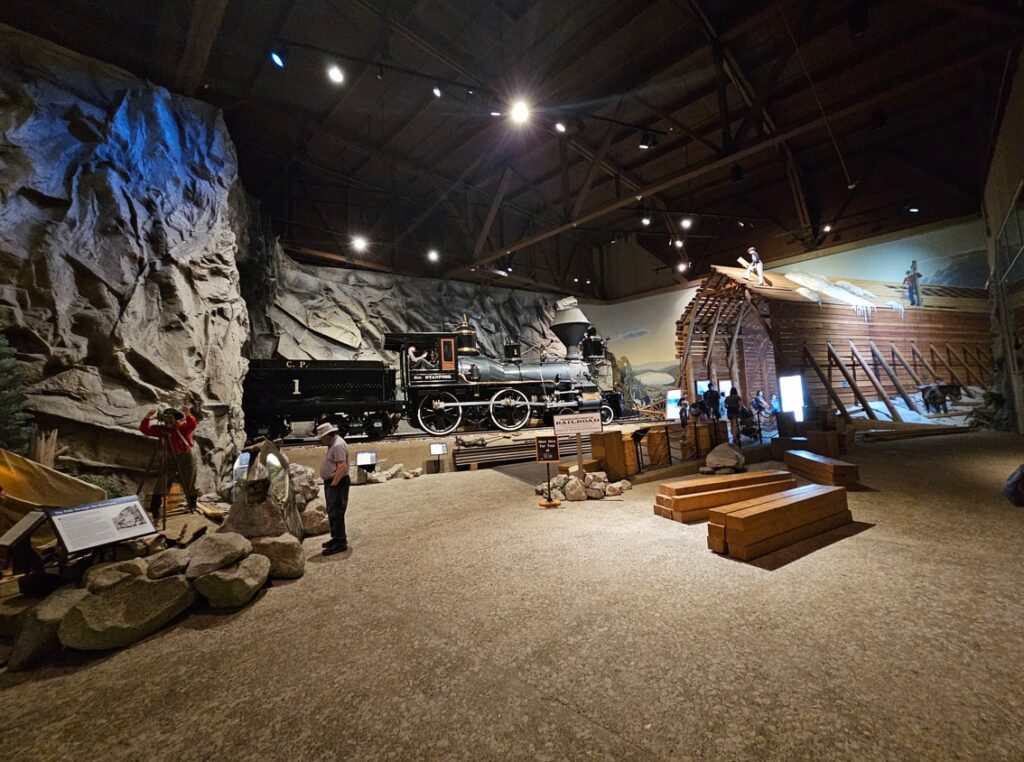
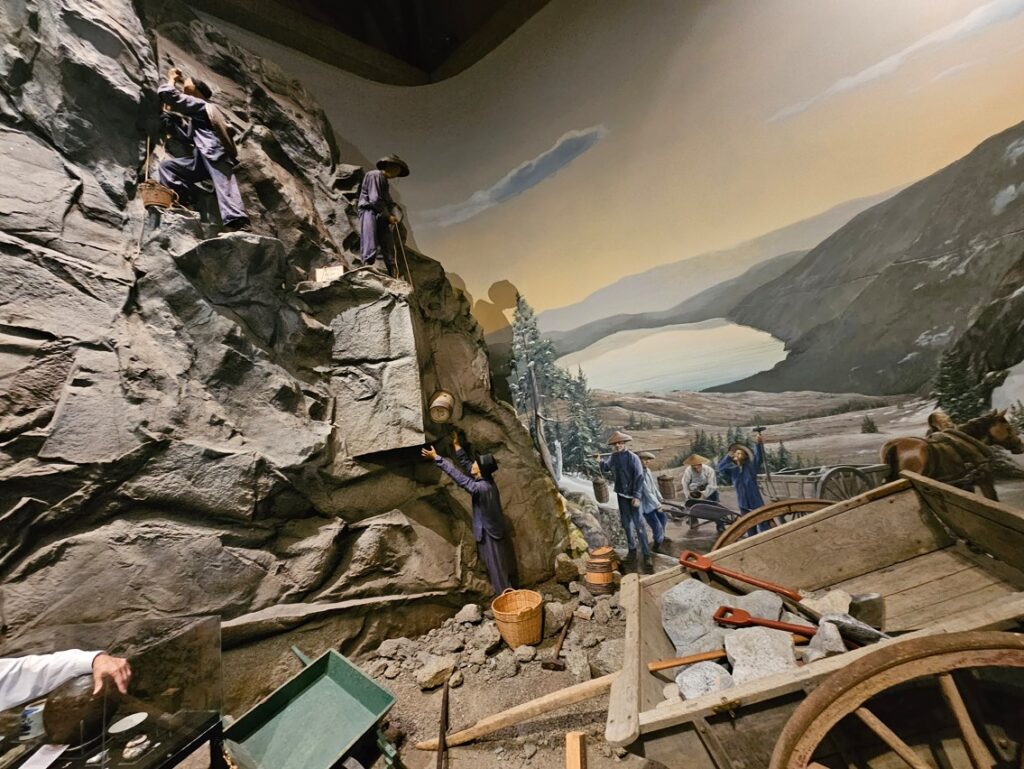
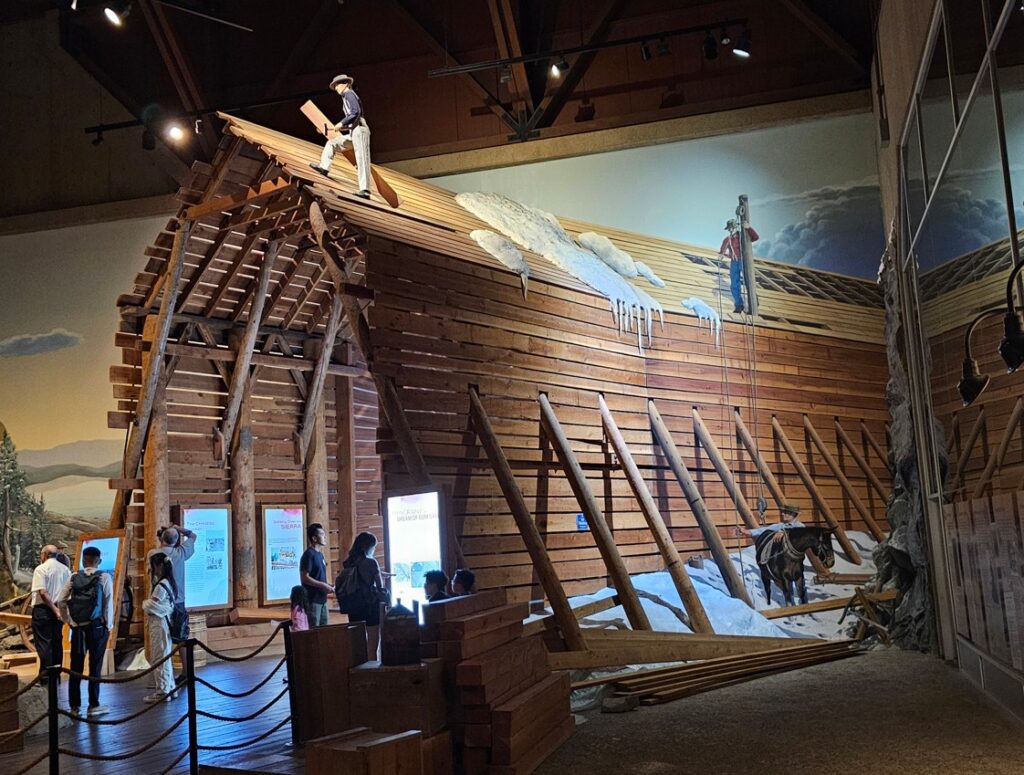
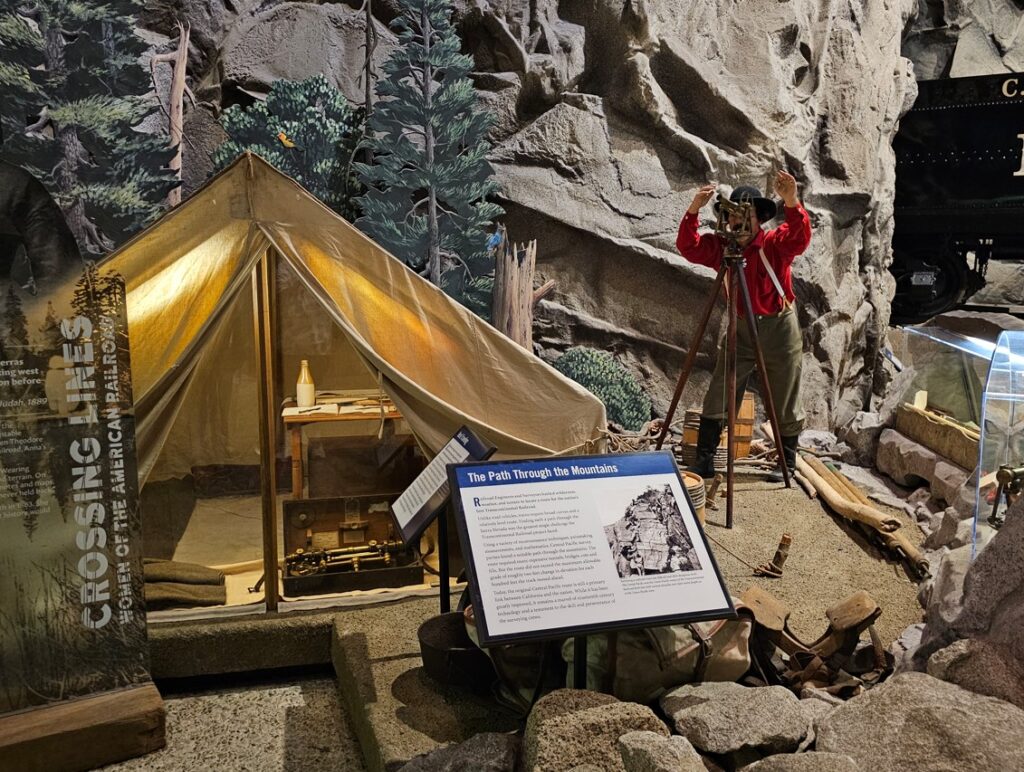
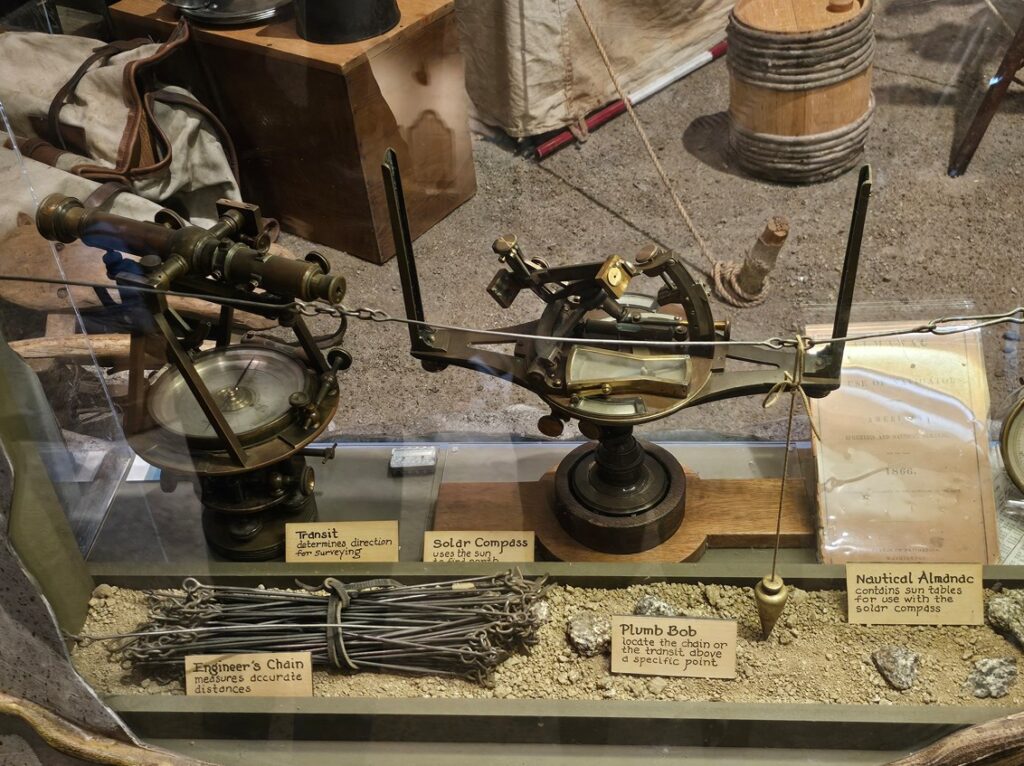
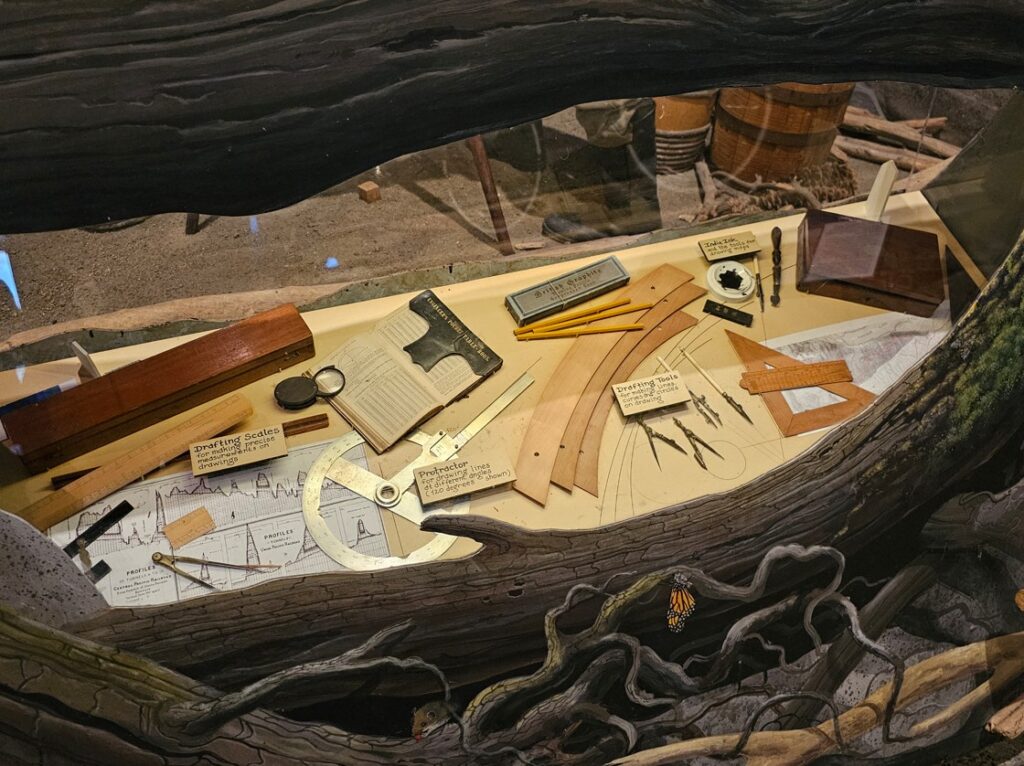
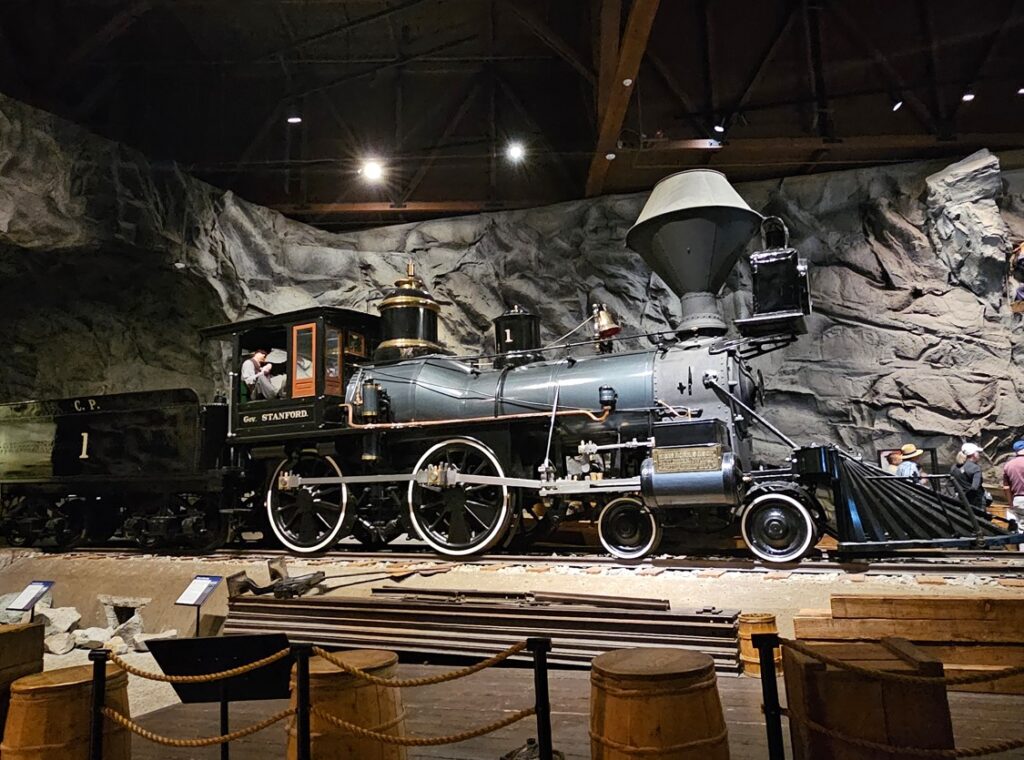
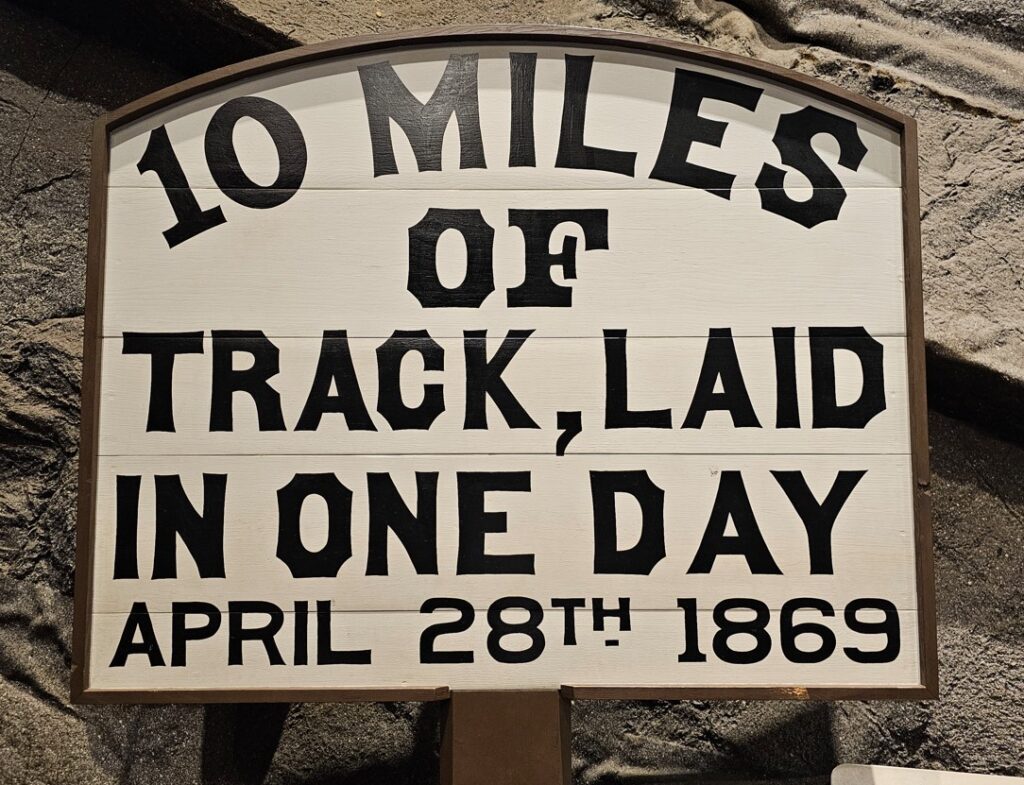
This is a pretty cool museum in Sacramento that exhibits railroad history in California. Virginia & Truckee Railroad Locomotive No. 13 “Empire” served as a freight engine for more than 40 years. Engine crews considered 13 an unlucky number so the company changed to 15.The Forgotten Railroad Workers Memorial Monument. Chinese artist Xuejun Yang created this monument in 2019, honoring the Chinese workers who played a heroic and important role building the Transcontinental Railroad. Between 1865 and 1869 Central Pacific Railroad employed more than 12,000 Chinese workers to build the western portion on the railroad. They cleared land, put down roadbed, shoveled snow, blasted tunnels through granite and laid track.Great Northern Railway Post Office Car No. 42 operated as a complete post office between Chicago IL and Tacoma WA. Inside the moving car, armed postal clerks sorted mail and the train moved along at up to 80 mph.Inside the mail car.My grandfather worked for a time in the 1940s and 1950s on a mail car between Washington DC and Jacksonville FL.Virginia & Truckee No. 18 “Dayton”.Atchison, Topeka & Santa Fe Dining Car No. 1474 “Cochiti” was built for Santa Fe’s first streamlined stainless steel train, the Los Angeles to Chicago Super Chief.Attentive waiters served meals on distinctive china. Railroad companies each had their own special designs.Fine dining on the rails!AT&SF railroad chins pattern.New York CentralComfortable seatingSleeping berthsProduce car.Baggage car (The people are real, not mannequins!)This scene interprets the building of the Transcontinental Railroad 1865-1869. A really well done display.Blasting through granite.Surveyor.Surveying and building equipment.A proud achievement.
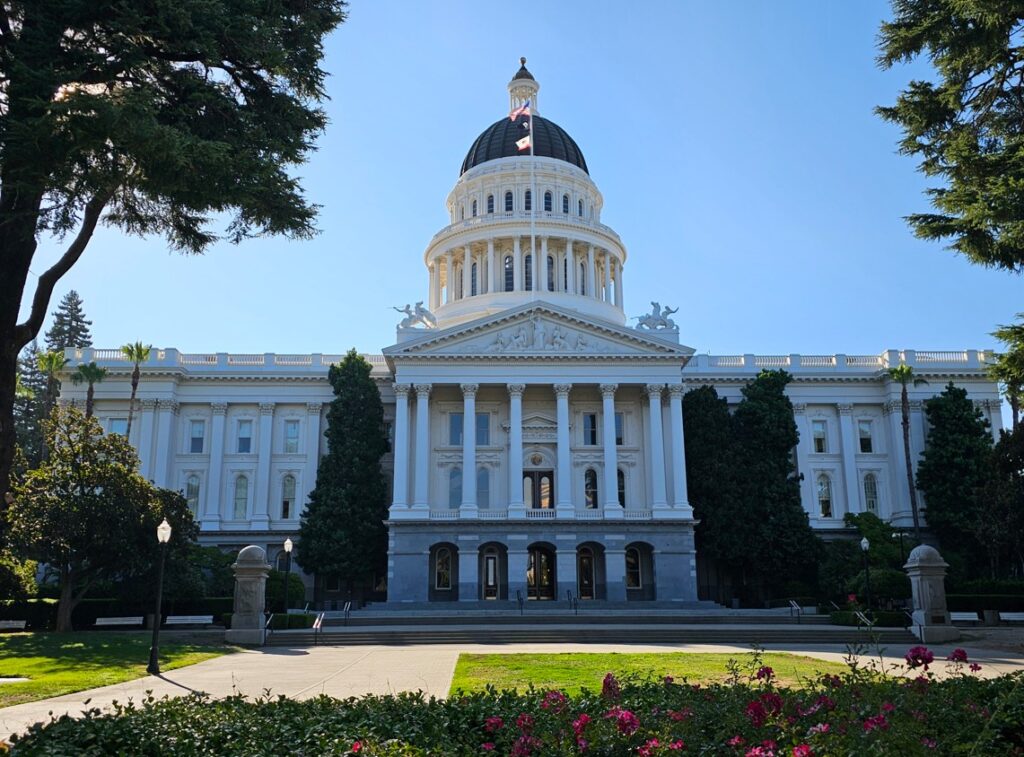
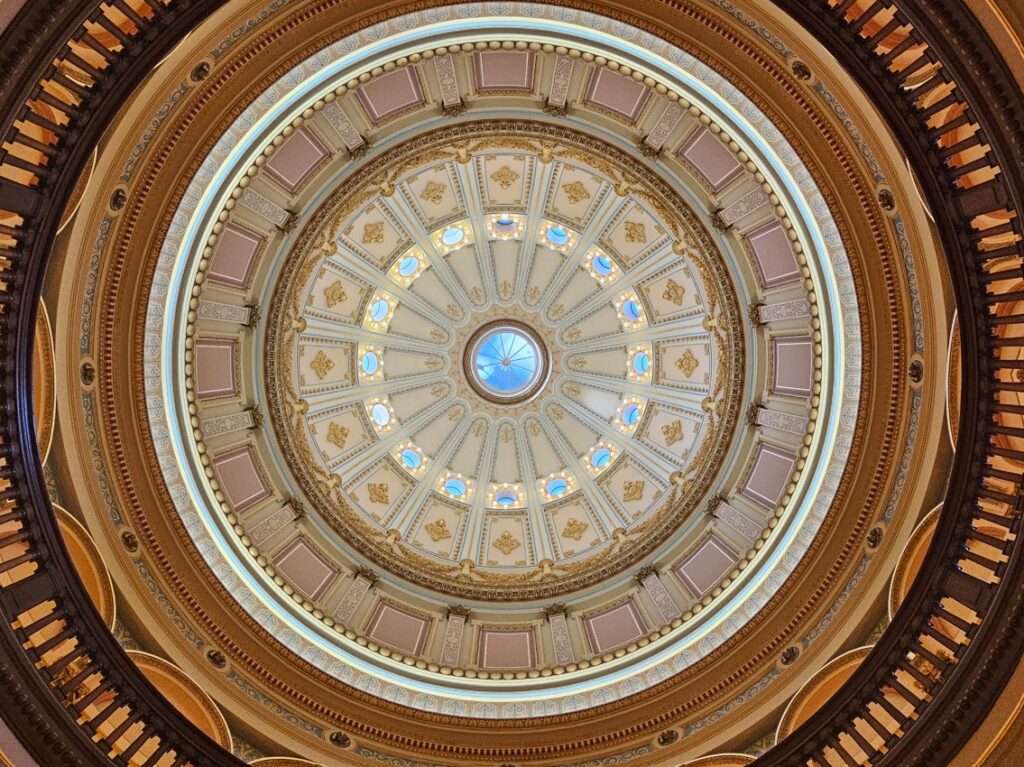
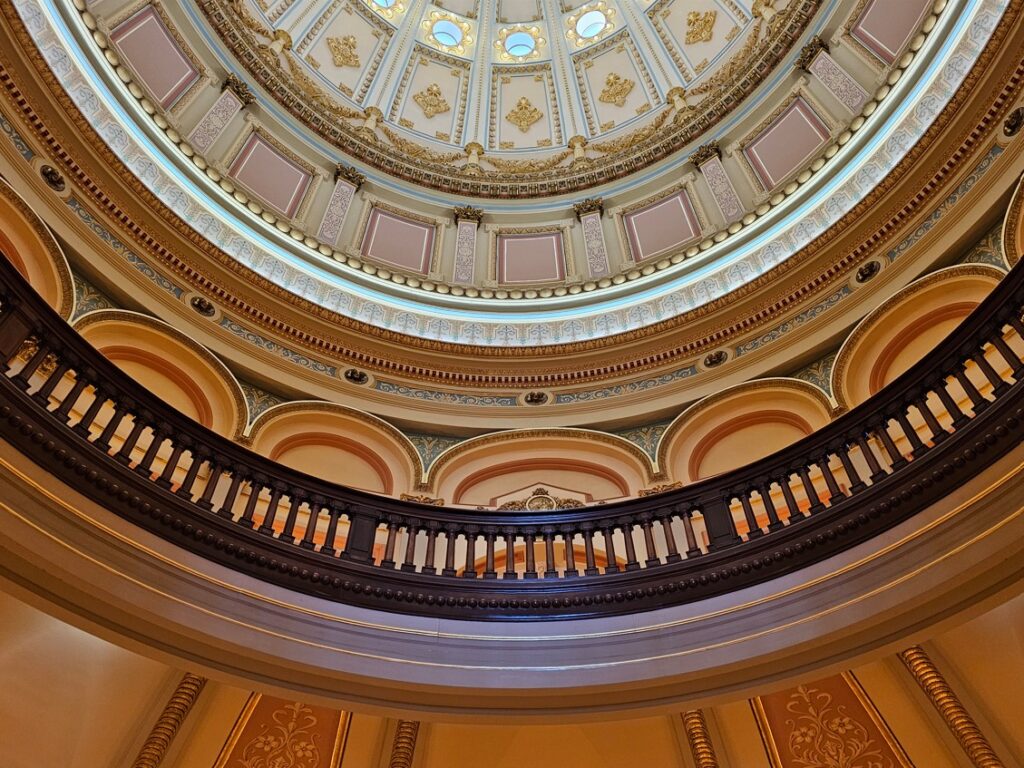
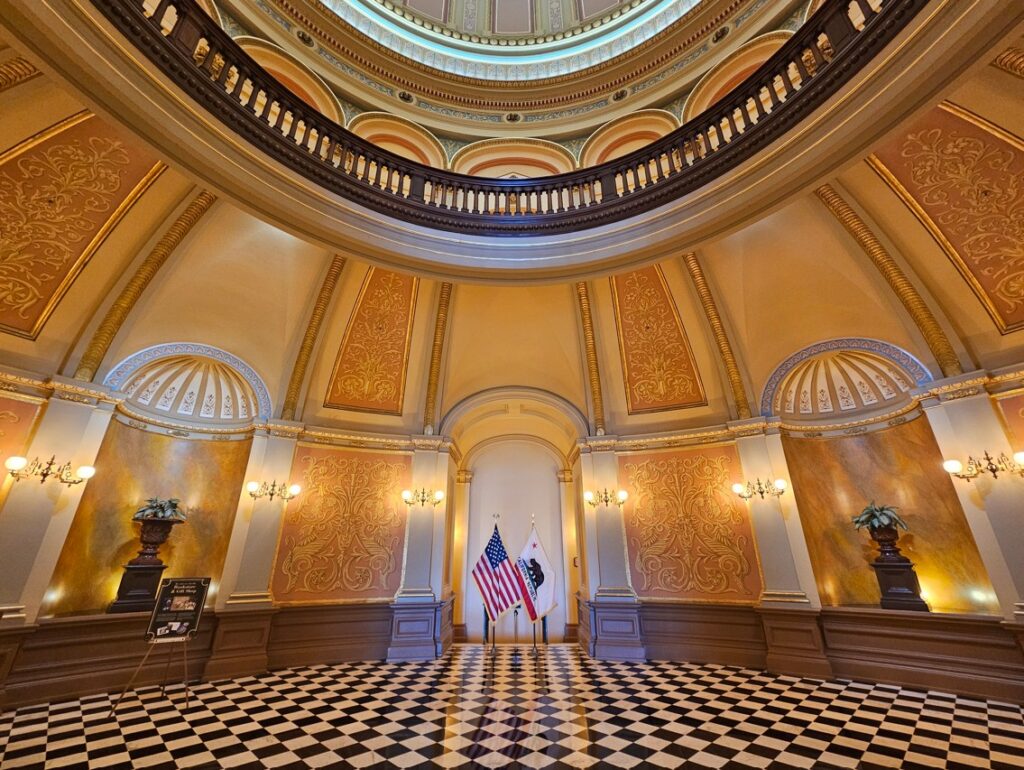
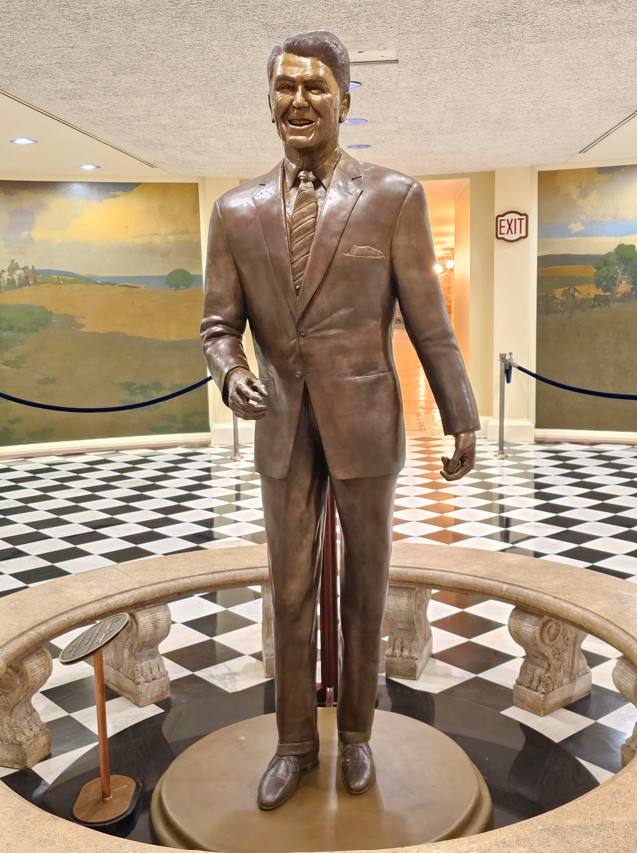
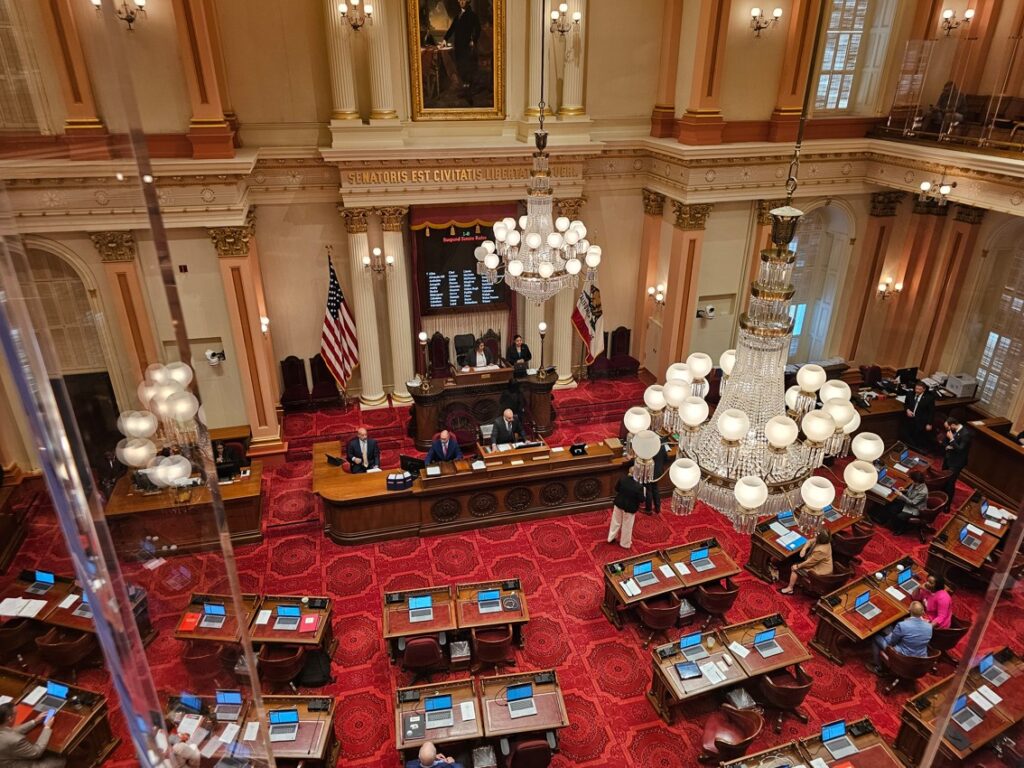
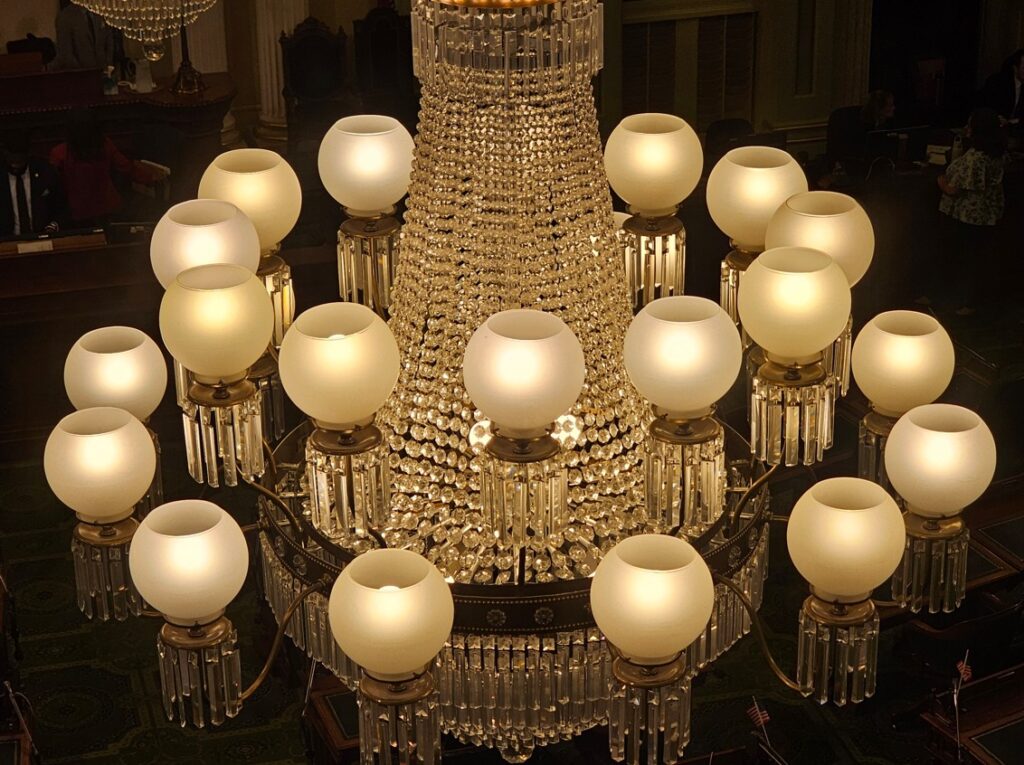
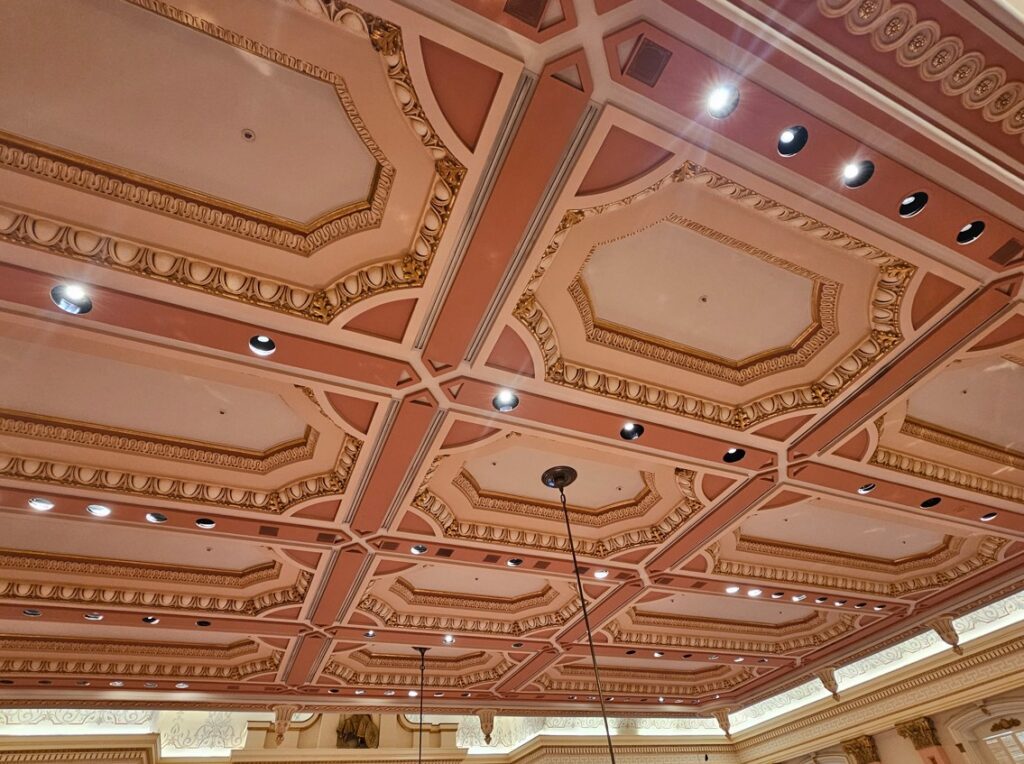
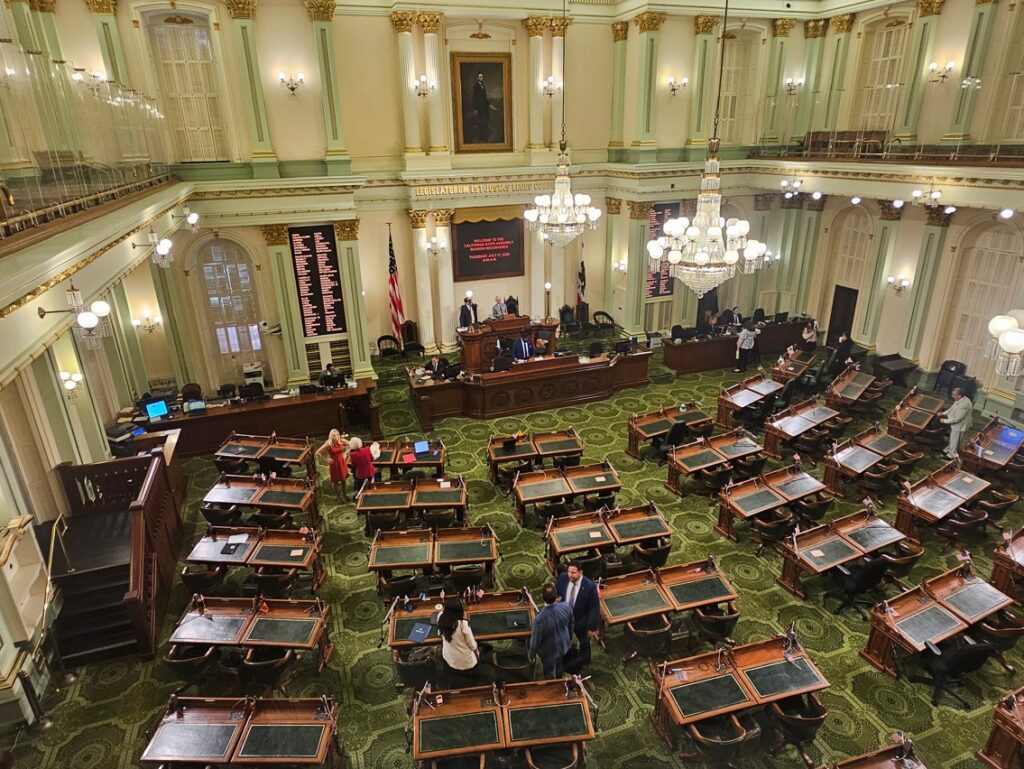
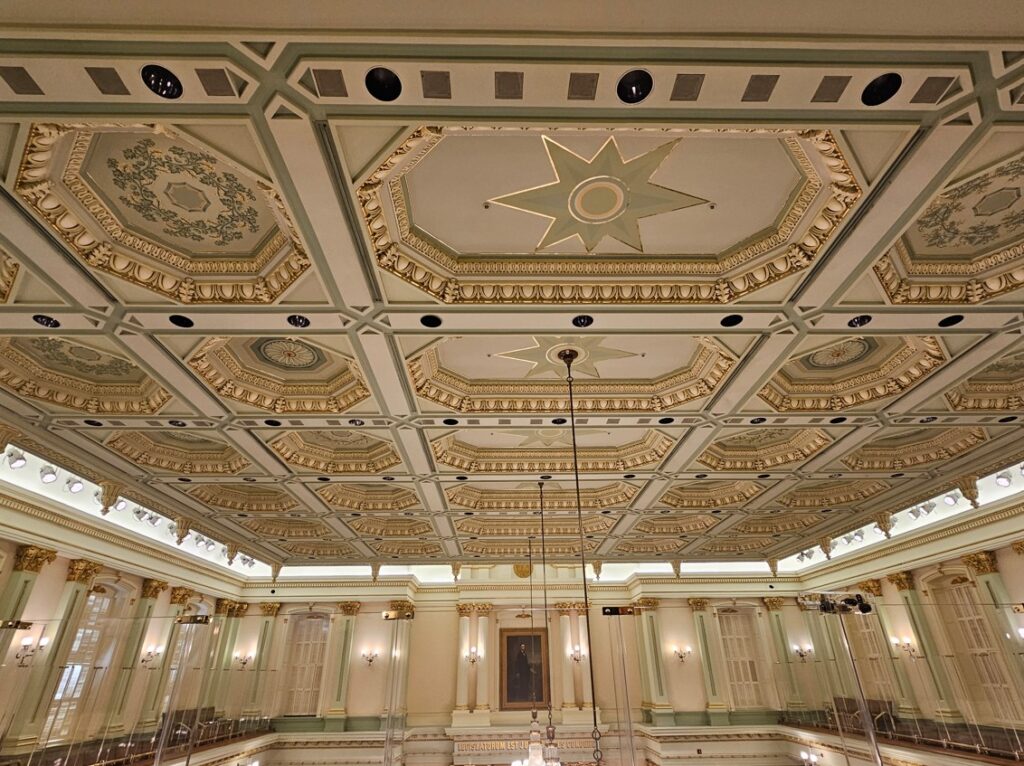
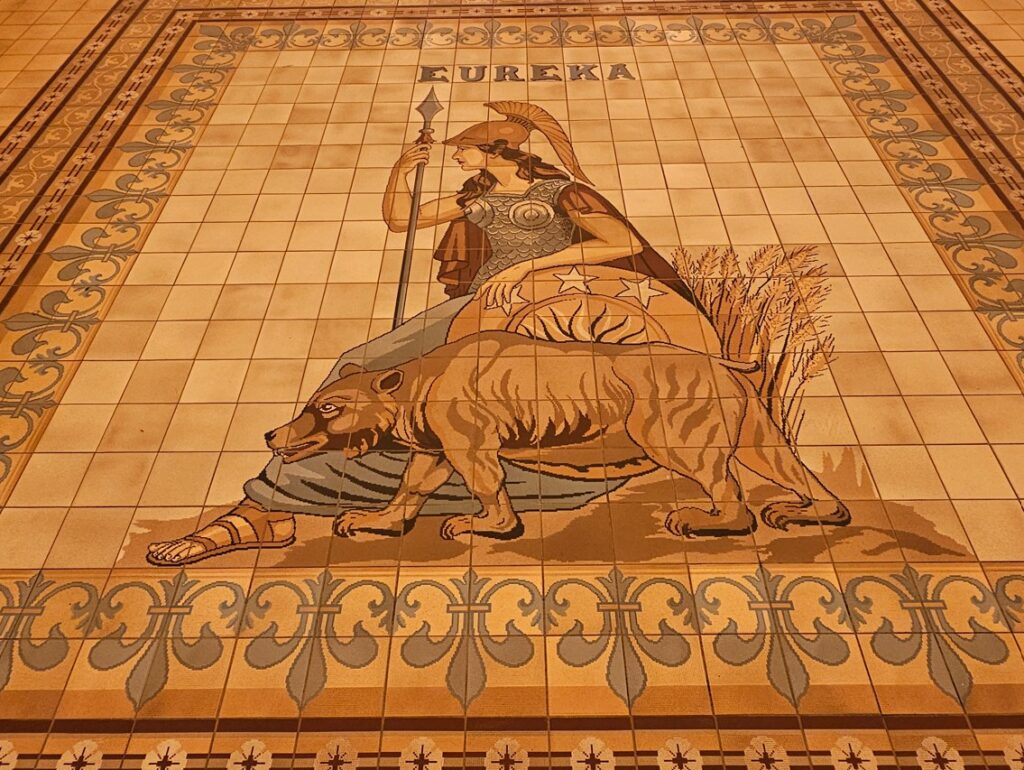
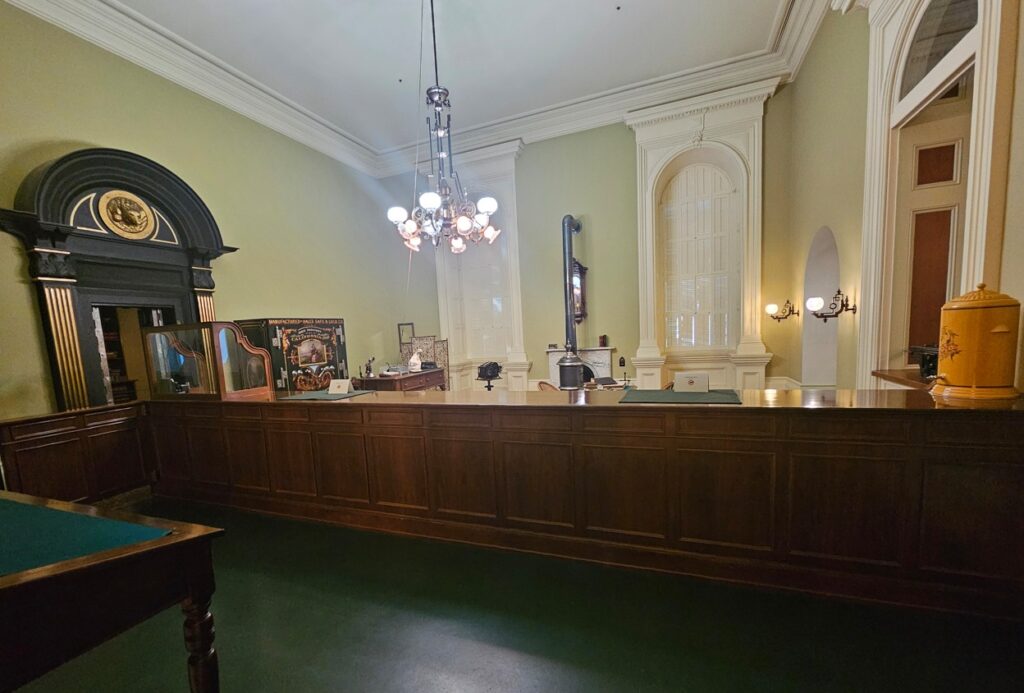
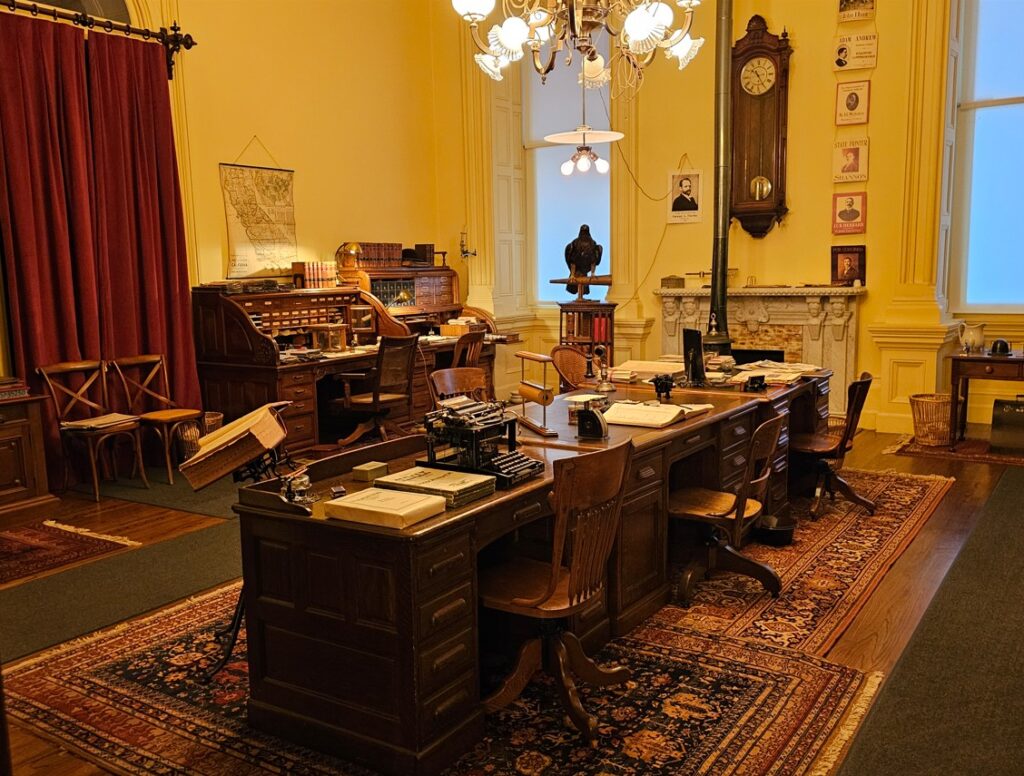
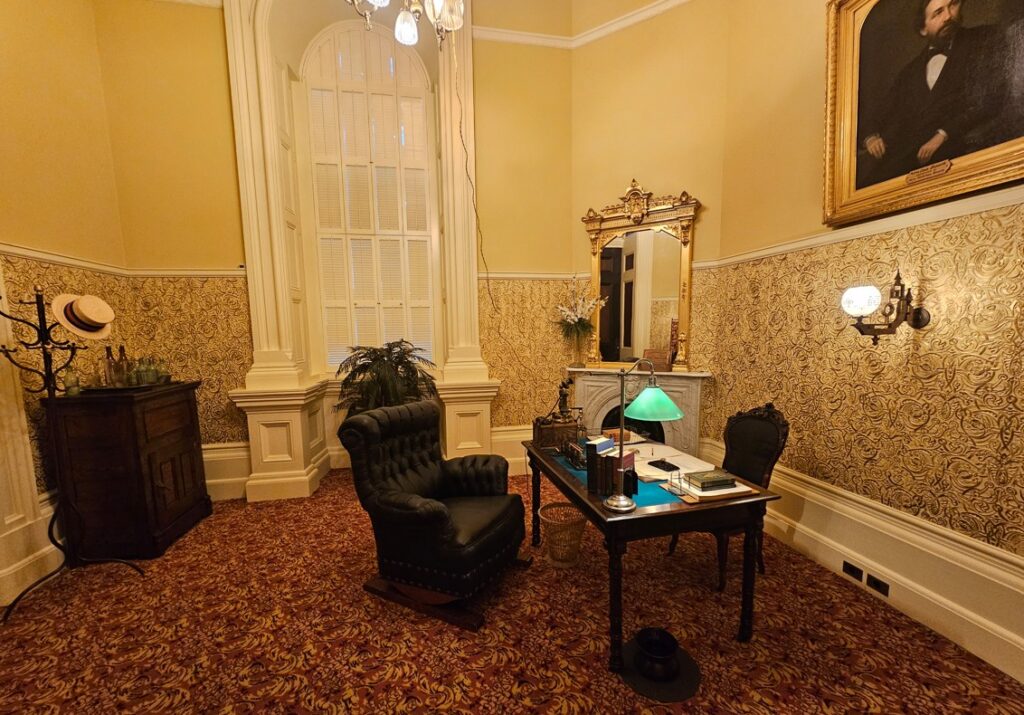
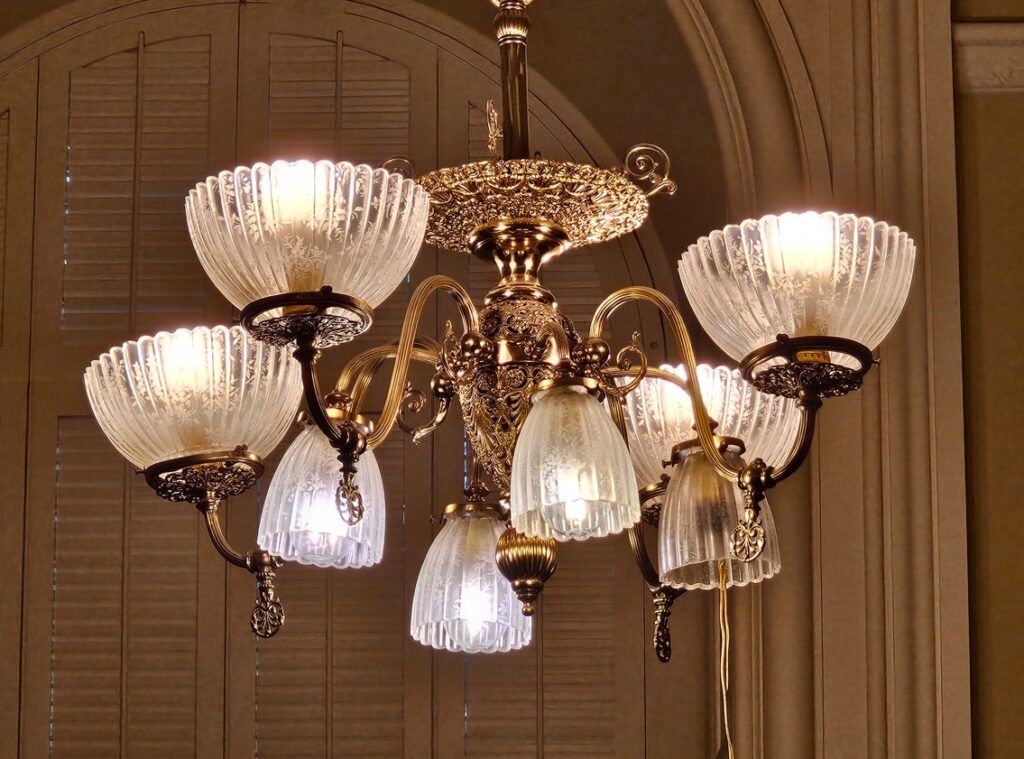
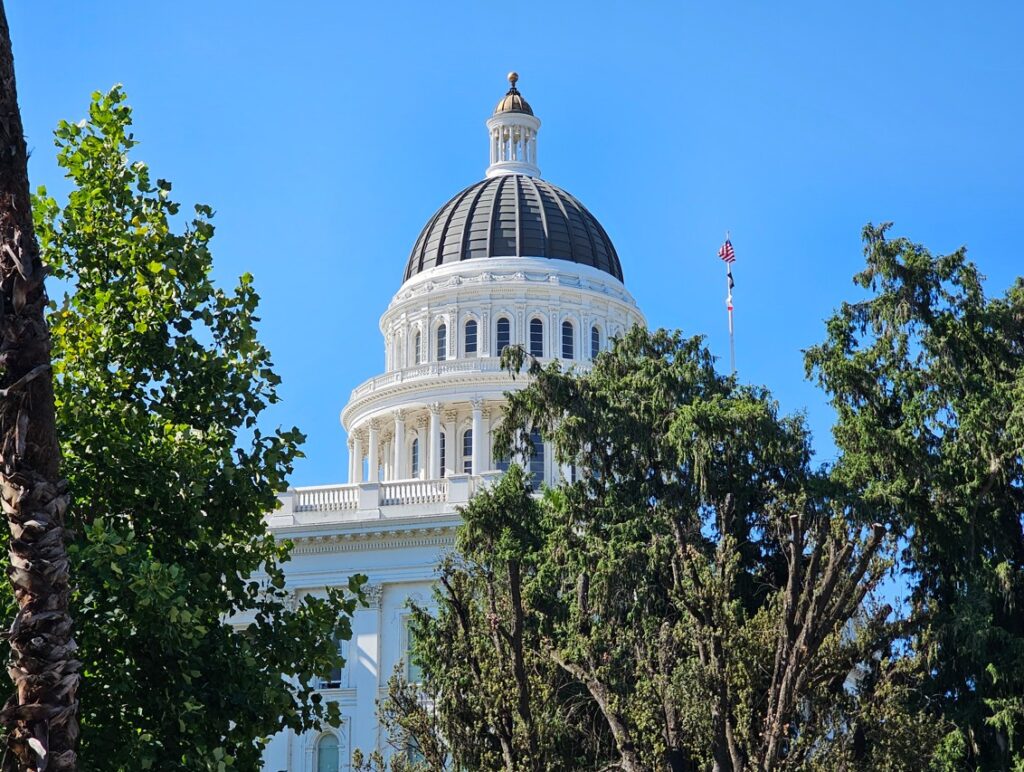
The capitol of our largest state is a beautiful sight.The rotunda.Statue of President Ronald Reagan in the basement gallery.Senate chamberSenate chamber chandelierSenate chamber ceilingAssembly chamberAssembly chamber ceilingCalifornia state mottoRestored 1933 State Treasurer’s officeRestoration of the 1902 Secretary of State’s Main Office1906 Governor’s officeThis chandelier in the 1906 Governor’s office is all electric now, but originally it was part electric, and part gas.
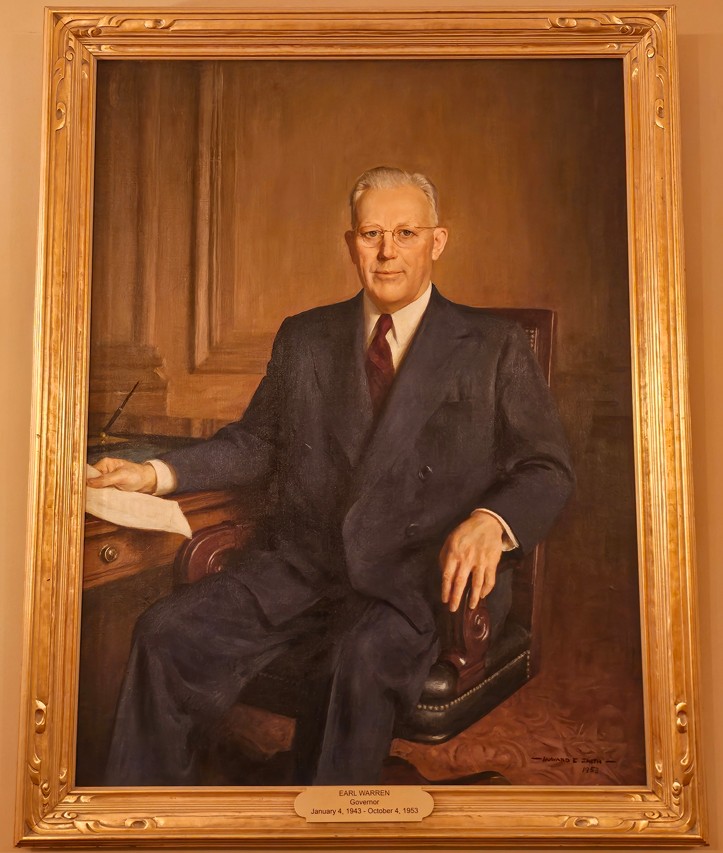
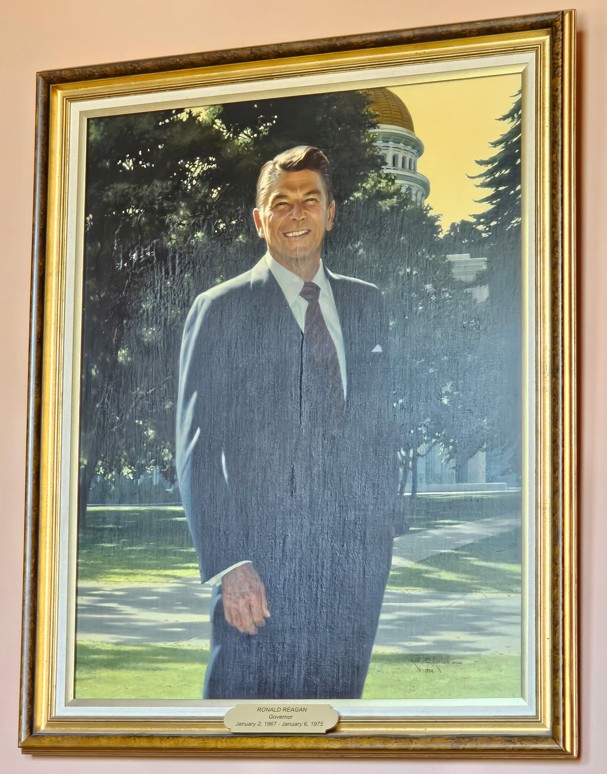
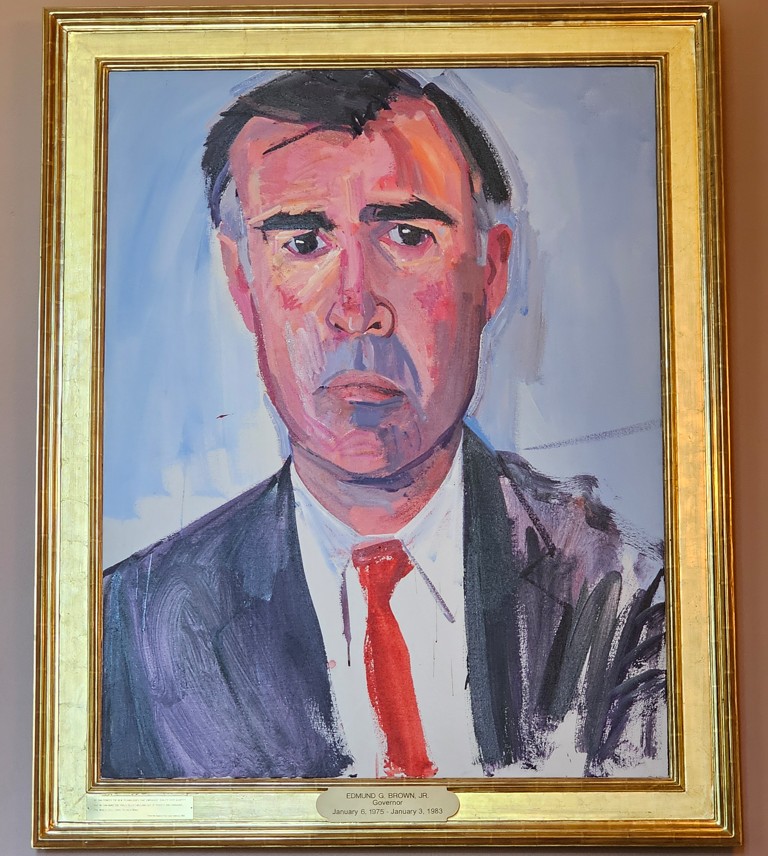
Official Governors Portraits
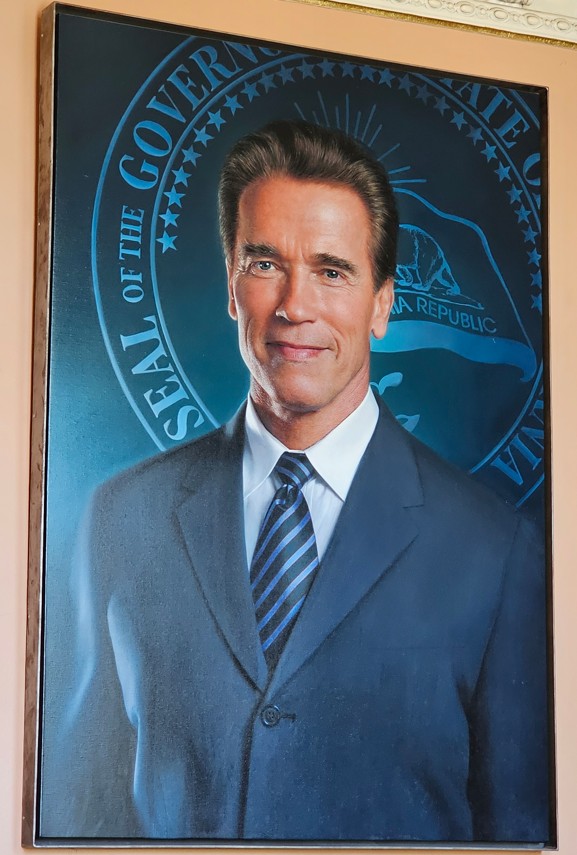
Earl Warren was governor of California before he became Chief Justice of the US Supreme Court.Ronald Reagan was governor of California before he was elected 40th President of the US.This is the actual official Governor Portrait of Governor Edmund “Jerry” Brown. Incredible. His nickname is “Moonbeam”. Governor Arnold Schwarzenegger official portrait
Some highlights from this fairly large art museum.
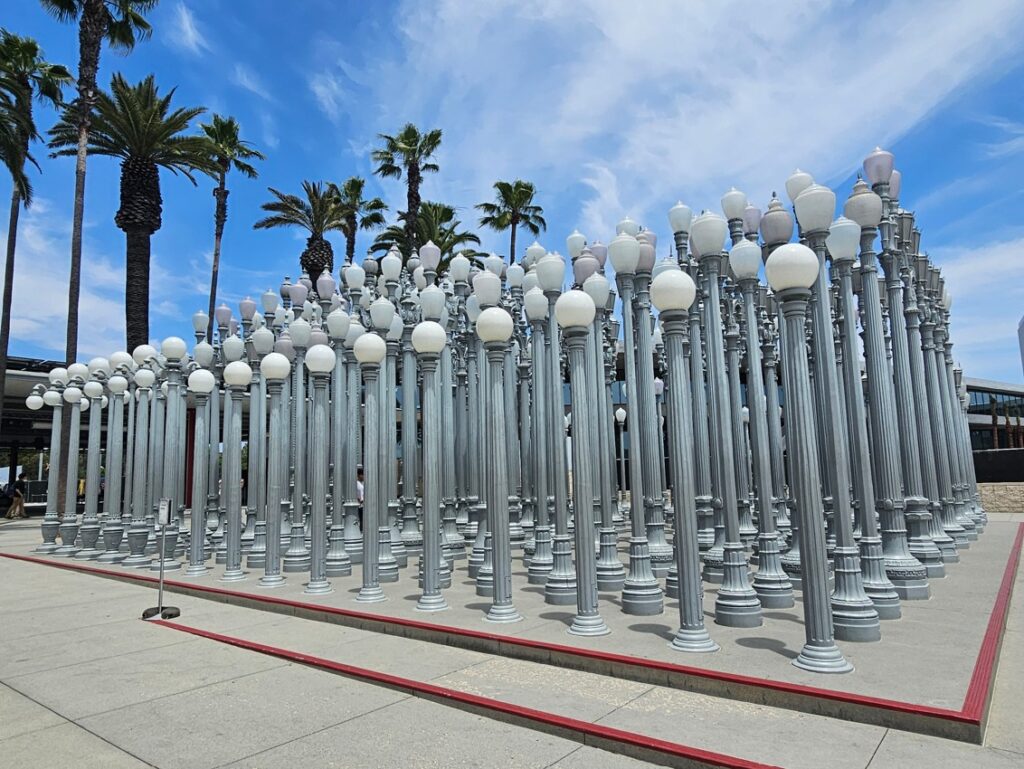
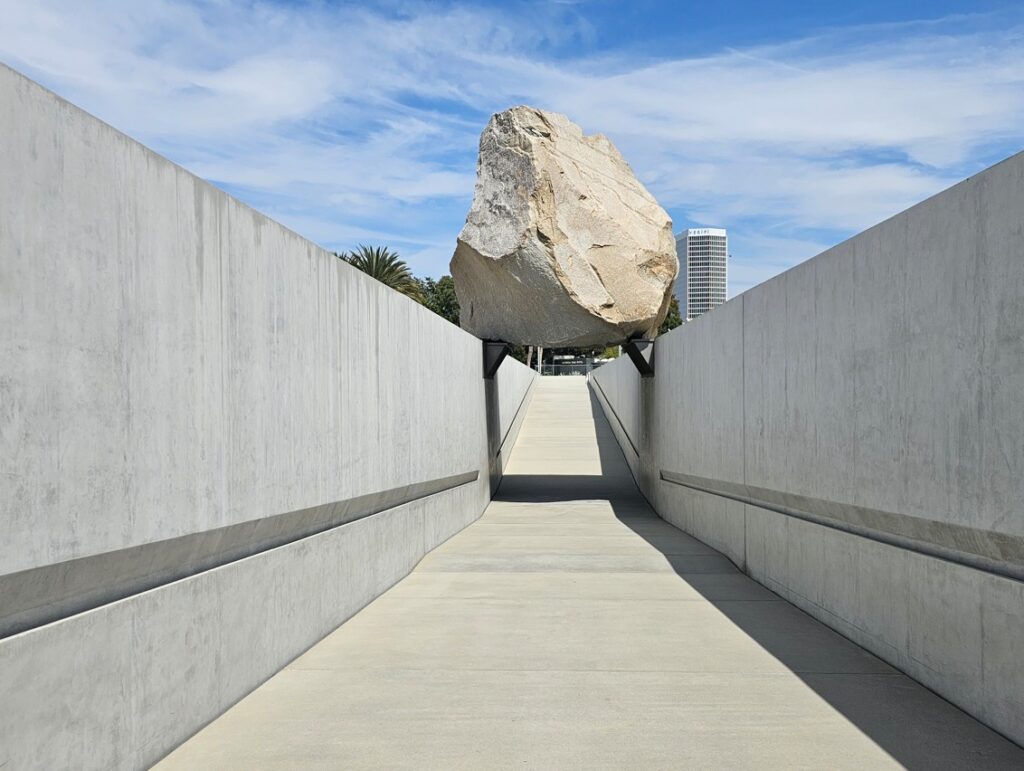
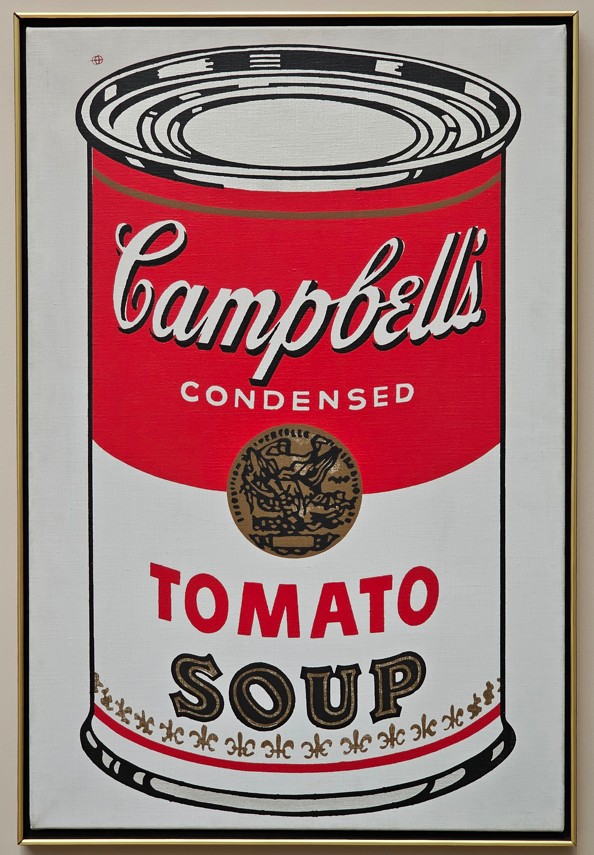
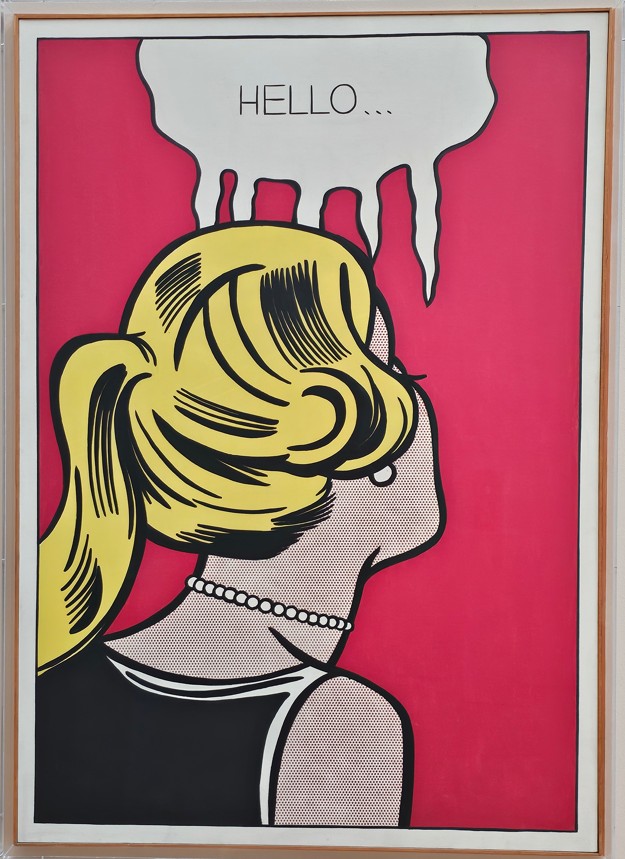
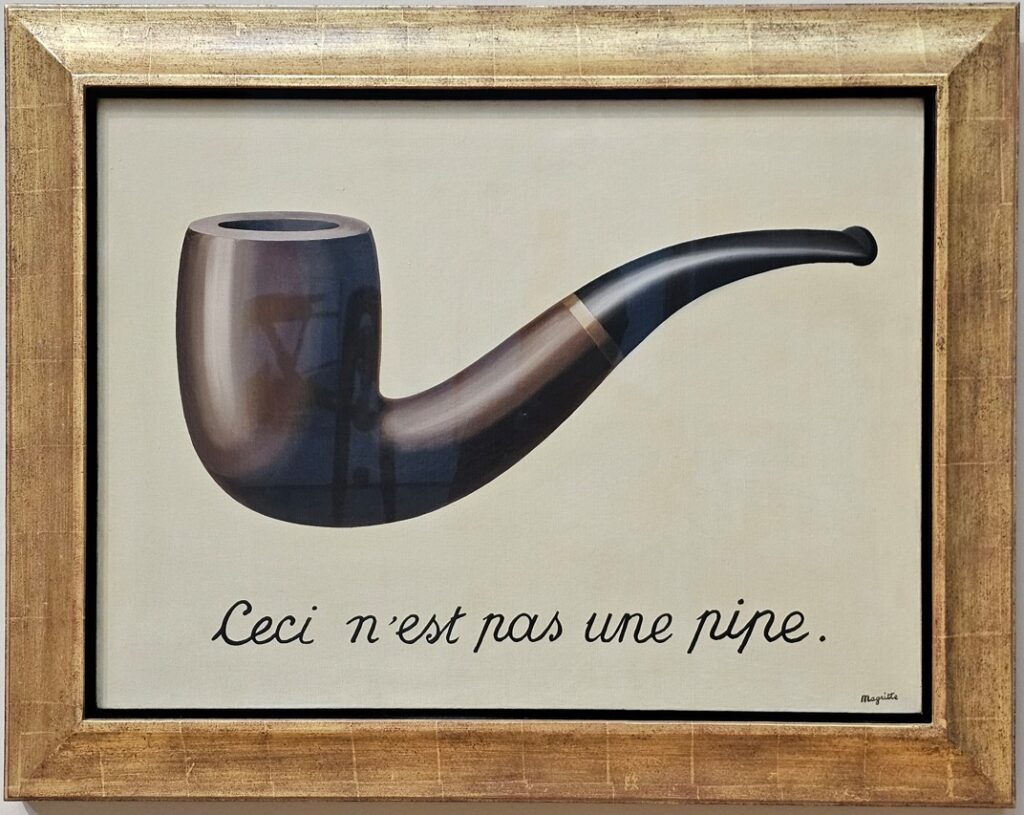
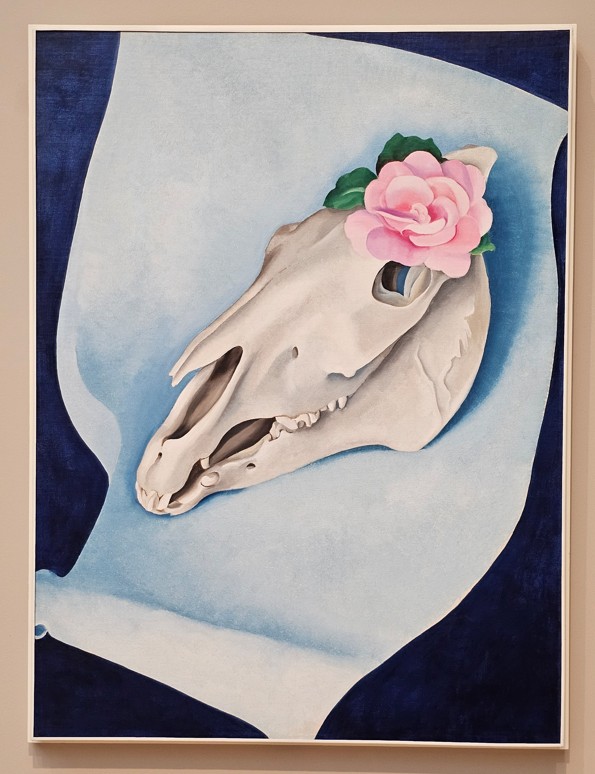
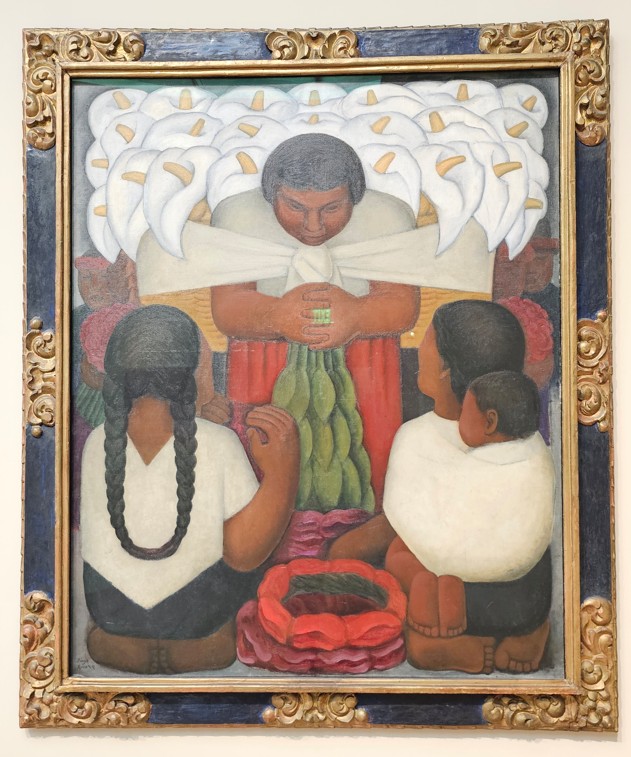
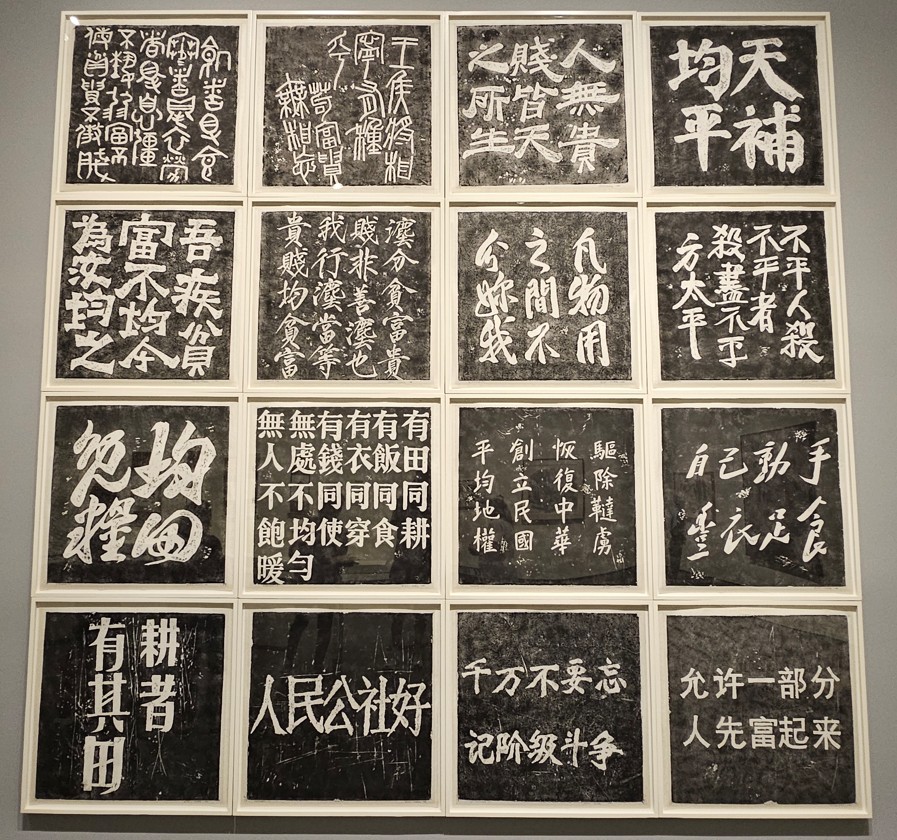
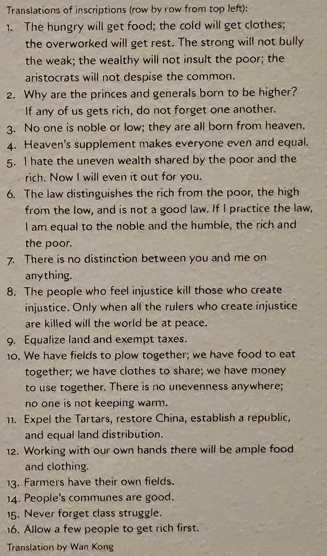
Urban Light, Chris Burden 2008Levitated Mass, Michael Heizer 1969-2012Campbell Soup Can, Andy Warhol 1964Cold Shoulder, Roy Lichtenstein 1963The Treachery of Images (This is Not a Pipe), Rene Magritte 1929Horse’s Skull with Pink Rose, Georgia O’Keeffe 1931Flower Day, Diego Rivera 1925Monuments: Revolutionary Slogans of Successive Dynasties, Qiu Zhijie 2007 (Translations below)
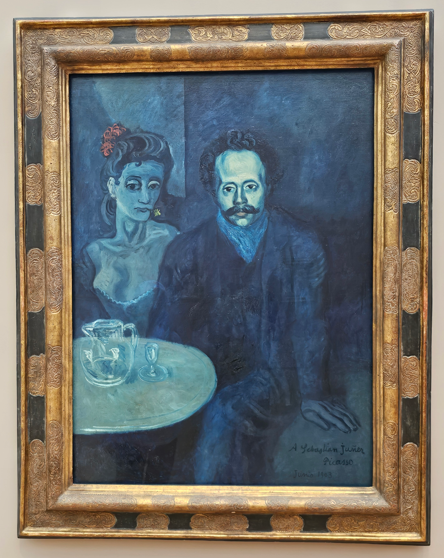
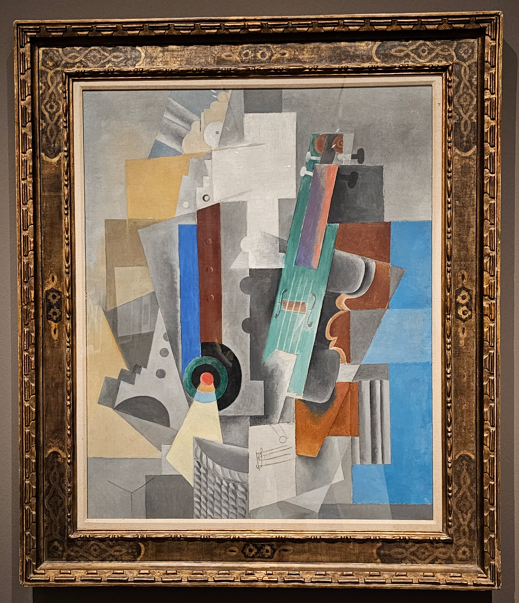
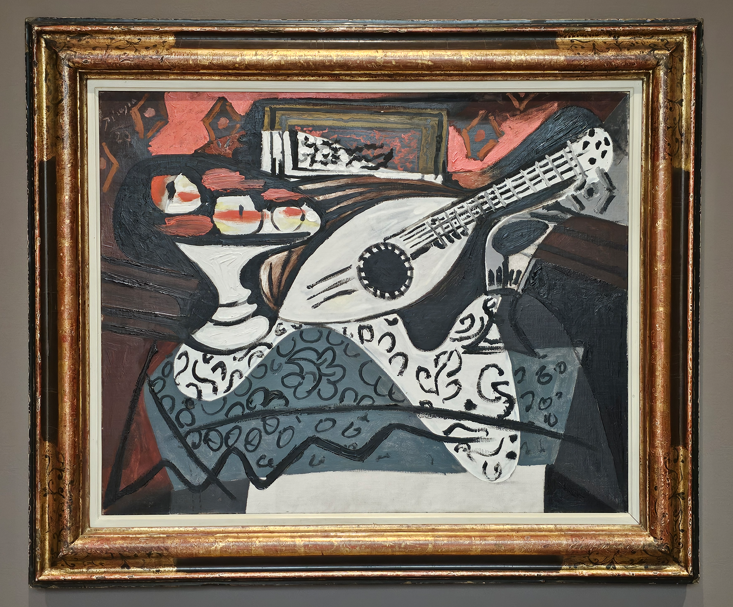
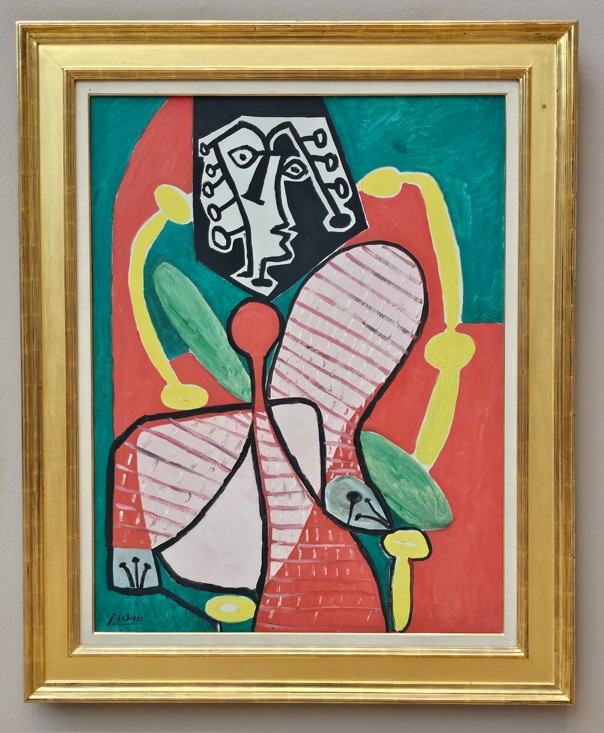
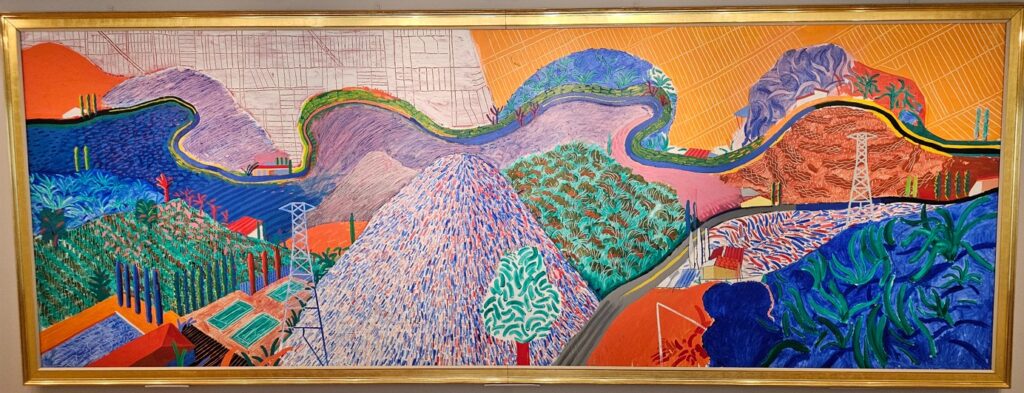
The museum displays a large collection of Pablo Picasso works. Here are a few.
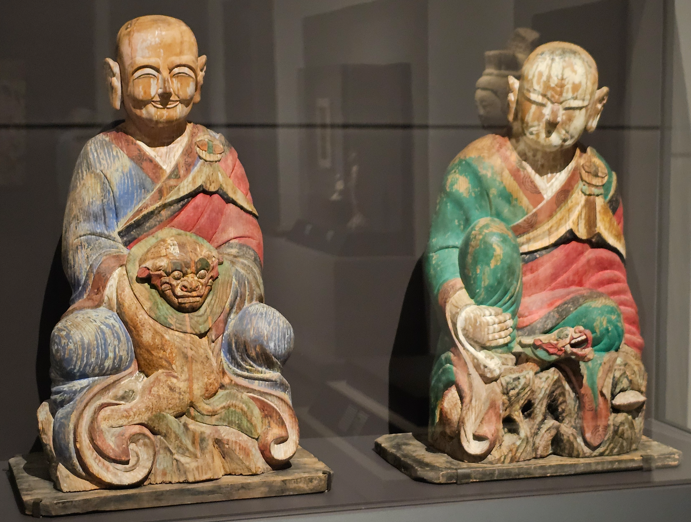
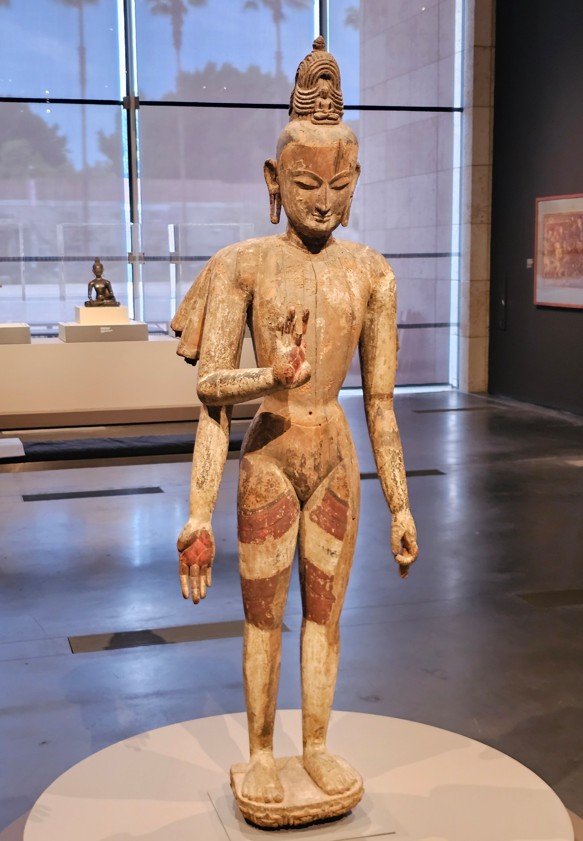
Portrait of Sebastia Junyer Vidal, Pablo Picasso 1903Bar-Table with Musical Instruments and Fruit Bowl, Pablo Picasso 1913Still Life (with Mandolin), Pablo Picasso 1927Young Woman in Striped Dress, Pablo Picasso 1949Mulholland Drive: The Road to the Studio, David Hockney 1980The Nahans (Arhats) Bolsarabuldara (Vajraputra) with a Dragon and Kariga (Kalika) with a Tiger Korea, Joseon dynasty 19th centuryThe Bodhisattva Amoghapasha Lokeshvara, Nepal 15th century or earlier
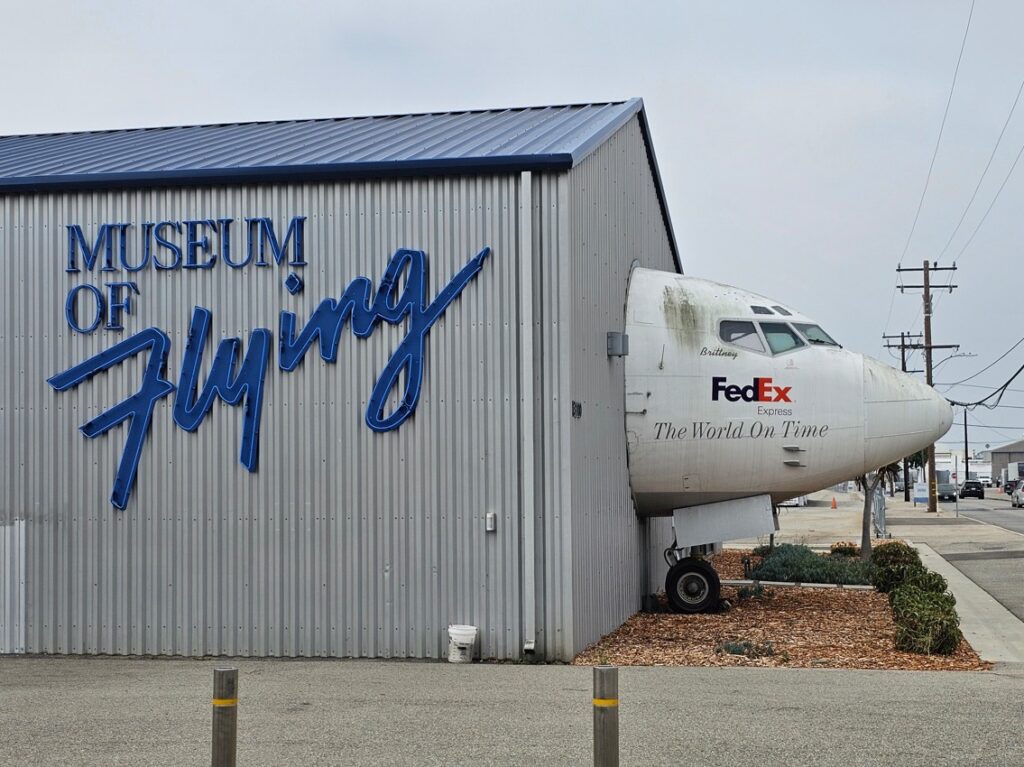
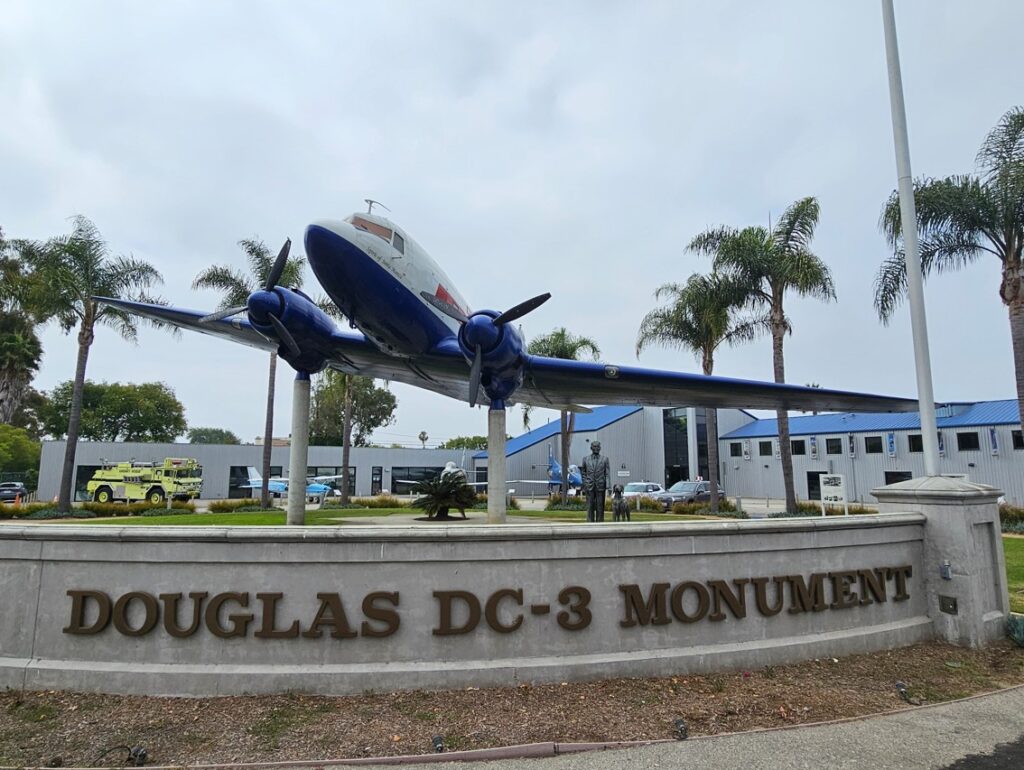
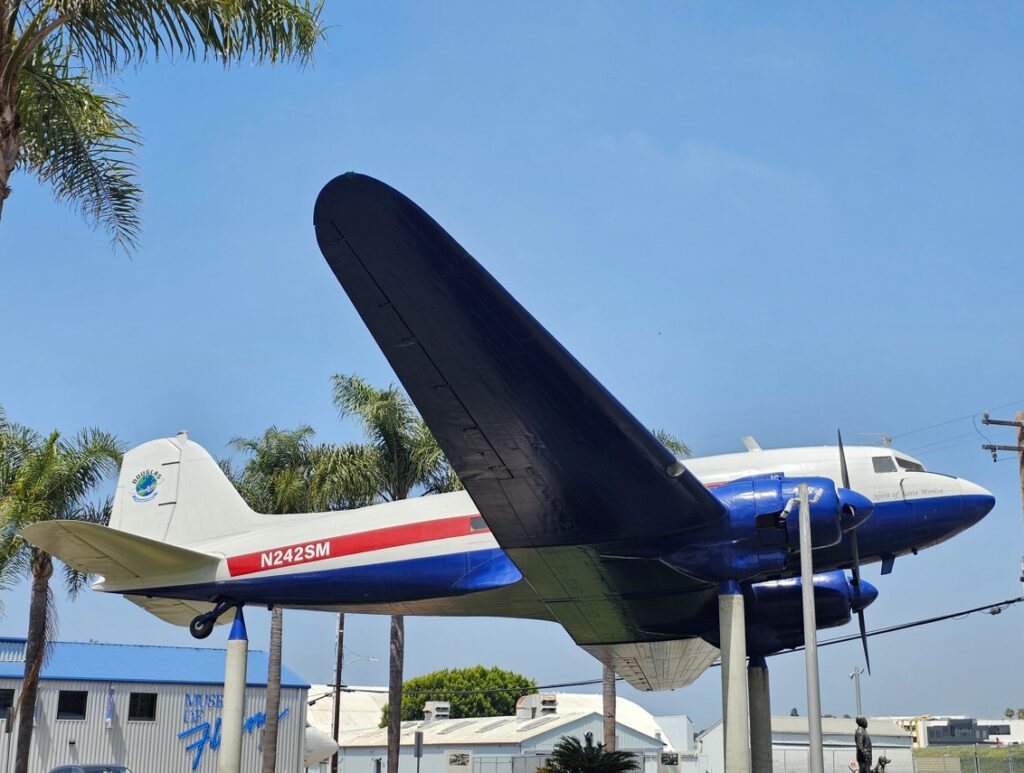
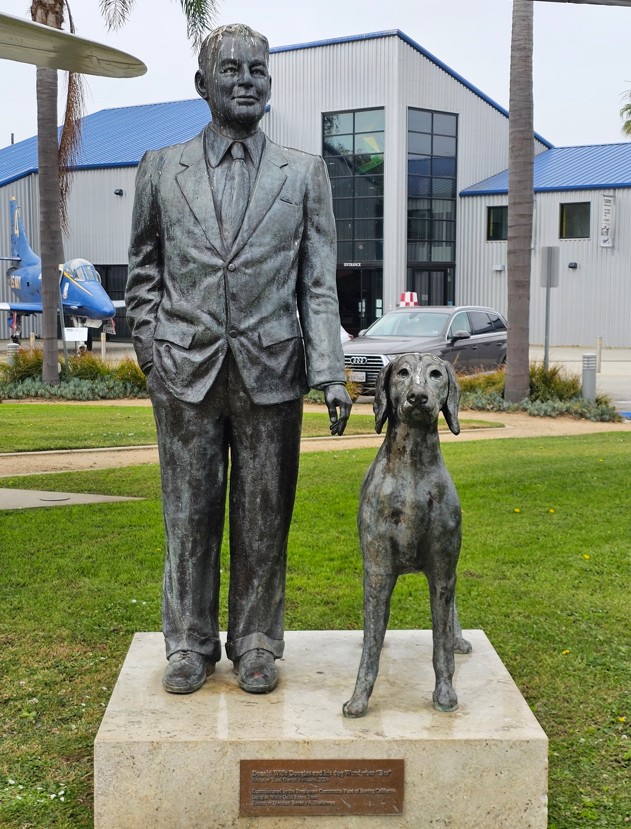
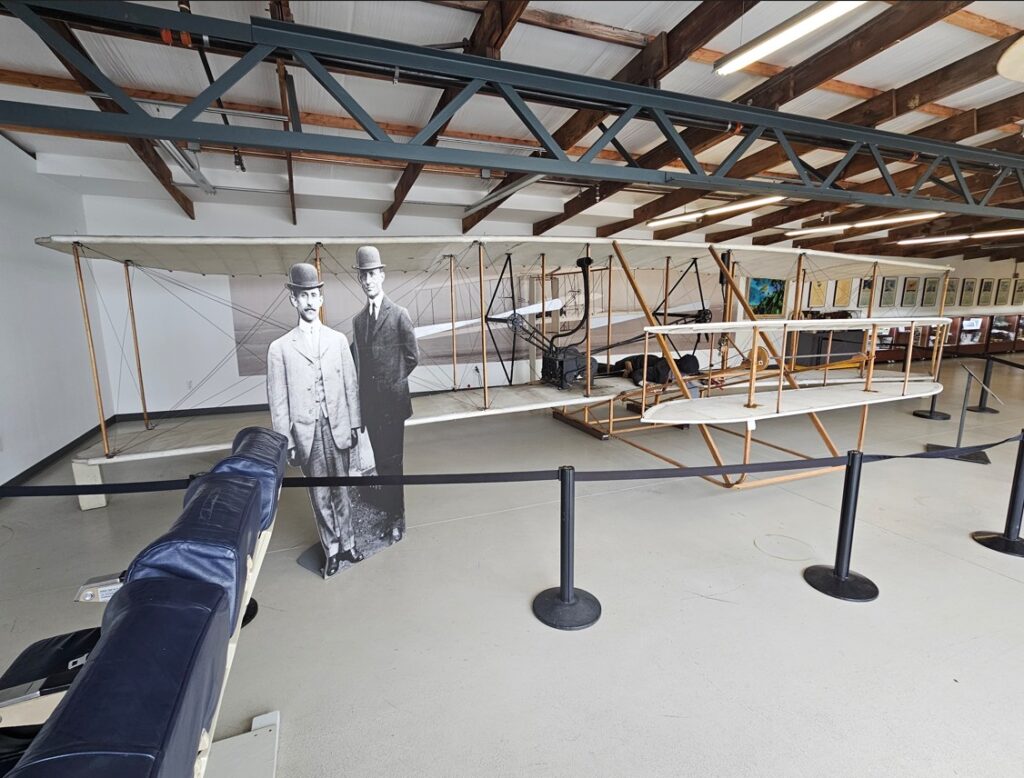
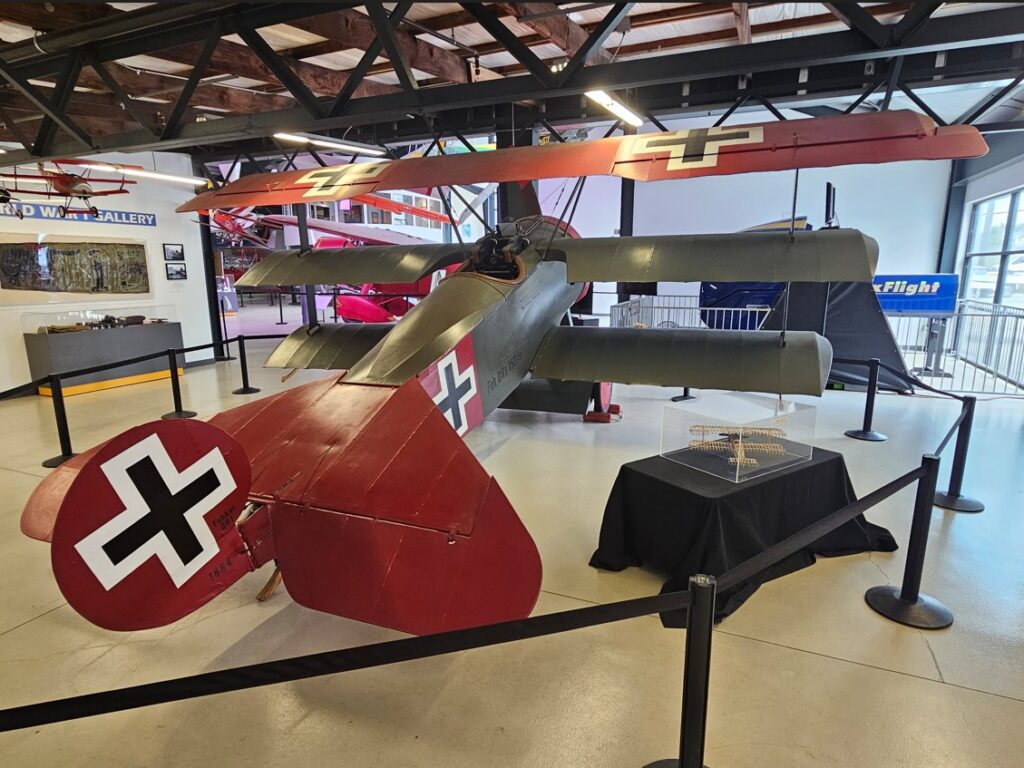
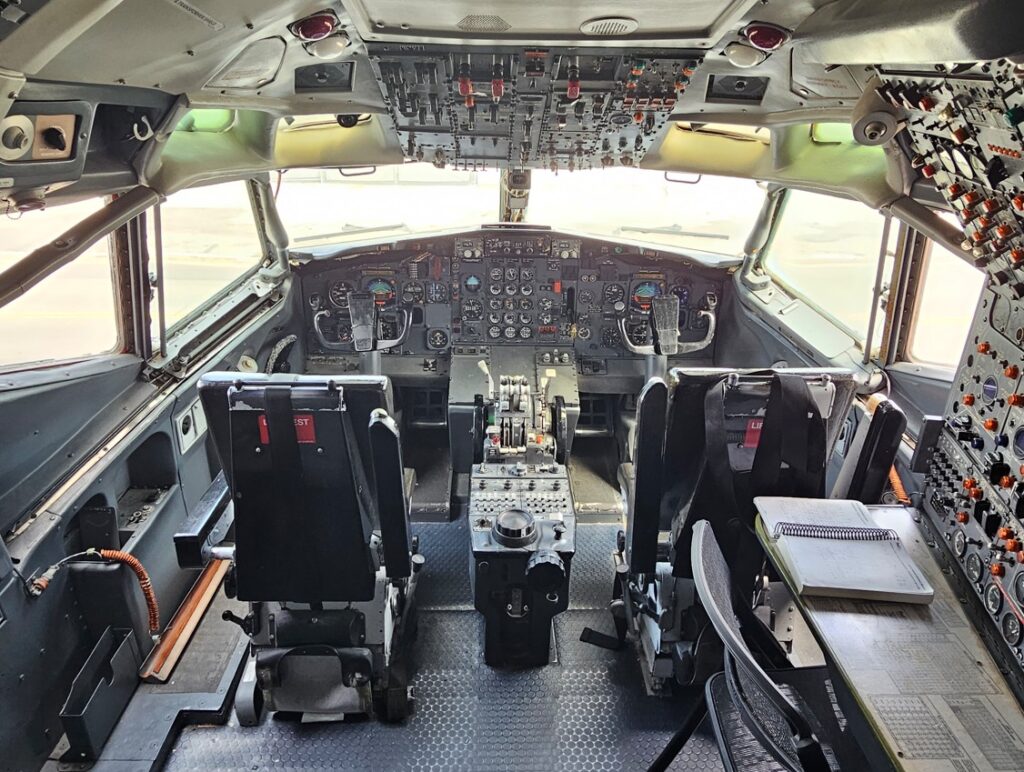
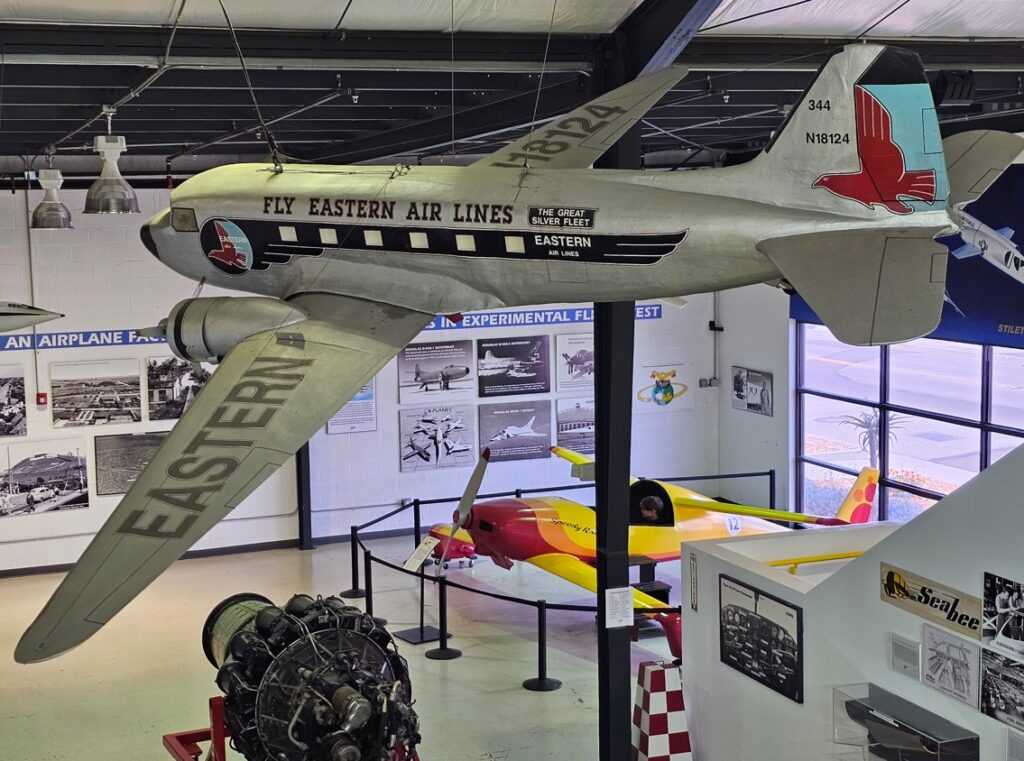
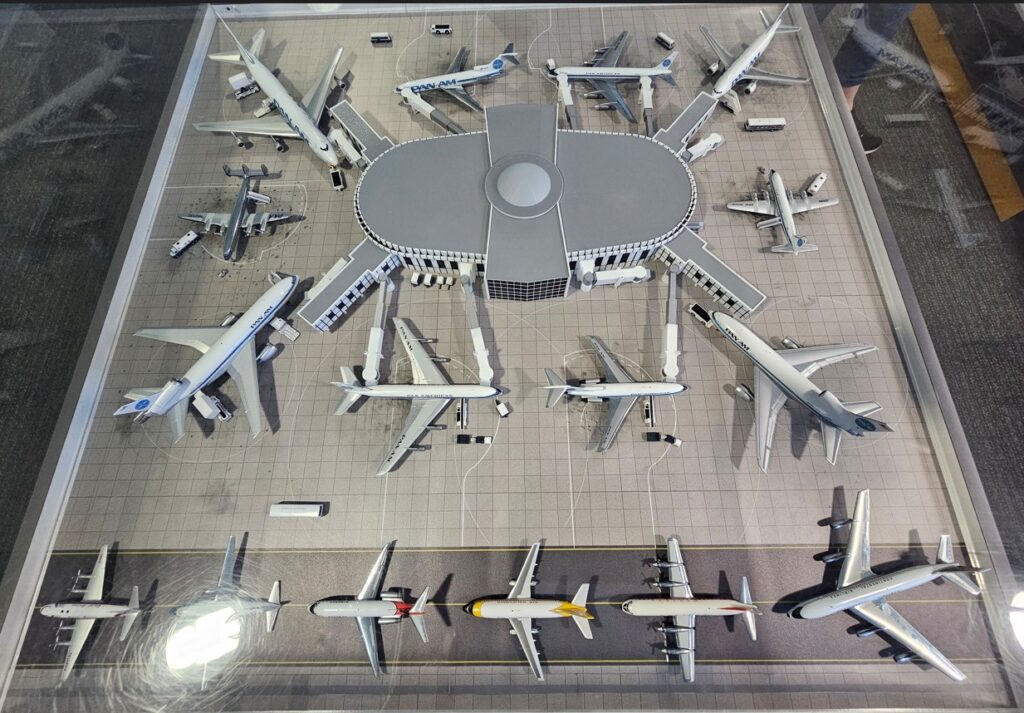
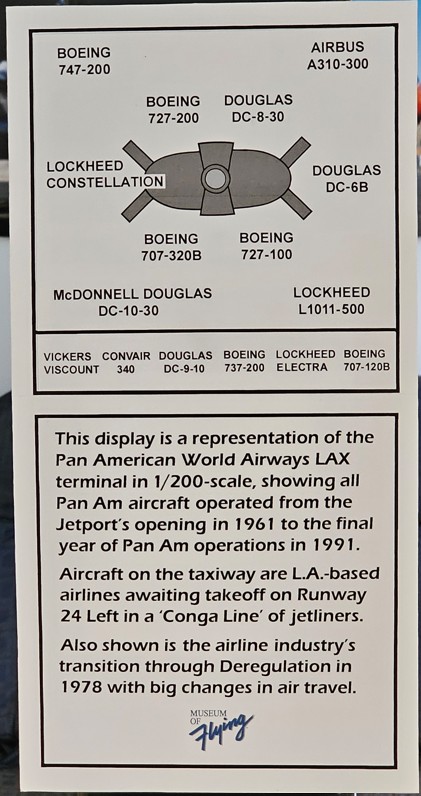
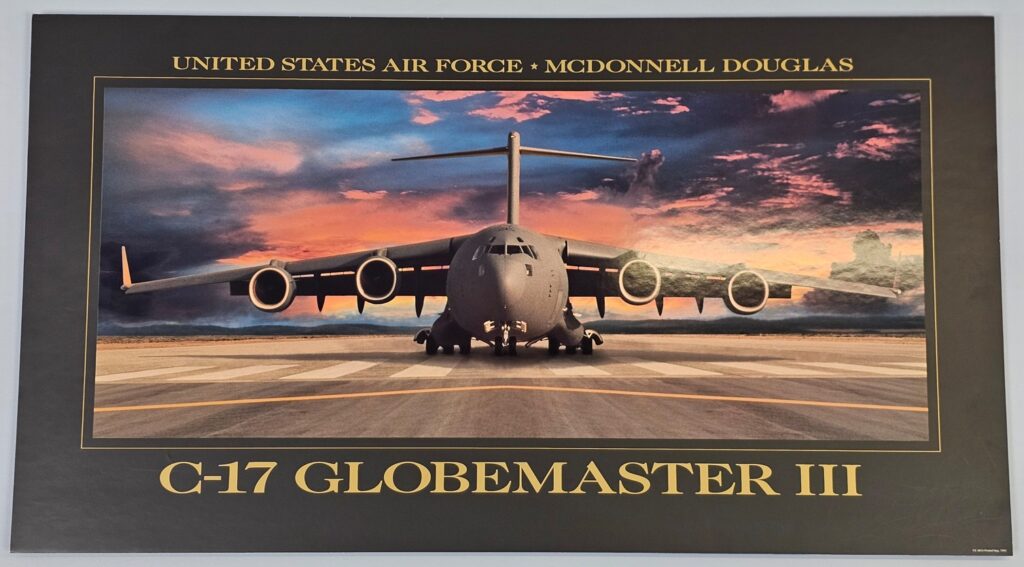
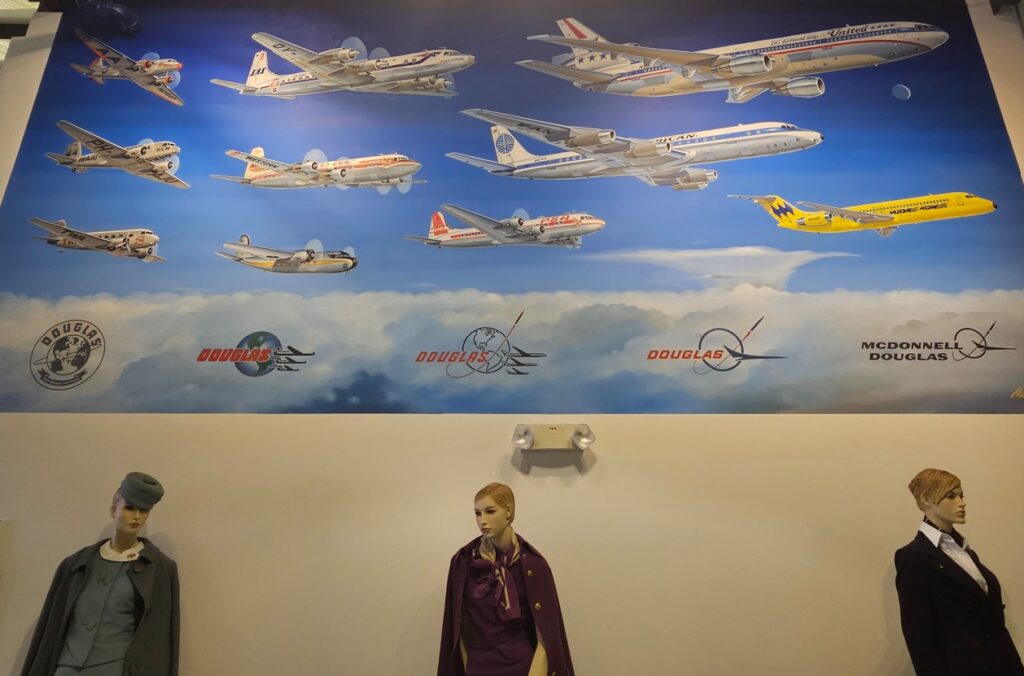
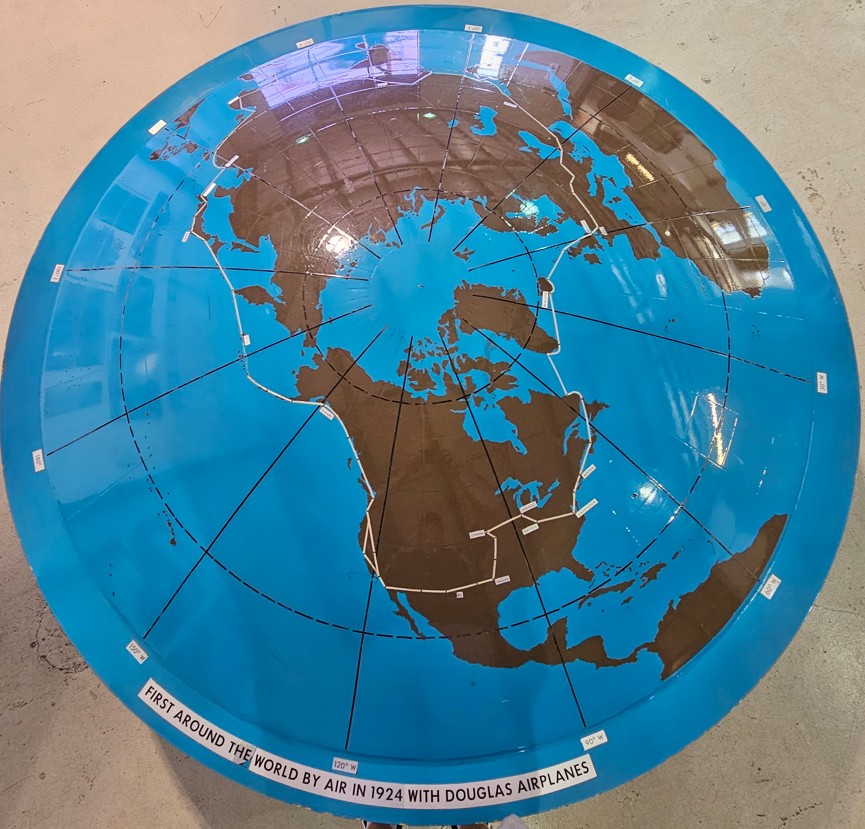
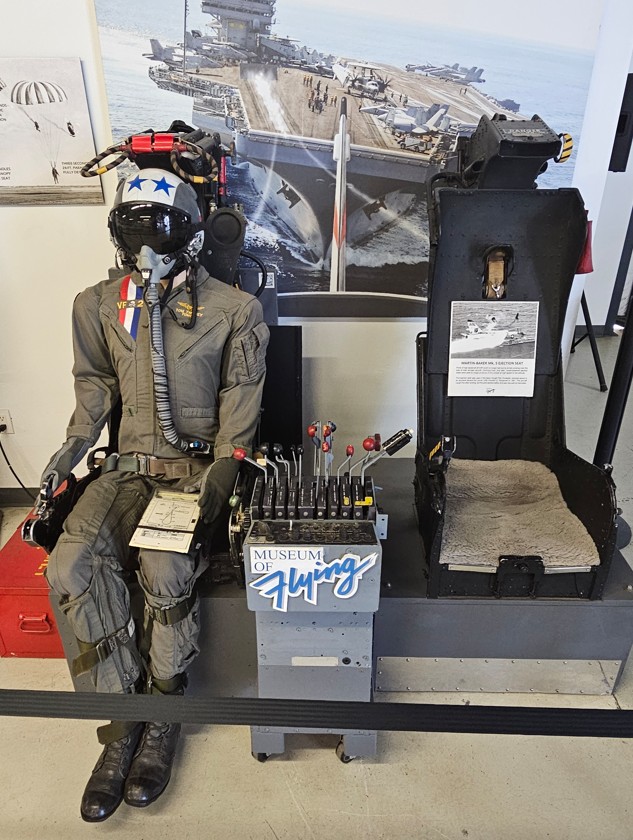
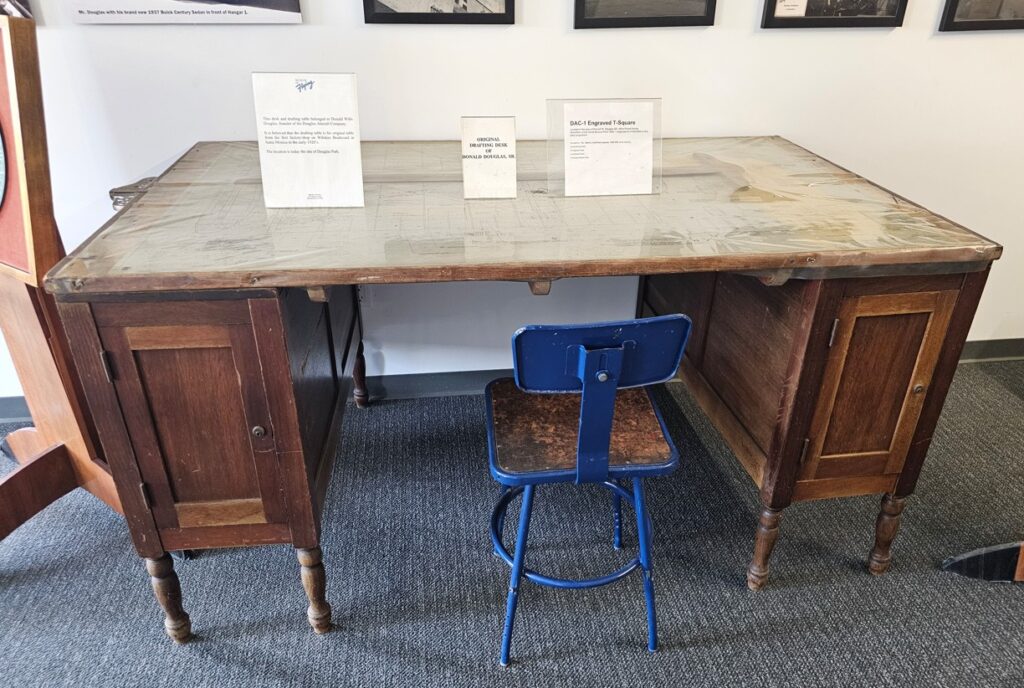
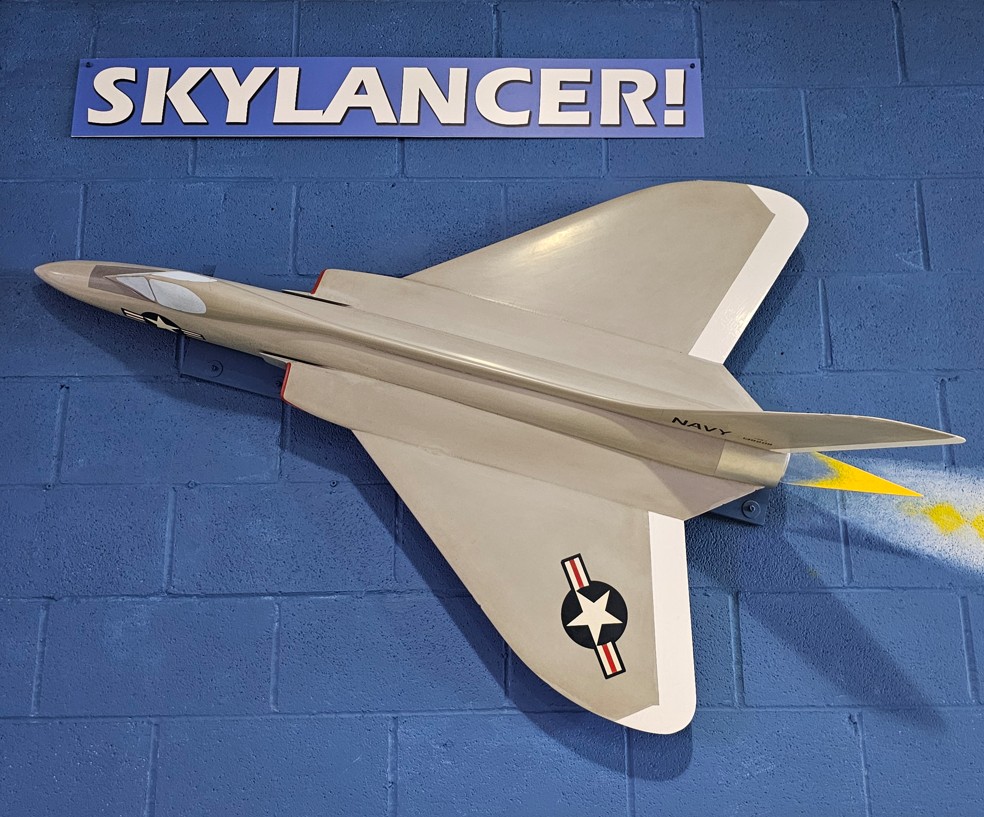
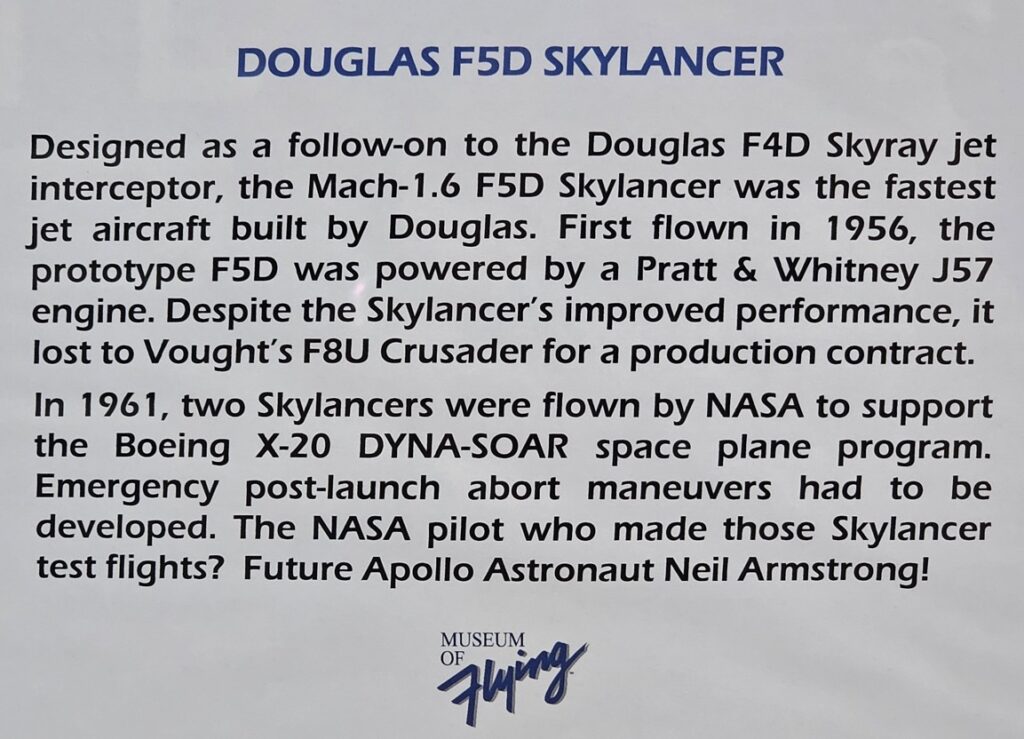
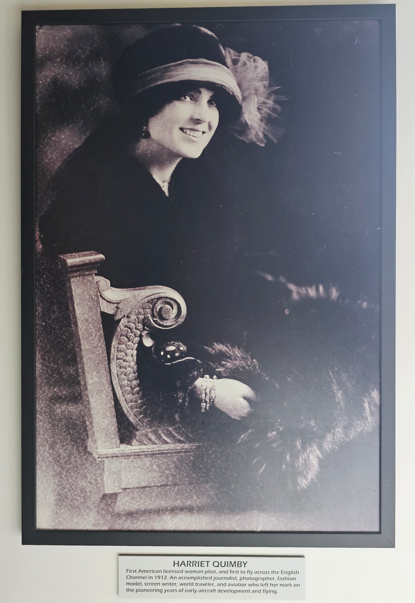
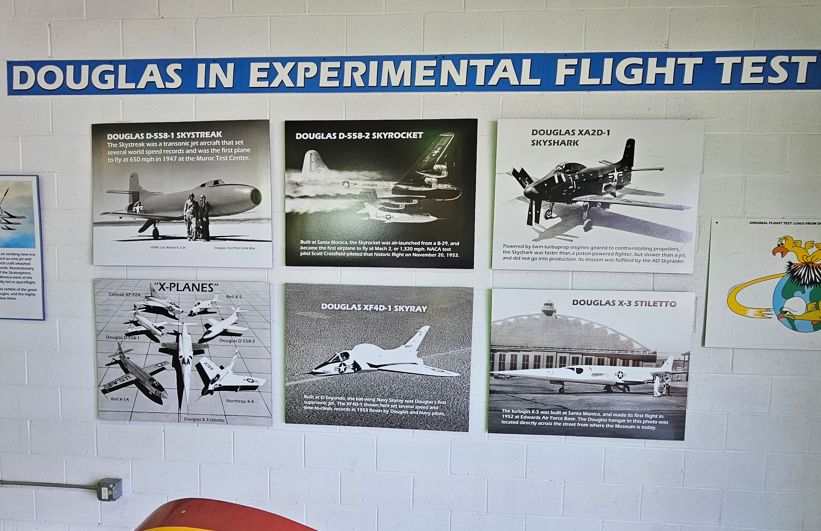
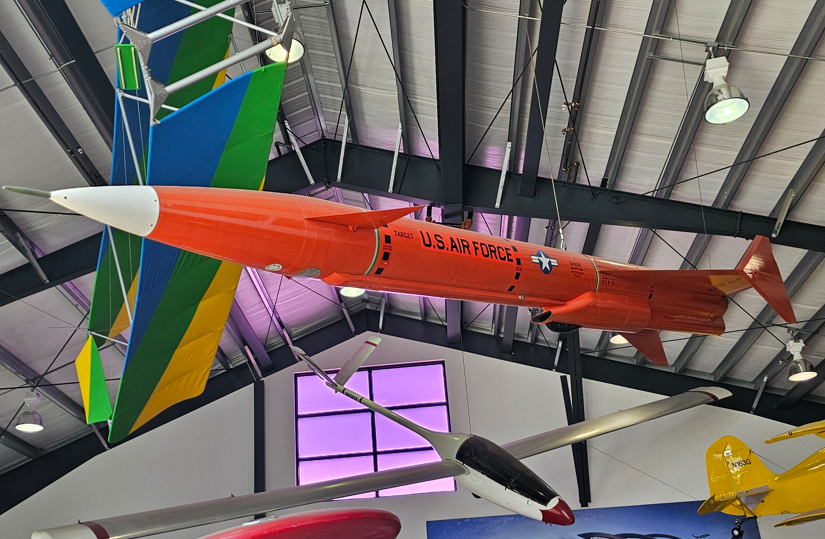
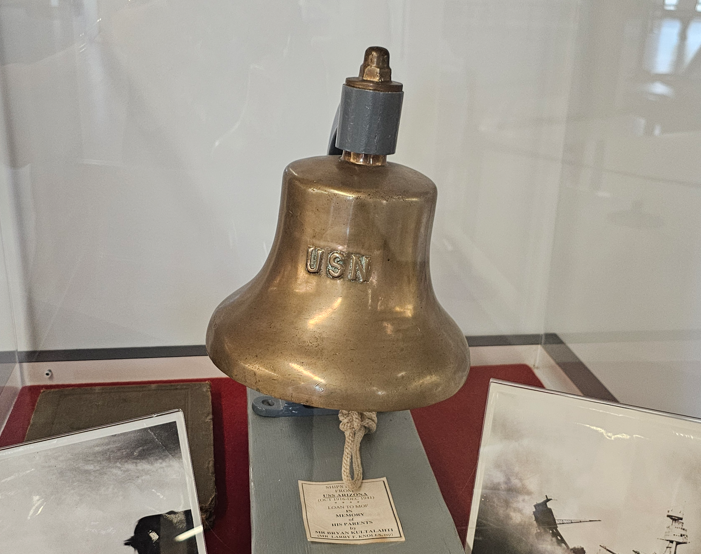
This museum honors the work of aviation pioneer Donald W. Douglas, who was just 28 years old when he started the Douglas Aircraft Company in Santa Monica in 1920. Within 20 years the company had state-of-the art production facilities in El Segundo, Long Beach, and then in Chicago, Tulsa and Oklahoma City. He was the czar for all US aircraft production under President Franklin Roosevelt during World War II.The first flight of a DC-3 airplane took place in Santa Monica in 1935. These aircraft were (are) so reliable may are still in service throughout the world even today. The DC-3 revolutionized air travel such that passengers could reach their destinations quickly, safely and at affordable prices. During the 1950s, more than 90% of all world air travel took place on Douglas-build aircraft.The Spirit of Santa MonicaDouglas and his dog WunderbarModel of the Wright Brothers’ original flyer from 1903. Douglas started his company within 20 years of the Wright Brothers’ first flight.Fokker Dr. 1 Triplane. Baron Manfred von Richthofen (The Red Baron) piloted a plane similar to this one during World War I in 1917. This is a replica – no original Fokker Dr. 1s are known to be in existence.Cockpit of a Boeing 727.DC-3Model of LAX Airport with various aircraft.Douglas airplane made an around the world flight in 1924.Martin-Baker Mk. 5 Ejection Seat, used in the Navy Vought F8U Crusader aircraftOriginal drafting desk of Donald Douglas, from the first factory/shop on Wilshire Boulevard on Santa Monica in the early 1920s.Douglas F5D Skylancer, the fastest jet aircraft built by Douglas.Harriet Quimby, first US licensed pilot, first to fly over the English Channel.Douglas Aircraft Company joins the jet age.Teledyne Ryan AQM-81 Firebolt, high-altitude supersonic target, which was an advanced version of the 1968 Raytheon AQM-37 Jayhawk target drone.Ship’s mess bell from the USS Arizona, which was sunk during the Japanese attack on Pearl Harbor.
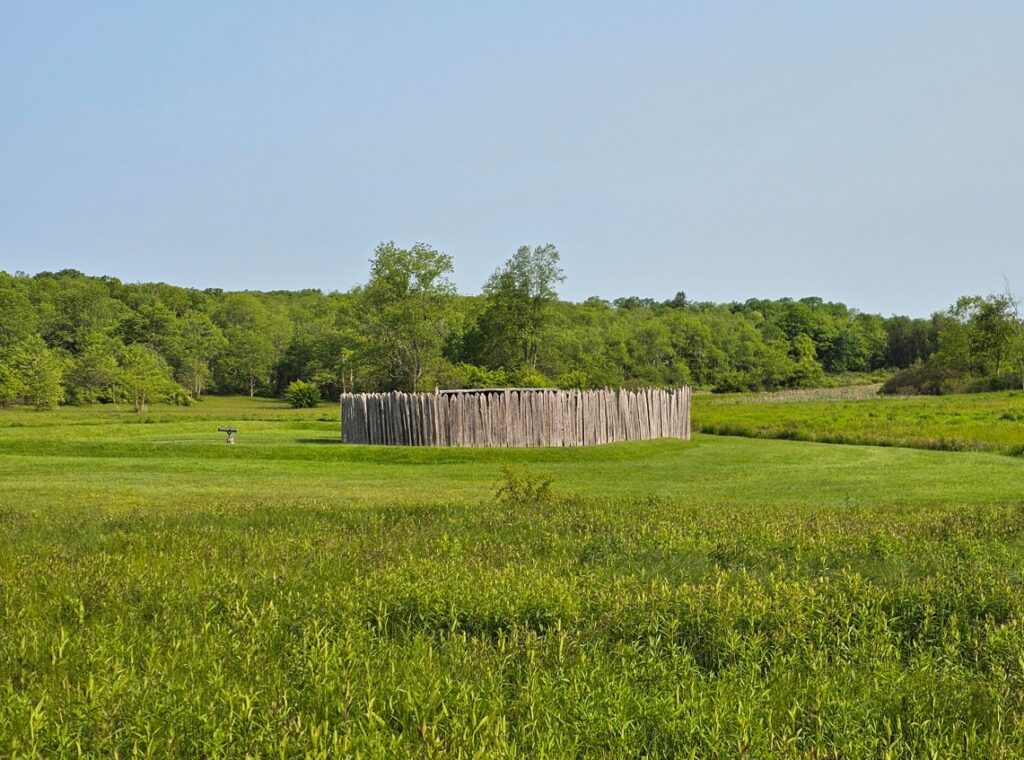
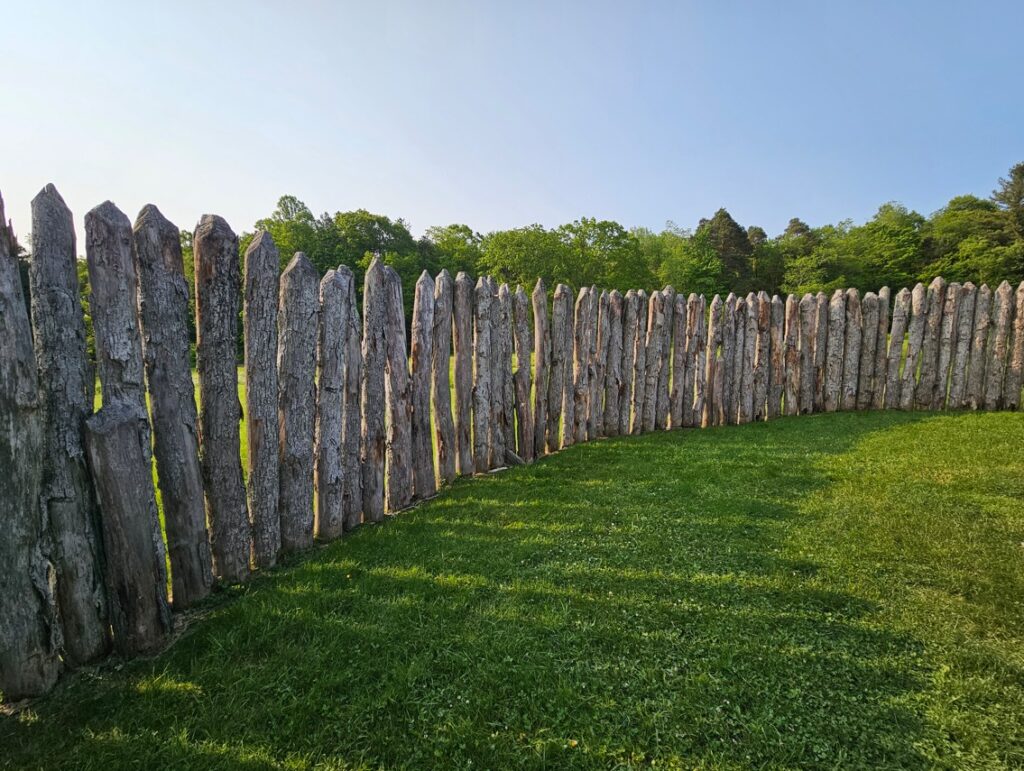
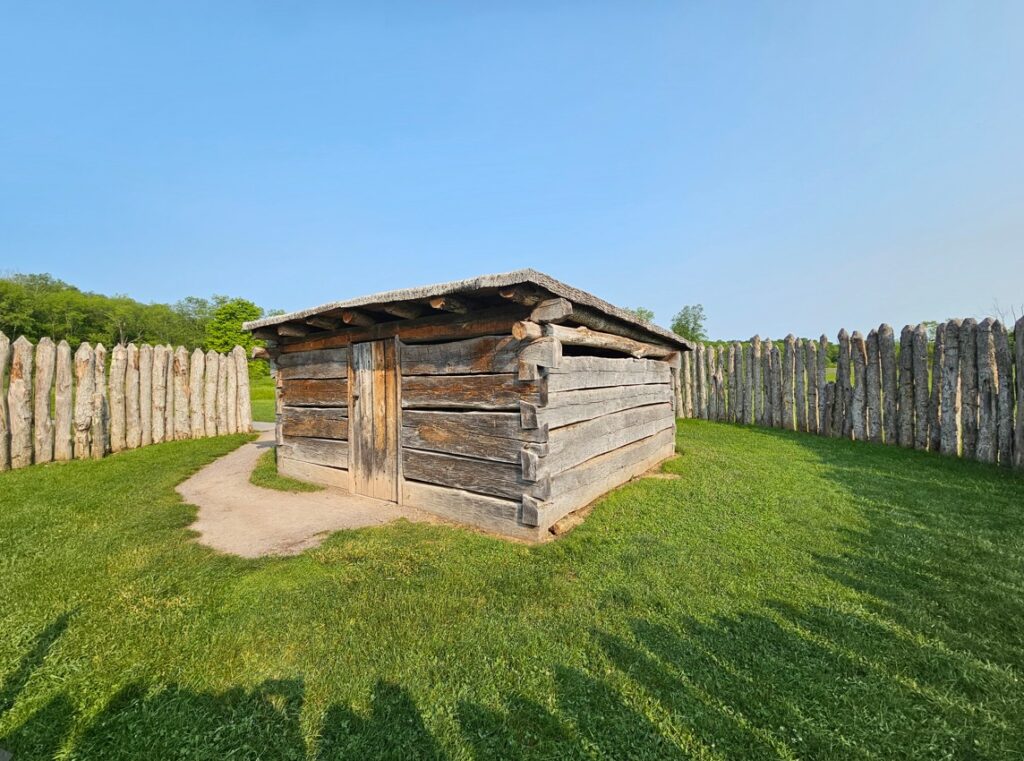
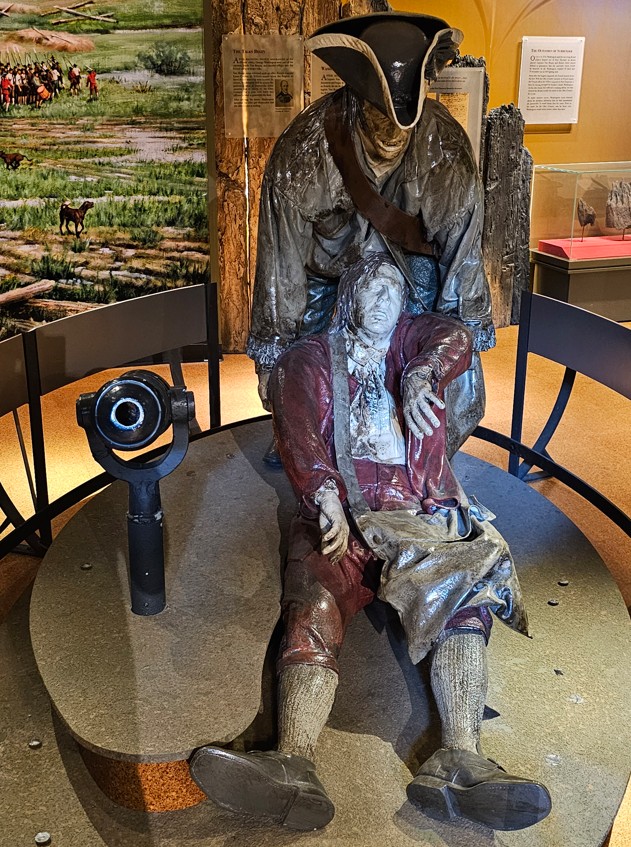
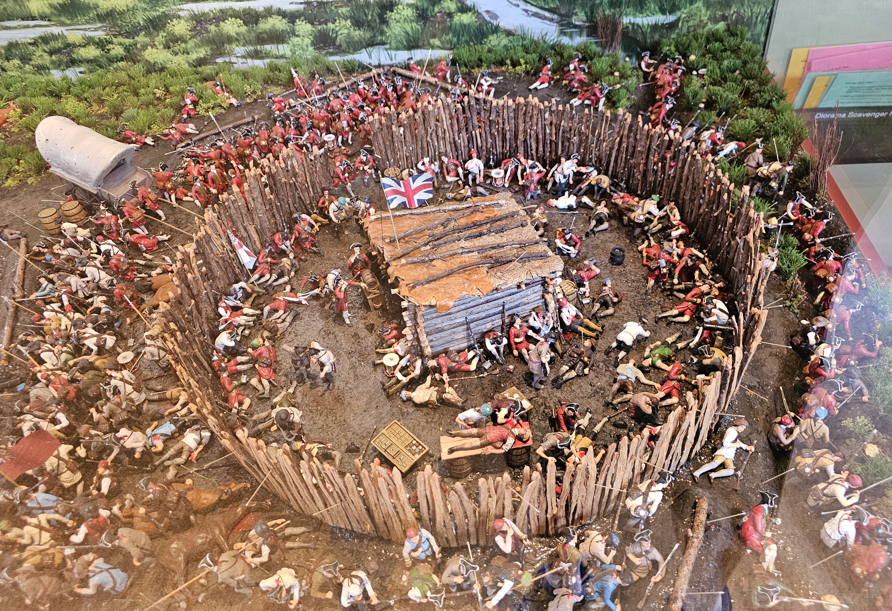
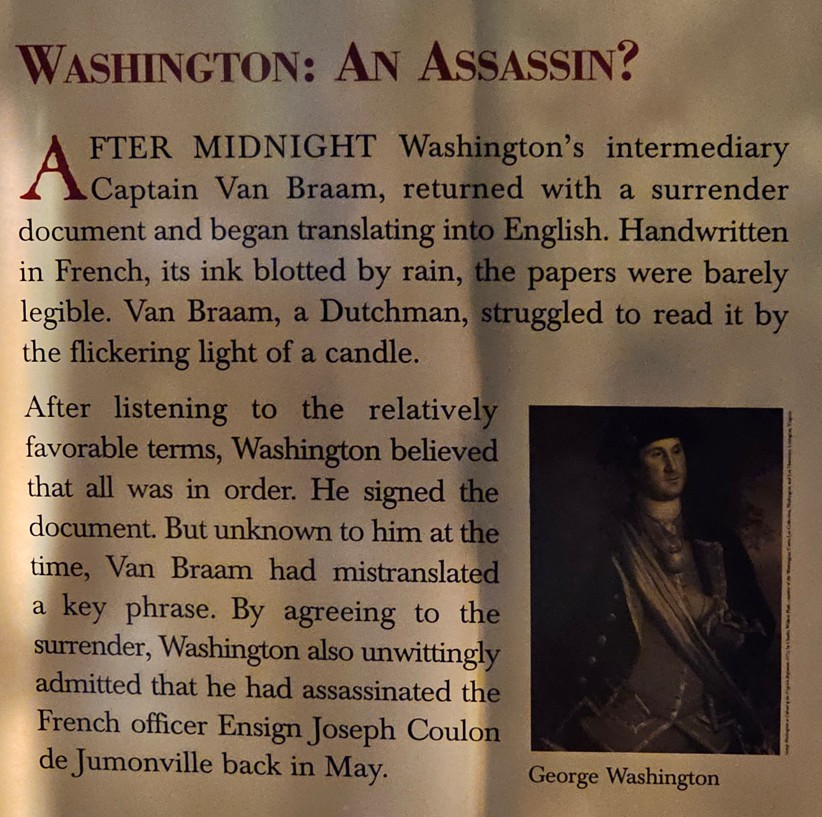
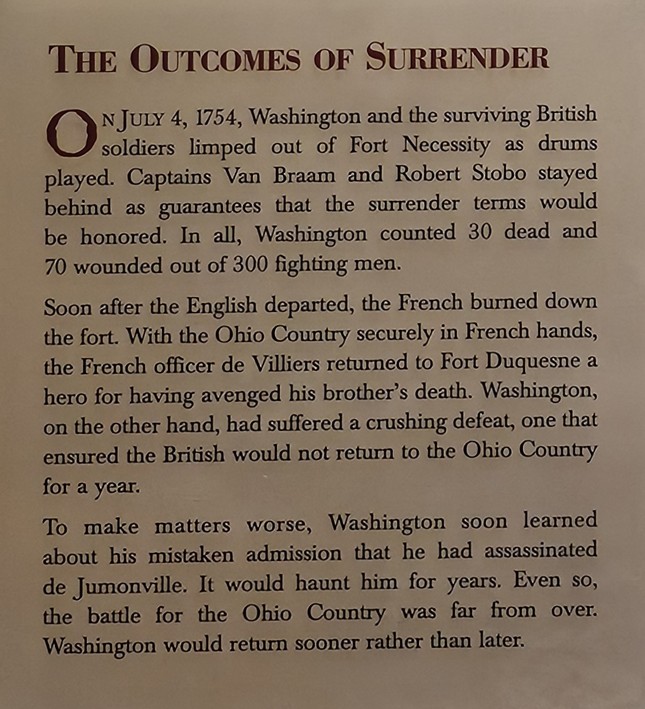
The Battle of Fort Necessity, a significant prelude to the French and Indian War, was the only battle in which George Washington ever surrendered. The battler occurred July 3, 1754, near the site of the Battle of Jumonville Glen, Washington’s Indian allies killed French officer Joseph Coulon de Villiers, Sieur de Jumonville. In anticipation of French retaliation, Washington fortified his camp at Great Meadows and named it Fort Necessity. On July 3, a larger French and Indian force, led by Jumonville’s half-brother, Louis Coulon de Villers, attacked. After a day-long fight, facing heavy rain, flooded trenches, and dwindling supplies, Washington accepted the French terms of surrender. Unknowingly, he signed a document written in French that confessed to assassinating Jumonville. On July 4, Washington and his troops departed and the French torched the fort.
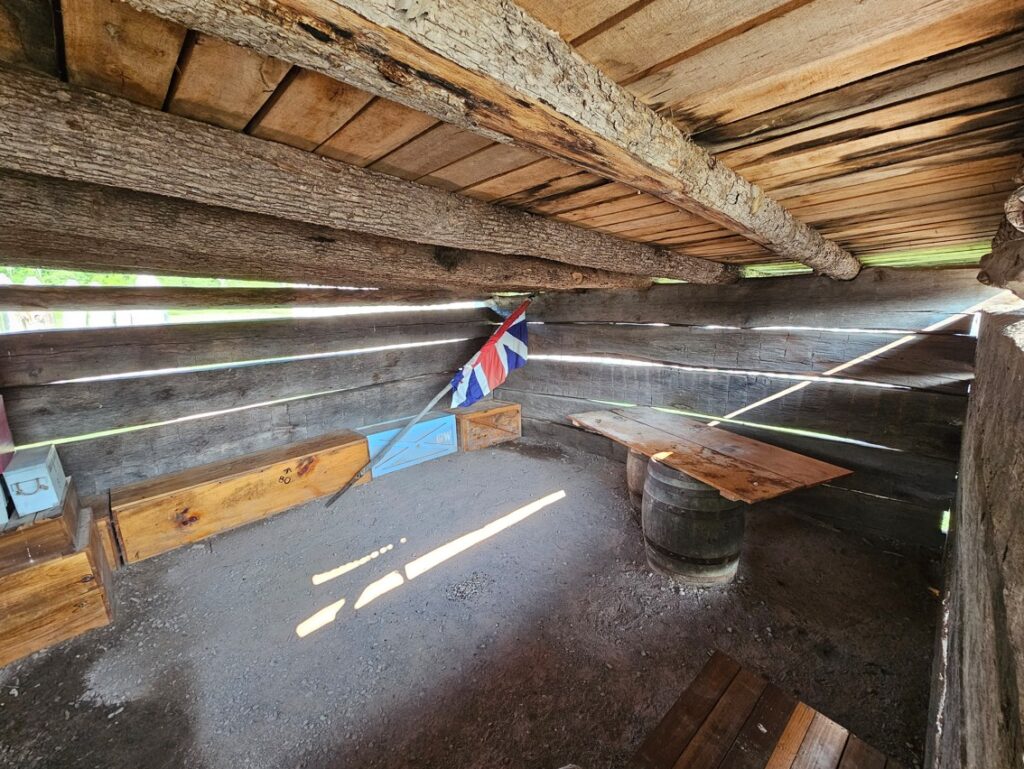
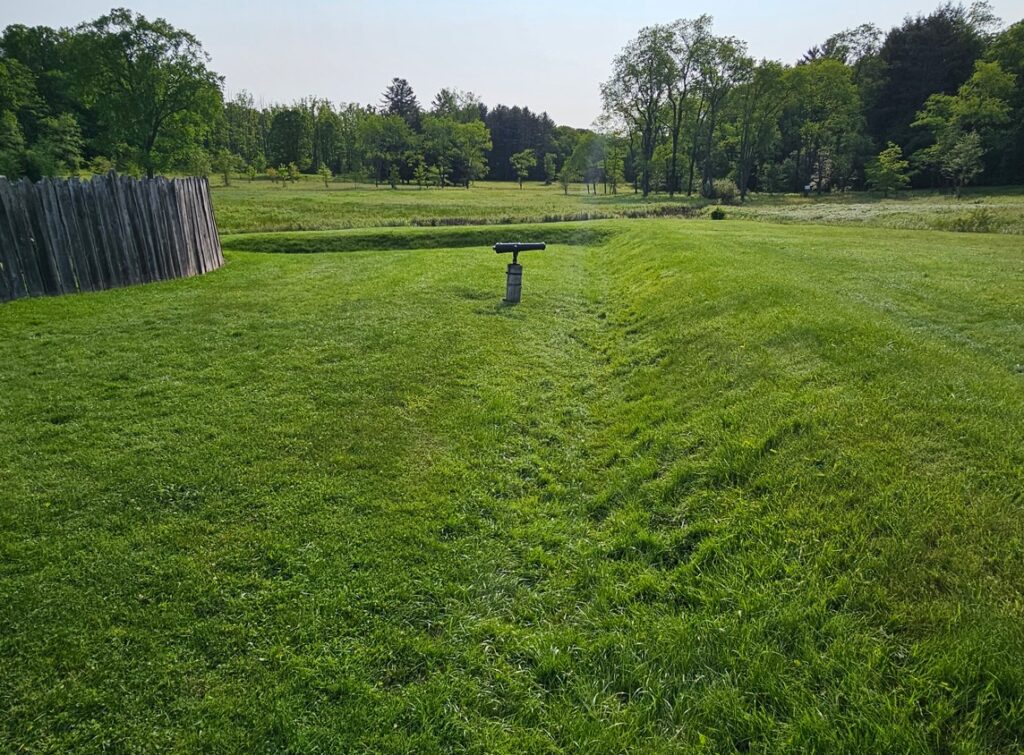
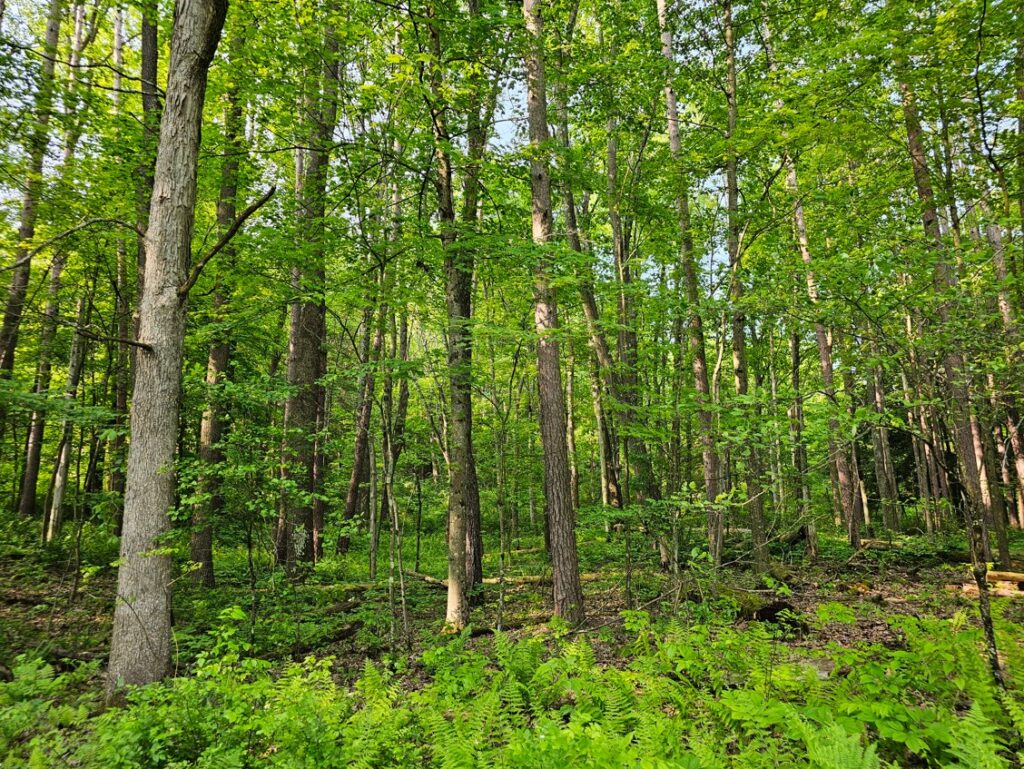
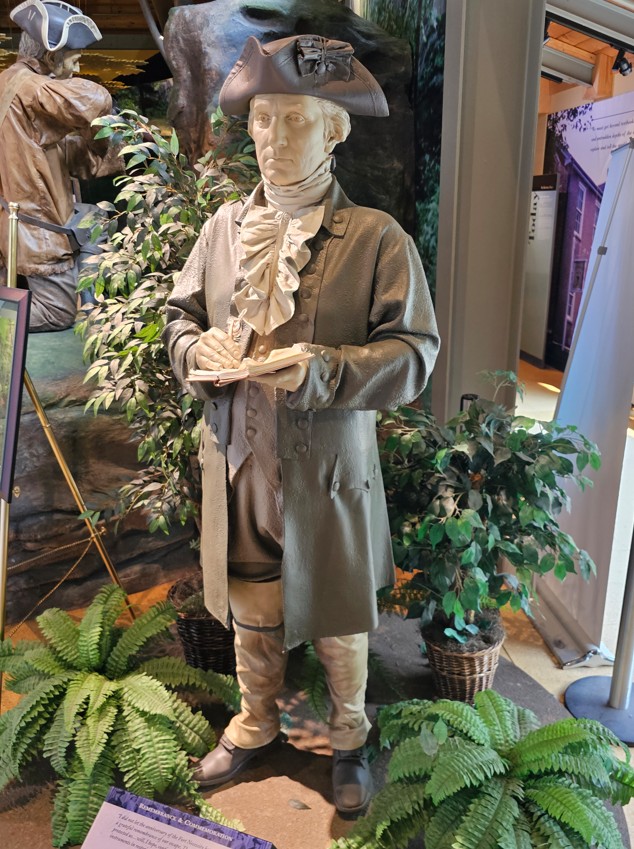
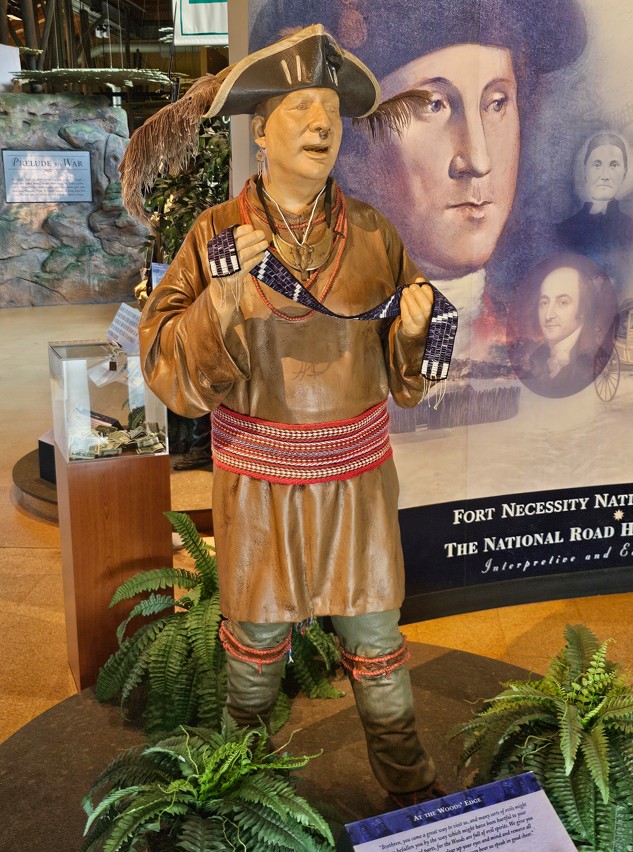
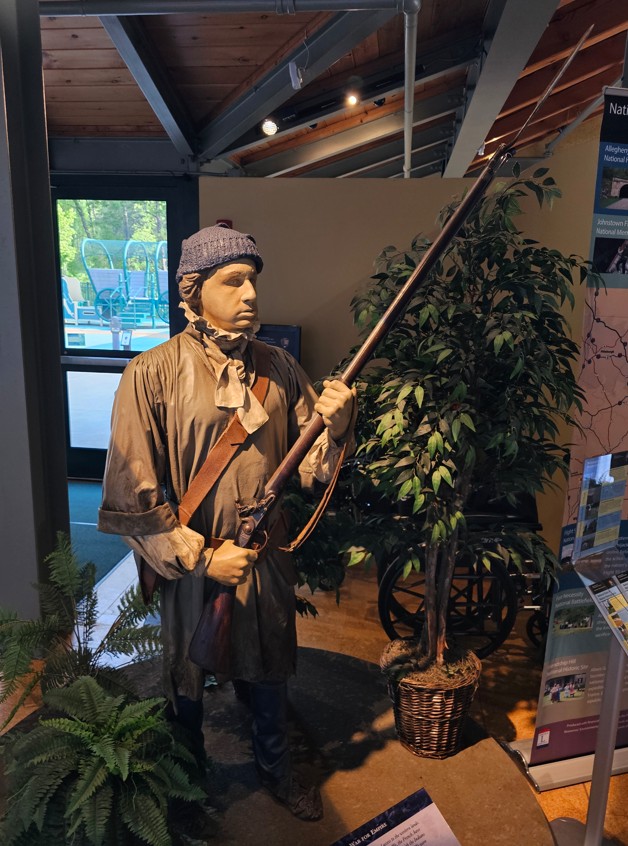
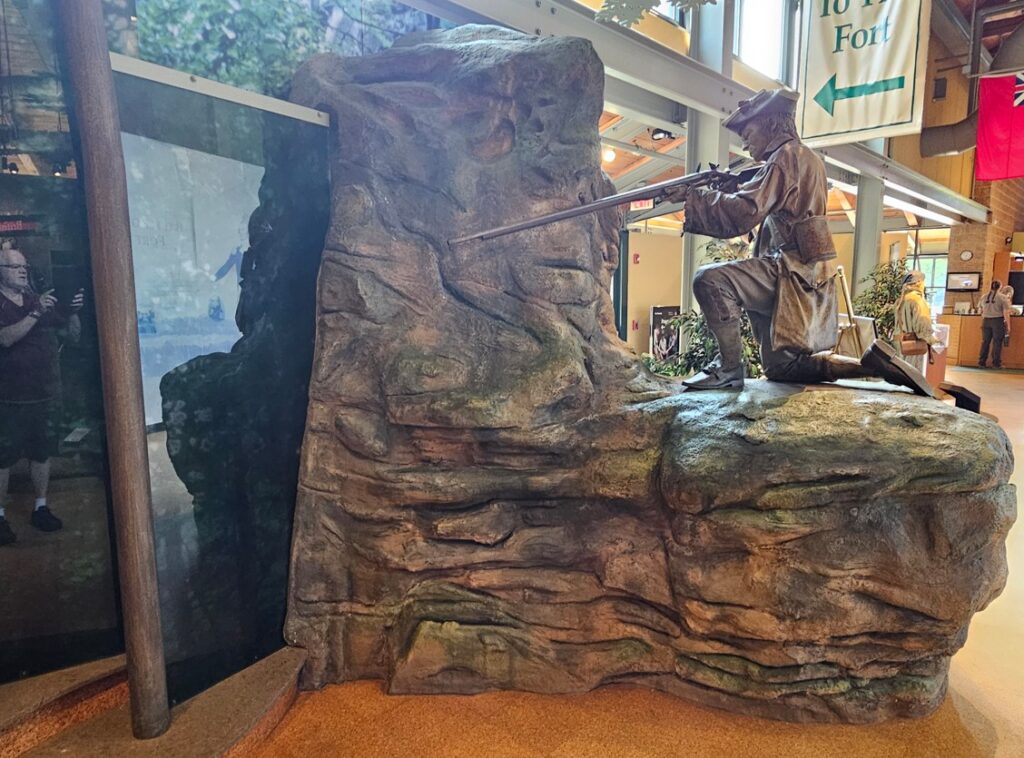
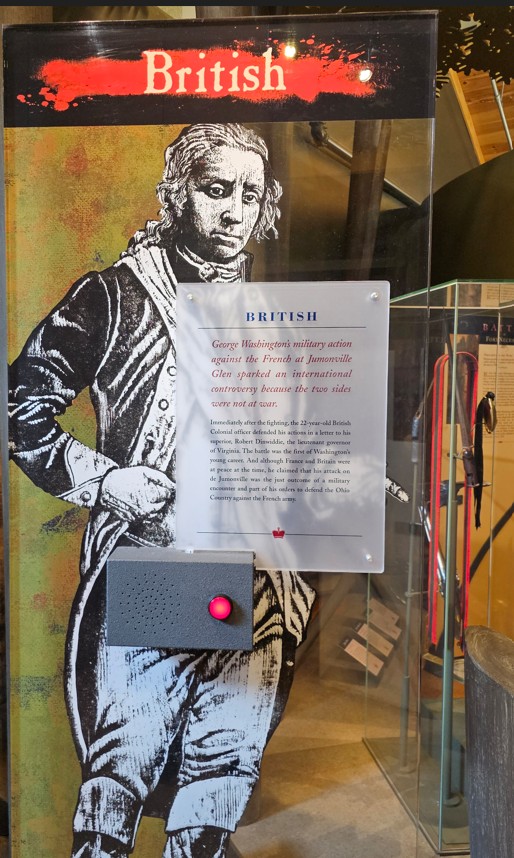
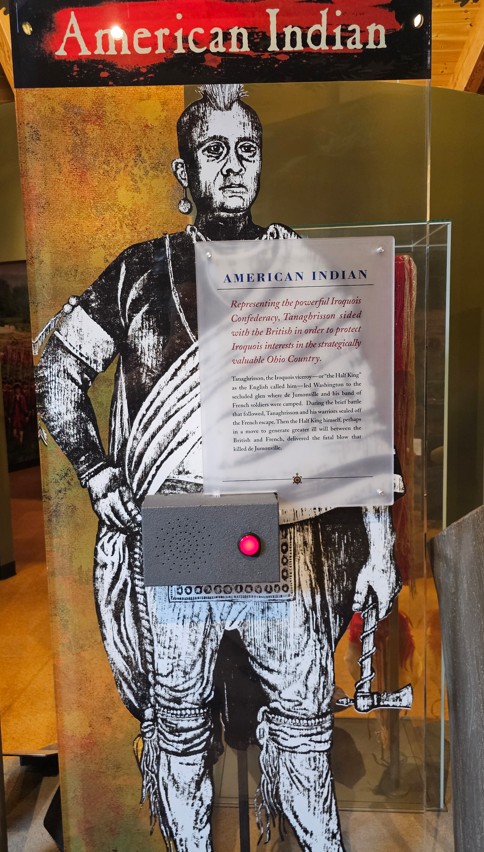
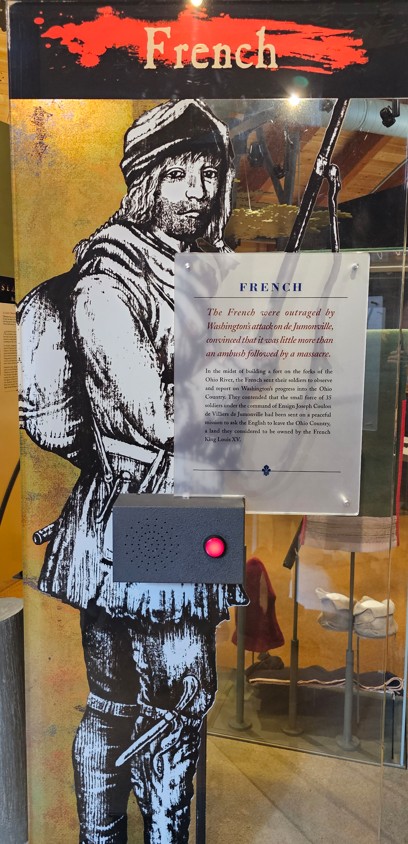
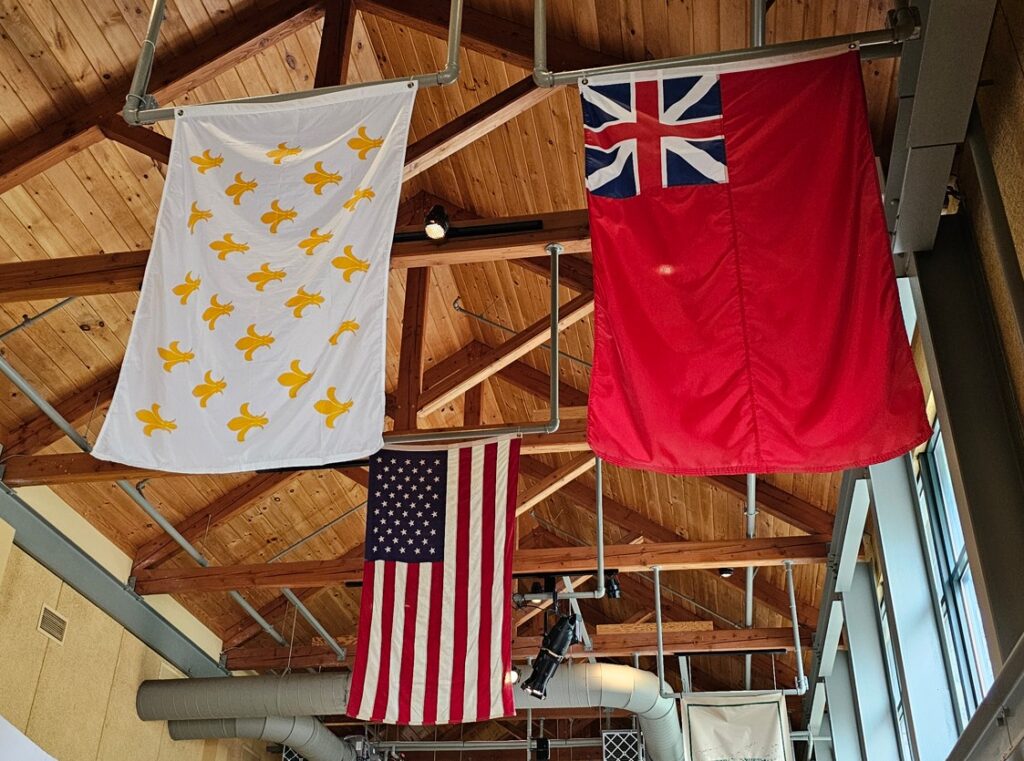
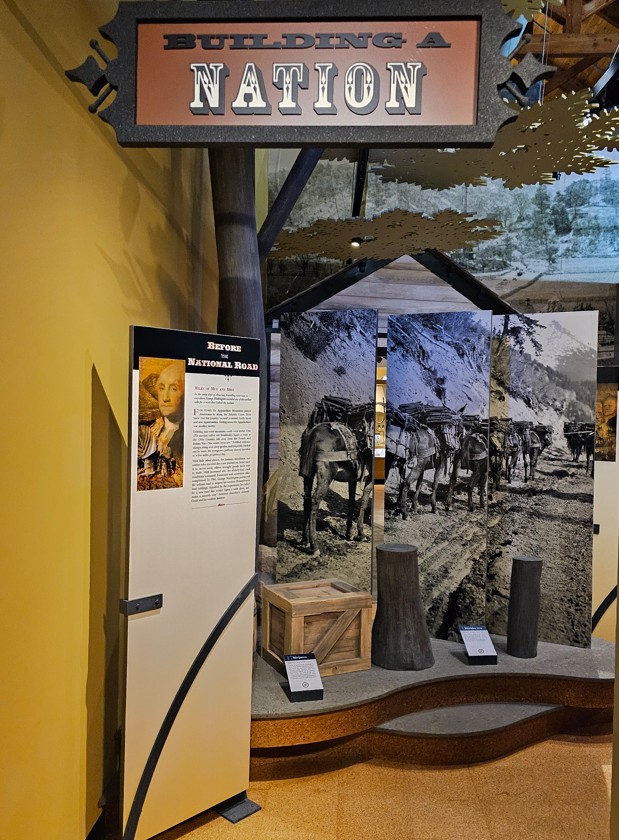
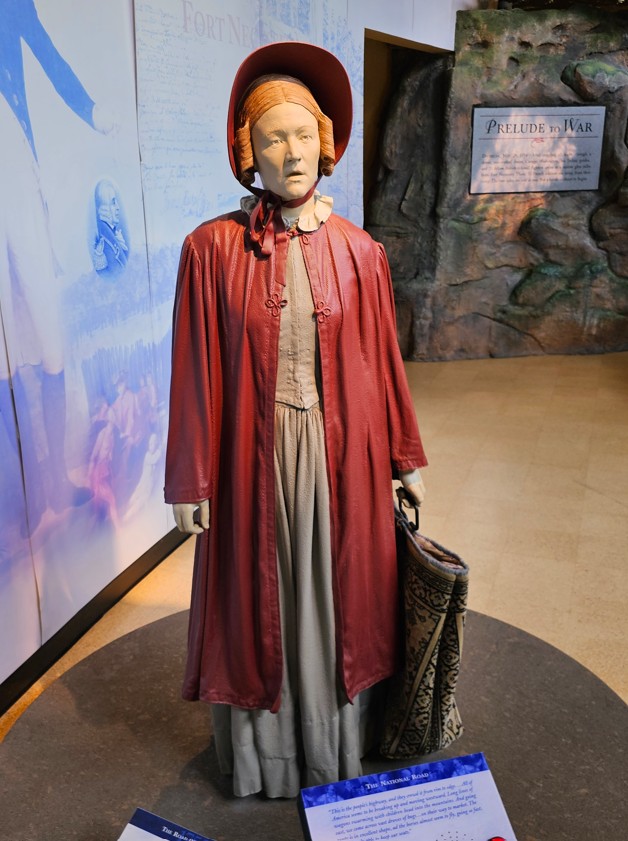
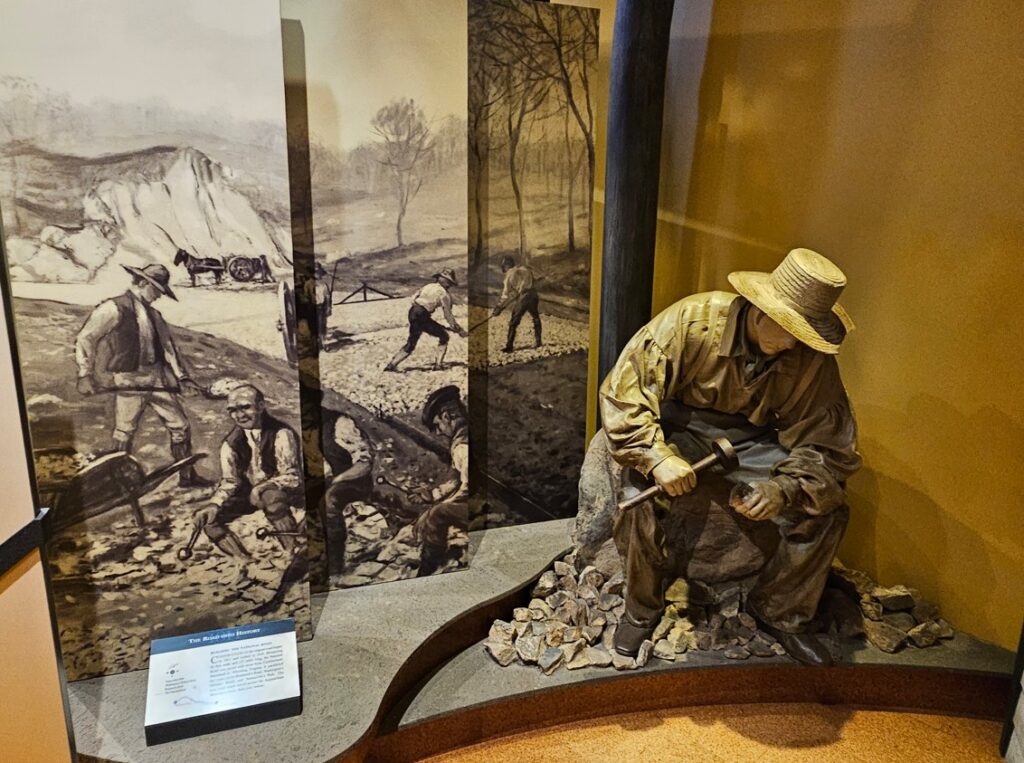
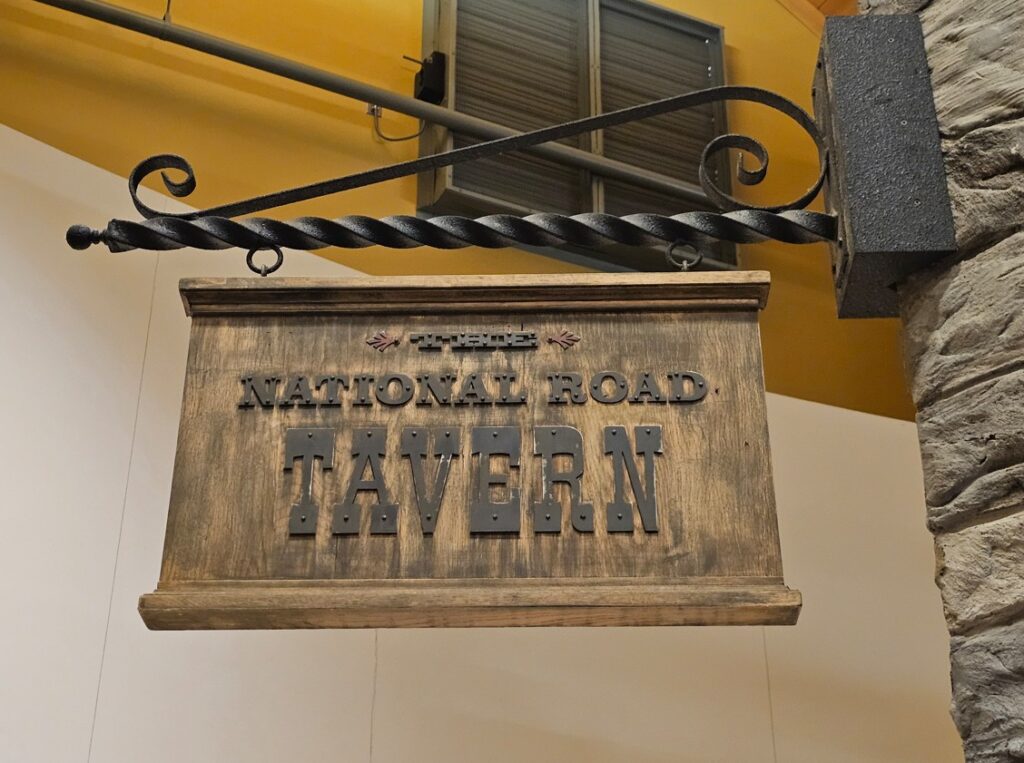
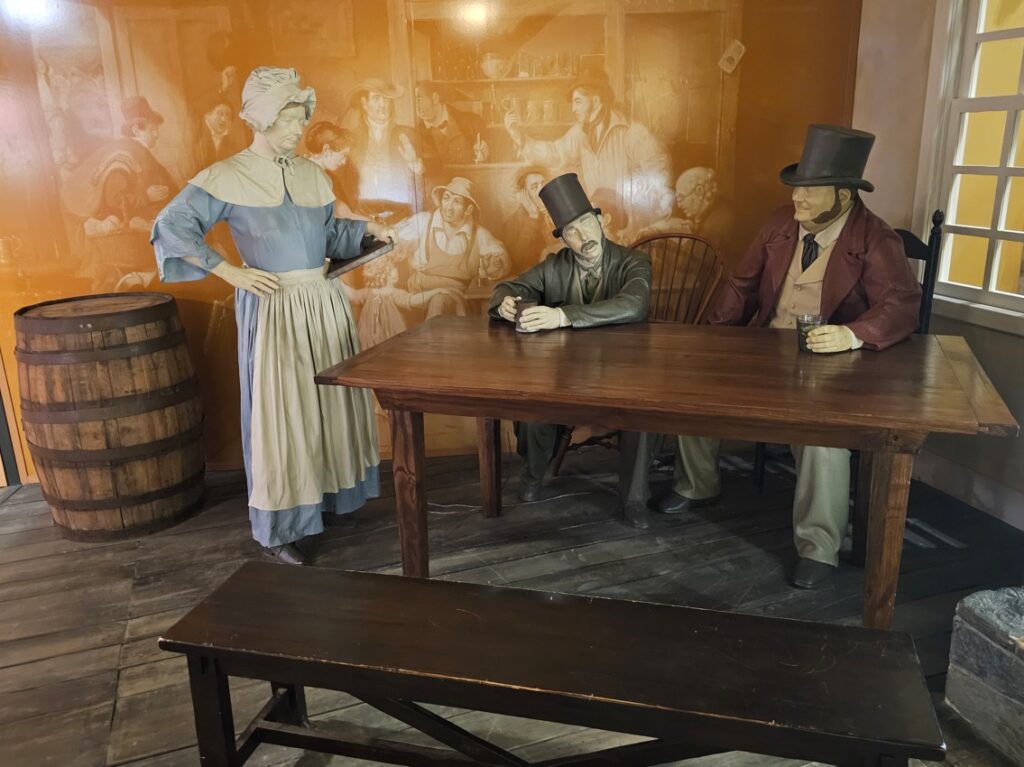
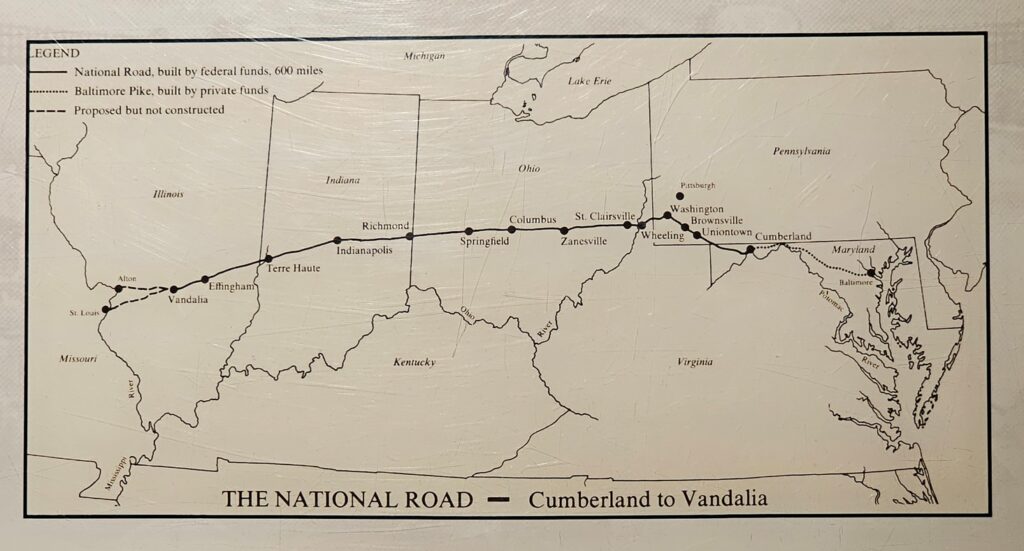
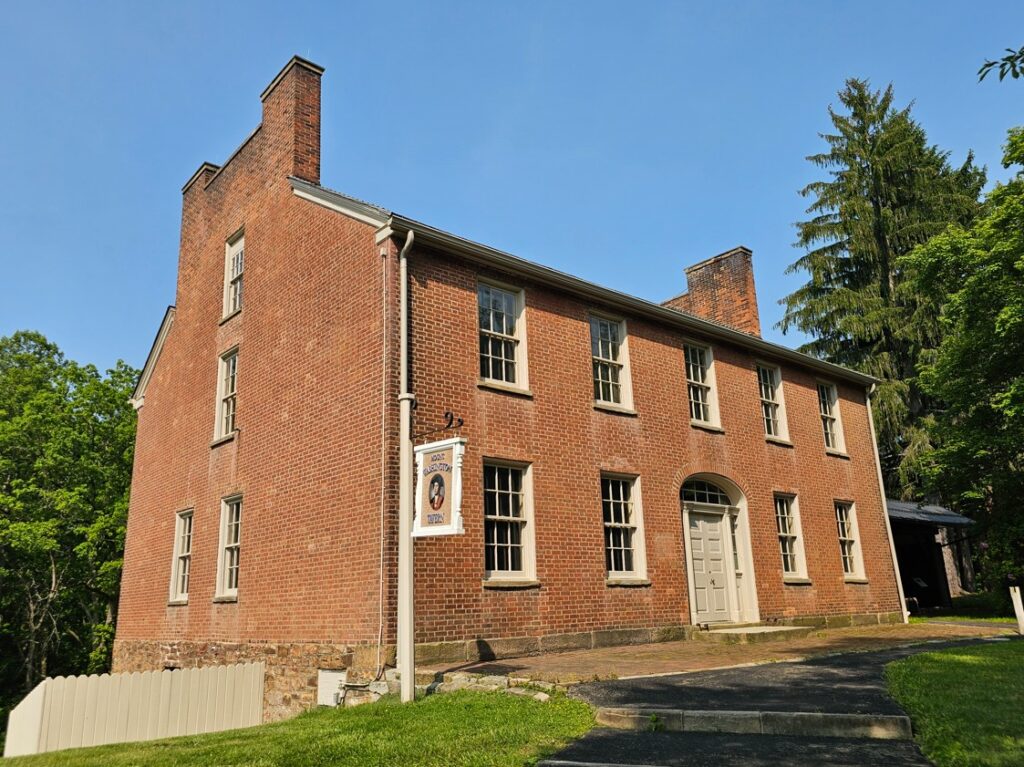
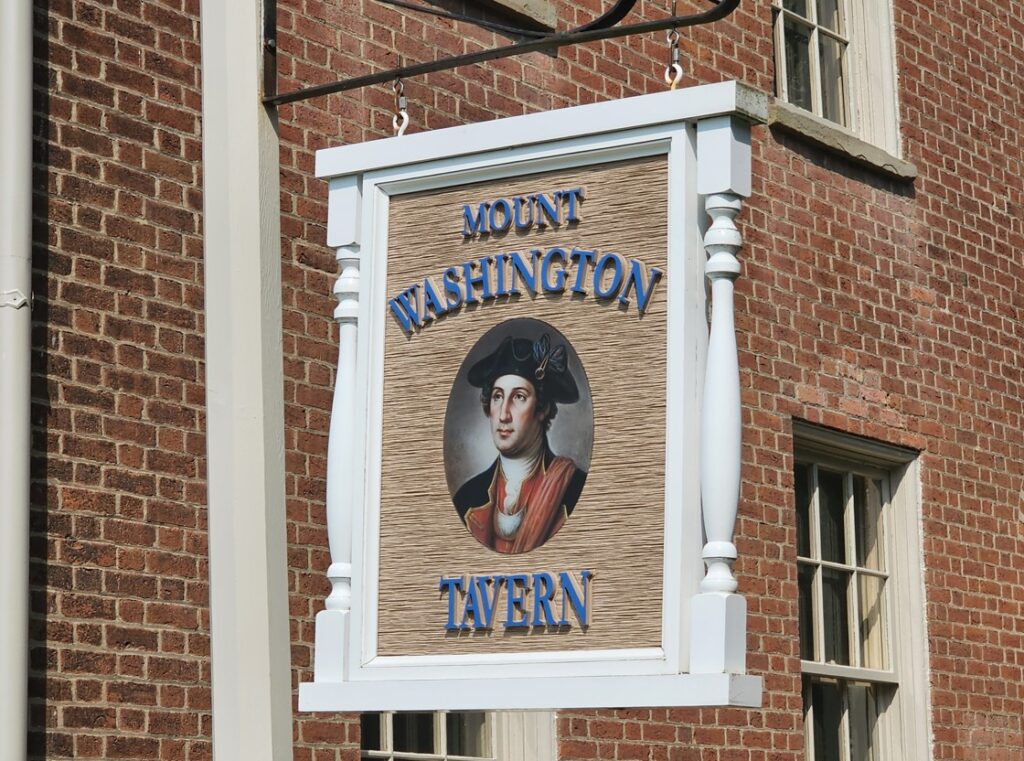
The rebuilt Fort NecessityInside wall of the small fort.Inside the shelter. Trench around the fort, and a small cannon. About 800 French and Indian soldiers emerged from these thick woods as they began the attack on the fort.30 years after the battle here, Washington returned to this site. His experiences here defined his life. He wrote “I did not let the anniversary of the Fort Necessity battle pass without a grateful remembrance of our escape. The same Providence that protected us will, I hope, continue his mercies and make us happy instruments in restoring peace and liberty”.Washington and his troops had to travel through dense forests with many dangers. To help the visitors overcome the physical and spiritual hardships of their travel, Indians performed a cleansing ritual known as “At the Woods Edge Ceremony”.In the 1750s three great cultures collided here at Fort Necessity. The French pushed south and west from Canada, British settlers pressed from the east, and American Indians were caught up in the middle. Each group felt they were in the right to claim this land.Battle displays in the Visitor Center.Battle combatants.Diorama of the battle at Fort Necessity.The story of Washington’s only surrender.The National Road.Today, US Route 40 passes by this battlefield site. This was the first federally funded highway built by the US government, called “The National Road”, and is considered the road that made the US a nation. Nemacolin, a Delaware Indian scout, blazed the initial route as a pack trail in 1751-1752, from Wills Creek to Brownsville PA. It was a very busy road in the early 1800s. Originally the National Road ran from Cumberland MD to Wheeling WV, cutting a passable road through the mountains. Ultimately the National Road, combined with Baltimore Pike, ran from Baltimore MD to Vandalia IL.Construction of the original National Road started in 1811 and completed in 1818. It was 66 feet wide and 137 miles long. It made travel across the Appalachian Mountains faster than ever before. It paralleled the route cut but Braddock’s Road and Namacolin’s Path.Scenes along the National Road.Mount Washington on US Route 40 today, near Fort Necessity Battlefield.