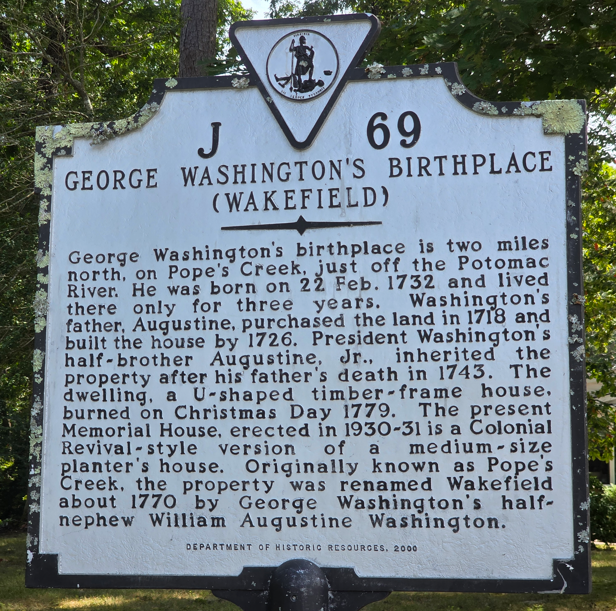
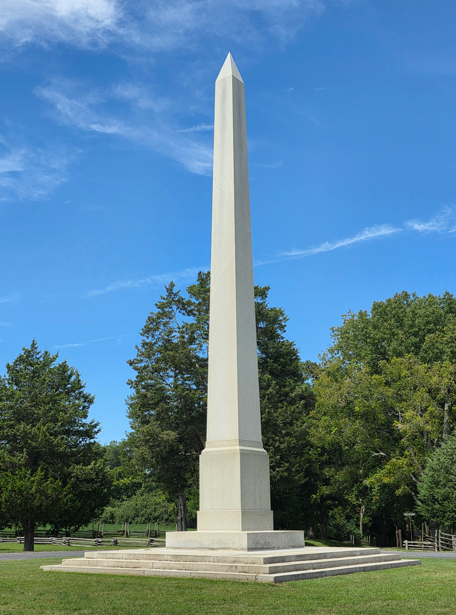
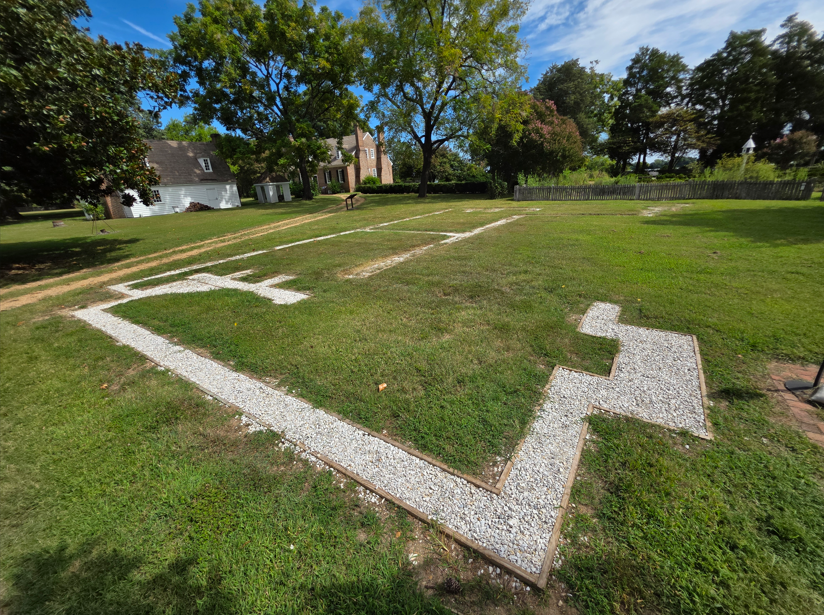
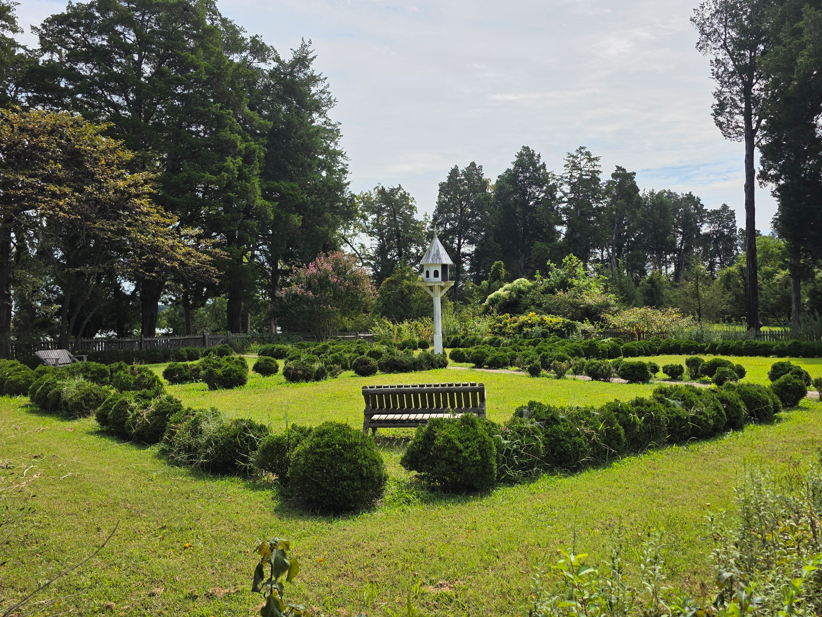
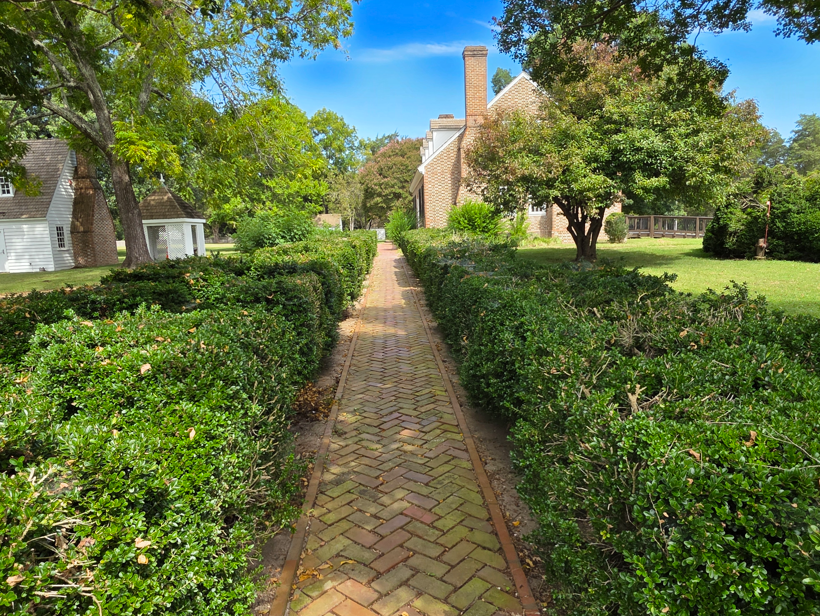
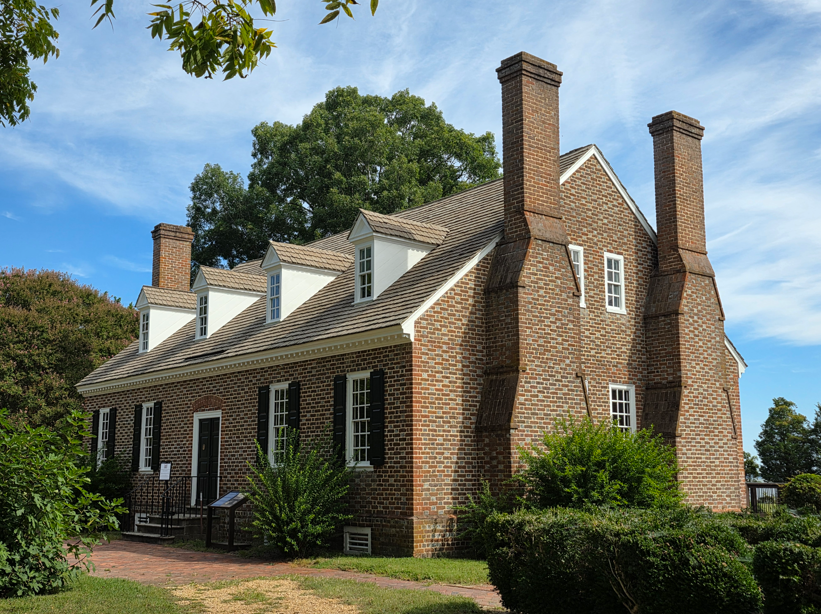
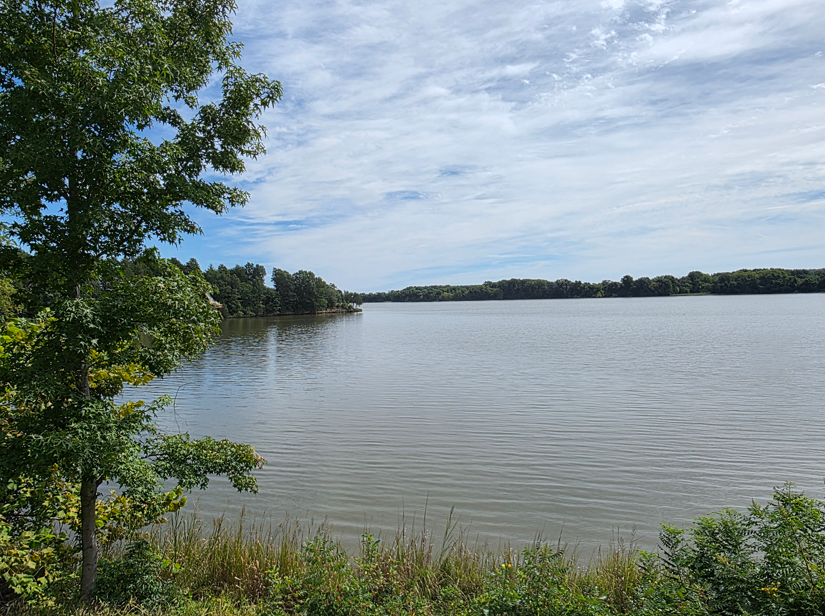
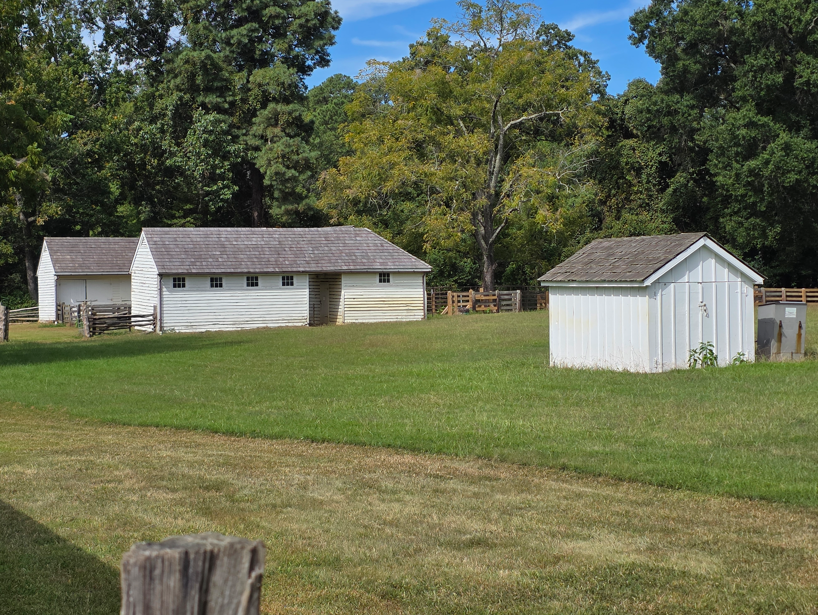
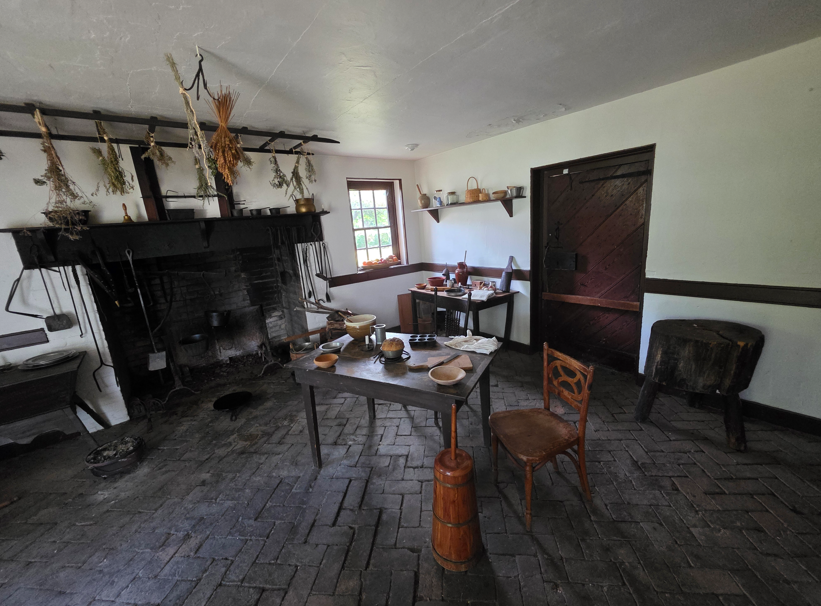
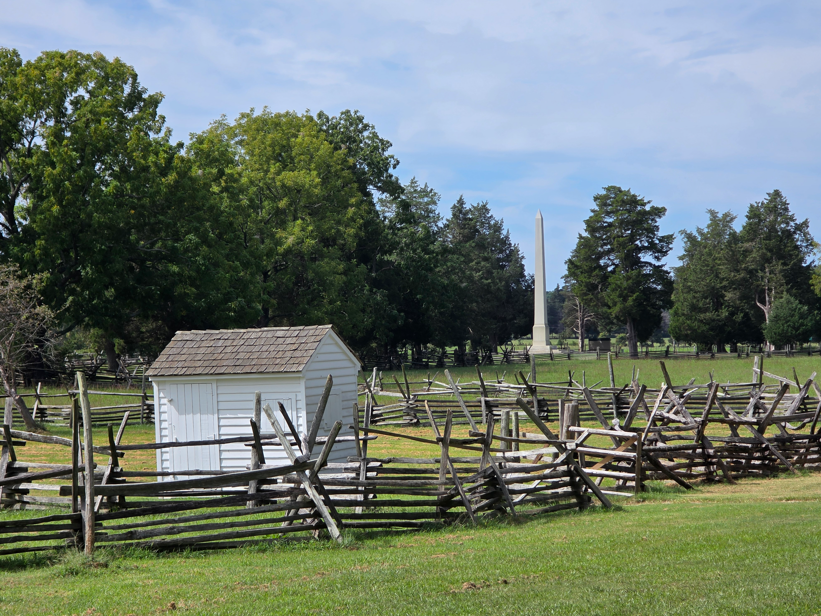
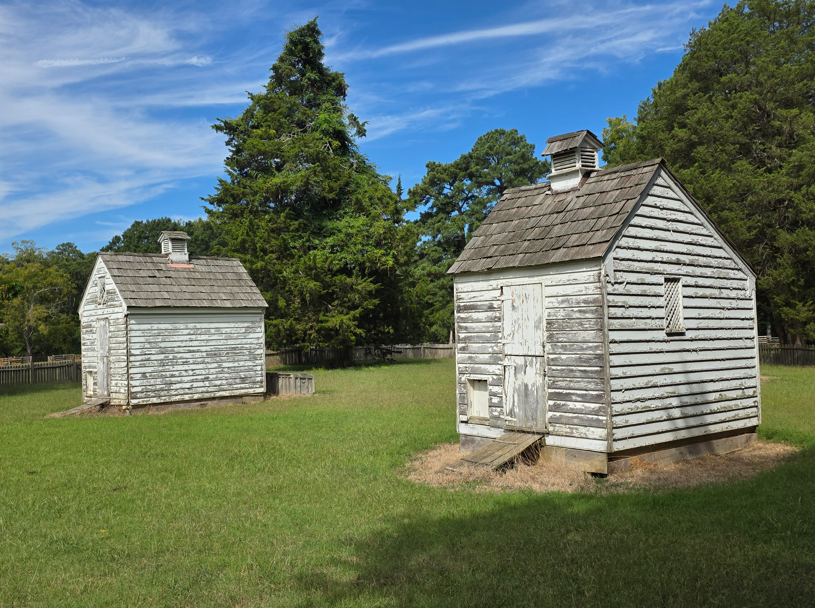
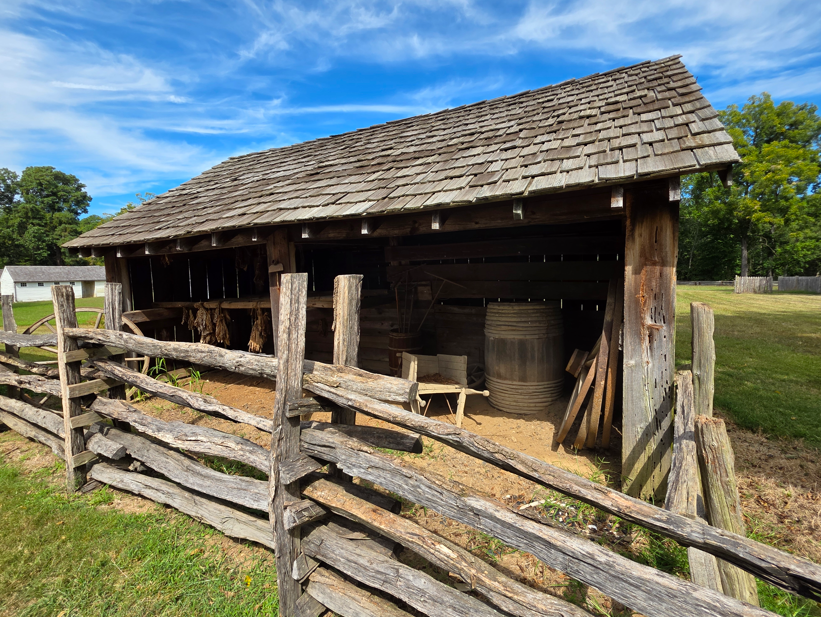
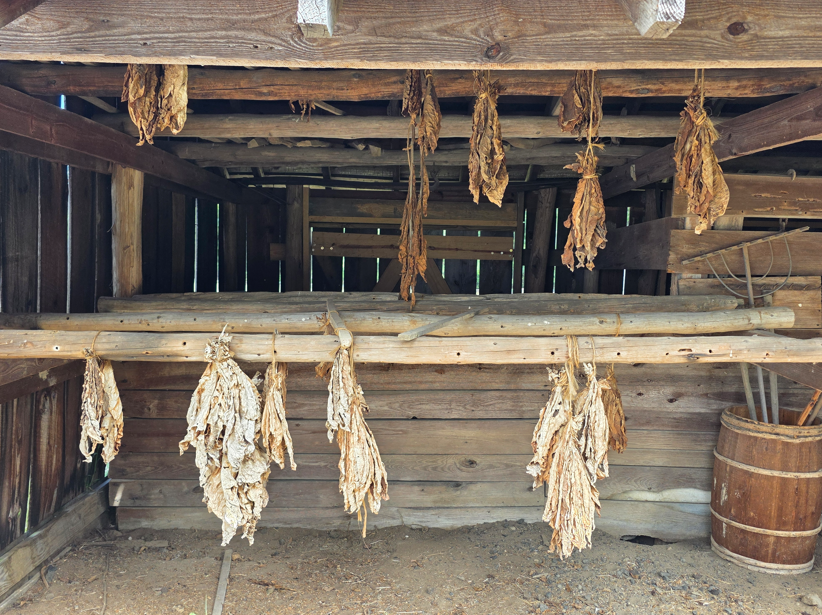
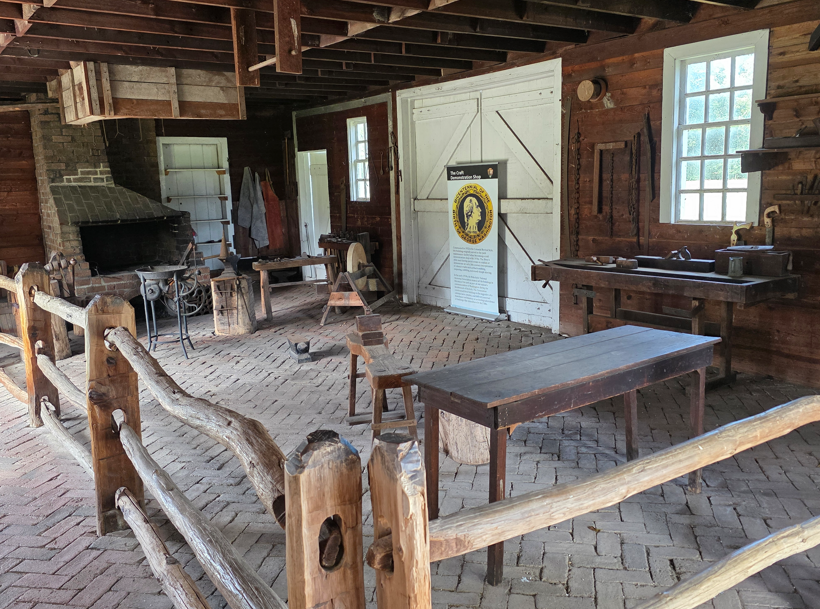
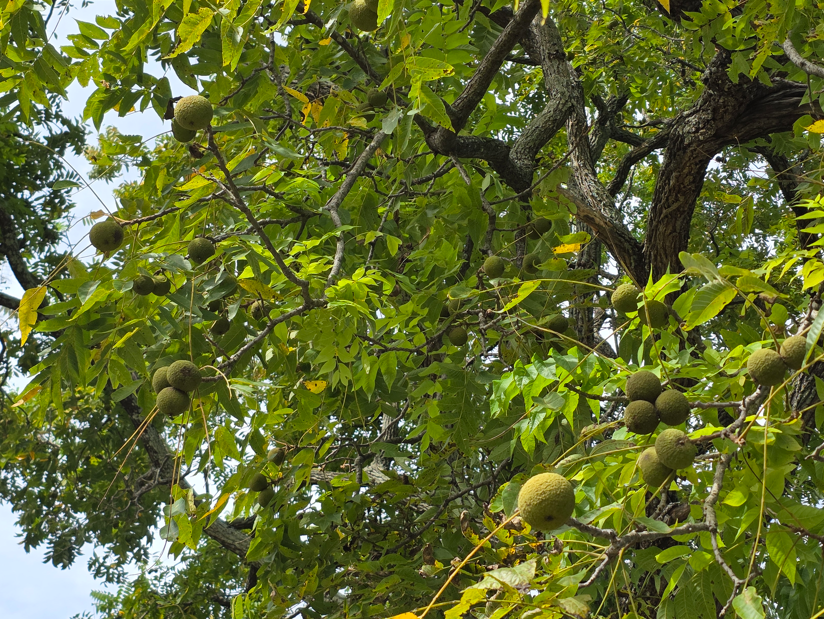
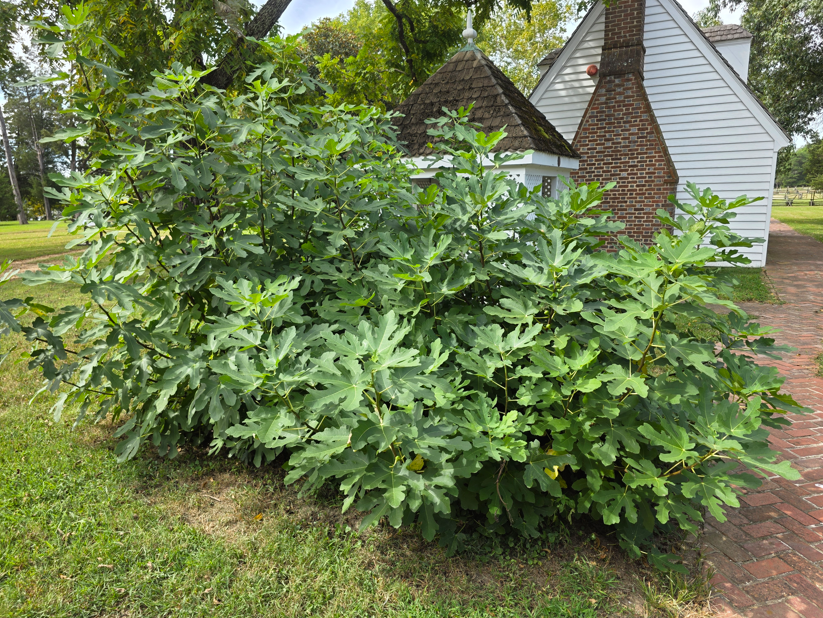
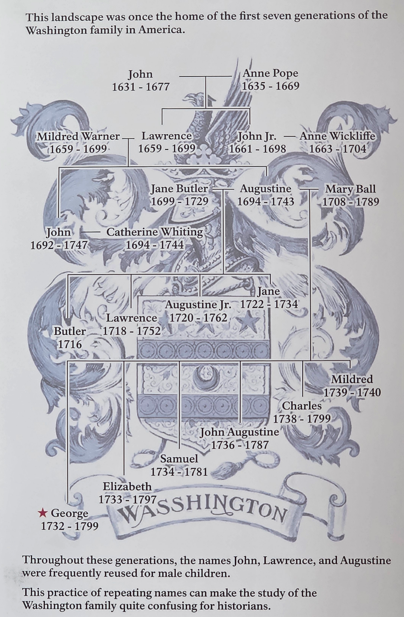
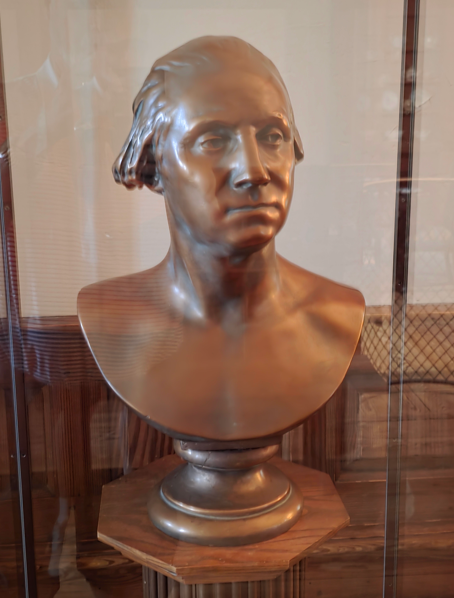
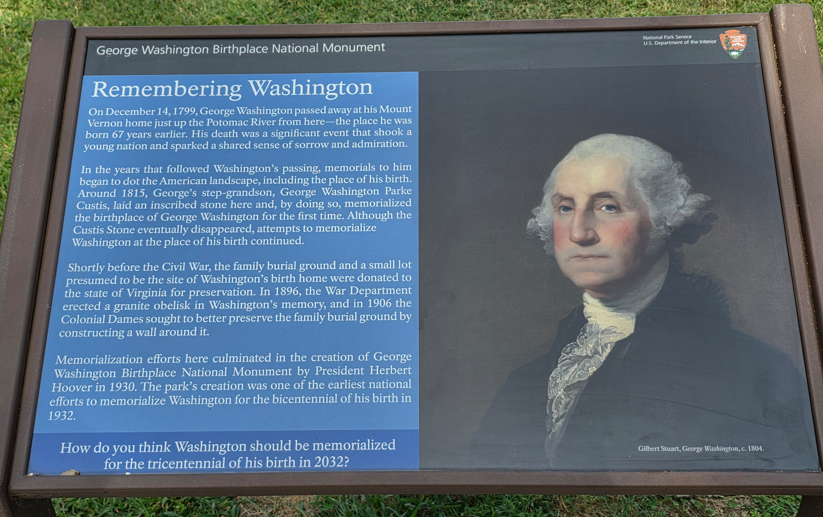
Washington was born here in Westmoreland County, and he moved to Fredericksburg’s Ferry Farm when he was 6 years old.Washington Birthplace monument obelisk.This outline marks the archeological remains of a brick foundation representing a substantial 18th century home that belonged to the Washington family.Colonial Revival GardenPathway to memorial house.Washington Birthplace Memorial House. This house was built in 1932 to commemorate the 200th anniversary of Washington’s birth. The Washington family farm backed up to Popes Creek.Colonial Revival Kitchen.Tobacco barnTobaccoFarm WorkshopWalnut treeFig treeWashington family treeBust of Washington inside the Memorial House.
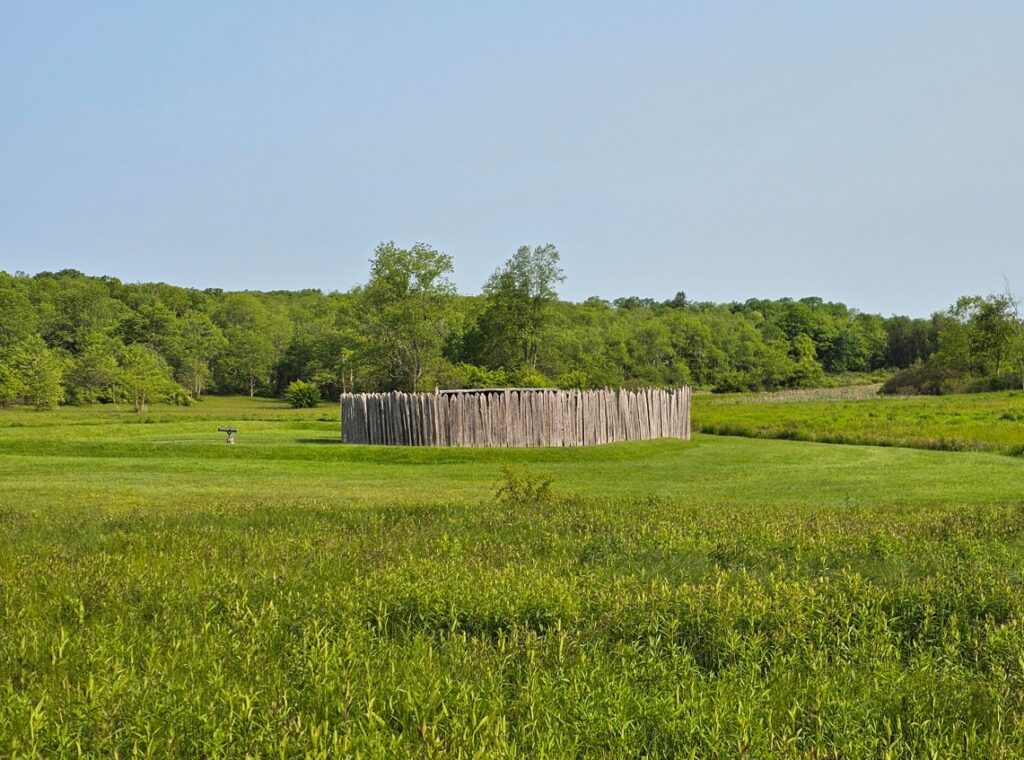
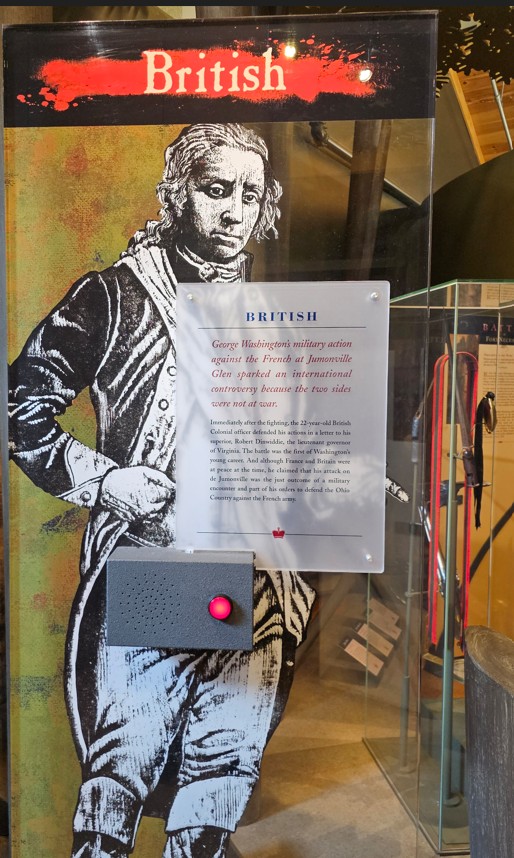
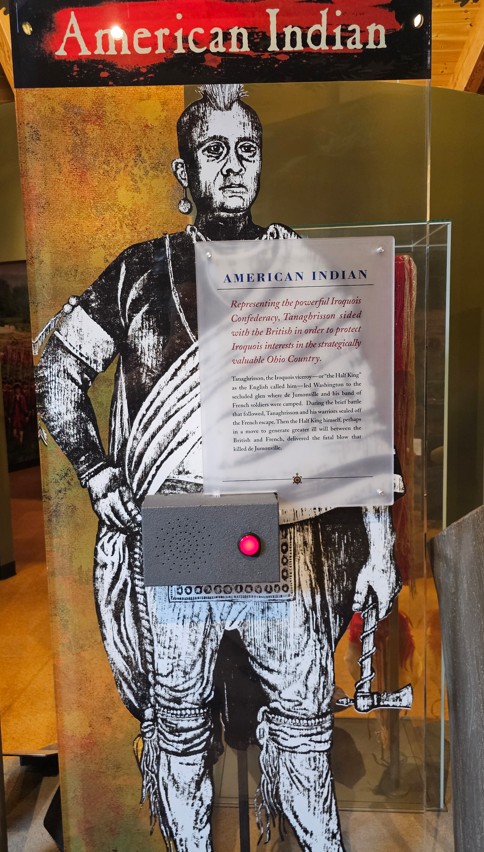
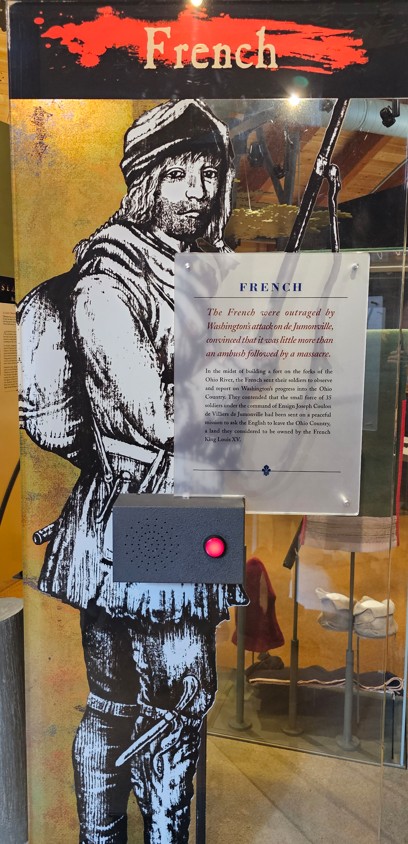
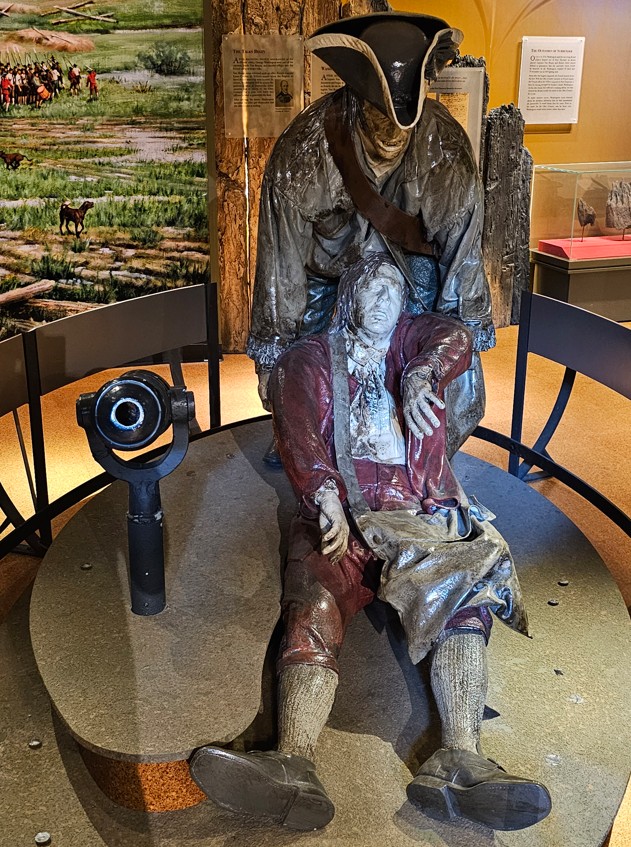
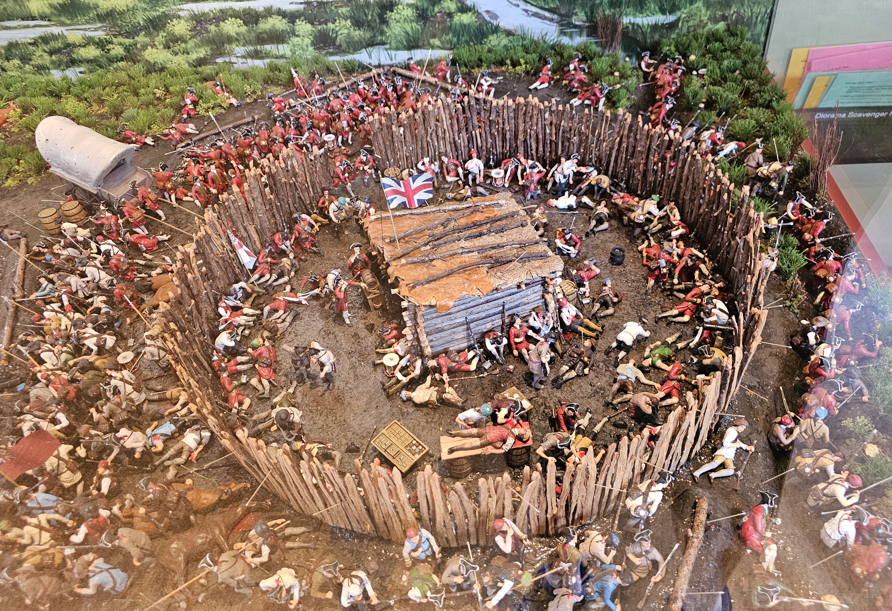
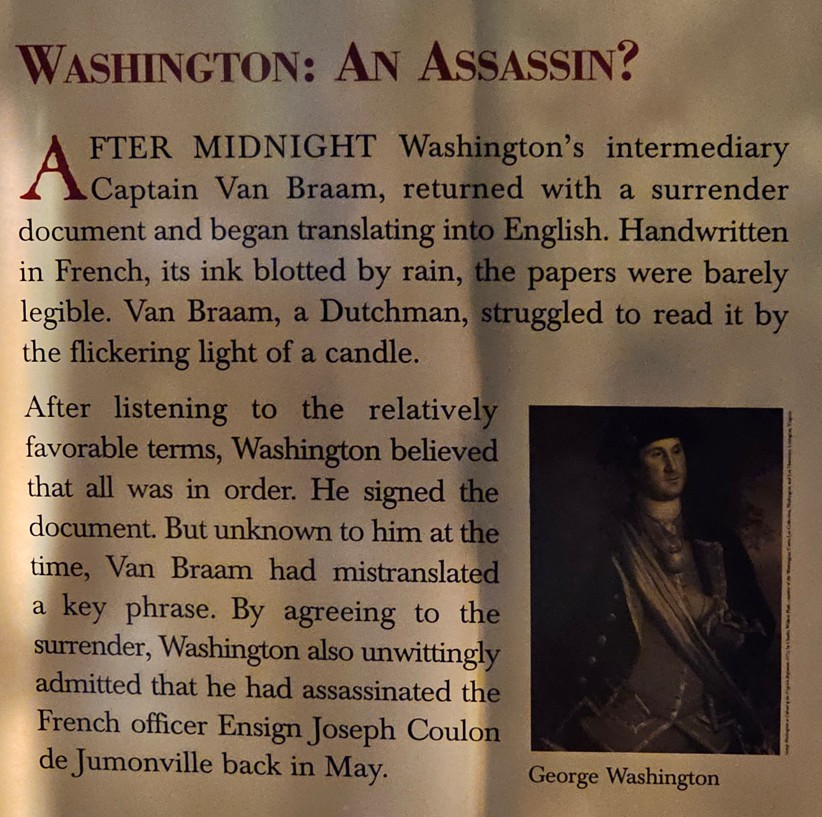
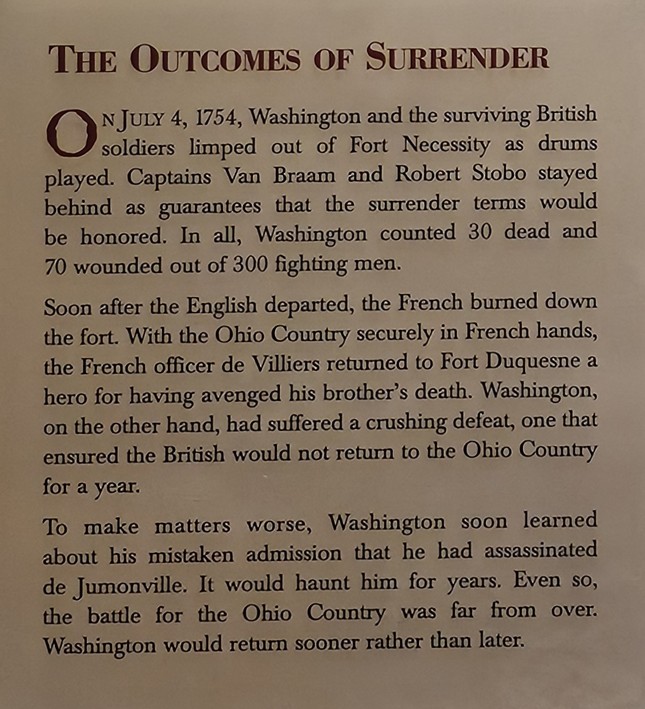
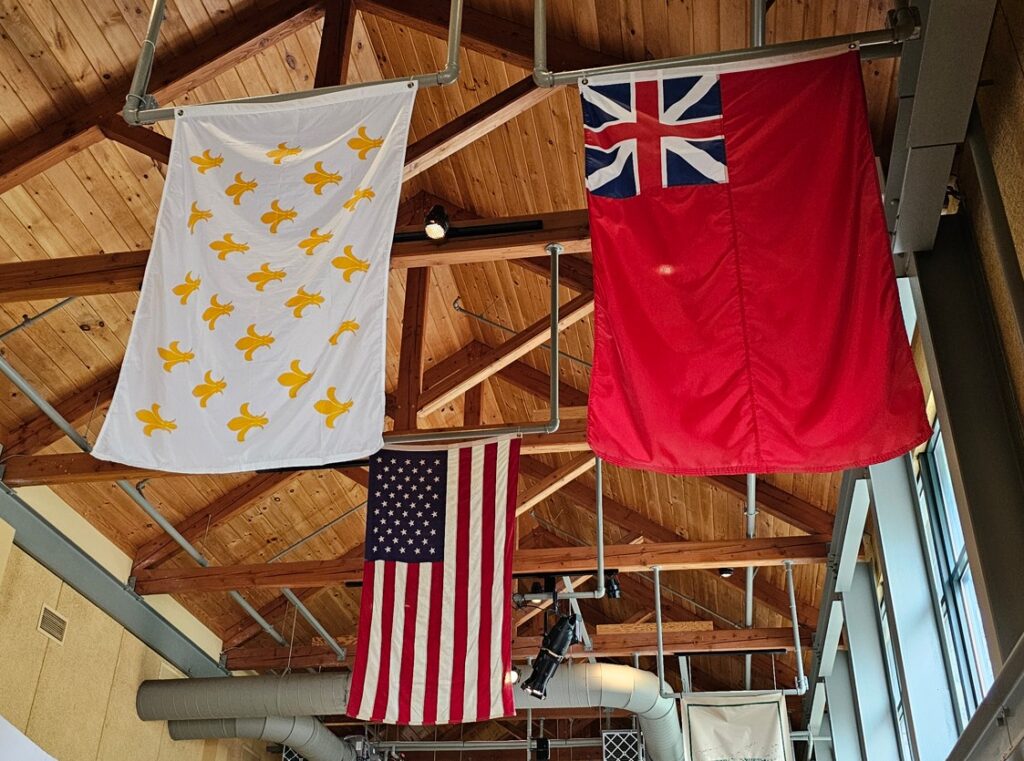
The Battle of Fort Necessity, a significant prelude to the French and Indian War, was the only battle in which George Washington ever surrendered. The battler occurred July 3, 1754, near the site of the Battle of Jumonville Glen, Washington’s Indian allies killed French officer Joseph Coulon de Villiers, Sieur de Jumonville. In anticipation of French retaliation, Washington fortified his camp at Great Meadows and named it Fort Necessity. On July 3, a larger French and Indian force, led by Jumonville’s half-brother, Louis Coulon de Villers, attacked. After a day-long fight, facing heavy rain, flooded trenches, and dwindling supplies, Washington accepted the French terms of surrender. Unknowingly, he signed a document written in French that confessed to assassinating Jumonville. On July 4, Washington and his troops departed and the French torched the fort.
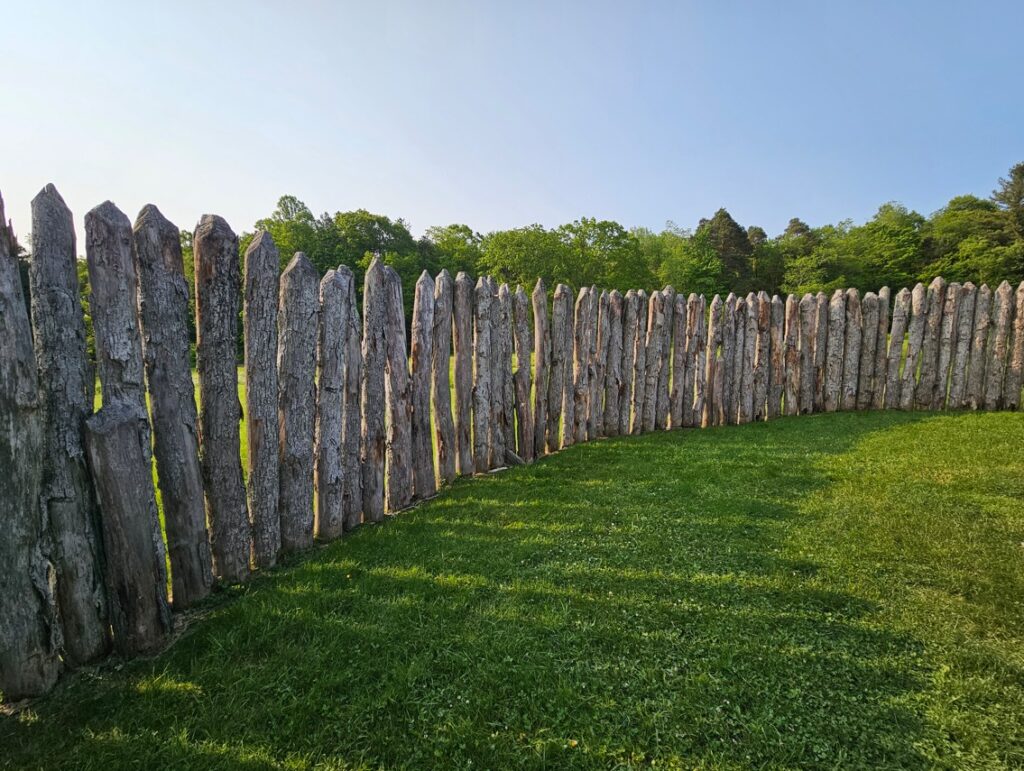
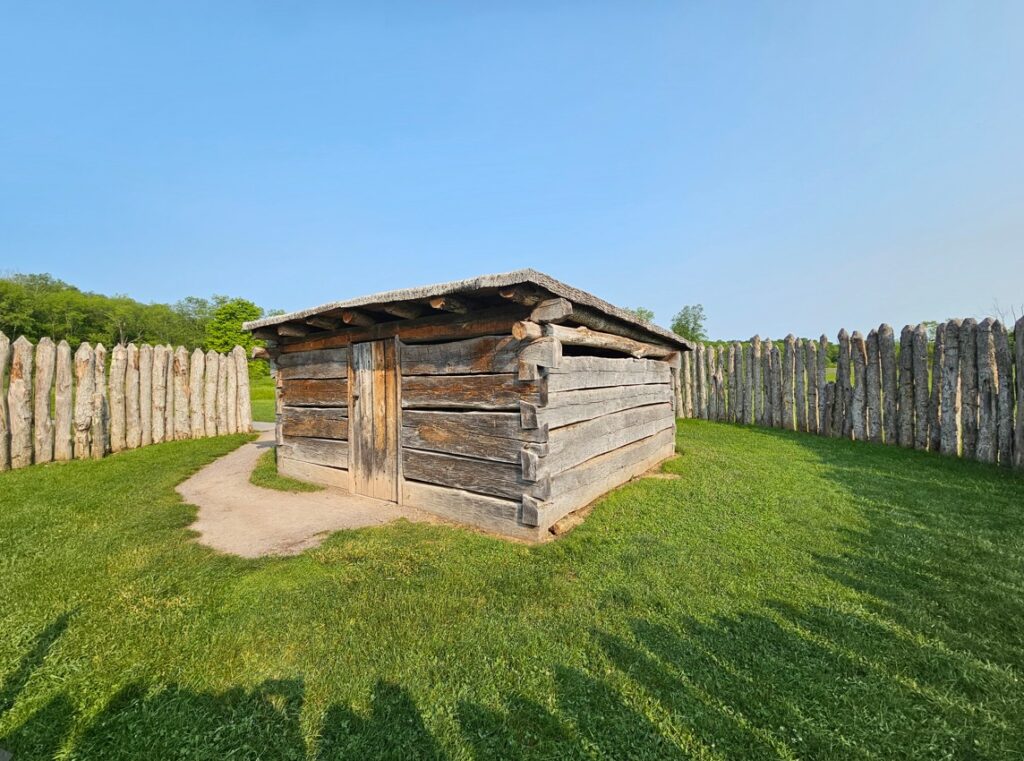
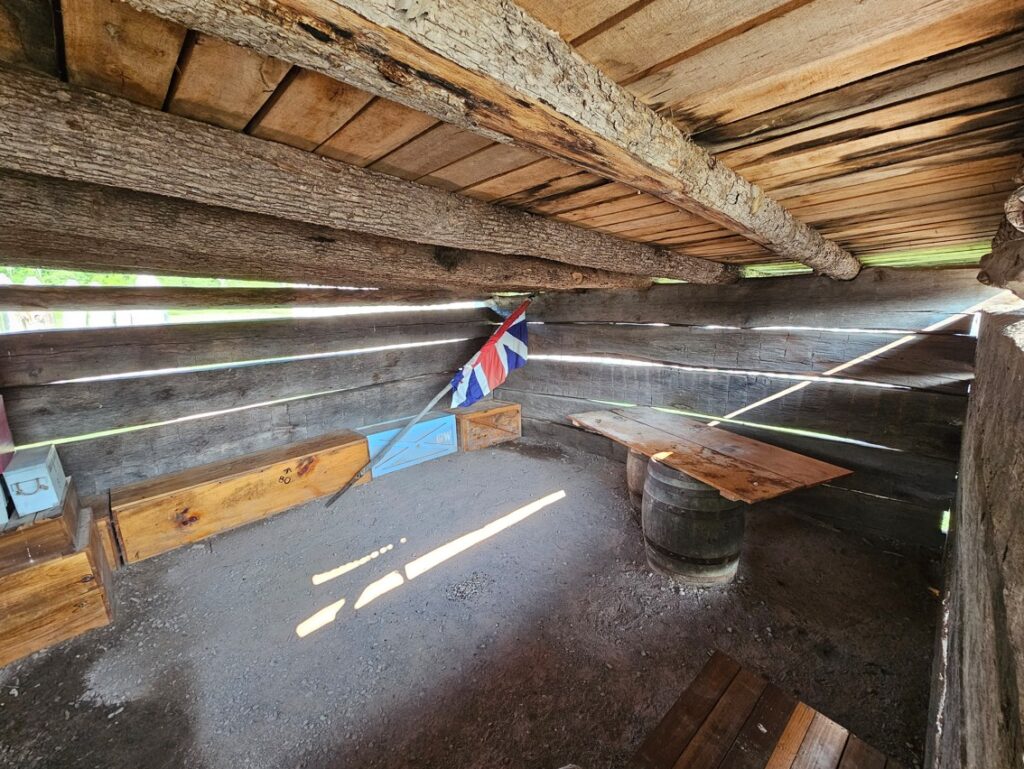
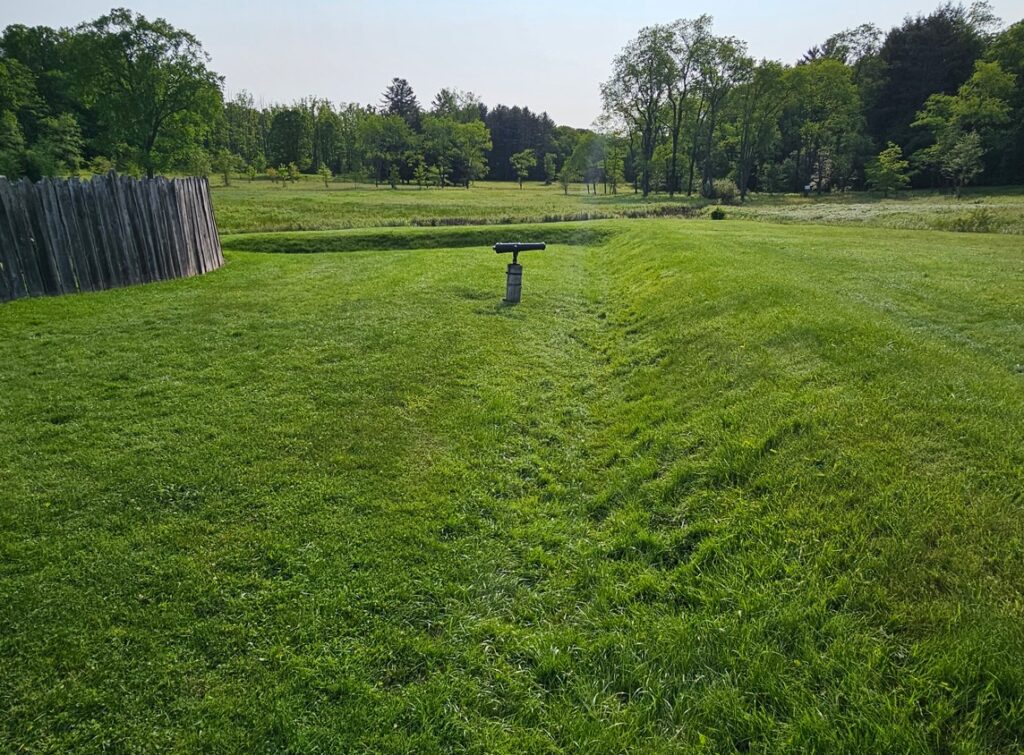
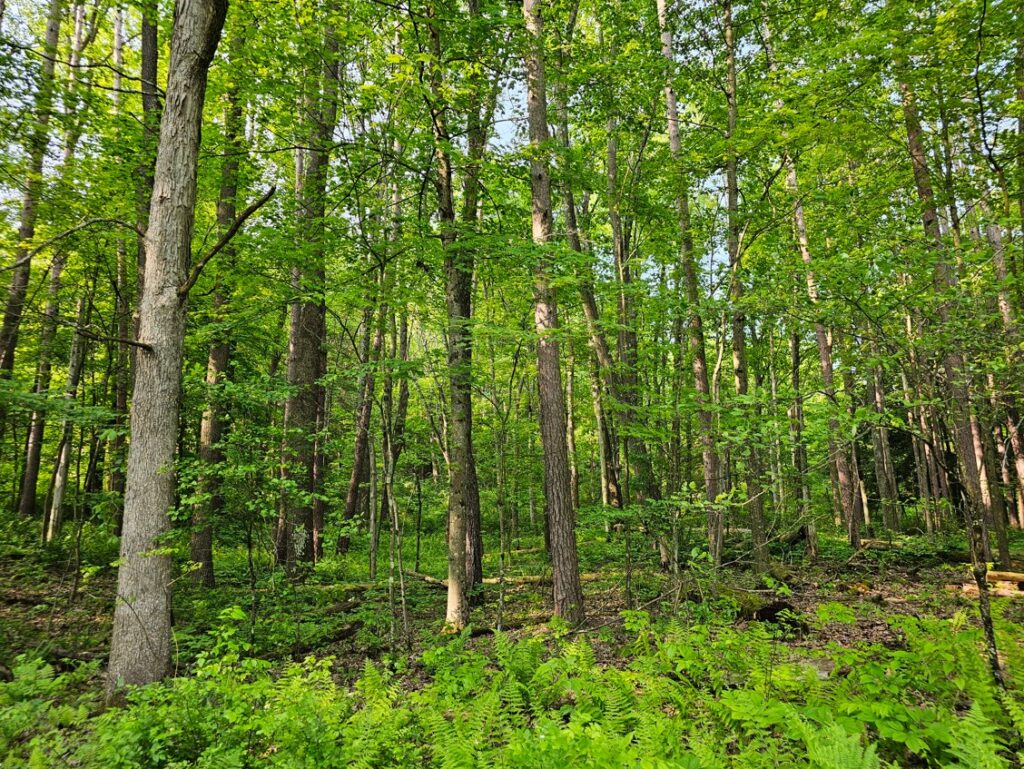
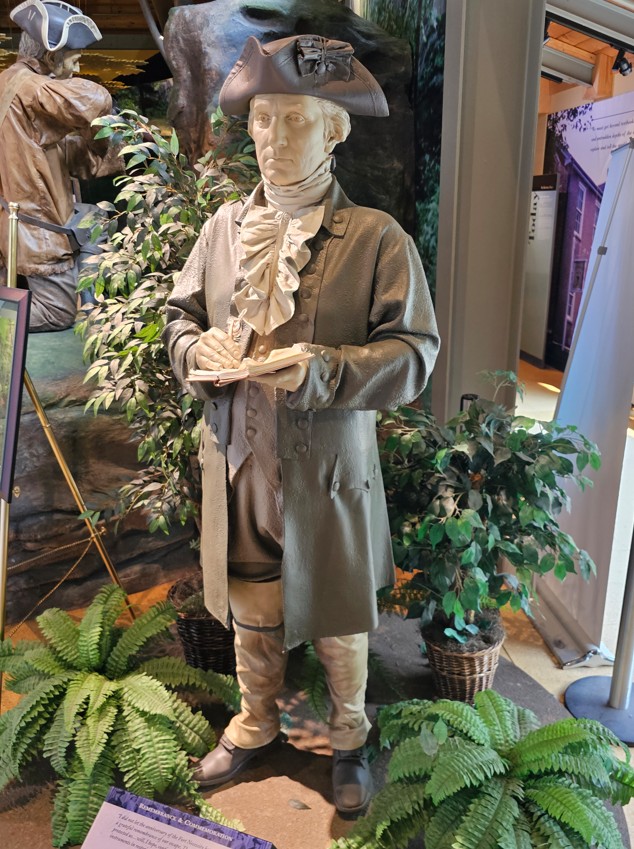
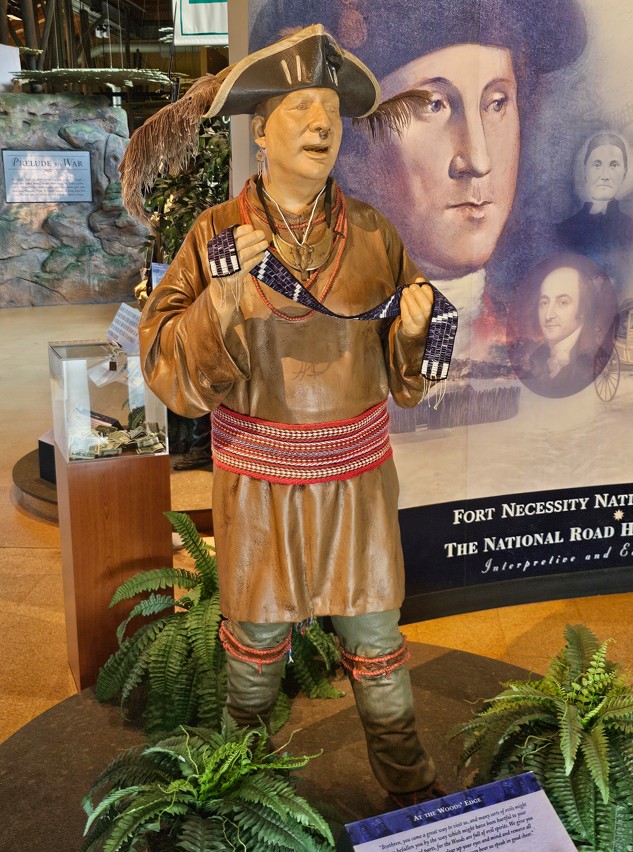
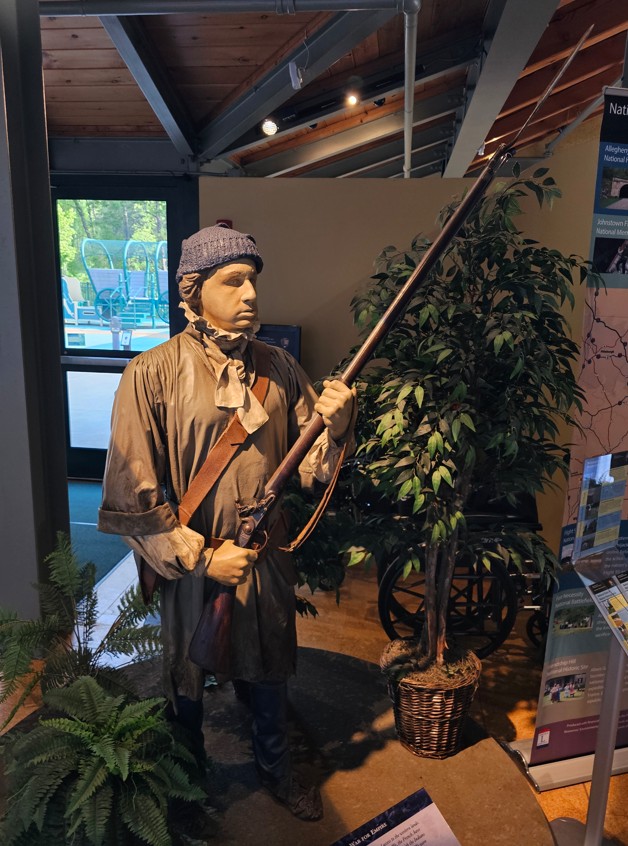
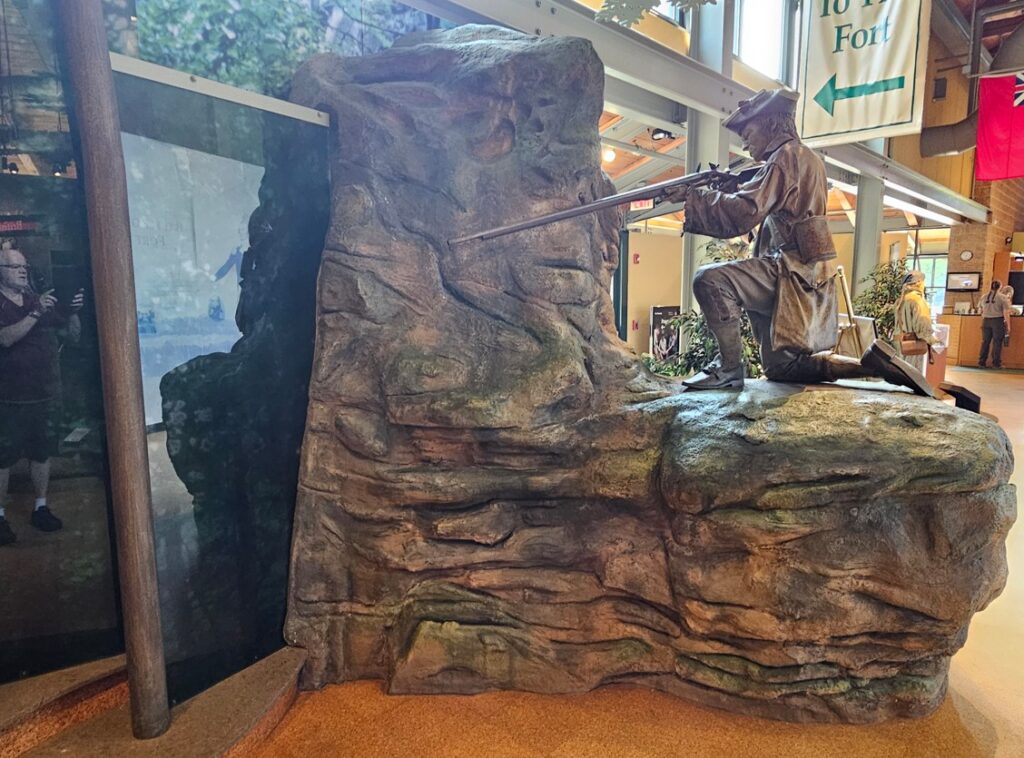
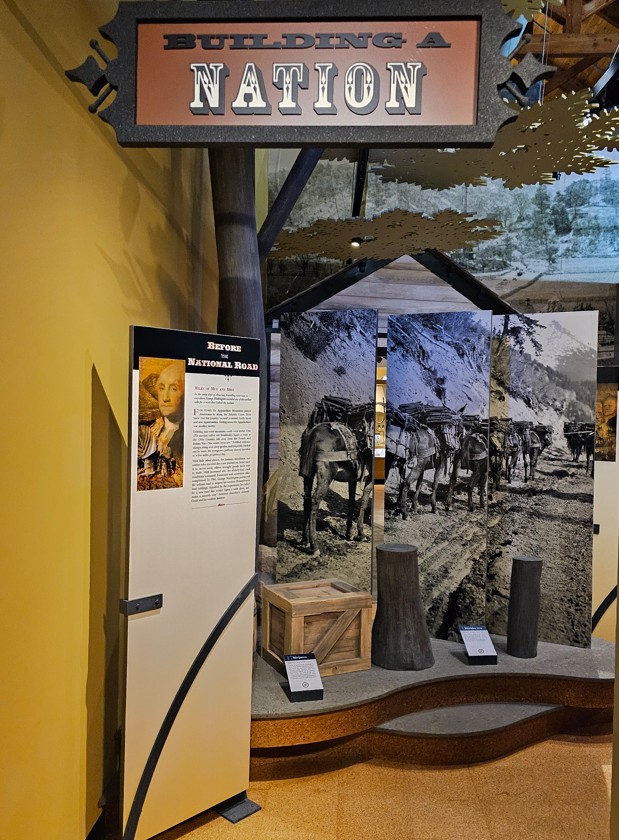
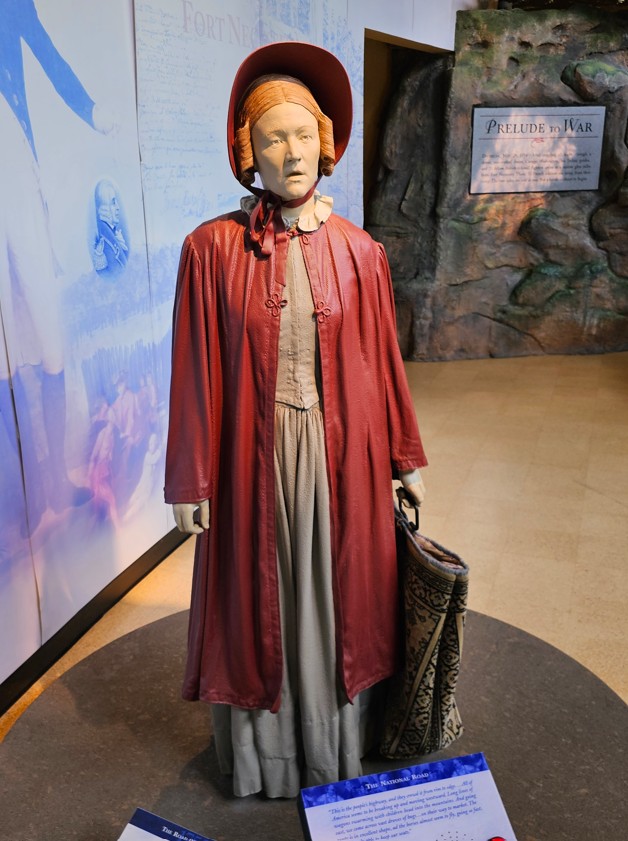
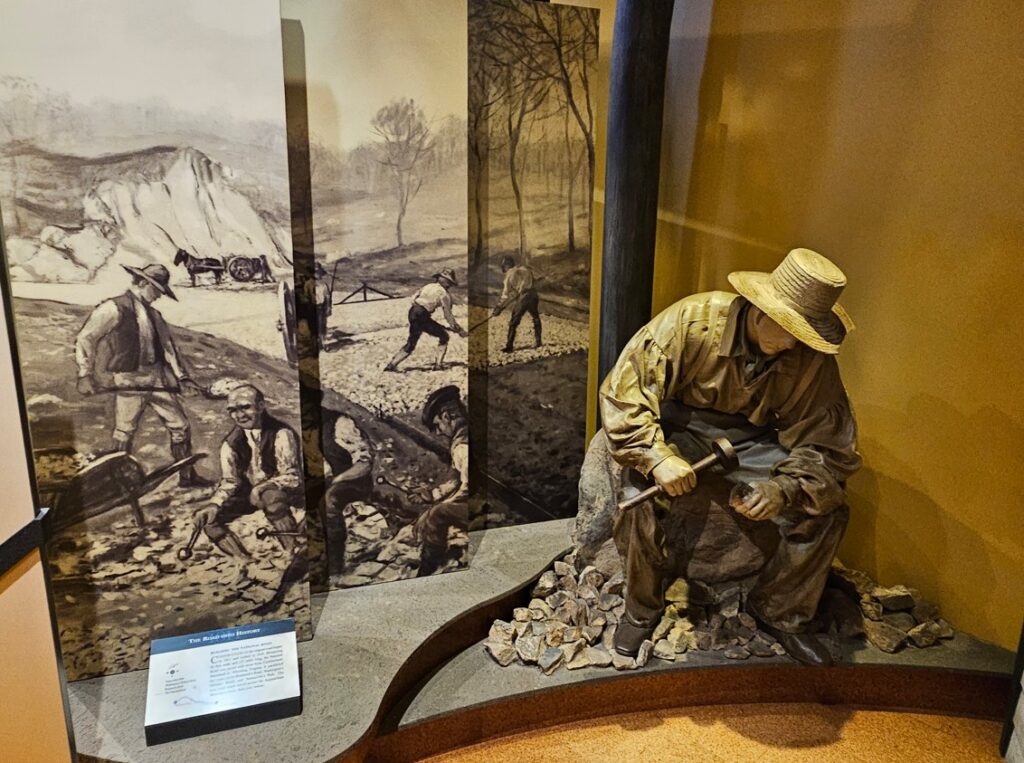
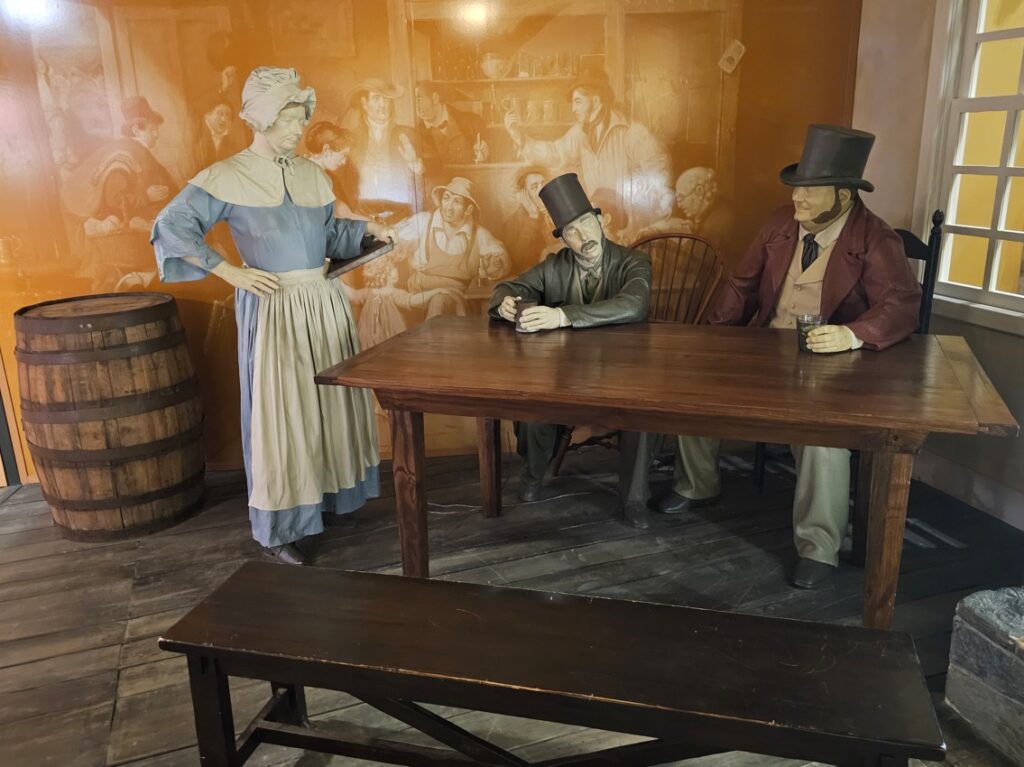
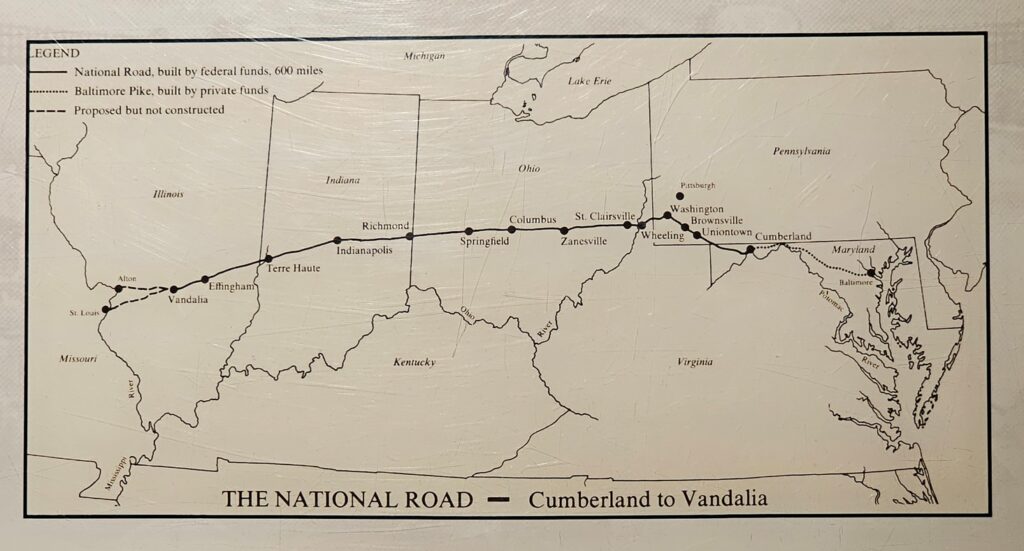
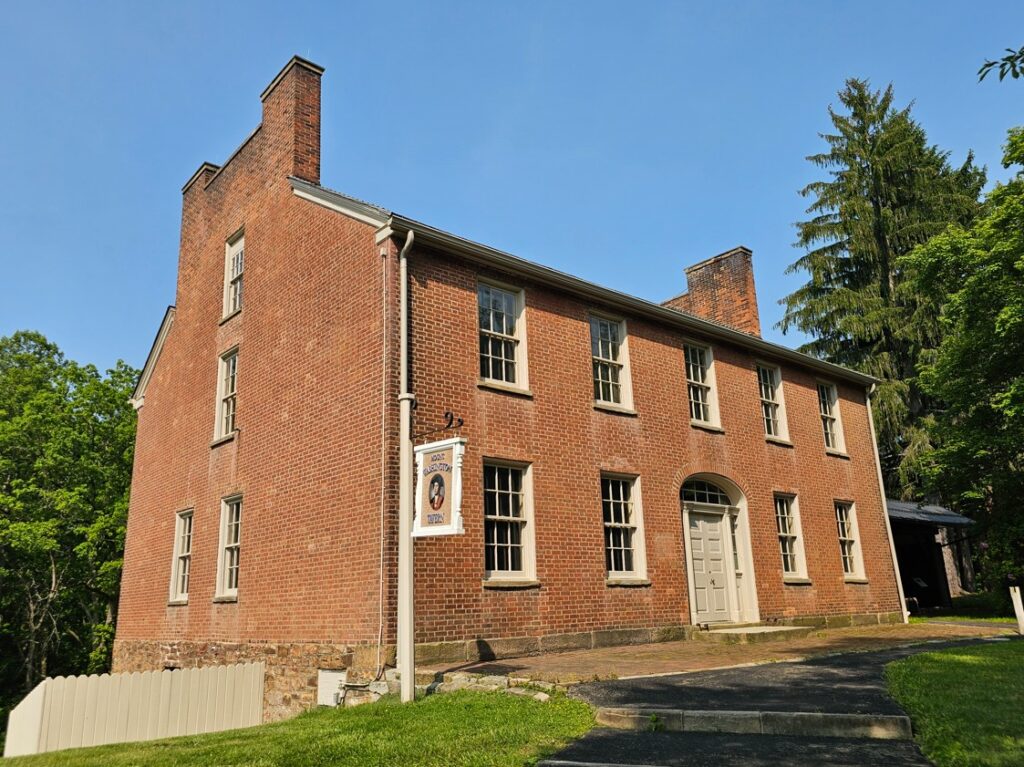
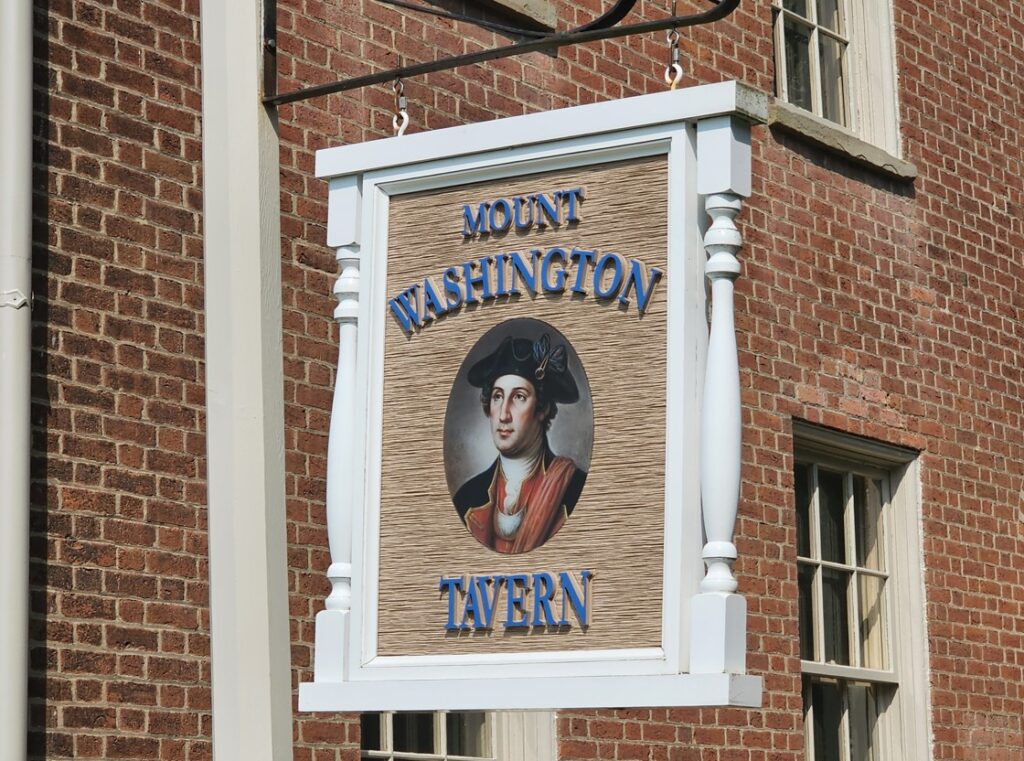
The rebuilt Fort NecessityInside wall of the small fort.Inside the shelter. Trench around the fort, and a small cannon. About 800 French and Indian soldiers emerged from these thick woods as they began the attack on the fort.30 years after the battle here, Washington returned to this site. His experiences here defined his life. He wrote “I did not let the anniversary of the Fort Necessity battle pass without a grateful remembrance of our escape. The same Providence that protected us will, I hope, continue his mercies and make us happy instruments in restoring peace and liberty”.Washington and his troops had to travel through dense forests with many dangers. To help the visitors overcome the physical and spiritual hardships of their travel, Indians performed a cleansing ritual known as “At the Woods Edge Ceremony”.In the 1750s three great cultures collided here at Fort Necessity. The French pushed south and west from Canada, British settlers pressed from the east, and American Indians were caught up in the middle. Each group felt they were in the right to claim this land.Battle displays in the Visitor Center.Battle combatants.Diorama of the battle at Fort Necessity.The story of Washington’s only surrender.The National Road.Today, US Route 40 passes by this battlefield site. This was the first federally funded highway built by the US government, called “The National Road”, and is considered the road that made the US a nation. Nemacolin, a Delaware Indian scout, blazed the initial route as a pack trail in 1751-1752, from Wills Creek to Brownsville PA. It was a very busy road in the early 1800s. Originally the National Road ran from Cumberland MD to Wheeling WV, cutting a passable road through the mountains. Ultimately the National Road, combined with Baltimore Pike, ran from Baltimore MD to Vandalia IL.Construction of the original National Road started in 1811 and completed in 1818. It was 66 feet wide and 137 miles long. It made travel across the Appalachian Mountains faster than ever before. It paralleled the route cut but Braddock’s Road and Namacolin’s Path.Scenes along the National Road.Mount Washington on US Route 40 today, near Fort Necessity Battlefield.
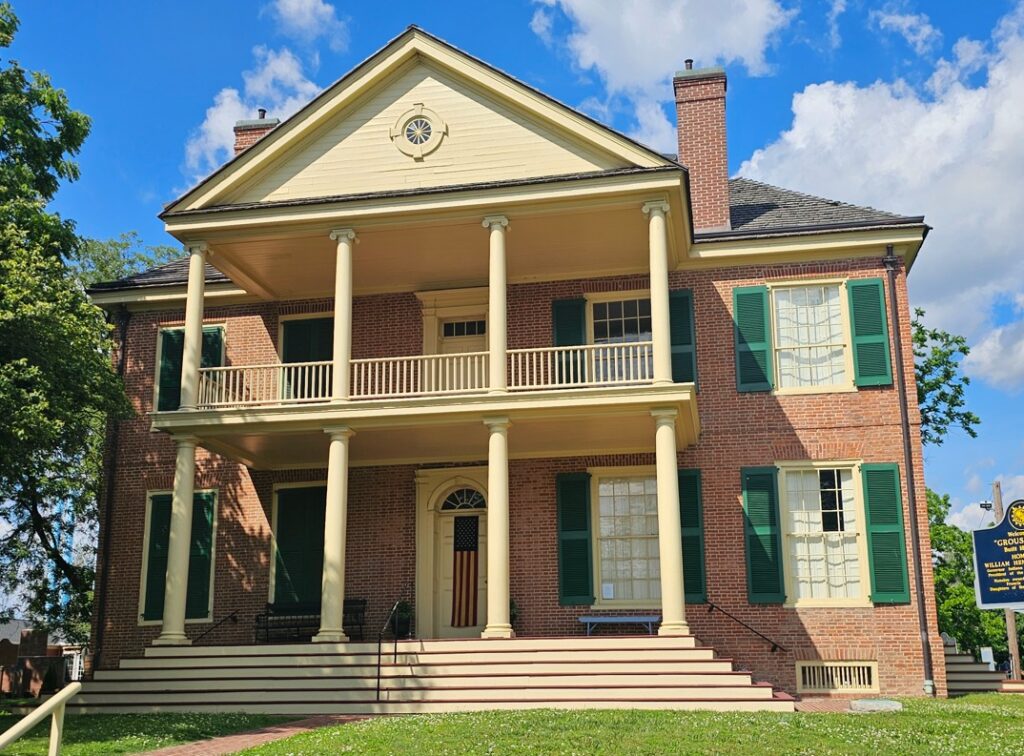
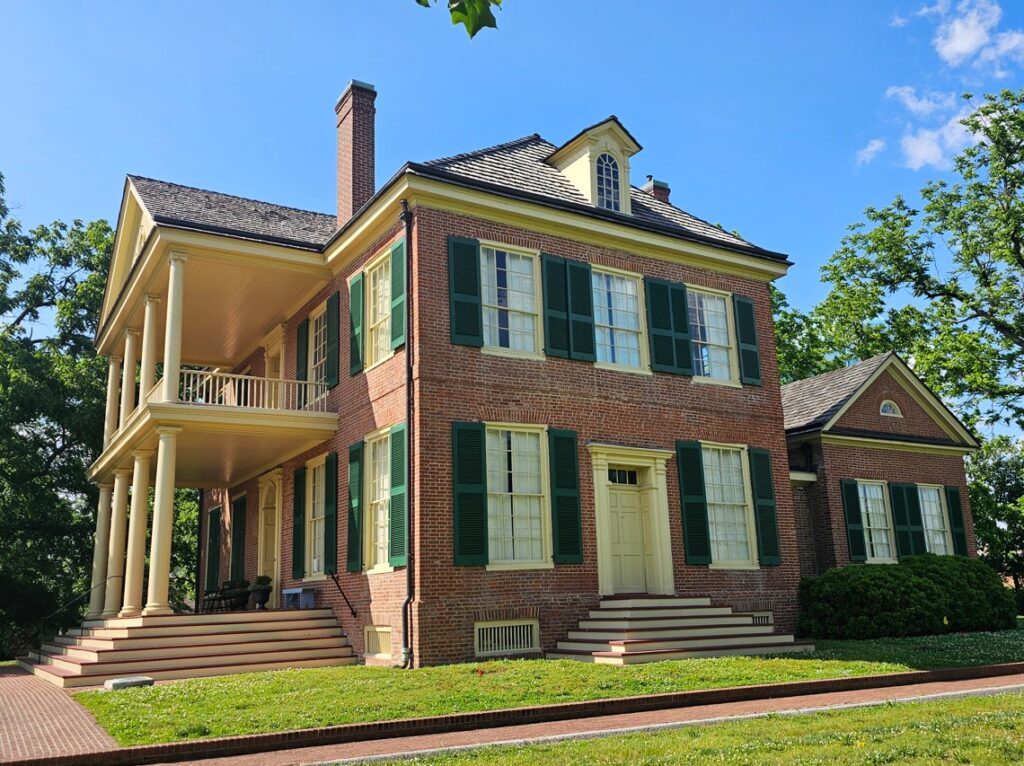
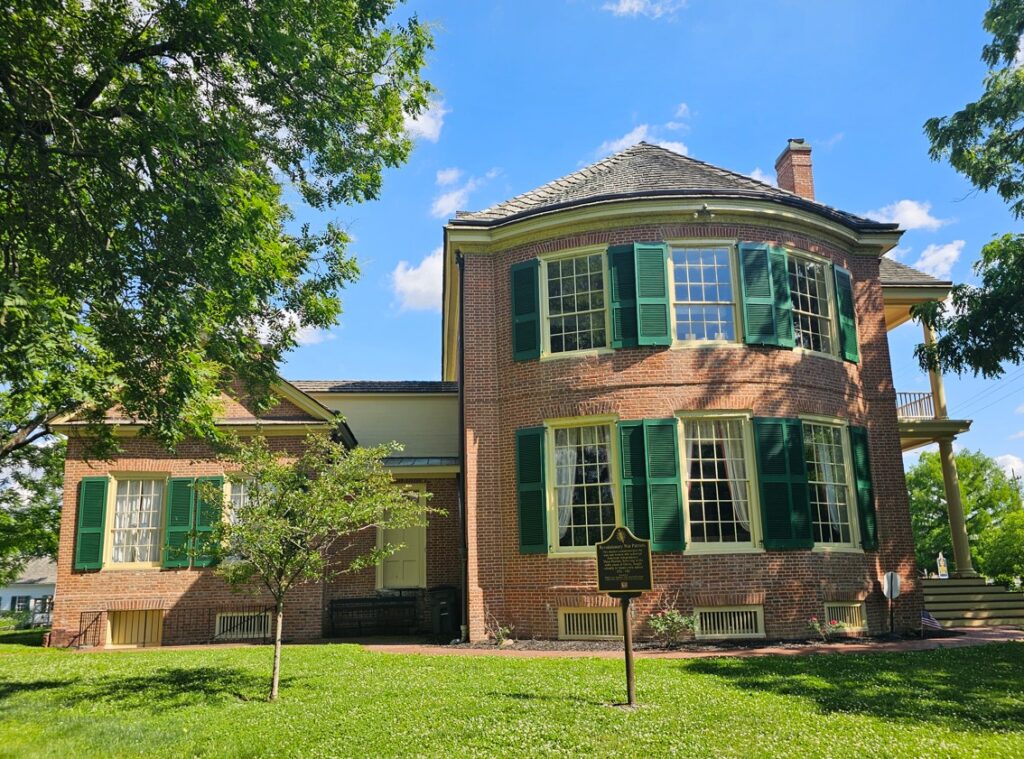
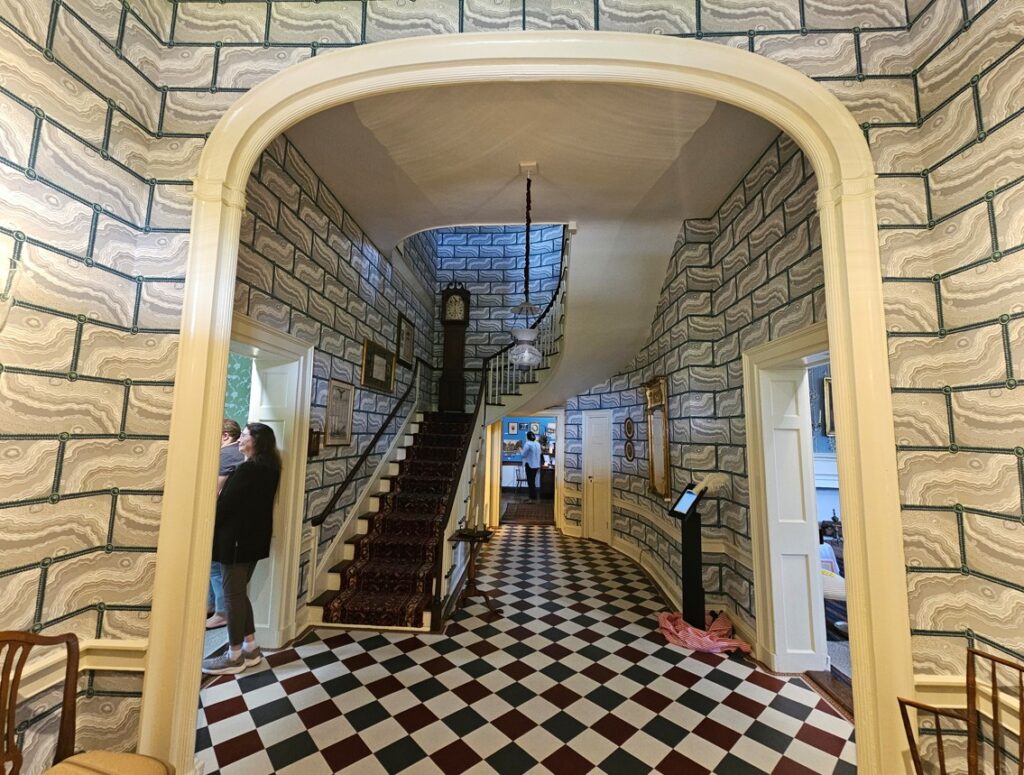
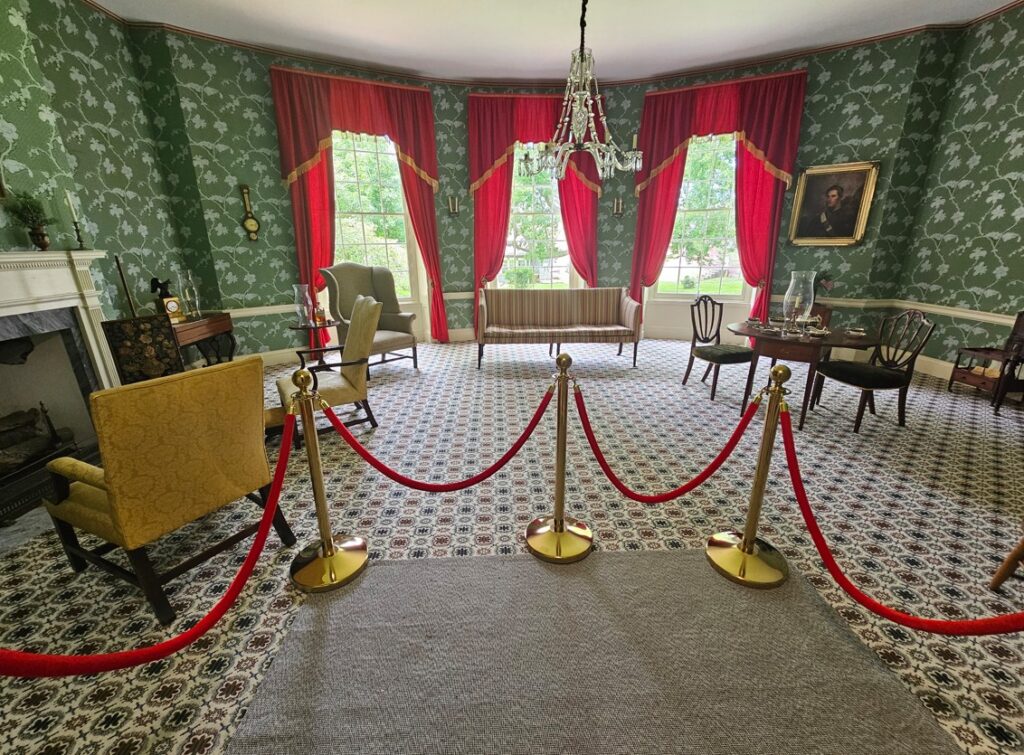
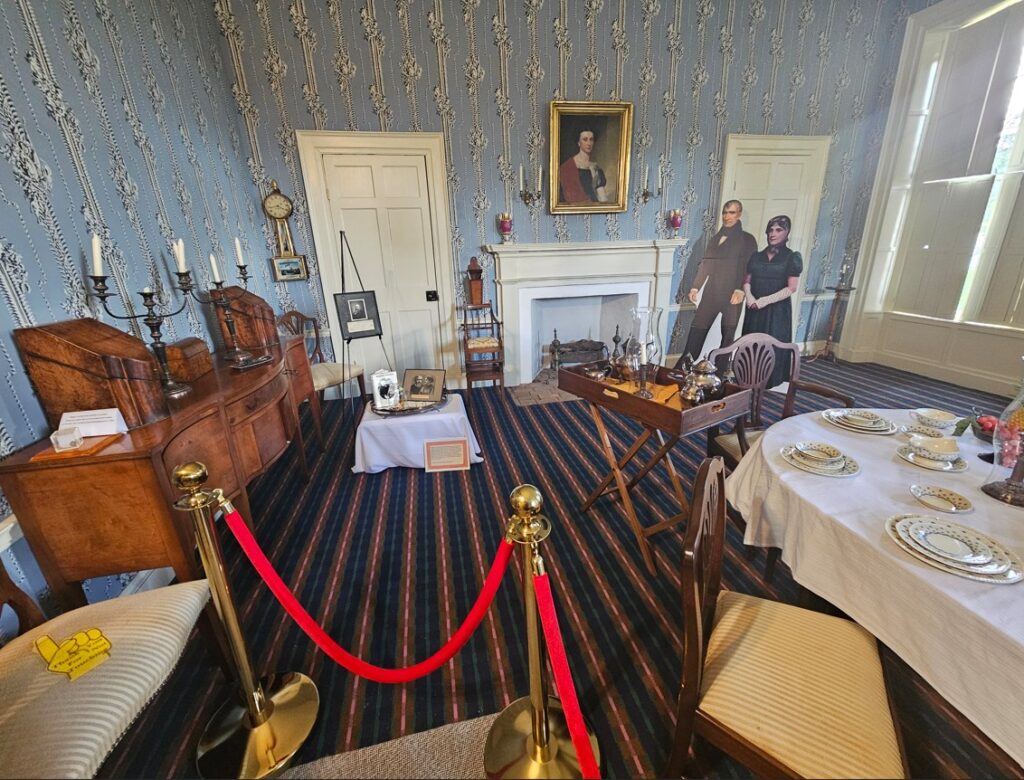
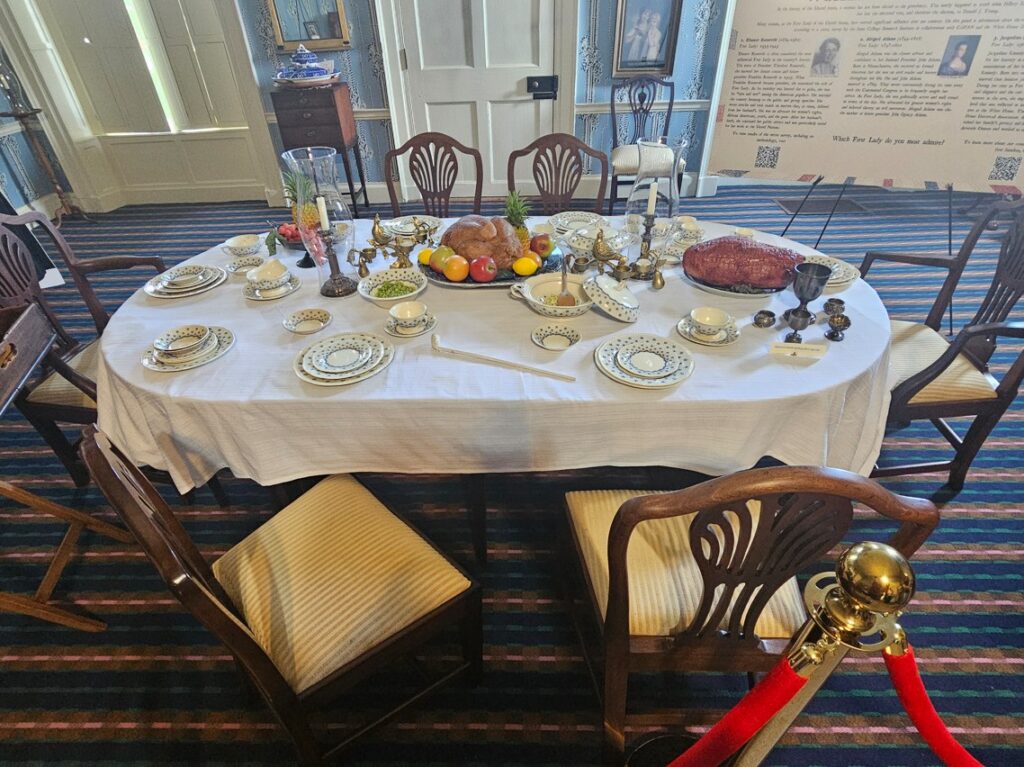
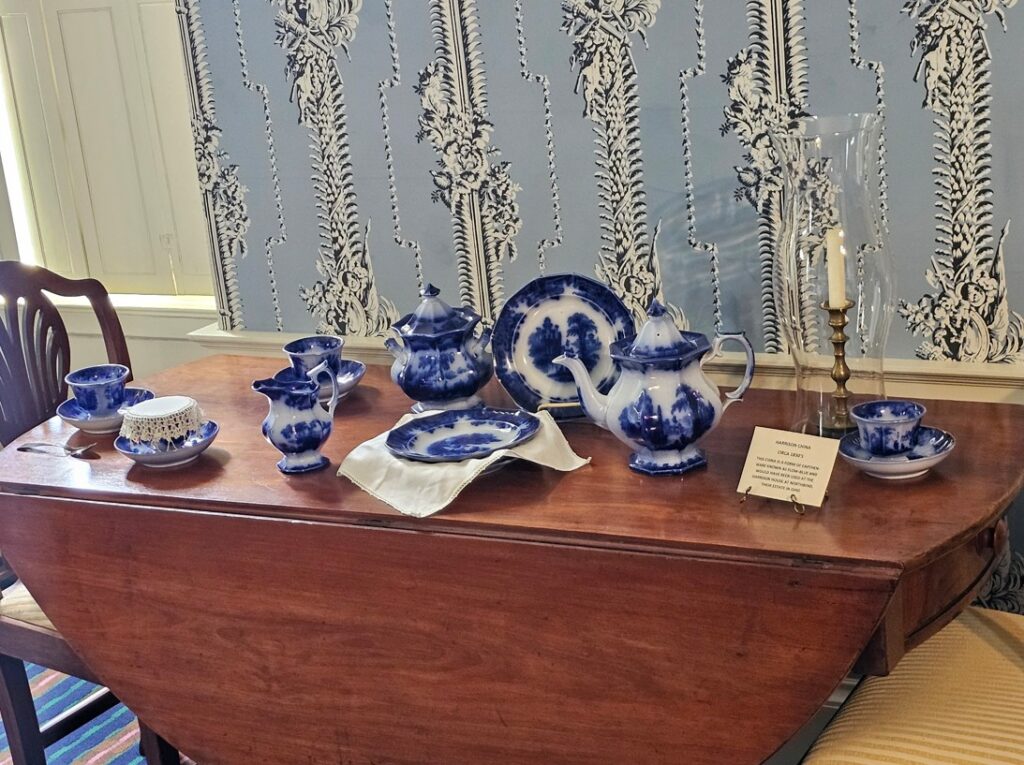
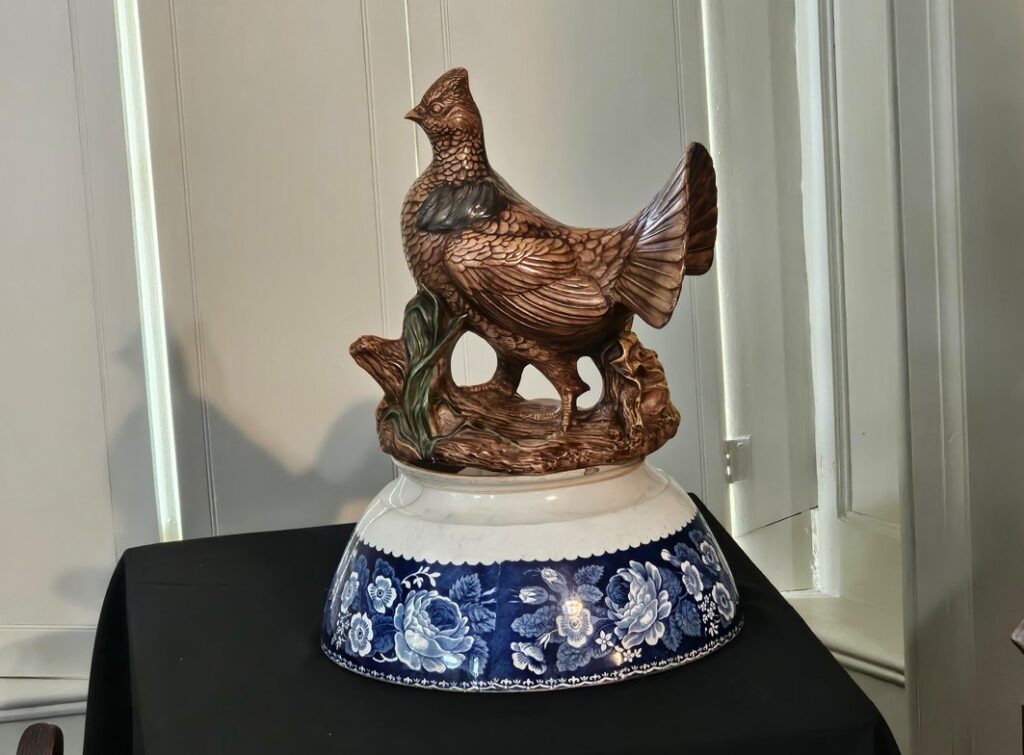
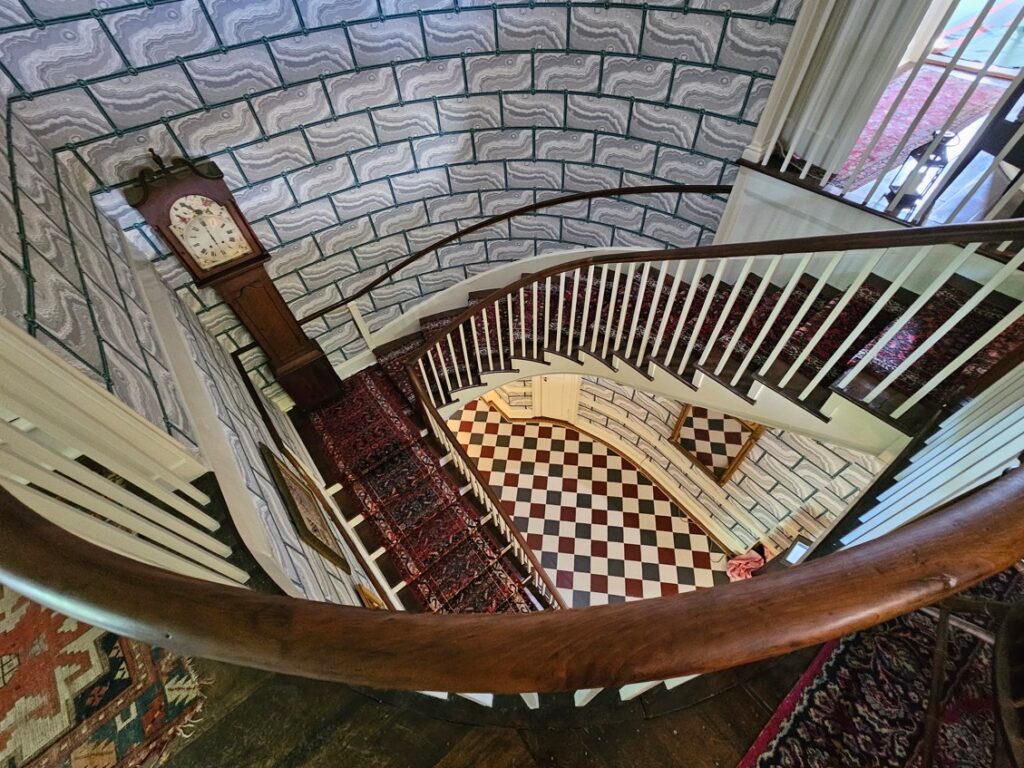
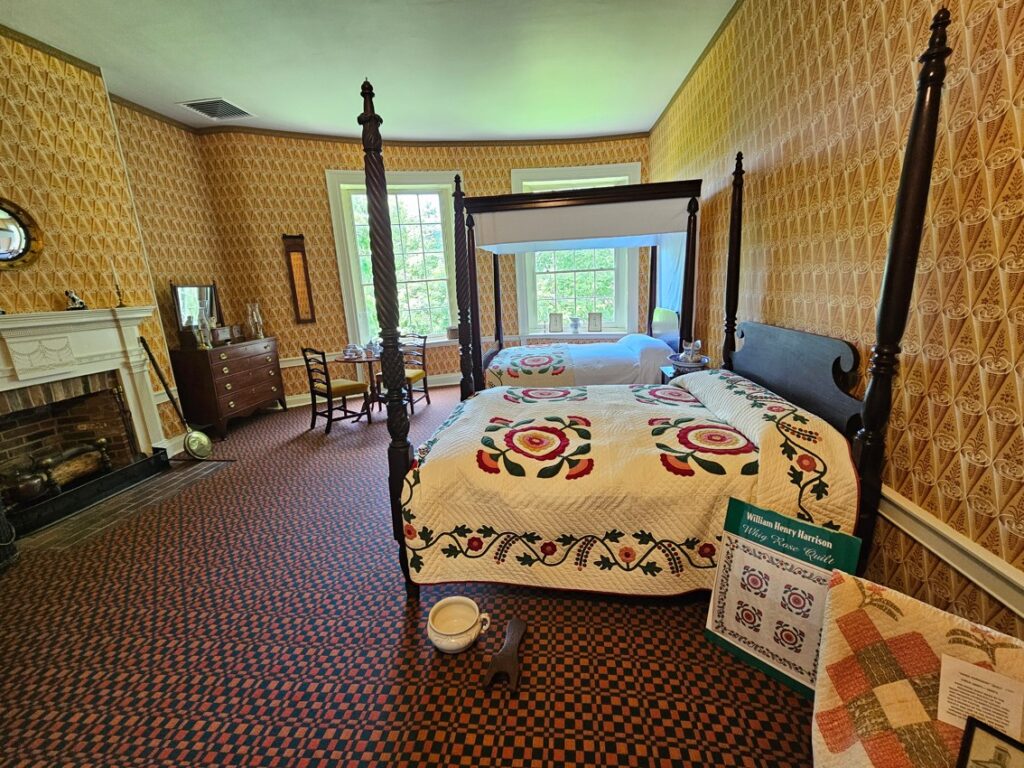
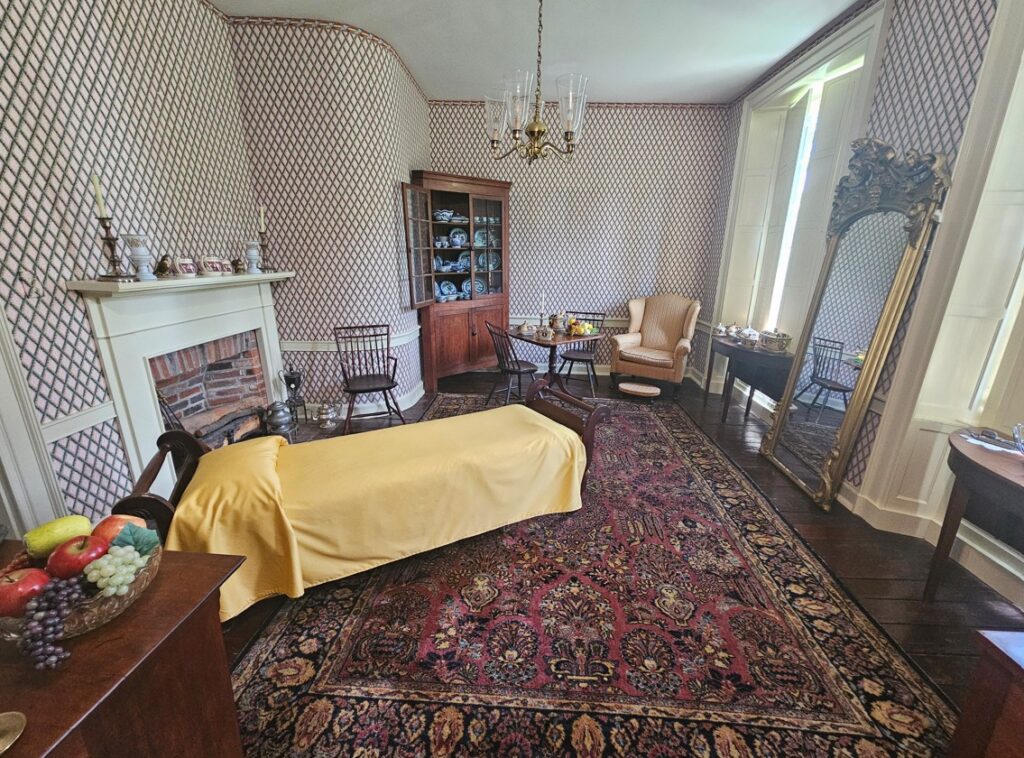
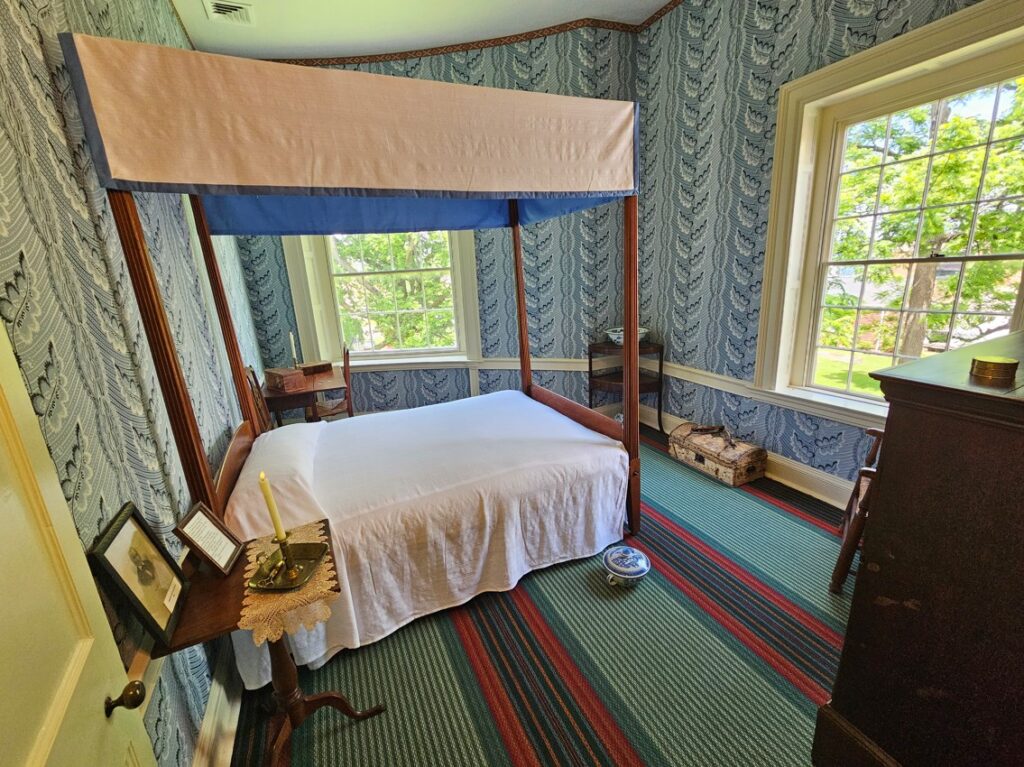
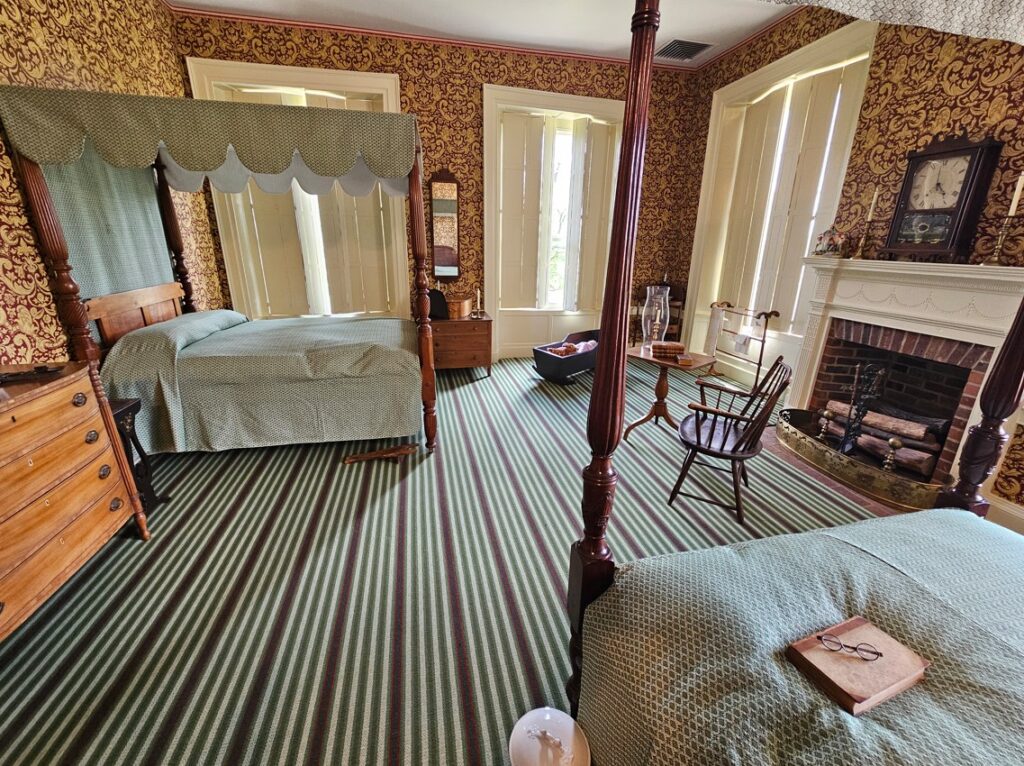
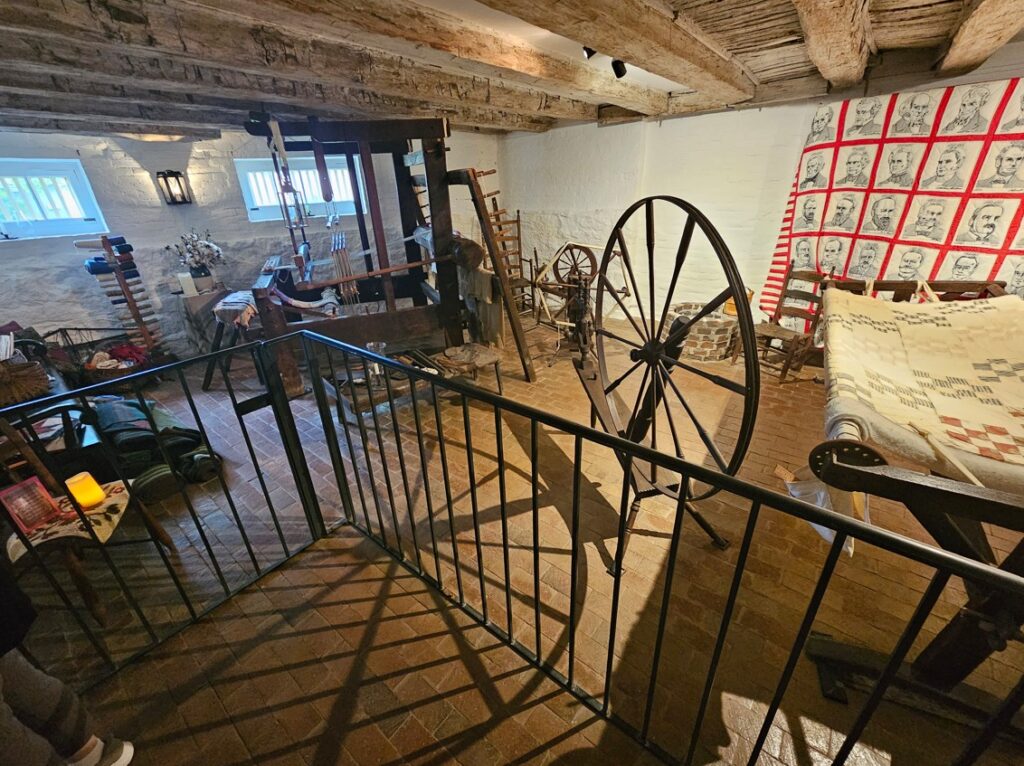
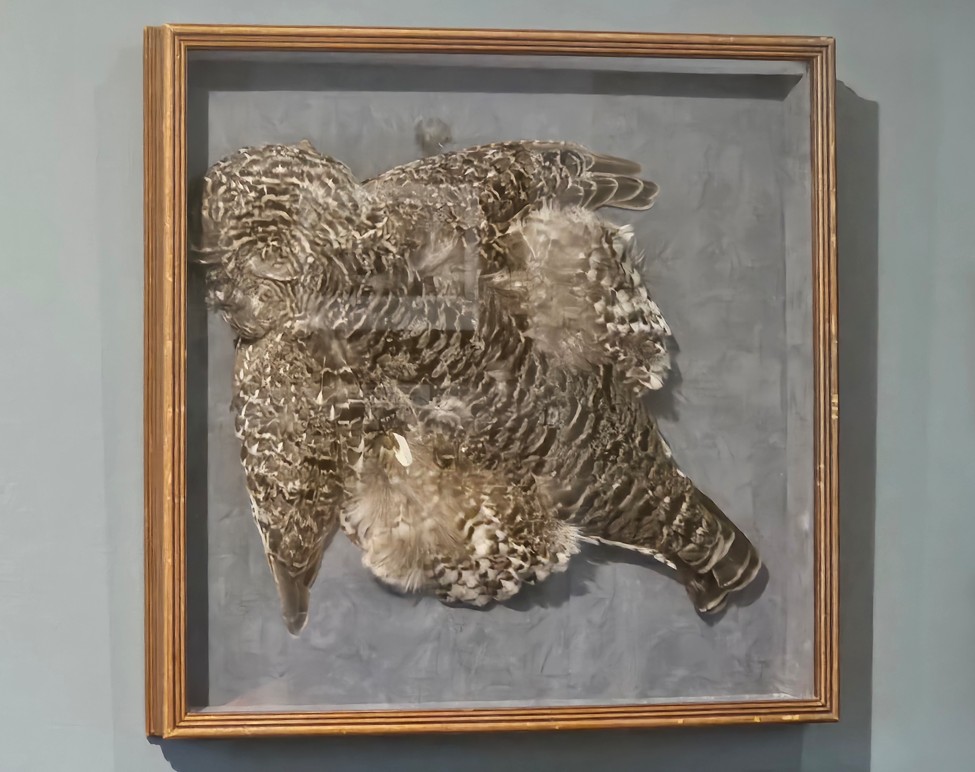
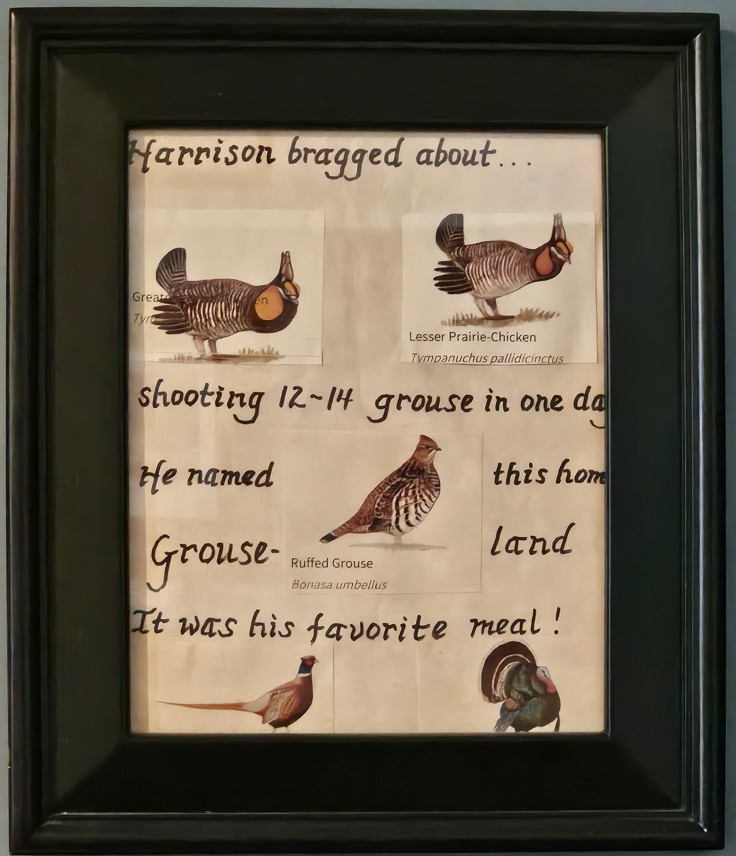
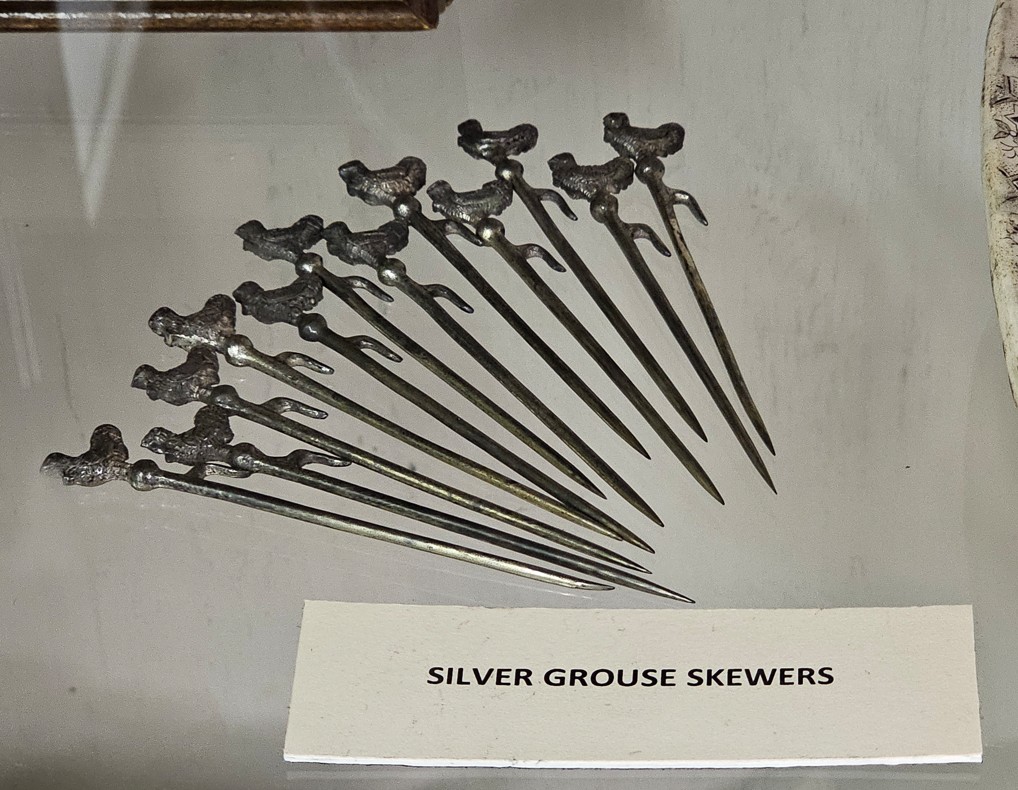
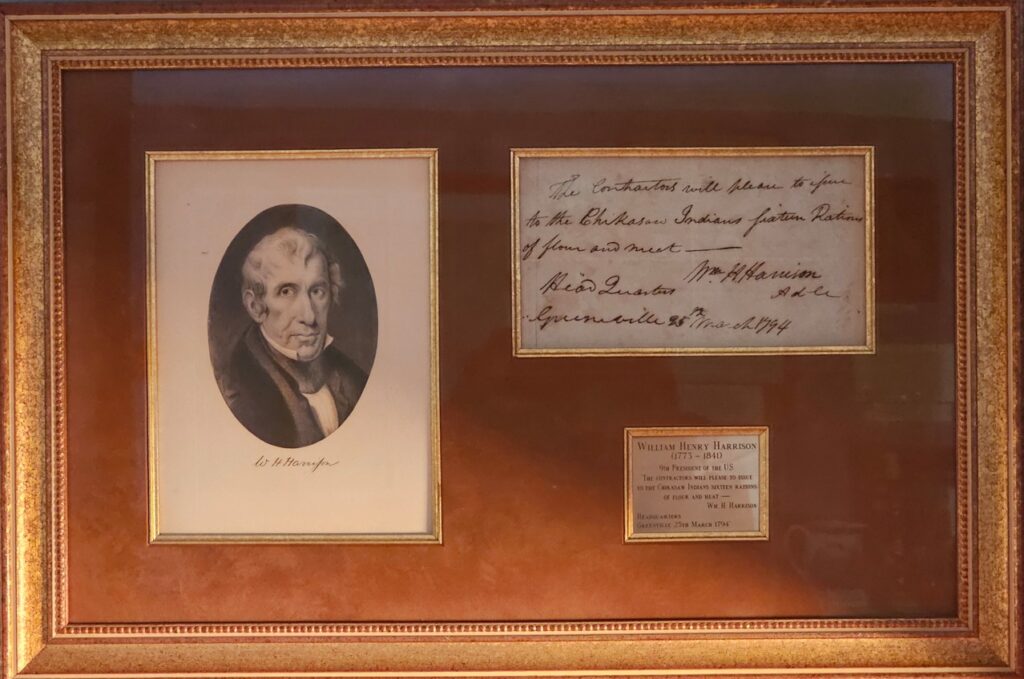
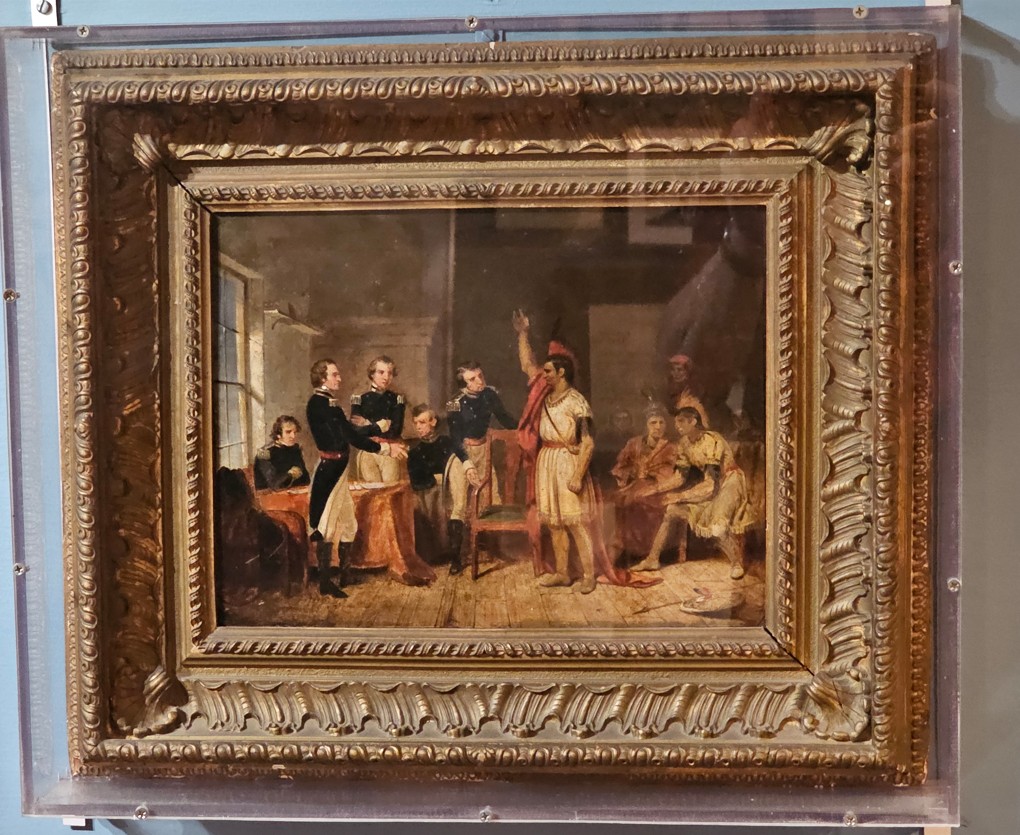
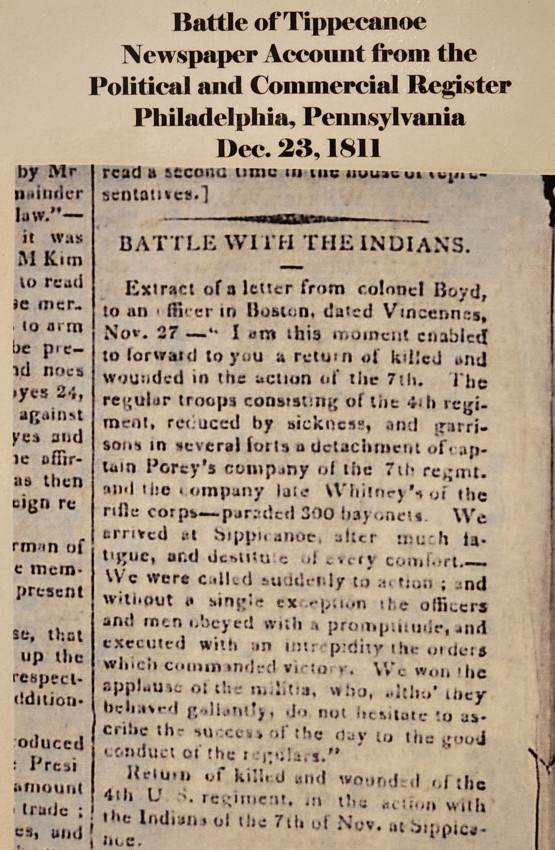
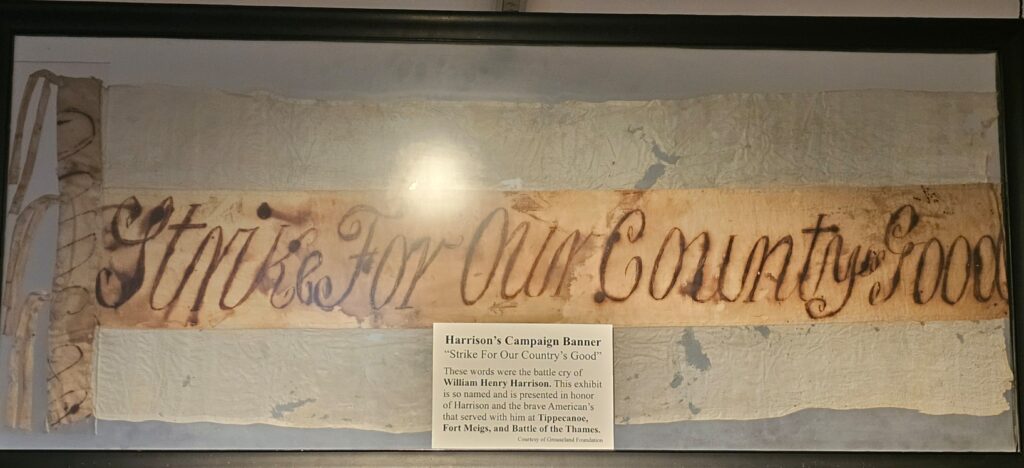
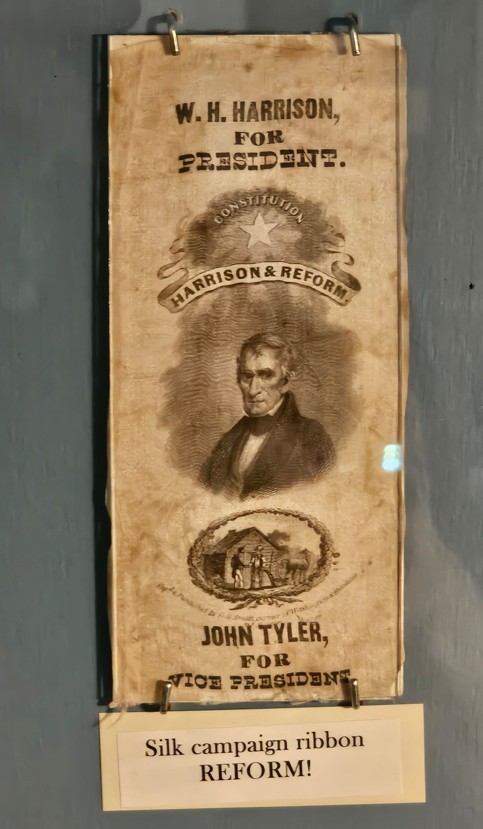
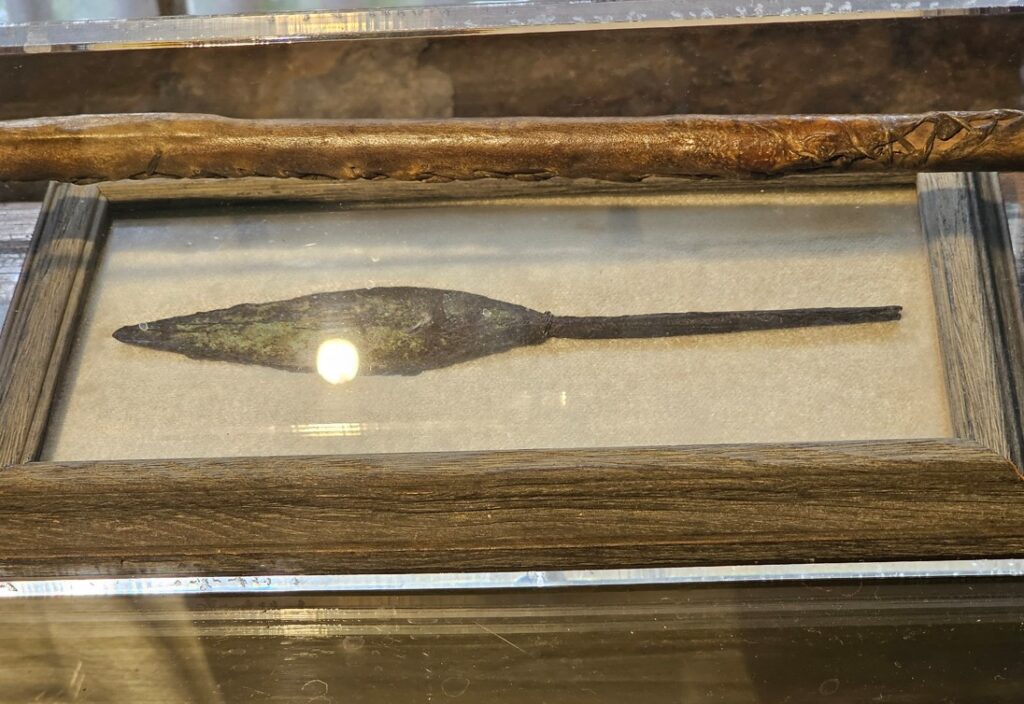
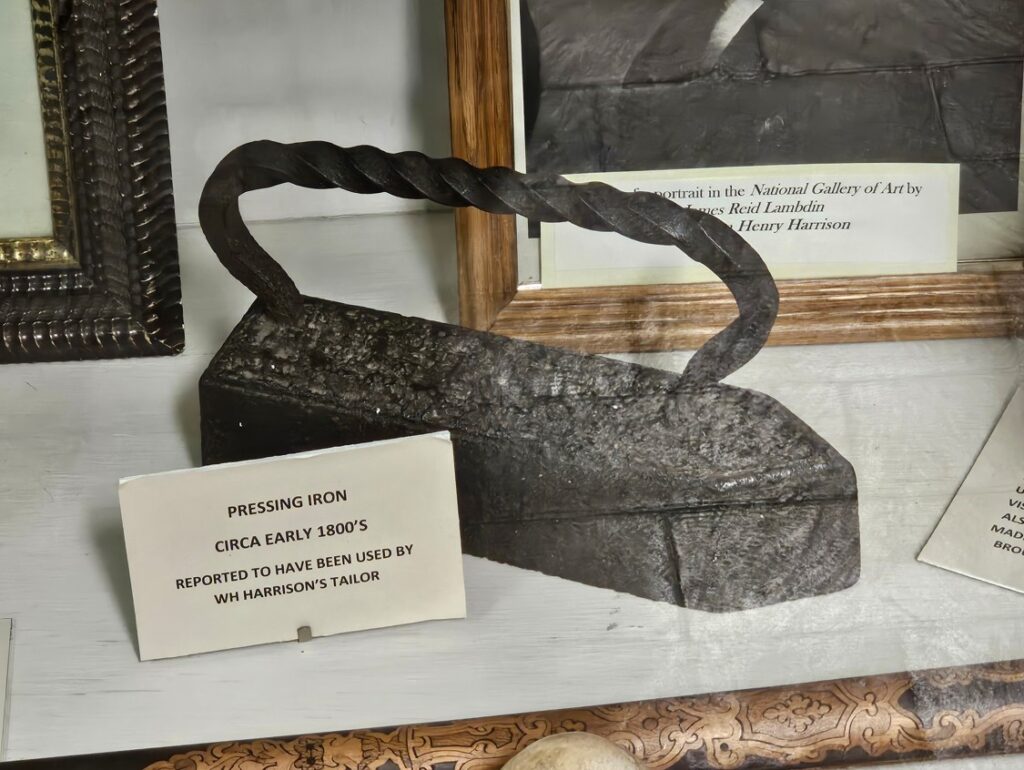
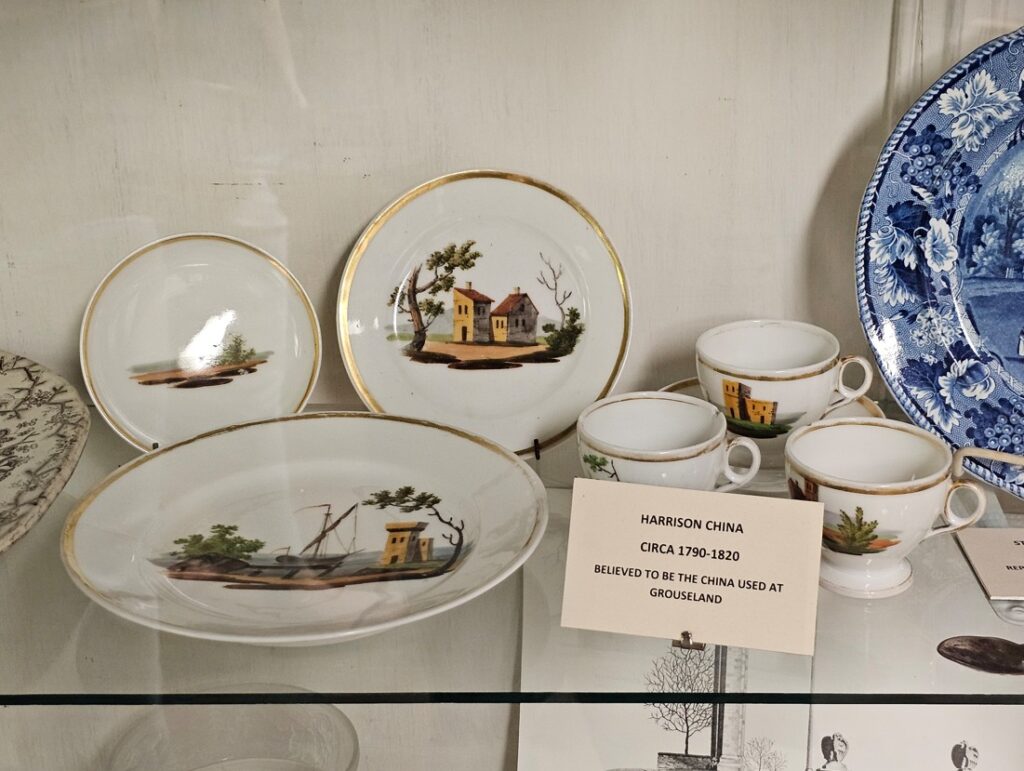
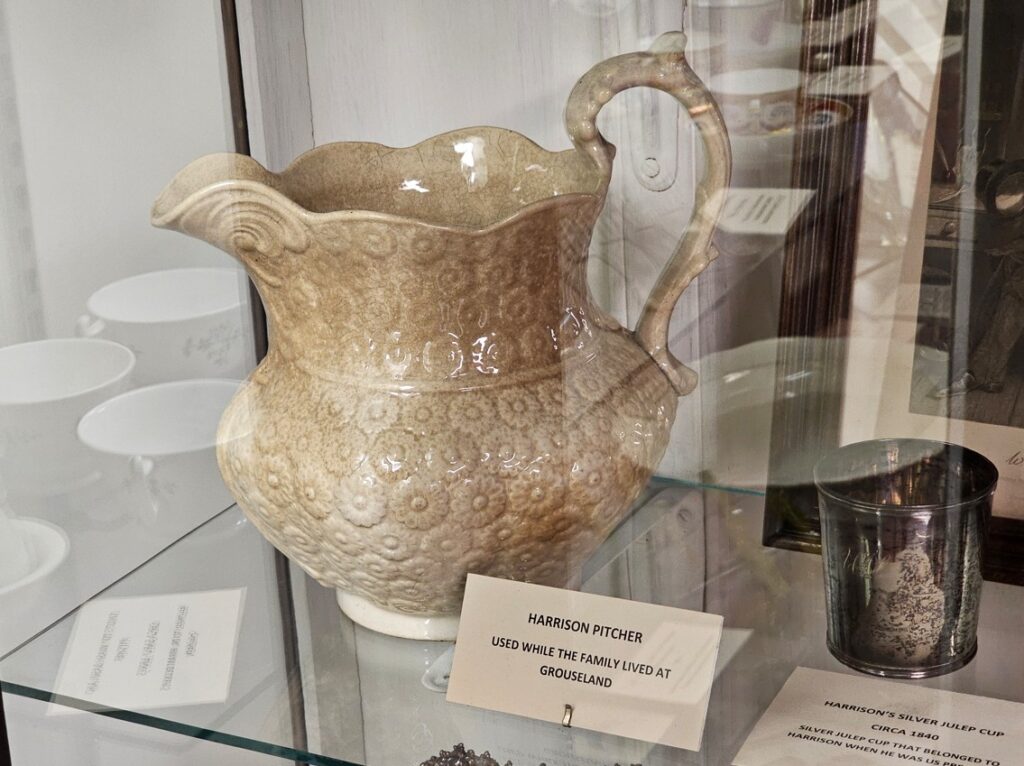
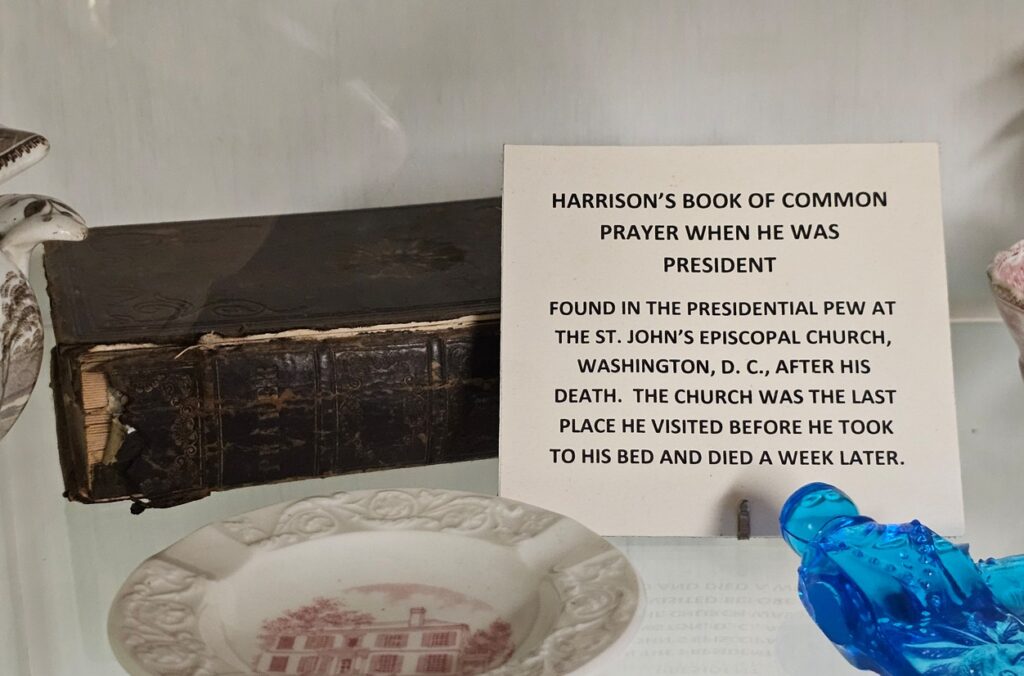
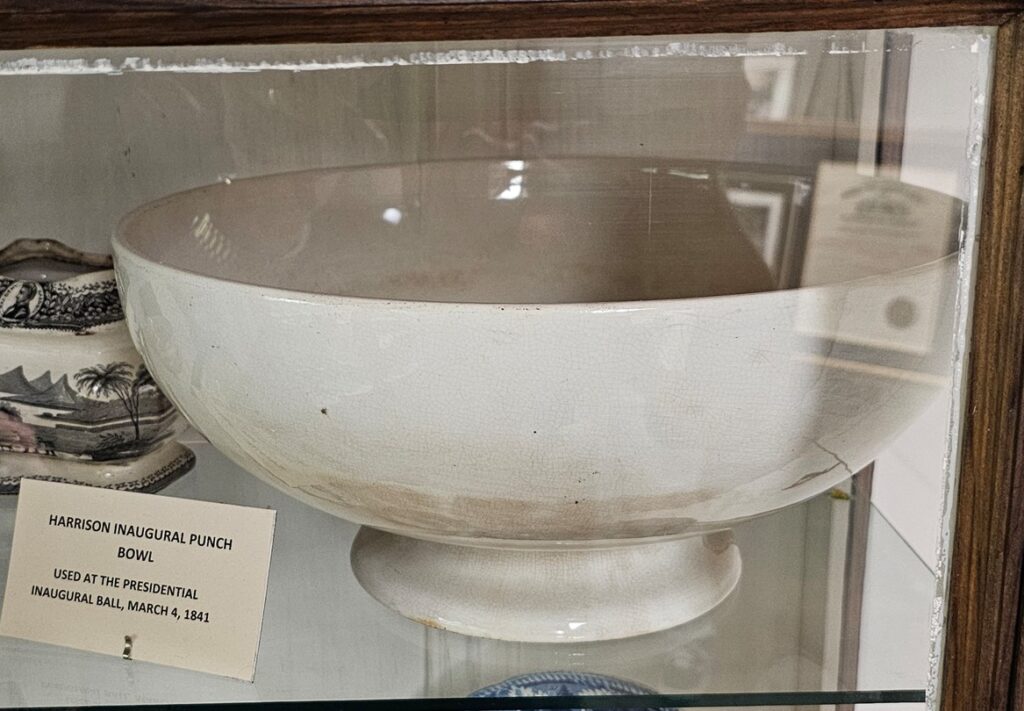
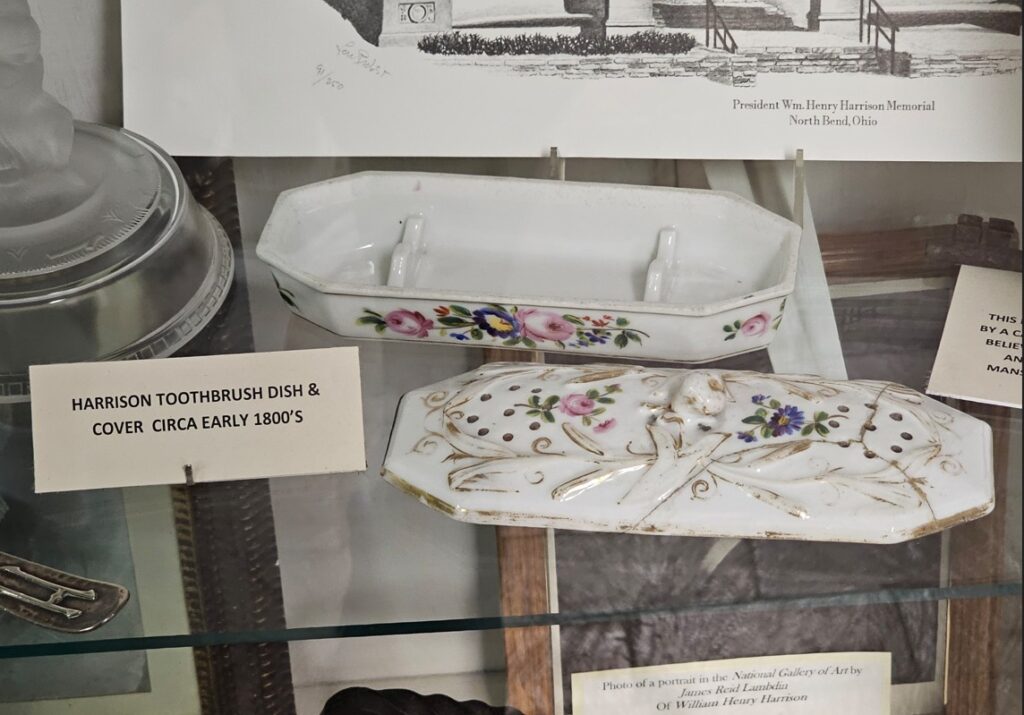
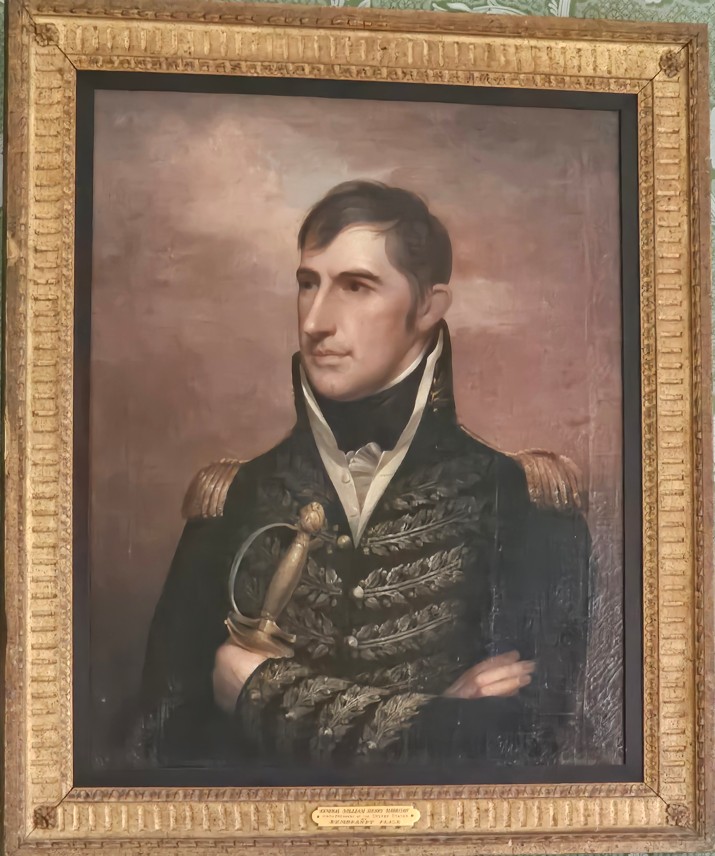
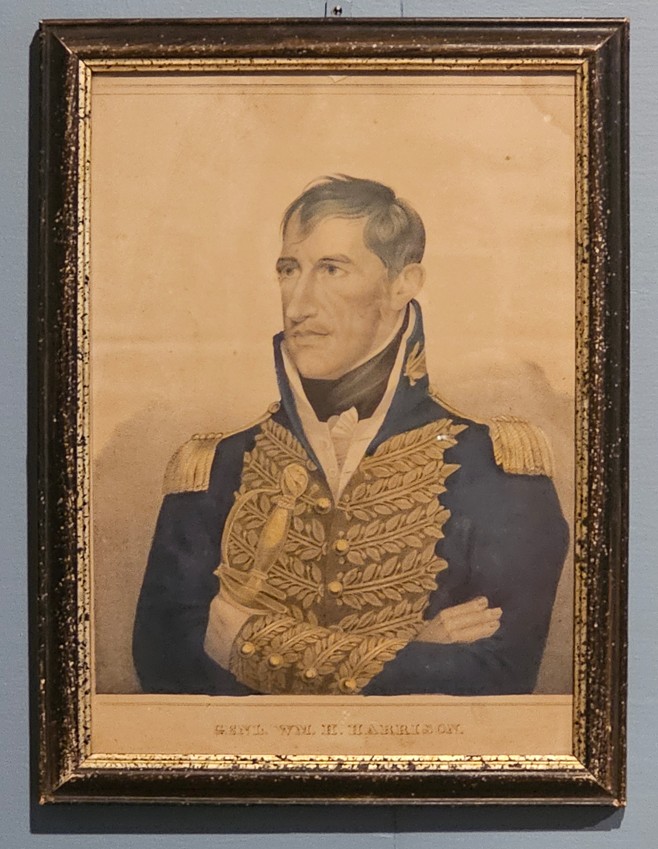
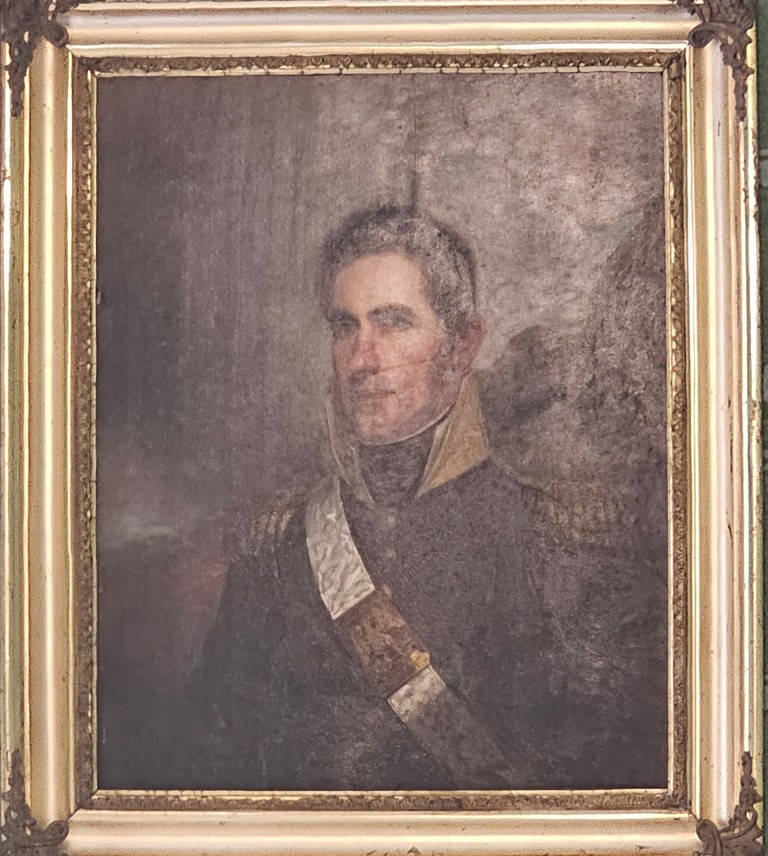
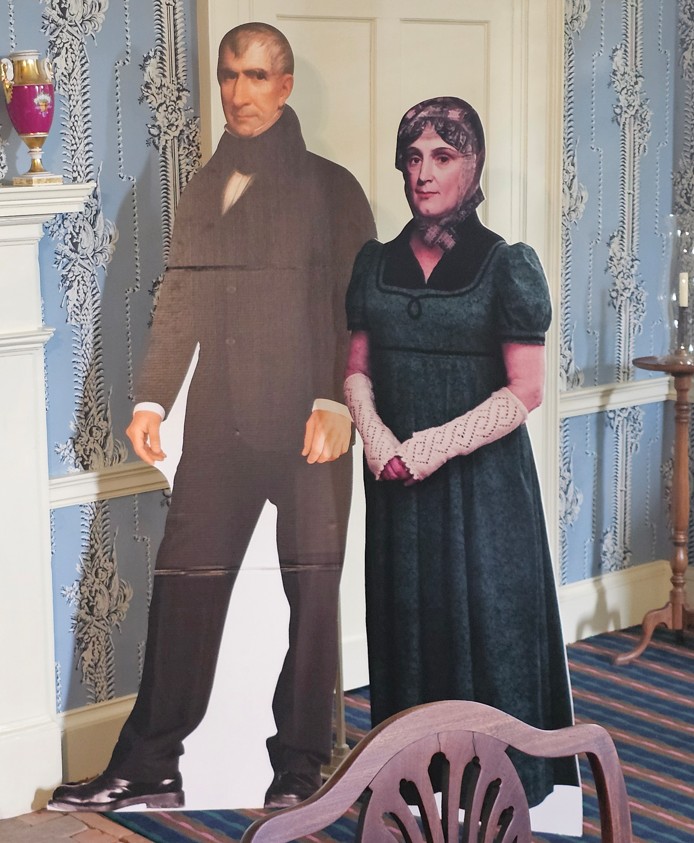
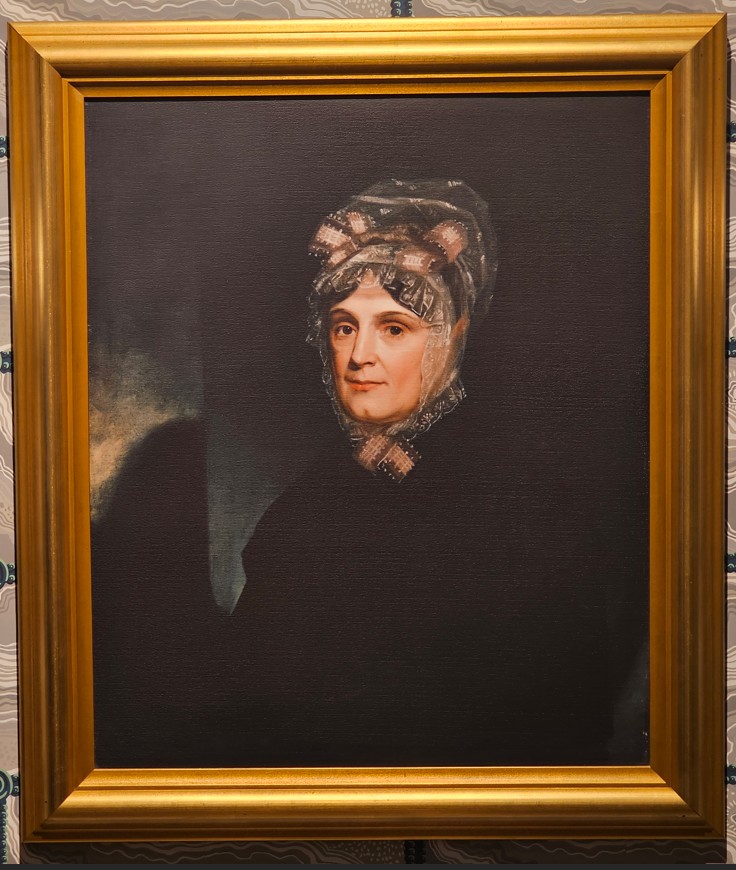
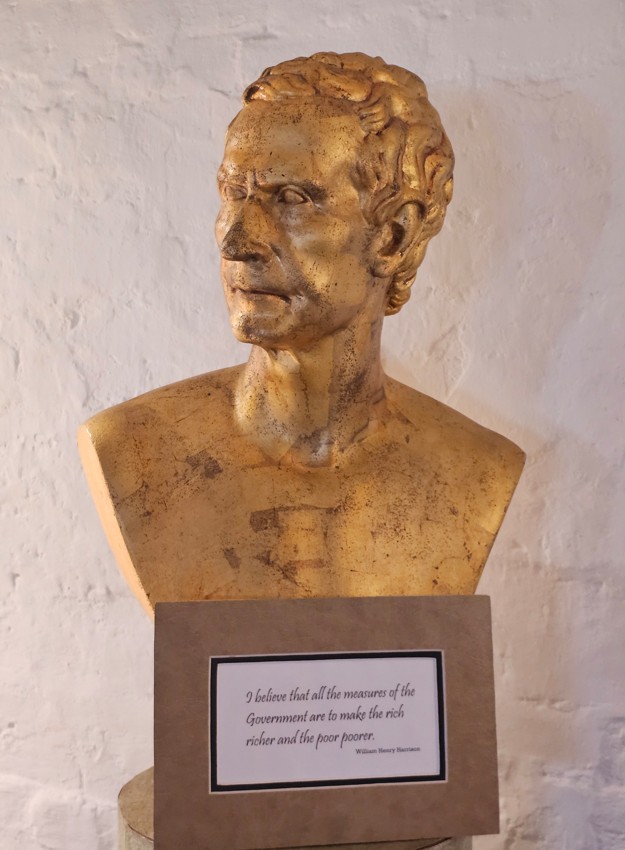
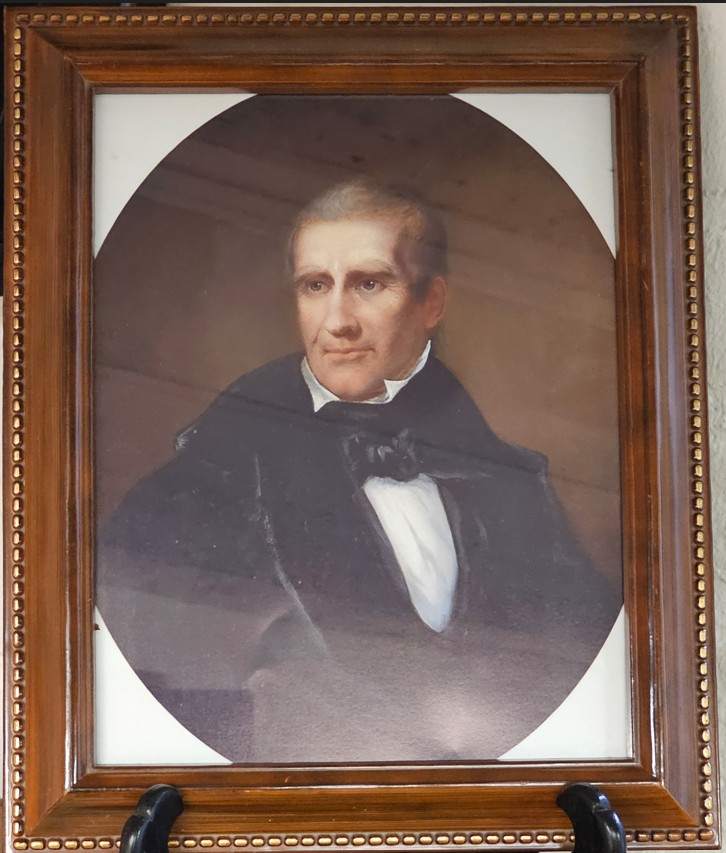
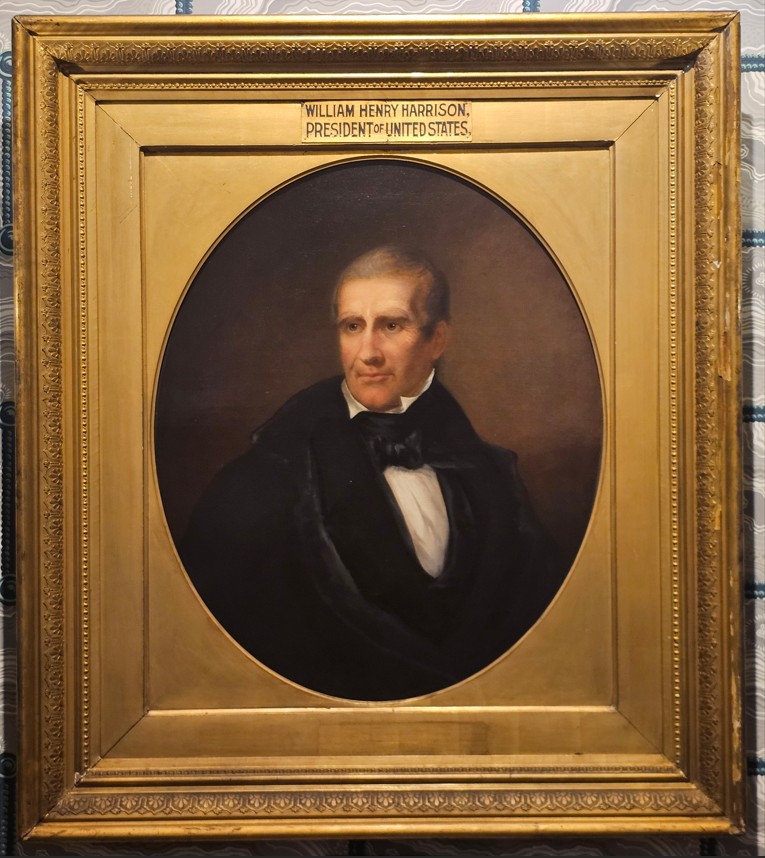
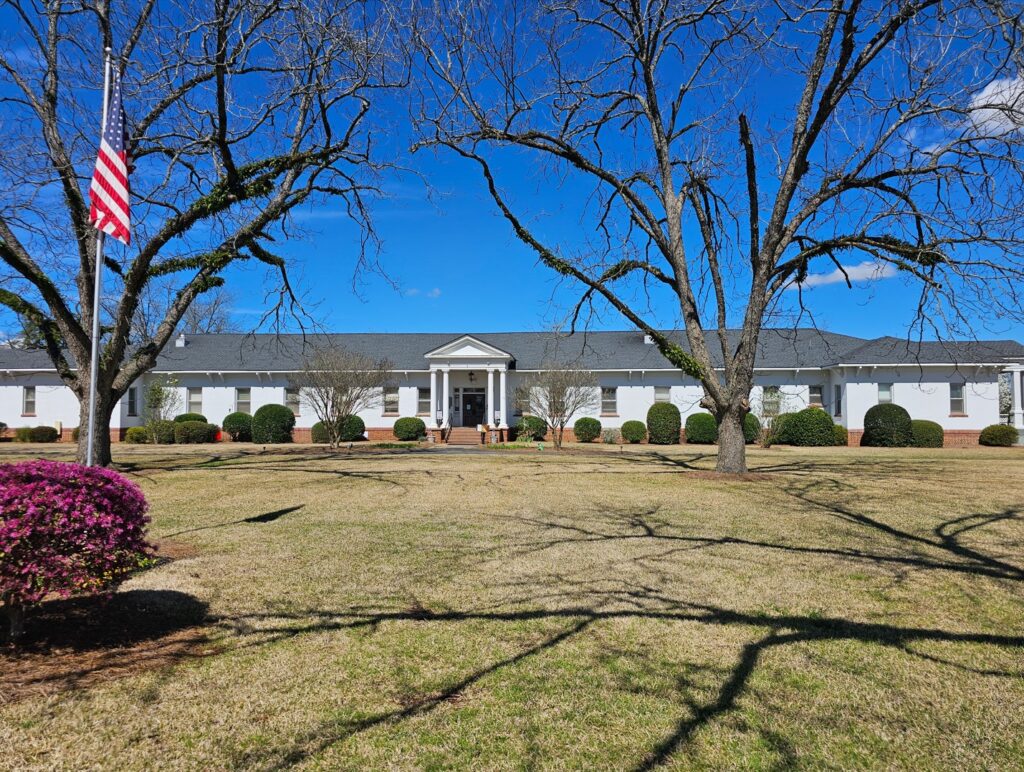
This was the home of William Henry Harrison, our 9th President. He died one month after his inauguration in 1841, the shortest term of any president. Due to his short term in office, he is barely a footnote in our history, but he was actually quite a substantial man prior to the presidency. He served as governor of the Indiana Territory 1800-1812, which covered what is today Illinois and Wisconsin as well as Indiana. He gained military fame as commander of a militia that defeated the Shawnee at the battle of Tippecanoe, and commanded the Northwest Territory military forces during the War of 1812. He was a US Congressman, US Senator and ultimately President.As governor of Indiana Territory, he built and lived here, which he named Grouseland, because he loved to hunt and eat grouse.Entry hallwayParlorDining roomGrouse themed chinaIn the basement, a loom and spinning wheel are displayed.Grouse feathersNote handwritten note by William Henry Harrison in 1794: “The contractors will please to issue to the Chickasaw Indians sixteen rations of flour and meat.”Painting of Harrison meeting Shawnee leader Tecumseh.1840 campaign banner: “Strike for Our Country’s Good”Prehistoric copper spear point, commonly called a “rat-tail spear point”, estimated to be from 1,000-4,000 BC, on display in Grouseland’s basement.Various portraits of Harrison.Harrison with First Lady Anna Harrison.First Lady Anna Harrison. She never made it to the White House. She was ill when Harrison was inaugurated, then when she was packing to move to Washington. she received word of Harrison’s death.Harrison bust.
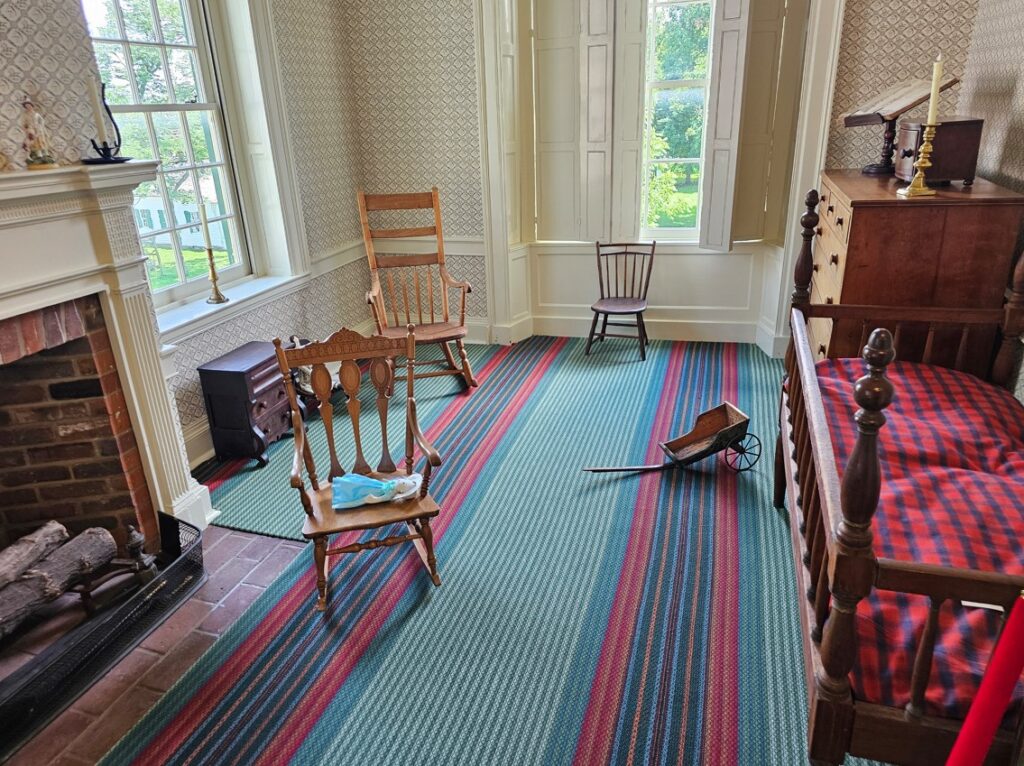
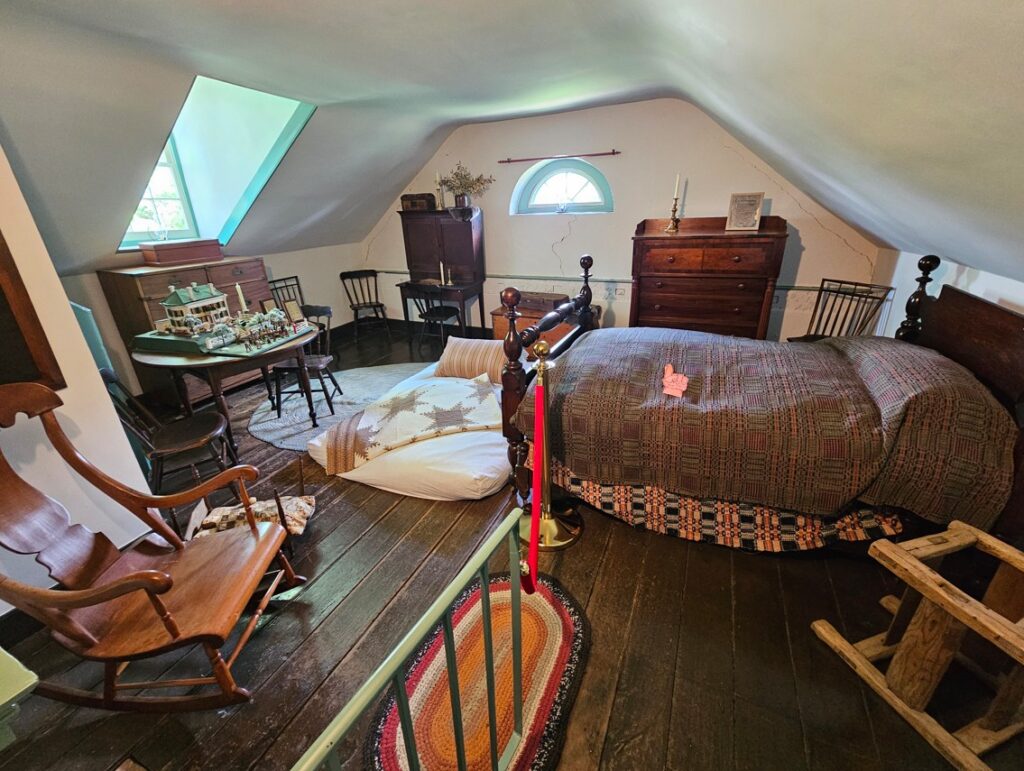
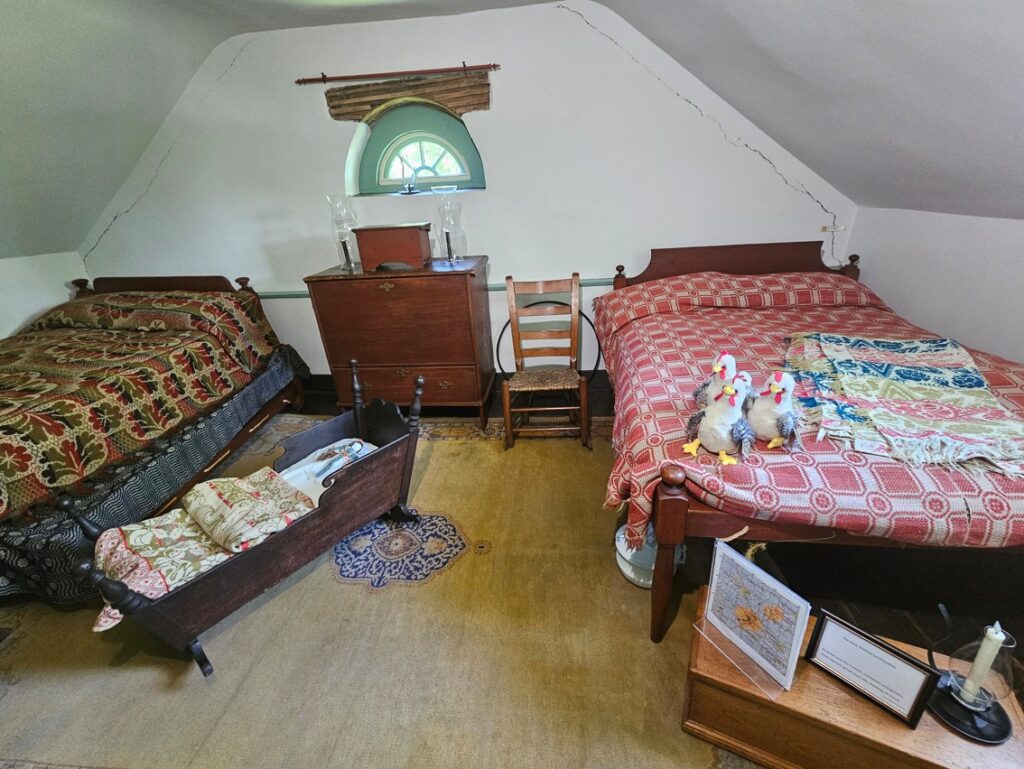
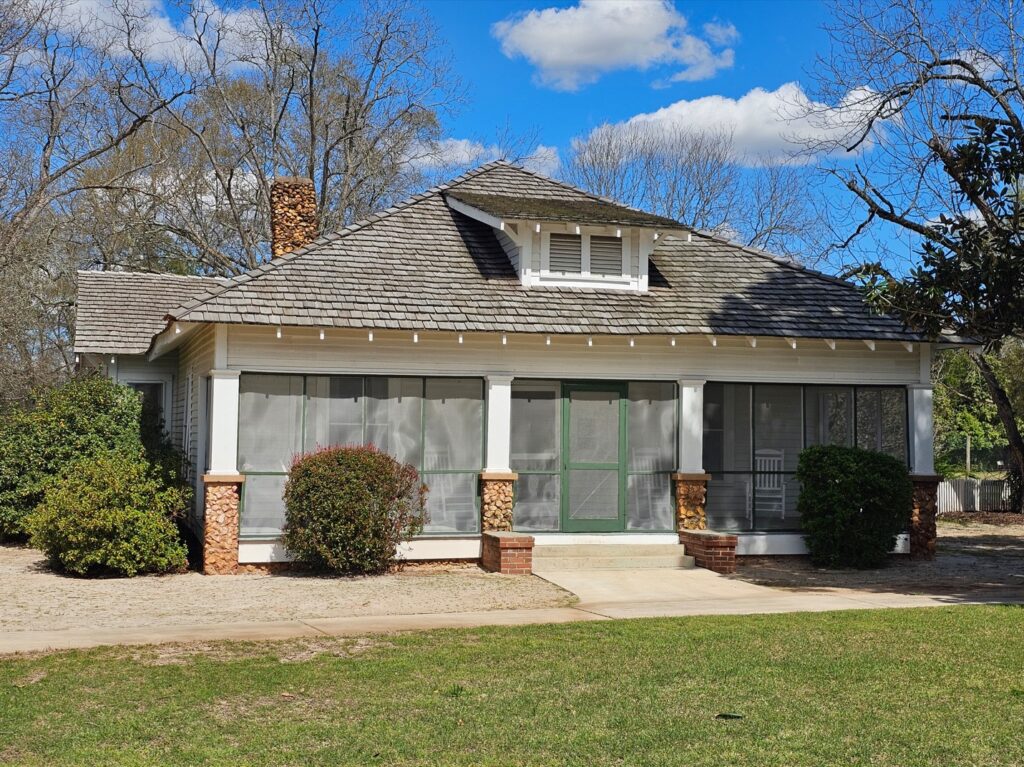
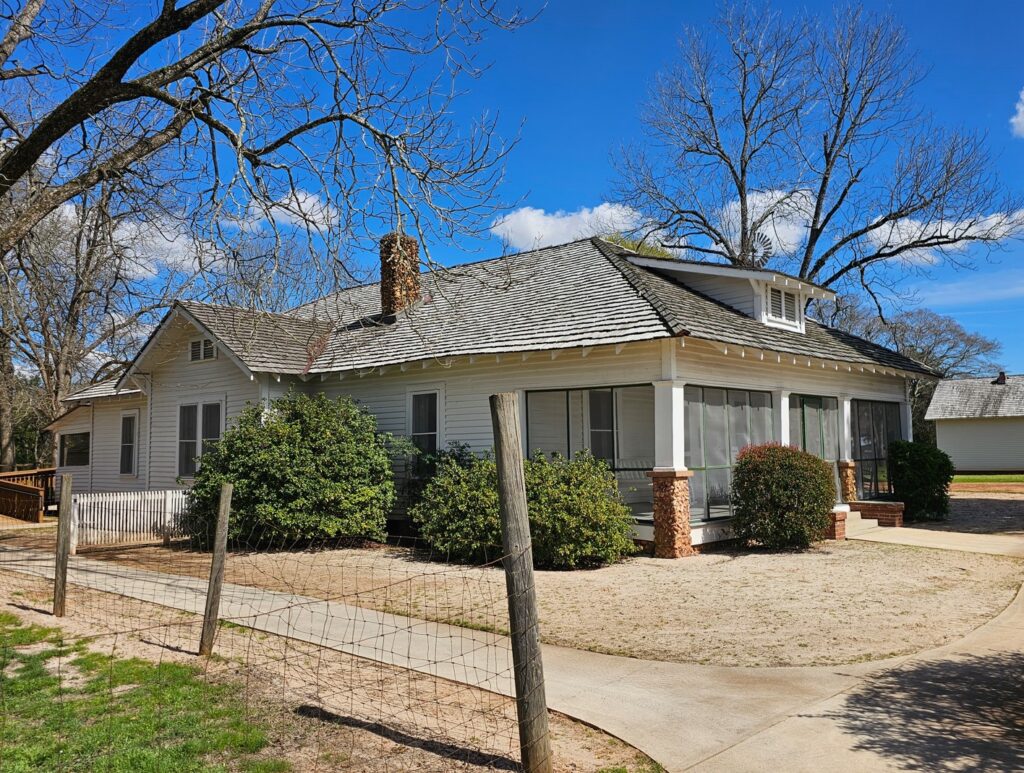
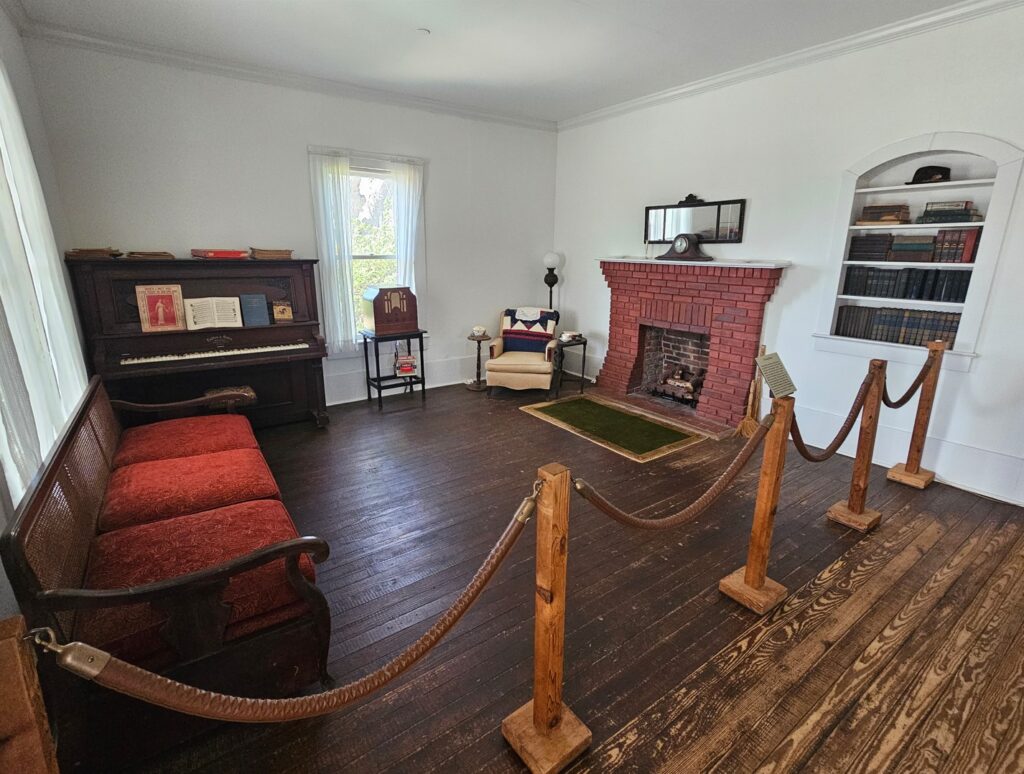
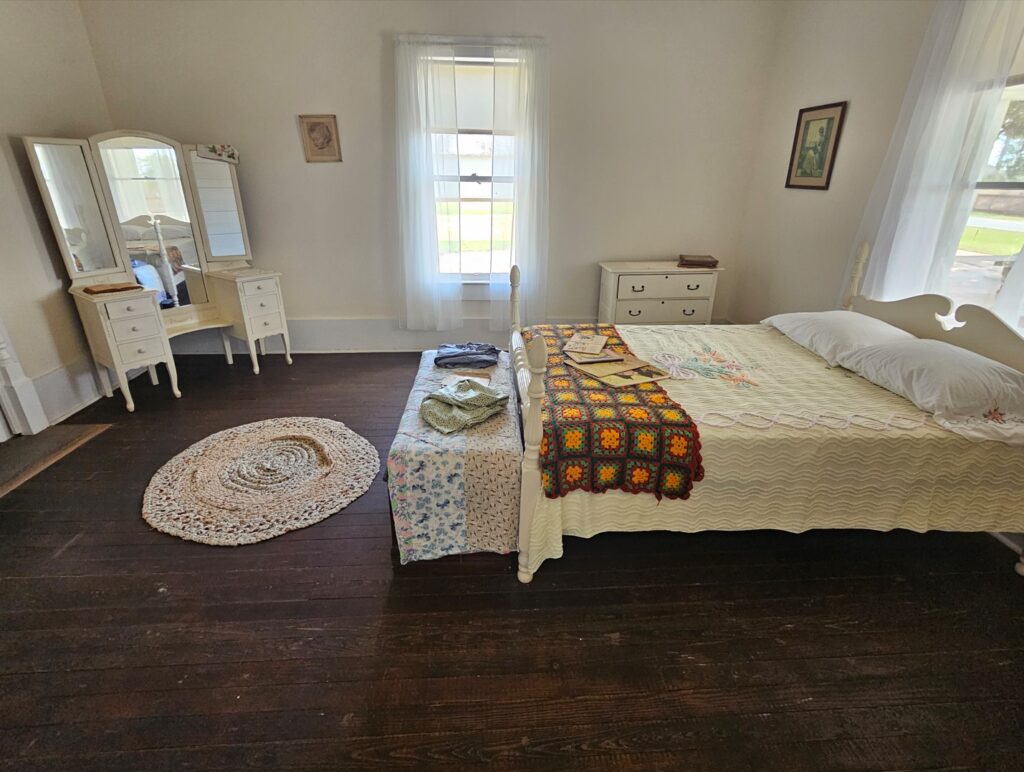
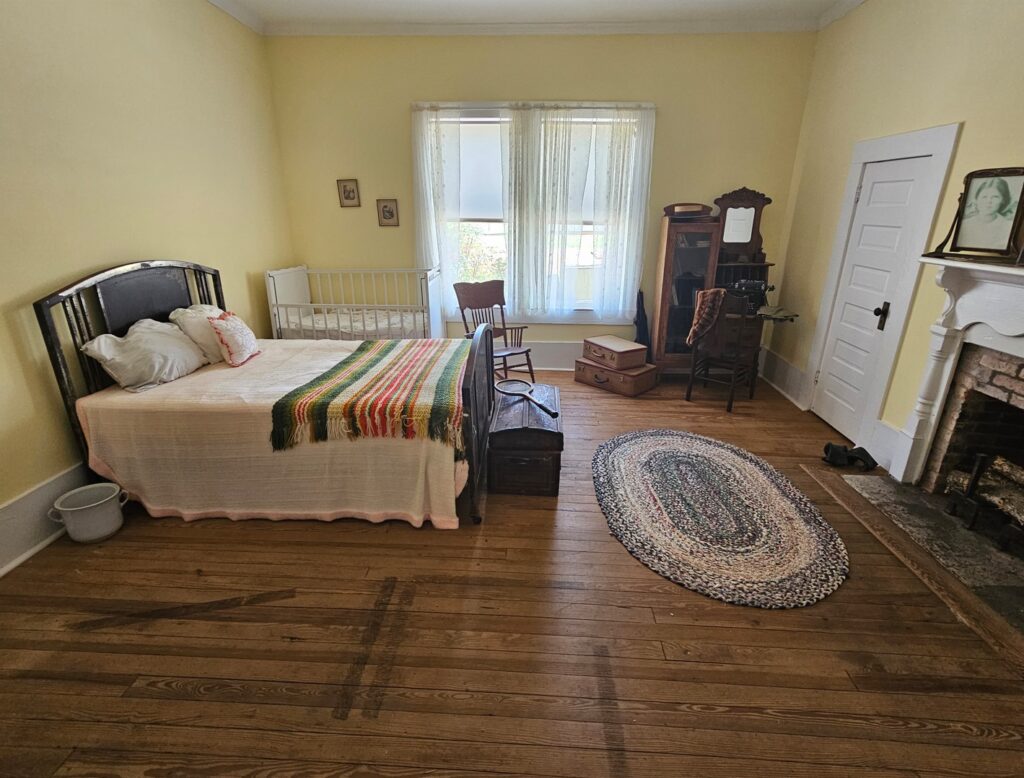
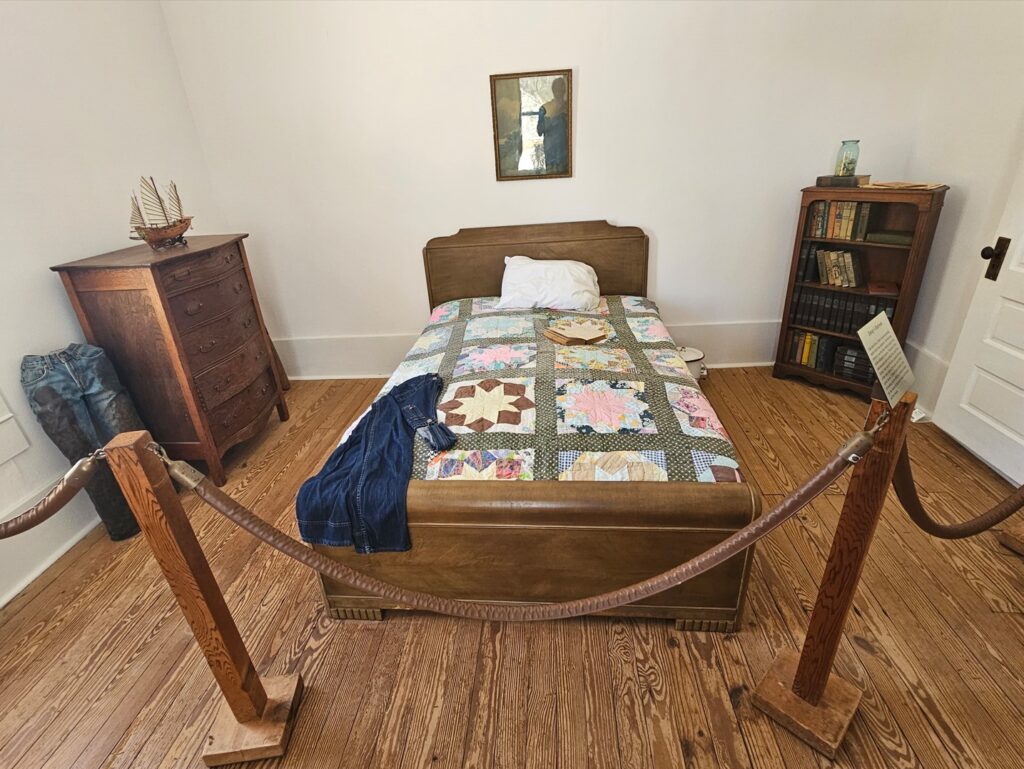
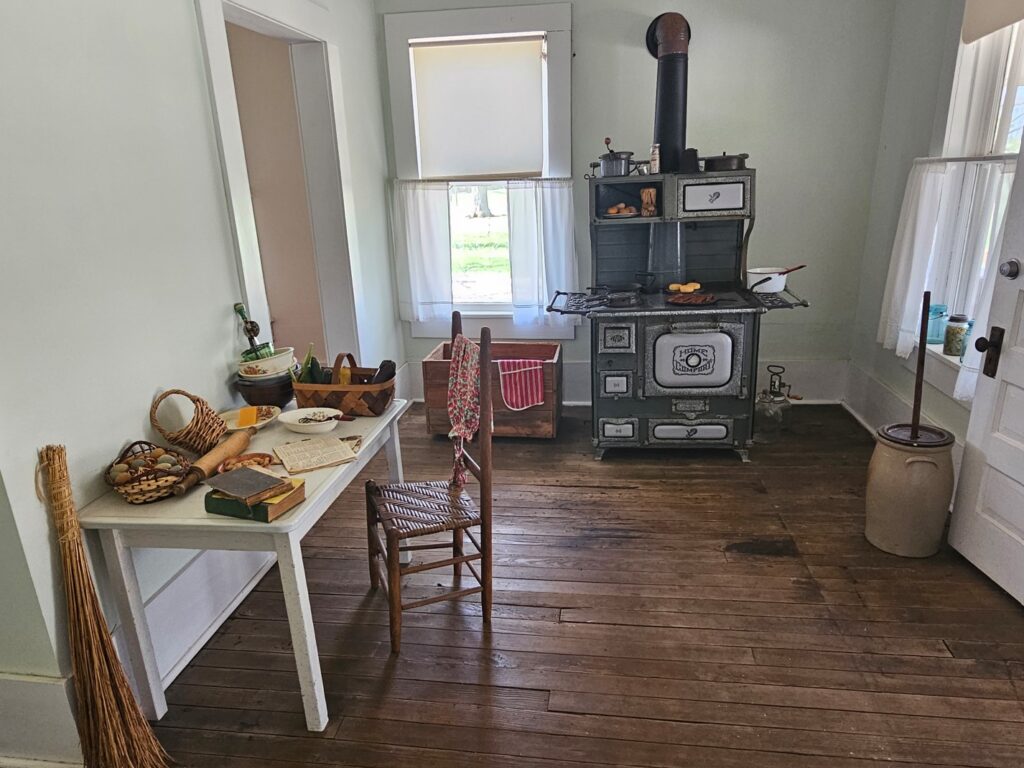
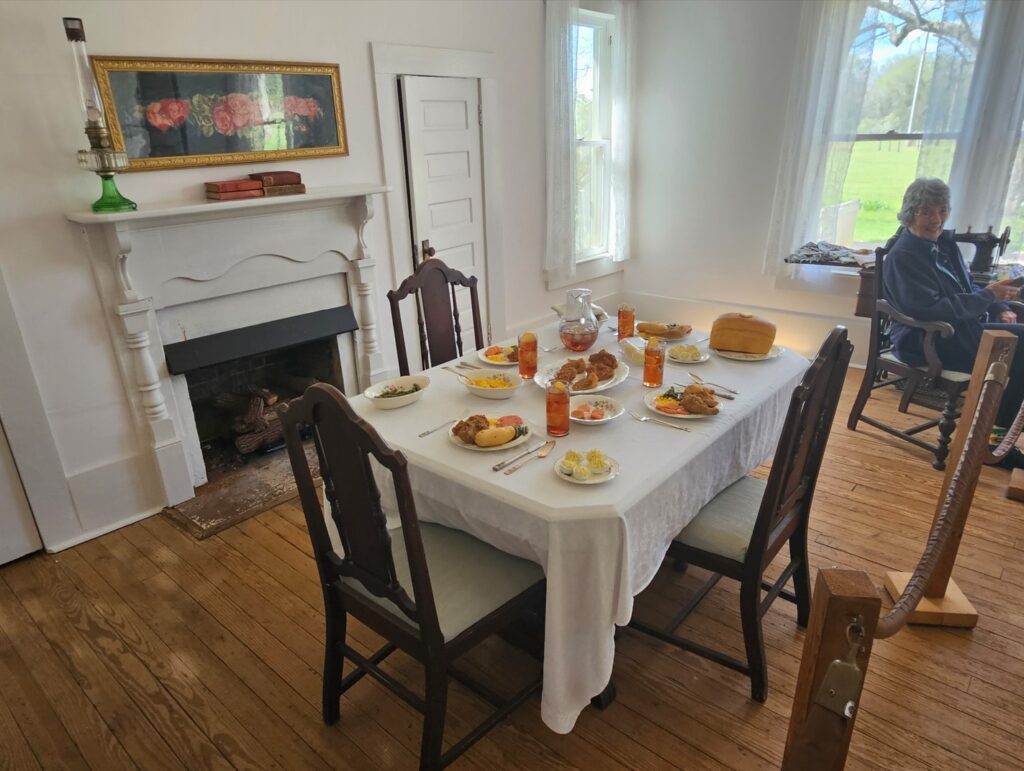
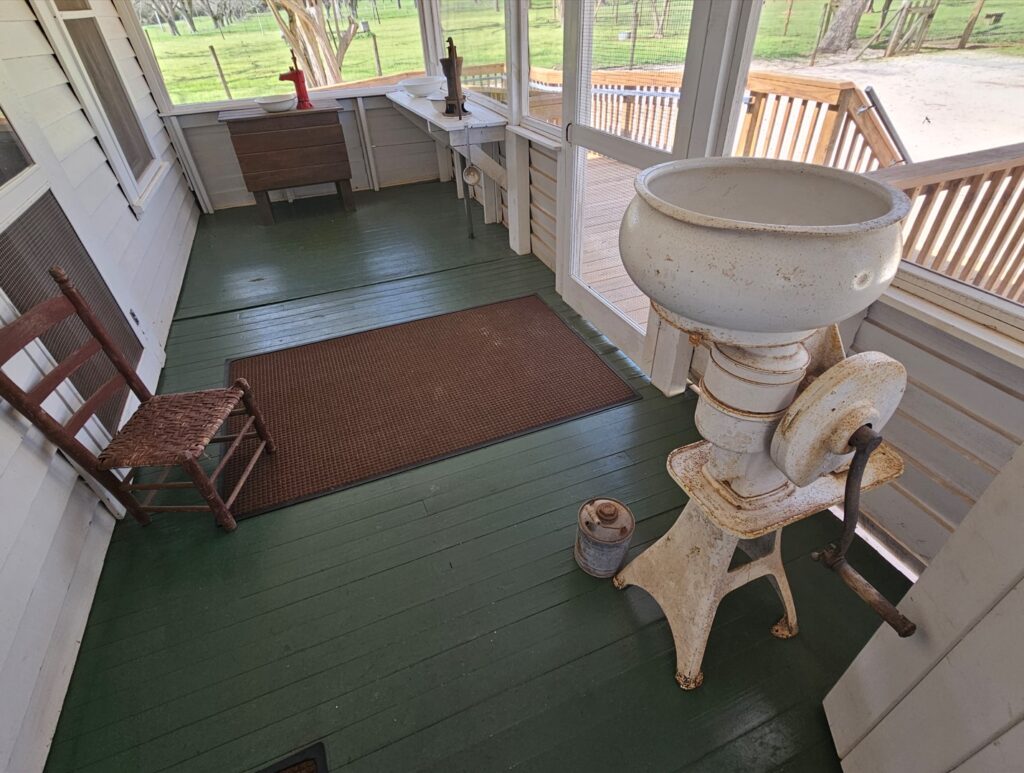
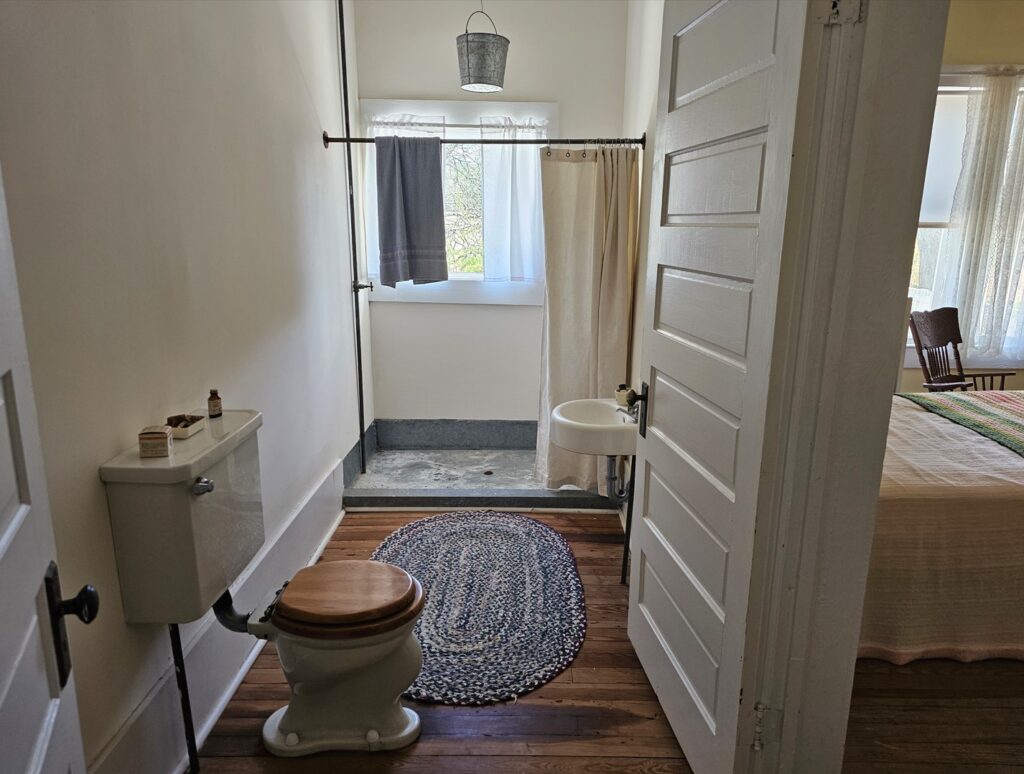
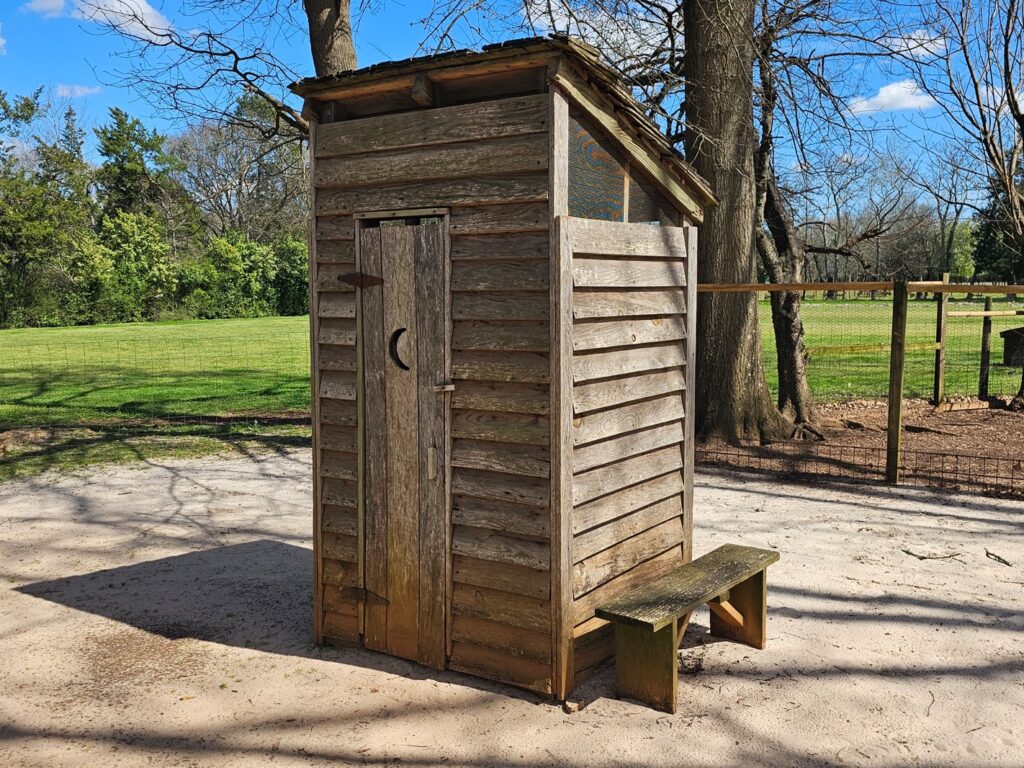
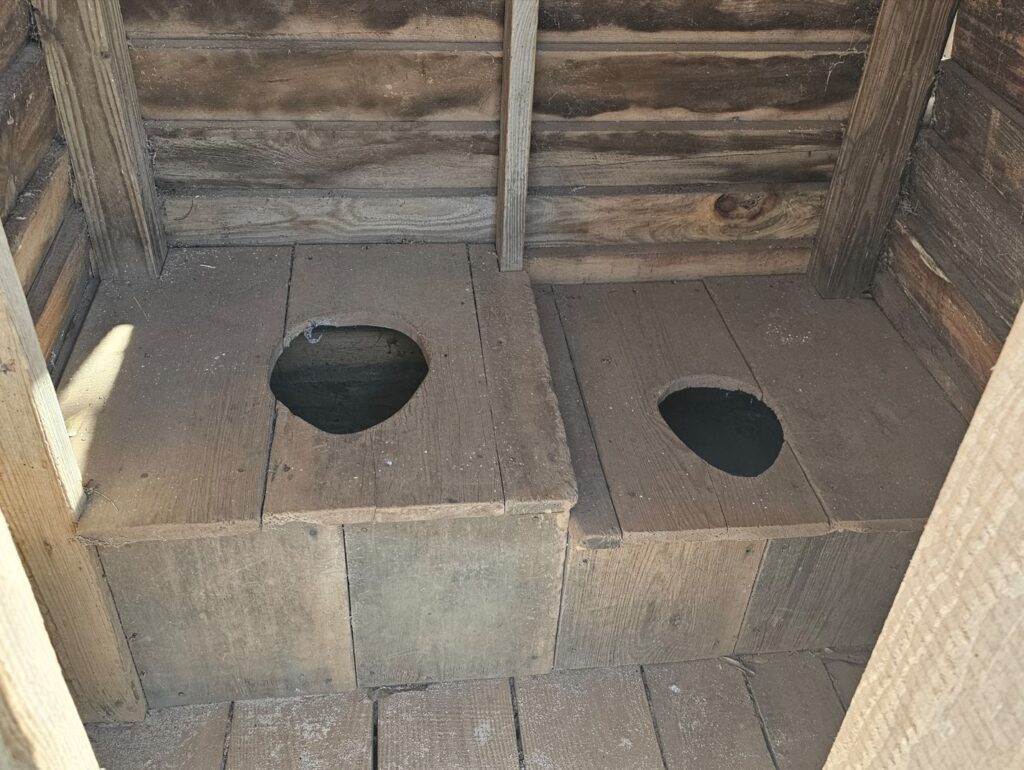
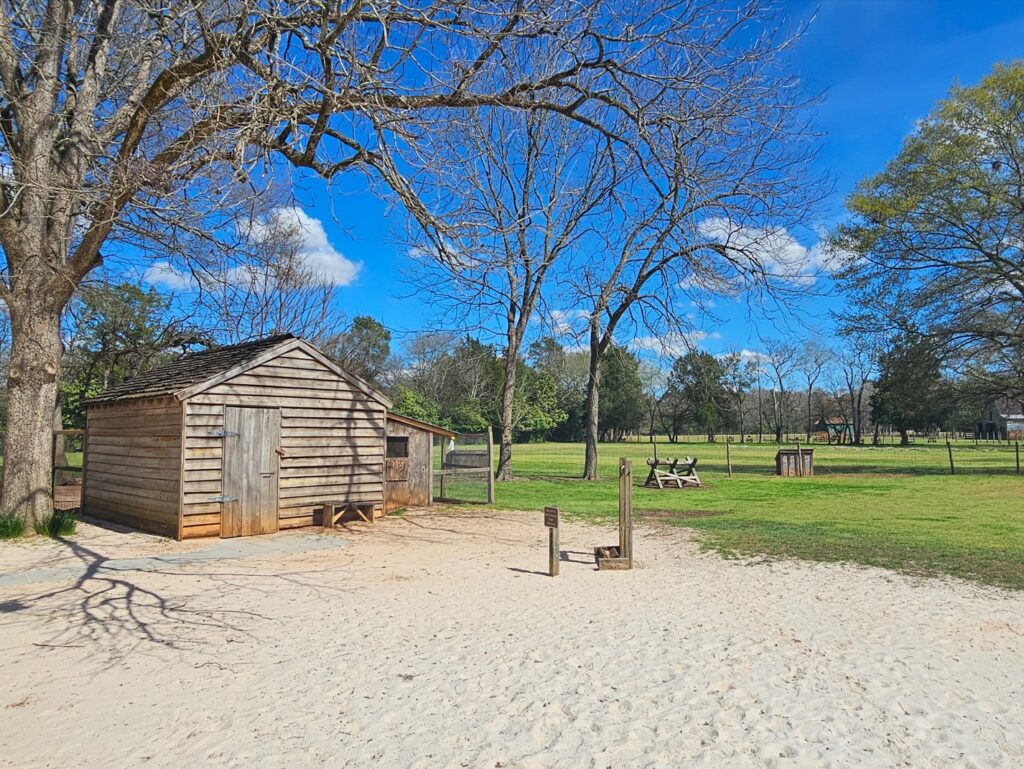
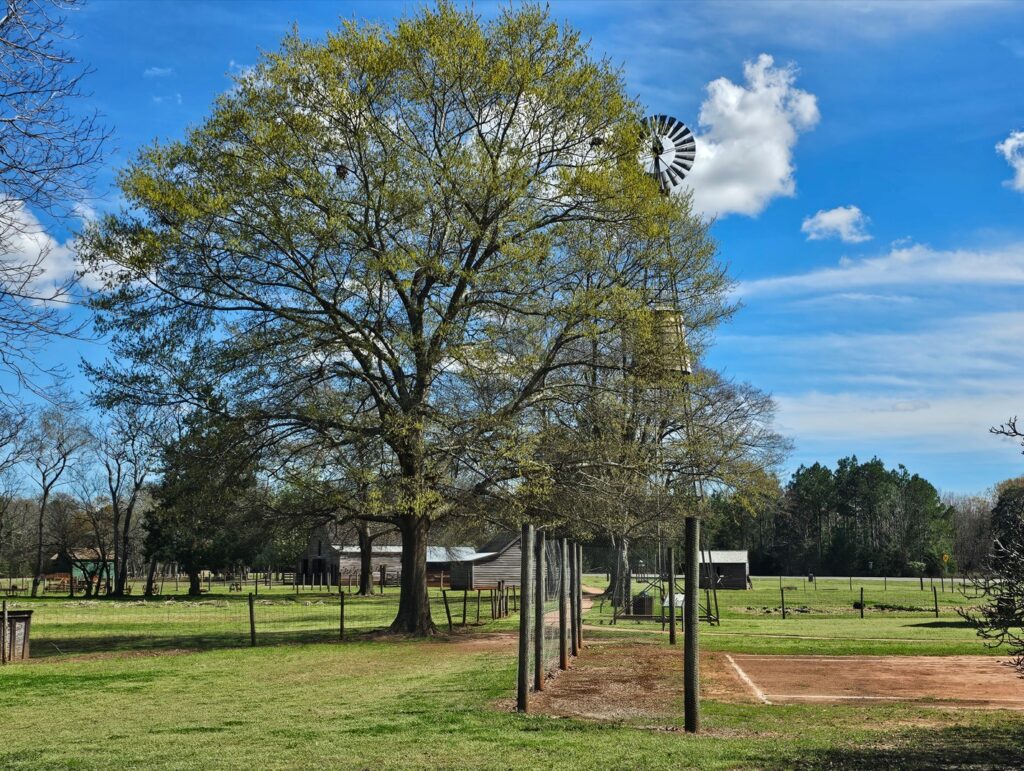
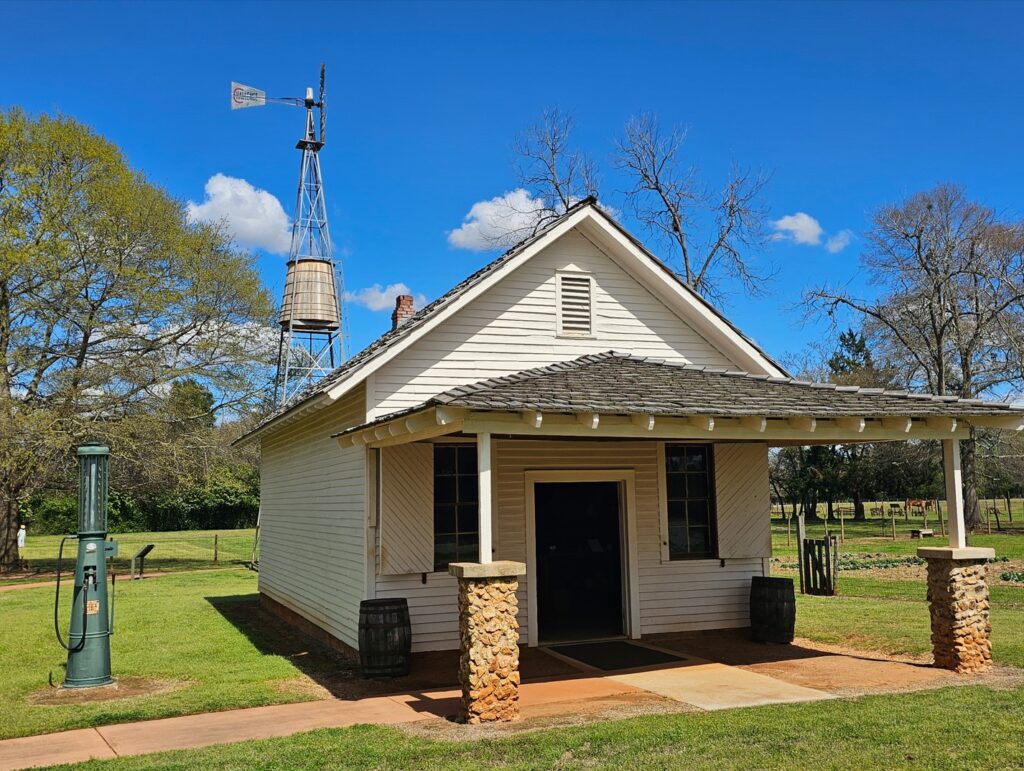
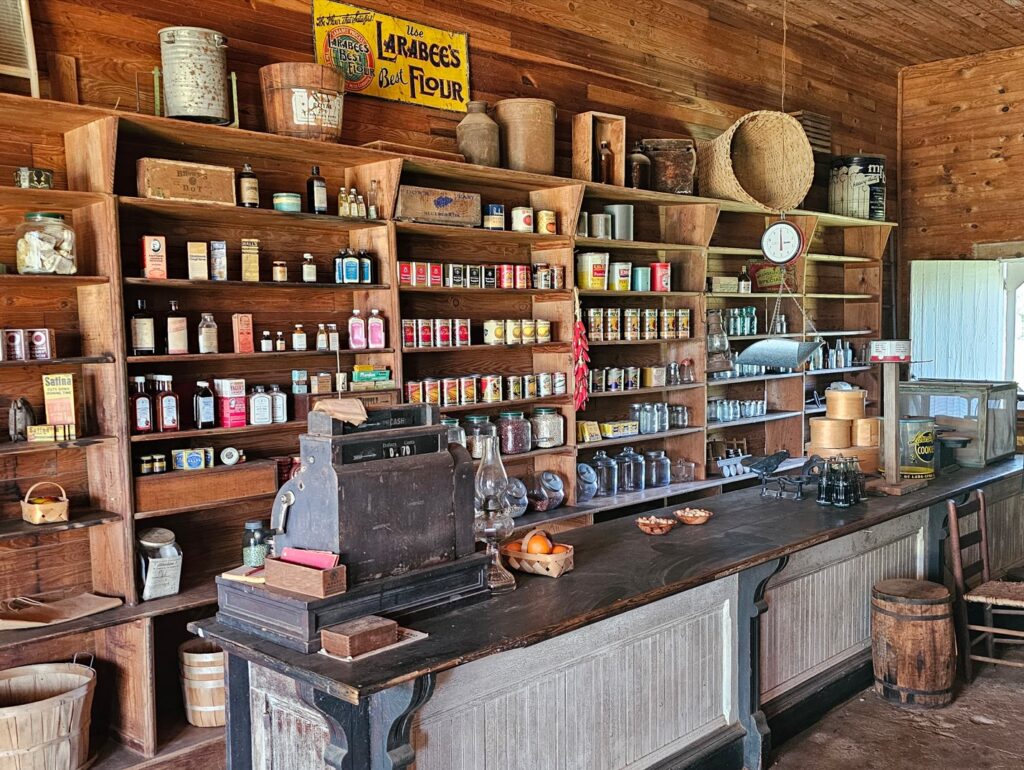
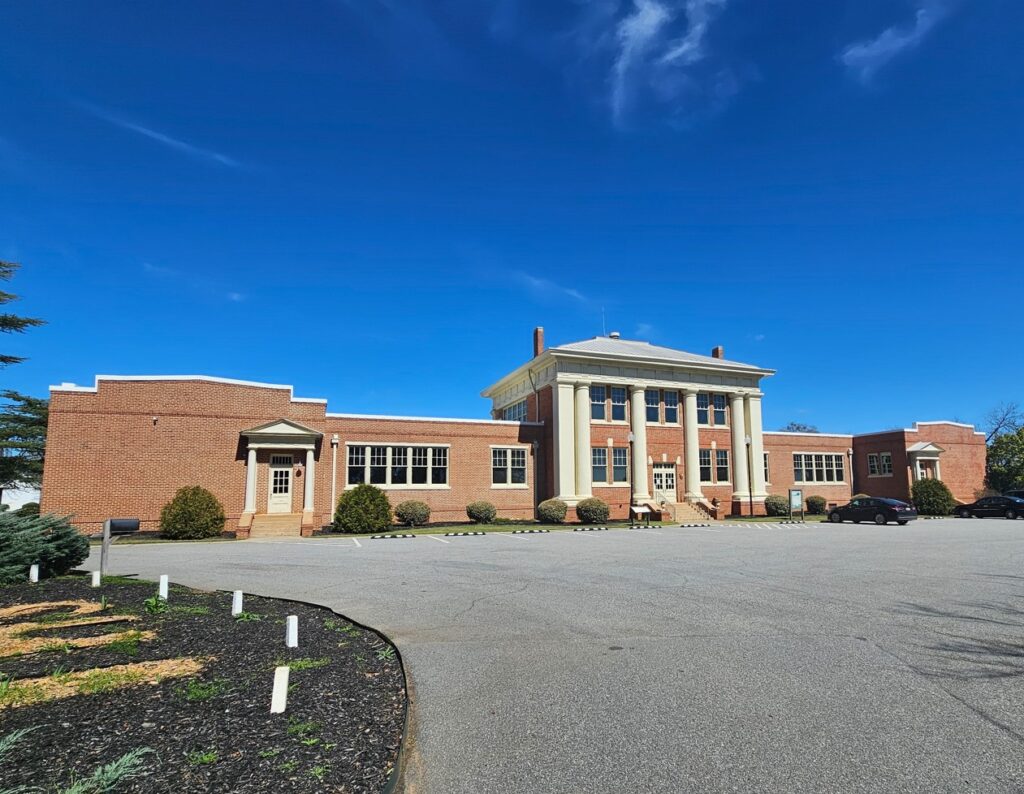
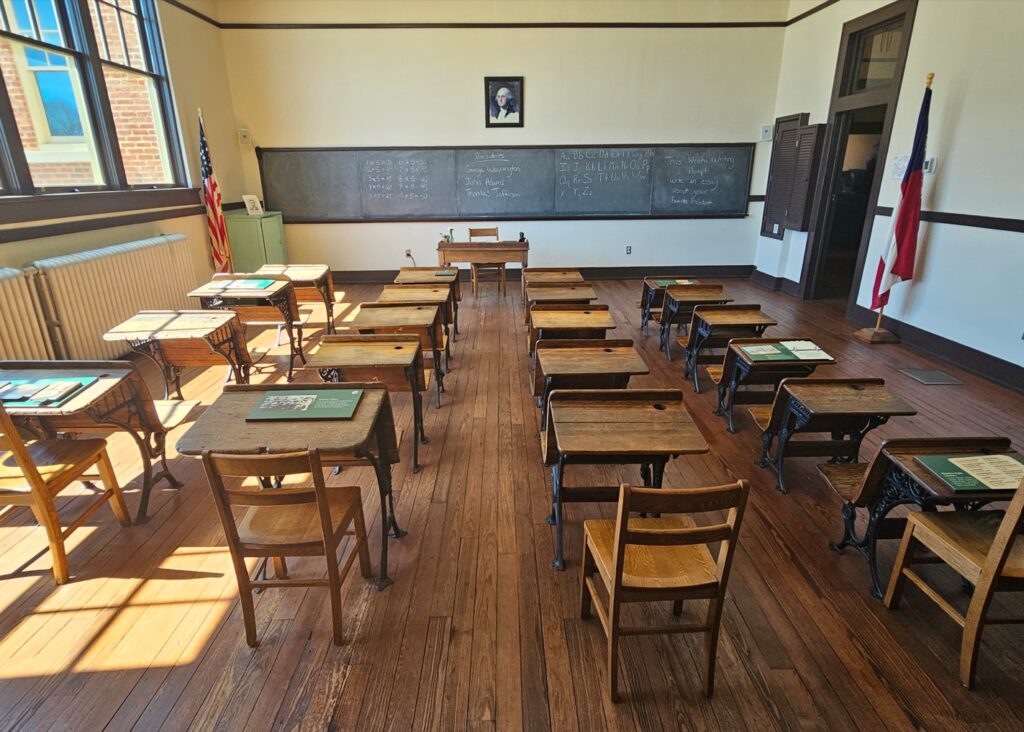
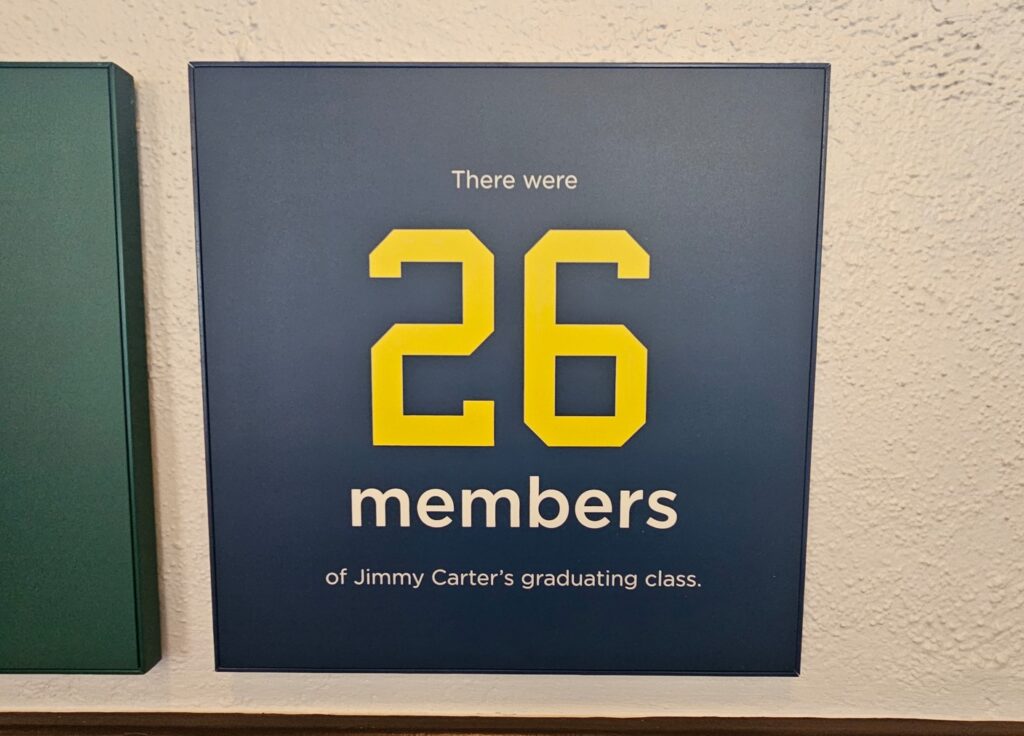
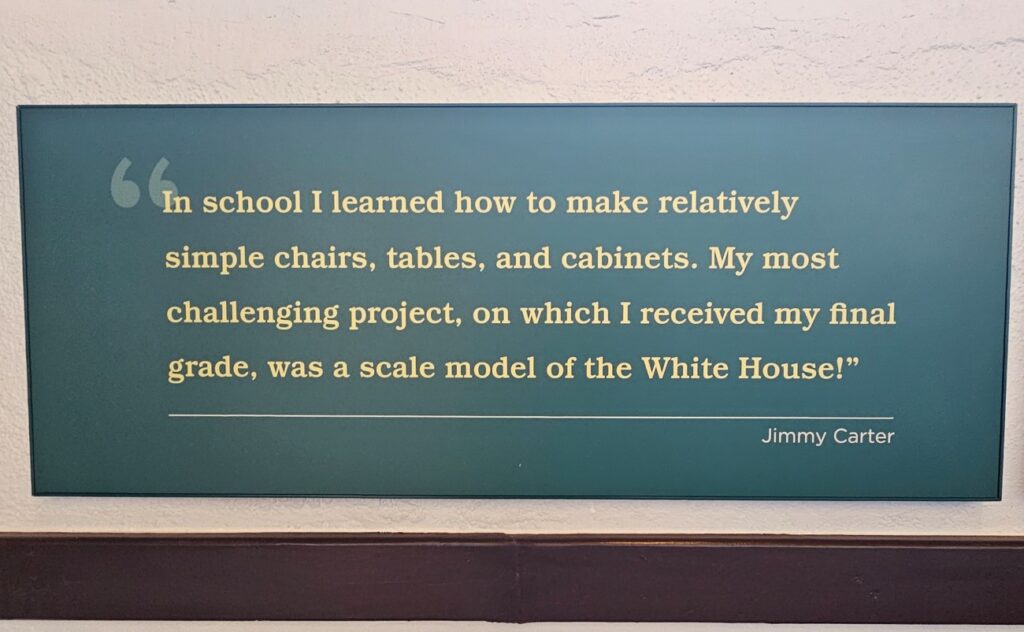
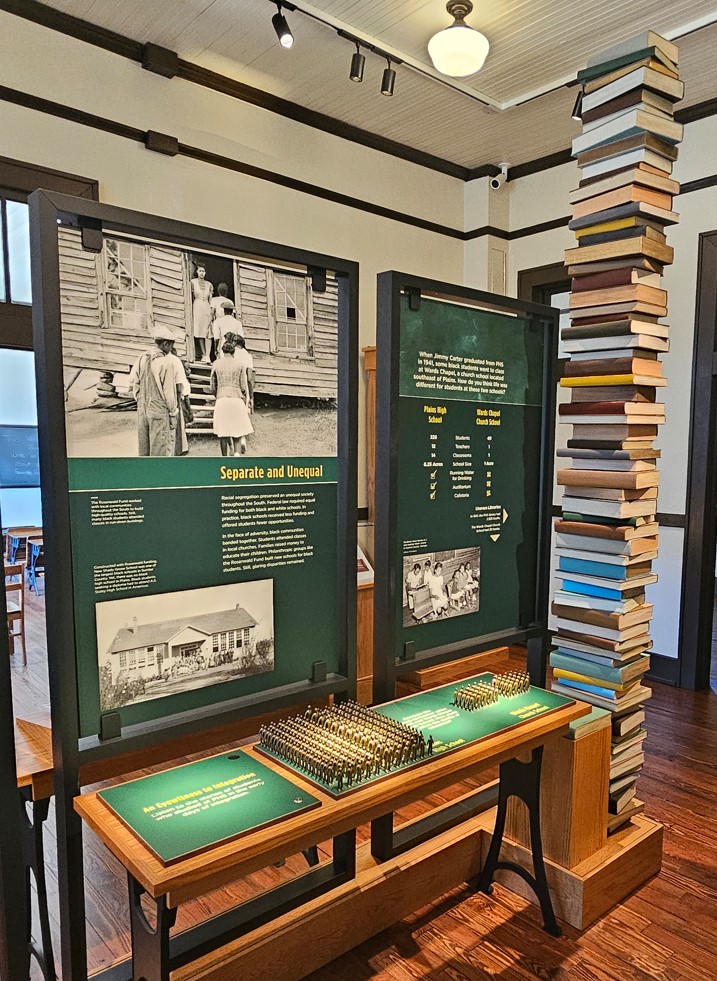
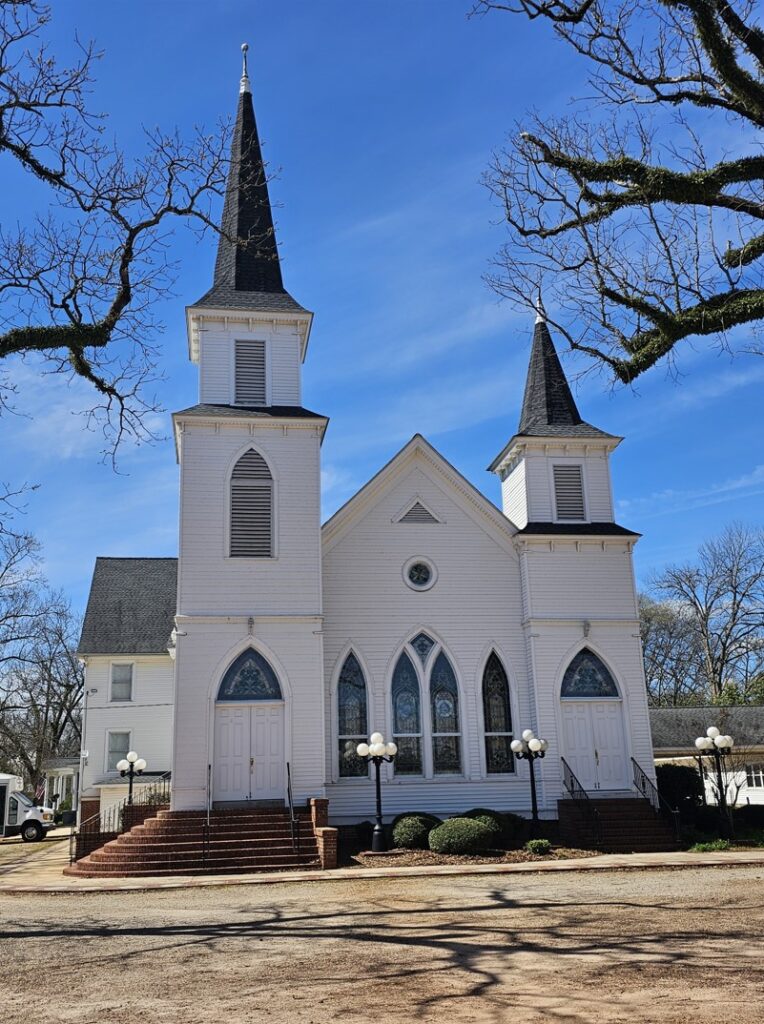
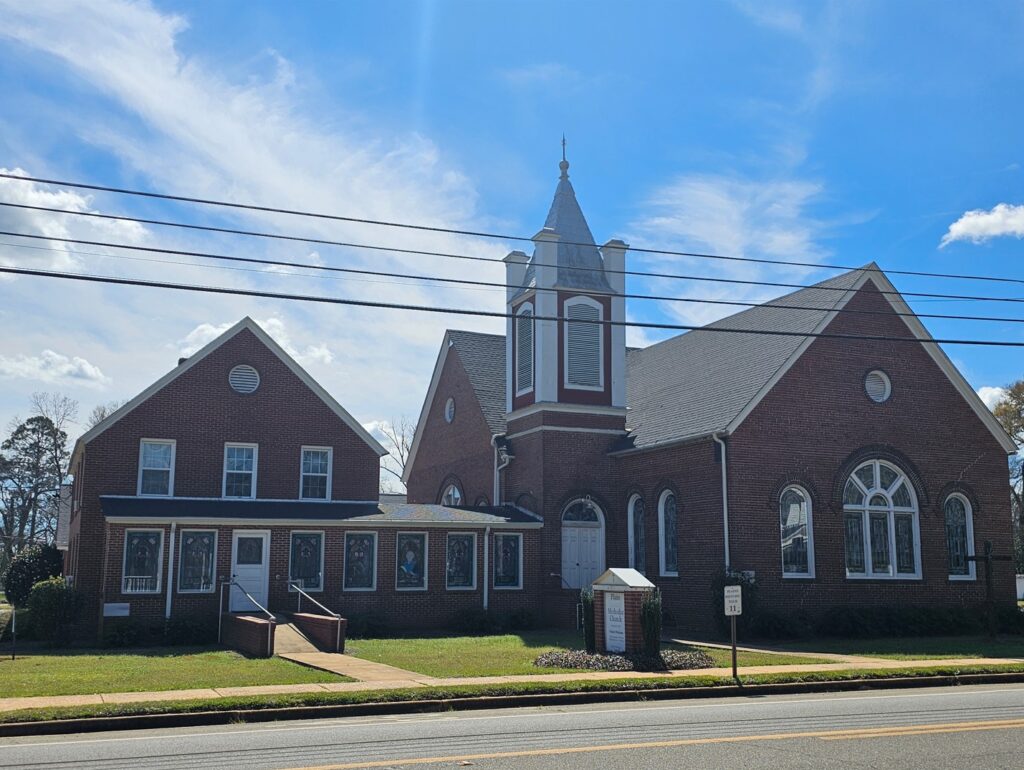
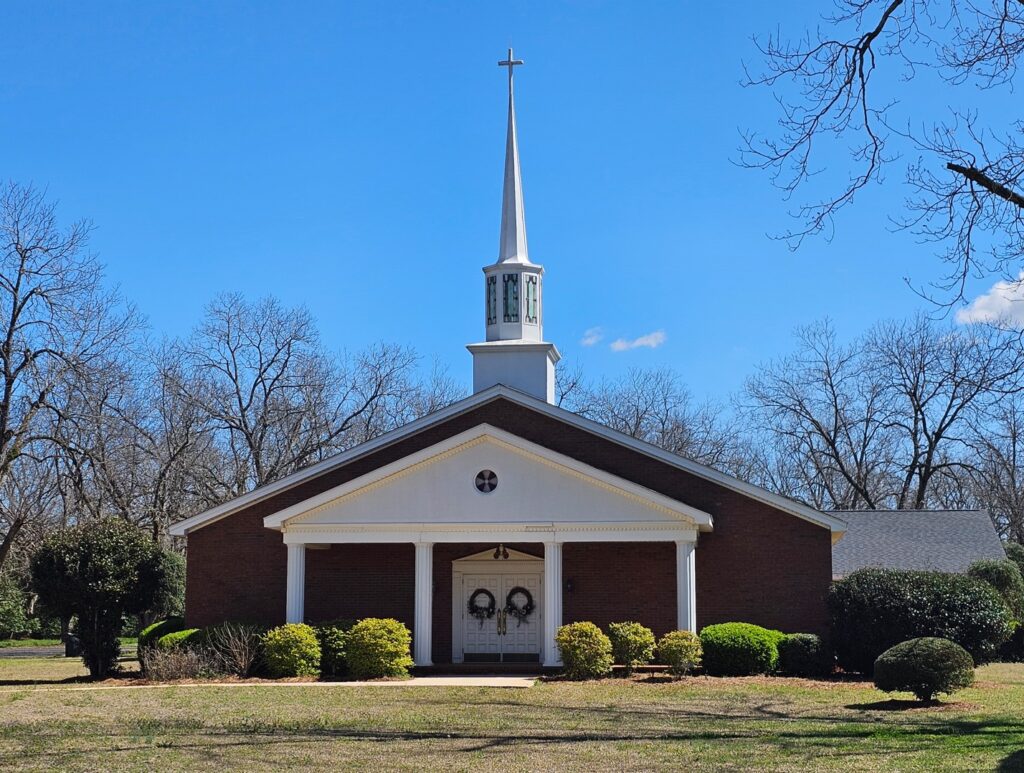
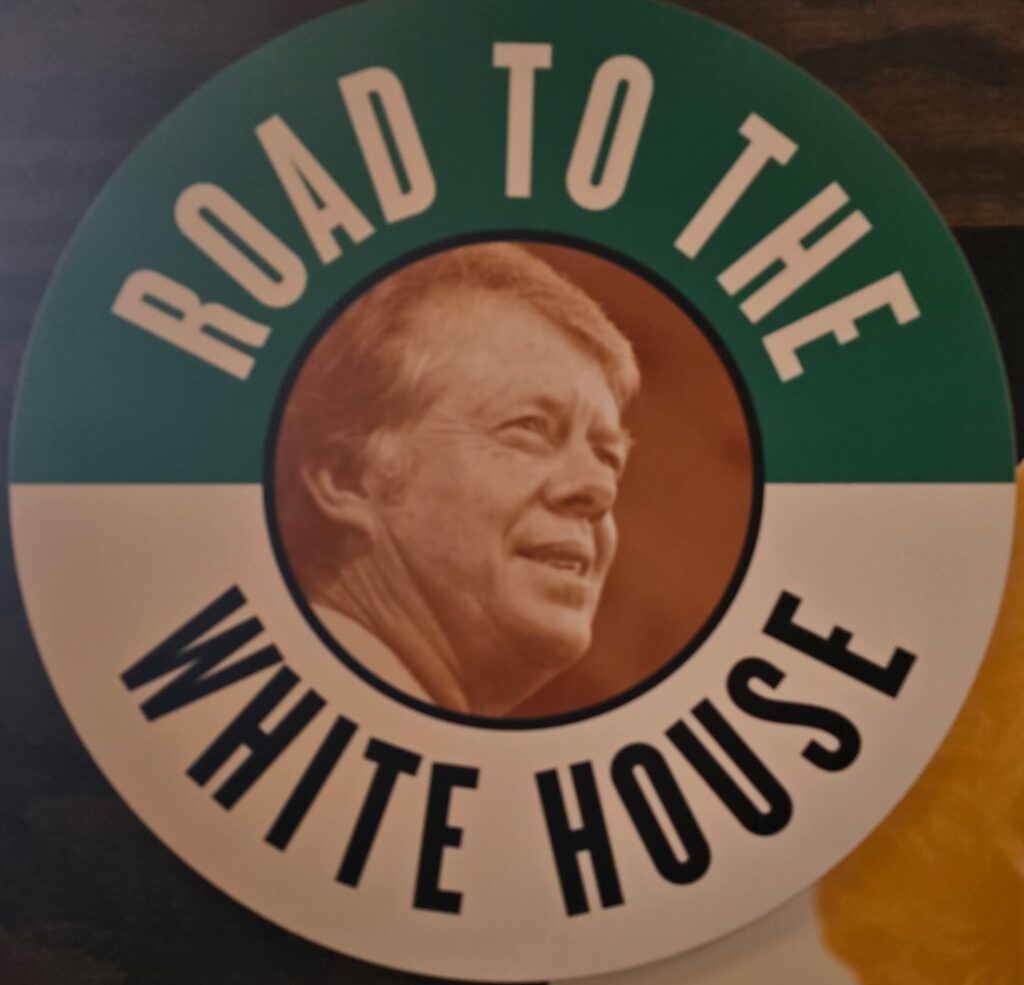
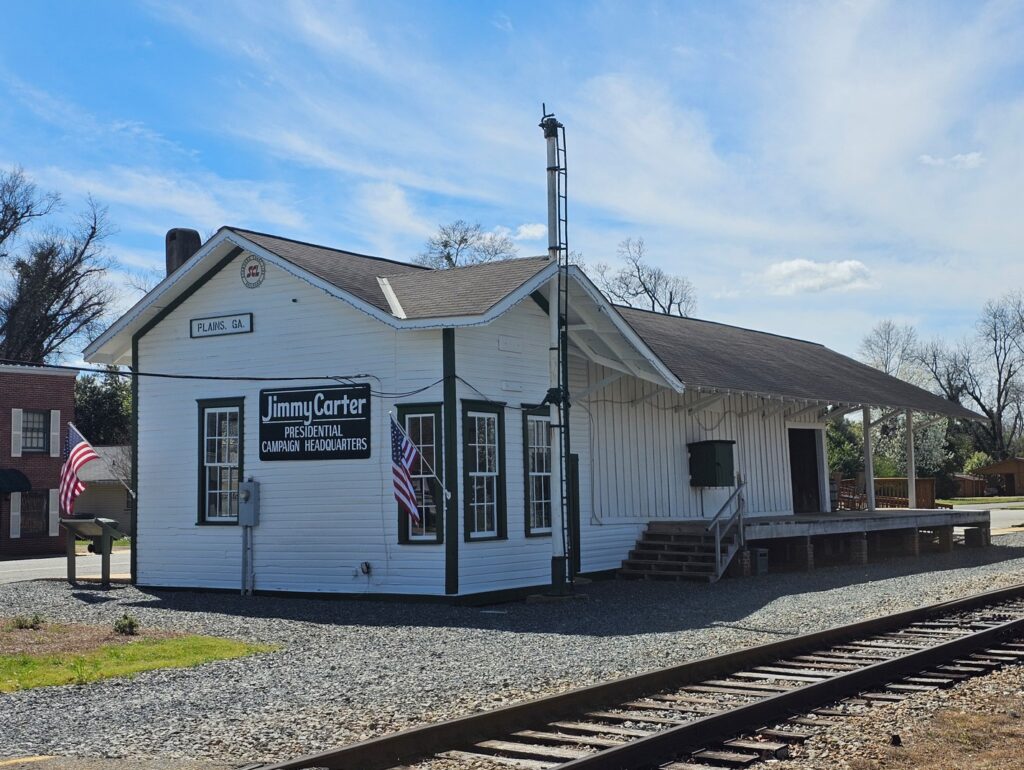
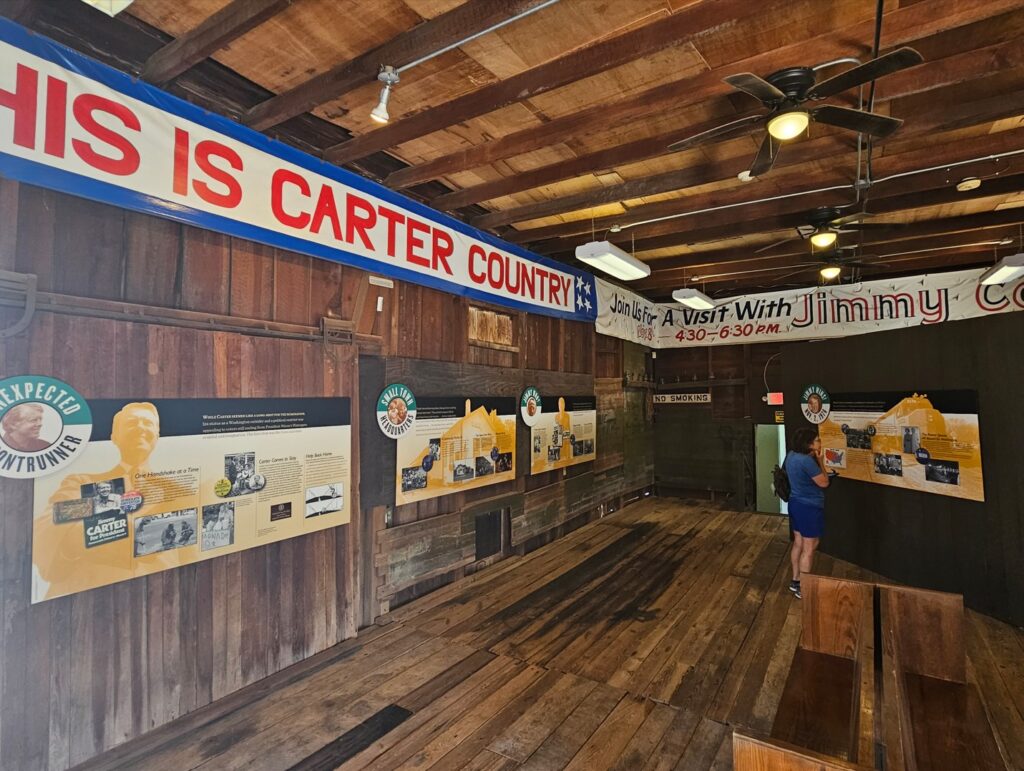
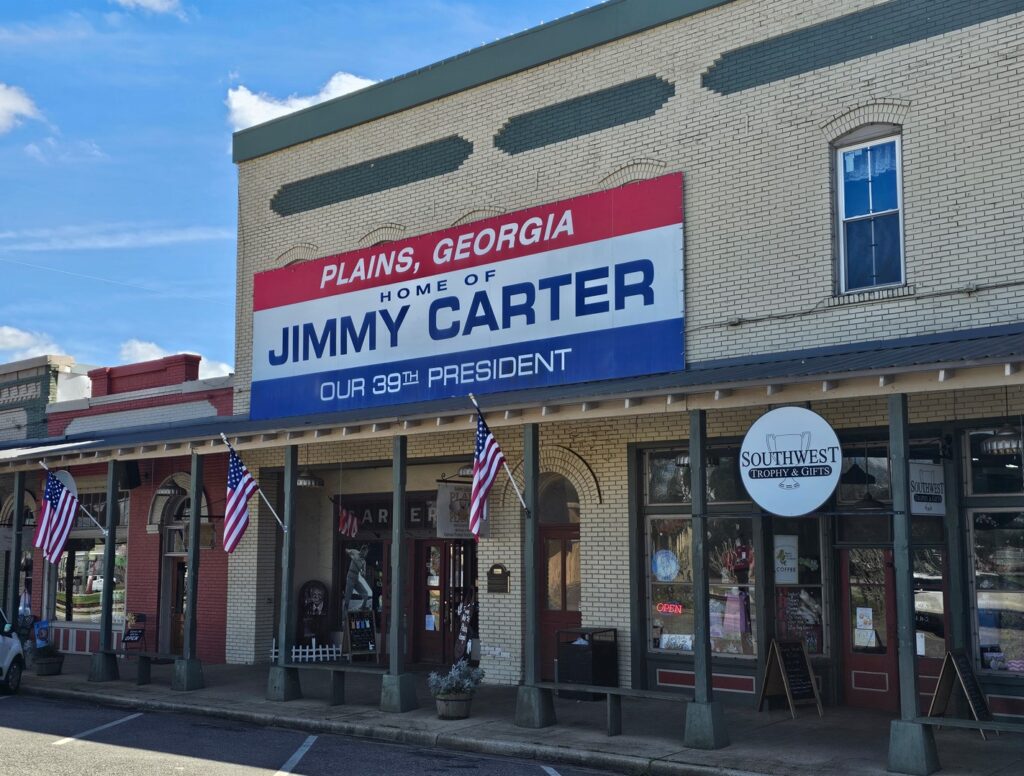
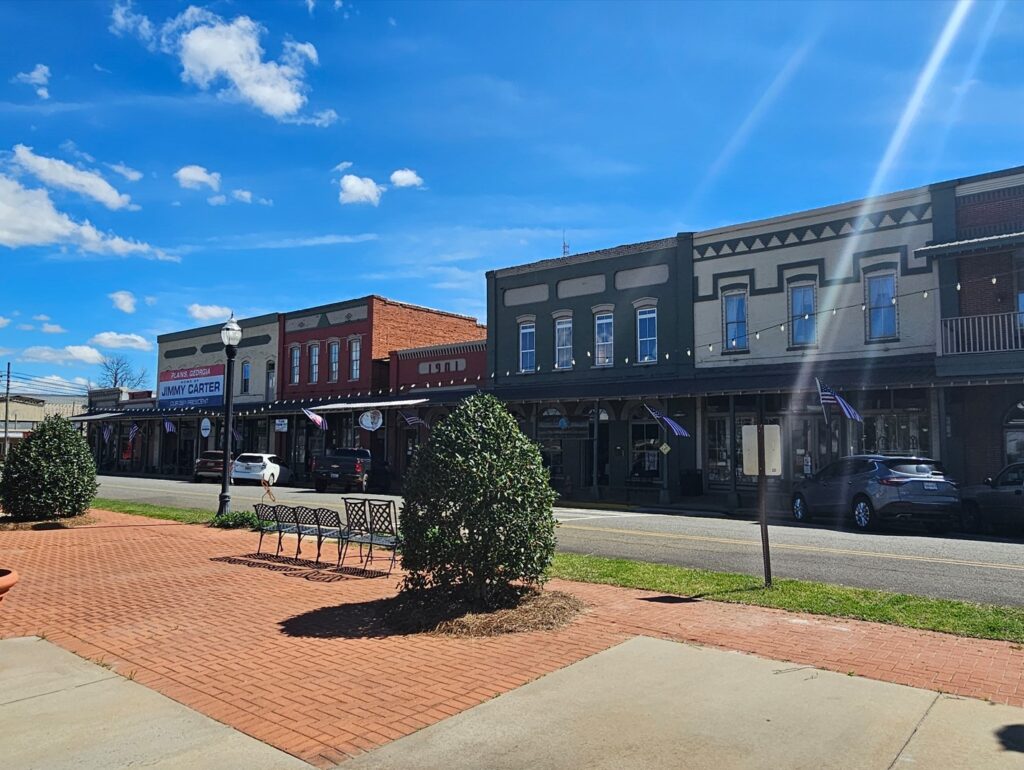
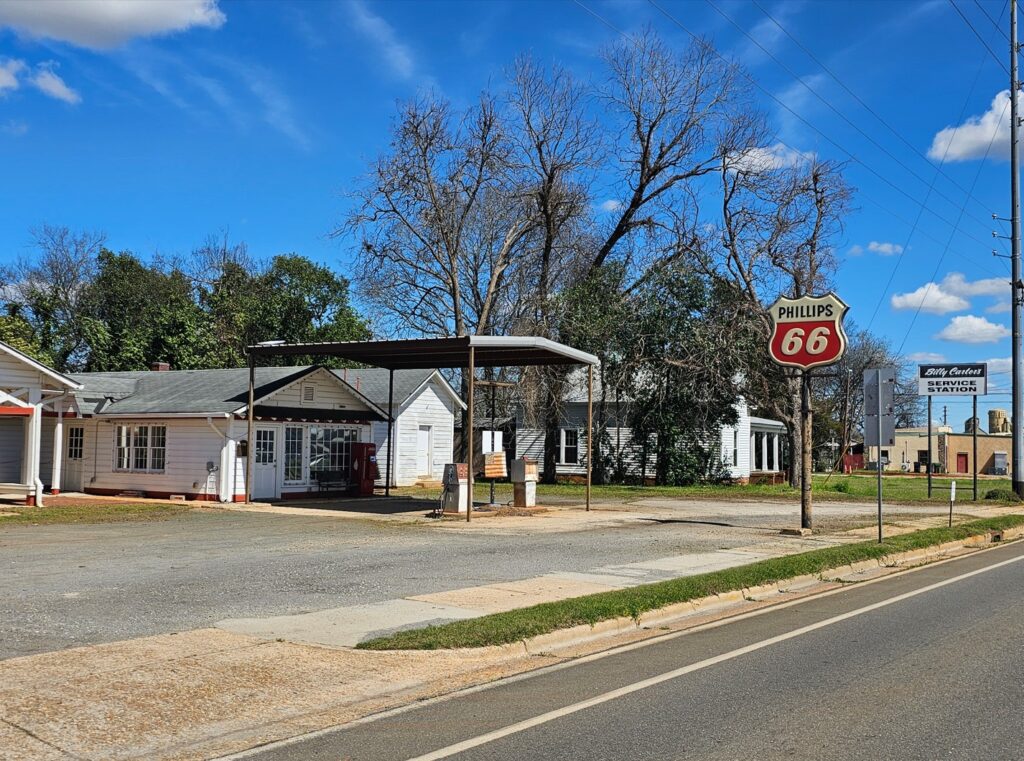
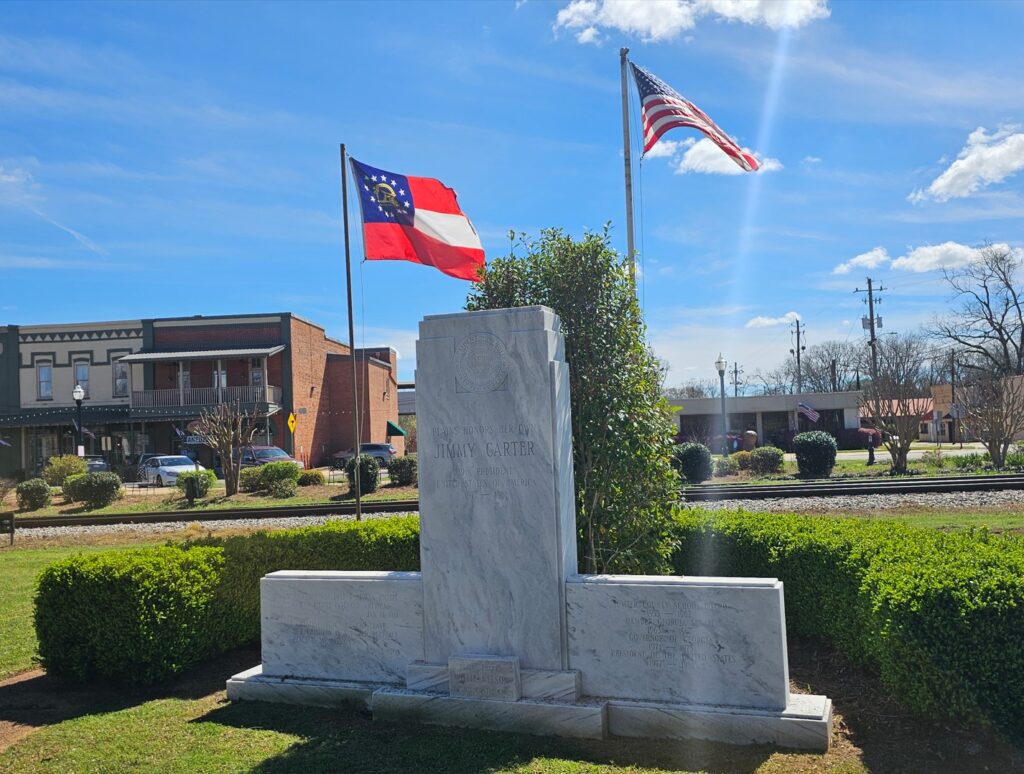
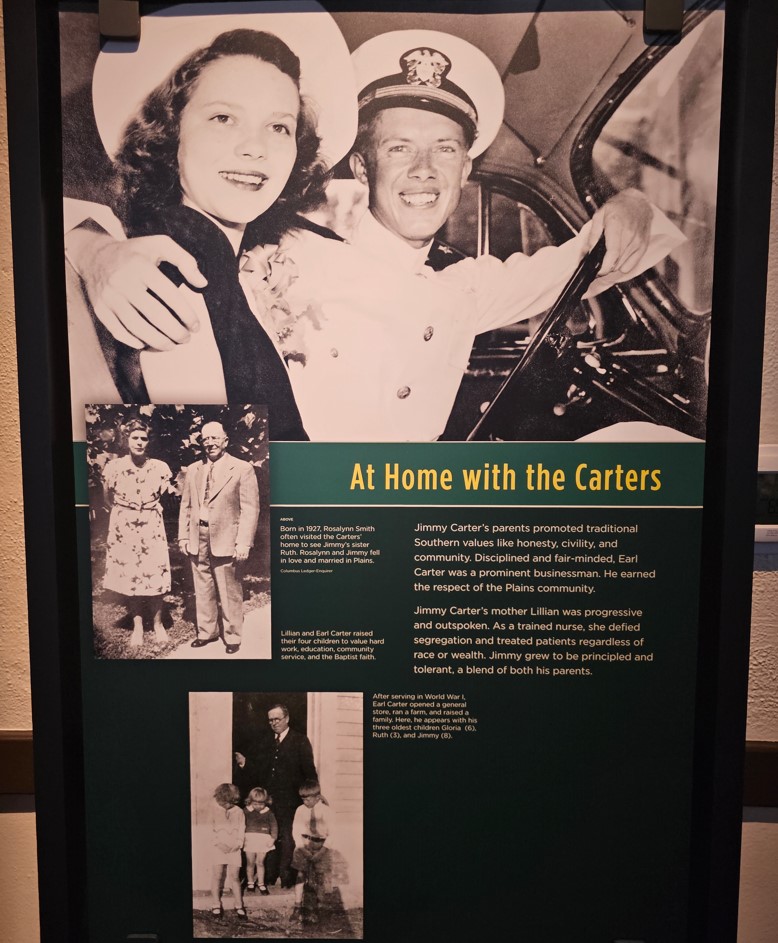
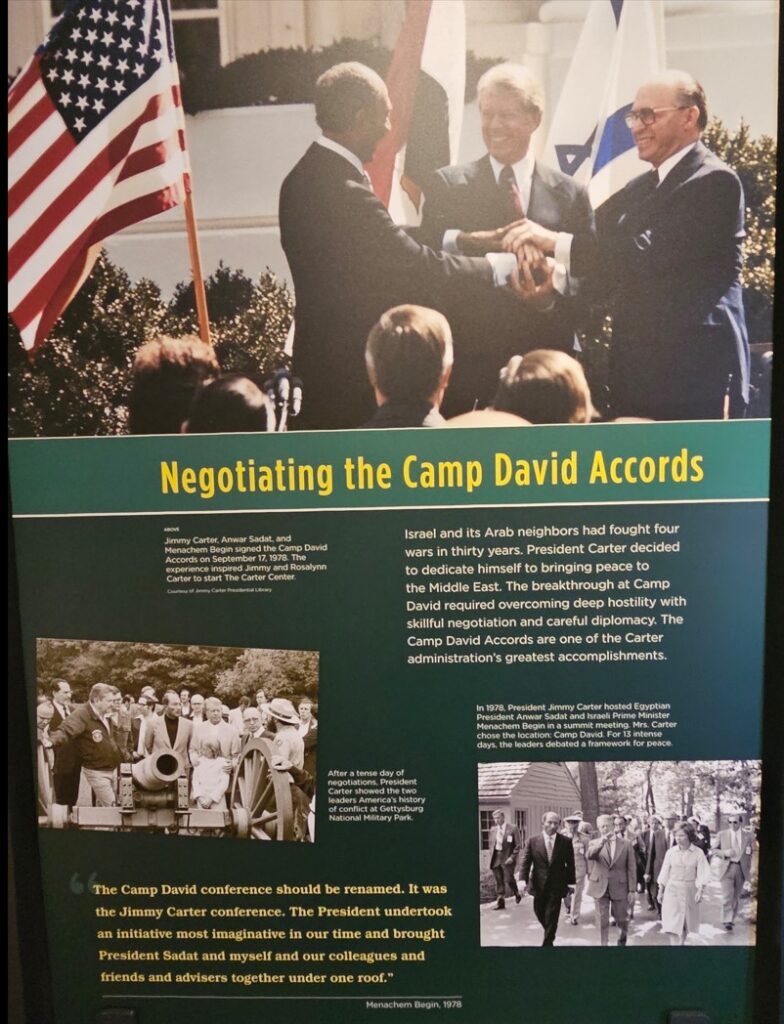
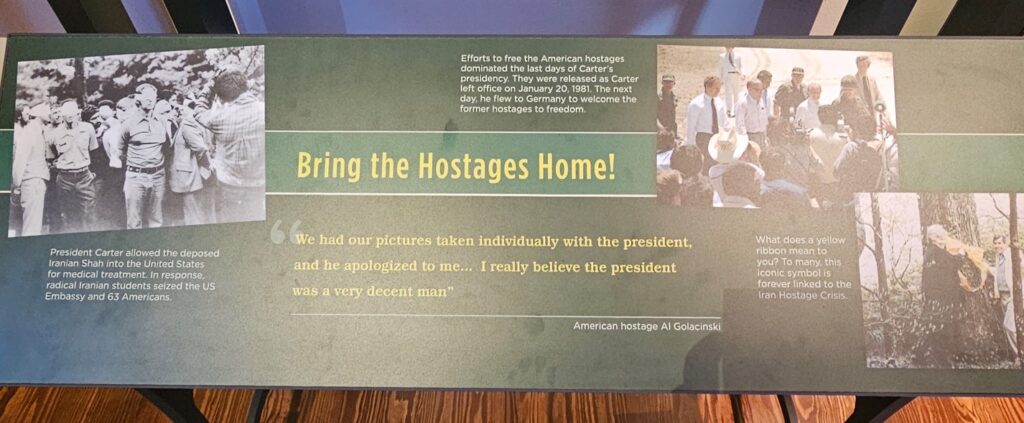
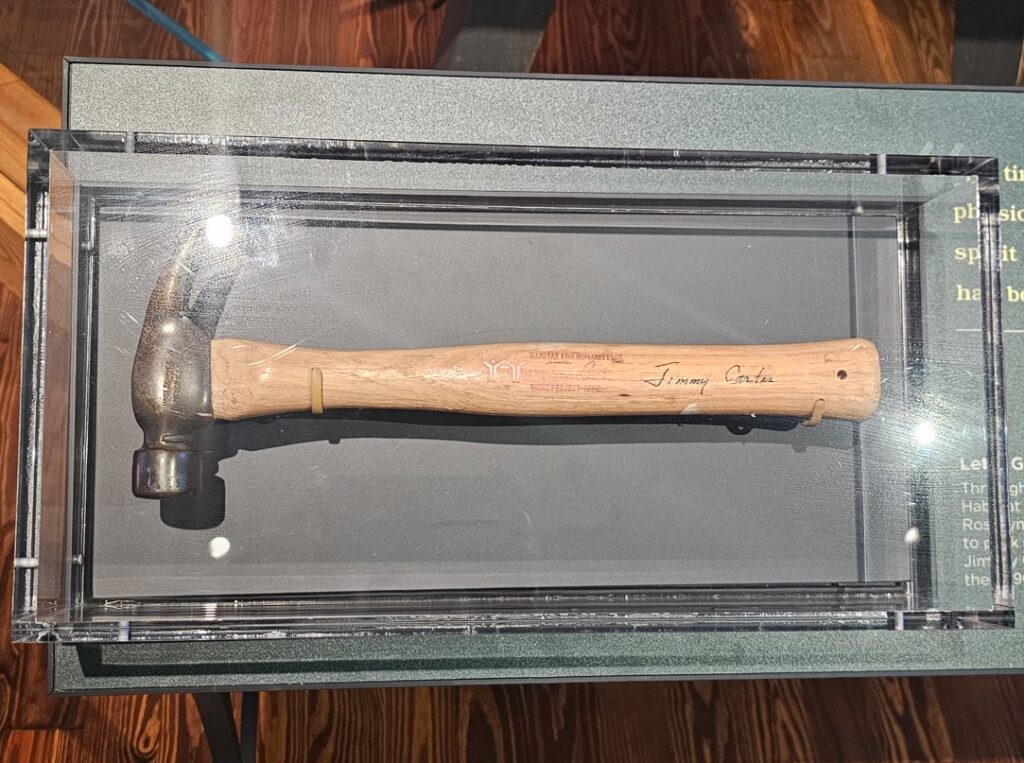
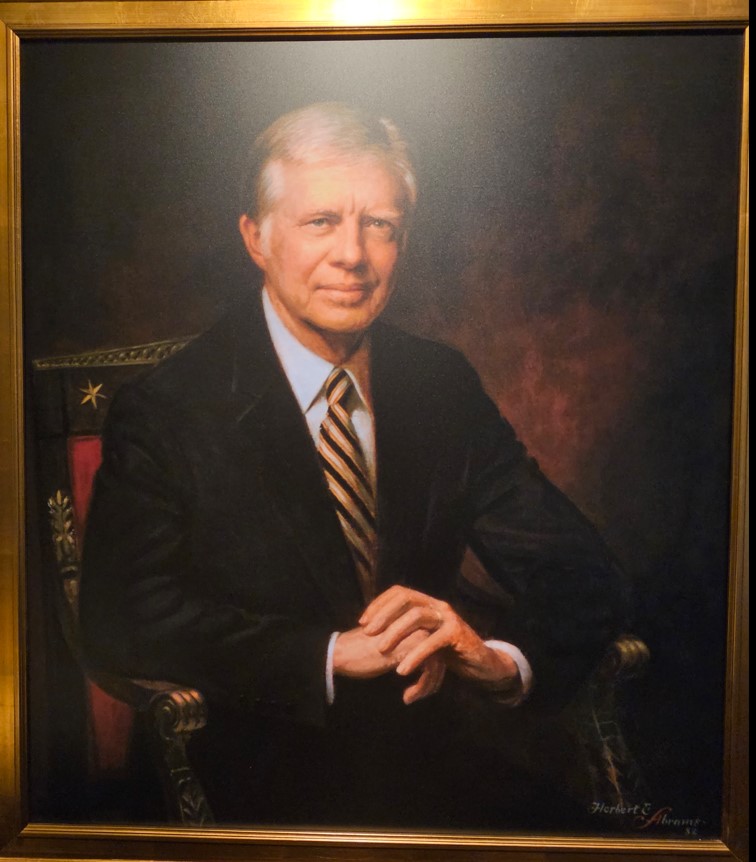
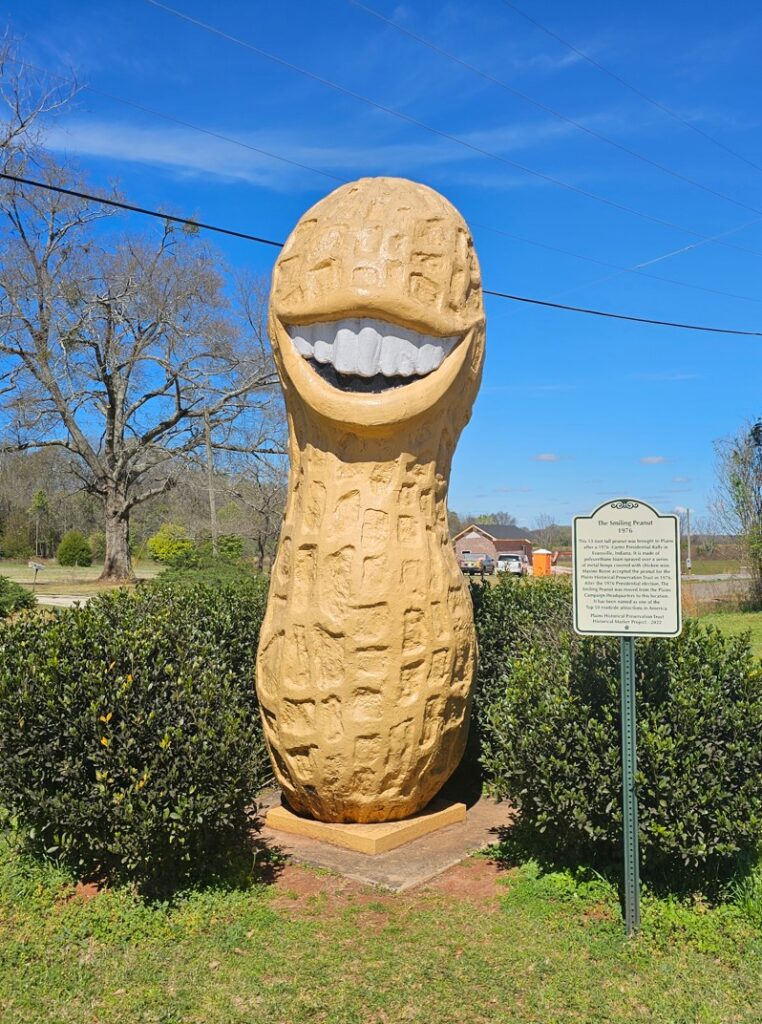
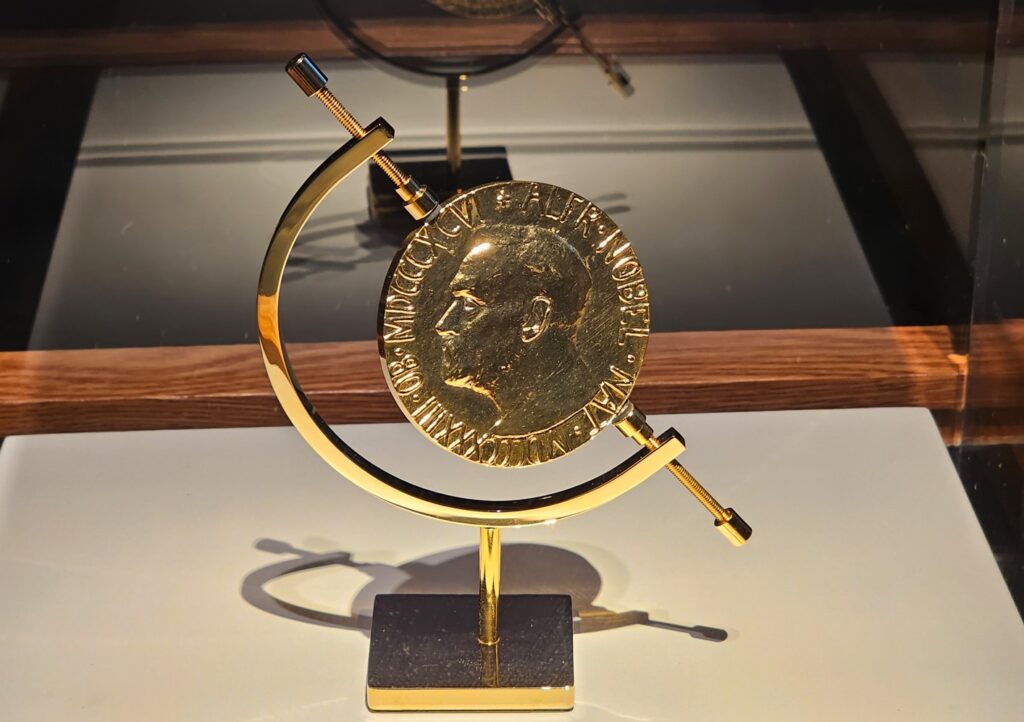
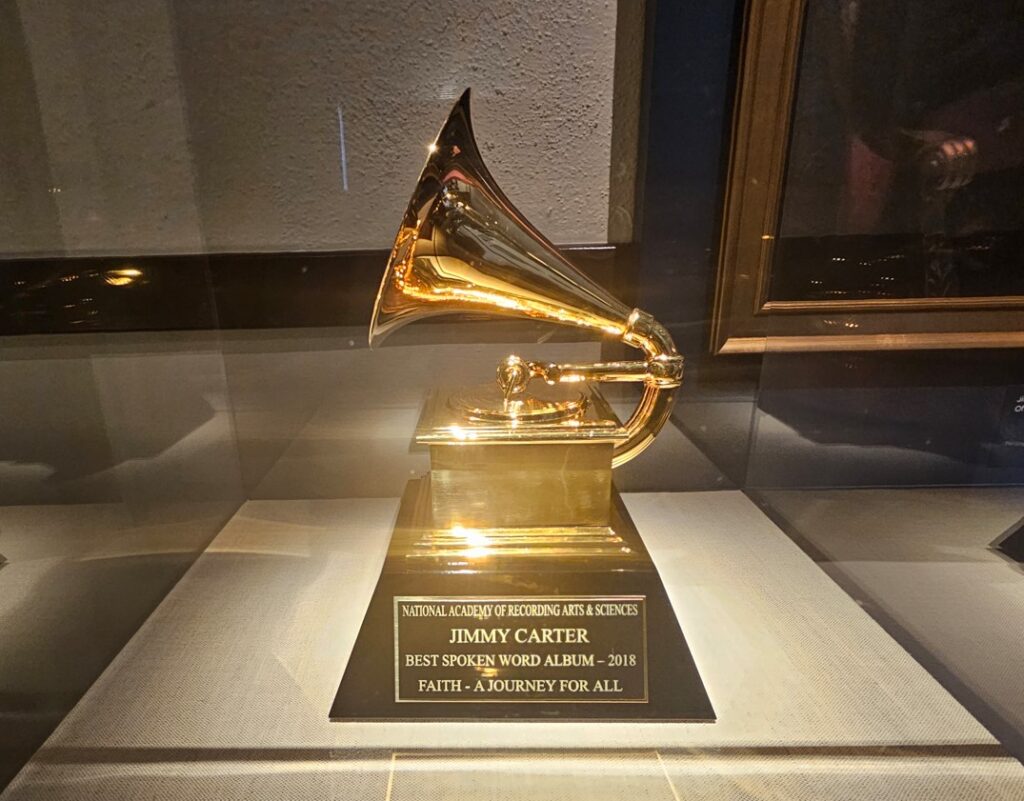
Our 39th president Jimmy Carter was born in this hospital in 1924. He was the first president born in a hospital.President Carter grew up in this farmhouse on his family’s farm.Carter’s parents bedroom.Ruth, Carter’s sister’s bedroom.Jimmy Carter’s bedroom.Kitchen.Dining Room.Back porch.Indoor bathroom.Outhouse…A 2-holer!The farm.Jimmy Carter’s father’s store.Jimmy Carter attended Plains High School.The stacks of books demonstrate the discrepancy between “white” and “black” schools. In 1941 When Carter graduated, Plains High School library had 2,928 books, while the “black” school Wards Chapel Church School had 30 books.Carter grew up in Plains Baptist Church.Jimmy and Rosslyn were married in Plains United Methodist Church.As adults the Carters attended Maranatha Baptist Church. Jimmy taught Sunday School here.Former Georgia Governor Jimmy Carter ran for president in 1976, the first presidential election I was able to vote in.Carter’s presidential campaign headquarters in 1976 was in the Plains depot because it was the only place in Plains that had a telephone!Inside the depot today are displays related to the 1976 campaign.You can get peanut ice cream here – delicious!Downtown Plains is literally one block long, on one side of the street!Jimmy’s brother Billy became quite the celebrity in 1976 during the campaign. He was outspoken and took full advantage of the fame. He even created a fad – Billy Beer!Monument honoring Plains’ favorite son, President Jimmy Carter.President Carter’s singular significant achievement during his presidency was the Camp David Accords which outlined peace between Egypt and Israel.The last year of Carter’s presidency was overshadowed by the capture of American diplomats in the US Embassy in Tehran Iran by Muslim terrorists.After his presidency Carter established the Carter Center to push for world peace and Habitat for Humanity which built homes for the poor. Here is one of his hammers he used on Habitat for Humanity projects.The Smiling Peanut is one of the top Roadside America attractions! It was donated to Plains in 1976 to focus on Carter’s toothy smile.President Carter’s actual Nobel Peace Price. Pretty cool to see in in person.Another award for Carter.