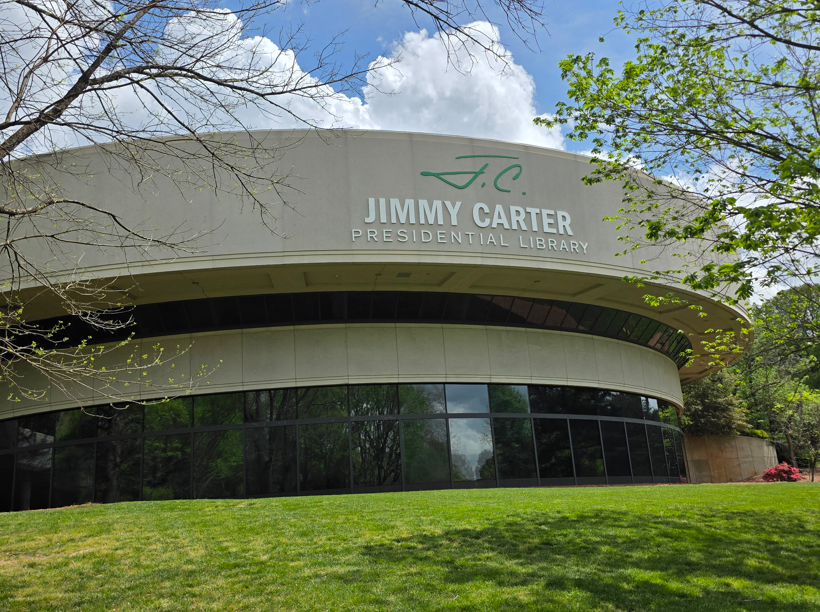
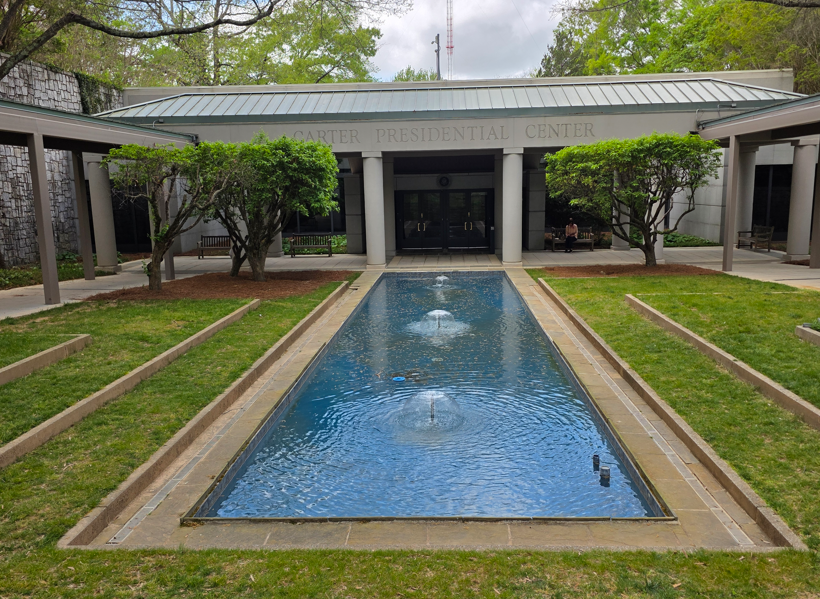
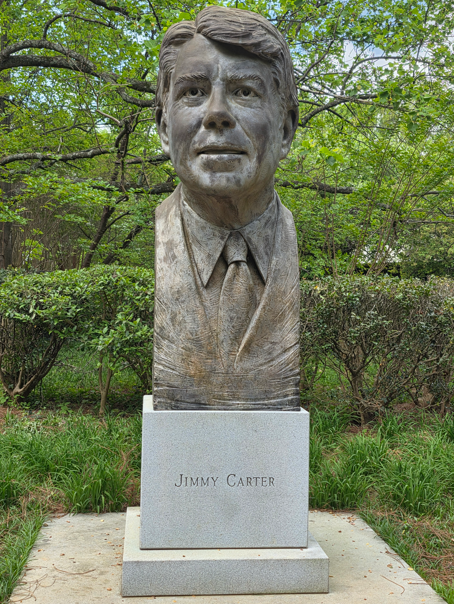
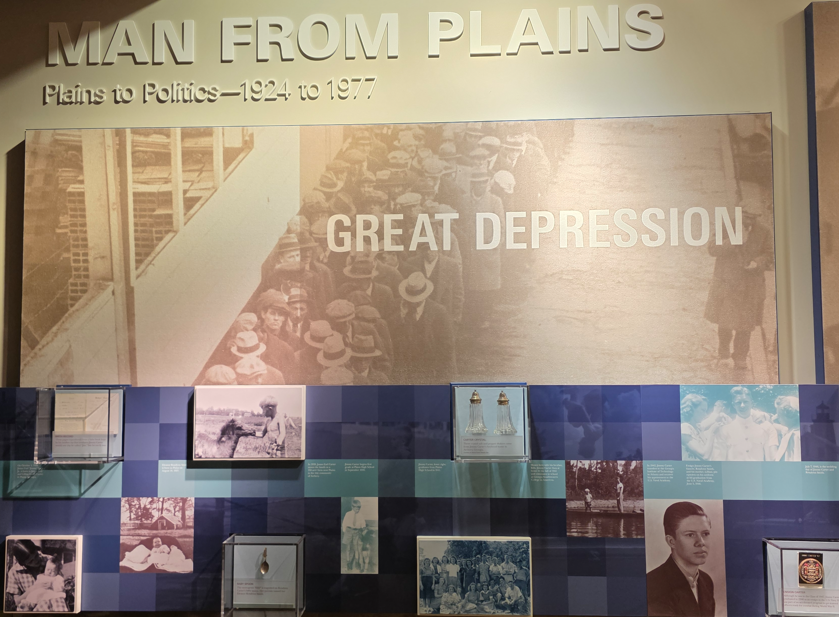
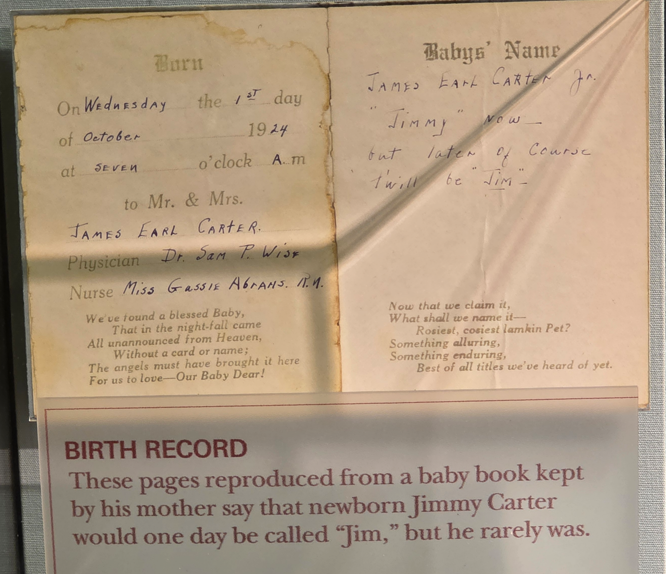
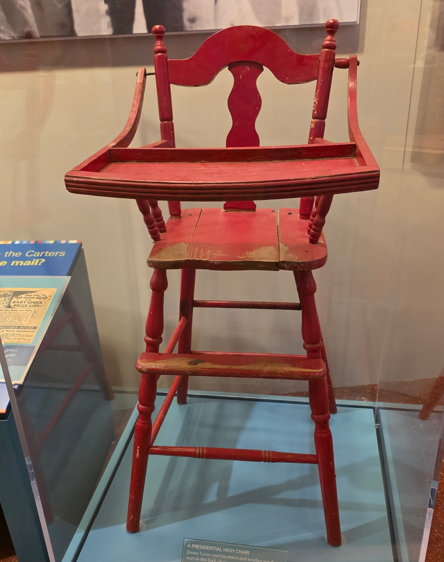
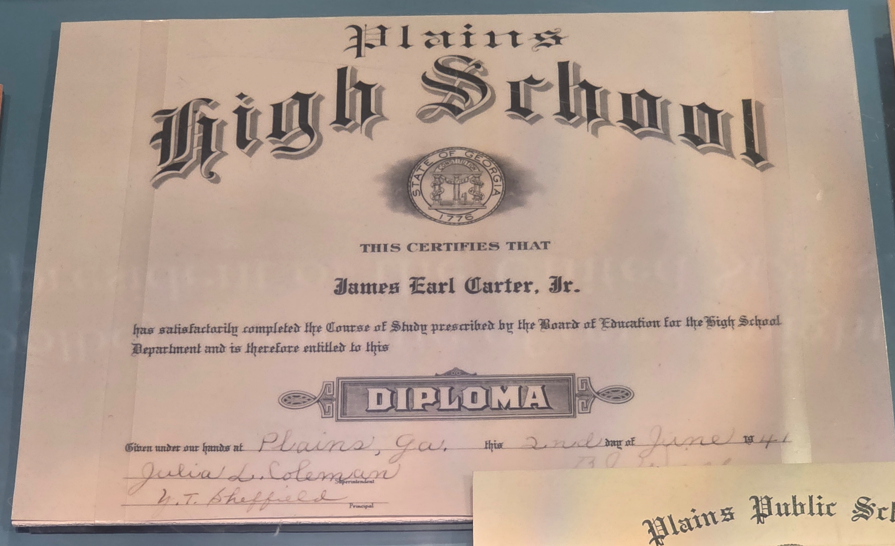
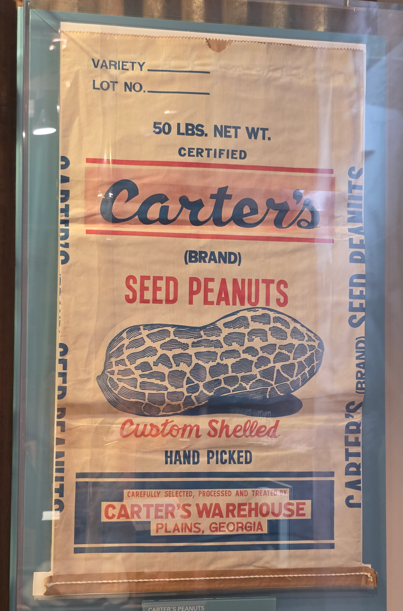
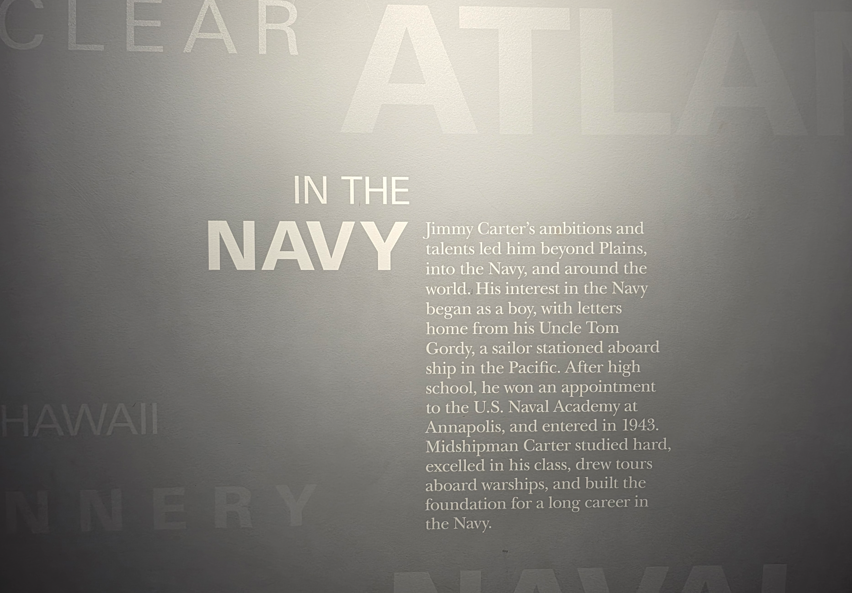
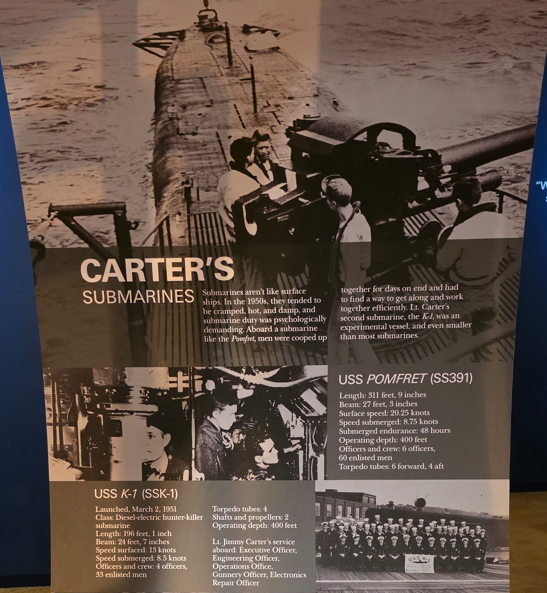
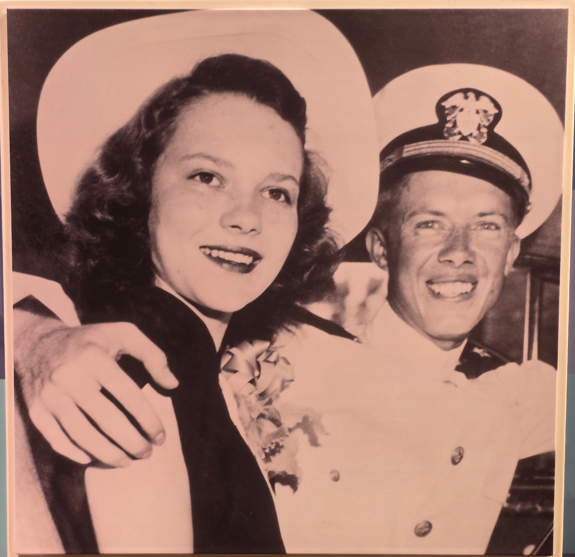
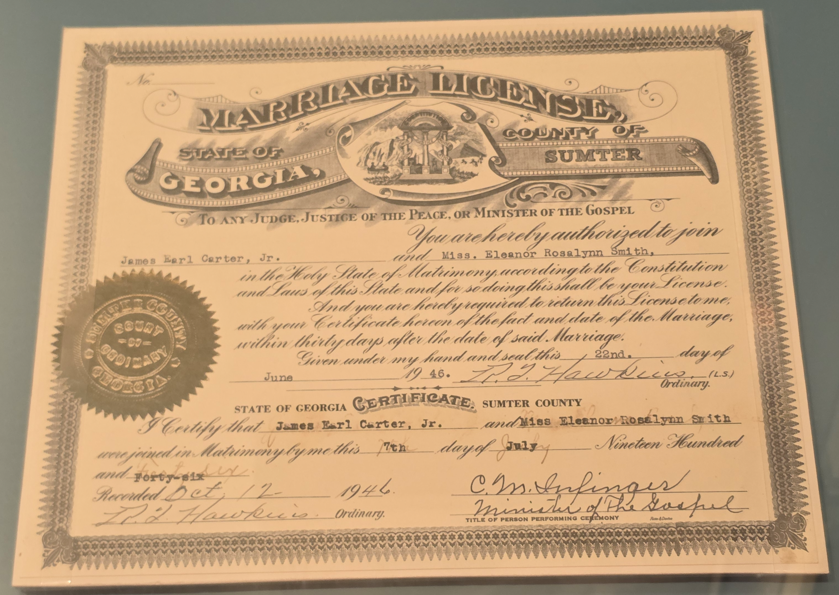
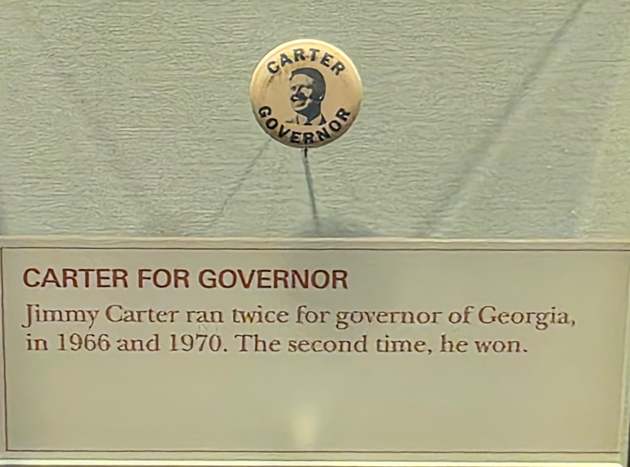
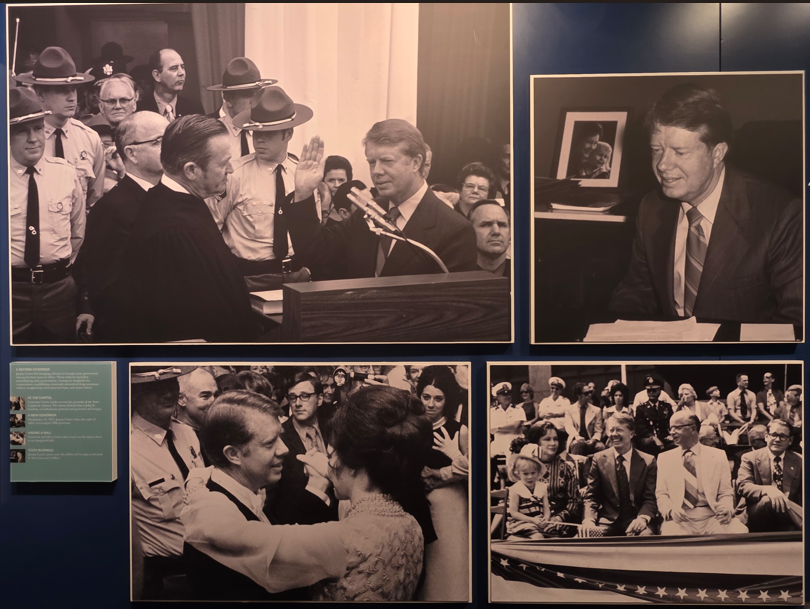
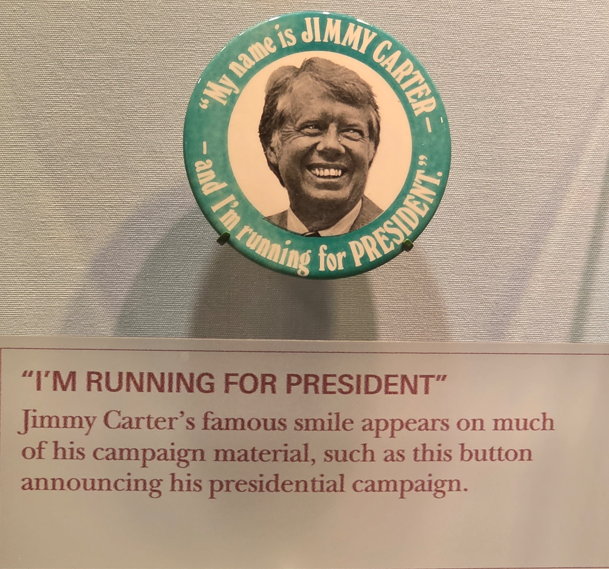
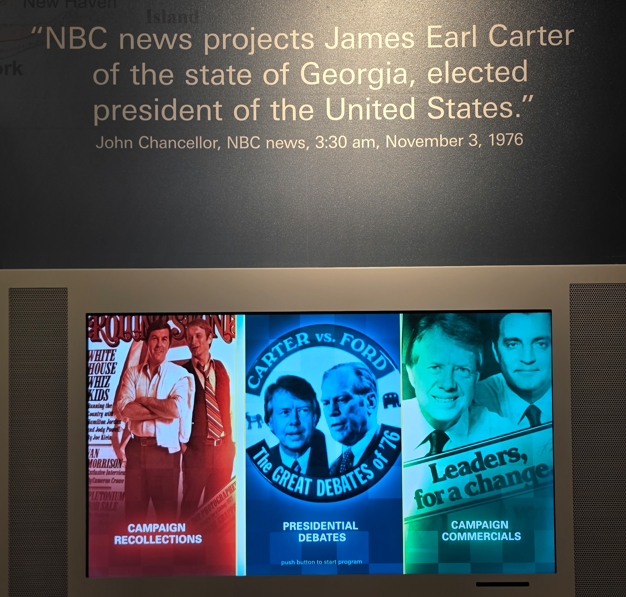
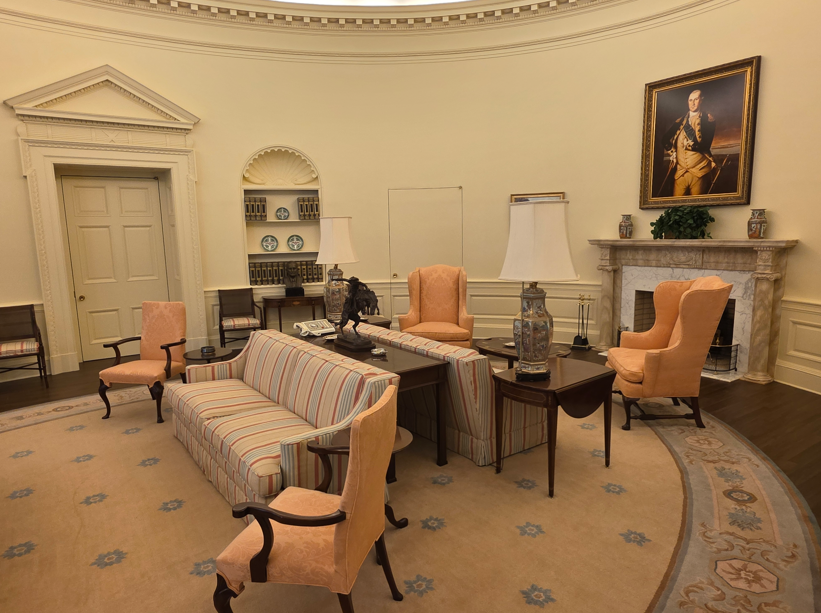
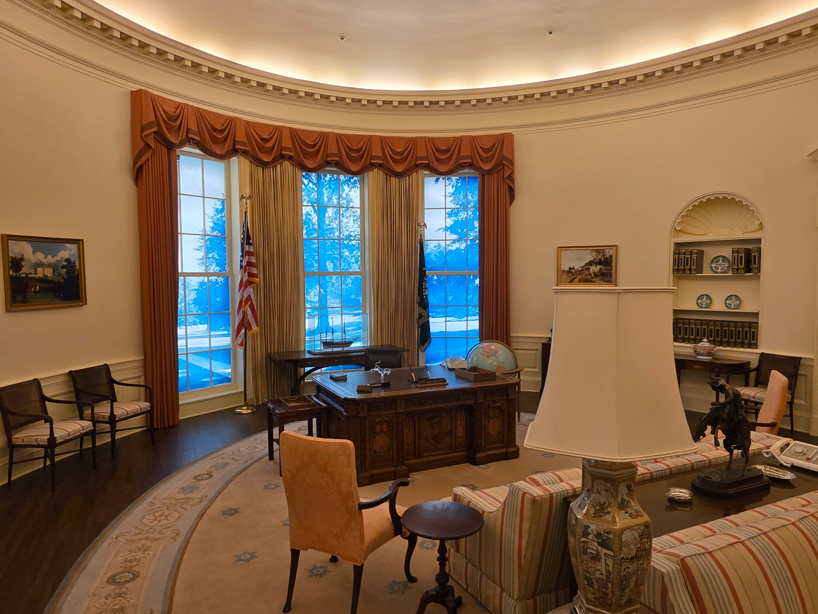
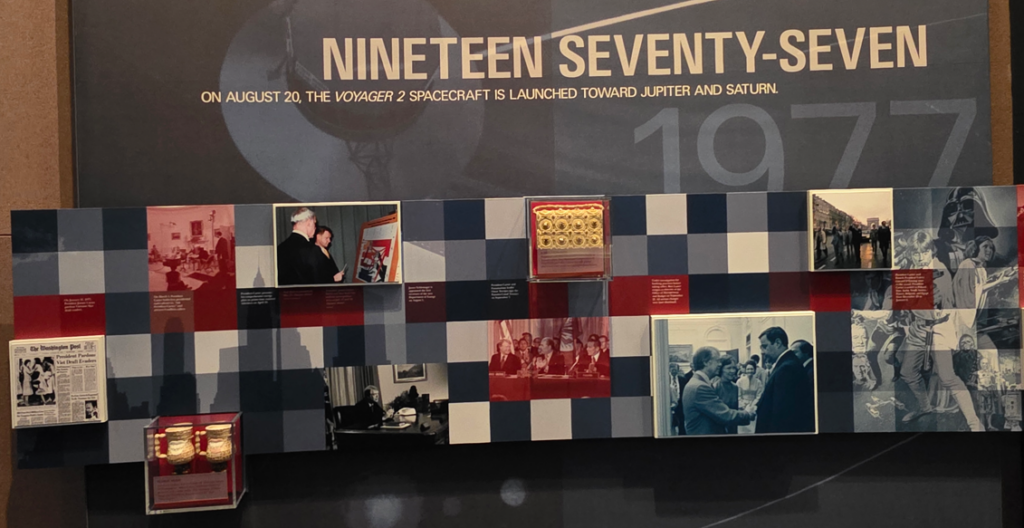
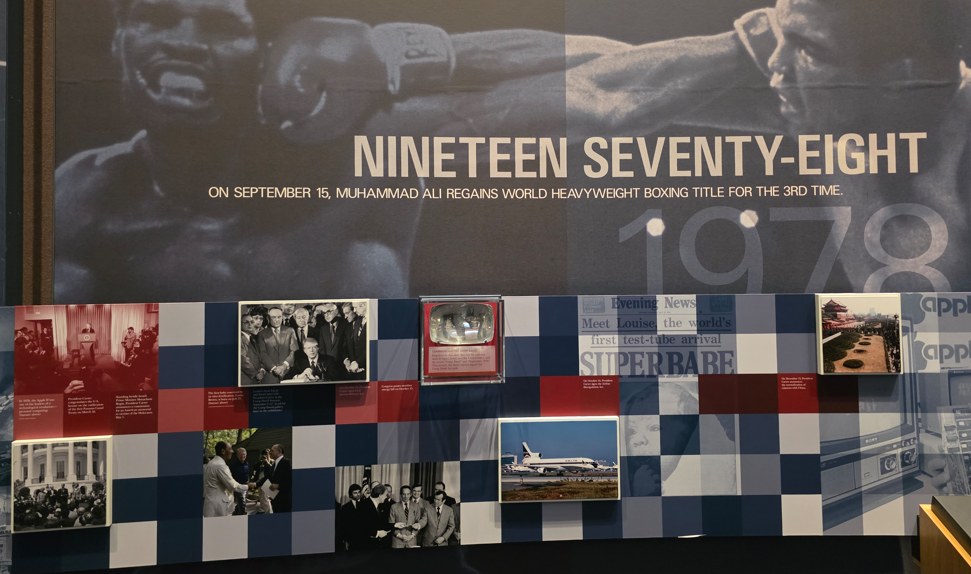
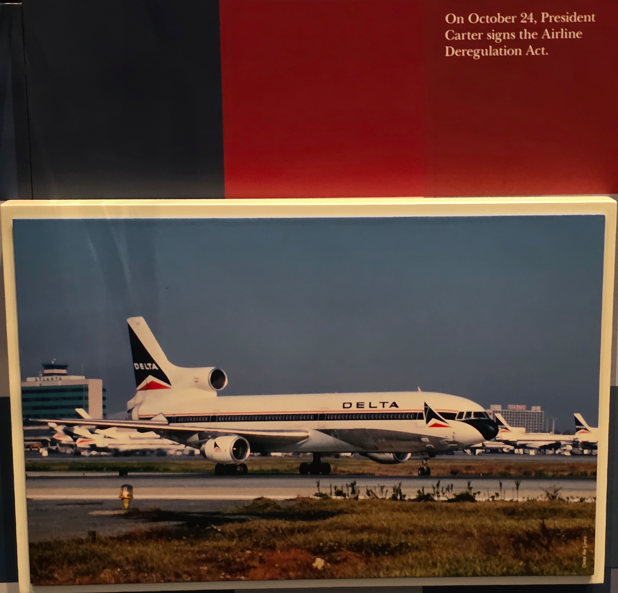
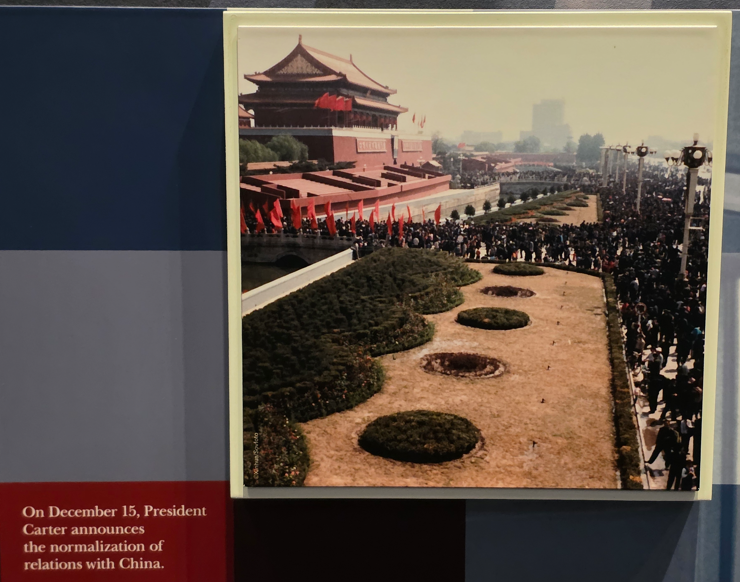
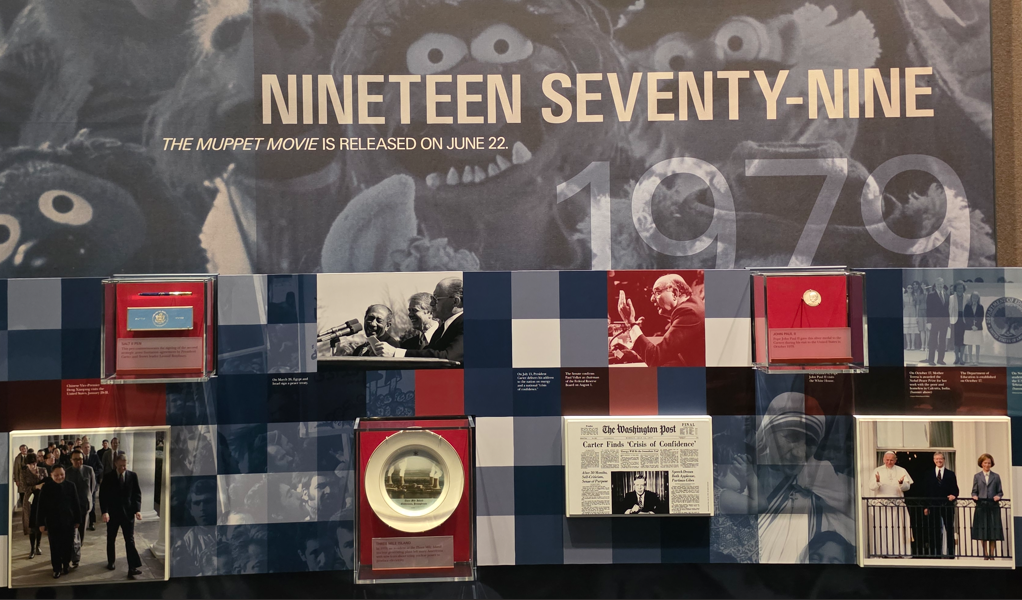
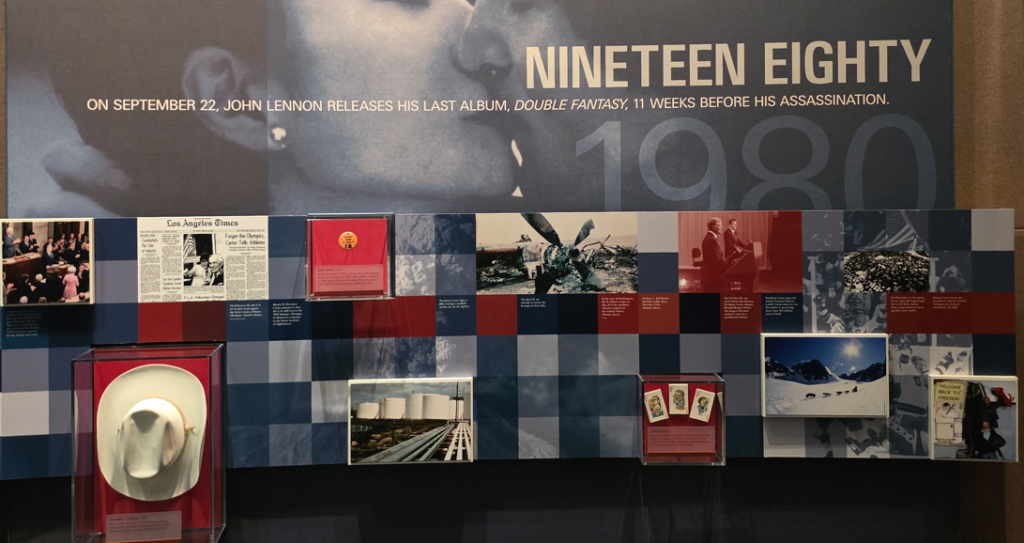
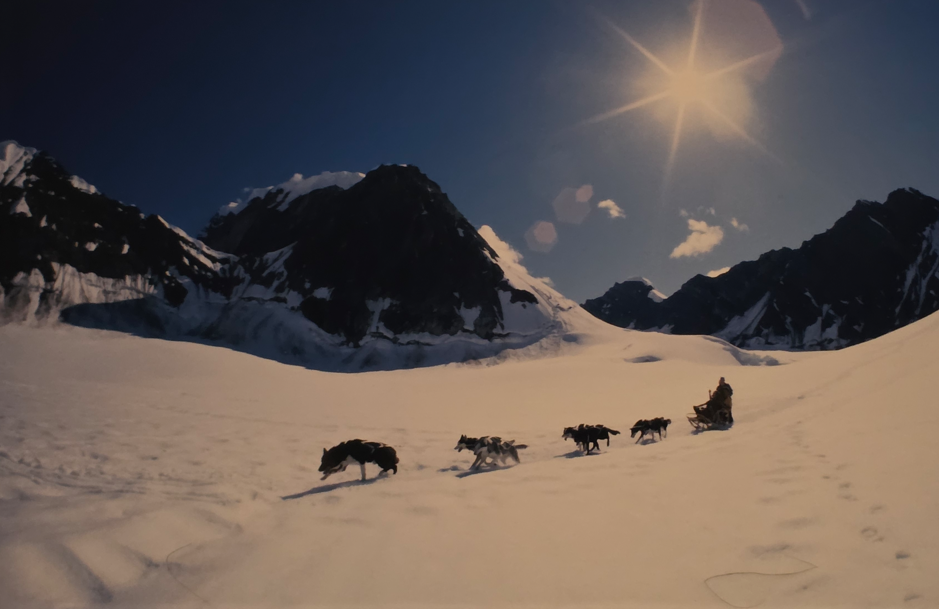
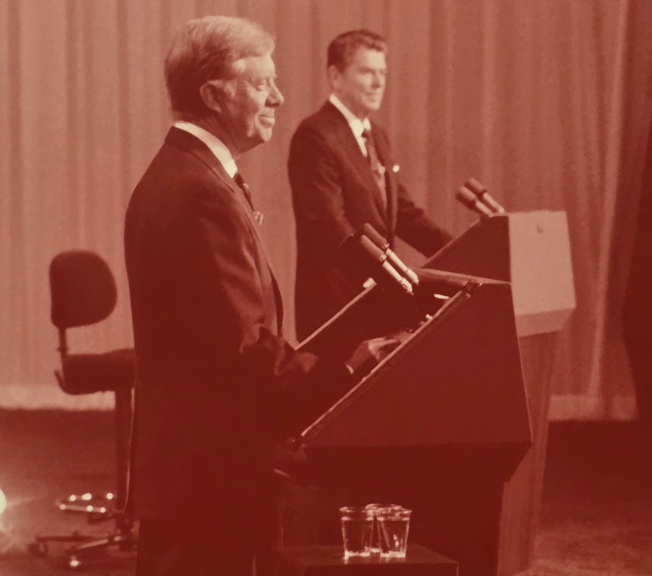
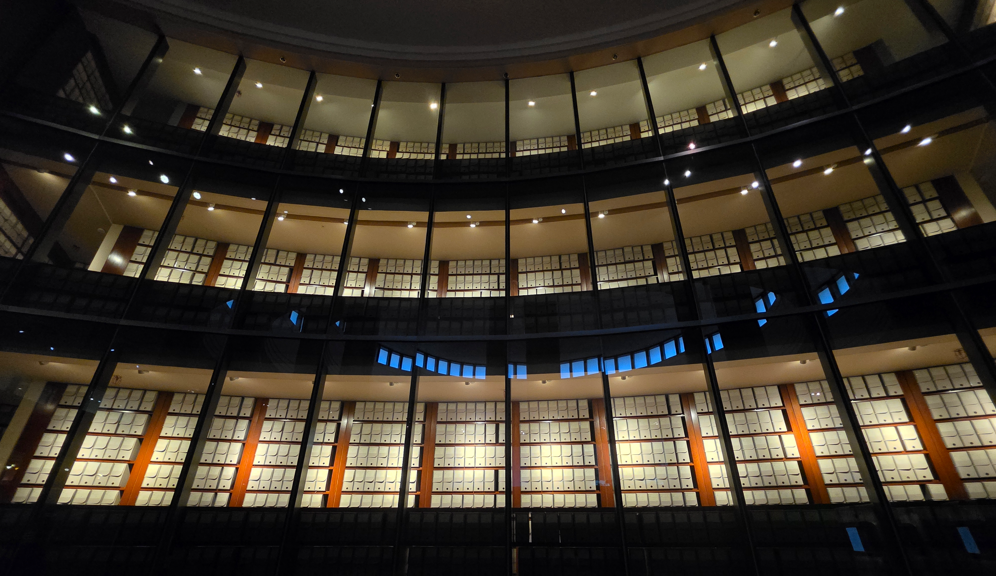
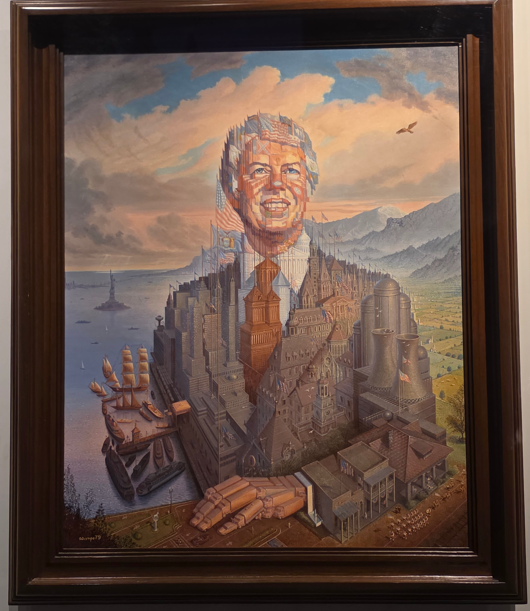
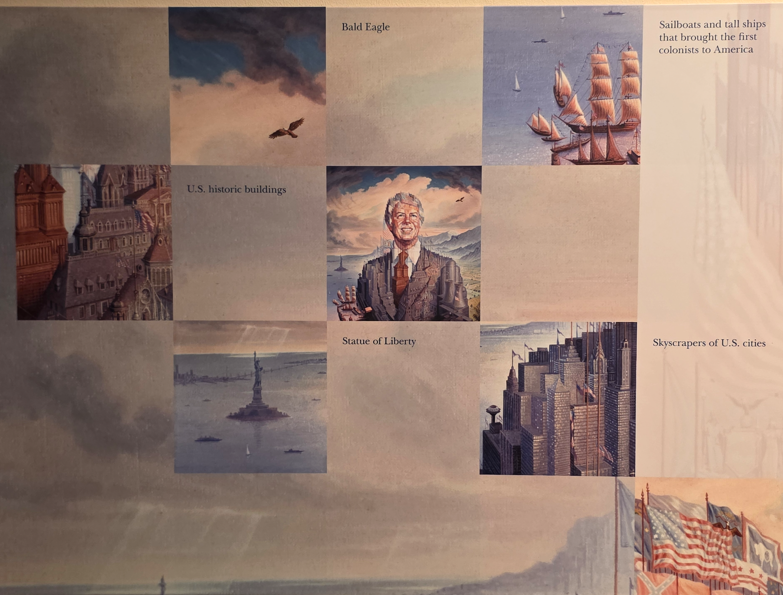
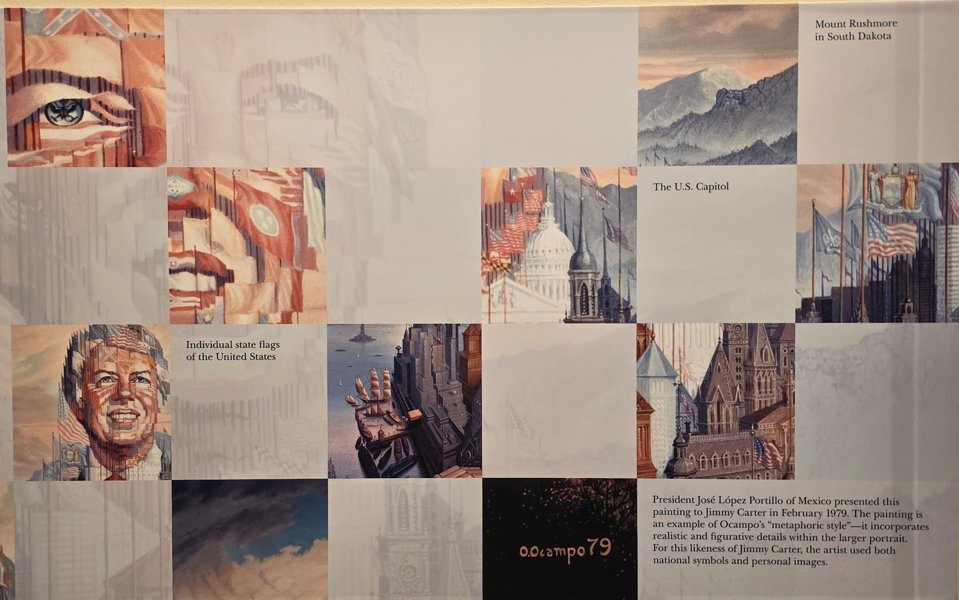
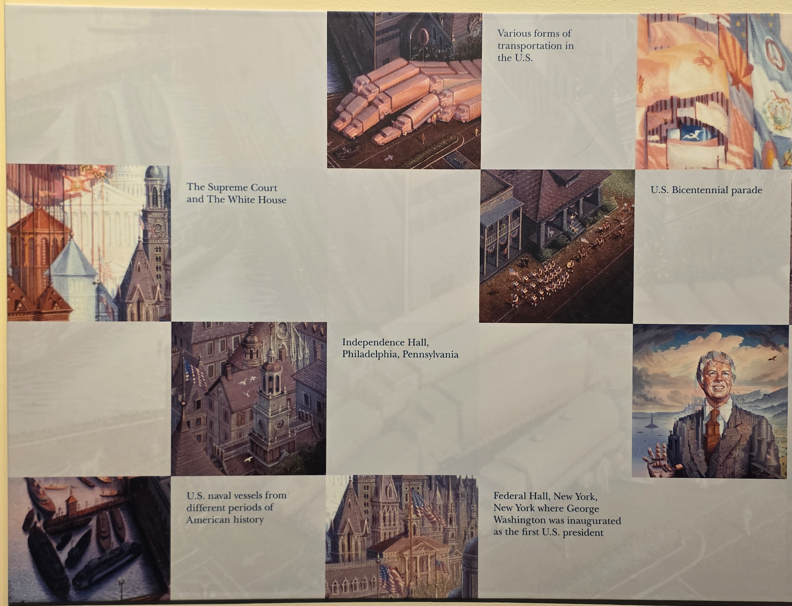
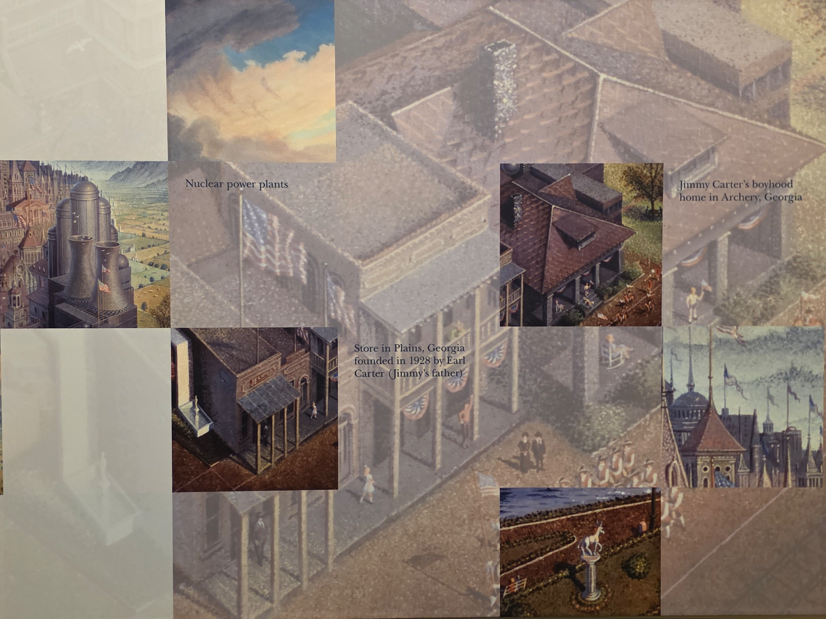
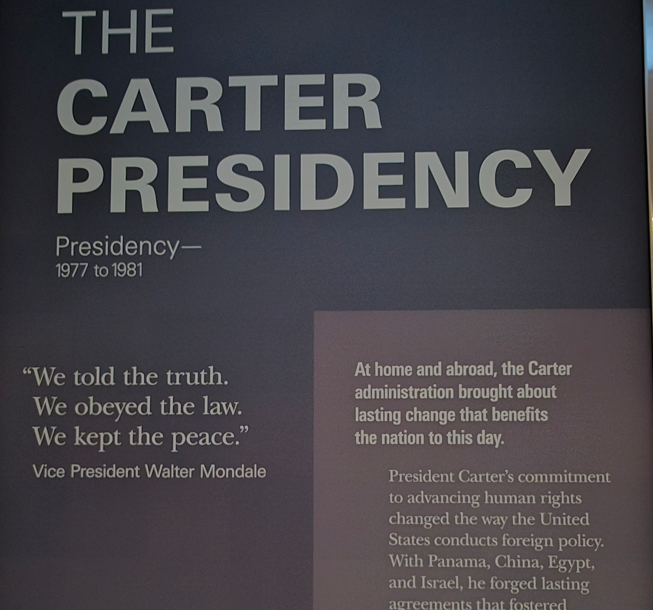
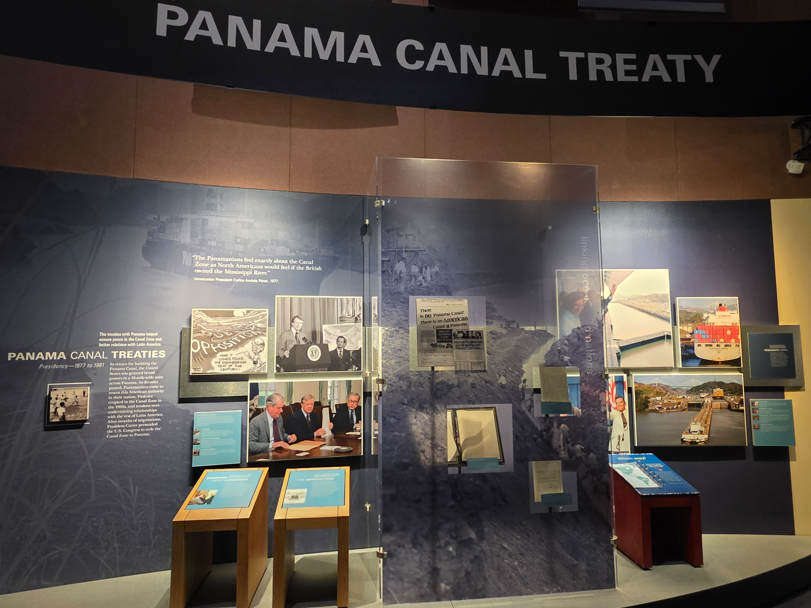
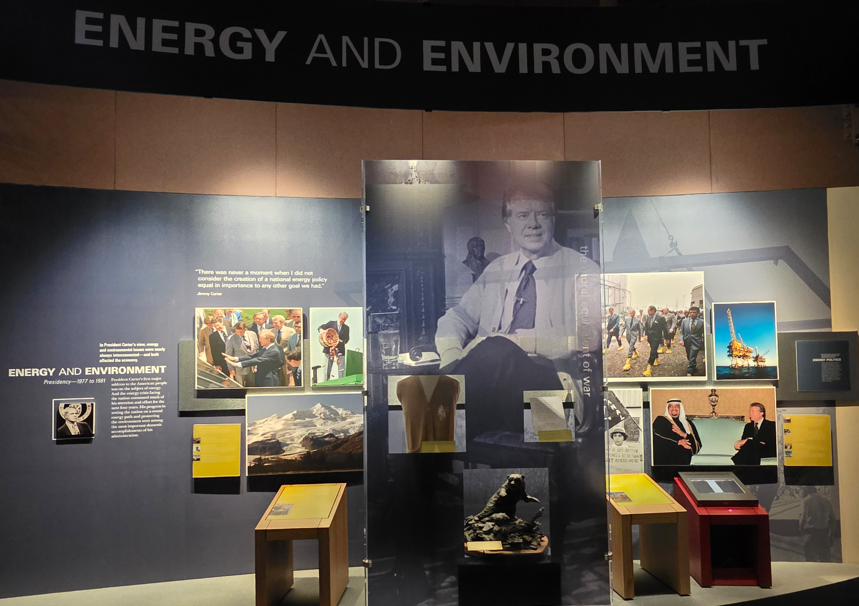
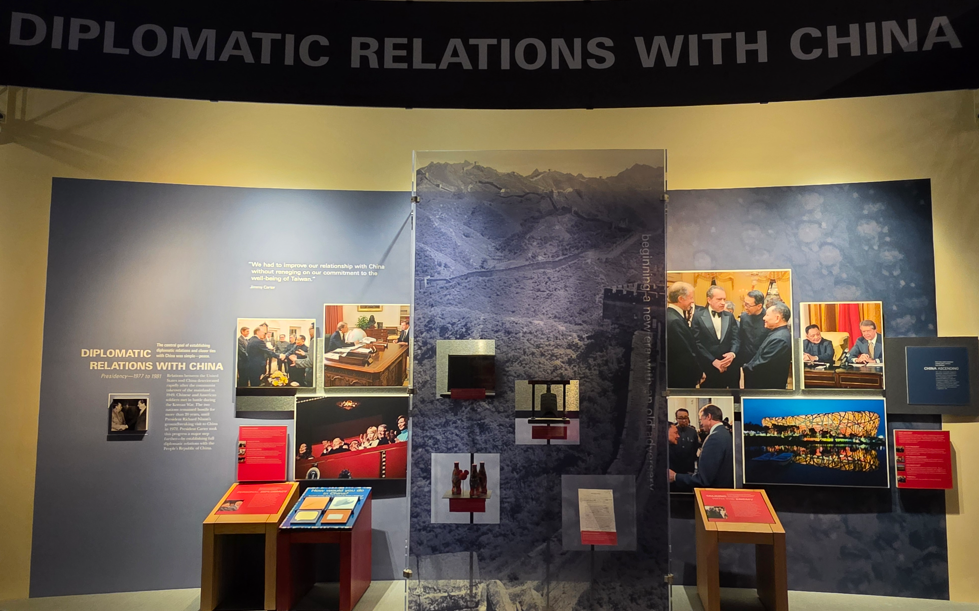
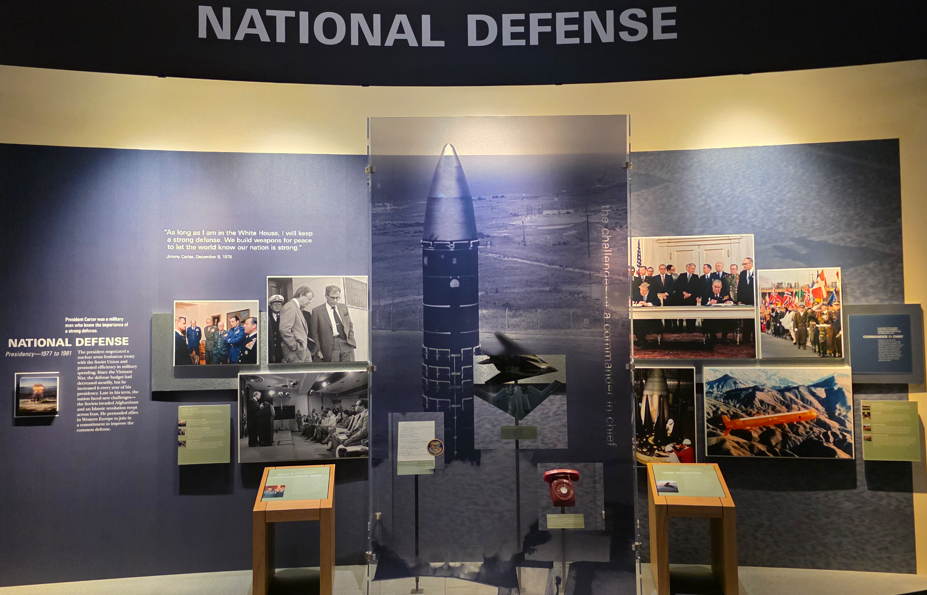
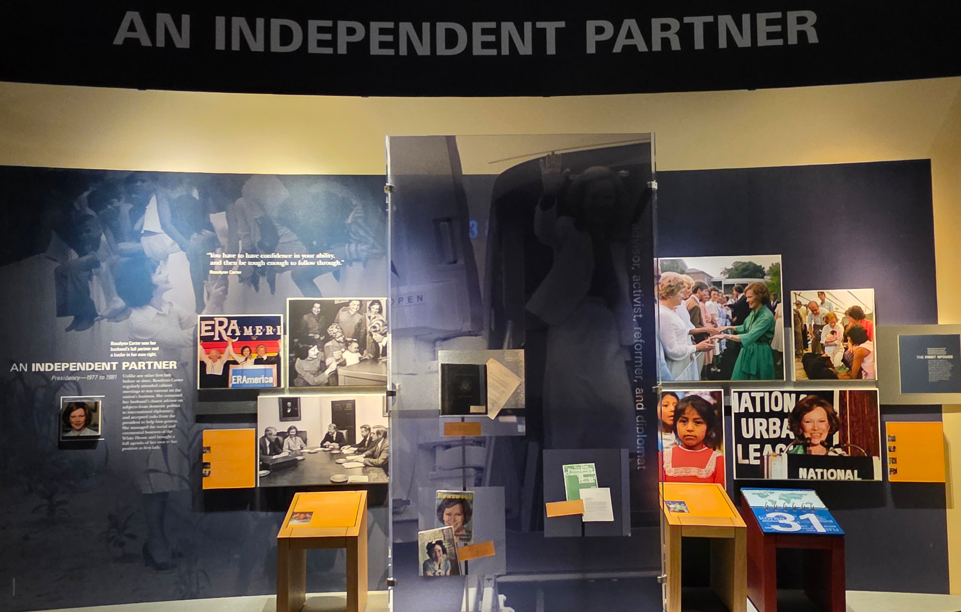
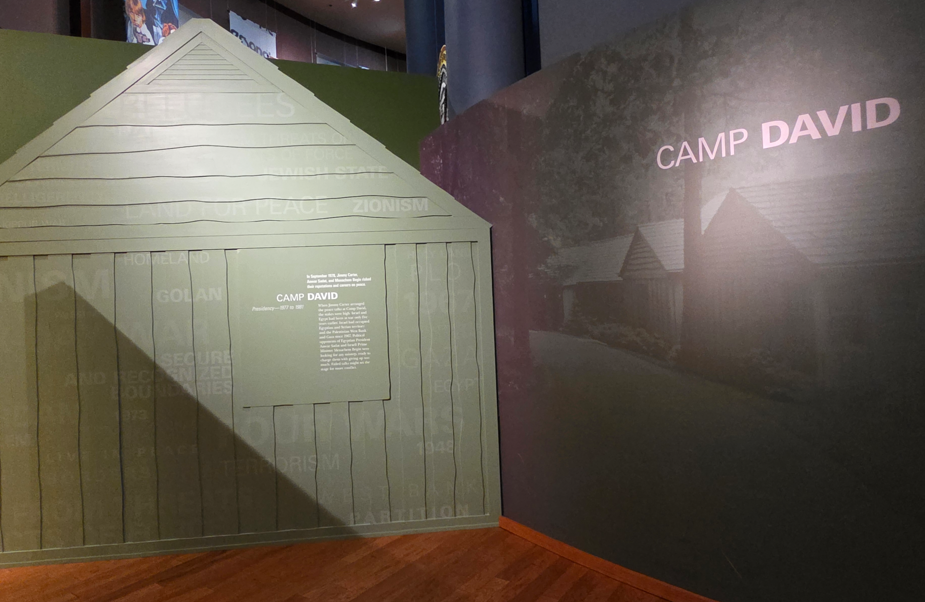
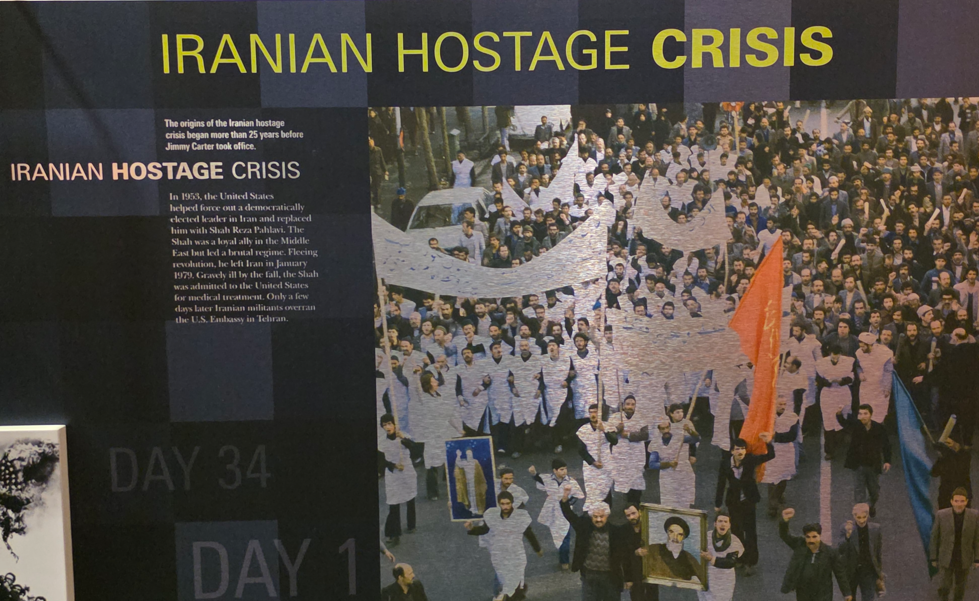
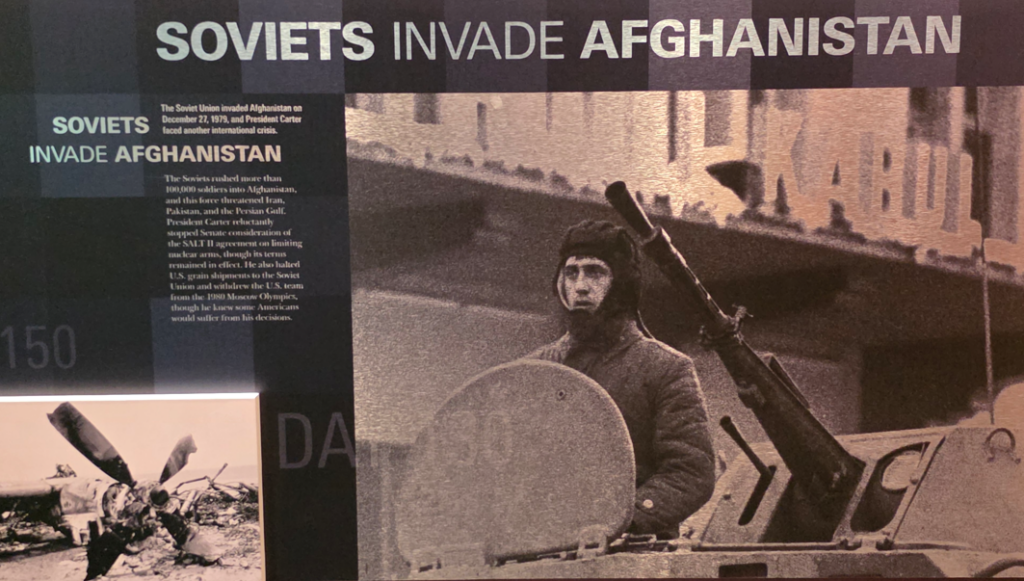
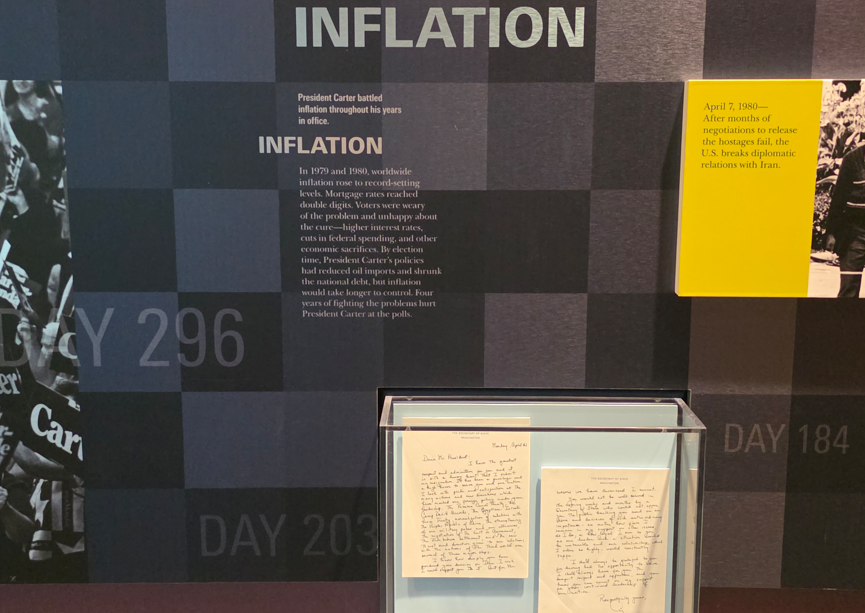
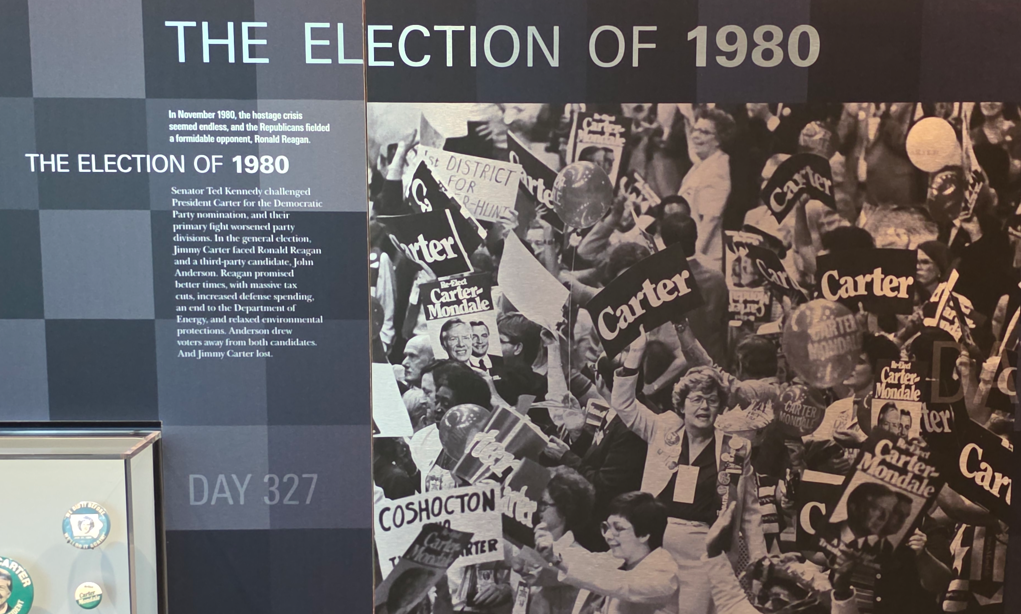
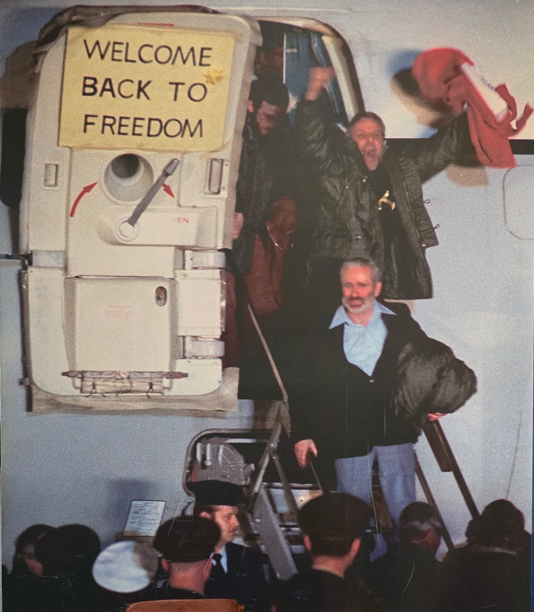
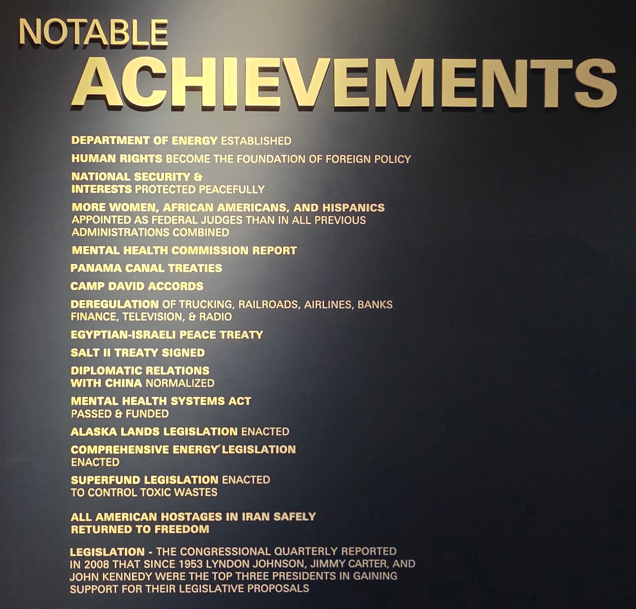
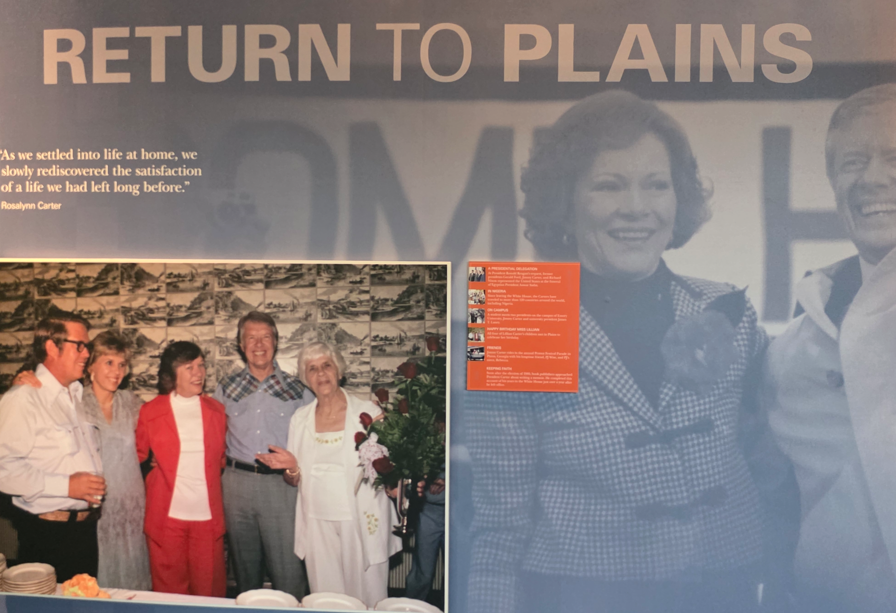
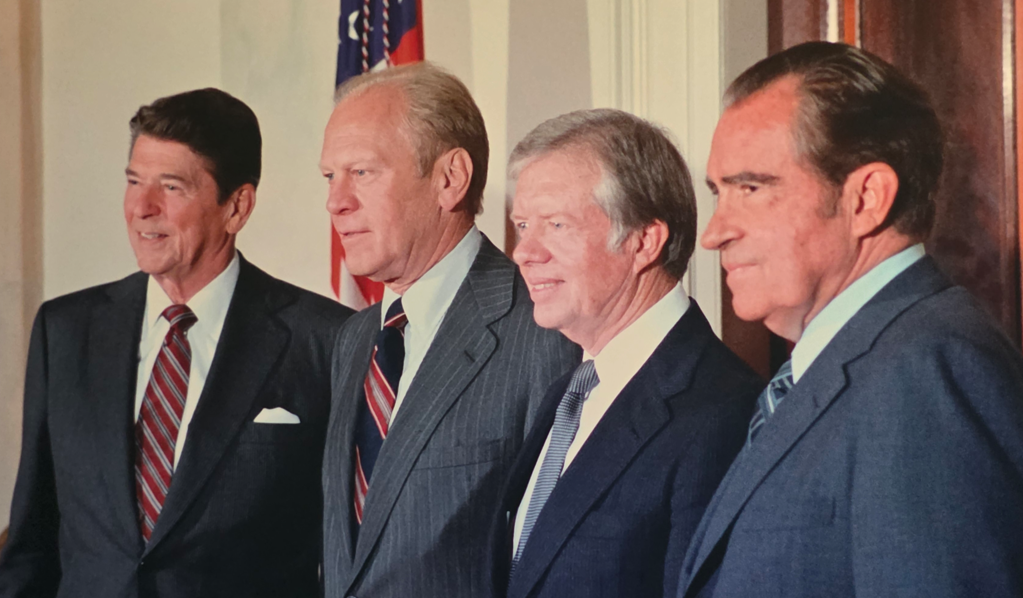
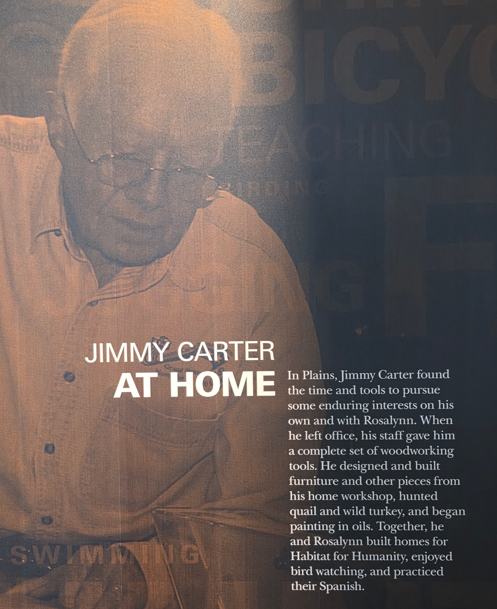
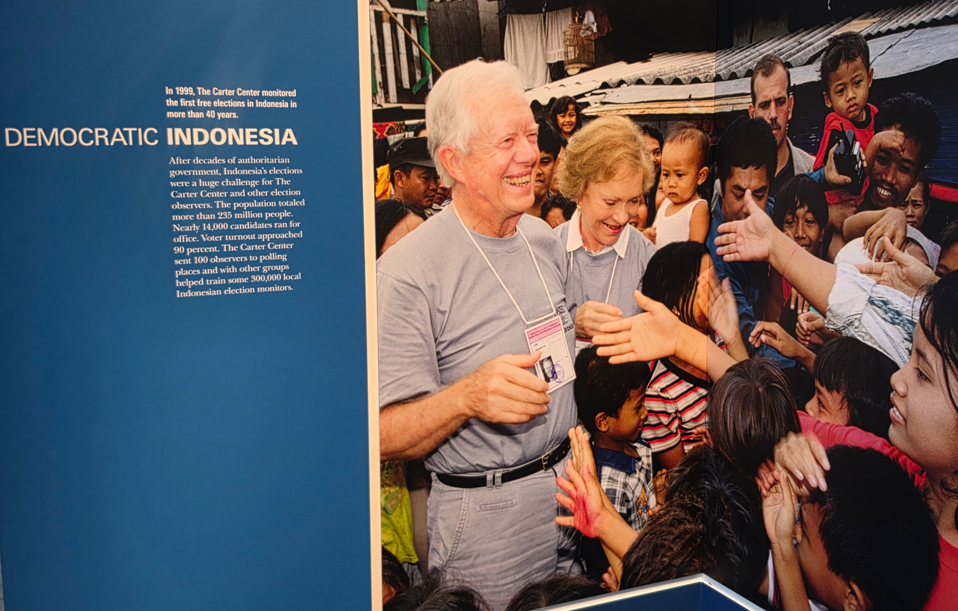
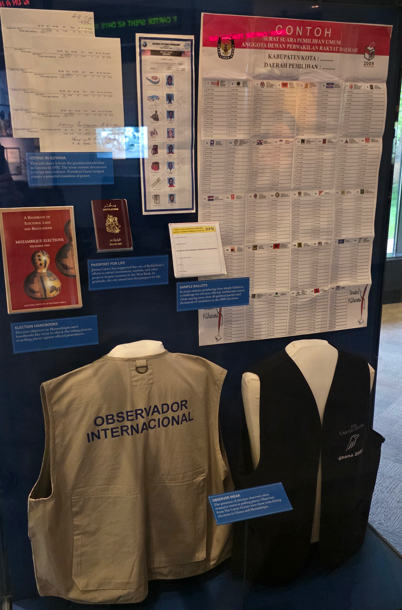
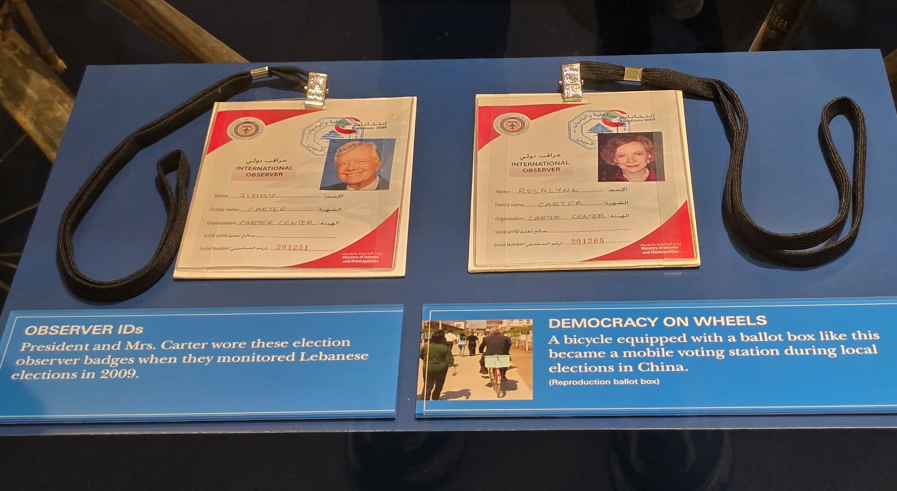
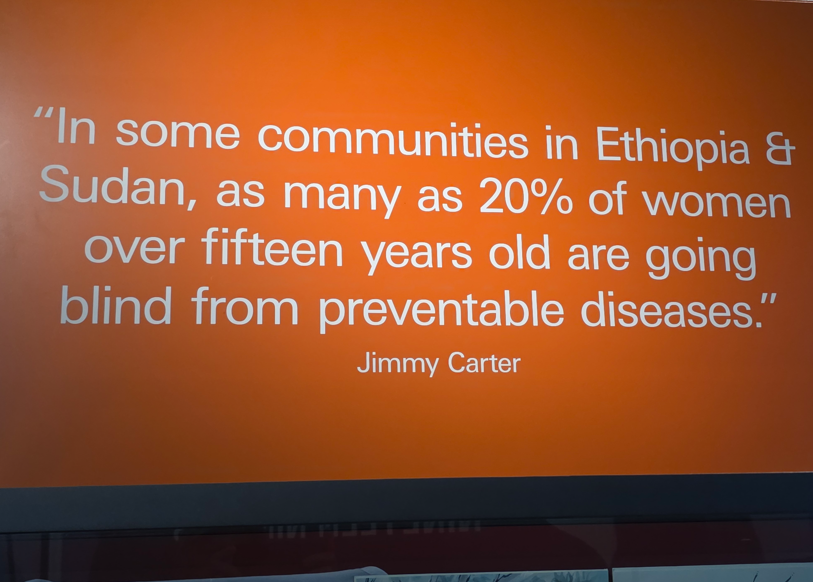
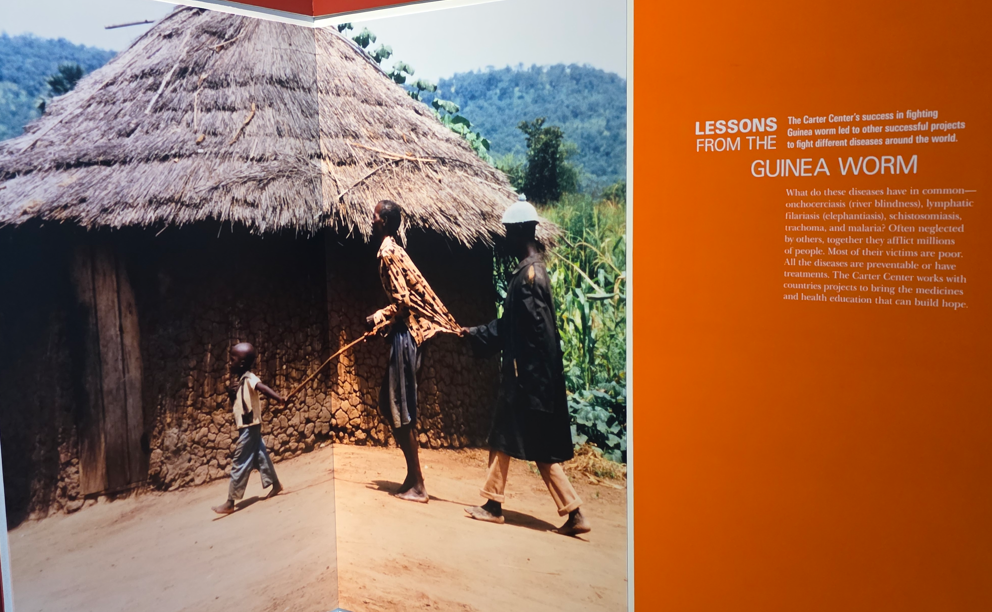
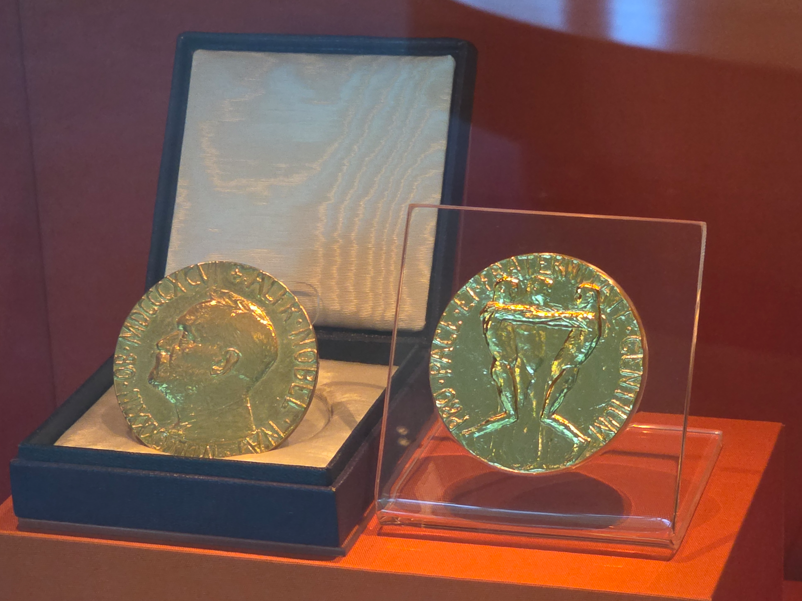
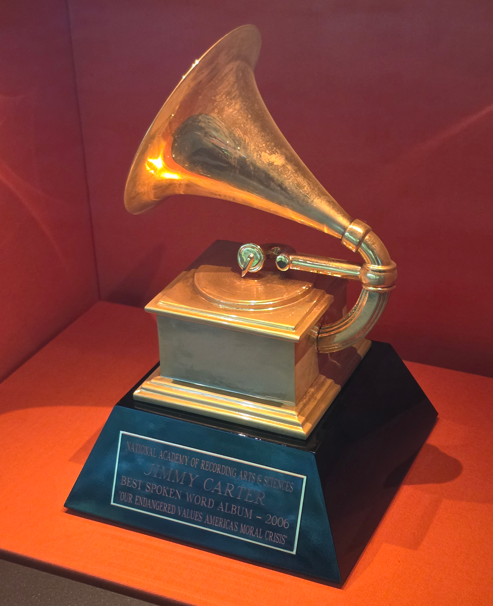
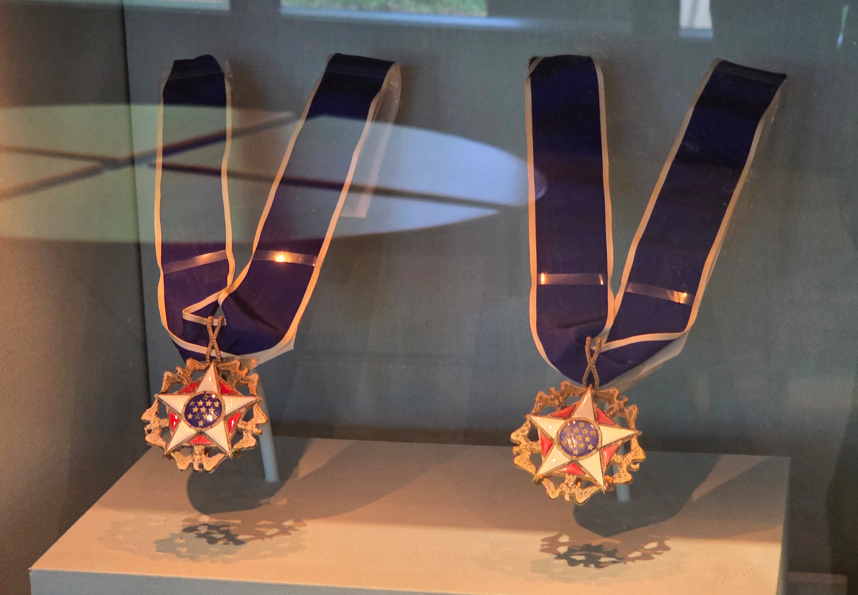
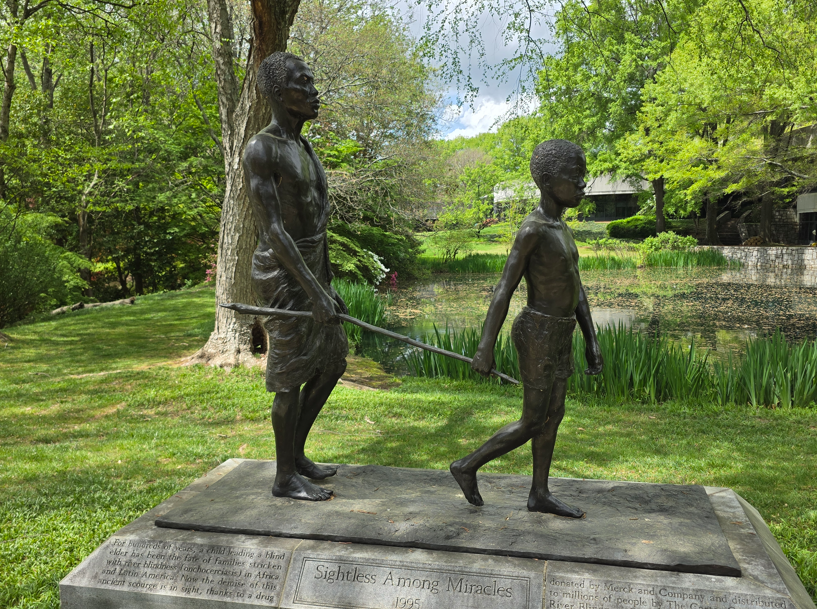
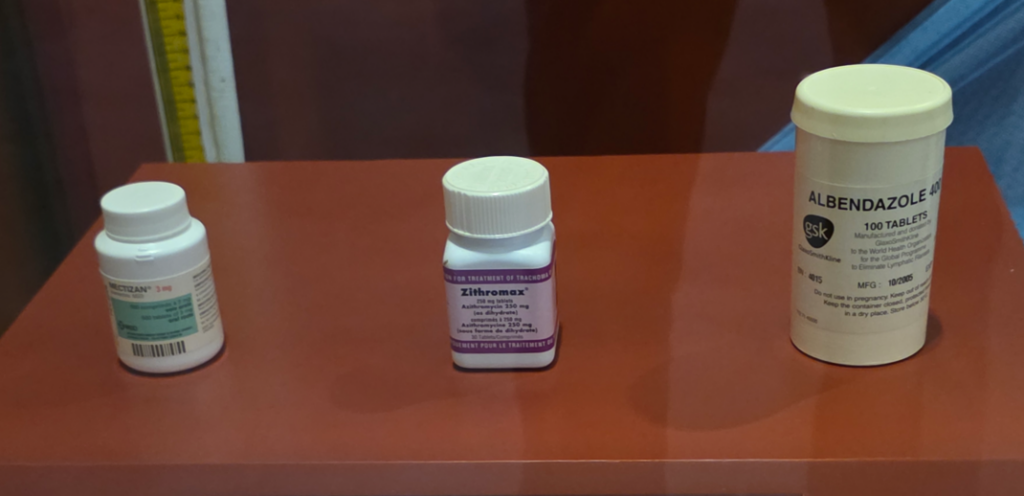
Jimmy Carter was our 39th president, from 1977-1981. He was elected in 1976, the first presidential election I voted in (for Ford!)This museum chronicles Carter’s life from his birth in Plains GA.This was his high chair as a baby.Carter’s family raised peanuts, which became the source of many jokes during his rise on the national stage.Jimmy and Rosslyn at their wedding in 1946.Their marriage license.Pictures from Carter’s inauguration as governor of Georgia 1971.Carter burst on the national scene in 1976 running for President.Reproduction of President Carter’s Oval Office.Year by year in Carter’s presidency.December 2, 1980. President Carter signed the Alaska National Interest Lands Conservation Act, protecting more than 100 million acres of land.October 28 debate with Ronald Reagan.Neat view of President Carter’s stored presidential records.A remarkable portrait by Octavio Ocampo 1979. Details are broken down below:President Carter negotiated a treaty (over much opposition) with Panama that would return control of the Panama Canal back to Panama in 2000. Bad move.President Carter’s energy and environment plan: turn down the thermostat and wear a sweater.President Carter normalized relations with China. And here we are.President Carter negotiated the Strategic Arms Limitation Talks (SALT) with the Soviet Union, just prior to the Soviet Union invading Afghanistan, and the Islamic revolution swept over Iran and kidnapped Americans at the US Embassy in Tehran.First lady Rosslyn Carter played an active role in the Carter Administration. She was “Ambassador to the Americas” for the president. She was also honorary chair of the President’s Commission on Mental Health, and she pushed for childhood immunizations for all 50 states.The singular greatest achievement by President Carter was the Camp David Accords, which created a peace between Egypt and Israel. This is a peace that has lasted to this day. A worthy accomplishment for the president to be proud of.Late 1979 into 1980 were a disaster for President Carter. Islamic revolutionaries in Iran stormed the US Embassy in Tehran and took Americans as hostages. The daily Day count was a constant drip, drip reminder to the American public of our helplessness. Ultimately, President Carter’s accomplishment was that the hostages were able to come home alive, released at the very minute President Ronald Reagan was sworn in as president on January 20, 1981.The Soviets invaded Afghanistan shortly after President Carter had negotiated the SALT treat with the Soviets. Another world event that displayed our helplessness.Inflation was another issue that President Carter was unable to bring under control.The general malaise and obvious failures on both domestic and worldwide issues caused a great turning by the American electorate. Ronald Reagan defeated the incumbent President Carter in 44 of 50 states, an embarrassing landslide.The hostages return home.Four presidents: Reagan, Ford, Carter and Nixon.President Carter was much more successful as an ex-President. He started Habitat for Humanity, building and repairing homes for disadvantaged people.The Carters became active in monitoring elections around the world, working for fair elections, and against mail-in ballots. They monitored elections in Indonesia, Lebanon, Ghana, Mozambique, Nicaragua, Panama, among others.Election Observer badges for the Carters in Lebanon.Carter also became very involved in eliminating chronic diseases in the third world, particularly river blindness in Africa and Latin America.River blindness, elephantiasis, schistosomiasis, trachoma and malaria affect millions of people, mostly the poor. All these diseases are preventable or have treatments. The Carter Center works to bring medicine and health education to these African and Latin American nations.President Carter was awarded a Nobel Peace Prize.President Carter also won a Grammy for the Spoken Word.President Bill Clinton awarded the Presidential Medal of Freedom to both President Jimmy and First Lady Rosslyn Carter. It is the highest civilian honor in the US.Sightless Among Miracles. This sculpture brings attention to the prevalence of river blindness in Africa. For hundreds of years, a child leading a blind elder has been the fate of families stricken with river blindness in Africa and Latin America. Now the demise of this ancient scourge is in sight, as Merck, GlaxoSmithKline and Pfizer have donated hundreds of millions of doses of medicine for the work of the Carter Center.Mectizan (Ivermectin), Zithromax, Albendazole for treating diseases in the third world. Hmm, seems like Ivermectin is pretty important, huh?