


Montgomery AL

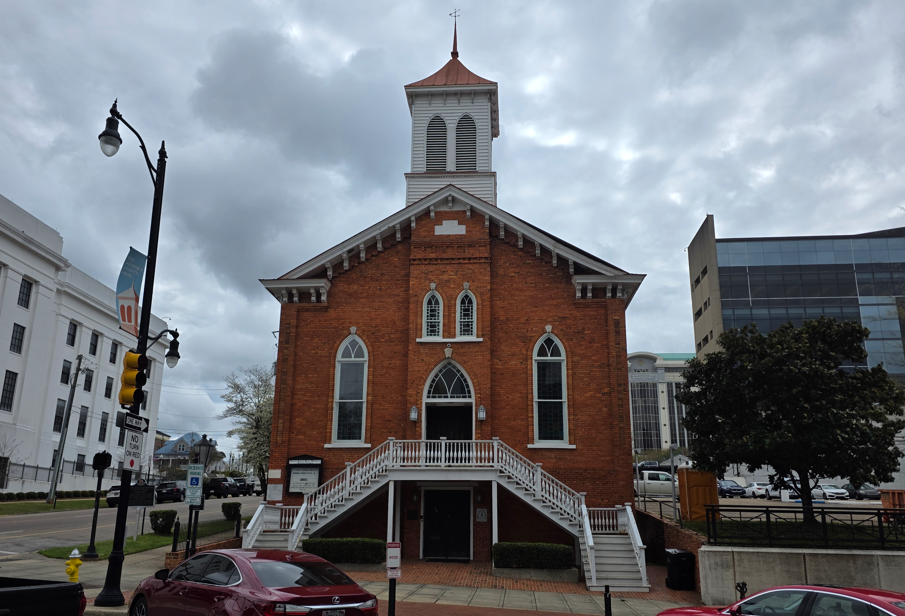
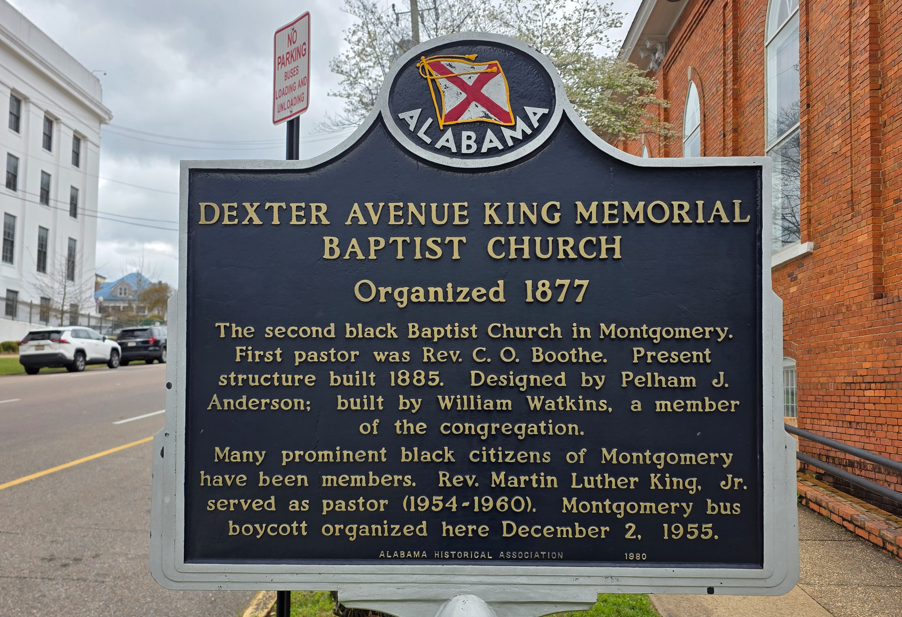
Dexter Avenue King Memorial Baptist Church. Martin Luther King was pastor here 1954-1960.
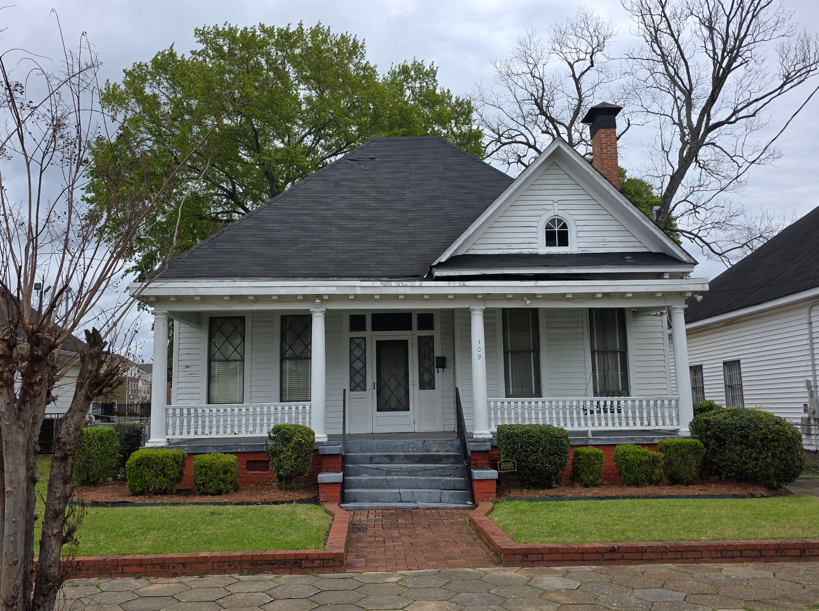
Dexter Avenue Baptist Church parsonage. Martin Luther King lived here while he was pastor.
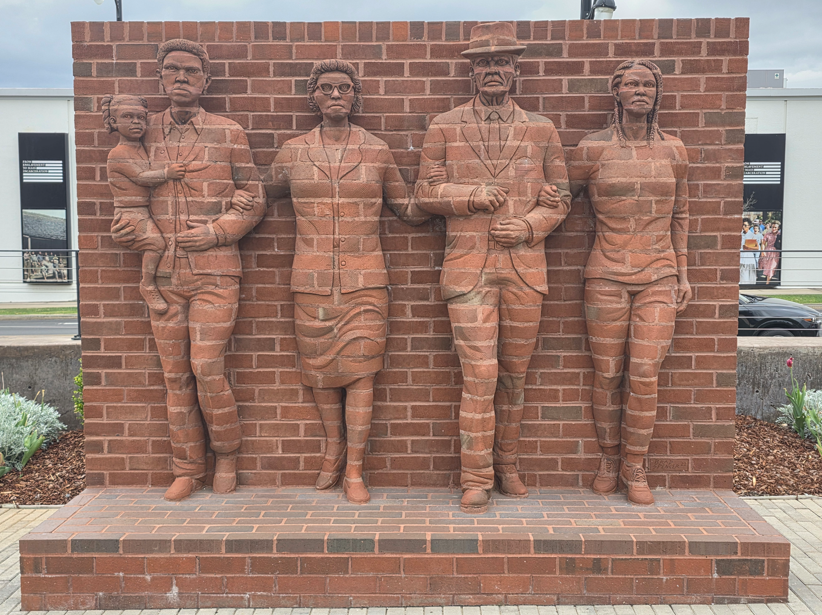
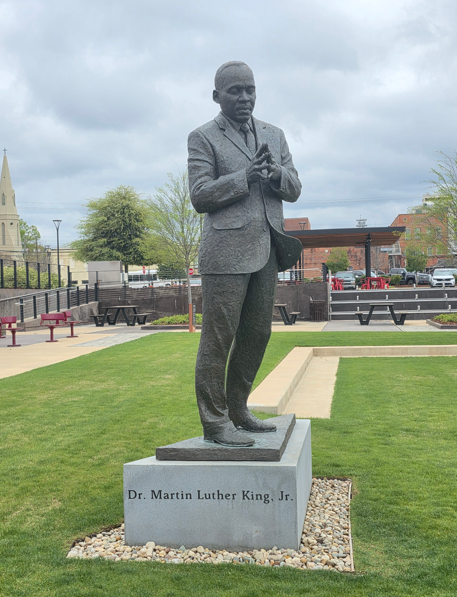
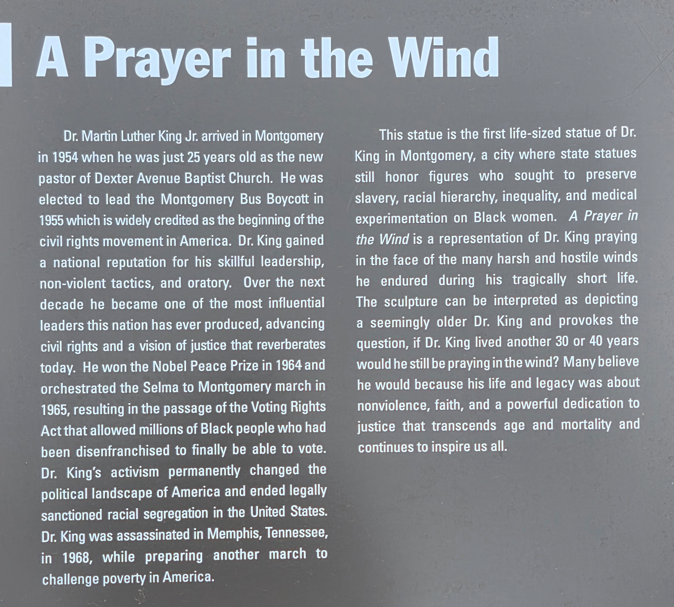
Legacy Park, across the street from the Legacy Museum.
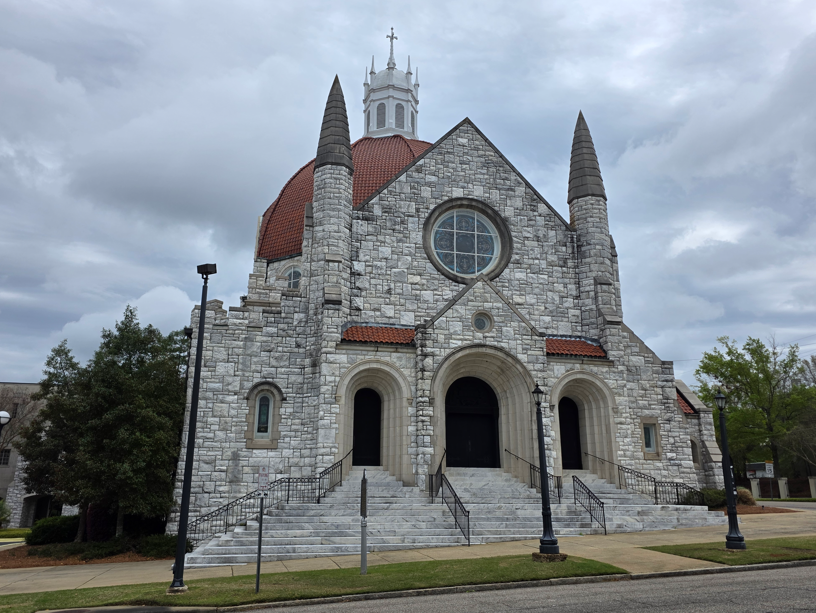
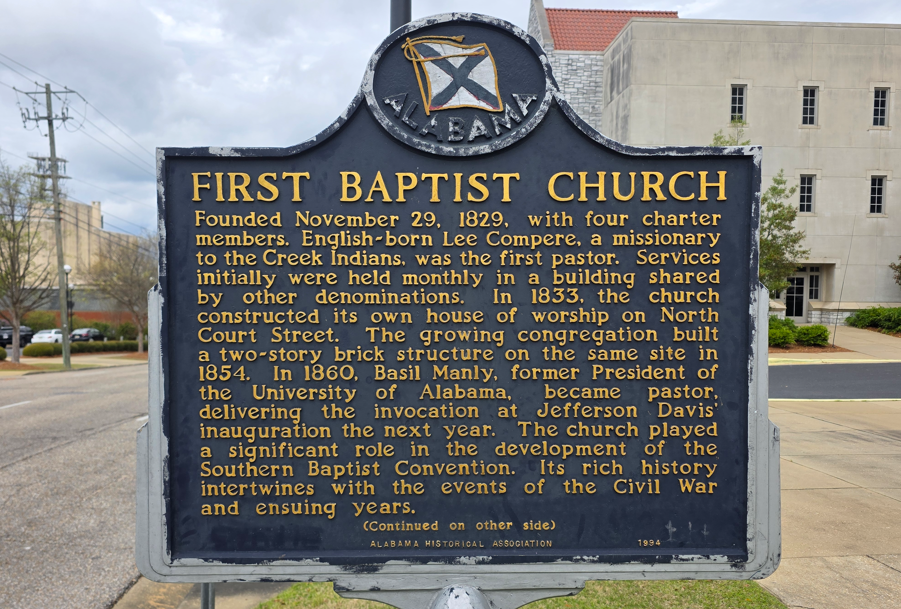
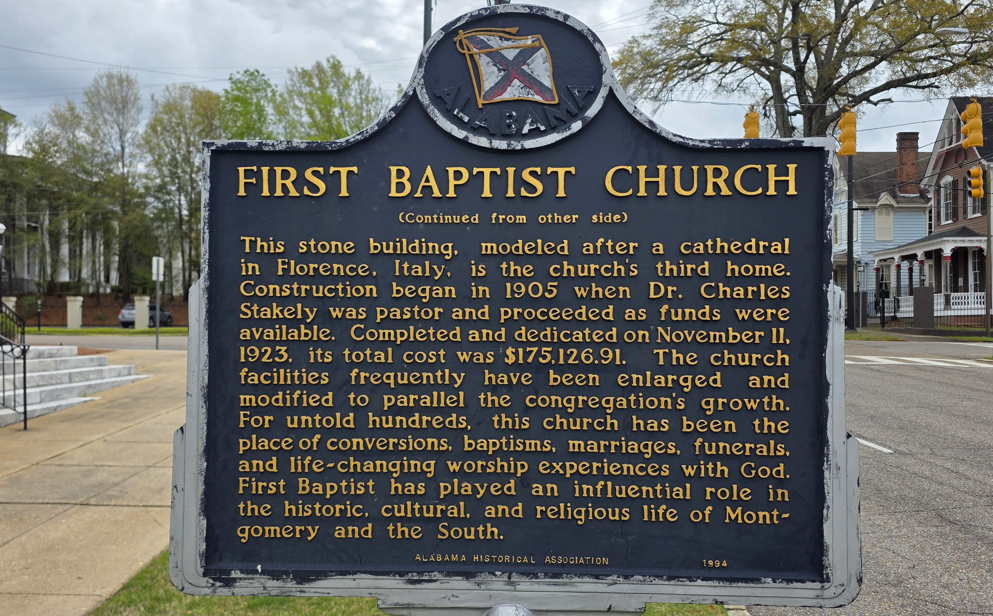
First Baptist Church
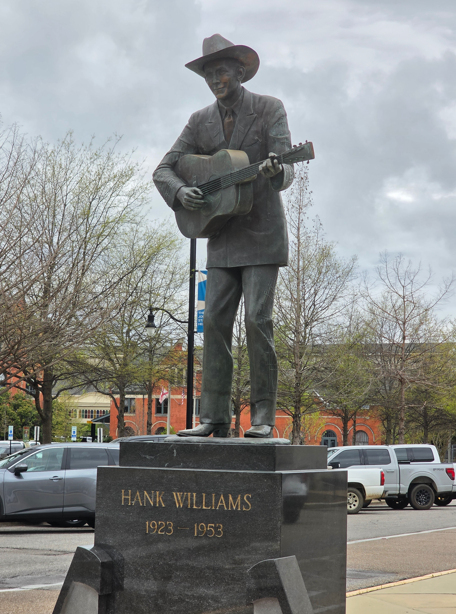
Hank Williams statue. This was my father’s favorite singer.
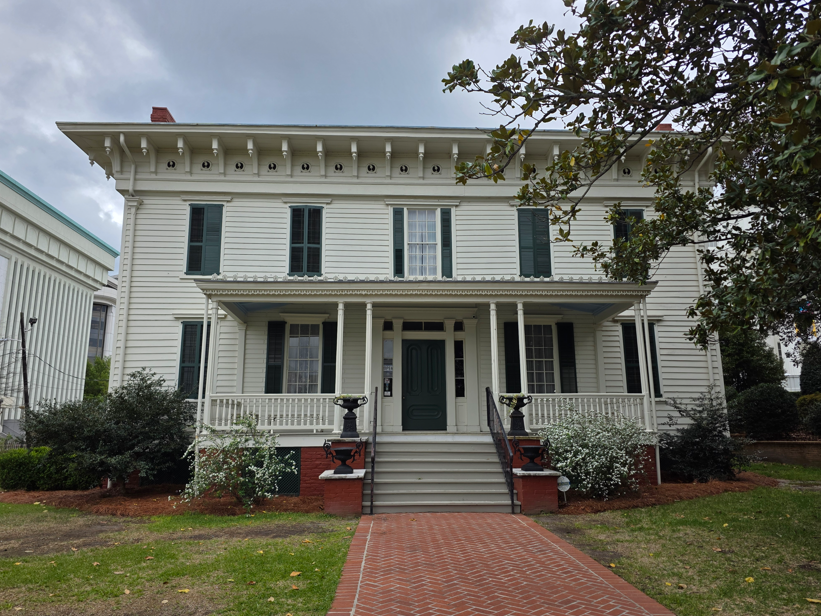
First White House of the Confederacy.
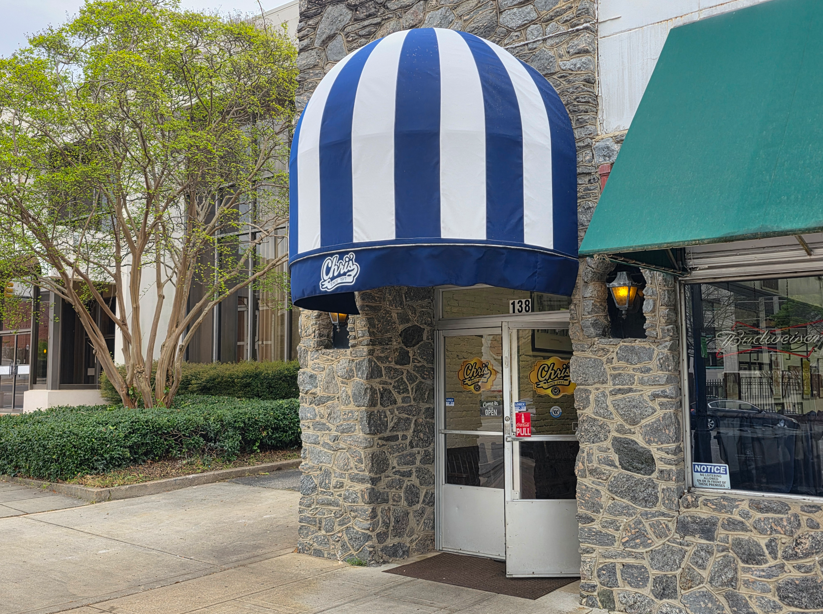
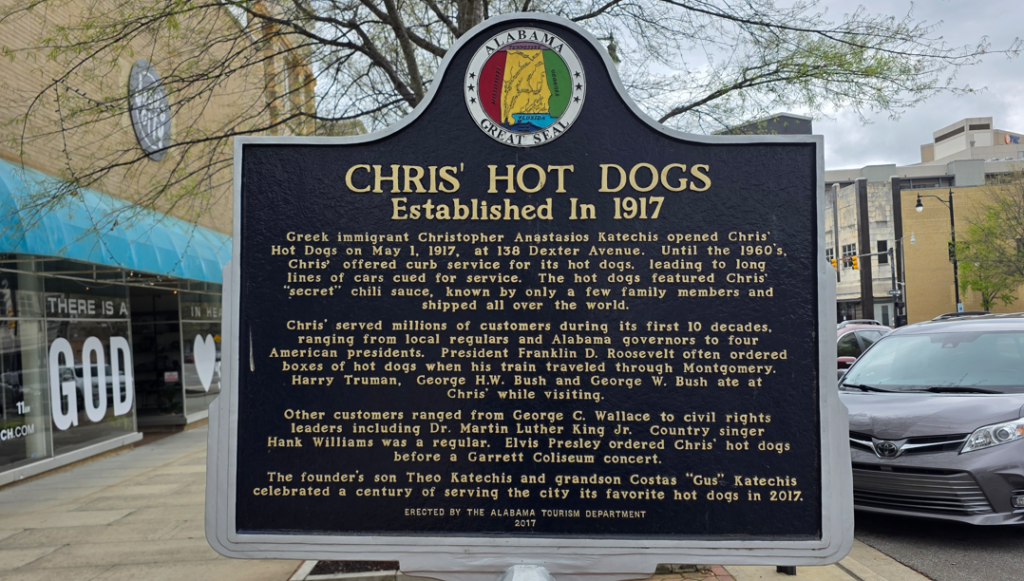
We ate lunch at this historic hot dog place.

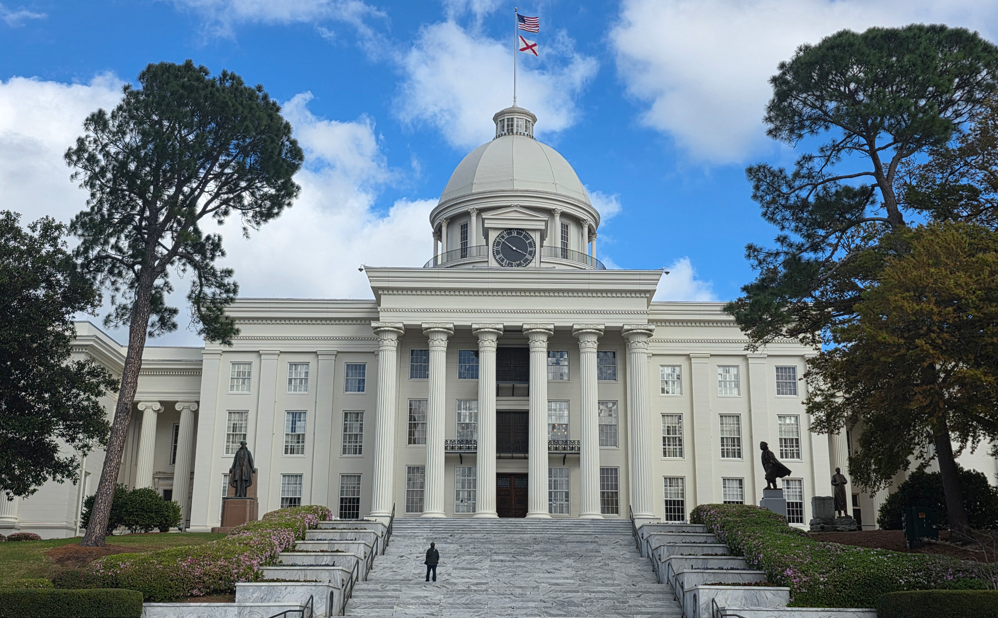
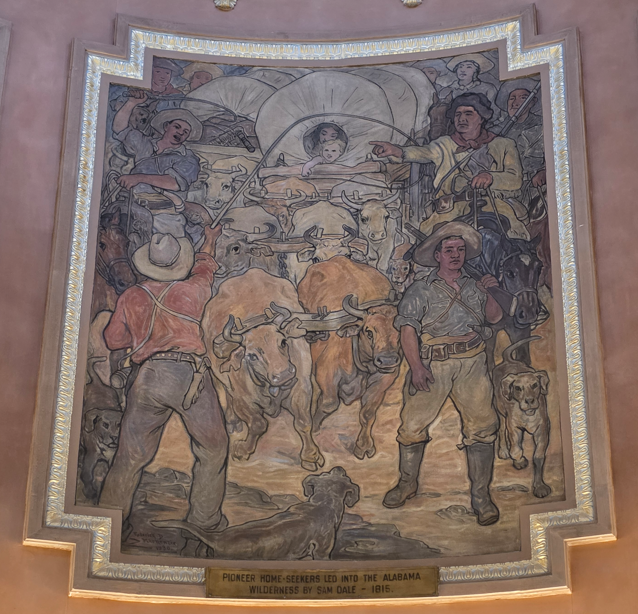
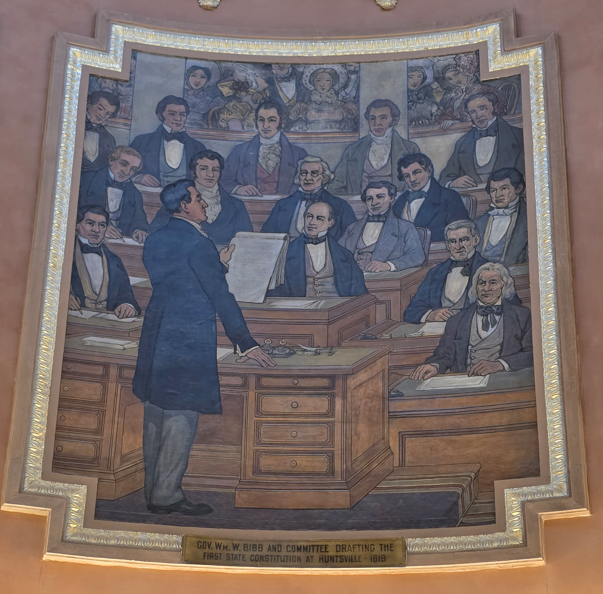
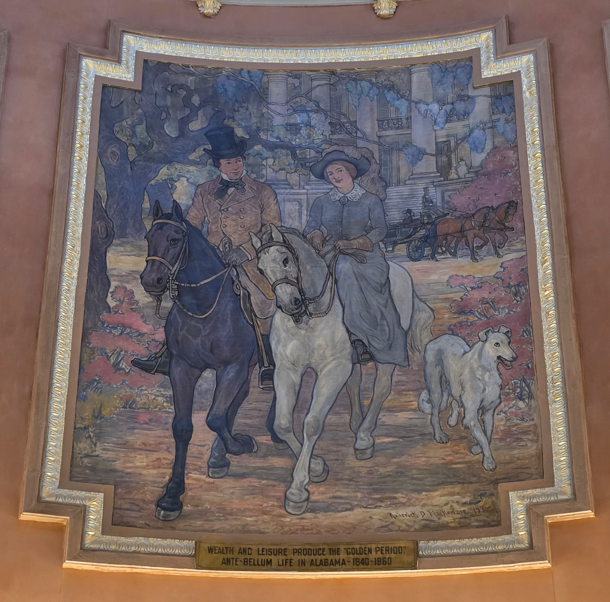
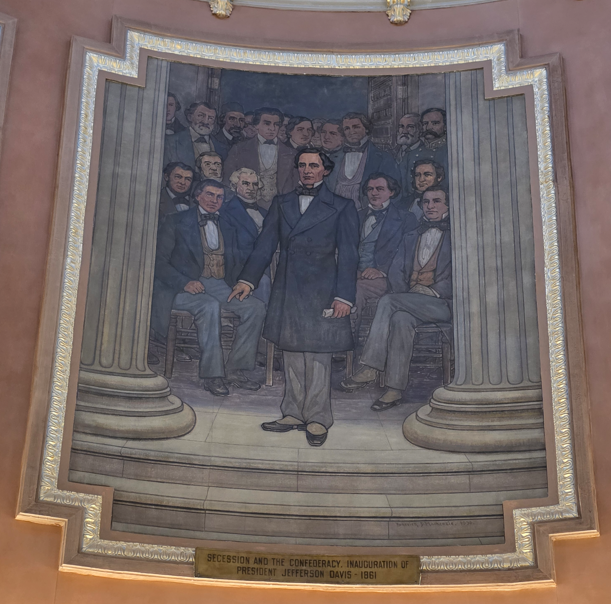
Alabama State Capitol

Montgomery AL

Alabama’s capitol
Rotunda
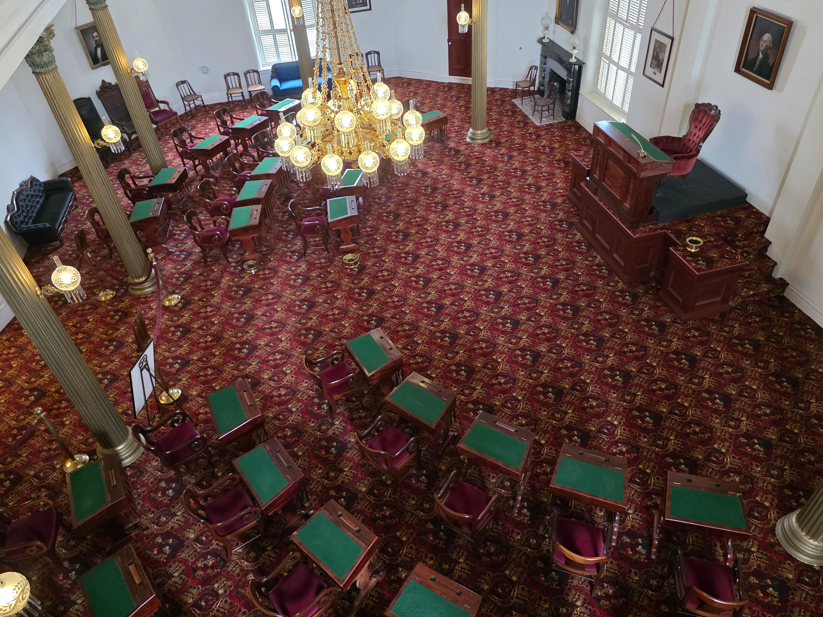
Old Senate chamber. The new chambers are in a building across the street.
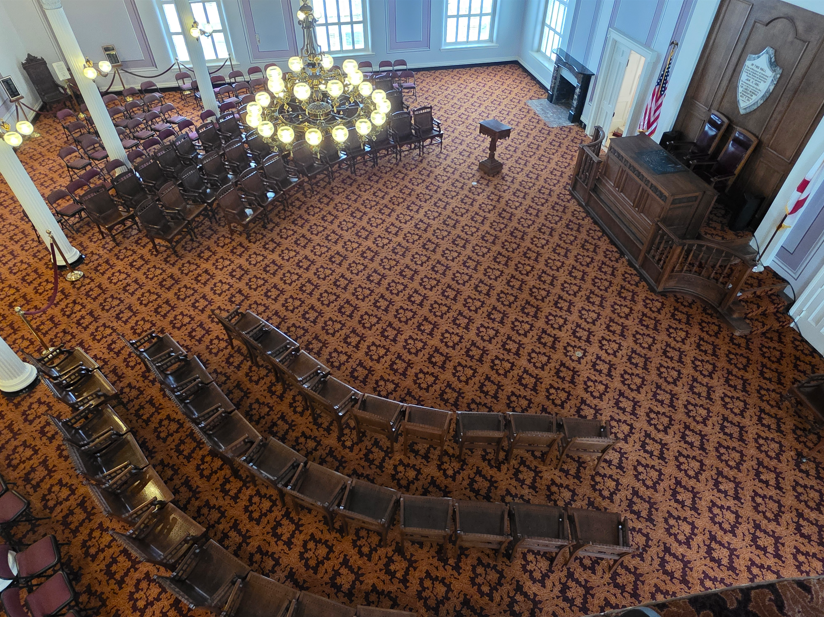
Old House of Representatives chamber.
Beautiful architecture
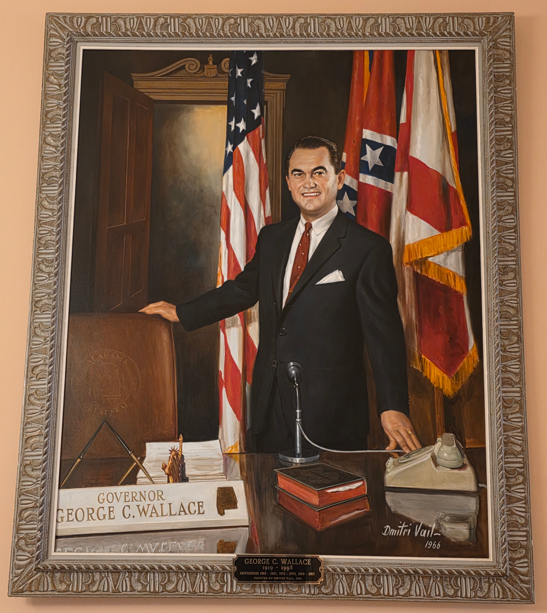
Portrait of former governor George Wallace
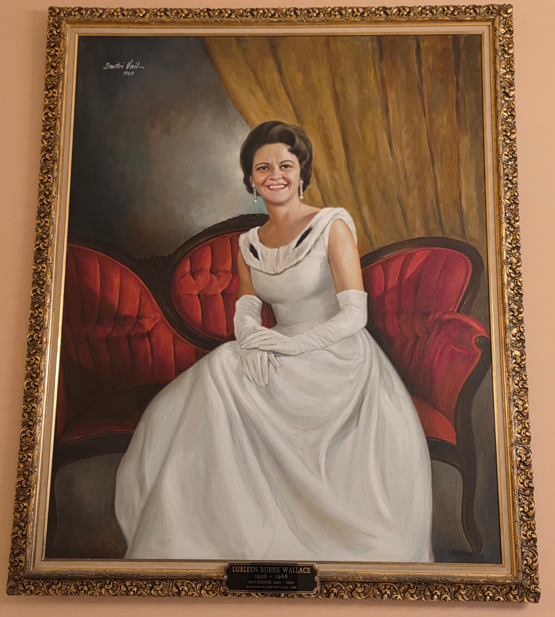
Portrait of former governor Lurleen Wallace, wife of Governor George Wallace
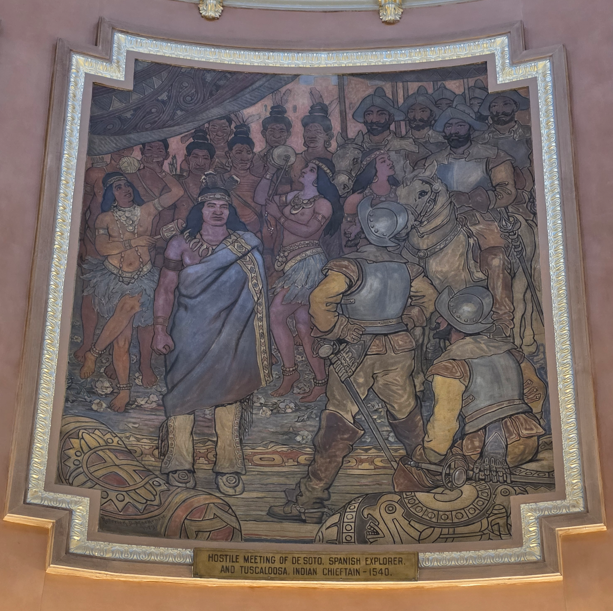
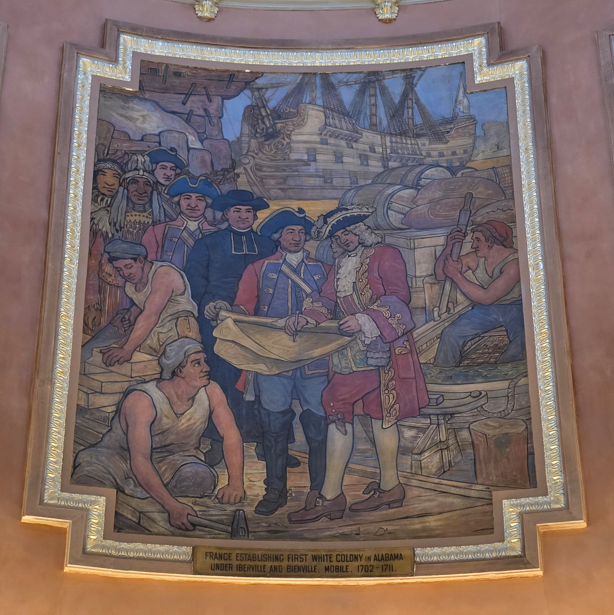
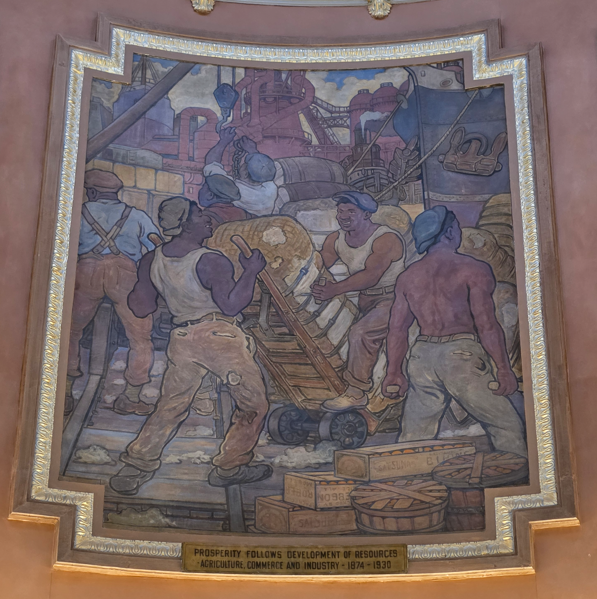
Artwork in the rotunda dome.
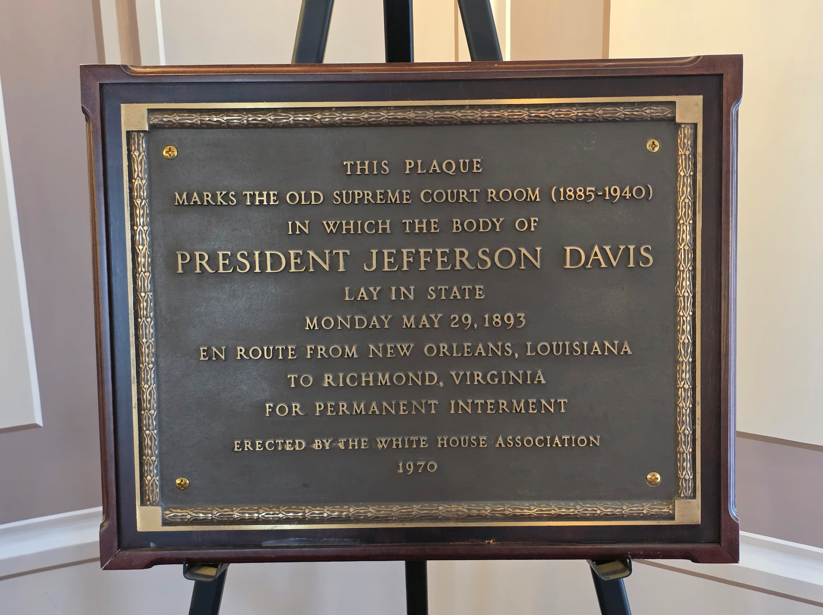
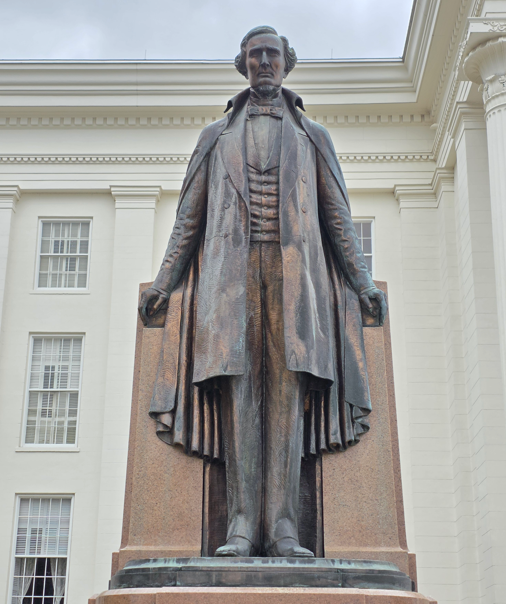
Jefferson Davis 1808-1889
Graduate of West Point Military Academy
Colonel Mississippi Volunteers, Mexican War
Member US House of Representatives
US Senator, Secretary of War
President of the Confederate States of America
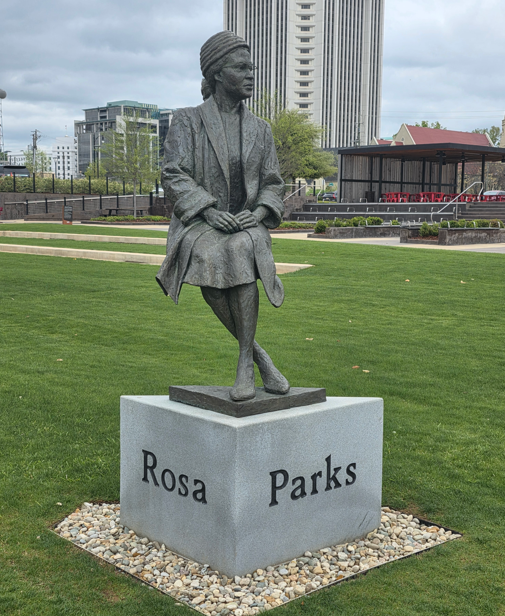
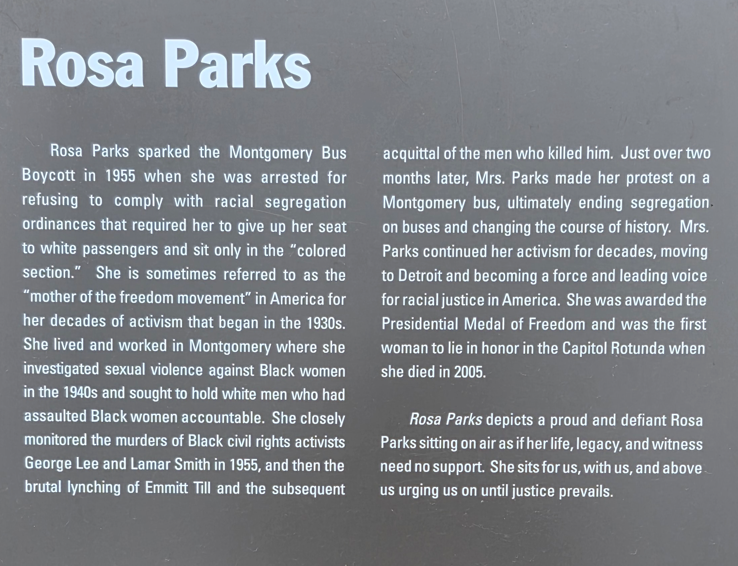
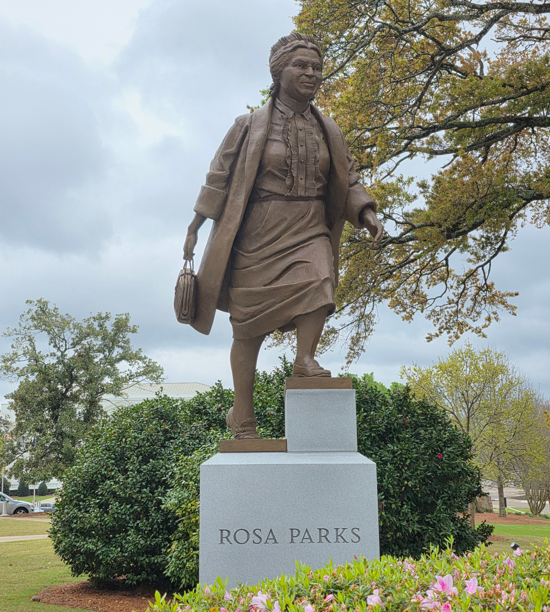
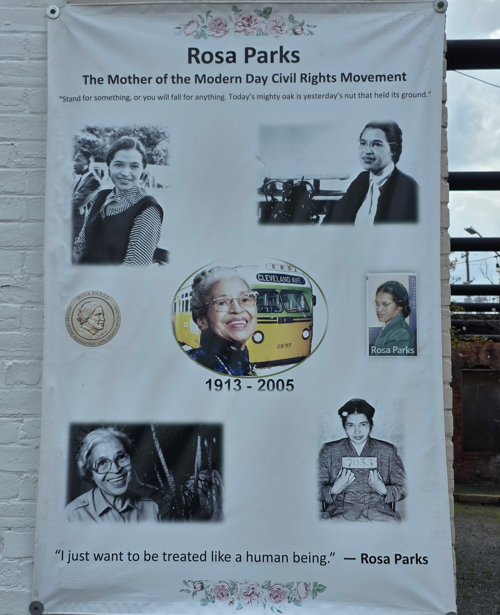
Rosa Parks

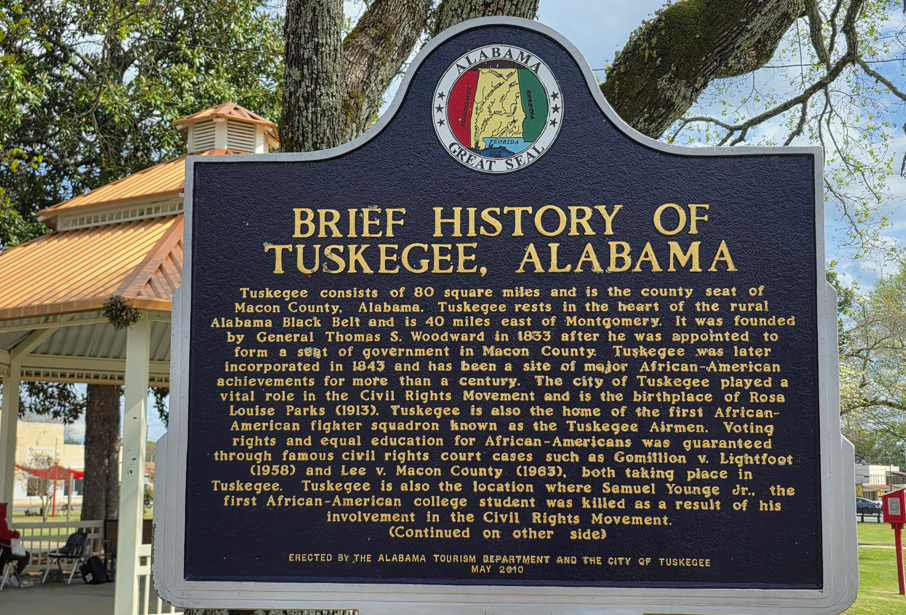
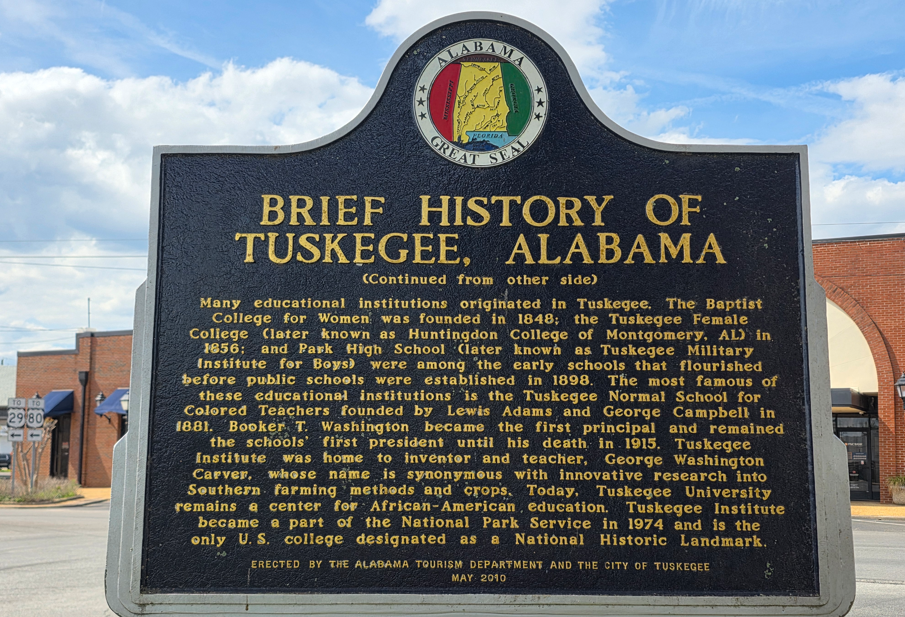
Tuskegee AL

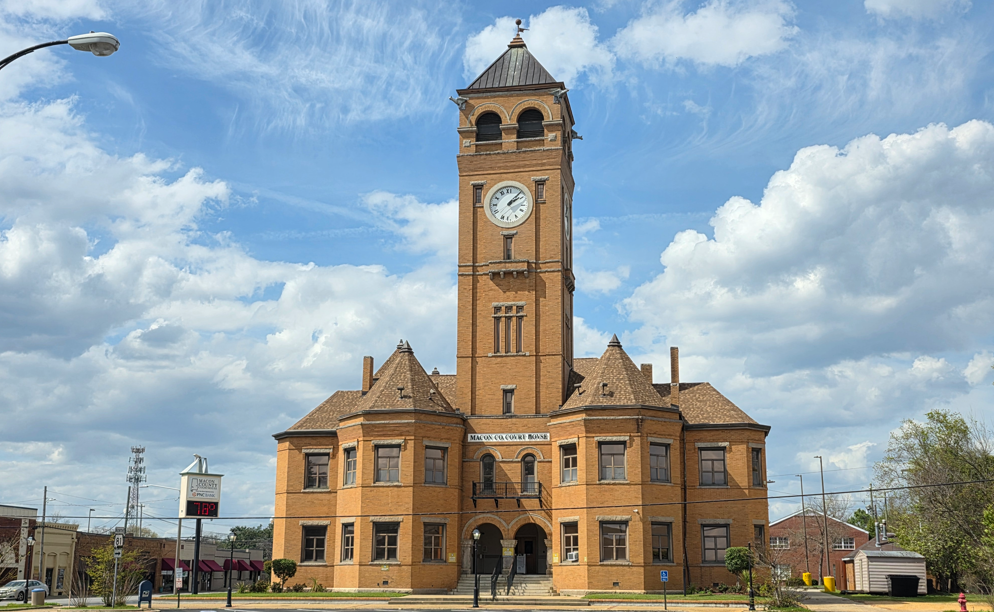
This is the Macon County Courthouse in Tuskegee. This town is very depressed, with many dilapidated buildings downtown, as well as houses in really bad shape.
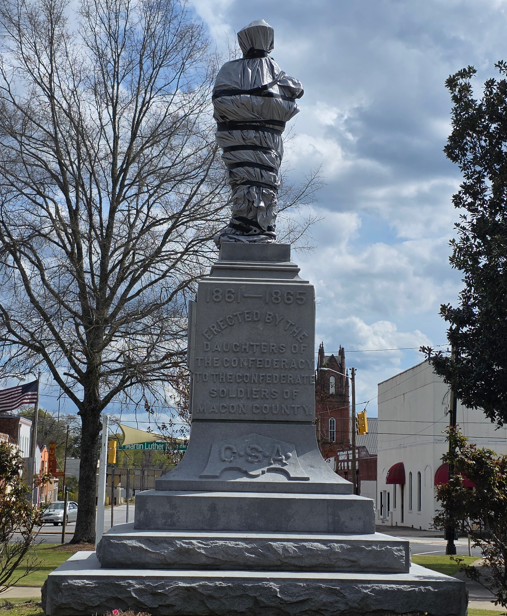
This Confederate statue is in the town square.
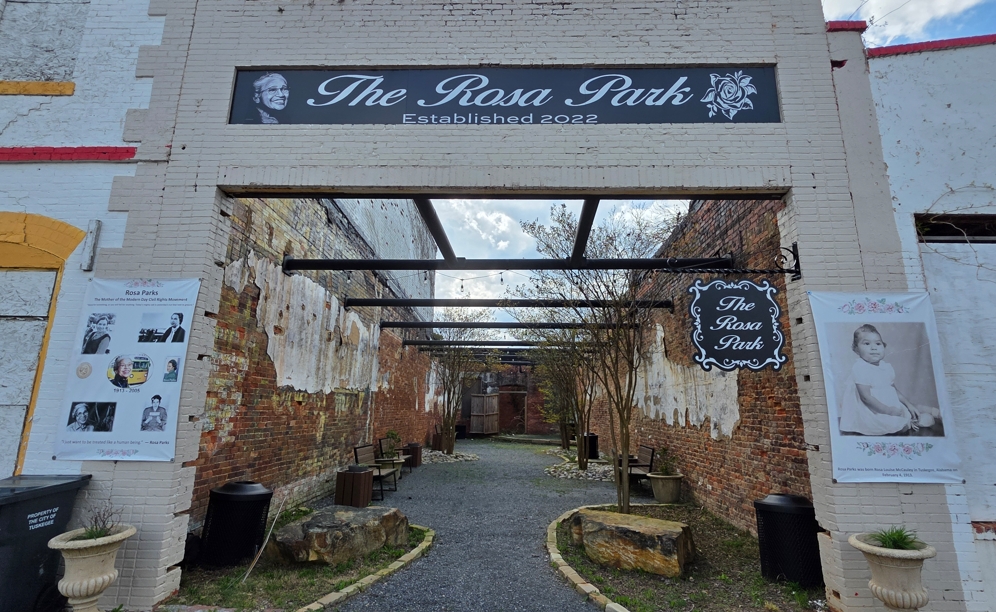
Rosa Park
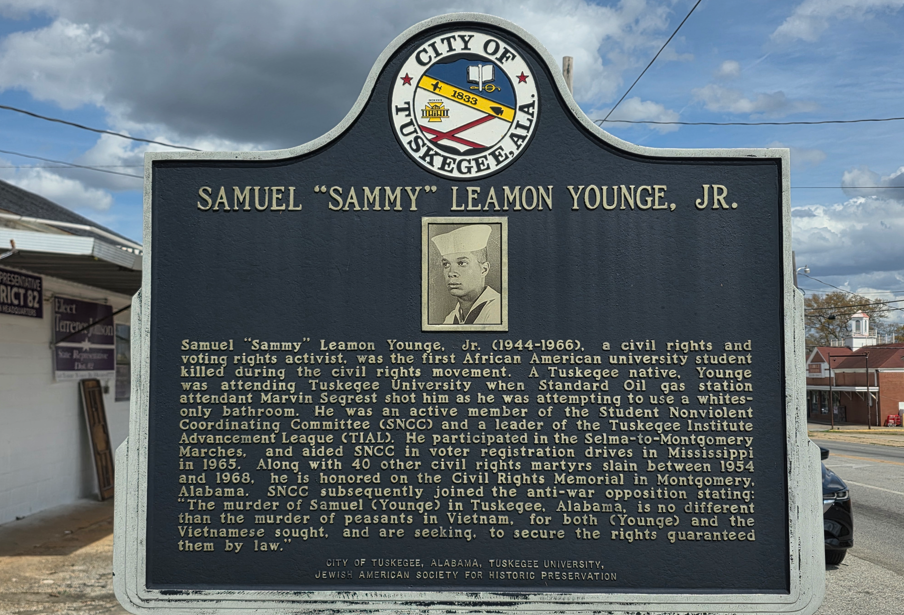
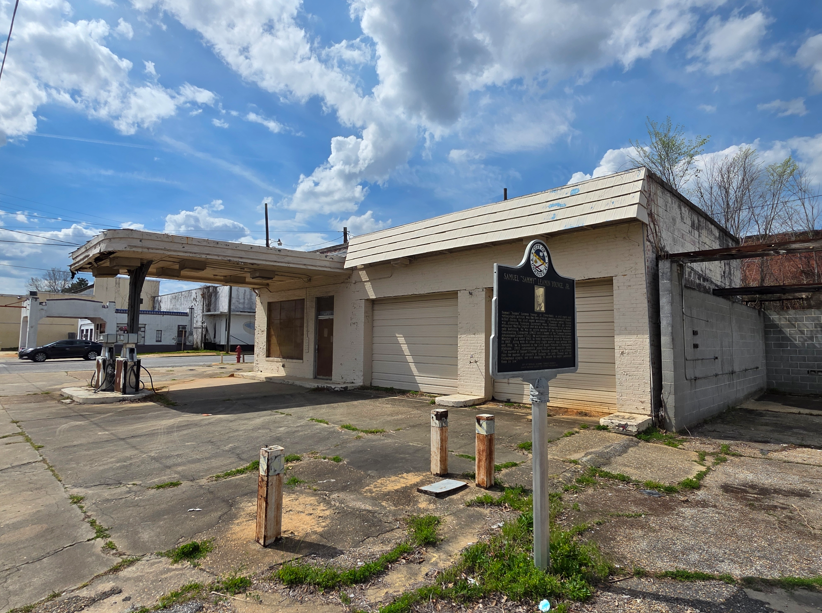
This is the station where Sammy Younge was shot.

Tuskegee University

Tuskegee AL

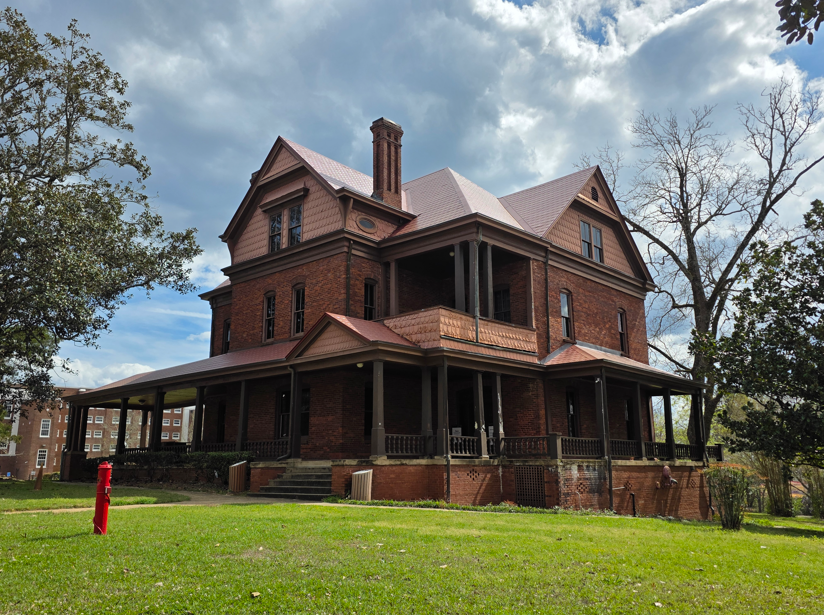
The Oaks, former home of Booker T. Washington, first president of Tuskegee Institute, an institute for black higher education.
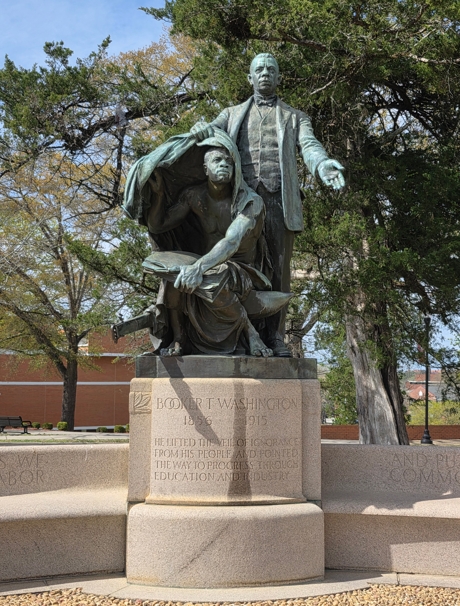
Booker T. Washington sculpture. 1856-1915.
He lifted the veil of ignorance from his people and pointed the way to progress through education and industry
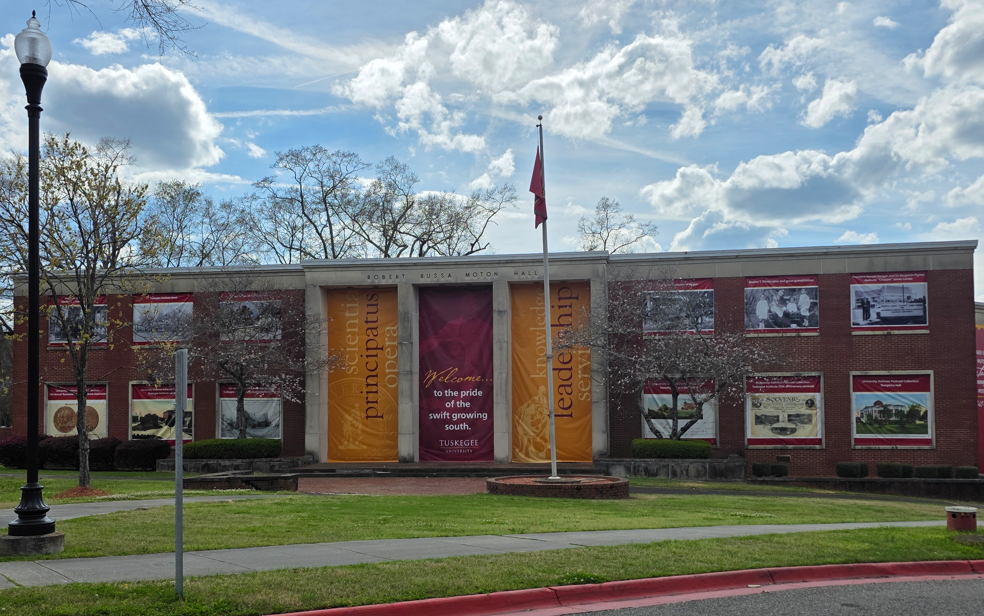
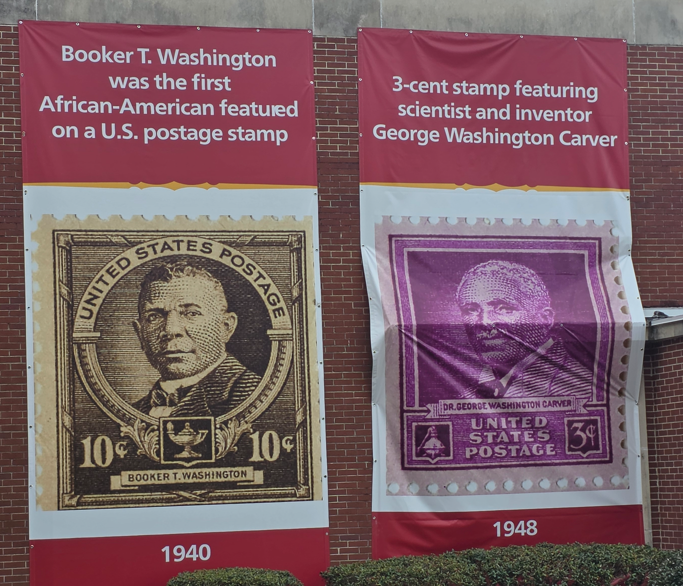
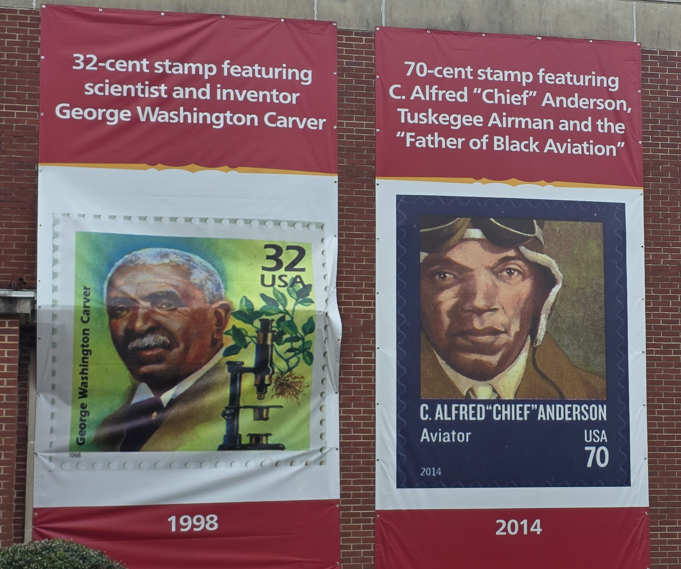
Robert Russa Morton Hall, named for the second president of Tuskegee Institute. Moton was one of the speakers at the dedication of the Lincoln Memorial in Washington DC, 1922.

After being recruited by the promise of free medical care, 600 African American men in Macon County, Alabama were enrolled in the project, which aimed to study the full progression of syphilis.

The participants were primarily sharecroppers, and many had never before visited a doctor. Doctors from the U.S. Public Health Service (PHS), which was running the study, informed the participants—399 men with latent syphilis and a control group of 201 others who were free of the disease—they were being treated for bad blood, a term commonly used in the area at the time to refer to a variety of ailments.

The men were monitored by health workers but only given placebos such as aspirin and mineral supplements, despite the fact that penicillin became the recommended treatment for syphilis in 1947, some 15 years into the study. PHS researchers convinced local physicians in Macon County not to treat the participants, and instead, research was done at the Tuskegee Institute.

In order to track the disease’s full progression, researchers provided no effective care as the men died, went blind or insane or experienced other severe health problems due to their untreated syphilis.

In the mid-1960s, a PHS venereal disease investigator in San Francisco found out about the Tuskegee study and expressed his concerns to his superiors that it was unethical. The story broke in July 1972, prompting public outrage and forcing the study to finally shut down.

By that time, 28 participants had perished from syphilis, 100 more had passed away from related complications, at least 40 spouses had been diagnosed with it and the disease had been passed to 19 children at birth.

In 1973, Congress held hearings on the Tuskegee experiments, and the following year the study’s surviving participants, along with the heirs of those who died, received a $10 million out-of-court settlement. Additionally, new guidelines were issued to protect human subjects in U.S. government-funded research projects.
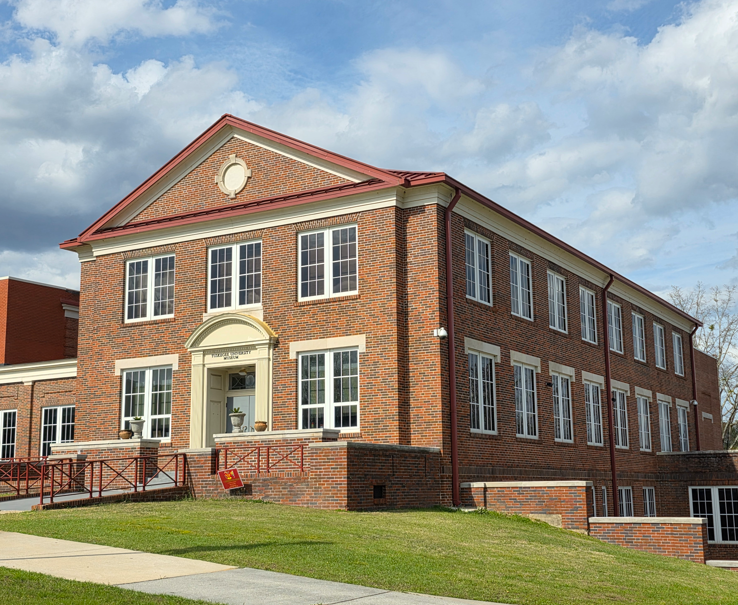
This is the building where the syphilis experiment was conducted. The building is now the National Center for Bioethics Research & Healthcare.
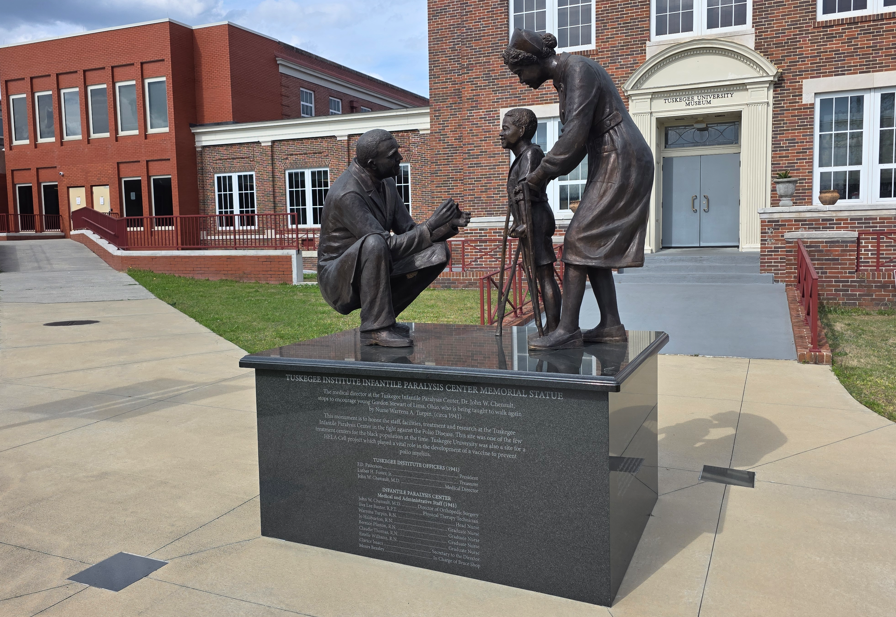
Tuskegee Institute Infantile Paralysis Center Memorial Statue
The medical director at the Tuskegee Institute Infantile Paralysis Center, Dr. John W. Chenault, stops to encourage young Gordon Stewart of Lima Ohio who was being taught to walk again by Nurse Warrena A. Turpin.
This monument is to honor the staff, facilities, treatment and research here against the Polio Disease.