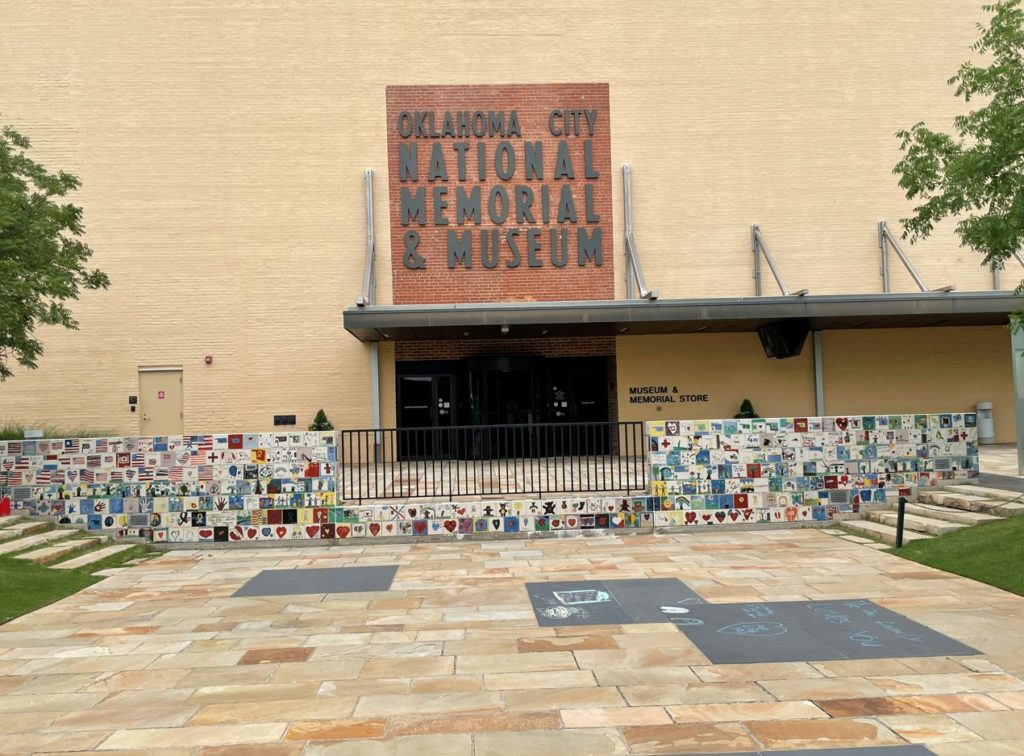
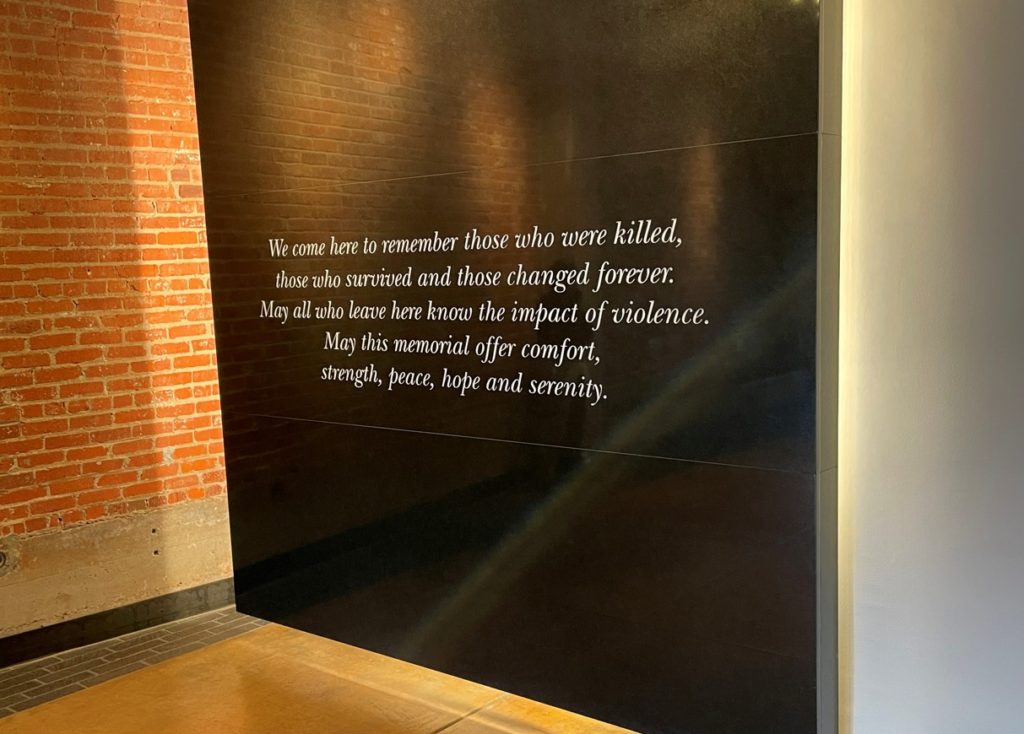
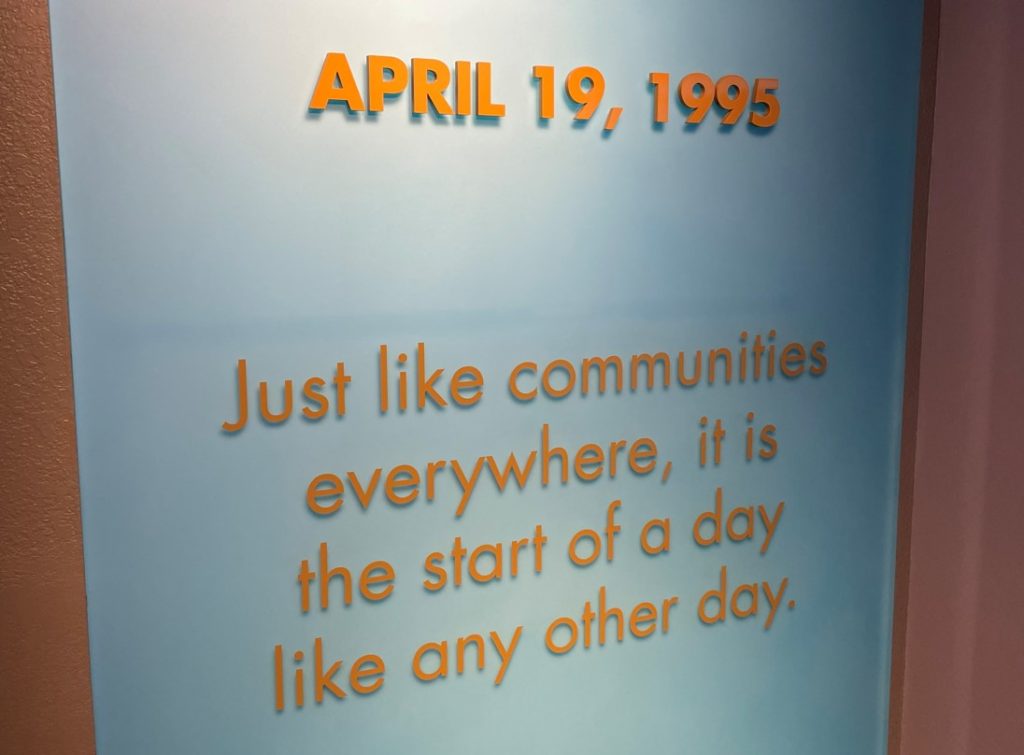
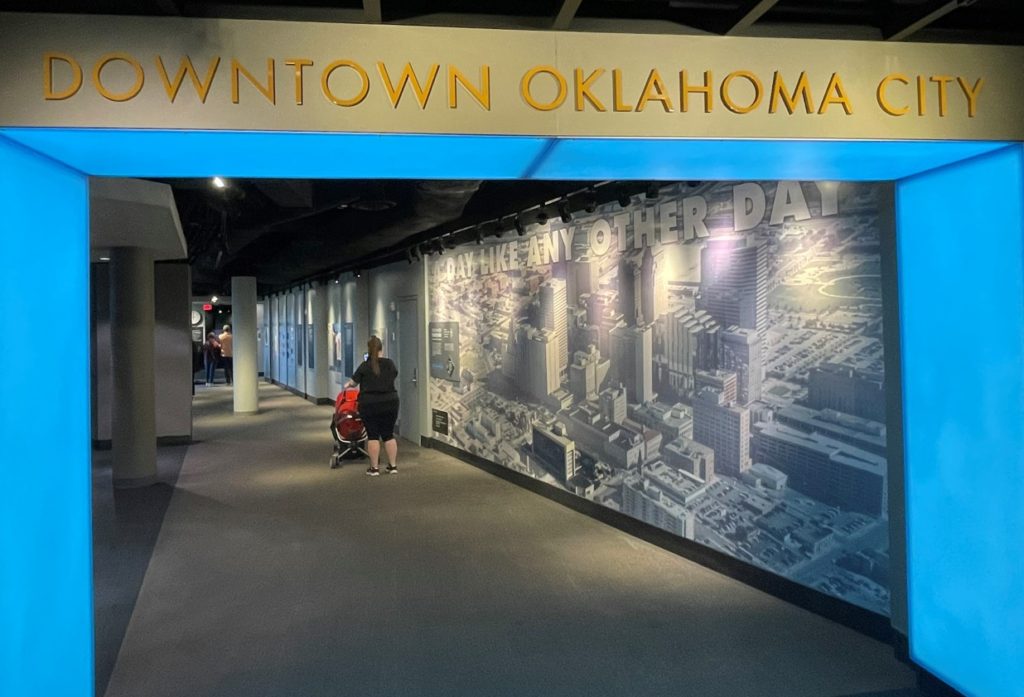
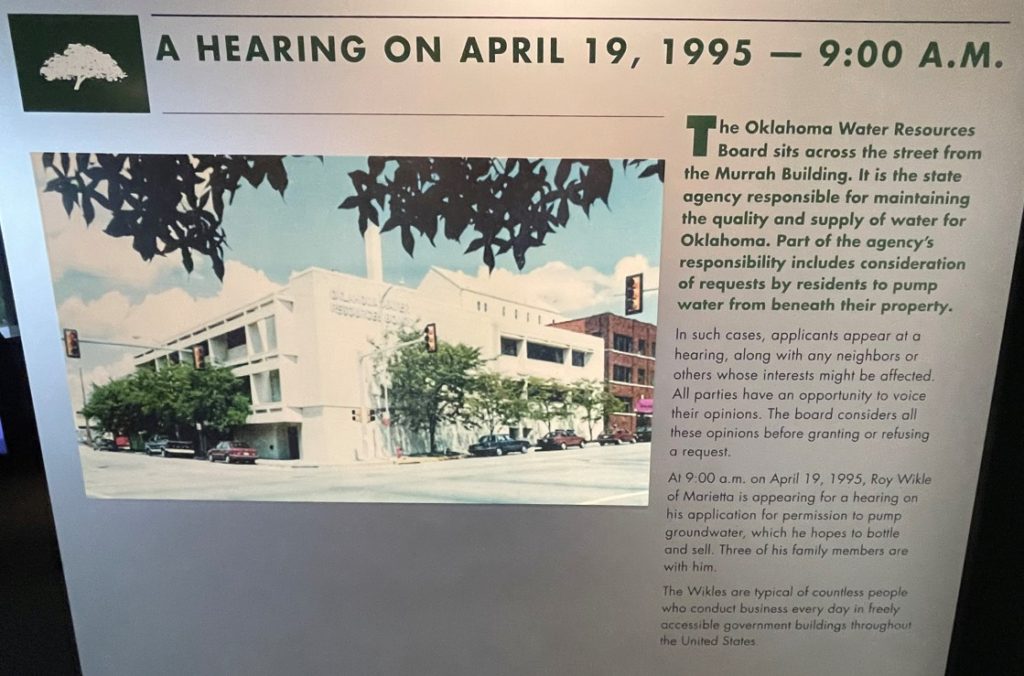
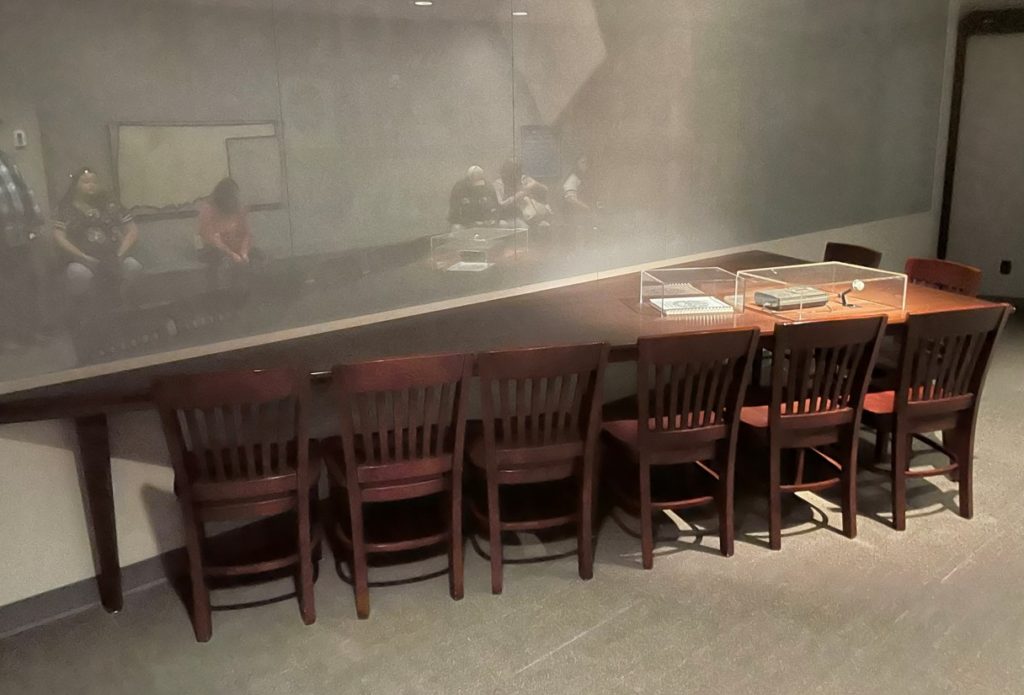
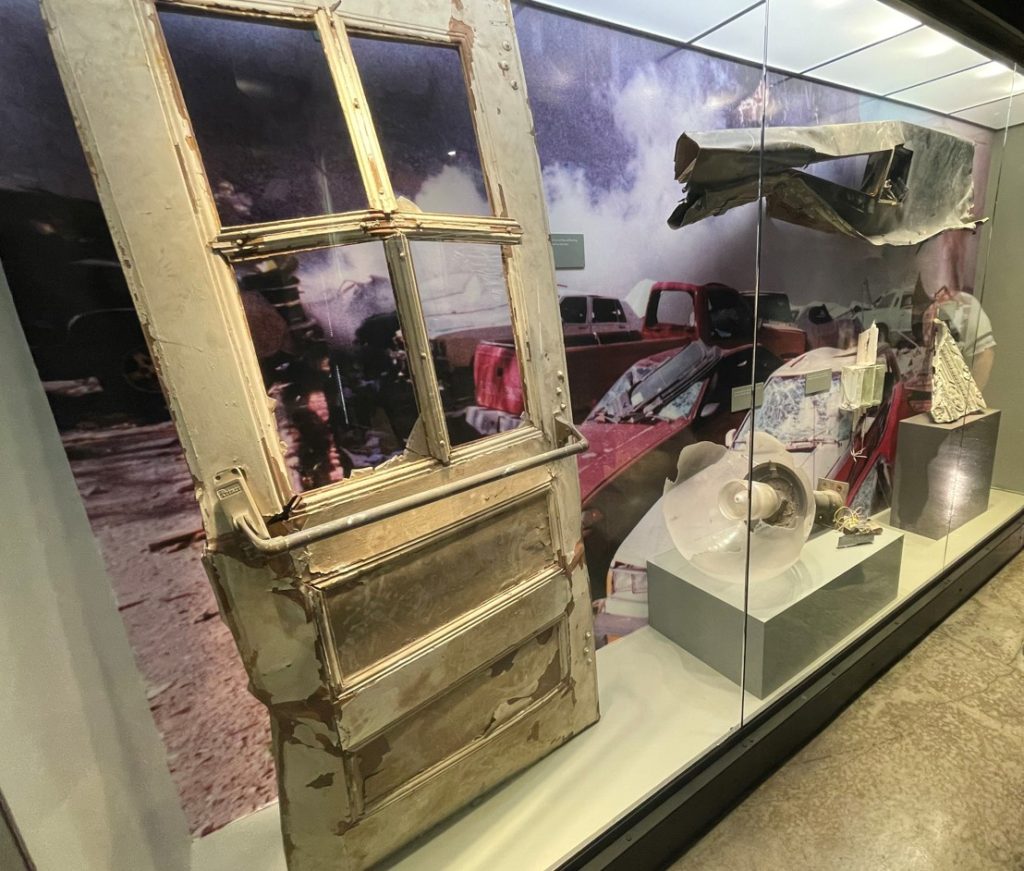
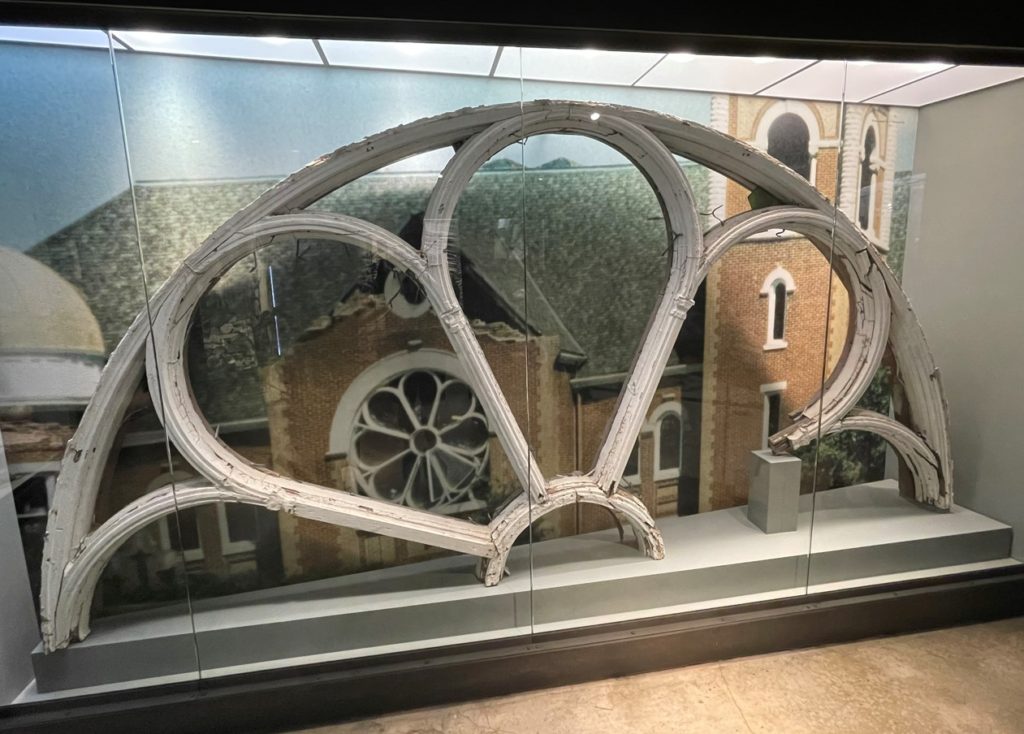
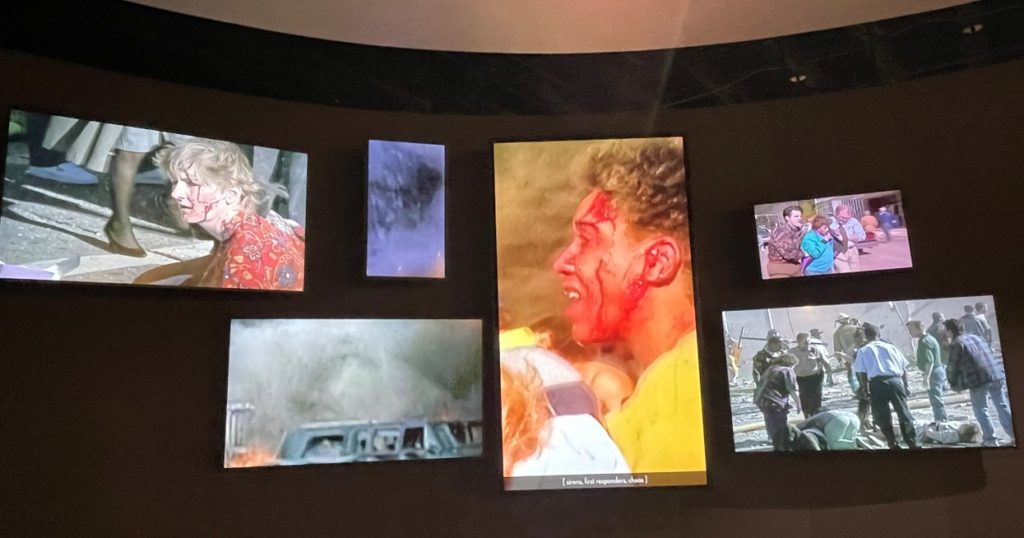
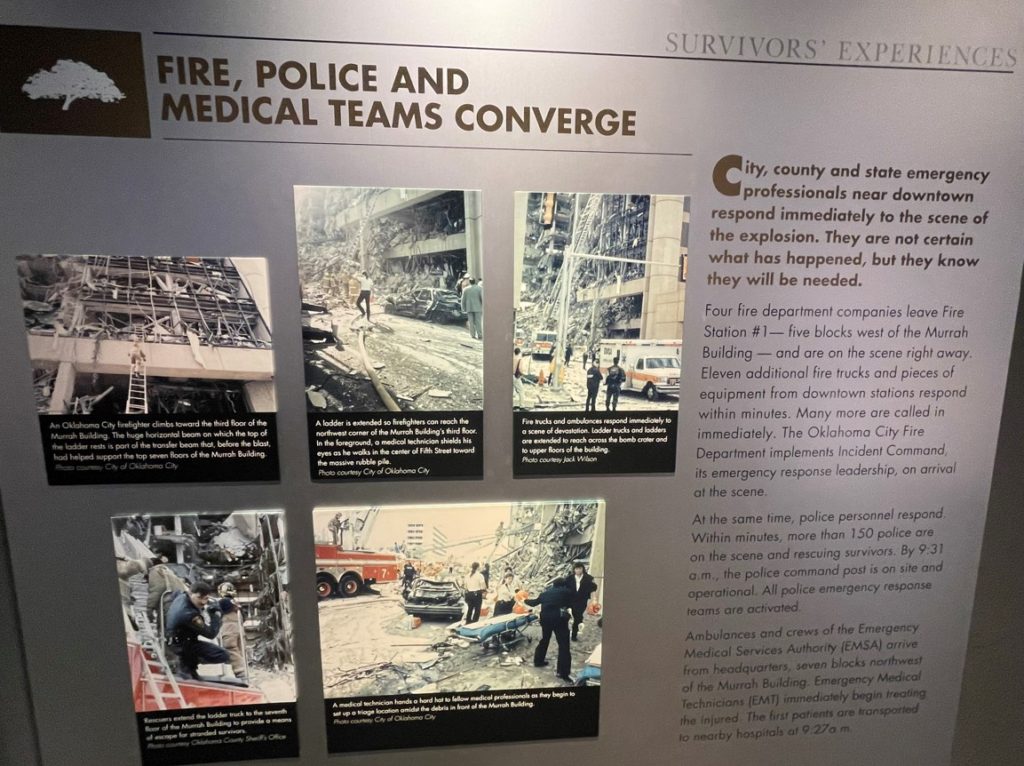
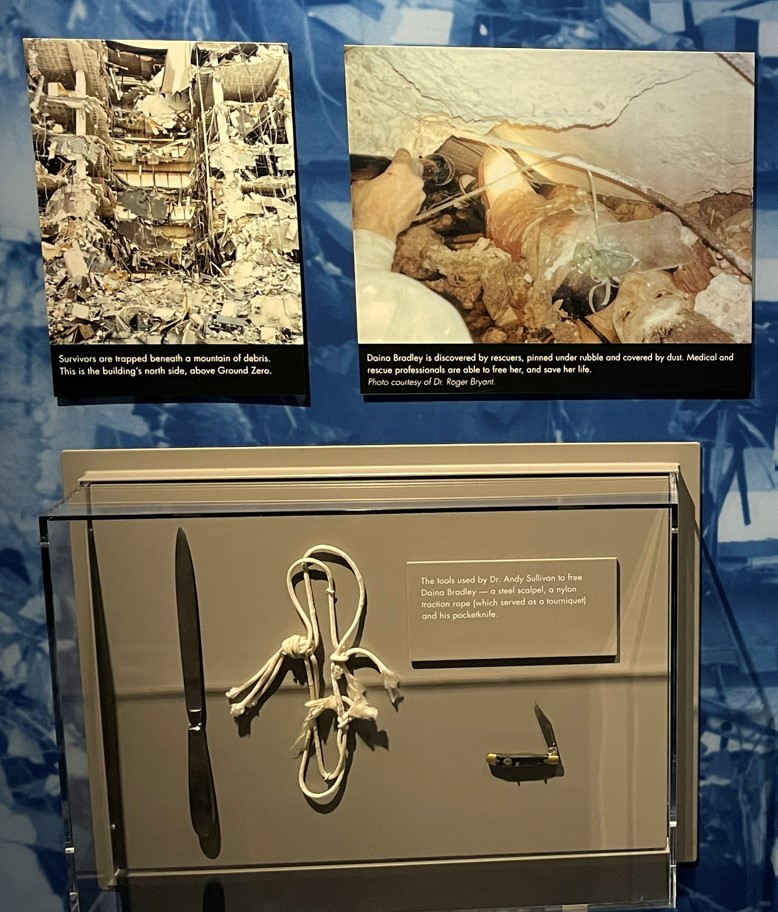
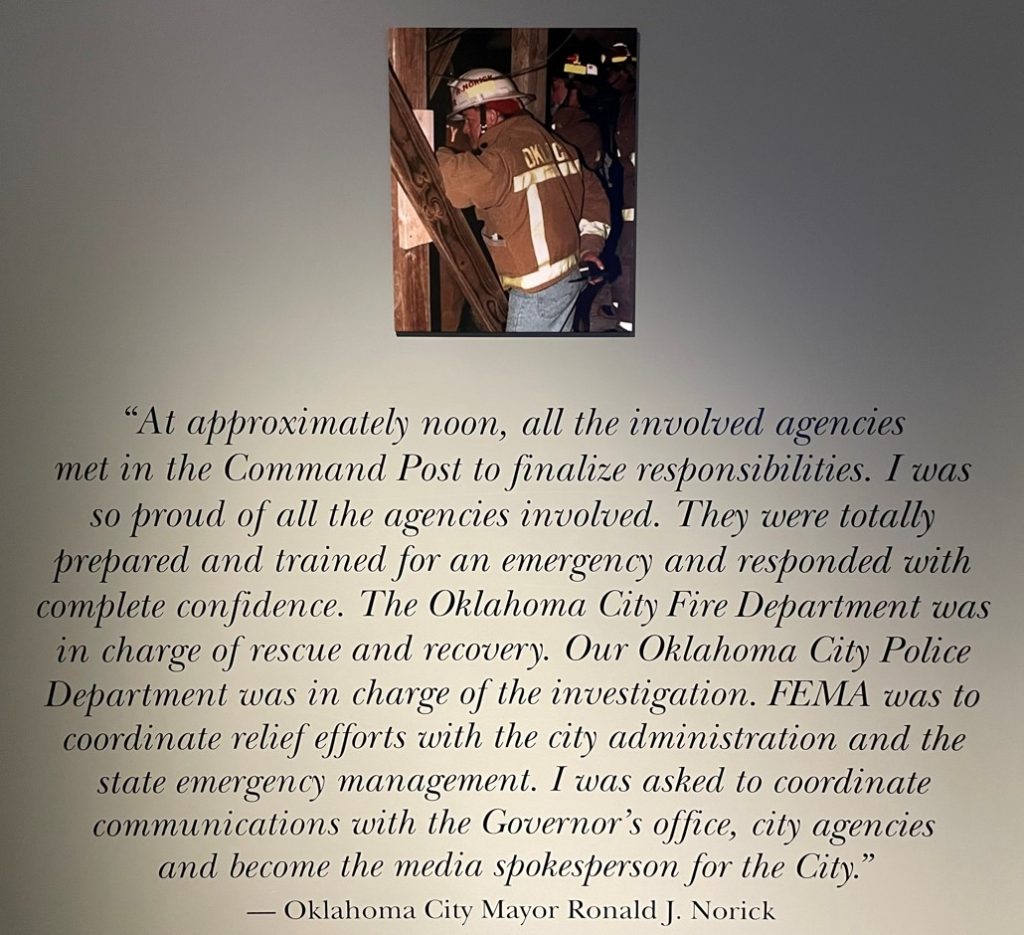
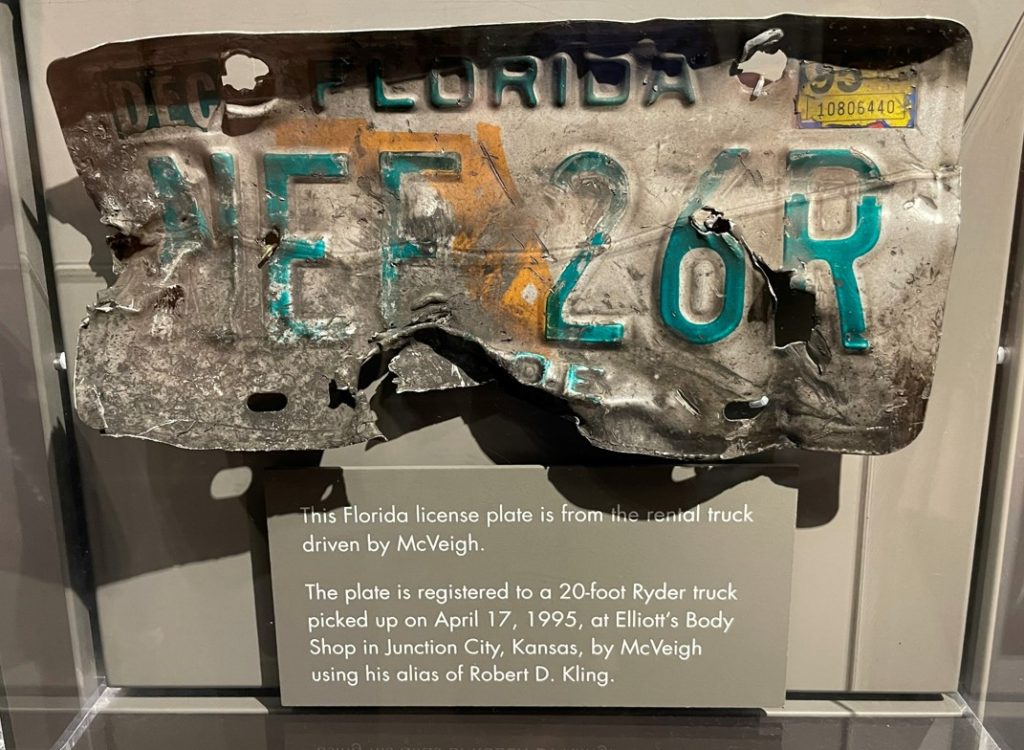
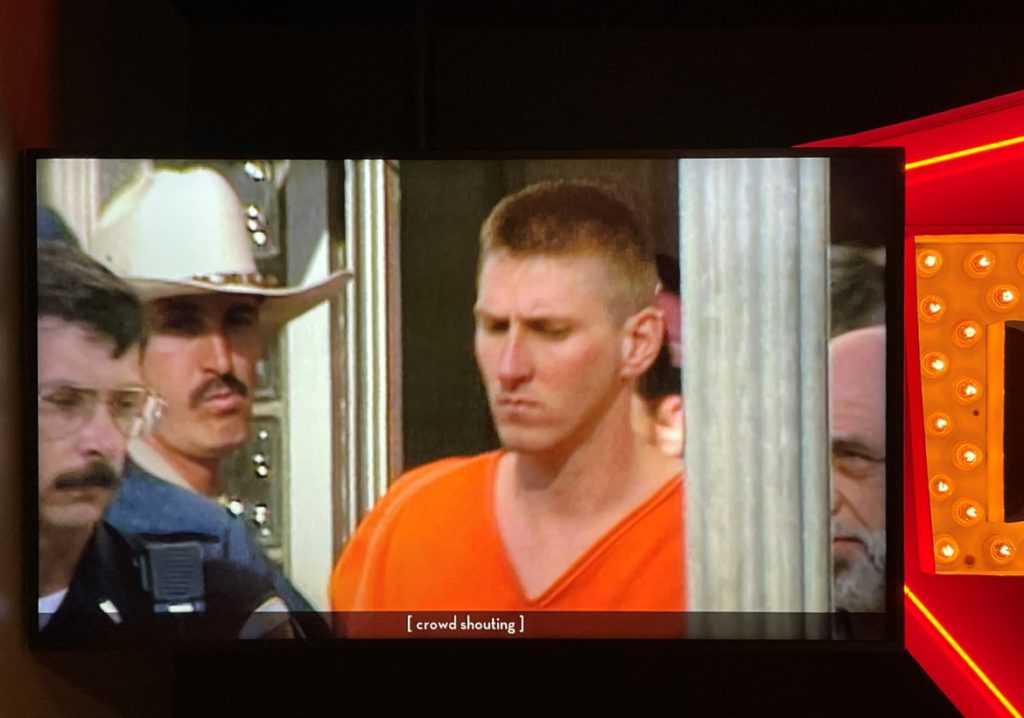
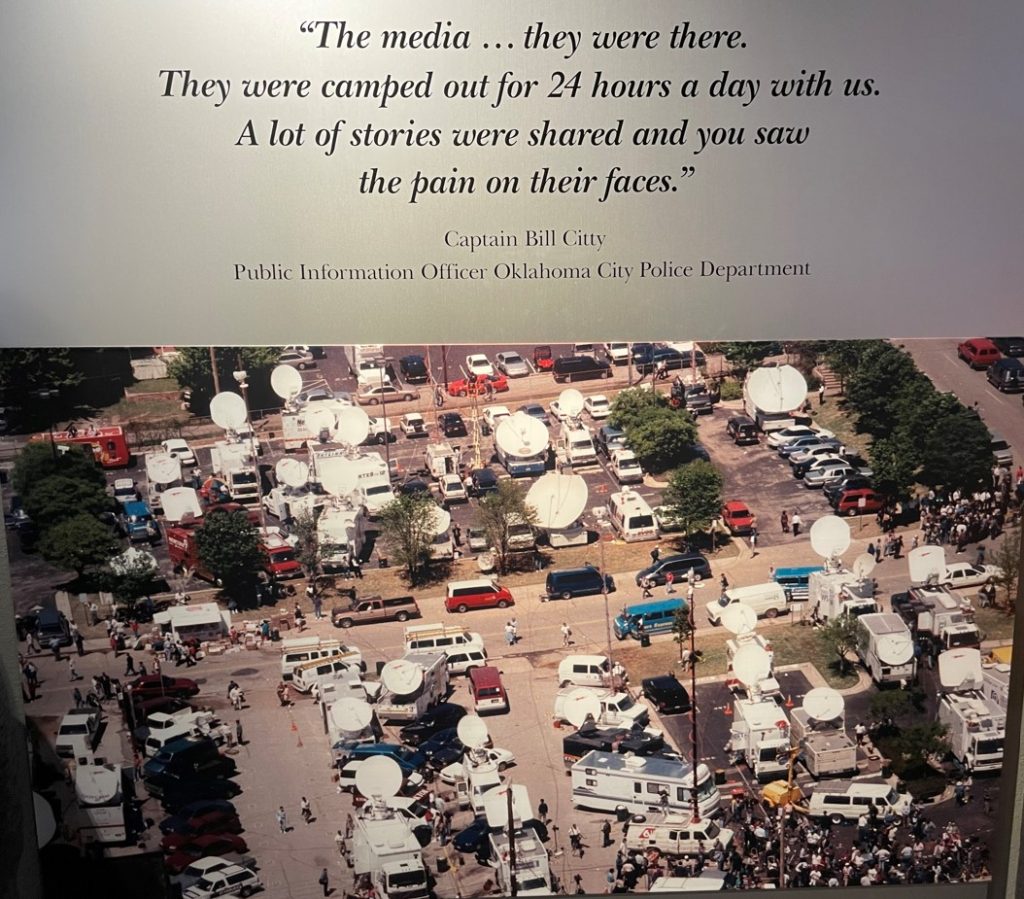
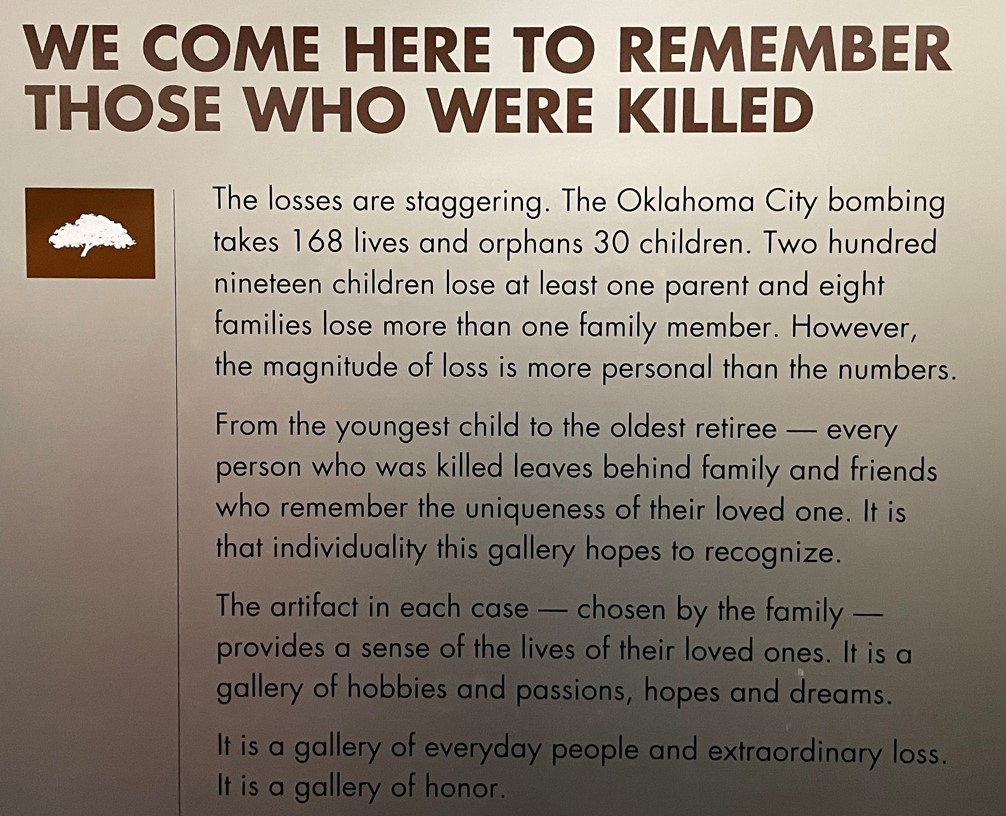
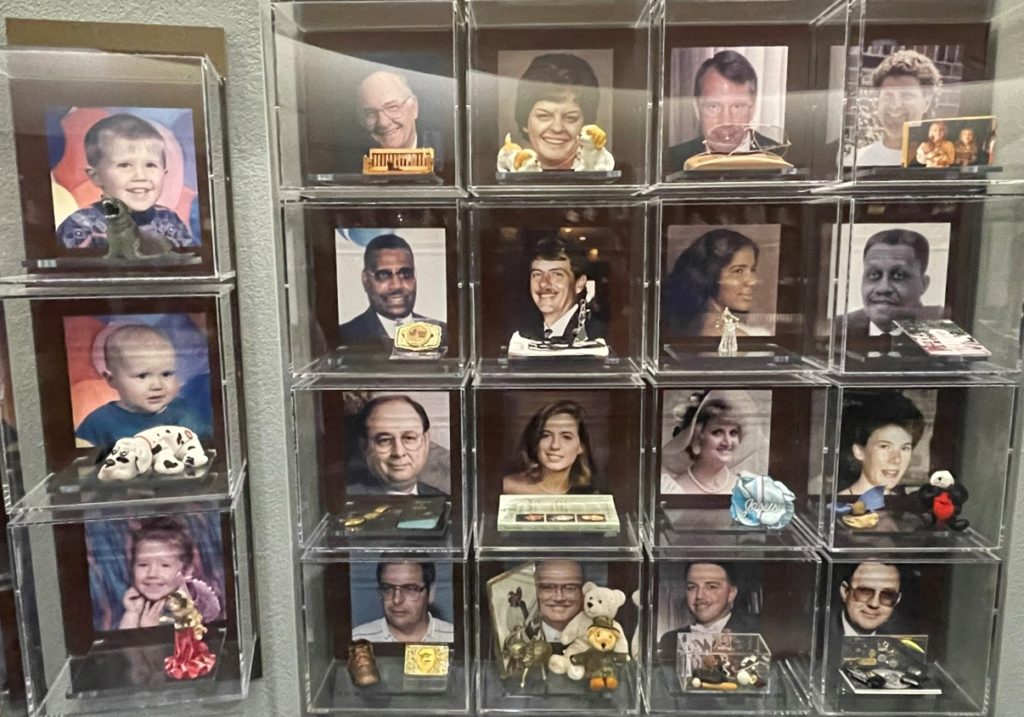
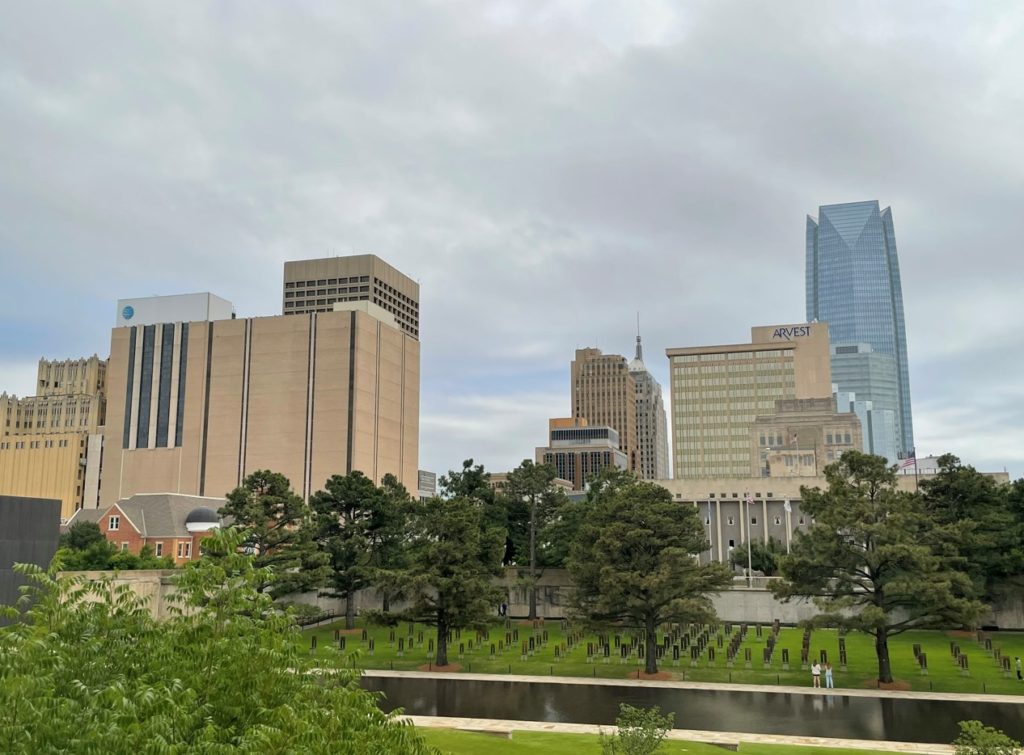
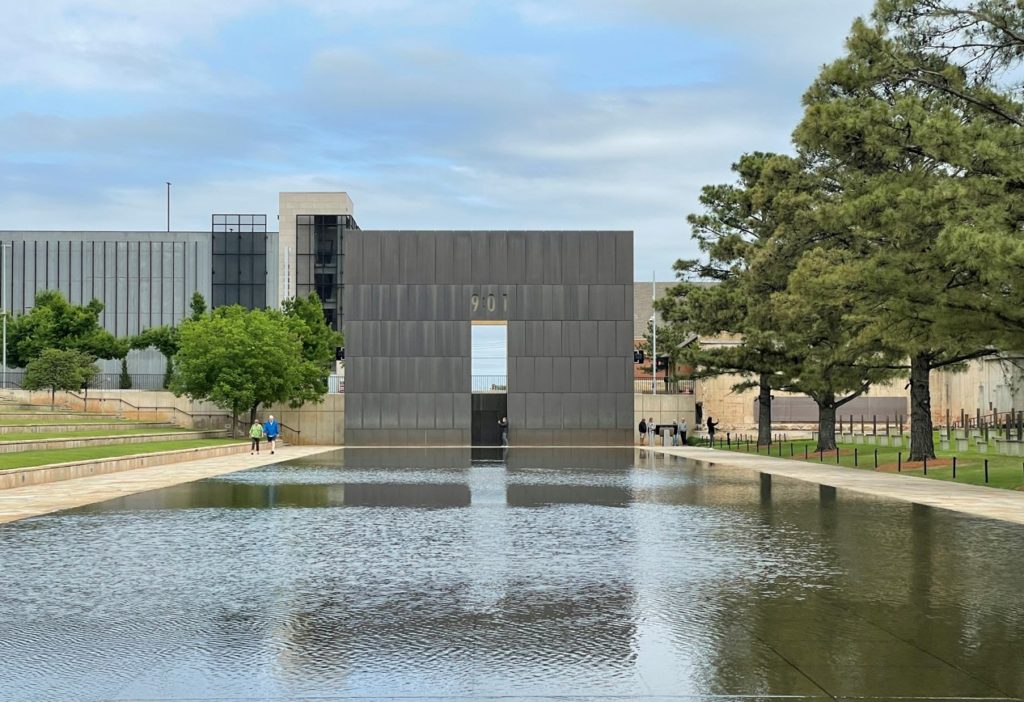
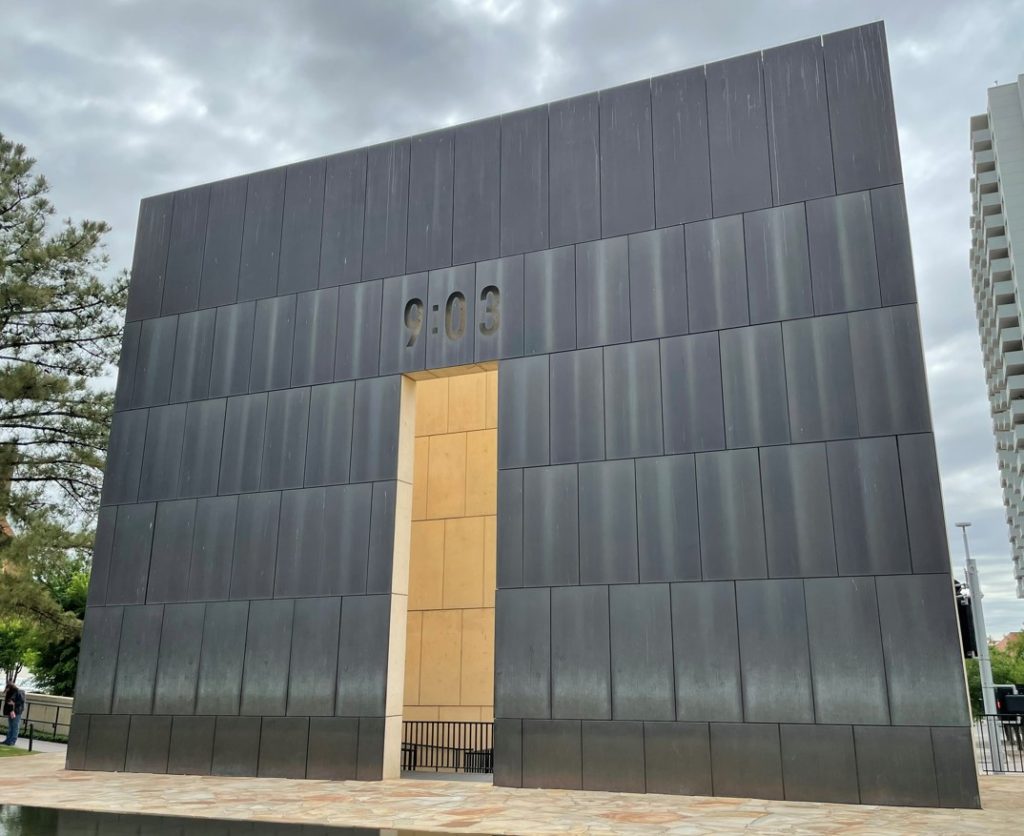
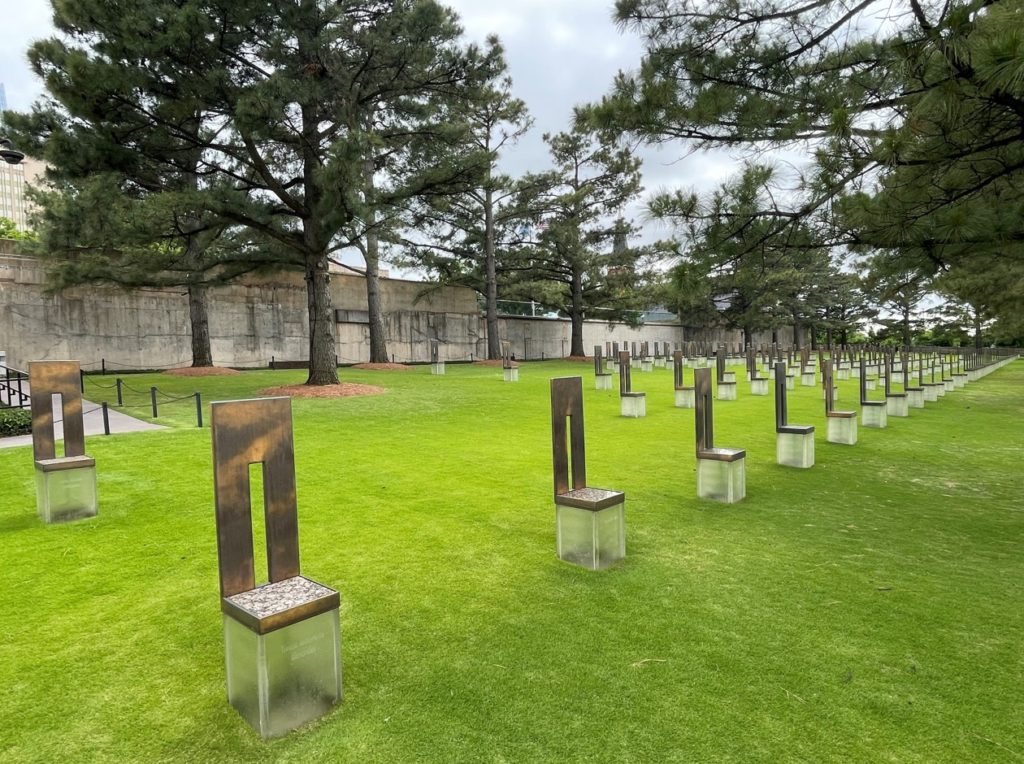
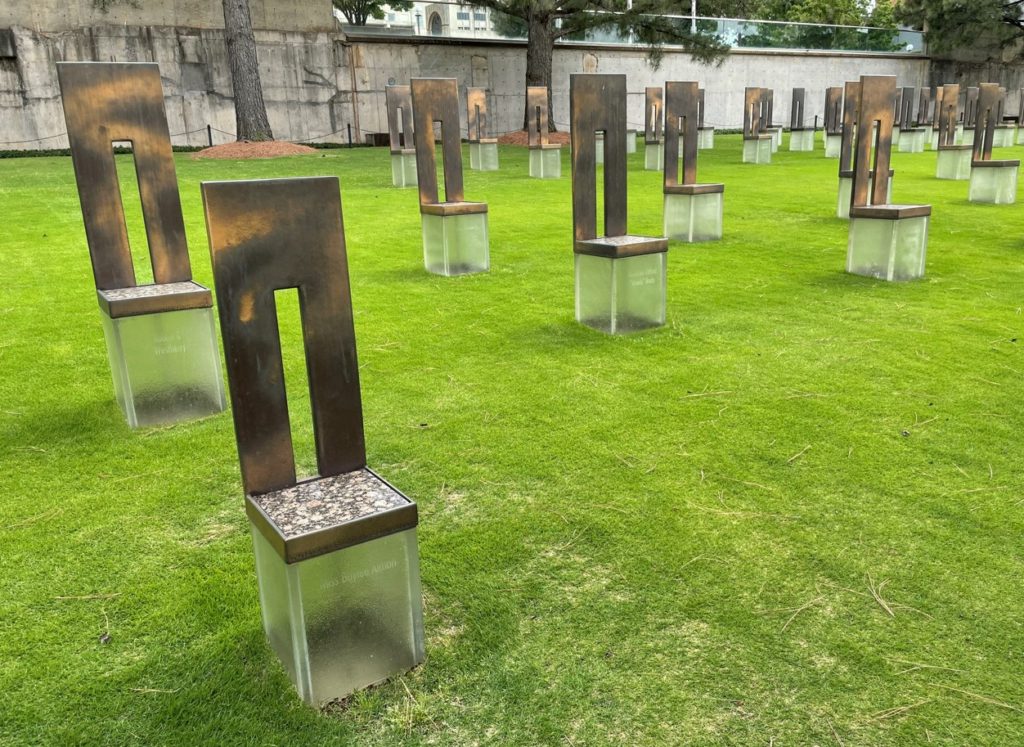
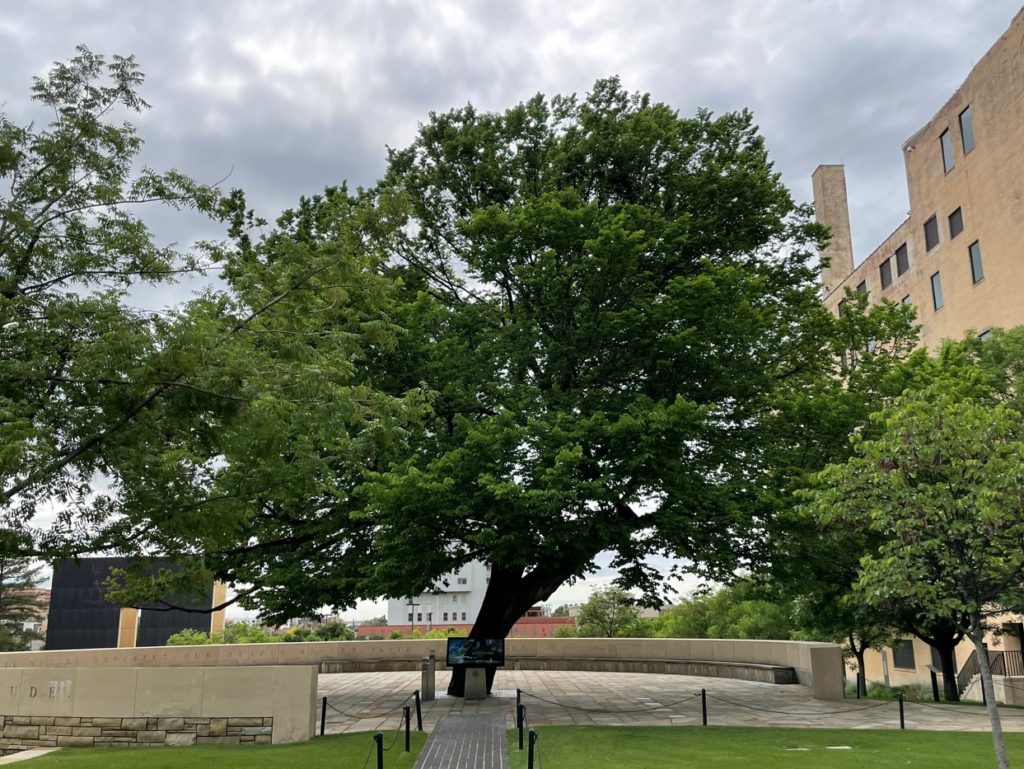
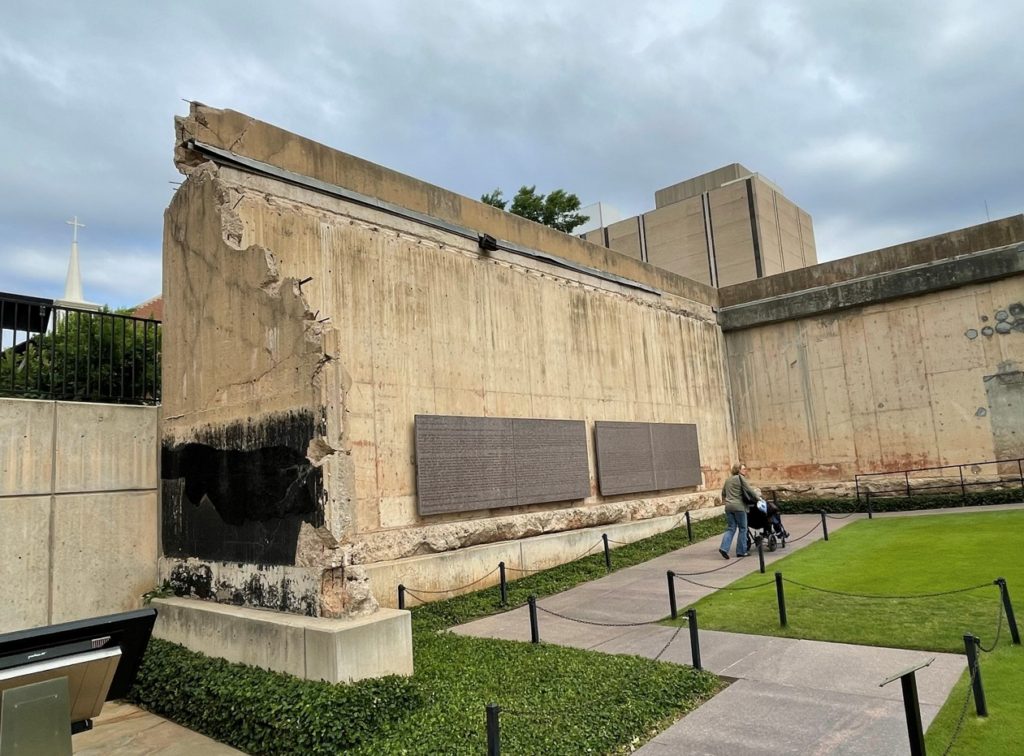
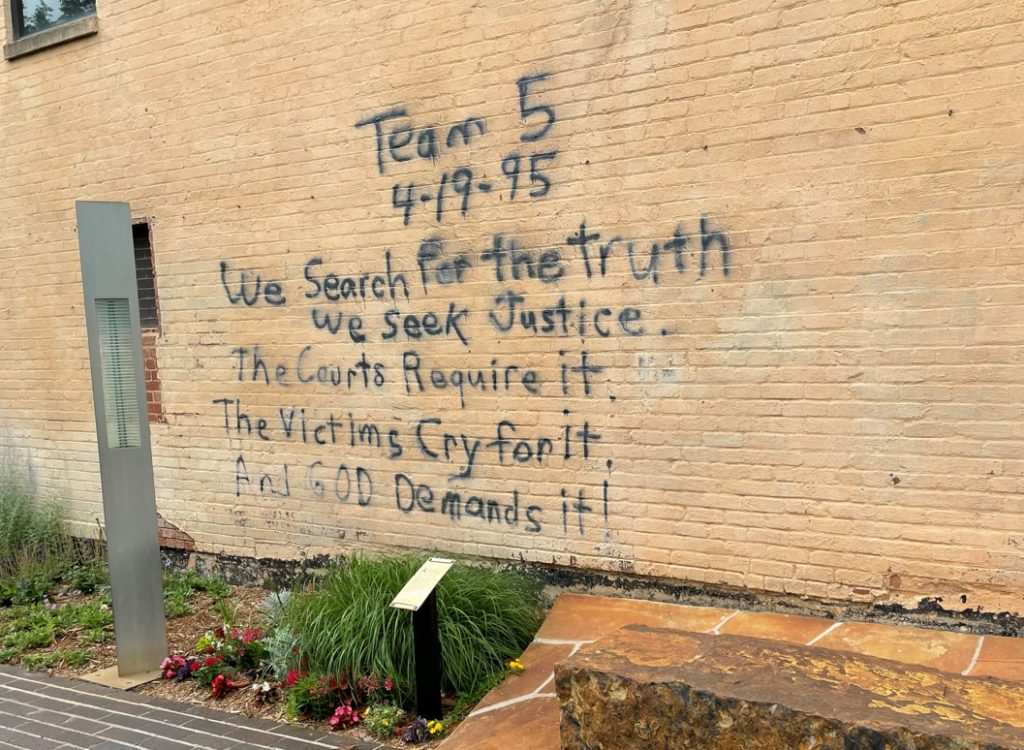
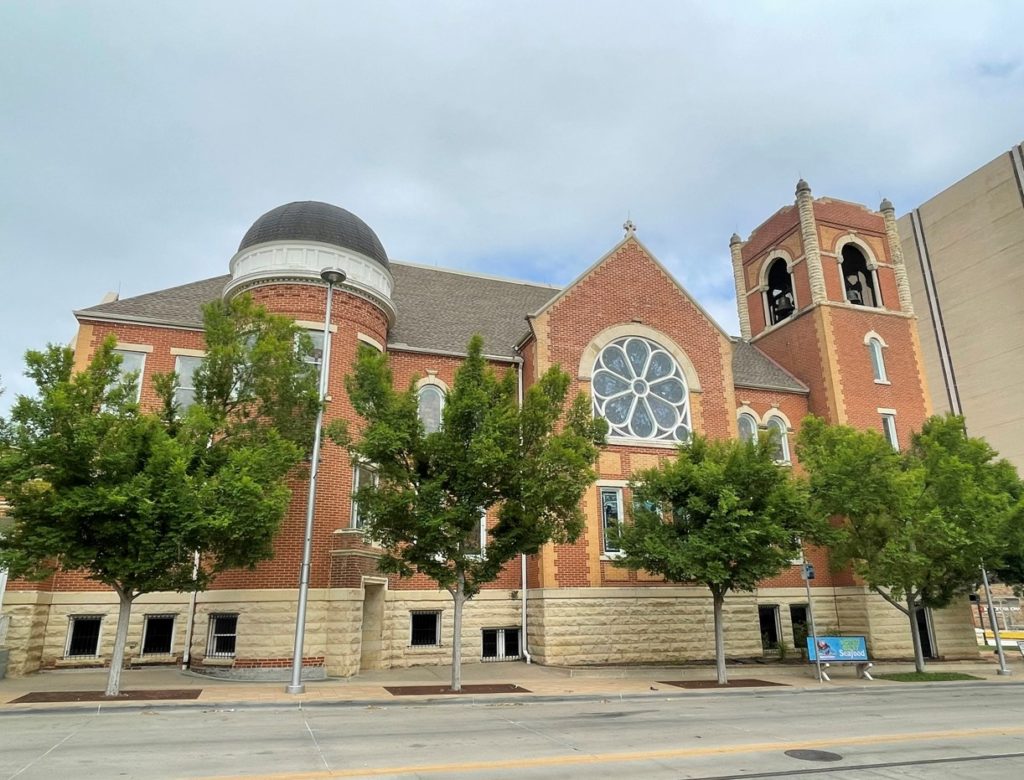
This is the national memorial for the 168 people who were murdered in the bombing April 19, 1995.This is a very well done museum. It starts off setting the scene of a normal spring day in Oklahoma City.There was a Water Board meeting across the street at the time of the bombing.The meeting was audiotaped, and the museum played the recording. The meeting started at 9:00, and the bomb went of at 9:02. The sound was obviously picked up on the audio. Chilling.These are scenes of some of the destruction. These are the actual items that were recovered during the cleanup.This trim on the church across the street was blown off.Scenes from TV on that day.Before the bombing, Daina Bradley is at the Social Security office in the building to pick up a social security card a her new son. After the blast, rescuers find her trapped, her right leg pinned under a fallen concrete beam. After two hours they determine it is impossible to move the beam. To save her life they must amputate her lower leg. After a delay due to a second bomb scare, orthopedic surgeon Andy Sullivan begins the procedure but all his emergency tools fail. He improvises and completes a very difficult through-the-knee amputation with his pocket knife, displayed here.The aftermath of the Murrah Federal BuildingThe rental truck license plate.McVeigh’s court appearance.One room was a memorial to each of the victims. There was a picture of each victim, with an item that was special for each person.Overlooking the outdoor symbolic memorial with downtown Oklahoma City in the background.One end of the reflecting pool, depicting the minute before the bombing.The wall depicting the minute after the bombing.Here, one seat for each of the 168 victims. They are arranged in 9 rows, one row for each floor of the Murrah Building, and placed approximately where the victims were located on their floor.The short seats are for the children who were killed.The Tree of Remembrance.This is a remaining wall of the actual Murrah Building.The emergency personnel left this message on the wall.First United Methodist Church across the street, with the round window trim, replaced.
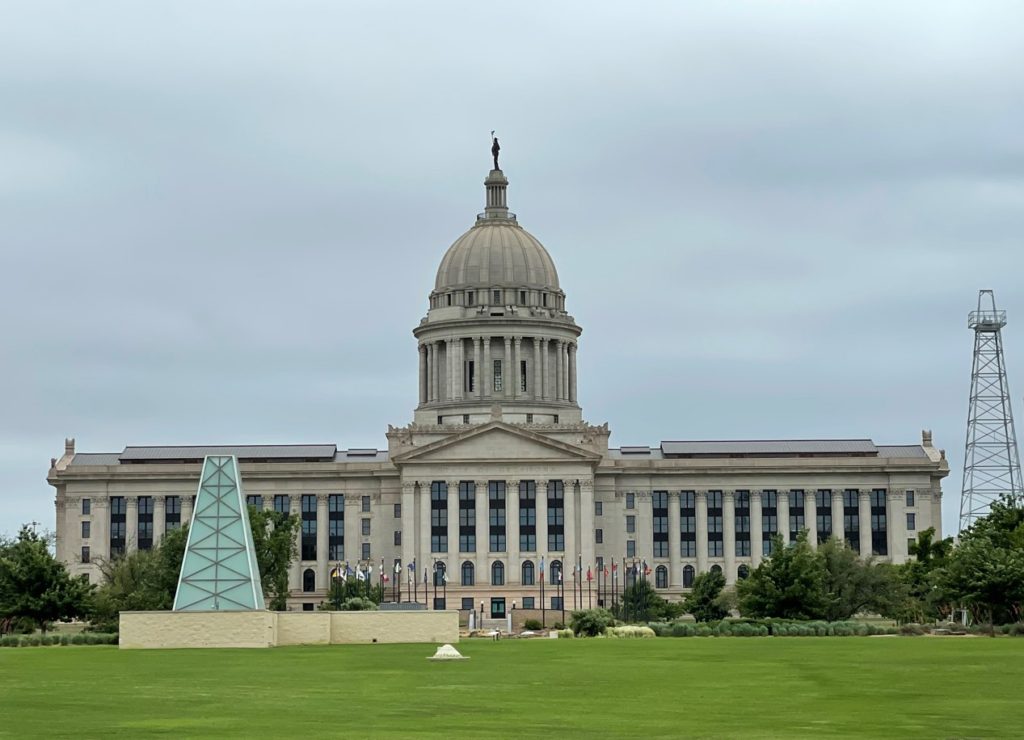
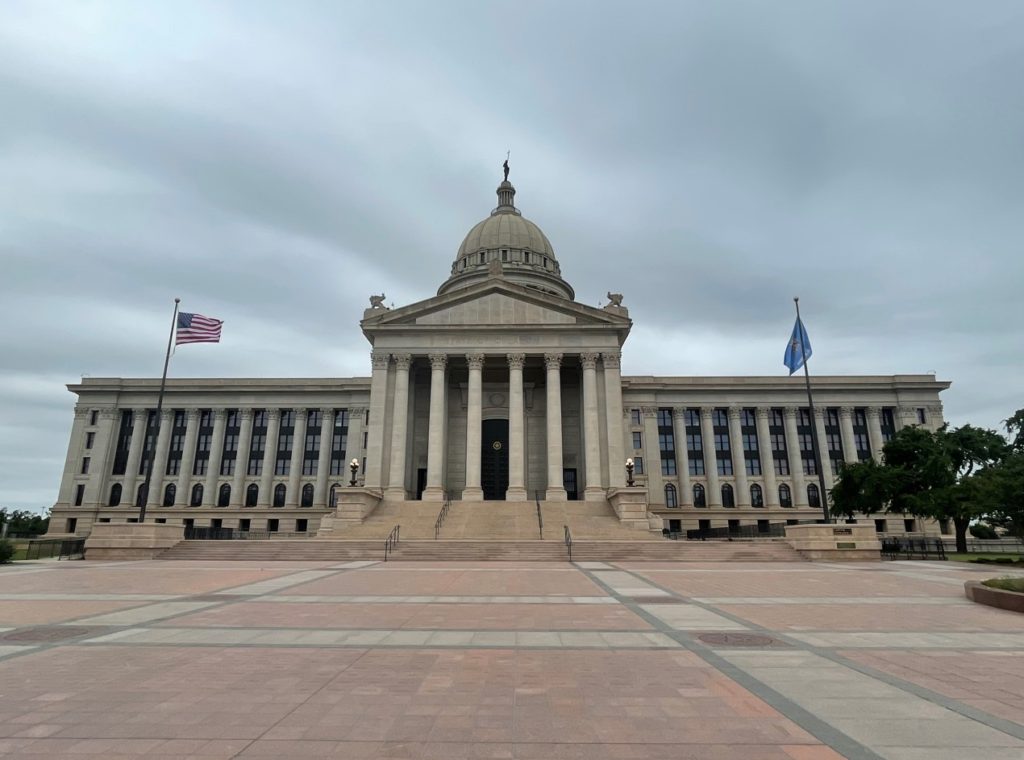
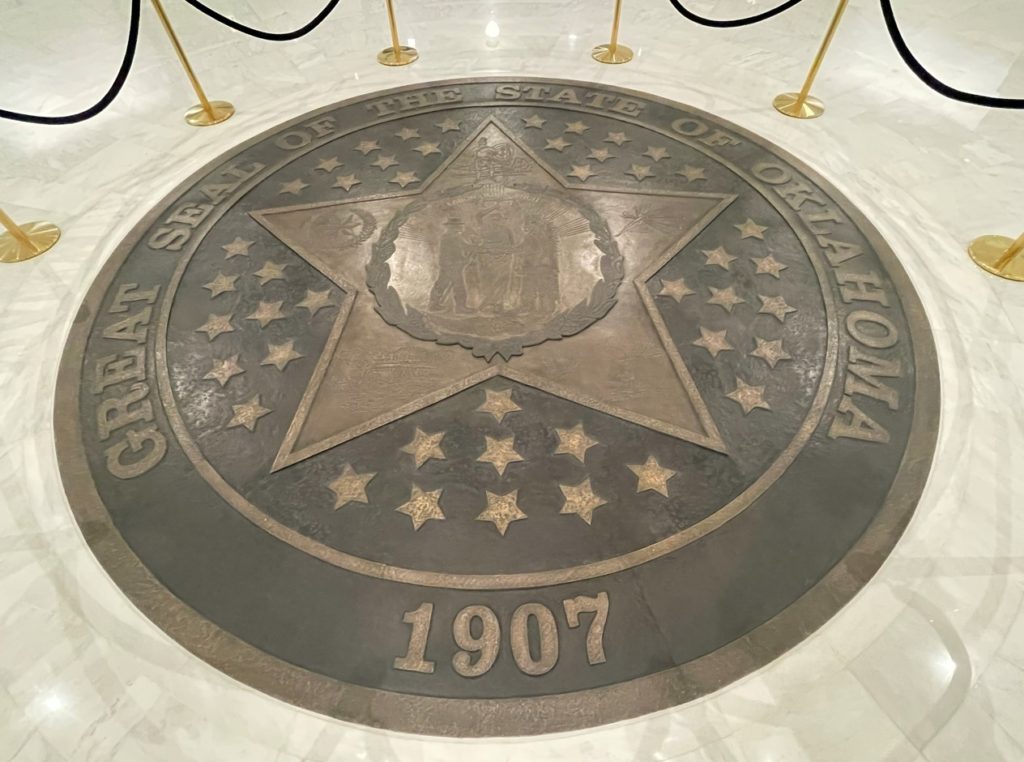
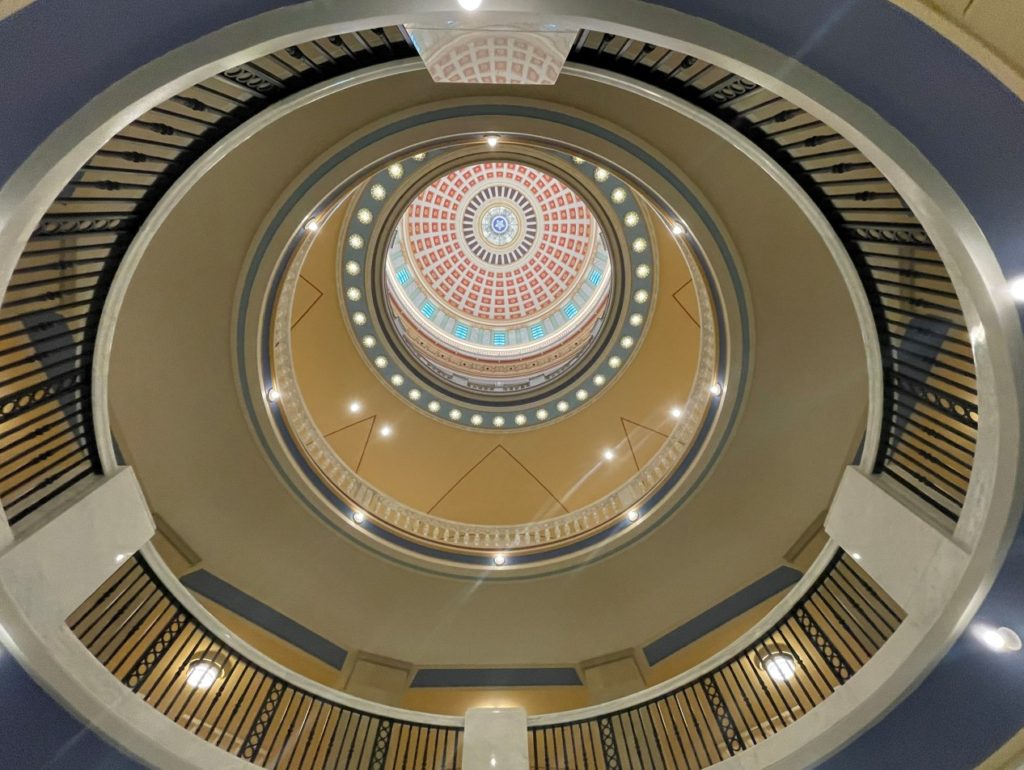
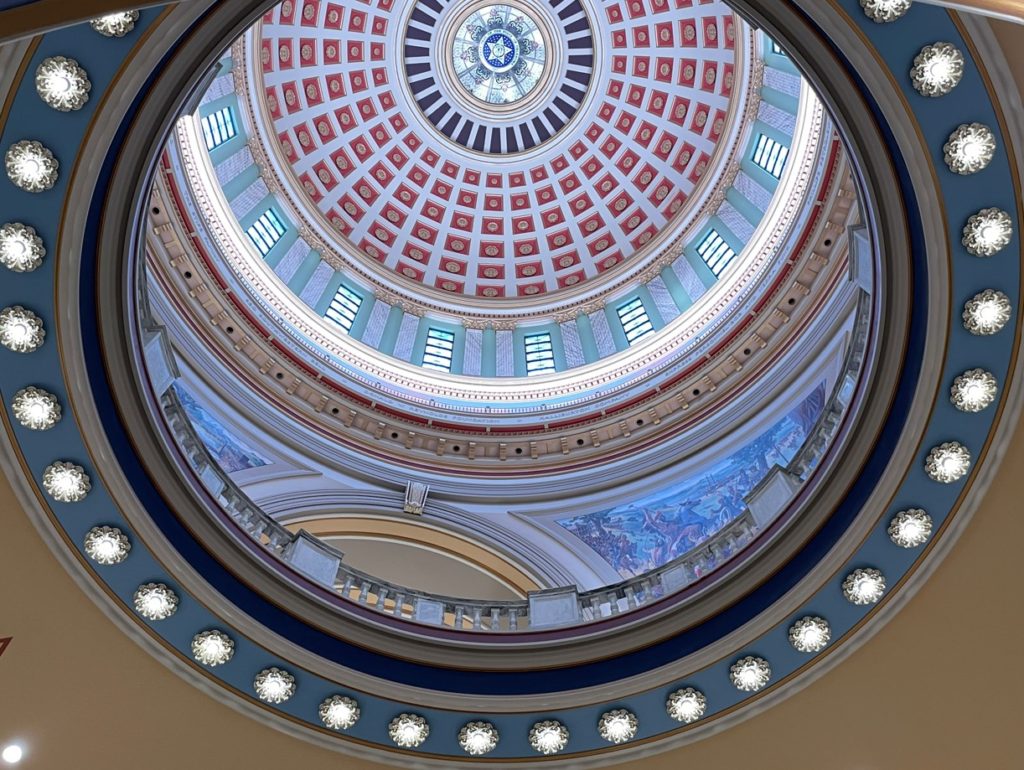
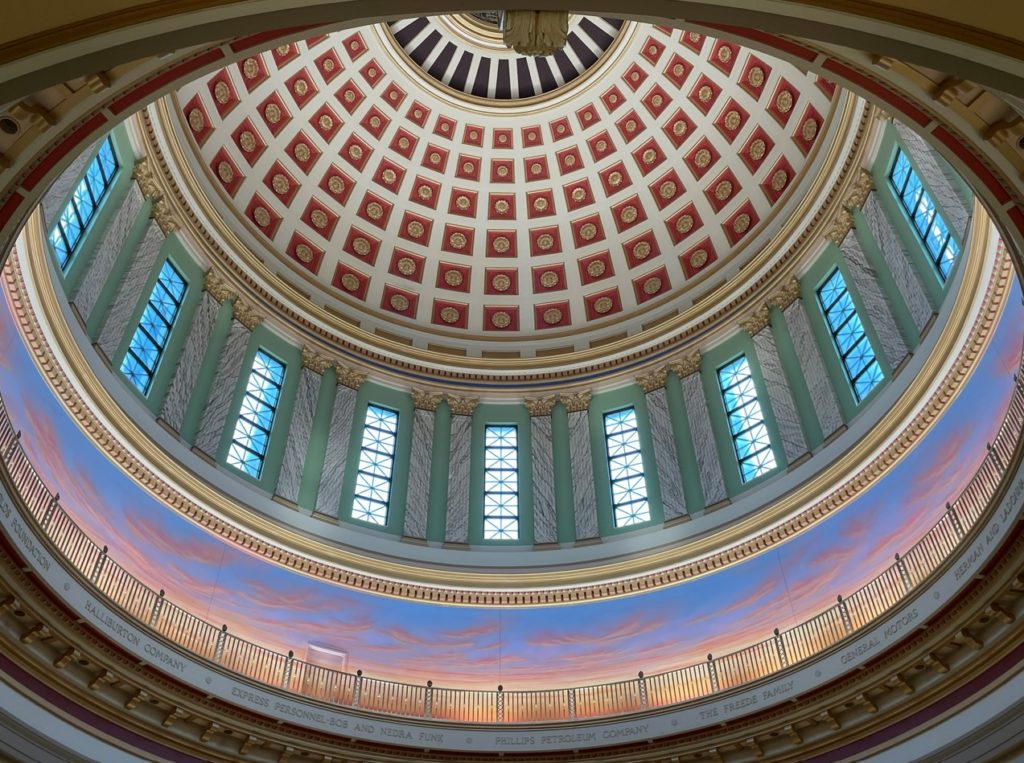
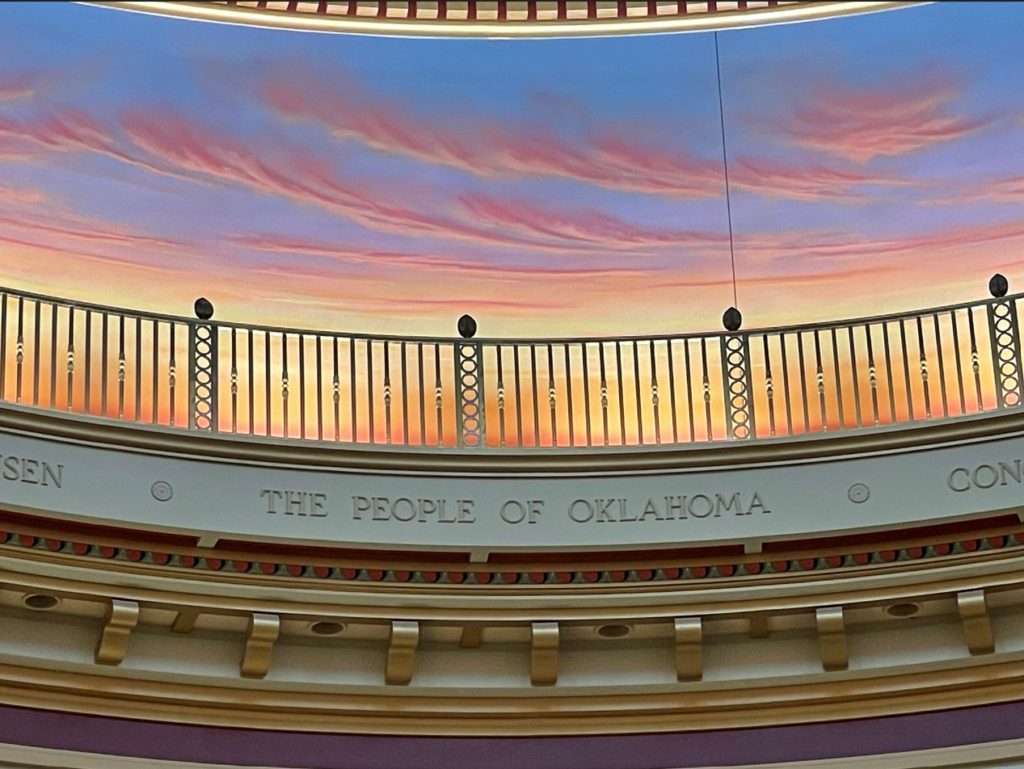
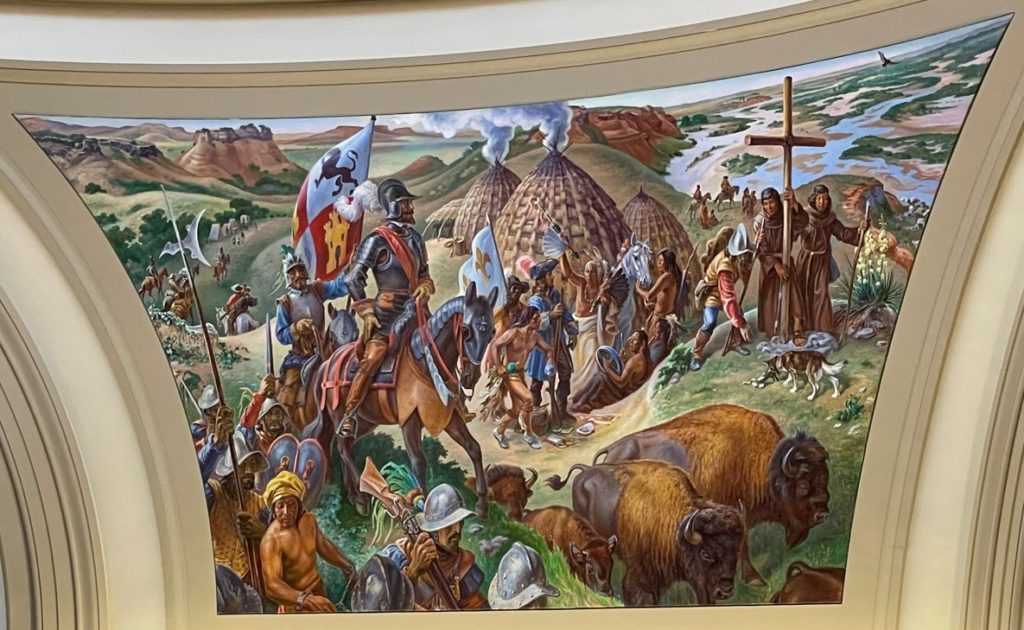
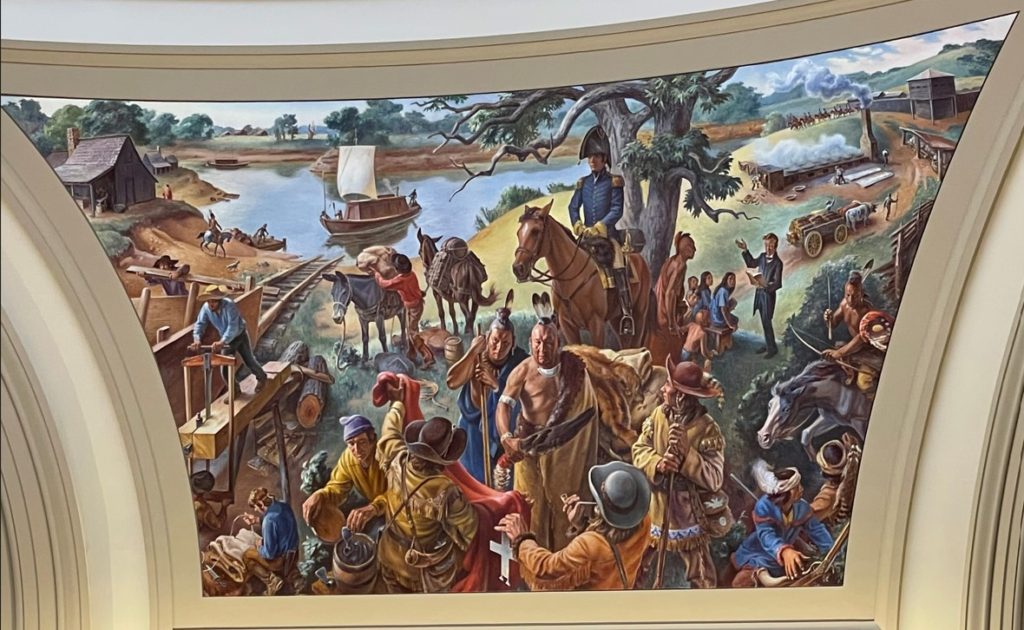
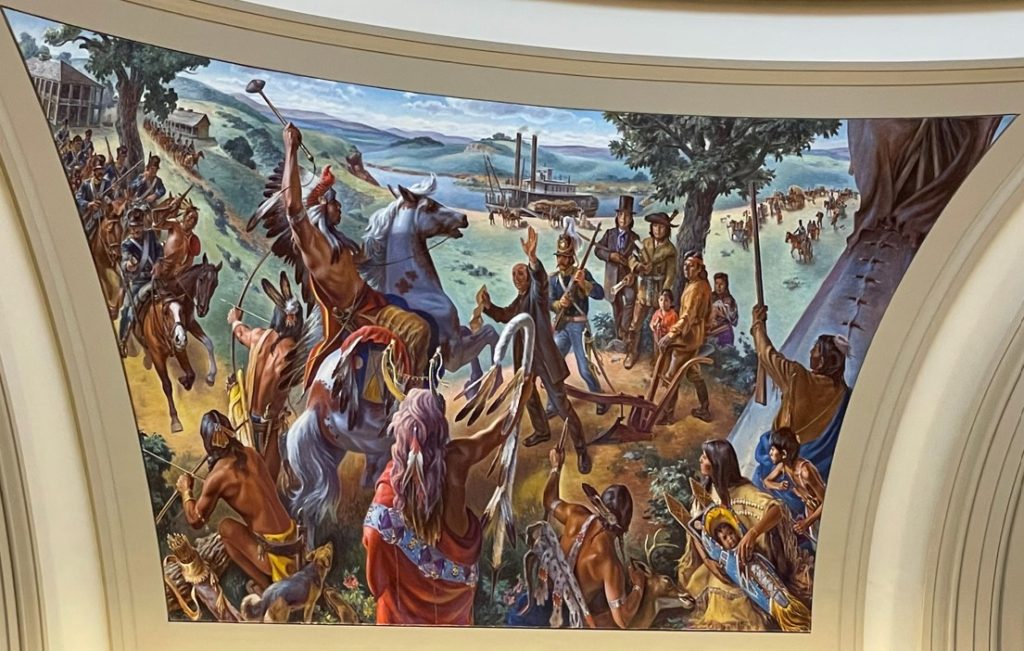
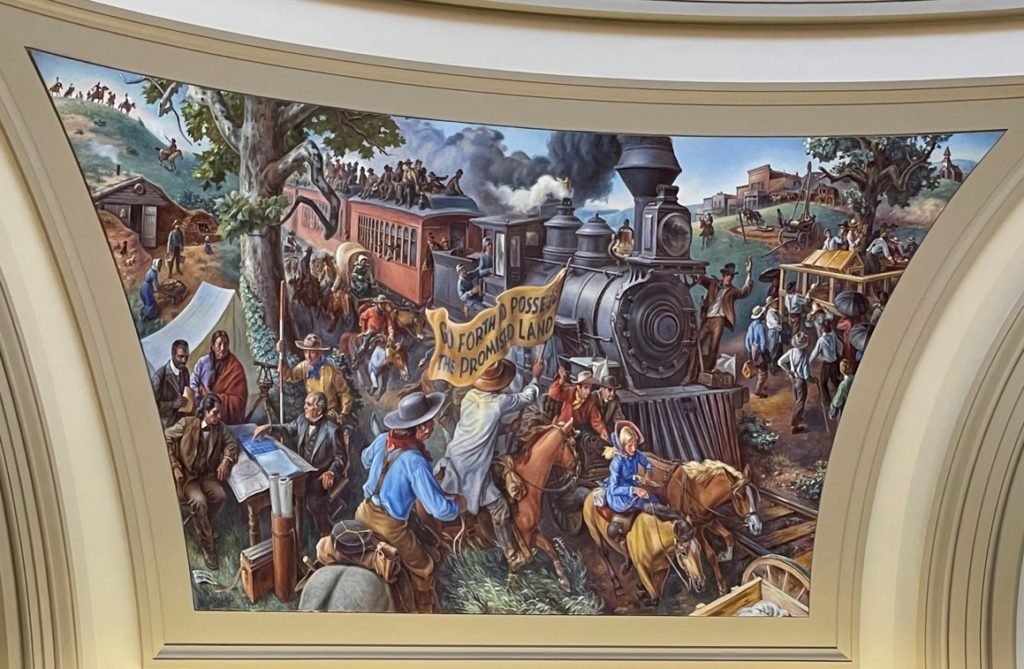
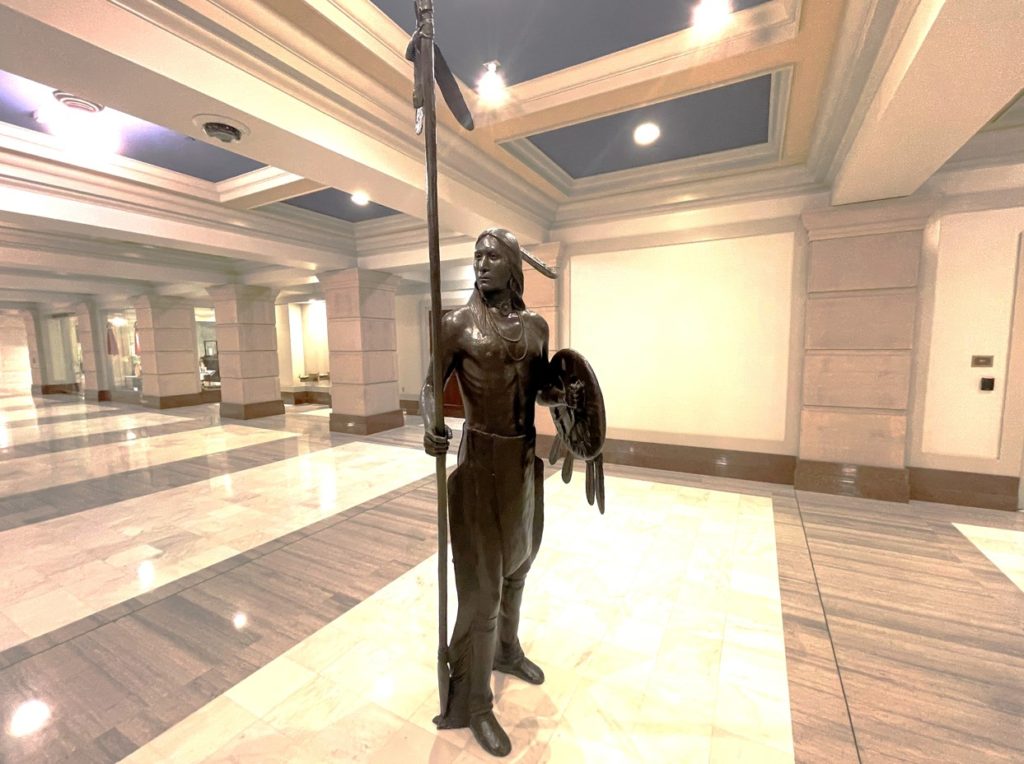
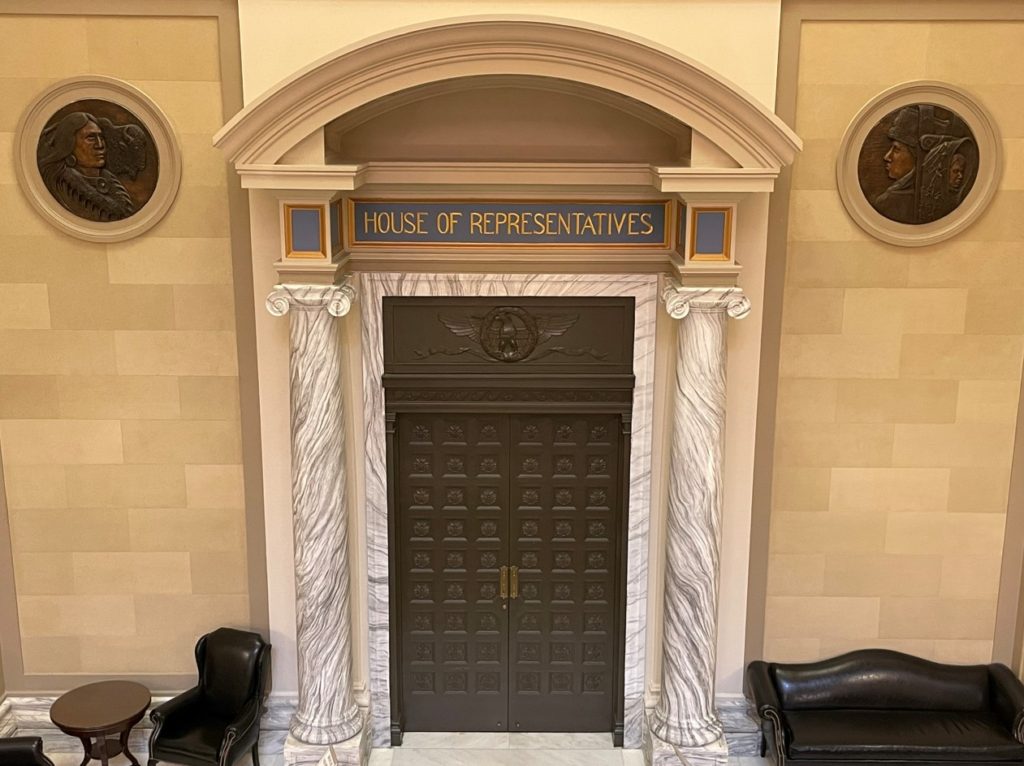
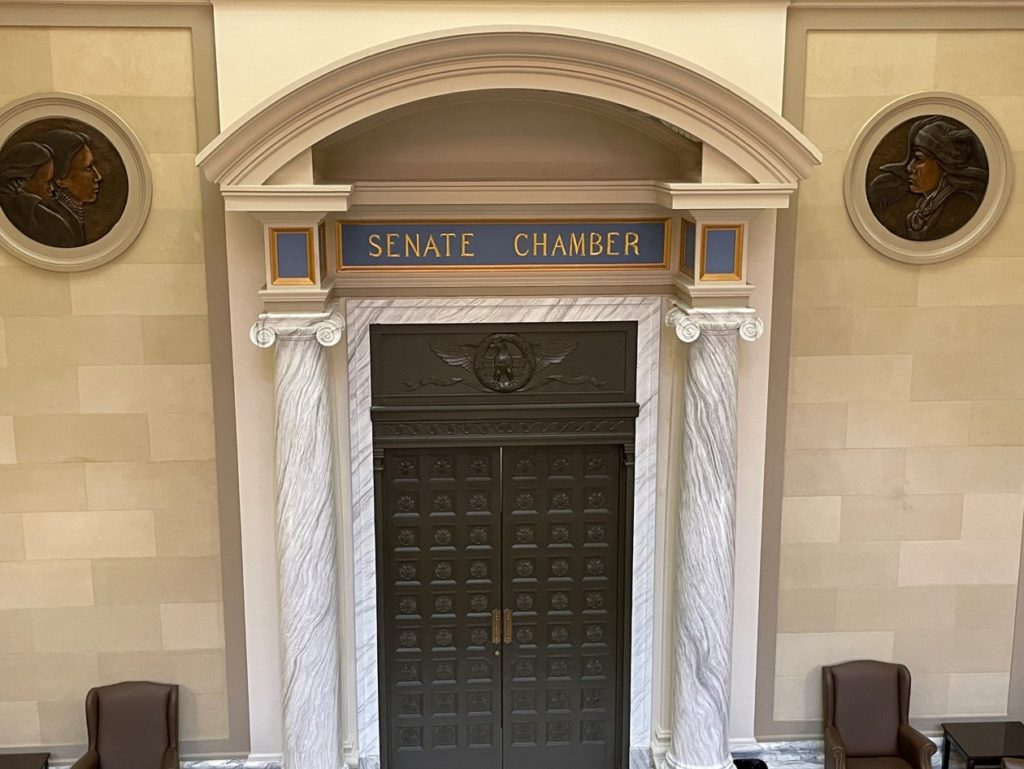
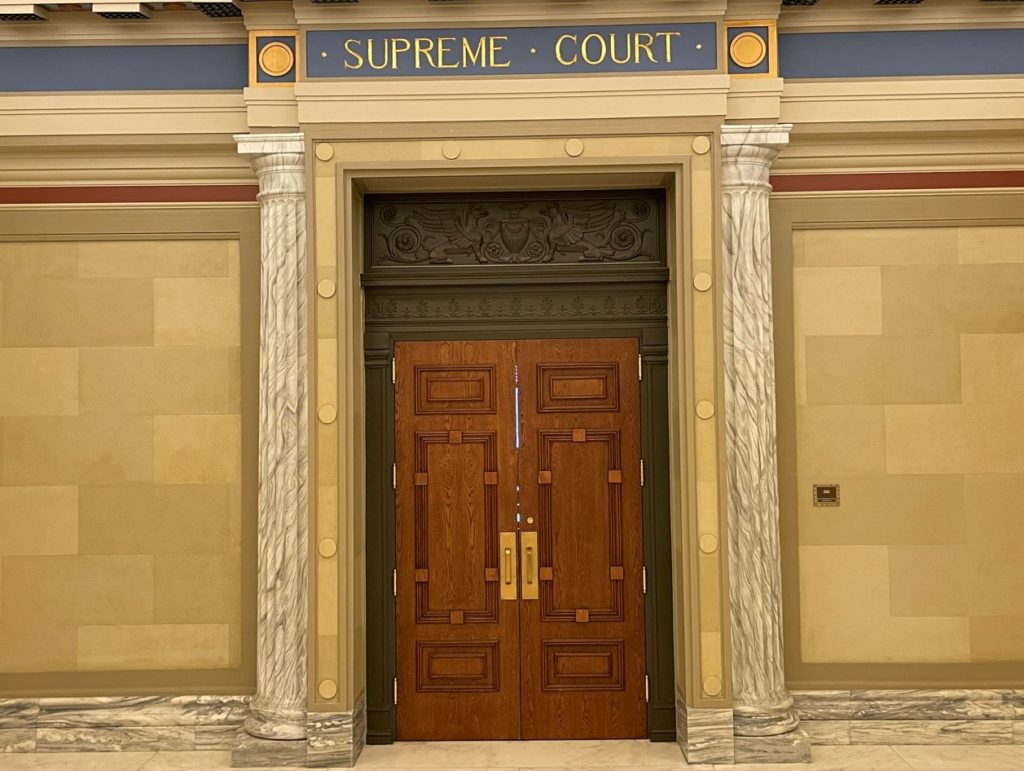
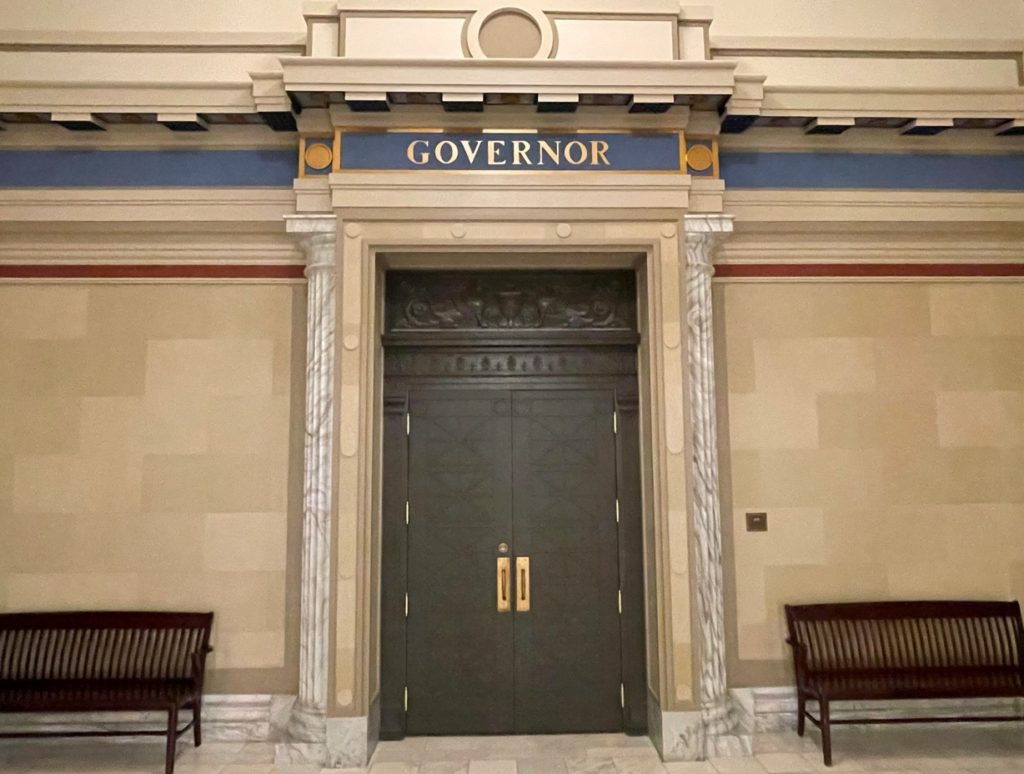
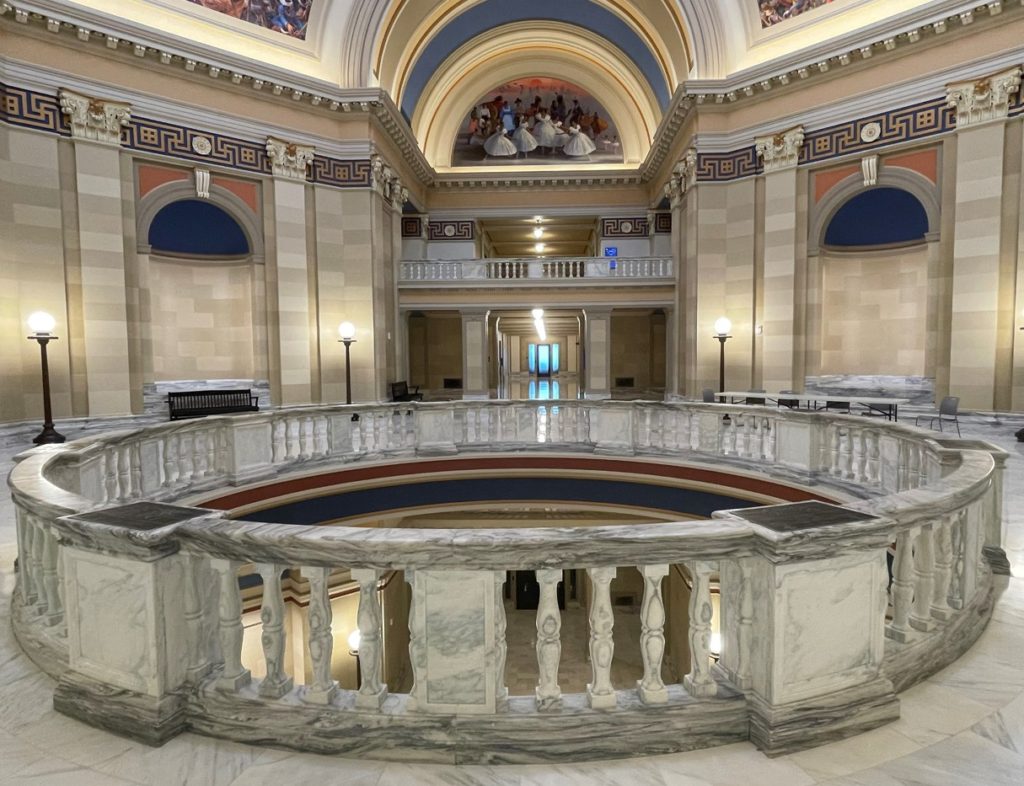
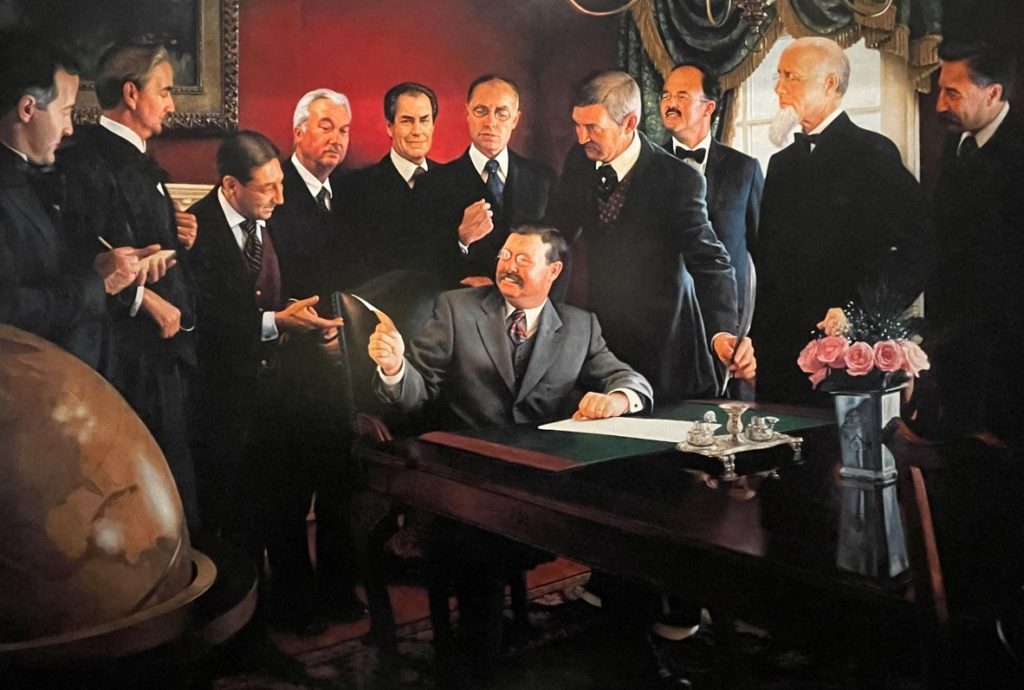
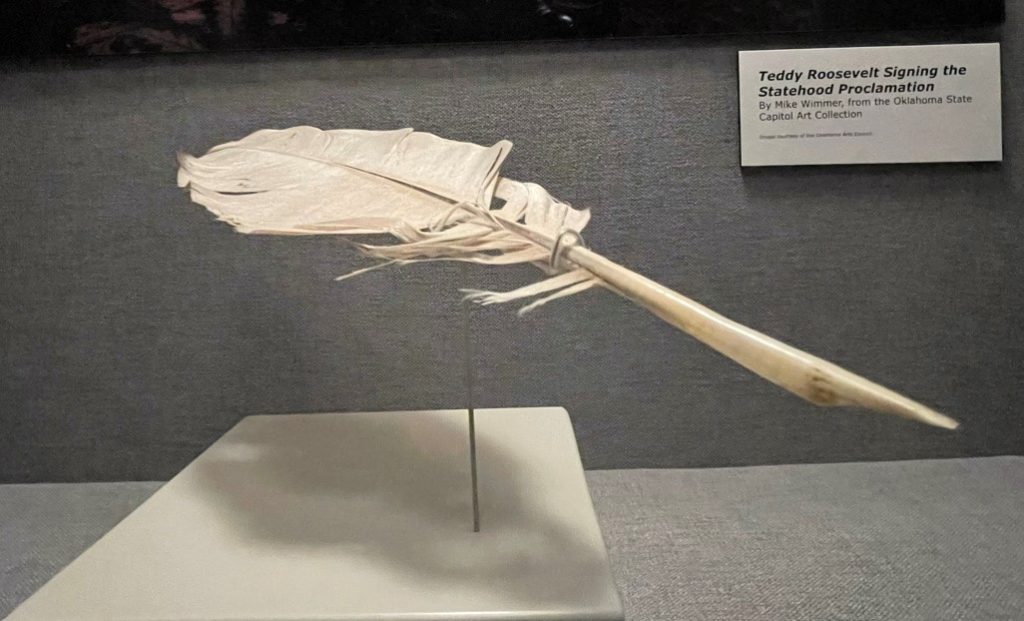
The Oklahoma State Capitol from the west. The oil derrick is symbolic of all the state, a leading oil producer.View from the east side.Oklahoma state seal under the rotunda.Looking up at the rotunda from the ground floor.The rotunda gets more beautiful the closer you get to it.The ambient lighting interprets an Oklahoma sunrise (or sunset!)Discovery and Exploration 1541-1820. This scene depicts Coronado, the first European in the region, Francisca friars, French traders, Bison, Wild game, Nordic runes on a stone, the Antelope Hills, Wichita Indians.Frontier Trade 1790-1820. This scene depicts trade with the Osage, Southeastern states Indians intrude, Whip-saw used to make boards, US Army protecting the fur trade, first school in Union Mission, experienced packers for the fur trade, Keel boats carrying trappers and traders, flat boats carrying goods to New Orleans, trading posts, Salt springs, Fort Gibson, Pecan tree.Indian Immigration 1820-1885. This scene depicts Comanche, Osage, Kiowa, Wichita and Plains-Apache, US Army soldier, the “Five Civilized Tribes”-Choctaw, Cherokee, Creek, Chickasaw and Seminole, Buffalo hide tipi and hickory tree.Non-Indian Settlement 1870-1906. This scene depicts “Boomers” homesteading the land, Land runs of 1889 and 1893, Indians “selling” their land for allotments, homestead lottery, sod houses of western Oklahoma, two-horse hitch well driller, stagecoach, vigilantes, Sycamore tree.Scale model of the statue “The Guardian” on top of the dome.All the chamber doors were locked so I could only photograph the doors.Marble railings and balusters.President Theodore Roosevelt signed the proclamation declaring statehood for Oklahoma.The quill pen used by President Theodore Roosevelt.
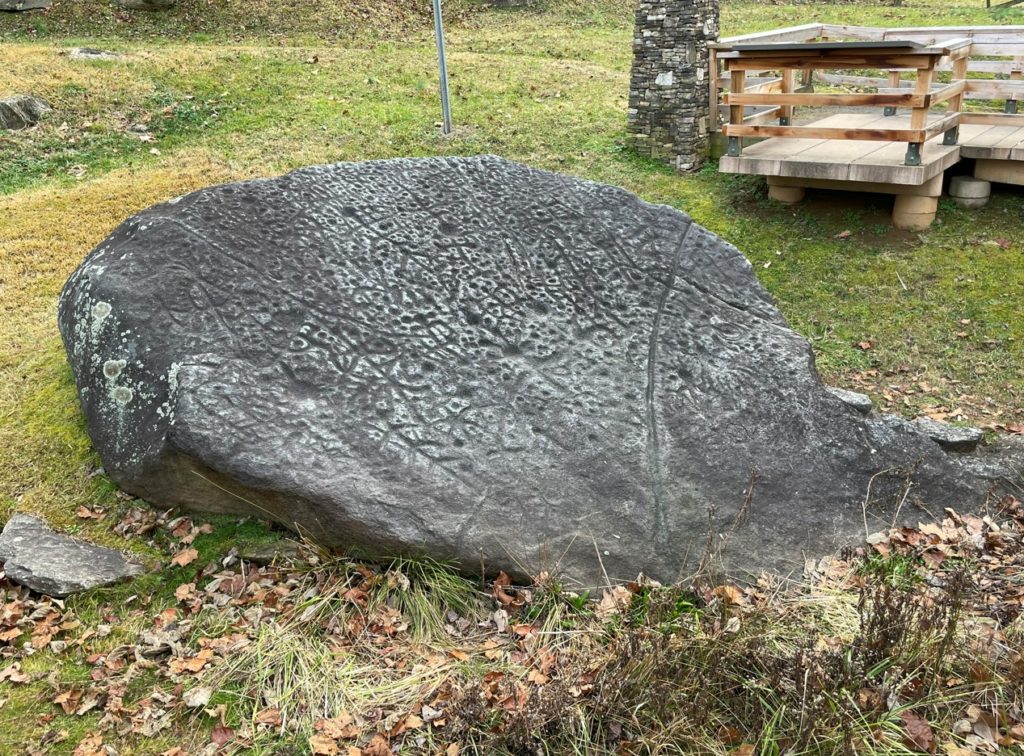
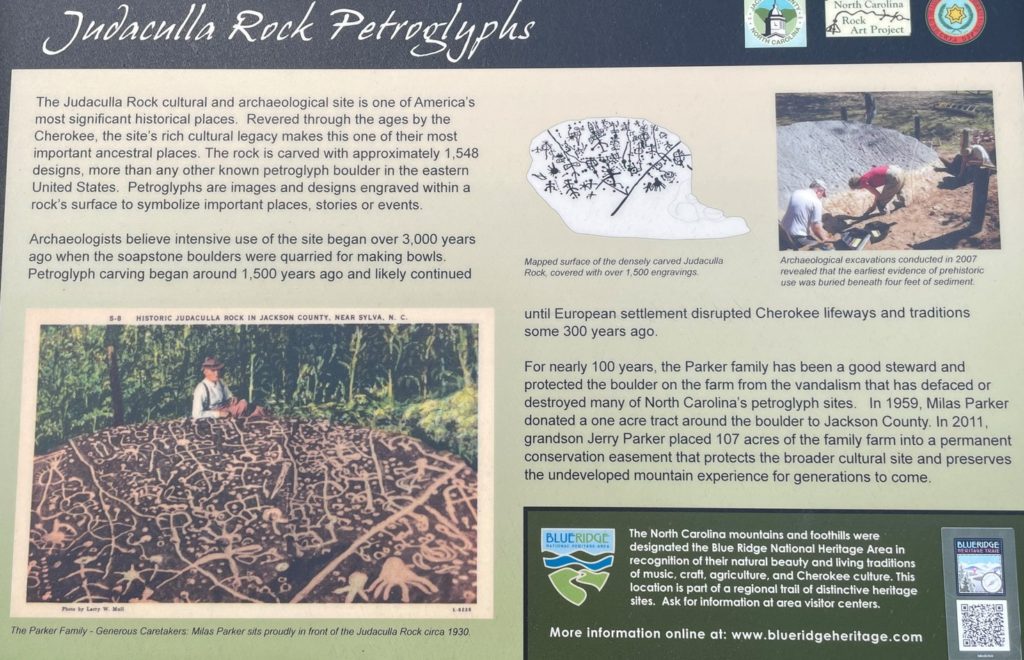
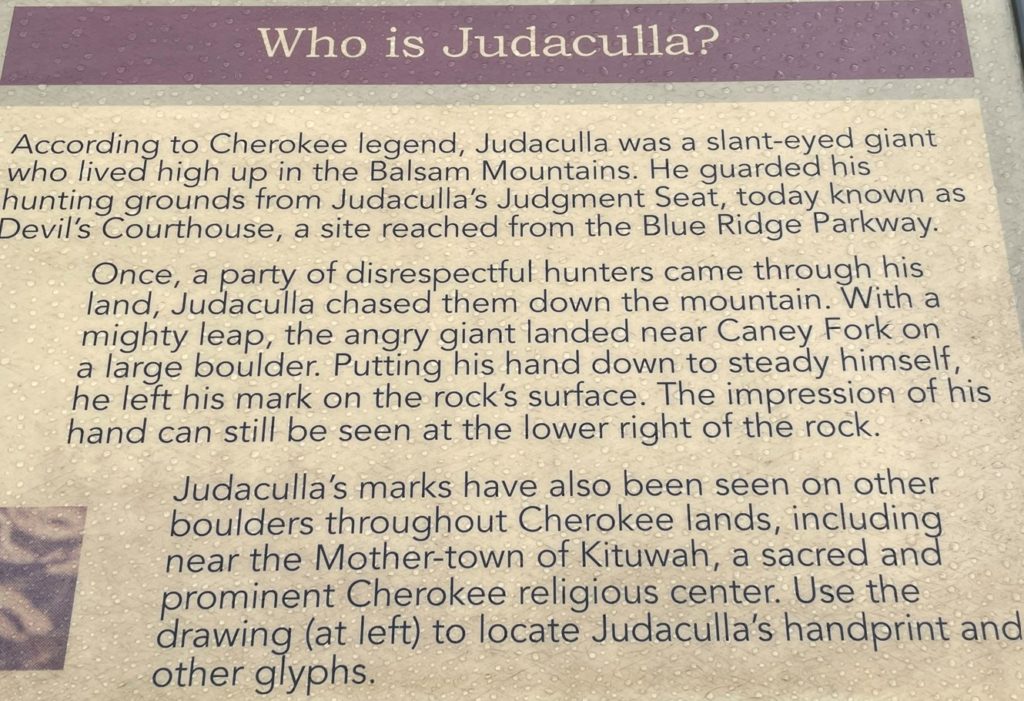
This is a very interesting piece of archeology in North Carolina. It is situated on a farm near Cullowhee NC. These markings are between 300 and1,500 years old!