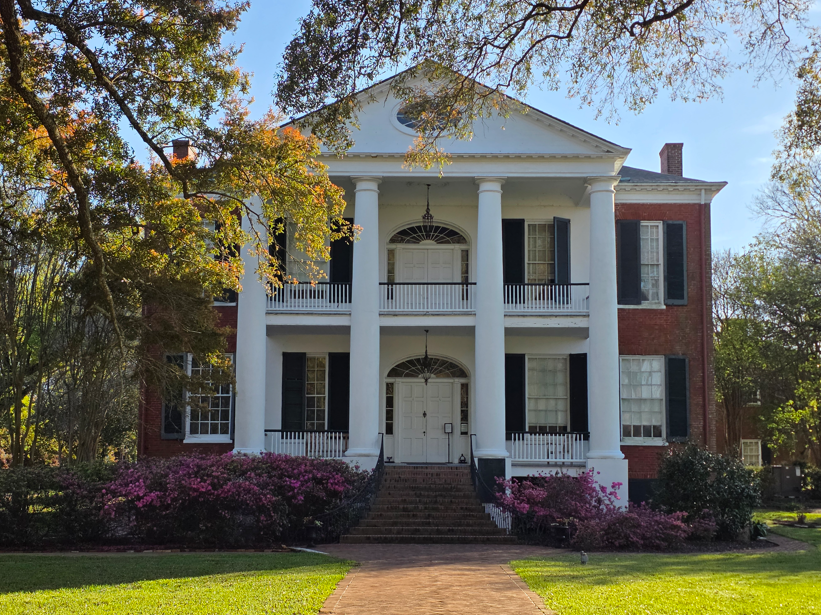
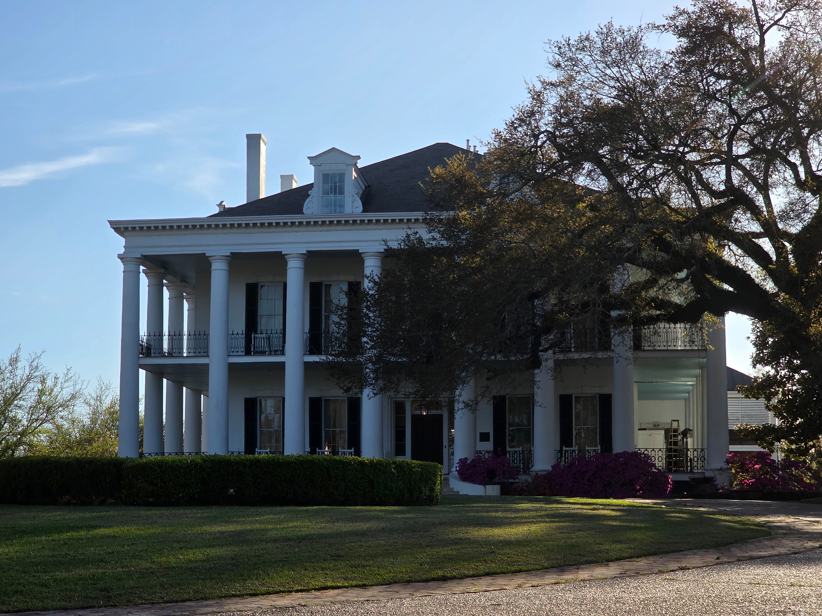
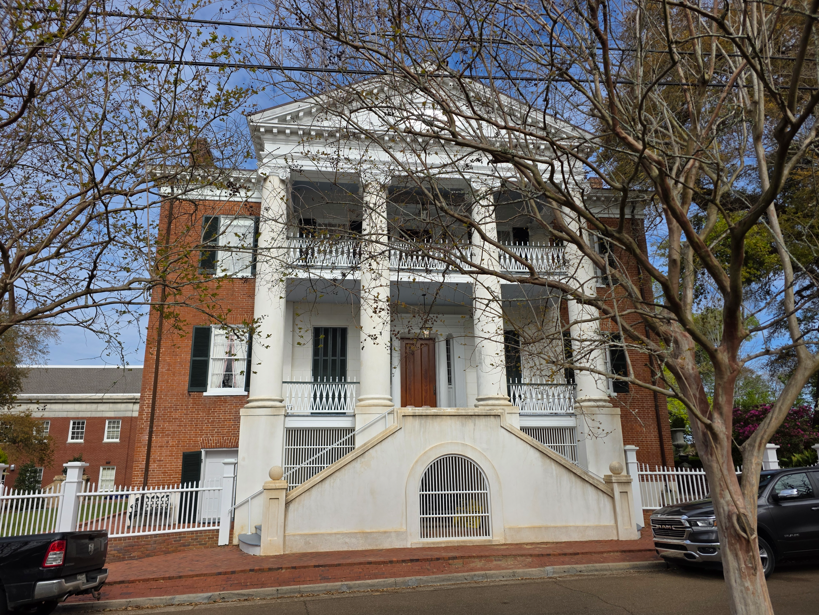
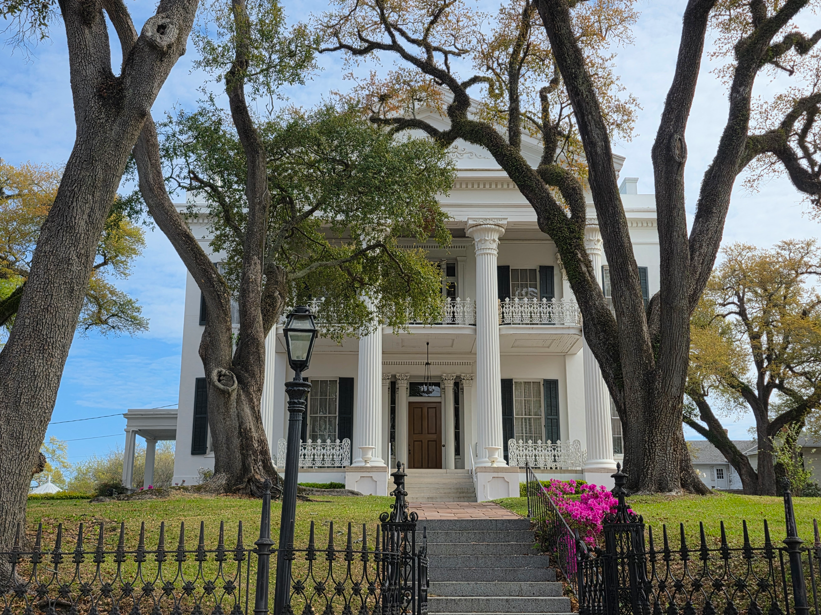
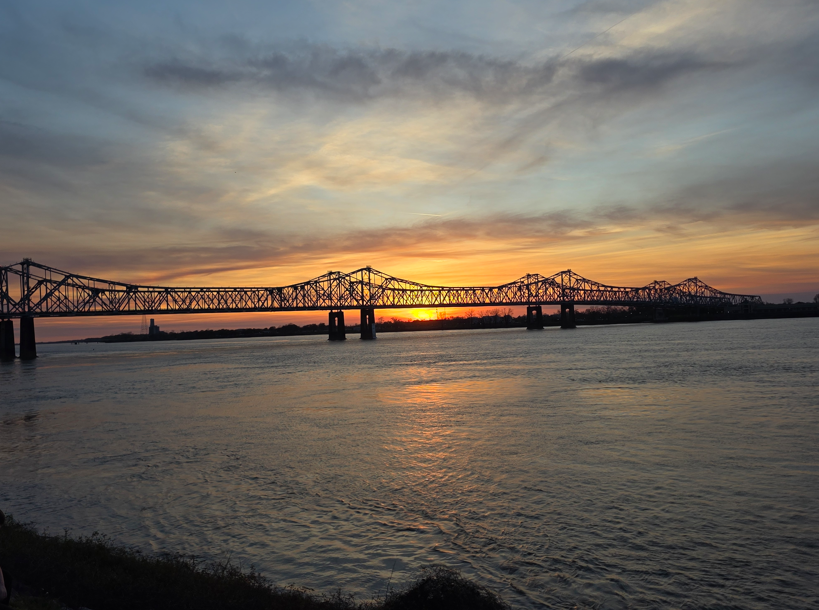
In 1850 half of the millionaires in the US lived in Natchez Mississippi, due largely to the cotton trade, which of course relied on slave labor. Today 600 Natchez homes are in the National Register of Historic Places.
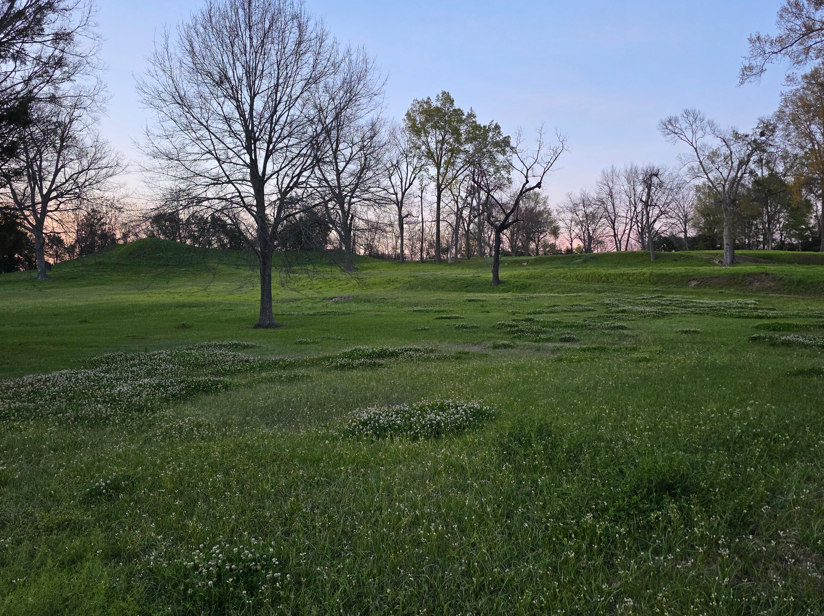
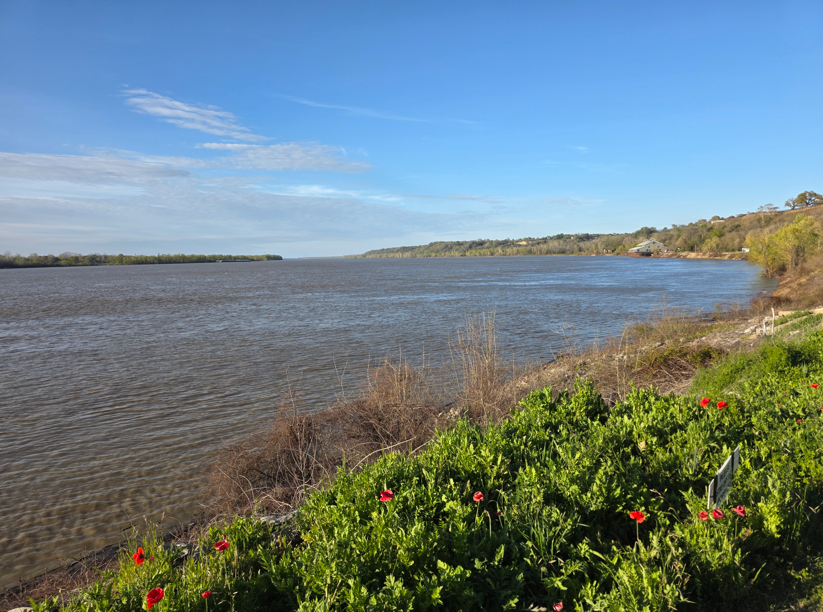
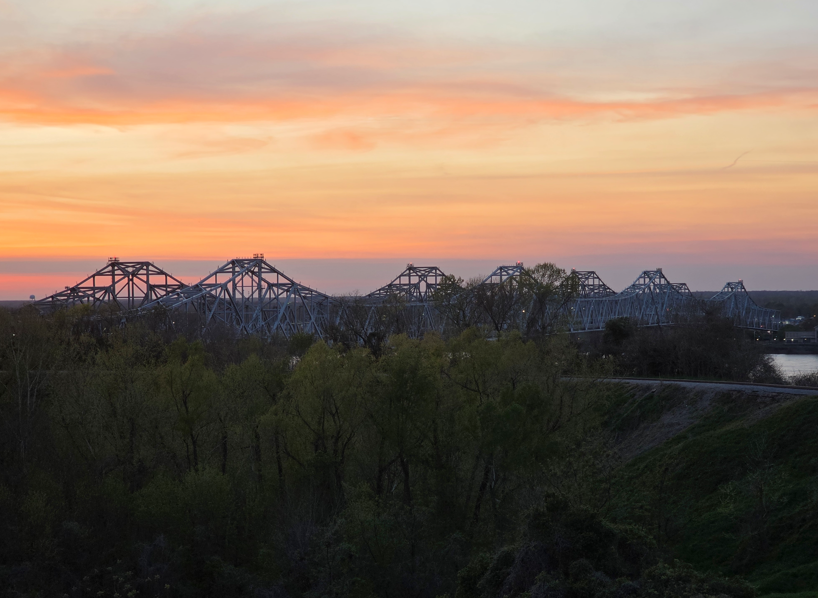
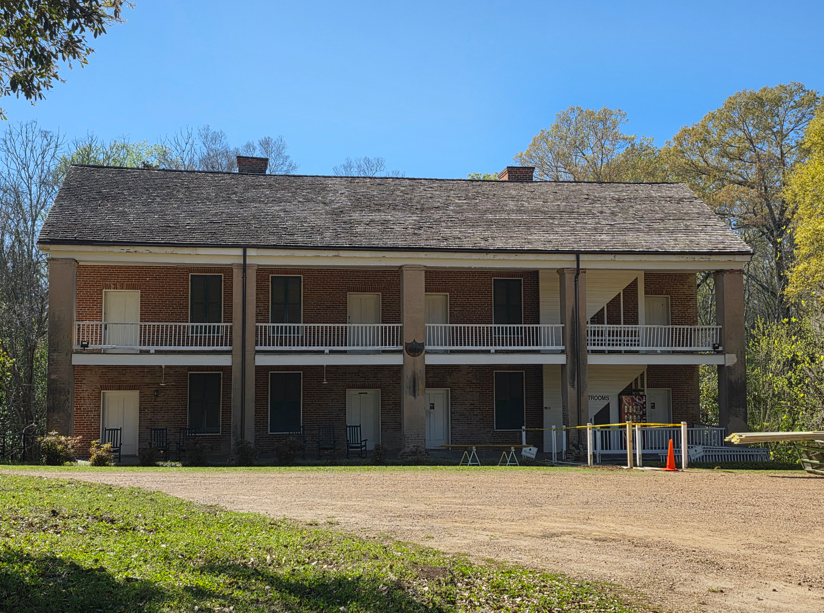
Rosalie, 1823Dunleith 1856Choctaw Hall 1836Stanton Hall 1857Site of Fort Rosalie, built by the French after a 1716 conflict with the Natchez tribe. Tensions and conflicts between the French and the Natchez for decades. The French ceded the fort to the British following the French and Indian War. The Spanish took control in 1787 and laid out a permanent town around the fort.Mississippi RiverMississippi River bridges at sunset in Natchez
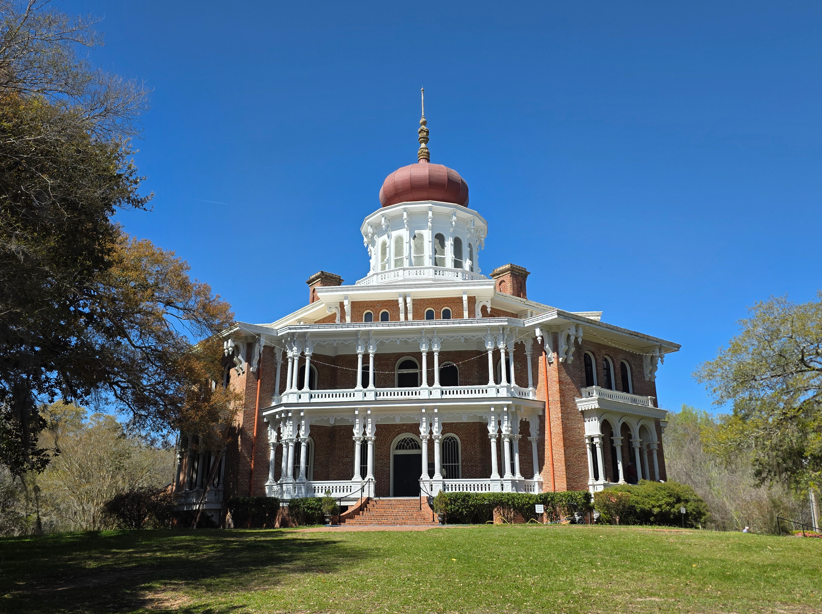
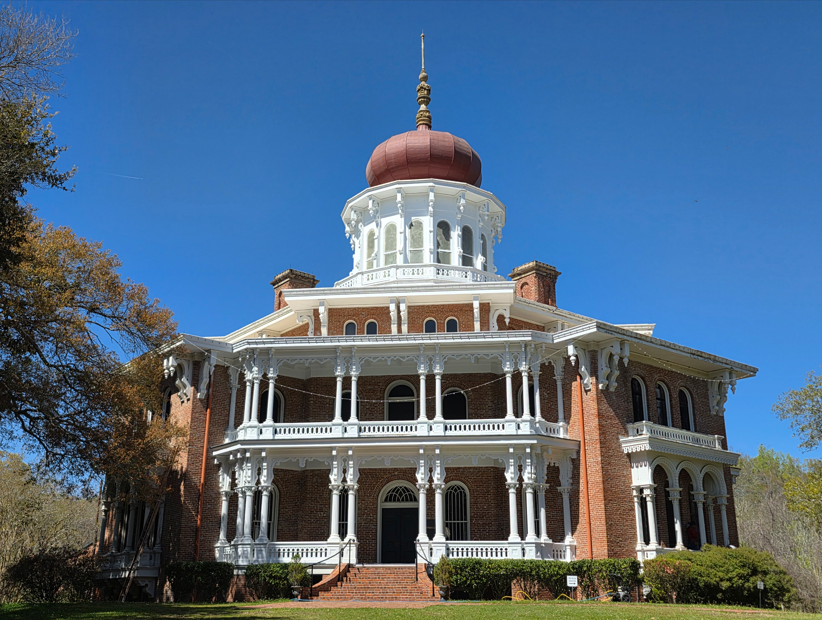
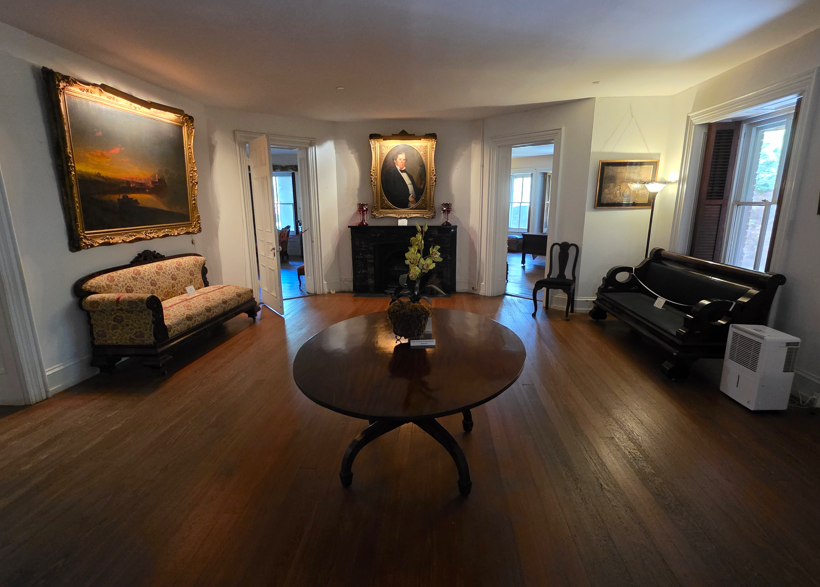
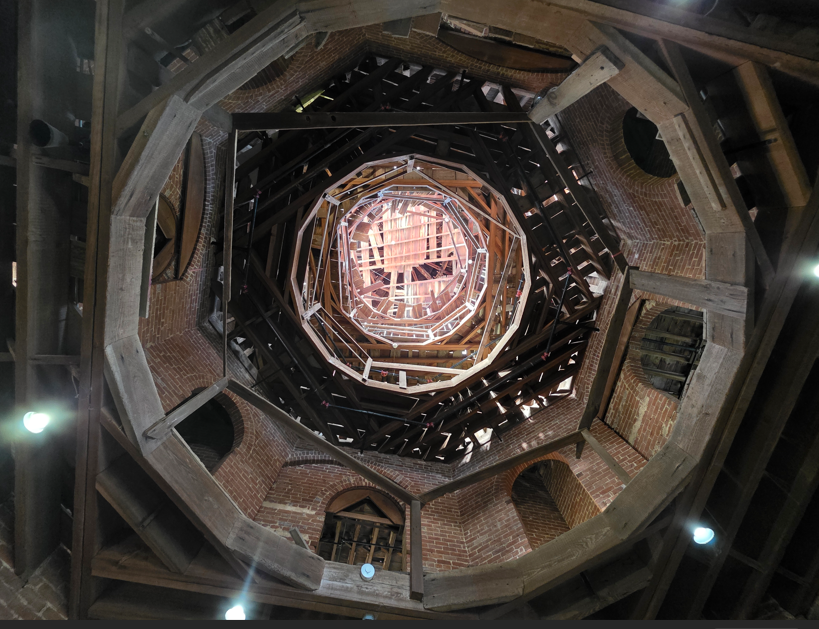
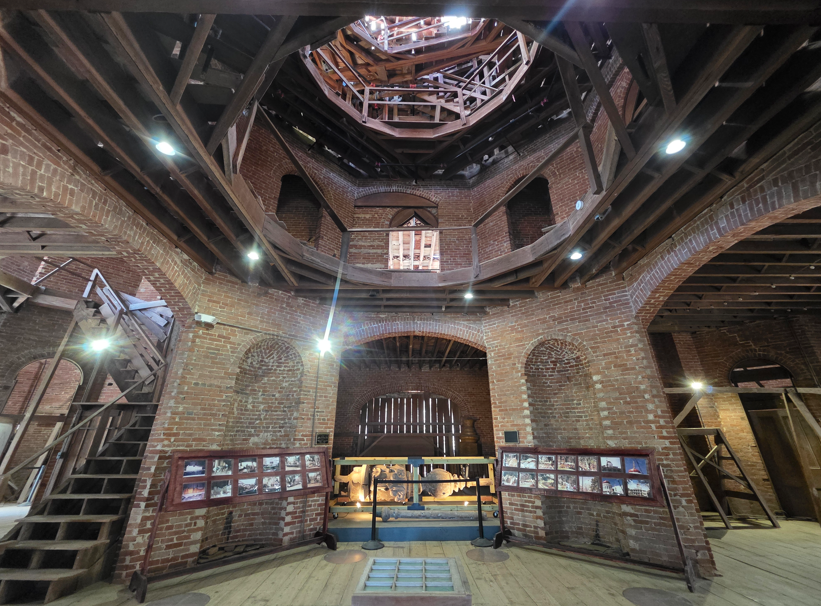
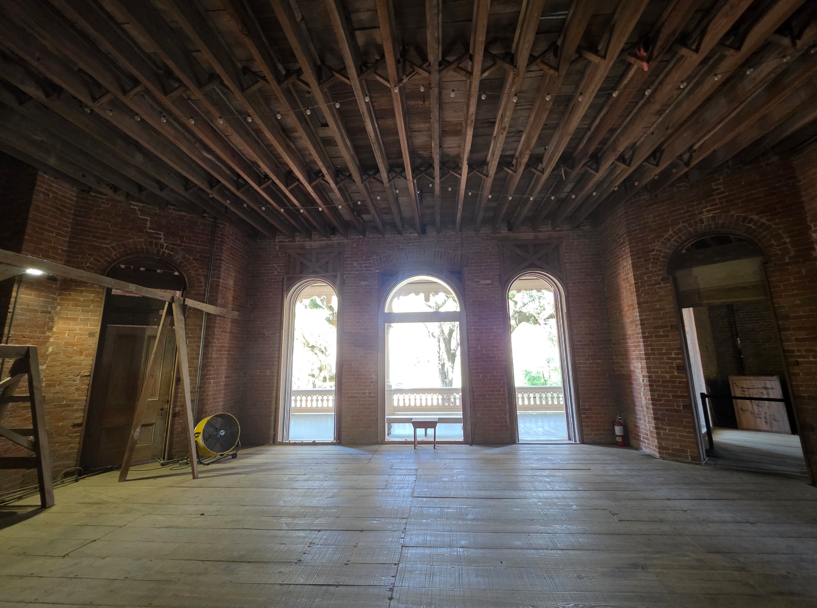
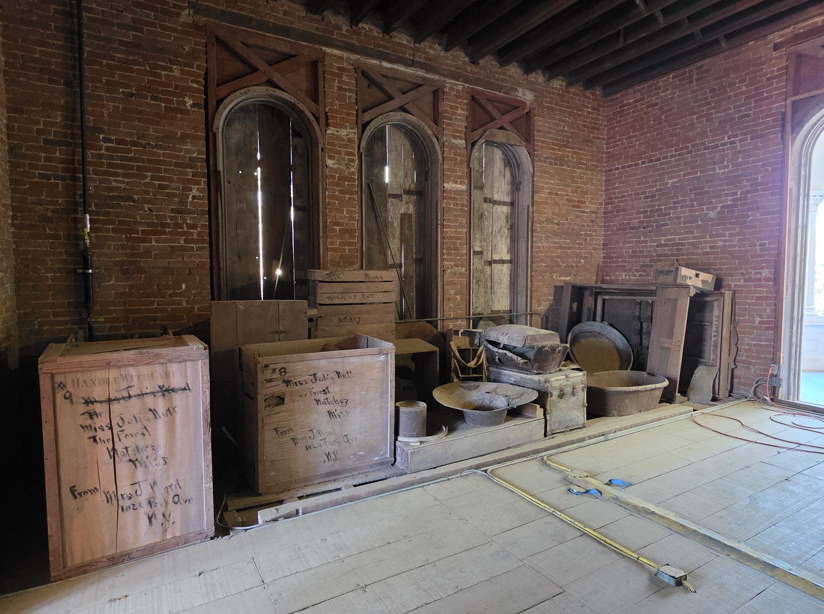
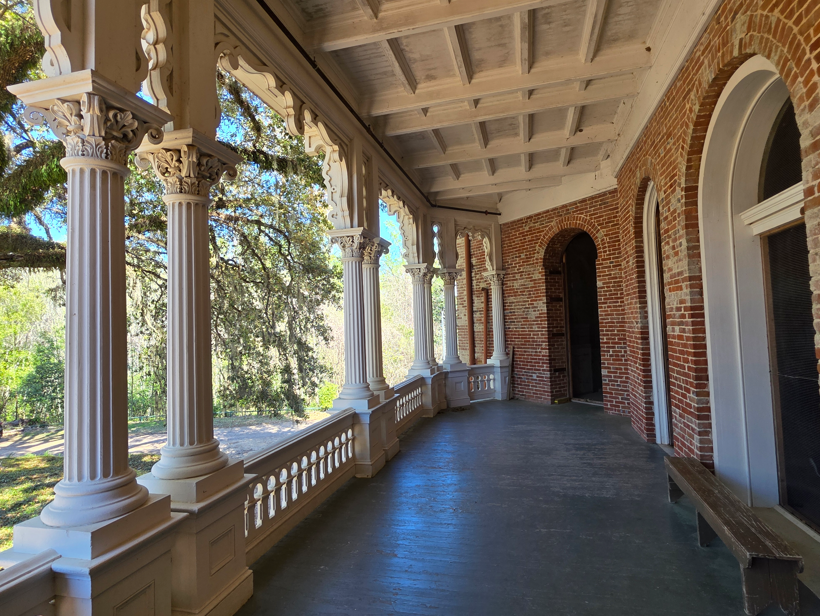
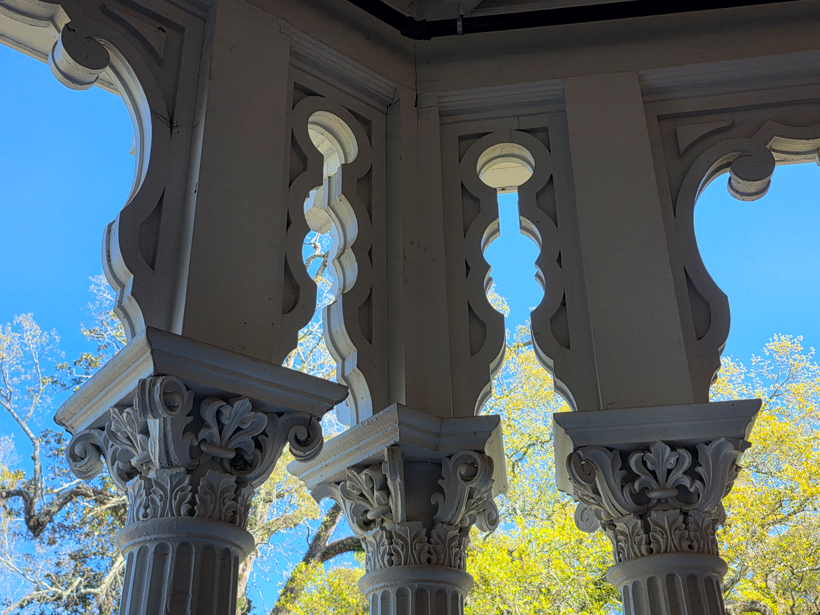
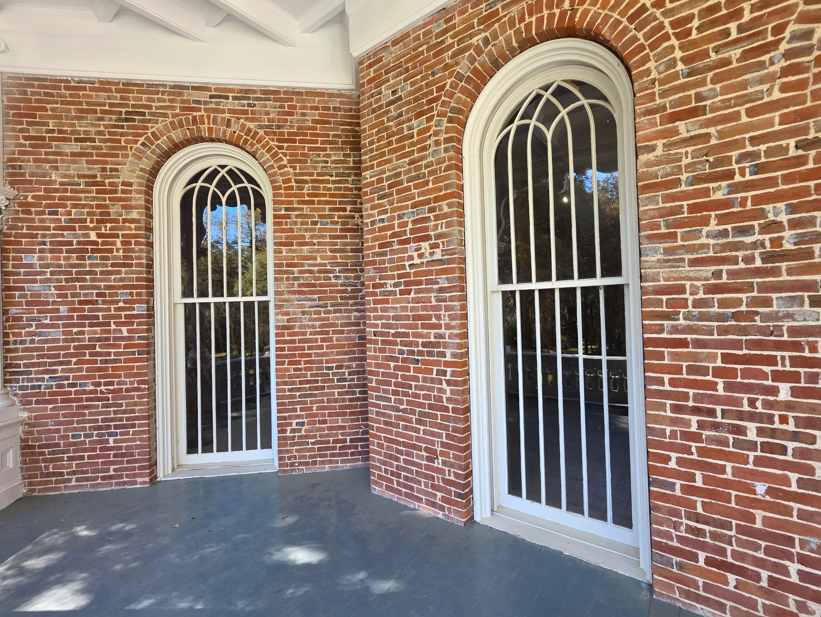
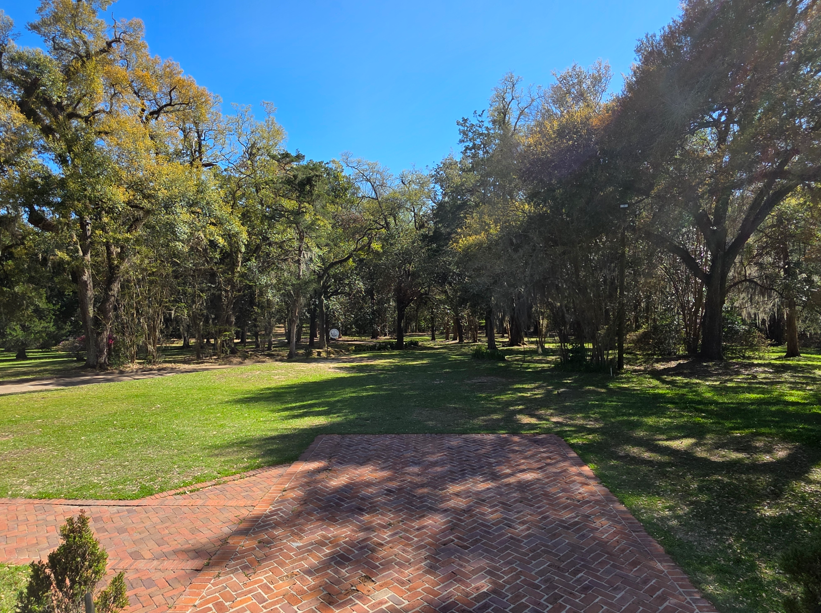
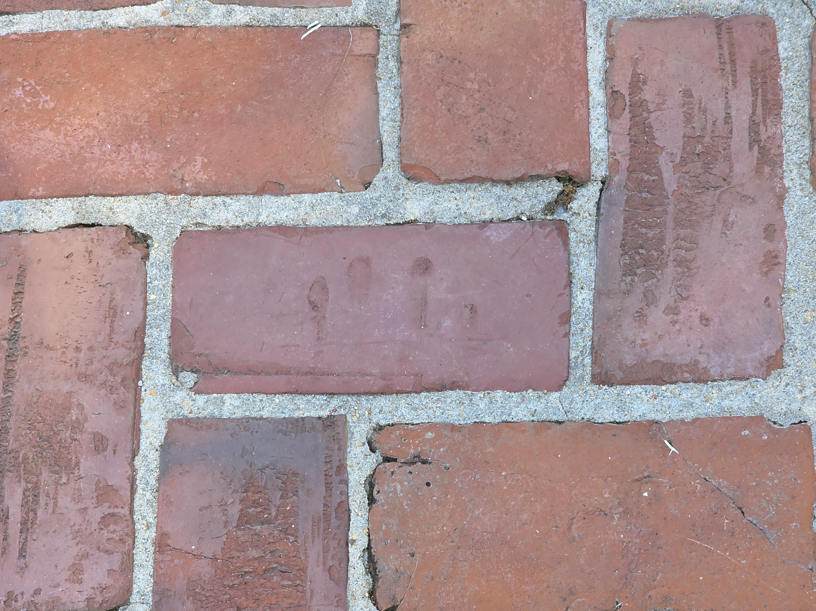
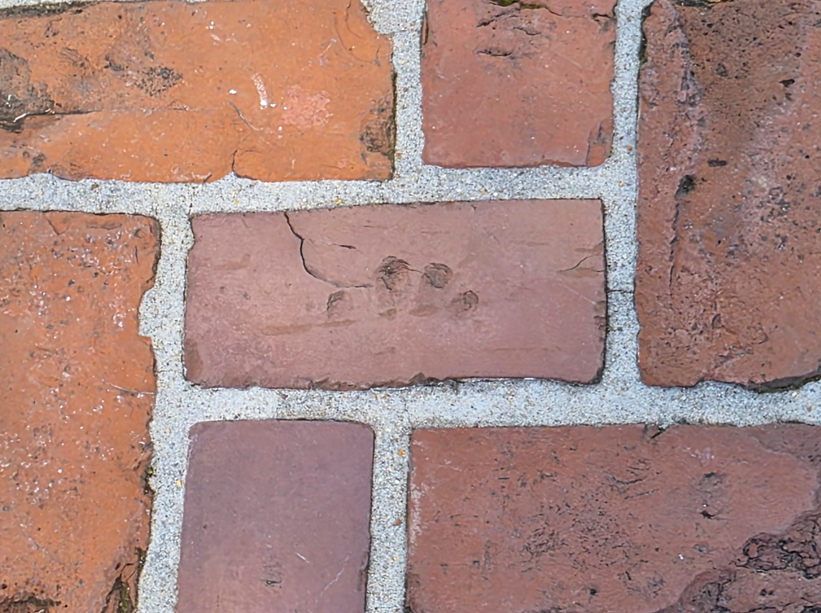
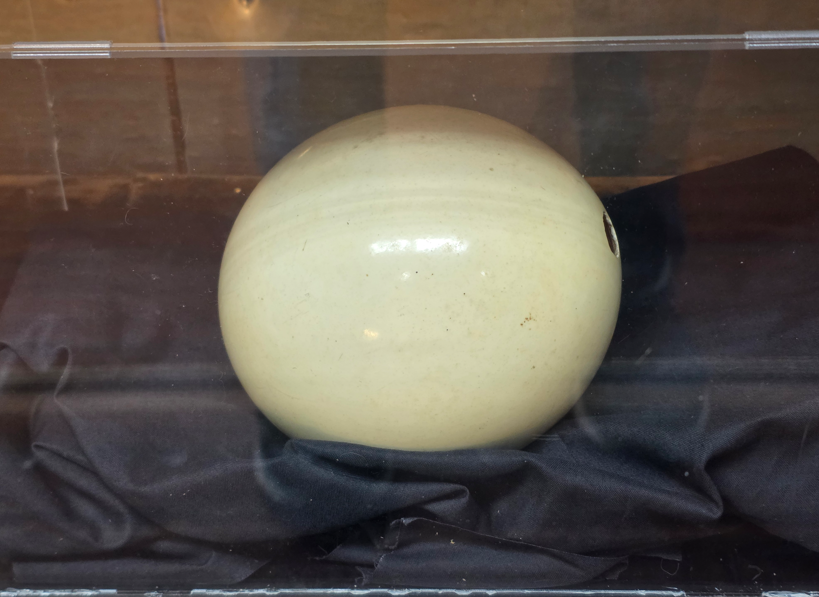
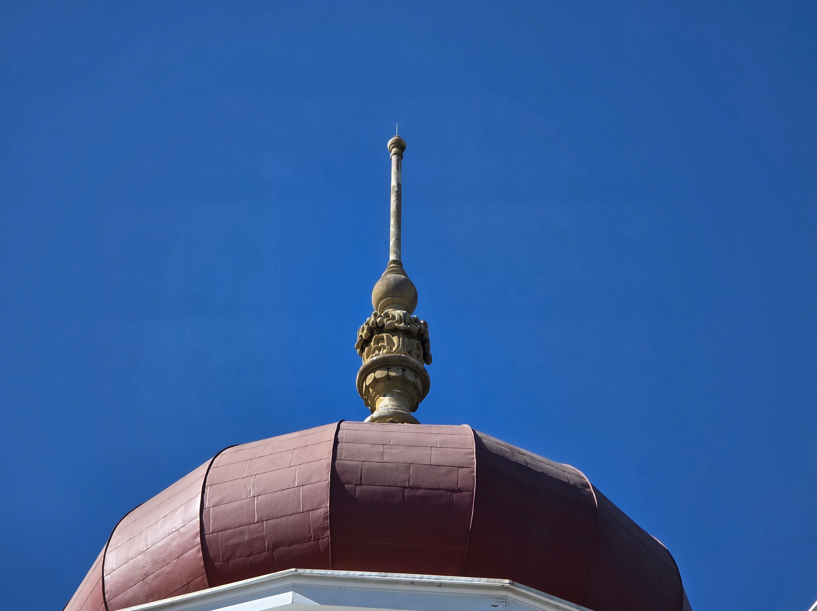
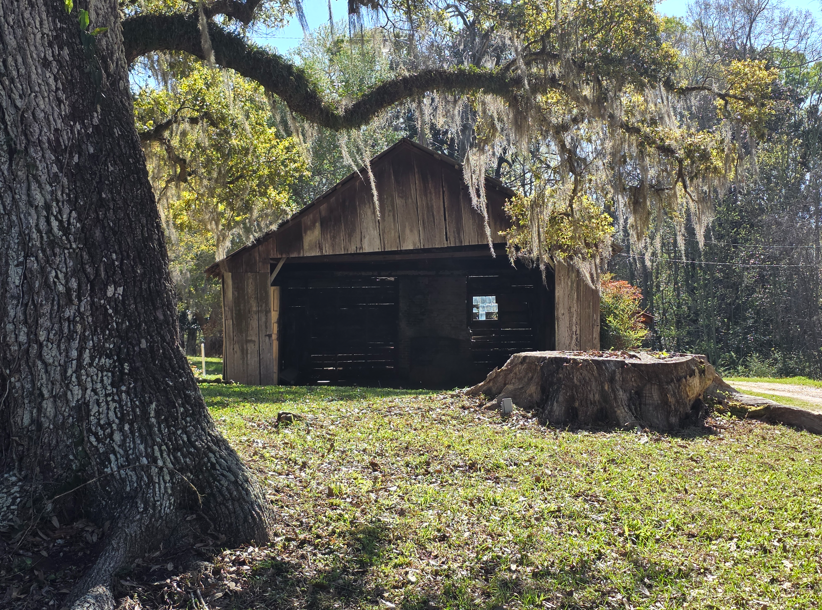
Built for the Nutt family, Longwood is the largest octagonal home in the US, a mid-nineteenth century villa in the Oriental style. Construction began in 1860 and was designed to have 32 rooms, each with its own entrance onto a balcony. Construction halted when the Civil War began, causing the workers to leave behind their tools, paintbrushes. The Nutt family moved into the basement as temporary, but Longwood was never completed.Many of the Nutt family furnishings are displayed in the completed basement level.On the first floor, this is the view looking up into the dome.This would have been spectacular if completed.At the start of the Civil War, the workers left all their tools as is.Beautiful architectural features.The view from the front door.The bricks in the sidewalk were hand made by slaves. Some of the bricks have fingerprints of a slave.The famed ostrich egg. In the mid 19th century, American planters were desperate to improve their cotton yields. The South’s prosperity depended on cotton, but native varieties were not as strong or silky as prized cotton from Egypt. Ritterhouse Nutt traveled to Africa to obtain the coveted Egyptian cottonseed. Because Egyptian authorities carefully searched travelers to prevent smuggling, Nutt devise a clever way to smuggle the seeds out of the country: he hollowed out an ostrich egg and filled it with cottonseeds. Customs agents never suspected anything, hidden in plain sight. Planted in Mississippi soil, the seeds thrived, and it was crossed with Mexican cottonseed, to create “Petit Gulf” cotton, a superior cotton that boosted the region’s wealth in the decades leading up to the Civil War.This was the kitchen, now a workshop.Slave quarters.
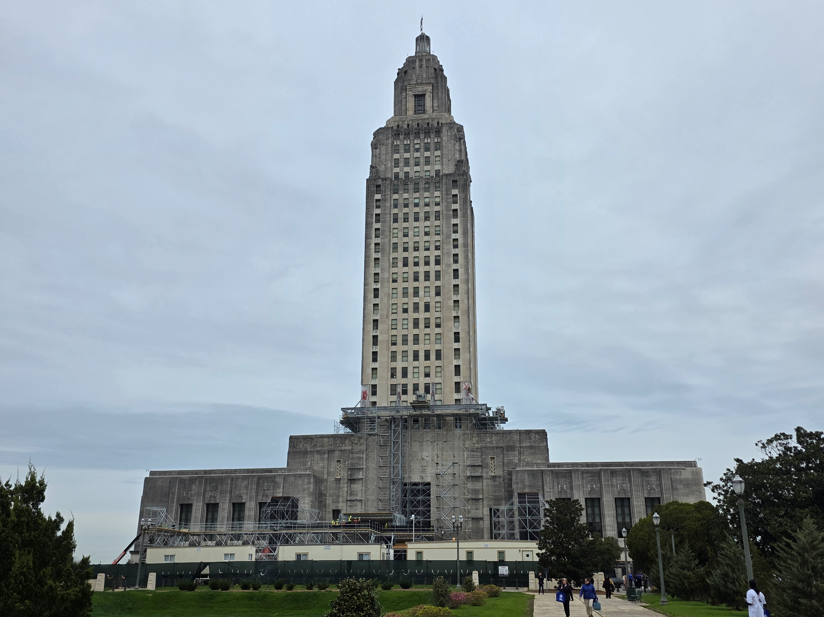
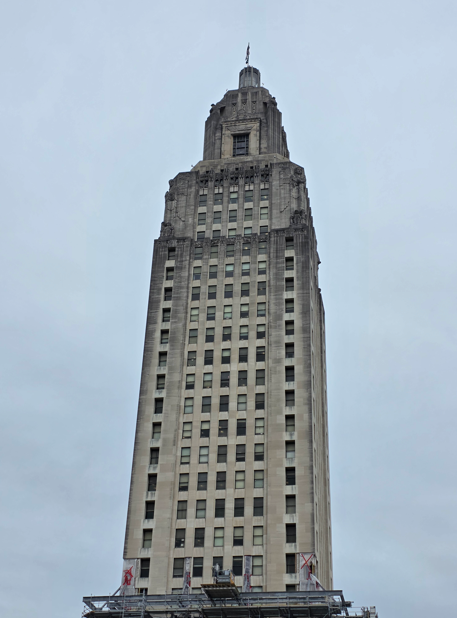
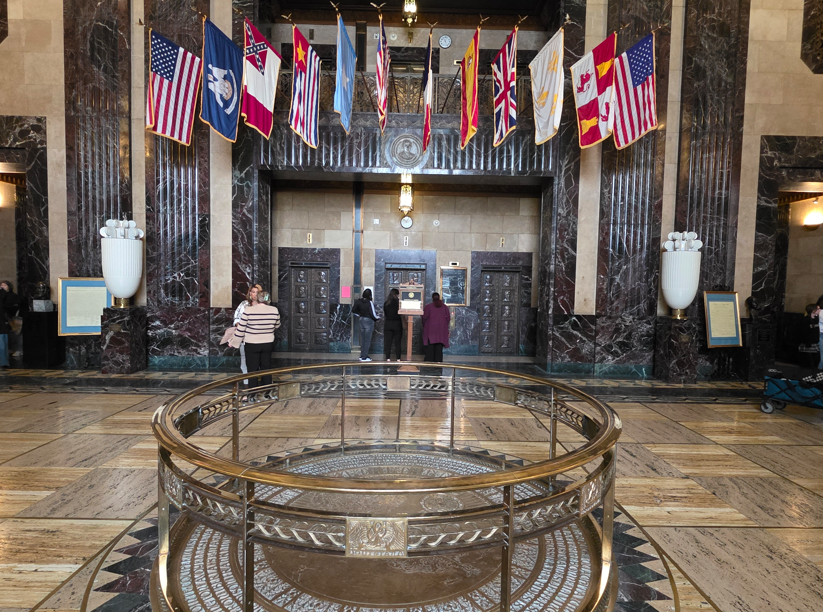
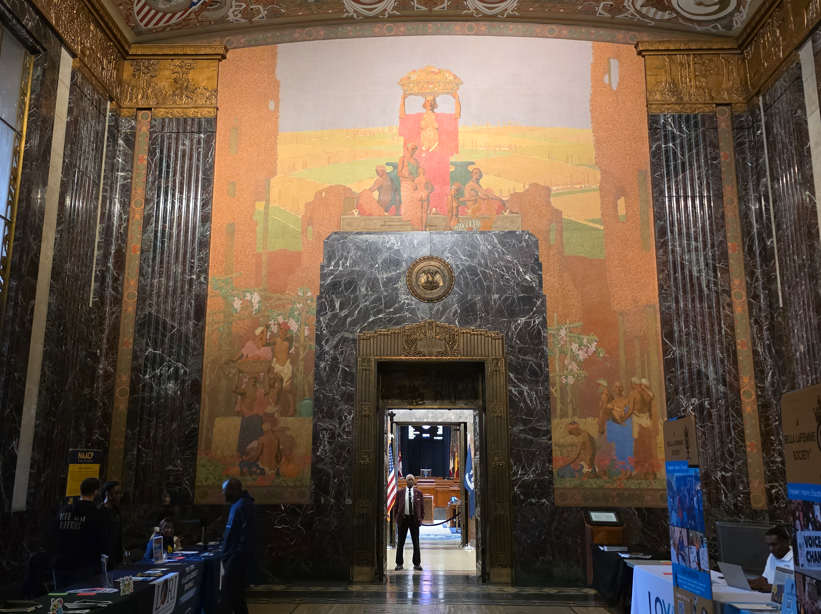
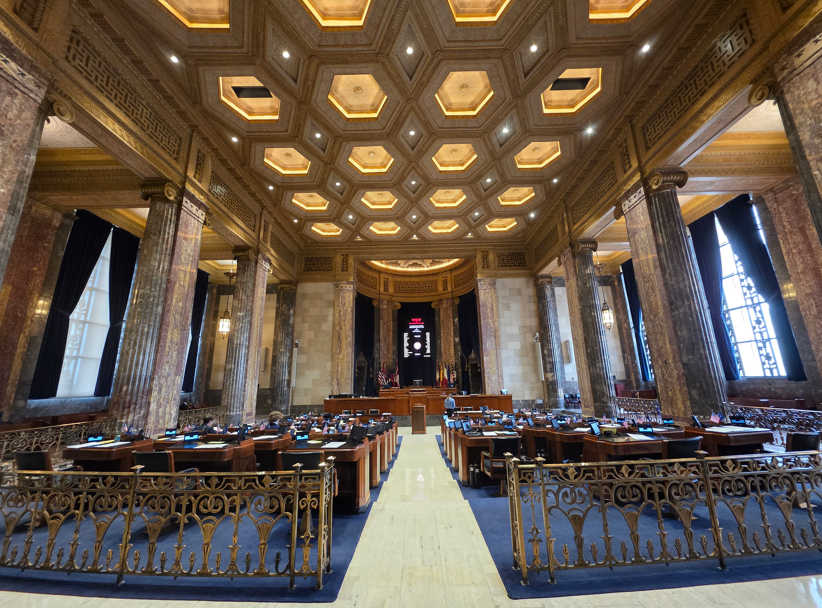
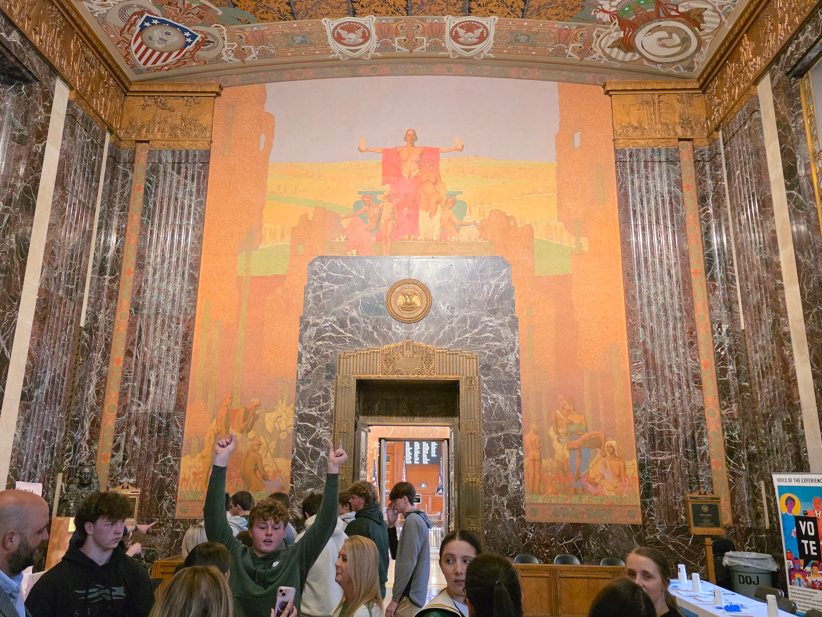
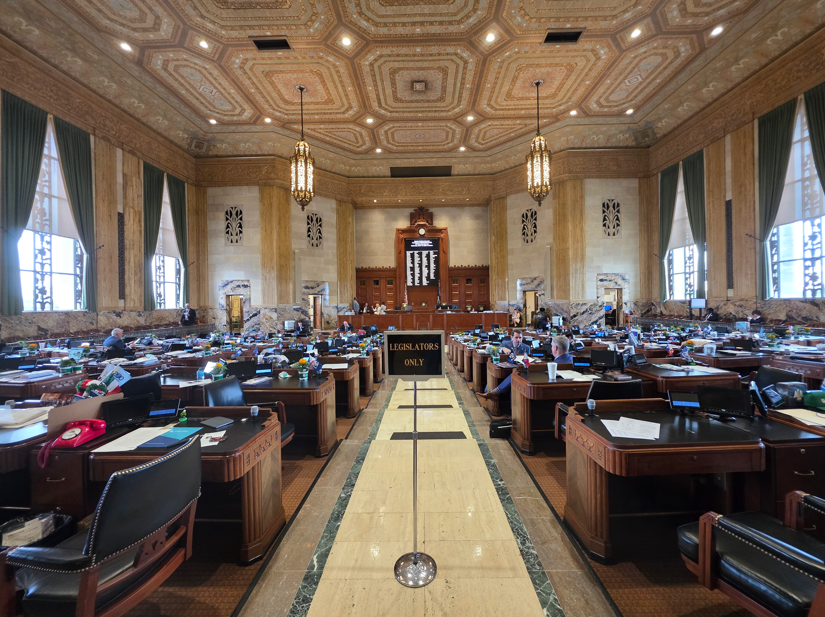
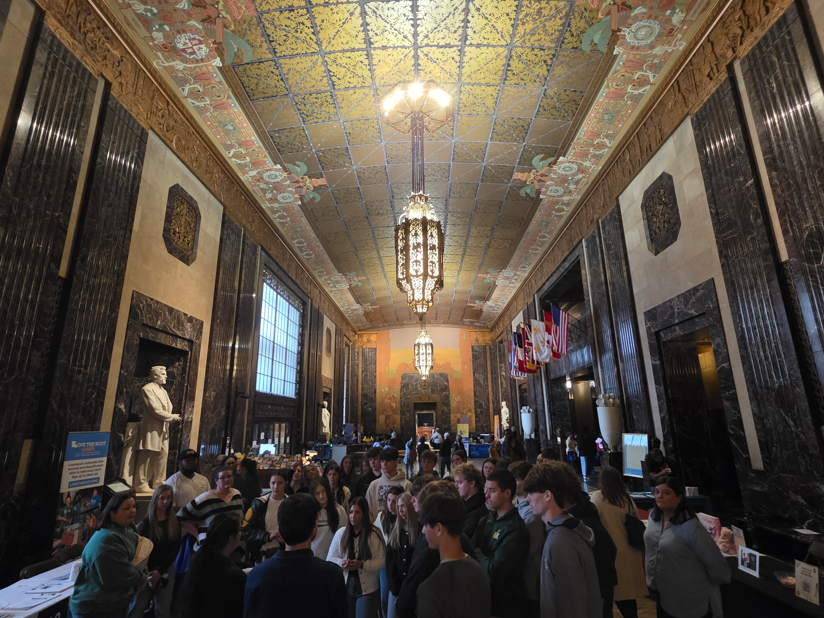
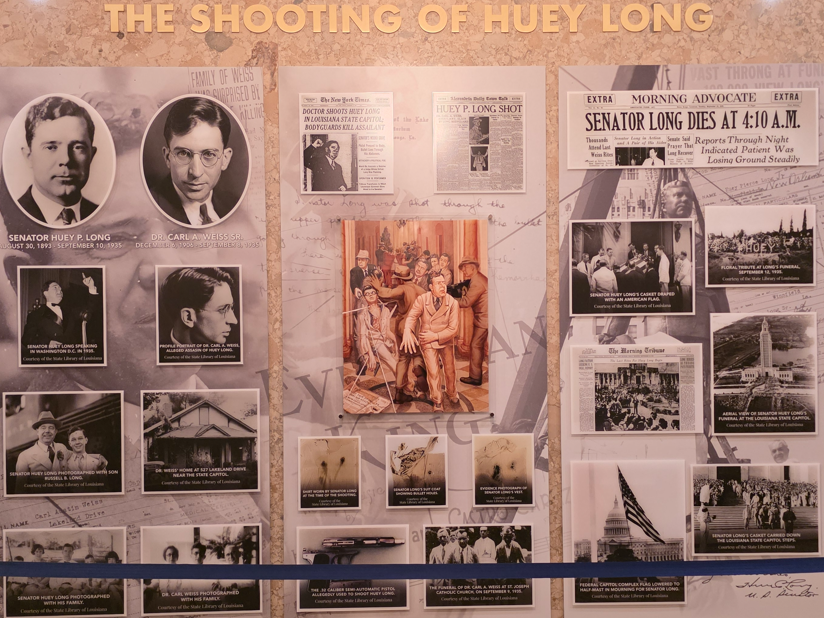
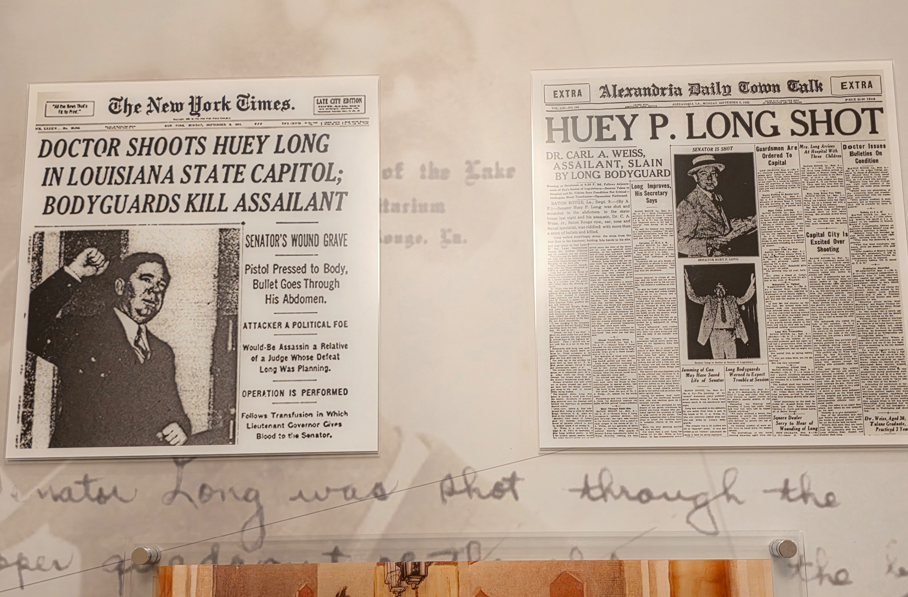
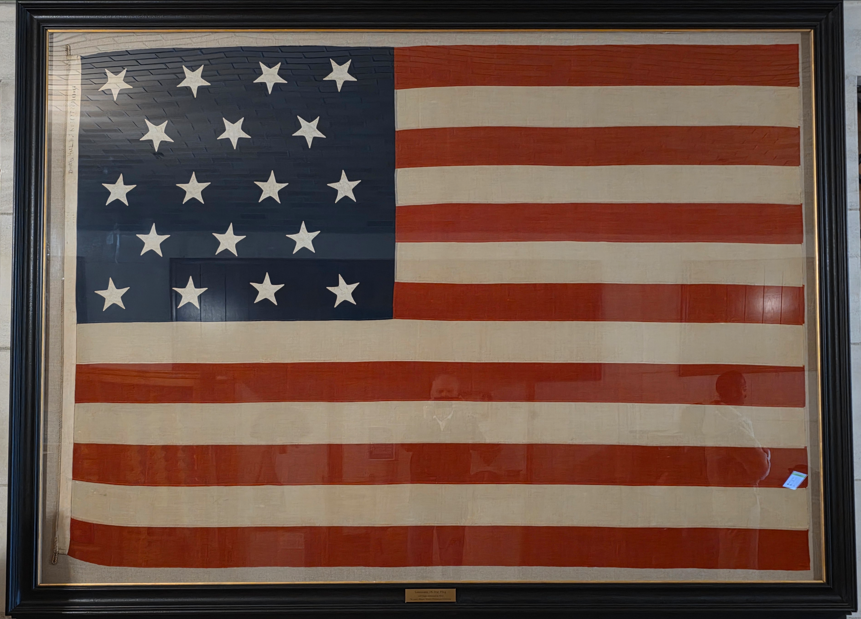
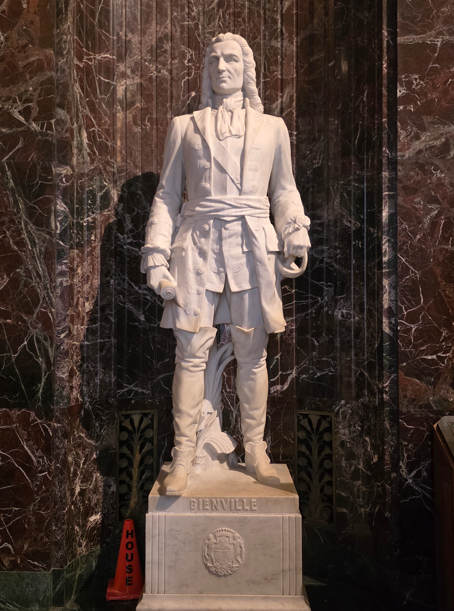
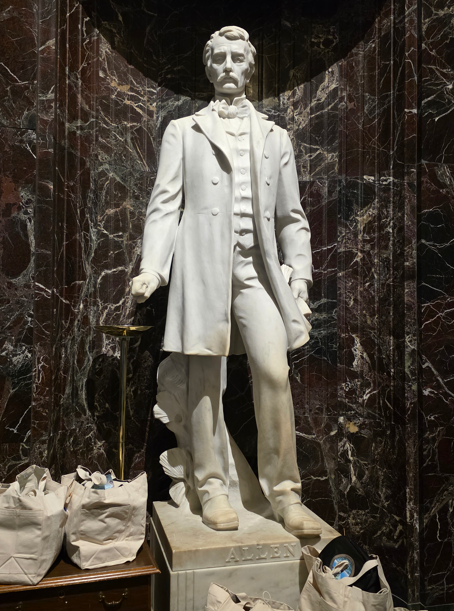
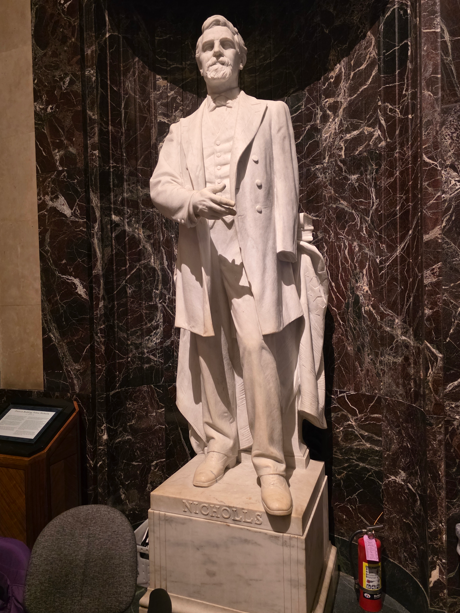
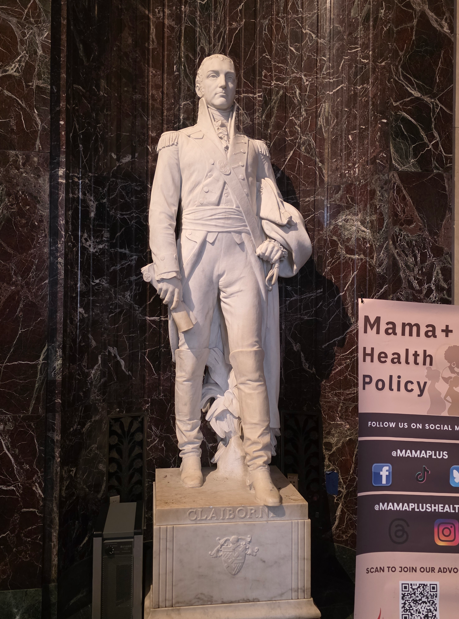
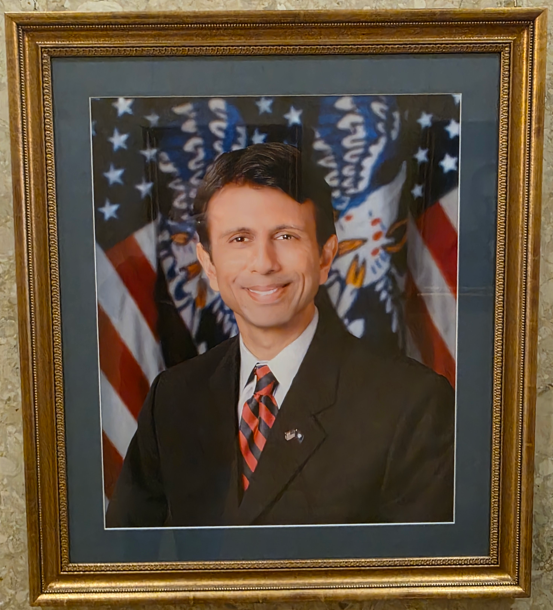
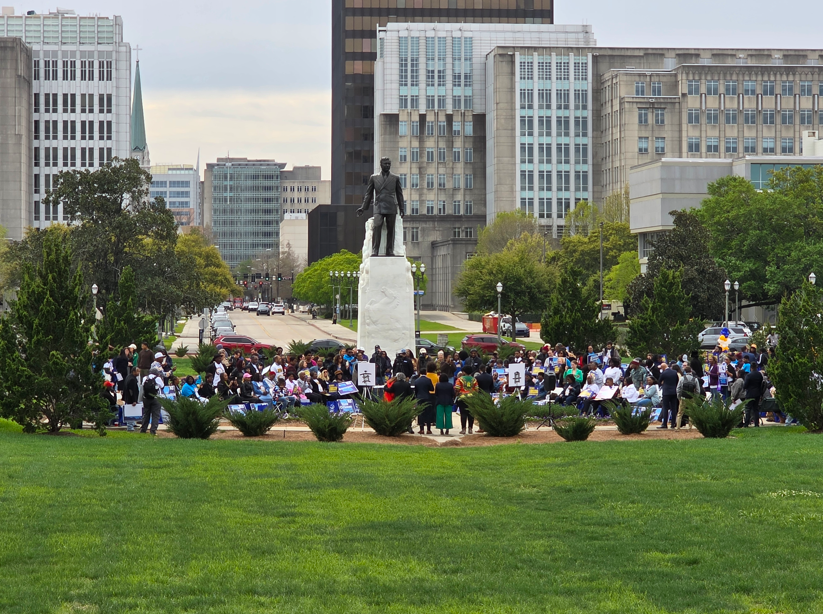
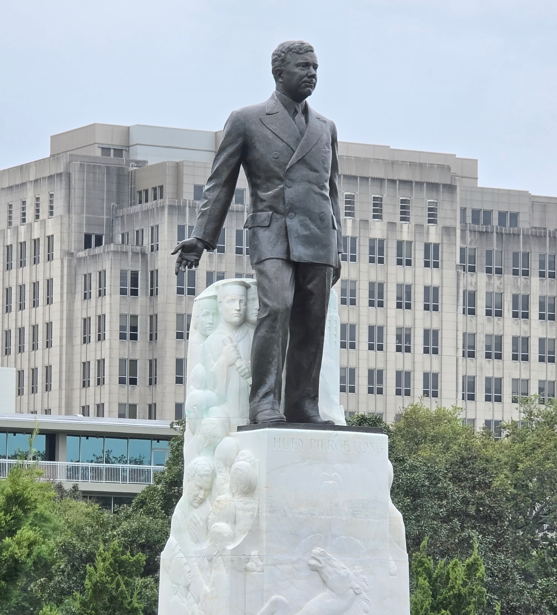
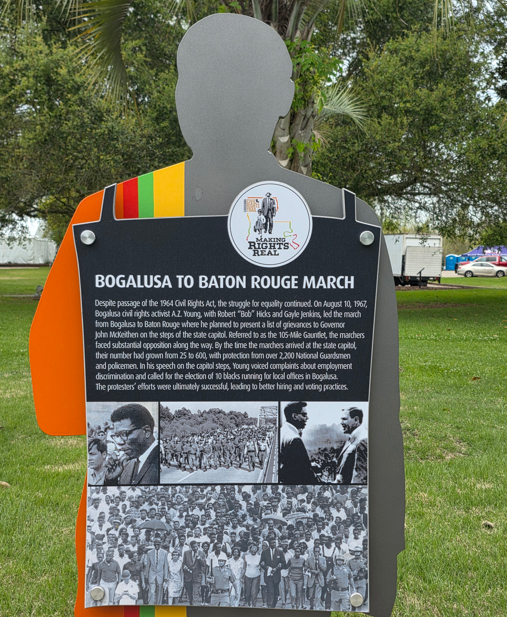
Another building that is undergoing renovation, this time the Louisiana State Capitol. At 450 feet, this is the tallest state capitol in the United States. It features Art Deco architecture.Memorial Hall.Art Deco wall leading to the Senate Chamber.Senate Chamber.Art Deco wall leading to the House Chamber.House Chamber.It was very crowded with school field trips and voting rights demonstrators.Ex governor and Senator Huey Long was assassinated in the capitol September 8, 1935. He was an extremely popular and influential politician, and a possible presidential candidate for 1936.18 star flag/ Louisiana was admitted as the 18th state.Jean Baptiste LeMoyne Sieur de Bienville, who founded New Orleans in 1718.Gov. Henry Watkins Allen, governor during the Civil War.Governor Francis T. Nicholls, a Confederate general during the Civil War who served as governor twice after the war.W.C.C. Claiborne, the governor of Louisiana who served after its purchase from France in 1803. He was also governor when Louisiana gained statehood in 1812.Piyush “Bobby” Jindal served as the governor of Louisiana 2008-2016.The voting rights demonstrators gathered around Huey Long’s monument and grave.Huey Long monument and grave.
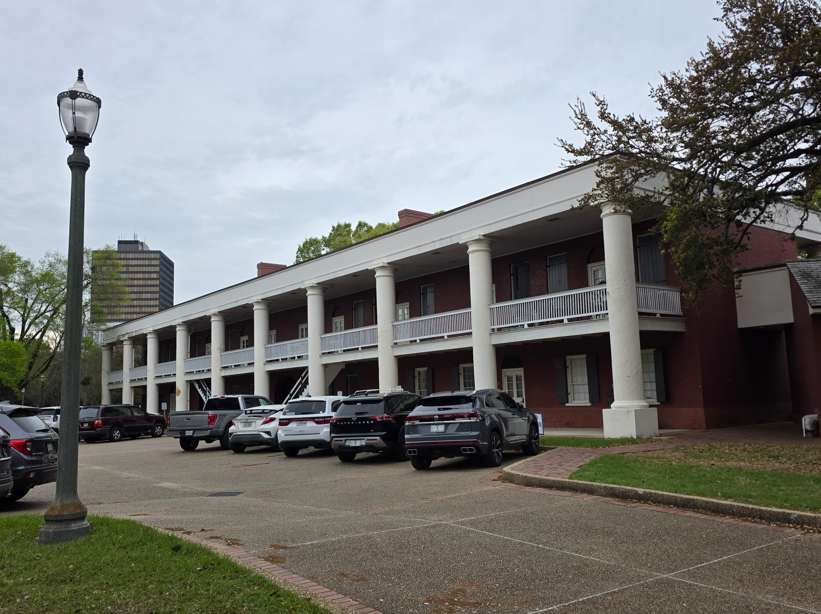
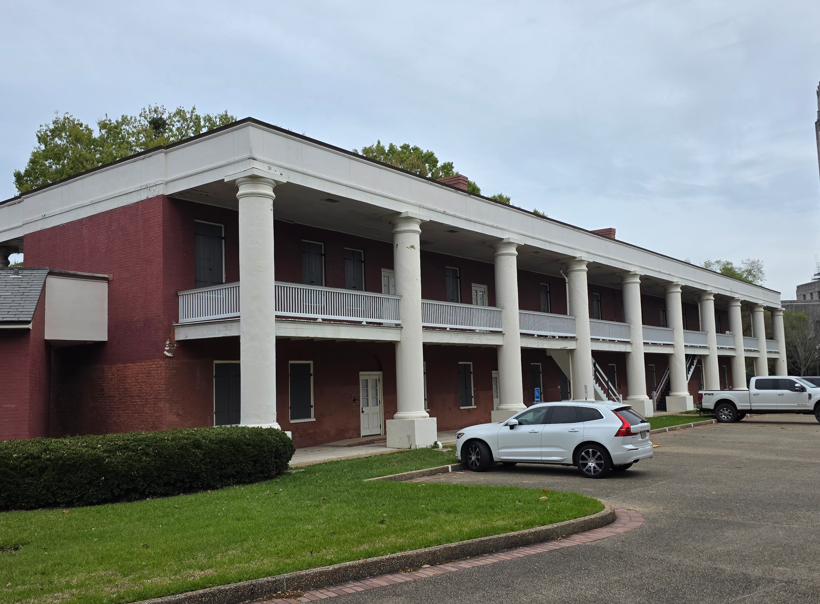
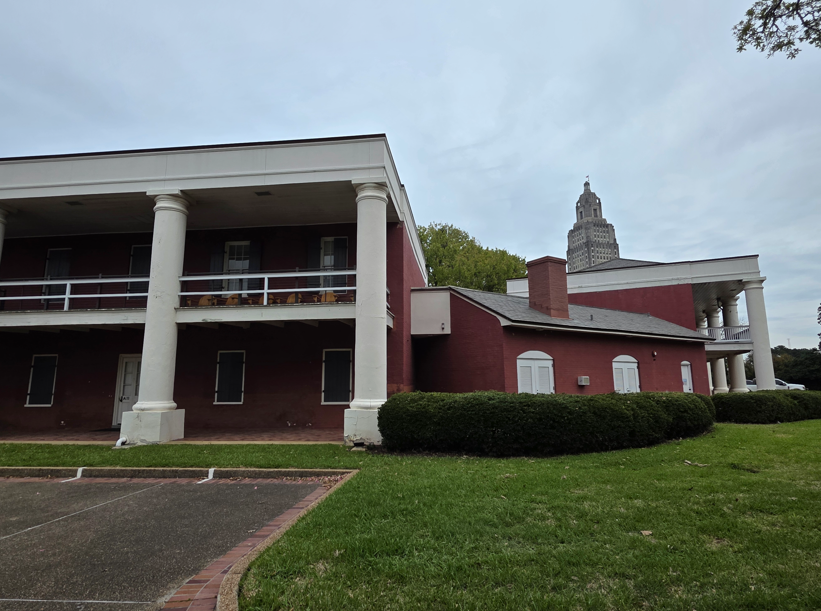
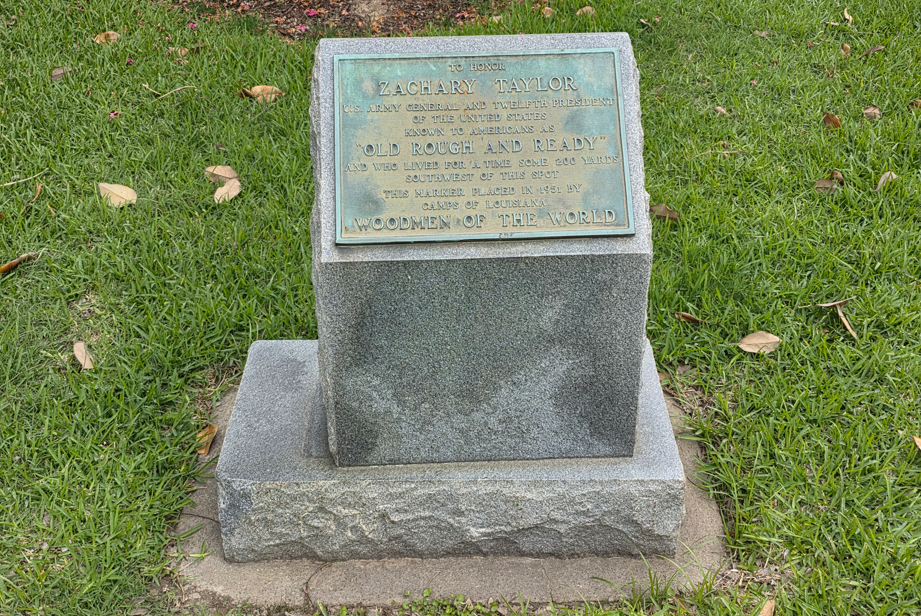
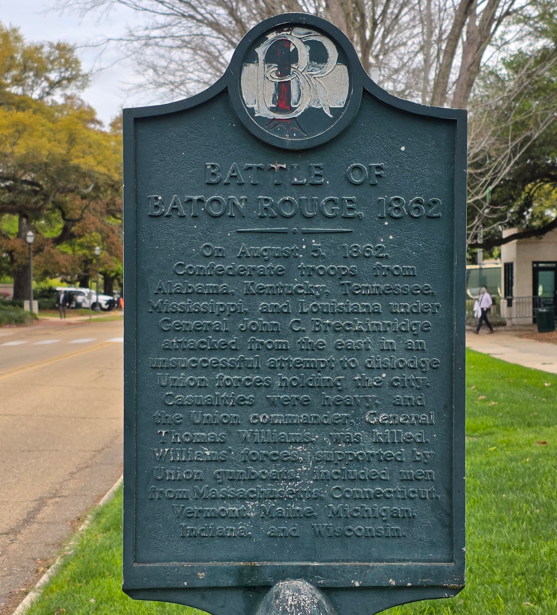
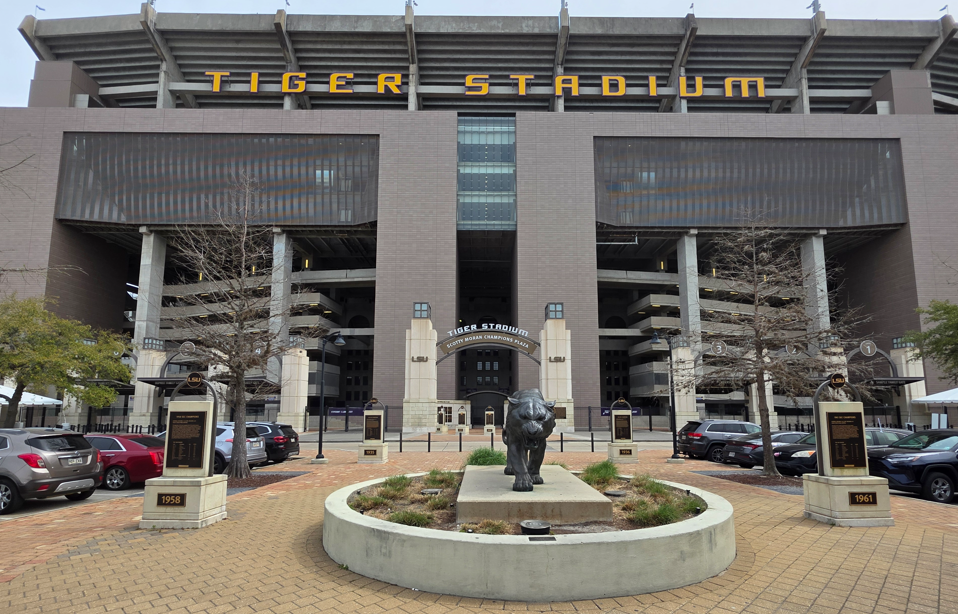
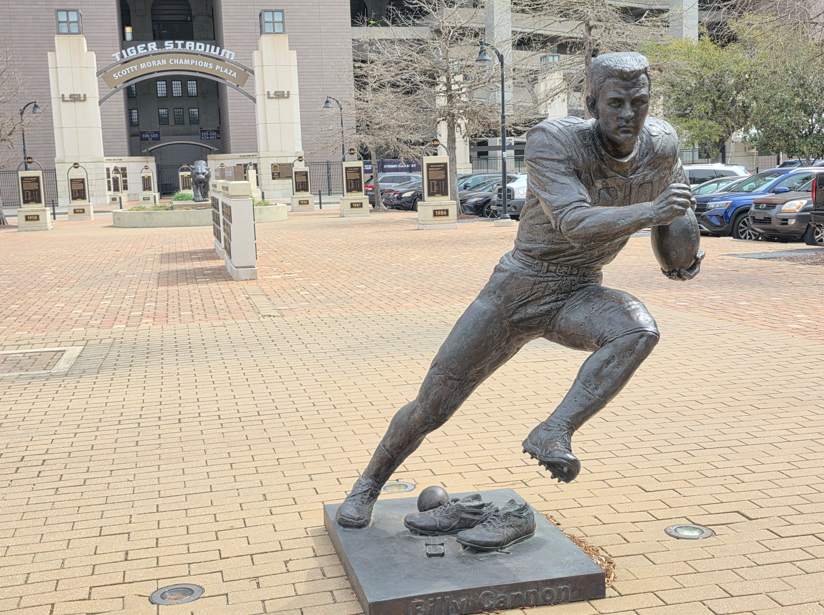
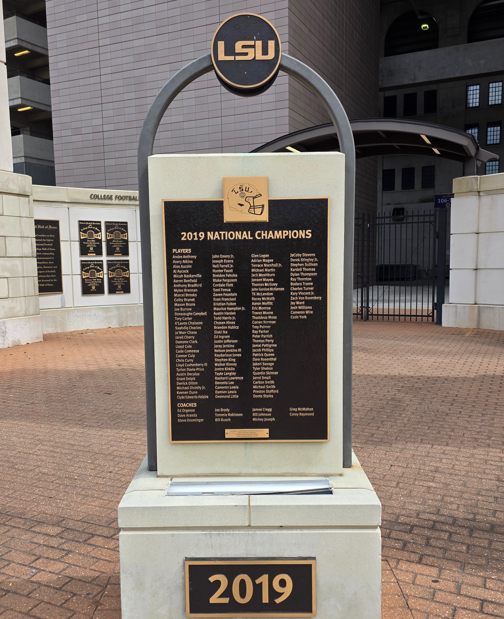
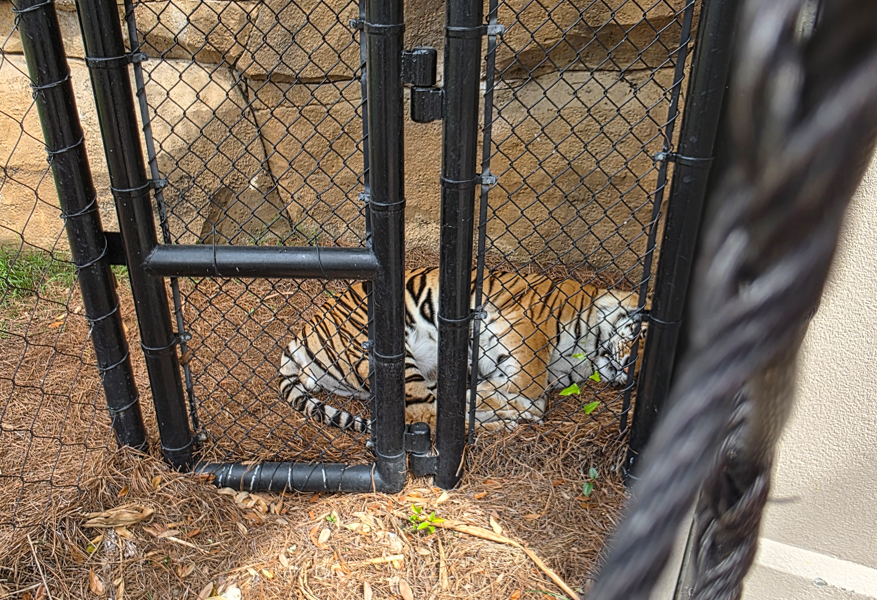
These Pentagon Buildings were constructed 1819-1822 to house US troops. Used as a garrison from 1822-1877 except 1861-1862 when held be Confederates. From 1886-1925 these buildings and grounds were the site of Louisiana State University.Zachary Taylor, our 12th president 1849-1850 lived near this marker in Baton Rouge. The house no longer stands.On the campus of LSU, Tiger Stadium.Billy Cannon, Heisman Trophy winner at LSU in 1959.Roster of LSU’s 2019 National Champions, including Heisman Trophy winner Joe Burrow.LSU’s mascot Mike the Tiger