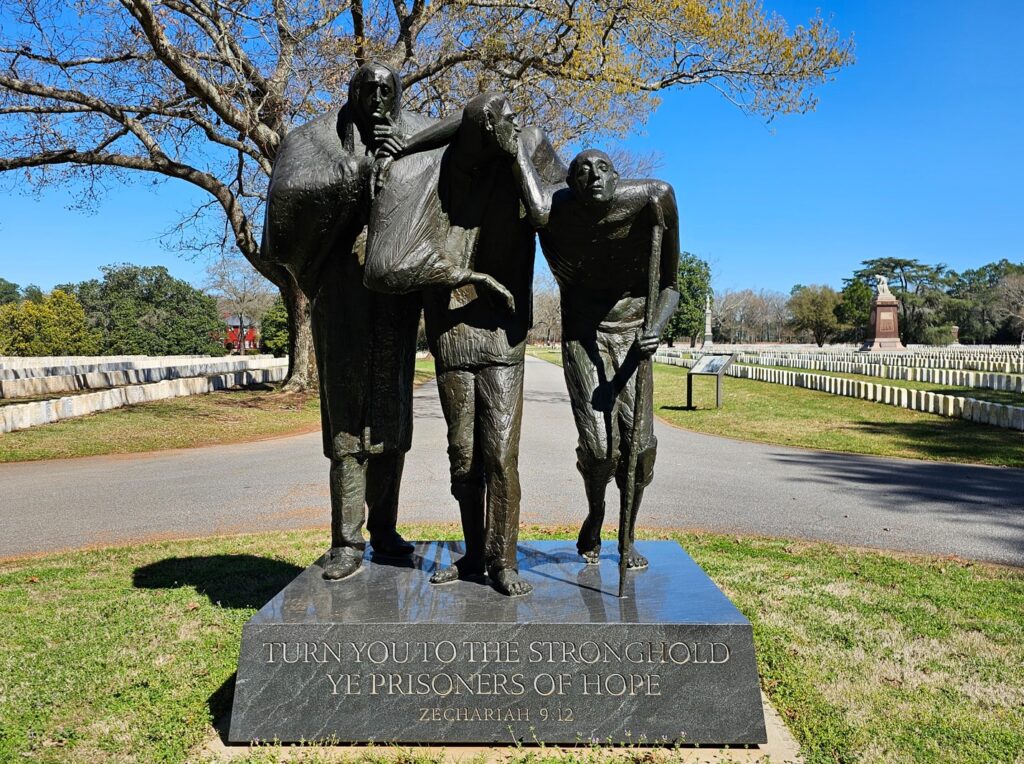
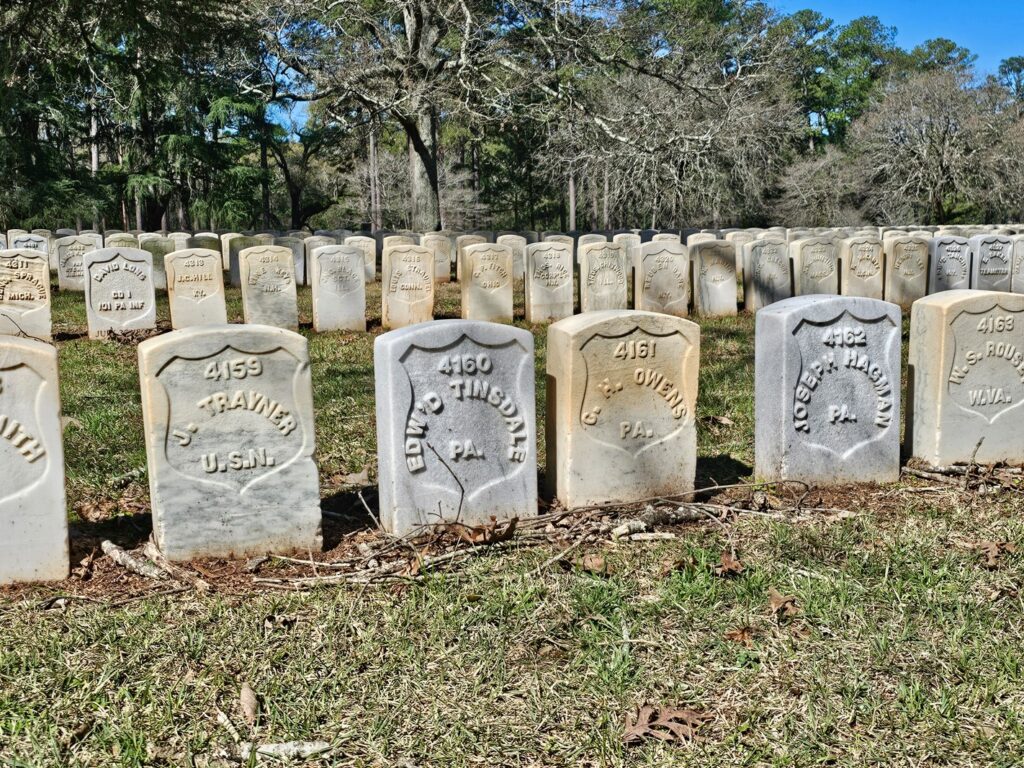
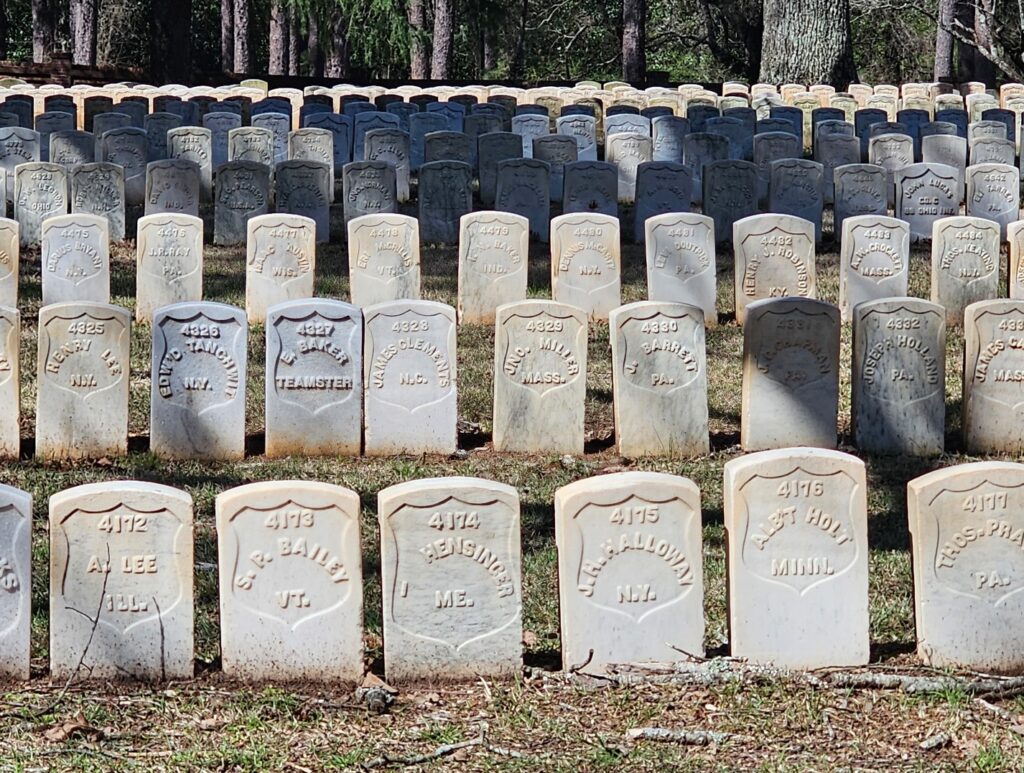
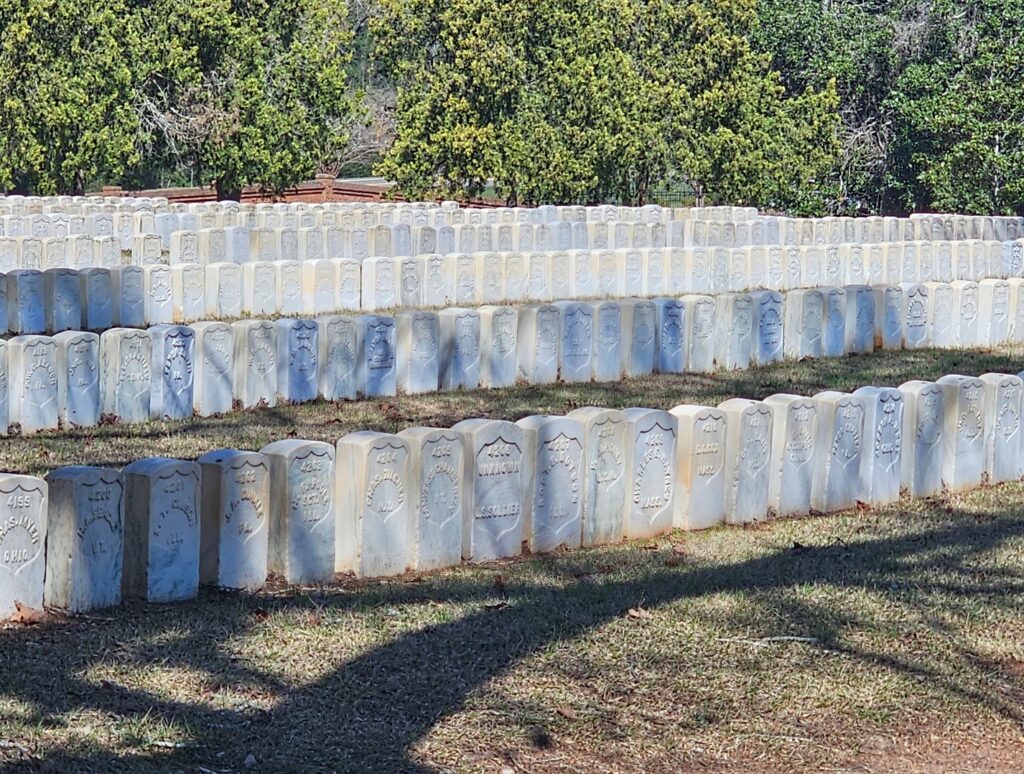
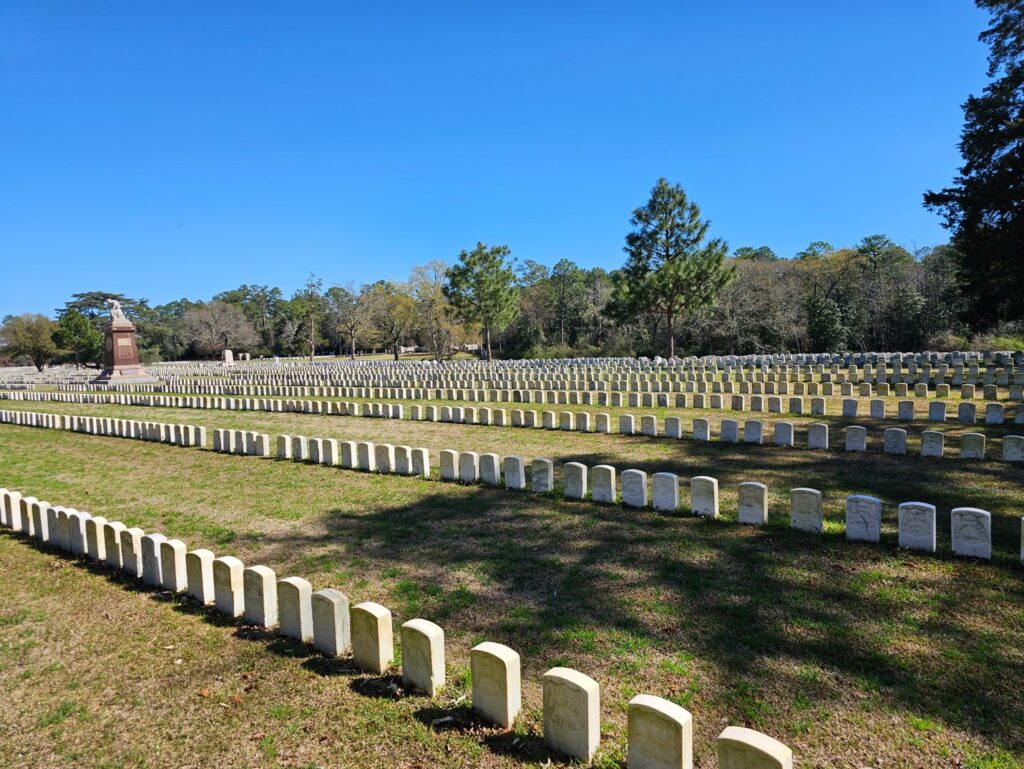
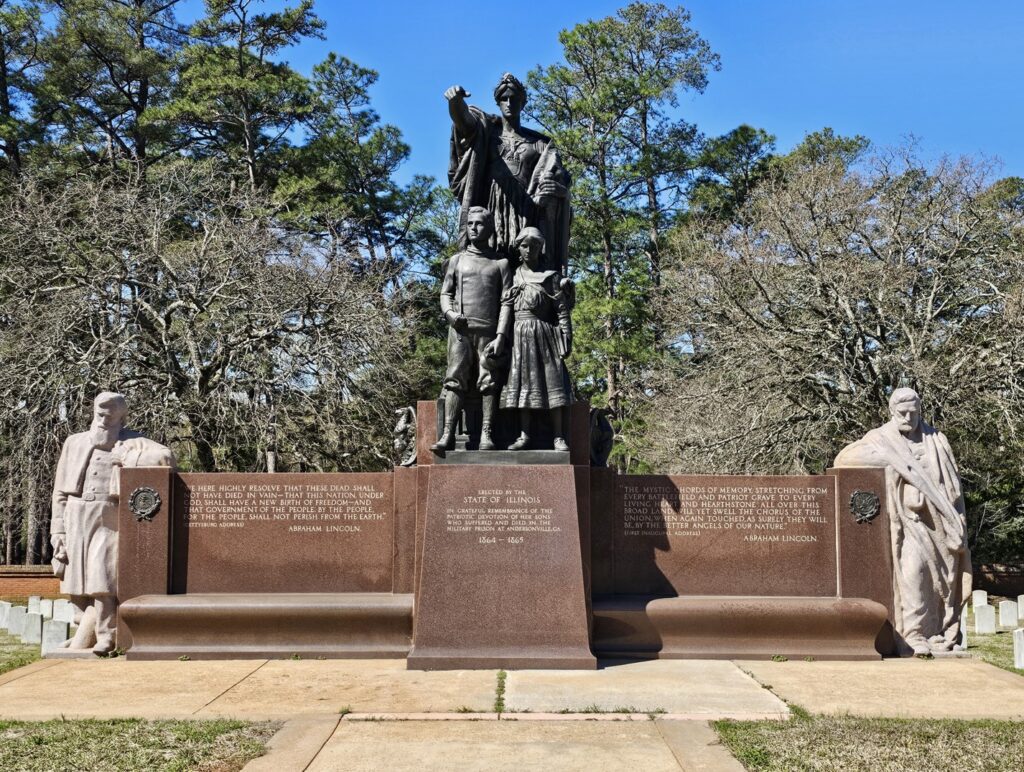
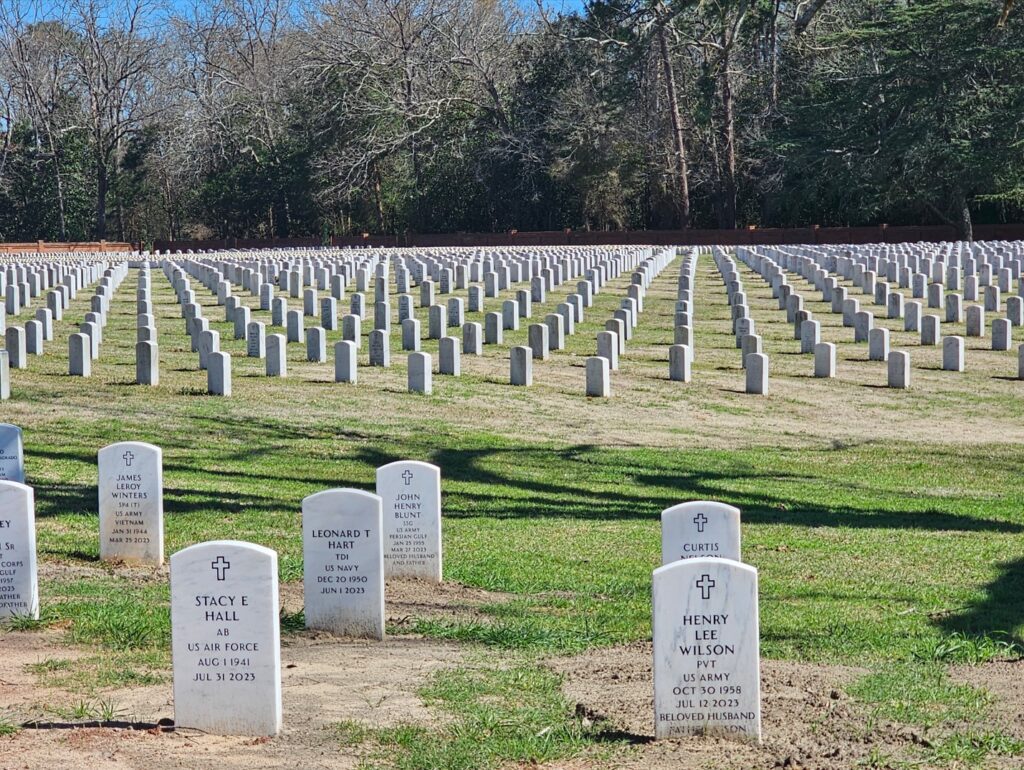
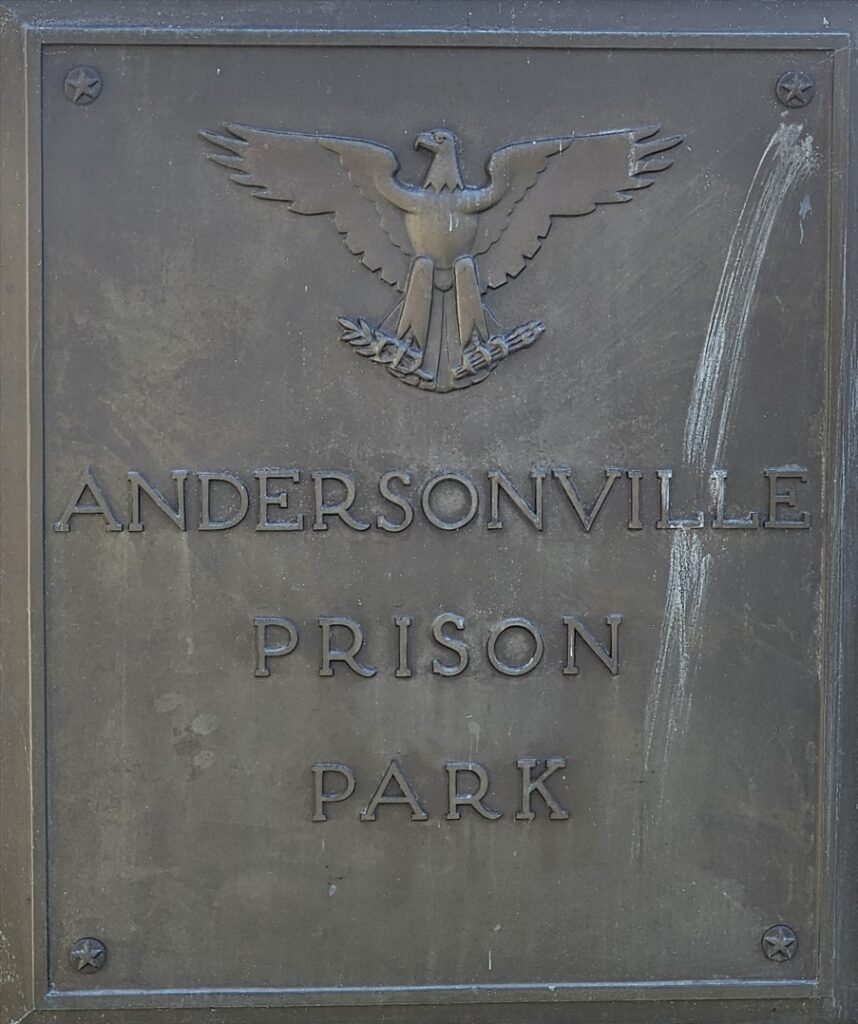
This is a somber place, even for a cemetery.Thousands of stones mark the graves of victims of the brutal prison. These victims are buried shoulder to shoulder because they were so decimated, and these burials were done years after the war. A clerk who was at the prison kept meticulous records of the dead prisoners, and was able to bring them here for honorable burial.Nearly 13,000 Union soldiers from Andersonville prison are buried here.Illinois memorial monument.This is still an active national cemetery. Veterans from today are still being buried here.
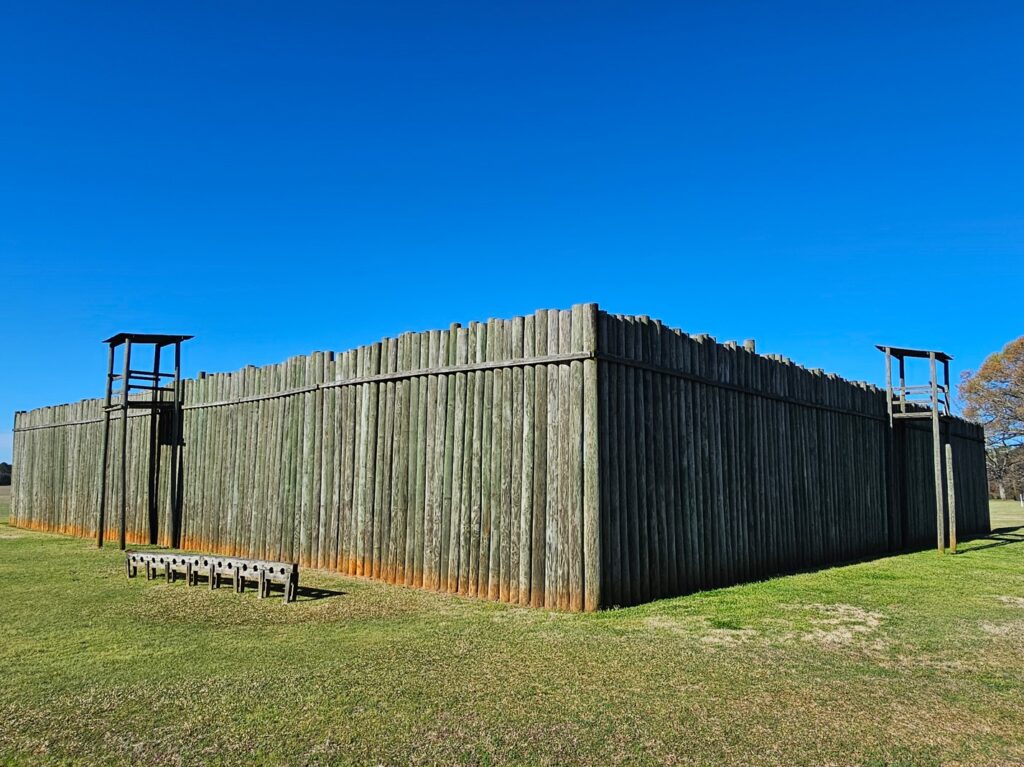
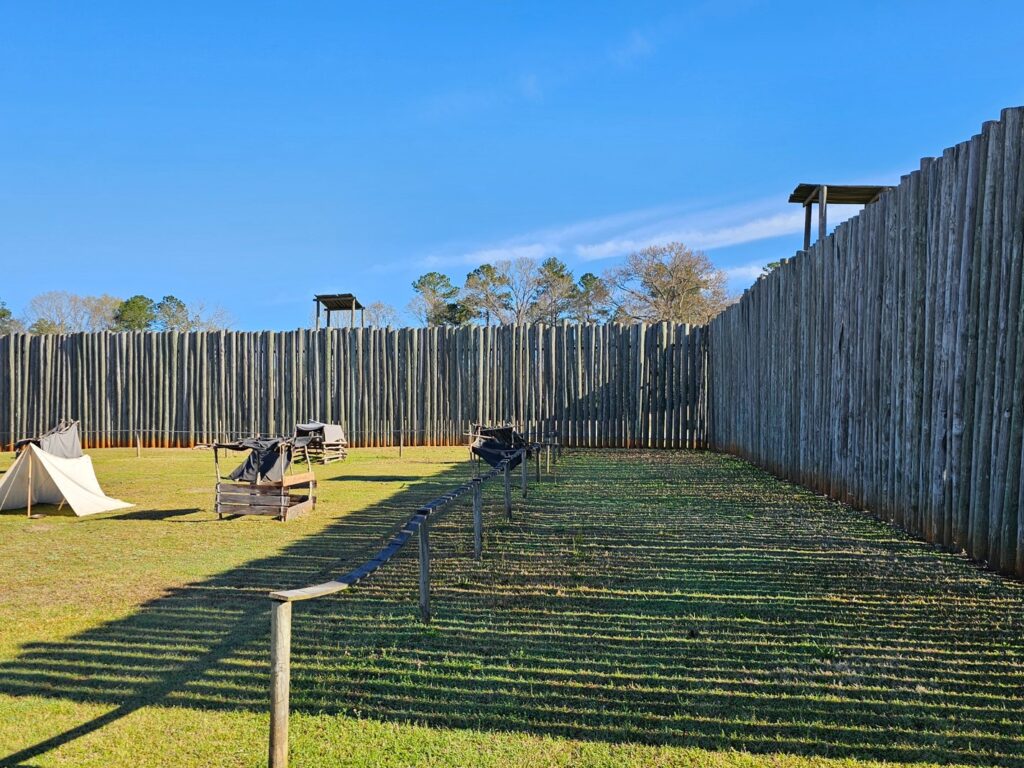
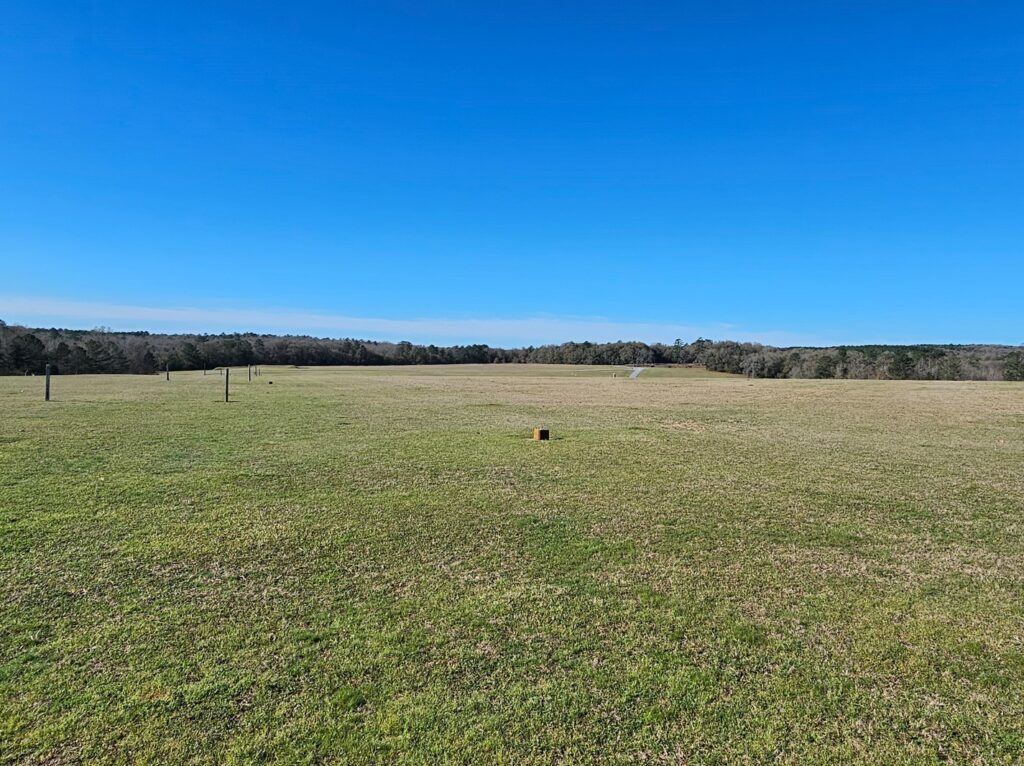
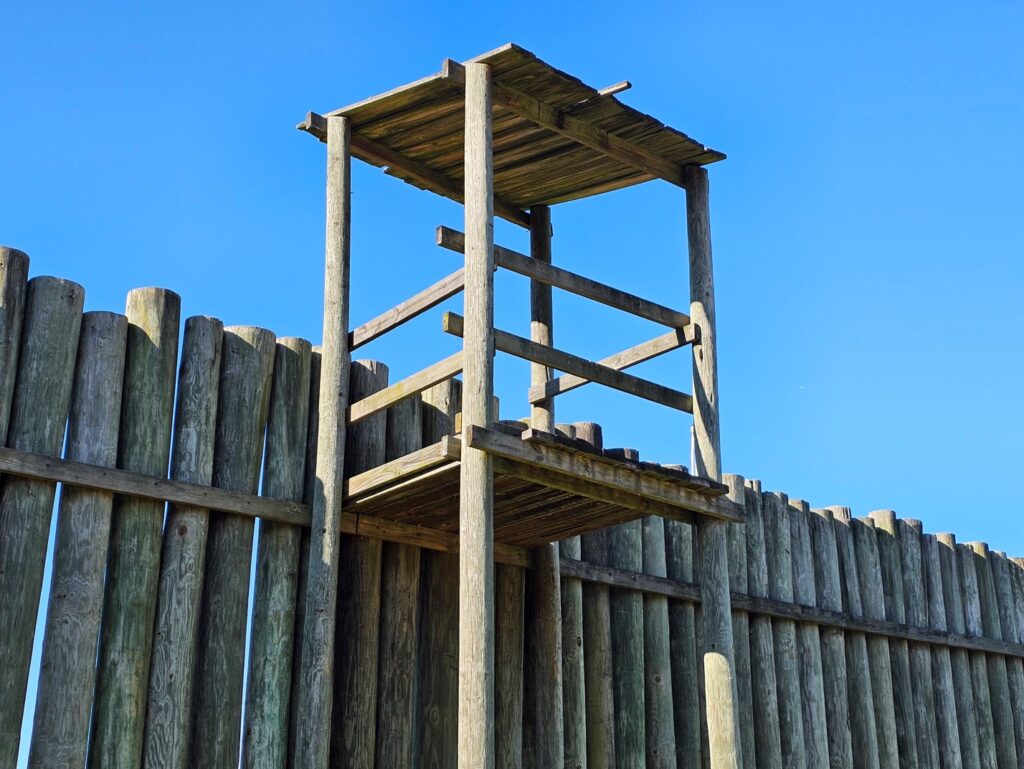
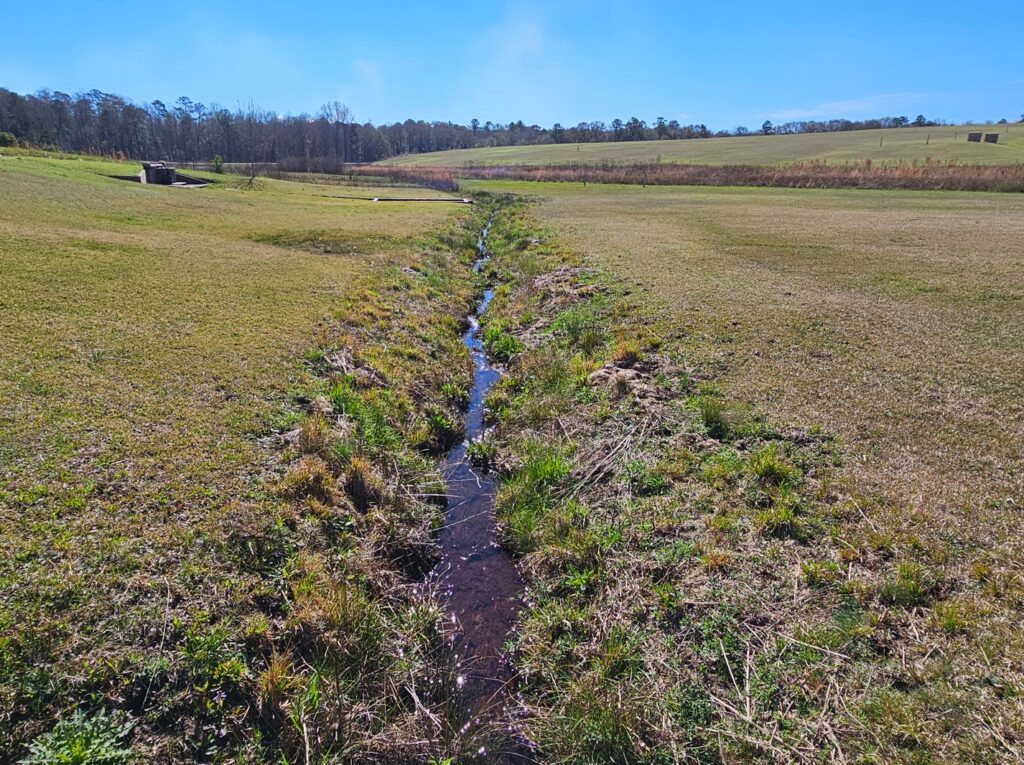
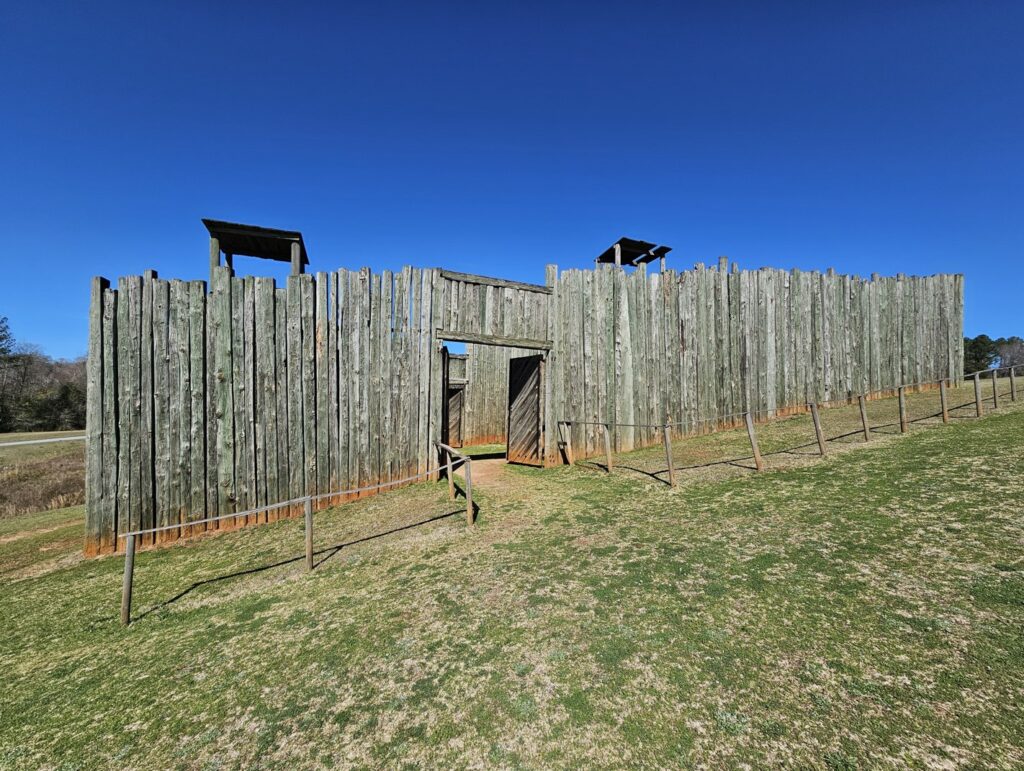
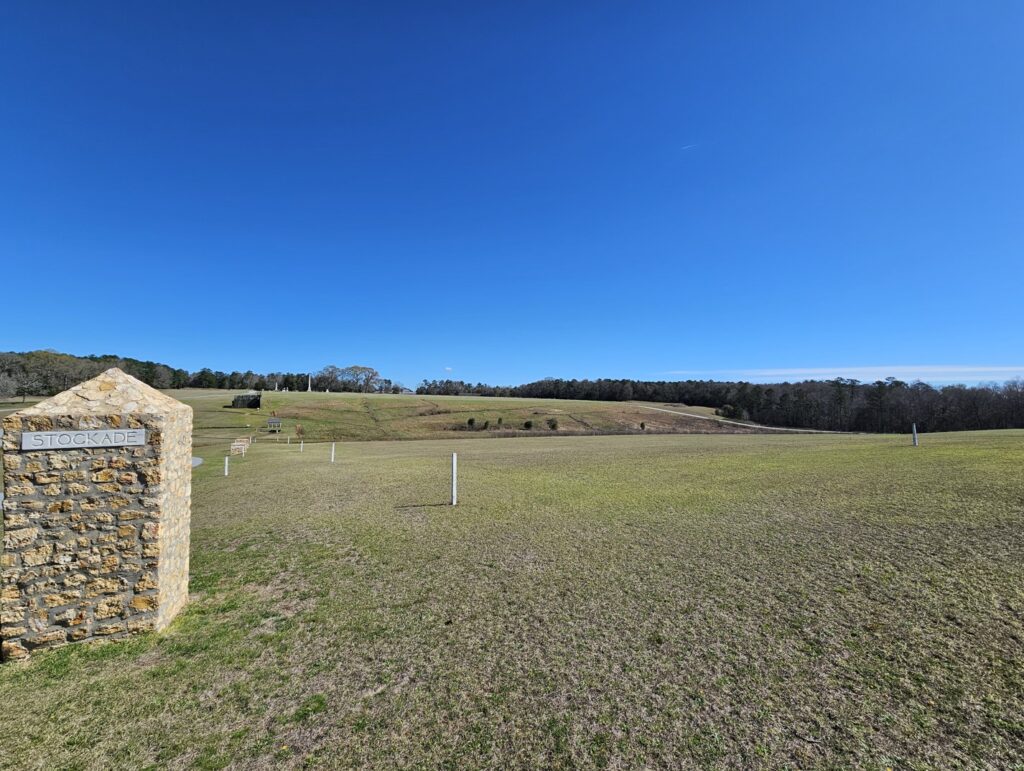
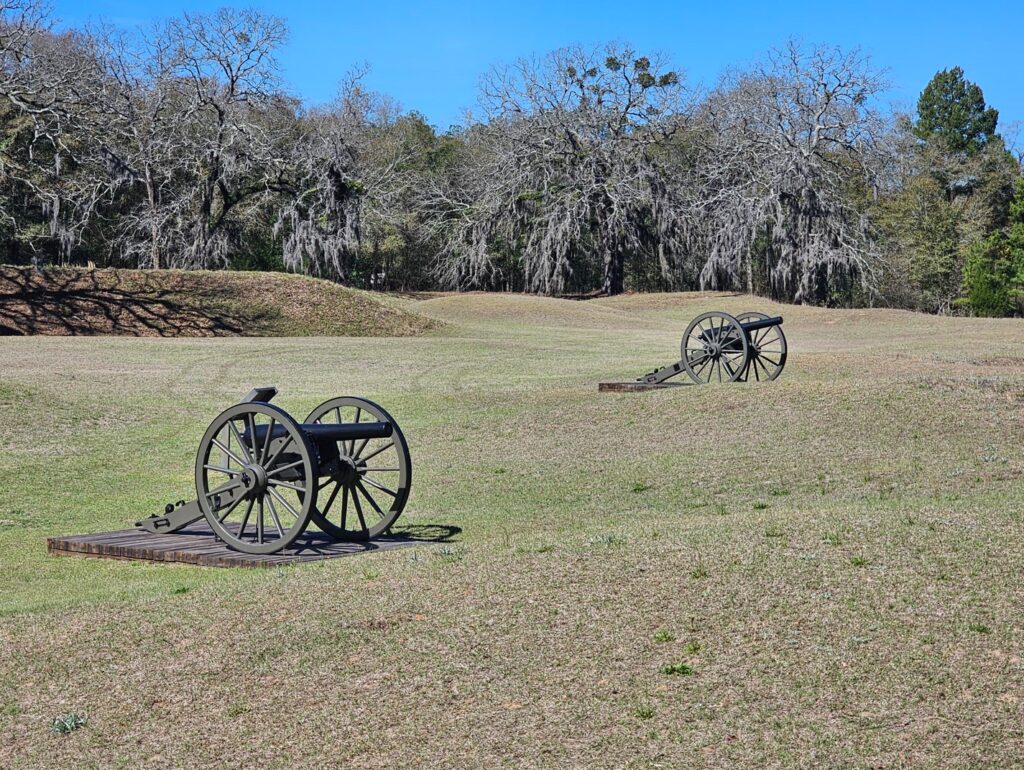
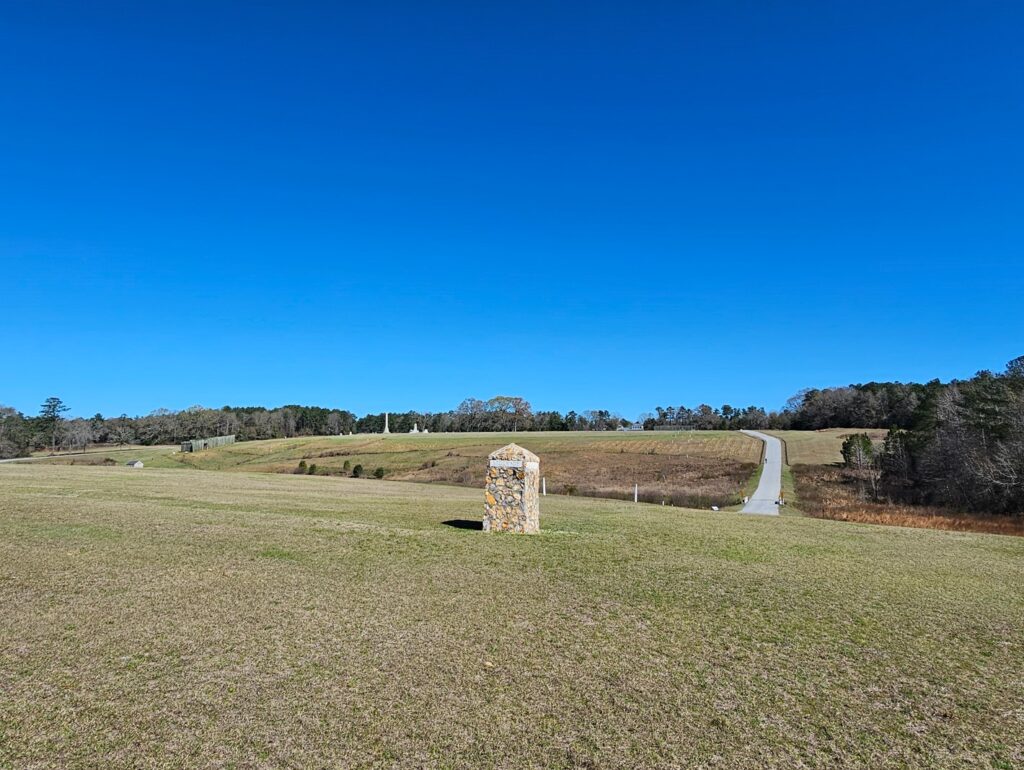
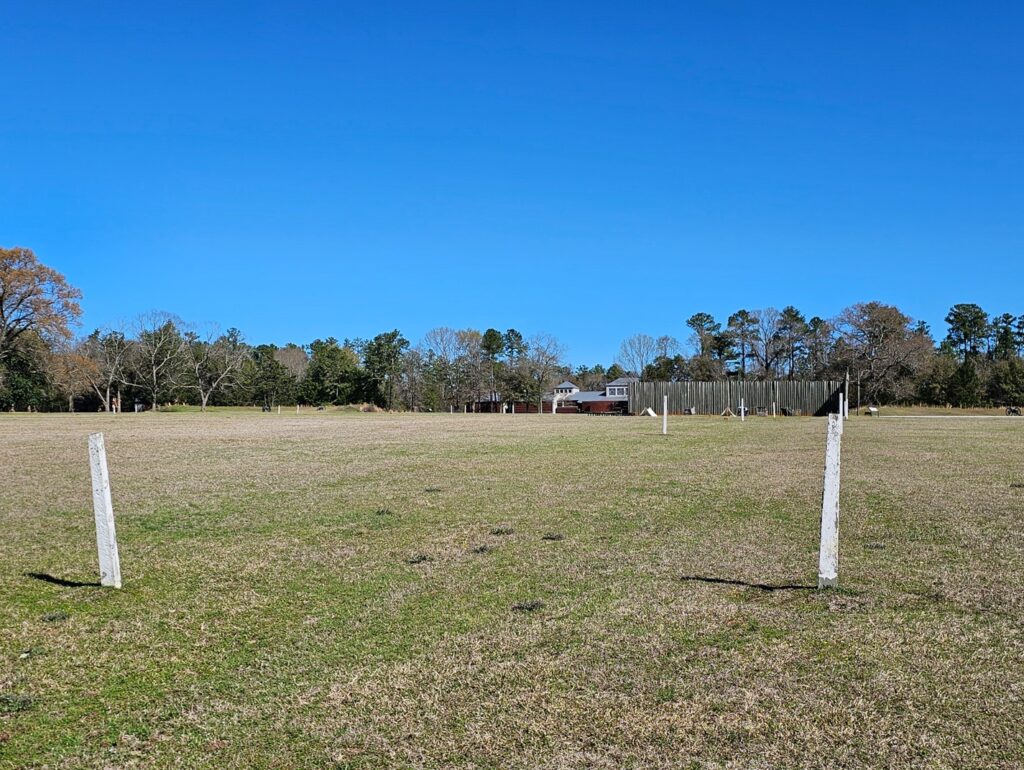
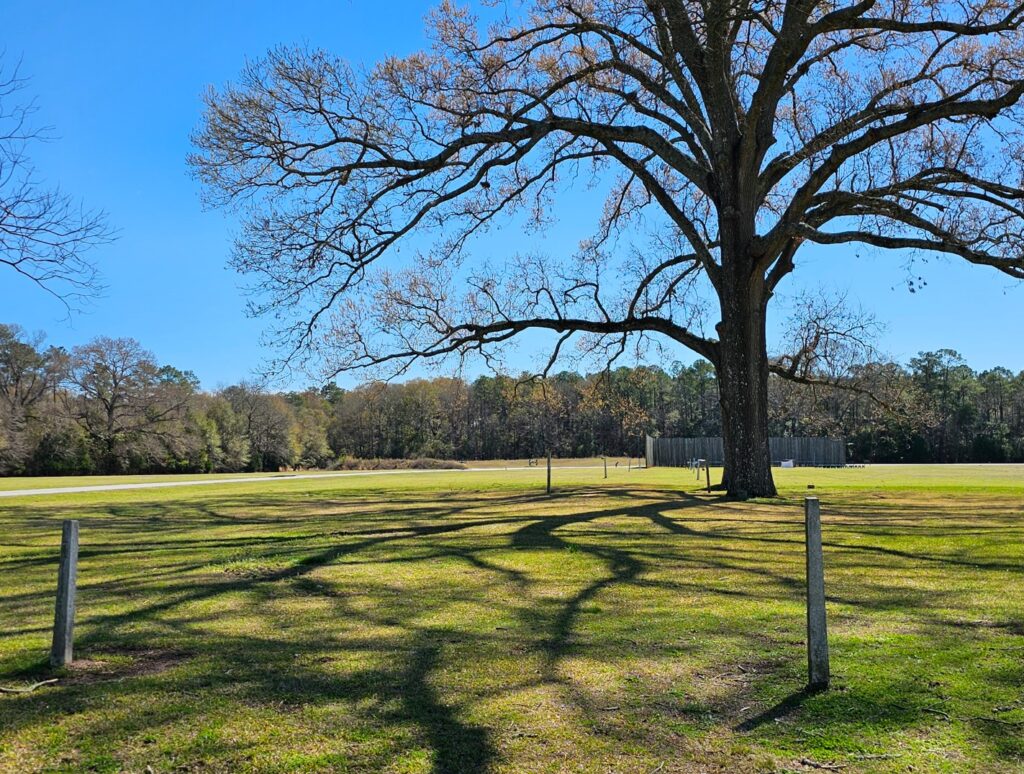
This was the most notorious Confederate prison of war camp, from February 1864 to April 1865. Officially named Camp Sumter, it was built to handle 10,000 prisoners, but within months it was holding 45,000 Union soldiers. Nearly 13,000 prisoners died from disease, poor sanitation, malnutrition, overcrowding, or exposure while in custody here, the most deaths at any single site of the entire Civil War. The prison’s commander Captain Henry Wirz was later convicted and executed for war crimes.This lane between the wood railing and the fort wall, 19 feet wide, was deemed “deadline.” Prison guards were allowed to shoot anyone who crossed into the “deadline.”The posts on the left in this picture mark out more of “deadline.” The border marked out the entire post perimeter.Guard tower, called “pigeon roost”. These were placed 30 feet apart around the prison perimeter.This creek supplied water for the prisoners. The latrines were upstream from the drinking area, so it became a cesspool for filth and disease.Area near Providence Spring.Marker at one corner of the prison, with the “deadline” marked by posts.Star Fort area, site of the commander’s quarters.Site of the prison hospital.Another corner of the prison perimeter.
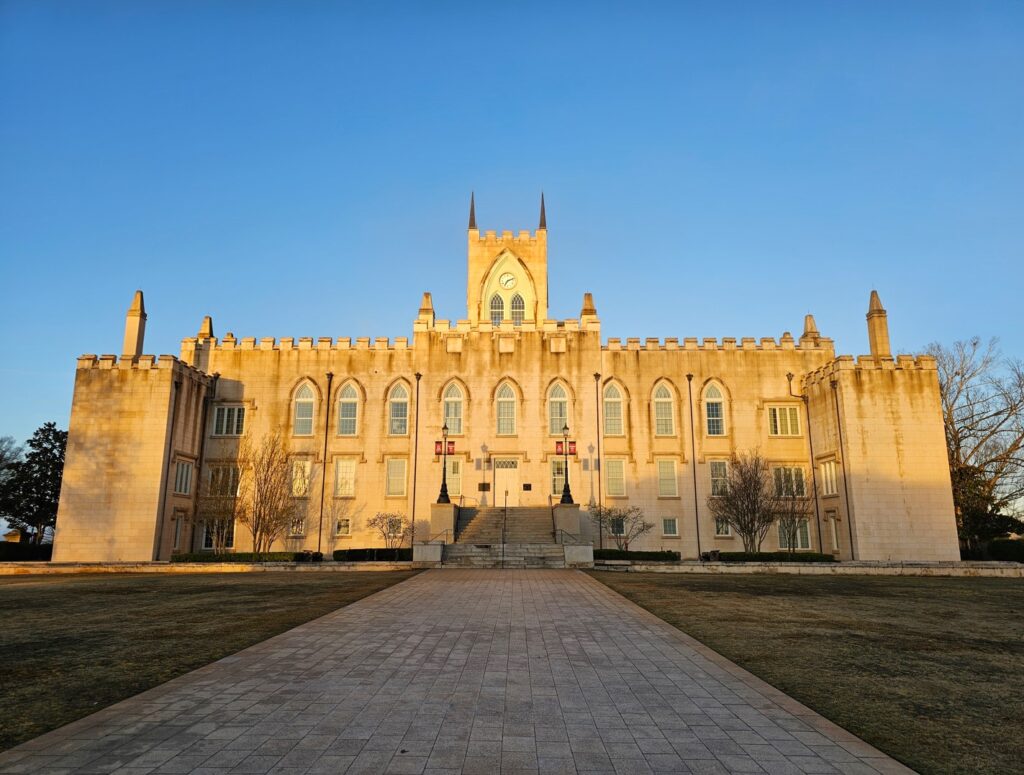
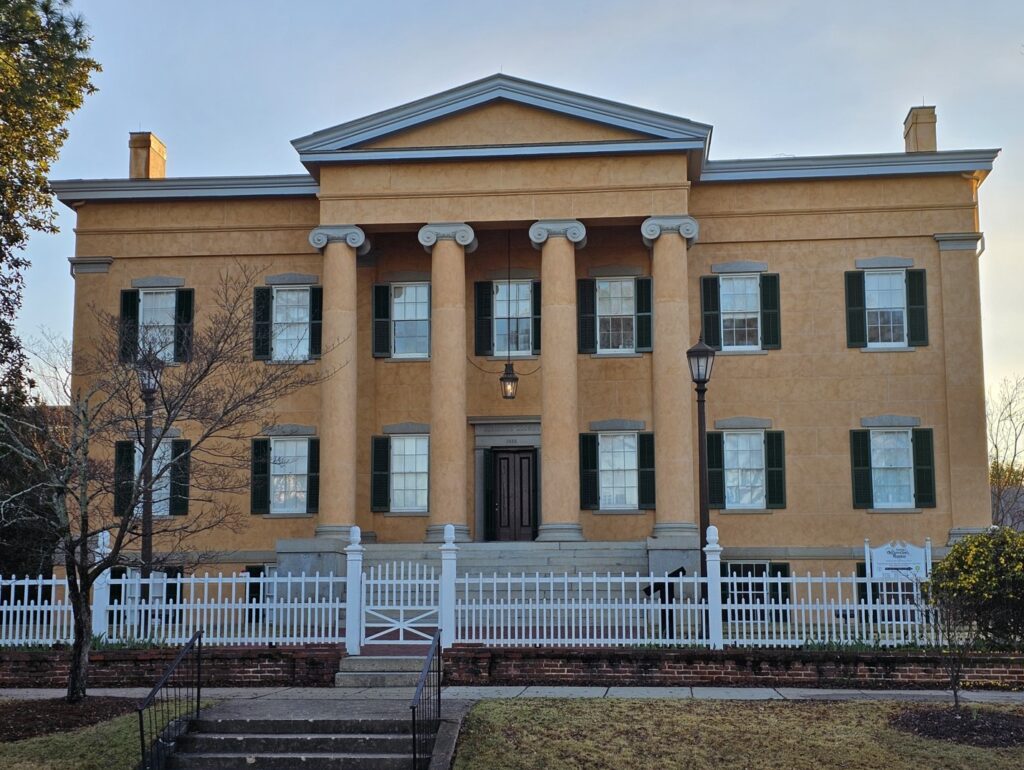
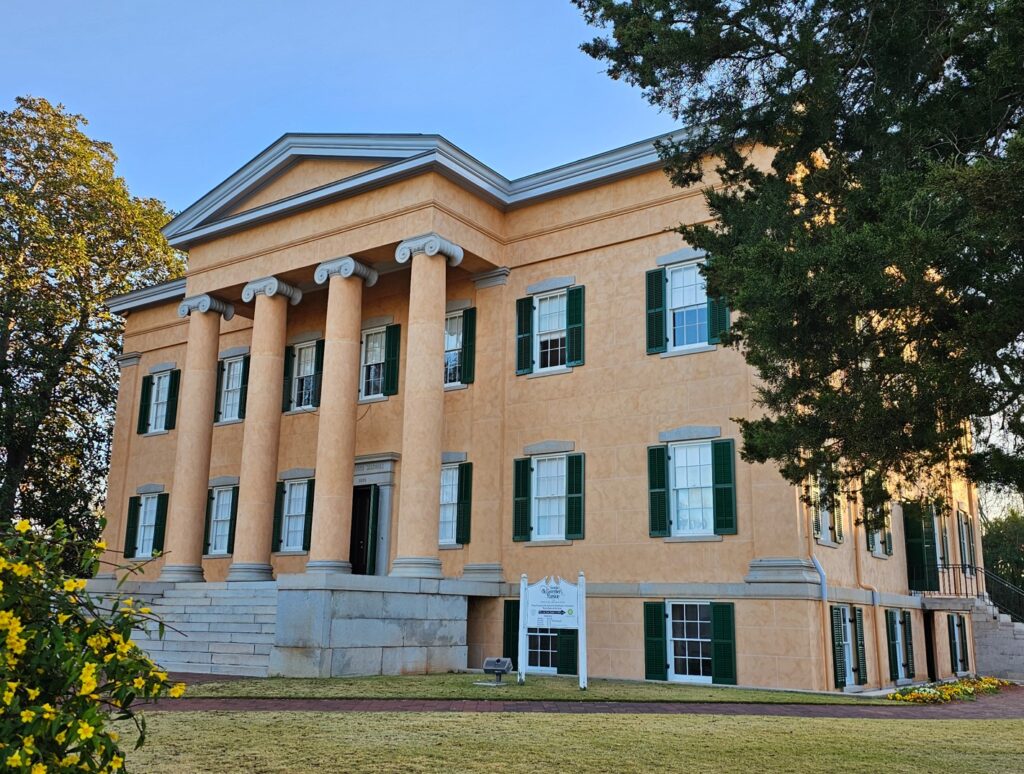
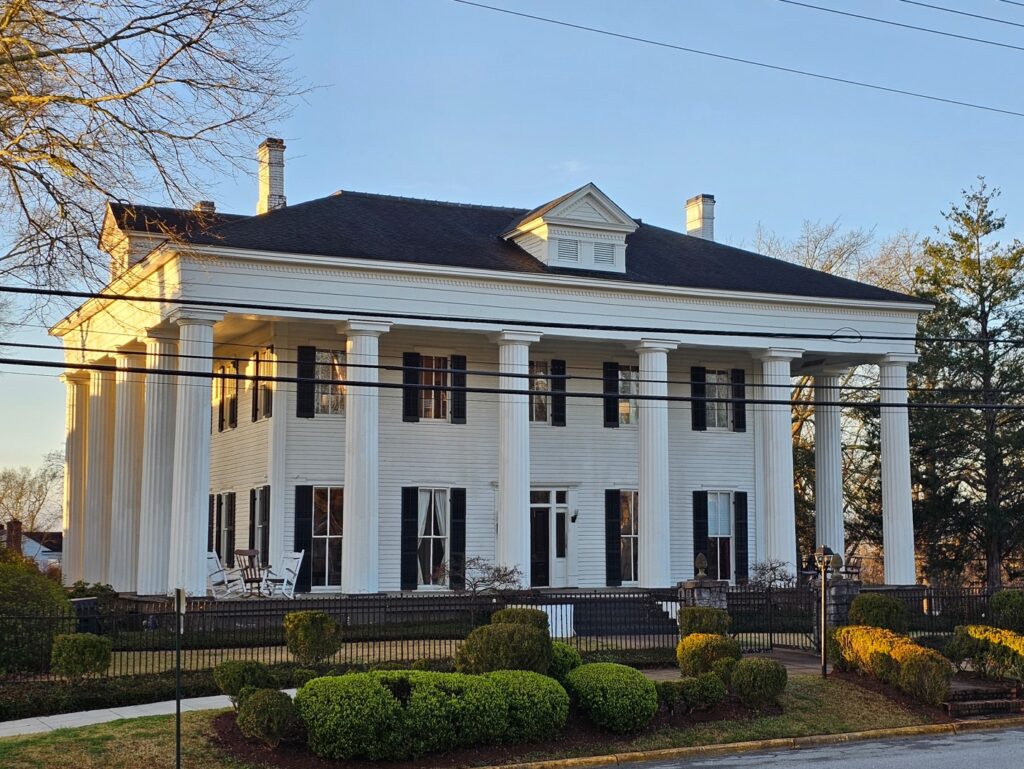
Milledgeville was the capital of Georgia from 1804 to 1868. This was the capitol building. It is now on the campus of Georgia Military College.This was the Governor’s (Executive) Mansion in Milledgeville from 1839-1868. In November 1864 this building was captured by General William T. Sherman during his March to the Sea. It served as his headquarters at that time. It is now open for tours, and it located on the campus of Georgia College.Stereotypical Antebellum Mansion across the street from the old Executive Mansion.
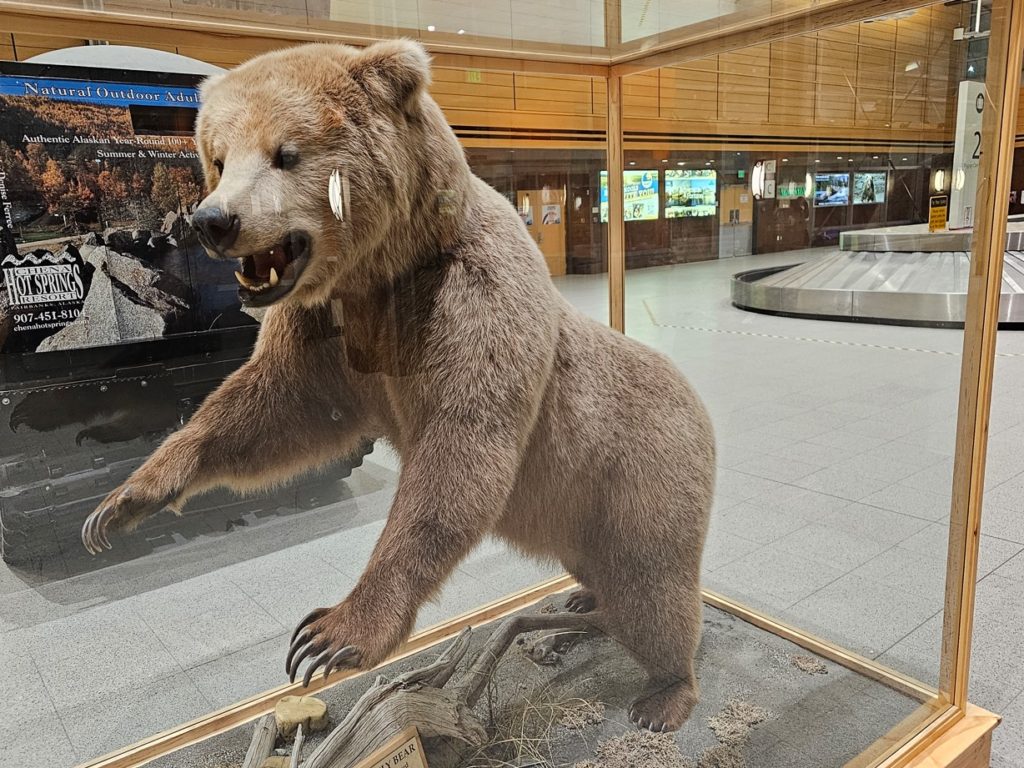
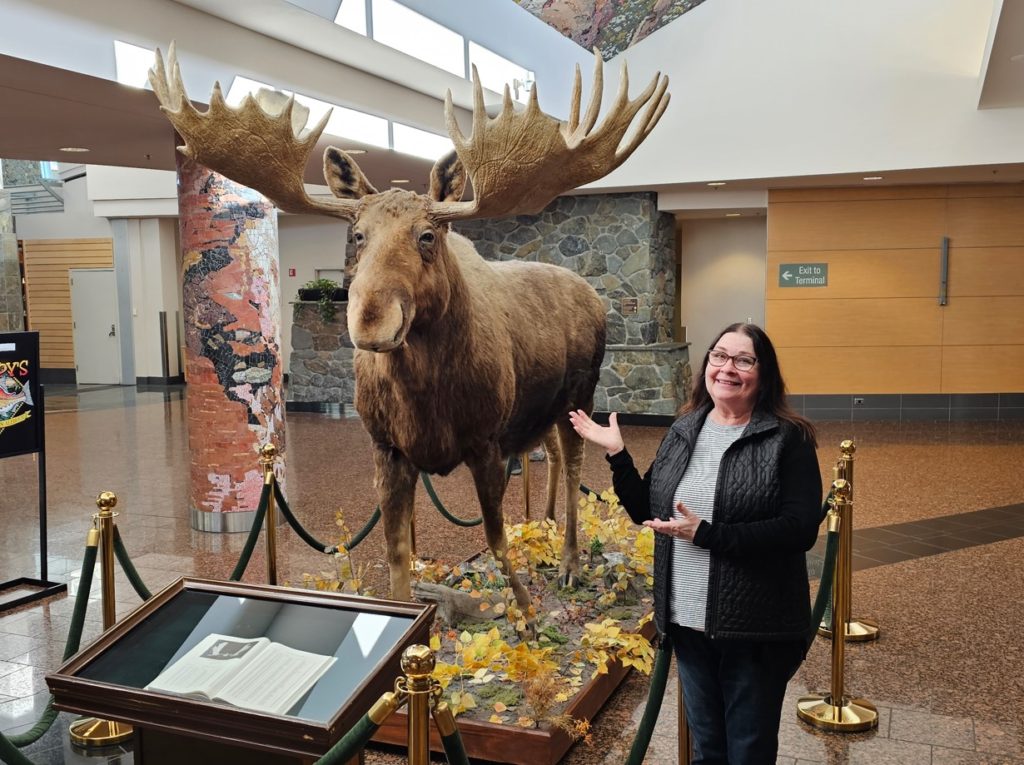
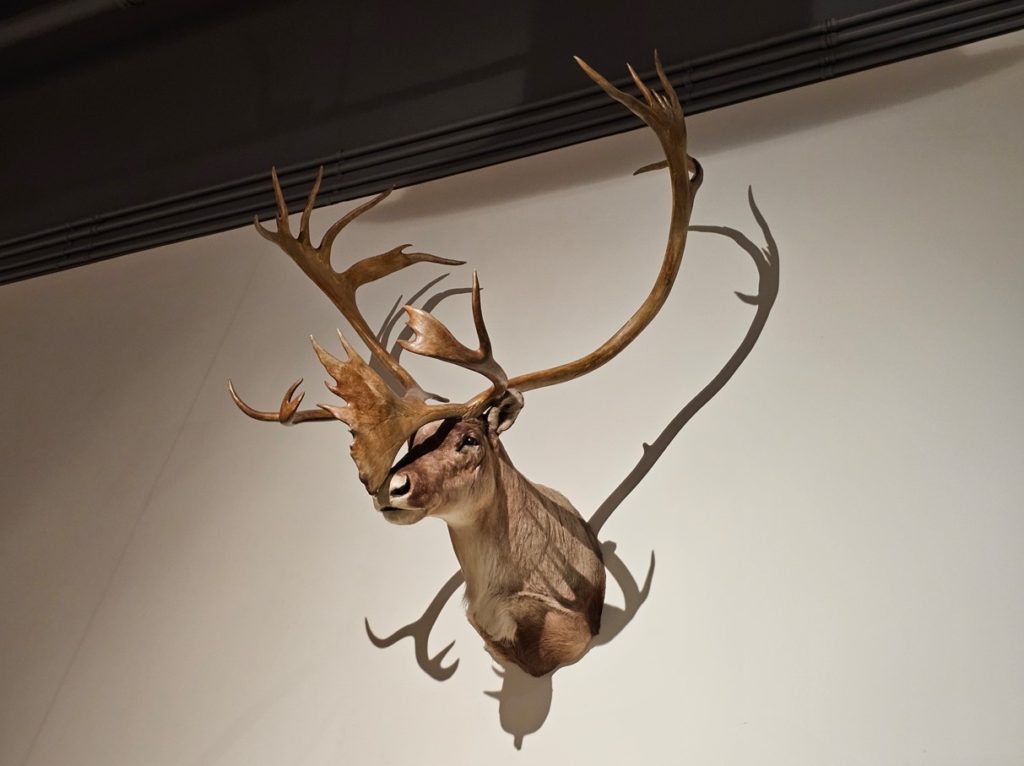
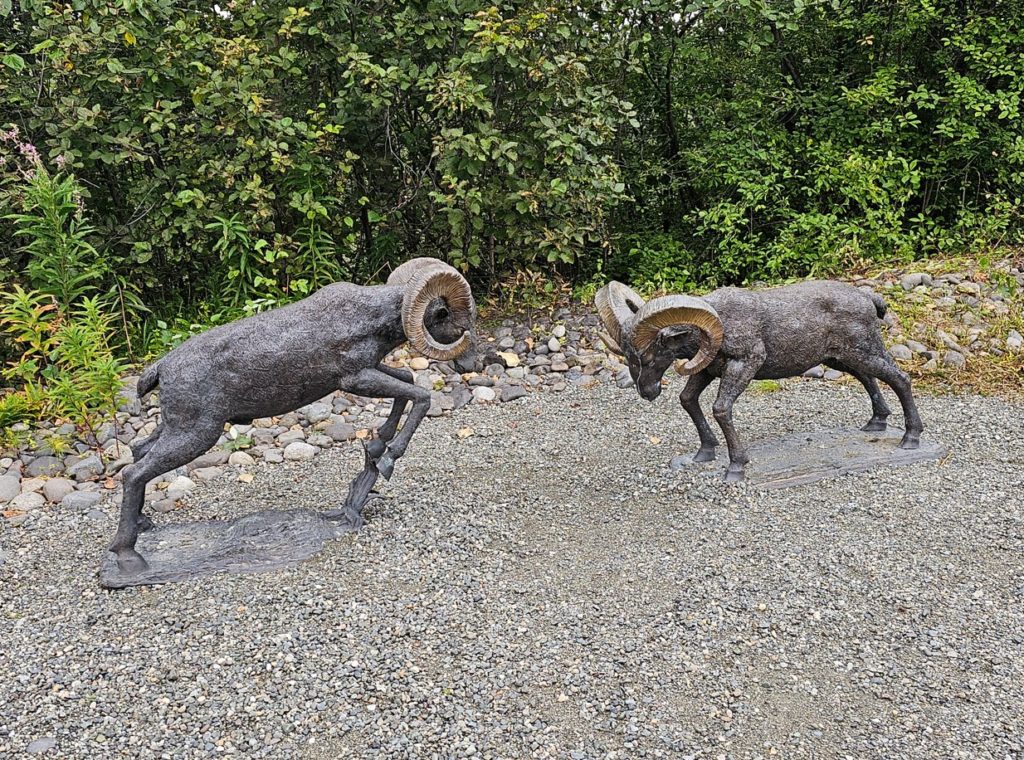
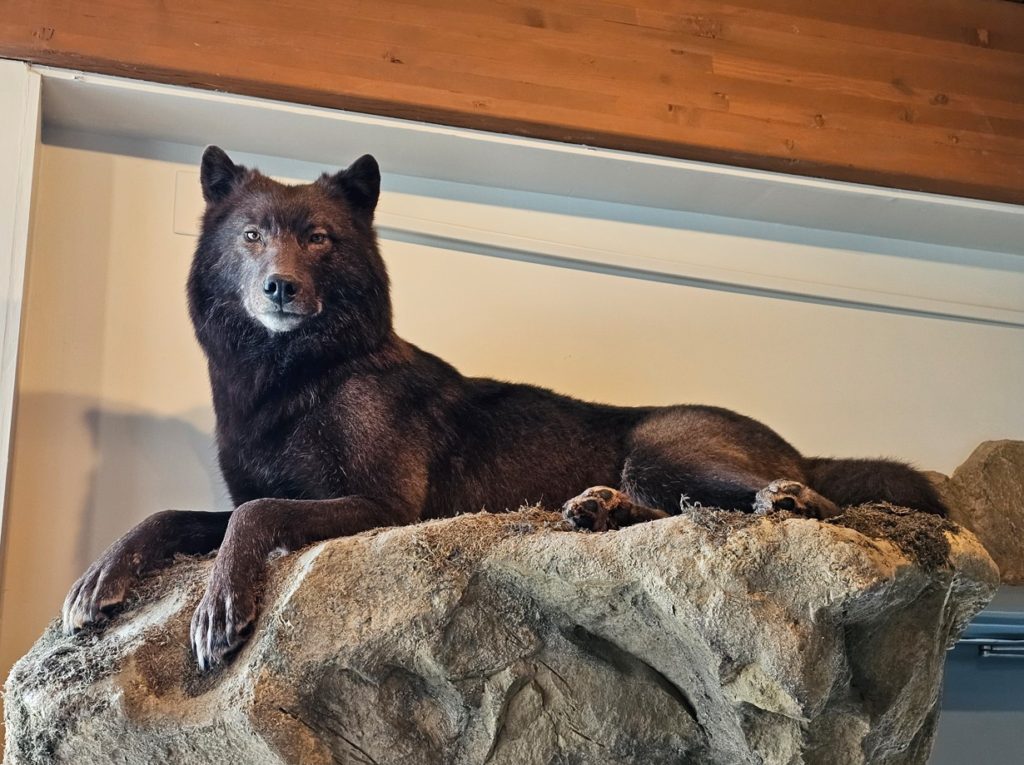
These are the Big 5 animals that every visitor to Alaska tries to see. We did not see any of them live or relatively close on our trip. So we had to settle for this…
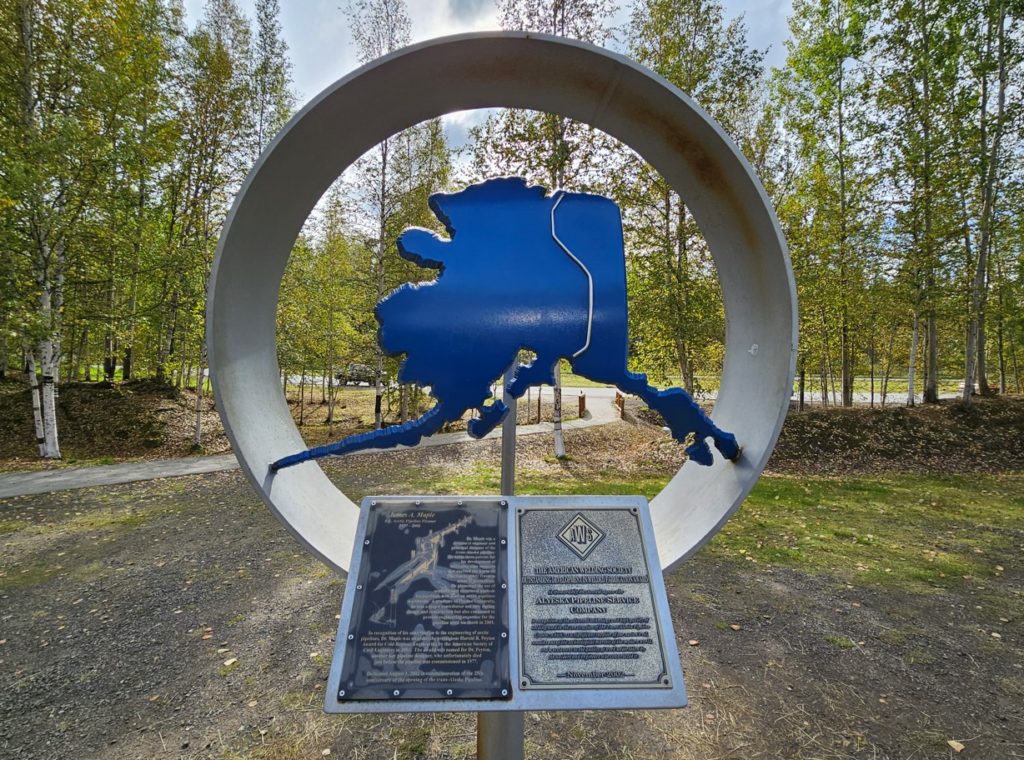
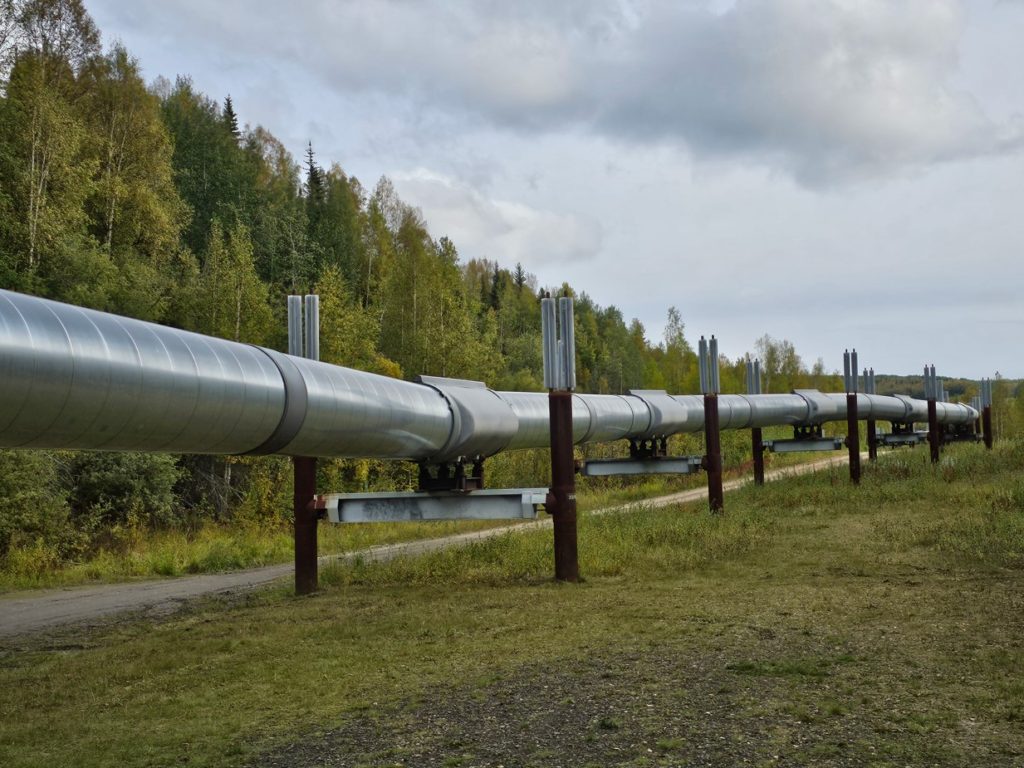
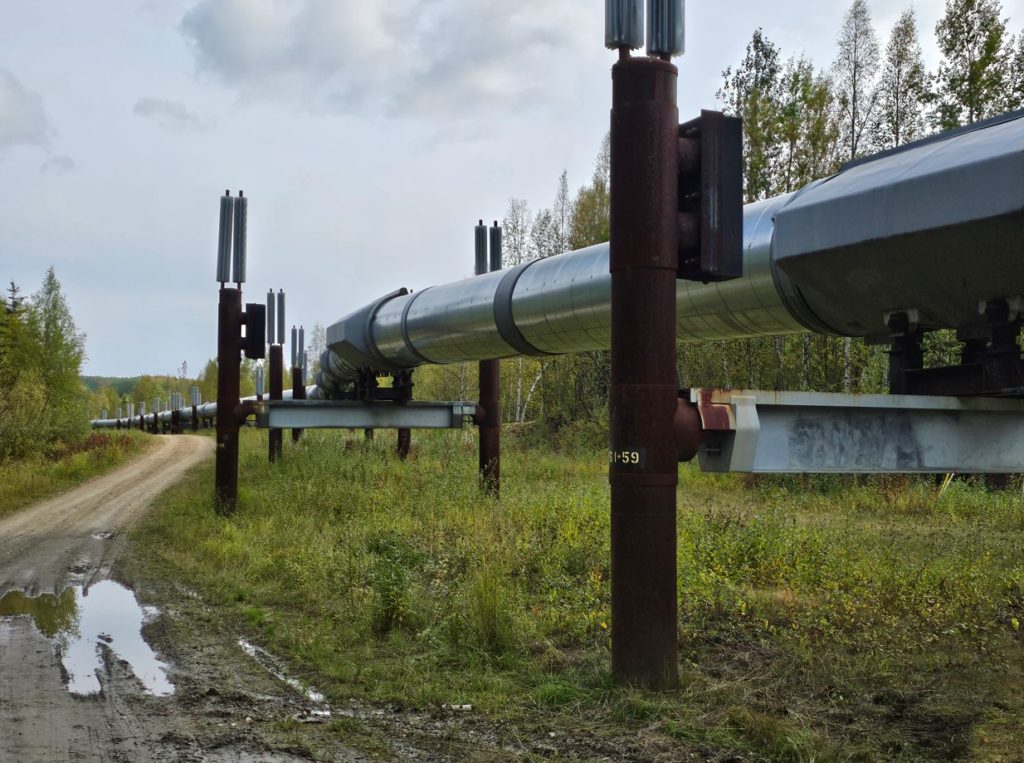
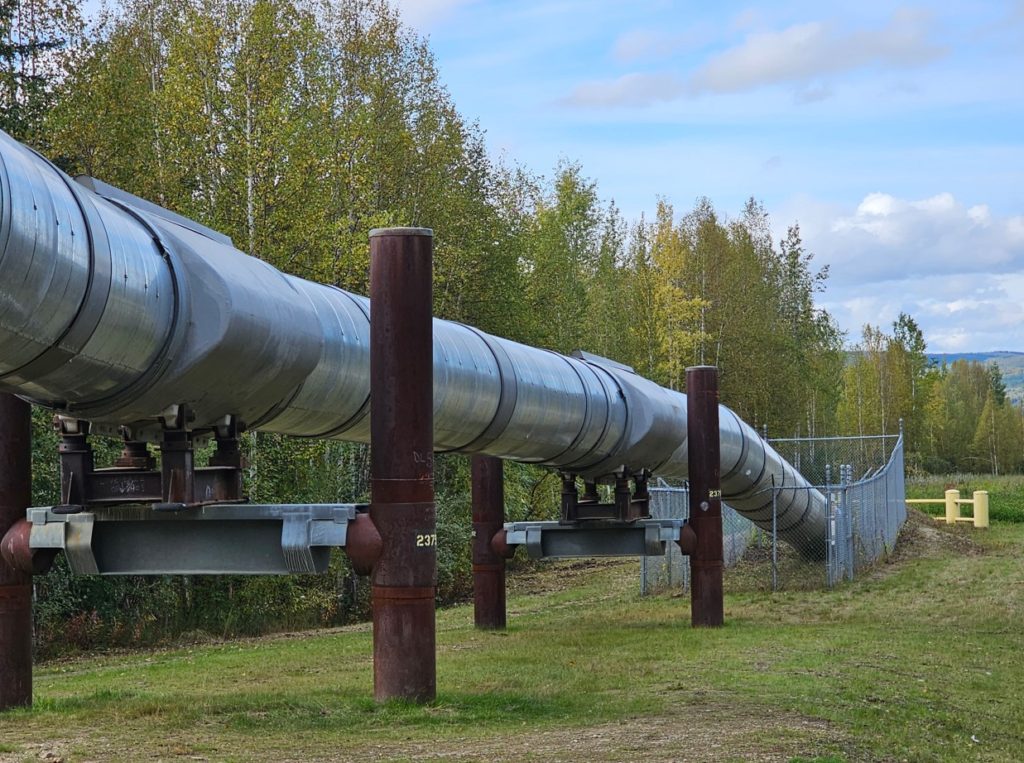
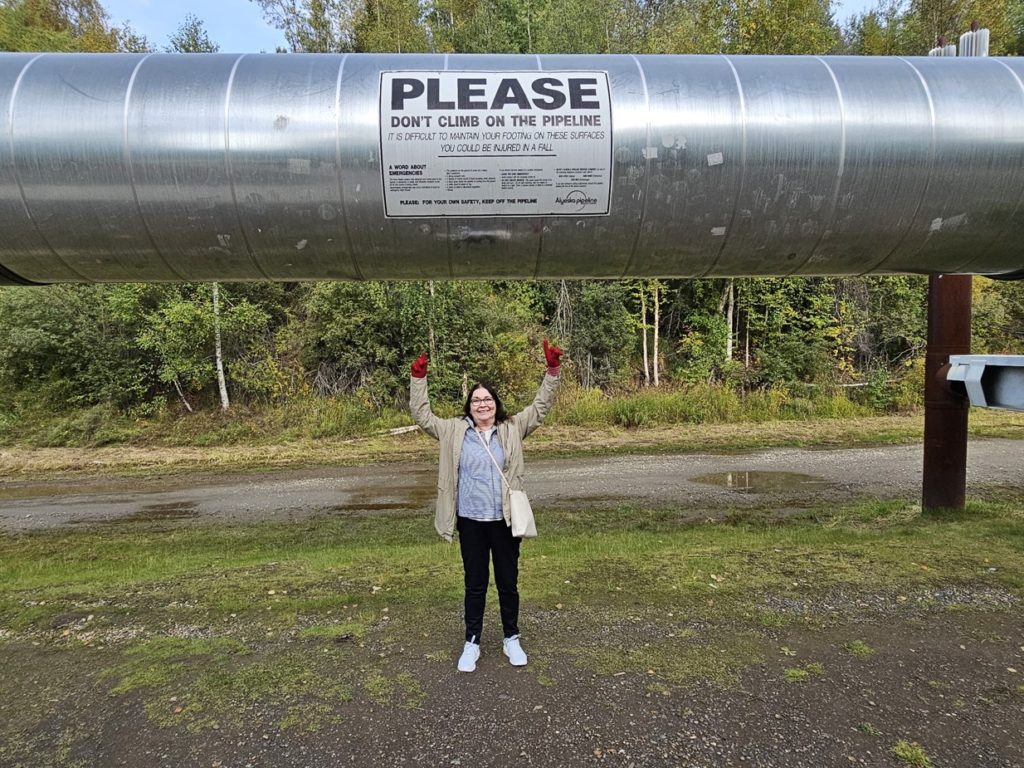
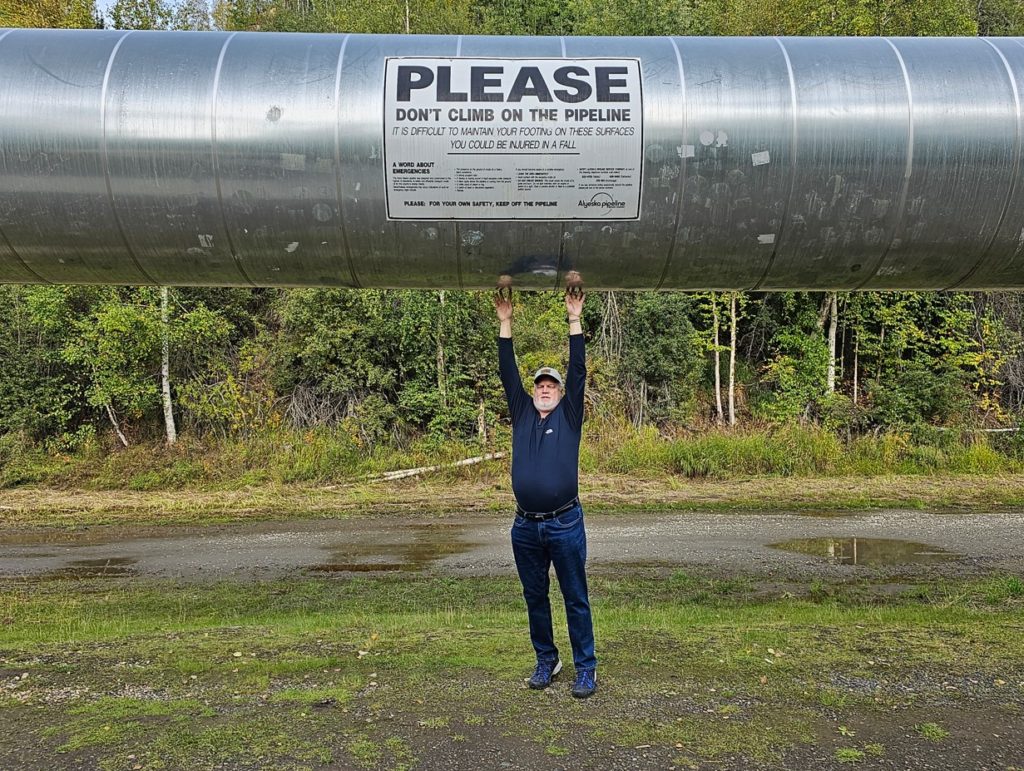
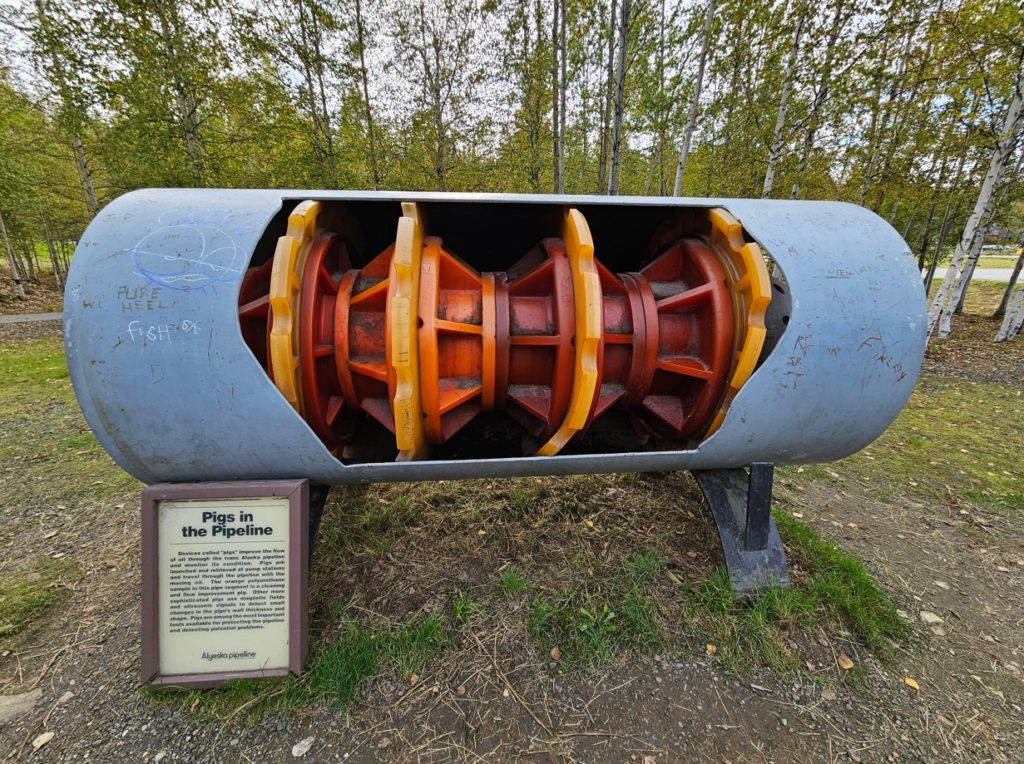
The Alyeska pipeline transports oil from the North Slope (Prudhoe Bay, ANWR) south to Valdez to load on to ships. As of 2023, it has moved over 18 billion barrels of oil since it opened in 1977, Pipeline heading south.The other side looking south.Pipeline heading north, going into the ground.This is an example of how the oil is moved, called “pigs”.