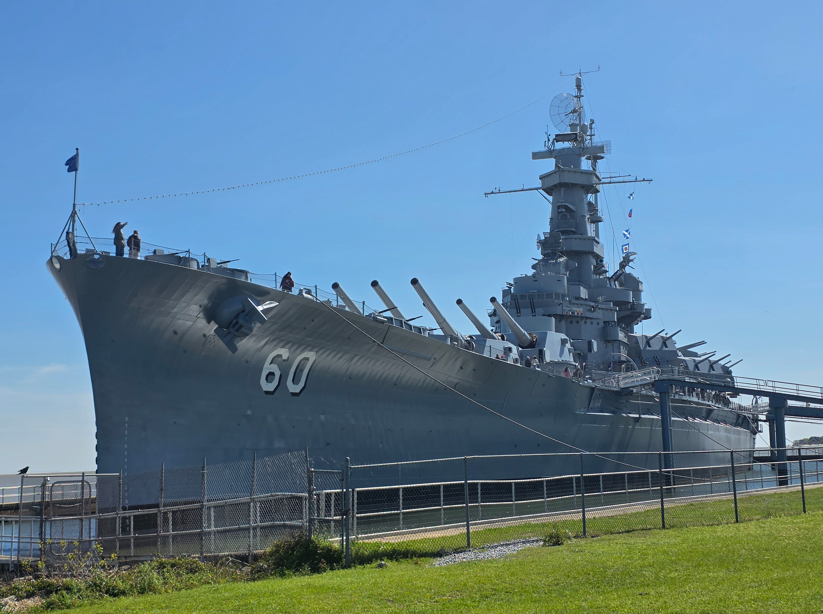
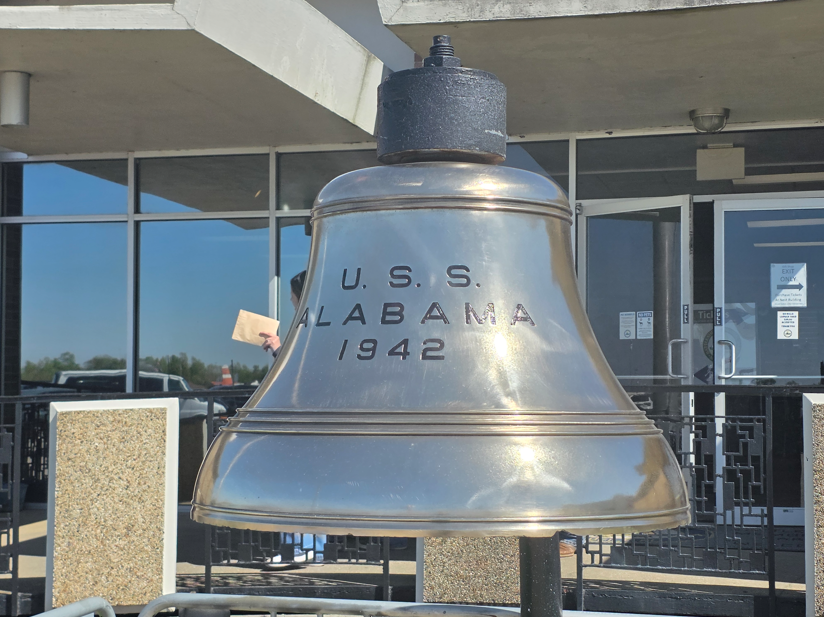
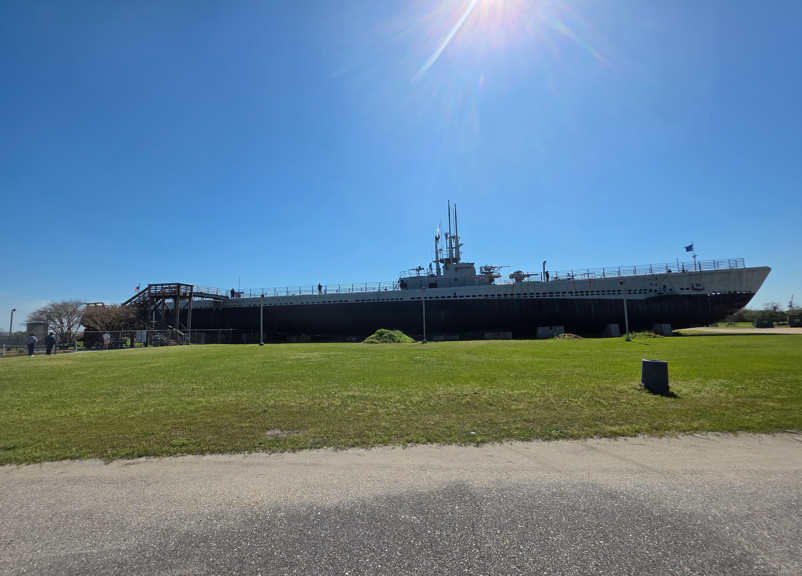
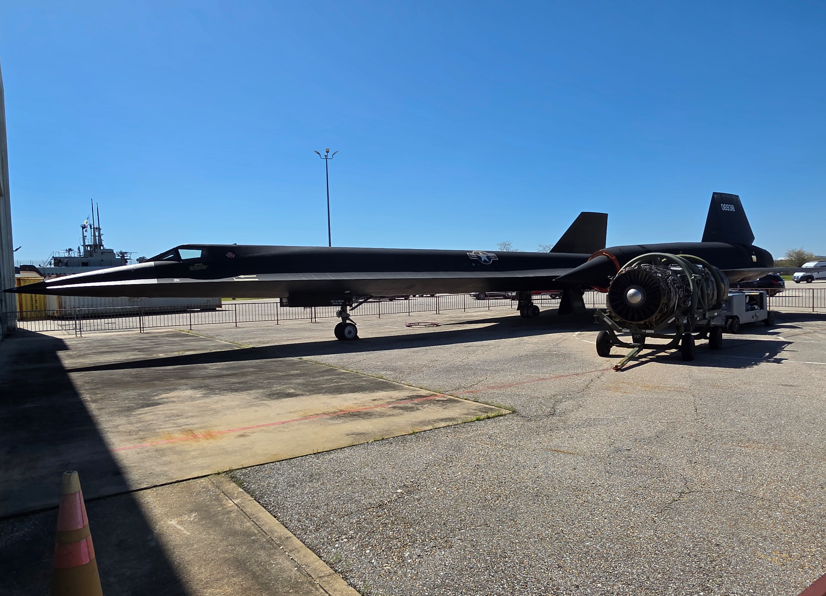
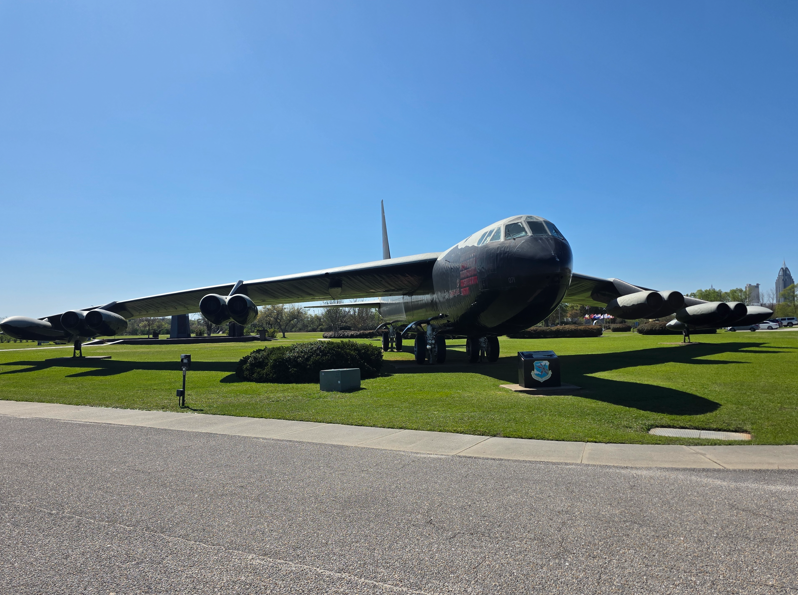
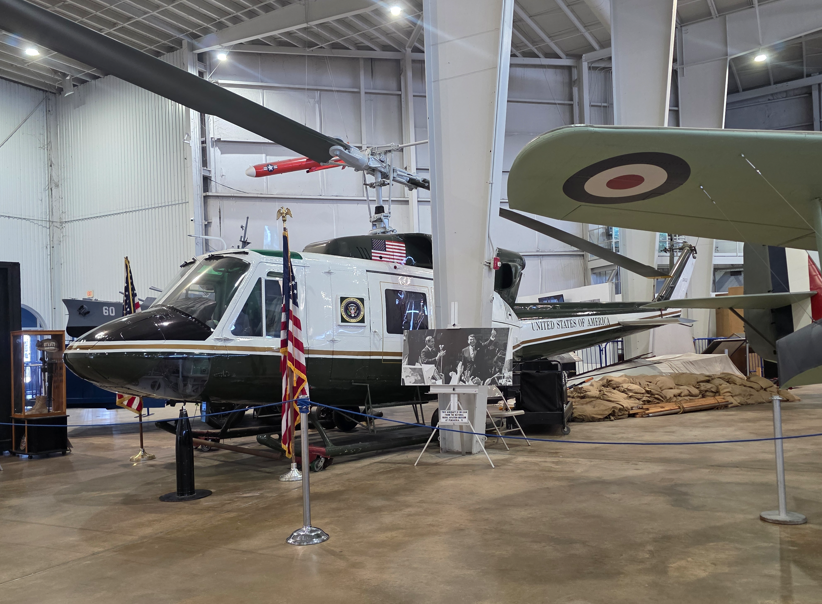
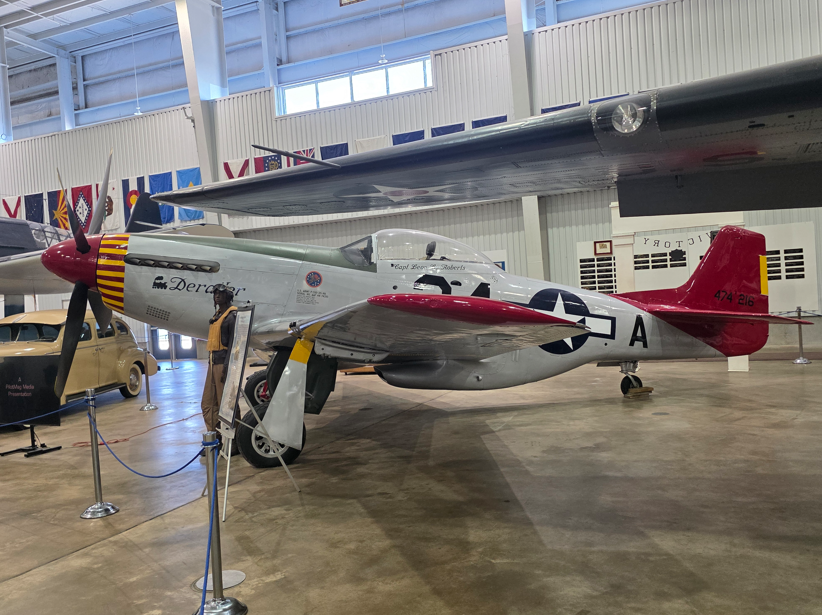
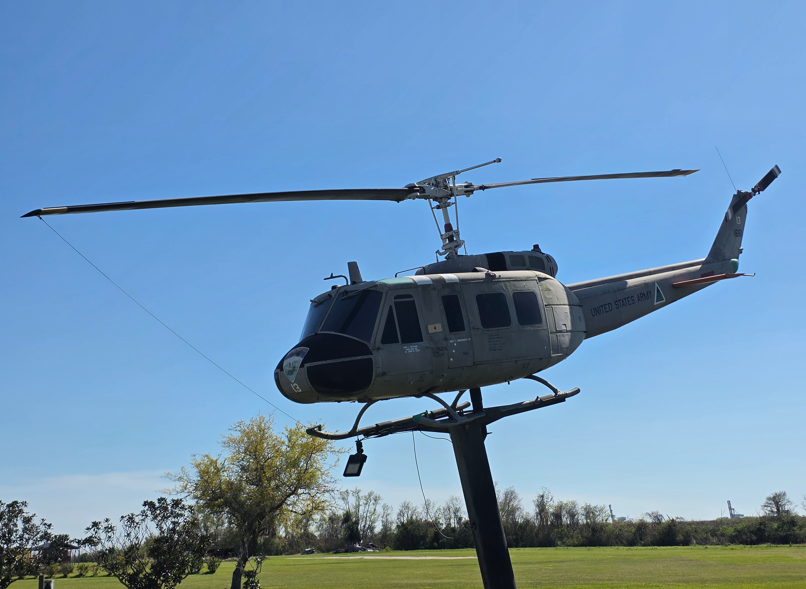
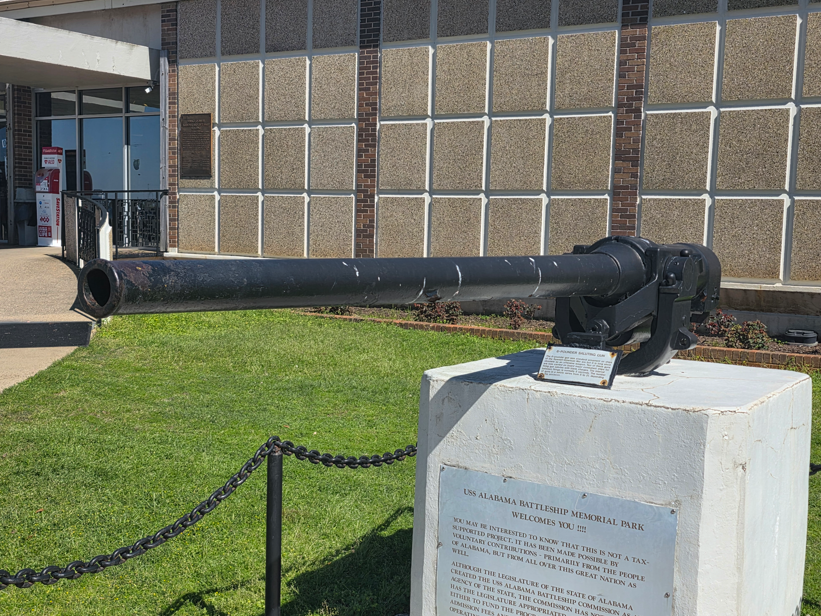
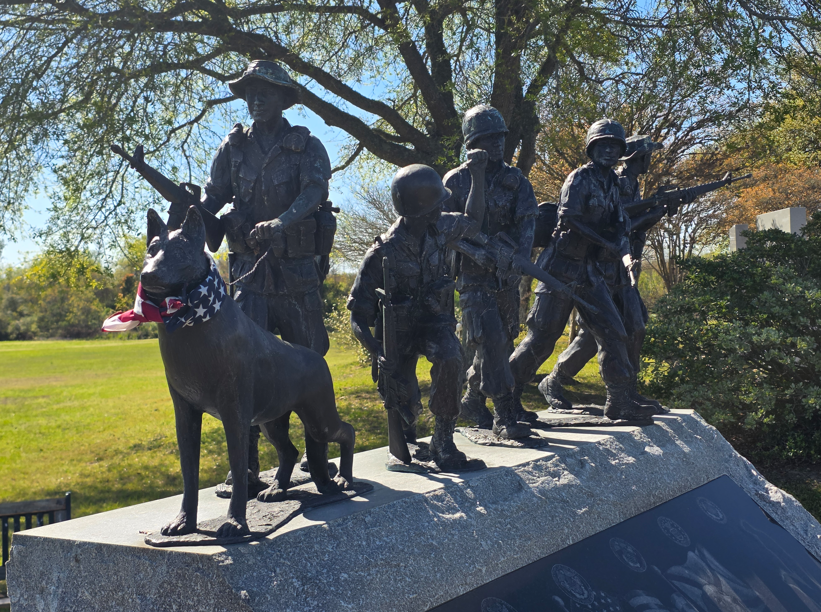
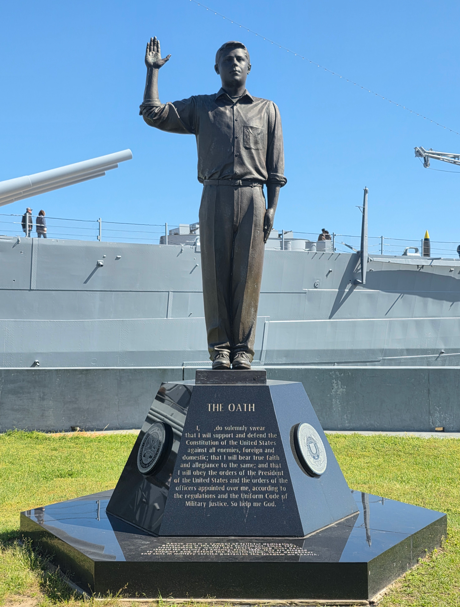
The Battleship USS Alabama had a remarkable career. She began her World War II adventures in the North Atlantic in 1943, then later that year, went to the South Pacific seas. Home to a crew of 2,500 courageous Americans, this 45,000 ton war machine’s WWII adventure culminated with BB-60 leading the American Fleet into Tokyo Bay on September 5, 1945. Nine Battle Stars for meritorious service were awarded the “Mighty A” during her brief three year tenure as the “Heroine of the Pacific”.USS Drum is the oldest American submarine in existence. During World War II, it sunk several Japanese ships.A-12 BlackbirdB-52 BomberArmy One, Presidential helicopter used by Presidents Nixon, Ford, Carter, Reagan and Bush 41.Tuskegee Airmen Redtail P-51 Mustang.Vietnam War helicopter display.6-Pounder Saluting Gun was a standard armament on ships of the Spanish-American War era but is long since obsolete as an offensive weapon. Two of these guns are now carried on board major combatant ships for firing gun salutes with blank charges.This is a memorial to war dogs.
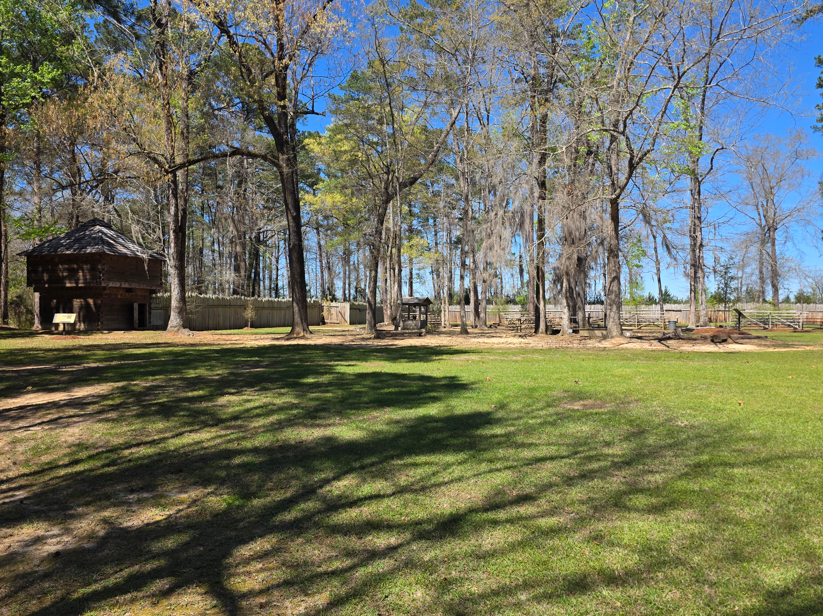
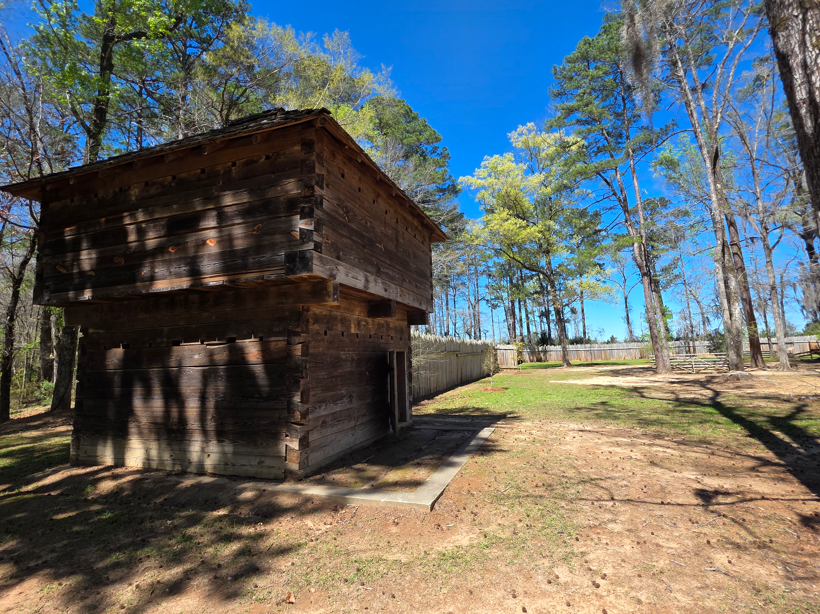
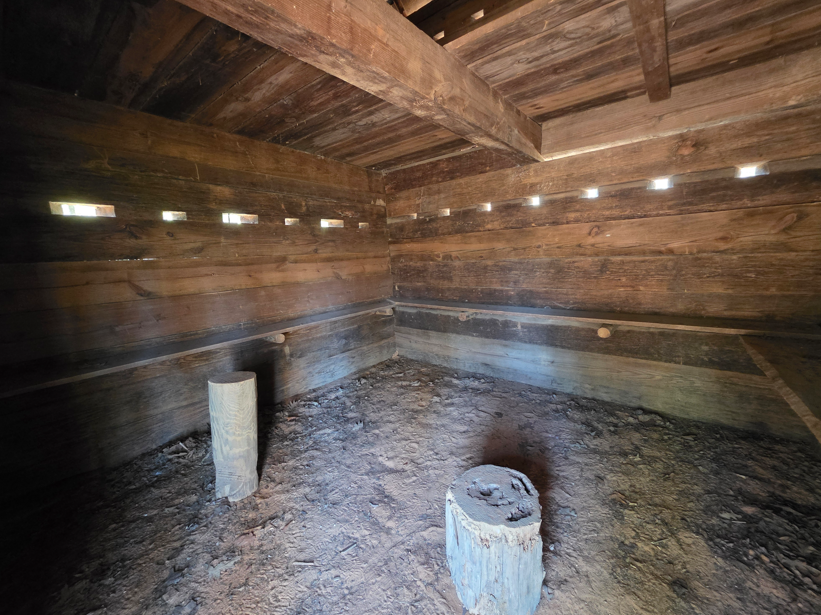
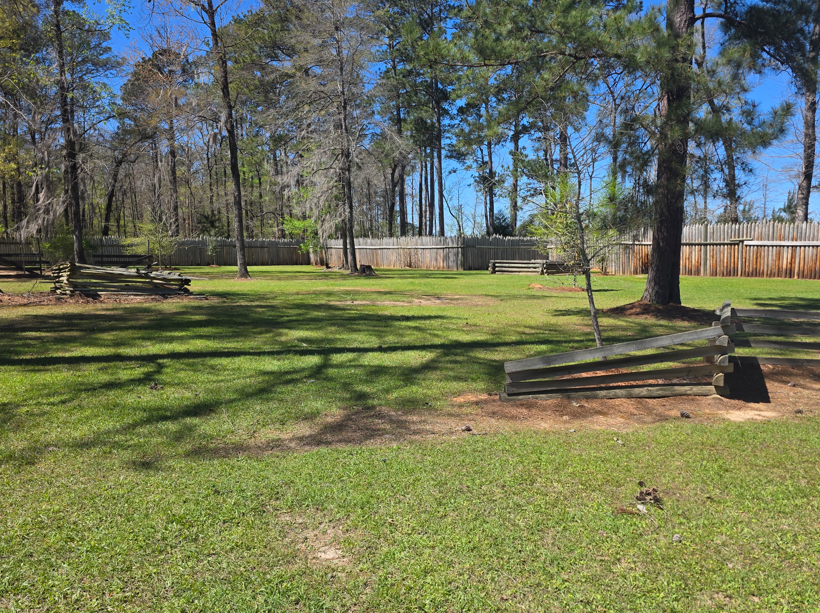
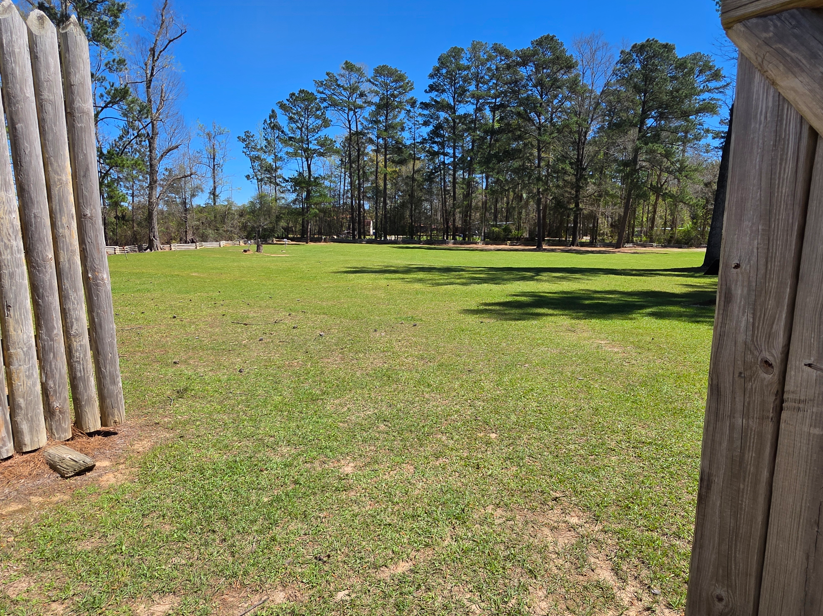
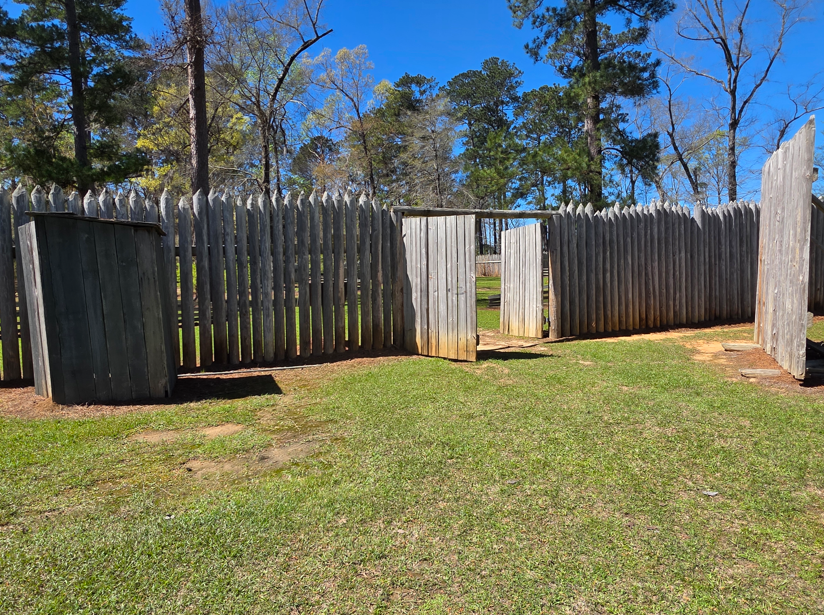
In 1813 Redstick faction of the Creek Indian Nation opposed growing American influence in the area and voted for war. Other Creeks living in the area had intermarried with the European and American settlers and were close allies. Early in the summer local American militia allied Creeks attacked a group of Redsticks at Burnt Corn Creek. With tensions growing, many families took refuge in quickly fortified sites. On this site they built a stockade around Samuel Mills plantation. Later, Mississippi volunteers helped enlarge it. As weeks passed without an attack the people at Fort Mims grew complacent. Around noon on August 30, about 700 Redstick warriors attacked the fort, entering through an openg ate and firing into the fort through poorly designed gunports. The commander Major Daniel Beasely died in the first wave. The attack continued for five hours and ended with more than 500 attacked and defenders dead, including most of the women and children at the fort. News spread quickly, and Americans rallied to crush the “Creek War”, which was accomplished by General Andrew Jackson at the Battle of Horseshoe Bend.Block HouseInside the Block House
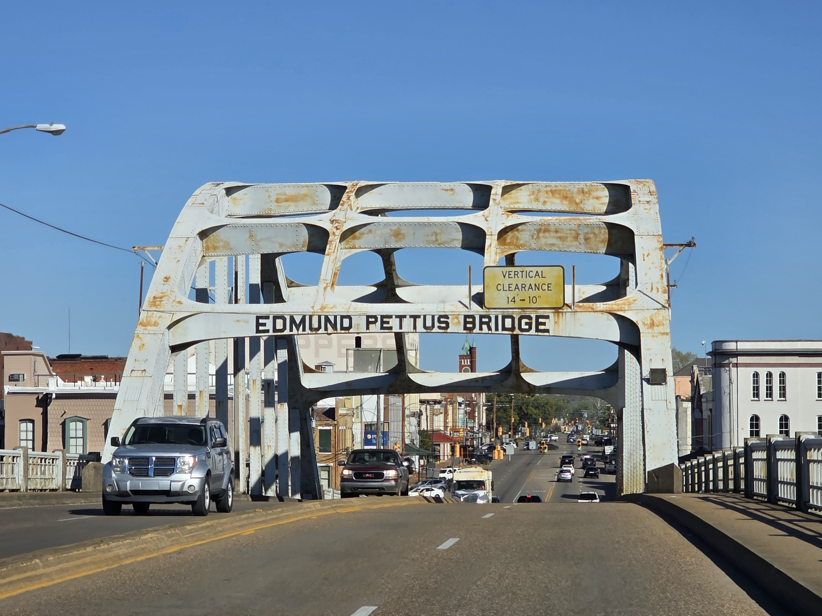
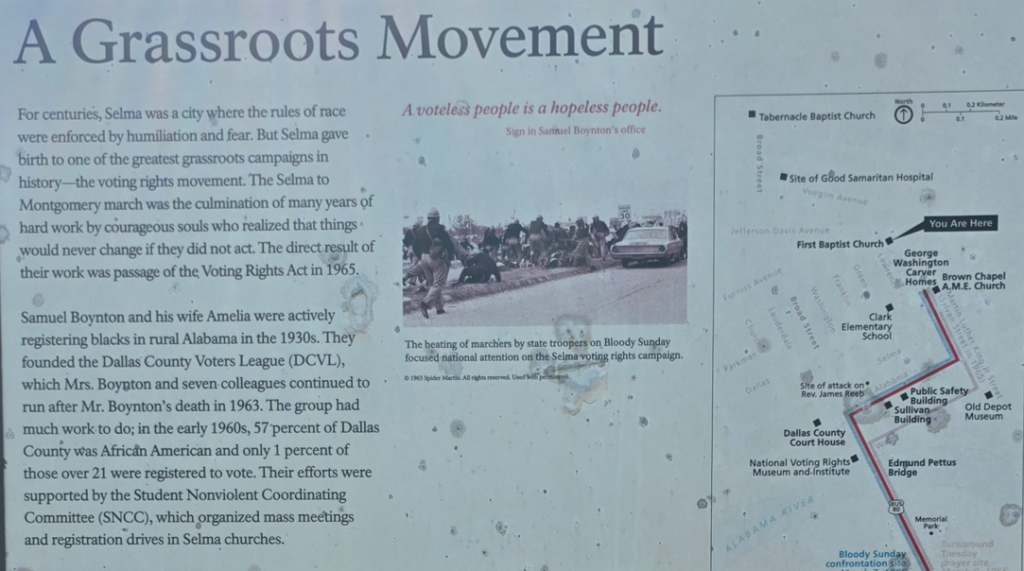
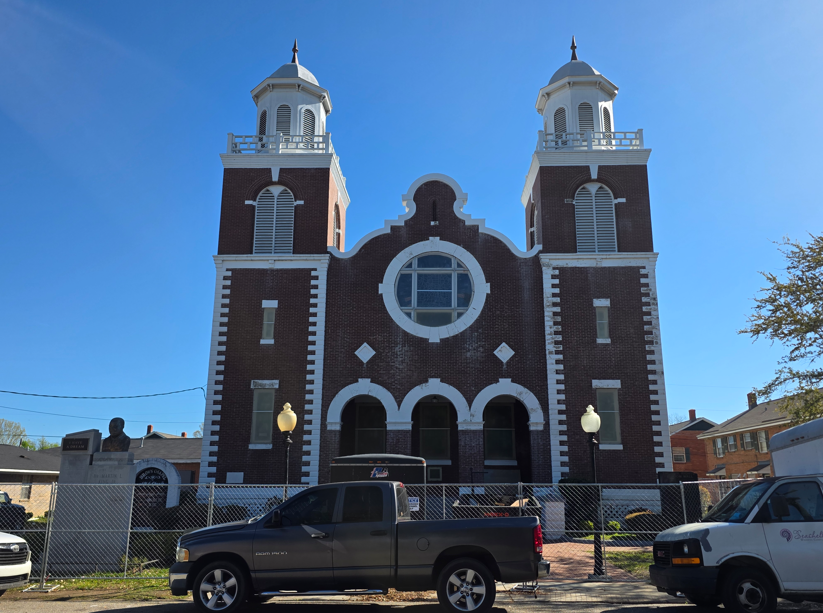
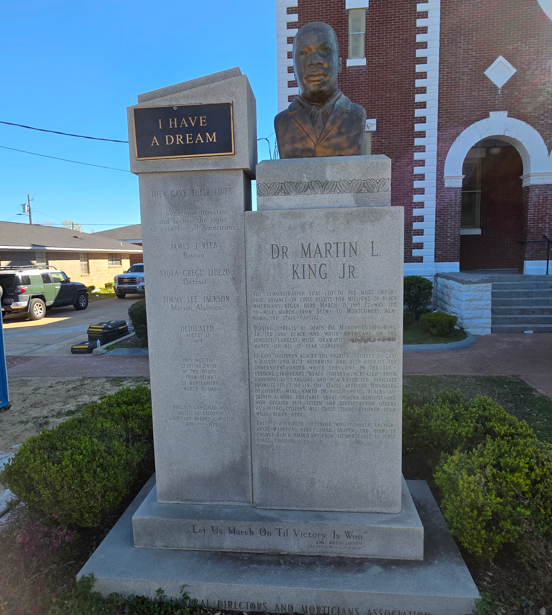
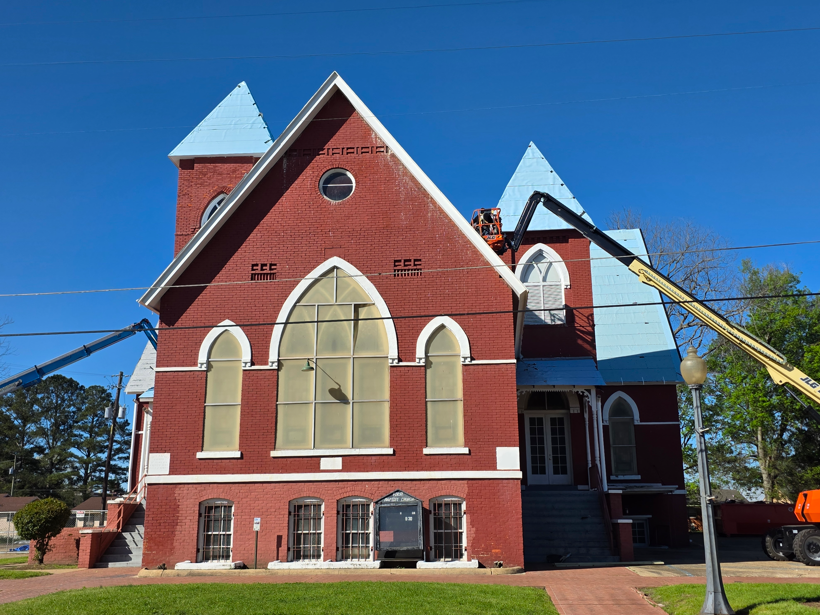
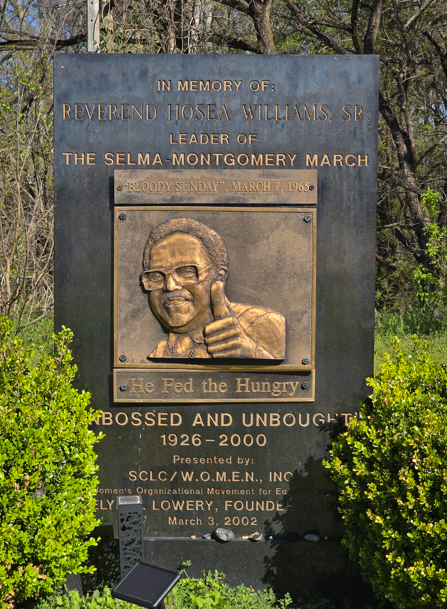
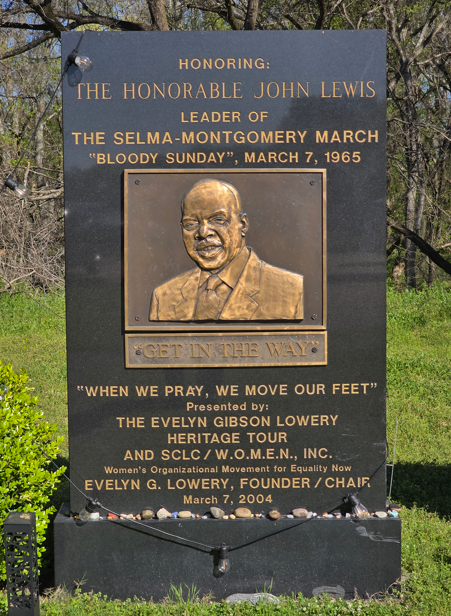
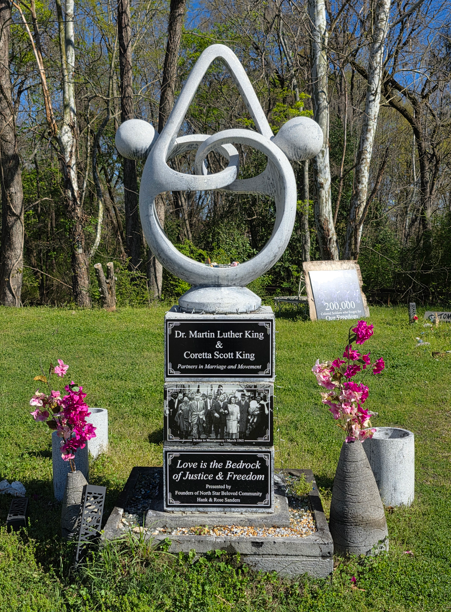
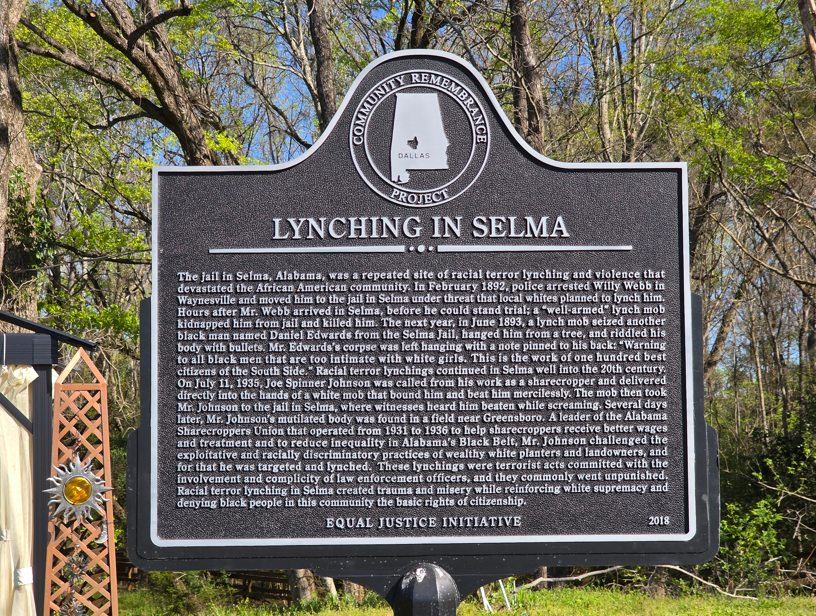
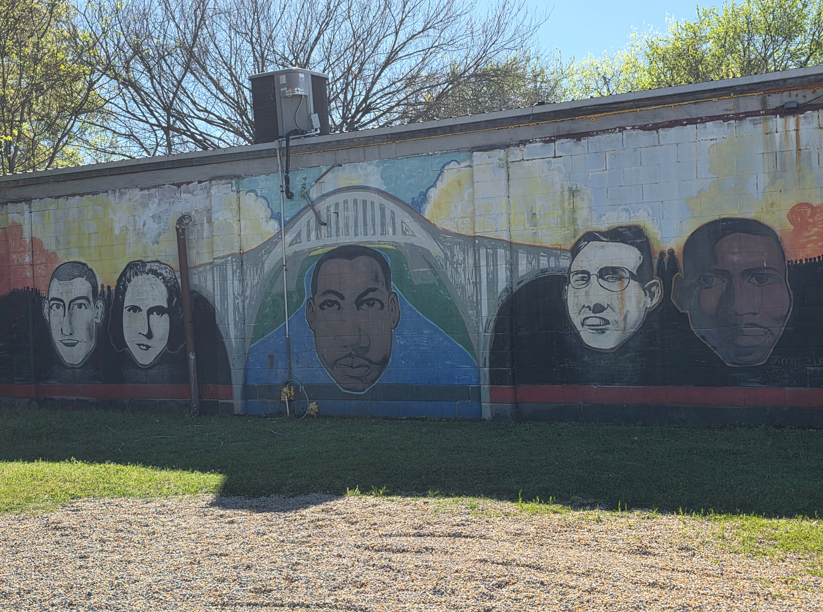
Edmund Pettus Bridge, crossing the Alabama River in Selma, Alabama, that was the site of what became known as “Bloody Sunday,” a landmark event in the history of the American civil rights movement. On that day, March 7, 1965, white law-enforcement officers violently dispersed protesters, the vast majority of whom were African American, as they crossed the bridge during the first attempt to initiate the Selma March.Martin Luther King speech at Brown Chapel, January 1965: When we get the right to vote, we will send to the statehouse not men who will stand in the doorways of universities to keep Negroes out, but men who will uphold the cause of justice. Give us the ballot.Memorial to Martin Luther KingFirst Baptist Church was the first church in Selma to host meetings and activities of the Dallas County Voters League, violating unconstitutional anti-mass meeting laws, where in 1965 it organized the Selma to Montgomery march.Monuments at Civil Rights Memorial Park
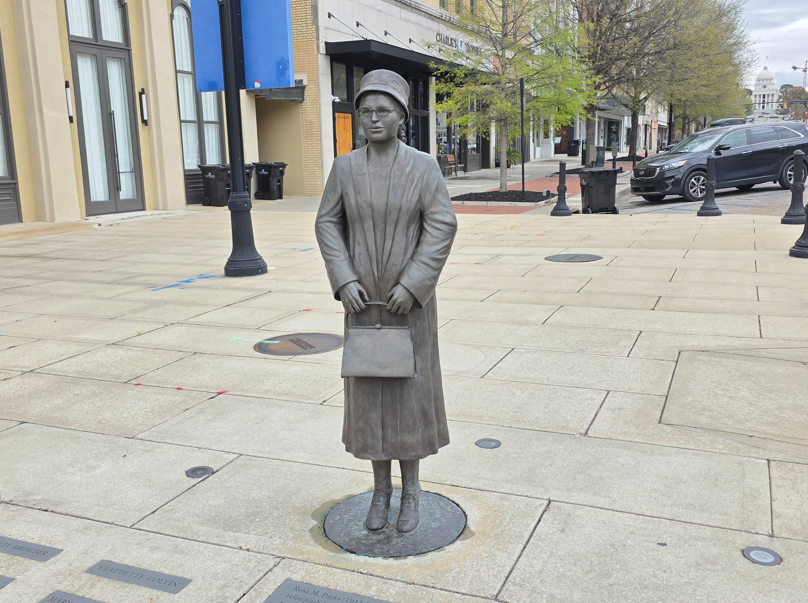
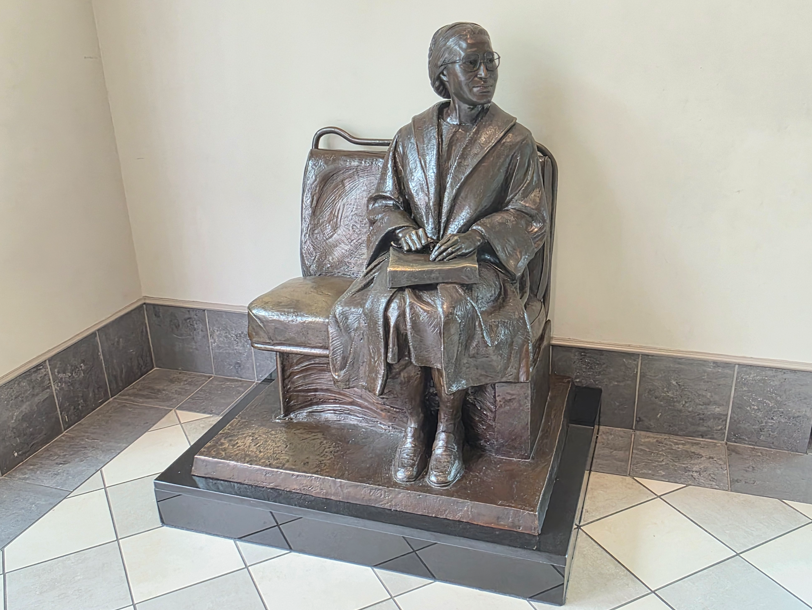
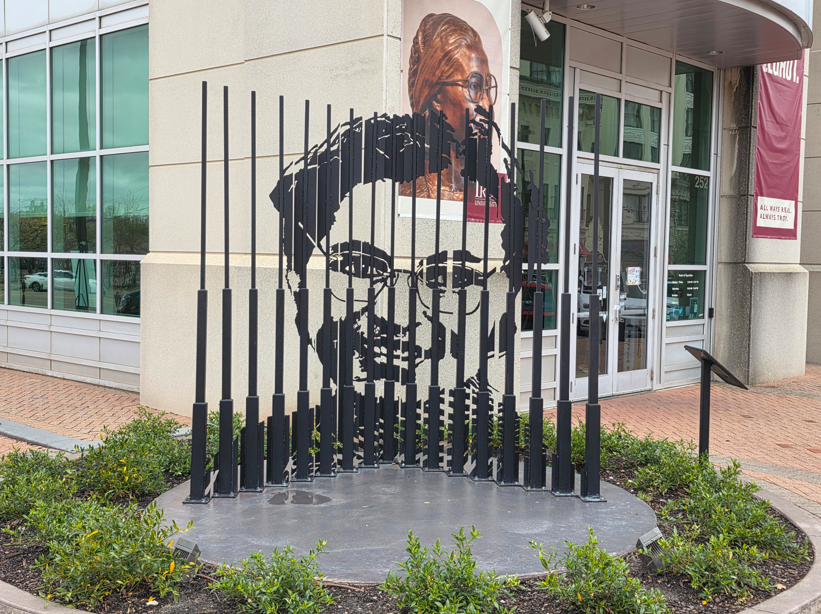
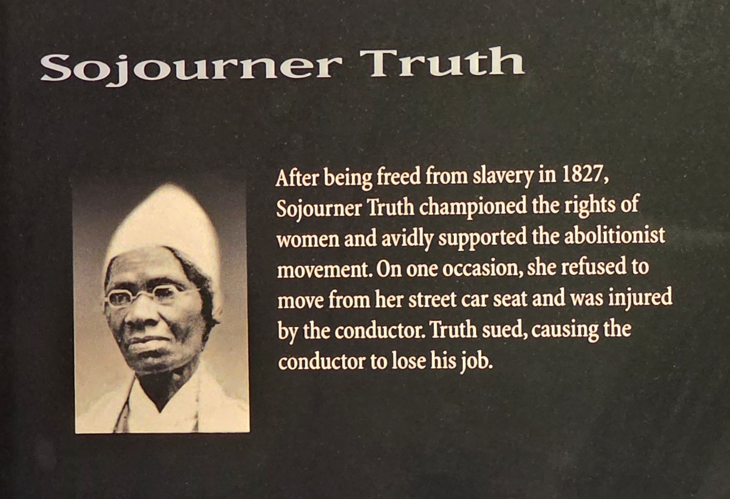
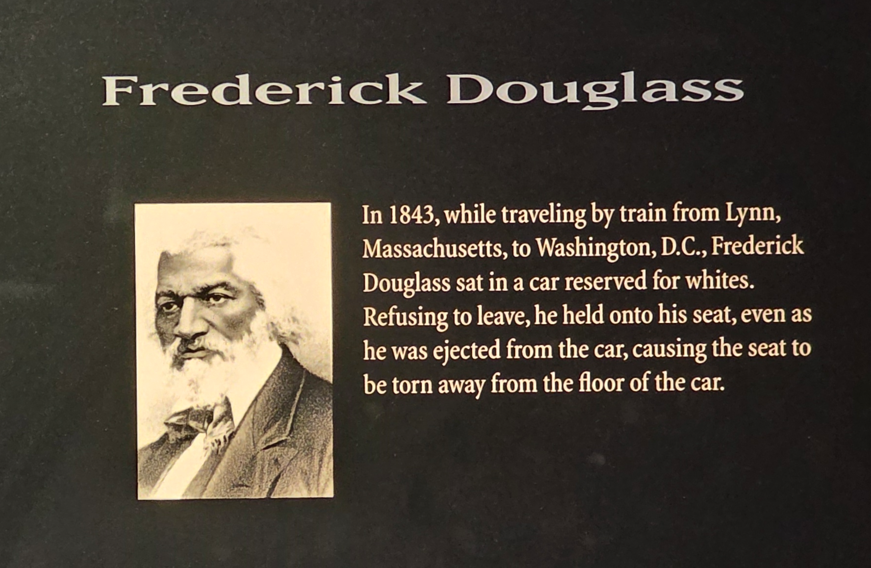
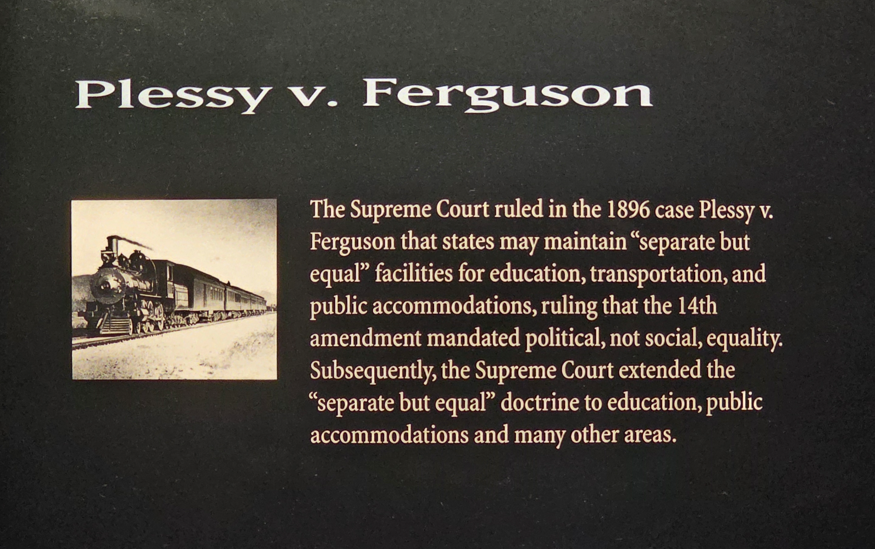
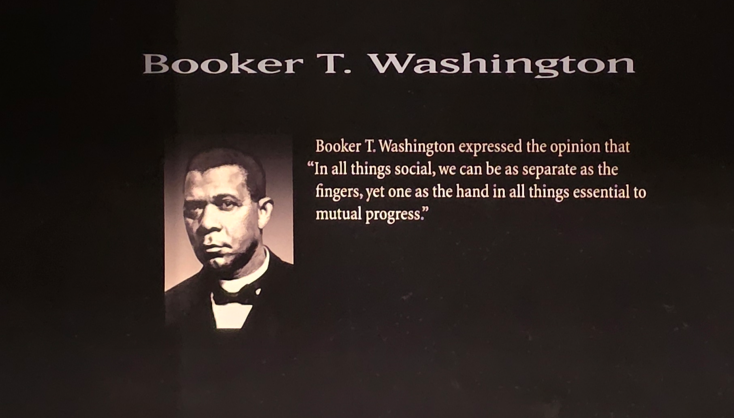
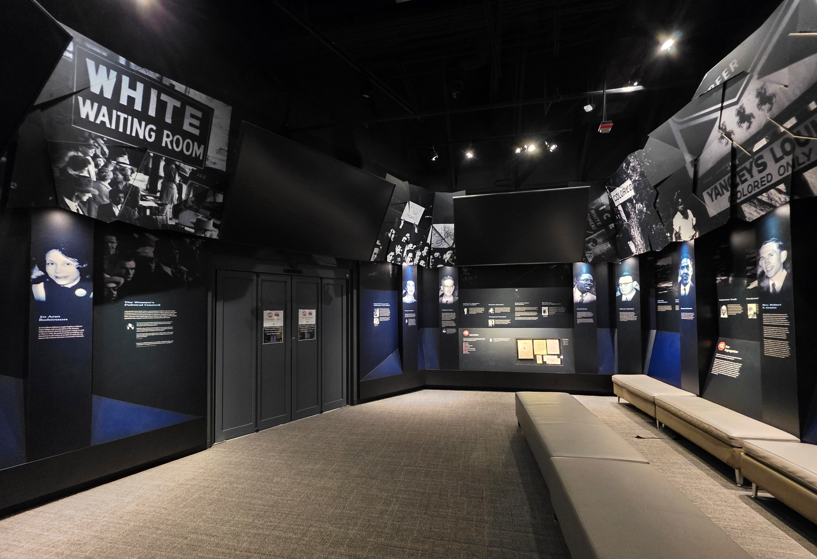
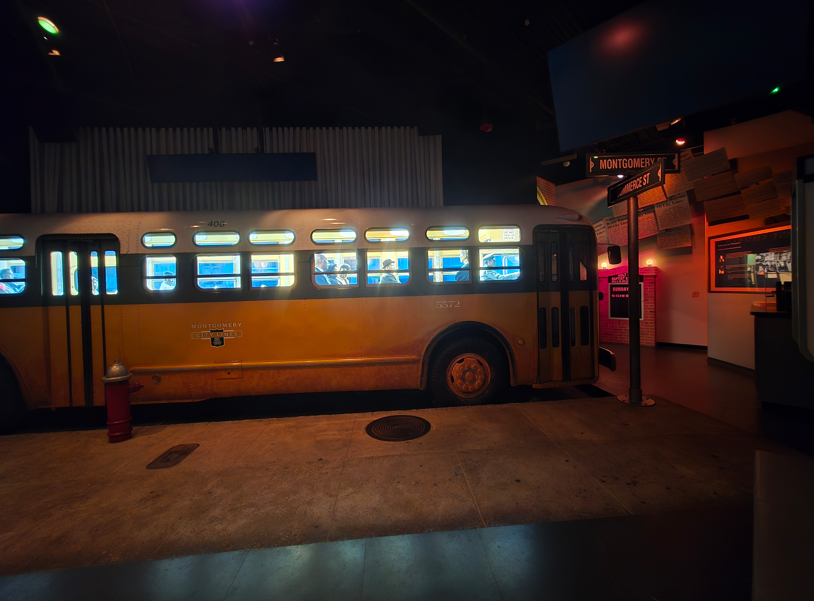
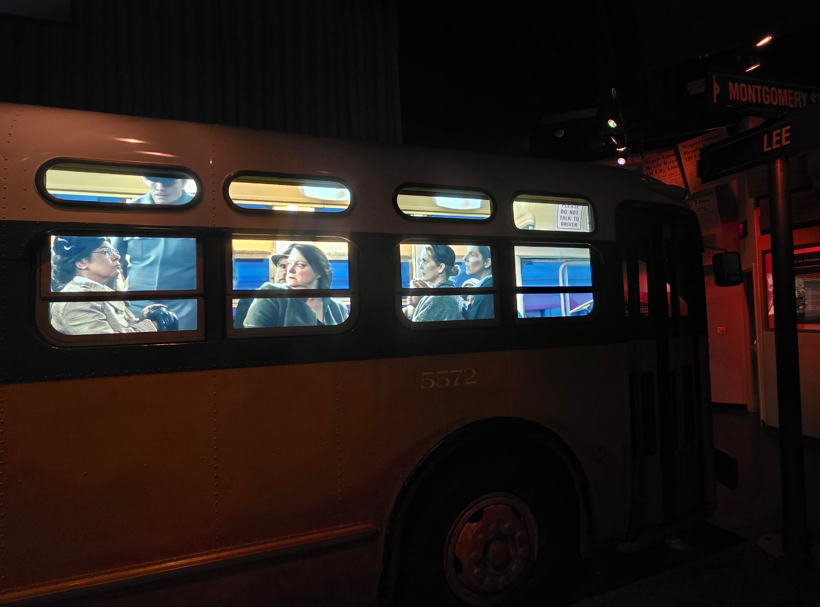
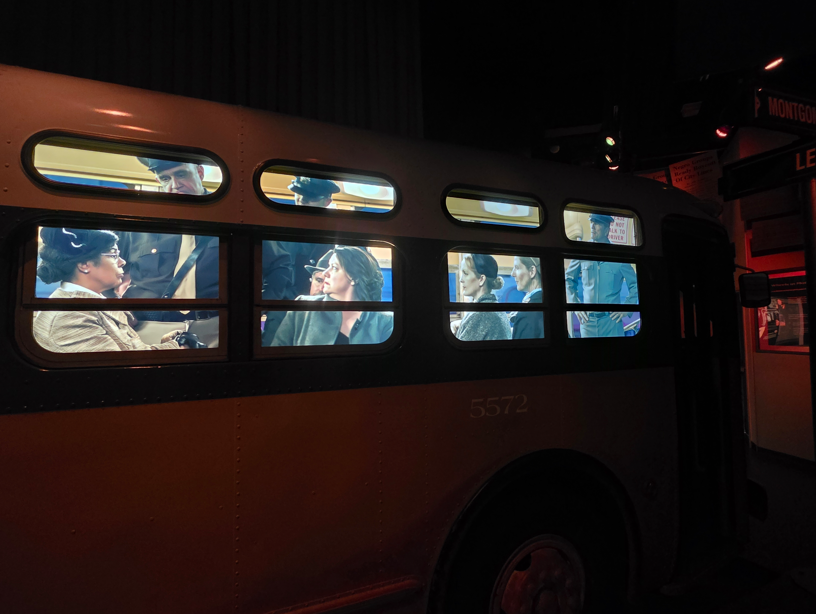
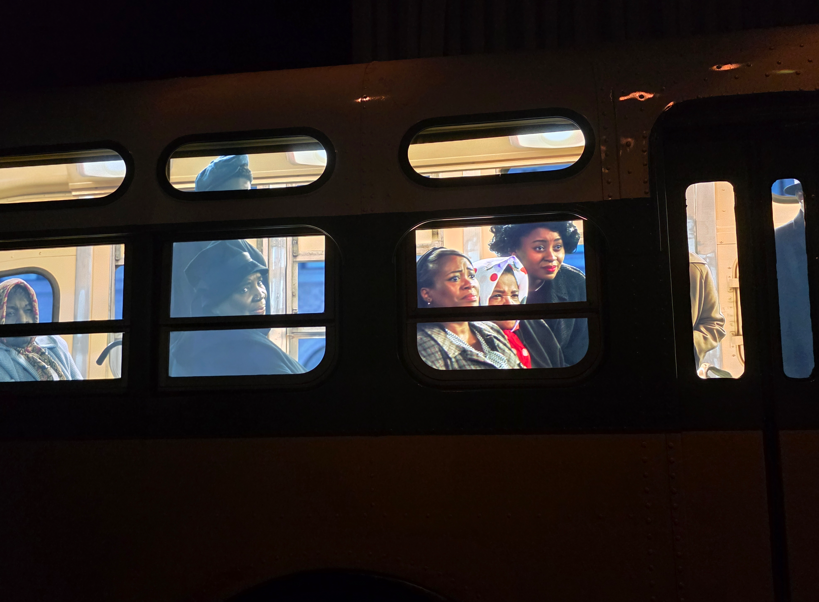
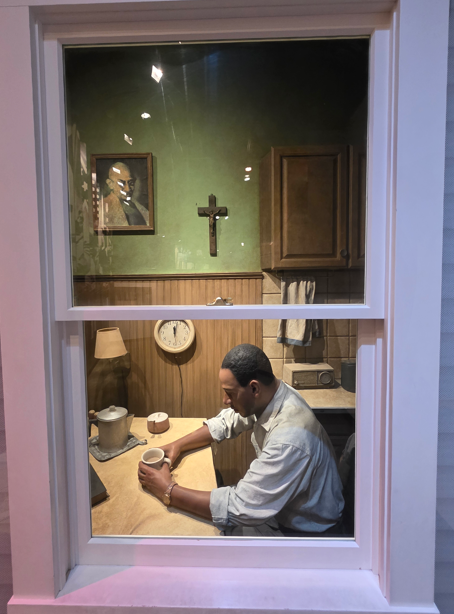
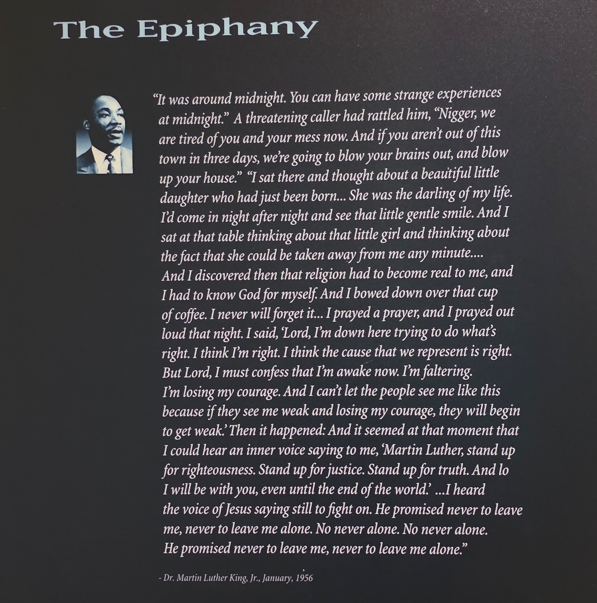
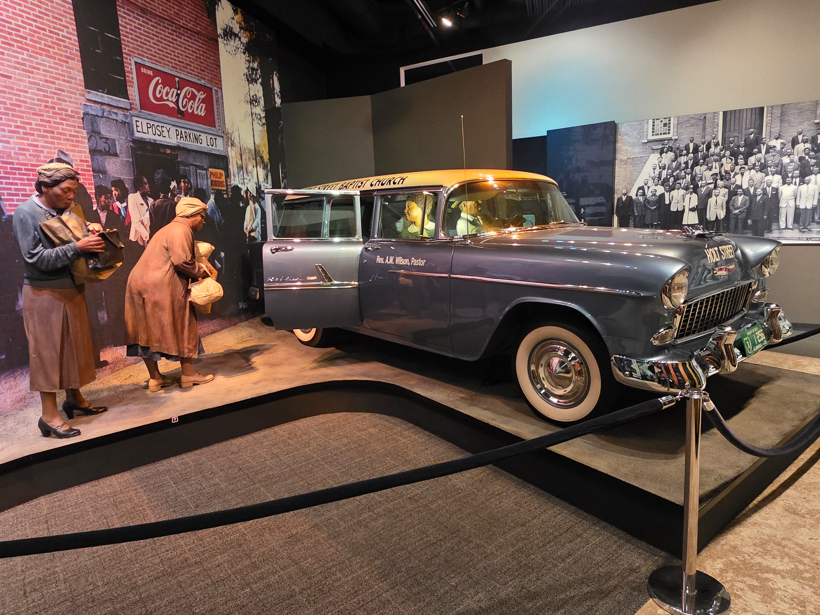
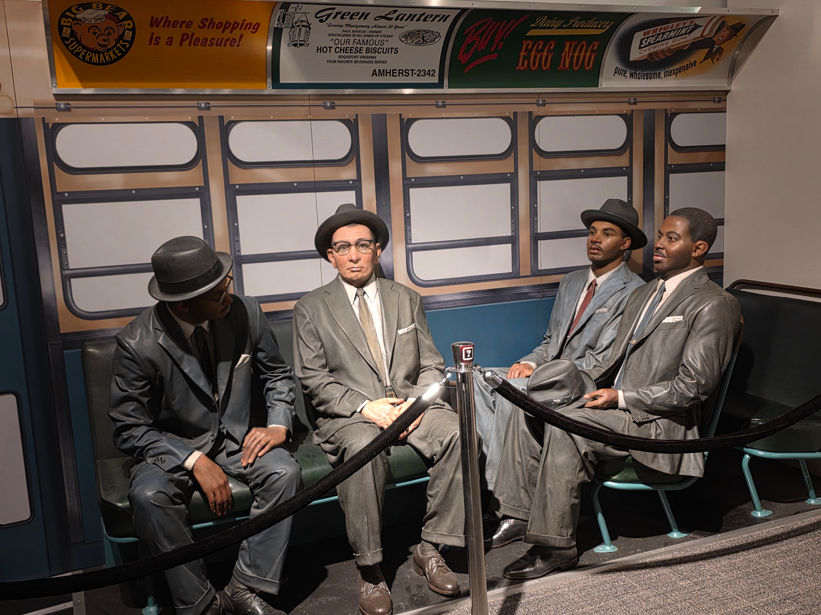
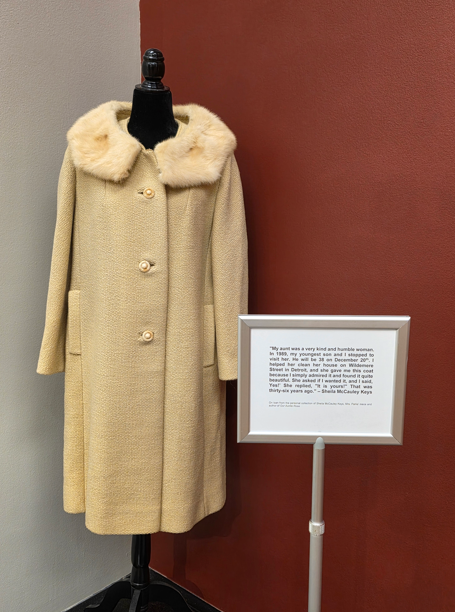
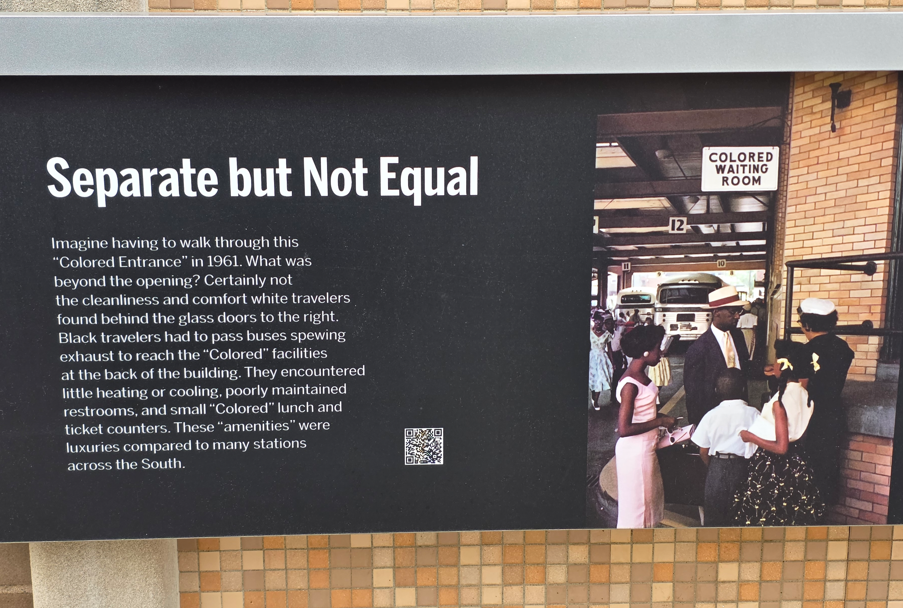
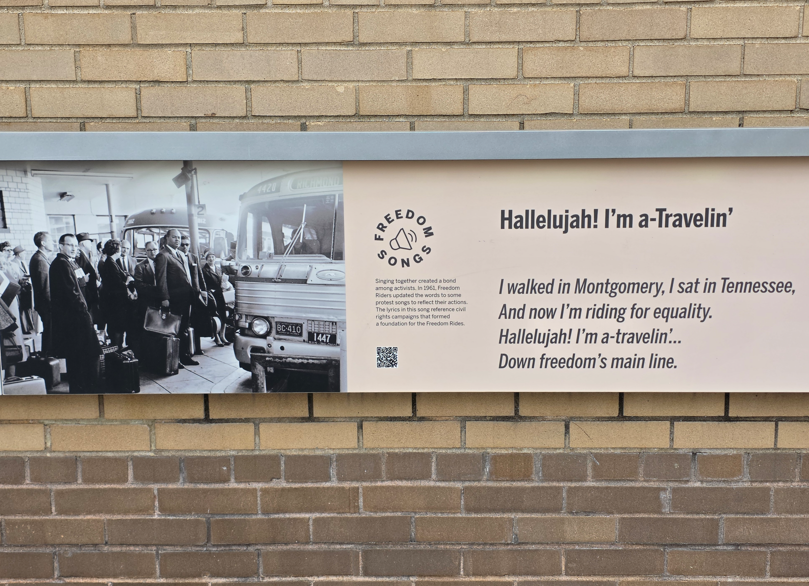
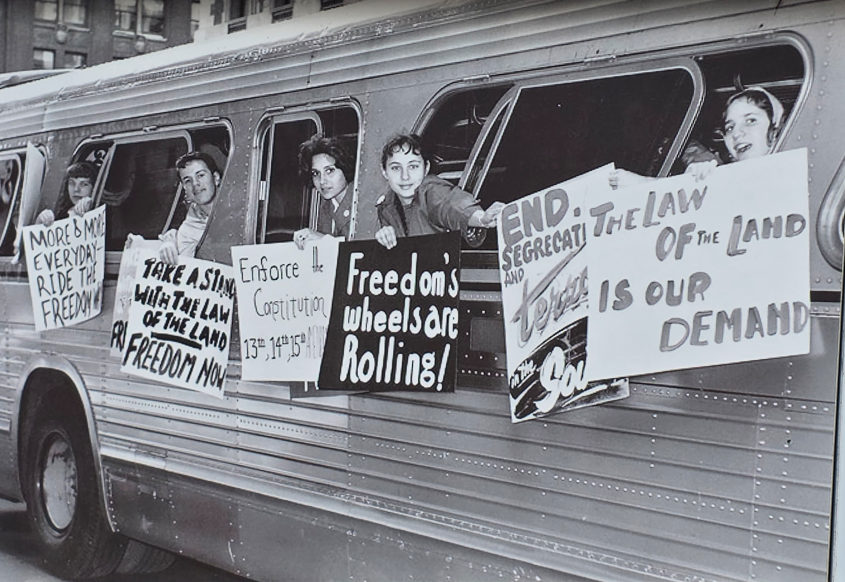
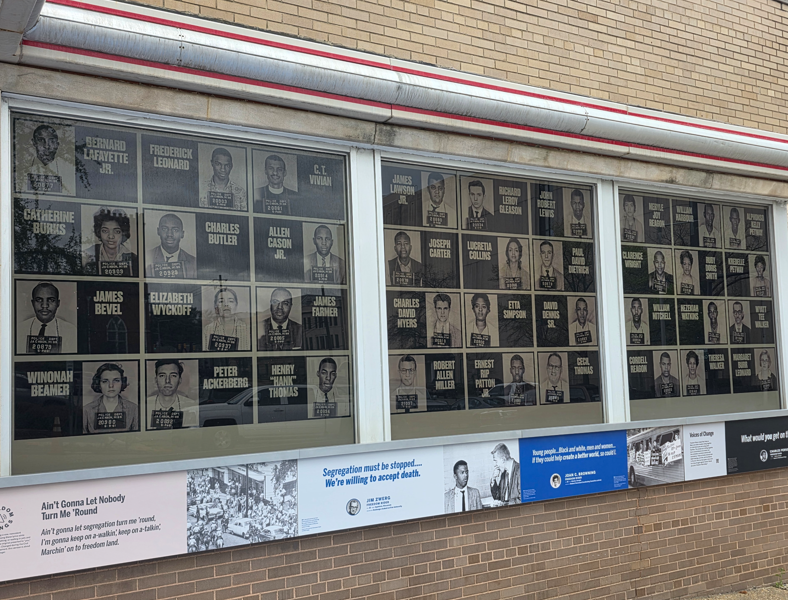
In the 1950s blacks were not allowed to sit in the front half of public buses. They were expected to go to the back of the bus. And if a white person wanted their seat, the black was expected to give up their seat to the white person. Rose Parks refused to do this 1955.The Rosa Parks Museum is a good tribute to Rosa Parks.The waiting room before going into the exhibits highlights civil rights leaders in US history.This exhibit dramatizes Rosa Parks on the bus in 1955Here, Rosa is sitting on a seat, and the bus driver is telling her she needs to give up her seat.She refused, so now the police have been called in.After Parks’ arrest, people on the bus watch with emotion.Martin Luther King exhibit.Churches were active in opposing the way buses were conducted.One of Rosa Parks’ coats.