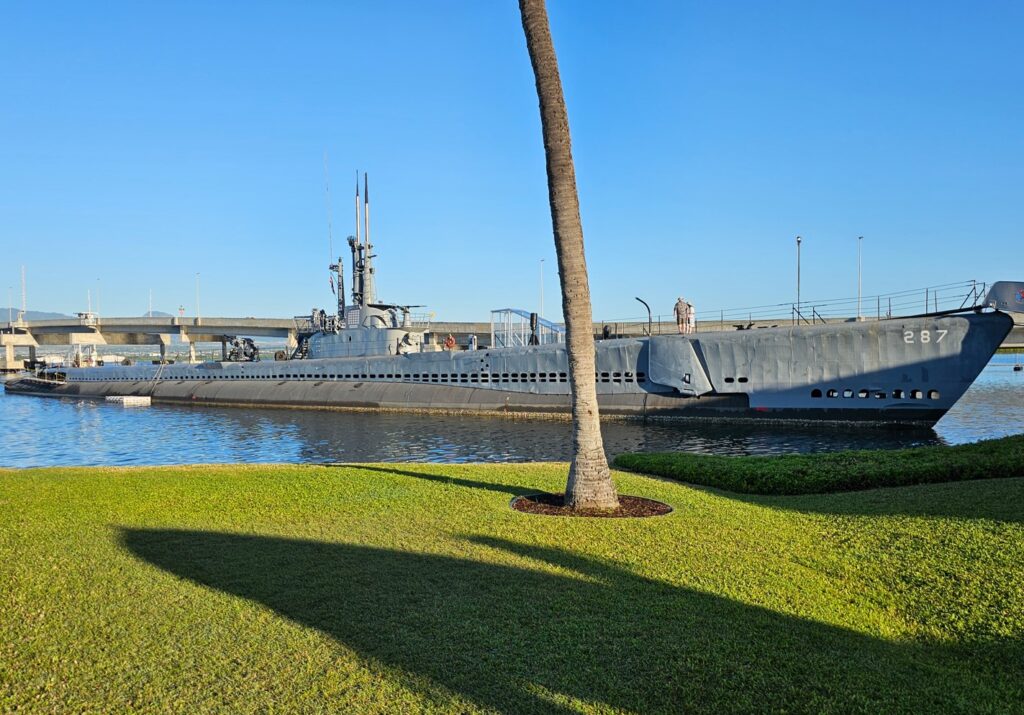
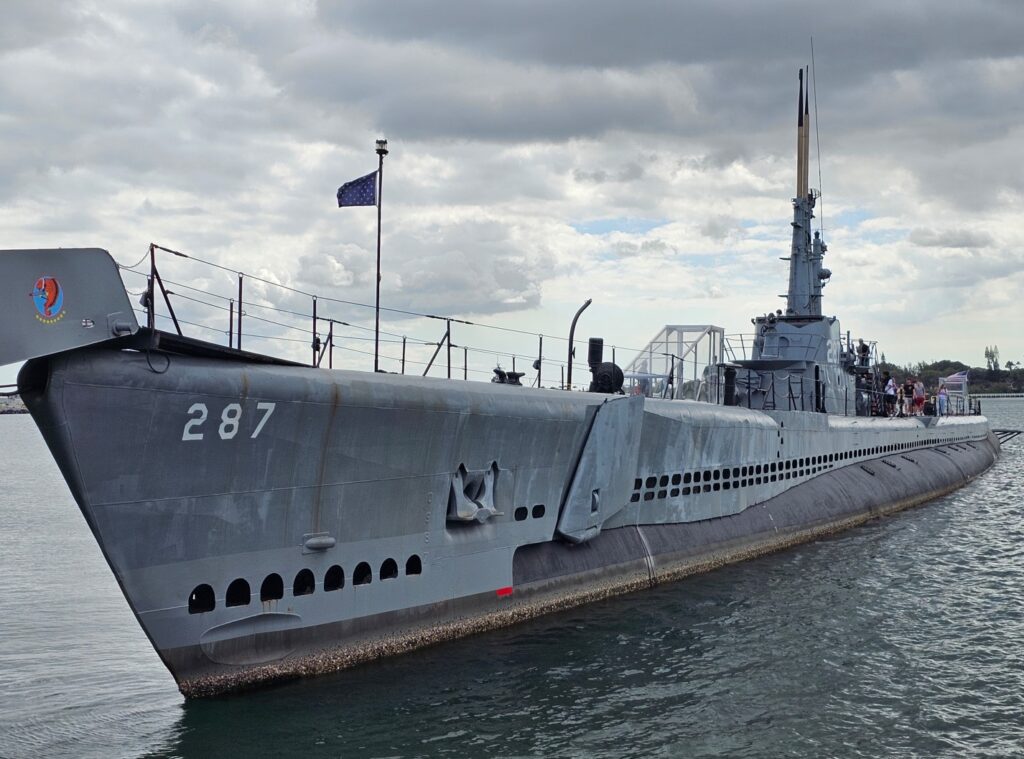
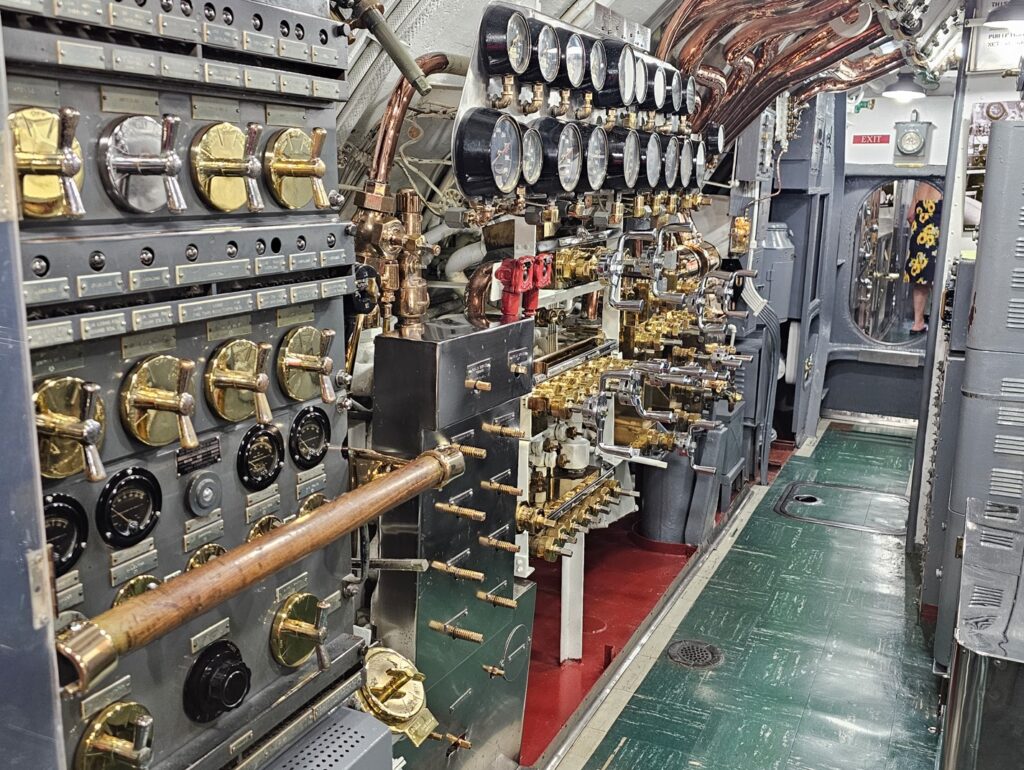
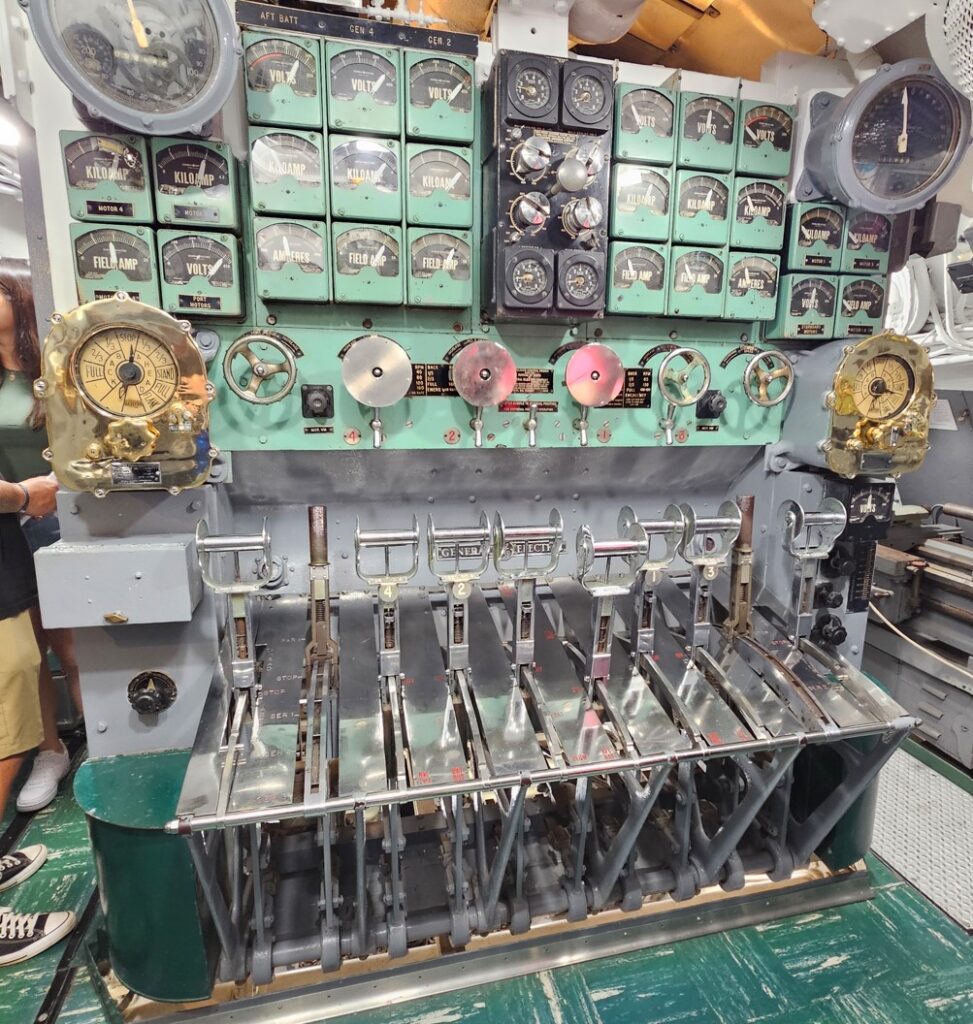
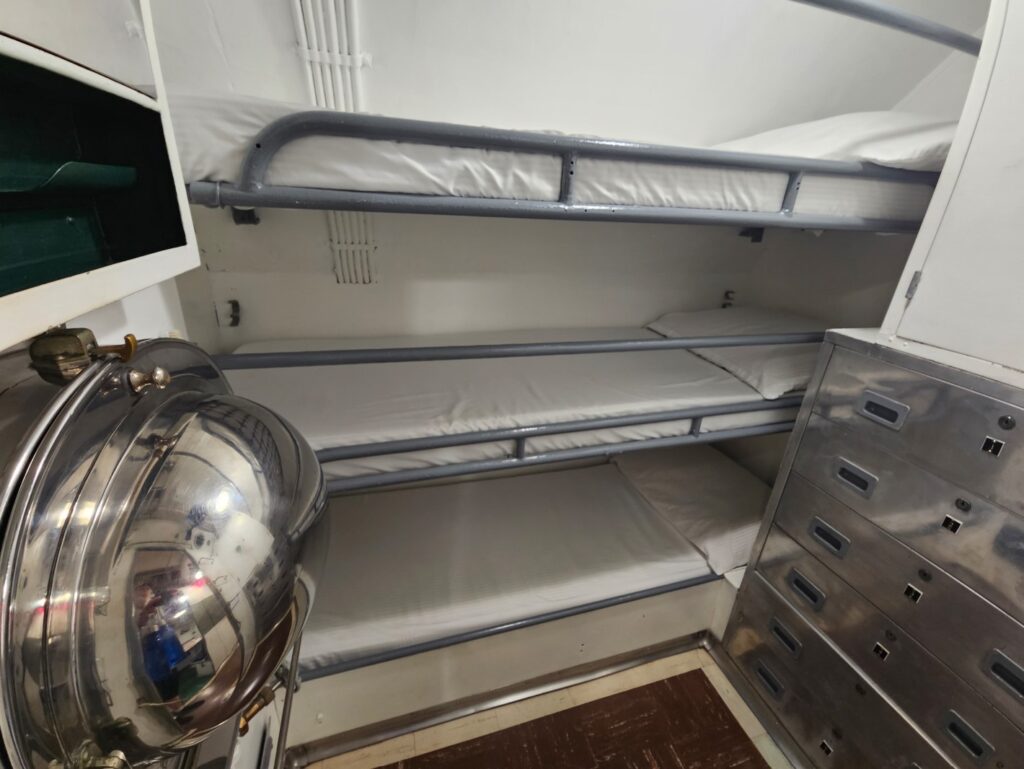
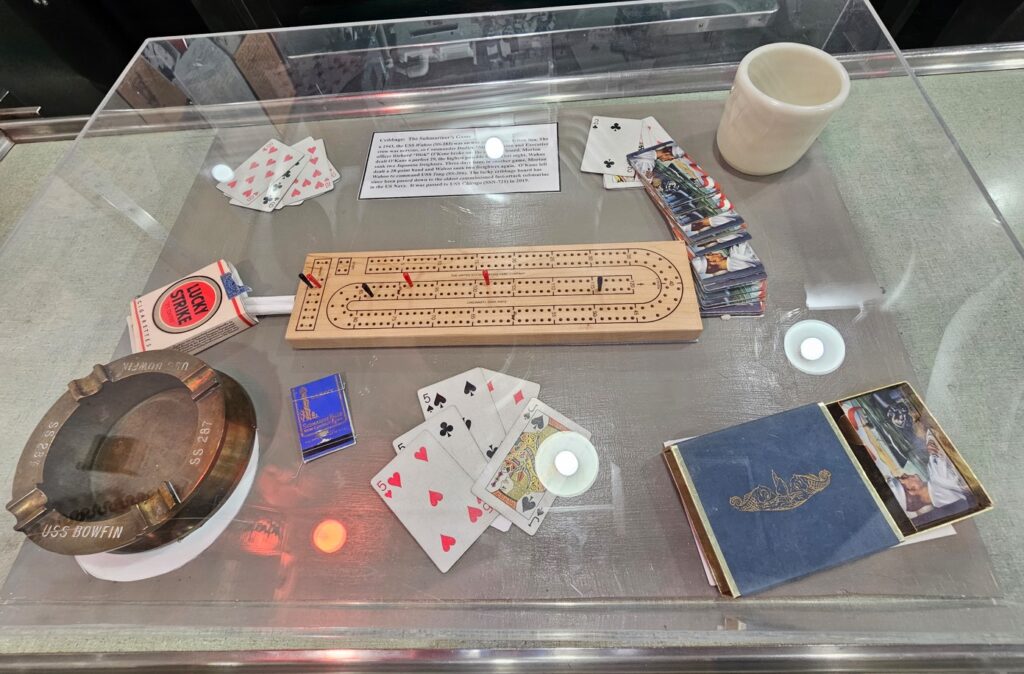
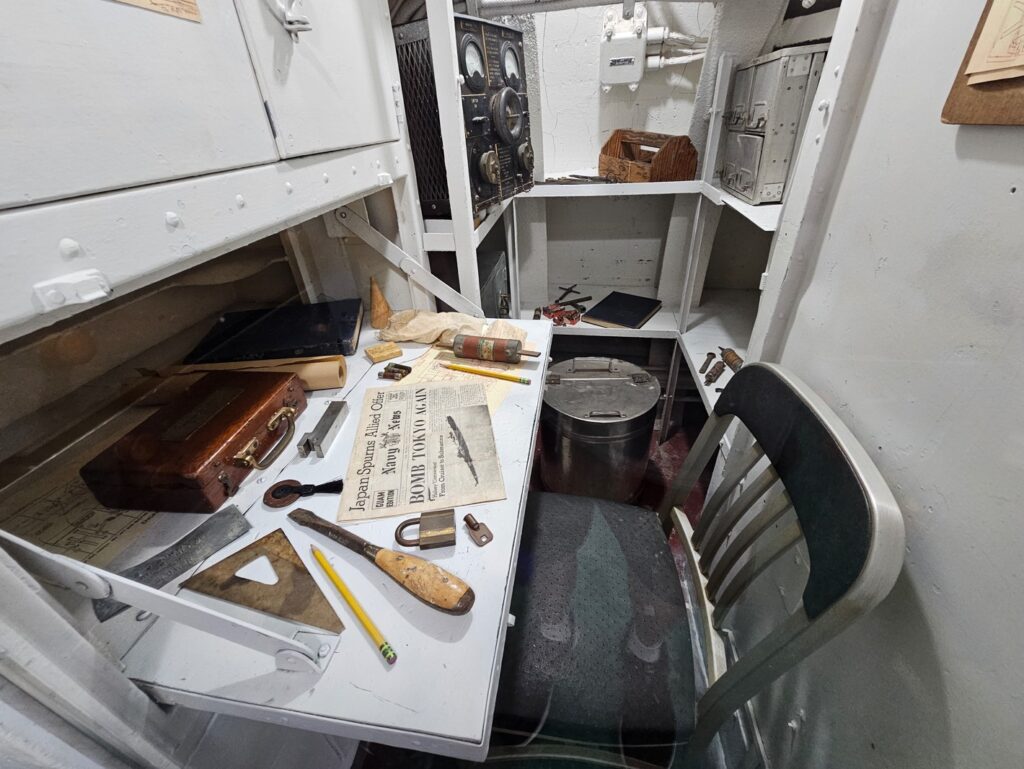
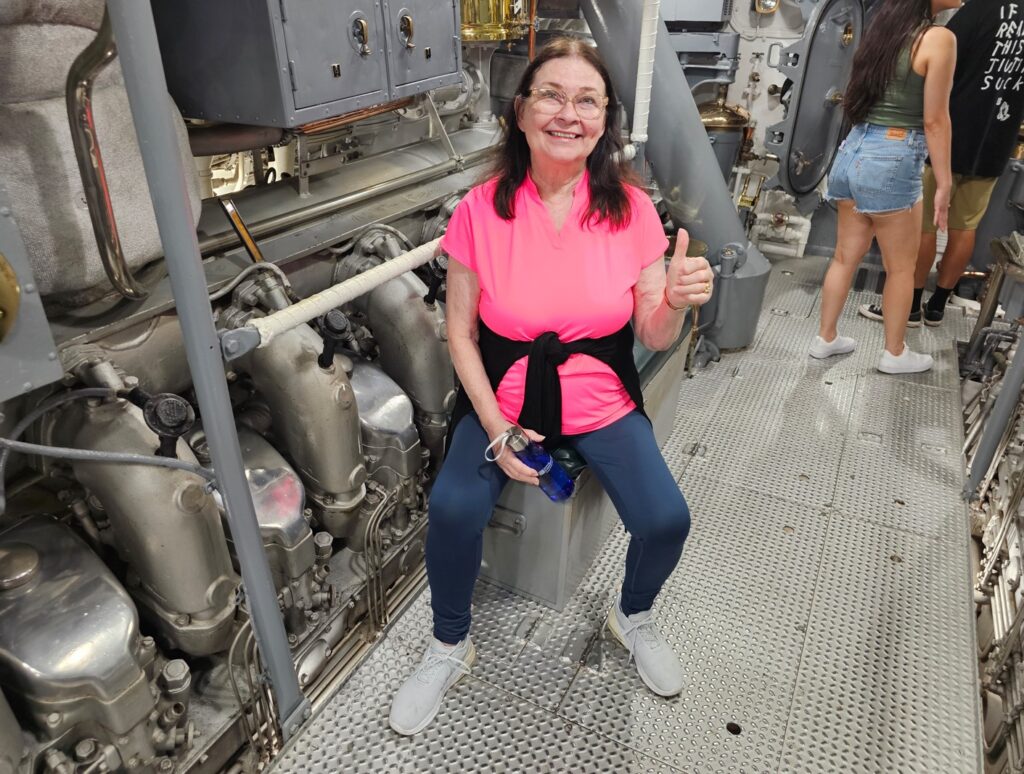
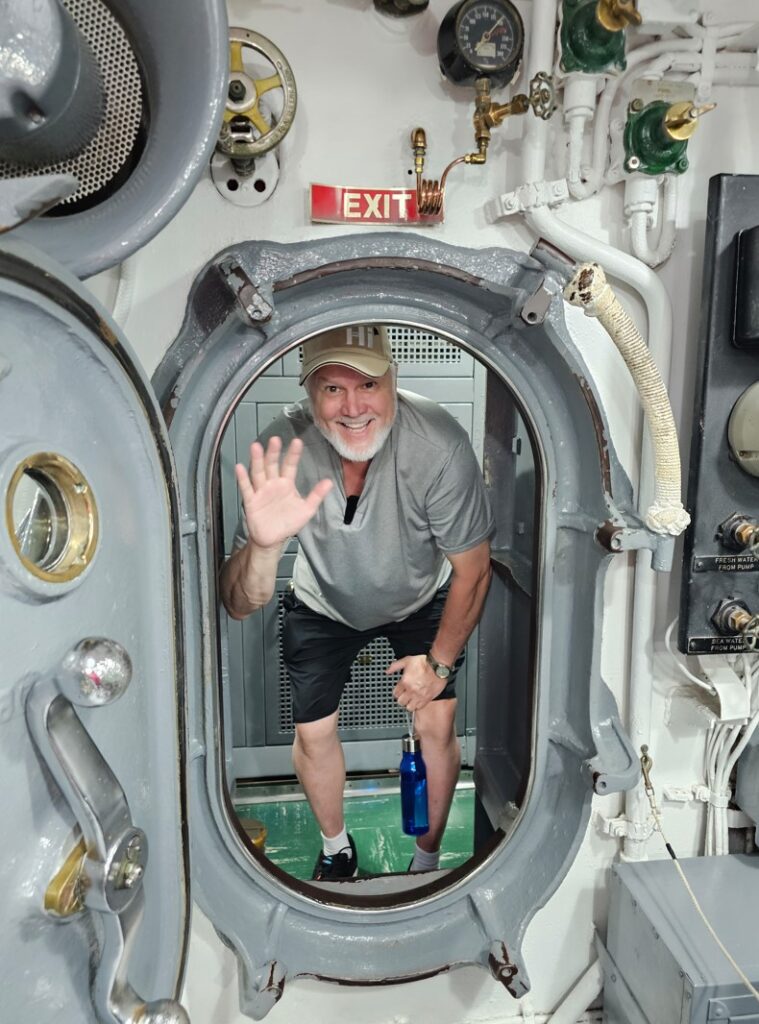
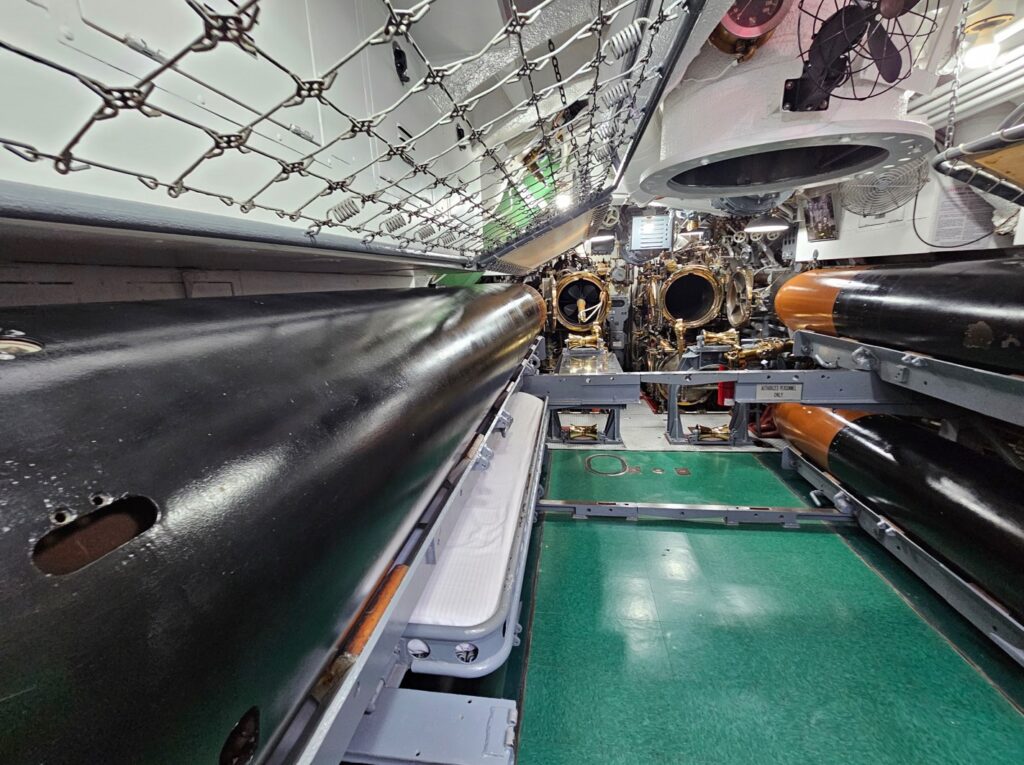
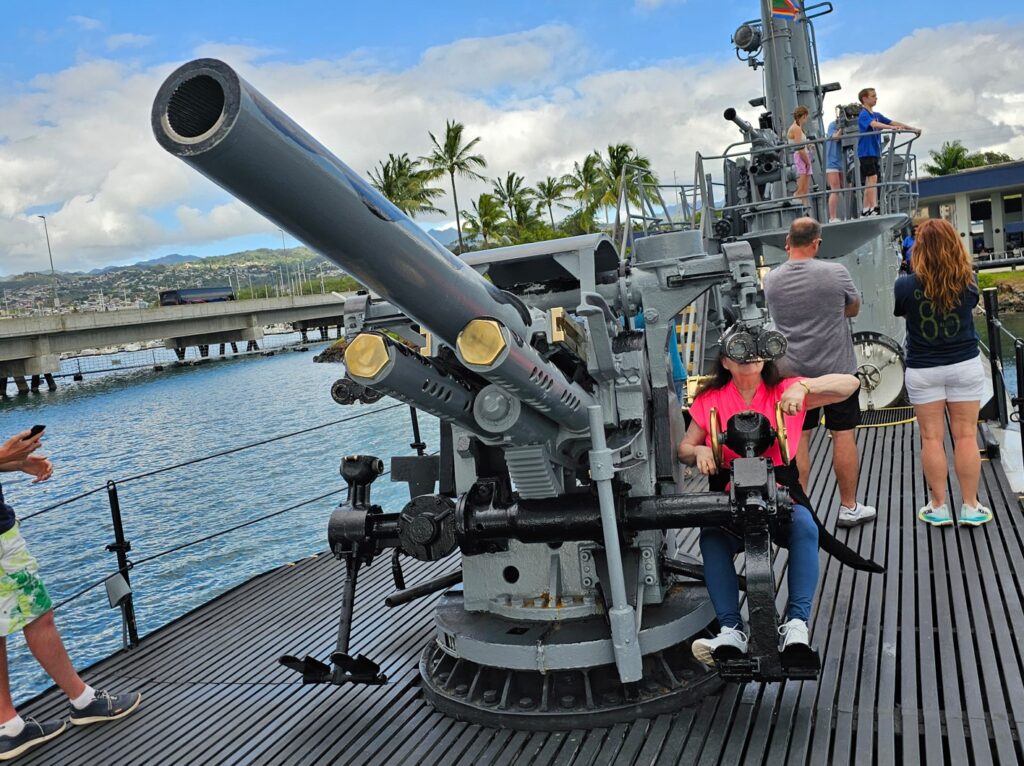
USS Bowfin earlier in the morning, when the sky was clear and sunny.The USS Bowfin is part of the Pacific Fleet Submarine Museum, and is open for tours.Various parts of the interior of the Bowfin.Gauges and valves.Bunks for the crew.On board entertainment.No problem for claustrophobia!The hatches are a little tight.Torpedo tubes.
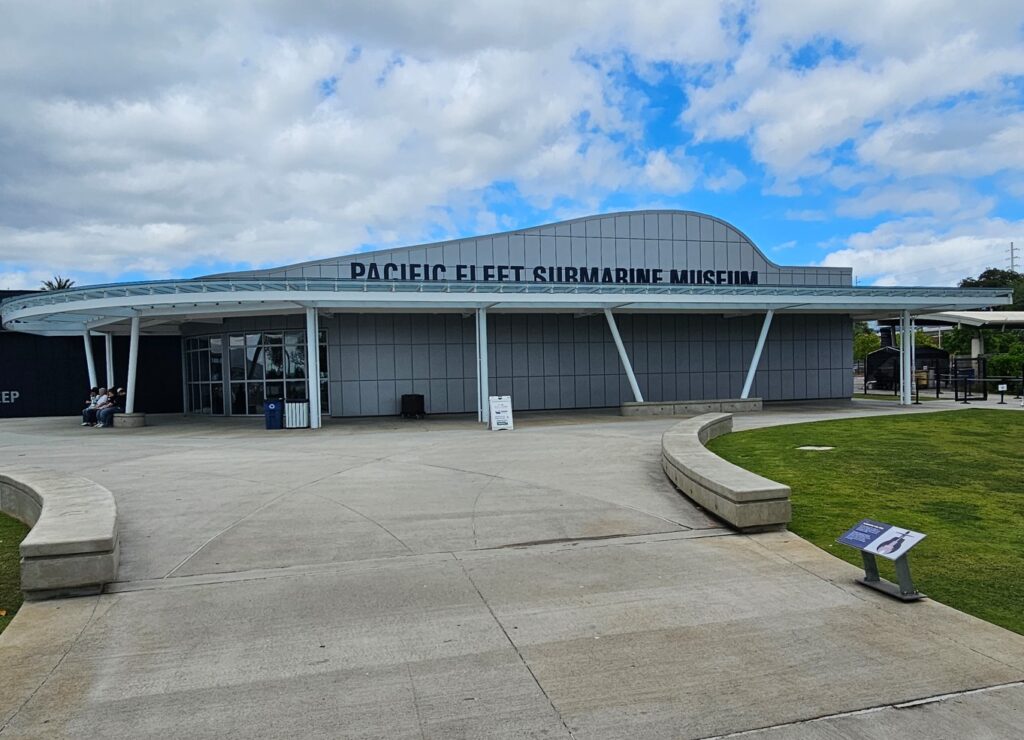
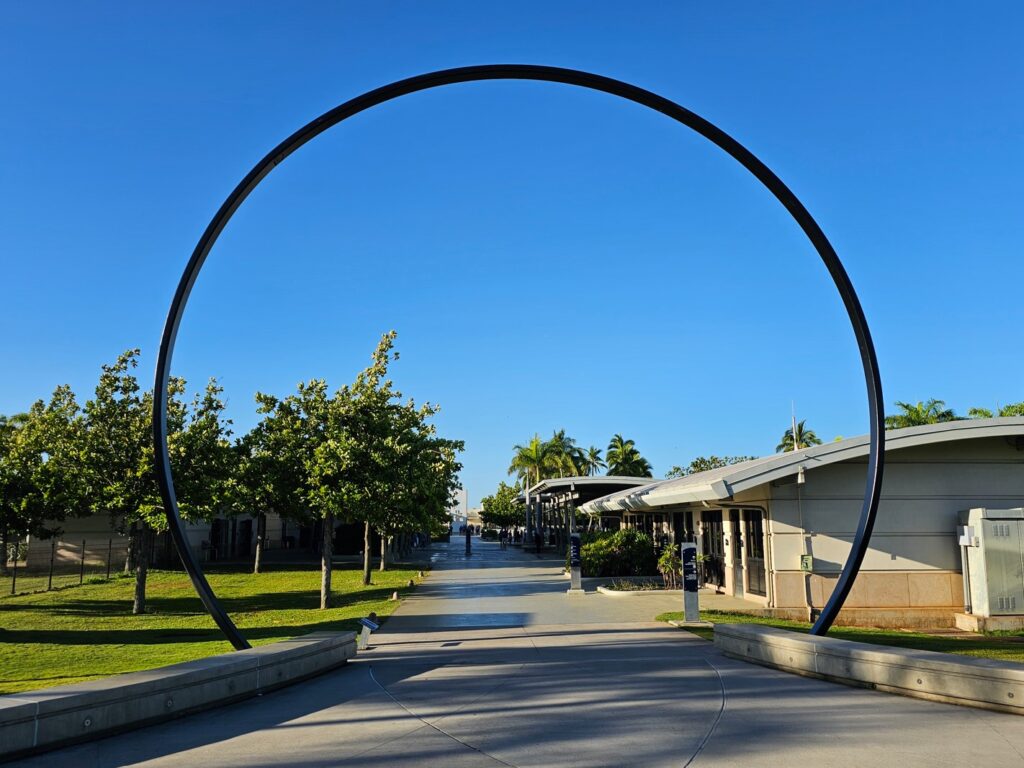
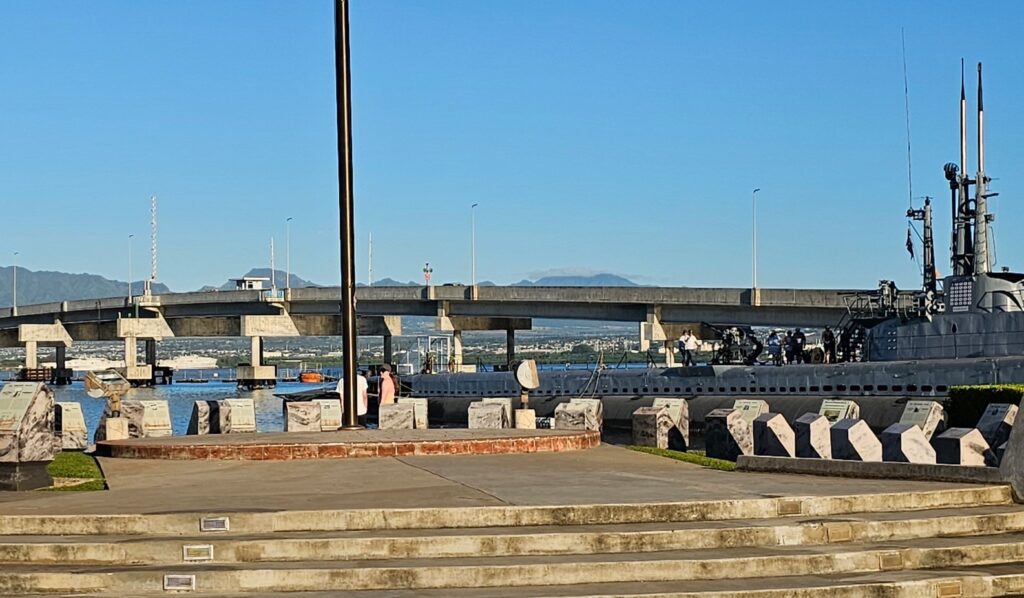
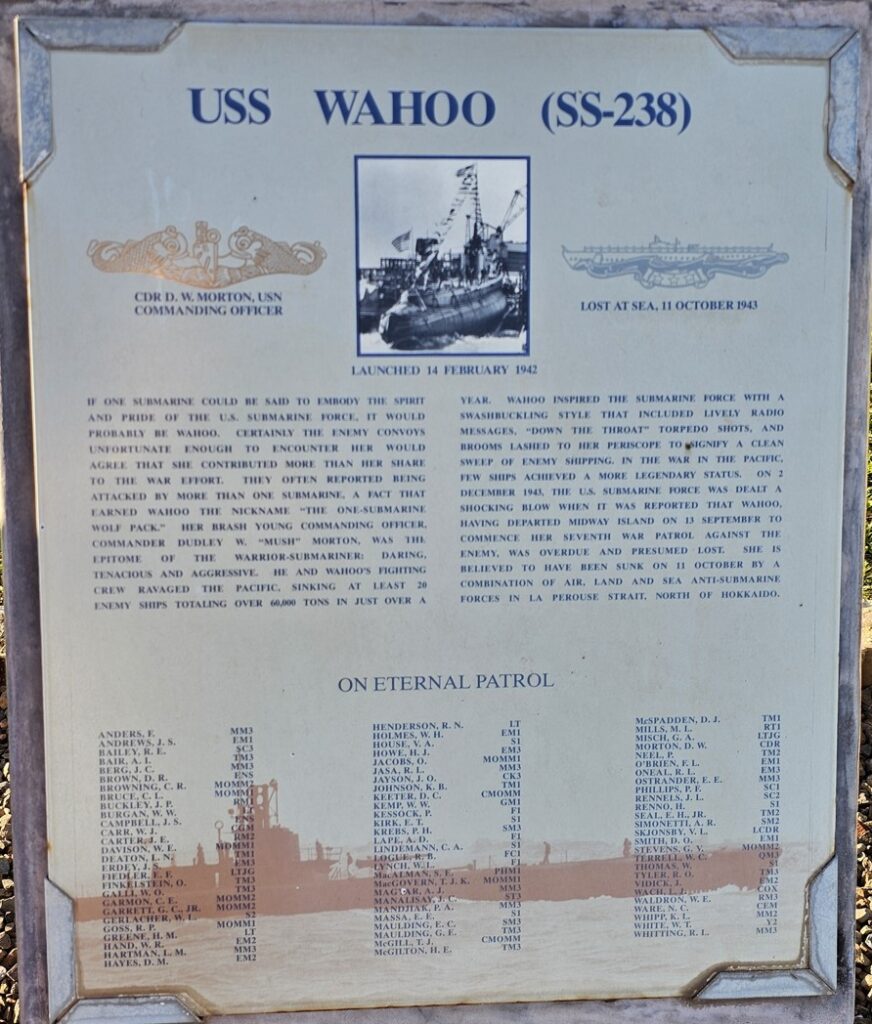
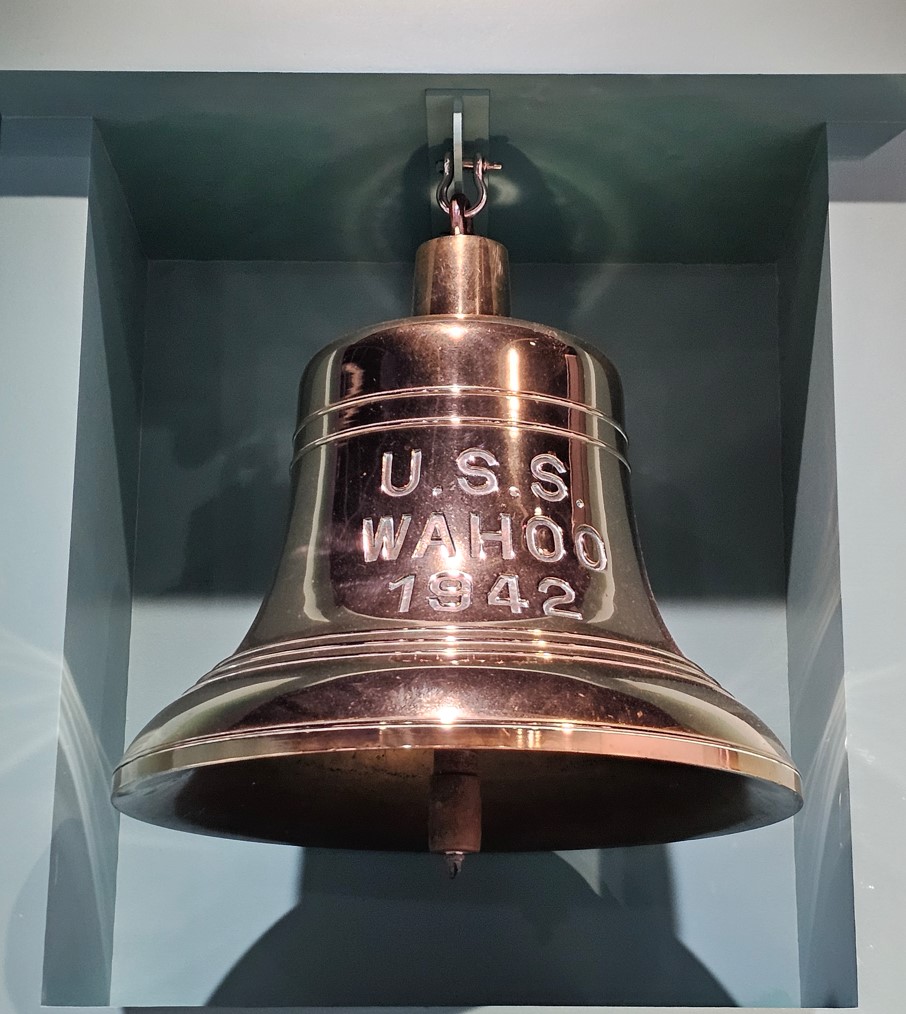
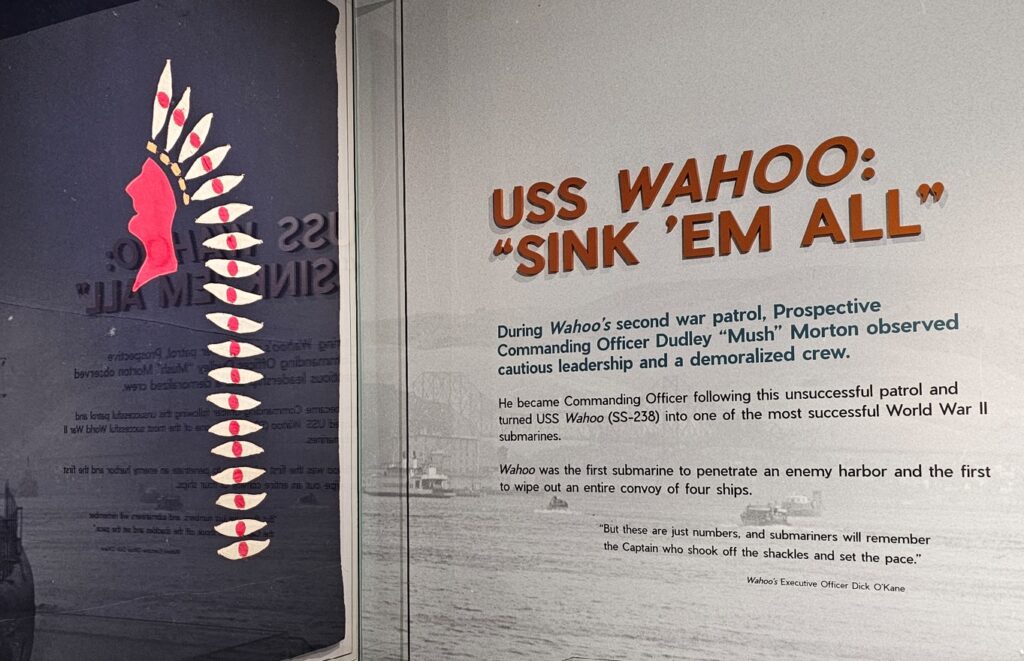
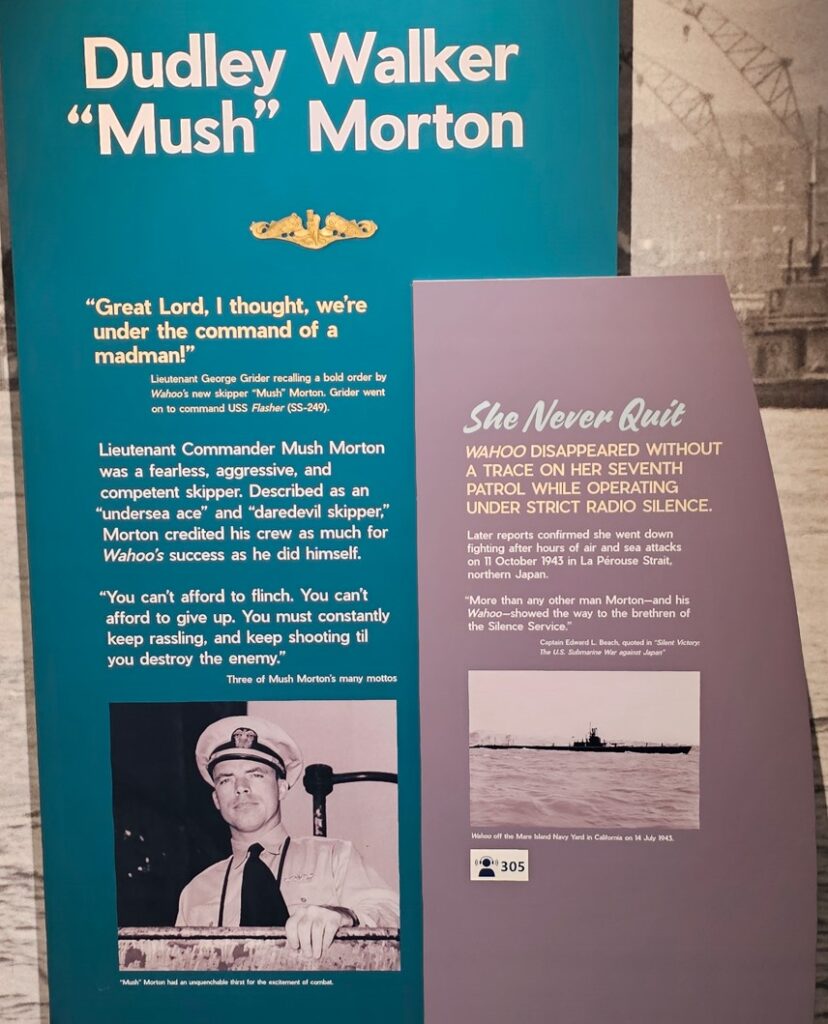
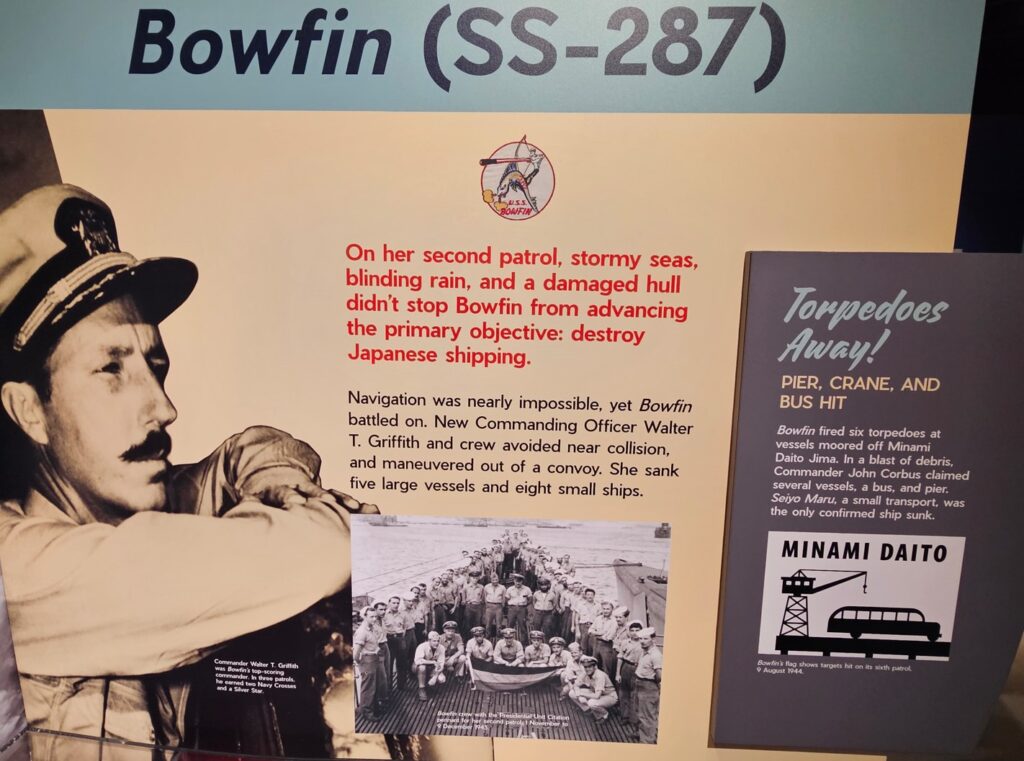
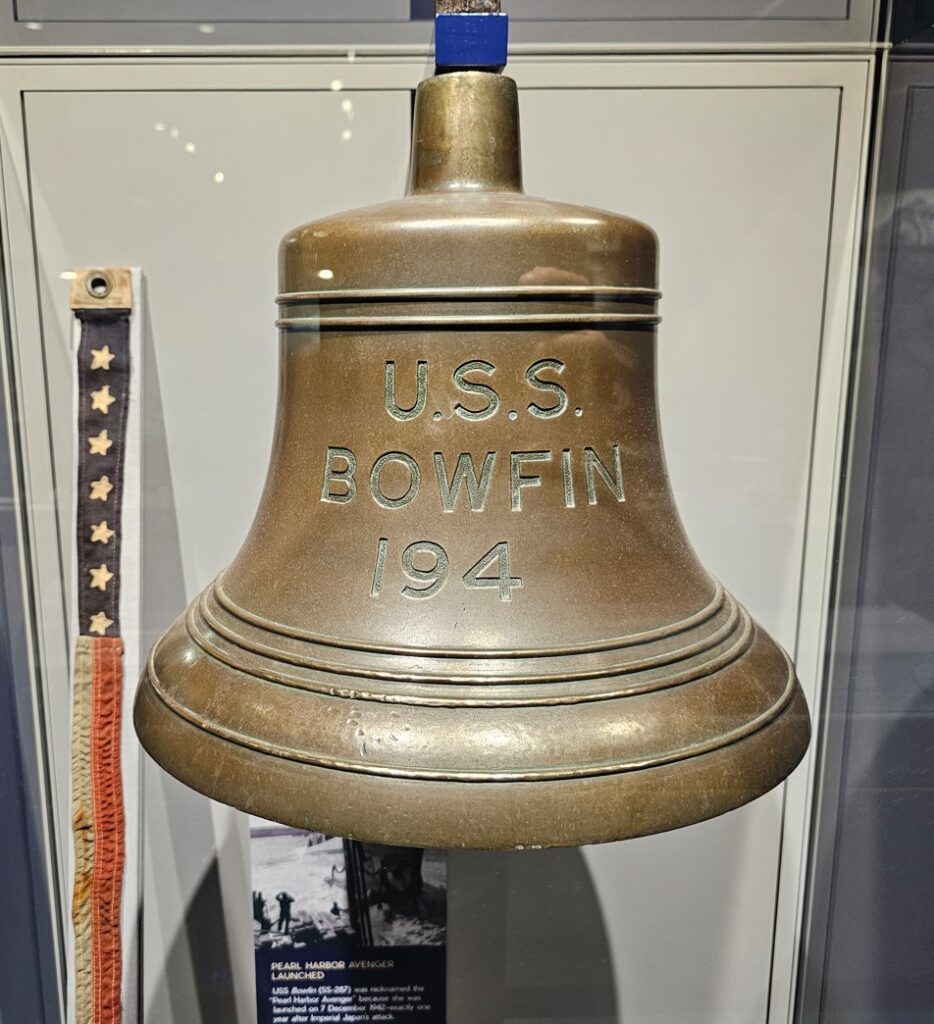
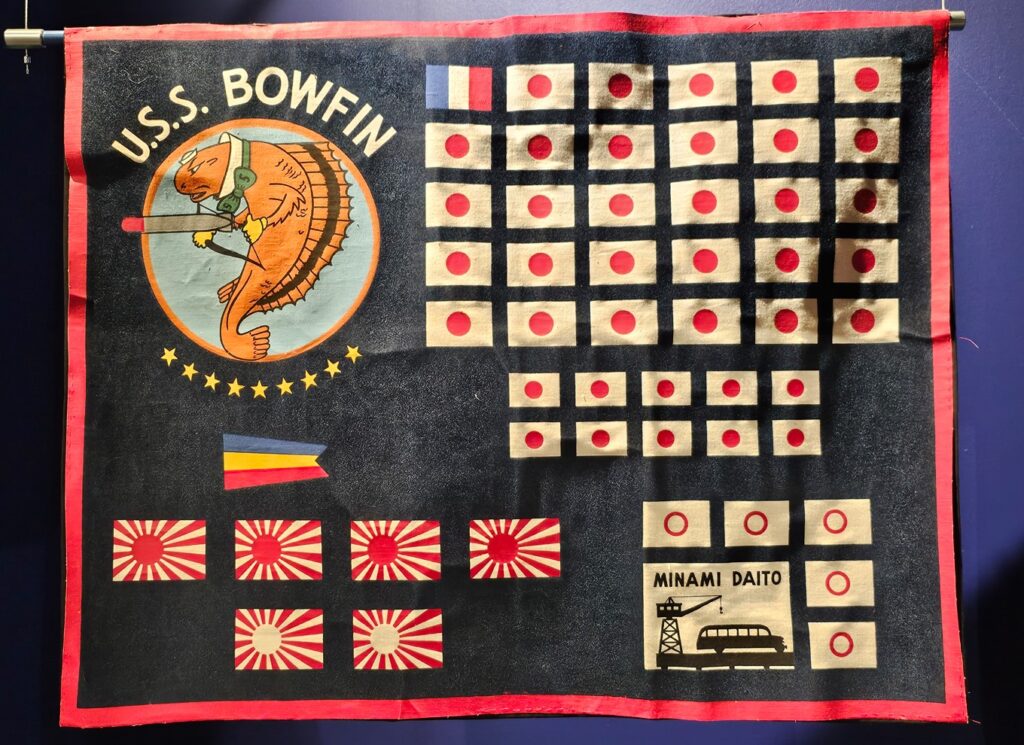
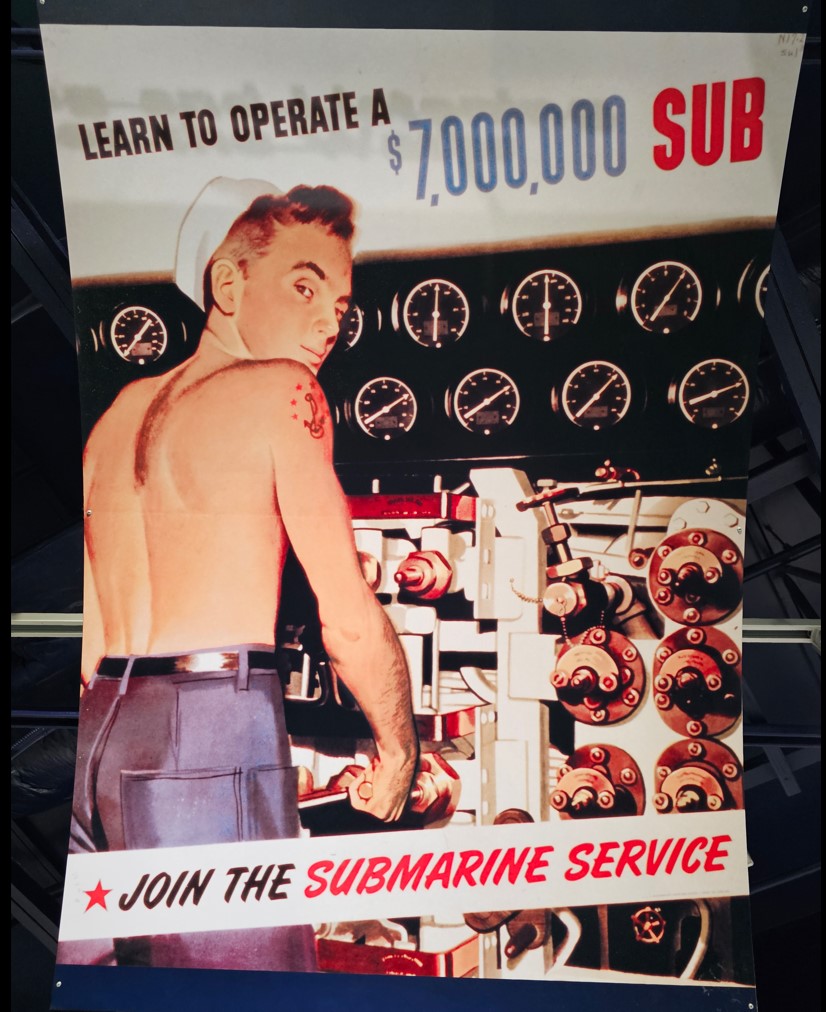
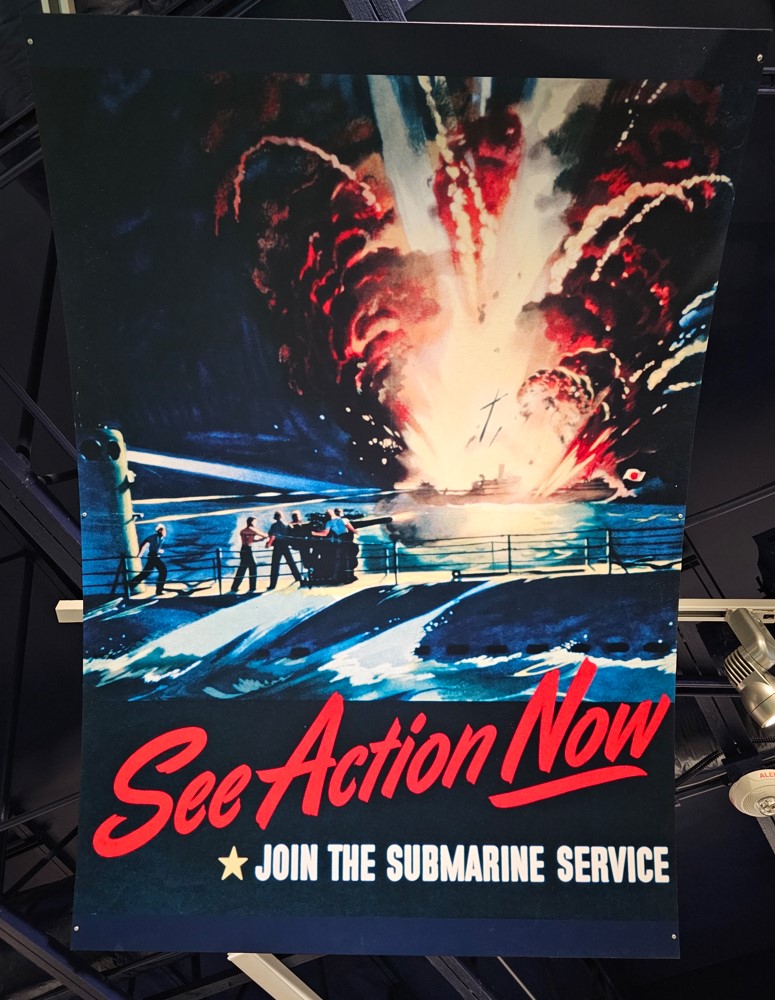
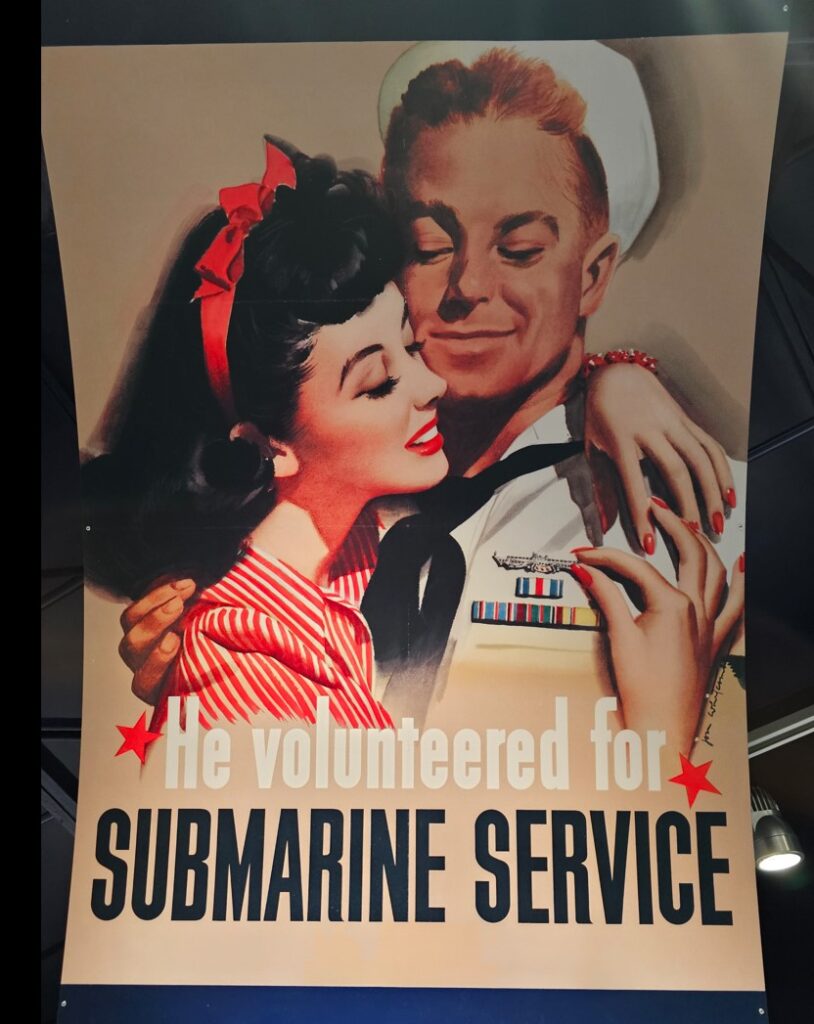
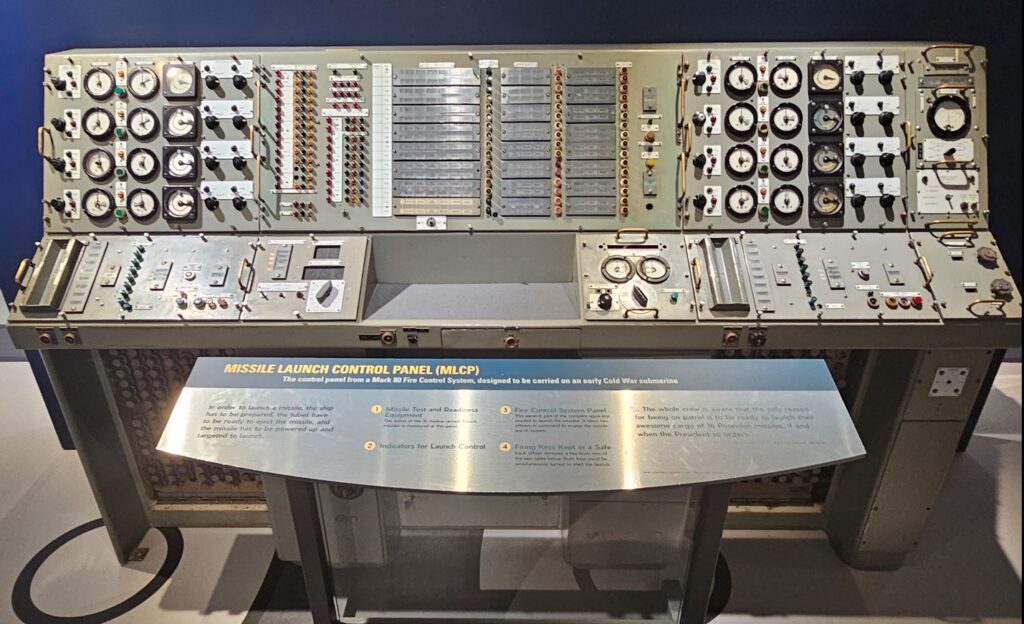
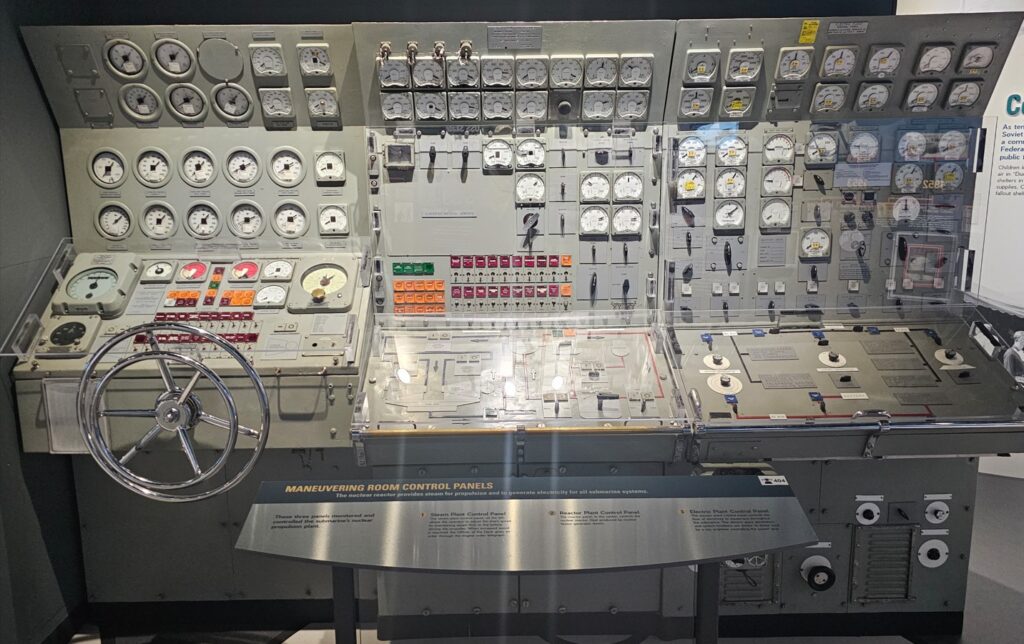
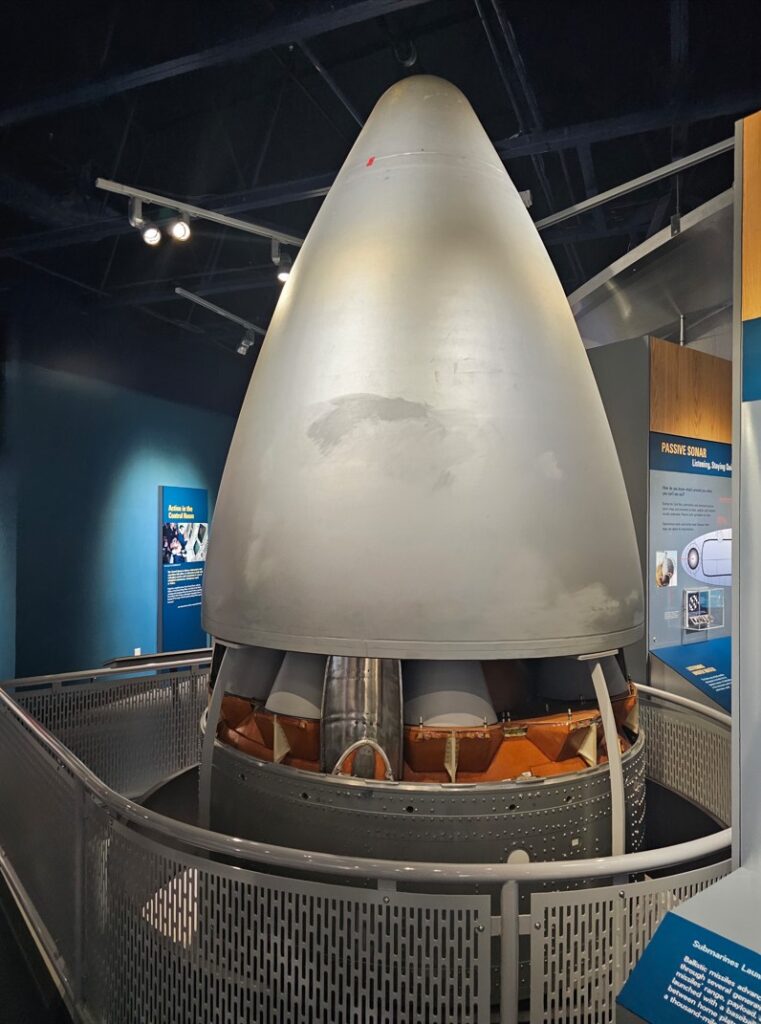
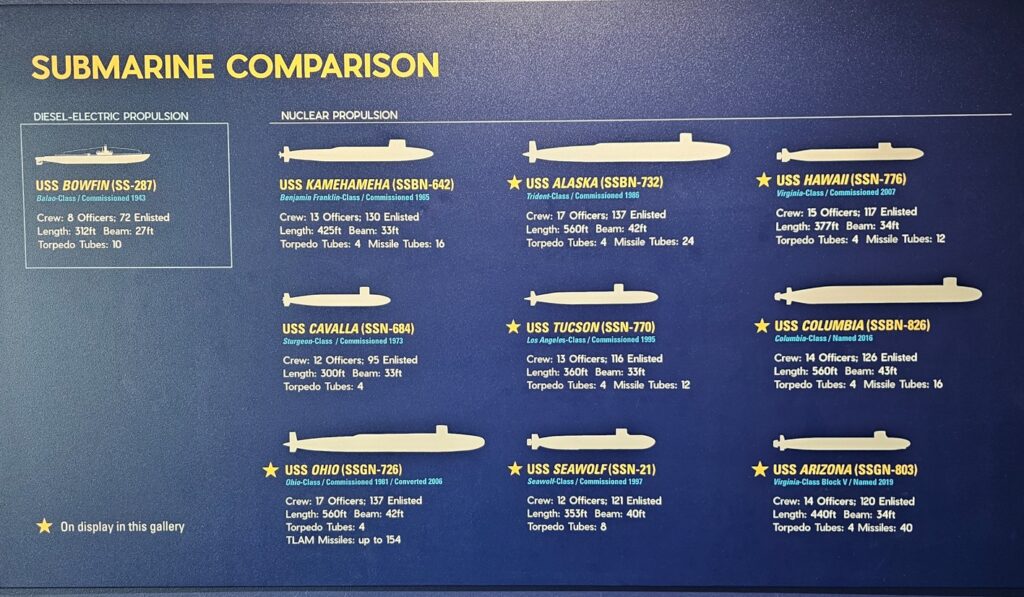
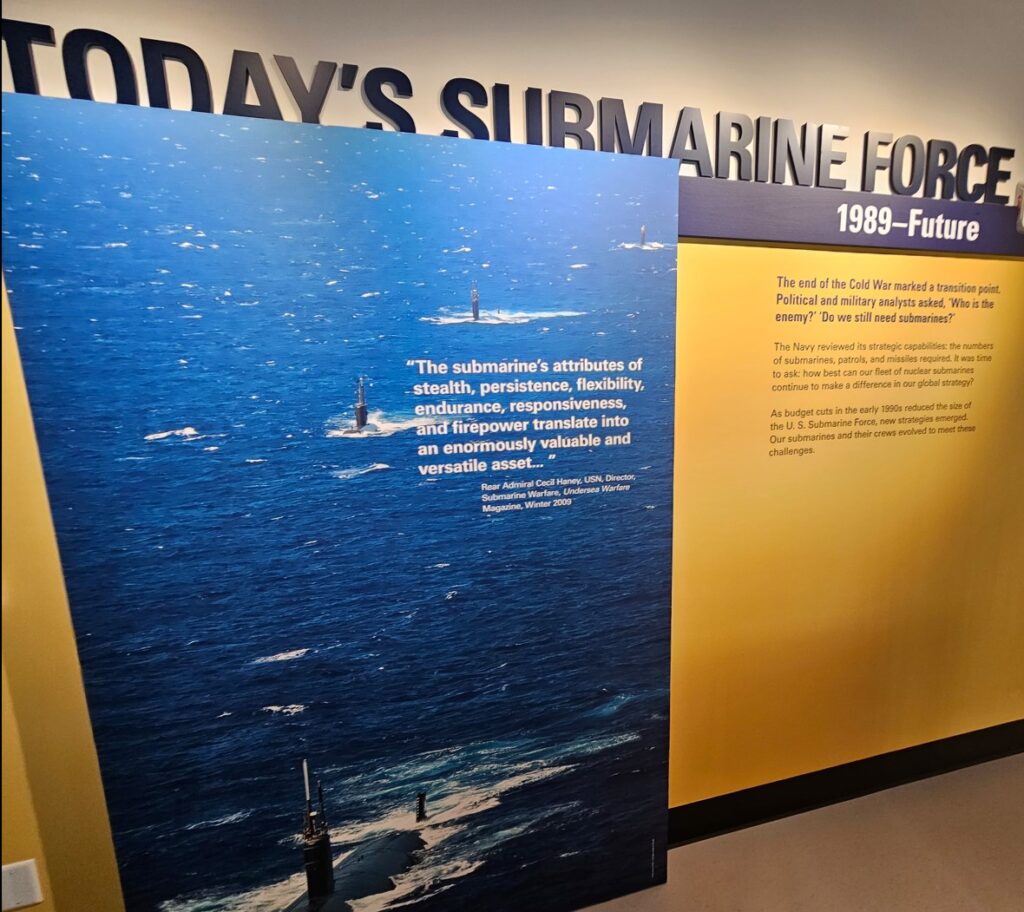
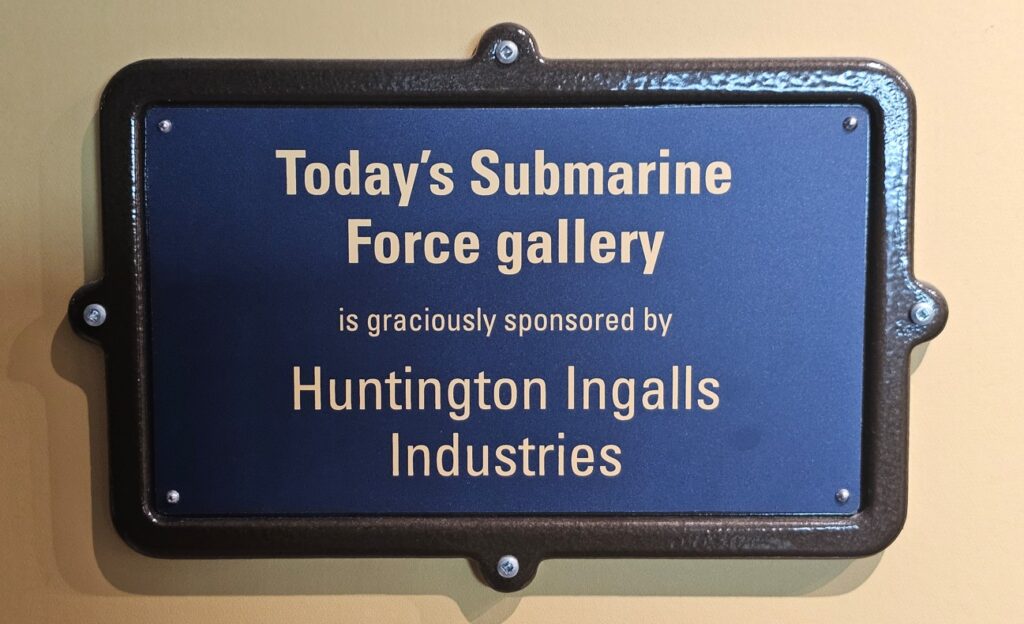
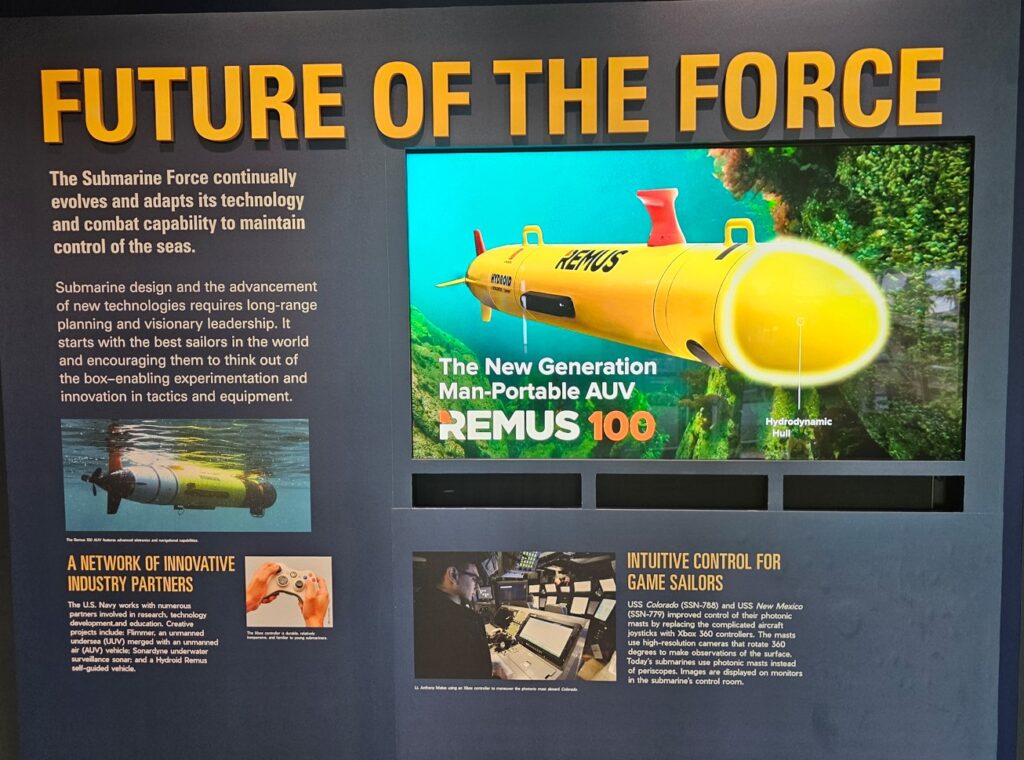
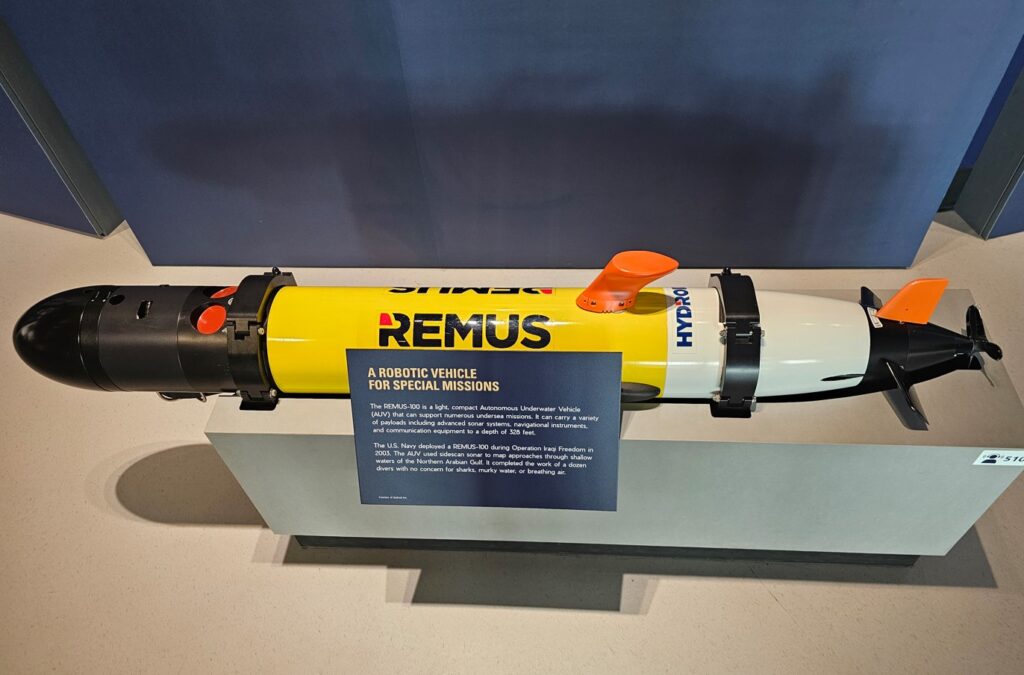
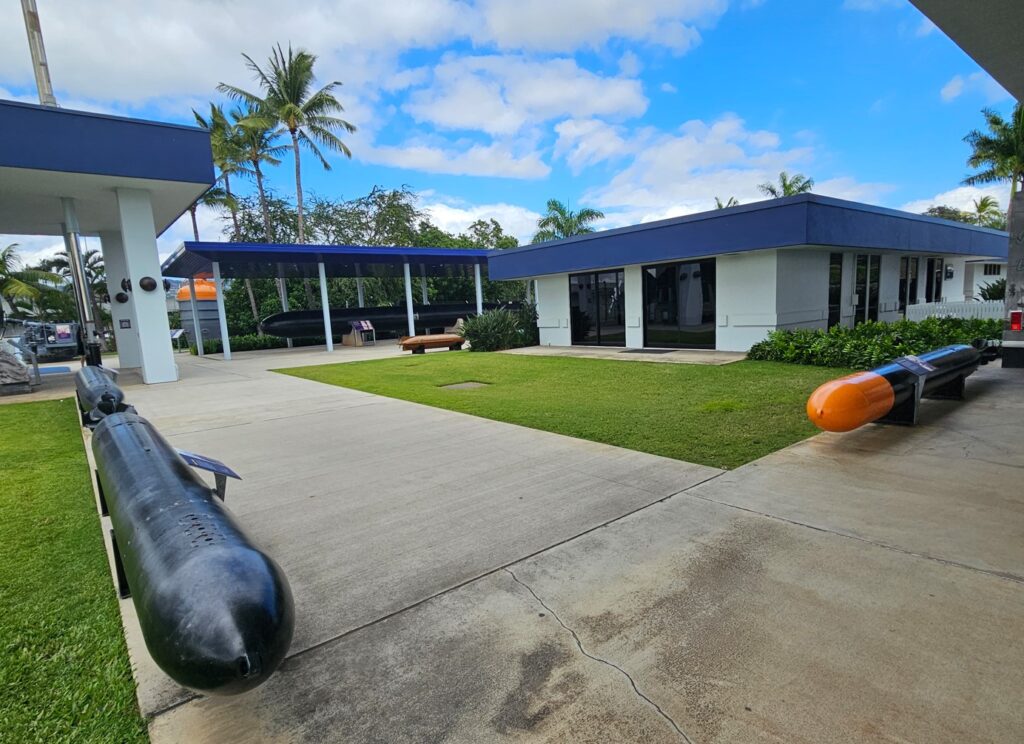
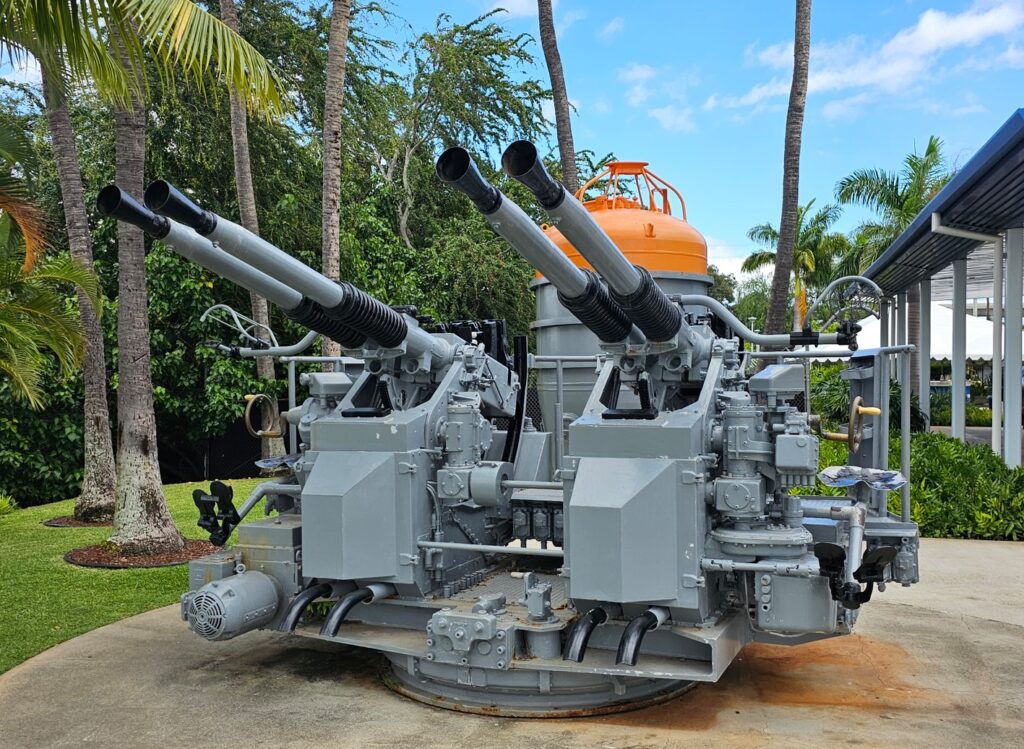
This is a fairly new museum at Pearl Harbor. It is divided into two halves – one for World War II, the other for the years since. There are many many more displays than the ones I highlight here.This ring is a demonstration of the actual size of a submarine.Waterfront Memorial for our lost submarines. More than 4,000 submariners have lost their lives while serving in the US submarine force. Nine submarines were lost prior to World War II, 53 during World War II with 3,600 sailors lost, and four submarines lost since World War II. There is a memorial plaque for each of the lost submarines.The plaque honoring the USS Wahoo.Bell from the USS Wahoo.There is a nice memorial for the USS Wahoo in Wahoo, Nebraska. We visited that a few years ago. Pictures are elsewhere in this blog.The USS Bowfin is part of the museum, open for tours.USS Bowfin battle flag, showing its conquests.Advertising posters from World War II.Control panel from a Mark-80 Fire Control system, used in Cold War-era submarines.Maneuvering Room Control Panel for a nuclear powered submarine.Nose cone warhead from a Poseidon C-3 missile.This museum is pretty up to day with our submarine technology.This section is sponsored by the company I work for!My company builds these unmanned submarines!Forward stage from a Trident II D-5 missile.Several torpedoes on display.Bofors 40MM Quad Gun. This was the standard intermediate range gun on US Navy destroyers through the 1950s.
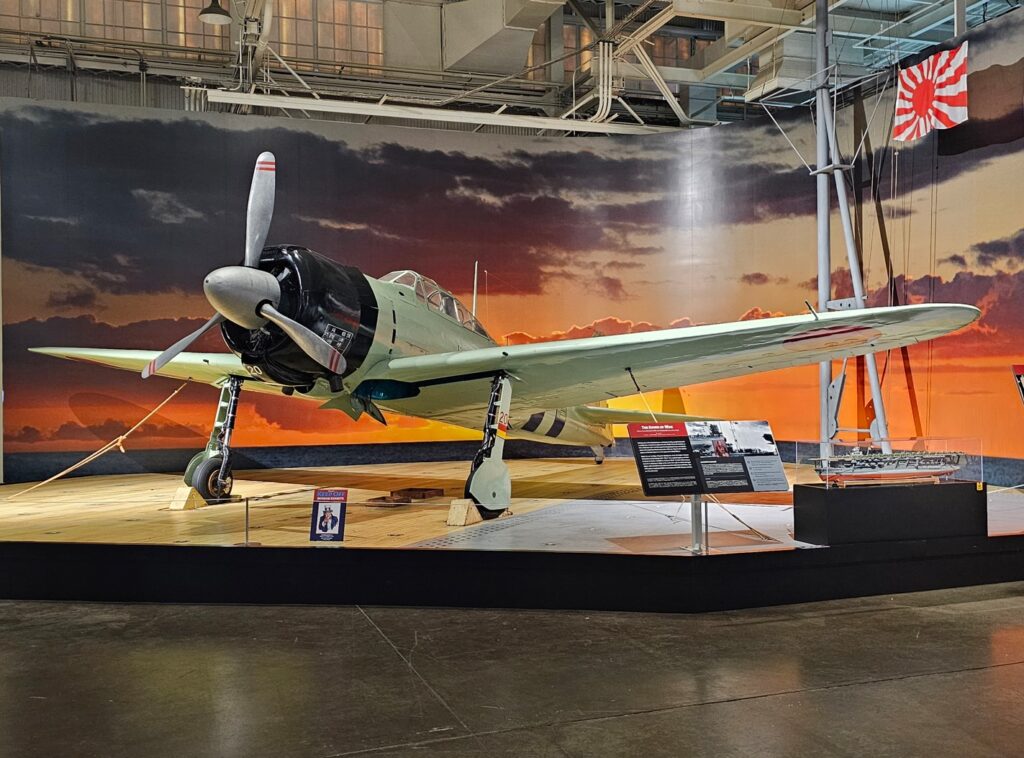
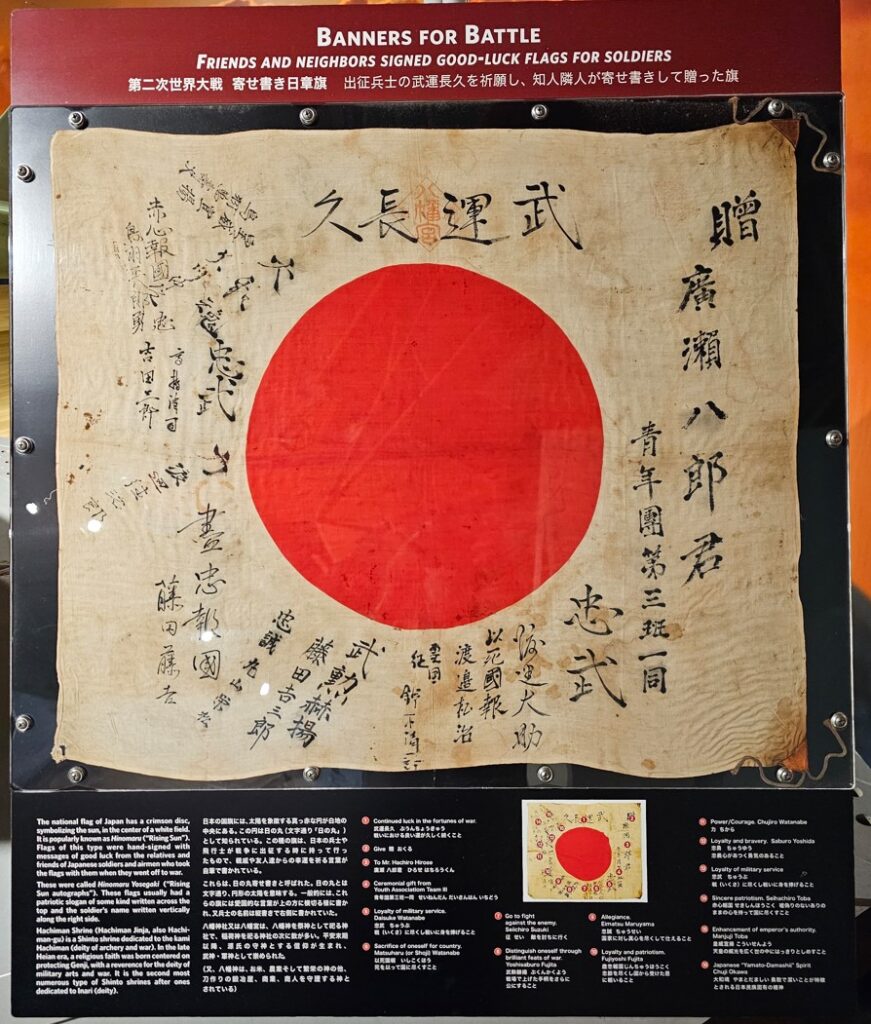
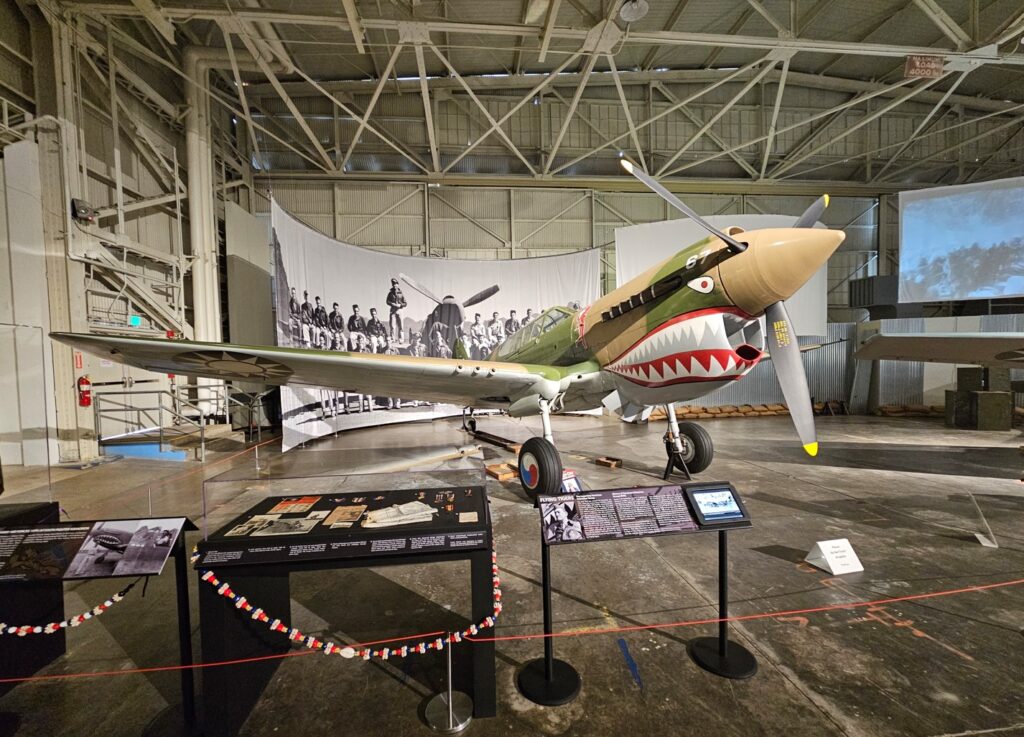
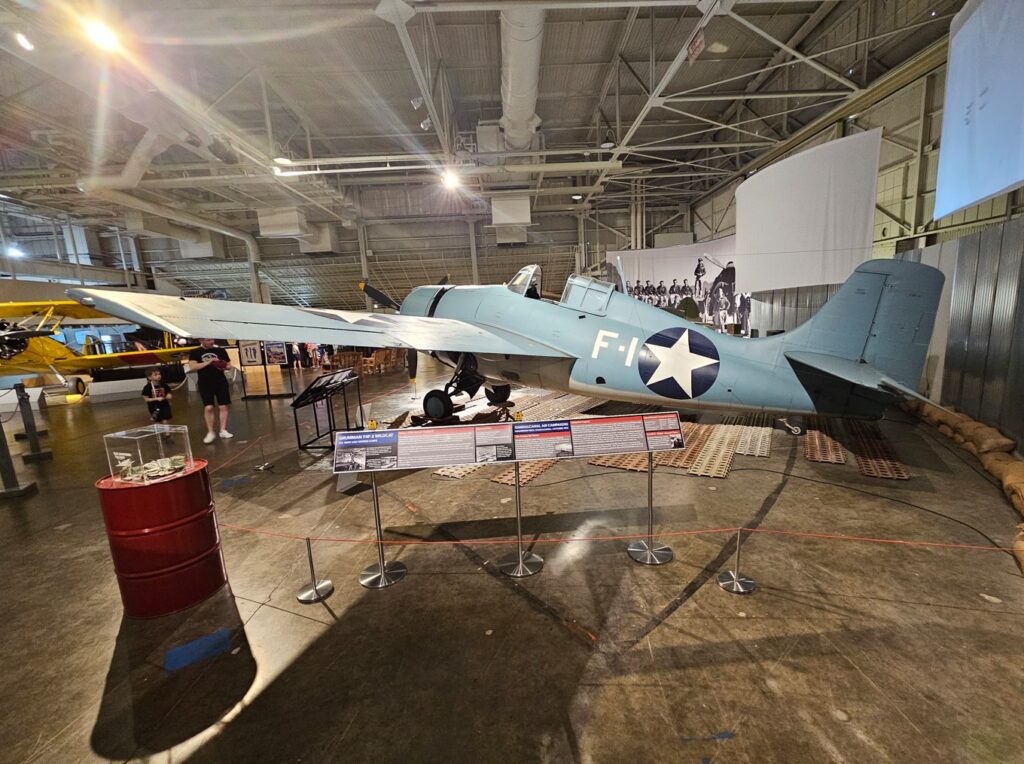
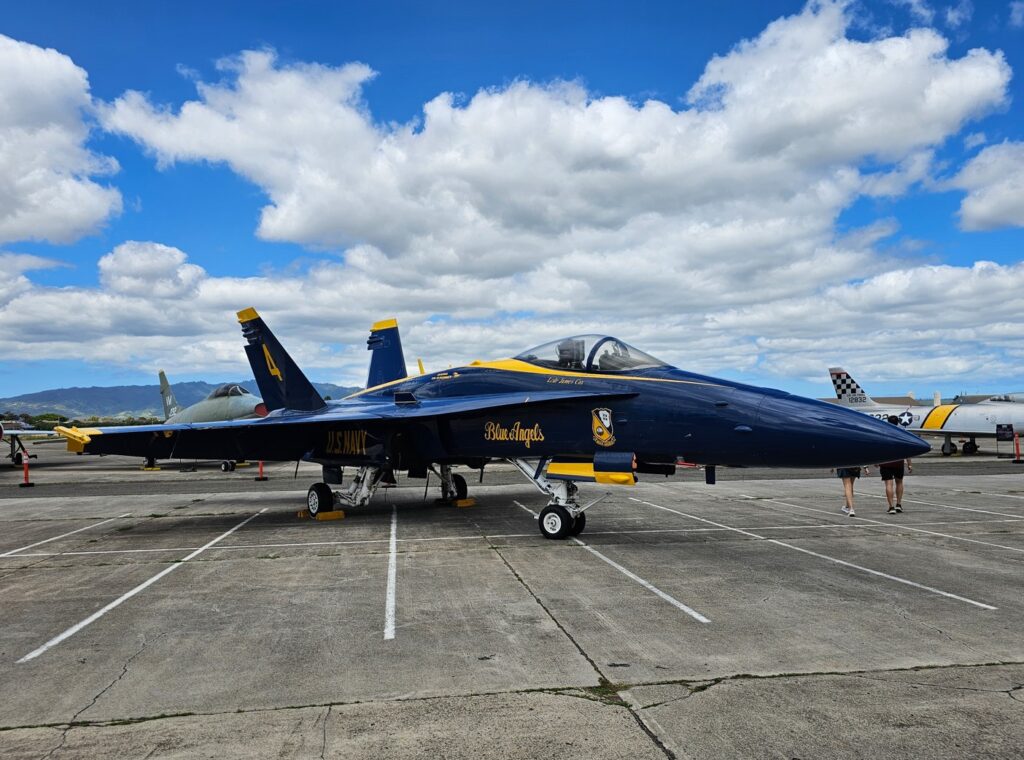
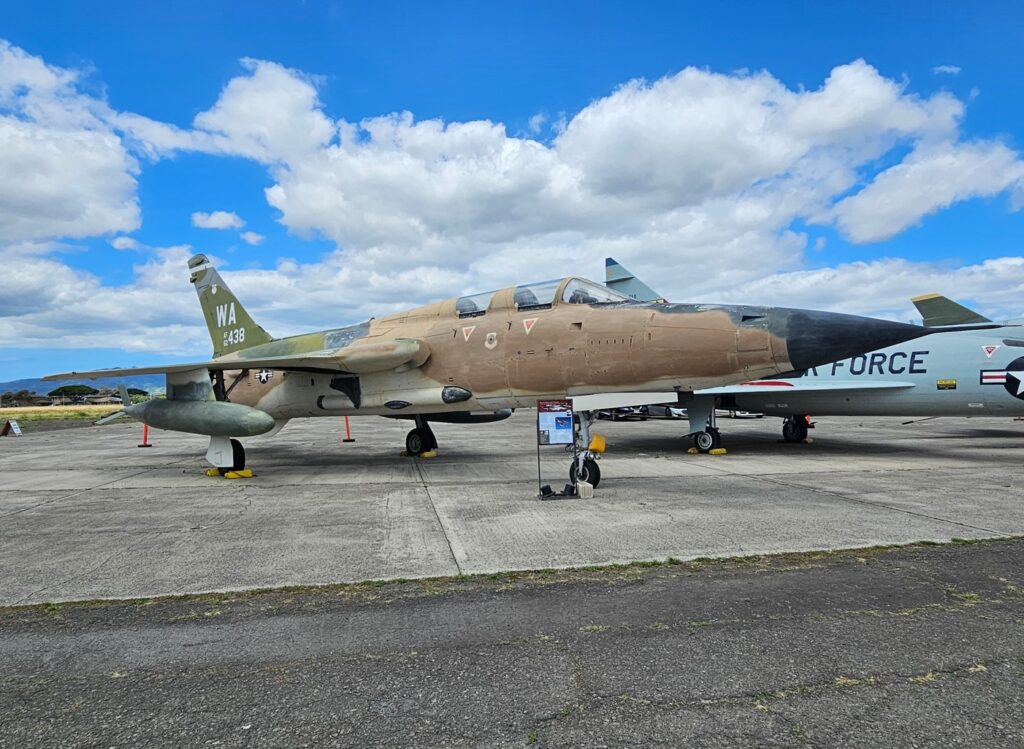
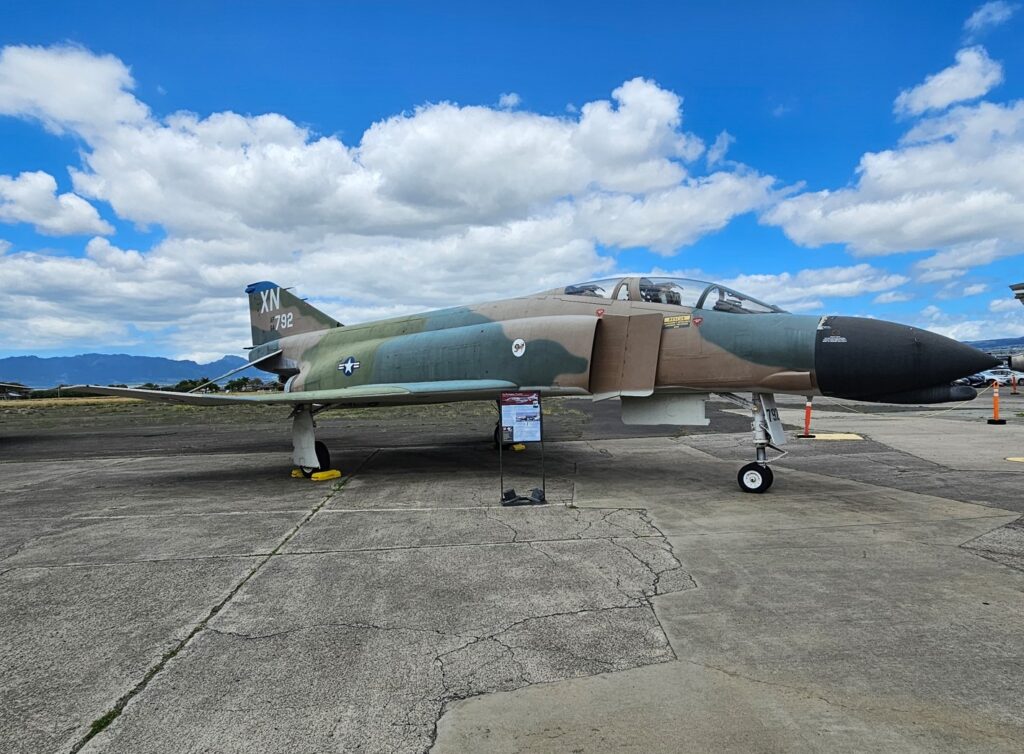
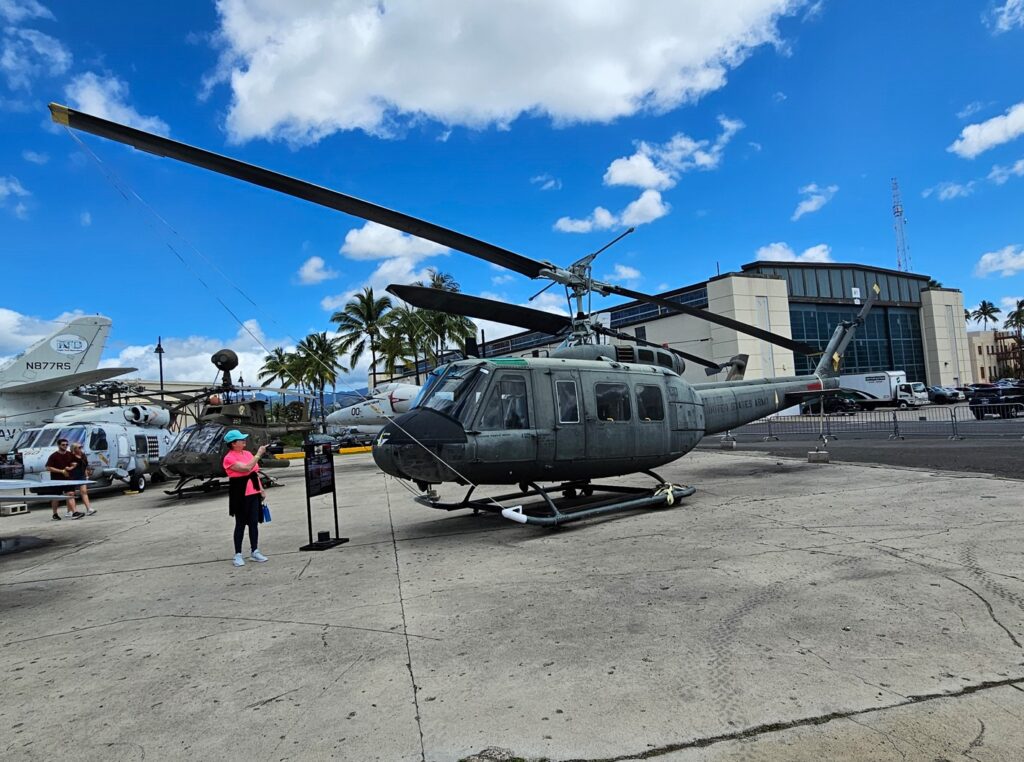
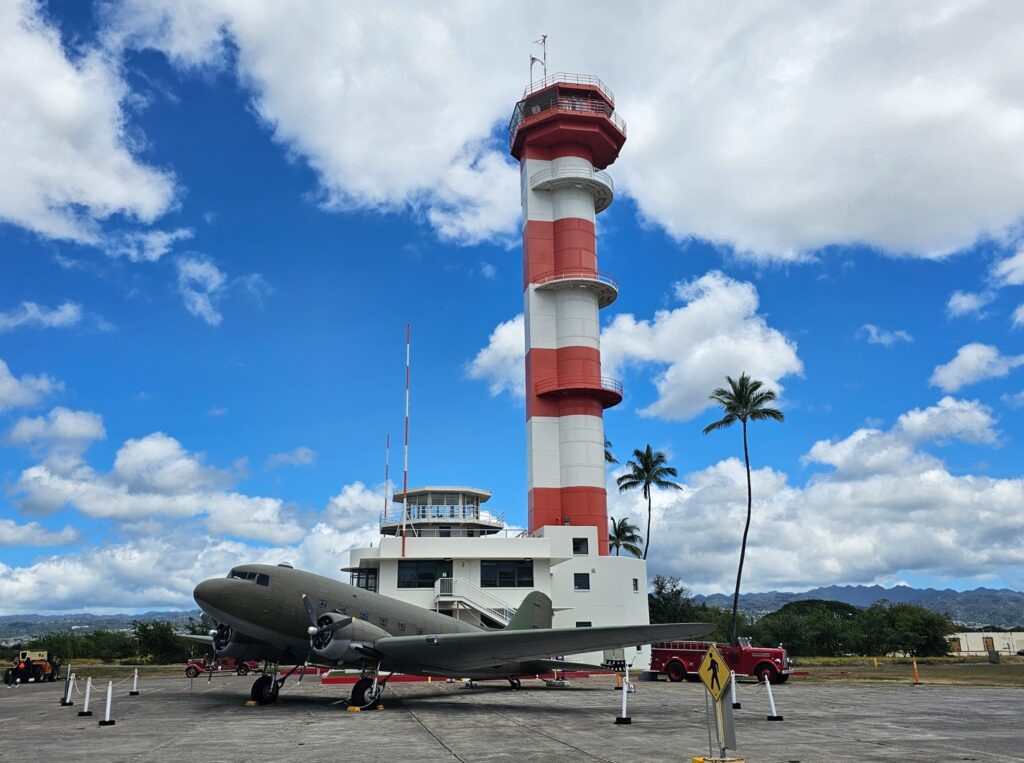
This is a real Japanese Zero from World War II. Pretty cool to see one in person.Good luck flag.Curtiss P-40E Warhawk.Grumman F4F-3 Wildcat.Blue Angels Boeing F/A18 Hornet.Soviet Mikoyan-Gurevich MiG-15 Fagot.Republic F-105G Thunderchief. This was the primary US bomber during the early years of the Vietnam War.General Dynamics F-111C Aardvark. In Vietnam it had twice the range of the F-4 and more than double the weapons load.Bell UH-1 Iroquois (Huey).Ford Island control tower.
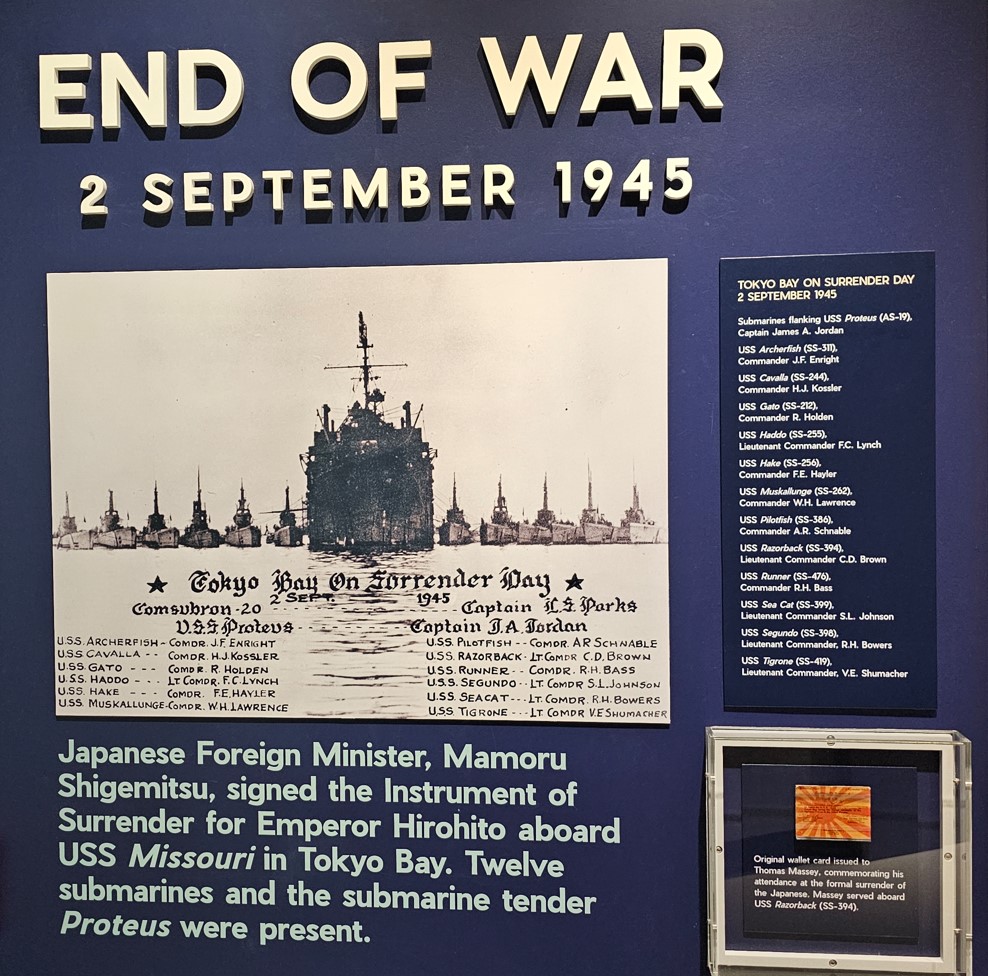
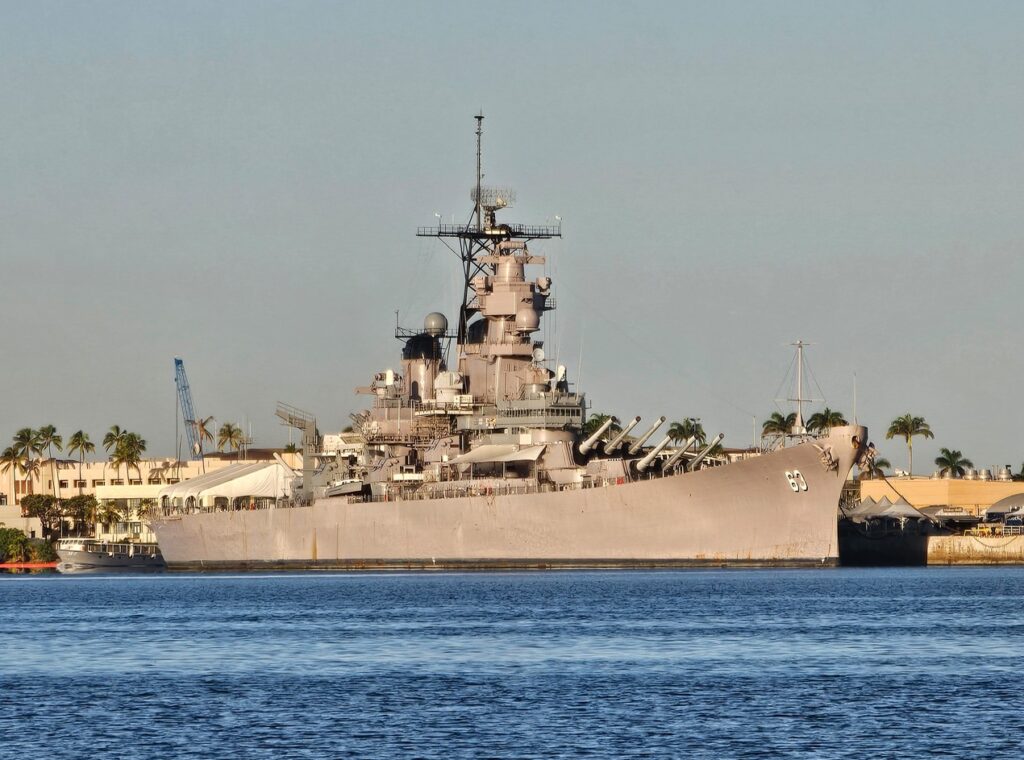
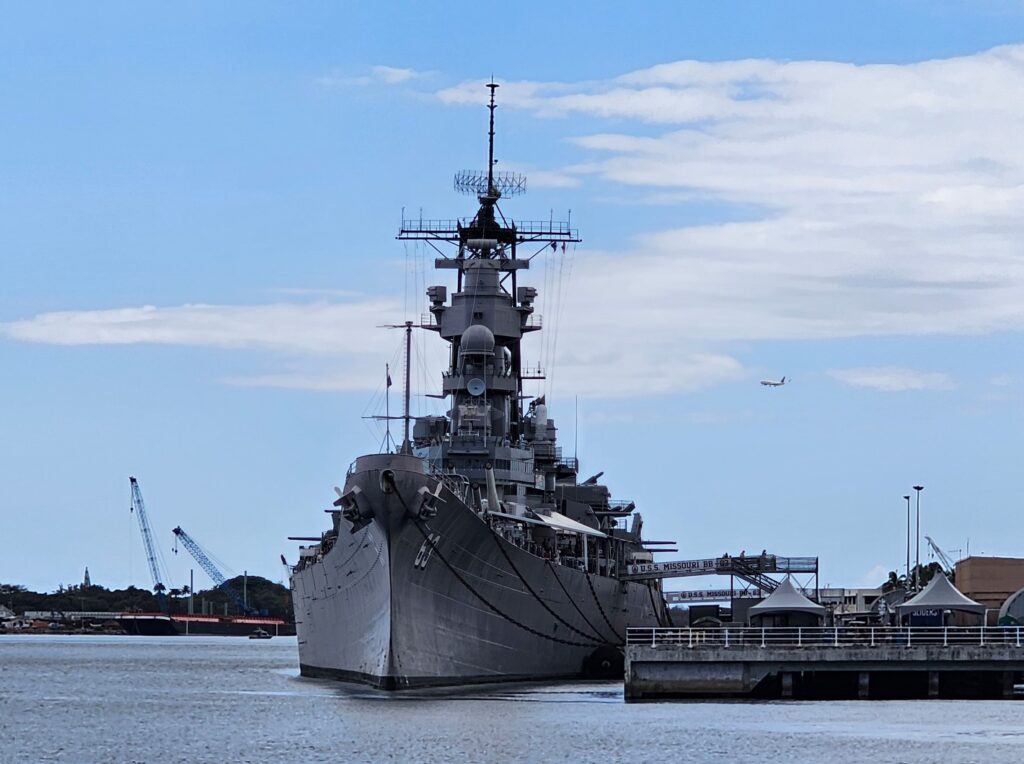
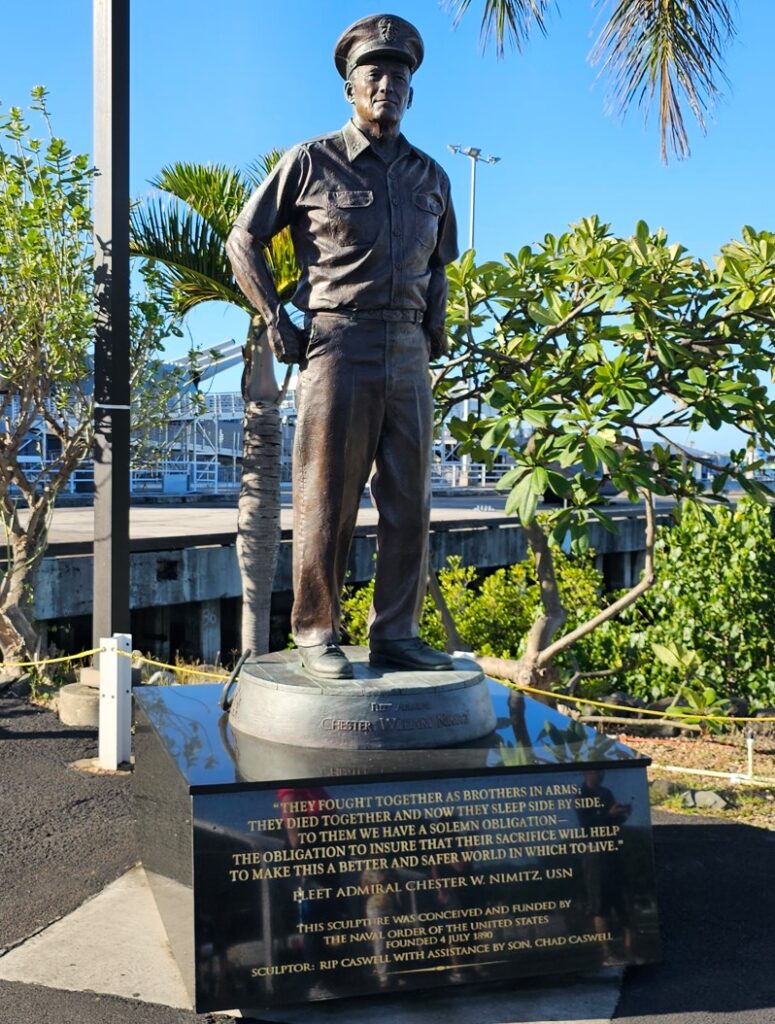
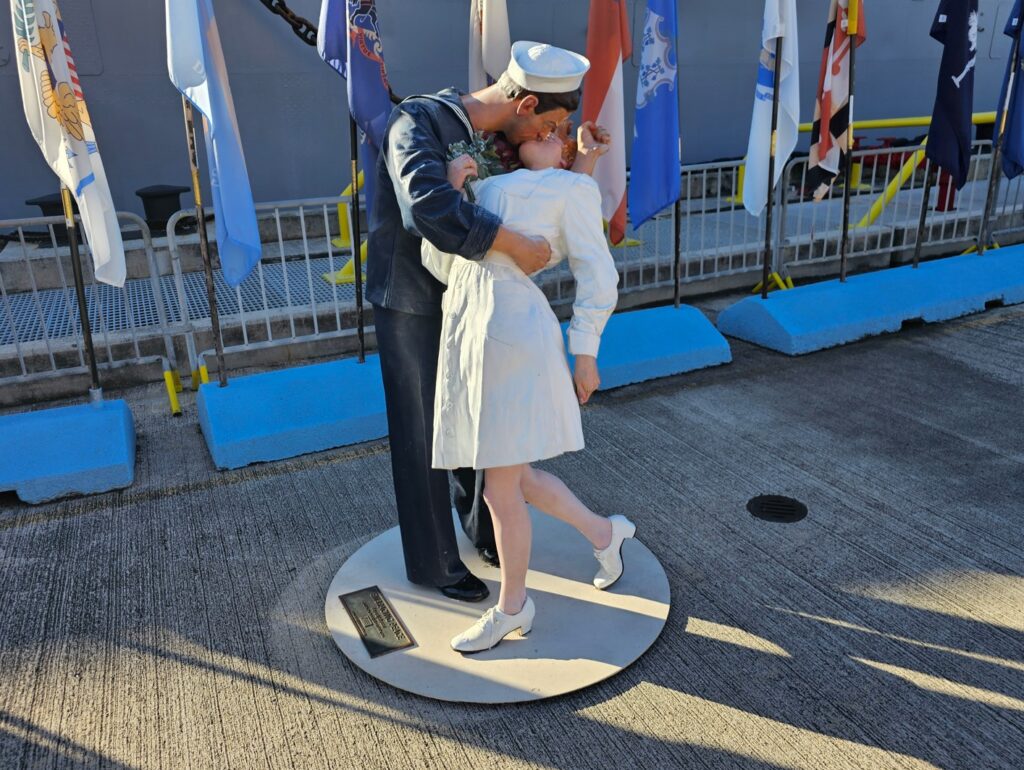
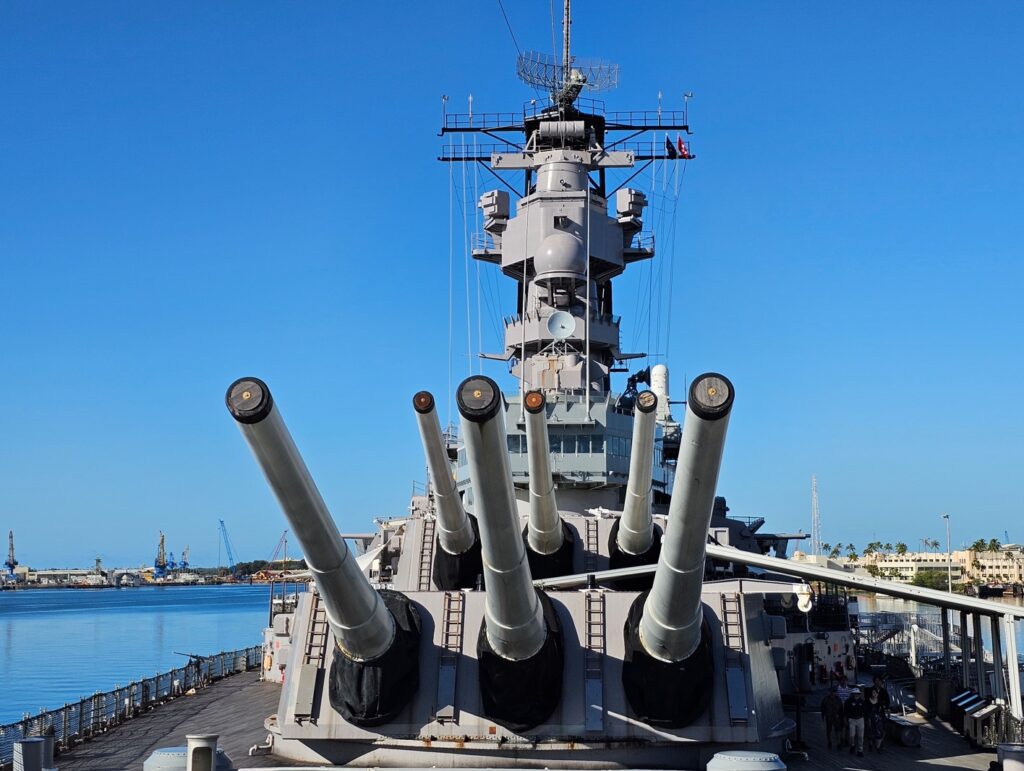
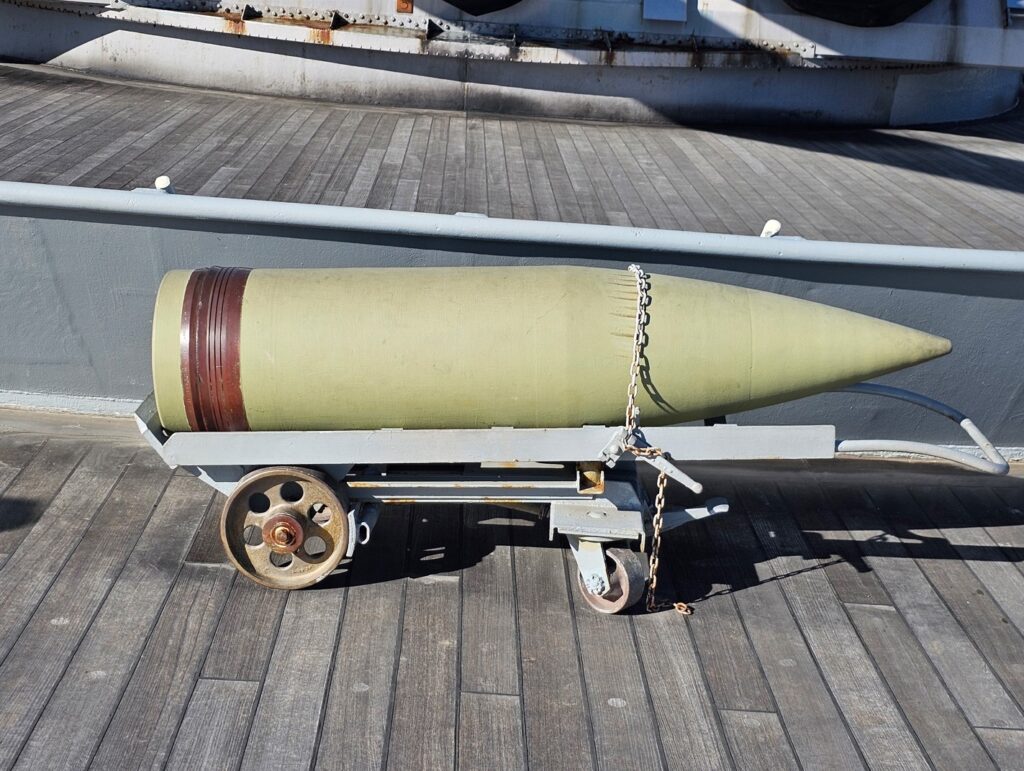
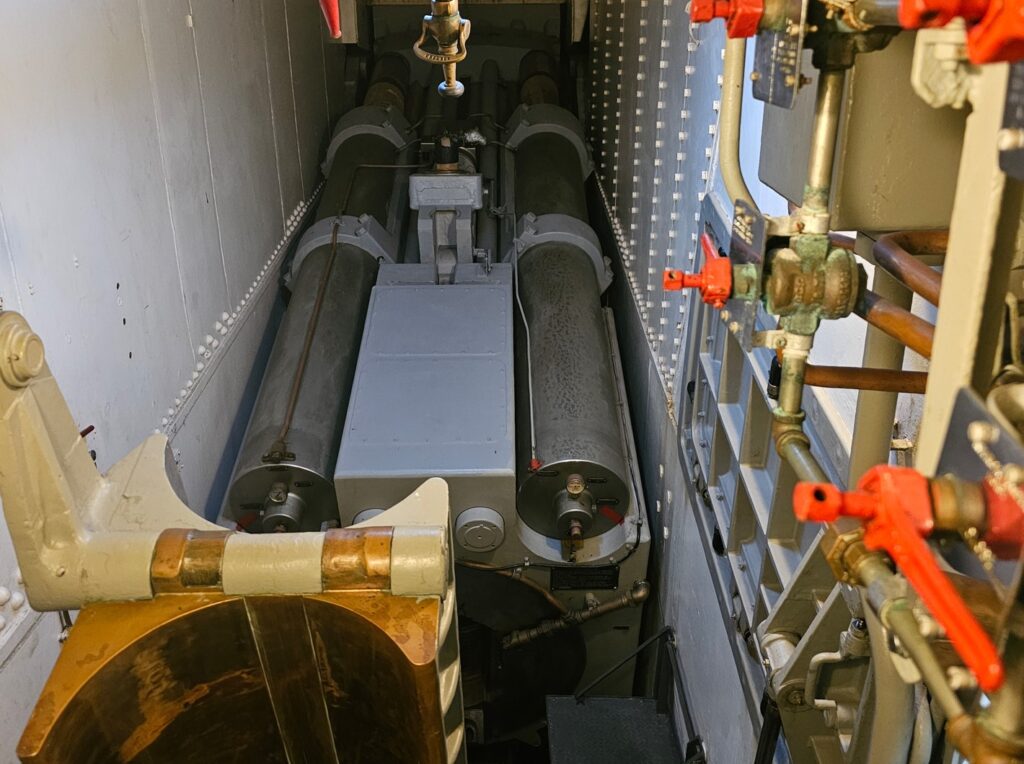
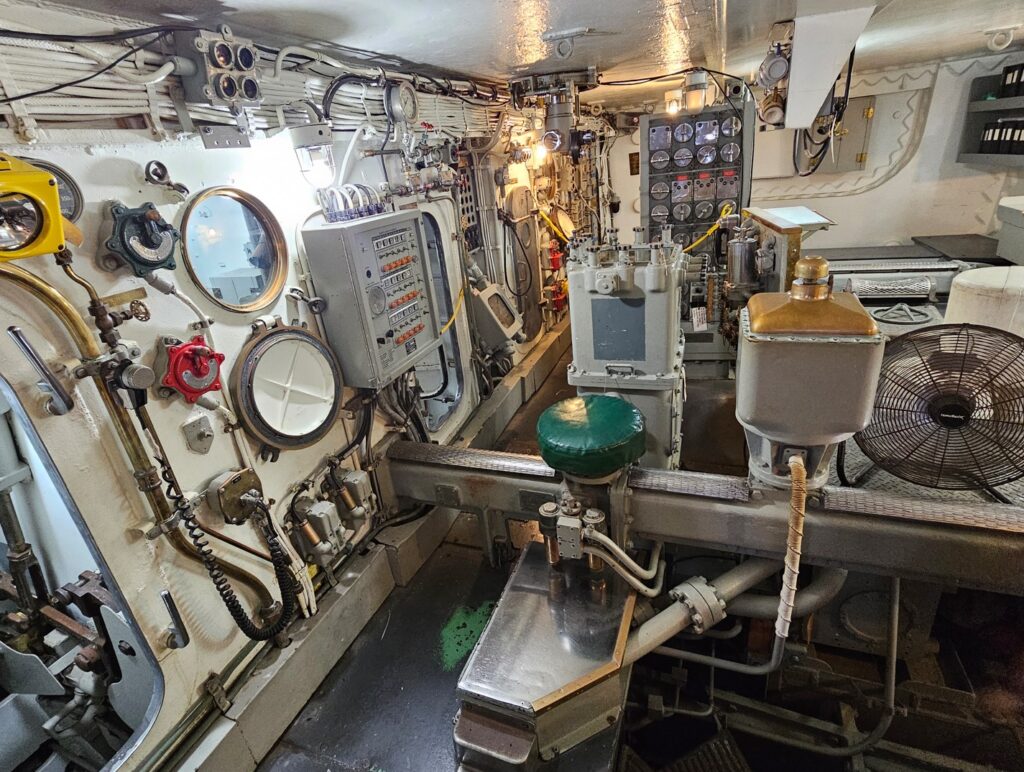
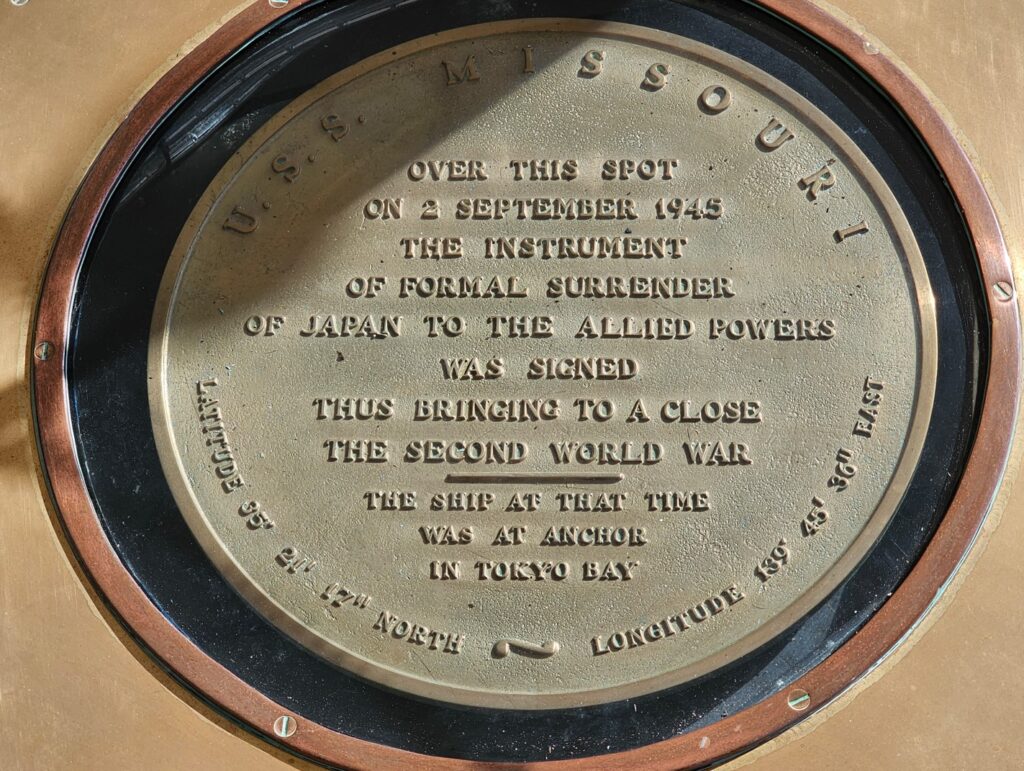
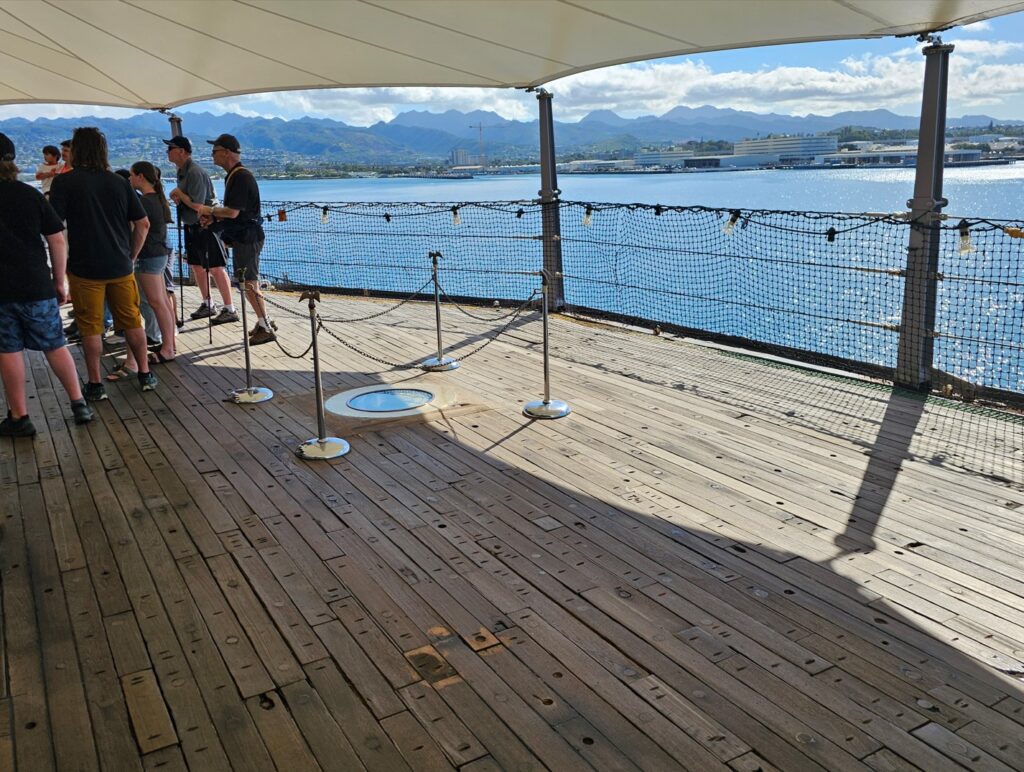
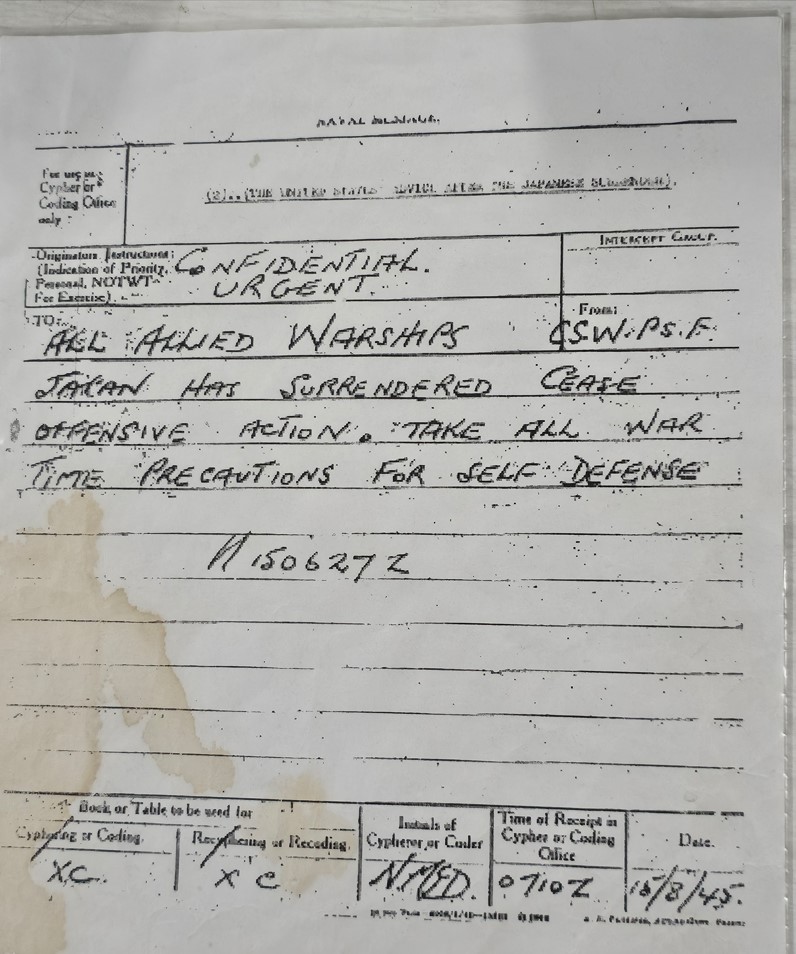
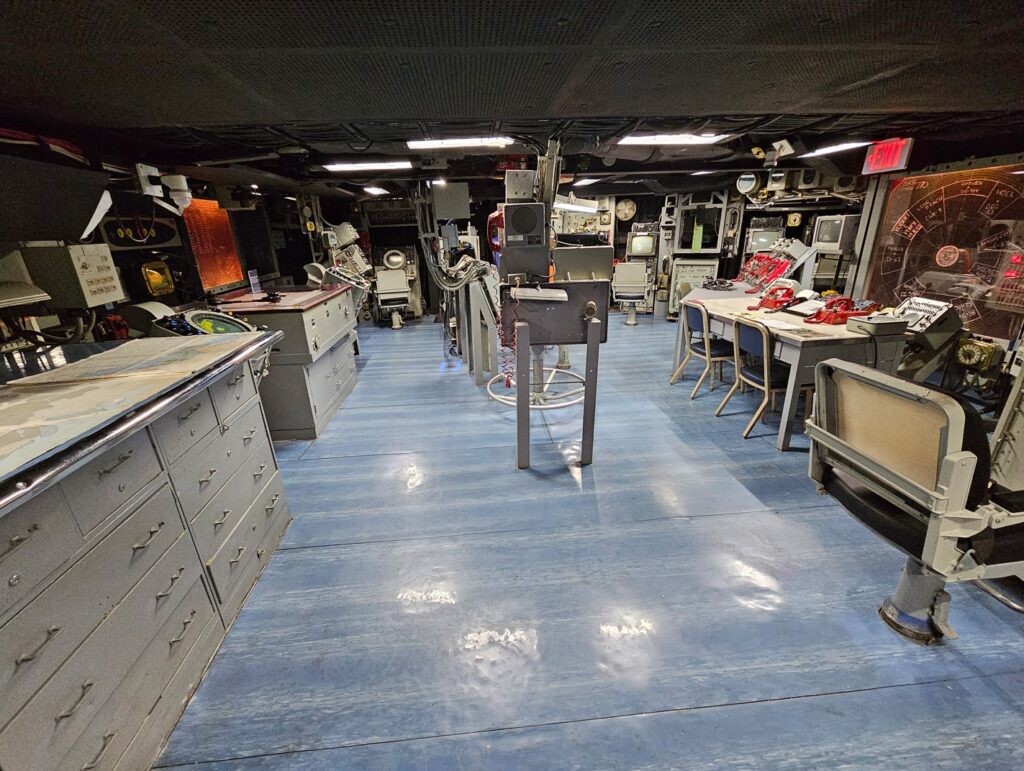
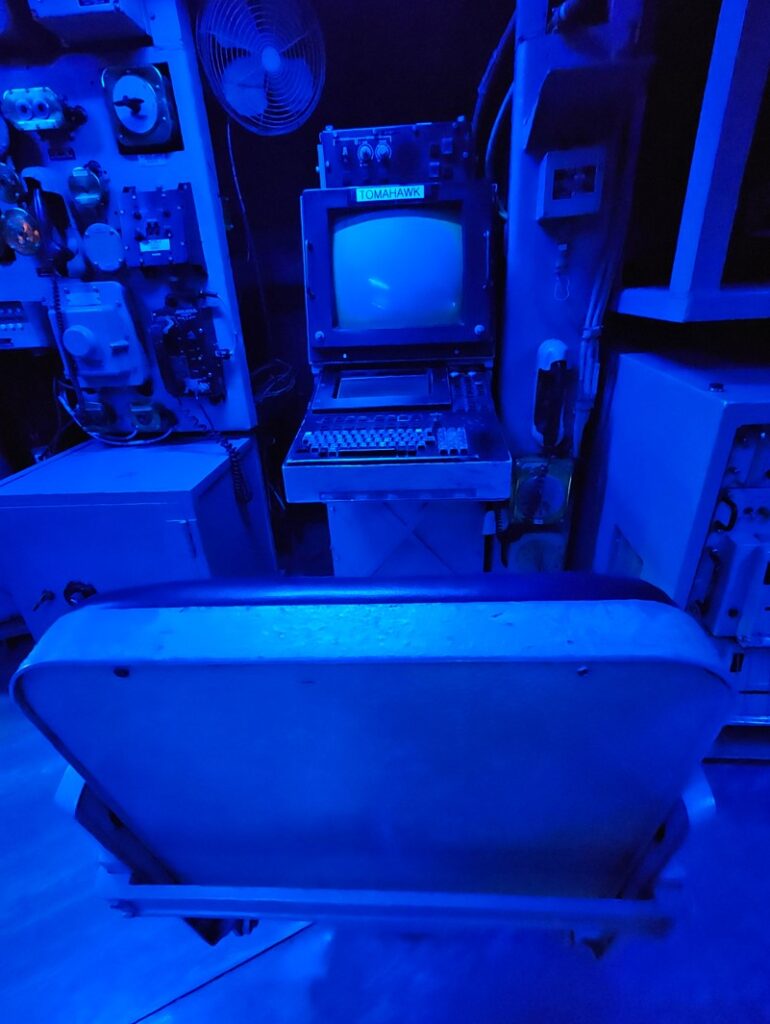
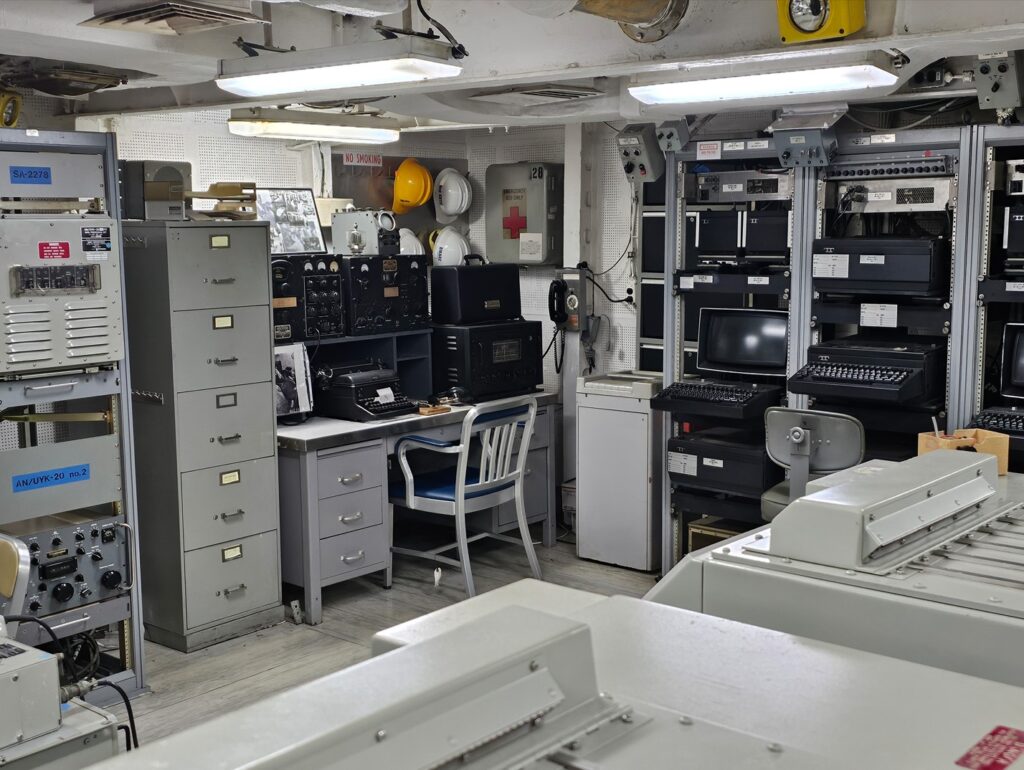
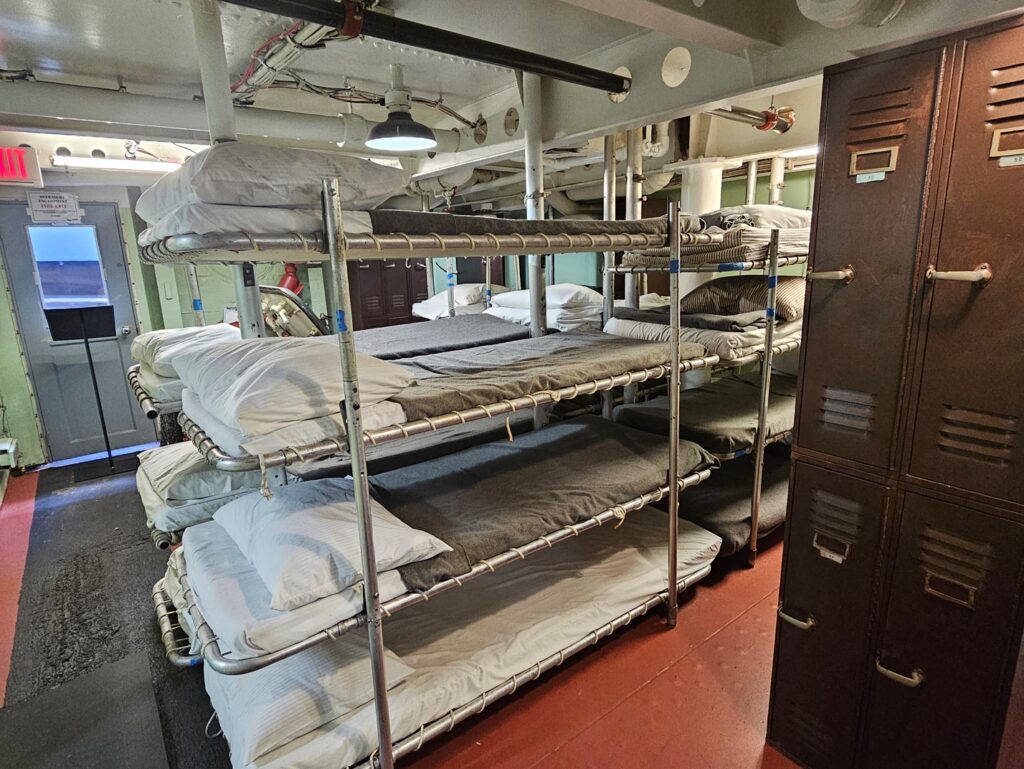
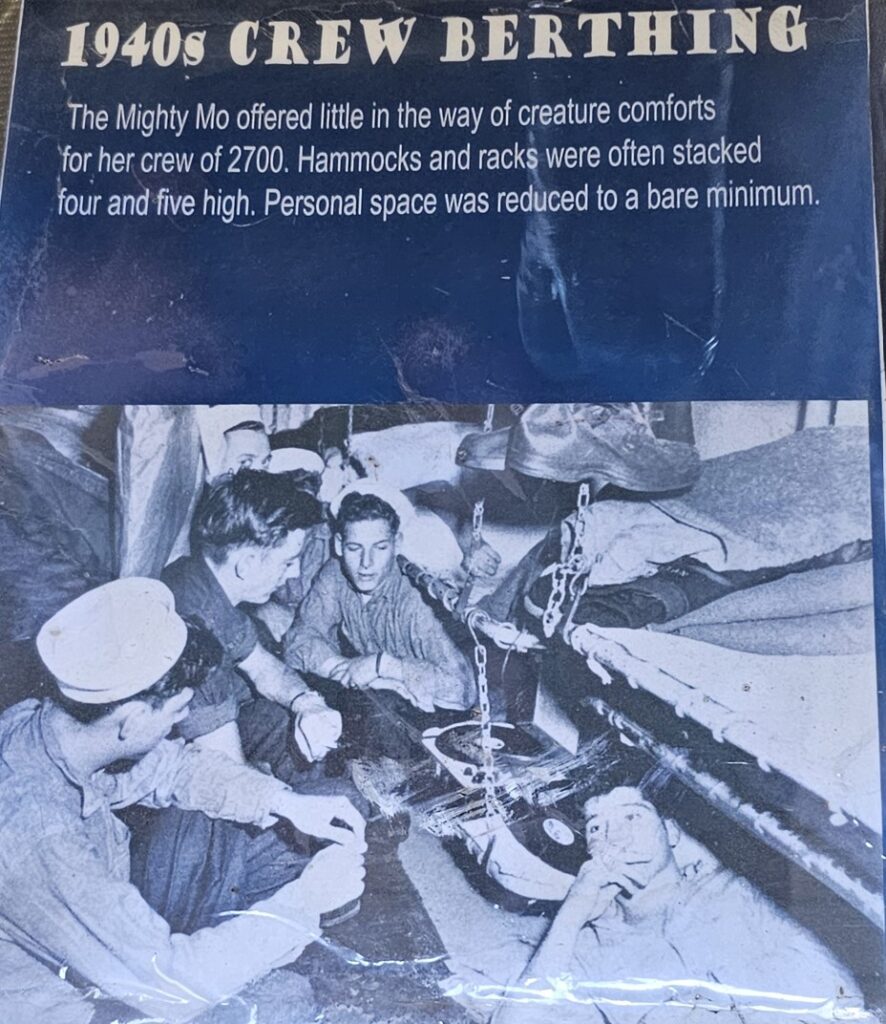
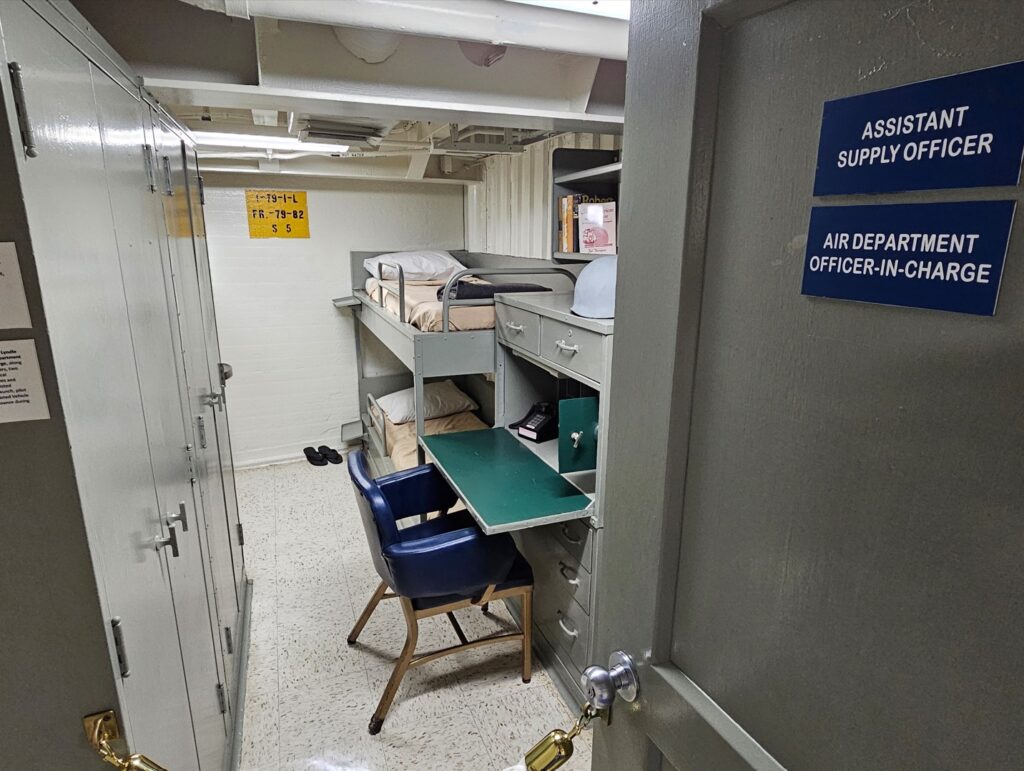
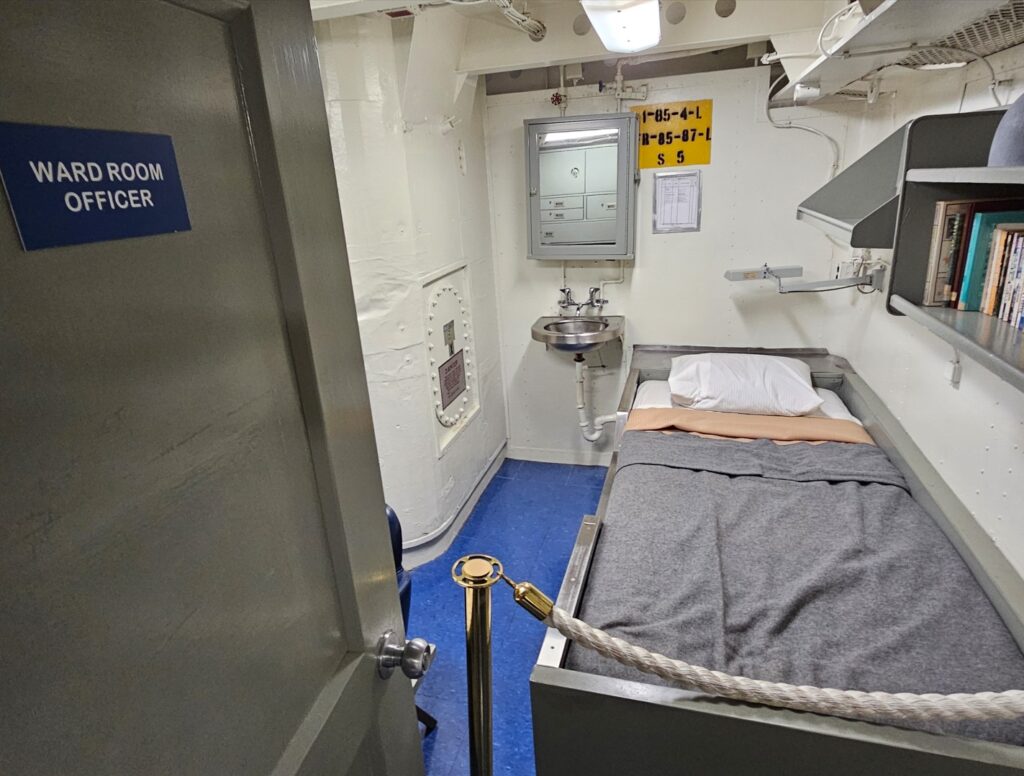
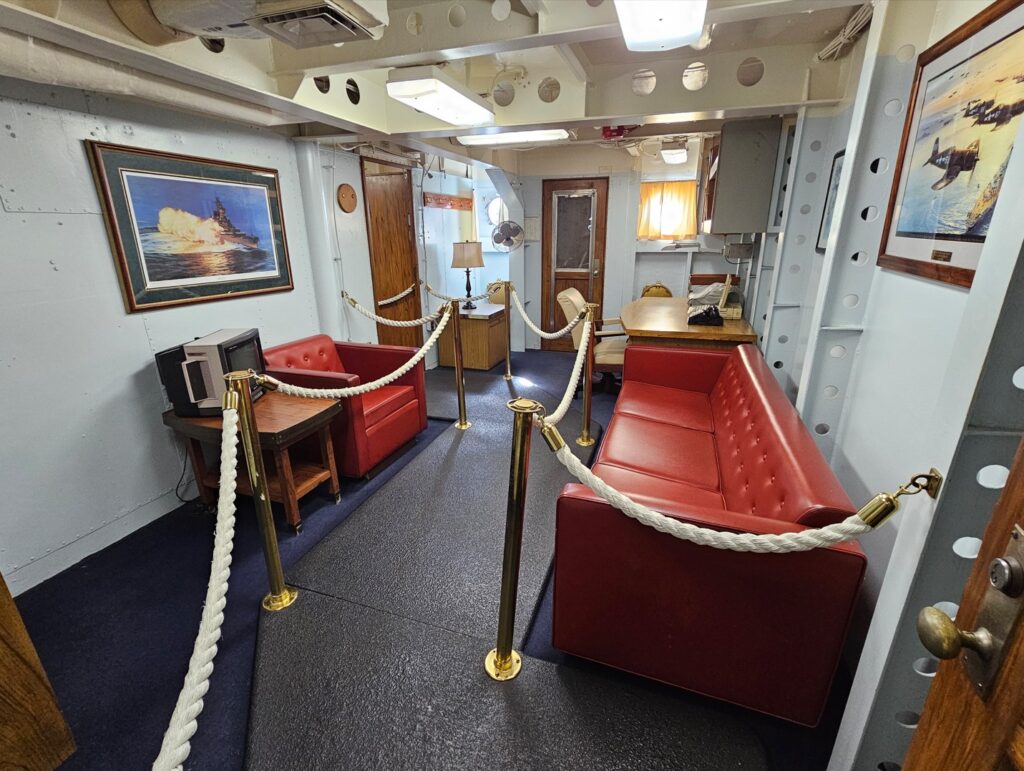
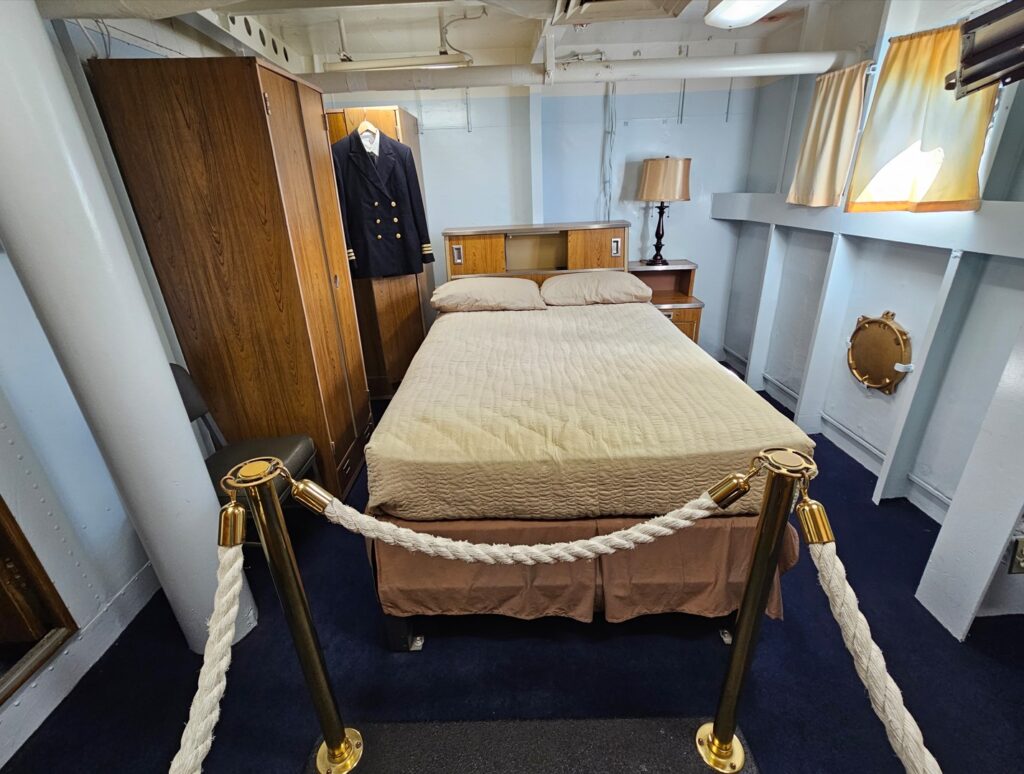
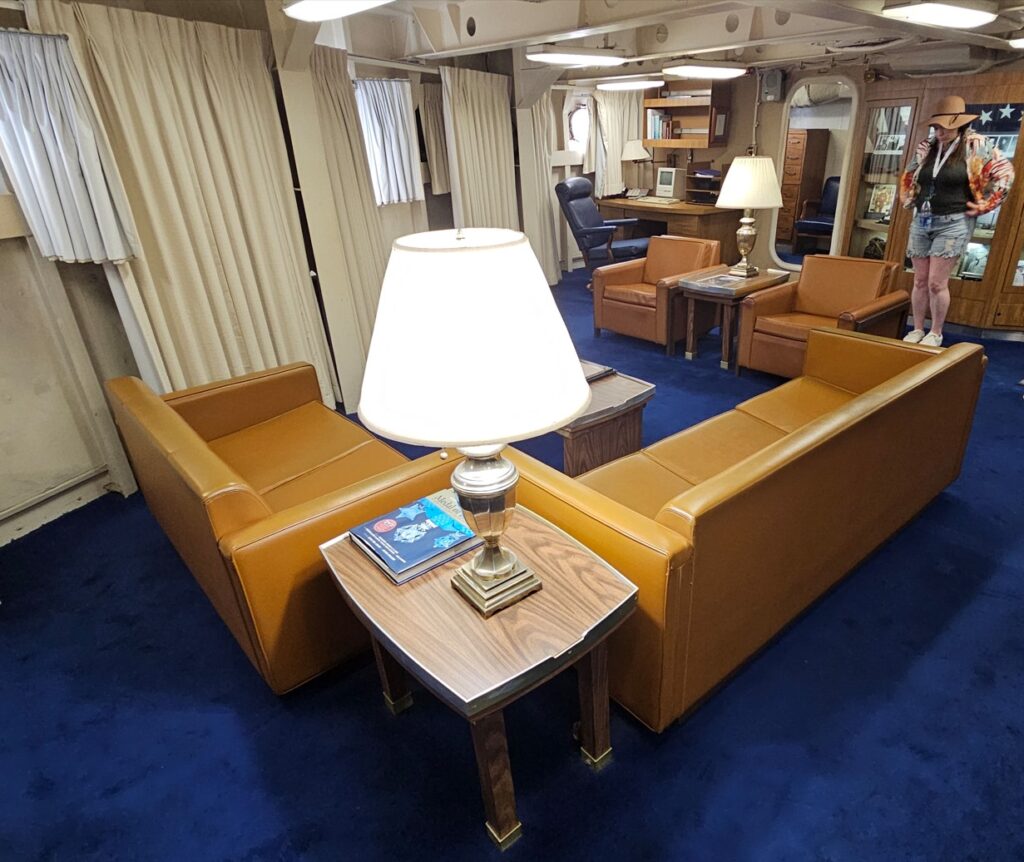
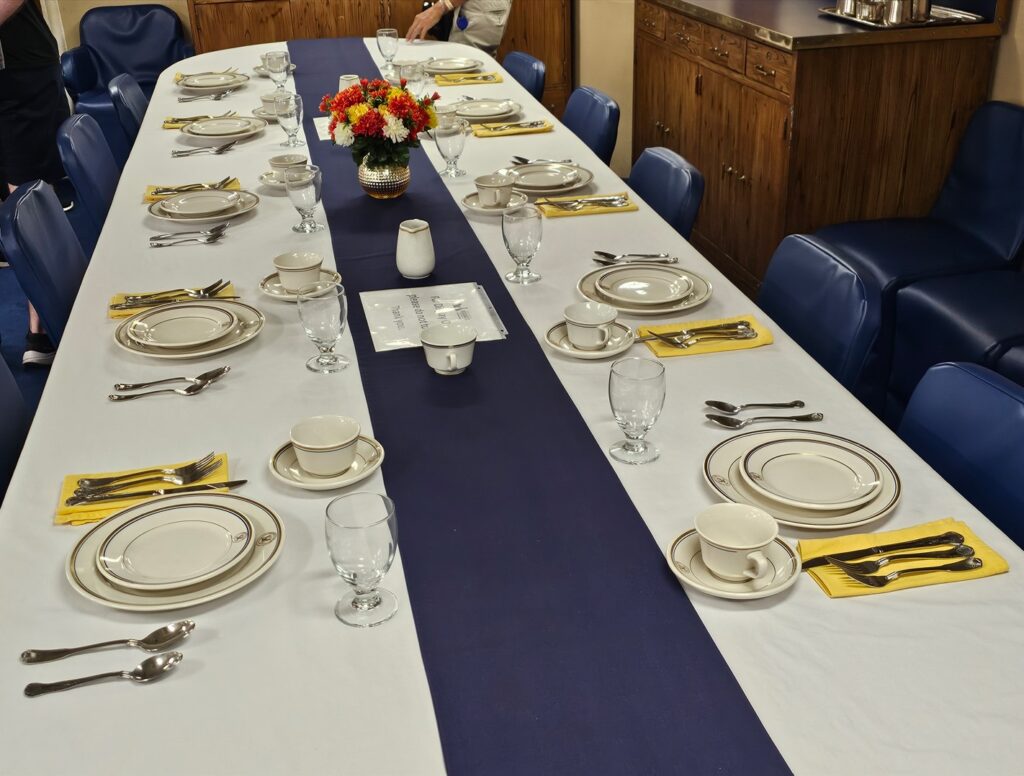
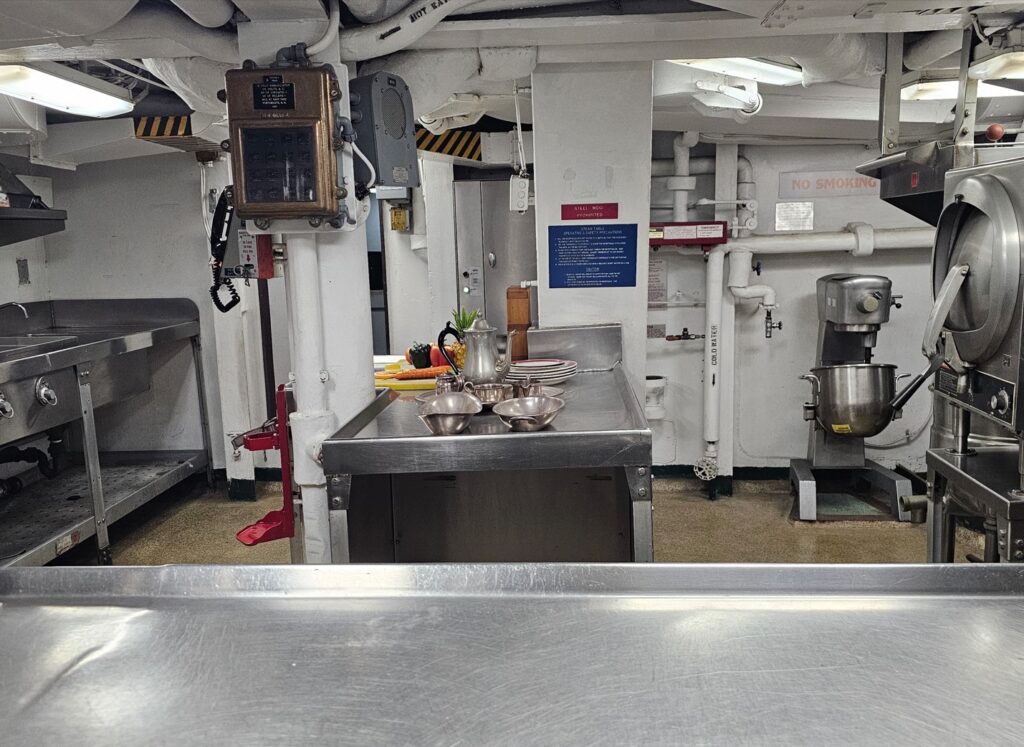
We were excited to see the Battleship Missouri, where the Japanese signed the surrender to General MacArthur in 1945, ending World War II at Tokyo Bay, Japan. In addition to World War II, the Missouri was brought back into action for the Gulf War, where it launched the first Tomahawk missiles.Statue of Fleet Admiral Chester Nimitz, Commander in Chief of the US Pacific Fleet during World War II. Nimitz is from Fredericksburg Texas, and when we were in Texas in 2022 we visited the Museum of the Pacific War, which is located next to the hotel his family owned there.“Embracing Peace” by Seward Johnson.Six of the ship’s nine 16-Inch .50 caliber guns and turrets. The other three guns and turrets are in the rear of the ship.Armor piercing 2,700 pound high capacity projectile.Inside one of the turrets.The three turrets are accessible from this room.This marks the location of the desk where the surrender was signed.Japanese Foreign Minister Mamoru Shigemitsu signed on behalf of the Japanese government. General Yoshijiro Umezu then signed for the Japanese armed forces, and his aides wept as he made his signature. Supreme Commander MacArthur next signed, declaring, “It is my earnest hope and indeed the hope of all mankind that from this solemn occasion a better world shall emerge out of the blood and carnage of the past.” Nine more signatures were made, by the United States, China, Britain, the USSR, Australia, Canada, France, the Netherlands and New Zealand, respectively. Admiral Chester W. Nimitz signed for the United States. The ceremony lasted 20 minutes.US Navy message announcing Japan’s surrender.CEC: Combat Engagement Center.The first Tomahawk missile was launched from this station during the first Gulf War.Communications center.Crew bunks.Executive officer quarters.Executive officer quarters.Special dining room in the executive quarters with special executive China place settings. Three presidents have dined at this table – Presidents Truman, Bush 41 and Bush 43.Kitchen.
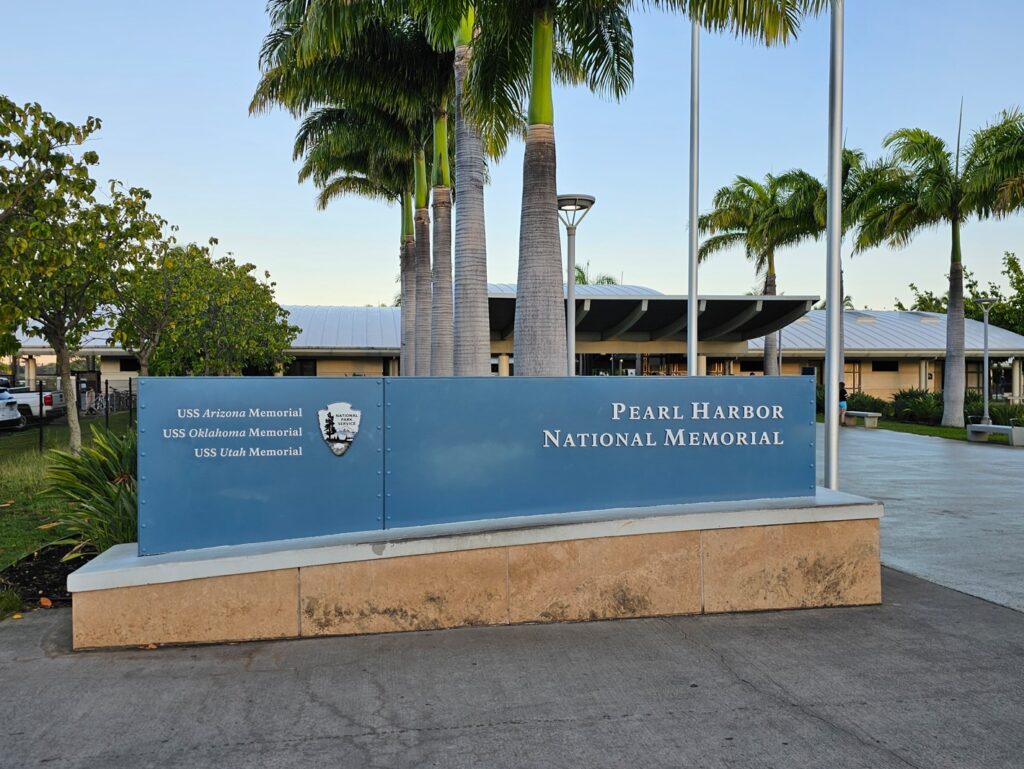
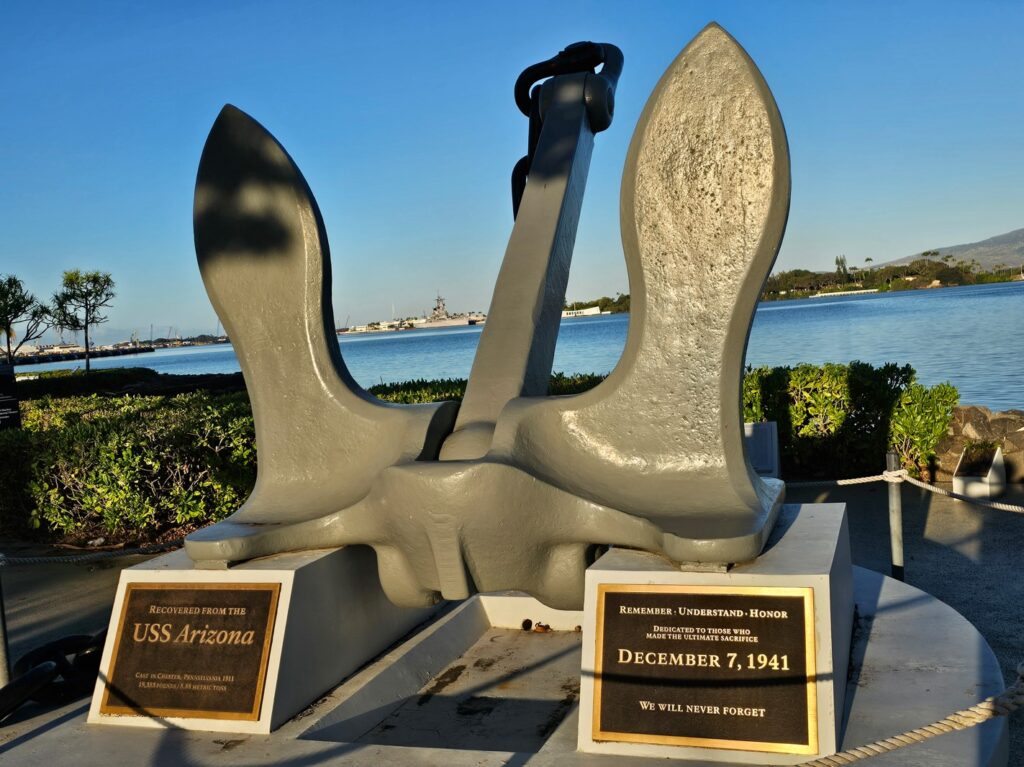
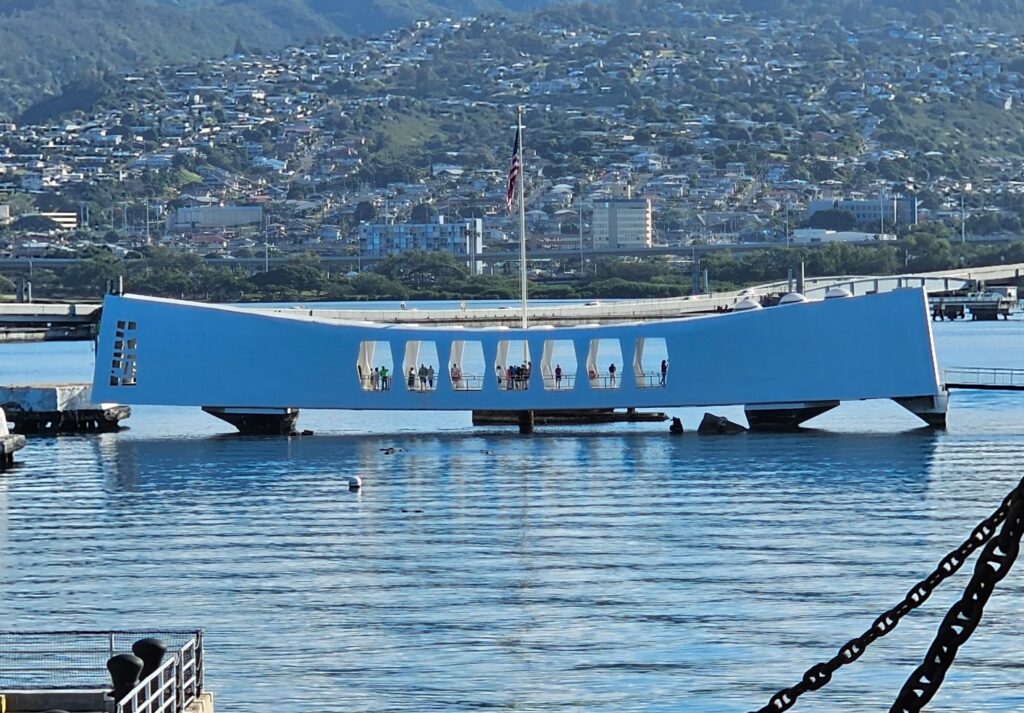
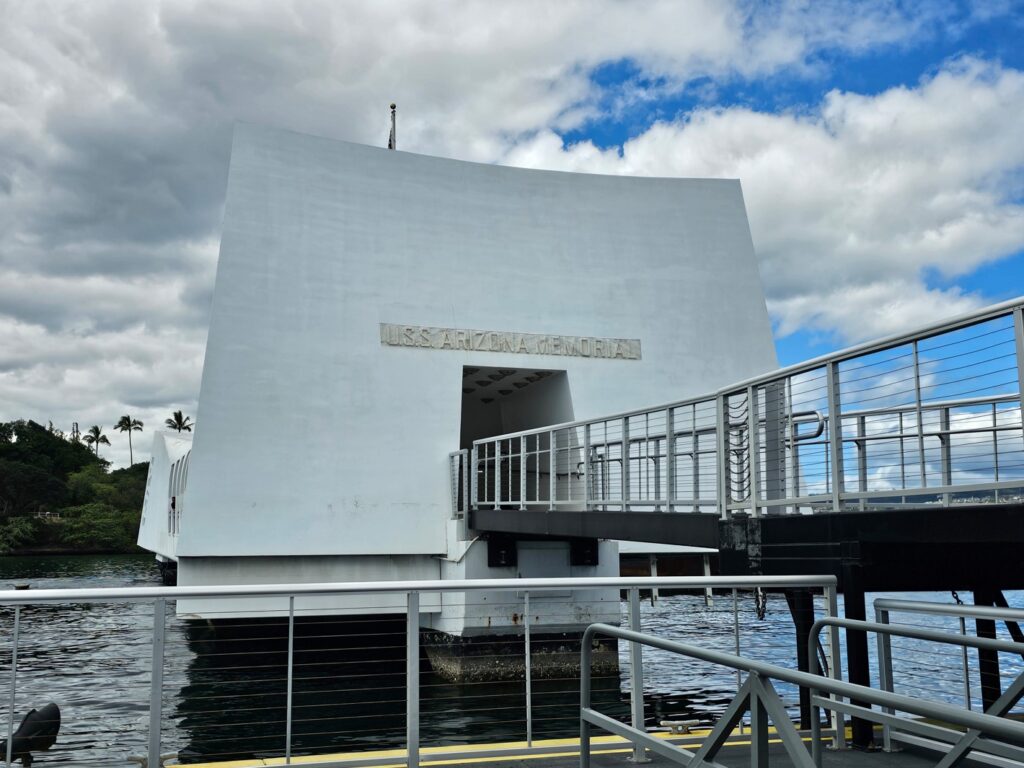
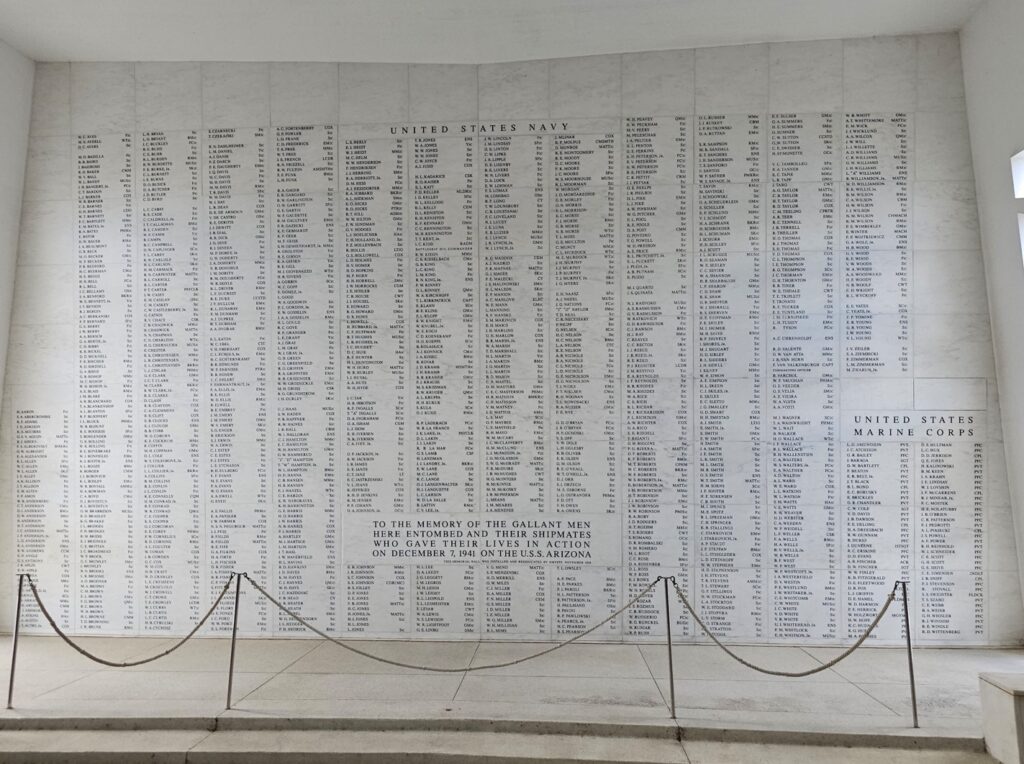
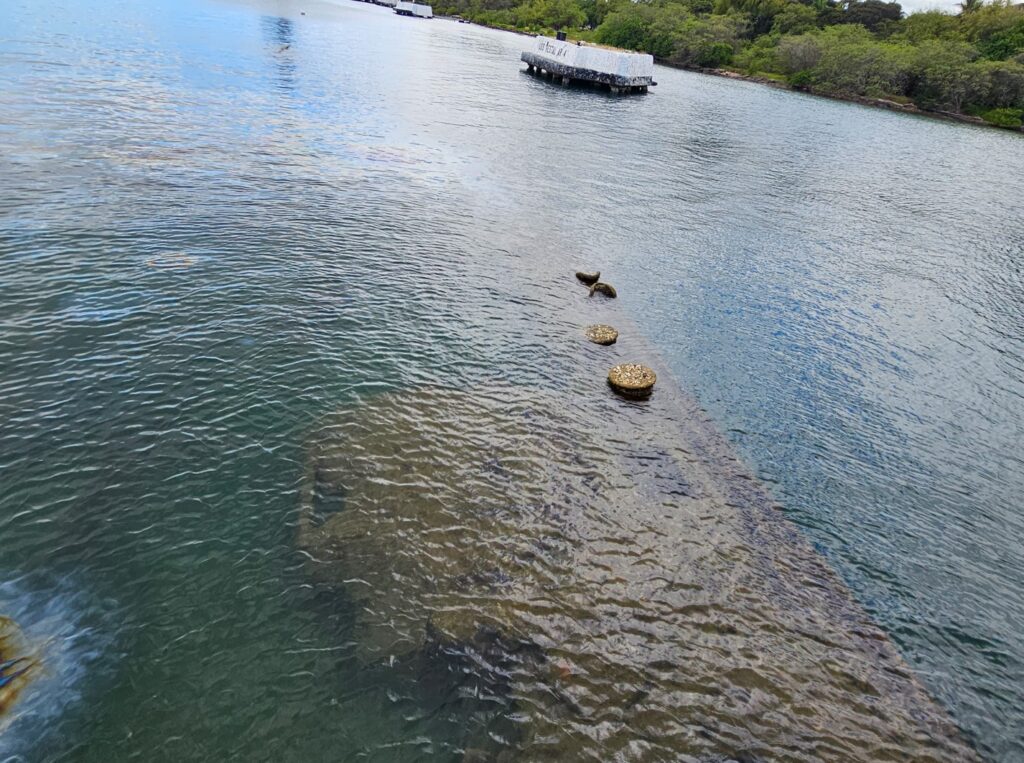
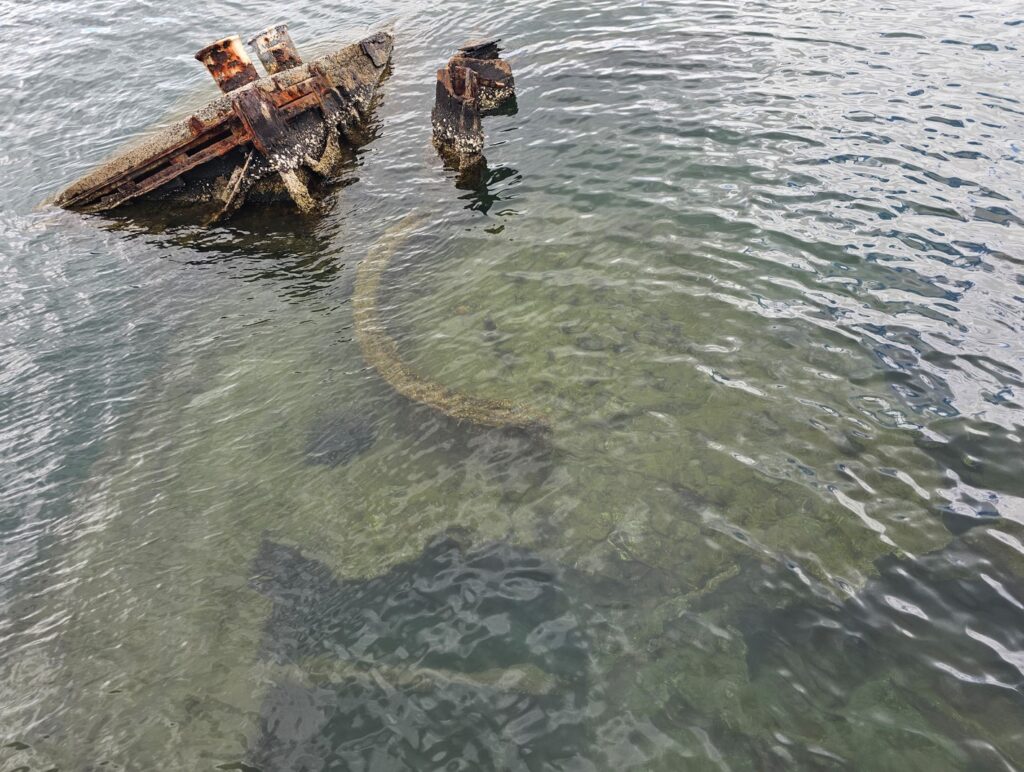
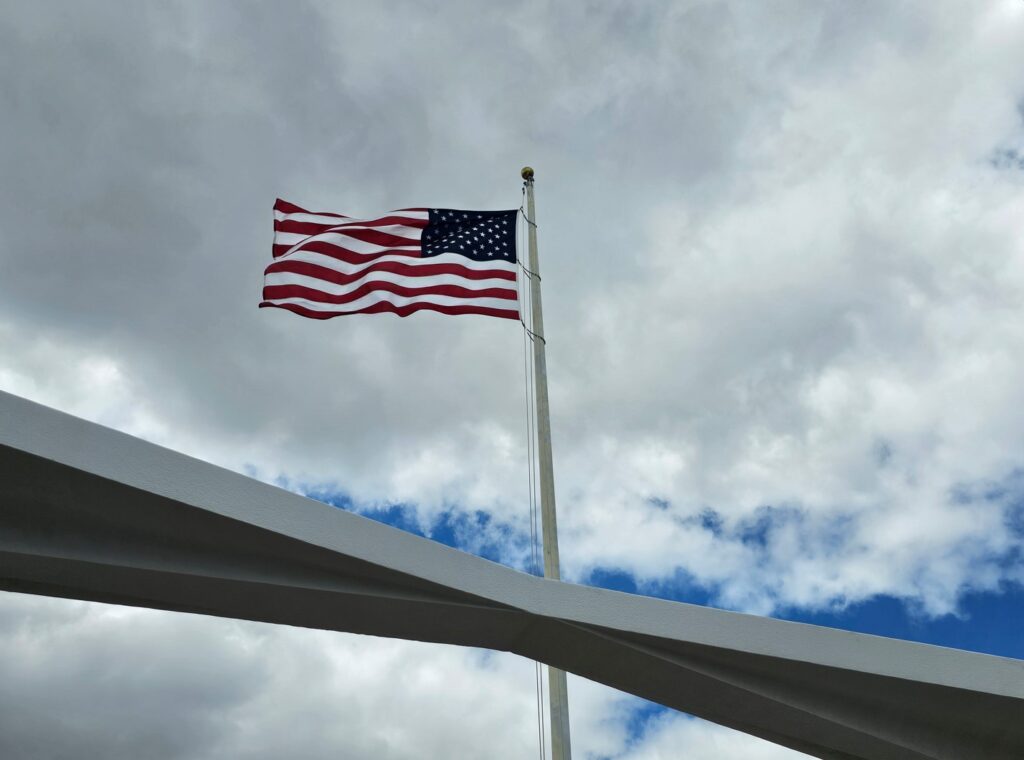
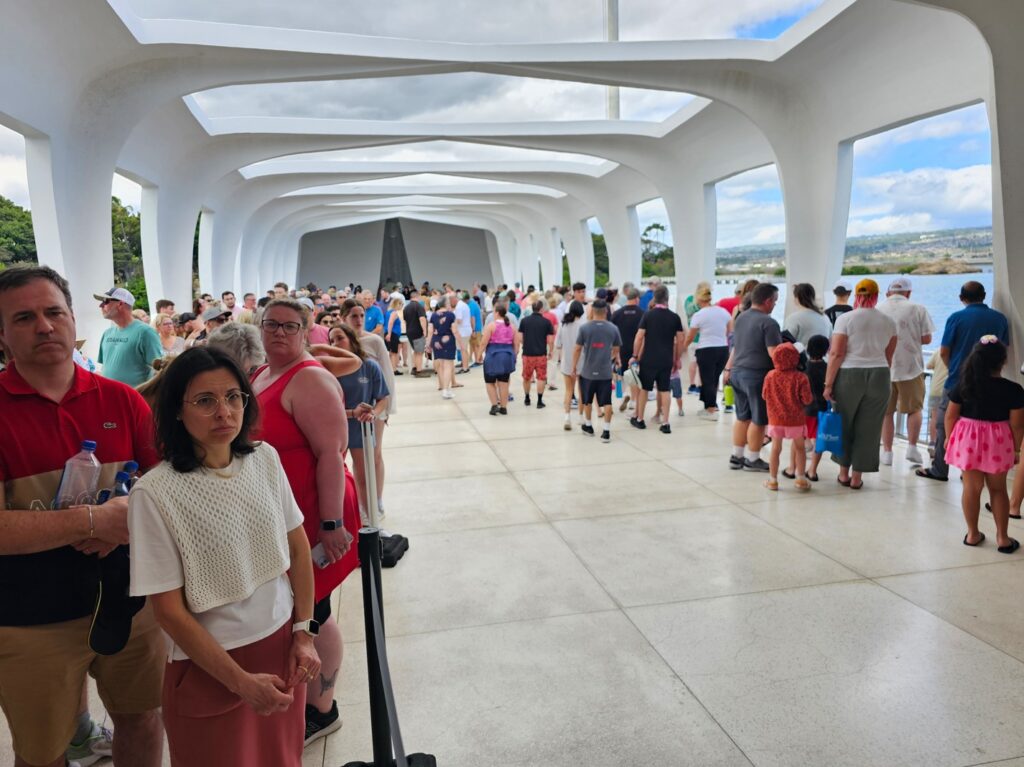
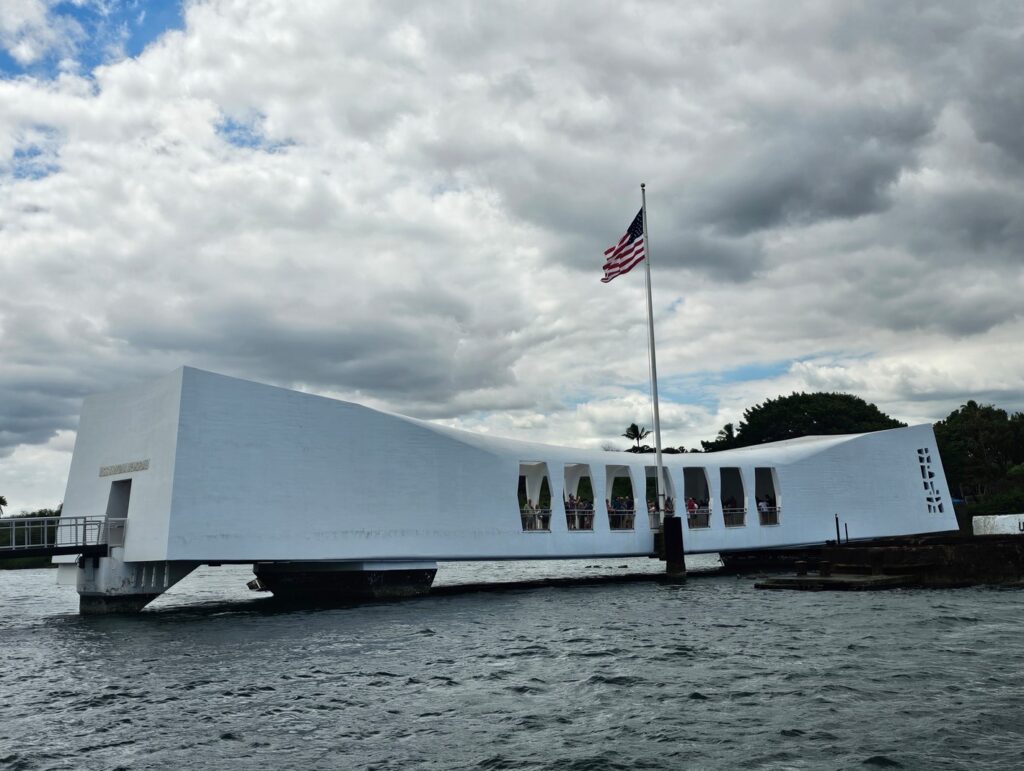
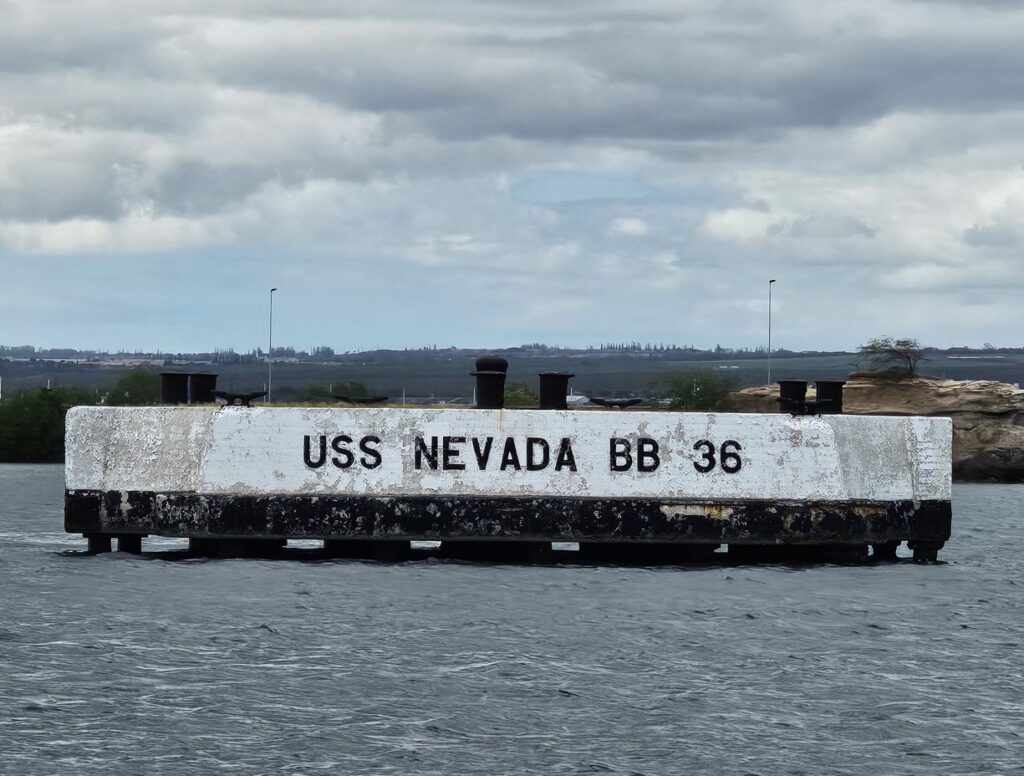
Pearl Harbor is the most visited site in Hawai’i. This is the where the Japanese attacked the US on December 7, 1941.The Lone Sailor, represents all the men and women who serve, have served or will serve in the US Navy.Anchor recovered from the USS Arizona.USS Arizona Memorial.On one wall of the memorial is a list of all the service members on the USS Arizona who perished during the Japanese attack. There are two smaller markers listing other service members who served, but were not killed on the Arizona. They chose to be entombed with their shipmates upon their own deaths.The remains of the USS Arizona. You can still smell the oil here.Visiting this memorial is a quick, somber event. A shuttle boat takes you out to the memorial, then you have about 15 minutes to quietly walk about, then line up to get back on the next shuttle back to the Pearl Harbor museum.Marker for the USS Nevada.