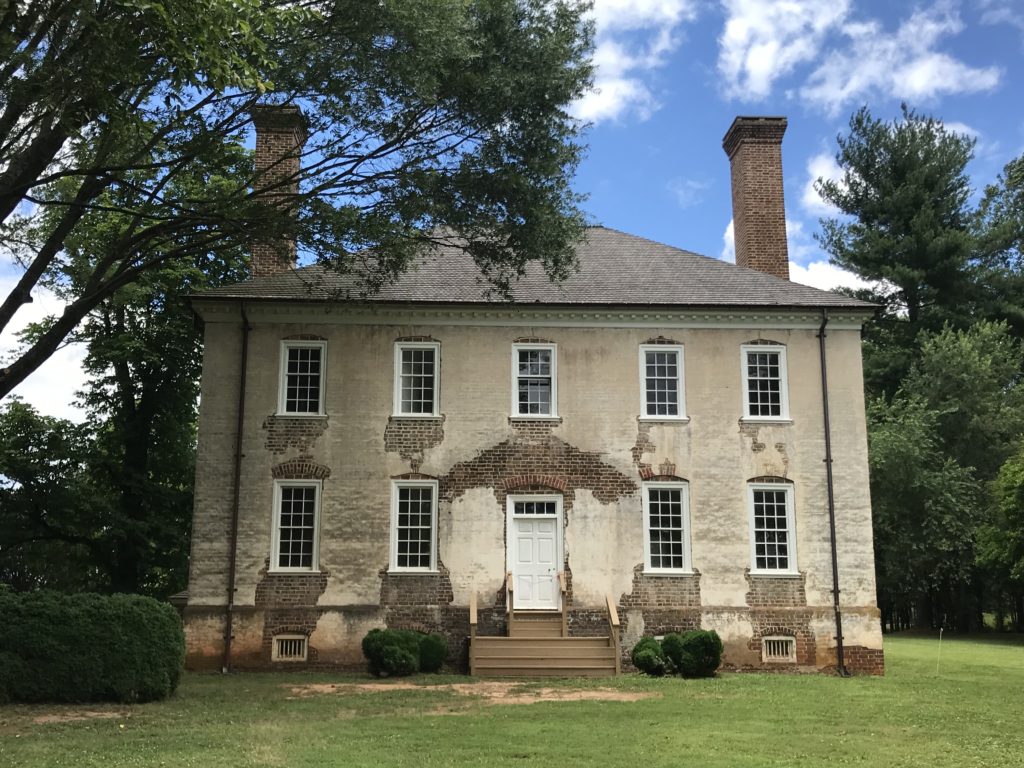
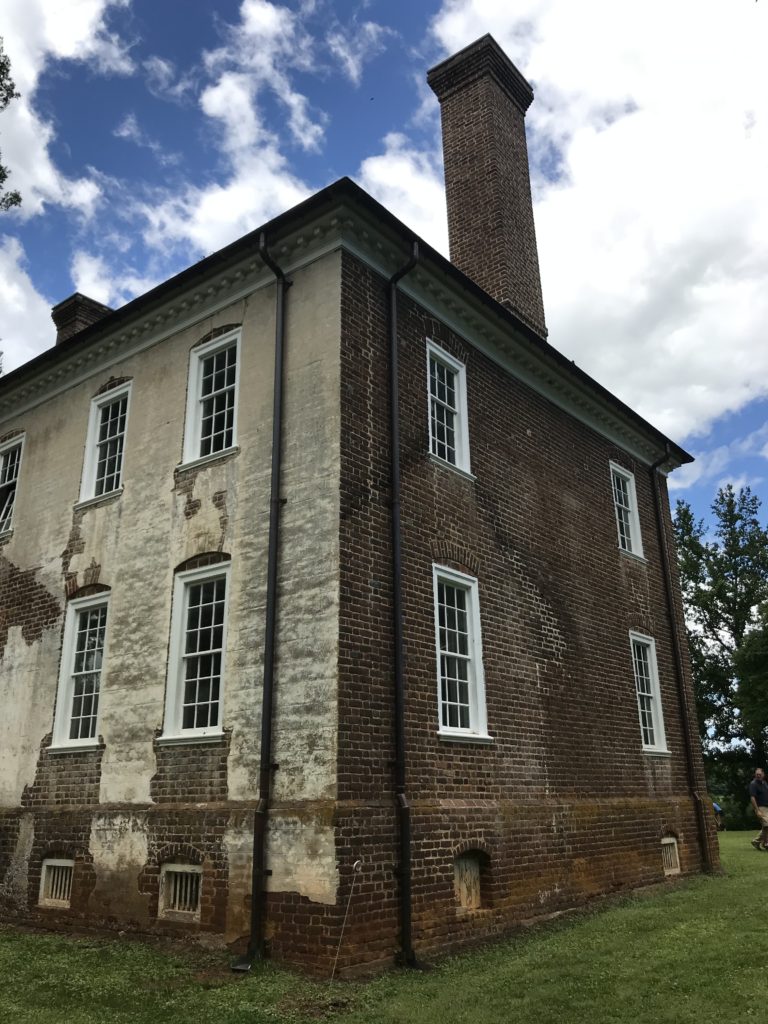
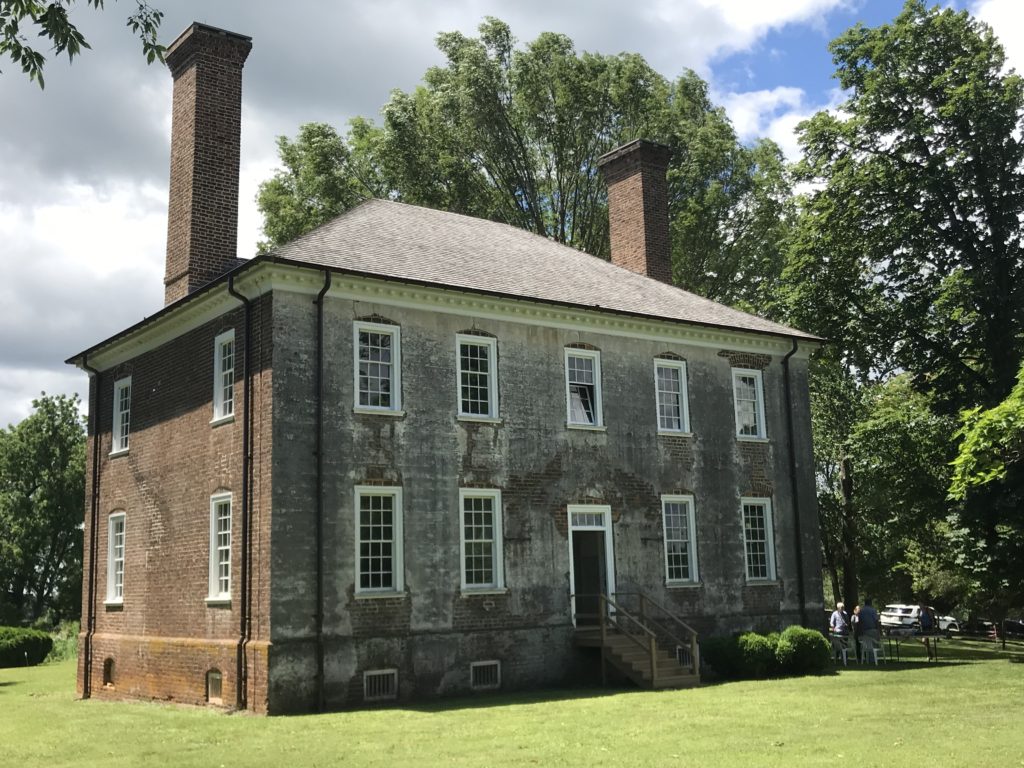
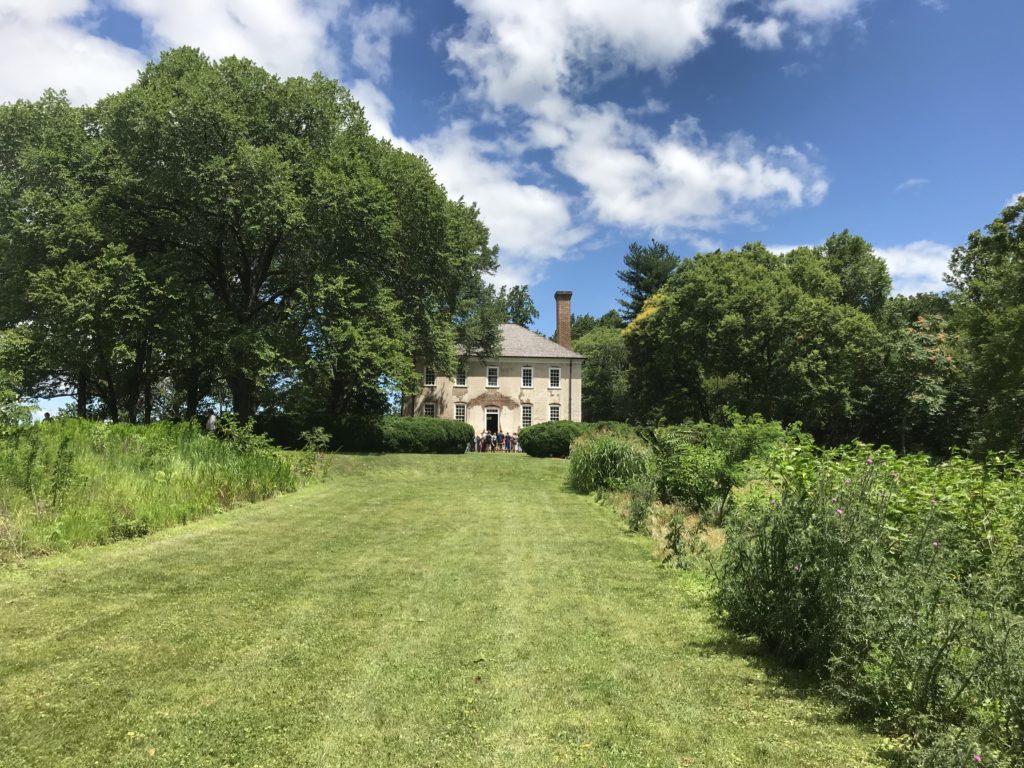
This is a hidden gem in Culpeper County on Route 3. The house was built in 1757. It is now an archeological site of 19 acres controlled by Germanna Community College Foundation. They rarely open this site to the public, but on Friday June 21, they opened it for 2 hours, and I had an opportunity to take a look.
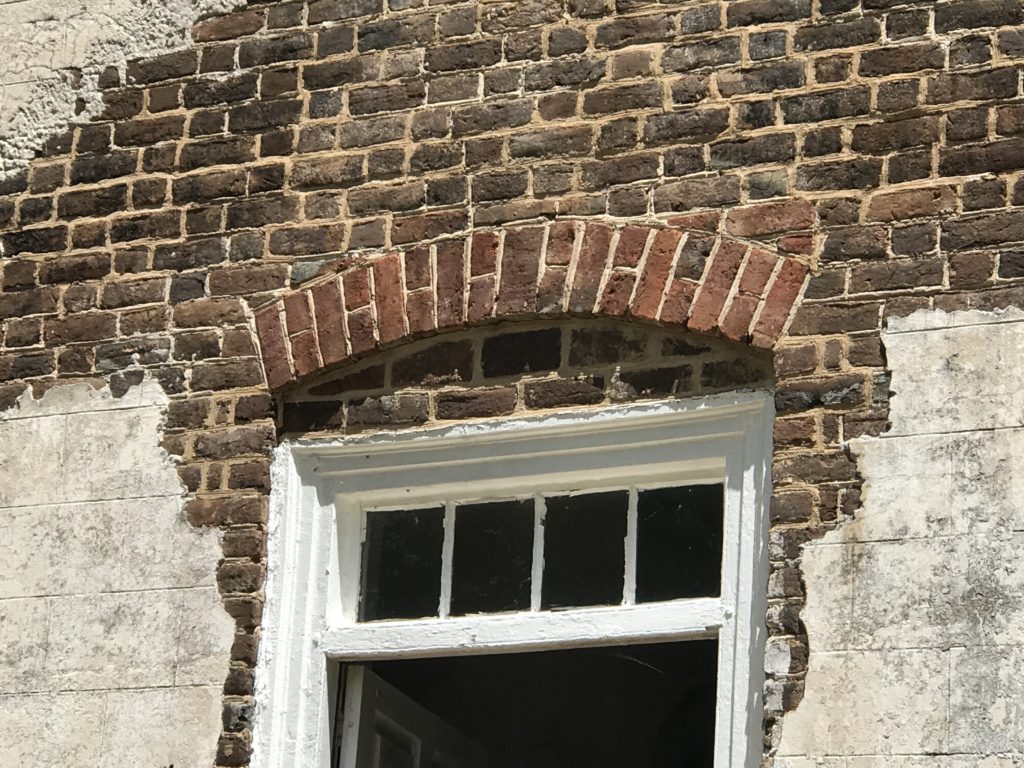
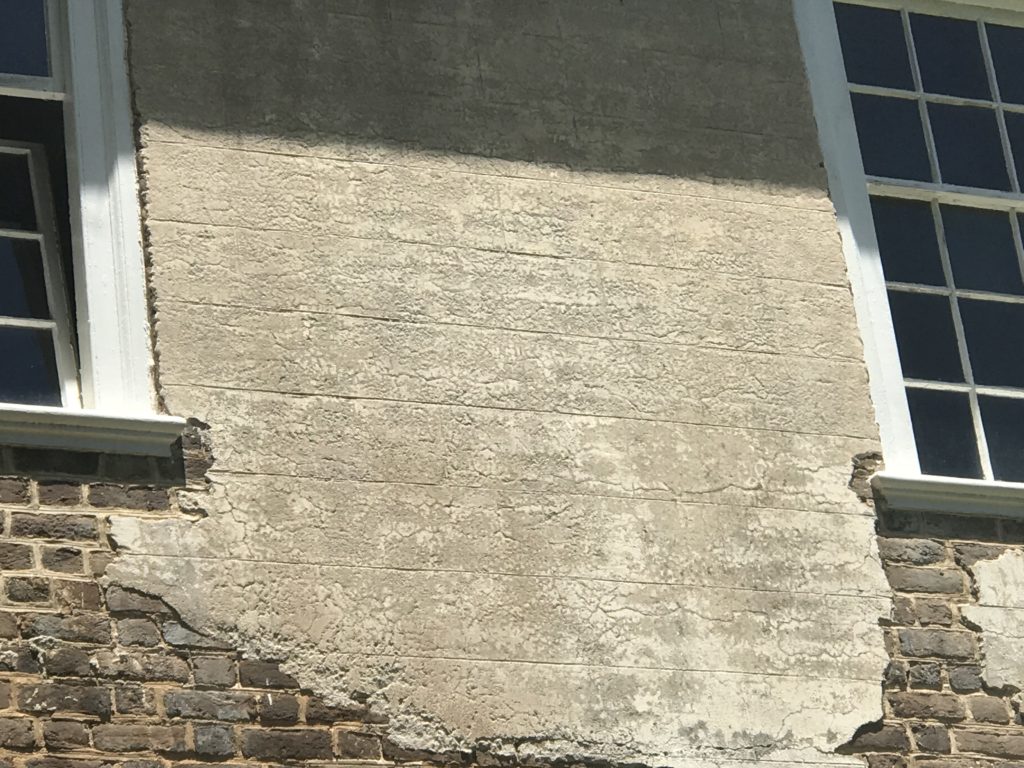
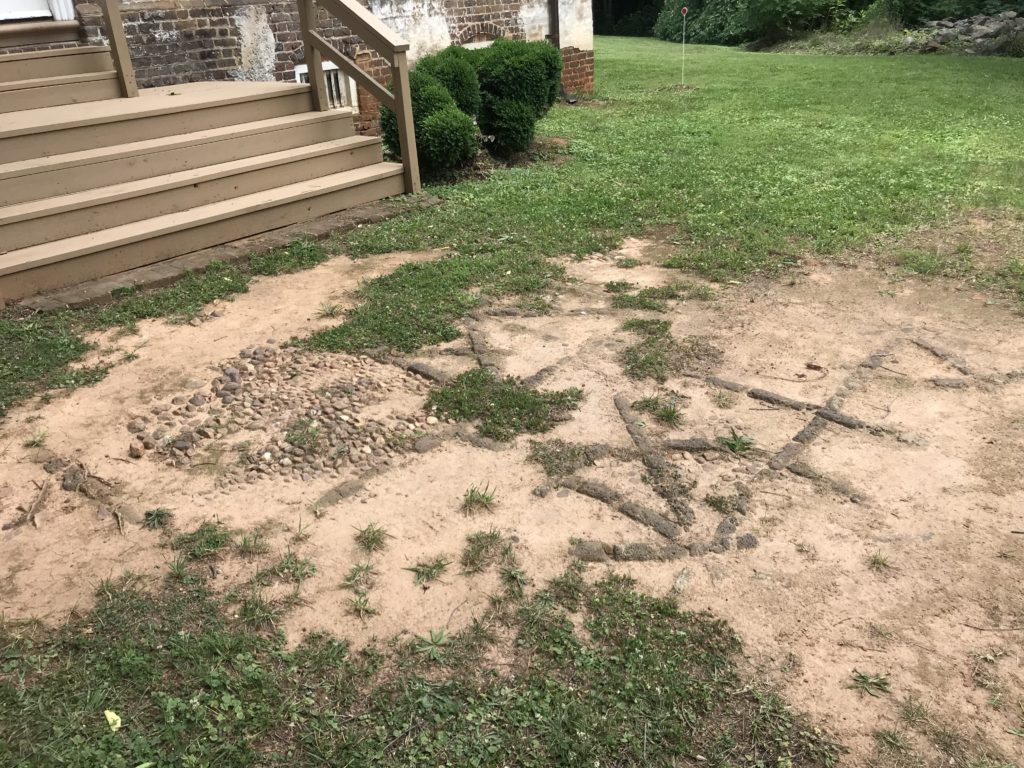
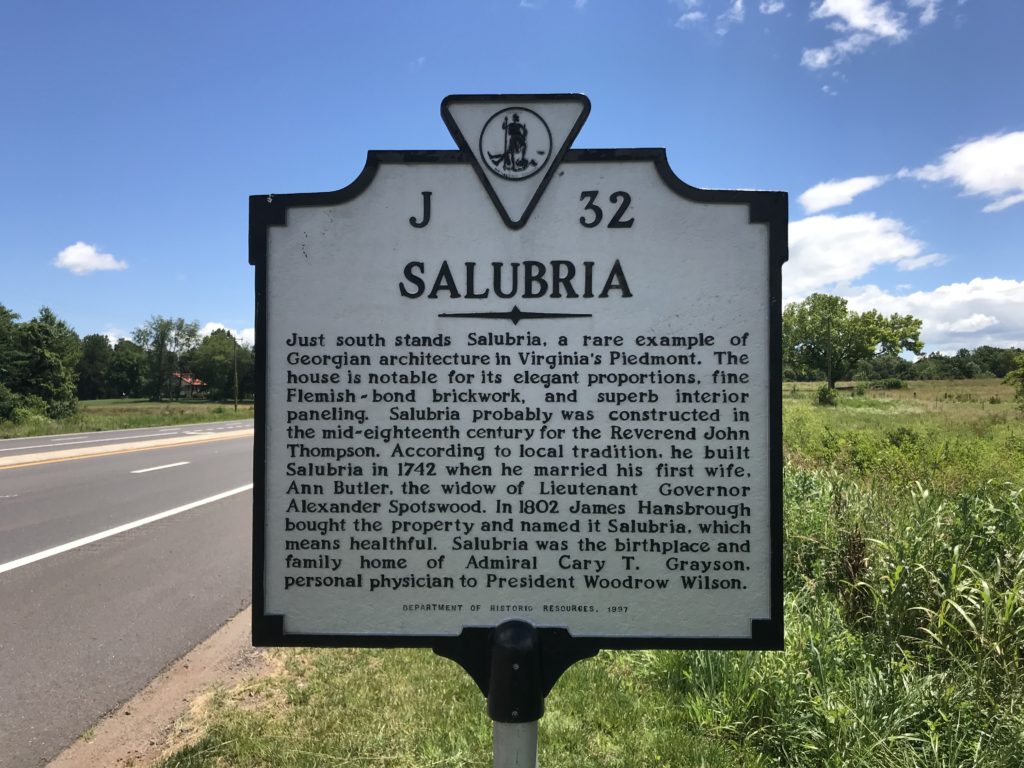
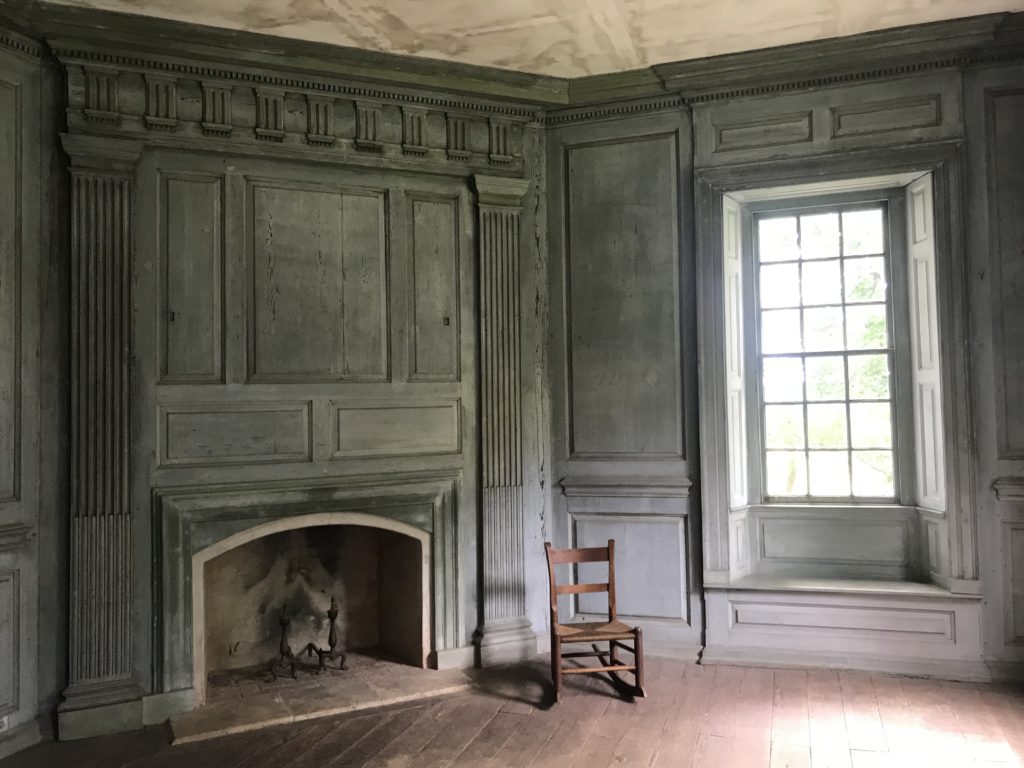
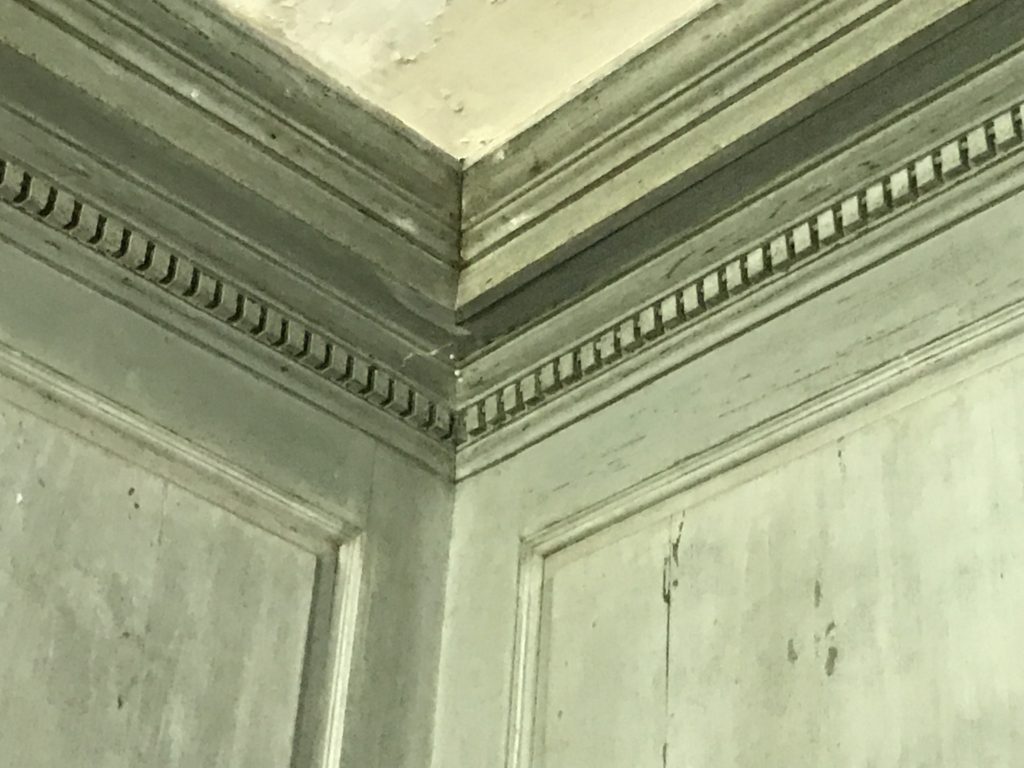
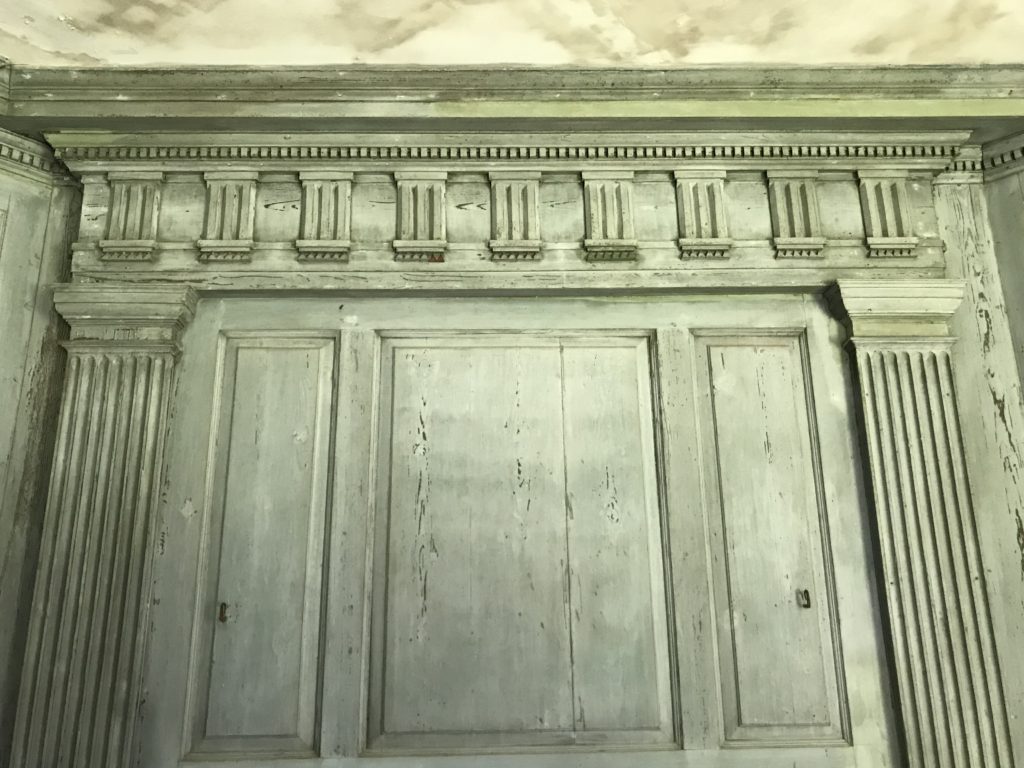
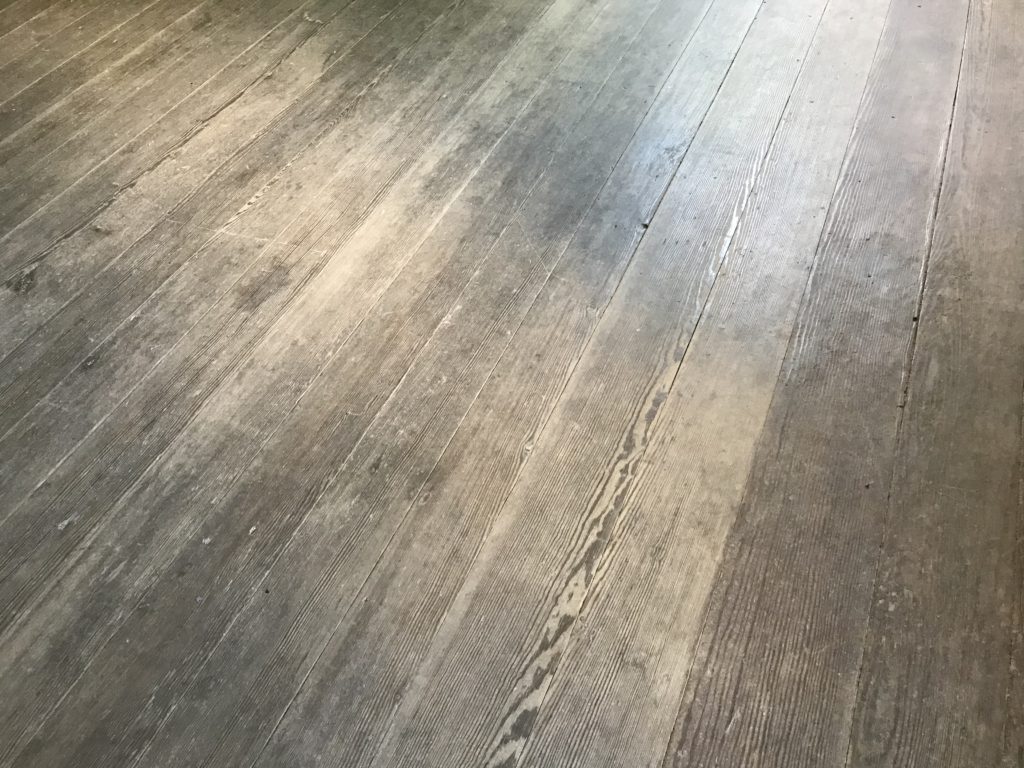
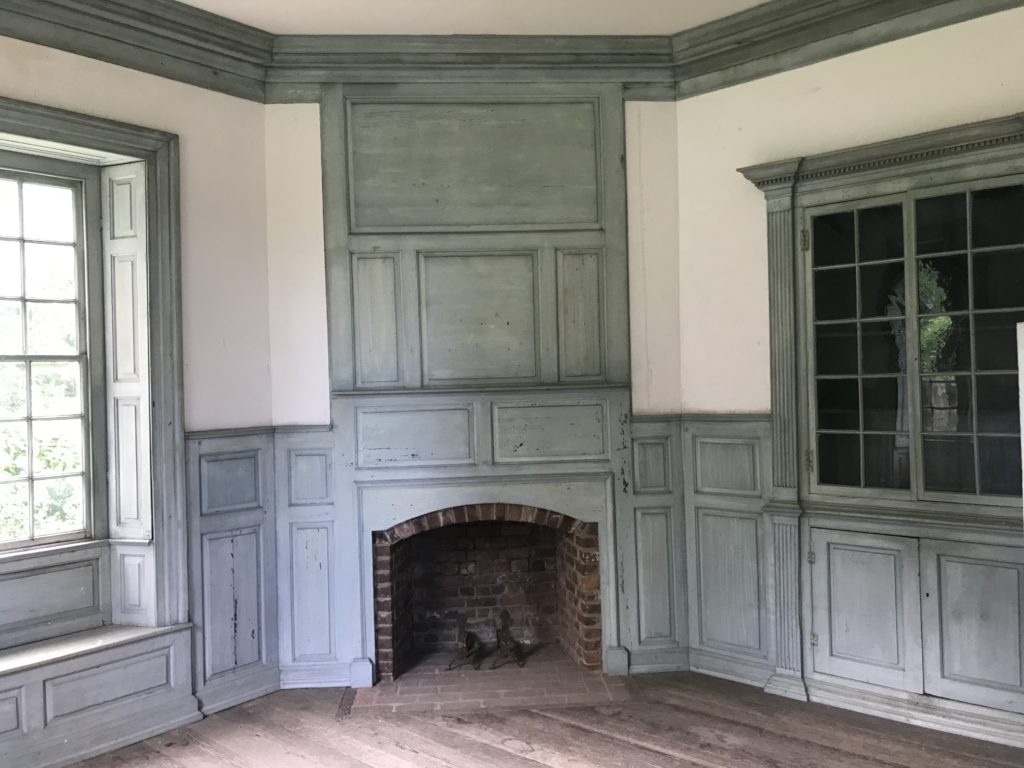
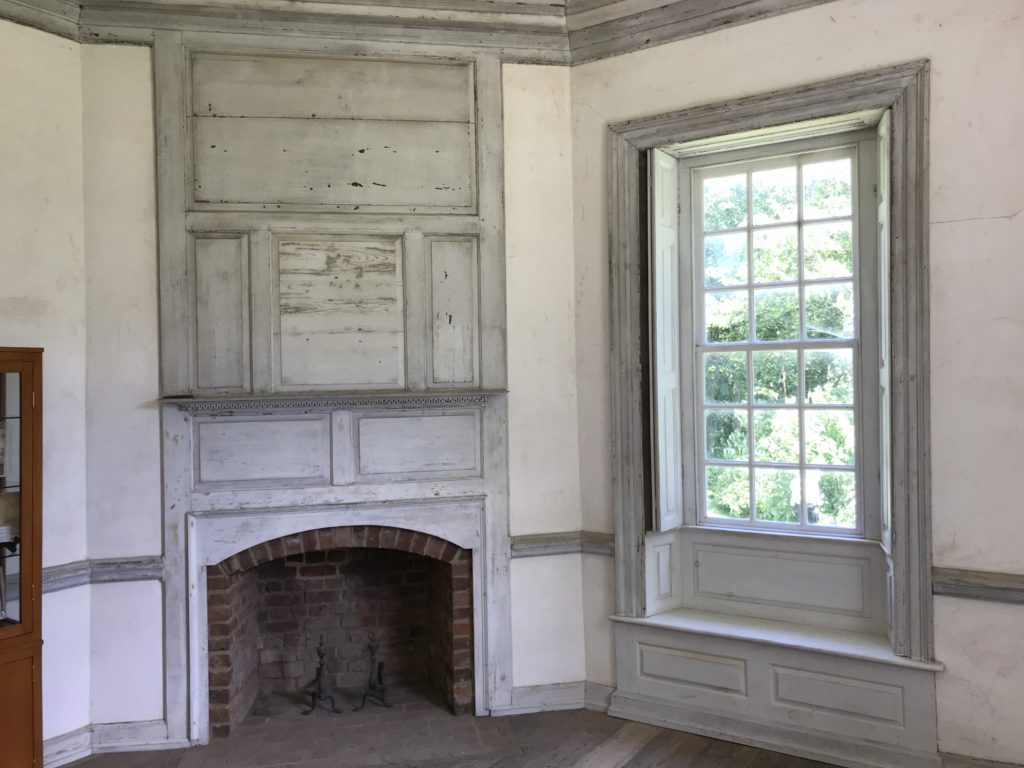
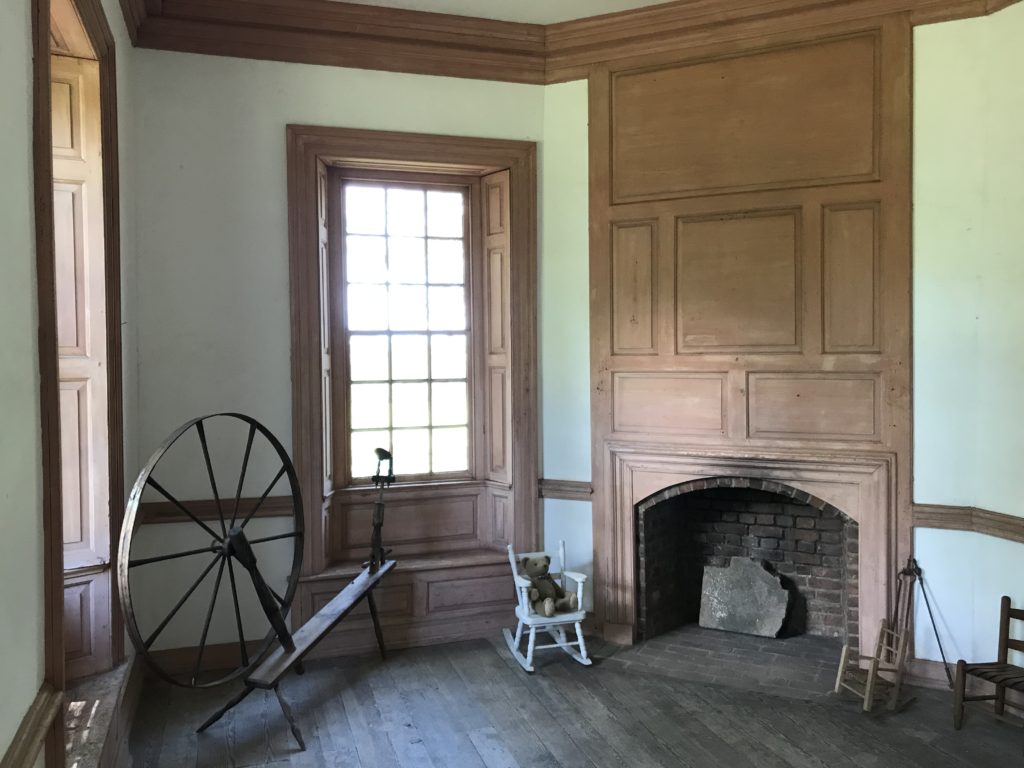
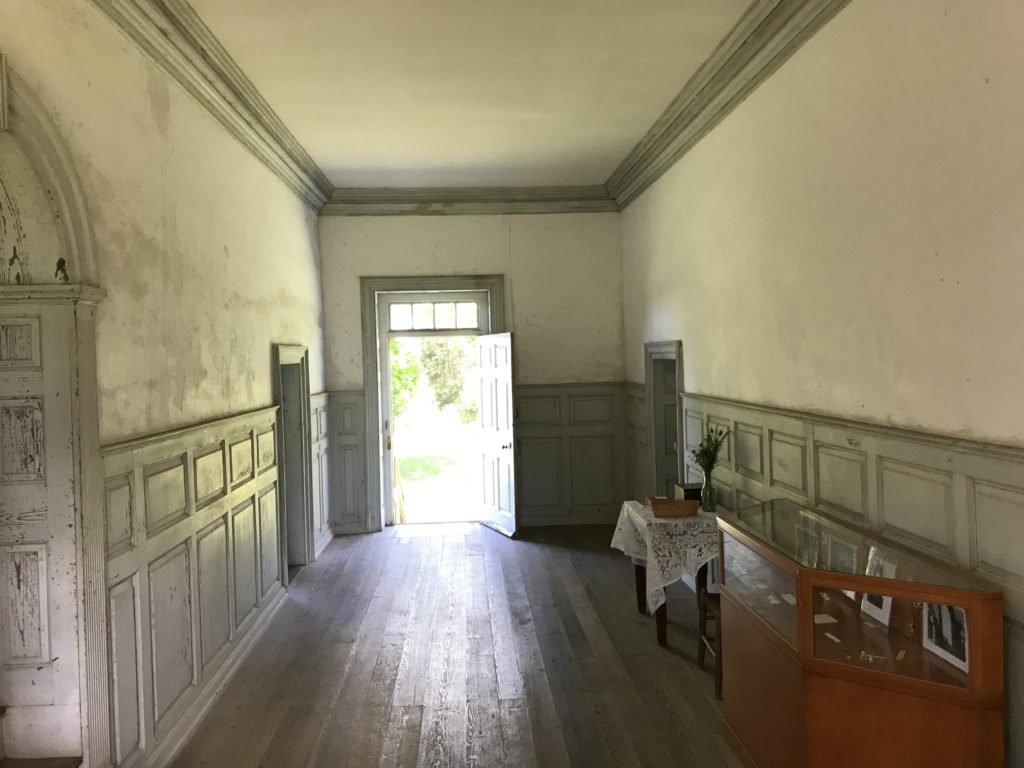
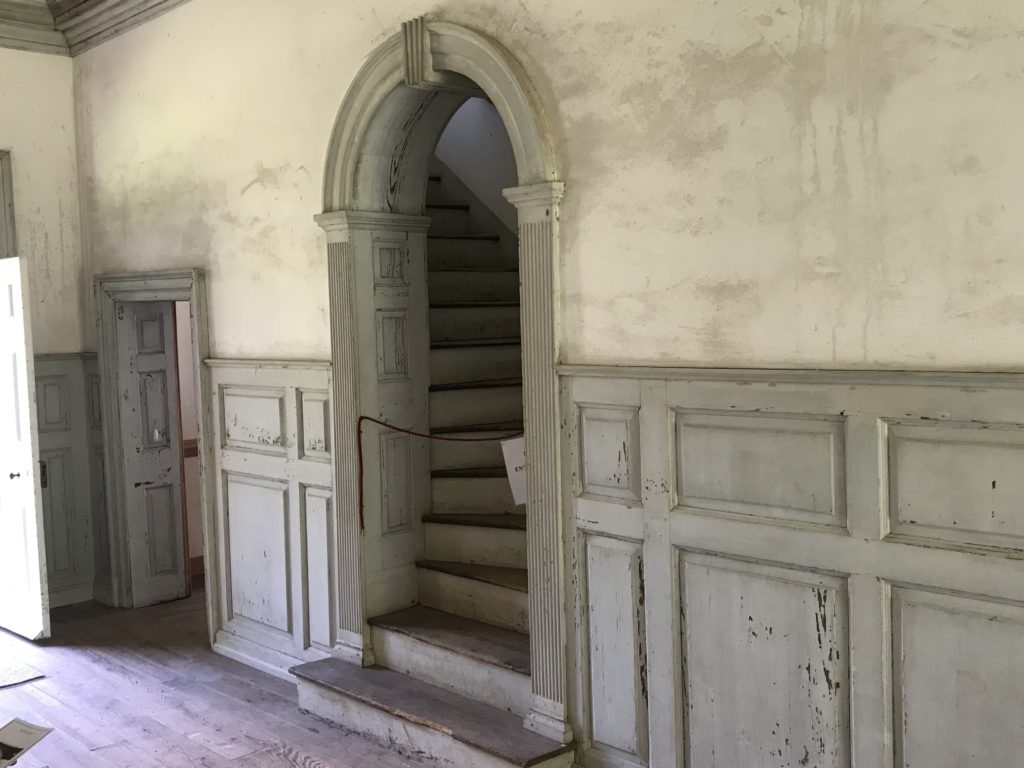
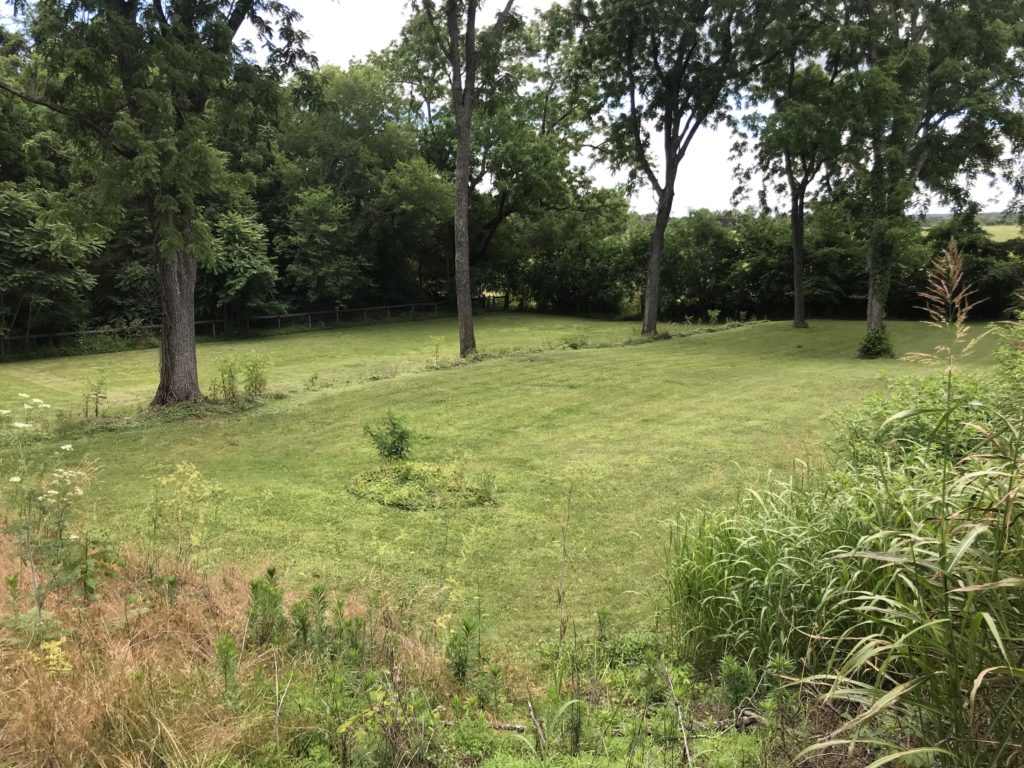
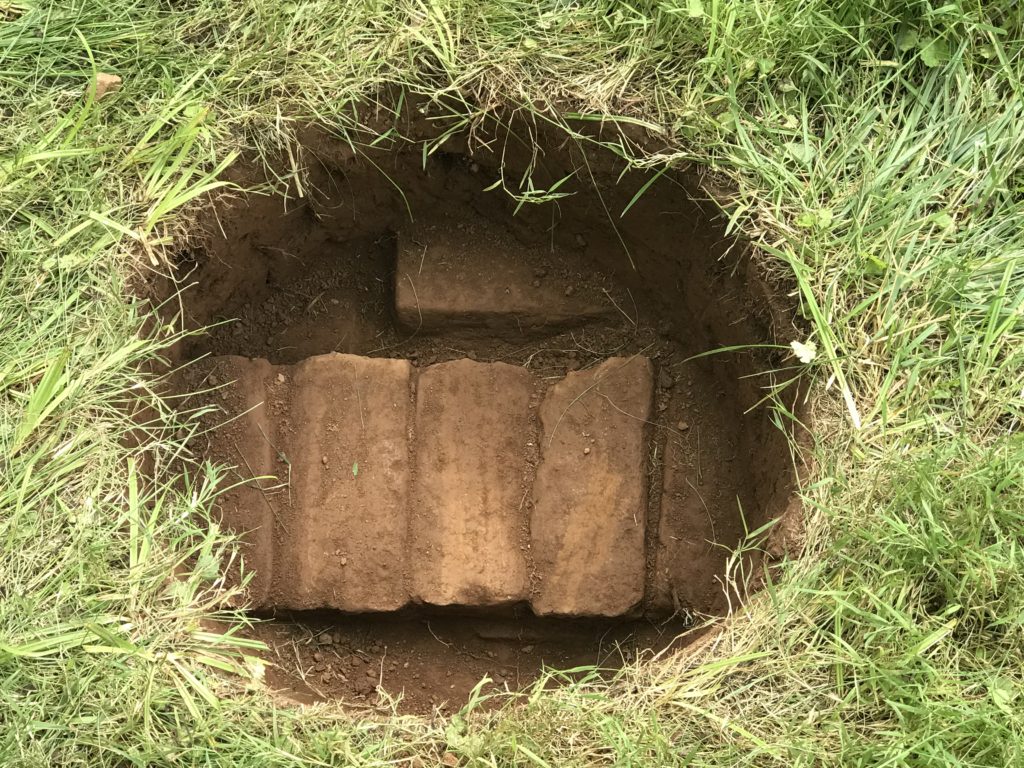
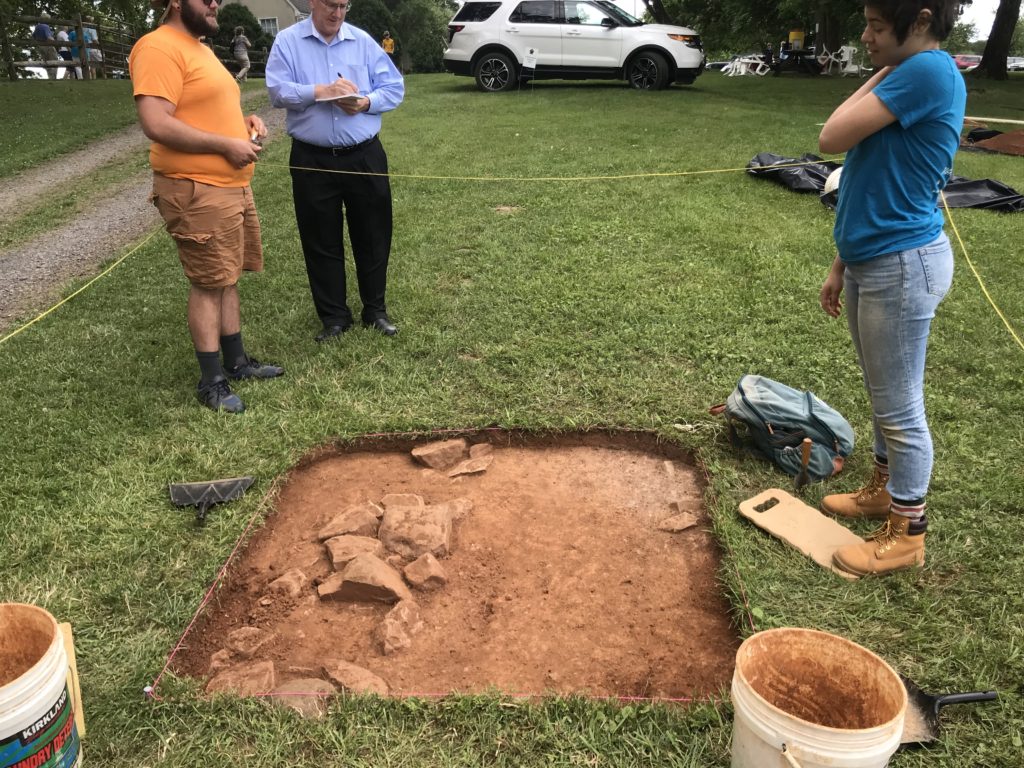
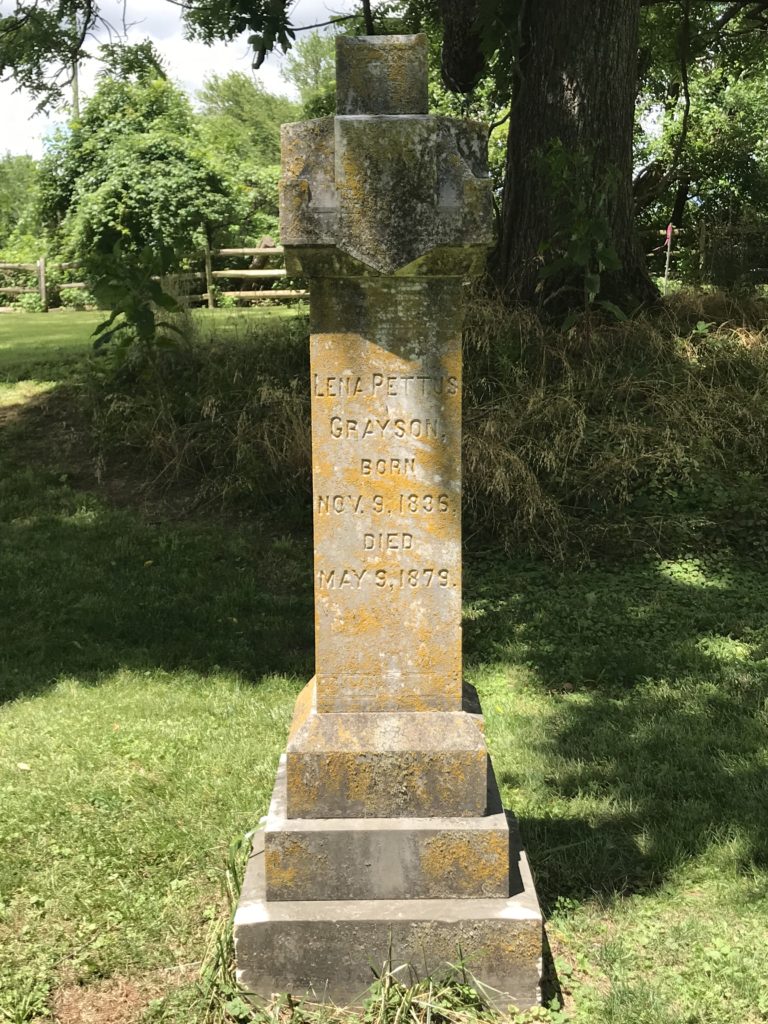
Salubria, facing south.Close-up of a south-facing window. Notice the Flemish bond brick laying – one long side, one short side, alternating. This style created a thicker outside wall than the standard bond of today.At some point in the mid-19th century, the owners stoccoed over the brick exterior. Interestingly, they also “stamped” the stucco so it had the appearance of blocks. Over time, some of the stucco has fallen off, leaving an mix of stucco and brick appearance.Apparently the stucco process was abruptly stopped when the Civil War broke out. The east side of the house has no stucco at all. There is an obvious color difference in the brick on this wall – there was an attached kitchen here until at least the 1940s.This is an interesting landing at the south entrance. The bricks are laid out in a wagon wheel pattern, with river rock filling in the blank spaces. This historical marker indicates that Salubria was built in 1742, but it has been discovered that 1757 was the actual year. When the earthquake hit in 2011, it knocked over the western chimney, and severely damaged the roof. During the reconstruction of the roof the type of beams used in the were determined to have not been around in 1742, but 1757. Further confirmation was that some of the bricks that had tumbled had the builder’s name and the year 1757 etched into them.Salubria, facing north.Southeast room.Close-up of the dentil moulding.Woodwork above the fireplace.The northeast room is the only room with flooring original to the house. This is heart-of-pine plank flooring from 1757.Northwest room.Southeast room.Southwest room – the “family room”.Entrance hall facing north.Stairs to the second floor.The entire estate is a 19 acre archeological site. The site has been marked off (on paper!) into a grid of 50-foot squares. The archeologists are digging holes every 50 feet, and if nothing is found, the hole is filled in, and on to the next hole fifty feet away. There are no outbuildings on the site, so the professionals are hoping they can find foundations to map out the estate.Paydirt! This find is yet unidentified, but they will keep digging!They have not determined what this find represents.There are several graves on the site. The Graysons were owners of Salubria in the 19th century. One Grayson who was born here grew up to be the White House physician for President Woodrow Wilson during the 1910s.The house facing south from the family graves.
I had never been here, but had always wanted to, so here is Hollywood Cemetery, one of three locations that contain the graves of 2 Presidents of the United States. Fun trivia: the other two are United First Parish Church, Quincy, Massachusetts (John and John Quincy Adams); Arlington National Cemetery, Arlington, Virginia (William Howard Taft and John F. Kennedy). Amaze your friends with this fact!
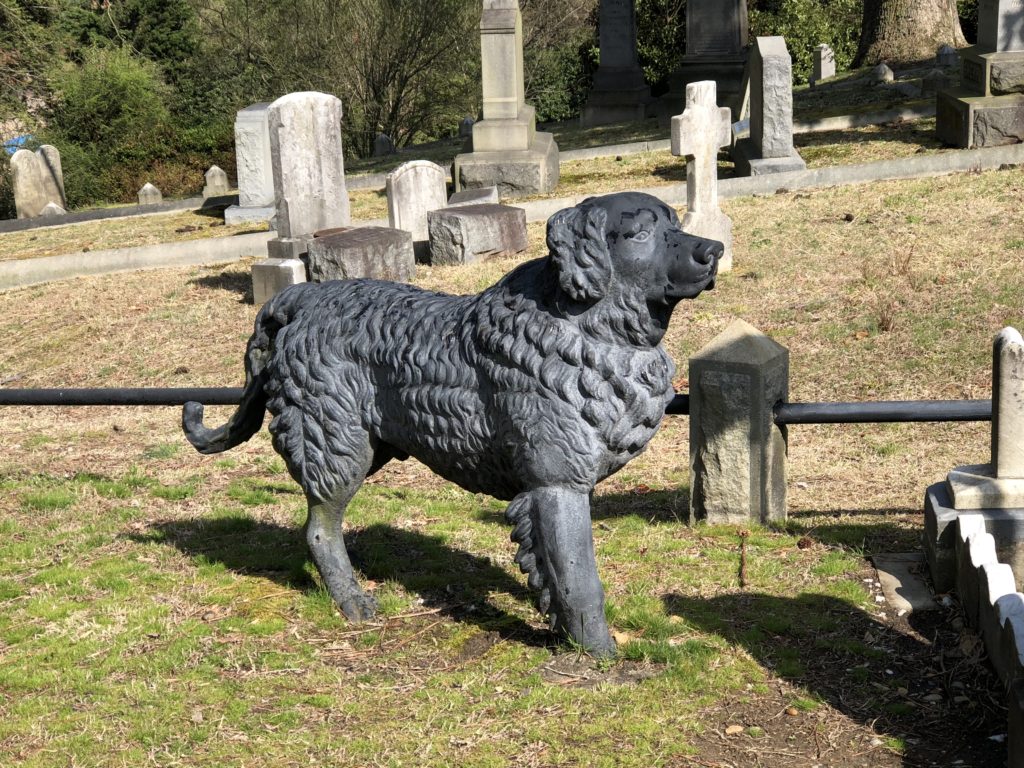
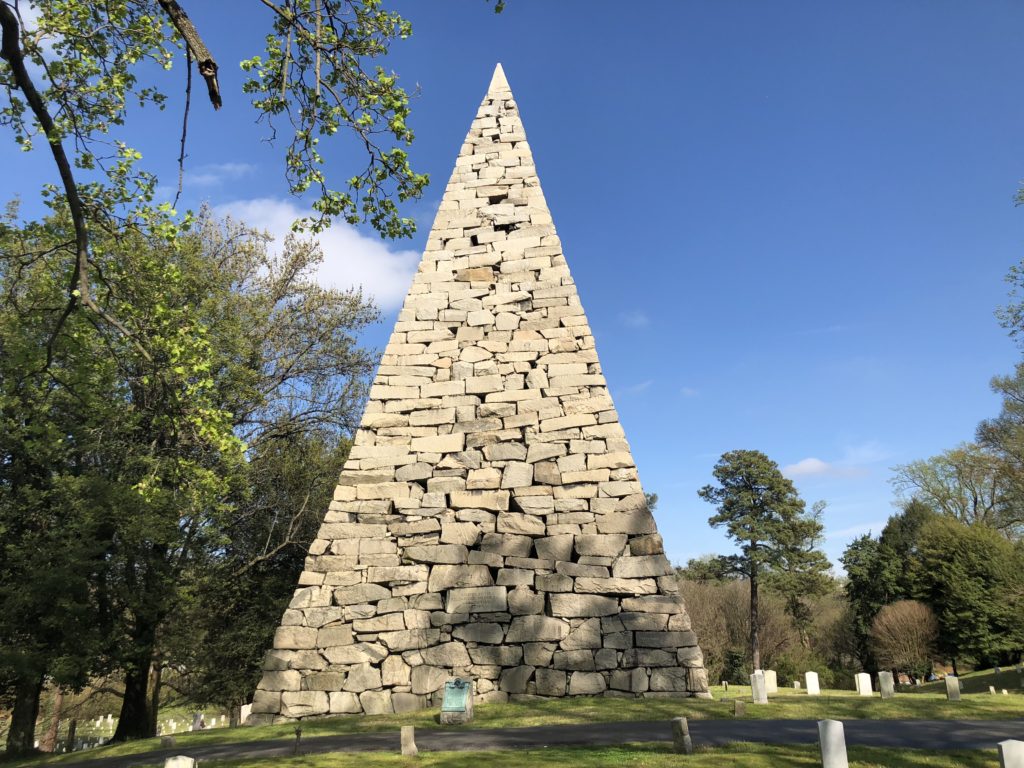
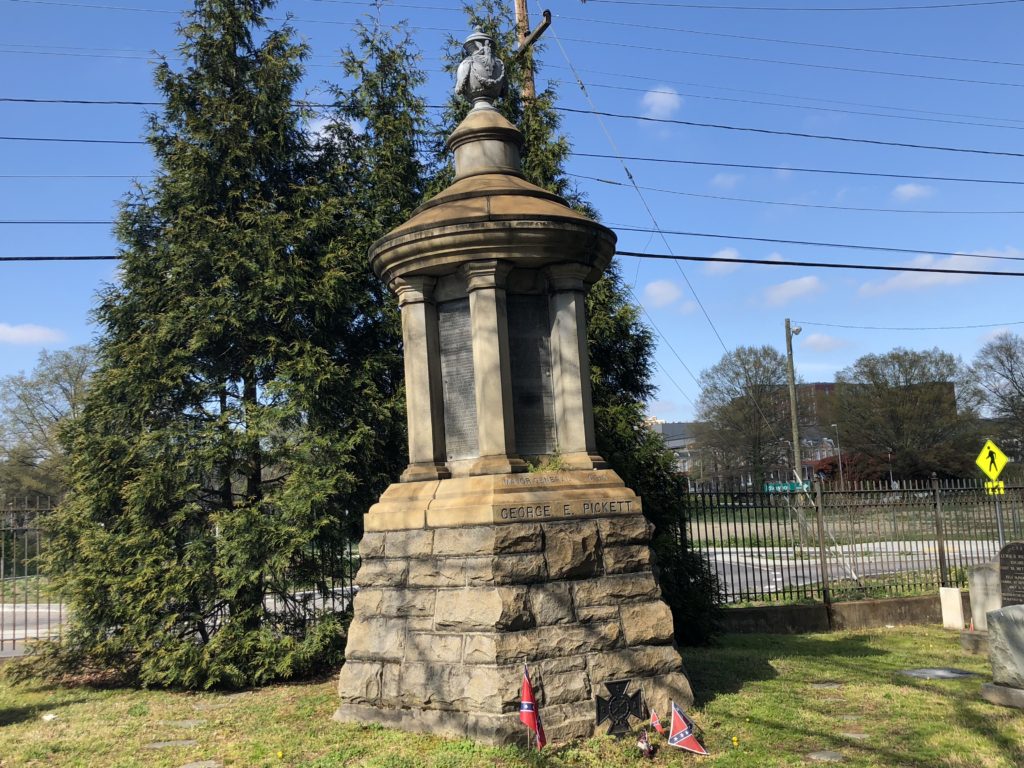
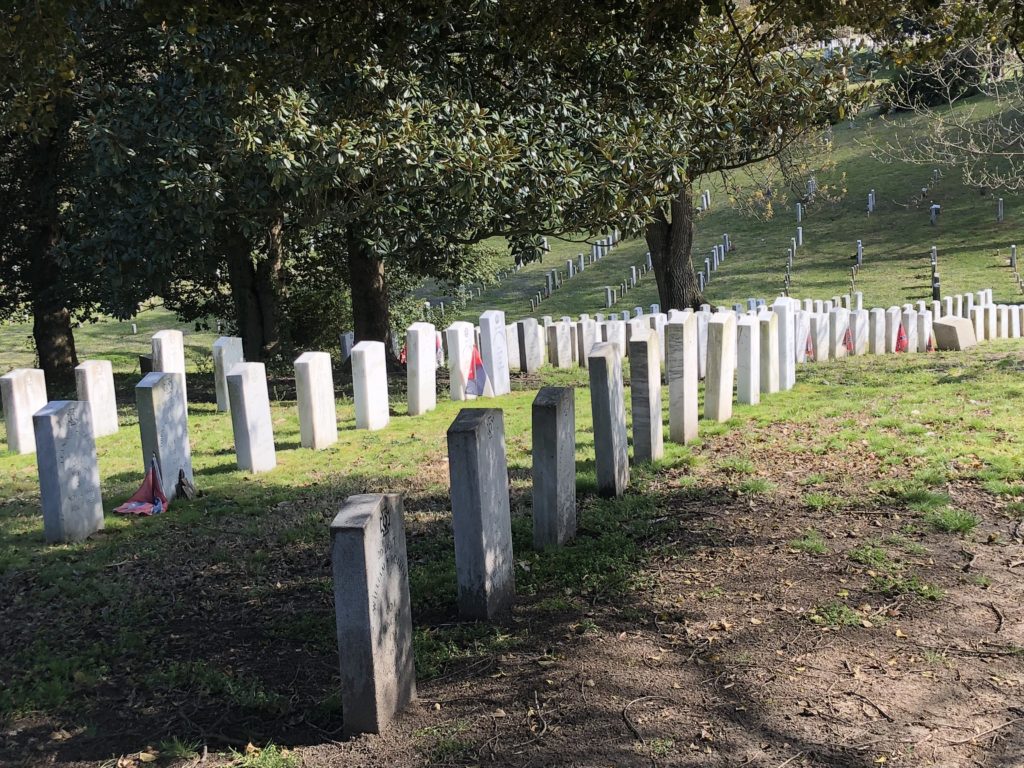
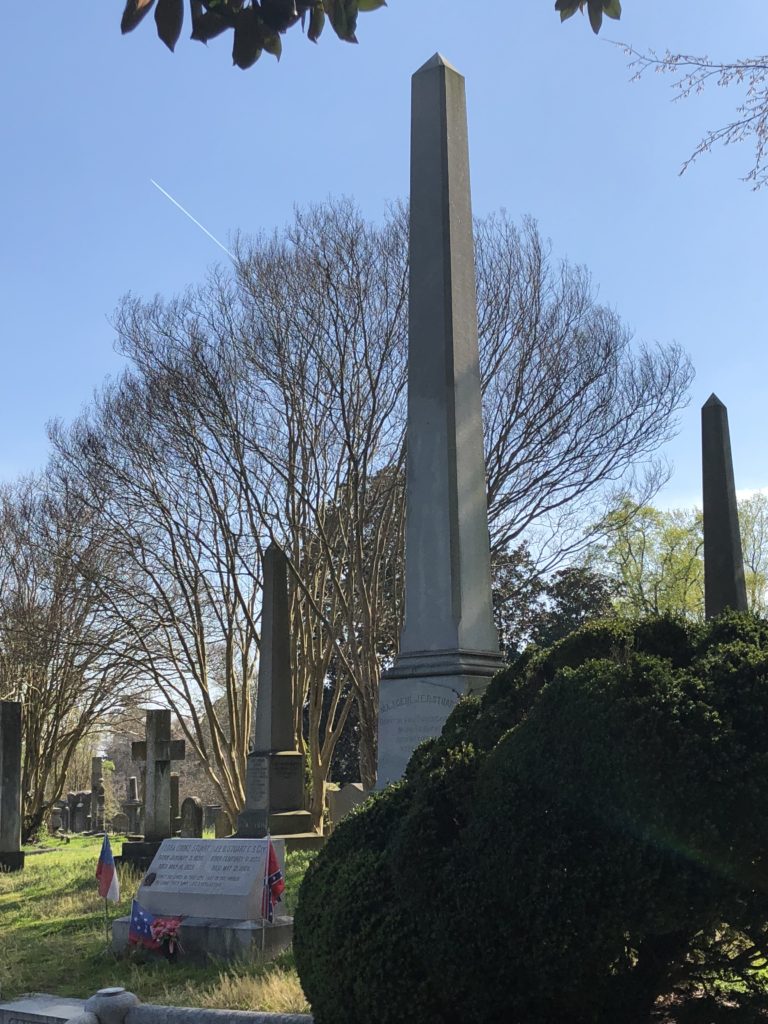
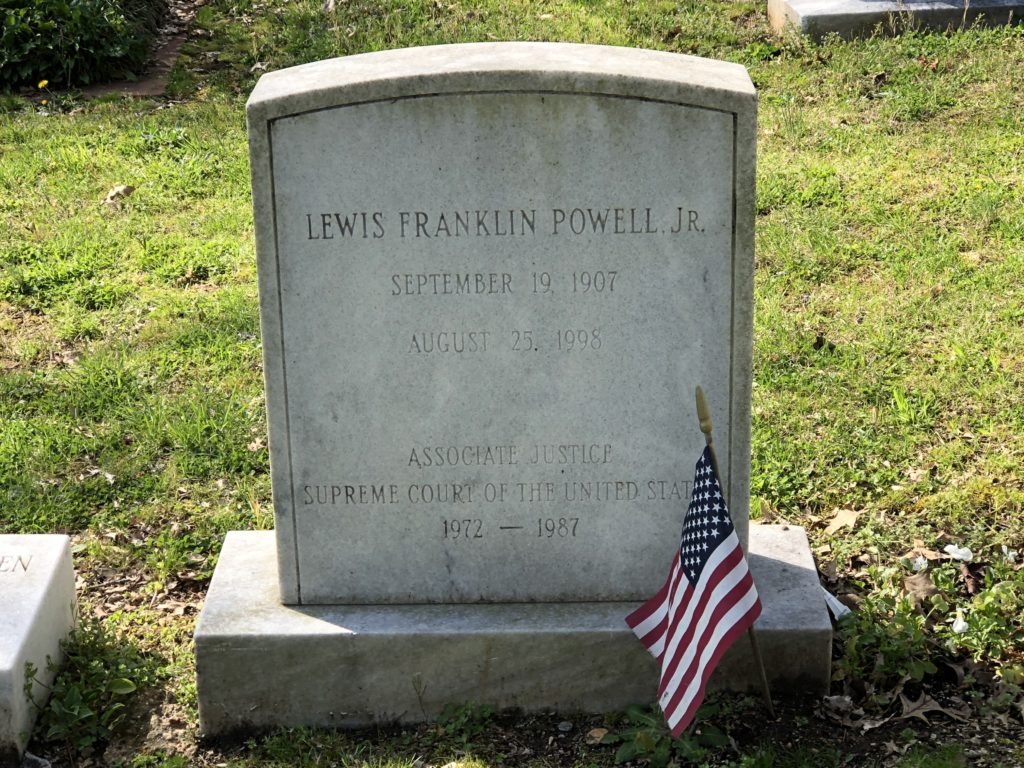
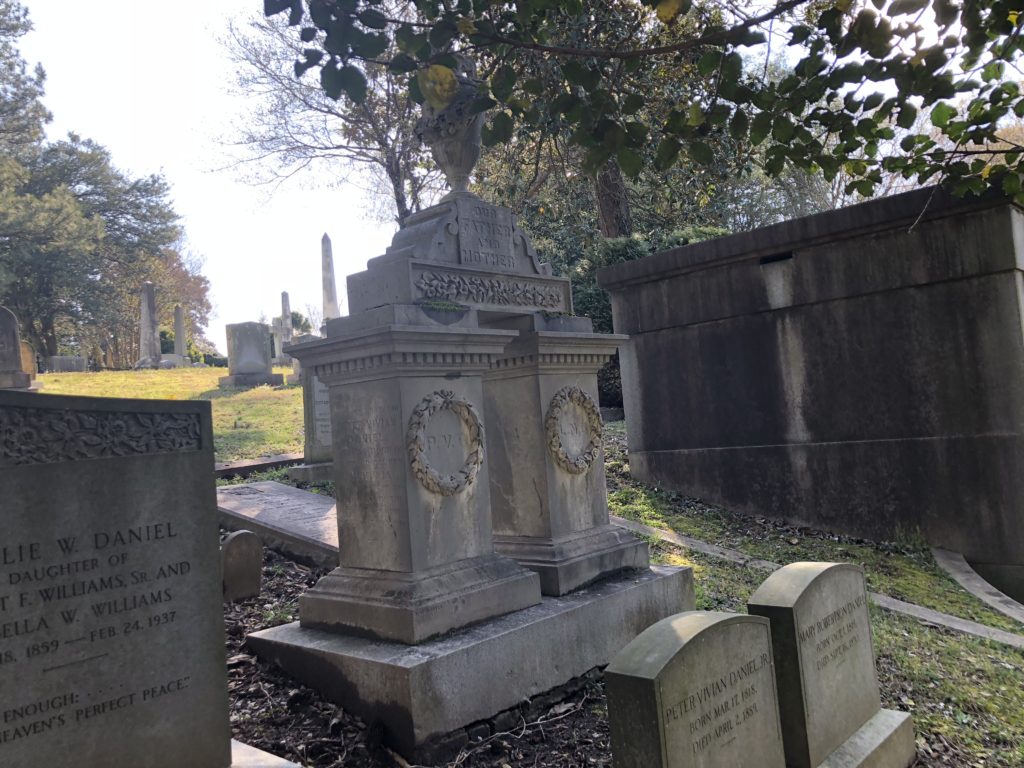
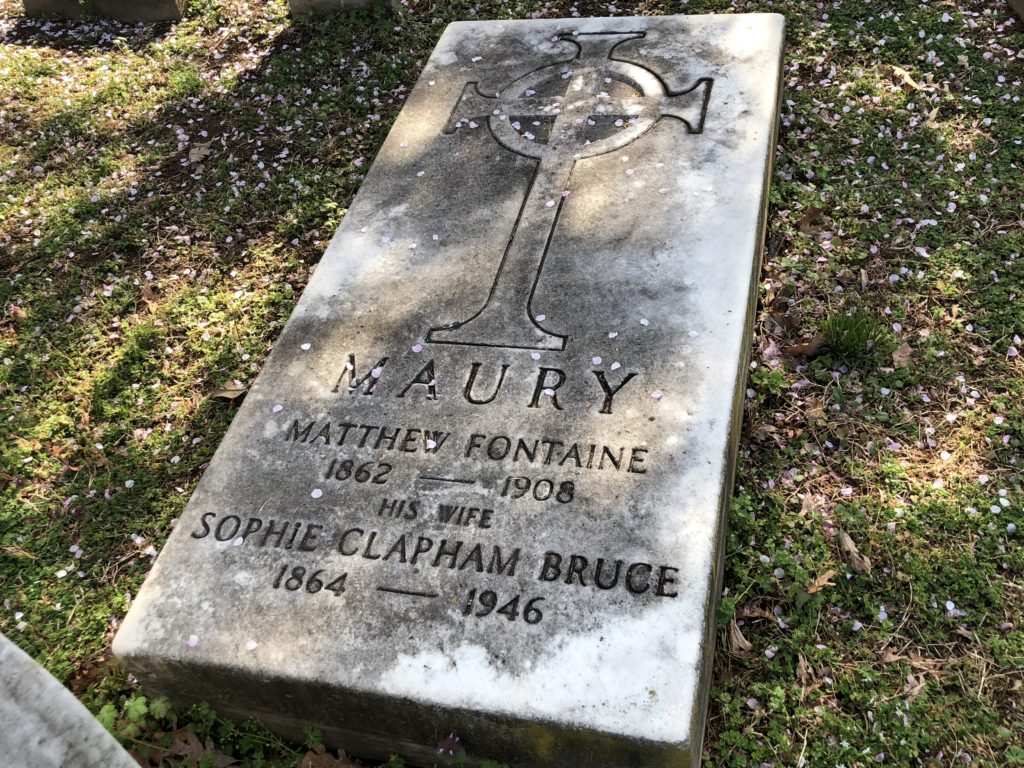
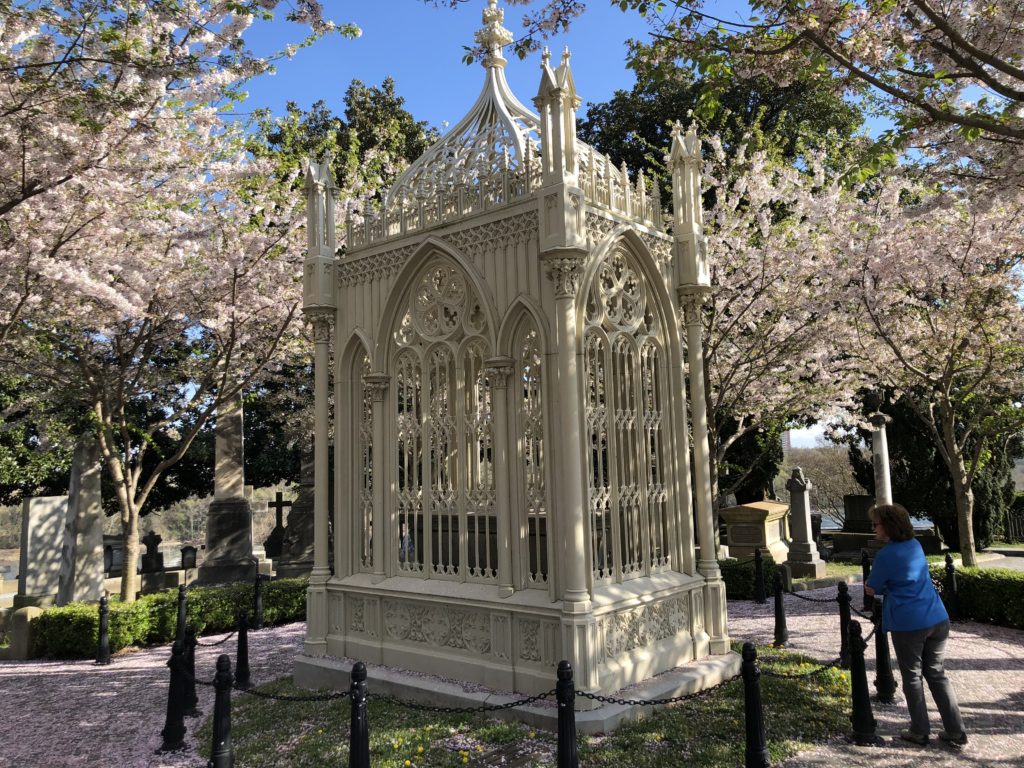
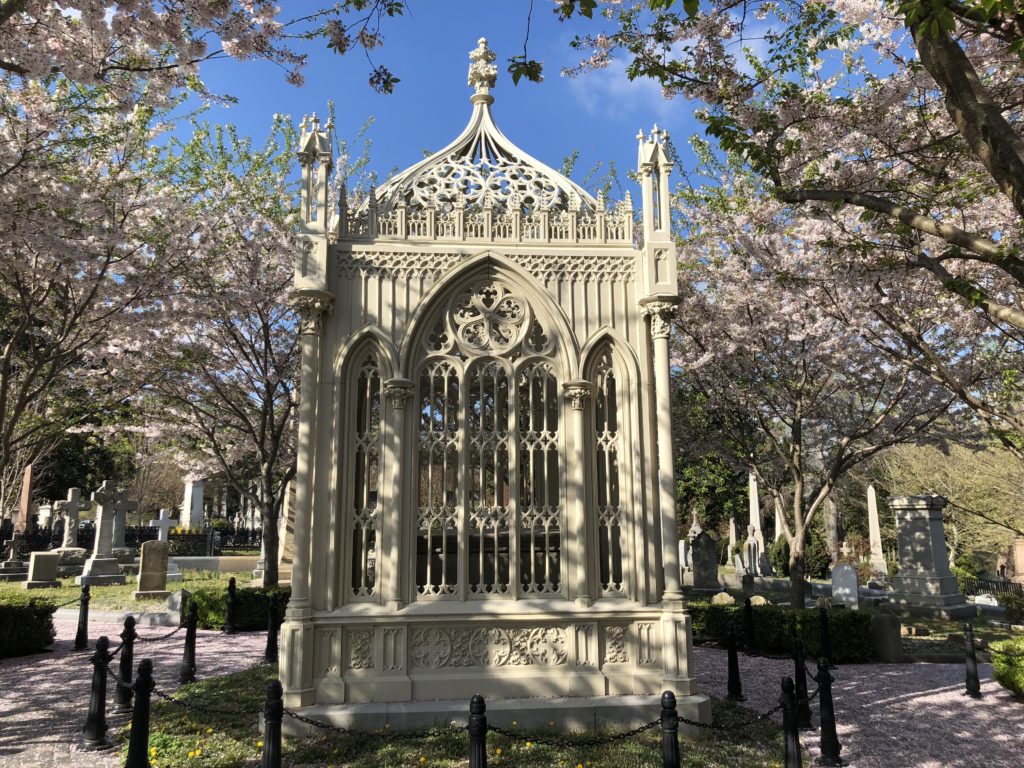
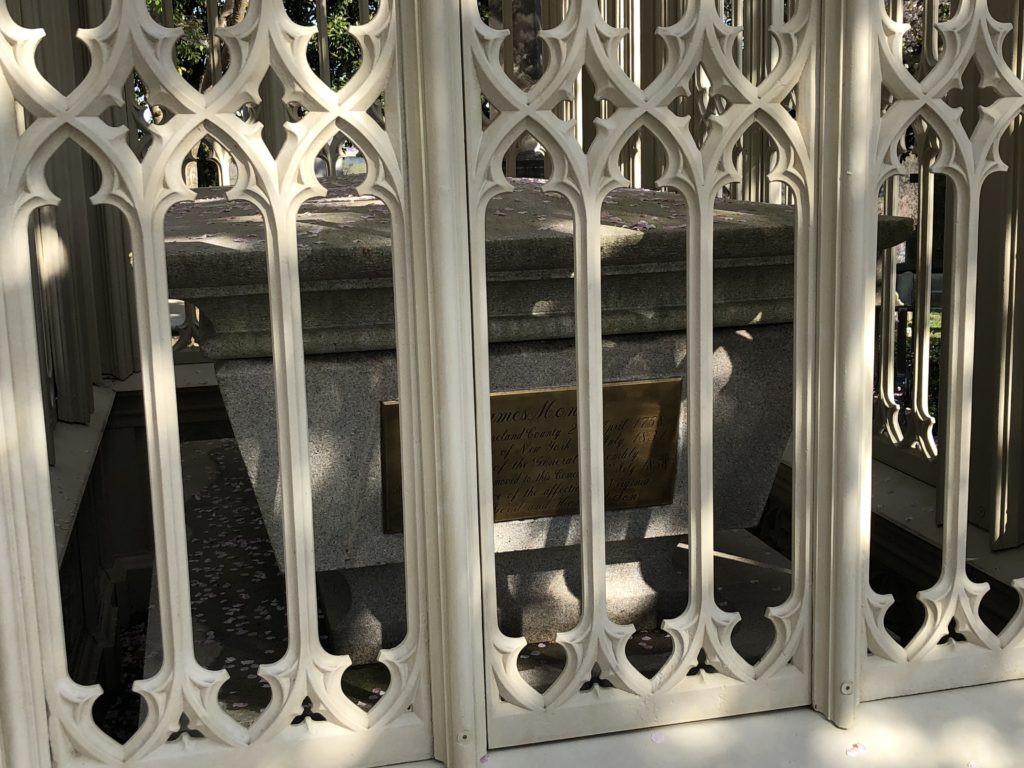
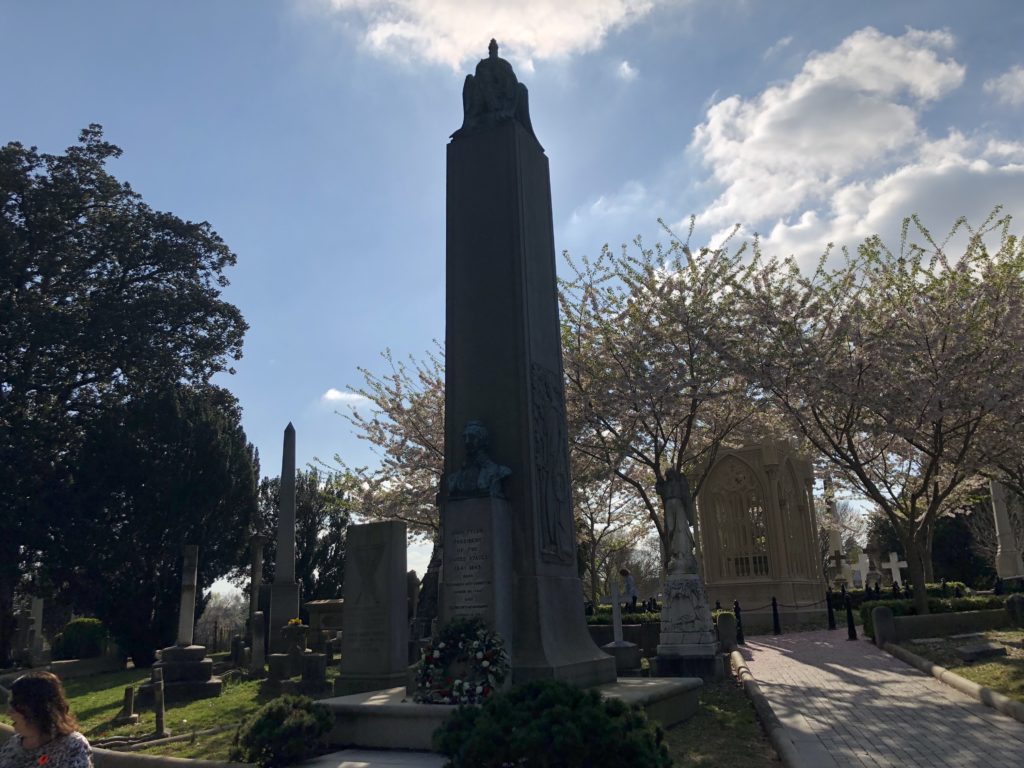
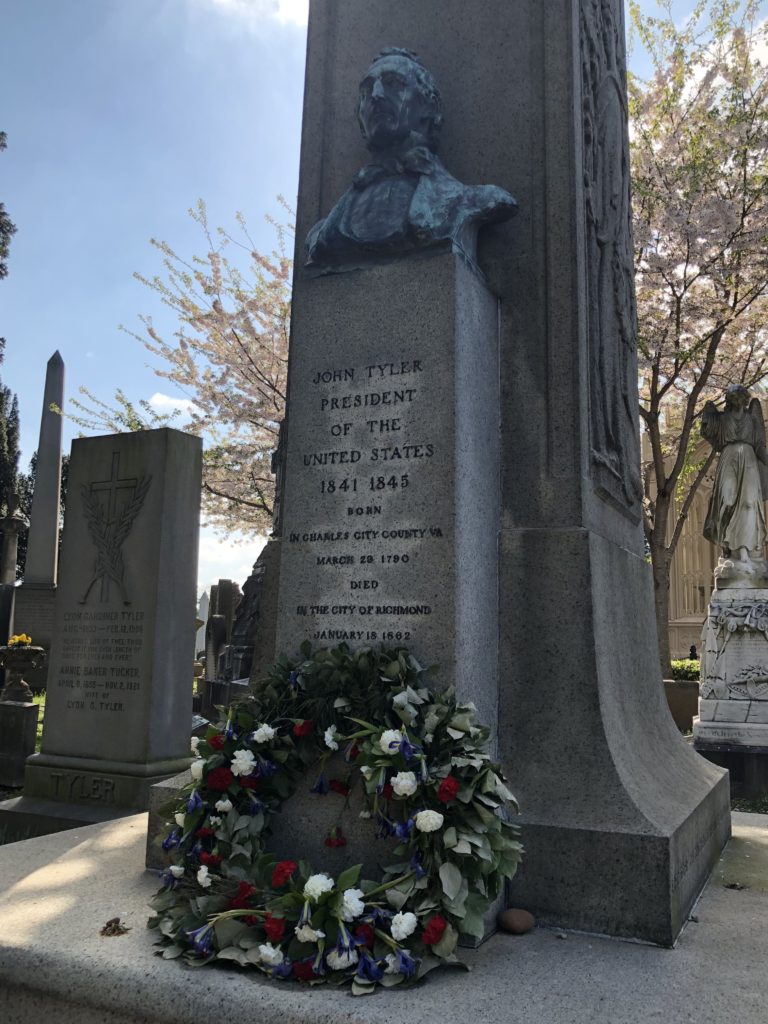
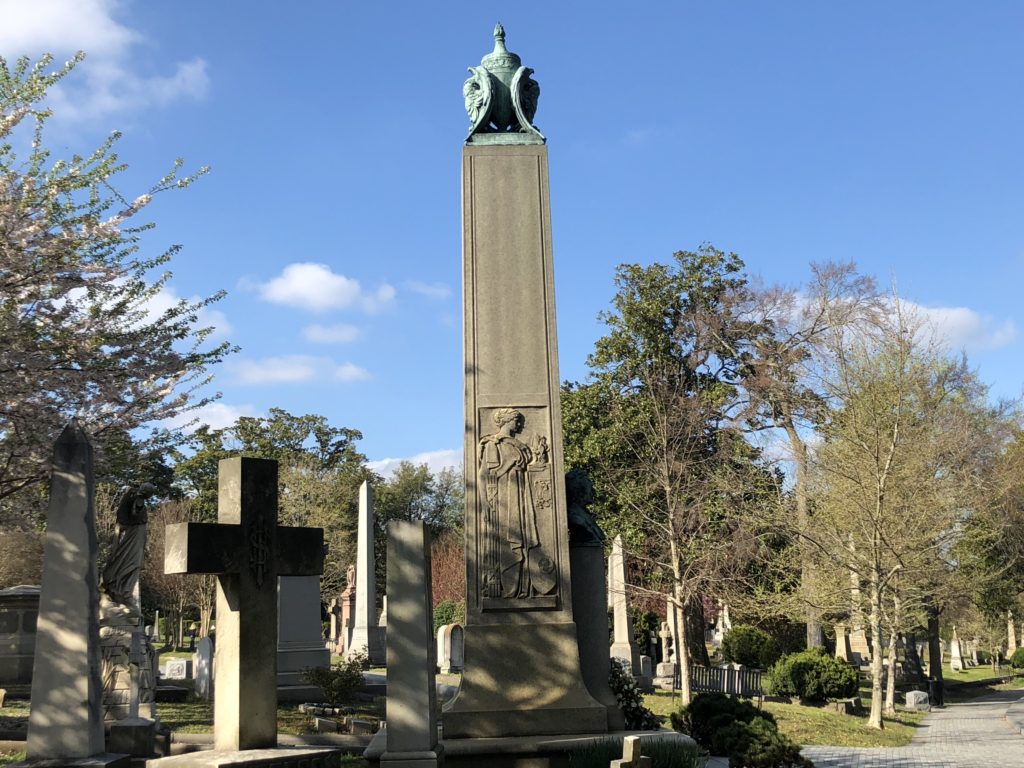
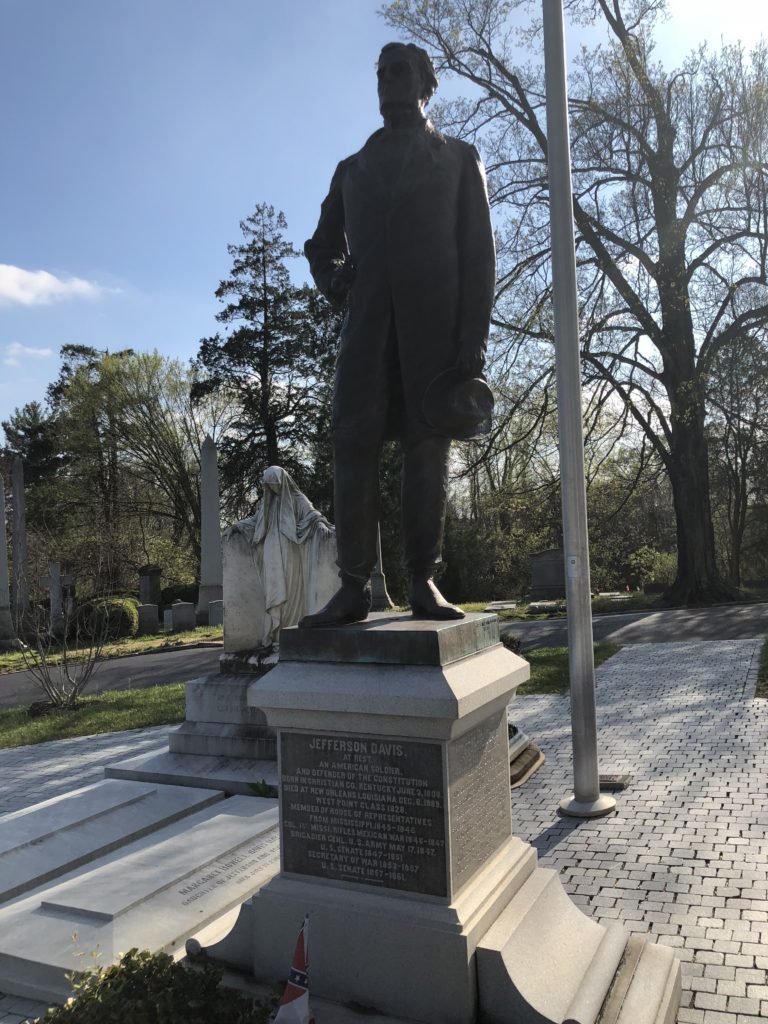
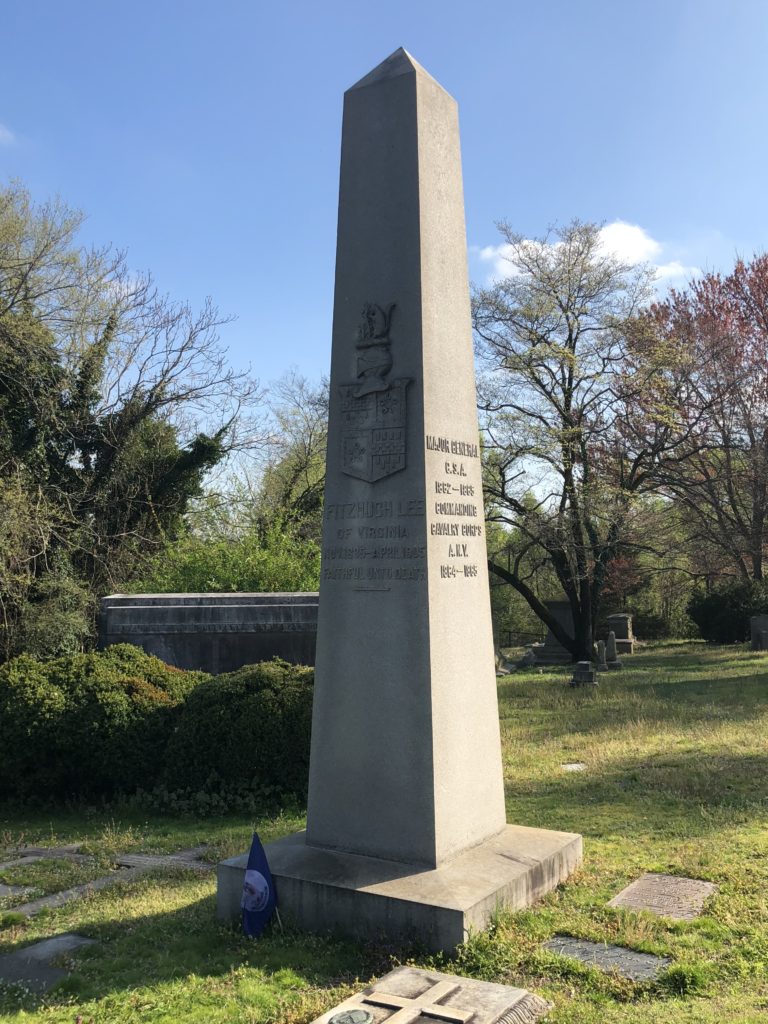
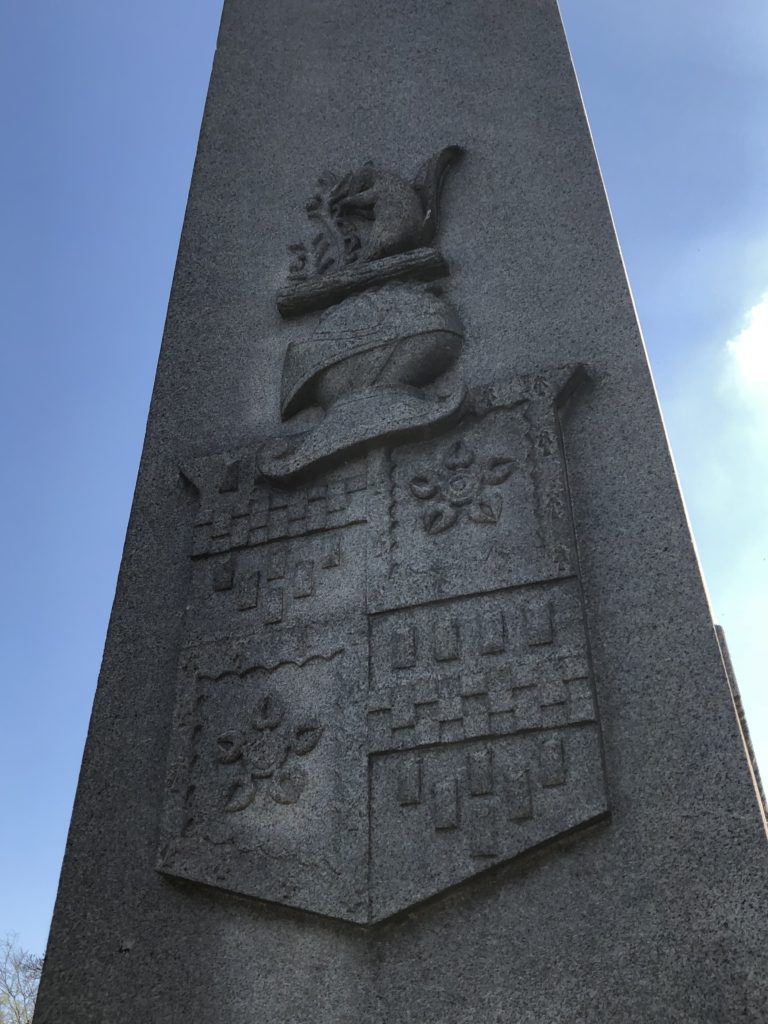
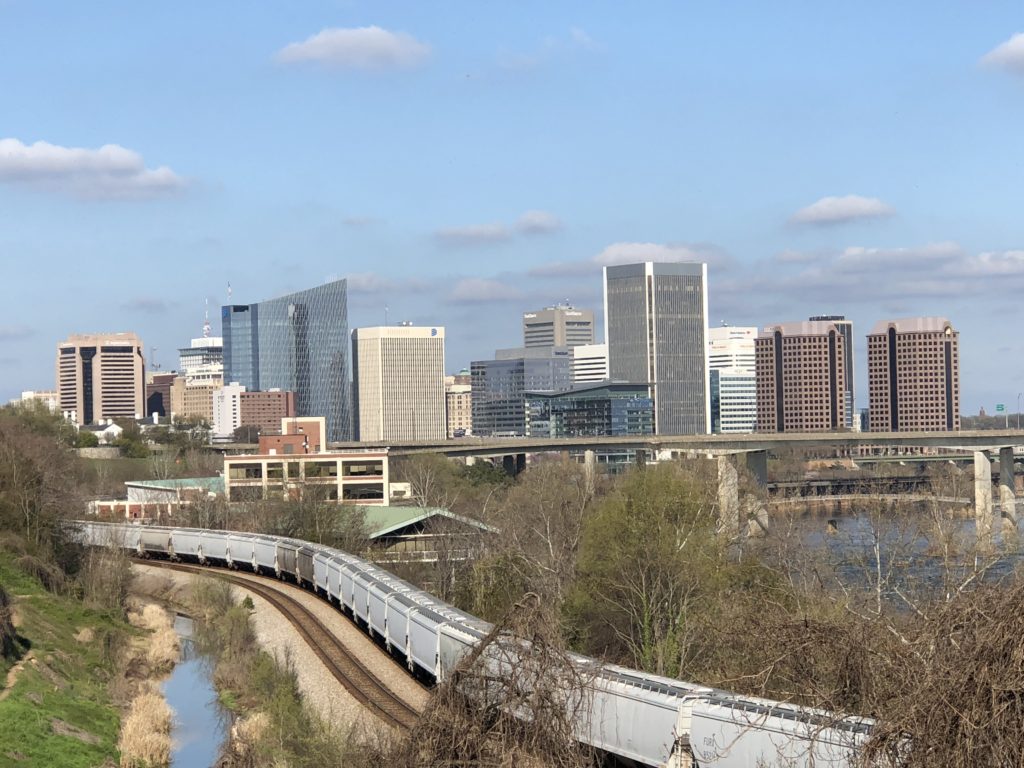
A dog statue, which is listed as a “Visitors’ Favorite”Pyramid dedicated to Confederate WomenGrave of Confederate General George PickettThere are over 18,000 graves of Confederate soldiers in this cemetery. Quite sobering.Grave of Confederate General J.E.B. StuartGrave of US Supreme Court Justice Lewis Franklin PowellGrave of US Supreme Court Justice Peter Vivian DanielGrave of Matthew Fontaine Maury, known as “Pathfinder of the Sea”. Maury (from Fredericksburg) was a highly regarded 19th century cartography. Grave of James Monroe, 5th President of the United States, surrounded by a grove of beautiful, full-bloom cherry trees.Grave of James Monroe, 5th President of the United StatesThis sarcophagus contains the remains of President James Monroe.Monument and grave of John Tyler, 10th President of the United States. President Tyler was the first president to ascend to the office of upon the death of a president (9th President William Henry Harrison). Since he was not elected President, there was uncertainty about how he should proceed in office. His decisive actions upon taking office set a precedent that such a presidency is as legitimate as the presidency of an elected president.Close-up of the front of President Tyler’s monumentView from the west of President Tyler’s monumentStatue and grave of Jefferson Davis, the President of the Confederate States of America during the Civil War. Last year we visited his postwar prison cell at Fort Monroe in Hampton.Monument of my relative Fitzhugh Lee, who had a varied and distinguished life. During his life, he was a Confederate General, Governor of Virginia, Brigadier General in the United States Army (Spanish-American War), and Consul General to Cuba.The Lee Family Coat-of-ArmsOn a beautiful Saturday afternoon, from Hollywood Cemetery, downtown Richmond’s skyline
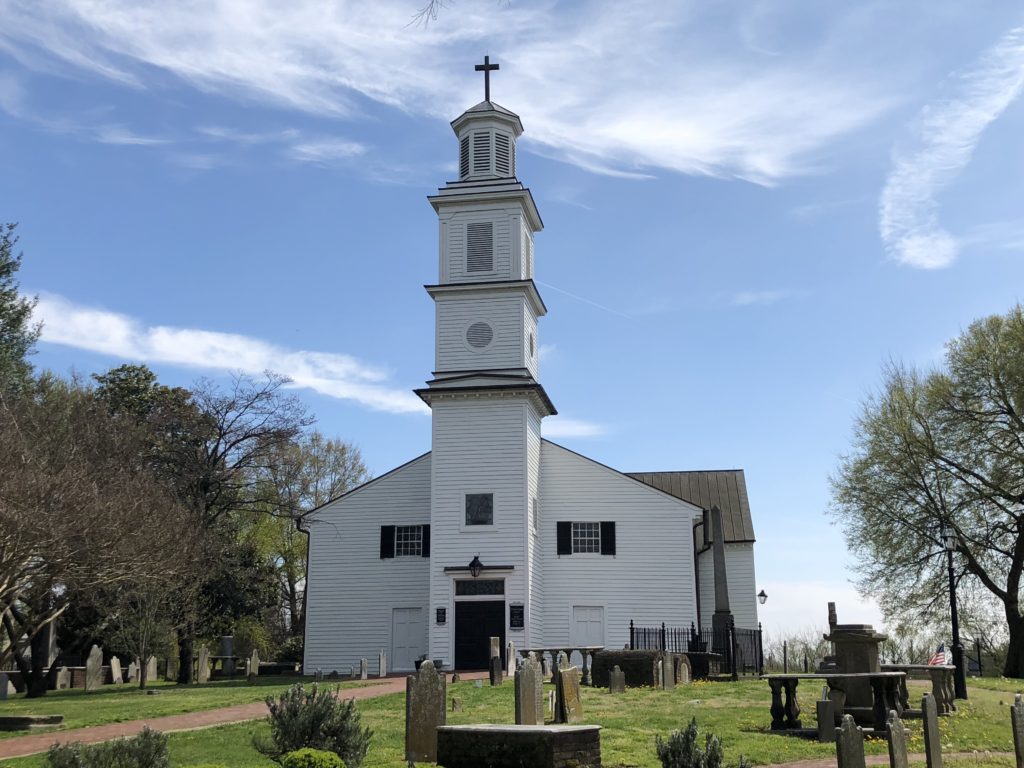
Historic St. John’s church, originally built in 1741, is the site where Patrick Henry gave his famous “Liberty or Death” speech in March 23, 1775, which helped convince those in attendance to begin preparing Virginia’s troops for war against Great Britain. The most famous lines from the speech are:
Is life so dear, or peace so sweet, as to be purchased at the price of chains and slavery? Forbid it, Almighty God! I know not what course others may take; but as for me, give me liberty or give me death!
This speech cemented Patrick Henry’s reputation as the premiere speaker in all the American colonies. He later became the first governor of Virginia after American independence. A fascinating figure worth further study.
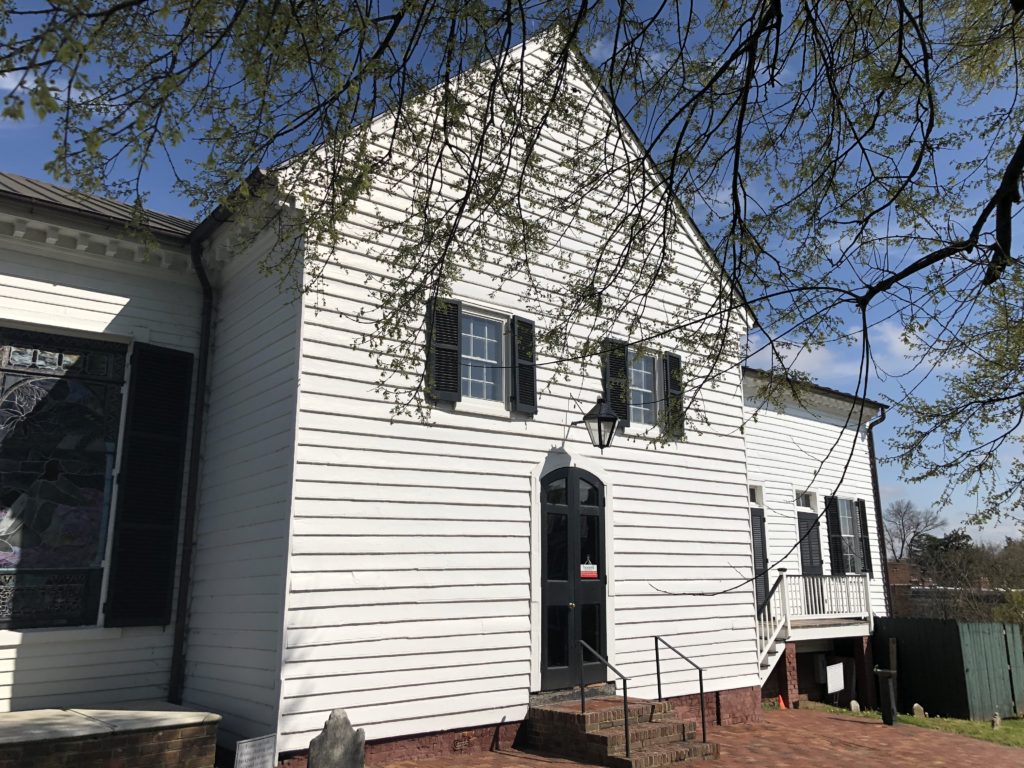
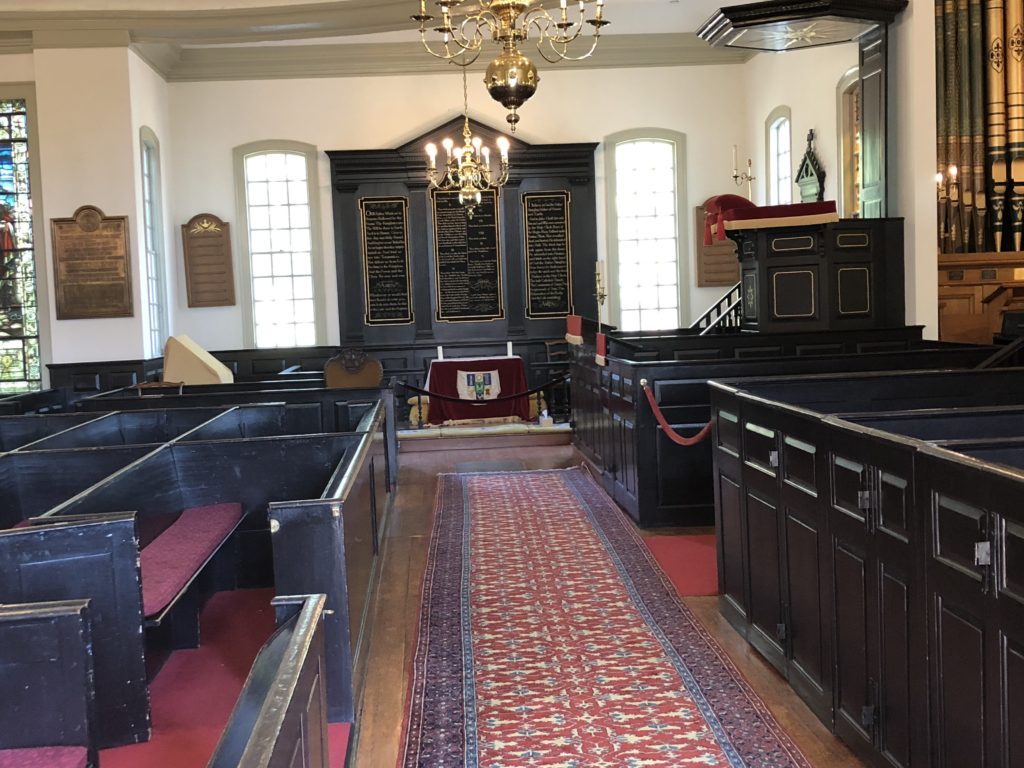
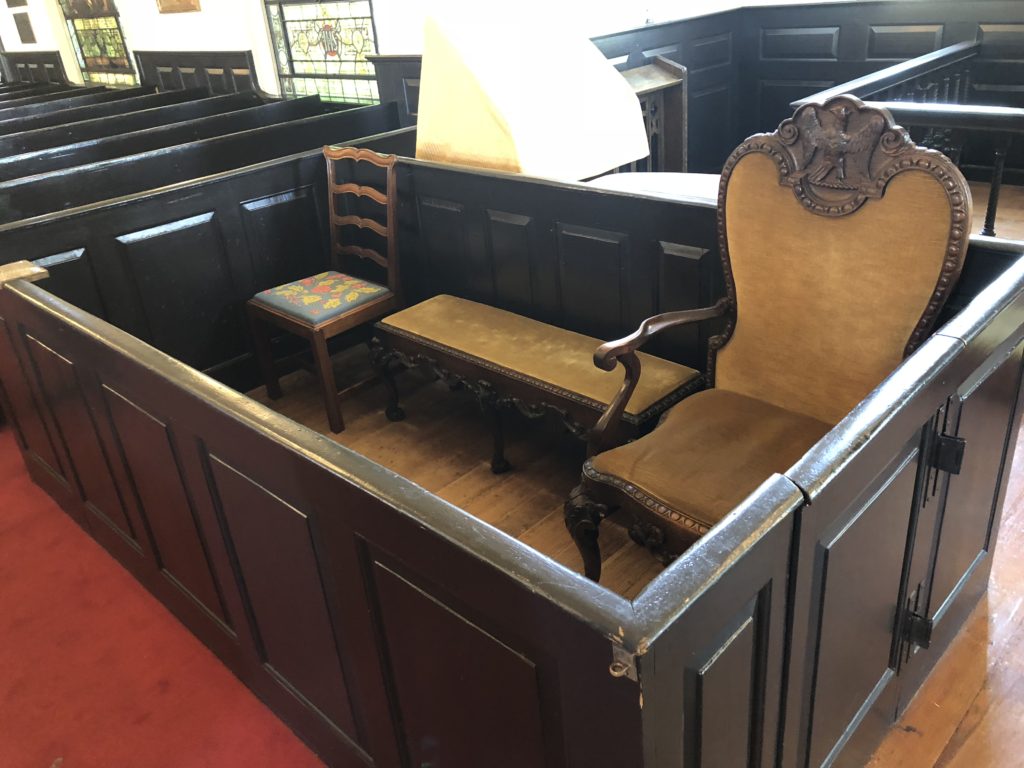
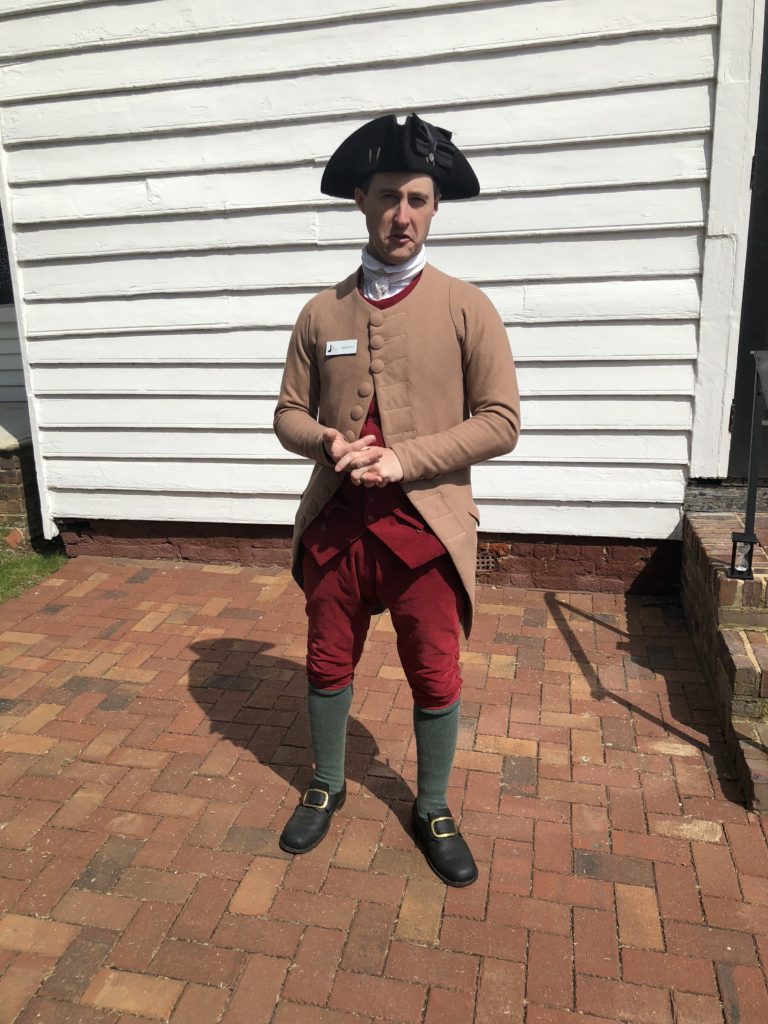
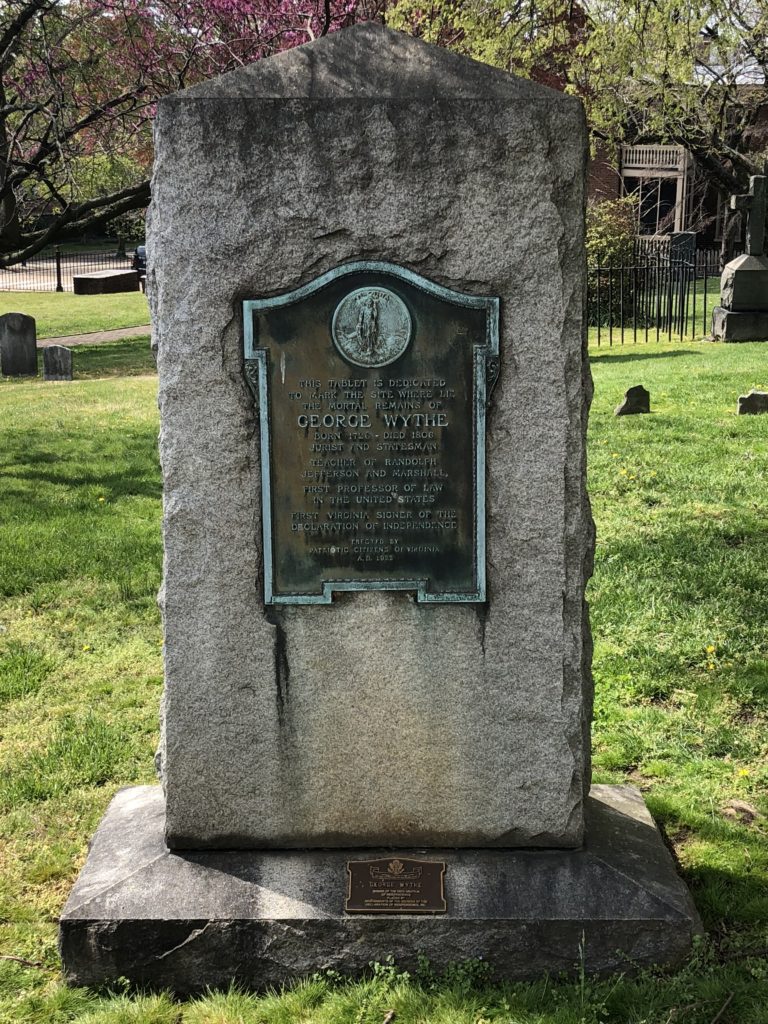
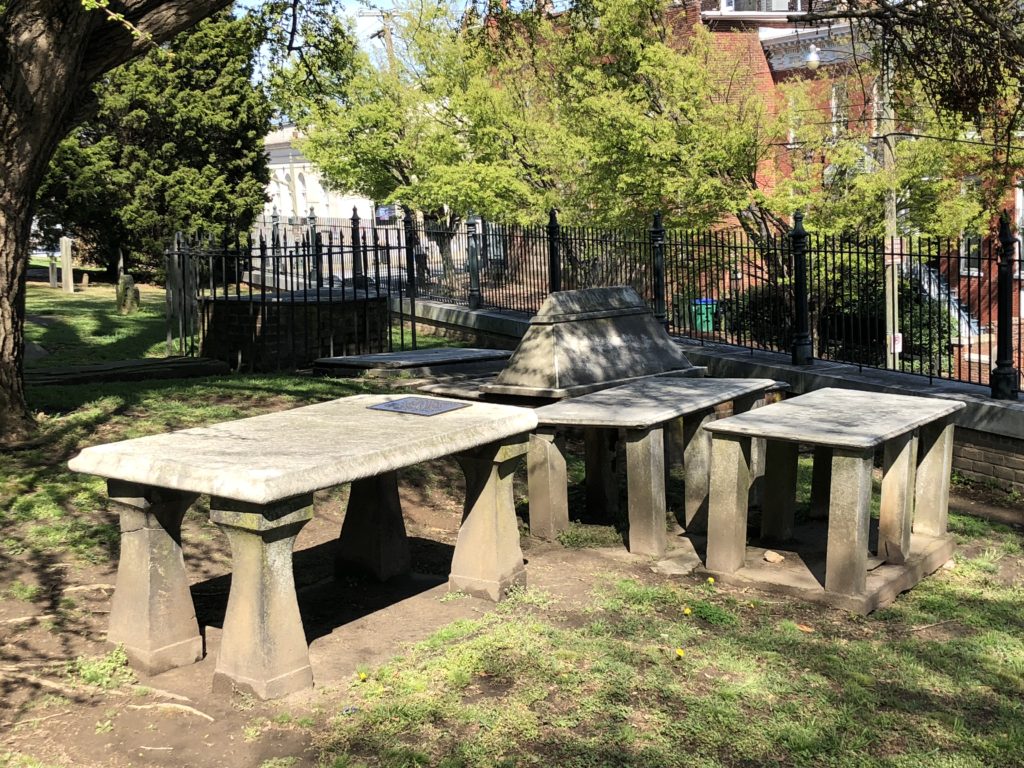
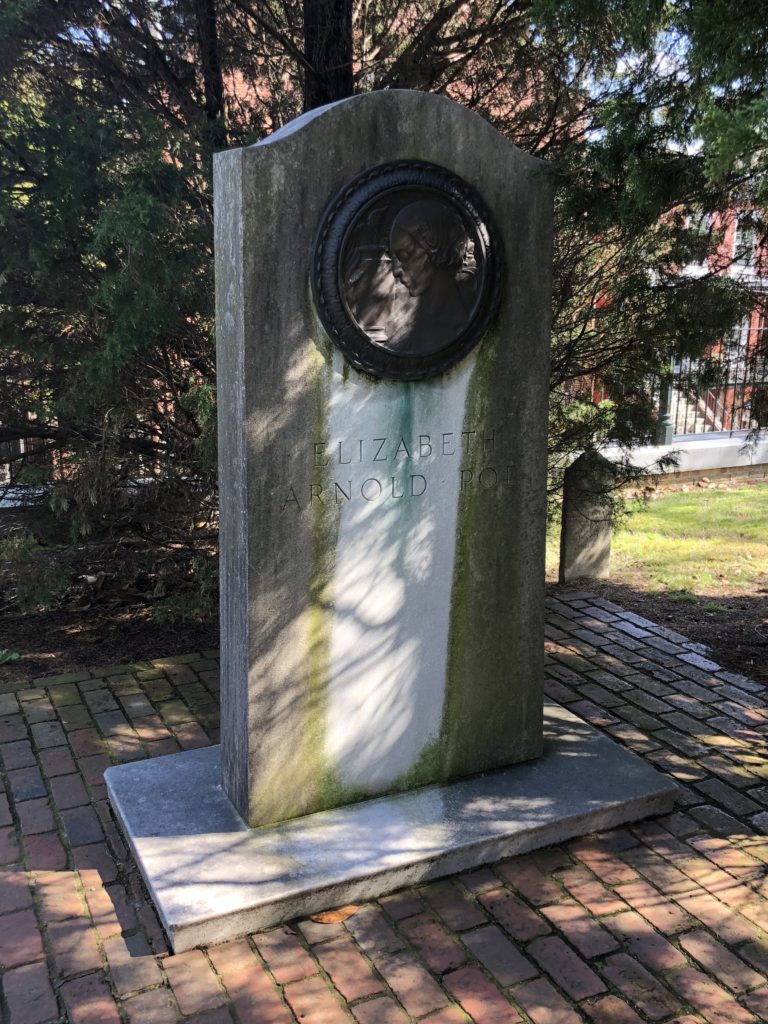
Historic St. John’s Church today.This is the only part of the church that existed in 1775, and is where Patrick Henry gave his speech during the Second Virginia Convention.Patrick Henry gave the speech here, in the front of this sanctuary.Patrick Henry’s pew.Our tour guide Andrew was fantastic, offering excellent historical details.Grave of George Wythe – the first law professor in America; teacher of Thomas Jefferson, John Randolph and John Marshall; “first” Virginia signer of the Declaration of Independence (I leave it to you to learn why I put “first” in quotation marks!)The entire church yard is filled with graves. There are even graves underneath the church floor – some stacked three deep! Many of these graves date to the 1700s. Interesting story about the reason for these graves that look like tables. They were laid in this manner to prevent the livestock from grazing the grave.Grave of Eliza Poe, mother of Edgar Allen Poe
We shopped downtown at Green Front Furniture, which is a high-end store with 16 buildings in Farmville. Green Front is a destination by itself. They deliver everywhere!
We drove around town to my old hangouts. Three of the four places I lived in no longer exist- they have been torn down. A lot of changes happen in 38 years!
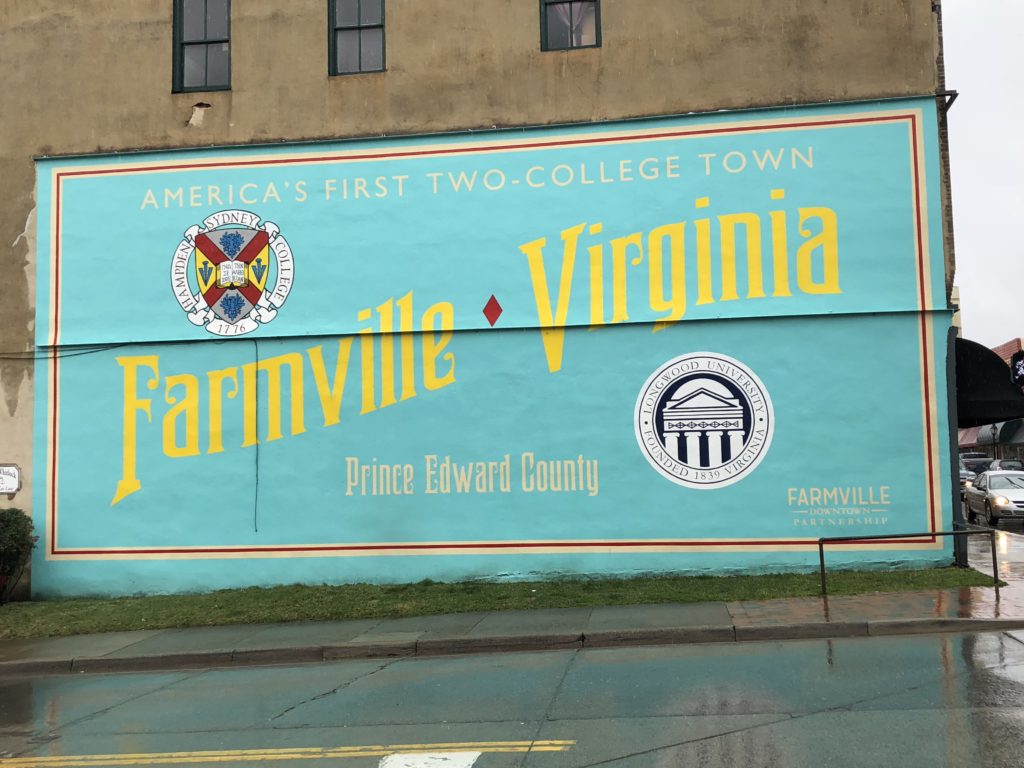
Farmville was a sleepy little town when I lived there. Now, it is quite a busy place, with Longwood being a university and all that brings. Longwood was hosting both a baseball and a softball tournament.
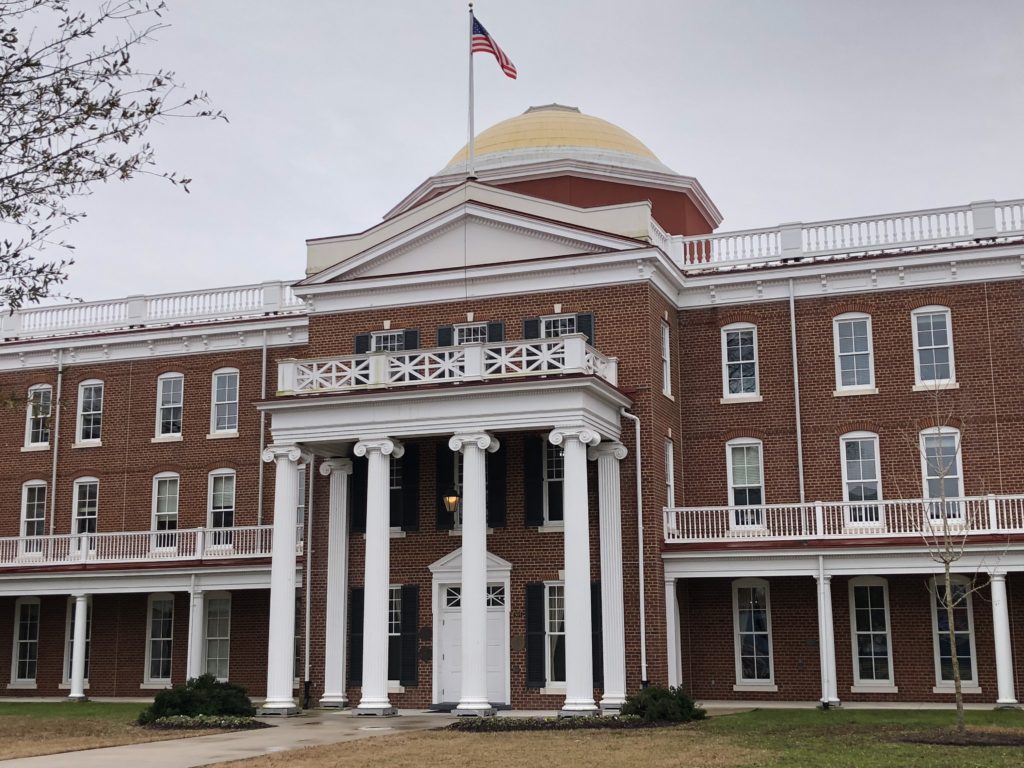
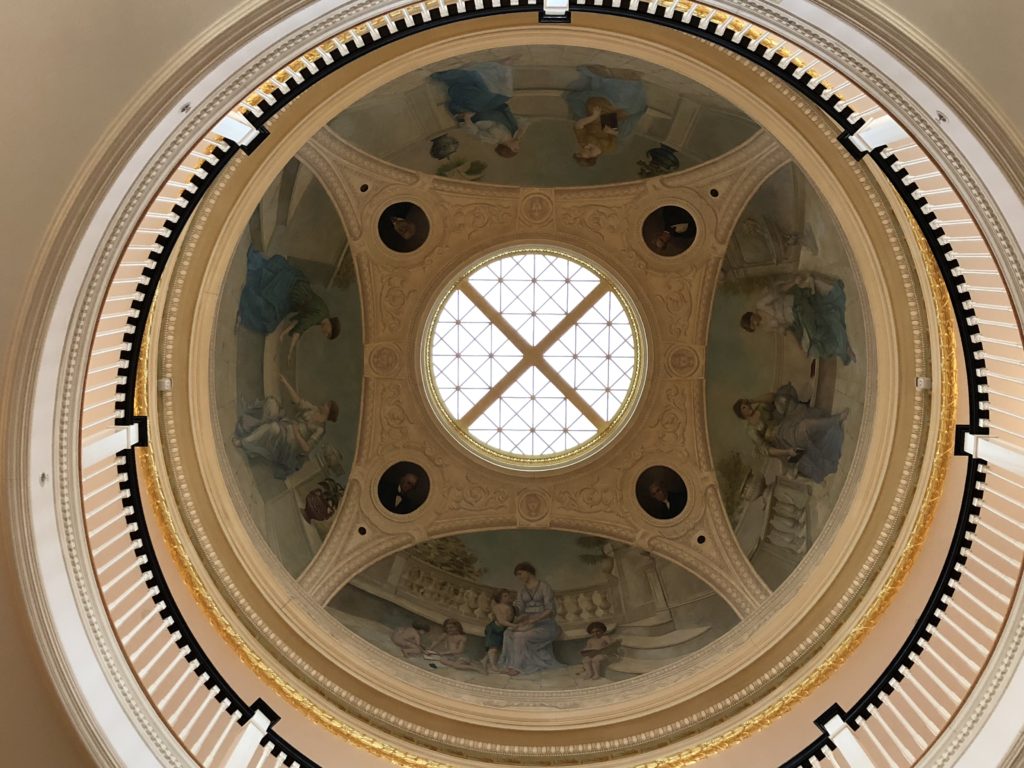
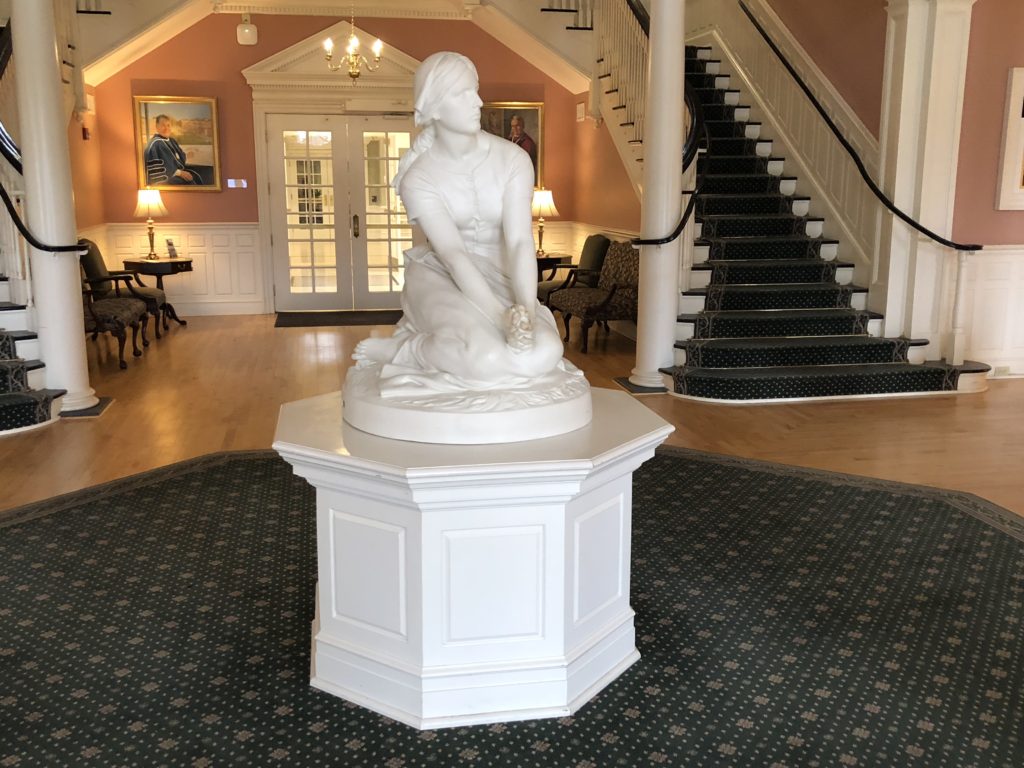
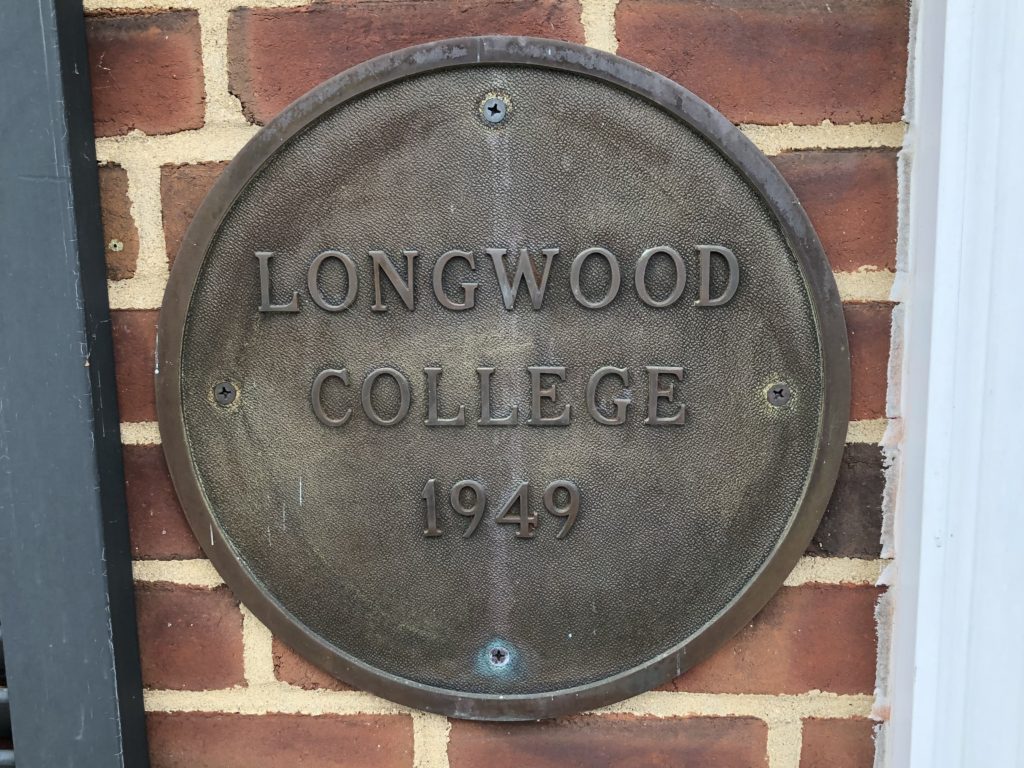
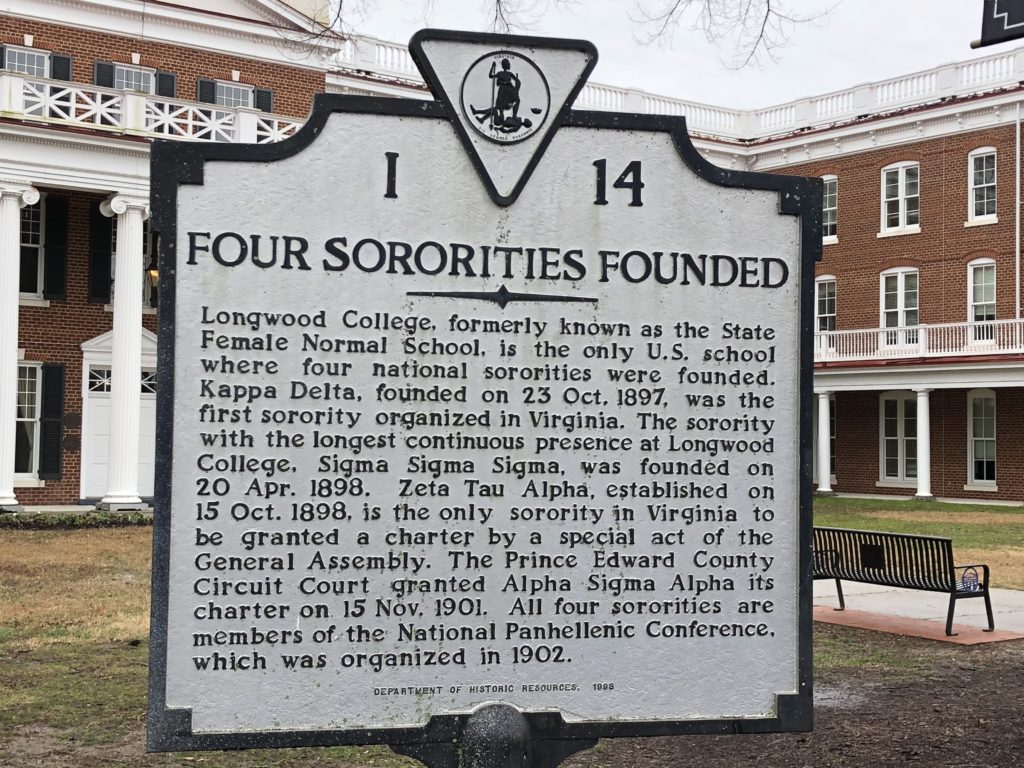
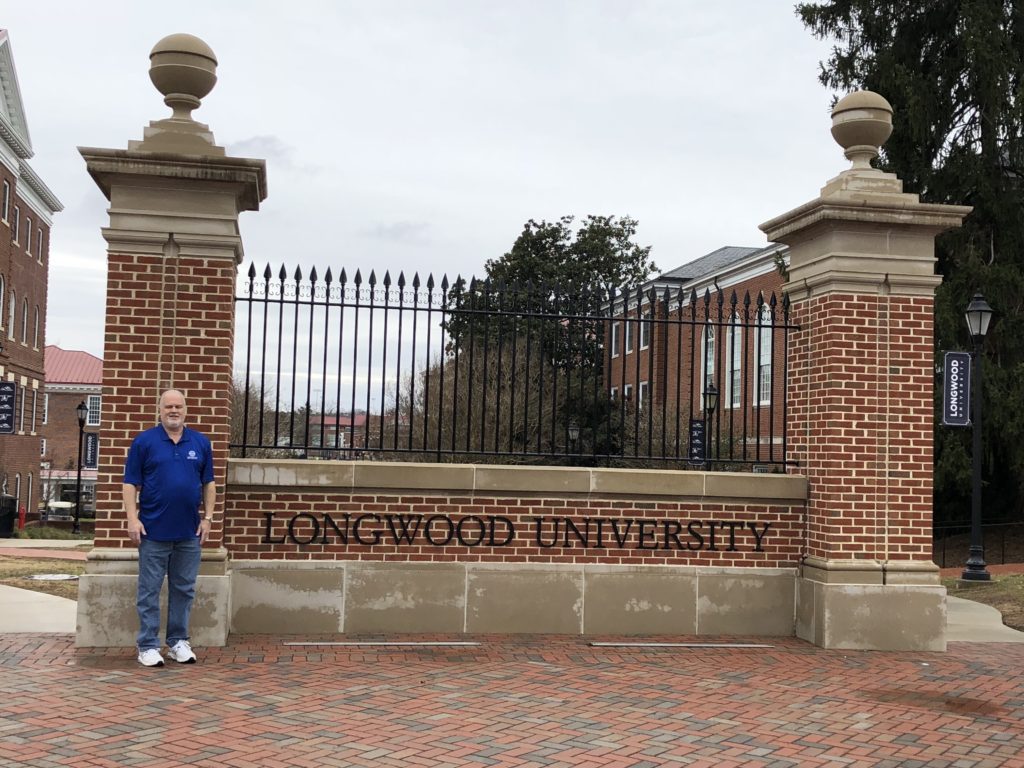
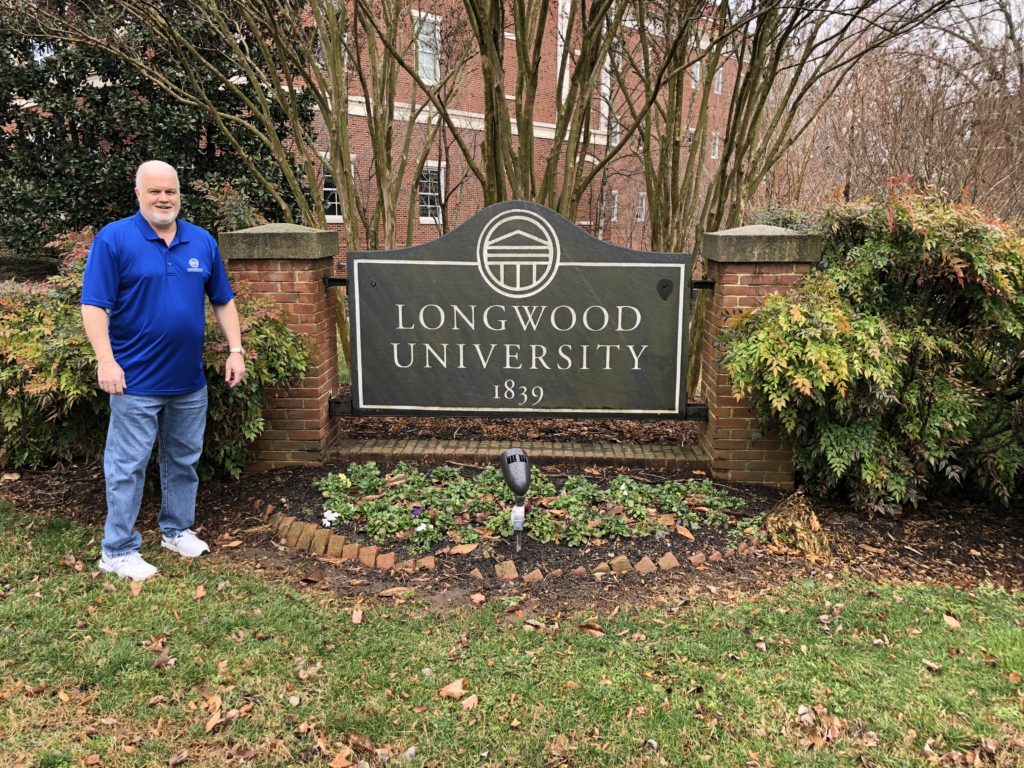
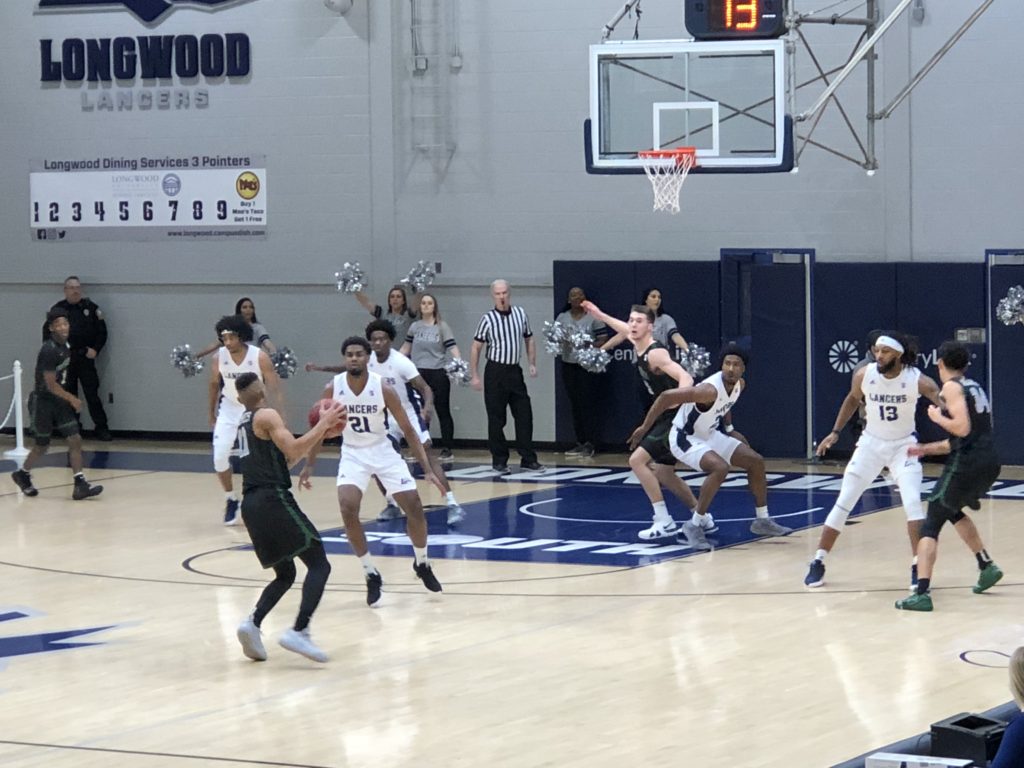
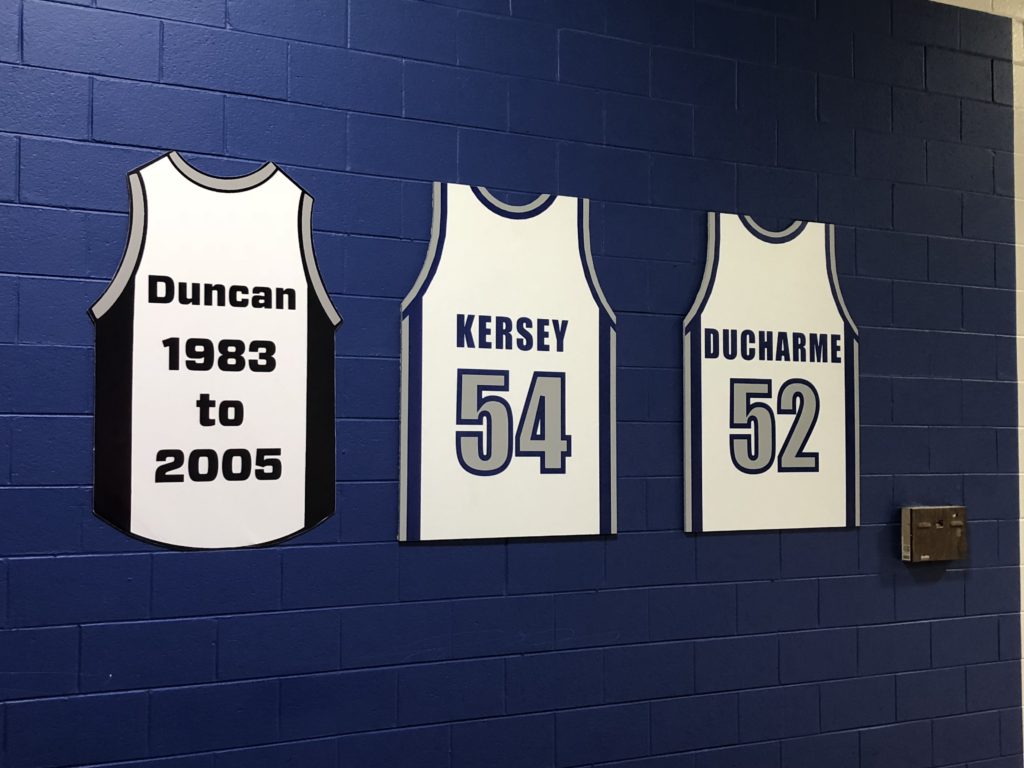
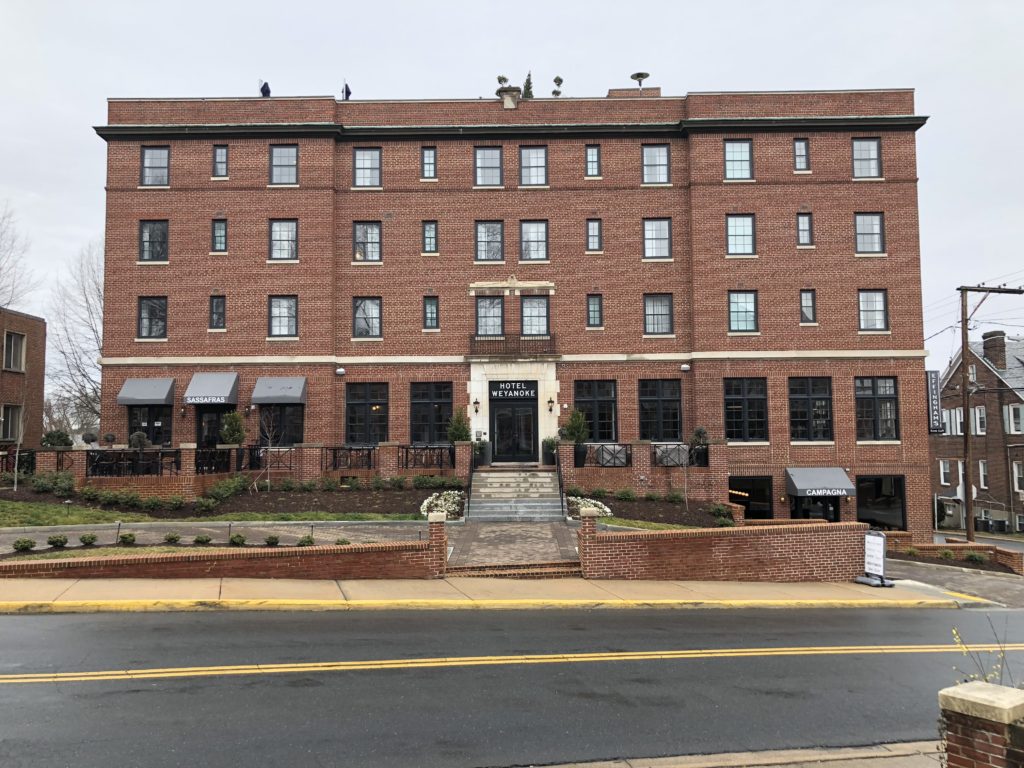
The Longwood University Rotunda. The original Rotunda was burned down in 2005, as well as several nearby dorms. The rebuilt Rotunda looks exactly like it did when I went here.Form the inside of the Rotunda looking up to the top.Statue of Joan of Arc, the “patron saint” of Longwood.New entrance gateThis used to be a “Longwood College” signThe Lancers in action.Retired men’s basketball jerseys. Jerome Kersey was a freshman when I was a senior here. He went on to a successful NBA career, mainly with the Portland Trailblazers. He died a few years ago at age 52.We stayed here at the Hotel Weyanoke in Farmville, across the street from Longwood. This hotel was built in 1925, and has recently undergone a major renovation.
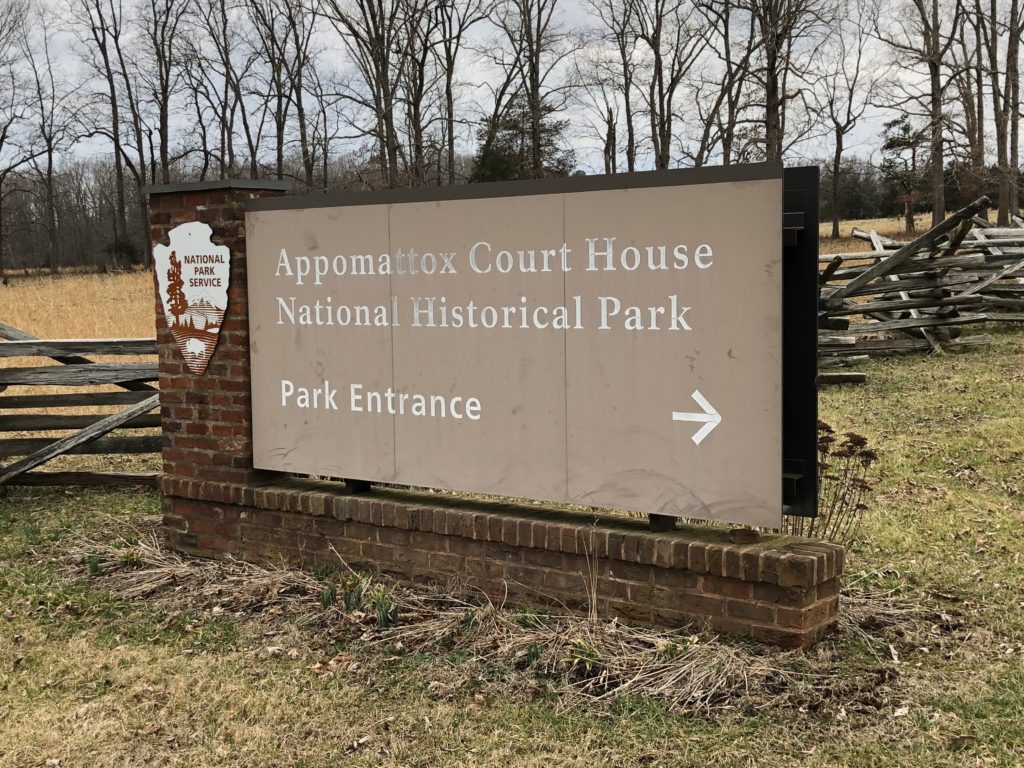
This site is where Confederate General Robert E. Lee surrendered to Union General Ulysses Grant, ending the American Civil War and bringing an end to a very dark period of American history.
After fierce fighting at Petersburg that saw a decisive Union victory, Lee’s forces of 30,000 moved westward toward Appomattox Courthouse, a very small village with a railroad depot. The Union forces of 65,000 raced the Confederates westward.
As Lee arrived near Appomattox, the Confederates rushed to get to the railroad depot to get desperately needed supplies. The Union forces got there first and both sides engaged in fierce fighting. Once Lee realized he was badly outnumbered and the effort to get to the depot was hopeless, he sent a messenger carrying a white flag to Grant to set up a meeting to establish terms of surrender.
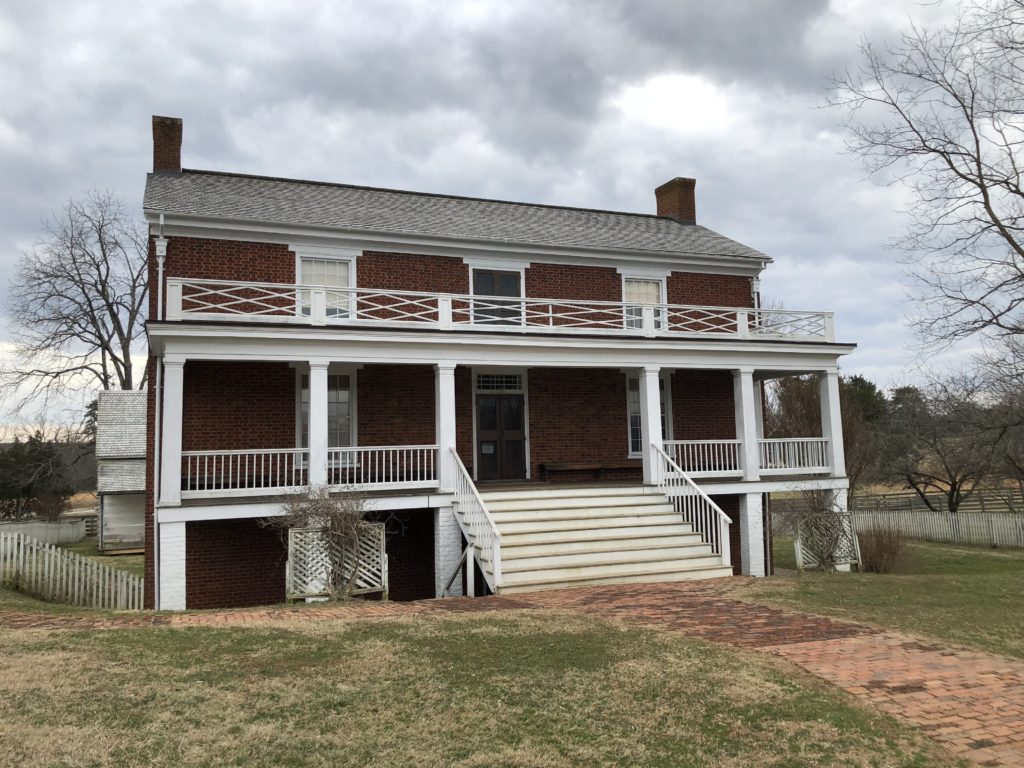
Lee and Grant met at the McLean family’s house, and the surrender was made here.
Grant greatly respected Lee, so Grant strictly demanded that the Union soldiers not celebrate in front of the Confederates. He handled the surrender with class, allowing the rebels to return to their homes, and to take their horses home with him. Confederate officers were allowed to keep their swords.
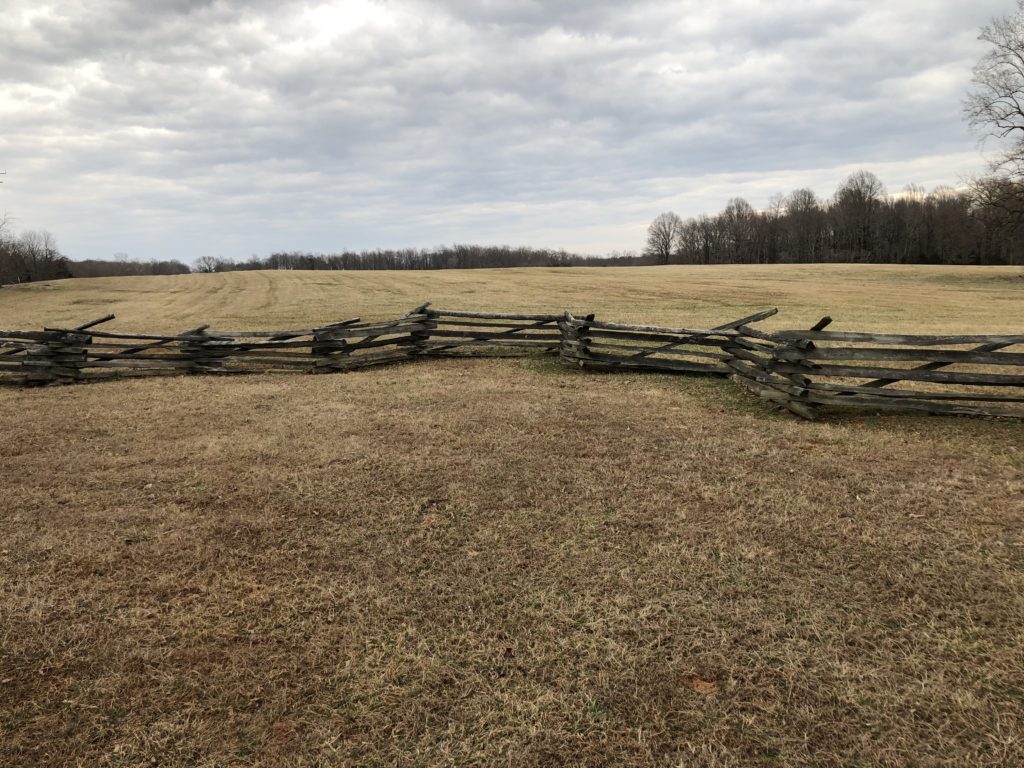
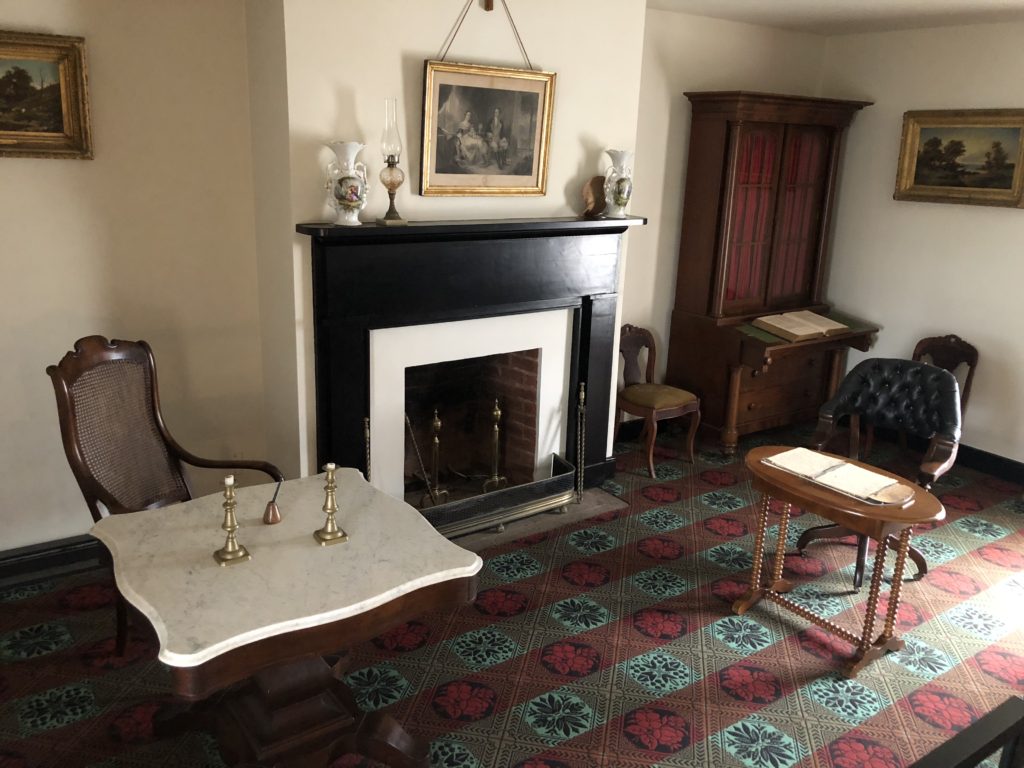
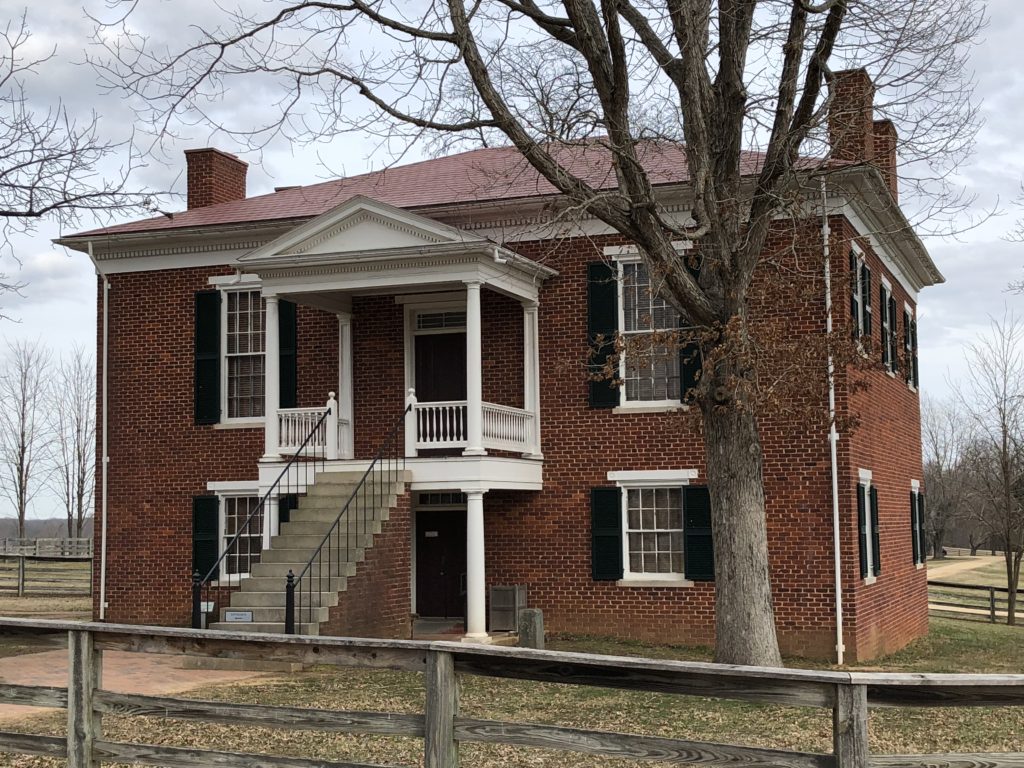
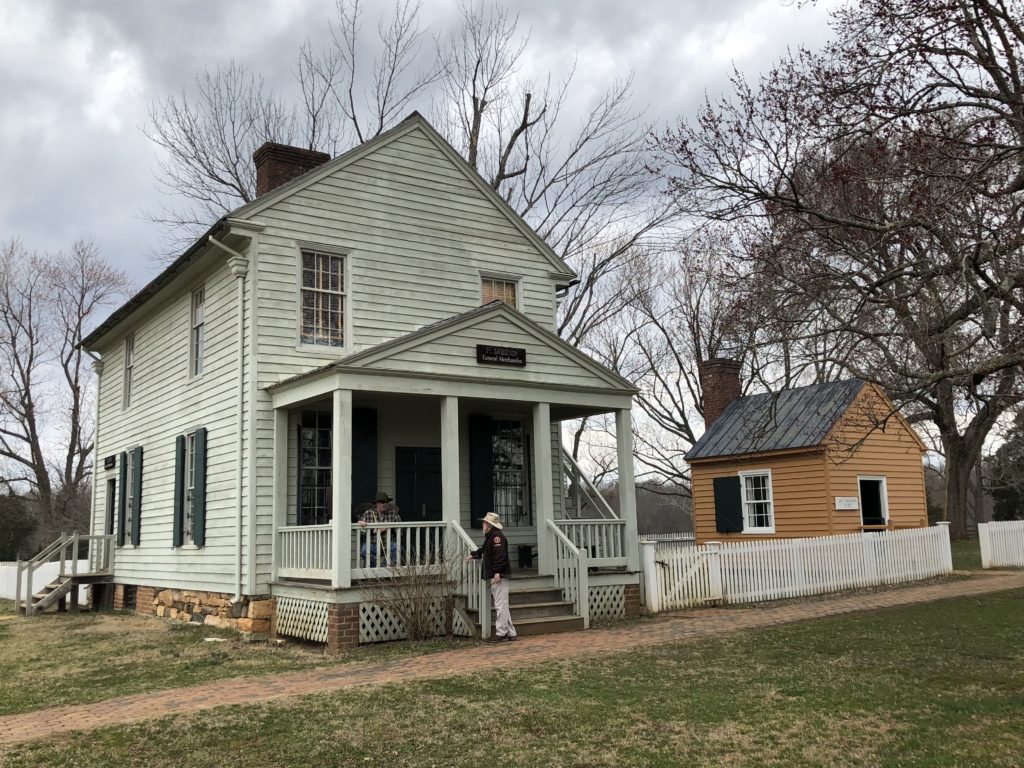
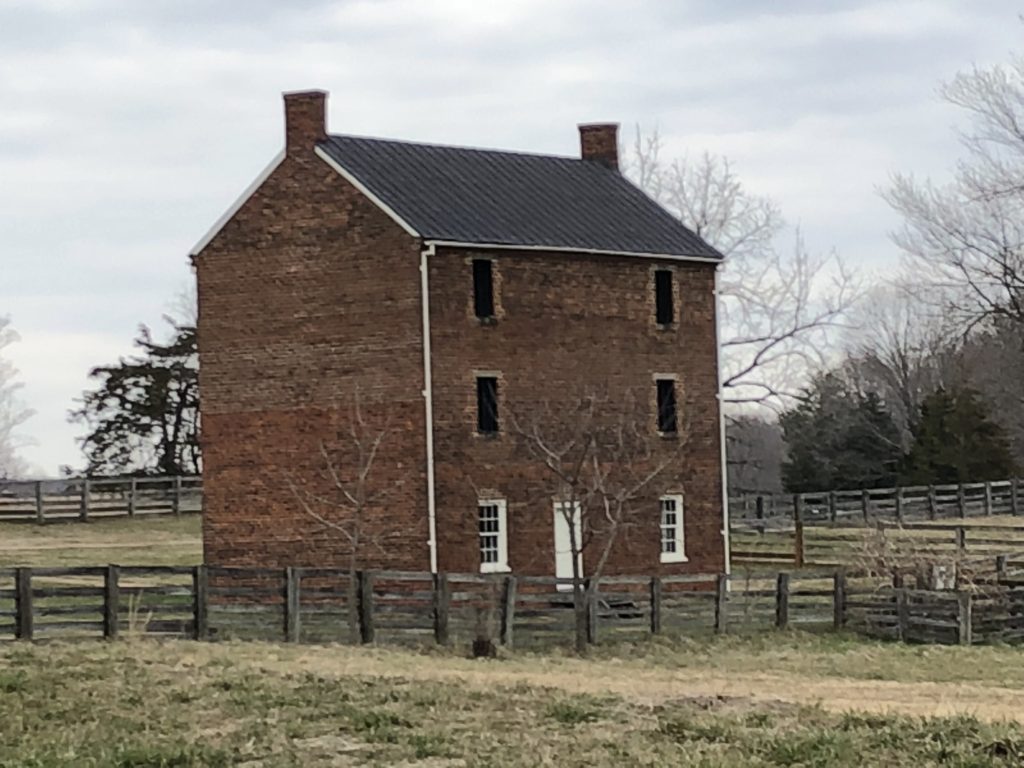
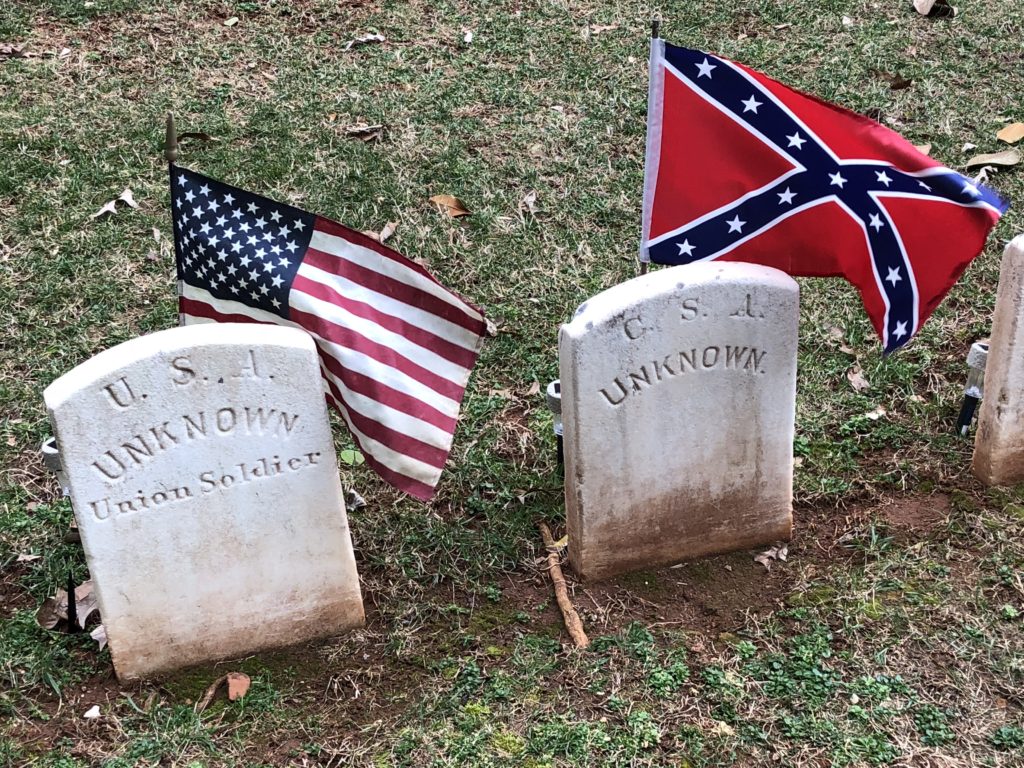
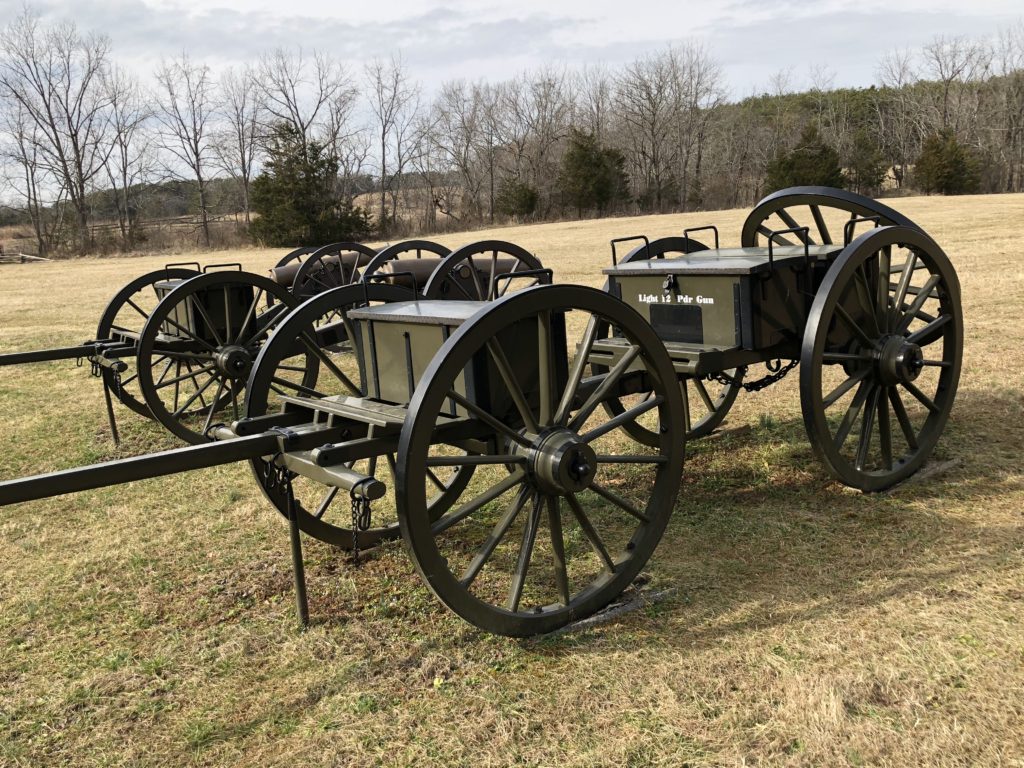
In April 1865 this field (the trees were not there then) was the setting for fierce fighting between a total of 95,000 troops.McLean House, site of Lee’s surrender. This is not the actual house from 1865, but rebuilt exactly as it was.This is the room where the surrender took place. Lee arrived first, and sat at the larger, marble top table. Grant sat at the smaller table, and wrote the terms of surrender for Lee to sign. Grant composed the terms of his own volition, as President Lincoln had given him general principles he wanted in the terms, but not the terms themselves.The court house in the village of Appomattox Court House.General Merchandise storeVillage jailGraves of two unknown soldiers, one Confederate and one Union, in a small cemetery a few yards from the McLean House. In the cemetery there are 18 graves of the Confederate soldiers who died in the fighting at Appomattox leading to the surrender. The Union soldier was buried four years after the war.The Confederate Artillery surrendered here, Their line stretched over a half a mile, and they turned over 61 cannons and 13 caissons to the Union forces.