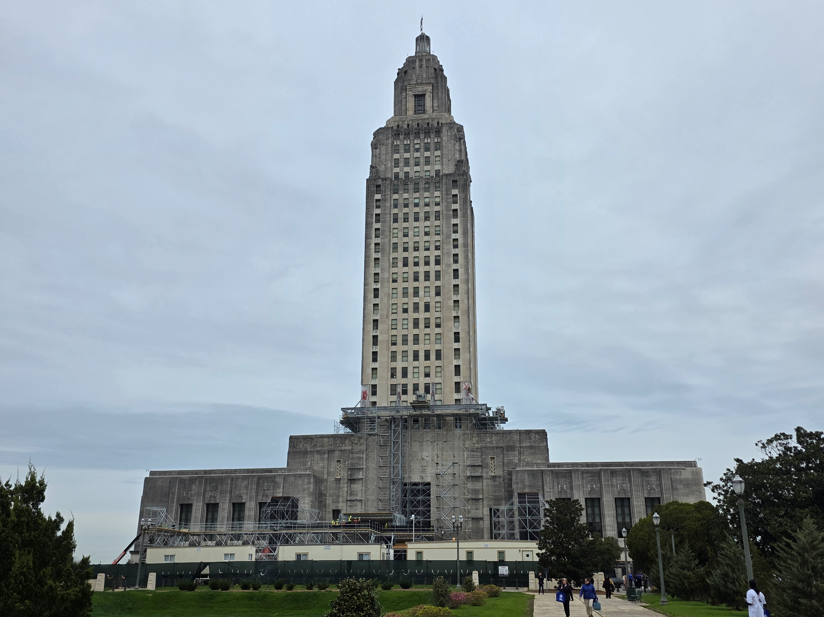
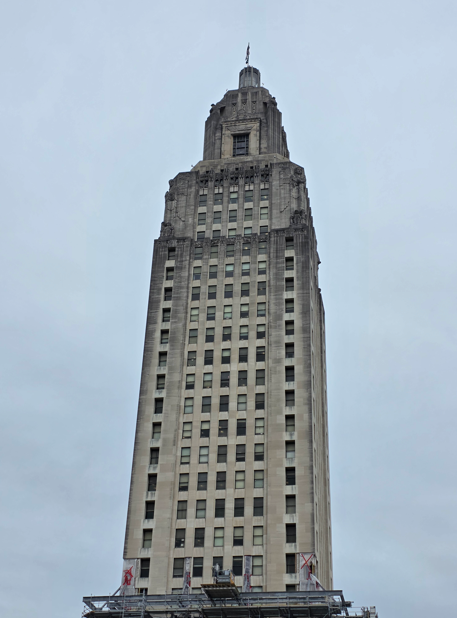
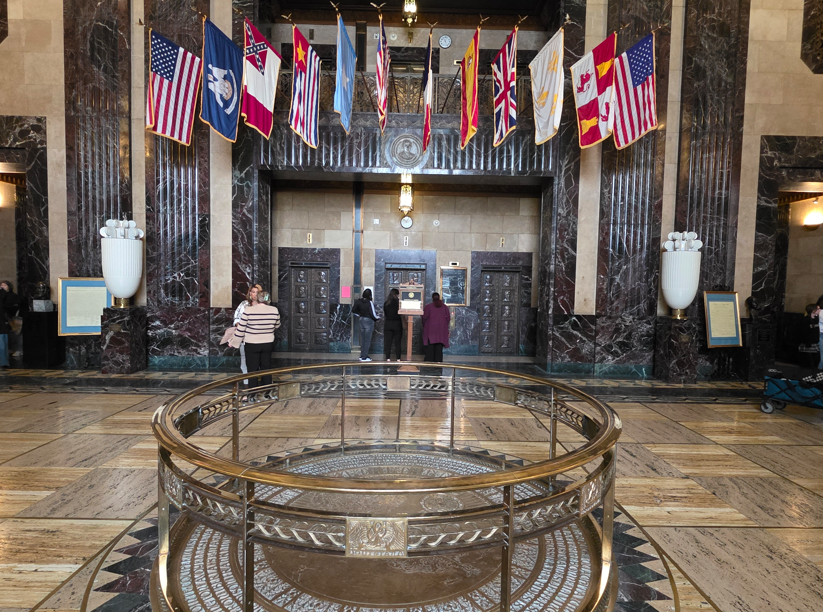
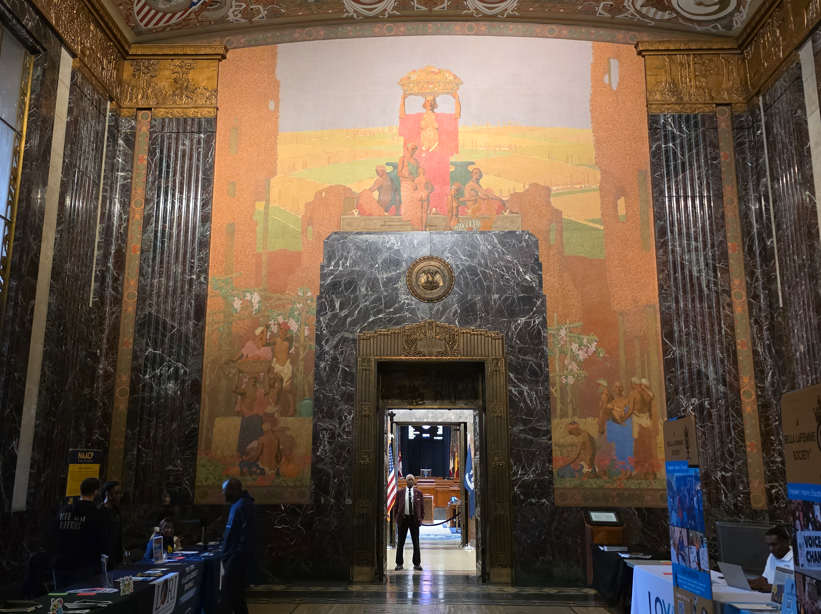
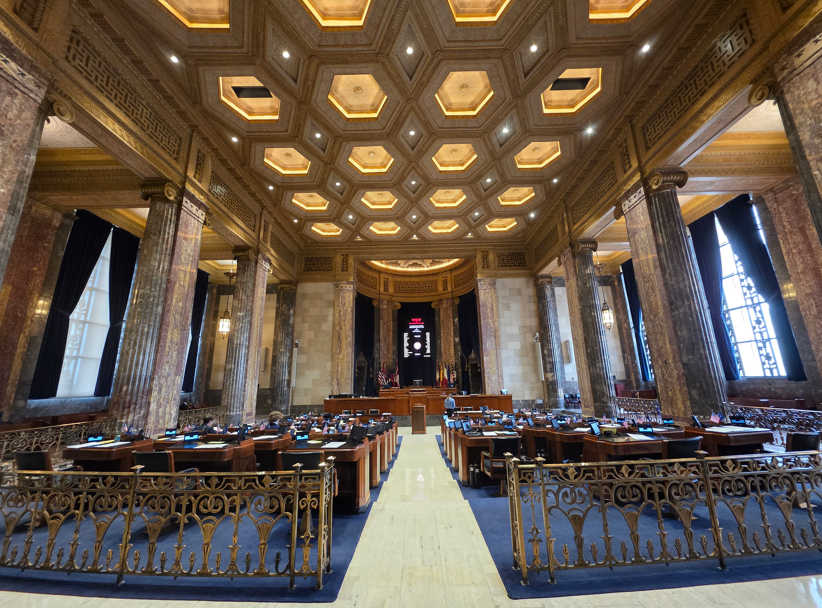
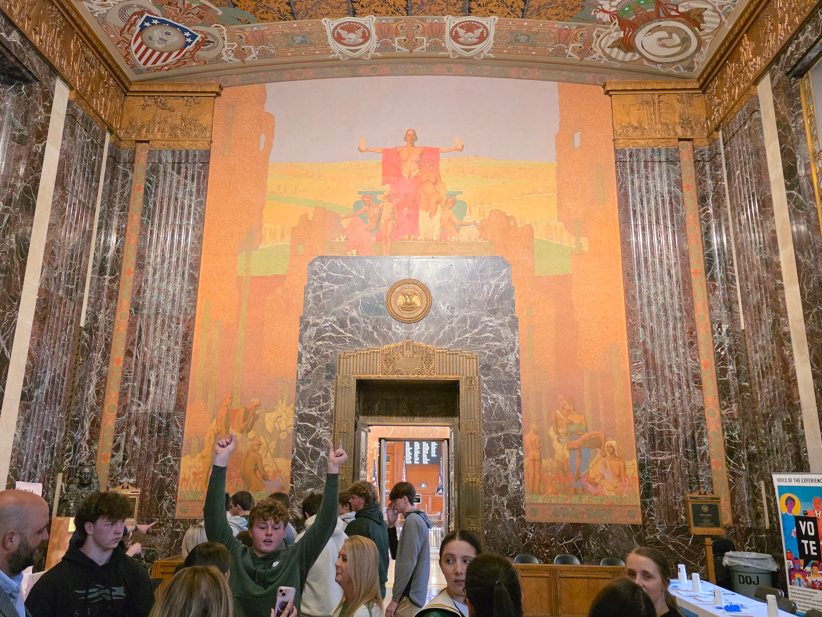
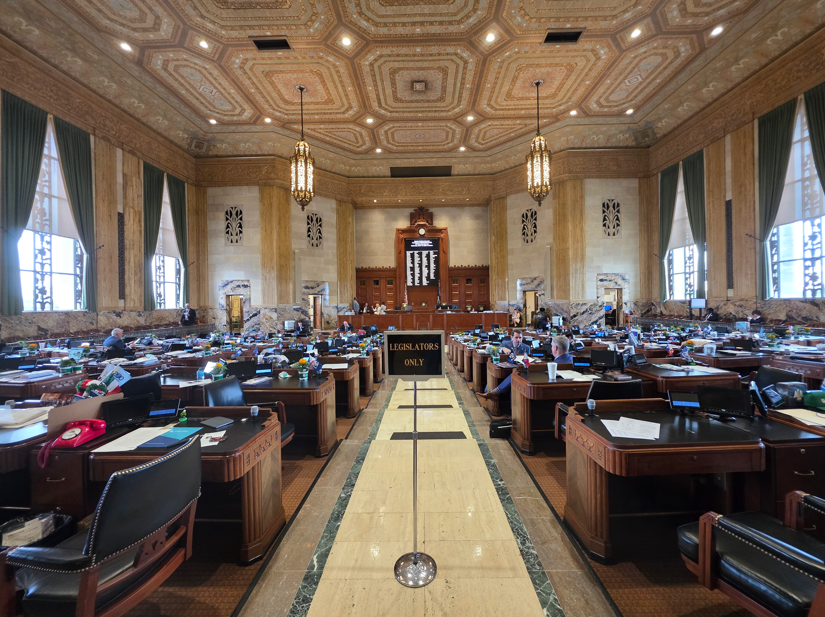
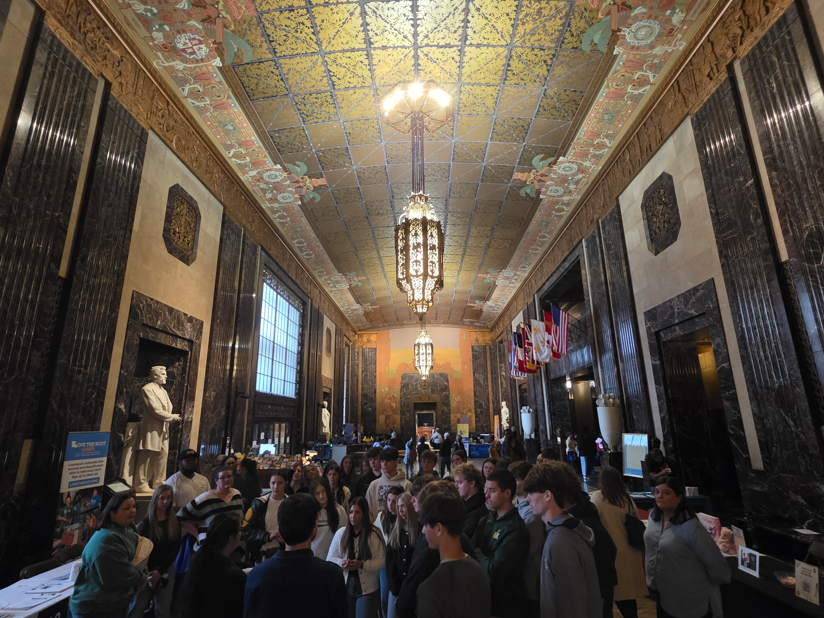
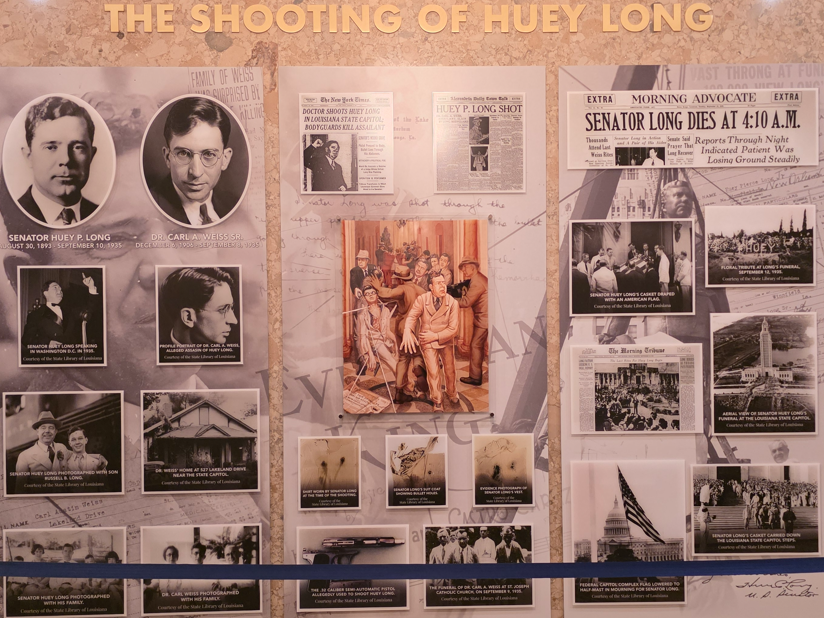
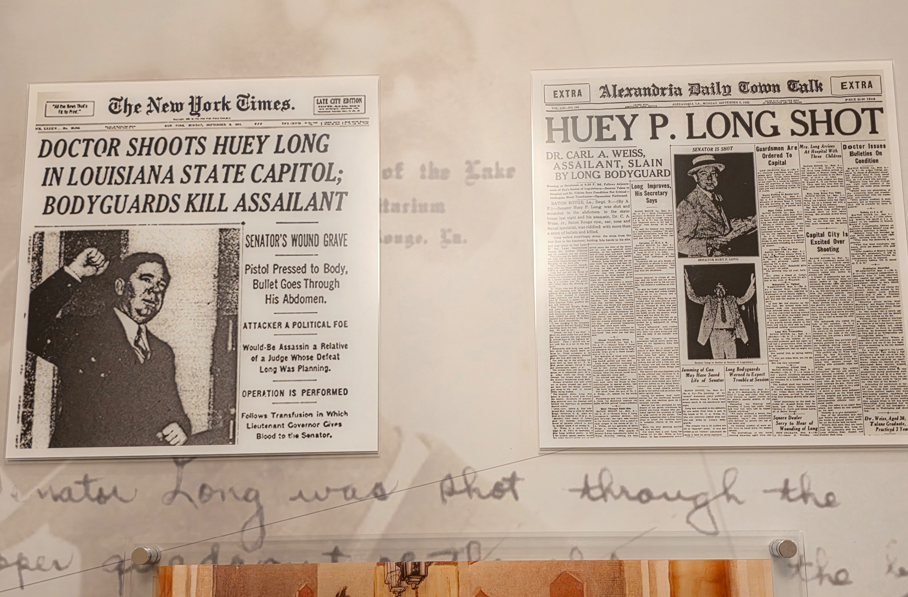
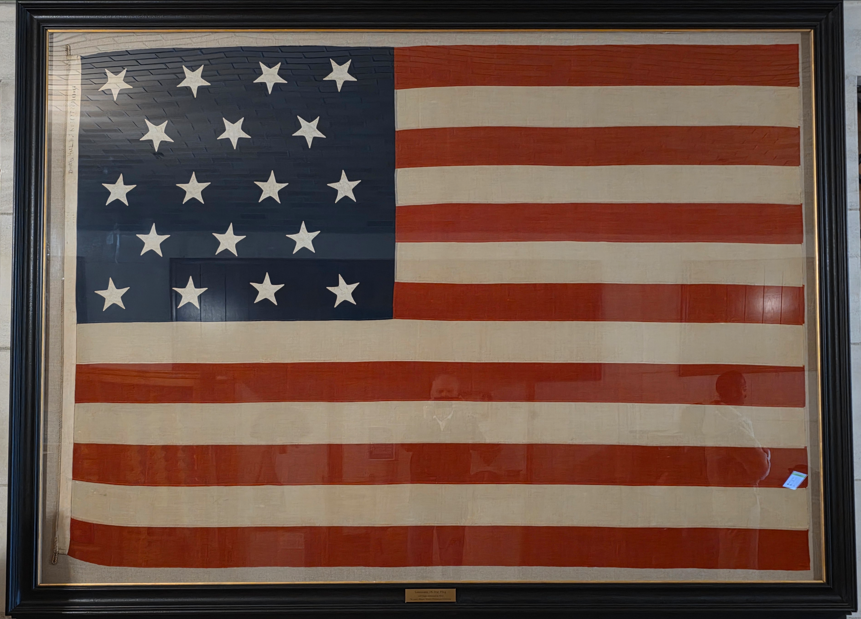
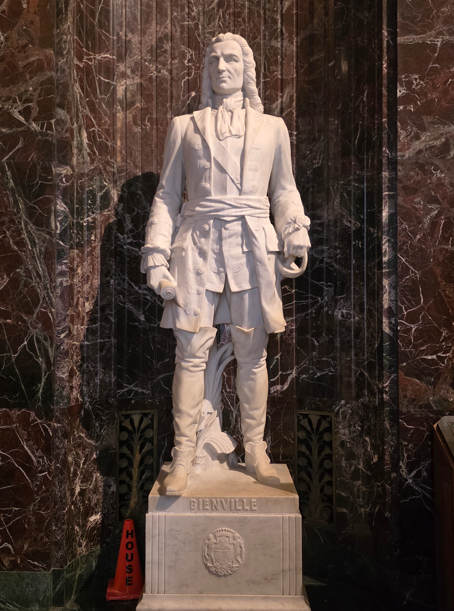
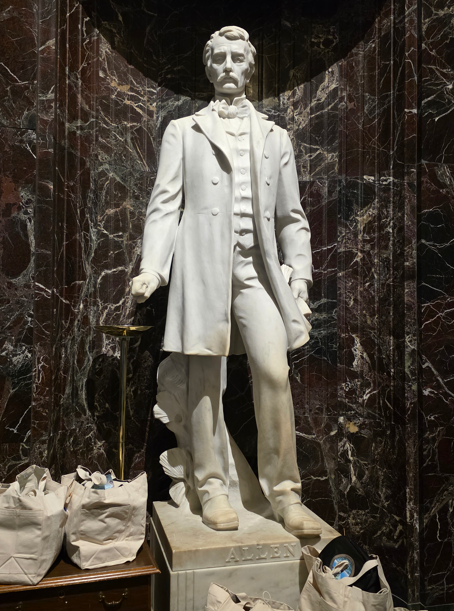
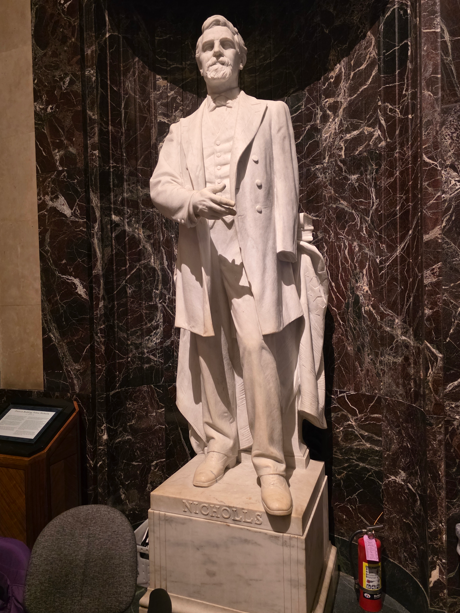
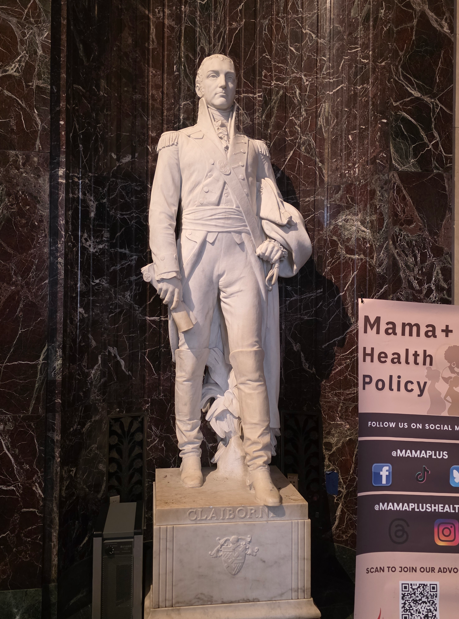
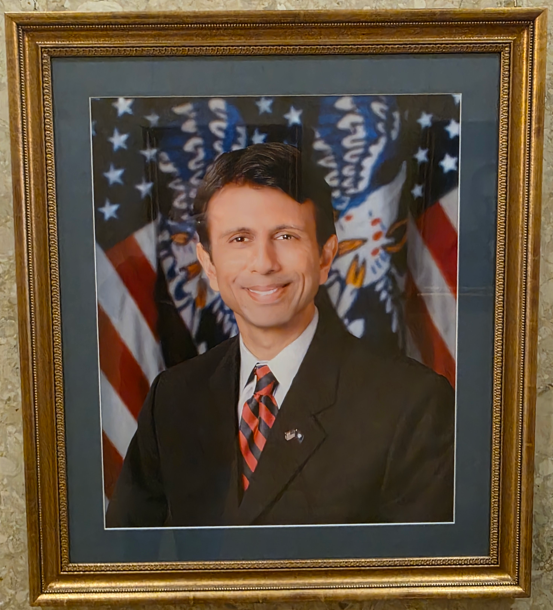
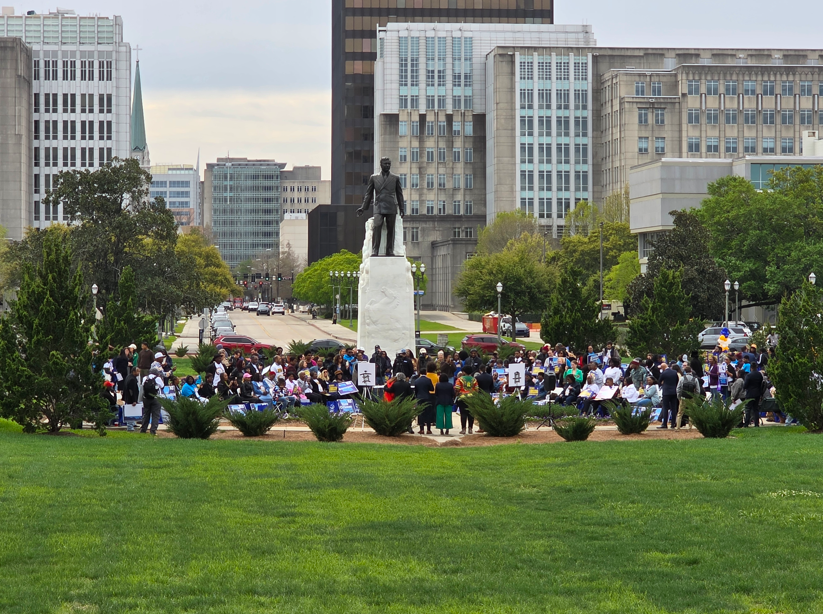
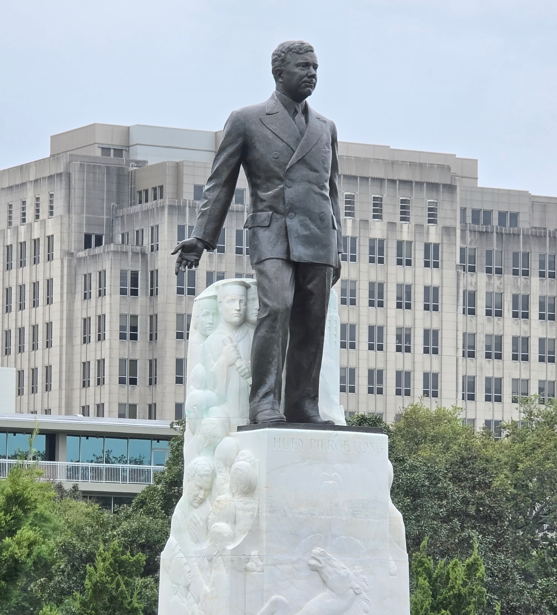
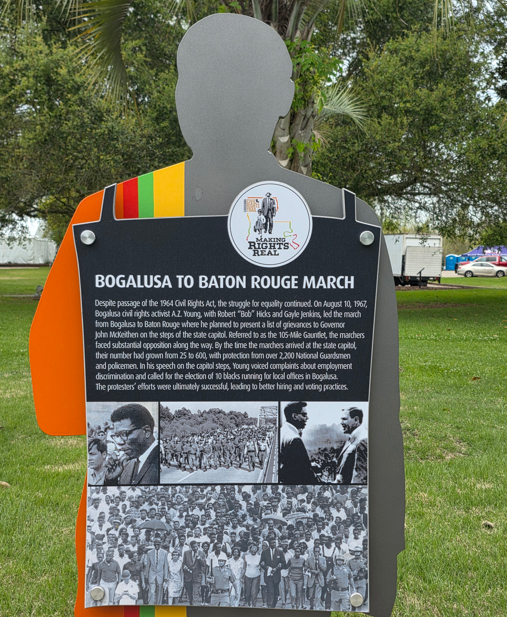
Another building that is undergoing renovation, this time the Louisiana State Capitol. At 450 feet, this is the tallest state capitol in the United States. It features Art Deco architecture.Memorial Hall.Art Deco wall leading to the Senate Chamber.Senate Chamber.Art Deco wall leading to the House Chamber.House Chamber.It was very crowded with school field trips and voting rights demonstrators.Ex governor and Senator Huey Long was assassinated in the capitol September 8, 1935. He was an extremely popular and influential politician, and a possible presidential candidate for 1936.18 star flag/ Louisiana was admitted as the 18th state.Jean Baptiste LeMoyne Sieur de Bienville, who founded New Orleans in 1718.Gov. Henry Watkins Allen, governor during the Civil War.Governor Francis T. Nicholls, a Confederate general during the Civil War who served as governor twice after the war.W.C.C. Claiborne, the governor of Louisiana who served after its purchase from France in 1803. He was also governor when Louisiana gained statehood in 1812.Piyush “Bobby” Jindal served as the governor of Louisiana 2008-2016.The voting rights demonstrators gathered around Huey Long’s monument and grave.Huey Long monument and grave.
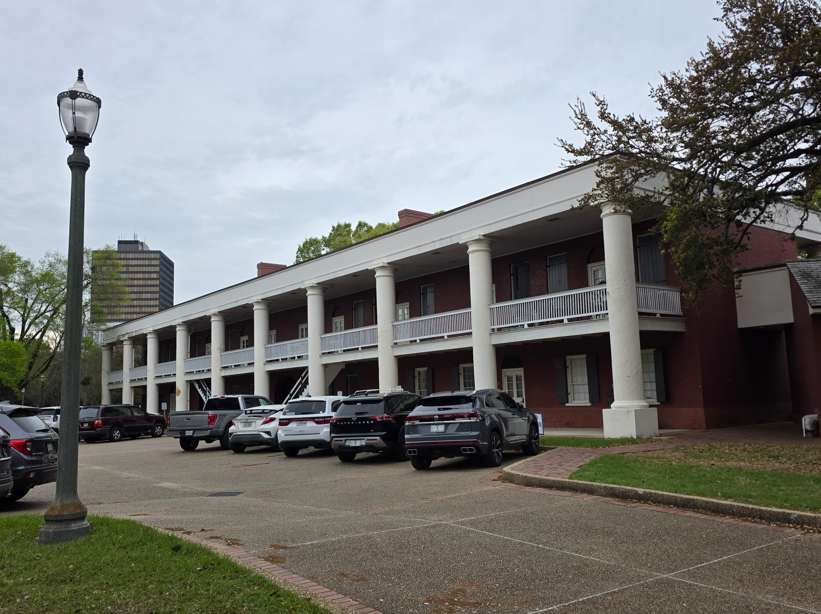
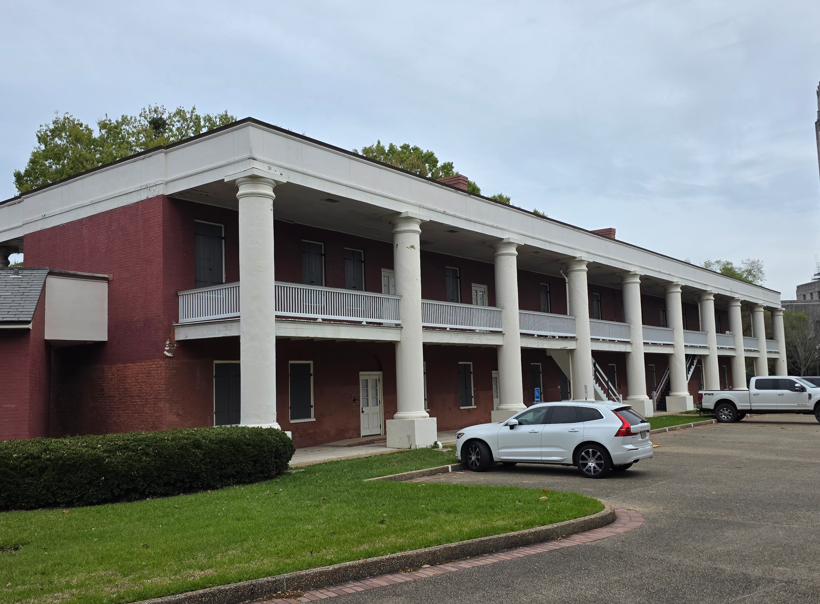
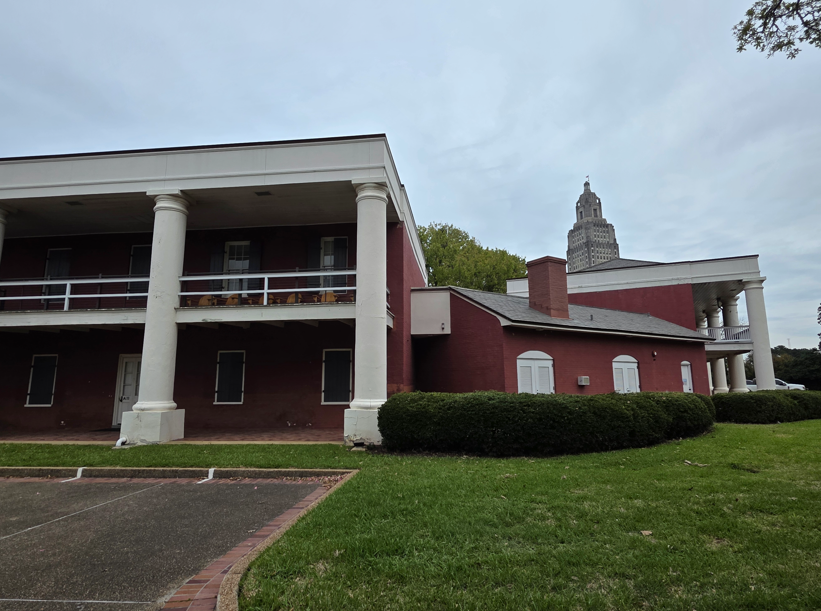
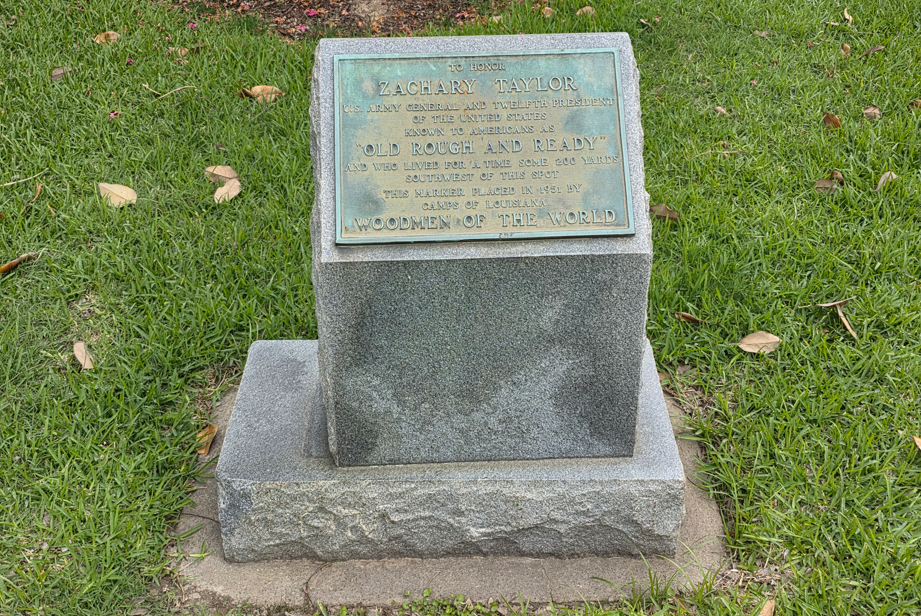
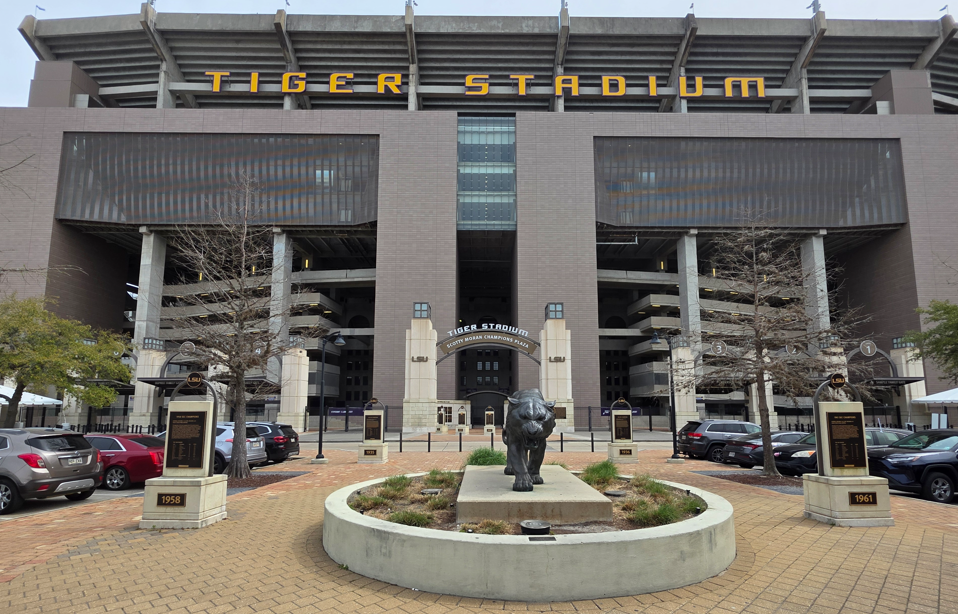
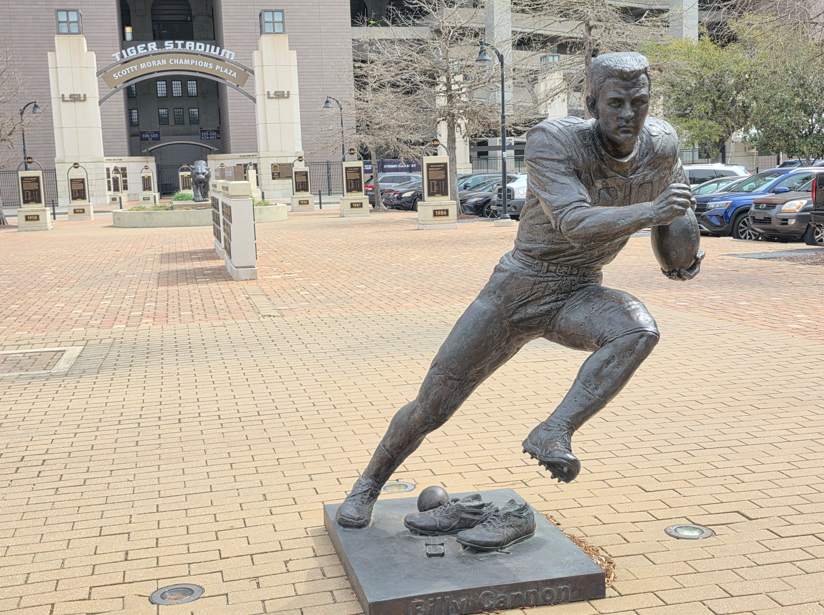
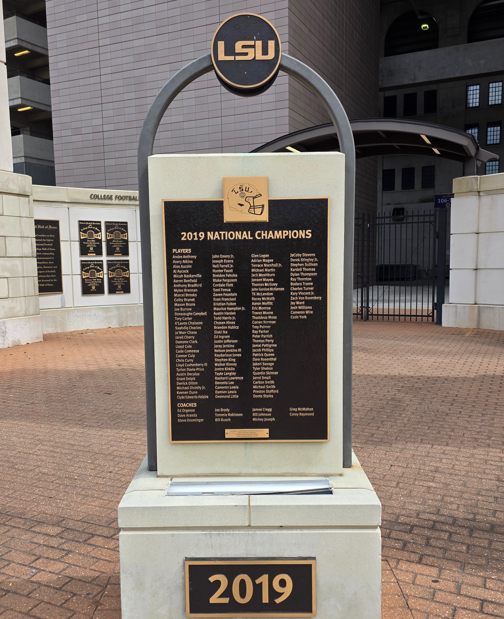
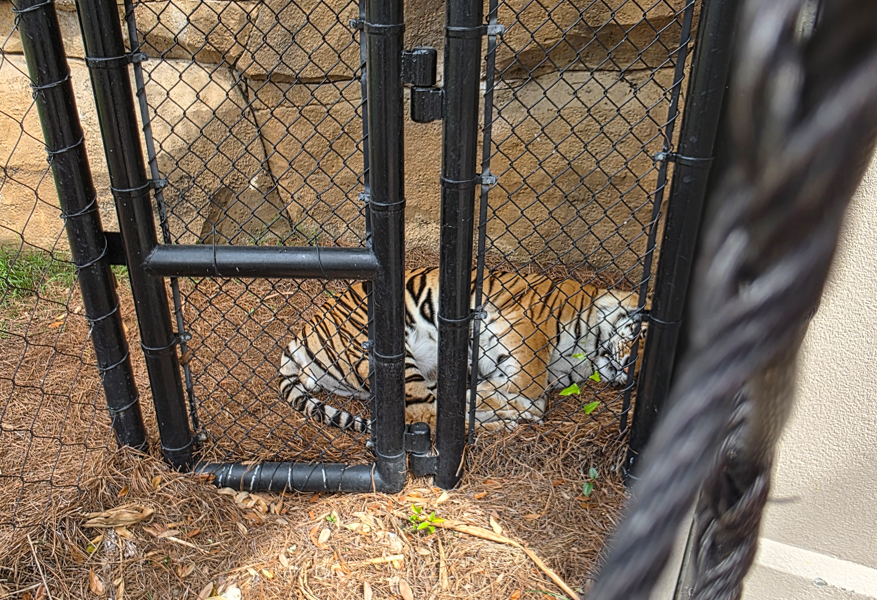
These Pentagon Buildings were constructed 1819-1822 to house US troops. Used as a garrison from 1822-1877 except 1861-1862 when held be Confederates. From 1886-1925 these buildings and grounds were the site of Louisiana State University.Zachary Taylor, our 12th president 1849-1850 lived near this marker in Baton Rouge. The house no longer stands.On the campus of LSU, Tiger Stadium.Billy Cannon, Heisman Trophy winner at LSU in 1959.Roster of LSU’s 2019 National Champions, including Heisman Trophy winner Joe Burrow.LSU’s mascot Mike the Tiger
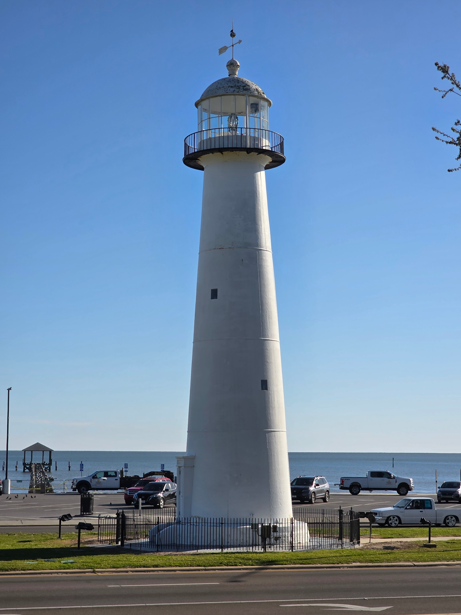
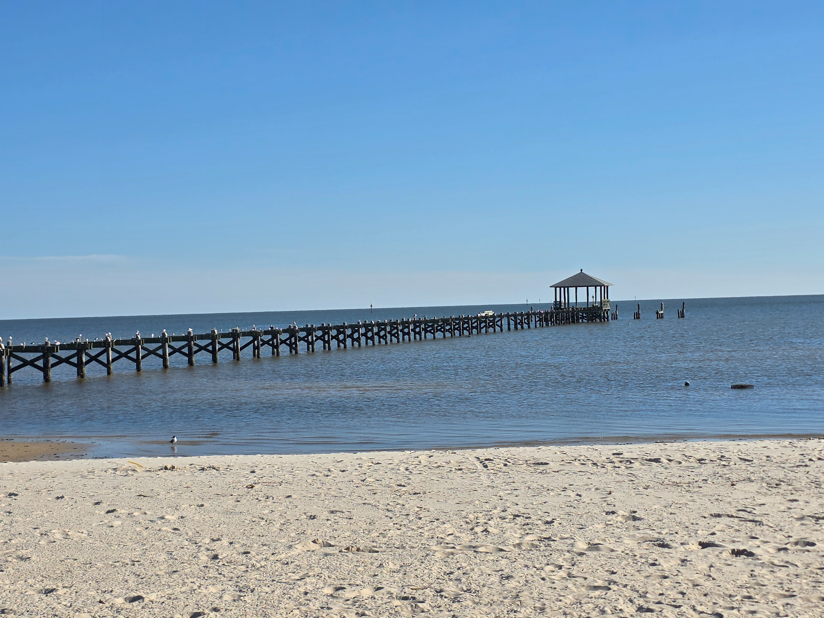
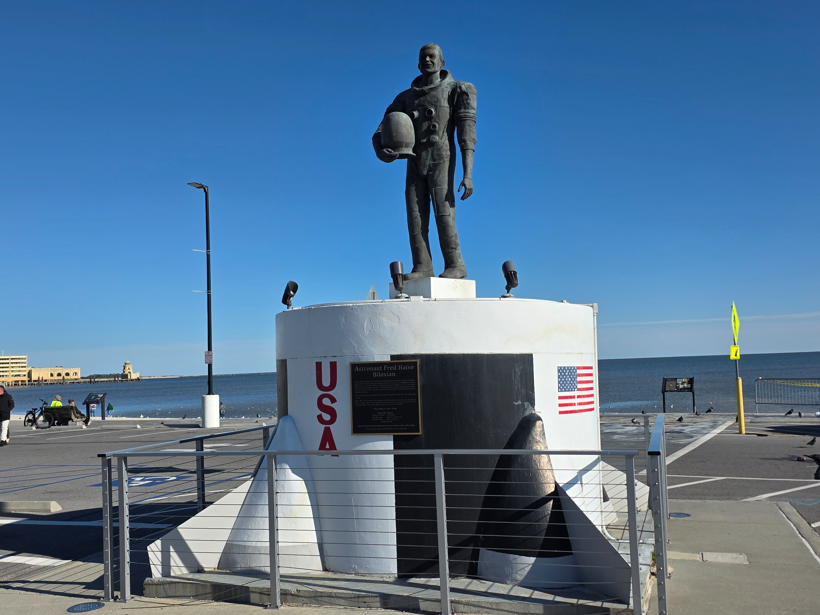
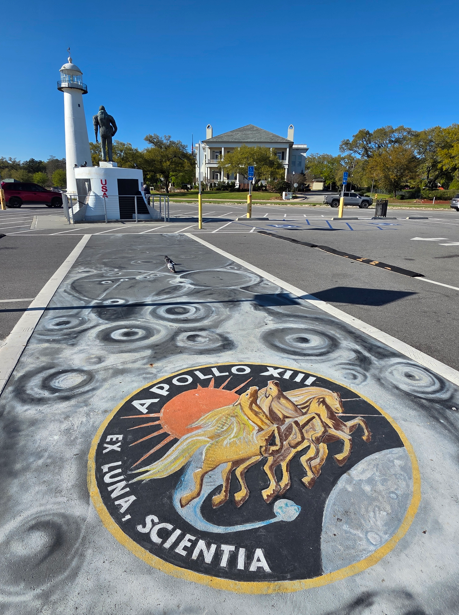
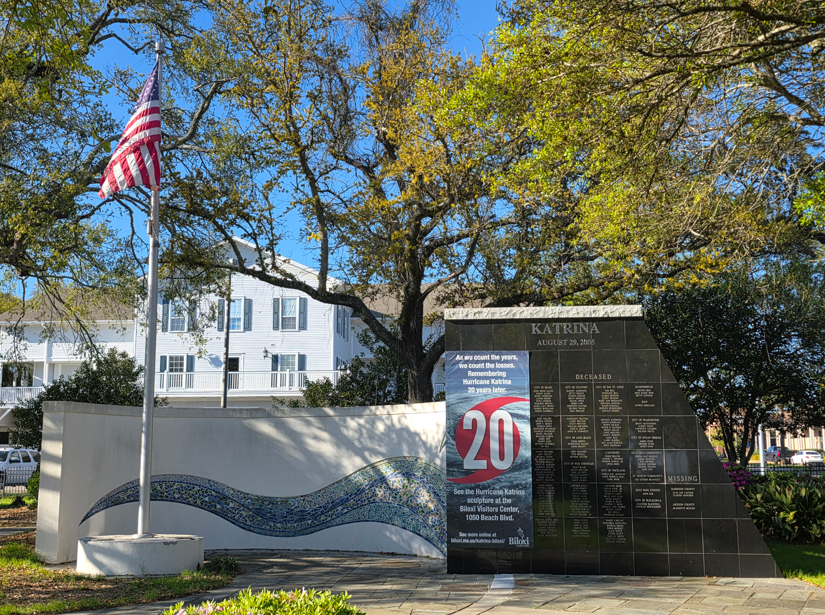
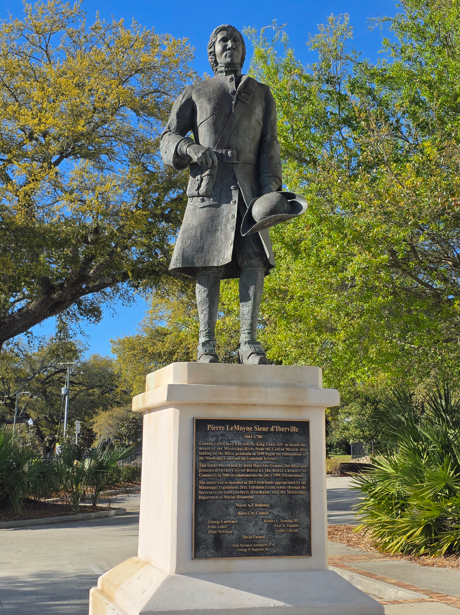
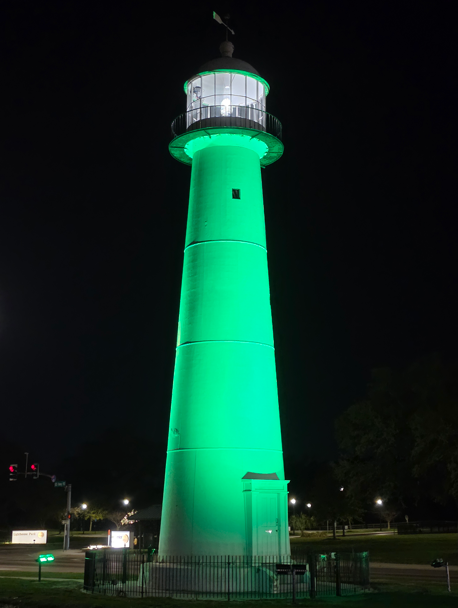
Biloxi LighthouseBilox pierStatue honoring Astronaut Fred Haise, who was one of the astronauts on Apollo 13. The Apollo 13 mission, the third planned lunar landing became a “successful failure” after a critical system failure. The spaceship was severely damaged when an oxygen tank exploded 200,000 miles from Earth, and the crew was able to manually navigate their way back to a successful splashdown on earth. Cool Apollo 13 path to the Haise statue.Hurricane Katrina MemorialStatue of Pierre LeMoynne Sieur d’Iberville 1661-1706, Canada’s first hero sent by King Louis XIV to locate the mouth of the Mississippi River from the Gulf of Mexico (now Gulf of America). He landed on the Biloxi peninsula in 1699 which began the colonization of the Mississippi coast and the Louisiana Territory.Lighthouse at night.
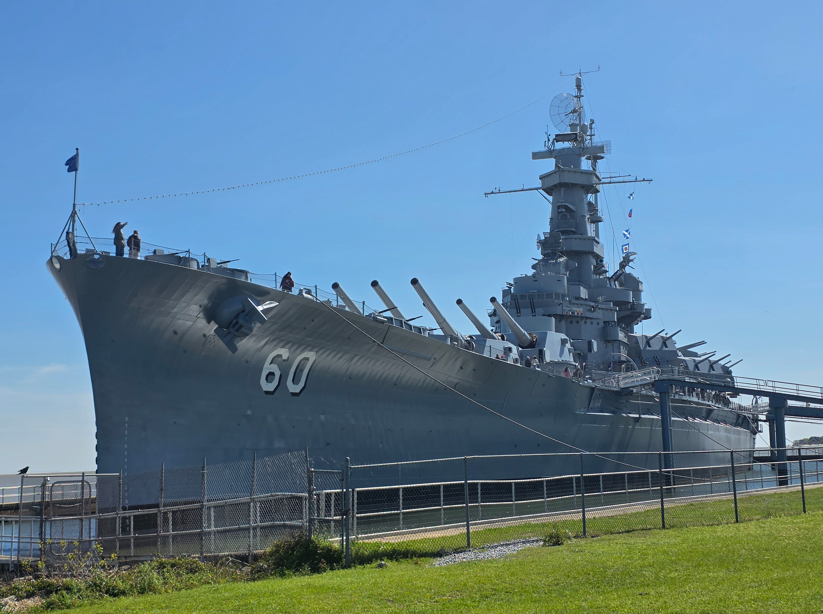
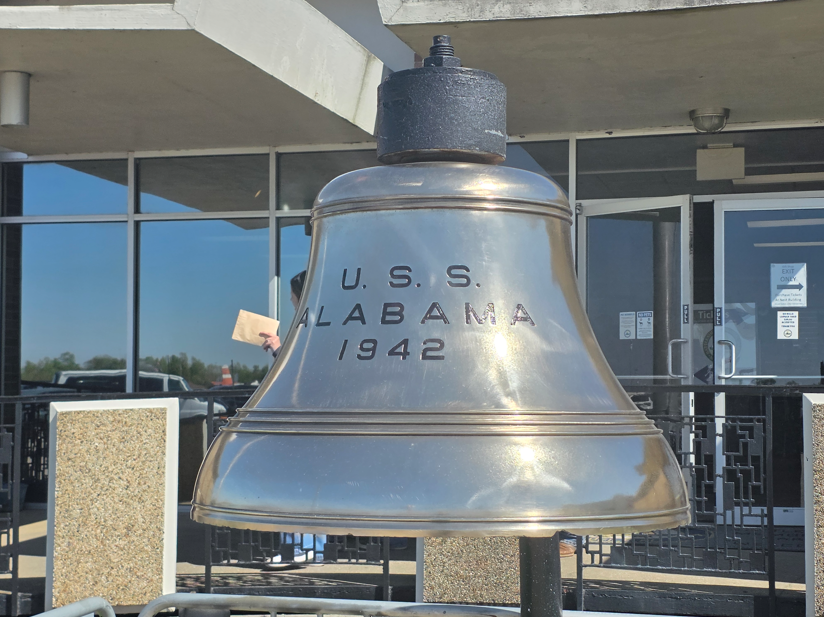
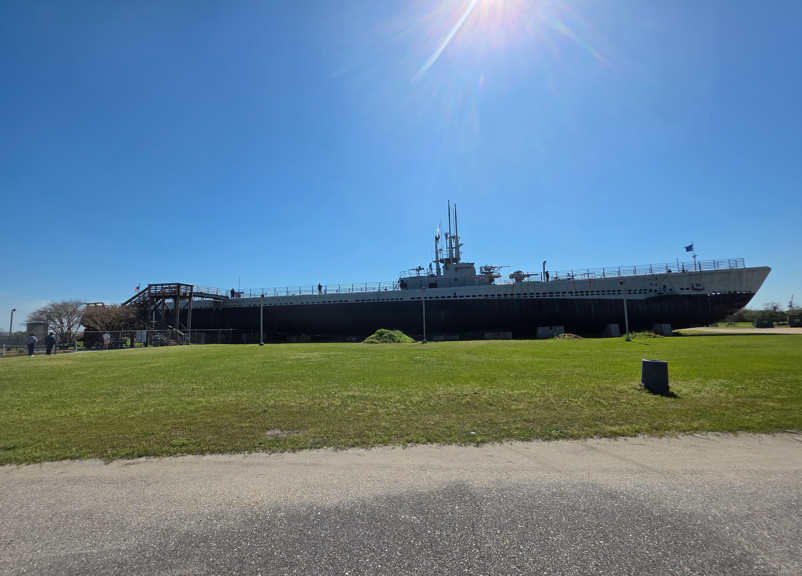
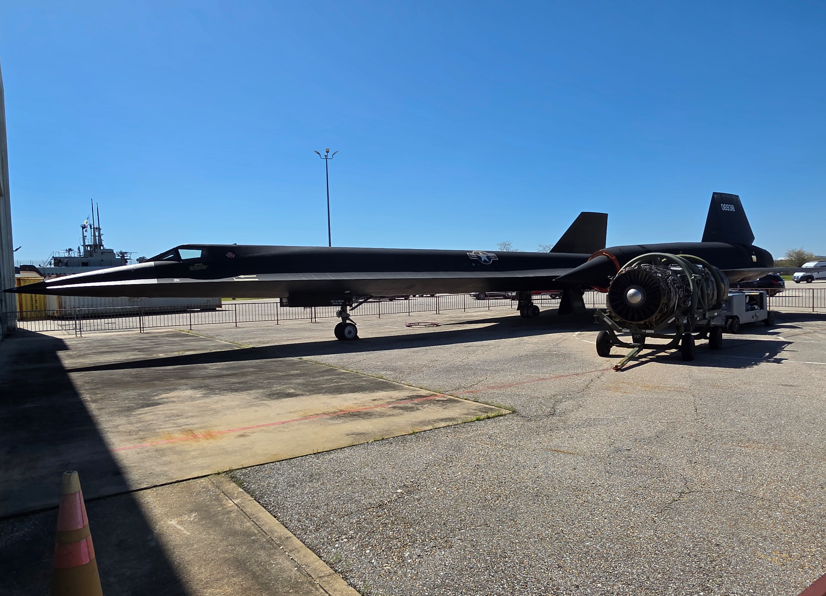
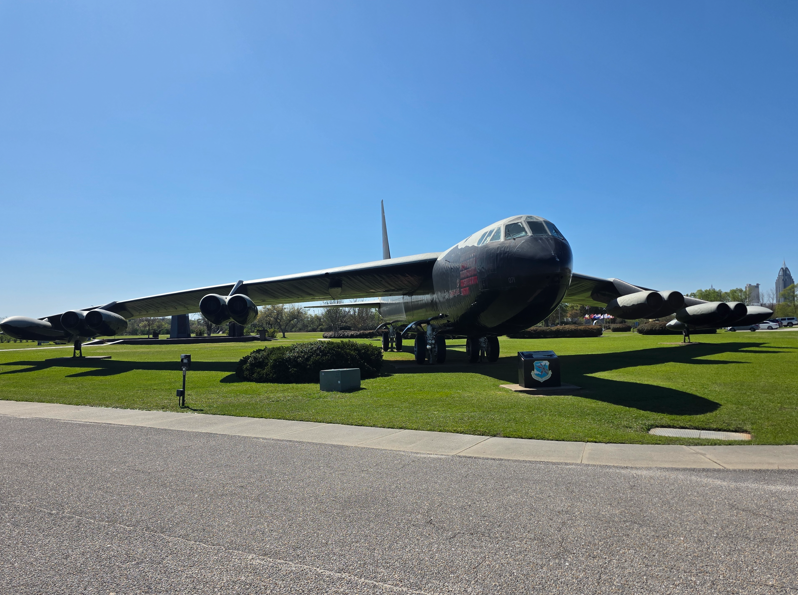
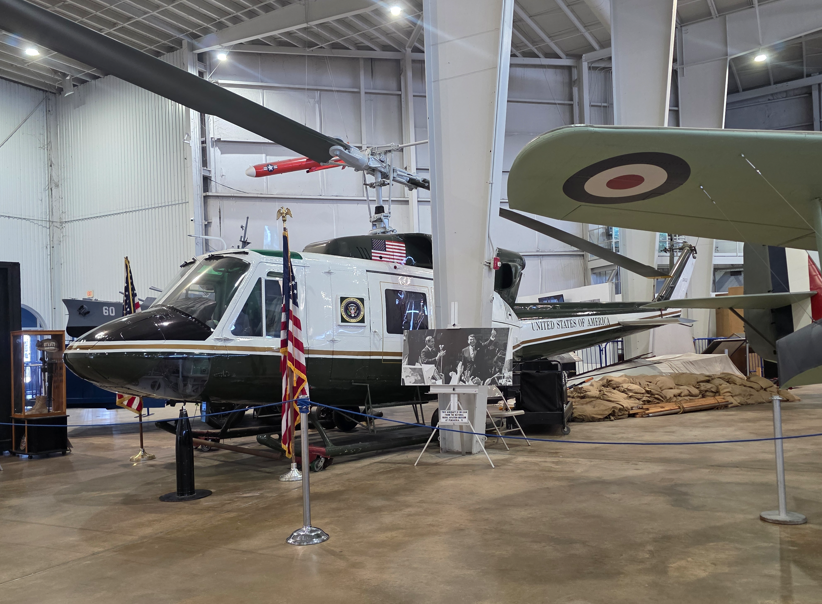
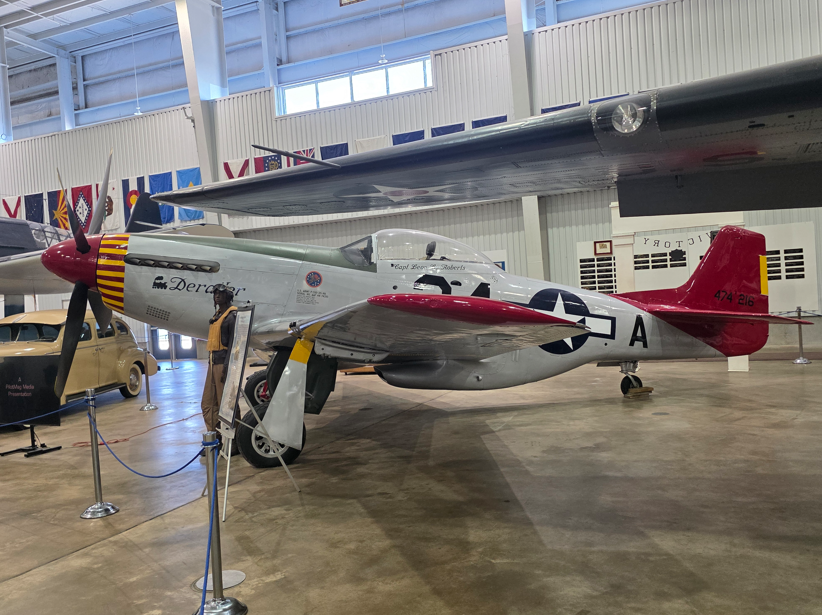
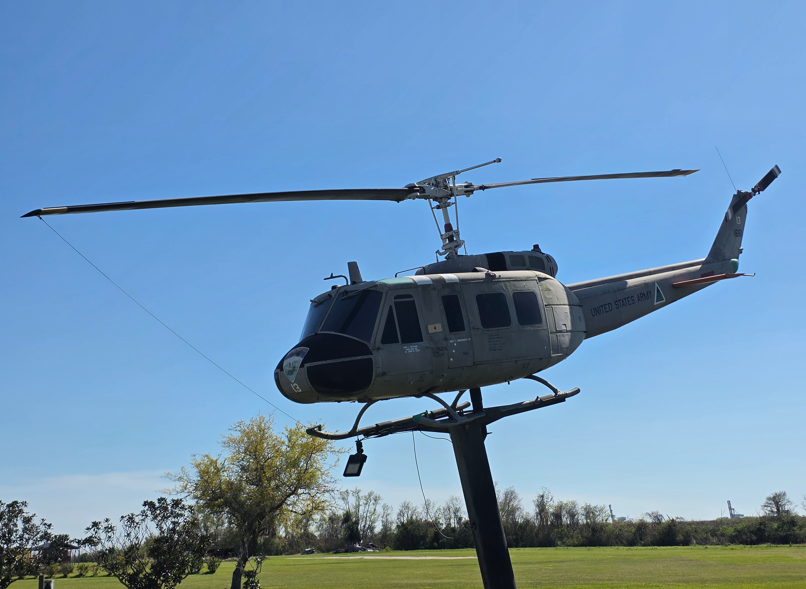
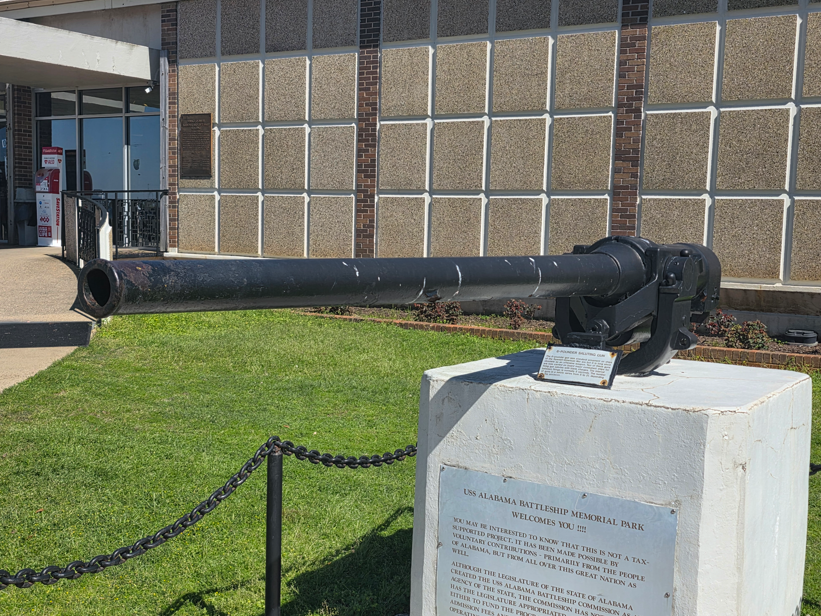
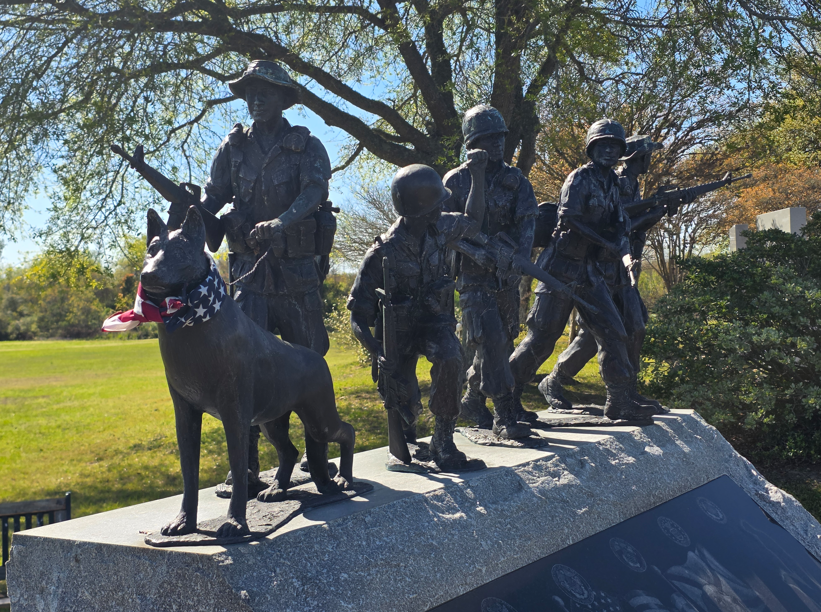
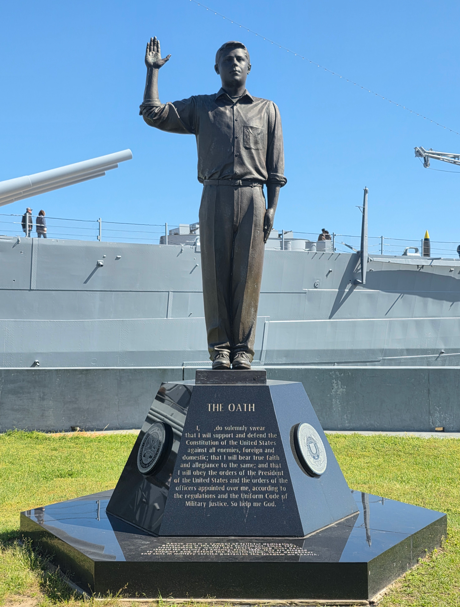
The Battleship USS Alabama had a remarkable career. She began her World War II adventures in the North Atlantic in 1943, then later that year, went to the South Pacific seas. Home to a crew of 2,500 courageous Americans, this 45,000 ton war machine’s WWII adventure culminated with BB-60 leading the American Fleet into Tokyo Bay on September 5, 1945. Nine Battle Stars for meritorious service were awarded the “Mighty A” during her brief three year tenure as the “Heroine of the Pacific”.USS Drum is the oldest American submarine in existence. During World War II, it sunk several Japanese ships.A-12 BlackbirdB-52 BomberArmy One, Presidential helicopter used by Presidents Nixon, Ford, Carter, Reagan and Bush 41.Tuskegee Airmen Redtail P-51 Mustang.Vietnam War helicopter display.6-Pounder Saluting Gun was a standard armament on ships of the Spanish-American War era but is long since obsolete as an offensive weapon. Two of these guns are now carried on board major combatant ships for firing gun salutes with blank charges.This is a memorial to war dogs.
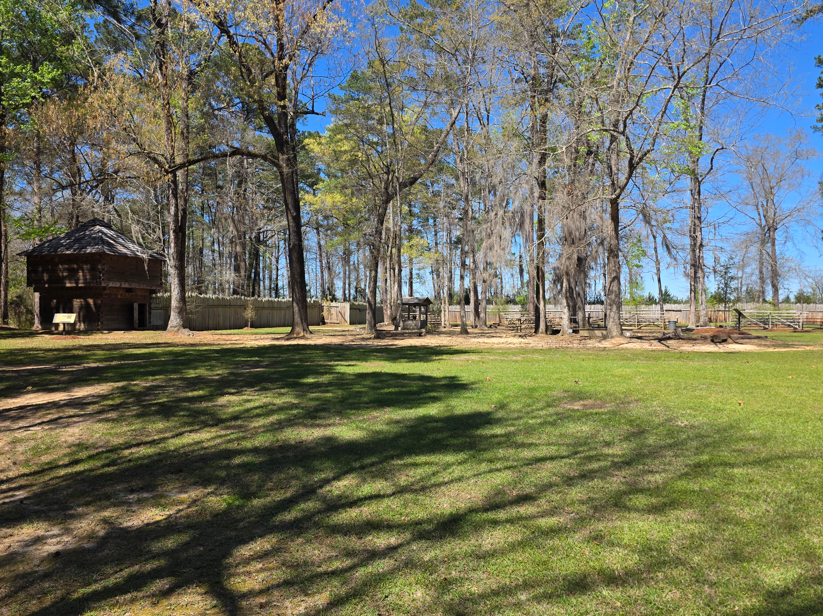
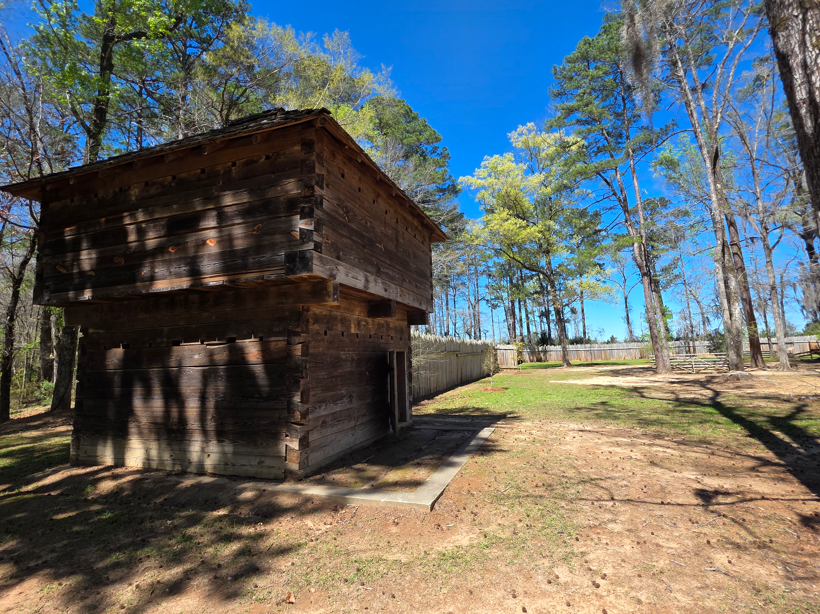
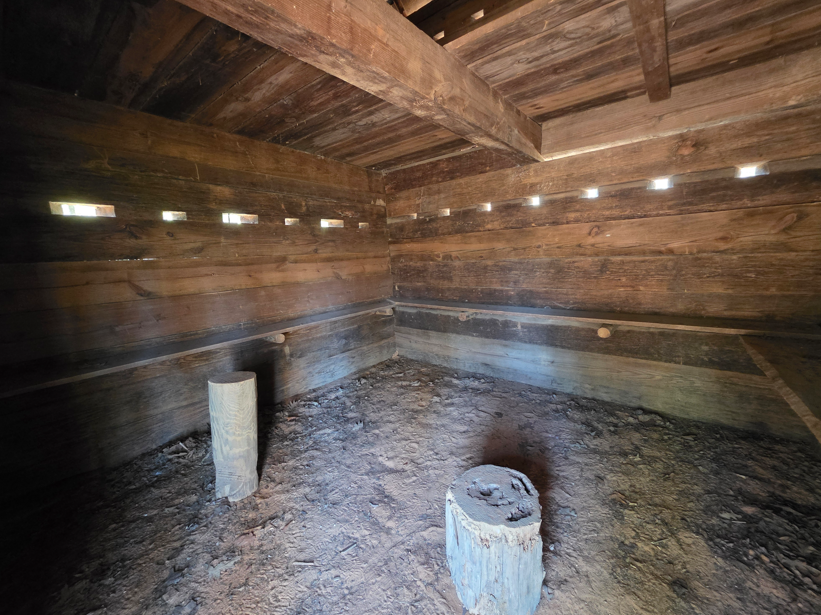
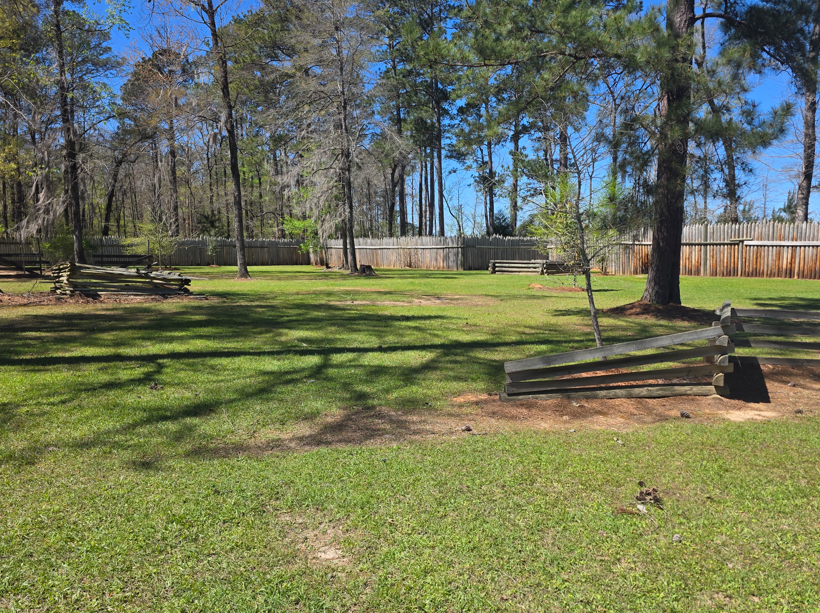
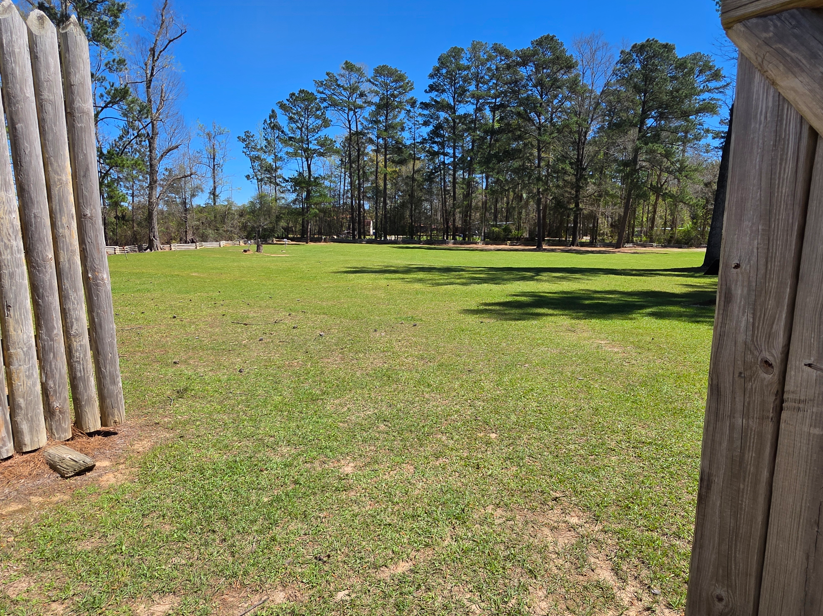
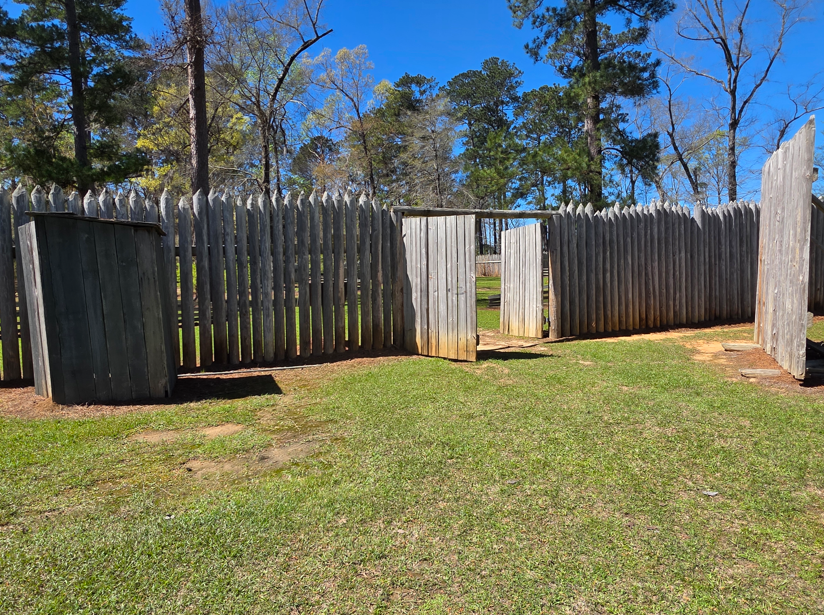
In 1813 Redstick faction of the Creek Indian Nation opposed growing American influence in the area and voted for war. Other Creeks living in the area had intermarried with the European and American settlers and were close allies. Early in the summer local American militia allied Creeks attacked a group of Redsticks at Burnt Corn Creek. With tensions growing, many families took refuge in quickly fortified sites. On this site they built a stockade around Samuel Mills plantation. Later, Mississippi volunteers helped enlarge it. As weeks passed without an attack the people at Fort Mims grew complacent. Around noon on August 30, about 700 Redstick warriors attacked the fort, entering through an openg ate and firing into the fort through poorly designed gunports. The commander Major Daniel Beasely died in the first wave. The attack continued for five hours and ended with more than 500 attacked and defenders dead, including most of the women and children at the fort. News spread quickly, and Americans rallied to crush the “Creek War”, which was accomplished by General Andrew Jackson at the Battle of Horseshoe Bend.Block HouseInside the Block House