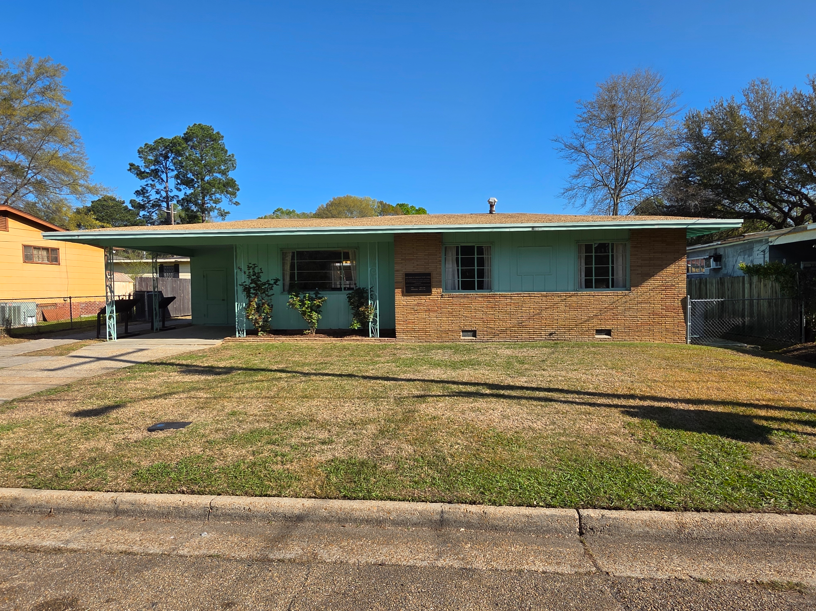
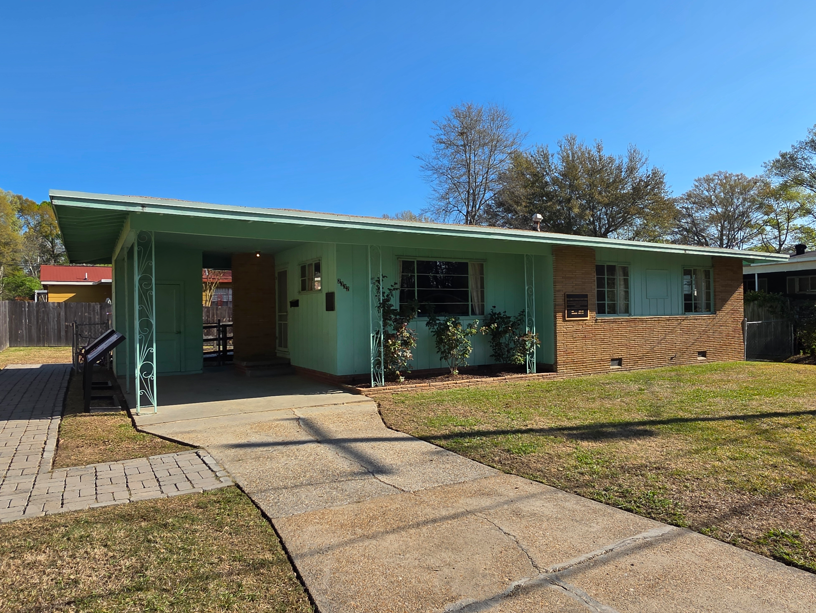
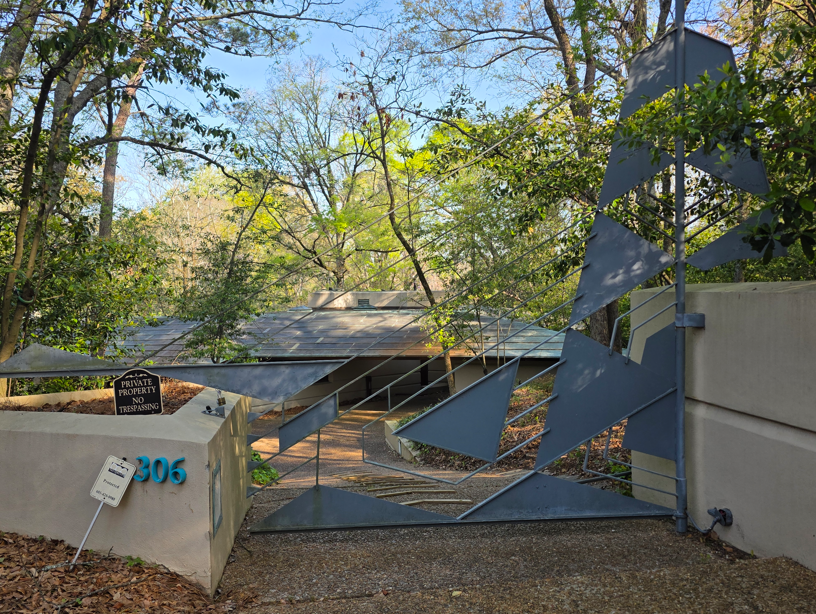
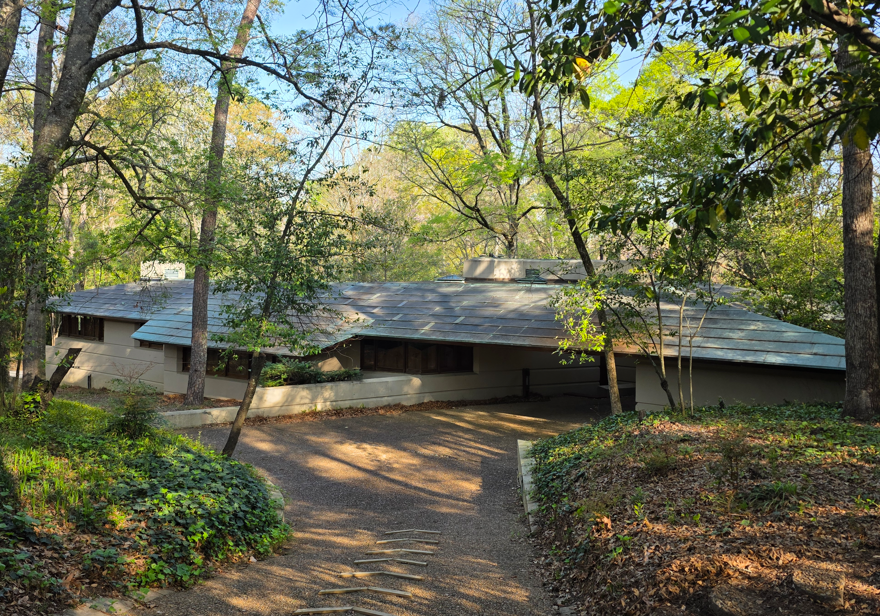
Frank Lloyd Wright designed this house between 1948-1950, and was built 1950-1954. It is designed in the Usonian style. It is currently under renovation, and not open for tours. This is the closest look I could get.
In 1850 half of the millionaires in the US lived in Natchez Mississippi, due largely to the cotton trade, which of course relied on slave labor. Today 600 Natchez homes are in the National Register of Historic Places.
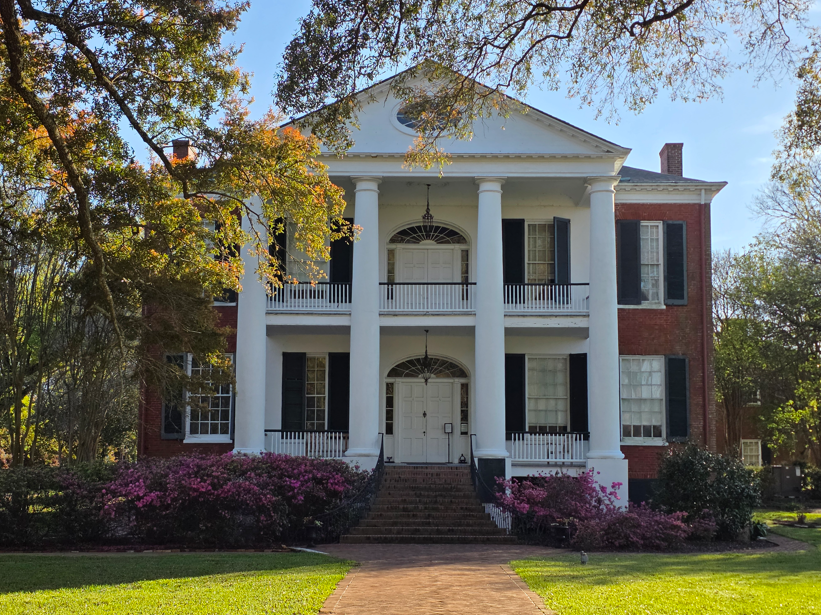
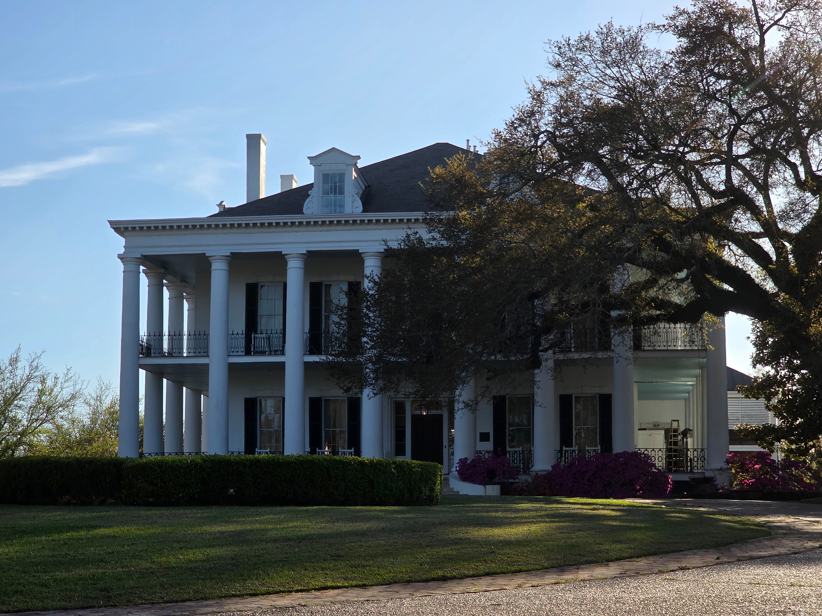
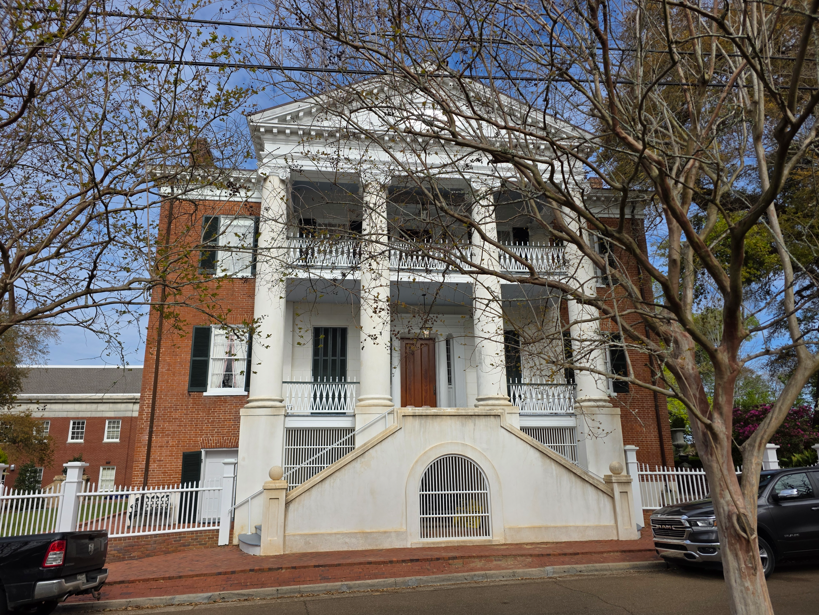
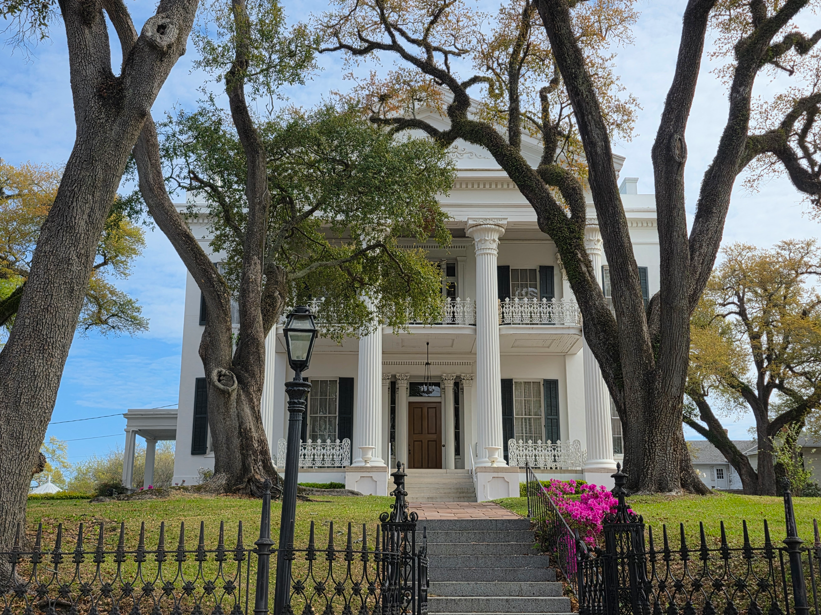
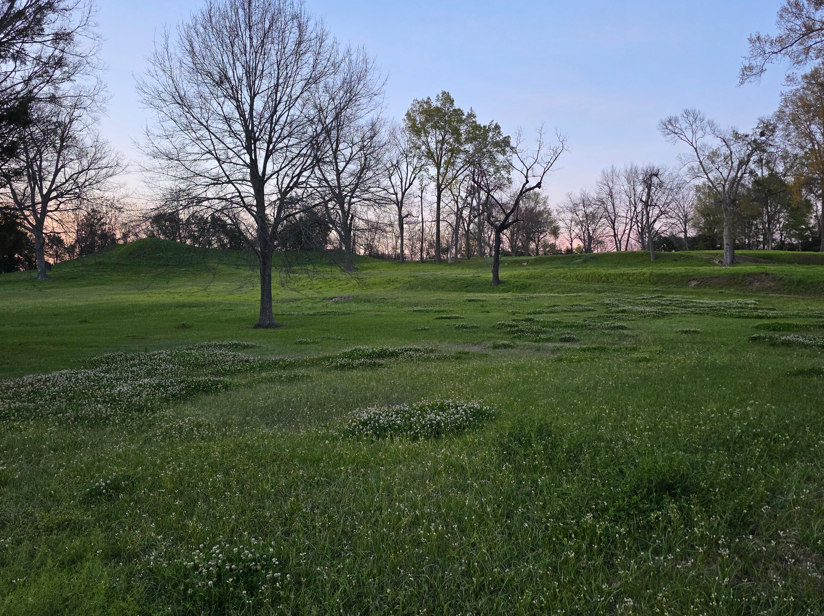
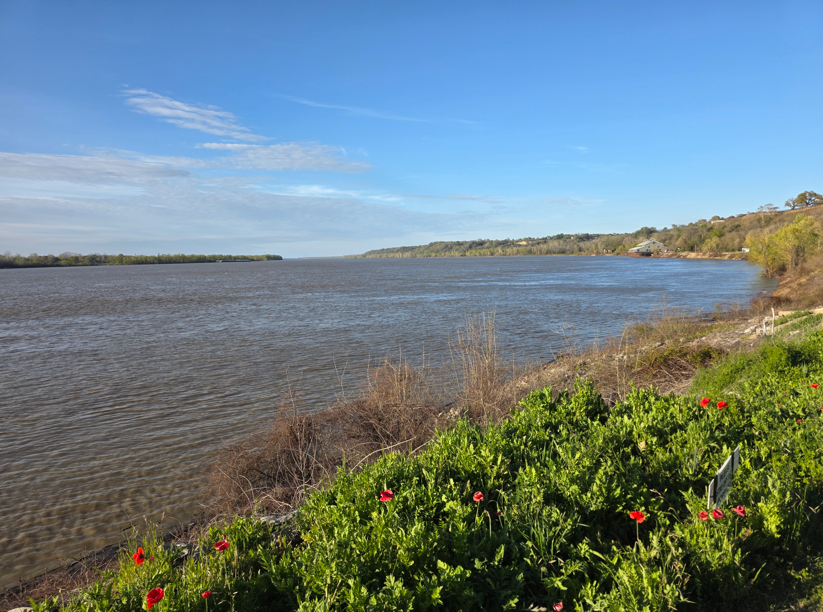
Rosalie, 1823Dunleith 1856Choctaw Hall 1836Stanton Hall 1857Site of Fort Rosalie, built by the French after a 1716 conflict with the Natchez tribe. Tensions and conflicts between the French and the Natchez for decades. The French ceded the fort to the British following the French and Indian War. The Spanish took control in 1787 and laid out a permanent town around the fort.Mississippi RiverMississippi River bridges at sunset in Natchez
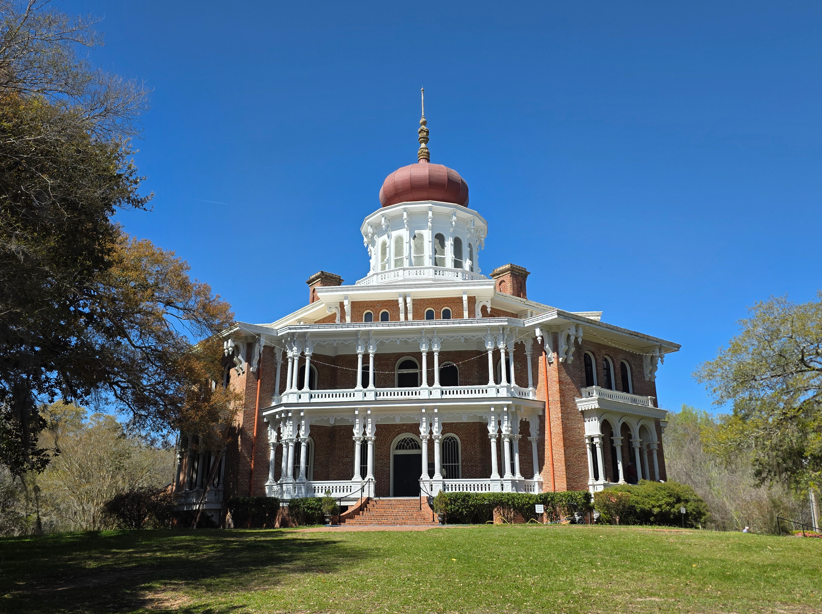
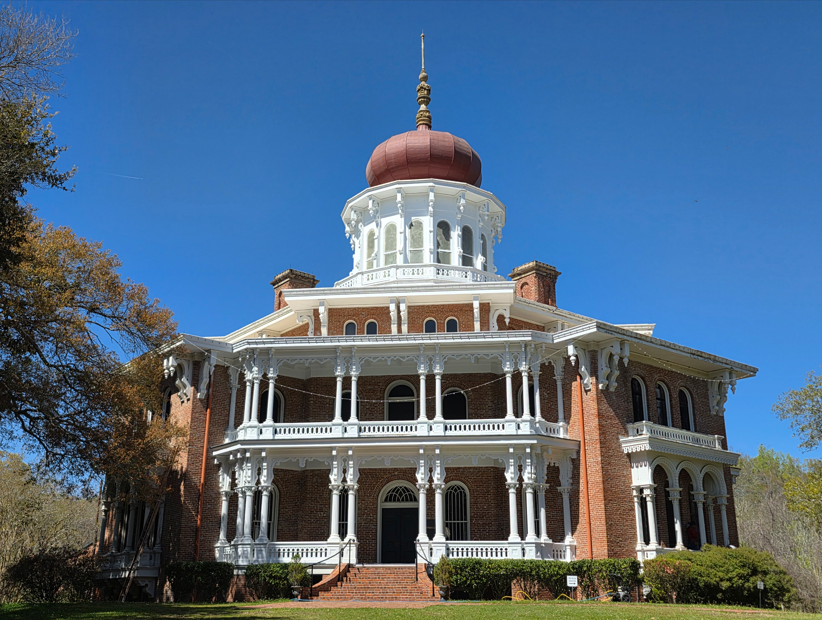
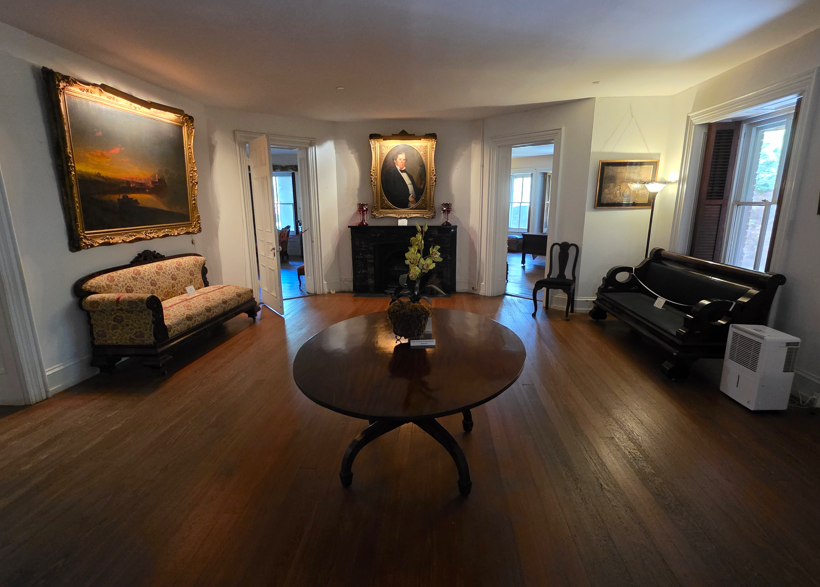
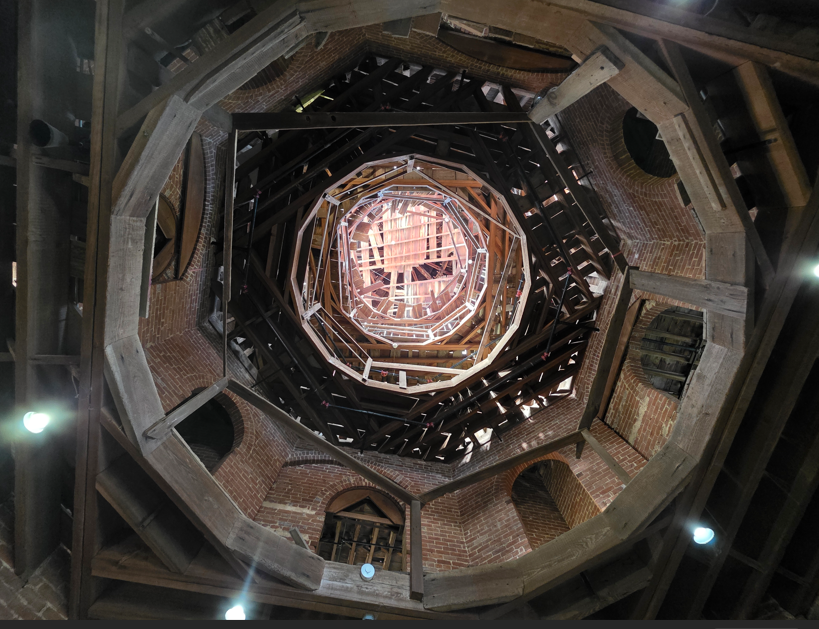
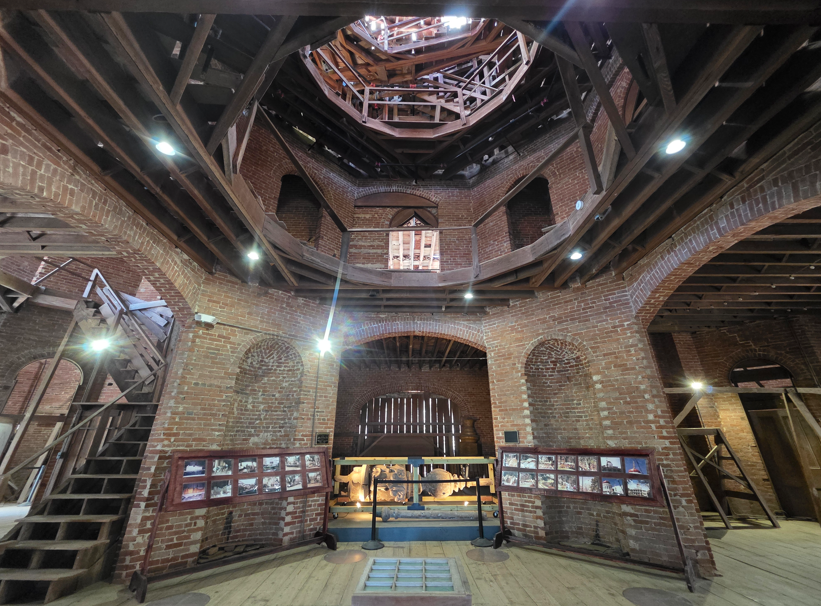
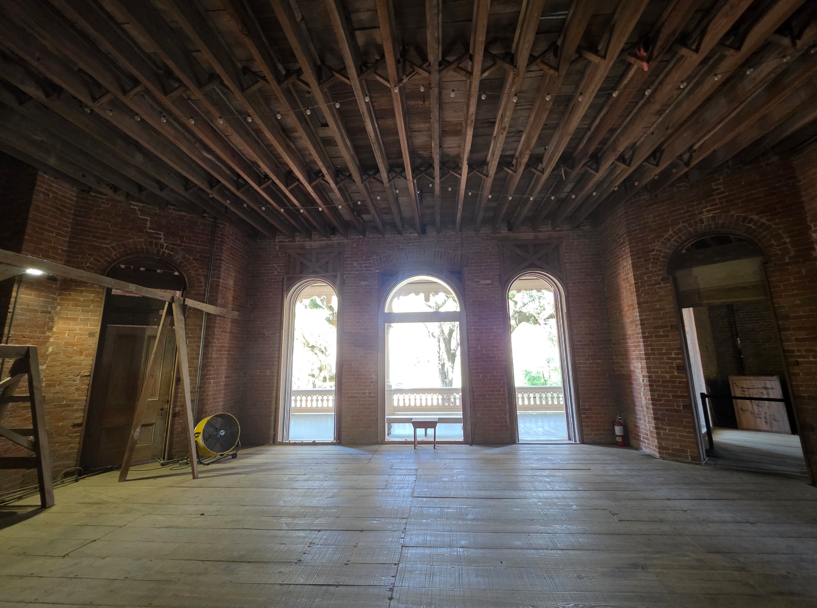
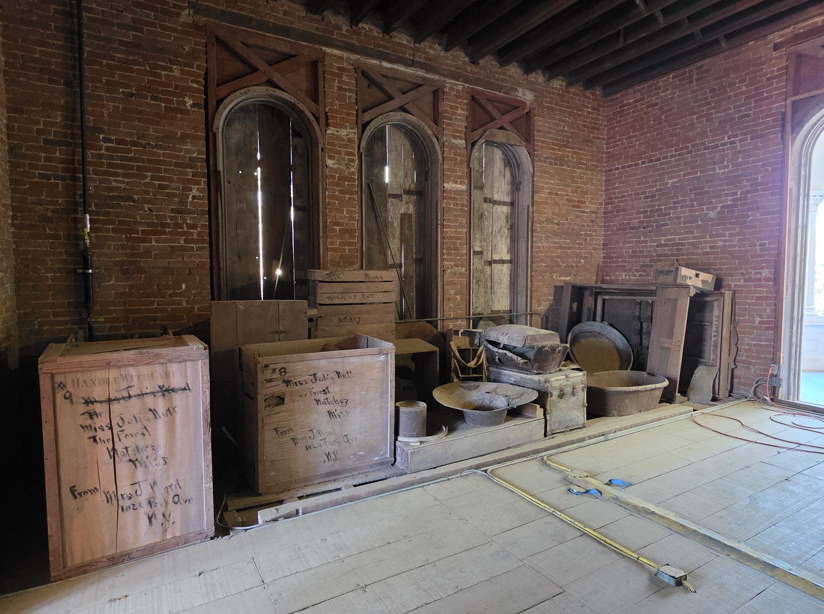
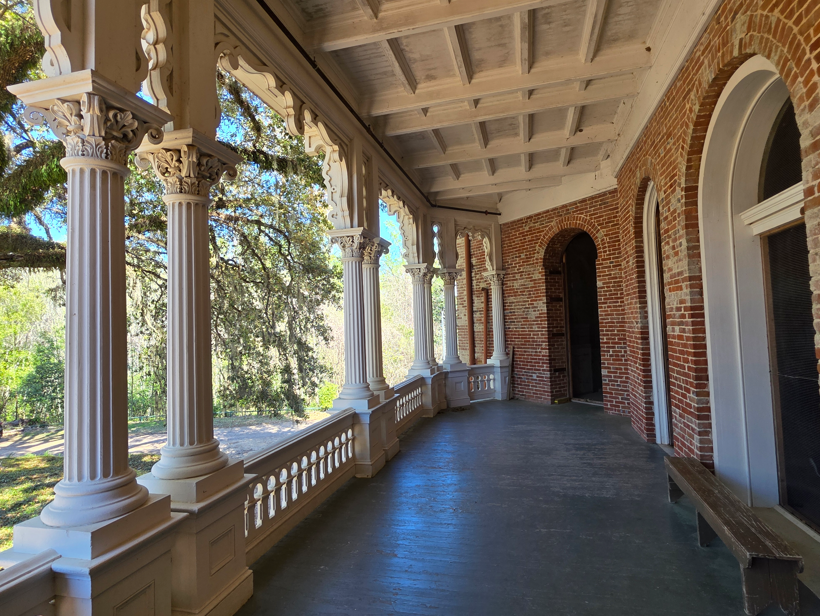
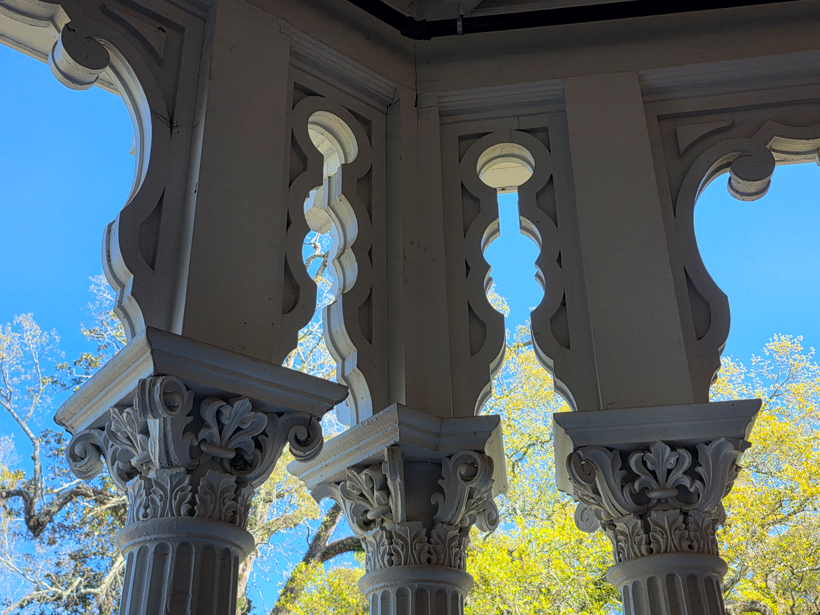
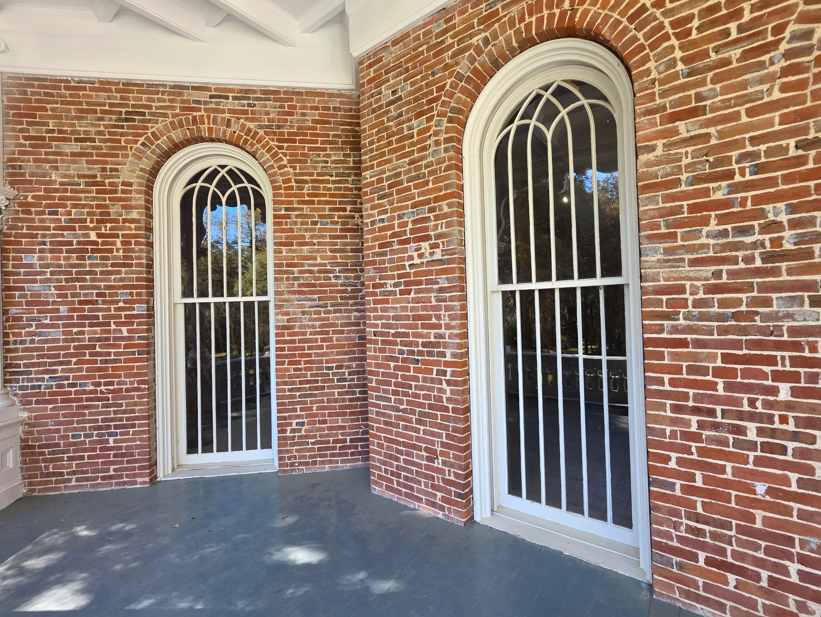
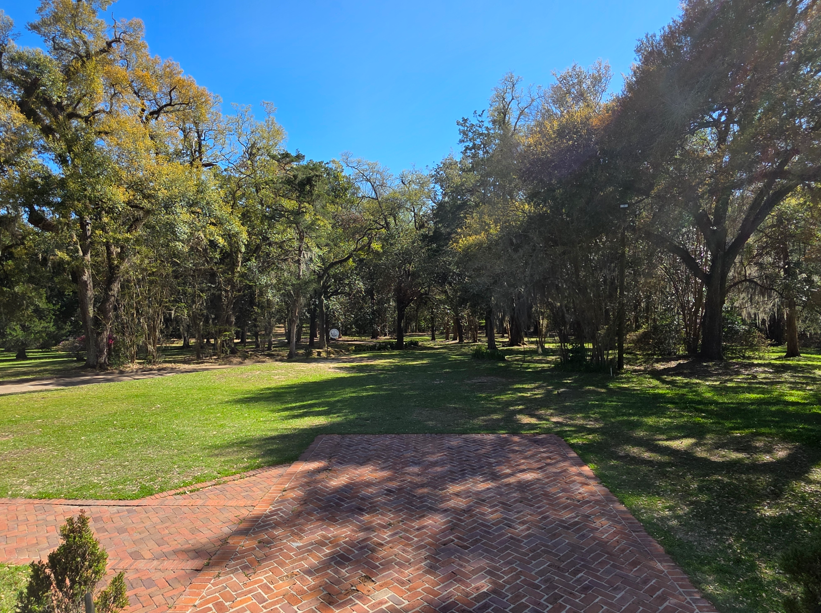
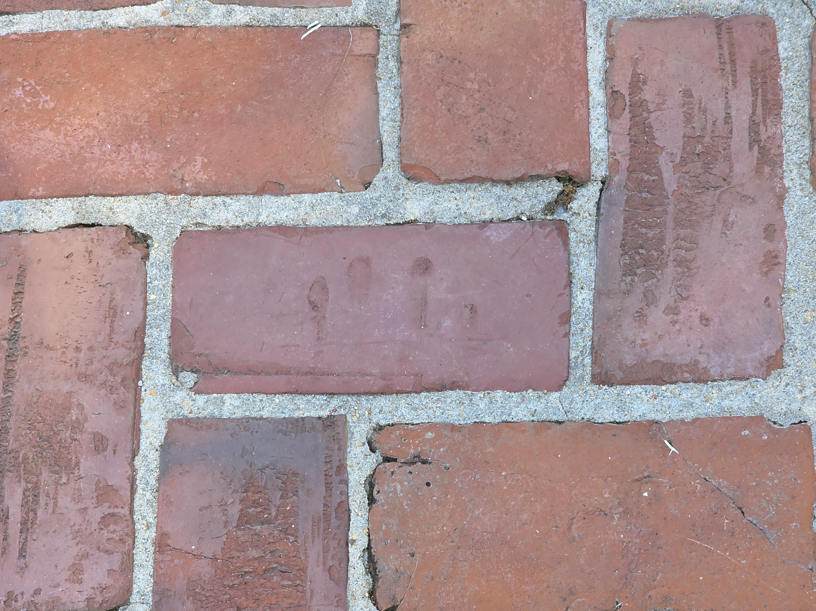
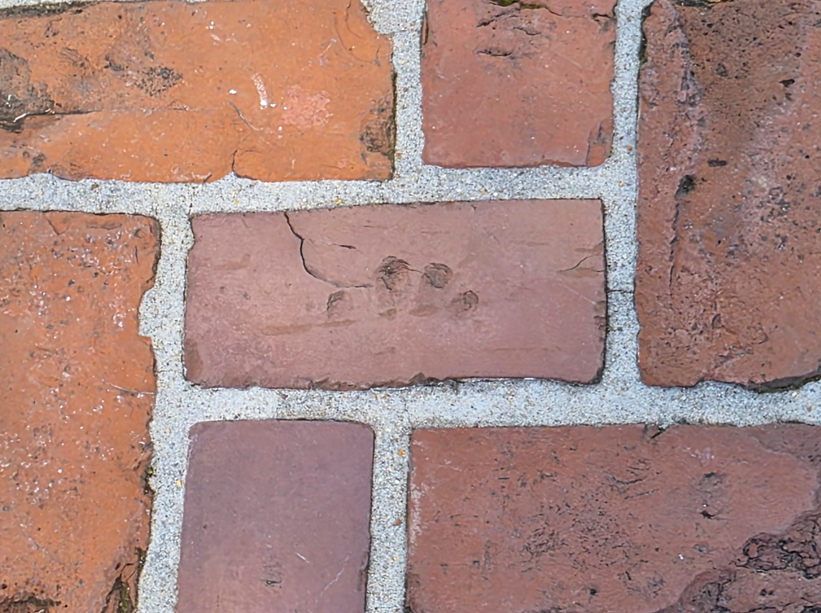
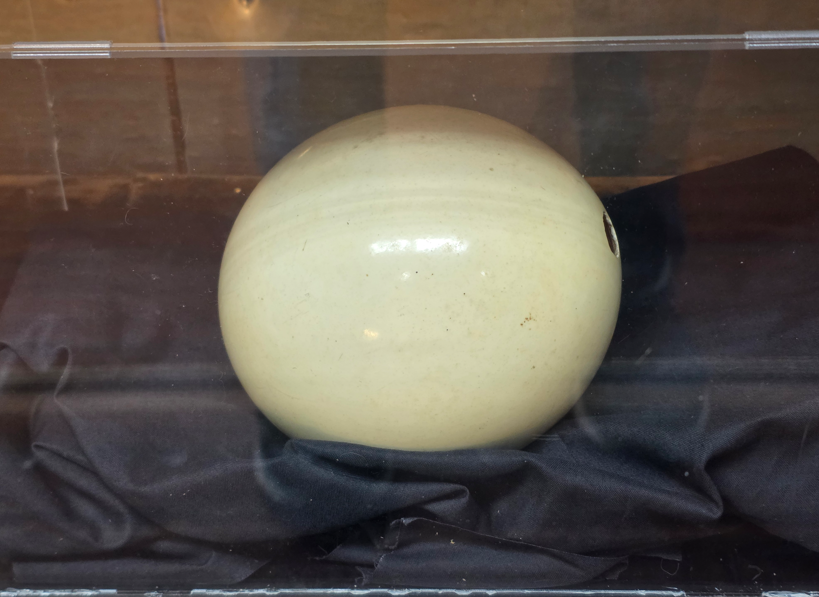
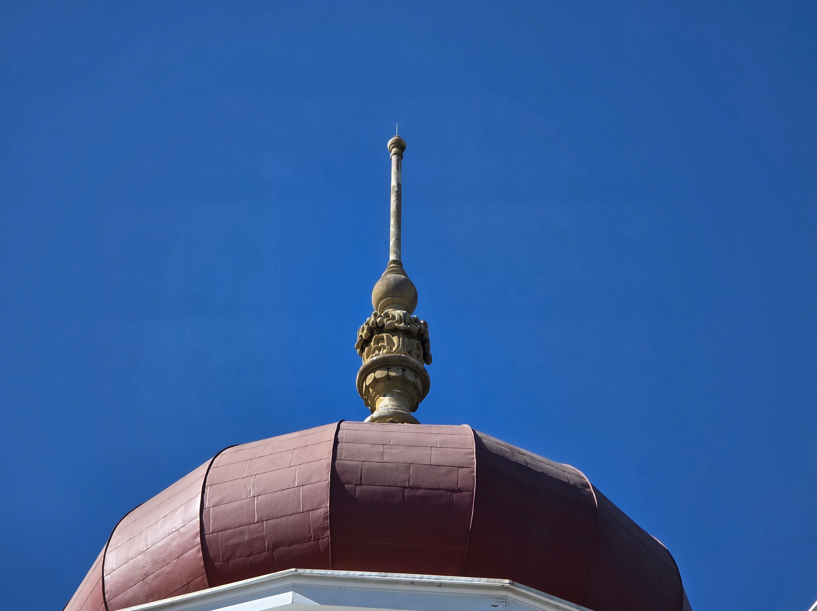
Built for the Nutt family, Longwood is the largest octagonal home in the US, a mid-nineteenth century villa in the Oriental style. Construction began in 1860 and was designed to have 32 rooms, each with its own entrance onto a balcony. Construction halted when the Civil War began, causing the workers to leave behind their tools, paintbrushes. The Nutt family moved into the basement as temporary, but Longwood was never completed.Many of the Nutt family furnishings are displayed in the completed basement level.On the first floor, this is the view looking up into the dome.This would have been spectacular if completed.At the start of the Civil War, the workers left all their tools as is.Beautiful architectural features.The view from the front door.The bricks in the sidewalk were hand made by slaves. Some of the bricks have fingerprints of a slave.The famed ostrich egg. In the mid 19th century, American planters were desperate to improve their cotton yields. The South’s prosperity depended on cotton, but native varieties were not as strong or silky as prized cotton from Egypt. Ritterhouse Nutt traveled to Africa to obtain the coveted Egyptian cottonseed. Because Egyptian authorities carefully searched travelers to prevent smuggling, Nutt devise a clever way to smuggle the seeds out of the country: he hollowed out an ostrich egg and filled it with cottonseeds. Customs agents never suspected anything, hidden in plain sight. Planted in Mississippi soil, the seeds thrived, and it was crossed with Mexican cottonseed, to create “Petit Gulf” cotton, a superior cotton that boosted the region’s wealth in the decades leading up to the Civil War.This was the kitchen, now a workshop.Slave quarters.